
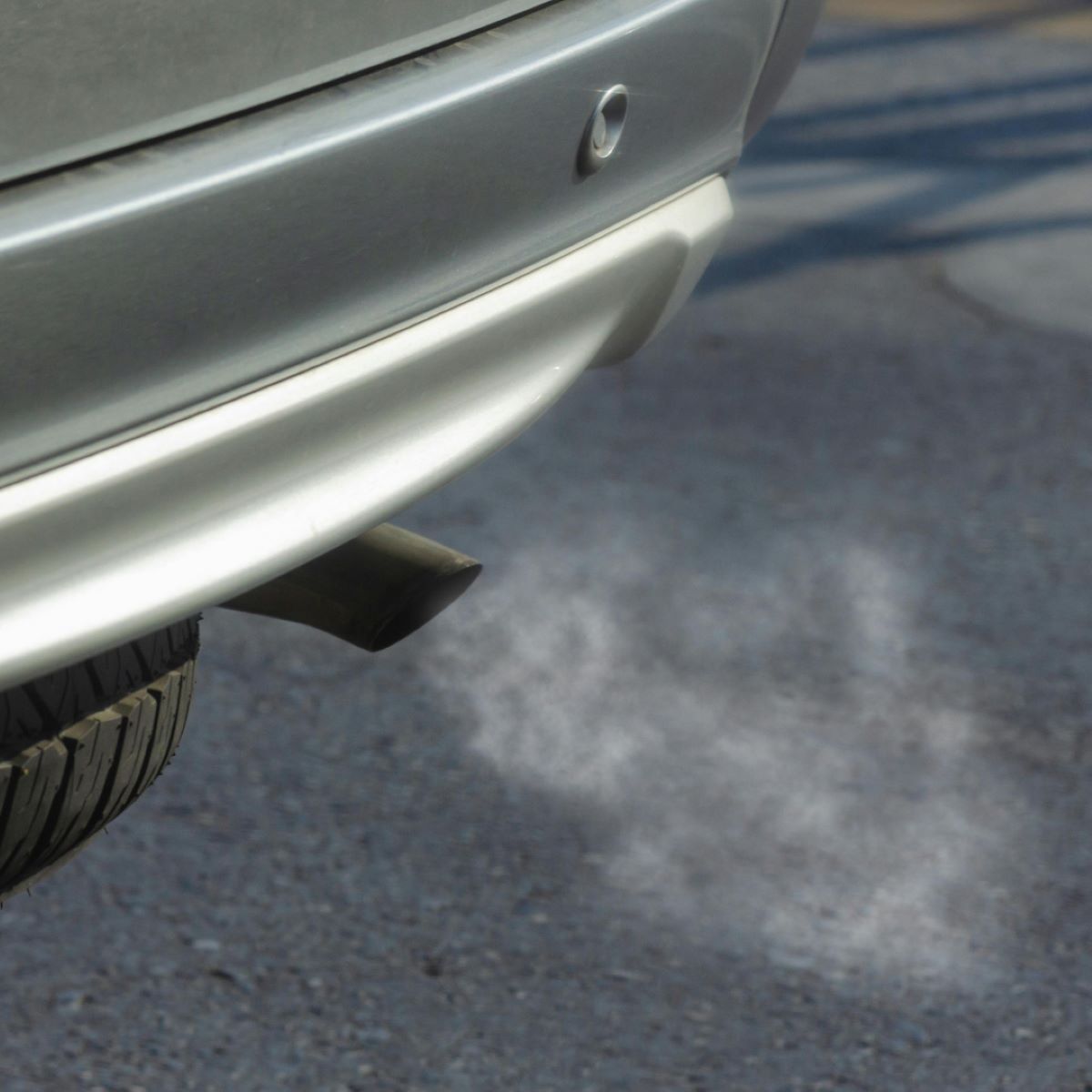
Earlier this week, Environmental Protection Agency Administrator Lee Zeldin indicated that the controversial automatic start-stop fuel-saving feature in vehicles could be eliminated.
However, alongside President Donald Trump, Zeldin has now announced a far broader and more consequential rollback of federal vehicle emissions regulations.
The administration has rescinded the 2009 Greenhouse Gas (GHG) Endangerment Finding established during the presidency of Barack Obama, along with subsequent federal GHG emissions standards that applied to model year 2012 and newer vehicles.
In combination with other regulatory reversals, officials describe this as the most extensive deregulatory action in U.S. history.
The rollback also eliminates off-cycle credits, which covered technologies such as start-stop systems.
Administration officials argue that the Endangerment Finding served as the legal basis for trillions of dollars in regulatory costs, ultimately raising vehicle prices for American families and small businesses.
The White House claims the revised framework will generate savings exceeding $1.3 trillion.
“The Endangerment Finding has been the source of 16 years of consumer choice restrictions and trillions of dollars in hidden costs for Americans,” said Administrator Zeldin.
“Referred to by some as the ‘Holy Grail’ of the ‘climate change religion,’ the Endangerment Finding is now eliminated. The Trump EPA is strictly following the letter of the law, returning common sense to policy, delivering consumer choice to Americans and advancing the American Dream.
As EPA Administrator, I am proud to deliver the single largest deregulatory action in U.S. history on behalf of American taxpayers and consumers. As an added bonus, the off-cycle credit for the almost universally despised start-stop feature on vehicles has been removed.”
EPA analysis cited by the administration suggests that even the complete elimination of U.S. vehicle-related GHG emissions would not materially alter global climate indicators before 2100.
By lowering compliance obligations and nullifying the Endangerment Finding, the White House estimates an average cost reduction of approximately $2,400 per vehicle.
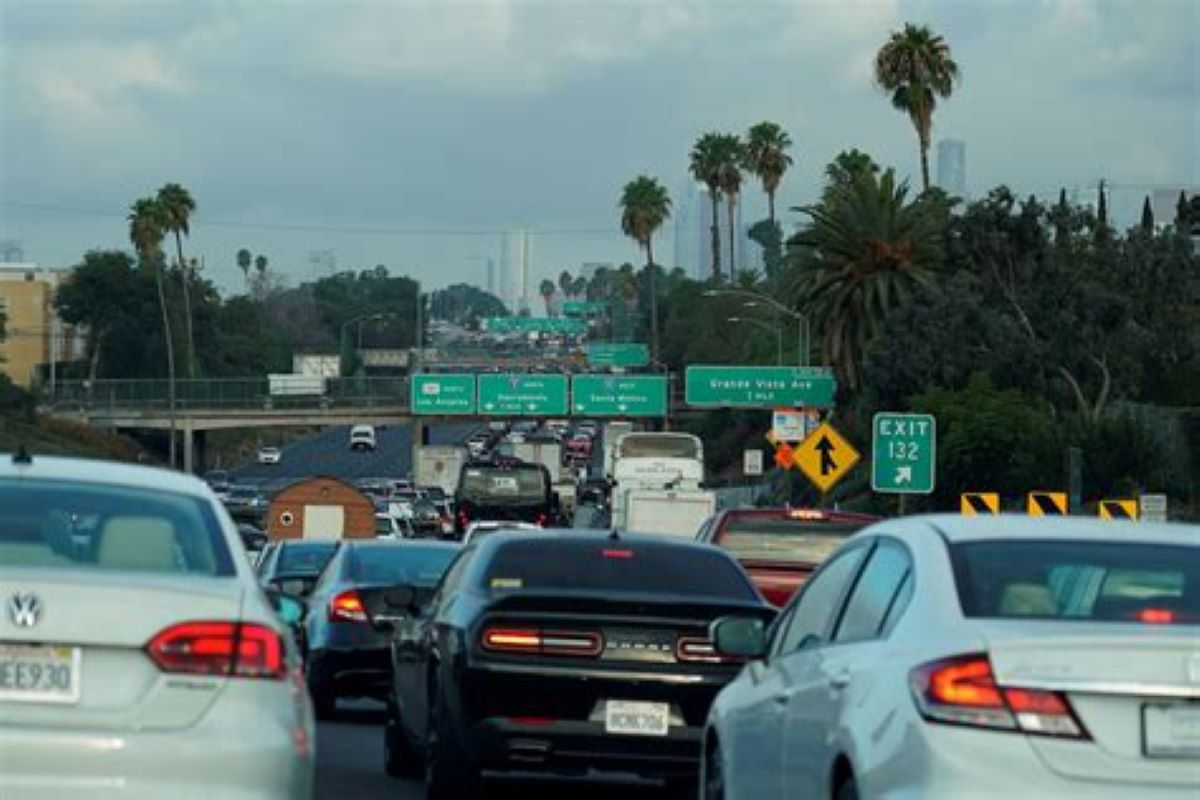
The administration’s position that the rollback will produce net benefits is strongly contested. Keith Wilson, mayor of Portland, emerged as one of the early critics.
“The fact of the matter is that we are already experiencing the impacts of the climate crisis,” said Wilson according to KGW8. “With this ideologically driven decision, the EPA is taking away some of the most important tools we have for regulating emissions, like car and truck emissions standards.”
In a joint statement, Wilson and Multnomah County Chair Jessica Vega Pederson referenced scientific evidence linking rising global temperatures to human activity.
They cited Oregon’s 2021 “heat dome,” which resulted in nearly 100 fatalities statewide, describing such an event as “virtually impossible” without anthropogenic climate change.
Former President Obama also responded on social media platform X, stating that without the Endangerment Finding, “we’ll be less safe, less healthy, and less able to fight climate change, all so the fossil fuel industry can make even more money.”
With these regulatory changes, automakers are no longer bound by prior greenhouse gas constraints and may shift focus back toward internal combustion vehicles without investing in advanced emissions-reduction technologies previously required.
Analysts suggest this could widen the gap between the United States and other markets accelerating toward electrification.
For enthusiasts of high-performance, gasoline-powered sports cars and SUVs, the rollback may appear favorable in the short term. However, long-term implications are more complex.
Environmental groups argue that emissions reductions achieved over the past decade could be reversed. They also dispute projected cost savings, contending that consumers may ultimately spend more on fuel as less efficient vehicles proliferate.
Peter Zalzal of the Environmental Defense Fund told the BBC that projected health consequences from the new policy framework could result in 58,000 additional premature deaths. Automaker responses have been measured.
Ford Motor Company told CNBC it welcomes efforts to address what it views as an imbalance between customer preferences and existing emissions standards. By contrast, manufacturers focused exclusively on electric vehicles are expected to evaluate the policy shift differently.
The policy reversal sets the stage for extended legal, political, and industry debate, with regulatory uncertainty likely to persist in the months ahead.
Also Read: 10 Least Reliable Cars With CVT Transmissions To Avoid
