
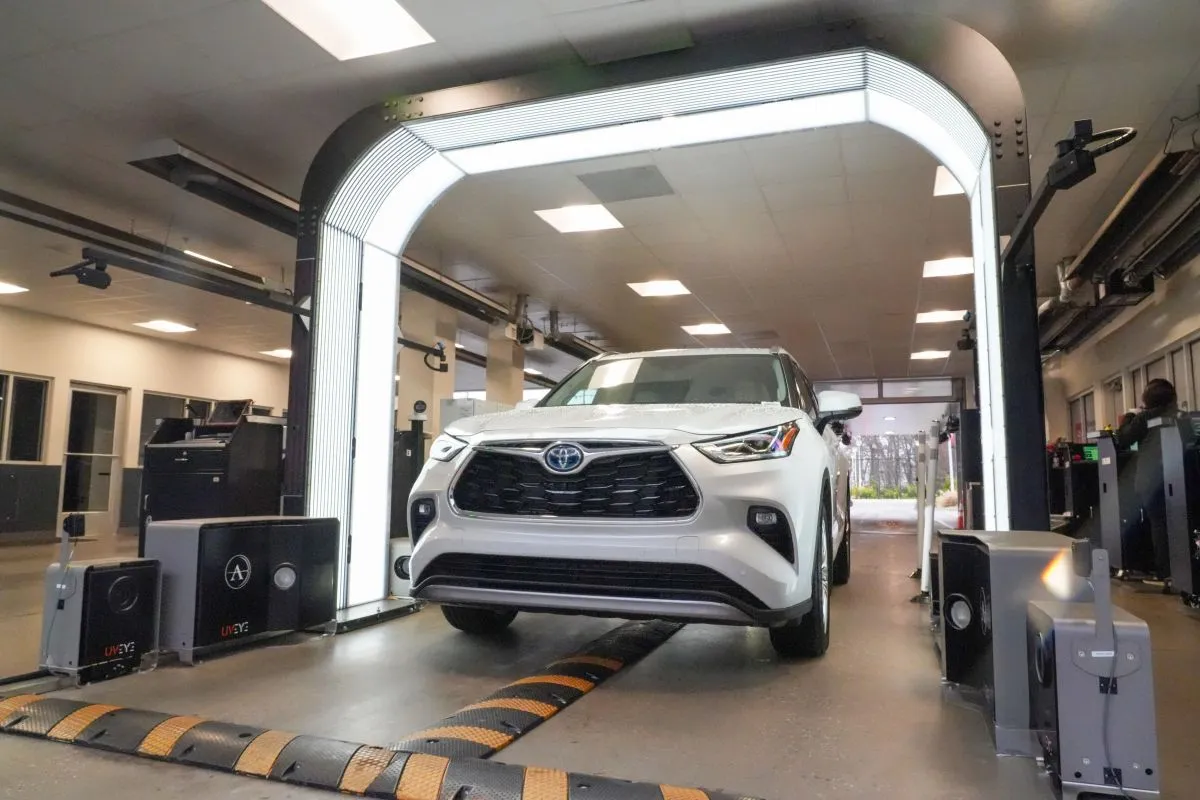
Car diagnostics used to be a quiet, mechanical affair that stayed hidden behind garage doors and technical manuals. A warning light appeared, a scan tool was plugged in, and a mechanic translated codes into repairs. That routine still exists, yet something subtle has been happening behind the scenes.
Artificial intelligence has been slipping into vehicles in ways that most drivers never notice, reshaping how problems are detected, explained, and even predicted long before a breakdown interrupts a trip.
Modern vehicles now generate huge amounts of data every time they start, stop, brake, or idle at a traffic light. Sensors track temperatures, pressures, vibrations, electrical signals, and driving behavior.
AI systems study that information quietly, learning patterns that once took years of human experience to recognize. Instead of waiting for parts to fail, cars are beginning to recognize early warning signs and communicate them in clearer, more helpful ways.
This change does not arrive with flashy announcements or dramatic dashboard graphics. It happens through smoother service visits, fewer surprise repairs, and more accurate explanations of what a vehicle actually needs. Drivers benefit without needing technical knowledge, while technicians gain tools that support faster and more precise decisions.
What follows looks closely at twelve practical ways AI is reshaping car diagnostics right now. Each example connects the technology to a real vehicle, showing how these systems work in everyday driving. No hype, no science fiction promises, just real progress happening quietly under the hood.
1. Predictive Engine Health Monitoring in the 2024 Toyota Camry Hybrid
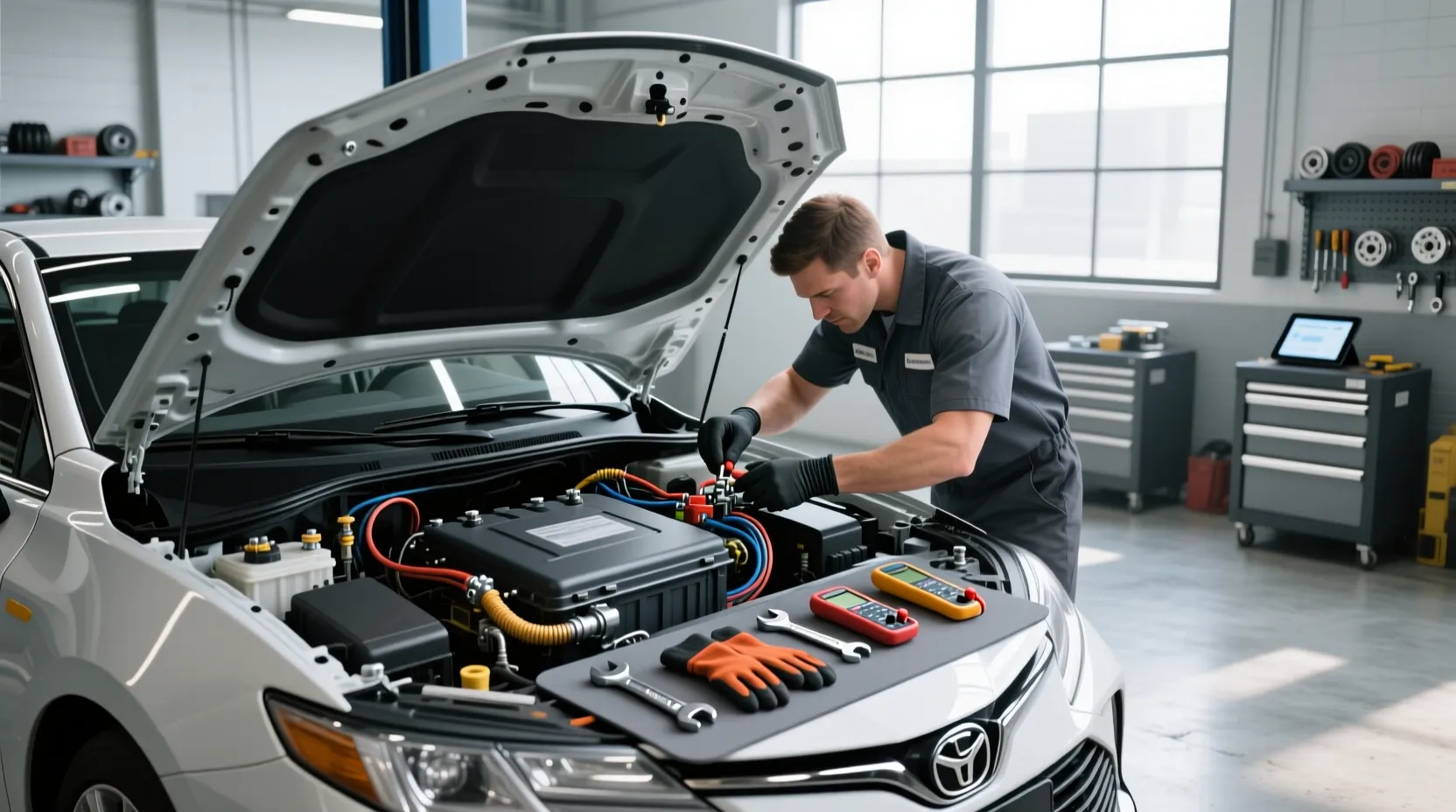
Artificial intelligence has become a silent observer inside the 2024 Toyota Camry Hybrid, watching engine behavior with a level of patience no human could maintain. Rather than waiting for a component to fail, the system studies thousands of small signals during regular driving.
Temperature changes, fuel efficiency patterns, ignition timing variations, and battery interaction all feed into a learning model that understands what healthy operation looks like for this specific car. When something begins to drift away from that baseline, the system does not rely on a single sensor reading.
It compares present data with months of past operation, then weighs those findings against similar Camry Hybrid vehicles driving in different conditions. That comparison allows the software to flag early wear on components like fuel injectors or cooling systems before performance drops enough to trigger a warning light.
Drivers notice this intelligence through more accurate service alerts. Instead of a vague message suggesting an inspection, the car can indicate that efficiency has dipped due to a developing issue. Service technicians receive clearer diagnostic reports, reducing guesswork and unnecessary part replacements. This approach saves time, lowers repair costs, and limits unexpected downtime.
What makes this system especially effective is its ability to learn continuously. Each service visit updates the model, refining its understanding of how repairs affect performance. Over months of ownership, the car becomes better at understanding itself. That quiet learning process reflects how AI now supports reliability without demanding attention from the driver.
2. Transmission Pattern Analysis in the 2023 Honda Accord Touring
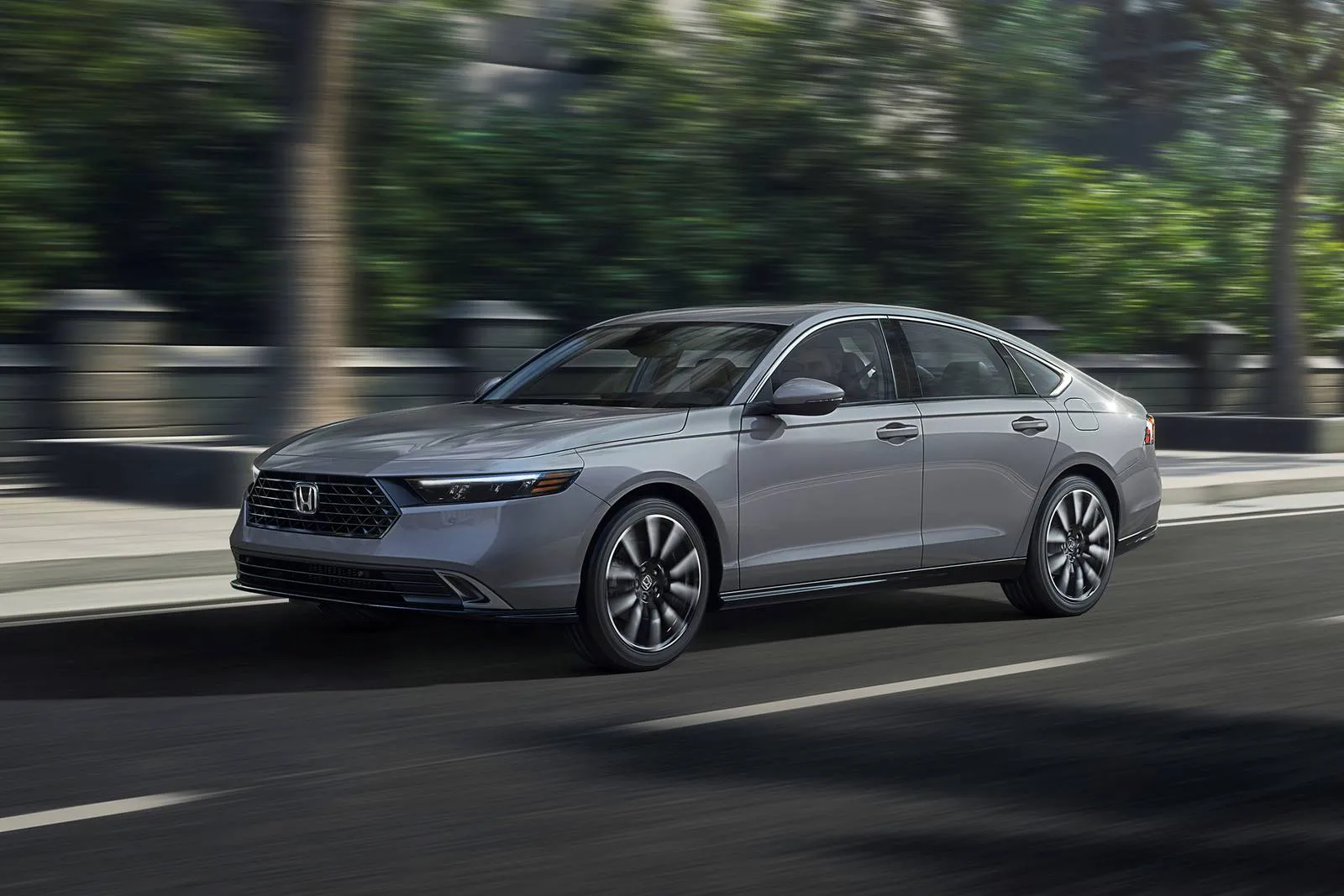
Smooth gear changes have always been a point of pride for the 2023 Honda Accord Touring, yet AI has added a new layer of awareness to that experience. Transmission behavior varies subtly based on driving style, road grade, temperature, and traffic flow. AI systems inside the Accord track those variables constantly, creating a profile of how the transmission should respond under normal conditions.
Instead of waiting for harsh shifting or warning lights, the system looks for small timing inconsistencies between gear changes. It notices when hydraulic pressure builds more slowly than expected or when gear engagement takes a fraction longer than usual. Those details might seem insignificant during a single drive, yet repeated patterns tell a deeper story about wear inside the transmission.
When enough evidence builds, diagnostic software prepares a detailed report that technicians can review during service appointments. Rather than replacing entire assemblies based on general symptoms, repairs can focus on specific components showing early fatigue. That targeted approach reduces labor hours and keeps costs predictable for owners.
Drivers benefit from fewer surprises and longer component life. The technology works quietly, adjusting expectations based on real use rather than generic schedules. Through this steady observation, AI transforms transmission diagnostics into a proactive process that protects comfort and reliability without adding distraction.
Also Read: Top 10 Luxury Bargains That Are Risky Without a Warranty
3. Battery Health Forecasting in the 2024 Tesla Model 3 Long Range
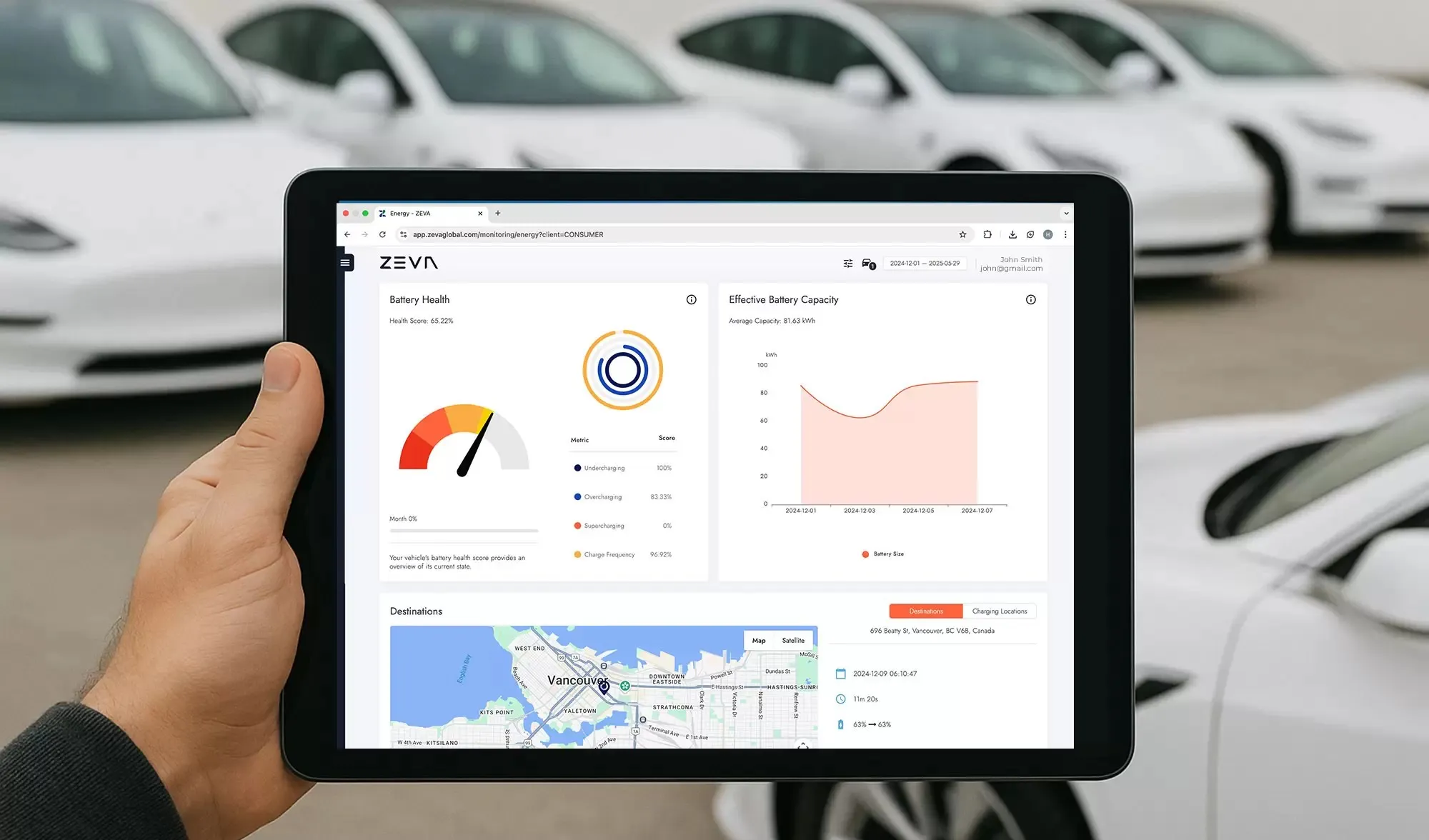
Battery performance remains central to the daily usability of electric vehicles, and the 2024 Tesla Model 3 Long Range applies artificial intelligence to safeguard this critical asset with careful precision. Battery cells do not age uniformly. Charging frequency, charging speed, ambient temperature, driving patterns, and parking duration all influence how each cell within the pack develops.
Artificial intelligence observes these variables continuously, creating a detailed profile of battery behavior that develops with use. This approach allows the vehicle to understand its battery beyond surface-level measurements. Capacity alone does not provide a full picture of battery condition. The system studies charging curves, internal resistance variation, voltage balance, and temperature distribution across the entire pack.
Minor deviations within these parameters often indicate early stages of cell imbalance or accelerated wear. Artificial intelligence identifies such deviations promptly, enabling adjustments to charging strategies and thermal regulation before deterioration spreads. This proactive response reduces stress on vulnerable cells and supports uniform aging across the pack.
Vehicle owners benefit from this predictive method through stable and dependable range estimates. Instead of experiencing sudden and confusing reductions in driving distance, changes occur gradually and transparently. Clear guidance appears when attention becomes necessary, allowing planning rather than disruption.
Service teams also gain advantages, as diagnostic data highlights specific modules requiring inspection or replacement, reducing time spent on extensive testing procedures. Software updates play an important role within this framework. Artificial intelligence incorporates information gathered from large numbers of similar vehicles, refining forecasting accuracy with each update cycle.
Lessons learned across the fleet strengthen individual vehicle performance, ensuring that battery management strategies remain aligned with real-world usage. These updates do not alter the driving experience abruptly. Rather, they quietly improve predictive accuracy and long-term reliability.
This form of battery diagnostics functions without unnecessary alerts or visible interference. Artificial intelligence works continuously in the background, supporting longevity while preserving driver confidence. Through disciplined monitoring and adaptive learning, battery health forecasting becomes an evolving process that advances alongside the vehicle itself.
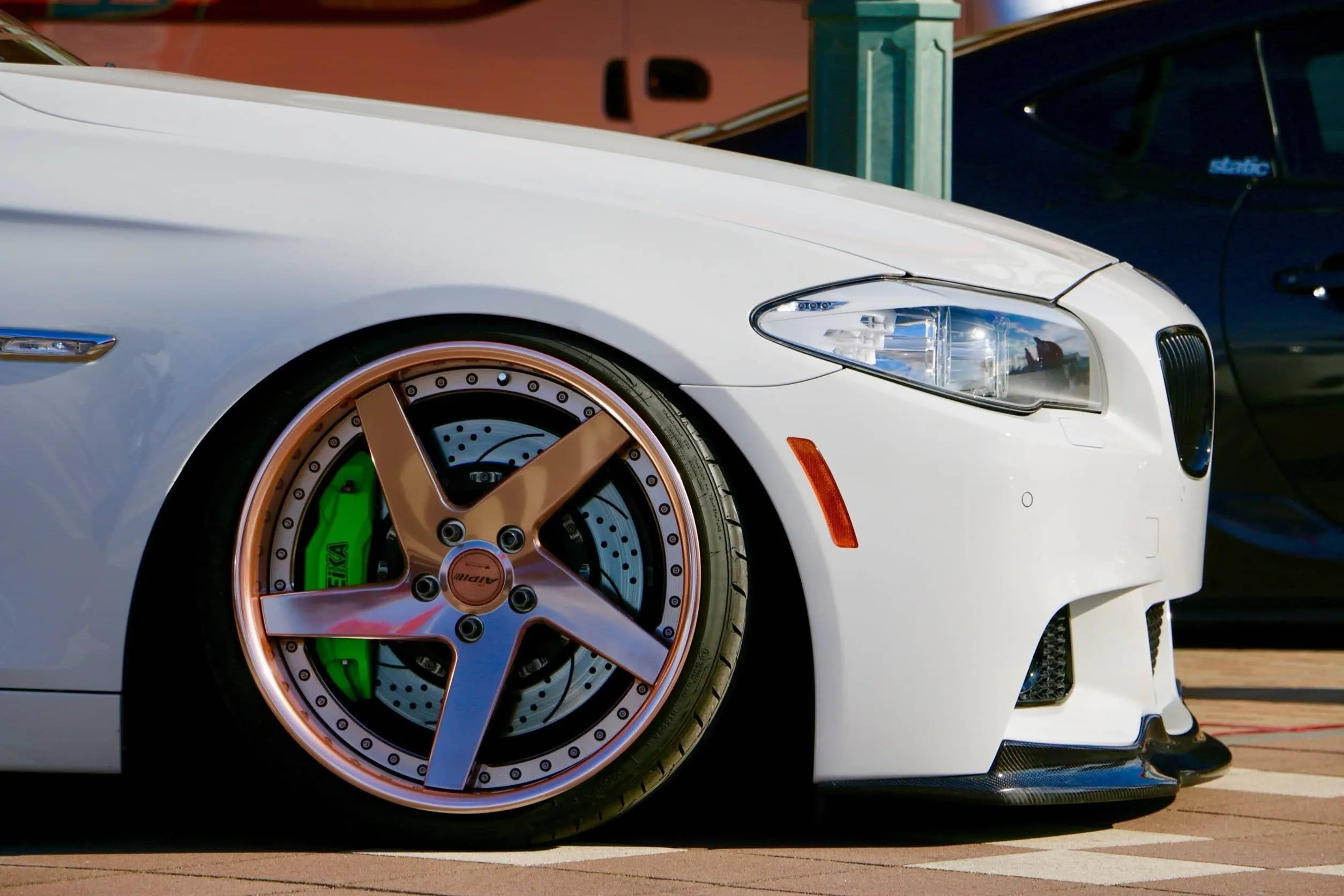
4. Brake System Wear Detection in the 2023 BMW 5 Series
Braking components operate under constant physical demand, and the 2023 BMW 5 Series employs artificial intelligence to monitor this strain with refined accuracy. Traditional systems rely on mileage estimates or basic wear sensors. Artificial intelligence expands this scope by connecting sensor data with braking intensity, traffic exposure, road conditions, and environmental influences.
This integrated assessment produces a realistic picture of how braking components deteriorate during actual use. Pad thickness and rotor condition remain important indicators, yet they represent only part of the equation. Artificial intelligence evaluates braking frequency, applied force, heat generation, and cooling patterns.
Urban driving, marked by repeated stops, places different demands on braking systems than extended highway travel. By recognizing these distinctions, the system tailors service projections to individual driving behavior rather than generic schedules.
Service recommendations emerge with supporting explanations. Diagnostic reports identify which wheels experience heavier loads and how braking balance influences wear distribution. Technicians receive guidance that directs attention to affected areas, reducing inspection time and avoiding unnecessary part replacement. This precision preserves braking performance and supports consistent pedal response.
Vehicle owners experience fewer unexpected service visits. Artificial intelligence reduces guesswork, ensuring maintenance occurs when justified by usage patterns rather than fixed intervals. This approach protects safety without introducing inconvenience. Braking feel remains predictable, and component longevity improves through timely intervention.
This technology operates quietly, respecting the driving experience while supporting reliability. Artificial intelligence transforms brake diagnostics into a responsive system that adapts to individual habits. Safety remains protected through insight rather than intrusion, reinforcing confidence throughout ownership.
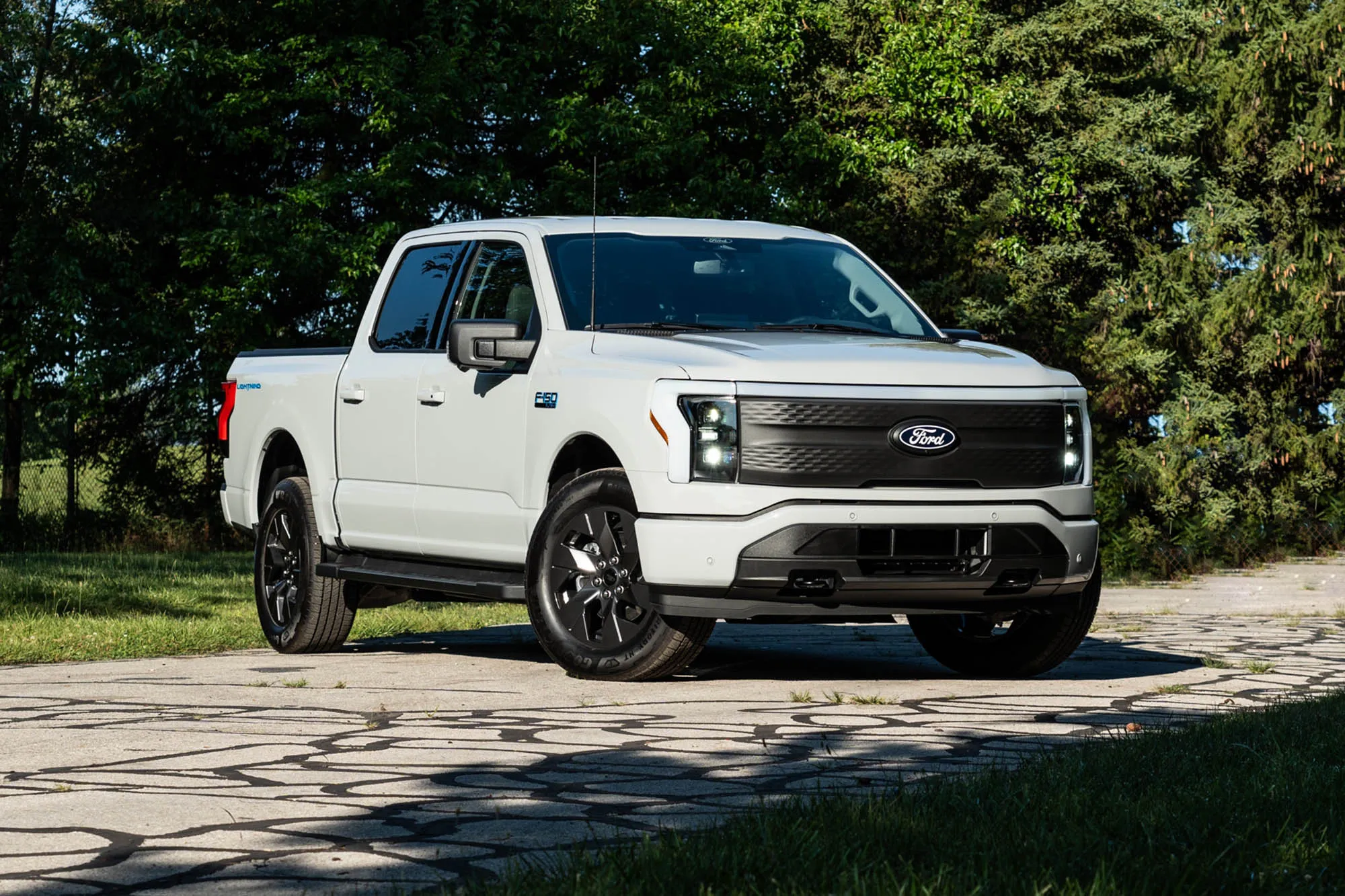
5. Cooling System Anomaly Detection in the 2024 Ford F-150 Lariat
Cooling systems shoulder demanding responsibilities, particularly within vehicles designed for heavy-duty use. The 2024 Ford F-150 Lariat applies artificial intelligence to monitor cooling performance with vigilance and accuracy. Temperature sensors positioned throughout the engine bay provide continuous data.
Artificial intelligence interprets how these readings interact during towing, idling, highway cruising, and load variation. Minor temperature fluctuations often escape notice during normal driving. Artificial intelligence detects recurring patterns that suggest restricted airflow, coolant degradation, thermostat irregularities, or pump inefficiency.
Analysis includes how quickly the engine reaches optimal operating temperature and how efficiently heat dissipates after periods of stress. Deviations from established patterns signal emerging concerns long before overheating becomes visible. Drivers receive timely notifications that explain when attention becomes advisable.
Alerts appear with clarity, avoiding panic or vague warnings. Service professionals gain access to detailed histories that isolate potential causes, enabling efficient diagnosis and accurate repair. This preparation reduces downtime and prevents escalation into costly mechanical failure.
Cooling efficiency remains essential for performance and durability, especially during demanding tasks. Artificial intelligence supports this requirement by translating routine sensor data into actionable insight. Owners benefit from consistent operation without additional complications or constant monitoring.
Through steady observation and adaptive interpretation, cooling diagnostics develop into a reliable safeguard. Artificial intelligence protects engine health quietly, reinforcing the dependability expected from a vehicle built for serious work.
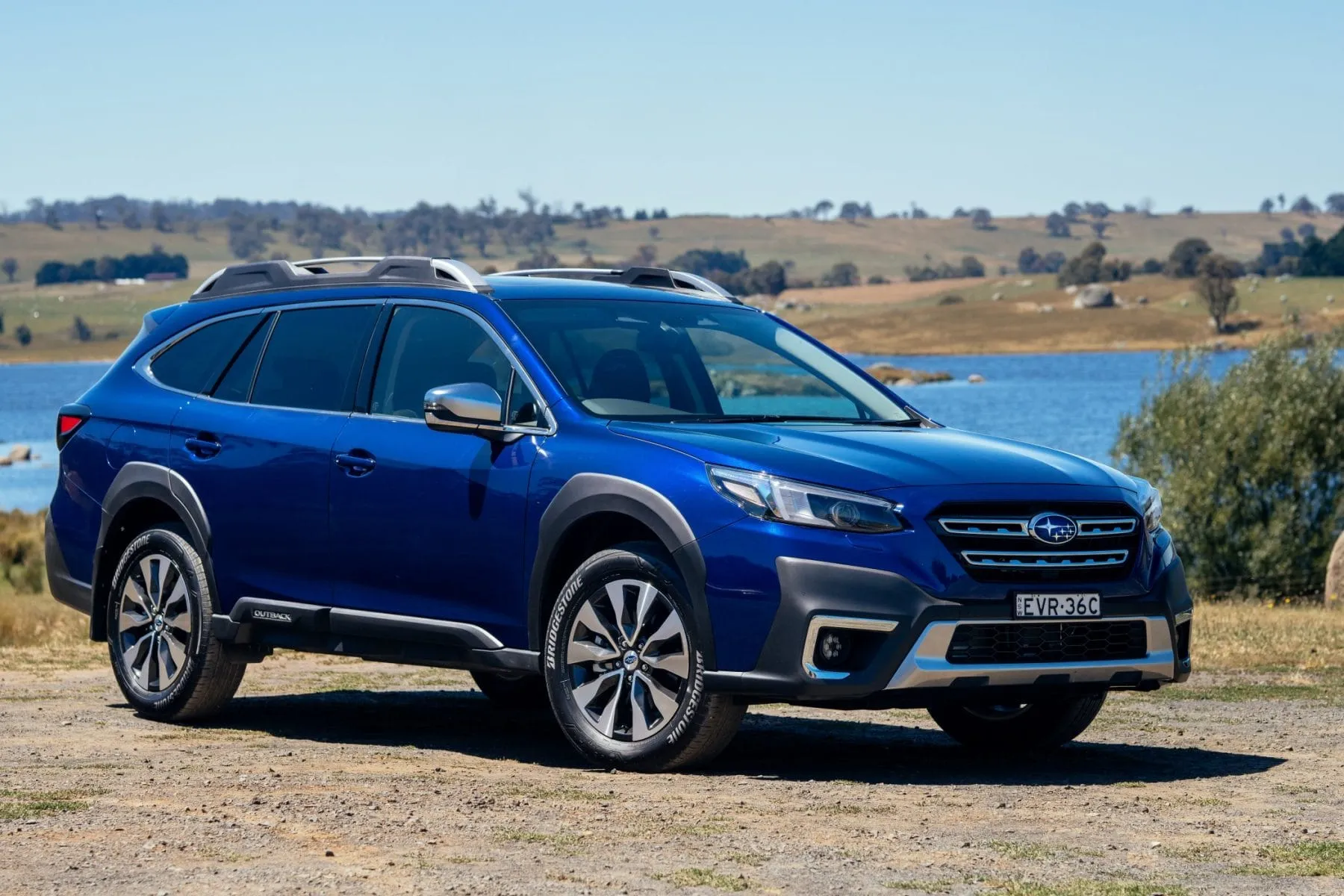
6. Suspension Condition Tracking in the 2023 Subaru Outback Touring
Suspension systems reflect the cumulative impact of road conditions, and the 2023 Subaru Outback Touring relies on artificial intelligence to interpret these effects with care. Sensors measure wheel articulation, body movement, damping response, and chassis stability during every drive. Artificial intelligence studies how these elements interact, establishing reference patterns for ride quality and handling behavior.
Gradual suspension wear often escapes immediate detection. Slight changes in rebound timing, uneven wheel response, or altered body control develop slowly. Artificial intelligence identifies these trends by comparing current behavior with historical performance data. Early recognition allows attention before discomfort or instability becomes noticeable.
Service guidance arrives with an explanation. Diagnostic reports describe how driving conditions influence suspension wear and which components exhibit deviation. Technicians receive focused information that reduces inspection time and improves repair accuracy. Owners benefit from predictable maintenance planning rather than reactive servicing.
Ride comfort remains consistent through this approach. Artificial intelligence respects the balance between control and refinement, ensuring that suspension performance remains aligned with design intent. Drivers continue to experience stability and composure across varying road surfaces.
This steady monitoring supports long-term vehicle integrity. Artificial intelligence enables suspension diagnostics that operate quietly, helping vehicles retain comfort and confidence throughout extended ownership.
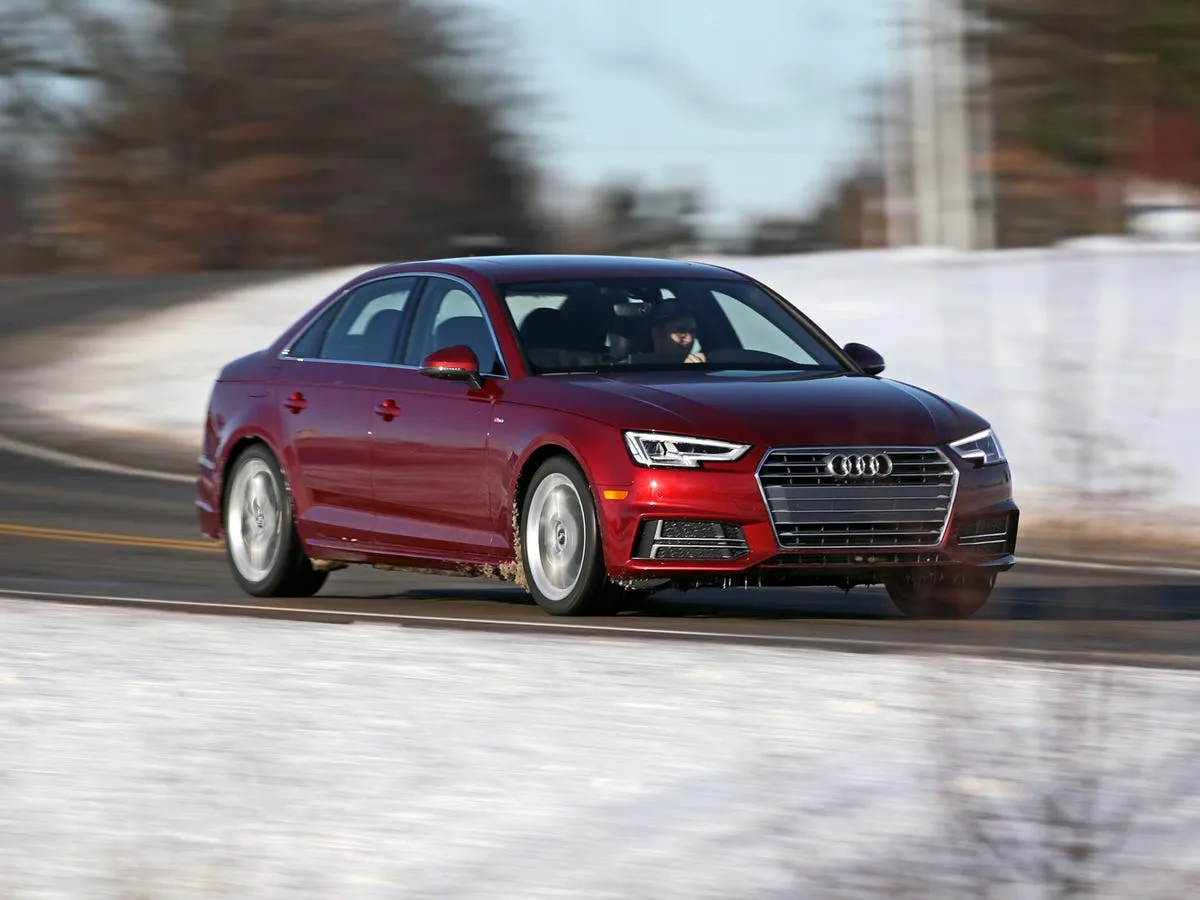
7. Tire Wear Intelligence in the 2024 Audi A4 Premium
Quiet progress in diagnostics becomes clear when examining how the 2024 Audi A4 Premium manages tire health through artificial intelligence. Traditional systems relied mainly on pressure sensors, alerting drivers only when air levels dropped below safe limits.
AI expands that role by studying rolling resistance, wheel speed variations, steering input, and road feedback during daily driving. Each journey adds context, allowing the car to understand how tires behave under real conditions rather than laboratory assumptions.
Uneven wear patterns often begin subtly, long before vibration or noise becomes obvious. AI notices these early signs by comparing rotational differences between wheels during straight driving and gentle turns. Slight deviations suggest alignment drift, suspension imbalance, or uneven tire wear. Instead of issuing generic alerts, the system builds a gradual assessment that points toward probable causes.
Service visits become more efficient as a result. Technicians receive data that shows how long the issue has developed and which wheel positions are most affected. That clarity reduces trial and error, helping owners avoid unnecessary replacements. Drivers gain longer tire life and improved ride quality without needing constant inspections.
Audi’s approach also adapts to driving style. Frequent highway travel produces different wear patterns than city use, and AI accounts for those differences when evaluating tire condition. Seasonal temperature changes factor into the analysis as well, preventing false warnings during cold mornings.
Through steady observation, AI transforms tire diagnostics into a supportive system that works quietly in the background. Safety improves, maintenance becomes predictable, and the driver remains free from technical distraction.
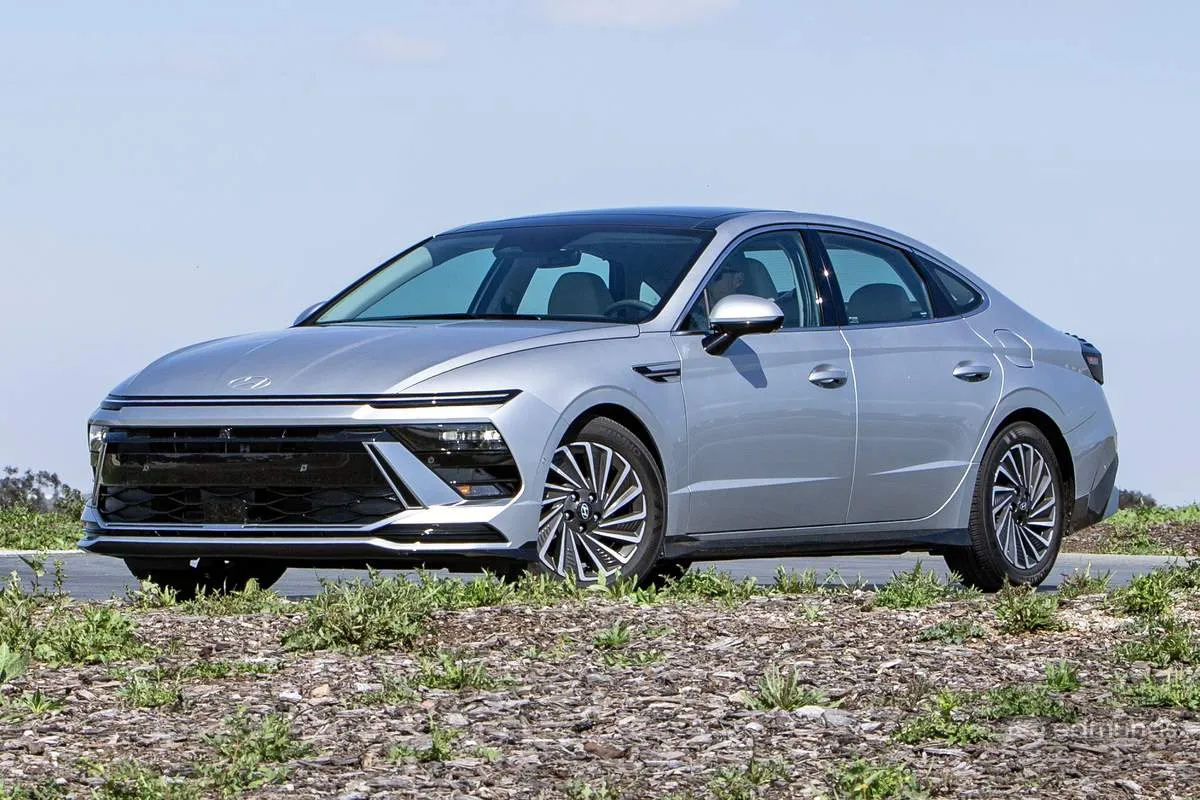
8. Fuel System Learning in the 2023 Hyundai Sonata SEL
Fuel delivery systems operate with tight tolerances, and the 2023 Hyundai Sonata SEL uses AI to keep that balance intact. Sensors already measure fuel pressure, injector timing, and combustion efficiency, yet AI connects those signals into a living profile of engine behavior. Each drive teaches the system how fuel quality, driving habits, and environmental conditions interact.
Minor injector inconsistencies can reduce efficiency without triggering warning lights. AI detects these changes by tracking combustion smoothness and throttle response across repeated trips. When patterns emerge, diagnostic software prepares recommendations that point toward cleaning or calibration rather than costly replacement.
Drivers benefit through steady fuel economy and smoother acceleration. Service appointments become more purposeful, with technicians focusing on precise adjustments. This approach limits unnecessary repairs while preserving engine health. Hyundai’s system also adjusts expectations based on fuel quality variations.
Changes in octane or ethanol content affect combustion differently, and AI accounts for those differences rather than flagging false concerns. That flexibility supports real-world driving, where fuel consistency cannot always be guaranteed. By learning continuously, the Sonata turns fuel diagnostics into a personalized process. Owners gain confidence that efficiency changes are understood rather than ignored, all without added complication behind the wheel.
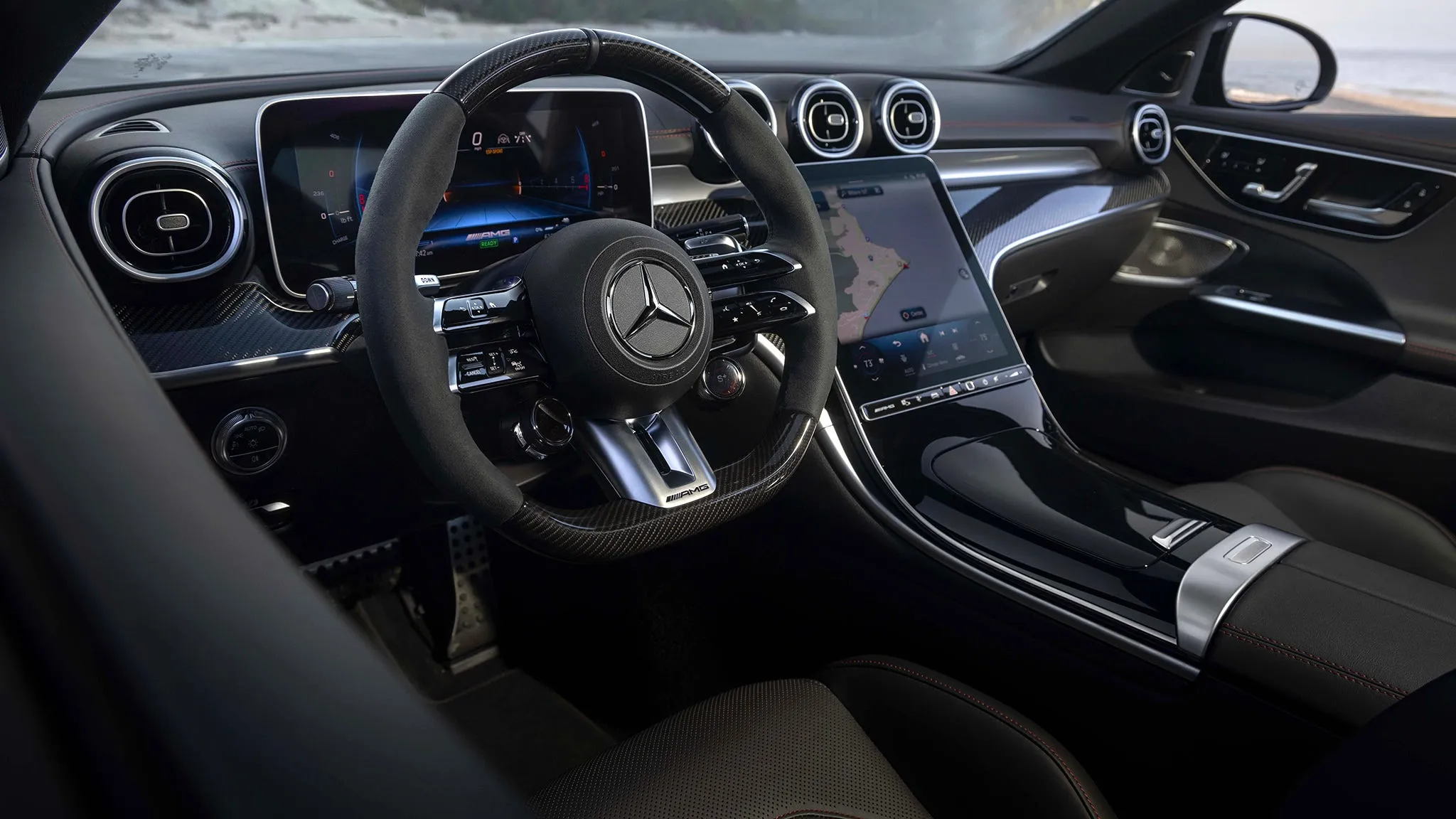
9. Steering System Insight in the 2024 Mercedes-Benz C-Class C300
Confidence behind the wheel often depends on how a vehicle responds to steering input, and the 2024 Mercedes-Benz C-Class C300 treats this relationship with careful attention through artificial intelligence. Modern electric power steering systems generate extensive streams of information related to steering angle, torque demand, assist levels, and response timing.
Artificial intelligence processes this data continuously, forming a detailed reference of how the steering system should perform under normal conditions. Each journey adds fresh input, allowing the system to recognize consistency as well as deviation with precision.
Early mechanical or electronic wear rarely announces itself loudly. Minor delays in steering response or subtle changes in assist strength can appear long before a warning light becomes active. Artificial intelligence identifies these early indicators by comparing present behavior with historical driving records stored within the vehicle.
When irregular patterns begin to emerge, the system does not wait for complete failure. Instead, it prepares detailed service guidance that points technicians toward specific sensors, motors, or control units requiring inspection. Drivers benefit directly from this approach. Steering feel remains predictable, balanced, and refined, even as components age.
The system’s ability to support early intervention reduces the likelihood of sudden steering concerns that could compromise comfort or safety. Workshops also gain an advantage, as diagnostic reports arrive with clarity and depth, reducing guesswork during repairs.
Driving conditions vary widely, and artificial intelligence accounts for this reality. Urban congestion, extended highway travel, and frequent parking maneuvers place different demands on the steering system. The C Class evaluates these variations carefully, ensuring that environmental factors do not trigger misleading assessments. This adaptability maintains diagnostic accuracy across daily use.
Through disciplined observation and analysis, steering diagnostics within this sedan remain discreet yet effective. Artificial intelligence strengthens driver confidence while respecting the engagement expected from a luxury saloon.
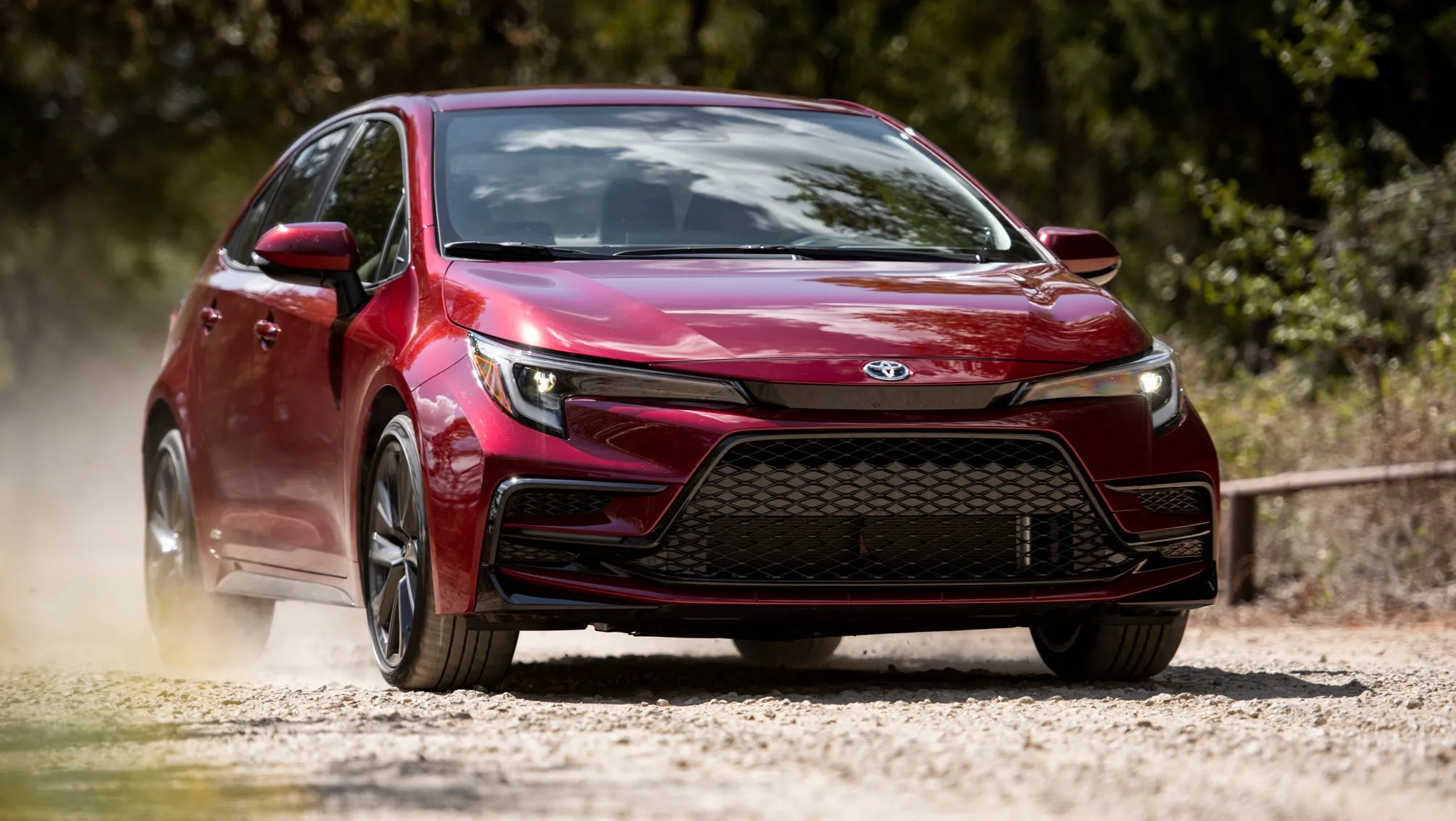
10. Exhaust Emissions Monitoring in the 2023 Toyota Corolla LE
Regulatory expectations surrounding vehicle emissions demand precision, and the 2023 Toyota Corolla LE approaches this responsibility with artificial intelligence-driven diagnostics. Modern exhaust systems rely on sensors that measure oxygen content, catalytic converter efficiency, and exhaust gas flow. Artificial intelligence interprets these readings collectively, identifying relationships that reveal true system health rather than isolated data points.
Catalytic components often lose efficiency gradually. Traditional diagnostics may miss this slow decline until inspection failure becomes unavoidable. Artificial intelligence addresses this gap by examining exhaust behavior during cold starts, steady cruising, and acceleration events.
Small variations that repeat as time goes on form patterns, allowing the system to recognize early deterioration. Instead of presenting a single fault code, the Corolla builds a developmental record that reflects how conditions have progressed.
This historical perspective supports effective servicing. Technicians gain access to timelines that explain when efficiency began to decline and how rapidly changes occurred. Drivers benefit by avoiding unexpected compliance issues and costly last-minute repairs. Operation remains smooth, fuel use stays balanced, and inspection readiness improves.
Driving habits and fuel quality influence emissions behavior. Artificial intelligence considers these variables carefully, adjusting expectations to suit real driving conditions. This prevents unnecessary alerts that could cause confusion or inconvenience. Toyota’s approach emphasizes clarity, ensuring information remains useful rather than overwhelming.
By learning continuously, emissions diagnostics within the Corolla become forward-looking rather than reactive. Artificial intelligence supports compliance and reliability while remaining unobtrusive during everyday driving.
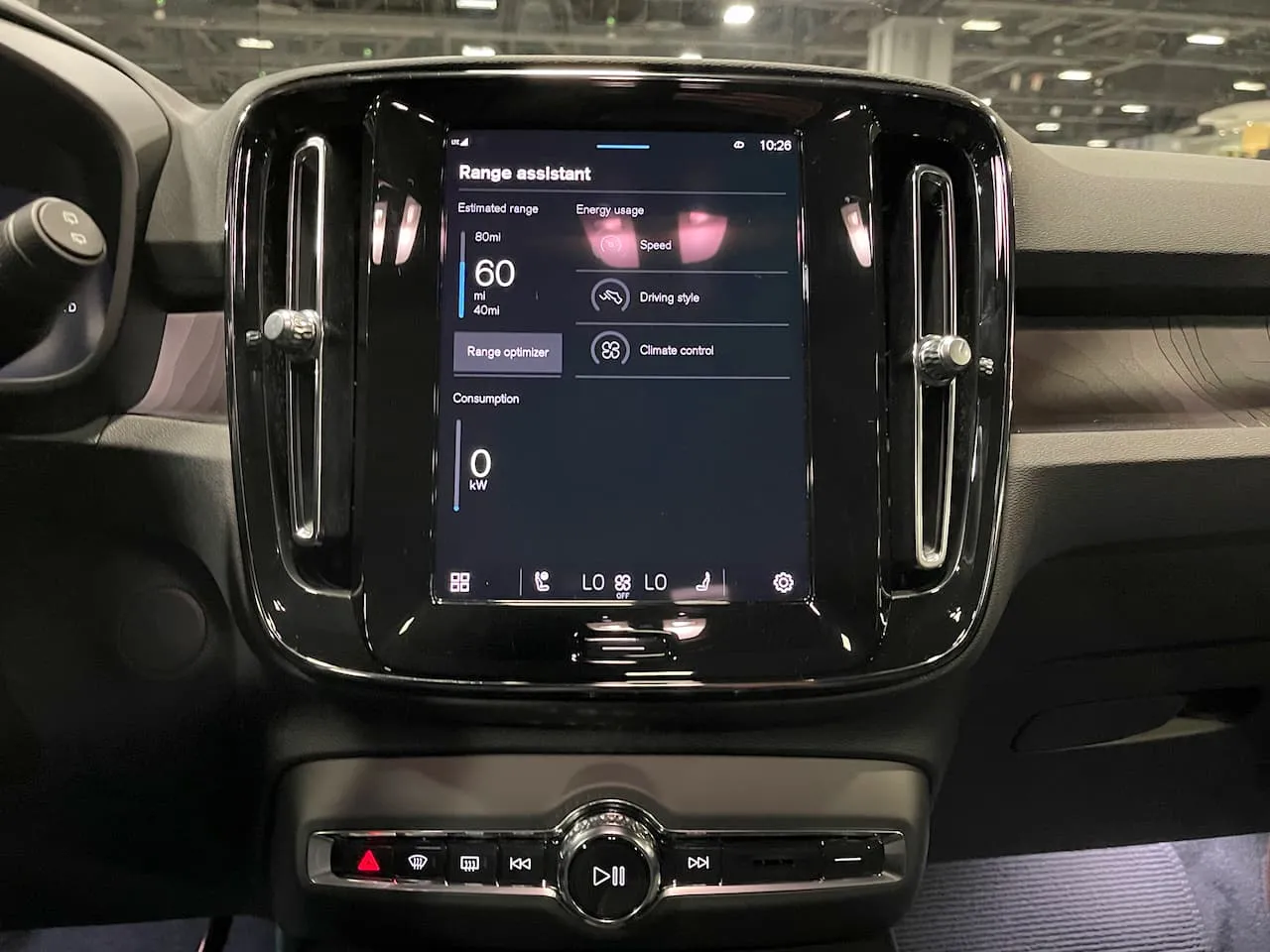
11. Climate Control System Analysis in the 2024 Volvo XC40 Recharge
Passenger comfort depends heavily on climate control performance, and the 2024 Volvo XC40 Recharge applies artificial intelligence to this often overlooked area of diagnostics. Sensors measure cabin temperature changes, airflow distribution, humidity levels, and energy consumption. Artificial intelligence evaluates how efficiently these systems reach and maintain selected comfort settings across varied conditions.
Declining heating or cooling performance usually appears gradually. Slight delays in temperature adjustment or uneven airflow distribution can go unnoticed by occupants for long periods. Artificial intelligence detects these changes early by comparing the present system response with established performance profiles. When deviations persist, service recommendations become available before comfort is visibly affected.
This approach benefits both drivers and service providers. Occupants enjoy stable cabin conditions and efficient energy use, which remains especially valuable in an electric vehicle. Technicians receive focused insights that shorten diagnostic time and improve repair accuracy. Volvo’s safety-oriented philosophy extends naturally into comfort diagnostics, supporting dependable operation across all systems.
Daily usage patterns influence climate behavior. Short trips, extended journeys, and seasonal temperature changes all affect system demand. Artificial intelligence adapts its evaluations accordingly, reducing the risk of false alerts during extreme weather. This adaptability keeps diagnostic feedback trustworthy.
Through continuous learning, climate diagnostics within the XC40 Recharge operate quietly in the background. Artificial intelligence enhances comfort and reliability without distracting occupants or complicating vehicle operation.
Also Read: 10 Used Hot Hatches That Are Reliable Daily Drivers
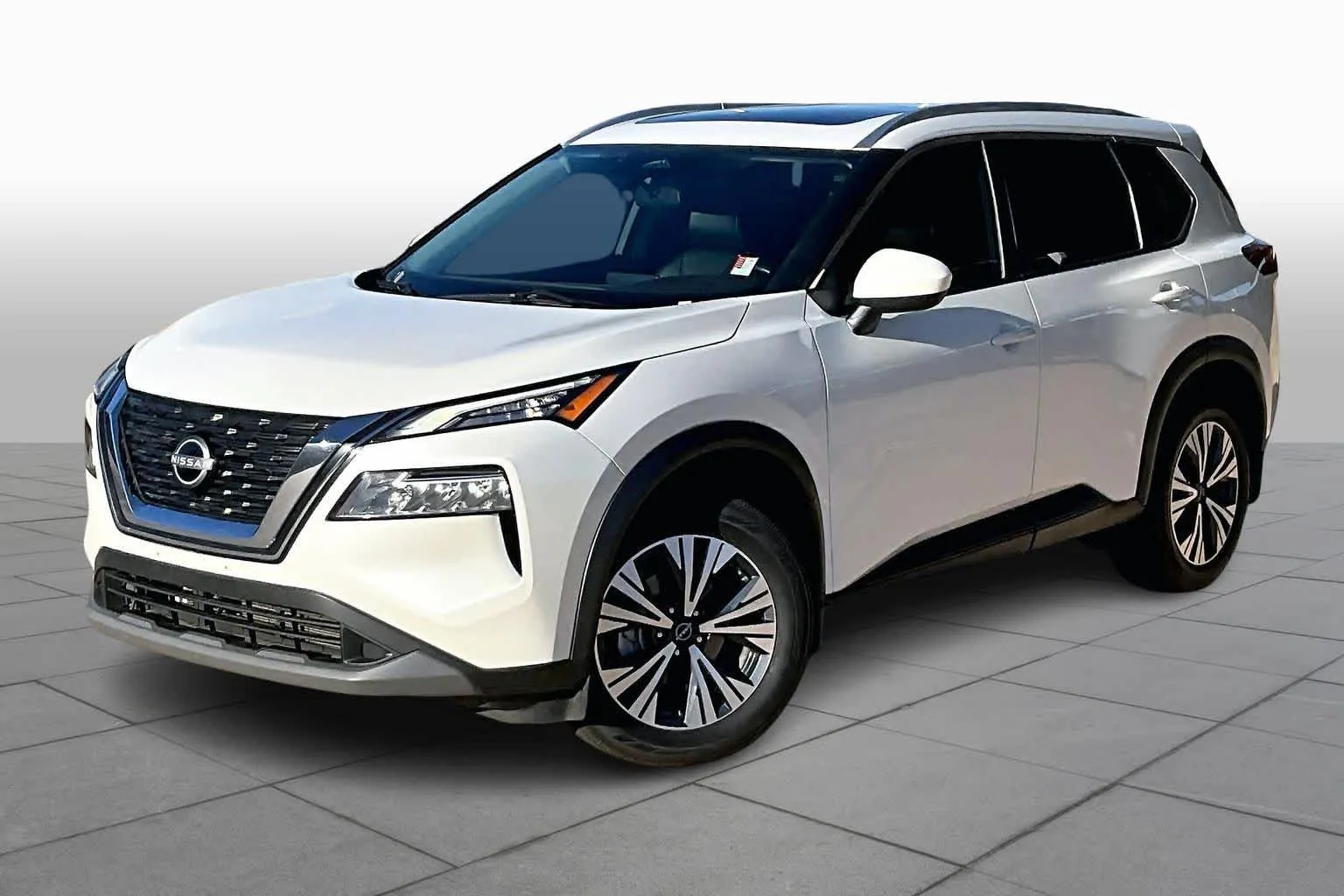
12. Electrical System Health Mapping in the 2023 Nissan Rogue SV
Modern vehicles depend heavily on electrical systems, and the 2023 Nissan Rogue SV employs artificial intelligence to maintain stability across this extensive network. Voltage levels, current flow, and communication timing between control modules feed into a diagnostic model that defines normal behavior. Artificial intelligence observes these patterns consistently, building a comprehensive understanding of electrical health.
Intermittent electrical faults often challenge traditional diagnostics. Brief voltage drops or delayed signal responses may disappear before workshop inspection. Artificial intelligence addresses this challenge by tracking such irregularities across weeks of driving. Repeated anomalies form identifiable patterns, revealing weakened connections, aging components, or developing module issues before complete failure occurs.
Drivers receive clear service guidance rather than vague alerts. Repairs become targeted and efficient, preserving the reliability of safety systems, convenience features, and infotainment functions. This clarity reduces unnecessary part replacement and limits vehicle downtime.
Environmental conditions and usage habits influence electrical performance. Artificial intelligence considers temperature variation, driving frequency, and accessory load when evaluating system behavior. This ensures assessments remain accurate rather than reactive.
Through disciplined monitoring and analysis, electrical diagnostics within the Rogue SV become dependable and supportive. Artificial intelligence works quietly, reinforcing confidence in a vehicle increasingly defined by electronic integration.
