The SUV market has transformed from practical family transport into a global status symbol. Luxury brands, performance divisions, and even exotic manufacturers now compete to sell increasingly expensive sport utility vehicles that promise prestige, technology, and power.
On paper, many of these models sound irresistible. Massive horsepower figures, handcrafted interiors, and advanced electronics create the impression that these SUVs represent the ultimate automotive experience.
However, price and value are not the same thing. Many modern SUVs carry shocking price tags that are difficult to justify when compared to what they actually deliver in daily driving. Some rely heavily on branding and image rather than meaningful innovation.
Others offer performance that sounds impressive but becomes irrelevant in normal use. A few simply charge far more than competitors that deliver nearly identical capability for significantly less money.
Buyers often get caught up in marketing, social status, and the appeal of owning something exclusive. This emotional pull can make it easy to ignore real world practicality, reliability concerns, depreciation, and the availability of cheaper alternatives that do the same job just as well.
When emotion fades and ownership costs arrive, the value proposition begins to look far less convincing.
This article examines ten SUVs that carry price tags so high they become difficult to defend. That does not mean they are bad vehicles. Many are impressive machines with undeniable appeal.
The problem is that their pricing pushes them far beyond rational purchasing decisions. In each case, we will explore what makes the SUV appealing, why it costs so much, and why the price ultimately becomes impossible to justify for most buyers.
Let us begin with the first two SUVs that perfectly represent the gap between luxury hype and real world value.
Also Read: 10 Cars That Make Routine Oil Changes Weirdly Difficult
1. BMW XM
The BMW XM was launched as a flagship performance SUV meant to represent the ultimate expression of BMW’s M division. It arrived with bold styling, a plug in hybrid powertrain, and a price tag that shocked even loyal BMW fans.
On paper, the XM is supposed to combine supercar performance with luxury and electrification. In reality, it struggles to justify its extreme cost.
The first issue is price positioning. The XM costs far more than the BMW X5 M and X6 M, both of which already deliver astonishing performance.
Buyers paying the premium expect a completely different level of engineering, craftsmanship, and driving experience. Instead, the XM often feels like an expensive experiment built to create headlines rather than genuine value.
Performance is undeniably strong. The hybrid V8 powertrain produces massive horsepower and brutal acceleration. Yet this performance rarely feels usable in everyday driving.
The SUV is extremely heavy due to its hybrid system, which reduces agility and driving engagement. It is fast in a straight line, but many drivers report that it lacks the emotional excitement expected from a true M vehicle.
Fuel efficiency also fails to deliver the benefits buyers might expect from a hybrid. The electric range is limited, and real world efficiency often falls short of expectations once the battery is depleted. Owners end up carrying the weight and complexity of electrification without receiving meaningful long term savings.
Interior quality is another controversial aspect. While luxurious, it does not feel dramatically better than the interiors found in cheaper BMW models. Many components are shared across the lineup, making the cabin feel familiar rather than exclusive. At this price level, buyers expect something truly special and bespoke.
Styling has been one of the most divisive aspects of the XM. Its aggressive and unconventional design aims to stand out, but many potential buyers find it excessive.
Polarizing design can work for niche vehicles, yet it becomes risky when the price is this high. Spending a fortune on a vehicle that many people dislike visually makes the value equation even harder to justify.
Depreciation is a major concern as well. Historically, expensive performance SUVs lose value quickly, especially when they occupy a niche segment. The XM’s high starting price makes this depreciation even more dramatic. Owners could lose a massive amount of money within the first few years.
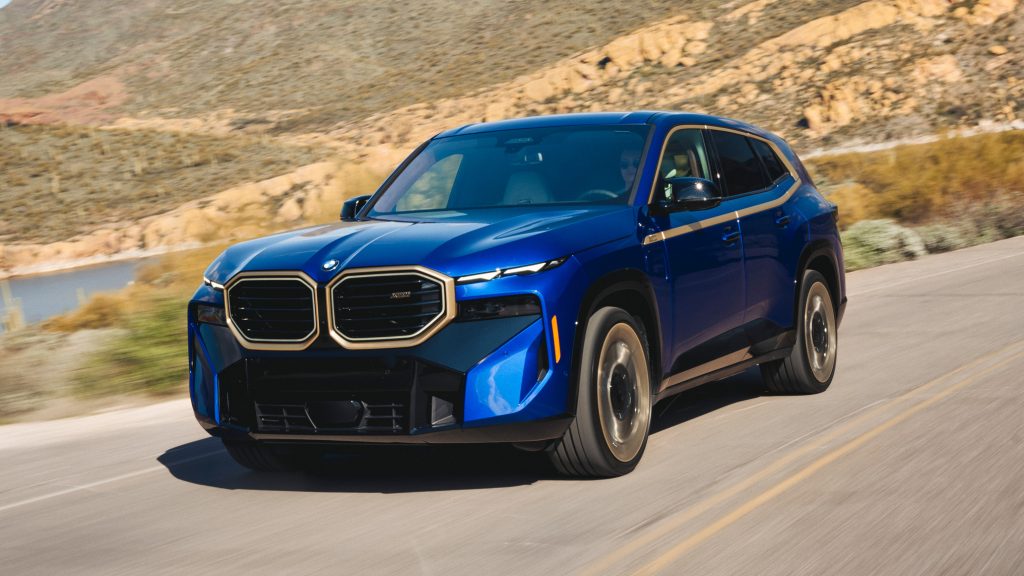
Competition also hurts the XM’s case. Buyers can purchase high performance SUVs from Porsche, Mercedes AMG, or even BMW’s own lineup for far less money. These alternatives offer similar speed, comparable luxury, and stronger reputations.
Ultimately, the BMW XM feels like a statement vehicle rather than a rational purchase. It offers impressive technology and performance, but the price stretches far beyond what most buyers can reasonably justify.
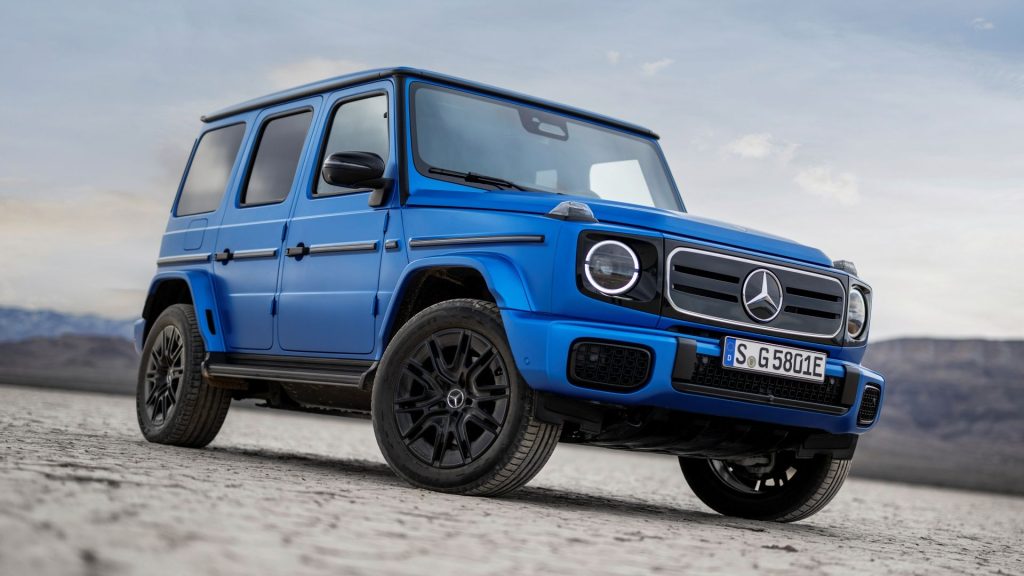
2. Mercedes-Benz G-Class
The Mercedes Benz G Class is one of the most recognizable SUVs in the world. Its boxy design and military origins have given it iconic status. Over time, it transformed from a rugged off roader into a luxury symbol associated with celebrities and wealth. While its appeal is undeniable, its price has reached a level that is difficult to defend.
The biggest reason the G Class is overpriced is how little it has changed relative to its cost. The vehicle still uses a body on frame construction and a design rooted in decades old engineering. While this contributes to its charm, it also means buyers are paying modern super luxury prices for a platform that is not cutting edge.
Interior upgrades have made the cabin far more luxurious than earlier versions, but many elements still feel tied to older design philosophies. The driving position, high floor, and upright seating layout remind drivers that the vehicle was never originally designed as a luxury SUV.
Ride quality is another major compromise. Despite improvements, the G Class still rides like a heavy off road truck. It feels tall, bulky, and less refined than similarly priced luxury SUVs. Buyers paying such a premium often expect exceptional comfort, yet many competitors deliver smoother and quieter experiences.
Fuel economy is extremely poor. Large engines and heavy construction lead to high fuel consumption. In a world increasingly focused on efficiency and sustainability, this becomes a major drawback. Owners spend far more on fuel compared to other luxury SUVs offering similar performance.
Technology is modern but not revolutionary. Many of the infotainment and safety features are shared with far cheaper Mercedes models. This makes the high price feel more like a branding premium rather than a reflection of unique innovation.
Off road capability is often used to justify the cost, yet most G Class owners never take their vehicles off road. They drive in cities and suburbs, where the vehicle’s size and fuel consumption become disadvantages rather than strengths. Paying a massive premium for unused capability makes the purchase harder to rationalize.
Depreciation and maintenance costs also add to the ownership burden. Repairs and servicing are extremely expensive. Insurance costs are high due to the vehicle’s value and image. Over time, ownership becomes far more costly than the purchase price alone suggests.
The biggest factor behind the G Class price is status. It has become a symbol of wealth and success. Buyers often pay for the image rather than the actual vehicle. While there is nothing wrong with buying for emotional reasons, the financial reality makes it hard to justify objectively.
The Mercedes Benz G Class remains iconic and desirable, but its price has moved far beyond what its engineering and real world usability can support. It is a luxury statement first and a rational purchase second.
3. Lamborghini Urus
The Lamborghini Urus is marketed as the world’s first super SUV, blending exotic car performance with SUV practicality. Built by a brand famous for dramatic design and extreme speed, the Urus immediately captured global attention.
Its aggressive styling, roaring engine, and prestigious badge make it highly desirable. Yet its massive price tag raises serious questions about value.
At its core, the Urus shares significant components with other vehicles from the Volkswagen Group. Its platform, electronics, and even parts of its interior architecture are closely related to models like the Audi RS Q8 and Porsche Cayenne Turbo.
Those SUVs offer similar performance and technology for substantially less money. Paying a large premium for branding alone becomes difficult to justify.
Performance is undoubtedly impressive. The twin turbo V8 delivers explosive acceleration, and the handling is sharp for such a tall vehicle. However, this level of speed is rarely usable in everyday driving. In normal city or highway conditions, the Urus performs no differently from other high performance SUVs that cost far less.
Interior quality is luxurious but not revolutionary. While materials are premium and design is striking, many buttons, screens, and controls are clearly shared with other Volkswagen Group vehicles. For a vehicle priced at the level of a true exotic car, buyers expect more exclusivity inside.
Maintenance and ownership costs are extreme. Routine servicing, brake replacements, and insurance premiums are dramatically higher than comparable luxury SUVs. Even minor repairs can cost thousands. Over several years, the total cost of ownership becomes staggering.
Depreciation is another concern. While some limited Lamborghini models hold value well, the Urus is produced in relatively high numbers compared to the brand’s sports cars. As more units enter the market, resale values can soften significantly, especially once newer versions are introduced.
Practicality is often used as a selling point. However, many less expensive SUVs offer similar cargo space and passenger comfort. Buyers are paying for performance that most will never fully exploit and a badge that carries a heavy premium.
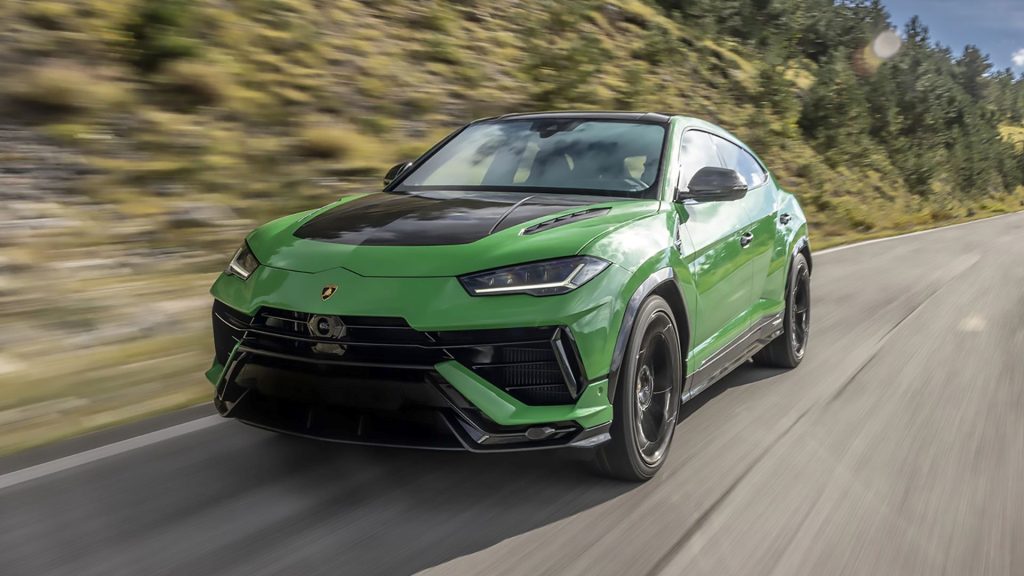
Ultimately, the Urus is about image and exclusivity. It succeeds as a status symbol and delivers thrilling acceleration.
But when analyzed objectively, its price far exceeds the tangible differences between it and significantly cheaper performance SUVs. For most buyers, it is an emotional purchase rather than a rational one.
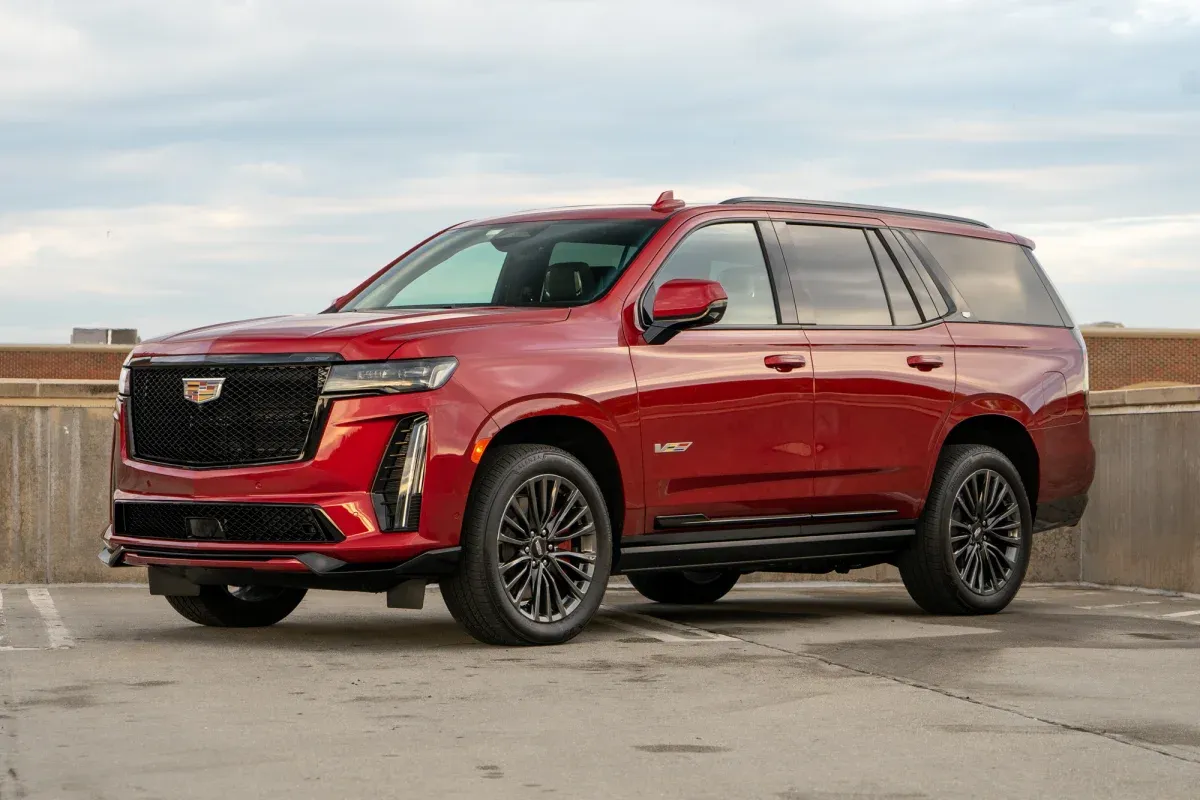
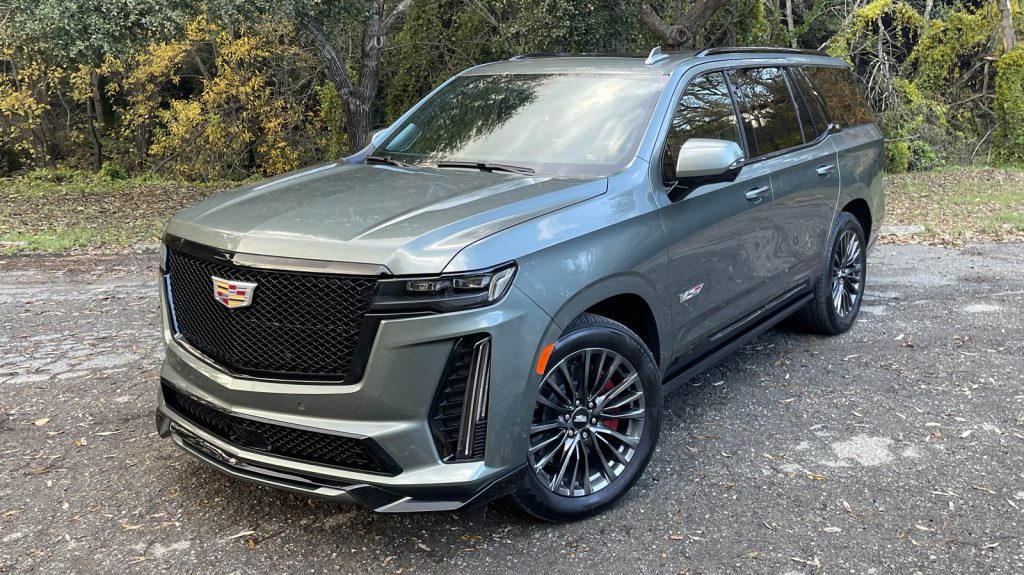
4. Cadillac Escalade V
The Cadillac Escalade V represents the high performance version of an already expensive full size luxury SUV. It combines a massive supercharged V8 engine with a large, imposing body. Cadillac markets it as a blend of American muscle and executive comfort. While it certainly makes a statement, its pricing pushes it into territory that feels excessive.
The Escalade V’s most defining feature is its engine. The supercharged V8 produces enormous horsepower and dramatic exhaust sound. Acceleration is surprisingly quick for a vehicle of its size. However, the practicality of this power is questionable. A three row family SUV rarely needs such extreme performance.
Fuel consumption is extraordinarily high. Even by full size SUV standards, the Escalade V drinks fuel at an alarming rate. Owners face significant fuel expenses, particularly if the vehicle is used daily. In a market moving toward efficiency and electrification, this seems increasingly out of touch.
The interior is spacious and filled with technology. Large curved displays and premium materials create a modern atmosphere. Yet much of the technology is shared with less expensive Escalade trims. The V model commands a massive price increase primarily for performance rather than unique luxury features.
Ride quality is another compromise. While magnetic suspension helps manage body movement, the Escalade V remains heavy and large.
It does not handle like a sports car despite its engine. Buyers paying this much may expect transformative driving dynamics, but physics limits what such a large SUV can achieve.
Competition further challenges its value. Luxury SUVs from brands like Mercedes Benz and BMW offer refined performance and advanced features at similar or lower prices. Some electric SUVs deliver quicker acceleration with better efficiency and lower long term running costs.
Depreciation also affects full size luxury SUVs significantly. Once the novelty fades and newer versions arrive, resale values often drop sharply. Given the Escalade V’s high starting price, that depreciation can translate into substantial financial loss.
Maintenance and insurance costs are elevated due to the high performance components. Brake wear, tire replacements, and premium fuel requirements add ongoing expenses that many buyers underestimate.
The Escalade V excels as a bold and powerful statement vehicle. It offers space, sound, and presence that few others can match.
However, when evaluated through a practical lens, the price feels inflated relative to what it truly delivers. It is an impressive machine, but one that is extremely difficult to justify financially.
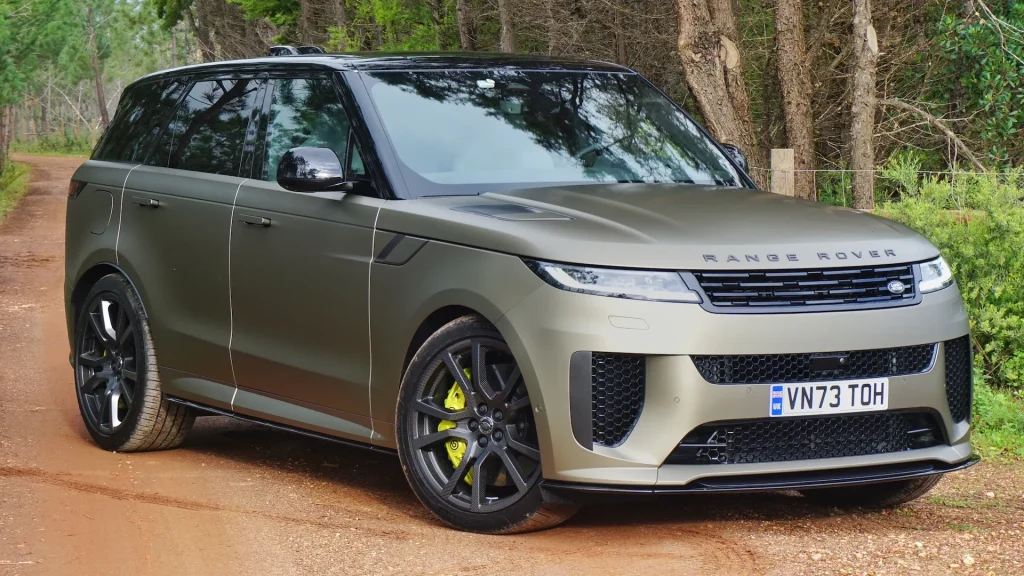
5. Range Rover SV
The Range Rover SV sits at the very top of the Range Rover lineup and represents the most luxurious version of an already expensive SUV. It promises handcrafted materials, powerful engines, and unmatched prestige.
On the surface, it appears to be the ultimate luxury SUV. Once the price is examined closely, however, the value proposition becomes extremely difficult to defend.
The first issue is how dramatically the price climbs once options are added. The base model already costs a fortune, but many of the features buyers expect in a flagship luxury SUV are optional.
Premium audio systems, rear seat entertainment, advanced interior packages, and bespoke materials can push the final price far beyond the starting figure. Buyers quickly find themselves spending far more than planned.
Interior craftsmanship is impressive, yet the difference between the SV and lower Range Rover trims is not as dramatic as the price suggests. Many design elements and technologies remain shared across the lineup. The cabin is beautiful, but the leap in cost does not translate into an equally dramatic leap in experience.
Reliability concerns also affect the value equation. Range Rover has long struggled with dependability issues, and high repair costs can make ownership stressful.
Expensive electronics, air suspension components, and luxury features often require costly servicing over time. Buyers paying this much expect long term peace of mind, yet ownership history tells a different story.
Depreciation is another major drawback. Luxury SUVs tend to lose value quickly, and the Range Rover is known for particularly steep depreciation. The SV’s high starting price makes this drop even more painful. Within a few years, owners may face significant financial loss.
Performance is strong but not revolutionary. While powerful engines deliver smooth acceleration, the driving experience is not dramatically better than less expensive luxury SUVs. Comfort and refinement are excellent, but they do not feel unique enough to justify such a huge premium.
Technology is advanced but often shared across the Jaguar Land Rover family. Buyers are paying a premium for exclusivity that does not always feel tangible in daily use. Competing luxury SUVs offer similar features for less money and with stronger reliability reputations.
Ultimately, the Range Rover SV relies heavily on prestige and brand image. It delivers comfort and elegance, but the financial commitment required to own one far exceeds what most buyers can logically justify.
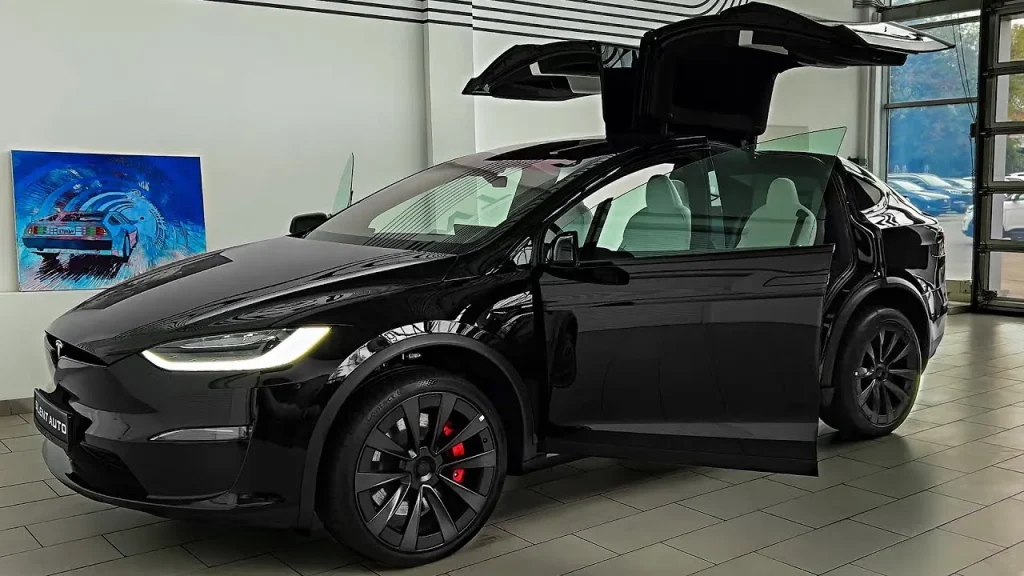
6. Tesla Model X Plaid
The Tesla Model X Plaid is marketed as one of the fastest SUVs ever built. Its electric powertrain delivers astonishing acceleration, futuristic technology, and distinctive Falcon Wing doors. While the technology is impressive, its price raises serious questions about long term value.
Acceleration is the headline feature. The Model X Plaid can outperform many sports cars in a straight line. This capability is thrilling, but it becomes difficult to justify in daily driving. Most owners will rarely use the full performance potential, making the extreme speed feel unnecessary.
Build quality concerns have been a recurring issue. Reports of inconsistent panel gaps, interior wear, and quality control problems have affected Tesla’s reputation. Buyers paying a premium price expect flawless construction, yet the Model X has faced criticism in this area.
The Falcon Wing doors are visually striking but introduce complexity and potential reliability concerns. Repairs can be expensive, and their practicality in tight parking spaces can be questionable. What seems futuristic at first can become inconvenient over time.
Interior design is minimalist and technology focused. While some buyers appreciate the clean layout, others feel it lacks the luxury expected at this price. Materials and craftsmanship do not always match similarly priced luxury SUVs from traditional manufacturers.
Competition in the electric SUV segment has grown rapidly. New electric SUVs from luxury brands now offer strong performance, refined interiors, and competitive pricing. The Model X Plaid no longer stands alone in its category, which makes its high price harder to justify.
Depreciation and battery replacement concerns also weigh heavily on potential buyers. As electric vehicle technology evolves quickly, older models can lose value faster than expected. Battery replacement costs remain a long term financial consideration.
The Model X Plaid is undeniably fast and technologically advanced. However, its price places it in a segment where buyers expect flawless build quality, exceptional luxury, and long term value. When measured against these expectations, the justification becomes increasingly difficult.
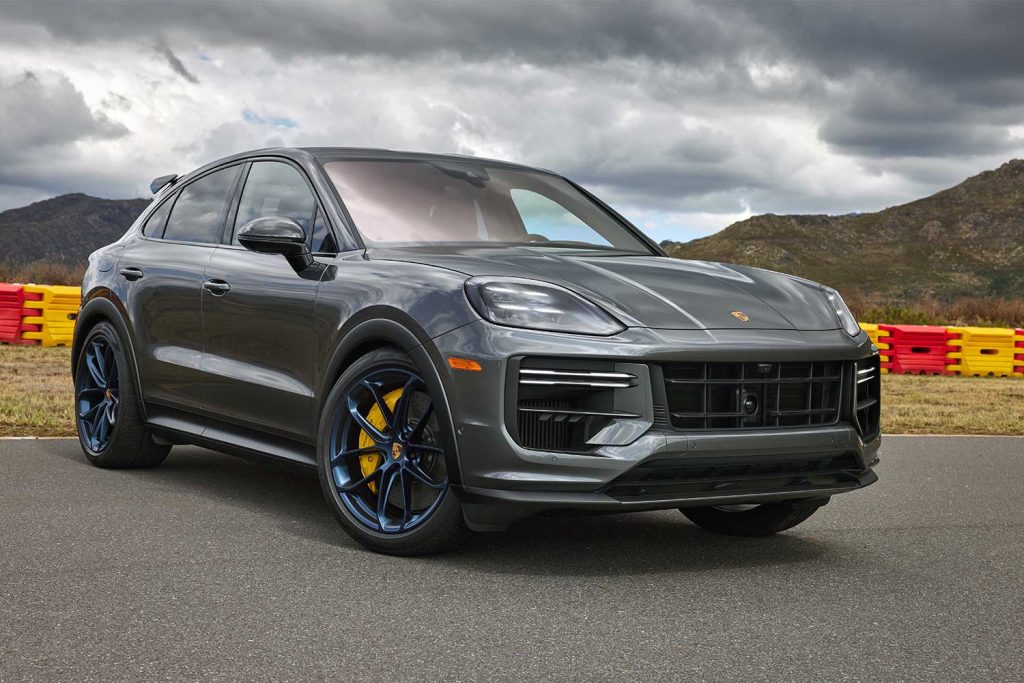
7. Porsche Cayenne Turbo GT
The Porsche Cayenne Turbo GT is often described as a sports car disguised as an SUV. It offers extraordinary speed, track focused tuning, and a prestigious badge. Porsche engineered this vehicle to dominate performance charts and impress enthusiasts. Despite its remarkable capabilities, the price pushes it into territory that becomes difficult to rationalize.
The Turbo GT’s performance is unquestionably impressive. It accelerates with incredible force, corners with surprising precision, and delivers a driving experience rarely matched by SUVs. However, the question becomes how often owners will actually use this capability.
Most Cayenne Turbo GTs spend their lives in city traffic and highway cruising, where their extreme performance offers little real world benefit.
Comfort is one of the main sacrifices. The suspension is tuned for aggressive driving rather than relaxed cruising. While this enhances handling, it also makes daily driving less comfortable. Buyers paying a premium for a luxury SUV often expect a smooth ride, yet the Turbo GT prioritizes performance over comfort.
Interior quality is excellent, but not dramatically different from less expensive Cayenne models. Many components are shared across the lineup, making the cabin feel familiar. The price jump is driven primarily by performance upgrades rather than unique luxury features.
Maintenance and operating costs are very high. Performance tires wear quickly, brakes are expensive to replace, and premium fuel is mandatory. Over time, ownership costs accumulate rapidly, adding to the already steep purchase price.
Competition further weakens its value. Other performance SUVs offer similar speed for significantly less money. While the Porsche badge carries prestige, the price premium becomes difficult to justify when alternatives deliver comparable thrills.
Depreciation is another factor. Ultra high performance SUVs often lose value once newer, faster models appear. The Turbo GT’s high starting price makes this depreciation even more painful.
The Cayenne Turbo GT is an engineering achievement and a thrilling machine. Yet the reality is that most buyers will never fully utilize its track focused capabilities. Paying such a large premium for performance that remains mostly unused makes the purchase difficult to justify.
8. Jeep Grand Wagoneer
The Jeep Grand Wagoneer was introduced as a luxury flagship designed to compete with premium full size SUVs.
Jeep aimed to move upmarket by combining American heritage with modern luxury. While the concept is ambitious, the pricing places it in a segment dominated by long established luxury brands, which makes justification challenging.
One of the biggest issues is brand perception. Jeep is historically known for rugged off road vehicles rather than ultra luxury SUVs. Convincing buyers to spend luxury level money on a Jeep becomes difficult when competitors have decades of experience in this segment.
Interior design and materials are impressive, but many buyers still question whether the brand can match the long term quality of established luxury rivals. When spending this much money, buyers often prioritize reputation and resale value, areas where Jeep faces strong competition.
Fuel economy is another drawback. Large engines and heavy construction result in high fuel consumption. Operating costs quickly add up, especially for families using the vehicle daily.
Technology is extensive, with noticeable screens and entertainment features. However, much of this technology can be found in cheaper vehicles within the same corporate family. This reduces the sense of exclusivity expected at this price level.
Depreciation is a major concern. Luxury vehicles from brands without strong prestige in the segment often lose value quickly. Buyers may face significant financial loss within the first few years of ownership.
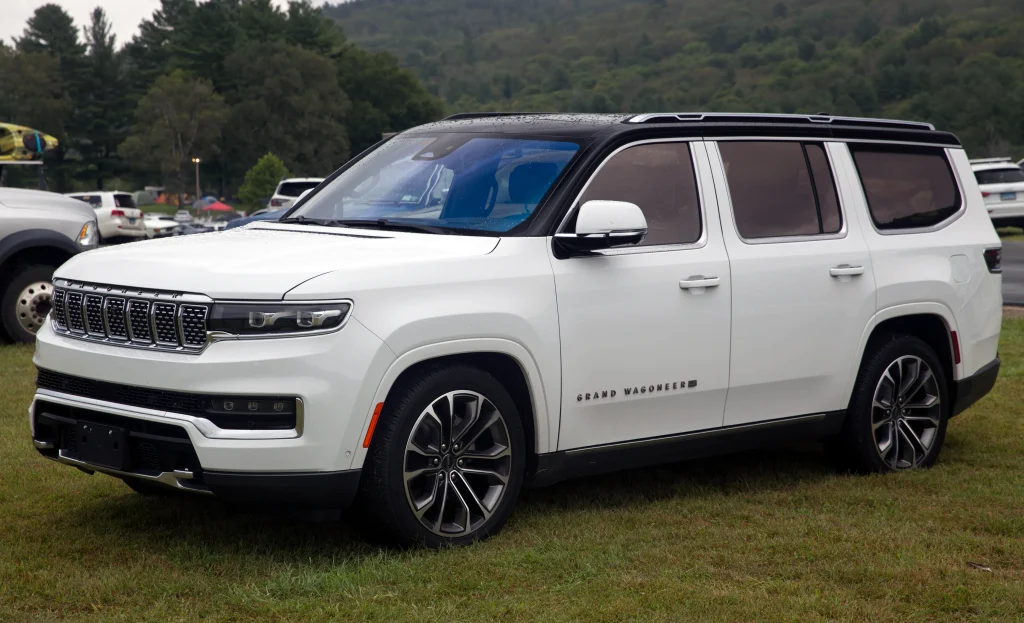
Ride quality and refinement are good, but not class leading. Competitors offer smoother rides, quieter cabins, and more polished driving experiences. When priced alongside established luxury SUVs, the Grand Wagoneer struggles to stand out.
Maintenance and insurance costs are high due to the vehicle’s size and complexity. Over time, ownership becomes far more expensive than the initial purchase price suggests.
The Grand Wagoneer is ambitious and capable, but its pricing places it among luxury icons that deliver stronger brand prestige and long term value. For many buyers, that makes it difficult to justify.
This article explored ten SUVs whose prices greatly exceed their real world value. While each model offers impressive performance, luxury, or brand prestige, the cost often reflects image and exclusivity more than meaningful everyday benefits.
Many share components with cheaper vehicles, suffer from high depreciation, or deliver performance most owners rarely use. Expensive maintenance, fuel costs, and reliability concerns further weaken their value.
Ultimately, these SUVs succeed as status symbols but struggle to justify their premium pricing from a practical perspective, making them emotional purchases rather than financially rational ones for most buyers.
Also Read: 10 New Stylish Sports Cars That Care More About Looks Than Performance