
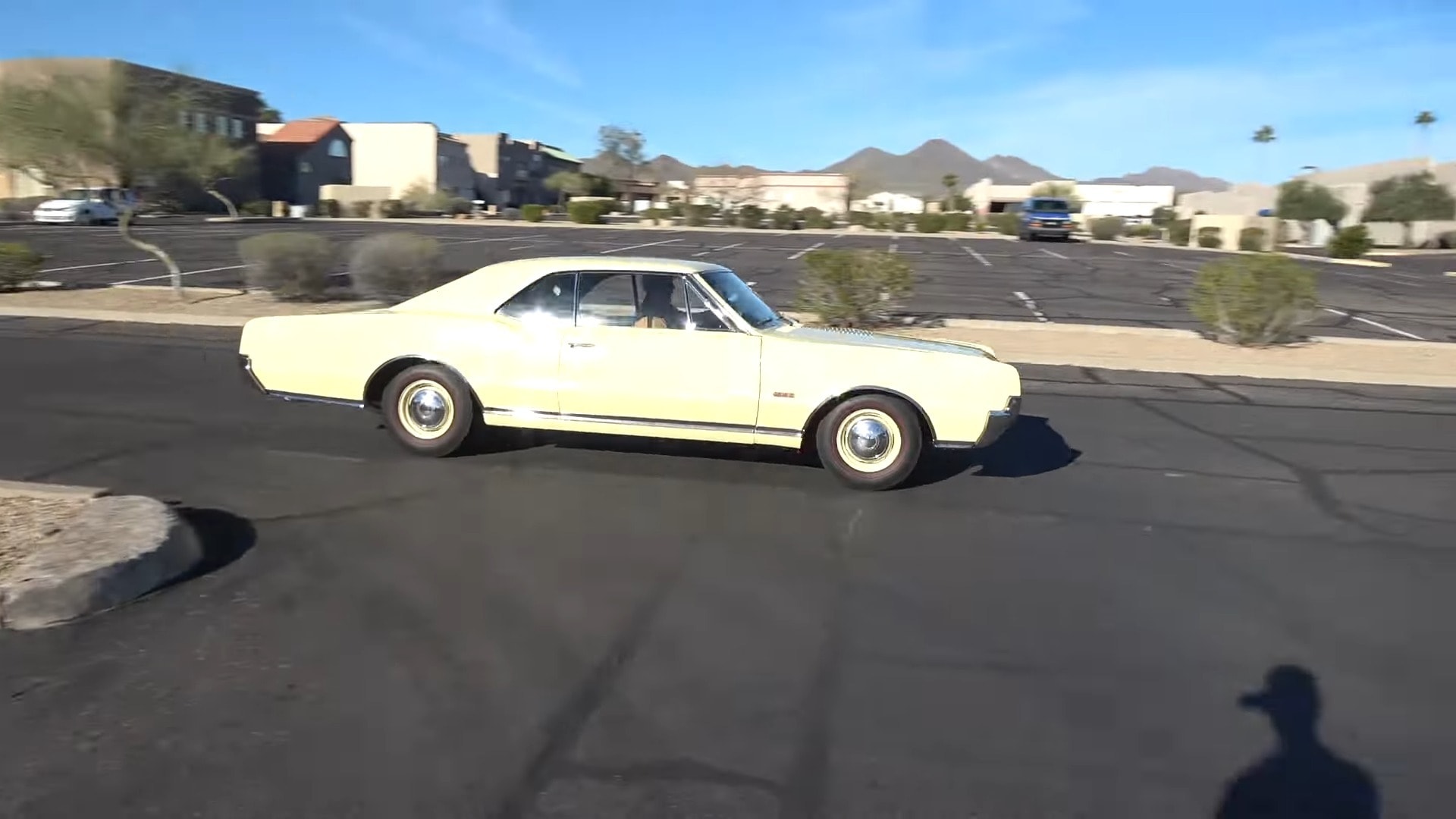
The golden era of American muscle cars produced some of the most iconic machines ever built. Names like the Mustang, Camaro, and Charger dominate headlines, auctions, and collector garages.
Their popularity has pushed prices into the stratosphere, leaving many enthusiasts believing the dream of owning a classic muscle car is out of reach. What often gets overlooked is that the muscle car world is far bigger than its most famous heroes.
During the late 1960s and early 1970s, nearly every American manufacturer joined the horsepower wars. Some cars received massive marketing budgets and racing programs, while others quietly slipped into showrooms without fanfare.
These lesser celebrated models frequently delivered equal or even superior performance but never gained the same spotlight. Today, that lack of hype has become their biggest advantage.
For buyers who want authentic V8 rumble, classic styling, and real historical significance without paying six figure auction prices, overlooked muscle cars offer tremendous value. Many still provide strong parts availability, solid enthusiast communities, and the potential for appreciation as collectors rediscover them.
These cars are not cheap because they are inferior. They are affordable because the market has not fully caught up with their importance yet.
Another benefit of choosing an underappreciated muscle car is uniqueness. At car shows and meets, you are far more likely to stand out with a rare AMC, Oldsmobile, or Mercury than with yet another mainstream pony car.
Ownership becomes more personal and interesting because people are curious, conversations start naturally, and the car feels truly special.
In this article, we will explore five classic muscle cars that remain surprisingly attainable yet offer outstanding performance, style, and long term potential.
These machines represent the sweet spot where nostalgia, affordability, and excitement meet. For enthusiasts willing to look beyond the obvious choices, the opportunities are still very real.
Also Read: 10 Cars With Steering So Good Outperforming Everything Else
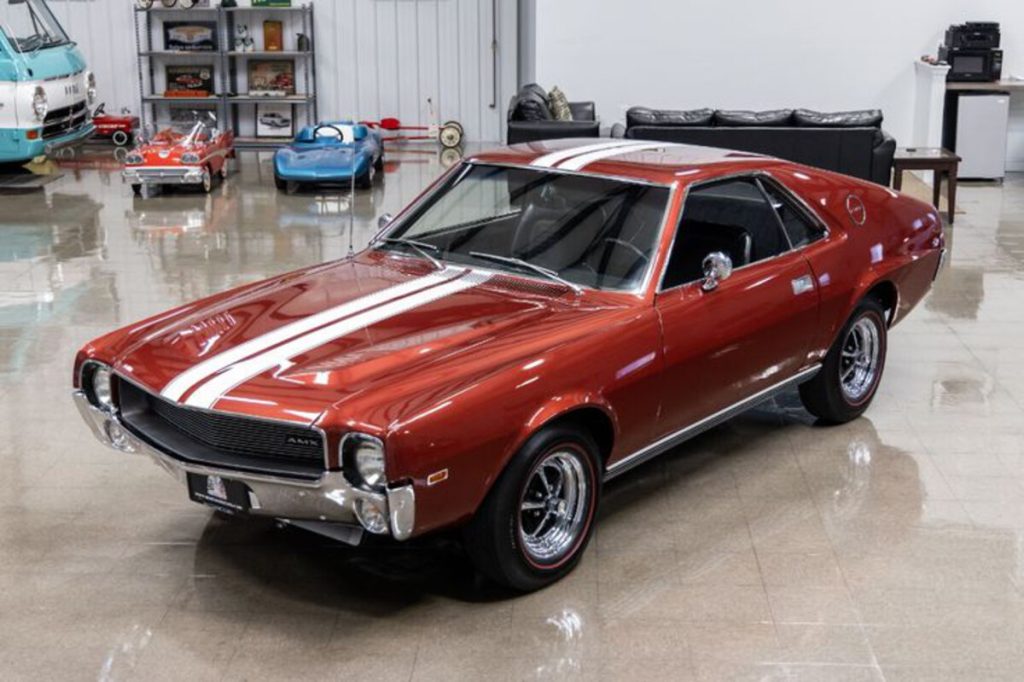
1. 1968 to 1970 AMC AMX
The American Motors Corporation rarely gets the credit it deserves in muscle car history. Competing against giants like Ford, GM, and Chrysler was never easy, yet AMC consistently produced bold and innovative vehicles. The AMX is perhaps the company’s most exciting creation and one of the most overlooked muscle cars on the market today.
The AMX debuted in 1968 as a two seat performance coupe, a configuration that instantly made it unique among muscle cars.
Most competitors focused on four seat pony cars, but AMC aimed directly at the Chevrolet Corvette while offering true muscle car aggression and affordability. The short wheelbase gave the car a compact and athletic stance that still looks aggressive decades later.
Under the hood, AMC offered several V8 engines, including the legendary 390 cubic inch unit. In its most potent form, this engine produced around 315 horsepower and massive torque. The AMX was not just quick in a straight line.
Its shorter wheelbase and lighter weight allowed it to handle better than many rivals. Road tests from the era often praised its balanced driving feel and surprising agility.
One of the most fascinating aspects of the AMX is its racing pedigree. AMC actively supported the car in drag racing and road racing, helping build credibility among performance enthusiasts.
The company even offered the Go Package, which included upgraded suspension, improved cooling, and performance enhancements that transformed the AMX into a serious competitor.
Despite these strengths, the AMX never achieved the same cultural fame as the Mustang or Camaro. Limited marketing budgets and AMC’s smaller dealer network meant fewer people saw or drove one. That lack of exposure has kept prices relatively reasonable compared with more famous muscle cars of the same era.
Collectors are slowly beginning to recognize the AMX’s significance. Its rarity plays a major role in its appeal. Production numbers were far lower than mainstream competitors, making surviving examples genuinely special. Owning one feels more like owning a hidden gem than a common classic.
Another reason the AMX remains an excellent buy is its design. The long hood, short rear deck, and muscular fender flares capture the essence of late 1960s styling. The interior is simple but driver focused, emphasizing performance rather than luxury. Every element communicates purpose and attitude.
Maintenance and parts availability are better than many people expect. AMC engines are robust and share similarities with other American V8 designs, making restoration manageable. Enthusiast clubs and specialty suppliers have helped keep the AMX community alive and growing.
The AMX offers an authentic muscle car experience with a distinct personality. It delivers power, rarity, and historical importance without the overwhelming price tag associated with more famous names.
For buyers seeking something different yet undeniably exciting, the AMC AMX represents one of the smartest choices in the classic muscle market.
2. 1969 to 1971 Mercury Cyclone
Mercury often lived in the shadow of Ford, yet it produced some remarkable performance cars during the muscle era. The Cyclone is a perfect example of a car that delivered serious performance but never received the recognition it deserved. Today, it remains a fantastic value for collectors and enthusiasts.
The Cyclone began as a stylish mid size coupe, but by the late 1960s it evolved into a genuine muscle machine. Mercury positioned it as a more refined alternative to Ford’s performance lineup, blending aggressive power with slightly more upscale styling and comfort. This approach created a car that felt special without losing its performance credentials.
The most exciting versions of the Cyclone arrived in 1969 and 1970. Mercury offered powerful engine options including the legendary 428 Cobra Jet V8. This engine was famous for its immense torque and strong acceleration. With proper tuning, the Cyclone could easily compete with the most respected muscle cars of the time.
Performance was not limited to straight line speed. Mercury invested heavily in racing, particularly in NASCAR. Cyclone based race cars achieved significant success on high speed oval tracks, strengthening the car’s reputation for durability and performance. This racing connection adds historical depth that collectors appreciate.
Design played a major role in the Cyclone’s appeal. The front end featured bold styling with hidden headlights on certain models, creating a sleek and aggressive look. The body lines were clean and muscular, giving the car a confident road presence that still turns heads today.
Inside, the Cyclone offered a slightly more refined environment than many muscle cars. Mercury aimed to attract buyers who wanted both performance and comfort. This resulted in better interior materials and a more premium feel compared with some stripped down competitors.
One reason the Cyclone remains overlooked is brand perception. Ford dominated the performance spotlight, leaving Mercury’s achievements underappreciated. Many buyers simply gravitated toward Mustangs and Torinos, even though the Cyclone often shared similar mechanical components and performance capabilities.
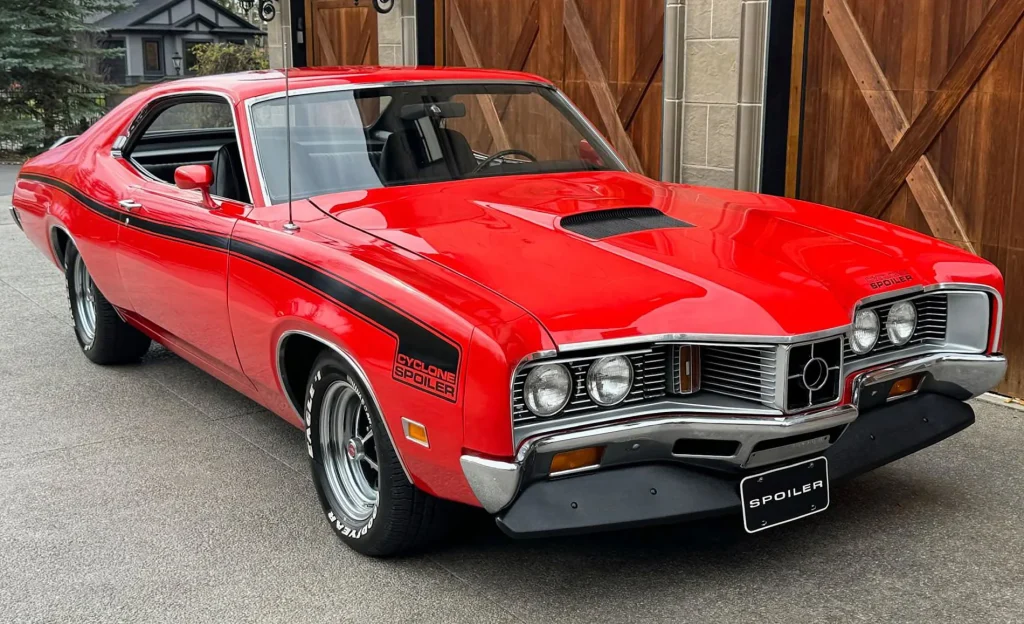
This lack of recognition has kept market values relatively approachable. Buyers can often find well preserved examples for far less than equivalent Ford models. For enthusiasts who value performance over brand hype, this creates a compelling opportunity.
The Cyclone also benefits from strong parts availability thanks to its shared engineering with Ford vehicles. Restoration projects are generally straightforward, and many mechanical components are easy to source. This practicality makes ownership more enjoyable and less intimidating.
Driving a Cyclone today delivers the raw, visceral experience that defines the muscle car era. The deep V8 rumble, the long hood stretching ahead, and the sense of mechanical connection create an unforgettable experience. It feels authentic and engaging in a way modern performance cars rarely match.
The Mercury Cyclone represents a perfect blend of performance, style, and affordability. It offers the thrill of classic American muscle without the inflated price tags attached to more famous models. For collectors searching for value and character, the Cyclone deserves serious attention.
3. 1966 to 1967 Oldsmobile 442
Oldsmobile does not always receive the same level of attention as Chevrolet or Pontiac in muscle car discussions, yet the 442 stands as one of the most sophisticated and capable performance machines of the 1960s.
The 1966 and 1967 models in particular strike an ideal balance between classic styling, strong performance, and long term collectability, making them excellent buys in today’s market.
The name 442 originally referred to four barrel carburetor, four speed manual transmission, and dual exhaust. Over time it became a symbol of Oldsmobile’s commitment to performance engineering.
Unlike some rivals that relied heavily on image and marketing, Oldsmobile focused on creating a refined and well rounded driving experience.
The heart of the 442 was the 400 cubic inch V8 engine. This powerplant delivered impressive horsepower and massive torque, providing strong acceleration and effortless highway cruising. What made the engine especially appealing was its smooth power delivery. It felt muscular yet controlled, offering performance without sacrificing drivability.
Oldsmobile engineers placed a strong emphasis on suspension tuning. The 442 received heavy duty springs, upgraded shocks, and improved handling components that helped it corner with confidence. Road testers often praised the car for its composure and stability, qualities that set it apart from many competitors that focused primarily on straight line speed.
Styling also played a significant role in the 442’s appeal. The 1966 redesign introduced a cleaner and more muscular look, with sharp body lines and a confident stance. Subtle performance cues such as hood scoops and special badging gave the car a purposeful appearance without excessive flash. This understated design has aged exceptionally well.
Inside the cabin, the 442 offered a level of comfort and quality that exceeded many muscle cars of the era. The interior featured supportive seating, clear instrumentation, and thoughtful ergonomics. Long drives felt enjoyable rather than tiring, which broadened the car’s appeal beyond pure performance enthusiasts.
Despite its strengths, the 442 often lived in the shadow of the Pontiac GTO. Pontiac’s aggressive marketing and racing success captured public attention, leaving Oldsmobile’s achievements less recognized. As a result, the 442 never reached the same level of mainstream popularity.
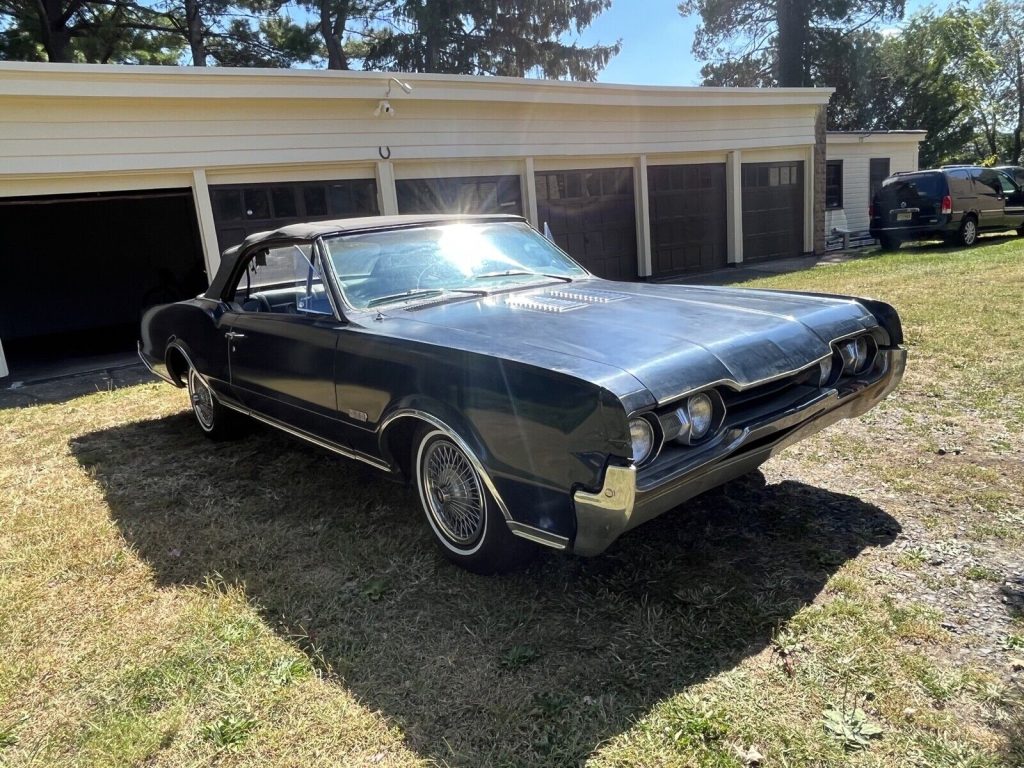
This historical oversight has created a valuable opportunity for modern buyers. Prices remain significantly lower than comparable GTO models, even though performance and quality are very similar. Collectors are gradually rediscovering the 442, but it still offers strong value compared with more famous muscle cars.
Parts availability is another major advantage. The 442 shares many components with other GM vehicles, making restoration and maintenance relatively straightforward. Enthusiast clubs and aftermarket suppliers provide strong support for owners and restorers.
Driving a 442 today delivers a refined yet exciting experience. The engine produces a deep, satisfying rumble, and the car feels stable and composed on the road. It captures the spirit of the muscle car era while offering a level of polish that remains impressive.
The Oldsmobile 442 represents a smart purchase for enthusiasts who appreciate performance, craftsmanship, and historical significance. It offers a compelling blend of power and sophistication that continues to gain recognition among collectors.
4. 1970 to 1972 Buick GS 455
Buick built its reputation on comfort and luxury, which makes the GS 455 one of the most surprising muscle cars of its era. Beneath its refined image lies a brutally powerful machine that could compete with the best performance cars of the early 1970s. Despite its capabilities, the GS 455 remains one of the most underrated muscle cars available today.
The centerpiece of the GS 455 is its enormous 455 cubic inch V8 engine. This engine delivered extraordinary torque, allowing the car to accelerate with remarkable force. Even by modern standards, the GS 455 feels incredibly strong off the line. Contemporary road tests often recorded quarter mile times that rivaled the most famous muscle cars.
What truly set the GS 455 apart was its focus on real world performance. Buick engineers understood that everyday drivability mattered as much as raw speed.
The engine produced abundant low end torque, making the car feel effortless in normal driving conditions. This combination of power and usability gave the GS 455 a unique character.
Buick also paid careful attention to ride quality. The suspension was tuned to deliver comfort without sacrificing control. This balance made the GS 455 feel more refined than many competitors. Owners could enjoy long highway journeys while still having access to serious performance when desired.
The design of the GS 455 reflected Buick’s premium positioning. The exterior featured clean lines, subtle badging, and a confident stance. Rather than relying on flashy graphics, the car projected strength through its proportions and presence. This restrained styling has aged gracefully and appeals to buyers who appreciate understated elegance.
Inside, the GS 455 offered one of the most comfortable cabins in the muscle car segment. Plush seating, quality materials, and thoughtful details created a pleasant driving environment. This level of comfort helped distinguish the car from more spartan rivals.
One reason the GS 455 remains overlooked is Buick’s brand image. Many buyers associated Buick with luxury rather than performance, causing the car to be underestimated. Meanwhile, more aggressive marketing from other manufacturers captured the spotlight.
Today, that perception works in favor of collectors. Prices for the GS 455 remain relatively reasonable compared with similarly powerful muscle cars. Enthusiasts who understand its capabilities recognize the tremendous value it offers.
The GS 455 also benefits from strong parts availability thanks to its GM heritage. Restoration projects are manageable, and knowledgeable communities provide valuable support for owners.
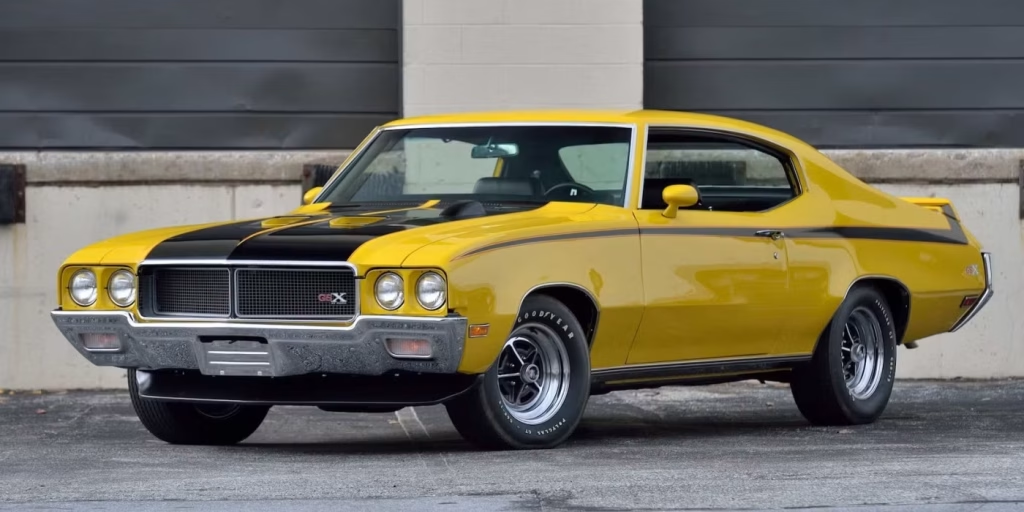
Driving a GS 455 today is an unforgettable experience. The massive torque delivers instant acceleration, and the car feels both powerful and composed. It offers the perfect blend of muscle and refinement.
The Buick GS 455 stands as a hidden powerhouse from the golden age of American performance. For buyers seeking exceptional performance and comfort without paying premium prices, it remains an outstanding choice.
5. 1971 to 1973 Dodge Demon 340
The early 1970s marked the beginning of the end for the classic muscle car era. Insurance costs, emissions regulations, and changing consumer priorities started reshaping the automotive landscape.
Amid this transitional period, Dodge introduced the Demon 340, a compact muscle car that delivered thrilling performance but never achieved the recognition it deserved.
The Demon was essentially a high performance version of the Dodge Dart, but with aggressive styling and a more rebellious personality. Its name alone generated controversy and attention, yet the car still slipped through history without receiving the long term appreciation given to other Mopar legends.
At the heart of the Demon 340 was the outstanding 340 cubic inch V8 engine. This engine became one of Chrysler’s most respected performance powerplants. It offered a perfect balance of horsepower, torque, and high revving capability.
Lightweight internals, high compression, and excellent breathing allowed the engine to deliver strong acceleration and impressive responsiveness.
The Demon’s relatively compact size gave it a major advantage. Compared with larger muscle cars, it felt nimble and agile. The lighter body allowed the 340 engine to shine, producing quick acceleration and lively handling. Many enthusiasts consider the Demon 340 one of the most enjoyable muscle cars to drive on real roads.
Performance packages added even more excitement. Buyers could equip the Demon with upgraded suspension, performance gearing, and distinctive styling features. These enhancements transformed the car into a genuine street machine that could compete with far more expensive rivals.
The exterior design perfectly captured the spirit of early 1970s performance culture. Bold stripes, hood scoops, and aggressive graphics gave the Demon a playful yet intimidating appearance. It looked fast even when parked, reflecting the youthful energy of the era.
Inside, the Demon maintained a driver focused layout. The cabin emphasized function and performance rather than luxury. Clear gauges, supportive seats, and simple controls created an engaging driving environment that connected the driver directly to the car.
One reason the Demon 340 remains overlooked is timing. By the early 1970s, the muscle car market was beginning to decline.
Public attention shifted toward fuel efficiency and practicality, causing many high performance models to fade from the spotlight. As a result, the Demon never received the long term recognition it deserved.
Another factor is competition within the Mopar lineup. Iconic models like the Challenger and Charger captured most of the attention, leaving the Demon in their shadow. Enthusiasts often focused on those larger and more famous cars, overlooking the Demon’s unique strengths.
Today, the Demon 340 represents one of the most exciting bargains in the classic muscle car world. Prices remain relatively accessible compared with other Mopar performance vehicles, yet interest is steadily growing as collectors rediscover its capabilities.
Parts availability is strong thanks to Chrysler’s extensive enthusiast network. Restoration projects are supported by a wide range of suppliers, making ownership more approachable for newcomers and experienced collectors alike.
Driving a Demon 340 delivers a raw and engaging experience. The engine feels eager and responsive, and the car’s lighter weight enhances every aspect of performance. It captures the rebellious spirit of the muscle car era in a compact and exciting package.
The Dodge Demon 340 offers authenticity, performance, and personality in equal measure. For enthusiasts seeking a unique Mopar with strong long term potential, it remains one of the smartest purchases in the classic muscle market.
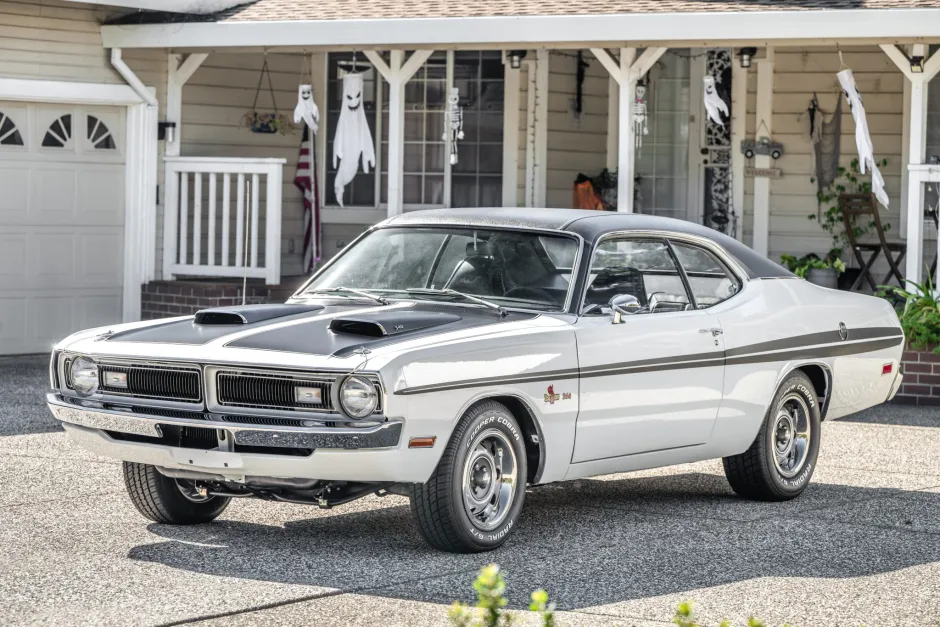
The classic muscle car market often revolves around a handful of famous names, but true value frequently lives just outside the spotlight. While mainstream icons command enormous prices and intense competition among collectors, several outstanding performance machines remain surprisingly attainable.
The AMC AMX, Mercury Cyclone, Oldsmobile 442, Buick GS 455, and Dodge Demon 340 each represent a unique opportunity for enthusiasts who want authentic power, style, and heritage without paying inflated premiums.
The AMC AMX stands out for its rarity and bold two seat configuration. Its compact dimensions, strong V8 options, and racing involvement give it serious credibility.
Because it never achieved mass market fame, it continues to offer impressive performance and exclusivity at a more approachable price than many late 1960s competitors.
The Mercury Cyclone blends NASCAR pedigree with muscular design and powerful engine choices like the 428 Cobra Jet. Sharing engineering roots with Ford performance models, it delivers strong acceleration and solid parts availability. Its slightly upscale personality and lower brand recognition have helped keep it undervalued in today’s collector landscape.
Oldsmobile’s 442 proves that refinement and muscle can coexist. With its smooth 400 cubic inch V8 and carefully tuned suspension, it provides a balanced driving experience that feels composed and confident.
Overshadowed historically by the GTO, it remains an intelligent alternative for buyers who appreciate craftsmanship and performance depth.
The Buick GS 455 surprises many enthusiasts with its immense torque and comfortable character. Combining brutal straight line strength with a refined ride, it showcases Buick’s engineering strength during the height of the muscle era.
Its luxury brand image kept it underappreciated, but that perception now creates an appealing buying window.
Finally, the Dodge Demon 340 captures the rebellious spirit of the early 1970s in a lighter, agile package. Its high revving 340 V8 and compact proportions make it one of the most engaging cars to drive from the period. Overshadowed by larger Mopar legends, it remains one of the most exciting values in classic performance.
Together, these five models demonstrate that opportunity still exists in the muscle car world. By looking beyond the obvious choices, buyers can find vehicles that deliver history, character, and thrilling performance. These overlooked classics are not merely affordable alternatives. They are legitimate icons waiting to be fully appreciated.
Also Read: 10 Cars That Make Routine Oil Changes Weirdly Difficult
