
Classic cars often earn legendary status because of their design, innovation, or cultural impact. However, not every classic achieved greatness under the hood.
Some vehicles became famous for engines that were unreliable, underpowered, poorly engineered, or simply ahead of their time in the worst possible way. These cars still attract enthusiasts today, but their engines remain cautionary tales from automotive history.
During the twentieth century, manufacturers experimented with new technologies, cost cutting strategies, and ambitious engineering ideas. While some experiments created breakthroughs, others produced engines that struggled with durability, overheating, oil consumption, or disappointing performance.
These failures were not always the result of incompetence. Sometimes they came from rushed development, emissions regulations, or attempts to reduce manufacturing costs.
Interestingly, many of these cars remain collectible despite their mechanical flaws. Their styling, rarity, or historical importance often outweigh the problems hidden beneath the hood.
Owners frequently restore them while upgrading or replacing the original engines to improve reliability. This contrast between beauty and mechanical weakness makes these cars fascinating to study.
Another reason these vehicles are remembered is the lessons they taught the industry. Many of the worst engines led to major improvements in engineering, quality control, and long term durability. Without these failures, modern engines might not be as refined as they are today.
This list explores ten classic cars that became infamous for their problematic engines. Each example tells a different story about ambition, compromise, and unintended consequences. From luxury sedans to sporty coupes, these vehicles remind us that even iconic classics can hide serious mechanical flaws.
Also Read: 8 Lexus Sedans That Still Feel Premium After 10 Years
1. 1971 Chevrolet Vega
The Chevrolet Vega arrived with enormous expectations. It was meant to represent a new era of compact American cars that could compete with rising imports. The styling was modern, the price was attractive, and early reviews were optimistic. Unfortunately, the engine quickly became one of the most infamous in automotive history.
At the heart of the Vega sat an aluminum block inline four cylinder engine. On paper, this sounded innovative and forward thinking. In reality, it became a reliability disaster. The engine used a unique design that eliminated cylinder liners to save weight and cost. This decision caused severe wear problems.
Owners soon discovered excessive oil consumption, overheating, and premature engine failure. Many engines wore out long before reaching typical mileage expectations. The cooling system struggled to manage heat, which made the problem even worse. Drivers often faced expensive repairs within only a few years of ownership.
Another issue was poor maintenance guidance. The engine required careful upkeep, but many owners were unaware of its sensitivity. Without perfect maintenance, the engine deteriorated rapidly. This created widespread dissatisfaction and damaged Chevrolet’s reputation.
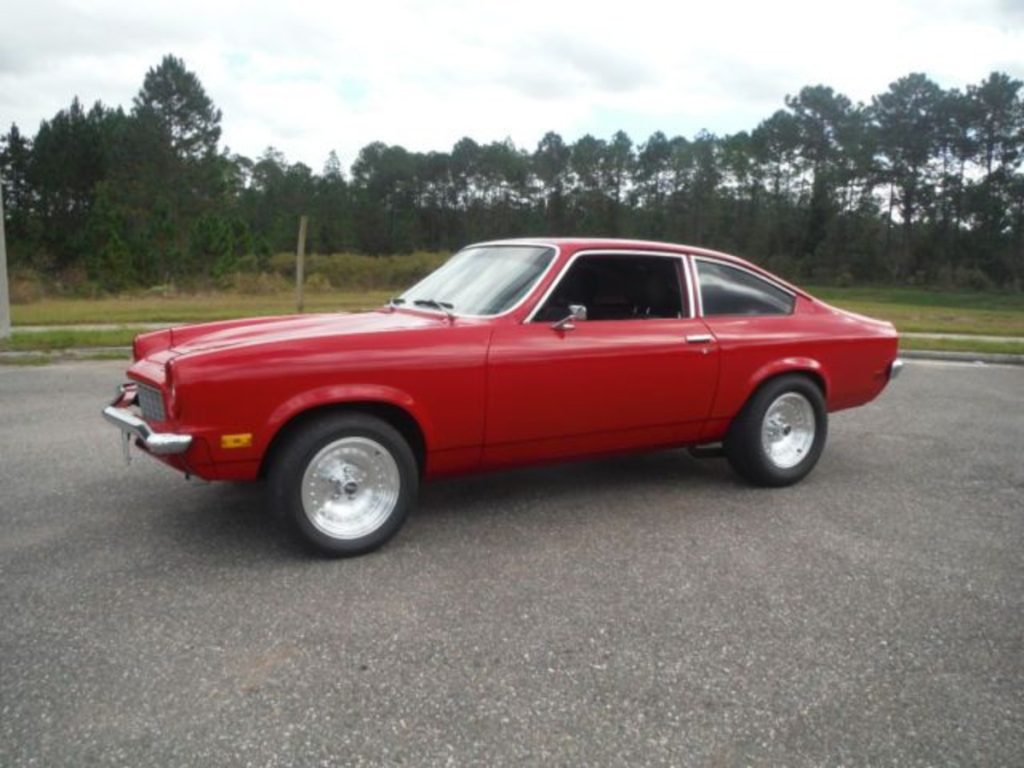
Despite these issues, the Vega remains a fascinating classic. Its sleek design and historical importance continue to attract collectors. Many surviving examples have undergone engine swaps or extensive upgrades. These modifications allow enthusiasts to enjoy the car without the original engine’s weaknesses.
The Vega represents a bold idea that failed in execution. It stands as one of the most famous examples of innovation gone wrong.
2. 1975 Cadillac Seville Diesel
The Cadillac Seville Diesel was introduced during the fuel crisis when efficiency became a major priority. Cadillac attempted to offer luxury buyers a fuel saving alternative to traditional gasoline engines. The idea seemed promising, but the execution created one of the most notorious engines ever installed in a luxury car.
The diesel engine used in the Seville was adapted from a gasoline engine design. This shortcut caused serious structural weaknesses. Diesel engines require stronger components to handle higher compression. The modified gasoline engine could not cope with these demands.
One of the most common problems involved head gasket failure. The engine frequently developed leaks that caused overheating and catastrophic damage. Fuel system issues also became widespread, leading to difficult starting and poor performance.
Owners who expected Cadillac reliability were shocked by the constant repairs. The luxury image of the brand suffered greatly as stories of breakdowns spread. Many dealerships struggled to handle the volume of warranty claims.
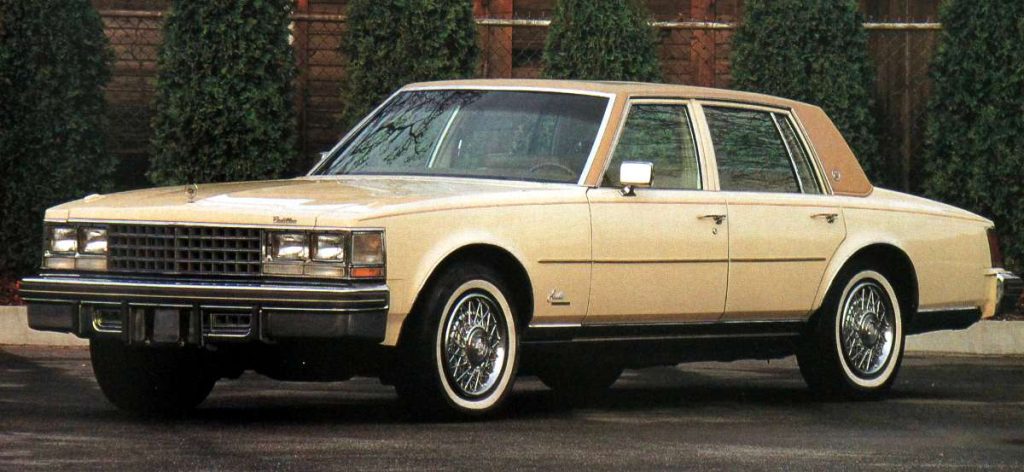
Despite the engine problems, the Seville Diesel still holds historical significance. It represents an important moment when manufacturers experimented with alternative fuel solutions. Today, restored examples often feature upgraded engines that correct the original flaws.
The Cadillac Seville Diesel remains a reminder that rushing new technology can have lasting consequences.
3. 1980 Oldsmobile Cutlass Supreme Diesel
The 1980 Oldsmobile Cutlass Supreme Diesel represents one of the most ambitious yet disastrous engine experiments in American automotive history. At the time, fuel prices were rising rapidly, and manufacturers were desperate to offer more efficient alternatives to traditional gasoline engines.
Oldsmobile believed diesel power could provide the perfect solution. Unfortunately, the execution turned into a major engineering failure that damaged the reputation of both the brand and diesel passenger cars in general.
The core problem with this engine began with its design origins. Instead of building a diesel engine from the ground up, engineers modified an existing gasoline V8 to run on diesel fuel. This decision saved development time and money, but it created serious structural weaknesses.
Diesel engines operate under far higher compression levels than gasoline engines, which means they require stronger blocks, stronger head bolts, and more robust internal components. The modified gasoline engine simply could not handle the stress.
Head gasket failures became one of the most common and frustrating problems owners experienced. The head bolts were not strong enough to maintain proper sealing under diesel compression levels.
As a result, many engines developed leaks that led to overheating, coolant contamination, and catastrophic engine damage. Some engines failed at extremely low mileage, which shocked buyers who expected durability from diesel technology.
Fuel system issues also played a major role in the engine’s poor reputation. Diesel fuel quality in the United States during the late 1970s and early 1980s was inconsistent.
Water contamination was common, and the engine’s fuel injection system lacked adequate protection. This caused injectors and pumps to fail prematurely, leading to hard starting, rough running, and poor performance.
Cold weather starting became another major frustration. Many owners struggled to start their vehicles during winter months. Diesel engines typically require glow plugs and proper maintenance to start reliably in cold conditions.
However, many drivers were unfamiliar with these requirements, and the engine lacked sufficient guidance for proper operation.
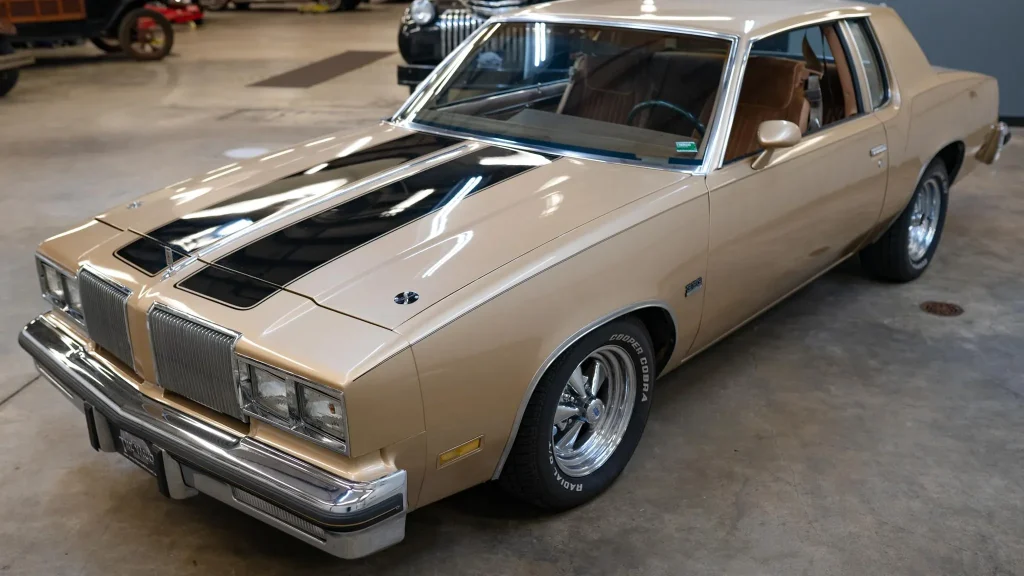
The negative publicity surrounding this engine spread quickly. Warranty claims surged, and dealerships struggled to keep up with repair demands. Many loyal Oldsmobile customers felt betrayed by the constant mechanical issues. This loss of trust had long term consequences for the brand’s reputation.
Despite its mechanical flaws, the Cutlass Supreme Diesel still holds historical significance. It represents a bold attempt to adapt to changing fuel concerns and consumer expectations.
Today, enthusiasts often restore these cars with gasoline engines or modern diesel replacements. This allows the vehicle’s styling and comfort to be enjoyed without the original engine’s weaknesses.
The 1980 Cutlass Supreme Diesel remains a powerful reminder that engineering shortcuts can have lasting consequences.
4. 1958 Ford Thunderbird 352 V8
The 1958 Ford Thunderbird marked a dramatic turning point for the model. Earlier Thunderbirds were sporty two seat roadsters, but the 1958 redesign transformed the car into a larger and more luxurious four seat grand touring coupe.
Buyers loved the new styling and comfort, but the 352 cubic inch V8 engine introduced a series of mechanical issues that quickly tarnished the car’s reputation.
The 352 V8 was intended to provide smooth power and refined performance. On paper, it appeared to be a strong and capable engine. In practice, several design shortcomings created long term reliability concerns. One of the most serious issues involved the engine’s lubrication system.
Proper lubrication is essential for engine longevity, and the 352 V8 struggled in this area. Oil passages were not optimized to deliver consistent lubrication to critical components. Over time, this led to accelerated wear inside the engine. Bearings and valve train components often suffered damage earlier than expected.
Overheating became another widespread complaint. The cooling system was not fully prepared to handle the heat generated by the larger and heavier Thunderbird.
Drivers in warm climates reported frequent temperature spikes, especially during slow traffic or long highway drives. Repeated overheating episodes increased the risk of engine failure and reduced owner confidence.
Excessive oil consumption added to the frustration. Many owners found themselves adding oil far more often than anticipated. This problem increased operating costs and created concern about long term engine health. For a luxury oriented vehicle, this level of maintenance felt unacceptable.
Maintenance practices during the late 1950s also played a role in the engine’s reputation. Oil change intervals were often longer than modern standards, which made lubrication issues even worse. Without regular maintenance, engine wear accelerated quickly.
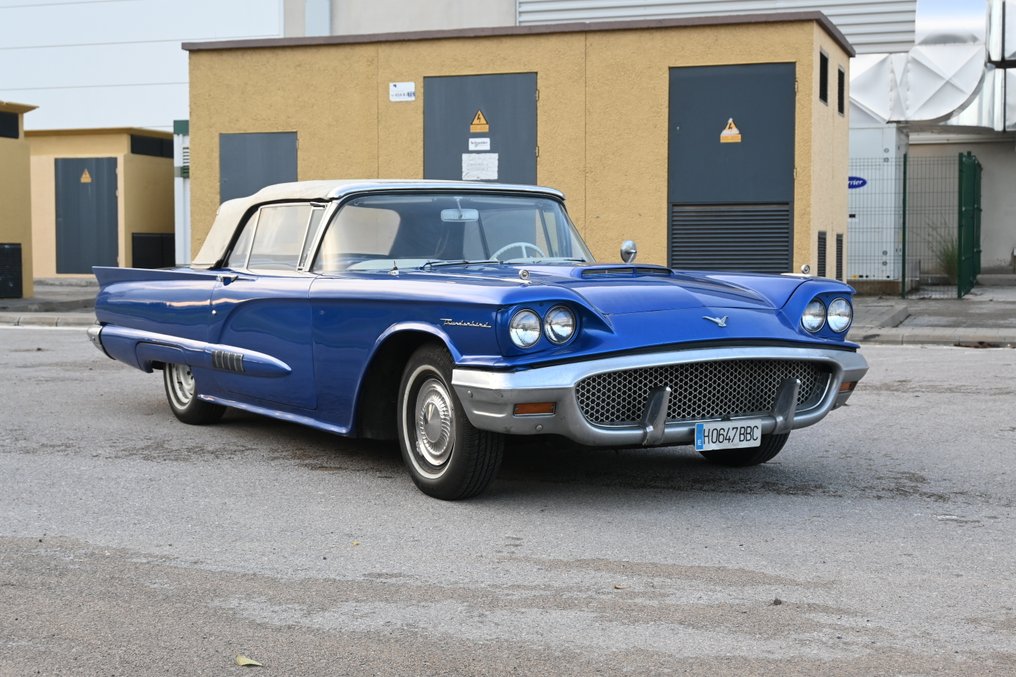
Despite these mechanical concerns, the 1958 Thunderbird remains an iconic classic. Its bold styling, spacious interior, and cultural impact continue to attract collectors. Many restored examples now feature improved cooling systems and rebuilt engines that address the original weaknesses.
The 1958 Thunderbird demonstrates how a beautifully designed car can still suffer from engineering compromises. Its legacy lives on as both a design success and a mechanical cautionary tale.
5. 1971 Jaguar V12 E Type Series III
The Jaguar E Type Series III introduced the long awaited V12 engine, a powerplant that promised smoothness, prestige, and effortless performance.
On paper, it sounded like the perfect upgrade to an already legendary sports car. In reality, the V12 quickly gained a reputation for complexity, overheating, and extremely demanding maintenance requirements.
The engine itself was not poorly engineered in concept. It delivered smooth power and impressive performance when functioning properly. The problem was the surrounding systems that struggled to support it.
Cooling became the biggest challenge. The large V12 generated significant heat, and the cooling system often struggled to keep temperatures under control, especially in warm climates or heavy traffic.
Overheating could lead to serious engine damage if not addressed quickly. Radiators, hoses, and cooling fans required constant attention. Owners learned that ignoring small cooling issues could quickly lead to expensive repairs. This created a reputation for fragility that followed the car for decades.
Another major challenge involved the engine bay layout. The V12 was tightly packed into the E Type’s engine compartment, leaving very little room for maintenance. Routine tasks that should have been simple often became time consuming and expensive. Mechanics frequently needed to remove multiple components just to access basic parts.
Fuel system complexity added another layer of difficulty. The engine used multiple carburetors that required precise tuning to maintain proper performance. If even one carburetor drifted out of adjustment, the engine could run poorly. Keeping everything synchronized demanded regular expert attention.
Electrical issues also became common. The wiring systems of the era were not always reliable, and the heat generated by the engine did not help. Combined with the already complex engine layout, troubleshooting problems could become frustrating and costly.
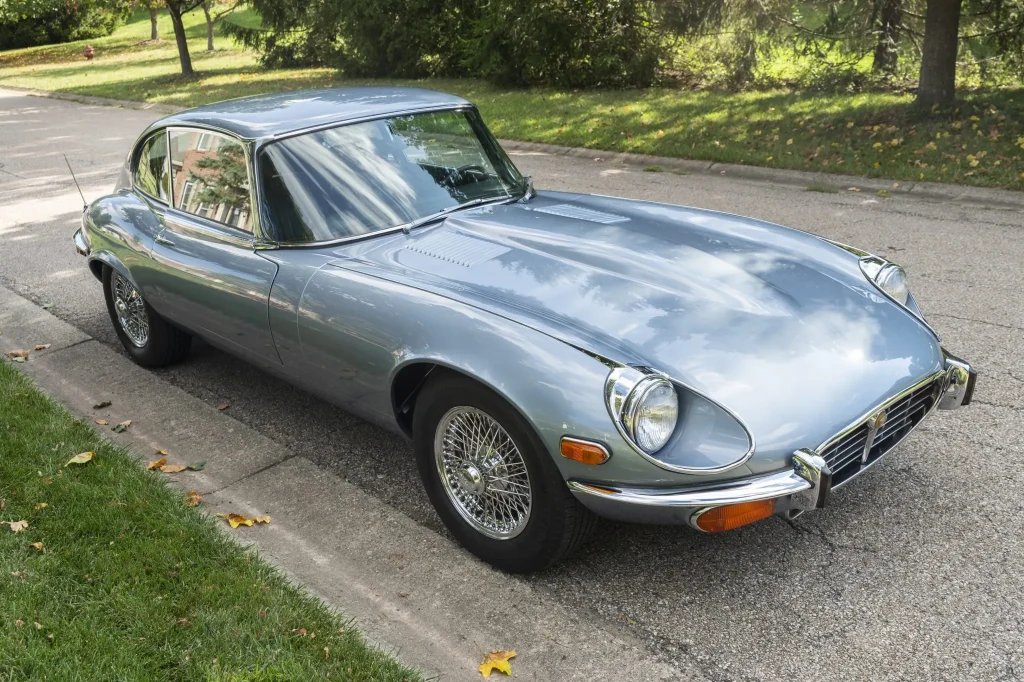
Despite these challenges, the Series III E Type remains a stunning and highly desirable classic. Enthusiasts appreciate its design, heritage, and smooth power delivery. Many restored examples feature upgraded cooling systems and modern improvements that solve the original weaknesses.
The Jaguar V12 E Type shows how ambition and complexity can sometimes create long term maintenance challenges. It remains beautiful, iconic, and mechanically demanding.
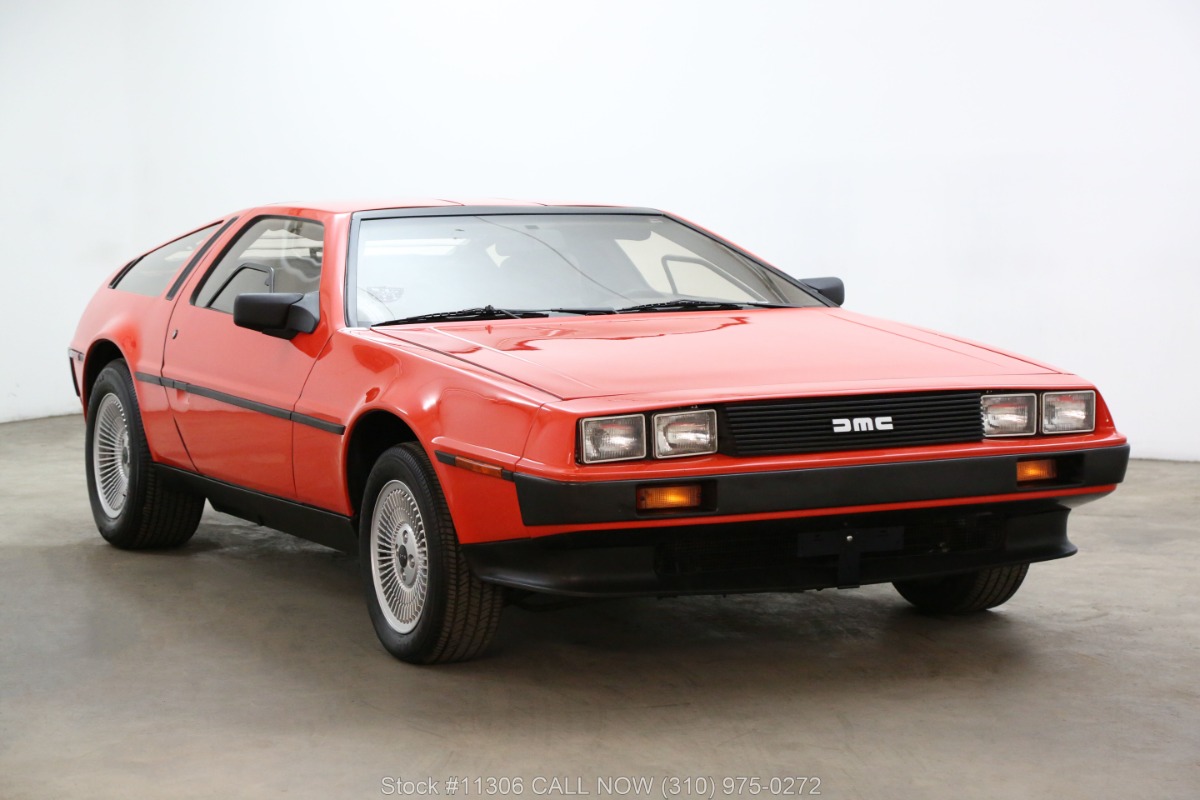
6. 1981 DeLorean DMC 12
The DeLorean DMC 12 is one of the most recognizable cars ever built. Its stainless steel body and futuristic design made it an instant icon. Unfortunately, the engine beneath the striking exterior became a major disappointment for buyers expecting sports car performance.
The DeLorean used a 2.8 liter V6 engine developed through a partnership between Peugeot, Renault, and Volvo. This engine was designed for reliability and efficiency rather than performance. In a lightweight family sedan, it performed adequately. In a sports car with bold styling, it felt underwhelming.
Performance was one of the biggest criticisms. Acceleration was slow compared to competing sports cars of the era. Many drivers expected thrilling speed but instead experienced modest power delivery. This mismatch between appearance and performance hurt the car’s reputation.
Reliability issues also emerged over time. Fuel injection components became known for inconsistent operation. Starting problems, rough idling, and poor throttle response became common complaints. These issues made daily driving less enjoyable and more frustrating.
Maintenance could also be challenging due to limited parts availability and the company’s short lifespan. When the manufacturer ceased operations, owners struggled to find replacement components and qualified technicians. This increased the cost and difficulty of keeping the engine running properly.
The engine’s placement in the rear added complexity to maintenance. Accessing certain components required extra labor, which increased repair costs. For many owners, routine maintenance felt more complicated than expected.
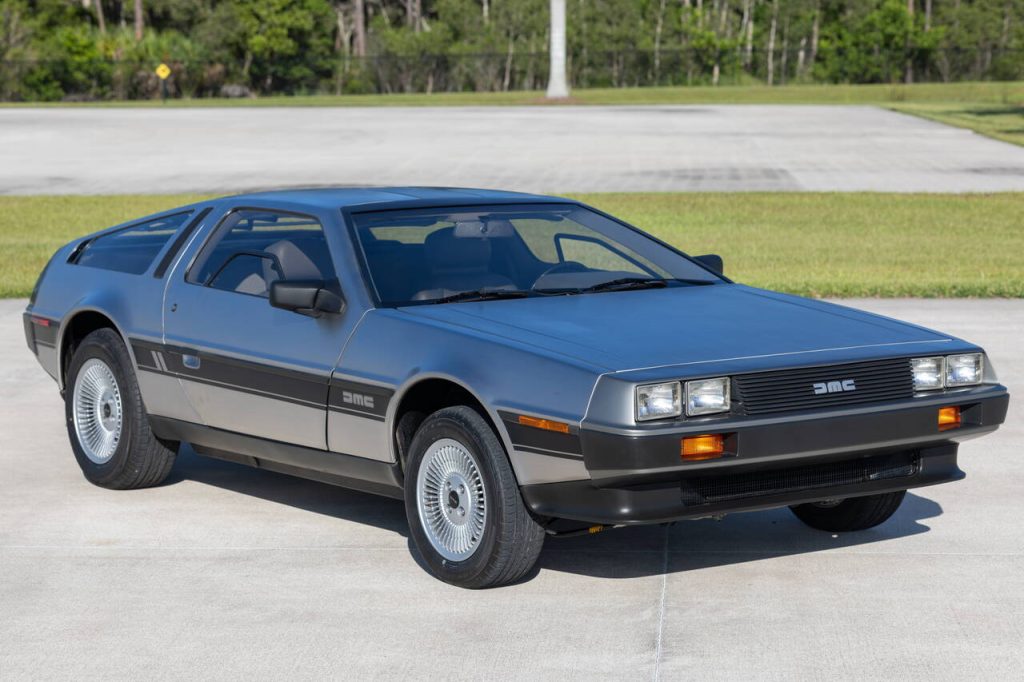
Despite its mechanical shortcomings, the DeLorean achieved cultural immortality through film and pop culture. Enthusiasts continue to restore and upgrade these cars with modern engines and improved fuel systems. These upgrades allow the car’s iconic design to shine without the original engine’s limitations.
The DeLorean DMC 12 proves that a car can become legendary even when its engine fails to meet expectations.
7. 1975 Chevrolet Monza 262 V8
The Chevrolet Monza was introduced as a stylish compact car during a period when manufacturers were trying to balance performance with tightening emissions regulations. The idea of fitting a V8 engine into a small and sporty platform sounded exciting.
Unfortunately, the 262 cubic inch V8 used in the 1975 Monza quickly developed a reputation for disappointing performance and frustrating reliability problems.
The 262 V8 arrived during the peak of the emissions era. Engineers were forced to reduce compression ratios and add restrictive emissions equipment.
These changes dramatically reduced engine output. Buyers who expected strong V8 performance instead received an engine that felt sluggish and unresponsive. The gap between expectations and reality hurt the car’s reputation.
Heat management became a major problem in the compact Monza engine bay. The V8 generated significant heat, but the cooling system struggled to keep temperatures under control. Overheating became a common complaint, especially in warm climates or heavy traffic. Repeated overheating accelerated engine wear and increased the likelihood of failure.
The emissions equipment itself also created complications. Vacuum hoses, early catalytic converters, and carburetor adjustments required constant attention. Small issues could quickly cause poor performance, rough idling, or stalling. Owners often found themselves visiting mechanics for frequent adjustments.
Fuel economy was another disappointment. Buyers expected a smaller V8 to offer a balance between power and efficiency. Instead, the engine delivered mediocre fuel economy without providing the performance benefits of larger V8 engines. This combination left many drivers unsatisfied.
Maintenance became increasingly challenging as the car aged. Replacement parts for emissions components were not always easy to find, and diagnosing problems required patience and expertise. Many owners eventually replaced the engine with more powerful and reliable alternatives.
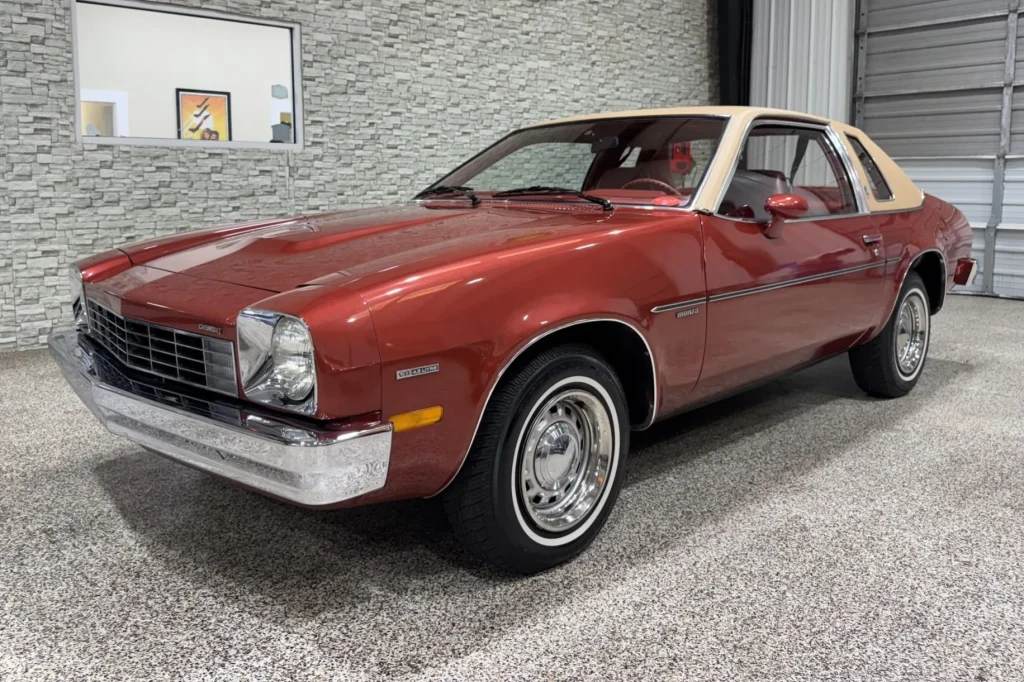
Despite its engine troubles, the Monza remains an interesting piece of automotive history. Its compact design and sporty styling still appeal to collectors. Restored examples often feature upgraded engines that deliver the performance buyers originally expected.
The Monza 262 V8 stands as a reminder of how emissions era compromises affected engine performance and reliability.
8. 1976 Cadillac Eldorado 500 V8
The Cadillac Eldorado represented luxury, comfort, and prestige. The 500 cubic inch V8 engine was one of the largest passenger car engines ever produced. In earlier years, this engine delivered impressive performance. By 1976, however, emissions regulations had transformed it into a shadow of its former self.
Compression ratios were drastically reduced to meet emissions standards. This change significantly lowered power output. The massive engine still consumed large amounts of fuel but delivered far less performance. Buyers expected effortless acceleration, yet many experienced sluggish and uninspiring driving dynamics.
Fuel economy became a major concern. The engine’s size meant it consumed large amounts of gasoline even with reduced power output. During a time of rising fuel costs, this became increasingly unpopular. Owners found themselves spending heavily on fuel without receiving the performance benefits they expected.
Reliability issues also began to appear as emissions equipment became more complex. Vacuum lines, carburetors, and early emissions systems required constant tuning. Small problems could lead to poor drivability, rough running, and difficult starting.
Overheating sometimes occurred due to the strain of moving a large luxury car with reduced engine efficiency. The cooling system worked hard to manage the heat generated by the massive engine, especially during long drives or hot weather.
Despite these drawbacks, the Eldorado remained a symbol of luxury and status. Its styling, comfort, and road presence continue to attract enthusiasts. Many restored examples receive engine tuning or upgrades to improve performance and reliability.
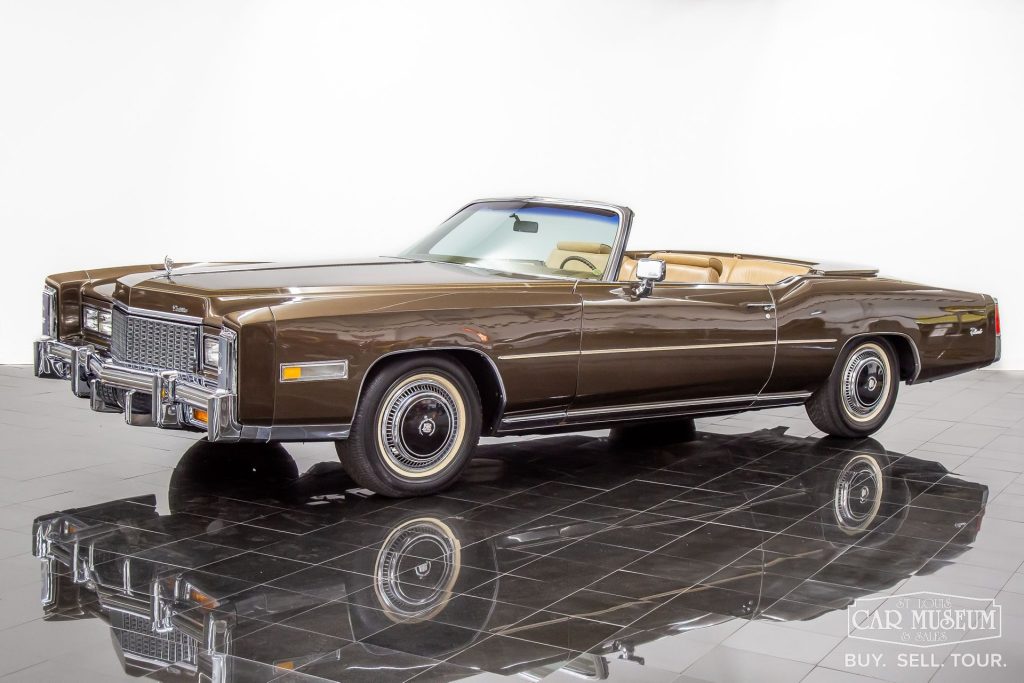
The 1976 Eldorado illustrates how changing regulations transformed even the most powerful engines into compromised versions of their former selves.
9. 1982 Pontiac Firebird Turbo Trans Am
The 1982 Pontiac Firebird Turbo Trans Am arrived during a time when performance cars were trying to reinvent themselves. Turbocharging seemed like the perfect solution to recover lost power while meeting emissions requirements.
Pontiac hoped the turbocharged engine would deliver modern performance and restore excitement to the Trans Am name. Unfortunately, the execution created one of the most disappointing engines of the era.
The turbocharged V8 sounded promising in theory, but real world results fell short of expectations. Turbo lag became one of the most common complaints.
Drivers pressed the accelerator expecting strong acceleration, only to experience a delay before power arrived. This inconsistent response made the car feel unpredictable and less enjoyable to drive.
Reliability concerns also affected the engine’s reputation. Early turbocharging technology was still developing, and heat management remained a major challenge.
The turbo system generated high temperatures that placed extra stress on engine components. Without careful maintenance, parts wore out faster than expected.
Electronic control systems added another layer of complexity. Early engine management technology was less refined than modern systems.
Sensors and control units sometimes failed, causing poor performance or starting problems. Diagnosing these issues could be frustrating for both owners and mechanics.
Fuel delivery also proved difficult to manage. Maintaining the correct air and fuel mixture under boost required precise tuning. When the system drifted out of adjustment, the engine could run poorly or lose efficiency. This created additional maintenance demands.
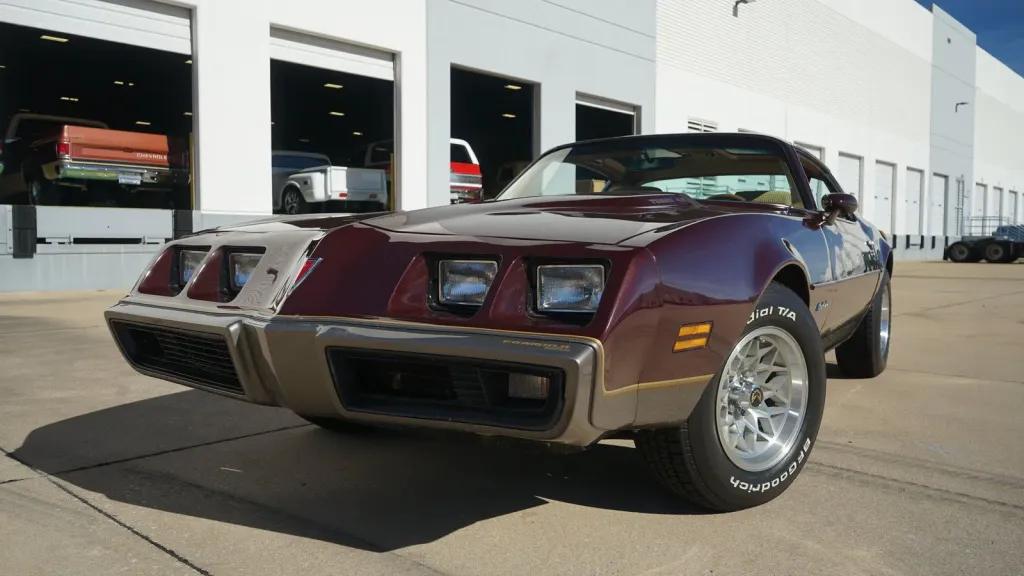
Despite these problems, the Firebird Turbo Trans Am still holds cultural significance. Its styling, pop culture presence, and role in the evolution of turbocharged performance cars keep it relevant today. Many enthusiasts restore these cars with upgraded turbo systems or modern engine swaps.
The 1982 Turbo Trans Am represents an important step in the transition toward modern forced induction performance. It shows how early attempts often involved trial and error.
10. 1979 Maserati Biturbo
The Maserati Biturbo was introduced as an ambitious effort to expand the brand’s appeal. It combined Italian luxury, sporty styling, and twin turbocharged performance at a relatively accessible price. While the concept was exciting, the engine quickly became infamous for reliability problems and costly maintenance.
The twin turbocharged V6 was advanced for its time, but it suffered from fragile components and complicated engineering. Turbochargers generated intense heat, and early cooling solutions struggled to manage temperatures effectively. This led to premature wear and frequent mechanical failures.
Fuel system problems also contributed to the engine’s poor reputation. Carburetors required precise tuning to maintain proper performance. When adjustments were not perfect, the engine could run rough, stall, or lose power. Many owners found themselves visiting specialists regularly.
Electrical issues added to the frustration. Wiring systems of the era were not always dependable, and troubleshooting faults could be time consuming. Combined with the already complex turbocharged engine, maintenance became expensive and demanding.
Oil leaks and timing belt failures became widely reported issues. Neglecting regular maintenance could result in catastrophic engine damage. Owners quickly learned that strict service schedules were essential to keep the car running.
Despite its mechanical challenges, the Biturbo remains historically significant. It helped Maserati survive financially and paved the way for future models. Today, well maintained examples are appreciated by enthusiasts who understand the car’s unique character.
The Maserati Biturbo stands as a reminder that innovation and affordability can sometimes lead to engineering compromises. It remains a fascinating and controversial chapter in automotive history.
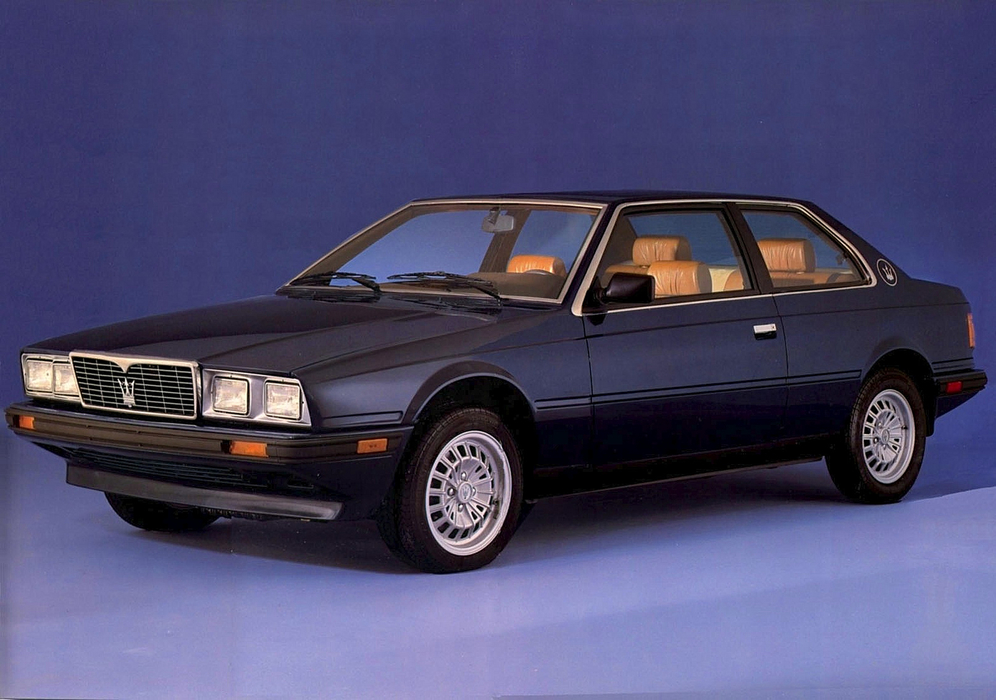
These ten classic cars prove that great styling and historical importance do not always guarantee great engines.
From American compacts to Italian luxury coupes, each vehicle in this list became known for mechanical shortcomings that disappointed buyers and challenged manufacturers.
Some engines suffered from rushed development, while others struggled with emissions regulations, overheating, weak components, or overly complex technology.
Models like the Chevrolet Vega and Oldsmobile diesel experiments highlight the risks of cost cutting and adapting gasoline engines for diesel use.
Luxury and performance cars such as the Jaguar V12 E Type and Maserati Biturbo show how ambitious engineering can create maintenance headaches when supporting systems fall short. Even iconic cars like the DeLorean and Turbo Trans Am demonstrate how expectations can clash with real world performance.
Despite their flaws, these cars remain important pieces of automotive history. Many enthusiasts continue restoring and upgrading them today, proving that even infamous engines cannot erase a classic car’s lasting appeal.
Also Read: 8 Lexus Sedans That Still Feel Premium After 10 Years
