
Owning a sports car is often seen as the ultimate automotive dream. Sleek styling, thrilling acceleration, and the emotional satisfaction of driving something exciting make these vehicles incredibly tempting.
However, beneath the excitement lies a financial reality many buyers underestimate. Some sports cars can quietly drain bank accounts through maintenance, repairs, insurance, and rapid depreciation.
In 2026, the cost of ownership has become even more important. Advanced technology, complex electronics, expensive materials, and rising labor rates mean repairs are more costly than ever.
A single mechanical failure in a high performance car can cost as much as an entire economy car. Many enthusiasts discover too late that the purchase price was only the beginning of the financial commitment.
Another factor is depreciation. Some sports cars lose value quickly once warranties expire. When expensive repairs appear at the same time as falling resale values, owners can face serious financial losses. Insurance premiums, specialized tires, premium fuel, and high service costs add even more pressure.
These cars are not necessarily bad vehicles. In fact, many are brilliant to drive and technologically impressive.
The problem lies in long term ownership costs that catch buyers off guard. This list focuses on sports cars that are known for expensive maintenance, complex engineering, or steep depreciation in the current market.
Understanding these risks can help enthusiasts make smarter decisions before committing to ownership. We begin with two sports cars that deliver incredible performance but can become extremely costly to keep on the road.
Also Read: 10 Engines That Changed Fuel Efficiency Forever
1. BMW M5 (F10)
The BMW M5 F10 offers breathtaking performance and luxury in one package. Its twin turbocharged V8 produces incredible power and delivers thrilling acceleration. Unfortunately, the same advanced engineering that makes the car exciting also makes it extremely expensive to maintain.
The engine is a masterpiece of modern engineering, but it is highly complex. Twin turbochargers, advanced cooling systems, and intricate electronics create many potential failure points. When problems occur, repair costs can be shocking. Even routine maintenance is far more expensive than standard vehicles.
Turbocharger issues are among the most feared expenses. Replacing turbo components involves extensive labor and specialized parts. Owners often face repair bills that reach several thousands. As the car ages, the likelihood of these repairs increases significantly.
Cooling systems also require attention. High performance engines generate intense heat, and cooling components wear over time. Radiators, hoses, and pumps may require replacement earlier than expected. Ignoring these issues can lead to catastrophic engine damage.
The M5 also uses advanced suspension and braking systems designed for performance. Replacing performance brakes and tires is expensive and must be done regularly. Insurance premiums for high performance luxury sedans further increase ownership costs.
Depreciation adds another layer of financial risk. As the car ages and repair costs rise, resale values can drop quickly. Owners may find themselves spending heavily while the vehicle’s market value continues to decline.
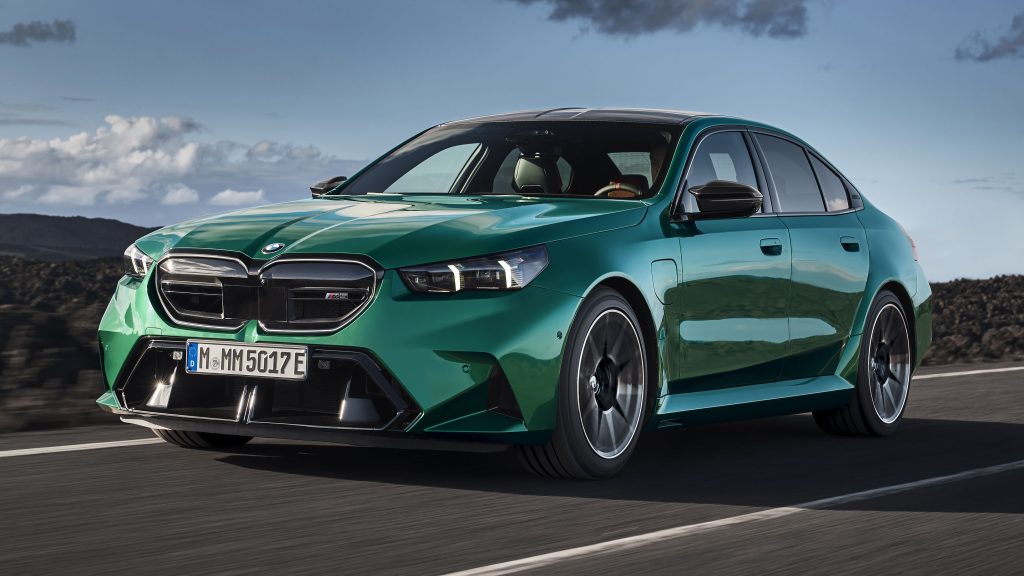
The F10 M5 delivers an incredible driving experience, but long term ownership can become financially overwhelming.
2. Audi R8 V10 (Early Models)
The Audi R8 V10 delivers exotic car performance with everyday usability. Its striking design and high revving engine make it incredibly desirable. However, early models are known for extremely high ownership costs once warranties expire.
The V10 engine is derived from Lamborghini engineering. While this brings thrilling performance, it also introduces exotic car level maintenance costs. Routine service visits can be surprisingly expensive due to specialized parts and labor.
One major concern is the cost of clutch replacement on models with automated manual transmissions. These systems wear faster than traditional automatic gearboxes. Replacement requires significant labor and expensive components, often costing several thousands.
Carbon buildup in the engine is another known issue. Direct injection technology can cause deposits to accumulate on intake valves. Cleaning the system requires specialized procedures that add to long term maintenance expenses.
Suspension components also wear quickly due to the car’s performance focus. Replacing shocks, bushings, and brake components can be extremely costly. Owners must budget for regular maintenance to keep the car performing properly.
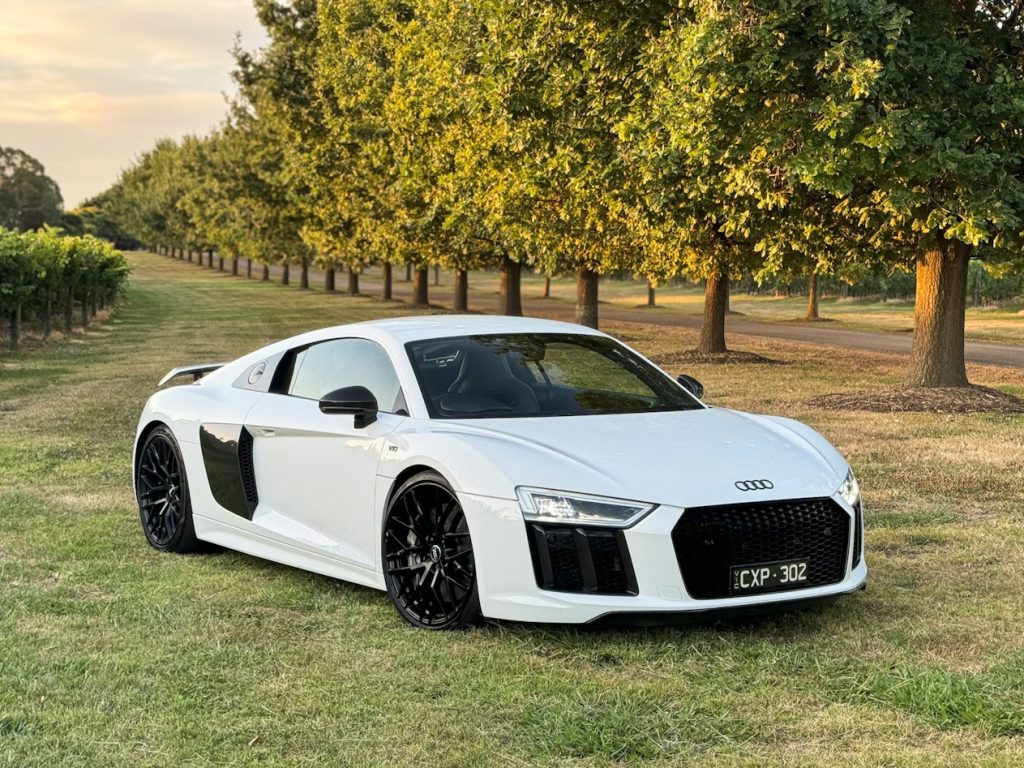
Insurance and depreciation further increase financial pressure. Exotic sports cars often lose value rapidly, especially as maintenance costs rise with age. Owners may face high expenses while resale values continue to fall.
The Audi R8 V10 offers supercar thrills, but long term ownership can become a serious financial commitment.
3. Porsche 911 Turbo (997)
The Porsche 911 Turbo from the 997 generation delivers incredible speed, precision engineering, and everyday usability. Many enthusiasts see it as the perfect balance between performance and practicality. However, once the warranty period ends, ownership costs can rise dramatically and surprise even experienced sports car buyers.
The twin turbocharged flat six engine is an engineering masterpiece, but it is extremely complex. Accessing major components often requires extensive labor, which increases service costs. Routine maintenance that might be simple on other cars becomes far more expensive due to tight packaging and specialized parts.
Cooling system components are a common area of concern. Radiators, coolant lines, and water pumps are exposed to heat and wear over time. Replacing these parts involves significant labor, and neglecting maintenance can lead to serious engine damage.
The all wheel drive system adds another layer of complexity. While it improves traction and performance, it also introduces additional components that require maintenance. Transfer cases, differentials, and driveshafts can become costly as the car ages.
Brakes and tires are another major expense. High performance brake systems wear quickly and cost far more than standard replacements. Specialized tires must be replaced frequently, especially if the car is driven enthusiastically.
Electronic systems can also become problematic over time. Sensors, control modules, and wiring harnesses may require attention as the car ages. Diagnosing electronic issues often requires specialized tools and expertise.
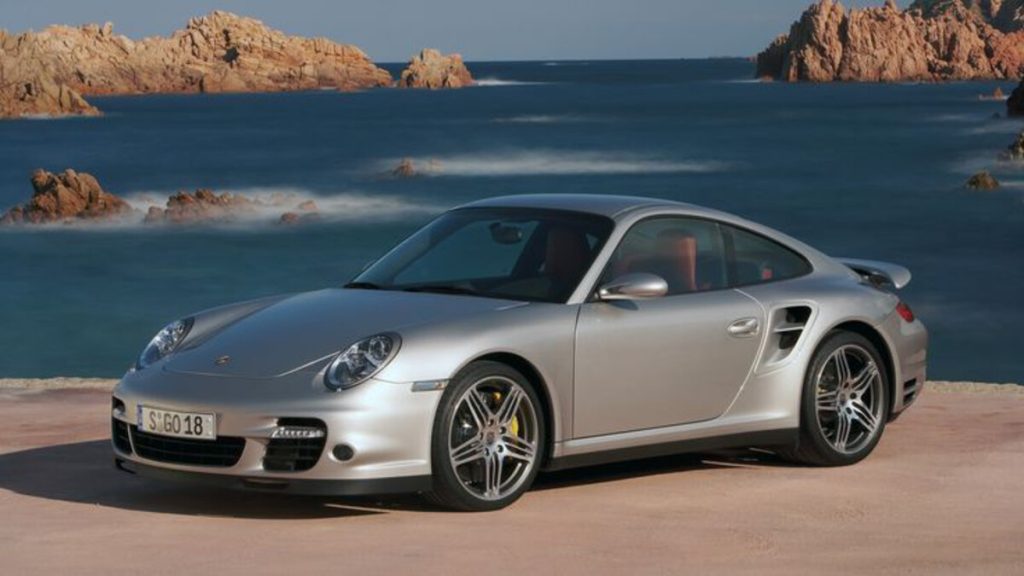
Depreciation adds financial pressure. As repair costs increase, resale values can decline. Owners may spend large amounts maintaining the car while its market value slowly drops.
The 997 Turbo remains an incredible sports car, but long term ownership requires a significant financial commitment.
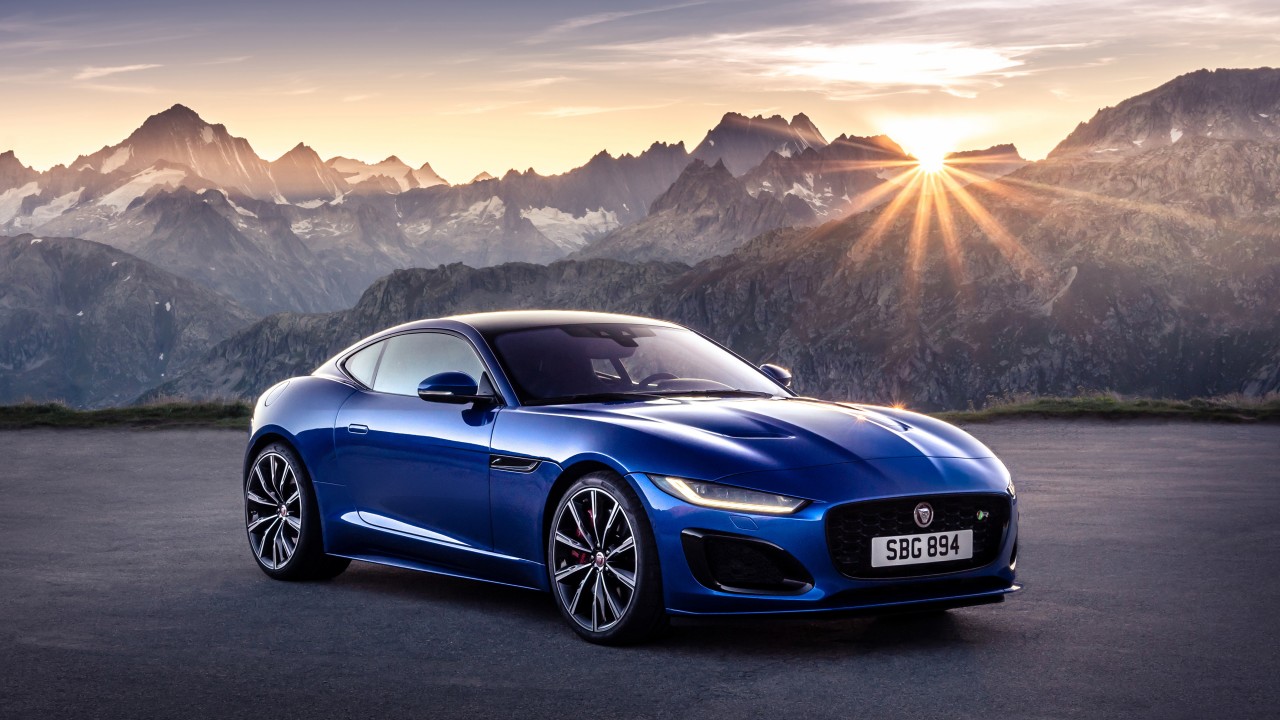
4. Jaguar F Type R
The Jaguar F Type R is one of the most beautiful modern sports cars. Its aggressive styling and supercharged V8 engine deliver an unforgettable driving experience. Unfortunately, the same performance that makes it exciting also makes it expensive to maintain and repair.
The supercharged engine generates intense heat and stress. Cooling systems must work extremely hard to keep temperatures under control. Radiators, hoses, and pumps often require replacement earlier than expected, which increases ownership costs.
Electrical systems are another common concern. Modern Jaguars rely heavily on advanced electronics, and diagnosing faults can be complicated. Repairing sensors, infotainment systems, or wiring can become expensive quickly.
Suspension components wear faster due to the car’s performance focus. Adaptive suspension systems provide excellent handling but add complexity and cost when repairs are needed. Replacing these components can be extremely expensive.
Fuel consumption also contributes to long term expenses. High performance engines require premium fuel and consume it quickly. Insurance premiums for high performance coupes further increase financial pressure.
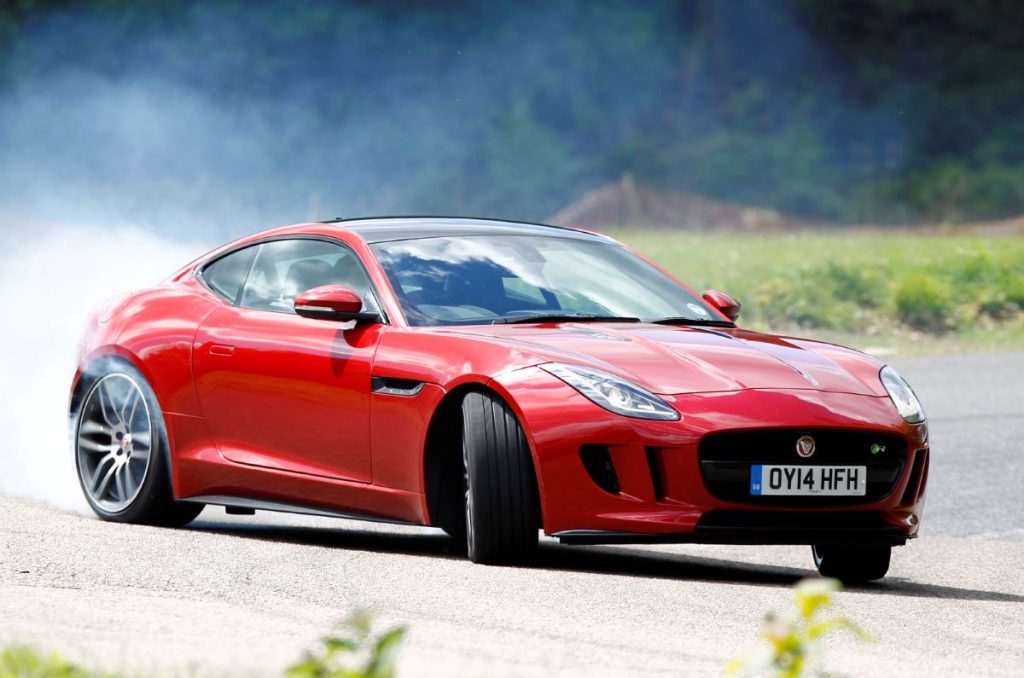
Depreciation plays a major role in the financial risk of ownership. Luxury sports cars often lose value rapidly after purchase. Owners may face high maintenance costs while resale values continue to decline.
The Jaguar F Type R offers thrilling performance and stunning design, but long term ownership can place a heavy strain on finances.
5. Maserati GranTurismo (Early Models)
The Maserati GranTurismo delivers elegance, sound, and performance in a way few sports cars can match. Its Ferrari derived V8 produces a thrilling exhaust note that makes every drive feel special. However, beneath the beauty and excitement lies a level of ownership cost that can overwhelm many buyers.
Routine maintenance for the GranTurismo is significantly more expensive than most sports cars. Even basic service visits often involve specialized parts and skilled labor. Oil changes, fluid services, and inspections cost far more than owners expect when they first purchase the car.
One of the most infamous expenses involves the automated manual transmission found in early models. The clutch wears out quickly, especially in city driving. Replacement requires extensive labor and costly components. Many owners face this repair sooner than expected, leading to large unexpected bills.
Electrical issues can also become frustrating as the car ages. Sensors, control modules, and infotainment systems may develop faults that require professional diagnostics. These repairs can become expensive due to limited parts availability and specialized expertise.
Suspension components wear faster than average because the car is designed for performance and comfort. Replacing shocks, bushings, and brakes can be extremely costly. The car’s weight and power accelerate wear on these components.
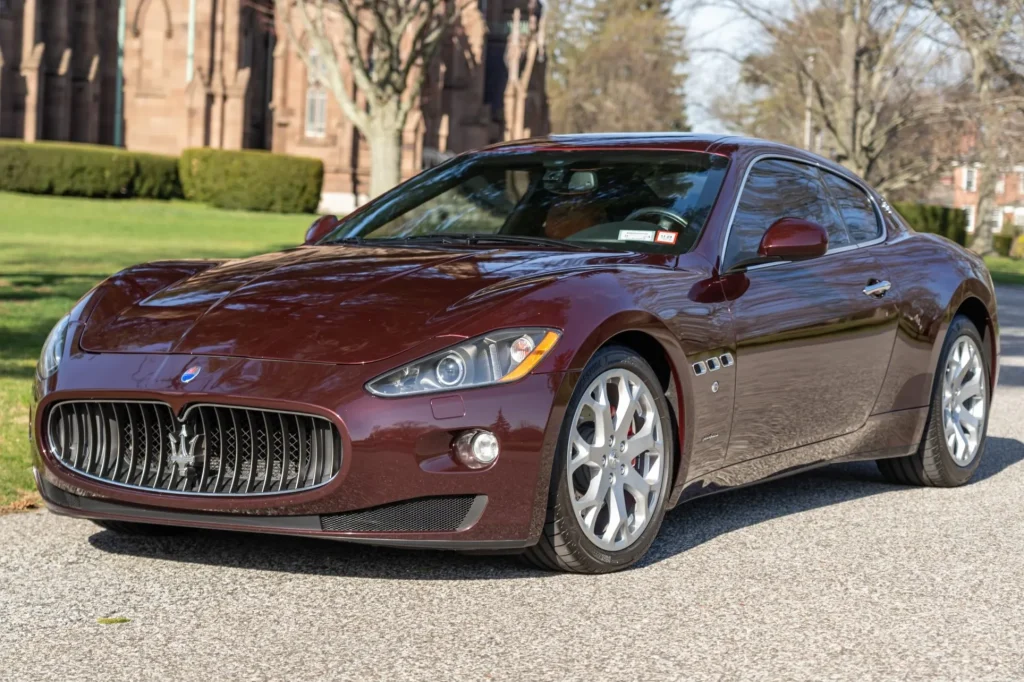
Fuel consumption is another financial burden. The V8 engine requires premium fuel and uses it generously. Insurance costs for exotic Italian sports cars add even more pressure to the ownership experience.
Depreciation makes the financial picture even more challenging. Early GranTurismo models lose value quickly once warranties expire. Owners may find themselves spending heavily on maintenance while the vehicle’s market value continues to decline.
The Maserati GranTurismo offers a beautiful and emotional driving experience, but long term ownership can become financially overwhelming.
6. Mercedes AMG GT (Early Production)
The Mercedes AMG GT delivers stunning performance and advanced engineering. It combines luxury, power, and cutting edge technology into a striking sports car. Unfortunately, early production models are known for expensive maintenance and repair costs that can surprise new owners.
The twin turbocharged V8 engine is powerful but complex. Turbochargers, cooling systems, and electronic controls create numerous potential failure points. When repairs are needed, parts and labor costs can be extremely high.
Heat management plays a major role in long term reliability. High performance engines generate intense heat, which stresses cooling components over time. Radiators, hoses, and pumps may require replacement earlier than expected.
Advanced electronics add convenience and performance but increase repair complexity. Sensors, control modules, and driver assistance systems can fail as the car ages. Diagnosing these issues often requires specialized equipment and expertise.
Performance brakes and tires wear quickly and cost far more than standard replacements. Owners must budget for frequent replacement if the car is driven enthusiastically. Insurance premiums for high performance luxury sports cars further increase costs.
Depreciation adds another financial challenge. Luxury performance cars often lose value rapidly after purchase. Owners may spend significant amounts on maintenance while the car’s resale value declines.
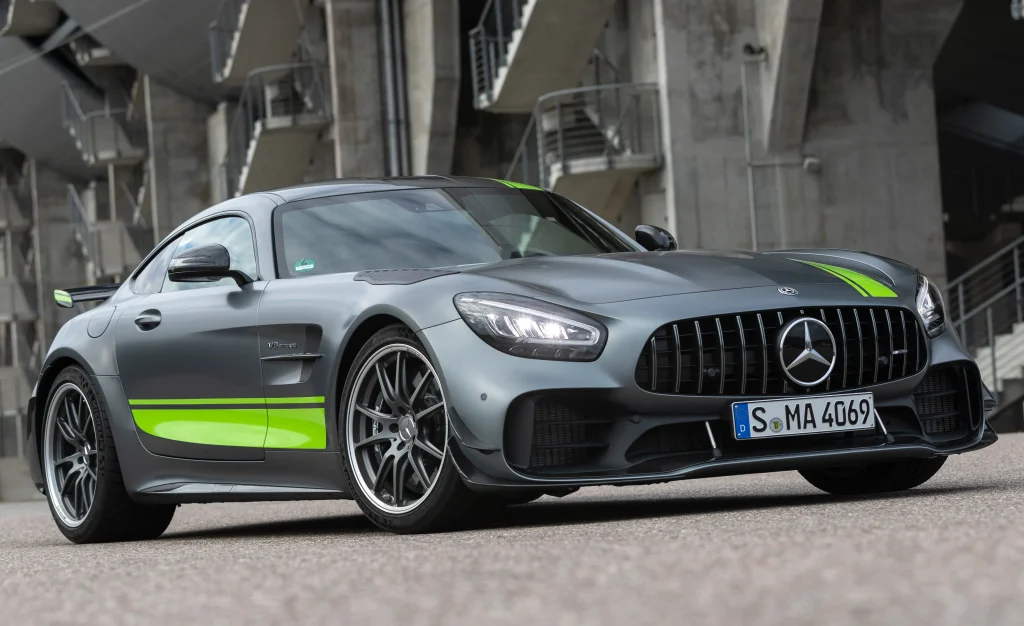
The Mercedes AMG GT offers incredible driving excitement, but long term ownership can become a major financial commitment.
7. Nissan GT R R35 (Early Years)
The Nissan GT R R35 earned the nickname supercar killer thanks to its incredible acceleration and advanced technology.
When it launched, it shocked the automotive world by delivering exotic level performance at a comparatively lower price. However, many owners later discovered that the cost of ownership could rival far more expensive supercars.
One of the biggest financial concerns involves maintenance of the dual clutch transmission. Early models experienced issues related to heat and aggressive driving.
The transmission requires specialized servicing and fluid changes that are far more expensive than traditional gearboxes. Repairs or replacements can reach extremely high costs.
The all wheel drive system adds additional complexity. This advanced drivetrain delivers impressive grip and performance but introduces more components that require attention. Differential service, transfer case maintenance, and drivetrain wear contribute to rising ownership expenses.
Tires and brakes represent another major ongoing cost. The GT R is heavy and extremely powerful, which leads to rapid wear of high performance tires and brake components. Owners who enjoy spirited driving may need replacements frequently.
Insurance premiums are often surprisingly high due to the car’s performance reputation. Fuel consumption also adds up quickly since the engine requires premium fuel and delivers limited efficiency.
Electronic systems and sensors can become problematic as the car ages. Diagnosing these issues requires specialized tools and technicians familiar with the GT R platform. Repair bills can become significant.
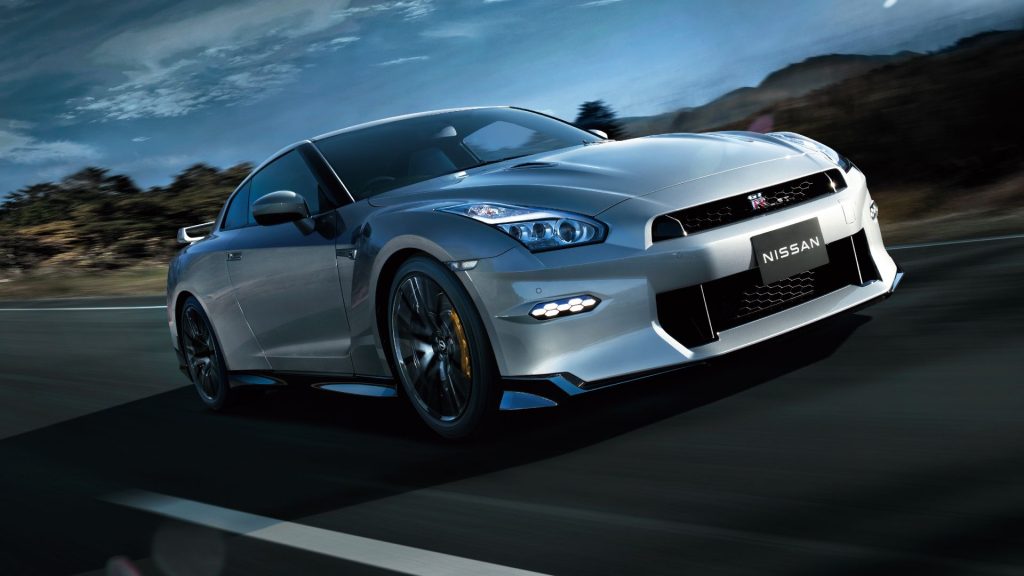
Depreciation compounds the financial challenge. As the car ages and maintenance costs increase, resale values can decline. Owners may face high expenses while the car’s value continues to fall.
The GT R delivers breathtaking performance, but keeping it running at its best can become financially demanding.
8. Ferrari California (Early Models)
The Ferrari California introduced a more practical and comfortable side of Ferrari ownership. With a retractable hardtop and grand touring focus, it attracted buyers who wanted everyday usability with exotic performance. Unfortunately, early models are known for costly maintenance and depreciation that can strain finances.
Routine service for a Ferrari is never inexpensive. Annual maintenance visits often involve specialized inspections, fluid changes, and diagnostic procedures. These services cost far more than most sports car owners expect.
The dual clutch transmission is advanced but expensive to repair if problems arise. Clutch and transmission components require precise servicing and can result in large repair bills when worn or damaged.
Carbon ceramic brake systems are another major expense. While they offer excellent performance and durability, replacement costs can be extremely high. Owners must prepare for significant expenses when these components wear out.
Electrical systems and sensors may also develop faults as the car ages. Diagnosing and repairing these systems requires specialized expertise and genuine parts, which increases costs.
Depreciation plays a major role in the financial risk of ownership. Early California models experienced rapid value drops after release. Owners often face high maintenance expenses while resale values decline.
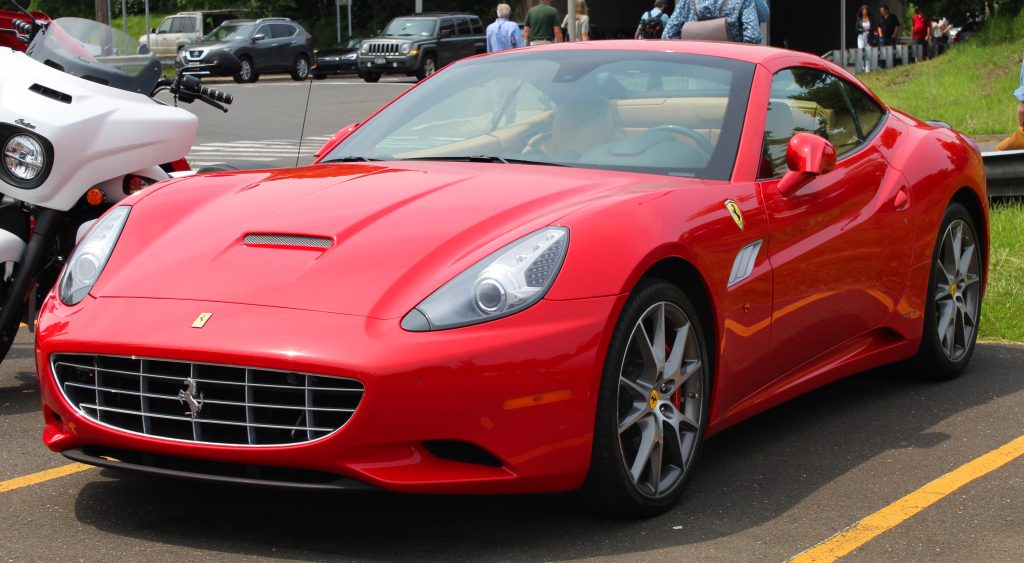
Insurance premiums and fuel costs further increase the financial burden. Exotic sports cars require premium fuel and expensive coverage, adding to yearly expenses.
The Ferrari California offers a glamorous driving experience, but long term ownership can become financially overwhelming.
9. Lamborghini Gallardo (Early Models)
The Lamborghini Gallardo is one of the most recognizable modern supercars. Its dramatic styling, high revving V10 engine, and exotic image make it a dream purchase for many enthusiasts.
However, early models have earned a reputation for ownership costs that can quickly spiral out of control. For buyers in 2026, the purchase price may seem tempting, but the long term financial commitment often becomes overwhelming.
Routine maintenance alone can shock new owners. Even basic annual service visits require specialized parts, skilled technicians, and extensive inspections.
Costs that would seem extreme for ordinary cars are considered normal in the world of exotic supercars. Oil changes, fluid replacements, and inspections can quickly add up each year.
One of the most infamous expenses involves the automated manual transmission found in early Gallardo models.
The clutch wears out quickly, especially in city driving or heavy traffic. Replacement requires removing major drivetrain components and involves significant labor. Many owners face this repair sooner than expected, and the bill can be enormous.
The V10 engine itself is robust when maintained properly, but the surrounding components demand attention. Cooling systems, sensors, and fuel delivery systems require careful upkeep. Small issues can escalate quickly if ignored, turning minor repairs into major expenses.
Suspension and braking systems add another layer of cost. High performance components wear faster due to the car’s speed and weight.
Replacing shocks, bushings, and brake components can cost far more than owners anticipate. Tires are also expensive and require frequent replacement if the car is driven enthusiastically.
Insurance premiums are extremely high due to the car’s value and performance potential. Fuel consumption is also significant, as the engine requires premium fuel and uses it generously. These ongoing costs add pressure year after year.
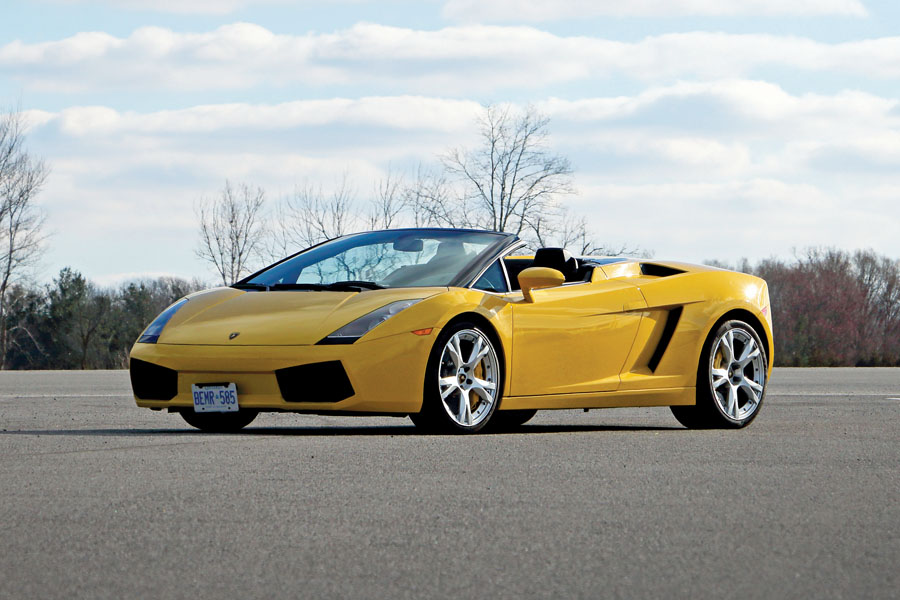
Depreciation creates another financial challenge. While Gallardo prices stabilized for a period, maintenance costs continue to rise as cars age. Owners may spend heavily on repairs while resale values remain unpredictable.
Electrical systems and interior components can also develop issues over time. Diagnosing and repairing these problems often requires specialized equipment and expertise. This adds to the long term ownership burden.
The Gallardo offers incredible performance and unforgettable presence, but long term ownership requires a serious financial commitment that many buyers underestimate.
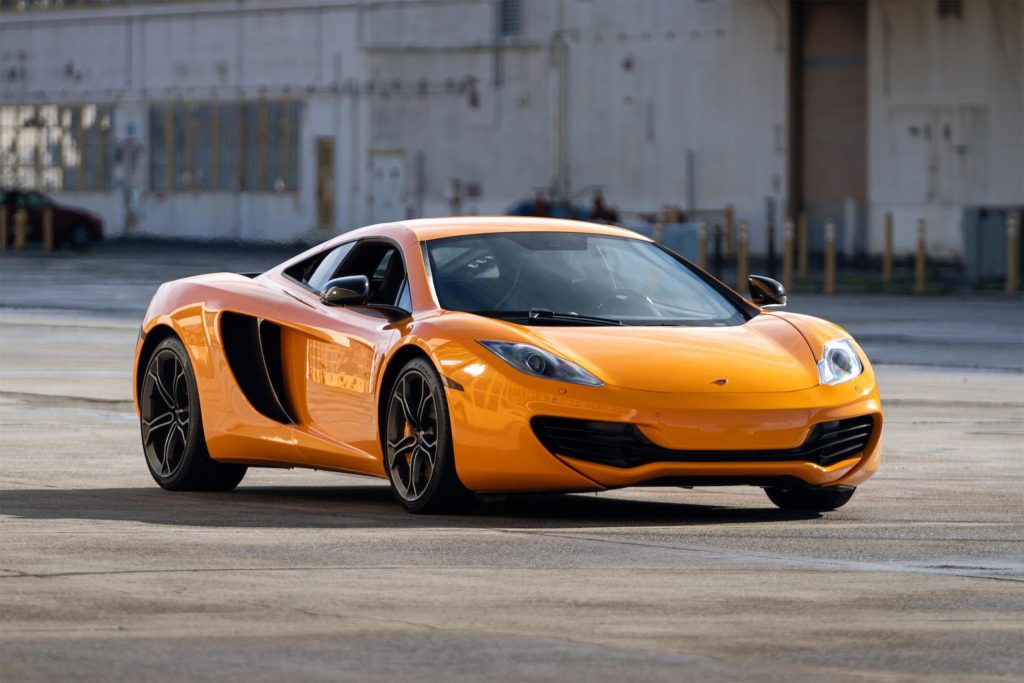
10. McLaren MP4 12C
The McLaren MP4 12C marked the beginning of McLaren’s modern road car era. It introduced advanced engineering, lightweight construction, and incredible performance. While the car delivered groundbreaking technology, early models became known for reliability concerns and extremely high maintenance costs.
The twin turbocharged V8 engine is powerful and sophisticated, but it relies on complex electronic and hydraulic systems.
Early software and electrical issues created numerous reliability concerns. Owners frequently reported warning lights, sensor failures, and unexpected faults that required professional diagnosis.
One of the most expensive aspects of ownership involves the hydraulic suspension system. This advanced system delivers incredible ride quality and handling, but repairs can be extremely costly. When components fail, replacement parts and labor can result in massive repair bills.
The carbon fiber structure is another impressive feature that increases ownership costs. While strong and lightweight, repairs to carbon fiber components require specialized expertise and equipment. Even minor damage can lead to expensive repairs.
Routine maintenance is also costly. Service visits often involve detailed inspections and specialized procedures. Replacement parts are expensive, and labor requires technicians trained specifically for McLaren vehicles.
Electrical issues were particularly common in early production models. Infotainment systems, sensors, and control modules sometimes required updates or replacements. Diagnosing these problems added additional expense and inconvenience.
Insurance premiums for high performance exotic cars are extremely high. Fuel consumption is also significant due to the car’s performance focus. These ongoing expenses add to the long term financial burden.
Depreciation has been another major factor. Early MP4 12C models lost value quickly after release. Owners often face high maintenance costs while resale values remain lower than expected.
The McLaren MP4 12C delivers extraordinary performance and advanced engineering, but long term ownership can become financially draining for unprepared buyers.
Owning a sports car is often associated with passion, excitement, and the thrill of driving something extraordinary. However, the vehicles in this list prove that the dream can quickly become a financial challenge when long term ownership costs begin to accumulate.
While each car offers impressive performance and strong emotional appeal, their maintenance demands, depreciation, and operating expenses can create serious financial strain.
One of the most consistent themes across these ten sports cars is engineering complexity. Vehicles such as the BMW M5, Mercedes AMG GT, and McLaren MP4 12C rely on advanced turbocharged engines, sophisticated electronics, and high performance components.
These features deliver incredible driving experiences but introduce numerous potential failure points. As these cars age and warranties expire, repair bills can become shockingly expensive.
Exotic cars like the Lamborghini Gallardo and Ferrari California highlight another major issue. Even routine maintenance can cost far more than expected.
Specialized parts, trained technicians, and detailed service procedures mean basic upkeep becomes a major yearly expense. Owners often underestimate how quickly these costs add up.
Transmission and drivetrain issues appear repeatedly throughout the list. Cars such as the Nissan GT R and Audi R8 feature advanced dual clutch or automated manual gearboxes that require expensive servicing.
When problems arise, repair or replacement costs can reach extreme levels. These systems deliver incredible performance but require significant financial commitment to maintain.
High performance braking systems and specialized tires also contribute to rising ownership costs. Sports cars are designed for speed and handling, which leads to faster wear of consumable components. Frequent replacement of tires and brakes becomes a regular expense for enthusiastic drivers.
Insurance and fuel costs further increase the financial burden. High performance vehicles typically require premium fuel and expensive insurance coverage. These ongoing expenses continue year after year, even when the car is not driven frequently.
Depreciation remains one of the most overlooked factors. Many of these sports cars lose value quickly after purchase. Owners may face rising maintenance costs while the car’s resale value steadily declines. This combination creates a financial double impact that surprises many buyers.
Despite these challenges, these sports cars remain exciting and desirable. They represent engineering achievements and deliver unforgettable driving experiences. However, the key lesson is that purchase price alone does not define affordability. Long term ownership costs play an equally important role.
Understanding these financial realities helps enthusiasts make informed decisions. With careful planning and realistic expectations, sports car ownership can still be rewarding. Without preparation, however, the dream of owning a high performance vehicle can quickly turn into a costly financial burden.
Also Read: 10 Hybrid Cars With Reliability Records You Should Avoid
