Heavy-duty trucks are engineered to handle extreme workloads, but not all frames perform the same way. Some trucks use fully boxed, rigid frames that provide maximum durability, stability, and towing performance, making them ideal for demanding commercial or off-road applications.
Other trucks feature chassis designed to flex intentionally under load. This flexibility allows them to absorb stresses, improve ride comfort, and maintain traction on uneven terrain. Understanding the difference between trucks with strong, rigid frames and those with engineered chassis flex is crucial for buyers seeking the right balance of capability, comfort, and reliability.
In this comparison, we examine five trucks with exceptionally strong frames, including the Chevrolet Silverado 3500HD, GMC Sierra 3500HD, Toyota Land Cruiser, Ram 3500 HD, and Mercedes-Benz G-Wagen, and contrast them with five trucks designed to flex under load, such as the Ford F-250 pre-2017, Freightliner Cascadia, Ford F-450 Chassis Cab, Nissan Titan XD, and older Toyota Tundra models.
5 Heavy Duty Trucks With Strong Frames
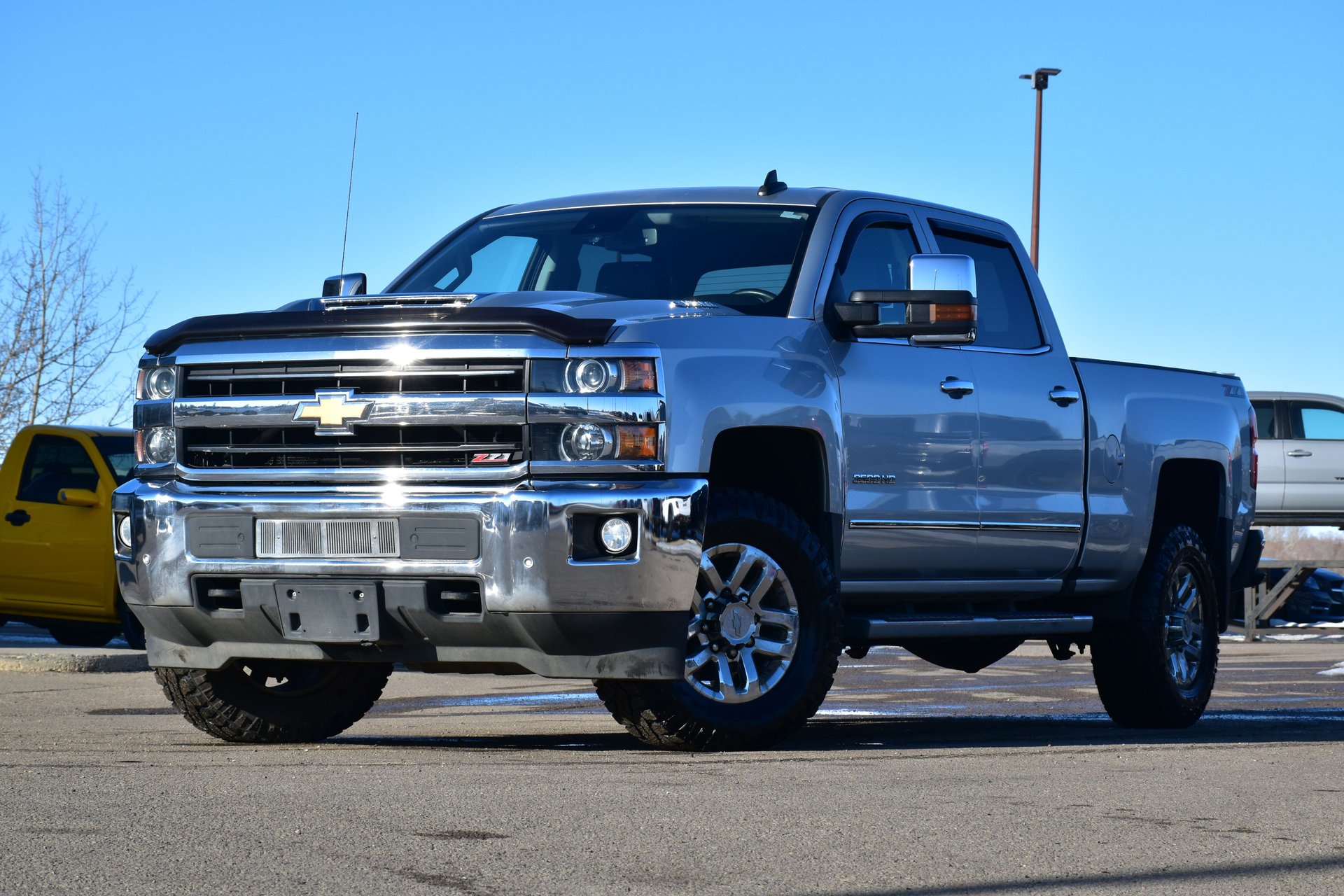
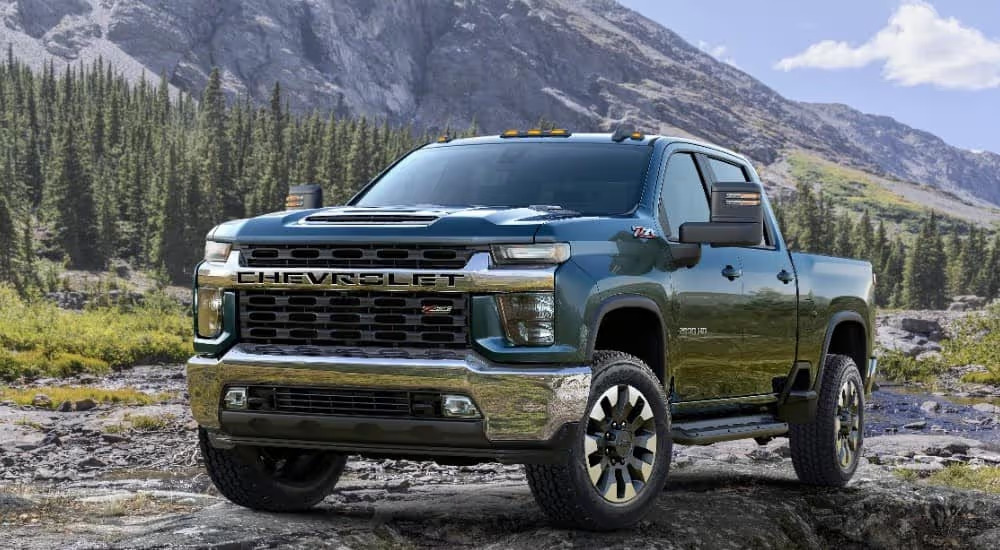
1. Chevrolet Silverado 3500HD: Heavy-Duty Engineering and 2025 Performance Highlights
Starting with the 2011 model year, General Motors upgraded the Chevrolet Silverado 3500HD with a fully boxed, high-strength steel frame to significantly improve towing capability, payload strength, and chassis rigidity.
This redesign was focused on delivering greater durability and more controlled handling under extreme work demands. The reinforced frame remains the backbone of the Silverado 3500HD’s heavy-duty performance.
Constructed using approximately 80% high-strength steel with thicknesses ranging from 2 to 5 mm, the ladder-type frame is fully boxed from front to rear. This design increases torsional stiffness and reduces flex when hauling substantial loads.
Advanced manufacturing techniques such as hydroforming, roll forming, and tailor-rolled blanking strategically reinforce high-stress areas without adding unnecessary weight. These methods allow the Silverado 3500HD to support payload capacities of up to 7,234 pounds and achieve maximum gooseneck towing ratings of up to 36,000 pounds when properly equipped.
For 2025, the Silverado 3500HD continues to deliver impressive power through two available V8 engines. The standard 6.6-liter V8 produces 401 horsepower and 464 lb-ft of torque, enabling towing of up to 19,080 pounds.
Drivers seeking maximum pulling strength can opt for the available 6.6-liter Duramax® turbo-diesel V8, which generates 470 horsepower and a remarkable 975 lb-ft of torque, supporting towing capabilities of up to 36,000 pounds.
Both engines are paired with a ten-speed automatic transmission and are offered in two-wheel drive or four-wheel drive configurations. A dual rear wheel option is available for added balance and control when handling larger trailers.
Inside the cabin, the Silverado 3500HD blends work-ready durability with modern comfort. Available seating materials include cloth, vinyl, leather, and perforated leather upholstery.
Features such as heated and ventilated front seats, heated rear outboard seats, a heated steering wheel, and dual-zone automatic climate control enhance comfort in varying weather conditions. Split-folding bench seats with under-seat storage provide practical solutions for storing tools and equipment.
The 2025 model also offers advanced technology designed to keep drivers connected and informed. An available 13.4-inch Chevrolet Infotainment 3 Premium system with Google built-in supports Apple CarPlay®, Android Auto™, Bluetooth®, and Wi-Fi hotspot capability. Additional available features include a 12.3-inch driver information center, wireless charging, a head-up display, and a Bose® premium sound system.
Safety and trailering technologies such as forward collision alert, automatic emergency braking, trailer side blind zone alert, hitch guidance, hitch view, and surround vision cameras help drivers maintain confidence and awareness during demanding towing tasks.
2. GMC Sierra 3500HD: Heavy-Duty Capability with Premium Refinement for 2025
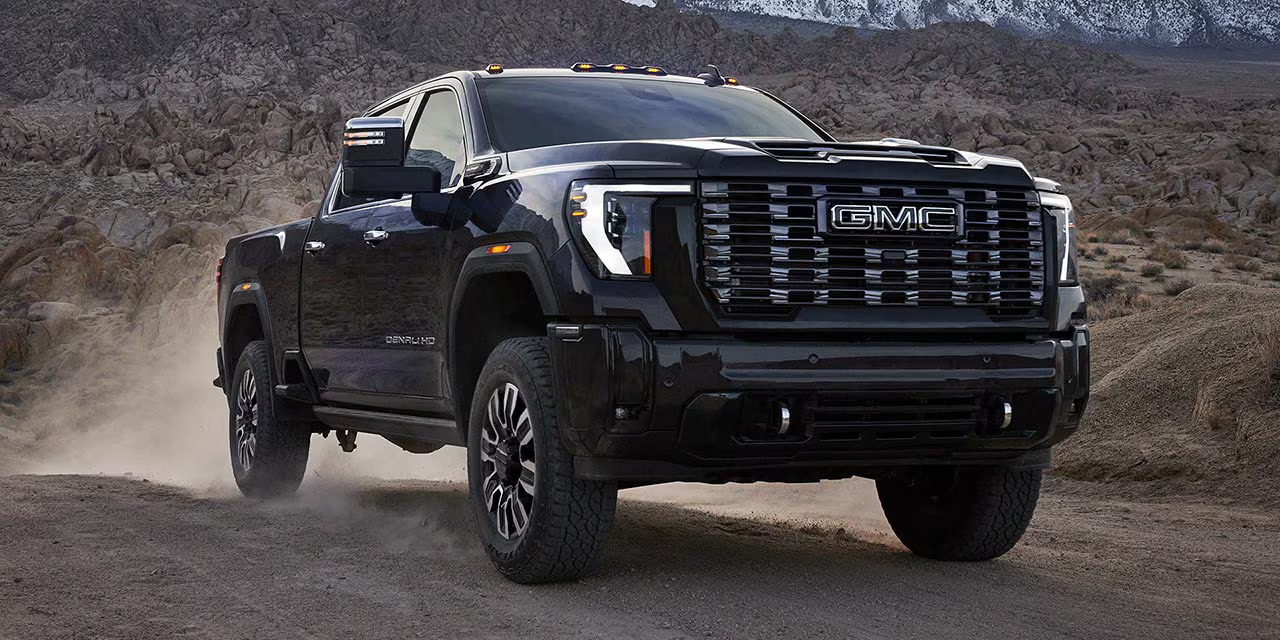
The GMC Sierra 3500HD stands as one of the leading contenders in the heavy-duty truck segment, competing directly with the Ford F-350 Super Duty and the Chevrolet Silverado 3500HD.
Sharing its ultra-rigid, fully boxed frame architecture with its Chevrolet sibling, the Sierra 3500HD benefits from a high-strength steel ladder frame engineered to deliver exceptional stability, steering control, and durability under extreme workloads. Designed for commercial-grade demands, it supports towing capacities exceeding 35,000 pounds and payload ratings above 7,000 pounds when properly configured.
The fully boxed structure enhances torsional rigidity compared to open-channel frames, while reinforced suspension components and heavy-duty underpinnings ensure the truck can manage large trailers and substantial payloads with confidence. Stability for gooseneck and fifth-wheel setups is a key strength, and the robust foundation is built to endure years of demanding use while maintaining long-term reliability and resale value.
For 2025, the Sierra 3500HD continues with seven trims: Pro, SLE, SLT, AT4, Denali, AT4X, and Denali Ultimate. Notable updates include adaptive cruise control with trailering assist, now standard on AT4 and Denali trims, along with broader availability of front and rear park assist. A trailer brake controller is now standard across the lineup, reinforcing the truck’s work-ready focus.
Buyers can choose between two V8 engines paired with a ten-speed Allison automatic transmission. The standard 6.6-liter gasoline V8 produces 401 horsepower and 464 lb-ft of torque, while the available 6.6-liter Duramax turbo-diesel V8 generates 470 horsepower and an impressive 975 lb-ft of torque.
Properly equipped, the diesel variant can tow up to 36,000 pounds. Dual rear wheels are available for added stability during heavy hauling.
Inside, the Sierra ranges from practical and durable in lower trims to highly refined in Denali and Denali Ultimate models. Upper trims feature premium materials such as full-grain leather and real wood accents, along with a 13.4-inch touchscreen, 12.3-inch digital instrument cluster, wireless charging, head-up display, and an available 12-speaker Bose sound system.
Spacious cab configurations and multiple bed lengths enhance versatility, offering up to 83.5 cubic feet of cargo capacity.
Safety features include forward collision alert, automatic emergency braking, lane departure warning, and up to 15 camera views, including a transparent trailer function. Backed by solid warranty coverage and proven V8 powertrains, the 2025 Sierra 3500HD delivers serious capability paired with premium comfort.
3. Toyota Land Cruiser: Rugged Frame Engineering Meets Modern Hybrid Performance
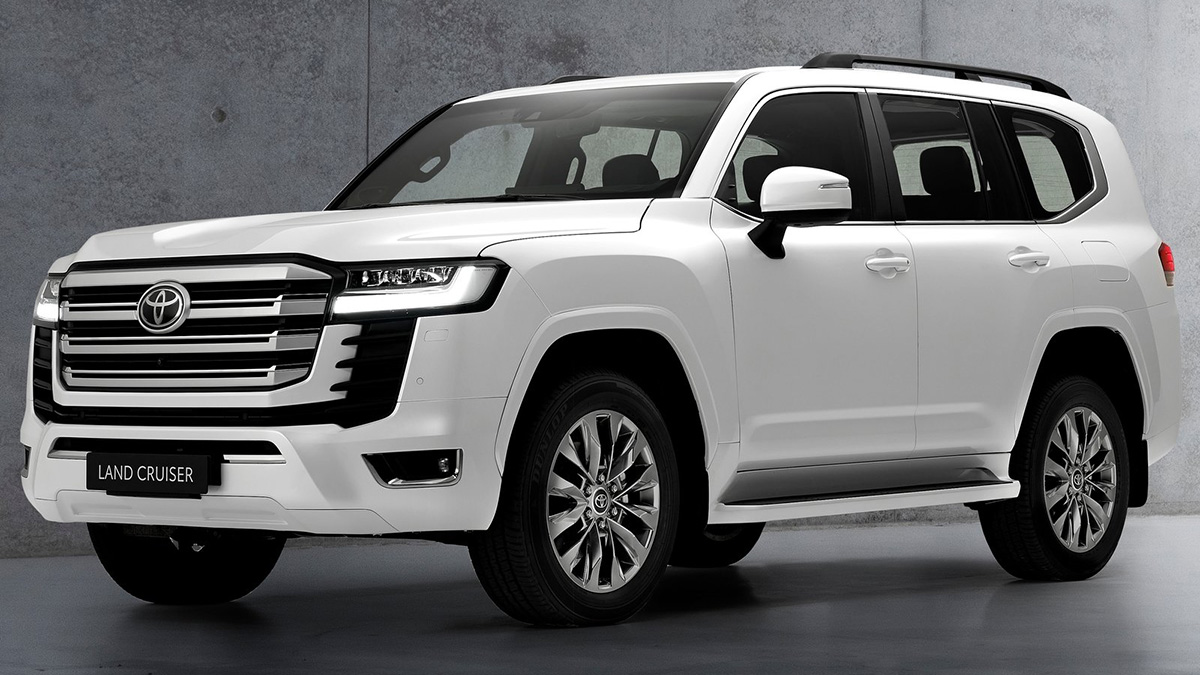
The Toyota Land Cruiser has long been recognized as one of the most durable and capable utility vehicles in global markets, earning its reputation through a focus on rugged engineering and long-term reliability.
Central to this legacy is its use of a fully boxed, body-on-frame construction designed to withstand extreme off-road abuse, heavy loads, and harsh environments. Modern Land Cruiser models continue this tradition while integrating advanced materials and manufacturing techniques to improve strength, safety, and efficiency.
At the heart of the latest Land Cruiser is Toyota’s GA-F ladder-frame platform, which emphasizes rigidity and durability without excessive weight. Built using high-tensile steel, advanced laser welding, and extensive use of structural adhesives, the frame delivers a significant increase in torsional rigidity up to 50 percent in newer generations such as the 300 Series.
Structural adhesives, measuring nearly 12 meters across key joints, strengthen critical connection points while reducing vibration and improving long-term durability. Despite its increased strength, the frame is lighter than previous designs thanks to tailor-welded blanks and optimized steel thickness, which also helps lower the vehicle’s center of gravity.
The traditional body-on-frame layout plays a key role in off-road capability. By isolating the body from suspension and drivetrain stresses, the Land Cruiser can traverse uneven terrain, rocks, and ruts with reduced risk of structural damage. This rigid platform also contributes to improved towing stability, collision safety, and predictable handling when carrying heavy loads or traveling in demanding conditions.
Powering the latest generation is a modern hybrid drivetrain, replacing the naturally aspirated V8 engines of earlier models. A turbocharged 2.4-liter four-cylinder engine works alongside two electric motors to produce a combined 326 horsepower.
Paired with an eight-speed automatic transmission, the Land Cruiser comes standard with a sophisticated four-wheel-drive system that includes a locking center differential, low-range gearing, crawl control, and hill-descent control.
This setup provides strong low-end torque for off-road use, though electric boost delivery can feel inconsistent due to the compact battery pack. On paved roads, the Land Cruiser offers a smooth and quiet ride compared to rivals like the Ford Bronco and Jeep Wrangler.
The downsized body places the Land Cruiser in the midsize SUV segment, offering two rows of seating for five passengers. Interior comfort ranges from functional in the base 1958 trim to more premium in higher trims with ventilated seats, larger touchscreens, and upgraded audio systems. Cargo capacity remains competitive, balancing daily usability with adventure readiness.
Standard safety technology is extensive, thanks to Toyota Safety Sense 3.0, while warranty coverage includes complimentary maintenance and long hybrid component protection. Together, these elements make the modern Land Cruiser a blend of legendary toughness and contemporary engineering.
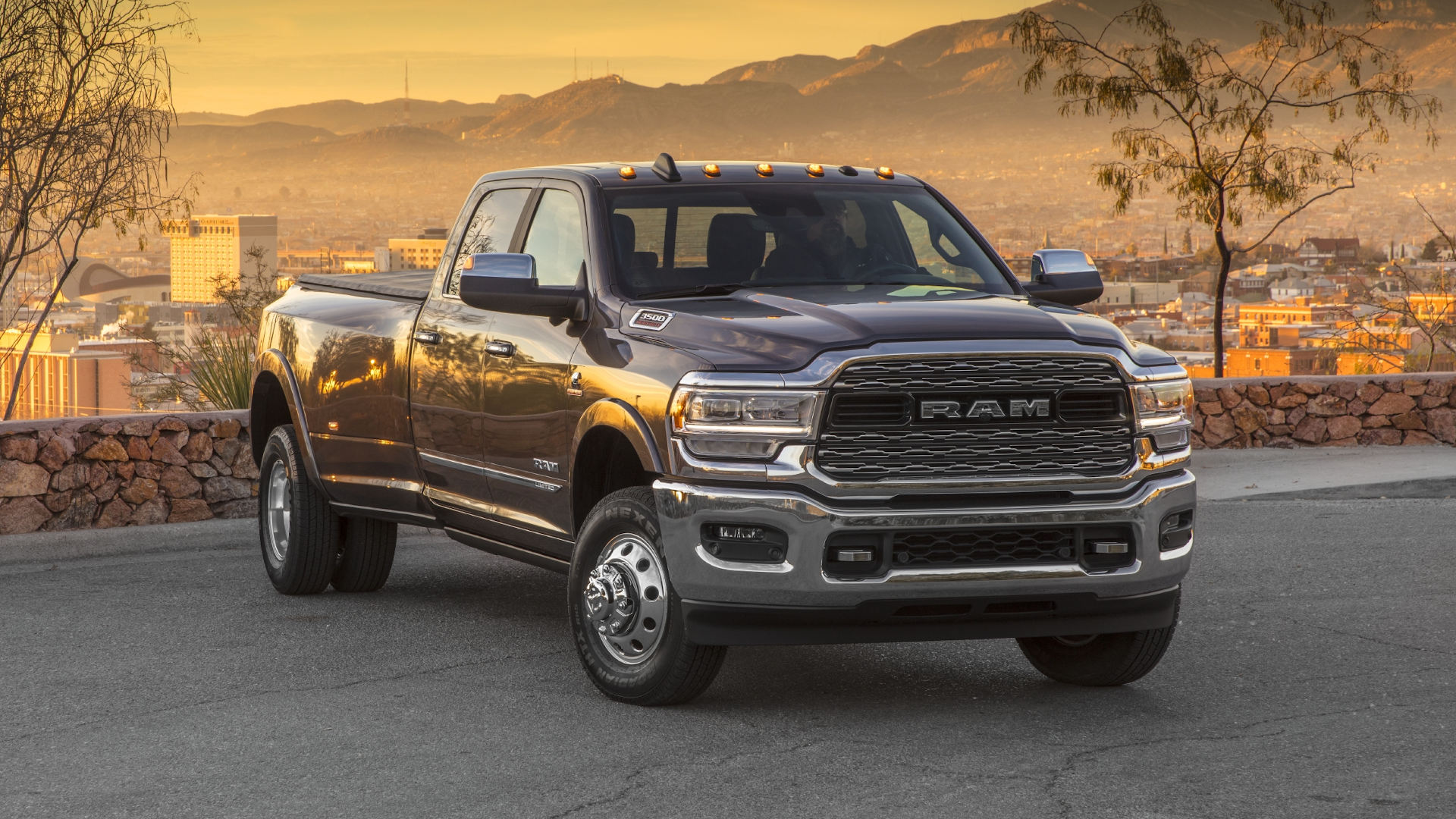
4. Ram 3500 HD: Durable Frame and Heavy-Duty Capability
The Ram 3500 HD is built around a robust, fully boxed frame designed to handle extreme towing and payload demands while maintaining stability, safety, and comfort.
Its high-strength steel construction, reinforced with eight fully boxed crossmembers and additional structural bracing, ensures rigidity under heavy-duty commercial, fifth-wheel, or gooseneck towing scenarios. This design allows the 3500 HD to tow over 36,600 pounds and carry payloads exceeding 6,000 pounds when properly configured.
High-strength steel and aluminum components reduce weight while increasing structural integrity, contributing to better handling, improved durability, and enhanced load capacity. The frame’s reinforced design is more rigid than the Ram 2500, which allows the 3500 HD to withstand constant, commercial-grade loads without compromising safety.
Leaf-spring rear suspension, combined with the robust frame, ensures stability under massive trailers, while redesigned components reduce noise, vibration, and harshness, providing a smoother ride than might be expected from a vehicle of this size. An optional air suspension system further improves comfort by automatically adjusting under varying loads.
Performance is highlighted by the 6.7-liter Cummins high-output turbo-diesel engine, delivering 430 horsepower and an extraordinary 1,075 lb-ft of torque. This combination provides best-in-class towing capacity for diesel pickups, especially for heavy gooseneck trailers.
The 2025–2026 Ram 3500 HD features a refined cabin with premium materials, advanced technology, and a quiet, comfortable ride, even on long hauls. Infotainment options include a 12-inch or 14.5-inch touchscreen, a 12.3-inch digital instrument display, and 360-degree cameras for easier maneuvering and trailer guidance.
While the 3500 HD excels in capability, it carries trade-offs, including a high price point, larger size that can be challenging in tight spaces, and a stiffer ride when empty. Fuel economy ranges from 11–15 MPG, which may limit range without frequent refueling.
Updates for 2025–2026 include refreshed styling, a larger infotainment screen, improved towing technology, and enhanced safety features. Competing directly with the Ford F-350 and Chevrolet Silverado 3500HD, the Ram 3500 HD stands out by offering a combination of immense power, advanced technology, and luxury in a heavy-duty pickup designed for demanding workloads and long-distance comfort.
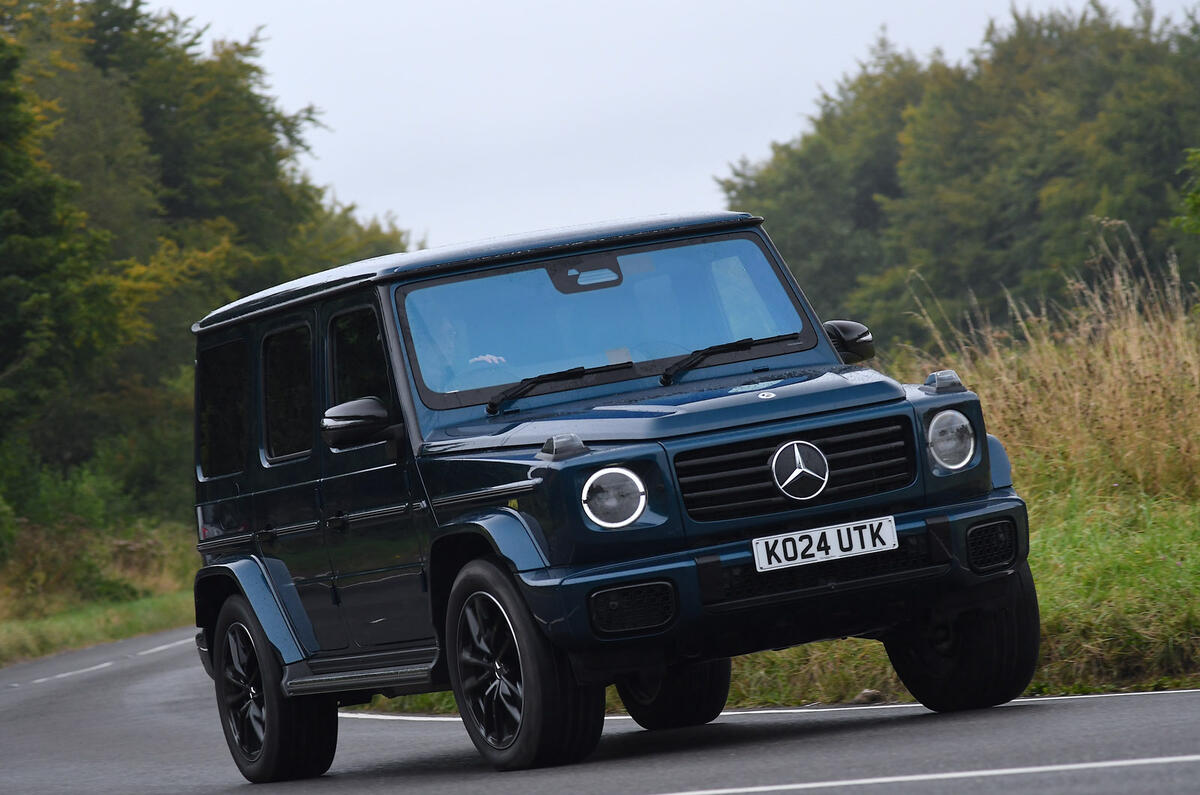
5. Mercedes-Benz G-Wagen: Legendary Ladder Frame and Off-Road Capability
The Mercedes-Benz G-Wagen is an iconic luxury SUV known for its rugged ladder-frame chassis, a cornerstone of its legendary off-road performance and structural durability. Its frame, constructed from steel up to 3.4 mm thick, is designed for maximum torsional rigidity, military-grade endurance, and long-term reliability.
The G-Wagen’s body-on-frame construction separates the chassis from the body, allowing it to withstand extreme terrain, heavy loads, and twisting forces while providing a stable platform for both conventional and electric variants.
Originally developed in the 1970s for military use, the G-Wagen maintains its tough DNA in modern versions. The ladder frame is reinforced with a strut tower brace connecting the front suspension, further increasing torsional rigidity.
High-strength steel and advanced alloys ensure the vehicle can navigate harsh environments, including water crossings up to 33.5 inches and rocky, uneven trails. Even the electric G 580 with EQ technology retains this classic frame, adapted to house the battery pack while preserving off-road capabilities.
Performance is a balance between luxury driving and extreme terrain handling. The 2025 G 550 features a 3.0-liter inline-six with mild-hybrid assist, producing 443 horsepower for improved fuel efficiency. The AMG G 63 retains its 4.0-liter V8 with 577 horsepower, offering a 0-60 mph time of 4.2 seconds.
The electric G 580 delivers 579 horsepower and 859 lb-ft of torque, though its 240-mile range remains a key consideration. Standard off-road features include four-wheel drive, low-range gearing, and front, rear, and center locking differentials.
The interior reflects Mercedes’ luxury pedigree, with soft leather, premium finishes, and robust build quality. Dual 12.3-inch MBUX screens provide modern infotainment, while physical controls ensure practical use during off-road excursions. Despite its luxury, visibility can be limited by thick front pillars and a rear-mounted spare tire, and cargo space is modest.
While generally reliable and retaining strong resale value, some issues have been noted, including electrical system glitches, suspension noise, transmission delays, and potential oil consumption in AMG engines. Rust can develop around the rear tailgate and frame if not carefully maintained, particularly after heavy off-road use.
The G-Wagen remains a status symbol and a highly capable off-roader, blending military-grade structural integrity with luxury, technology, and extreme performance, even though many owners may never exploit its full off-road potential.
Also read: 5 Cars With Simple Dash Layouts vs 5 With Confusing Ones
5 Prone to Chassis Flex
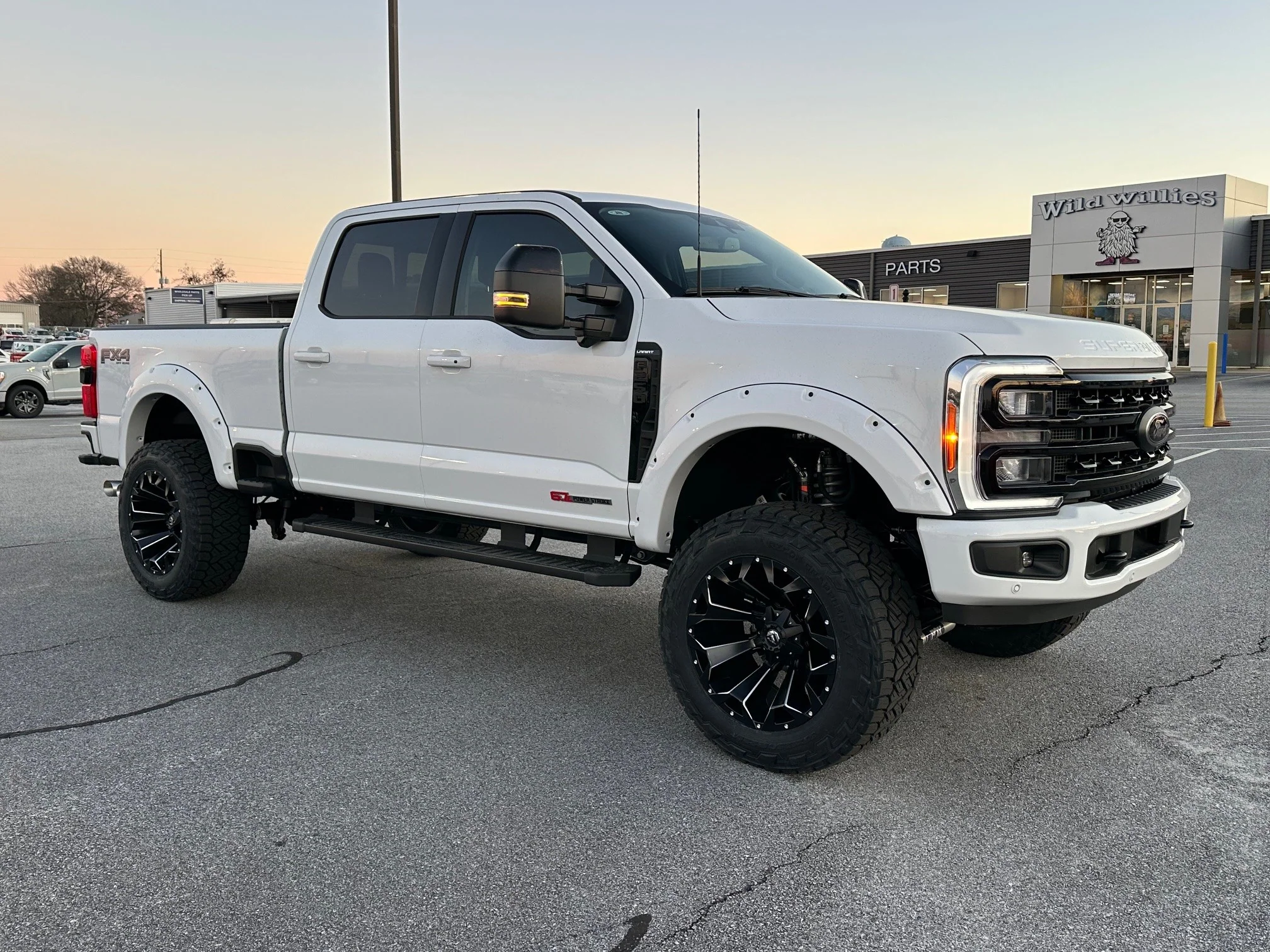
1. Ford F-250 Super Duty Pre-2017 Models: Purpose-Built Frame Flex for Heavy-Duty Performance
Pre-2017 Ford F-250 Super Duty models, particularly those produced between 2011 and 2016, were intentionally engineered with a controlled degree of chassis flex. This design was not a defect but a calculated approach to improve durability, towing stability, ride comfort, and long-term structural integrity under extreme working conditions.
These trucks featured a high-strength steel frame that combined a boxed front section with open C-channel rear rails. While later generations adopted a fully boxed frame throughout, the earlier C-channel construction allowed more torsional twist and longitudinal movement. This flexibility enabled the frame to absorb and distribute stress more effectively when hauling heavy payloads or towing large trailers across uneven terrain.
One of the primary advantages of controlled flex was improved load management. When subjected to intense torque or uneven ground, a slightly flexible frame spreads force across a broader section of the chassis.
This reduces concentrated stress points that could otherwise lead to cracking in a completely rigid structure. For heavy-duty vocational use such as construction, agriculture, or jobsite hauling, this design worked together with the suspension system to manage demanding conditions.
Ride quality also benefited from this approach. A perfectly rigid heavy-duty truck frame would produce a harsh experience when driving without cargo. The engineered flex helped absorb road irregularities, resulting in a more comfortable ride during everyday use while still maintaining strength for work tasks.
Towing dynamics were another key factor. Controlled chassis movement allowed the truck to handle repetitive trailer forces without transferring excessive strain directly to the frame or body mounts. The ability to twist slightly over obstacles also helped maintain wheel contact on uneven surfaces, improving traction and stability.
In 2017, Ford introduced a significantly stiffer, fully boxed frame built with a higher percentage of high-strength steel. While this redesign improved rigidity and towing stability, the pre-2017 models relied on purposeful flexibility to balance durability, comfort, and heavy-duty capability in real-world applications.
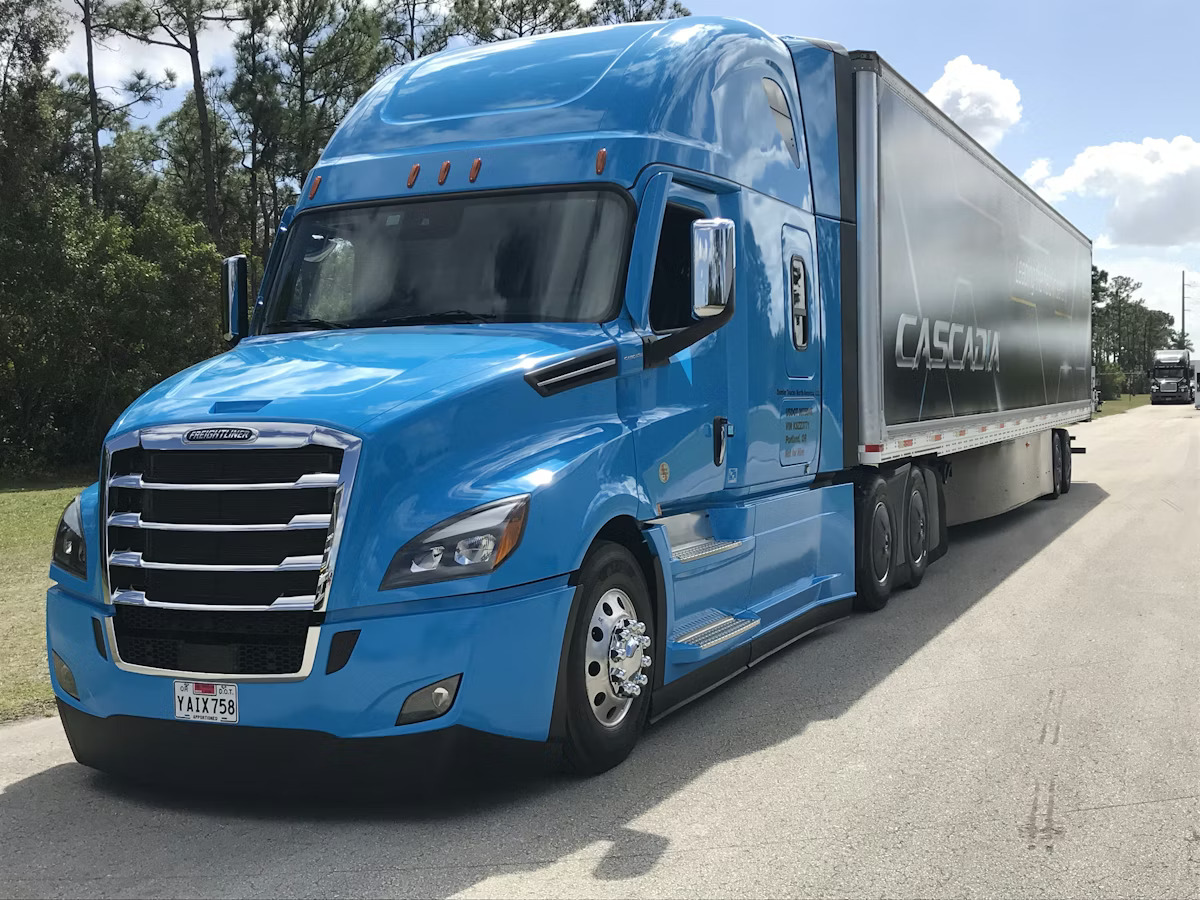
2. Freightliner Cascadia: Designed Chassis Flex Enhances Durability and Performance
The Freightliner Cascadia, like most Class 8 semi-trucks, is built with controlled chassis flex to improve durability, performance, and longevity in demanding conditions.
Unlike fully rigid frames, which concentrate stress and risk failure under heavy loads, the Cascadia uses C-channel or I-beam construction that allows the frame to bend and twist slightly. This engineered flexibility helps the truck handle uneven roads, heavy fluctuating loads, and high-impact forces over long distances.
One of the main benefits of chassis flex is structural durability. A rigid frame would absorb all the energy from bumps, potholes, and uneven pavement, causing metal fatigue and potential cracks.
Controlled movement distributes these forces throughout the chassis, preventing localized stress and extending the truck’s lifespan. This design also reduces maintenance needs since components are less likely to break under repeated strain.
Chassis flex improves traction and handling. On rough or uneven terrain, rigid frames can cause wheels to lift, reducing contact with the road. The flexible frame keeps all wheels planted, enhancing stability and driver control. The coordination between the chassis and suspension provides a smoother, more manageable ride, whether the truck is empty or fully loaded.
Flexibility also supports load distribution. Class 8 trucks experience significant weight changes between empty and fully loaded conditions. A frame that can flex absorbs these changes without compromising strength. Designing a fully rigid frame to prevent all flex would add weight, reducing payload capacity and fuel efficiency, both critical for the Cascadia’s performance.
Controlled chassis flex protects sensitive components as well. Engine, transmission, and cab mounts are designed with bushings and fasteners that allow movement while keeping parts secure. This reduces localized stress and prevents premature wear.
The Freightliner Cascadia’s chassis flex is a deliberate engineering choice that enhances durability, traction, load management, and component protection, ensuring the truck performs reliably under heavy-duty, long-haul conditions.
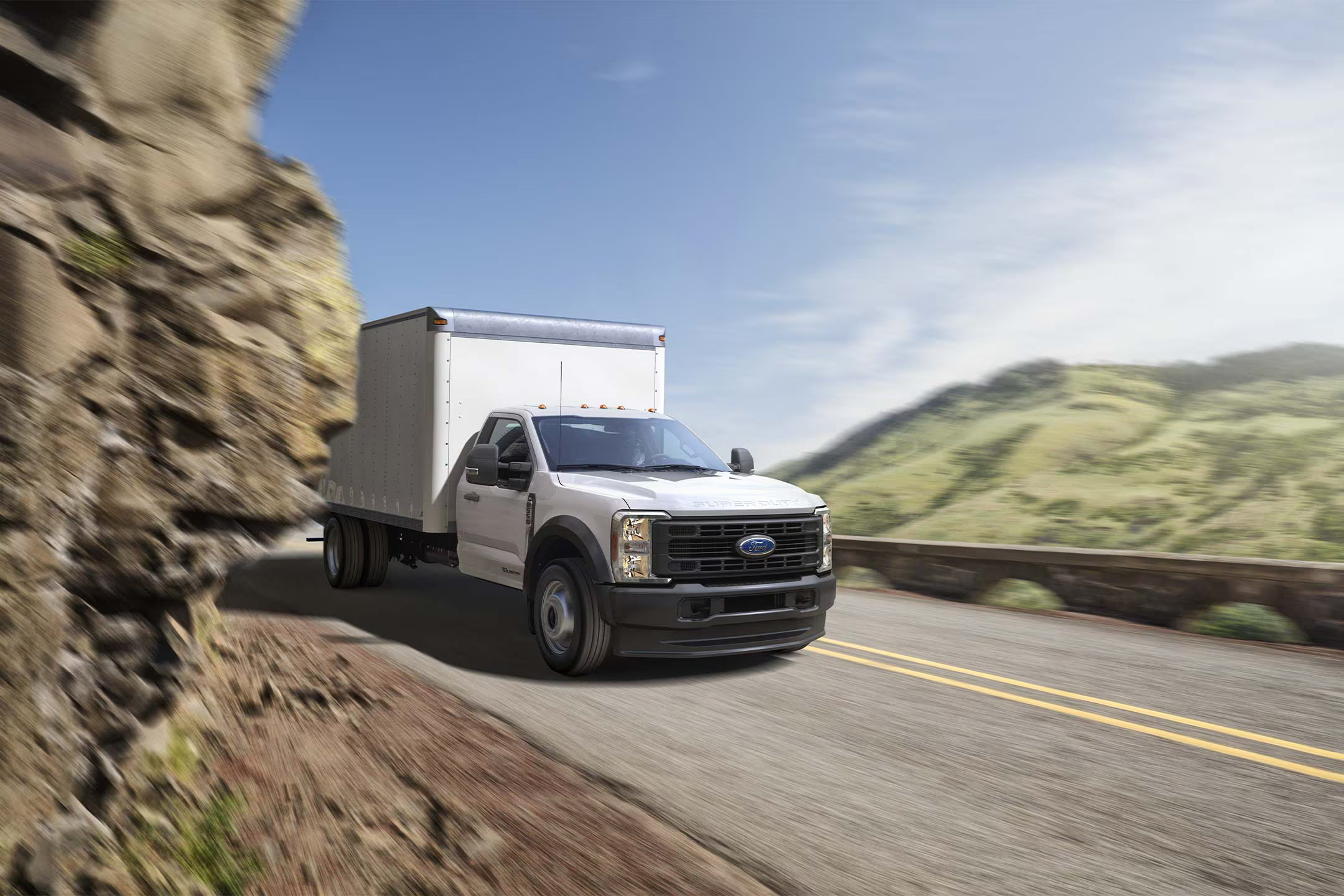
3. Ford F-450 Chassis Cab: Engineered Flex for Heavy-Duty Performance
The Ford F-450 Chassis Cab is designed with intentional chassis flex to manage the extreme stresses of heavy-duty hauling and commercial upfitting.
Unlike standard pickup models that use fully boxed frames for stiffness, the F-450 Chassis Cab features a high-strength steel frame that is boxed from the cab forward but transitions to an open C-channel at the rear. This design balances rigidity with flexibility, allowing the truck to handle massive payloads while providing a durable platform for vocational modifications.
The open C-channel frame allows the rear of the chassis to twist and articulate on uneven terrain, distributing the weight of heavy loads across the suspension, axles, and tires. Unlike fully boxed frames, which are prone to permanent deformation under extreme torsion, the C-channel can flex and return to its original shape. This ensures durability and longevity even under demanding workloads.
Commercial upfitting is a key reason for this frame design. The open C-channel makes it easier to bolt on heavy equipment, such as dump beds, cranes, or utility bodies.
The standard 34-inch frame-rail width provides a consistent mounting surface, simplifying installation for aftermarket equipment. Reinforcements with up to 10 cross-members maintain structural integrity while still allowing controlled flex, preventing stress fractures during high-torque operations.
The F-450 can handle up to 7,850 pounds of payload and tow up to 37,000 pounds in 2025 configurations. The chassis flex absorbs stresses from acceleration under full load or uneven surfaces, protecting both the frame and mounted equipment.
A distinction exists between the F-450 Pickup and Chassis Cab. The pickup uses a fully boxed frame for maximum towing stability, especially for gooseneck trailers, while the Chassis Cab retains the open C-channel rear to prioritize flexibility, durability, and compatibility with commercial upfits.
The F-450 Chassis Cab’s engineered flex is a deliberate feature that enhances load management, durability, and vocational adaptability, ensuring the truck performs reliably in extreme commercial environments.
4. Nissan Titan XD: Engineered Flex for Strength and Comfort
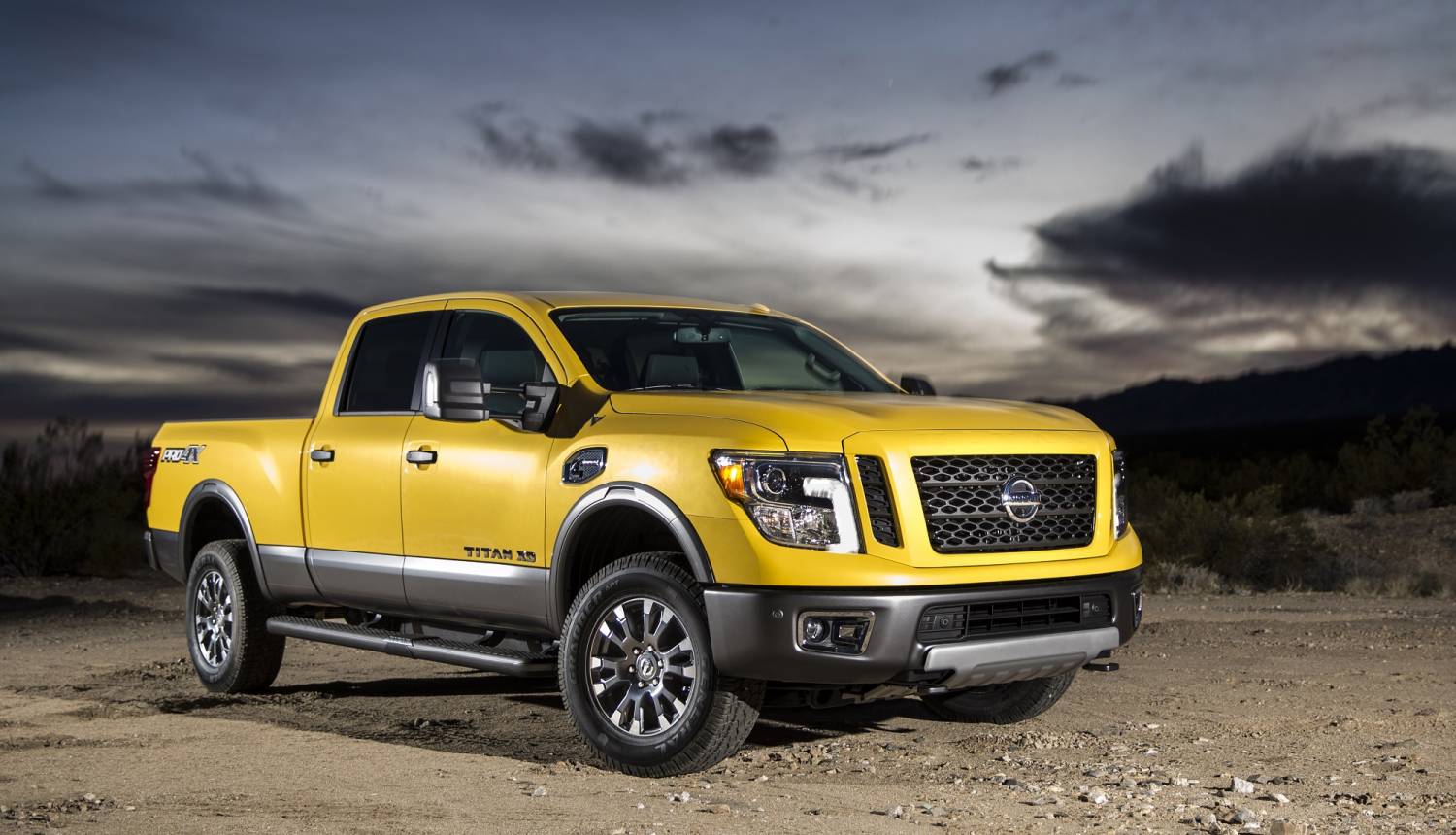
The Nissan Titan XD sits between light-duty half-ton trucks and heavy-duty three-quarter-ton pickups. Its first-generation model uses a fully boxed, reinforced ladder frame built for commercial-grade durability.
Some reviewers noted chassis flex under heavy loads, but this behavior is intentional rather than a flaw. The Titan XD’s frame balances towing capability, payload handling, and ride comfort, making it a versatile “tweener” truck.
High-strength steel forms nearly the entire frame, providing a backbone that manages vertical, lateral, and torsional stresses. Reinforced sections support factory-installed gooseneck and fifth-wheel hitches, allowing the chassis to handle concentrated towing forces at the bed’s center while distributing stress across the structure to maintain durability.
Designed as a “5/8 ton” vehicle, the Titan XD is heavier and stiffer than a standard half-ton but more compliant than a three-quarter-ton truck. This deliberate flexibility under heavy load improves ride quality and absorbs road irregularities without compromising structural integrity. The added weight from the 5.0L Cummins diesel engine, larger axles, and thicker steel enhances strength and towing stability.
The chassis also manages torque and payload demands from the diesel powertrain and seven-speed transmission, allowing the truck to perform effectively in commercial or heavy-duty applications while remaining comfortable on-road. Controlled frame flex acts like a secondary suspension system, helping to protect components and maintain traction.
Although the diesel version was discontinued in 2019 due to limited market adoption, the Titan XD remains notable for its purpose-built frame. Its engineered flexibility and reinforced construction demonstrate that chassis flex is a feature designed to enhance durability, towing performance, and ride comfort rather than a sign of weakness.
5. Toyota Tundra Older Generations: Engineered Flex for Durability and Comfort
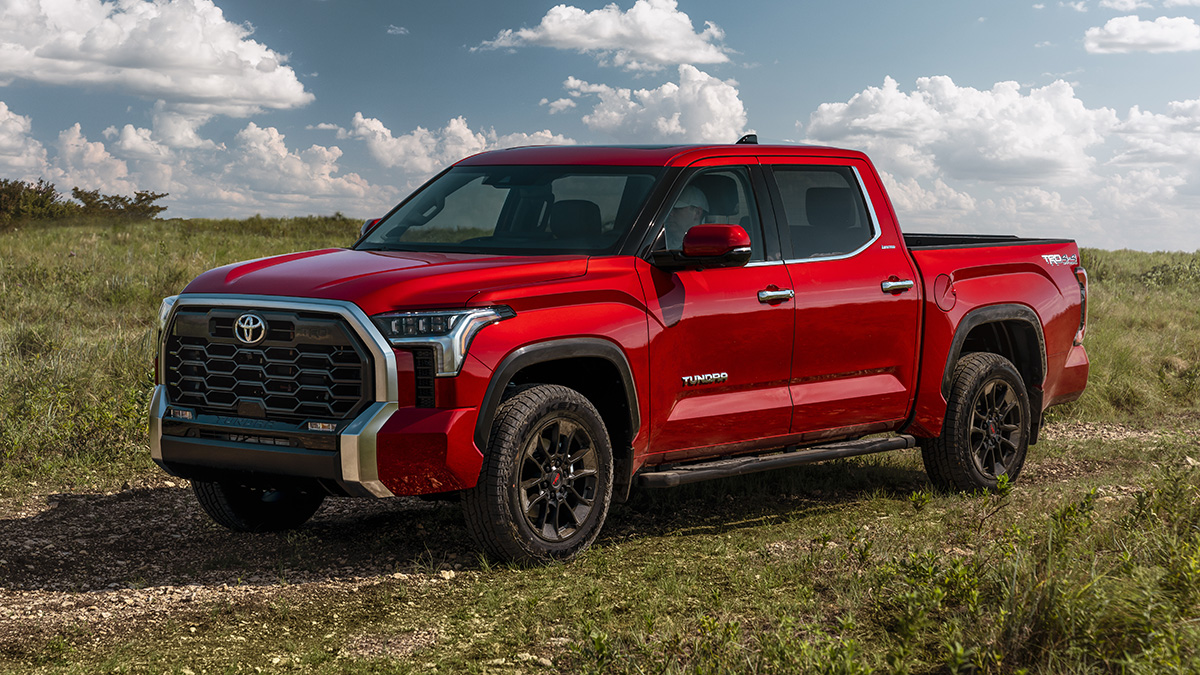
Earlier Toyota Tundra models, specifically the 2000–2006 first generation and 2007–2021 second generation, used a hybrid frame design combining a stiff front section with an open C-channel rear. This configuration was intentionally designed to flex, providing benefits in durability, ride quality, and weight management, rather than being a flaw.
The hybrid frame prevents structural cracking by allowing controlled torsional movement. The front and middle sections of the frame are fully boxed and reinforced to handle powertrain and engine loads, while the rear C-channel section can twist under stress. This energy dissipation reduces the risk of fatigue or catastrophic frame failure when hauling heavy payloads on uneven terrain.
Chassis flex also improves ride comfort. A rigid frame often results in harsh, bumpy rides when the truck is unloaded. By allowing the rear section to flex, the Tundra absorbs road imperfections, creating a smoother experience on rough highways. Off-road performance benefits as well, as frame articulation helps keep all four wheels in contact with uneven surfaces, enhancing traction during challenging conditions.
Weight management was another reason for the C-channel rear design. Open rails are lighter than fully boxed frames, reducing curb weight and supporting better fuel efficiency and payload capacity. This approach prioritized practical utility over maximum towing stiffness, which modern trucks now fully provide.
The design does have some noticeable side effects. Many owners report a “bed bounce” over rough roads, tailgate binding in extreme off-road conditions due to frame twisting, and creaking noises in the rear chassis, particularly on older or high-mileage trucks.
Despite these trade-offs, the flexing frame reflects Toyota’s focus on longevity, comfort, and adaptability in work and off-road scenarios, making the older Tundra durable and capable across a variety of conditions.
Selecting a heavy-duty truck requires more than evaluating horsepower and towing capacity. Trucks with rigid, fully boxed frames provide superior stability, structural integrity, and load-bearing capability, making them ideal for heavy towing and commercial workloads.
Trucks designed with controlled chassis flex offer advantages in ride comfort, stress management, off-road traction, and vocational adaptability. Both approaches demonstrate thoughtful engineering tailored to specific needs.
By understanding whether a truck’s frame is built for rigidity or designed to flex, buyers can make informed decisions based on towing demands, payload requirements, terrain conditions, and daily driving comfort. Strong frames and engineered flex each serve a purpose, highlighting how different heavy-duty trucks balance durability, performance, and practicality to meet the diverse challenges of work and adventure.
Also Read: 10 Cars Perfect for Freelancers Who Live in Coffee Shops