
Cooling systems are supposed to be boring. In most modern cars, the radiator should quietly do its job for well over 100,000 miles, often much longer, without demanding attention beyond coolant changes.
When a radiator fails early, it’s rarely just an inconvenience. Overheating can warp cylinder heads, blow head gaskets, contaminate transmission fluid (on models with integrated coolers), and turn a minor repair into a multi-thousand-dollar disaster.
Unfortunately, some vehicles sold in the U.S. have developed reputations for radiators that crack, leak, or internally fail far sooner than owners reasonably expect.
In many cases, the problem isn’t abuse or poor maintenance, it’s cost-cut materials, plastic end tanks that degrade quickly, or cooling system layouts that put excess stress on the radiator core.
Below are ten vehicles frequently cited by owners and independent shops for premature radiator failures. These aren’t isolated incidents; they’re recurring patterns that show up in service bays across the country.
If you own one of these, or are shopping used, this is the kind of information that can save you from an overheated roadside breakdown.
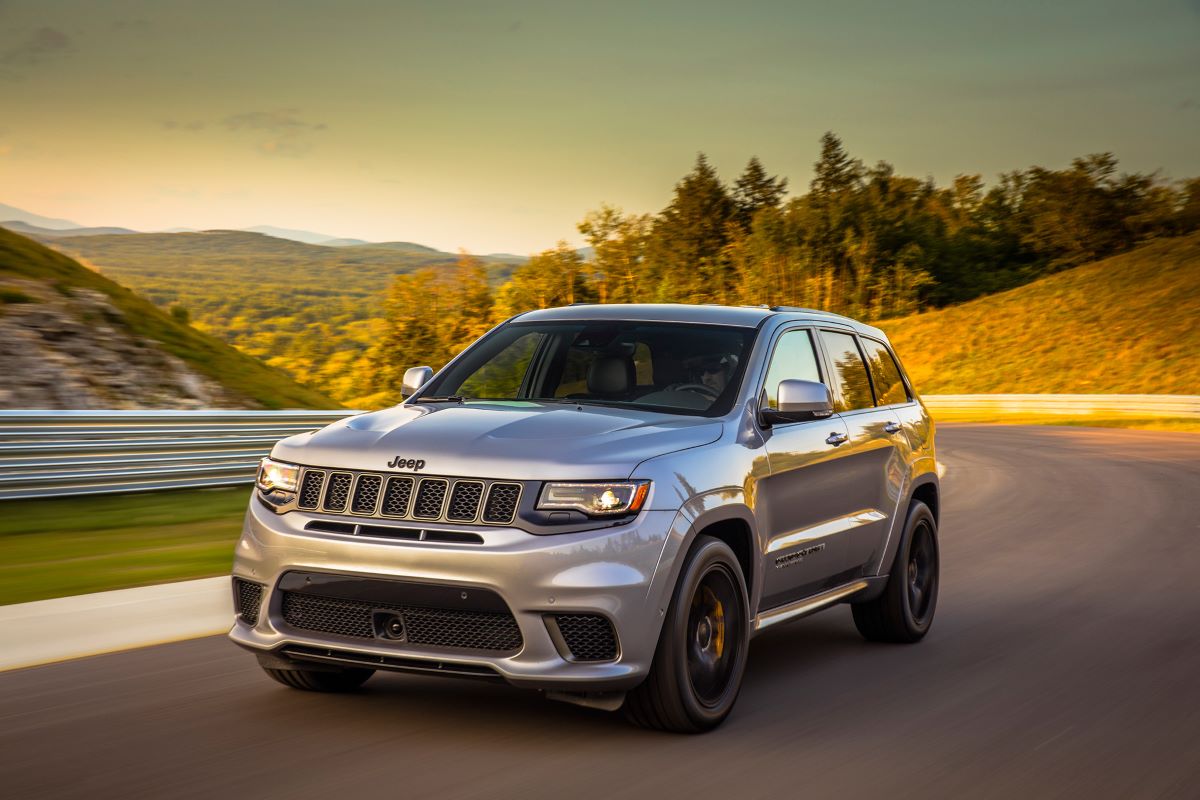
1. Jeep Grand Cherokee (2011–2018)
The WK2-generation Grand Cherokee combines strong towing capability with family-friendly comfort, but its cooling system has proven fragile.
Many owners report radiator leaks between 60,000 and 100,000 miles, typically originating from cracked plastic end tanks or failed seams.
Part of the issue is thermal stress. These SUVs are often used for towing or long highway trips, and the radiator’s plastic components don’t tolerate repeated heat cycling well.
Once a small crack forms, coolant loss accelerates quickly. Because the leak often starts slowly, drivers don’t notice until the temperature gauge spikes.
Replacement costs typically land between $700 and $1,200 installed, depending on region and engine choice, assuming you catch it before overheating causes secondary damage.
The Jeep Grand Cherokee carries the legacy of a well-established American marque in the large SUV segment, and it presents a compelling alternative to a Land Rover.
Its styling is recognizably bold, and it offers authentic off-road capability consistent with the brand’s reputation.
However, when evaluated against rivals such as the Audi Q7 or the Mercedes-Benz M-Class, with which it shares its underlying platform, it falls short in overall driving dynamics.
It is also less versatile than the Land Rover Discovery, primarily because it is limited to five seats rather than offering a third row. What follows is a comprehensive assessment of the Jeep Grand Cherokee.
Introduced in 2011, the Grand Cherokee benefits from a solid engineering base, utilizing the same chassis architecture and engine options as the Mercedes ML.
Combined with a generous level of standard equipment and respectable performance, this makes it an attractive proposition on the used market.
That said, competitive benchmarks have evolved significantly over the past decade, and many contemporary alternatives now surpass it in refinement and long-term dependability.
A substantial update arrived in mid-2013, bringing meaningful enhancements across the board. Revised models can be identified by their slimmer headlight design. Beyond cosmetic changes, the refresh delivered notable gains in overall quality and driving manners.
The post-2013 version retained comfortable seating for five occupants and preserved its strong off-road credentials. Interior materials and fit improved markedly, elevating cabin ambience. On paved roads, the revised model demonstrated improved composure, with better cornering stability and more precise steering response.
Power continued to come from the robust 3.0 CRD diesel engine. Although it does not represent the pinnacle of refinement, it offers substantial low-end torque and consistent, smooth delivery through the standard eight-speed automatic transmission.
Overall, the Jeep Grand Cherokee has clear strengths, and the 2013 revisions significantly enhanced its competitiveness, transforming it from a relatively underwhelming entrant into a far more convincing large SUV.
2. BMW 3 Series (E90 generation, 2006–2011)
BMW’s E90 3 Series is still popular on the used market thanks to sharp handling and upscale interiors. Less charming is its cooling system design.
Radiators on these cars commonly fail due to brittle plastic tanks and hose connections.
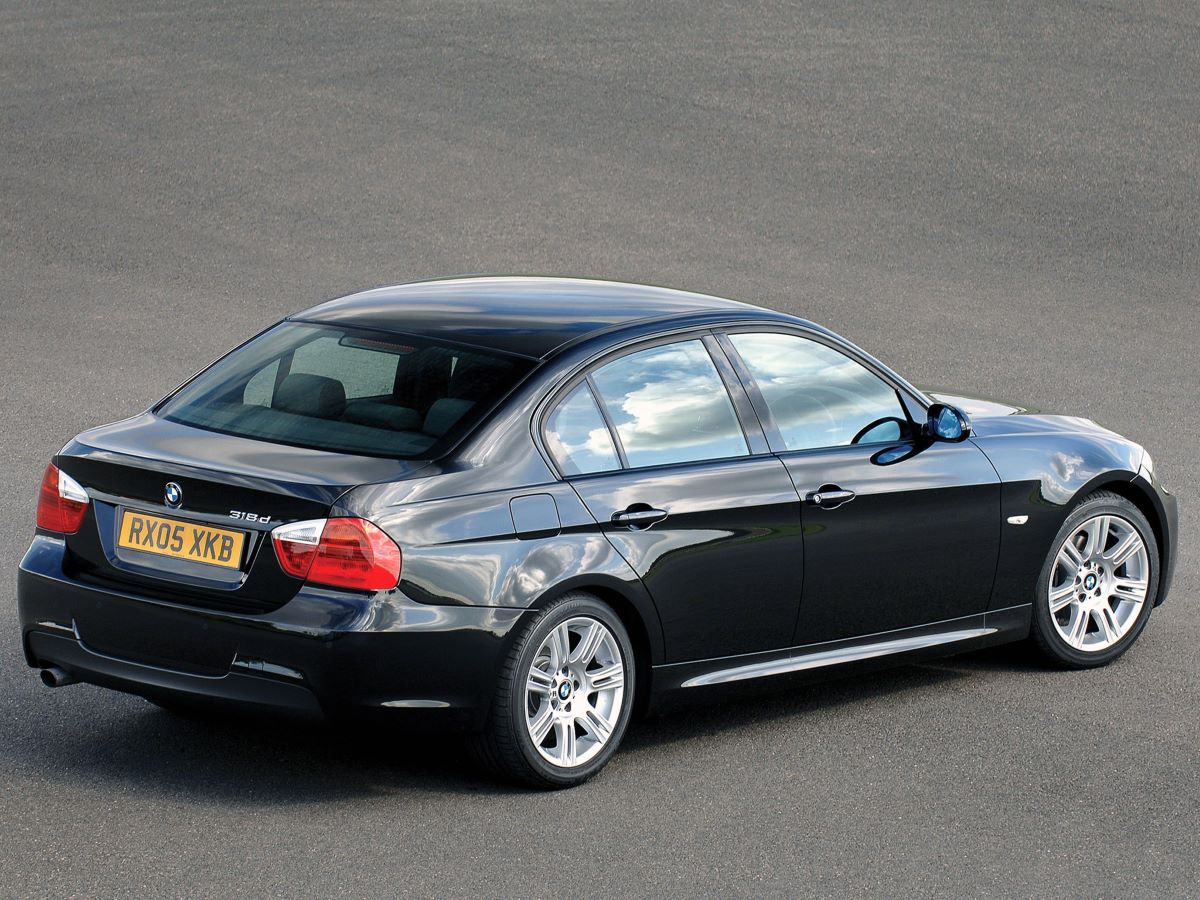
Around the 80,000-mile mark, owners often experience sudden coolant loss with little warning. This isn’t limited to neglected examples, well-maintained cars see it too.
Independent BMW specialists frequently recommend proactive radiator replacement as part of a broader cooling system refresh, along with the expansion tank and hoses.
Ignore it, and you risk aluminum engine components meeting extreme heat, which BMW motors do not tolerate gracefully.
3. Chevrolet Cruze (2011–2016)
The first-generation Cruze was a volume seller in the U.S., which makes its radiator issues especially visible. Owners routinely report leaks before 70,000 miles, often tied to weak plastic seams or poor-quality core construction.
Compounding the problem, Cruze cooling systems are tightly packaged, making labor more involved than you’d expect for a compact sedan.
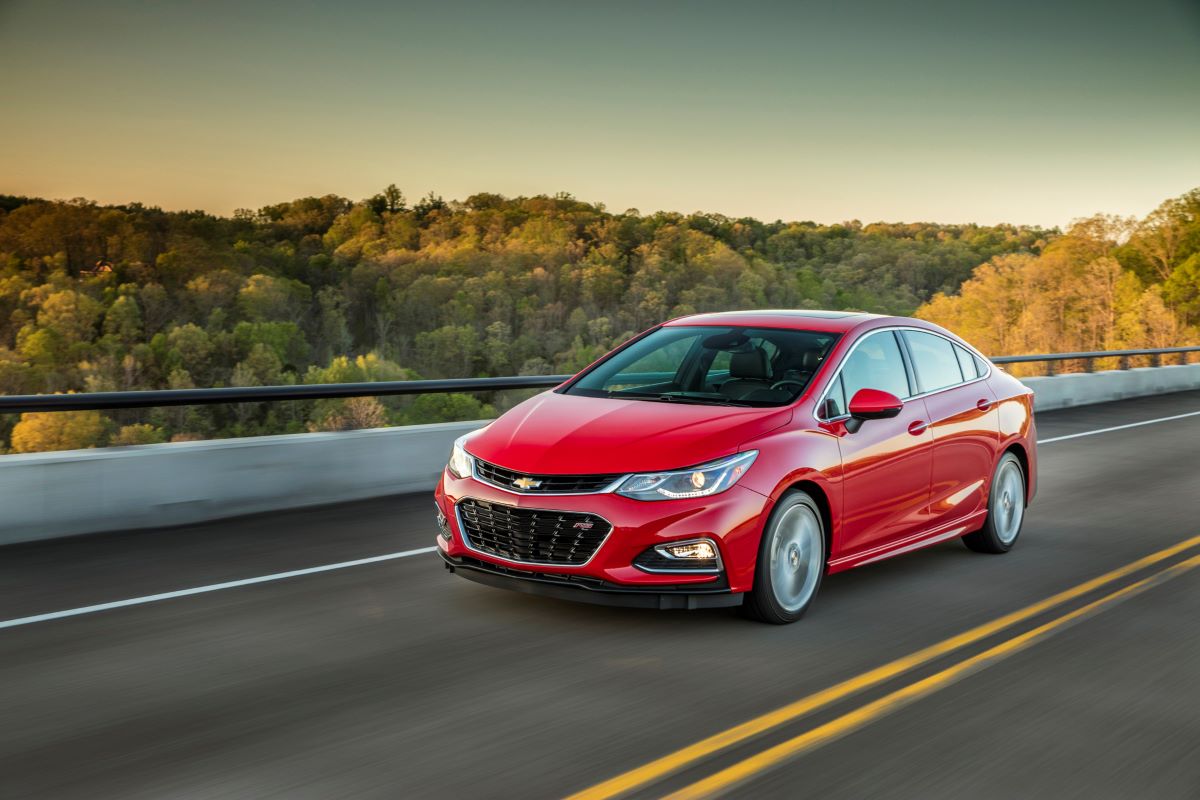
Many drivers discover the failure only after the car enters limp mode or displays overheating warnings.
For a vehicle marketed as economical transportation, an $800 cooling repair comes as an unpleasant surprise. Powertrain choice significantly influences the driving experience.
The 1.8-litre petrol engine does little to reward enthusiastic, high-rev driving. Rather than building excitement with a stirring soundtrack, it produces a muted mechanical thrash between 3500rpm and 4000rpm, characteristic of a hard-working four-cylinder that shows limited enthusiasm for revving beyond that band unless pushed.
It is more effective to rely on its torque delivery, modest though it is, and allow the car to build speed progressively rather than chasing the upper reaches of the rev range.
The Chevrolet 1.8’s 0–60mph time of 10.2 seconds underlines its workmanlike nature. It completes the task without drama, but only with firm commitment from the driver. On the positive side, power is distributed relatively evenly across the rev band, evidenced by fourth-gear 20mph increment acceleration figures that all register under 11 seconds.
Even so, competitors at this price point rarely offer an engine of comparable displacement or output. Despite its gruff character, the 1.8-litre Cruze is capable of maintaining pace comfortably and covering cross-country distances without undue strain.
The smaller 1.6-litre petrol shares broadly similar characteristics at a lower purchase cost. However, any improvements in fuel economy or emissions are marginal, and the reduction in performance is noticeable, particularly when the vehicle is carrying a full load of passengers or cargo.
The 2.0-litre diesel, capable of returning 50mpg, provides significantly greater flexibility. Paired with a six-speed manual transmission, it accelerates to 60mph in 8.3 seconds and reaches a top speed of 127mph.
The six-speed automatic variant achieves 60mph in 9.1 seconds and extends top speed slightly to 129mph. Refinement levels are respectable for the class.
The most compelling engine in the range is the 1.7 VCDi, notably the sole diesel offered with the estate version.
It delivers approximately 20 percent more pulling power than similarly priced 120g/km versions of the Ford Focus, Volkswagen Golf, Hyundai i30, or Skoda Octavia. Its 0–60mph time of 9.9 seconds makes it roughly a second quicker than those rivals, although the 45kg heavier estate requires an additional half-second to complete the sprint.
In-gear flexibility is also strong. Remaining in fifth gear, the Cruze accelerates from 50mph to 70mph in 8.3 seconds, compared with 10.8 seconds for the Hyundai i30. This translates to more effortless overtaking and reduced need for frequent gear changes in everyday driving.
GM’s 1.7-litre diesel benefits from effective sound insulation and operates more quietly than the Volkswagen Group’s 1.6 TDI engine, both under load and at cruising speeds.
While power tapers off beyond 4000rpm, torque between 1800rpm and 3000rpm is abundant, and the six-speed gearbox allows the driver to keep the engine within its optimal operating range.
The Cruze remains straightforward to drive, although the engine management system allows revs to fall gradually when the throttle is released. A forgiving clutch and cooperative shift action mitigate this trait, though engaging fifth gear requires a more deliberate movement.
Braking performance is commendable. The system resists fade effectively under sustained use and offers consistent pedal feel with progressive response.
Nevertheless, even in its most powerful petrol configuration, the Cruze does not approach the dynamic character of a sport-oriented saloon, budget-priced or otherwise.
4. Ford Explorer (2011–2019)
Modern Explorers carry a lot of weight and rely heavily on turbocharged engines. That puts consistent thermal load on the radiator, and many units simply don’t hold up.
Failures commonly involve slow leaks at the radiator corners or internal breakdown that contaminates coolant.
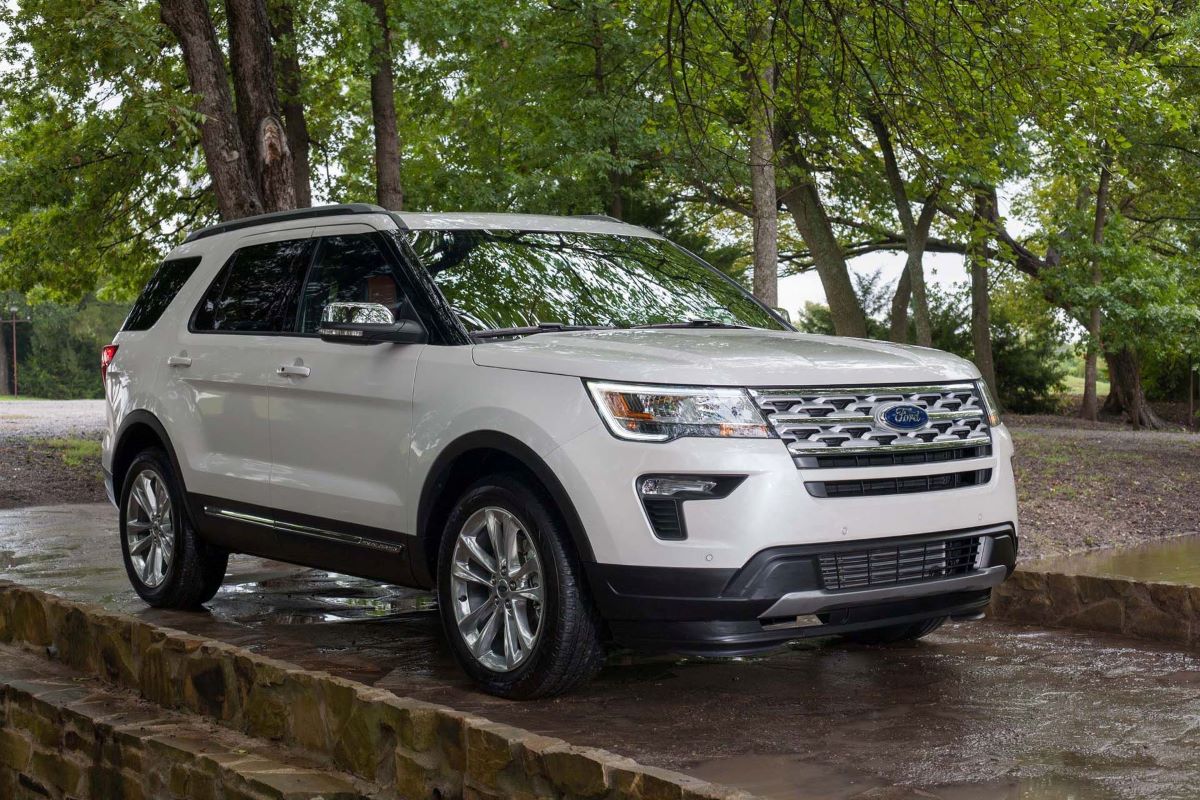
Some owners also report transmission cooling issues tied to radiator degradation, since the two systems are closely integrated.
Because Explorers are often family road-trip vehicles, radiator failure tends to show up at the worst possible time, long drives in hot weather.
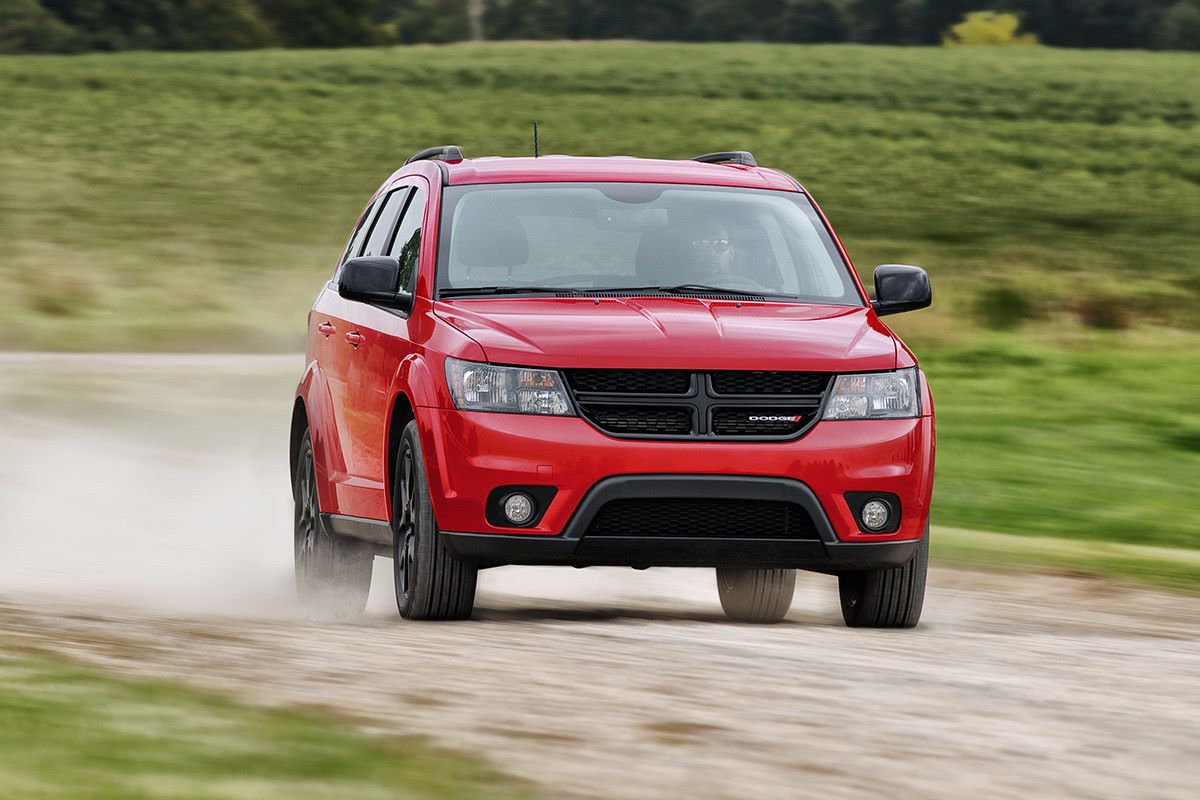
5. Dodge Journey (2009–2018)
The Dodge Journey already struggles with reliability perception, and radiator longevity doesn’t help its case. Early leaks are common, particularly at hose connections and plastic tank edges.
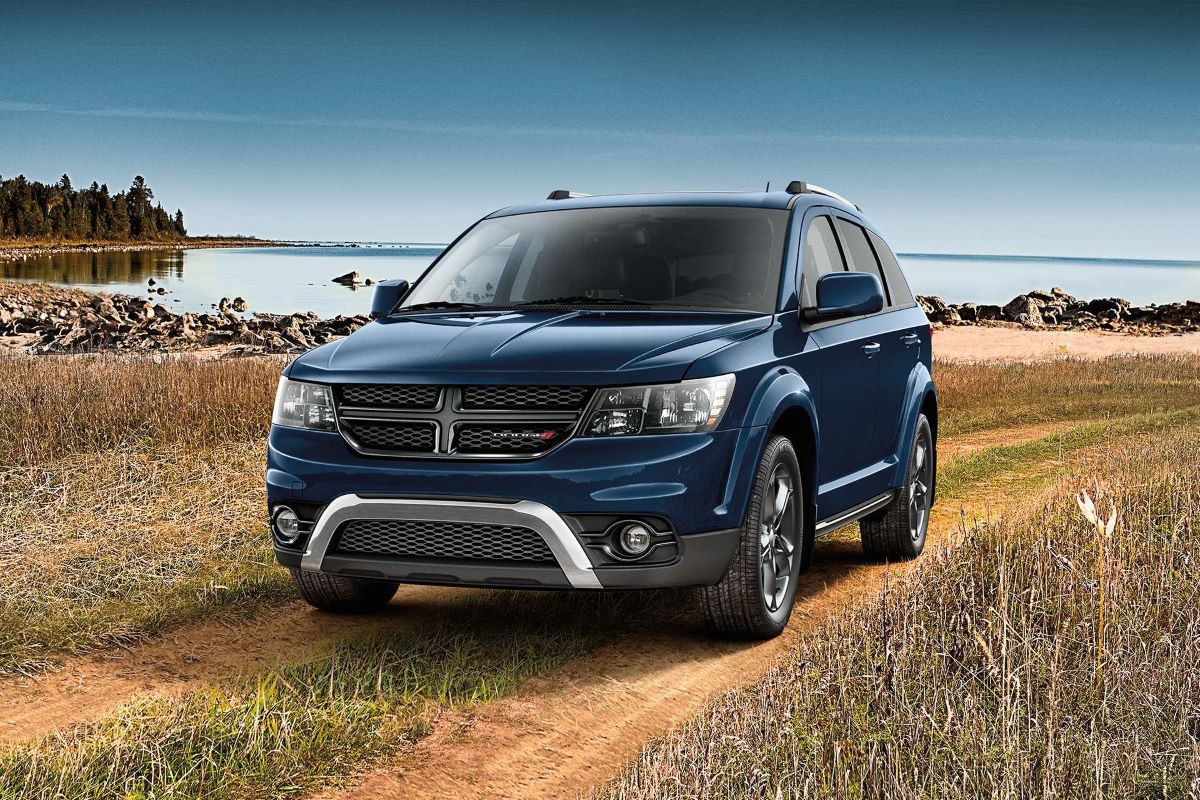
What makes this more frustrating is that many Journeys are purchased as budget-friendly family haulers. Owners often face radiator replacements well before 80,000 miles, turning a low-cost vehicle into an unexpected expense. In hotter states, failures tend to appear even sooner.
The Dodge Journey was among the limited number of American vehicles to make its debut at a major European auto exhibition, specifically the 2007 IAA Frankfurt show. Although its wheelbase closely mirrored that of the outgoing Dodge Caravan, the Journey was not conceived as a direct successor.
Penned by Ryan Nagode, also responsible for the assertive styling of the Dodge Avenger, the Journey aimed to carve out a niche of its own. Conceptually, it echoed the underlying intent of the discontinued Chrysler Pacifica, which emerged during the Daimler-Benz and Chrysler partnership.
Despite that philosophical similarity, substantive differences separate the Pacifica and the Journey. The most immediate distinction is pricing: the Journey entered the market at roughly half the cost of the Pacifica.
Correspondingly, perceived material quality and overall finish were notably more modest. The Journey also utilized a different platform and was engineered from the outset as a global product.
That international focus influenced its powertrain offerings. In the European market, where this evaluation took place, the model was available with a Volkswagen-sourced 2.0-liter turbocharged diesel engine and a 2.4-liter petrol unit.
Platform sharing extends further than expected. The Journey’s architecture underpins not only the Avenger and the Dodge Caliber, but also the Chrysler Sebring and Jeep’s Jeep Compass and Jeep Patriot.
Testing was limited to the CRD turbodiesel in SXT specification. In this configuration, the Journey presents as a front-wheel-drive vehicle with modest output, a relatively generous equipment list, and an abundance of storage compartments.
Finished in grey, the test vehicle conveyed a distinctly solid visual presence, almost monolithic in appearance.
Its exterior styling blends cues reminiscent of 1970s American station wagons with a side profile evocative of the classic Jeep Wagoneer, while the rear lighting bears resemblance to that of the Mercedes-Benz B-Class. The front fascia projects a mildly aggressive expression, though it stops short of appearing overtly imposing.
6. Nissan Altima (2013–2018)
Altimas from this period are infamous for CVT issues, but radiator problems deserve attention too. Leaks often develop at the seams, and in some cases internal radiator failure allows coolant to mix with transmission fluid, a catastrophic scenario.
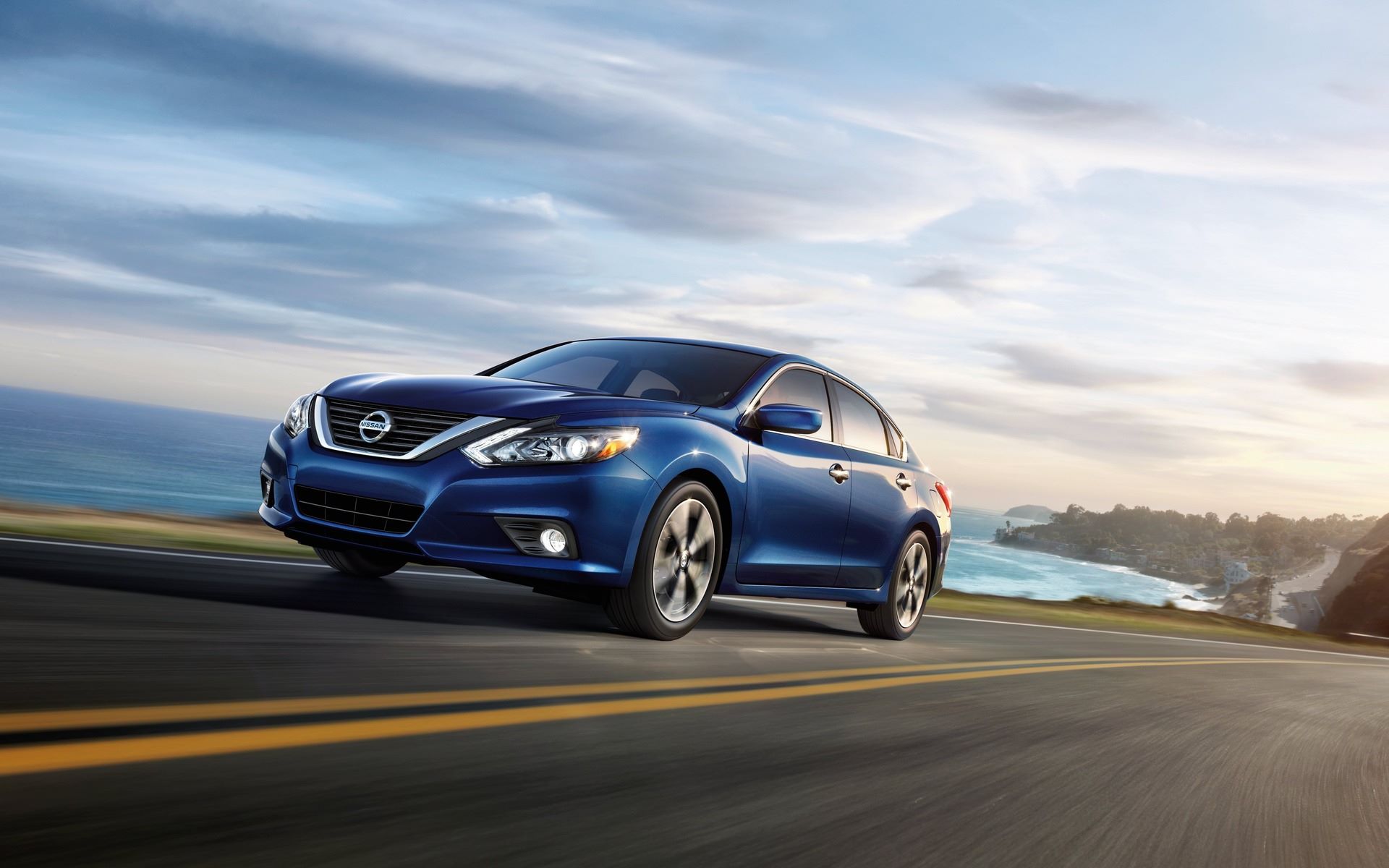
Once contamination occurs, repairs can escalate from a simple radiator replacement to a full transmission rebuild. Owners who catch early signs, milky fluid or unexplained coolant loss, are far better off.
Nissan approached the redesign of the Nissan Altima with restraint. While the exterior styling does not represent a radical shift, the comprehensive updates inside and out signal a move toward a more premium character for one of the brand’s highest-volume models.
Much of the core mechanical hardware carries over from the prior generation, yet fuel economy has improved substantially. In particular, the four-cylinder 2013 Altima ranks among the most efficient midsize sedans in its price bracket.
The previous-generation Altima was recognized for its responsive handling, balanced ride quality, and intuitive electronic interfaces. These strengths remain intact in the redesigned version, now complemented by a more refined cabin environment that stays quiet at highway speeds.
As before, buyers can choose between a 2.5-liter four-cylinder engine and a 3.5-liter V6. The V6 delivers brisk and satisfying acceleration, but the four-cylinder provides performance sufficient for most drivers. Nissan continues to pair both engines with a continuously variable transmission (CVT) rather than a conventional automatic.
It is important to note that the Nissan Altima Coupe remains mechanically unchanged for 2013. It uses an earlier-generation CVT that is less efficient, resulting in lower fuel economy ratings. Additionally, the V6 engine is not offered in the coupe.
With the breadth of refinements introduced for 2013, the Altima’s standing within the family-sedan segment is further reinforced. Even with the redesigned Accord presenting strong competition, the 2013 Altima remains a compelling option for midsize sedan shoppers.
The 2013 Nissan Altima 2.5 sedan is powered by a 2.5-liter four-cylinder engine producing 182 horsepower and 180 lb-ft of torque.
In testing, the V6-powered model reached 60 mph in 6.2 seconds, placing it near the top of the segment for acceleration. Fuel economy remains competitive for a V6-powered sedan at 22 mpg city, 31 mpg highway, and 25 mpg combined.
The Altima Coupe is equipped with a 2.5-liter four-cylinder producing 175 horsepower and 180 lb-ft of torque, also mated to a CVT. However, its efficiency trails that of the sedan, with EPA estimates of 23 mpg city, 32 mpg highway, and 26 mpg combined.
7. Volkswagen Jetta (2011–2017)
The Jetta’s radiator issues typically trace back to thin aluminum cores paired with fragile plastic tanks. Minor impacts or normal vibration can cause cracks that slowly weep coolant.
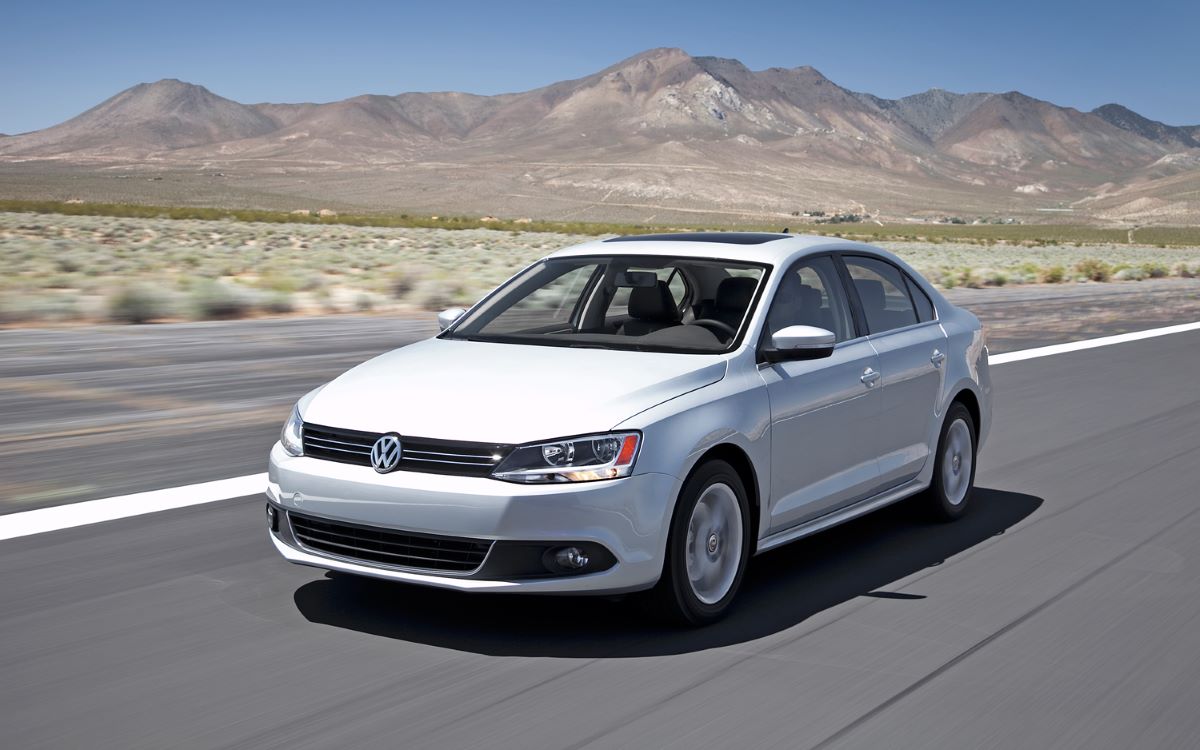
German cooling systems also tend to be less forgiving when neglected. Once coolant drops even slightly below spec, temperature spikes can happen quickly, especially in stop-and-go traffic.
Many U.S. owners learn about the problem only after a dashboard warning light appears.
The Jetta presents itself as a practical and economical saloon, yet it lacks the appeal and modernity of the more up-to-date Volkswagen Golf on which it is loosely based.
Within the UK market, it feels like a model offered more out of obligation than strong consumer demand. While the Jetta holds considerable importance in global markets, it remains an uncommon sight on British roads.
Part of the explanation lies in the UK’s limited enthusiasm for saloon versions of popular hatchbacks. Although often described as a “Golf with a boot,” the Jetta trails the latest Golf in terms of engineering sophistication and design freshness. Its conservative character leads many prospective buyers toward alternatives within the wider Volkswagen Group.
Unlike the current Golf, Audi A3 and the SEAT Leon, which sit on Volkswagen’s MQB platform, the Jetta is based on the previous-generation Golf architecture.
European-spec cars benefit from multi-link rear suspension and electric power steering, improvements over earlier US-market versions, but the car nonetheless feels dated relative to newer competitors.
In comparison with more recent Volkswagen Group products and sharper-driving rivals such as the Mazda 3, the Jetta lacks engagement.
It handles predictably and safely, yet steering response is somewhat slow and marginally heavy at lower speeds. Front-end grip diminishes sooner than in the Mazda 3.
Even with the Sport model’s 15mm-lowered suspension, which introduces a slightly firmer ride, the Jetta does not match the agility, responsiveness, or composure of its more dynamic rivals.
Petrol offerings include 123bhp and 147bhp versions of the 1.4-litre TSI engine, both delivering adequate performance.
Diesel options consist of a 108bhp 2.0-litre TDI and a more powerful 147bhp 2.0-litre TDI. The established 2.0-litre TDI provides solid mid-range performance and sufficient overall pace.
The most efficient variant in the range is the 108bhp 2.0-litre TDI, which features stop-start technology as standard and claims a combined fuel consumption figure of 70.6mpg. CO2 emissions are rated at 105g/km. Even the 147bhp diesel achieves a claimed 67.3mpg combined.
Stylistically, the Jetta closely mirrors the Golf’s design language, reinforcing its “Golf with a boot” identity. However, beneath the surface it shares little structurally with the hatchback, and none of its exterior panels are interchangeable.
The upright proportions and conservative lines result in an understated appearance, especially when compared with more expressive alternatives such as the Kia Optima. The revised tail-light design at the rear represents the most noticeable visual update.
8. Mini Cooper (2007–2013)
Small size doesn’t mean small problems. Minis pack their engine bays tightly, which traps heat and accelerates wear on cooling components.
Radiators on these models often fail early due to stressed plastic connections and limited airflow. Replacement isn’t cheap either, access is cramped, and labor hours add up fast.
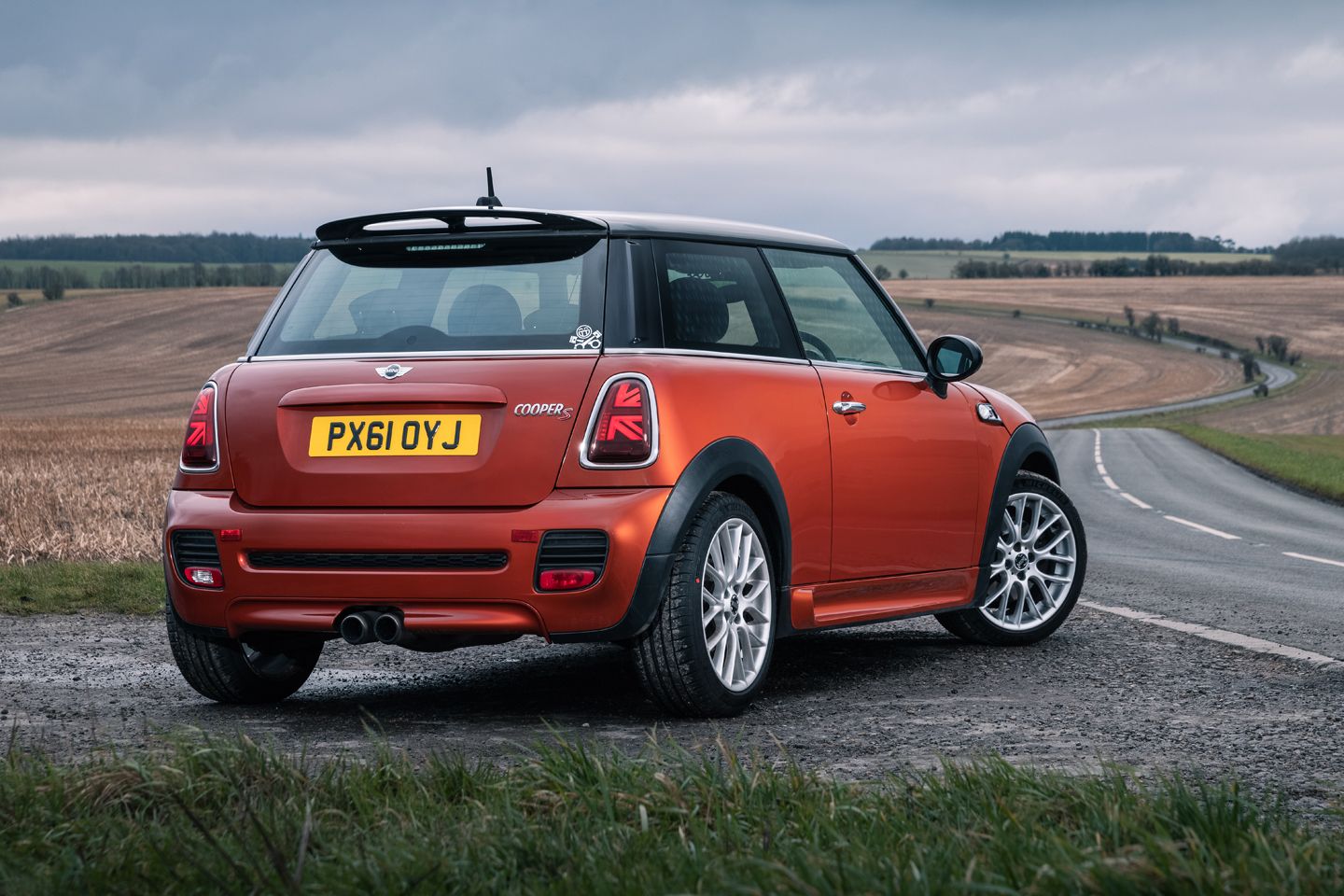
For owners who bought a Mini expecting premium small-car ownership, radiator repairs are often their first rude awakening.
The Mini Hatch offers a broader engine selection than ever before, resulting in a wide spectrum of performance options.
The petrol line-up begins with a 74bhp 1.6-litre engine in the First, followed by a 97bhp 1.6 in the One, a 121bhp 1.6 in the Cooper, a 181bhp 1.6 in the Cooper S, and culminates with a 208bhp 1.6 in the John Cooper Works (JCW) variant.
In Cooper specification, the mid-range petrol engine is noticeably smoother than its Mk1 predecessor and delivers improved fuel economy and lower emissions. However, gains in output and torque are relatively modest.
As before, the Cooper does not feel especially rapid in a straight line; extracting its best performance requires high engine speeds and regular use of the precise six-speed manual gearbox. Nonetheless, its energetic personality compensates for any lack of outright pace.
In the Cooper SD, the substantial torque output of 225lb ft defines the driving experience. On a typical B-road, third gear alone is sufficient to carry the car from 30mph to beyond 70mph, demonstrating a broad and flexible power band.
9. Subaru Outback (2010–2014)
Subaru fans prize durability, but these Outbacks have a known tendency toward radiator leaks, particularly along the upper plastic tank.
Because many Outbacks see outdoor use, mountain trips, camping, long highway drives, the cooling system works hard.
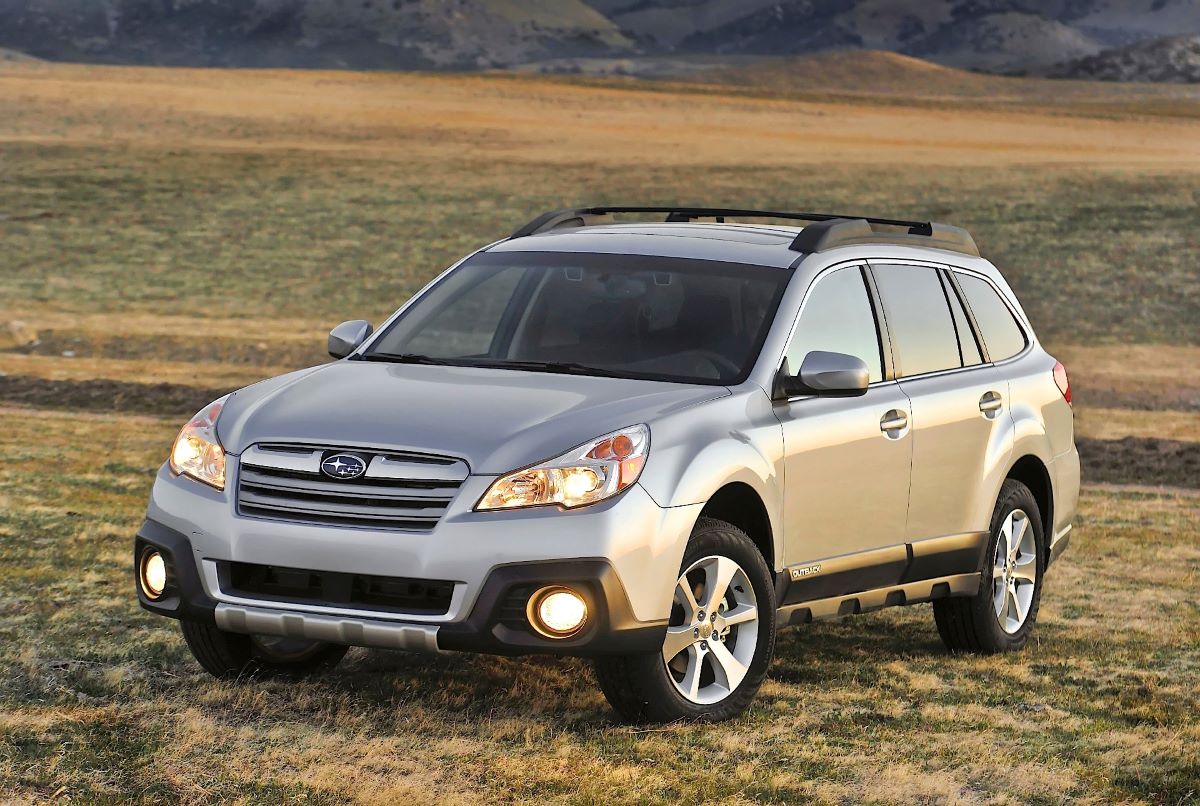
Once the radiator begins to seep, coolant loss can go unnoticed until overheating occurs.
Given Subaru’s horizontally opposed engines, temperature spikes can be especially damaging.
10. Hyundai Sonata (2011–2014)
Hyundai made major quality strides in this era, but radiator durability lagged behind. Sonatas from these years commonly develop leaks at plastic end tanks or mounting points.
Owners frequently report failures under 90,000 miles. While parts are relatively affordable, sudden coolant loss can still leave drivers stranded if they don’t notice warning signs early.
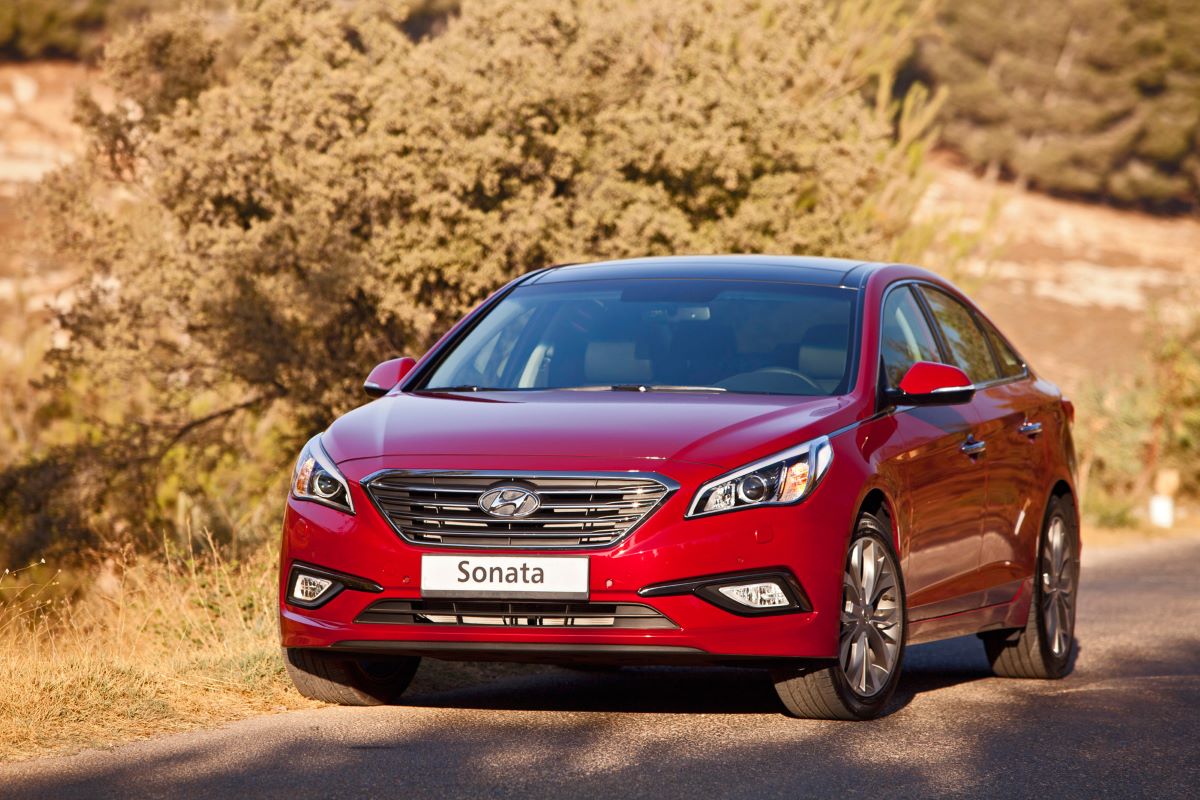
Radiator failures don’t always announce themselves loudly. Many begin as tiny seepages that slowly drain coolant over weeks or months. By the time a temperature warning appears, damage may already be underway.
If you own any of the vehicles above, periodic visual inspections, coolant level checks, and attention to even minor overheating symptoms are critical.
If you’re shopping used, budget for a radiator replacement unless there’s proof it was recently done.
In today’s market, where repair costs keep climbing, a $600 preventive fix can easily save you from a $5,000 engine repair. Cooling systems may not be glamorous, but they’re foundational. Ignore them, and the consequences get expensive fast.
