There’s a big difference between a car that merely gets you there and one that makes the journey feel smooth, quiet, and stress-free.
In the United States, where road trips often stretch hundreds of miles across highways, deserts, mountains, and sprawling suburbs, the right vehicle can turn long drives into something genuinely enjoyable.
Effortless road-tripping comes down to a mix of factors: supportive seats that don’t punish your lower back after three hours, engines that cruise comfortably at highway speeds, suspensions that absorb rough pavement, and cabins quiet enough to hold a normal conversation.
Add modern driver-assistance systems, intuitive infotainment, and respectable fuel economy, and you have a vehicle that feels like it was designed with long-distance travel in mind.
The following ten cars stand out not because they chase lap times or luxury-brand prestige, but because they excel at the practical art of covering distance.
These are vehicles that reduce fatigue, inspire confidence, and make you arrive feeling relaxed instead of wrung out.
1. Toyota Avalon
The Toyota Avalon has long been one of America’s most underrated highway cruisers. Its strength lies in balance: a spacious cabin, soft yet controlled suspension tuning, and a naturally relaxed driving character.
The V6-equipped versions in particular shine on long interstate stretches, delivering smooth acceleration without strain.
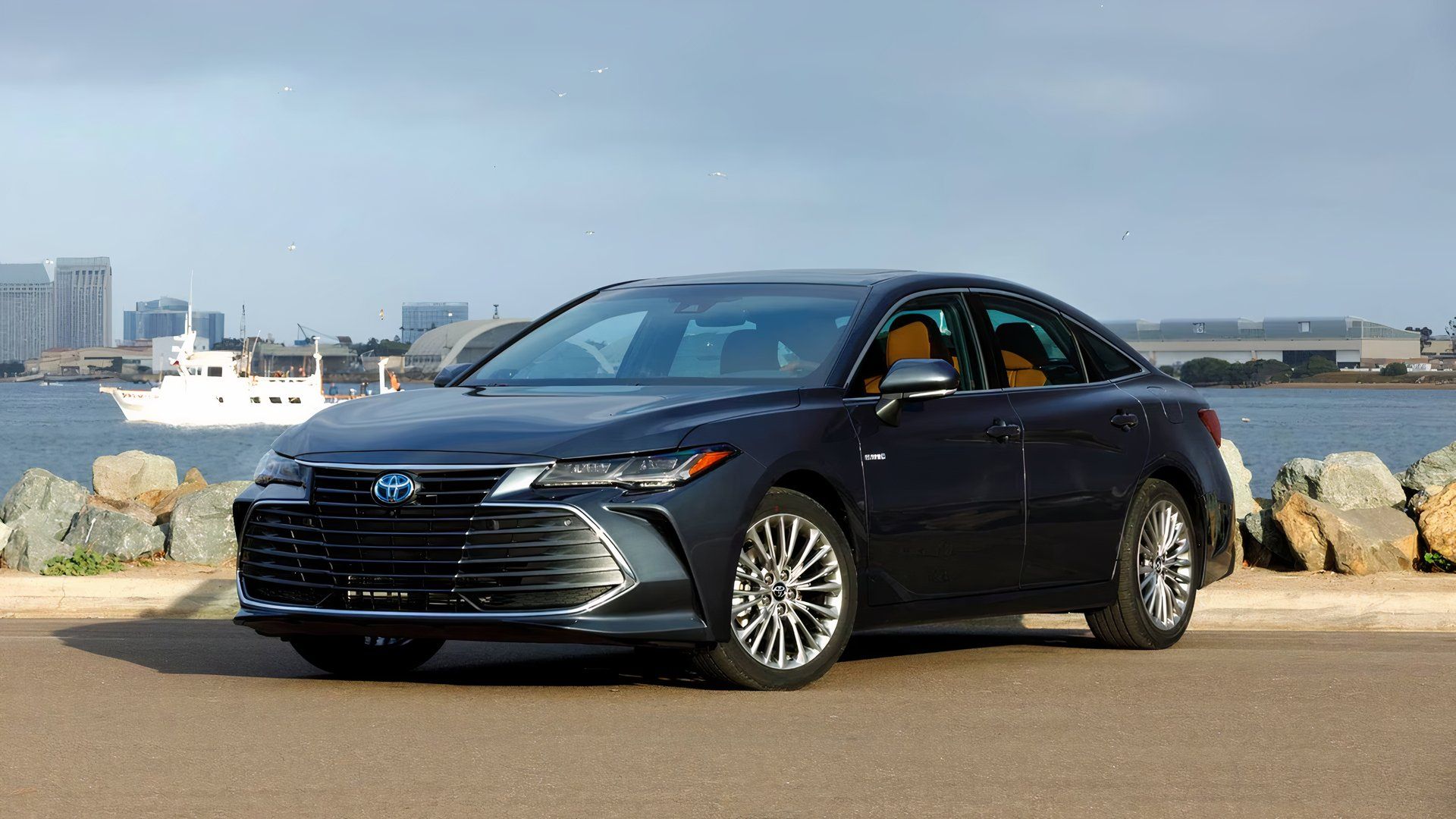
What makes the Avalon especially road-trip friendly is its interior ergonomics. The seats offer generous cushioning and excellent thigh support, while the wide cabin gives both front and rear passengers plenty of breathing room.
Wind and road noise are kept impressively low, and Toyota’s adaptive cruise control works seamlessly in traffic or open highway conditions. It feels less like a traditional sedan and more like a quiet rolling lounge.
Toyota introduced the third-generation, U.S.-built Avalon in 2005, basing it on the same core architecture as the widely recognized Camry.
Sharing Toyota’s K-Platform with its midsize sibling, the Avalon was positioned for buyers seeking stronger performance and a more upscale experience.
Unlike the Camry, which still offered a four-cylinder as standard, the Avalon came exclusively with V-6 power. As a result, it shed some of its earlier reputation as a conservative, retiree-focused sedan and adopted a broader appeal.
Although the overall silhouette remained traditional, the design incorporated more assertive elements. Swept-back HID headlights contributed to a sharper front-end presence.
Depending on trim, the upper grille was either body-colored or chrome-plated and sat above a smoothly contoured bumper. A slim trapezoidal intake was integrated into the lower apron, flanked by sculpted side inlets housing the fog lamps.
Inside, the Avalon offered a noticeable step up in refinement compared to the Camry. A wide instrument panel design encompassed both the primary gauges and the navigation display mounted above the center stack.
To preserve a clean dashboard layout, Toyota concealed many controls behind spring-loaded covers, leaving the climate-control buttons visible for easy access. Storage compartments and the audio system were similarly hidden behind neatly integrated panels.
An unusual feature was the steering wheel’s tilt and telescopic adjustment, which used two separate levers rather than a combined control. Rear-seat accommodations were generous, providing ample space for three passengers without compromise.
Under the hood, the Avalon’s V-6 delivered strong performance for a full-size sedan. Power was routed through a six-speed automatic transmission.
While it was not engineered as a sport sedan, it effectively served as a more refined, quicker alternative to the Camry, blending comfort, space, and improved acceleration in a single package.
2. Honda Accord
The Honda Accord continues to set the benchmark for midsize sedans that do everything well. On road trips, its biggest advantages are seat comfort and ride quality.
Even after several hours behind the wheel, the Accord remains composed and comfortable, avoiding the stiff or jittery feel that plagues many competitors.
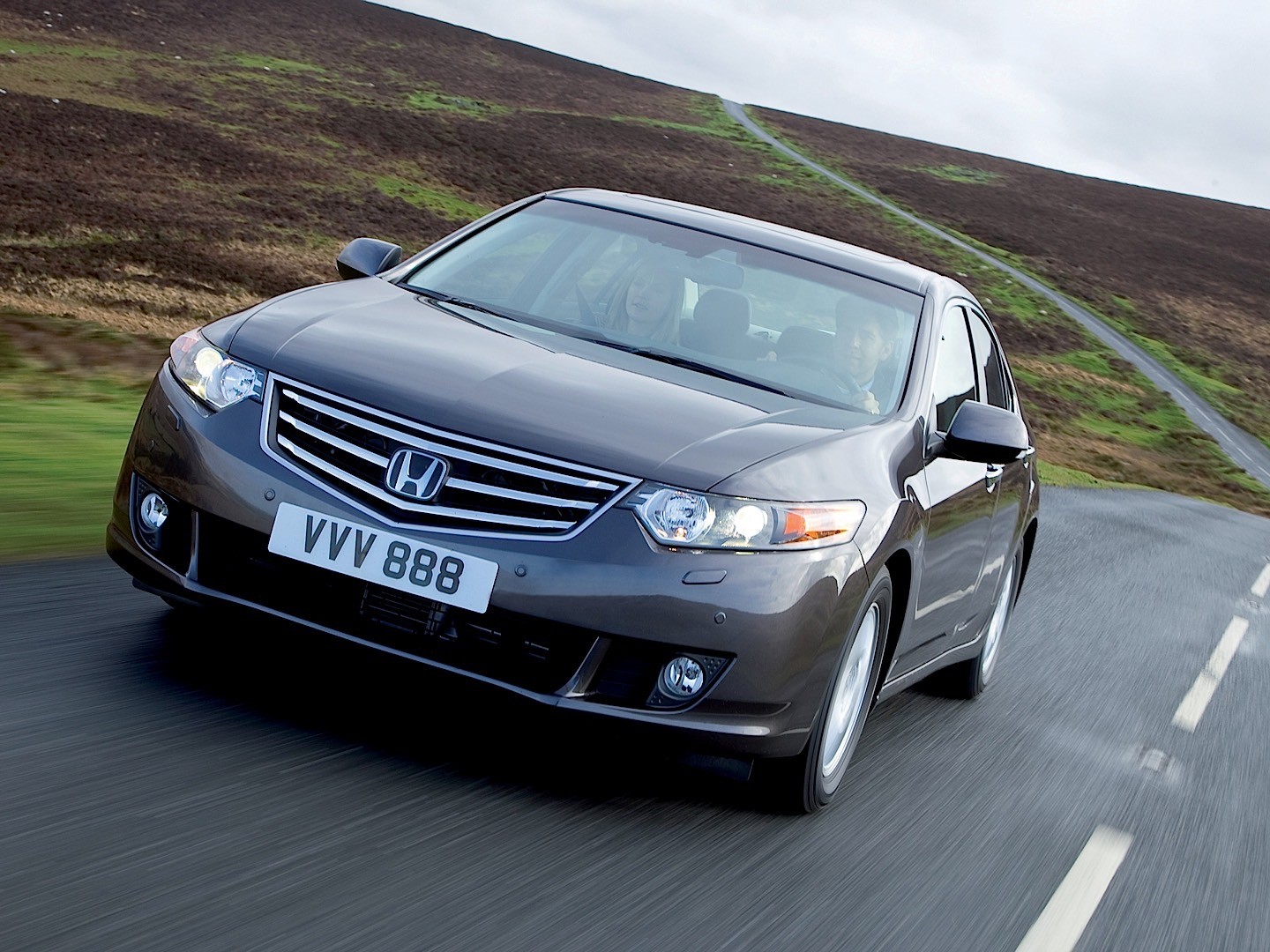
Modern turbocharged engines provide plenty of passing power while still returning excellent fuel economy, making fewer stops at the pump part of the experience.
The infotainment system is intuitive, visibility is excellent, and Honda’s lane-keeping assist works subtly in the background.
It’s the kind of car that fades away during a trip, in a good way, letting you focus on the scenery instead of the steering wheel.
3. Subaru Outback
For travelers who venture beyond pristine highways, the Subaru Outback offers peace of mind that few wagons can match.
Standard all-wheel drive makes it ideal for unpredictable weather, while its raised ride height smooths out rough pavement and gravel detours.
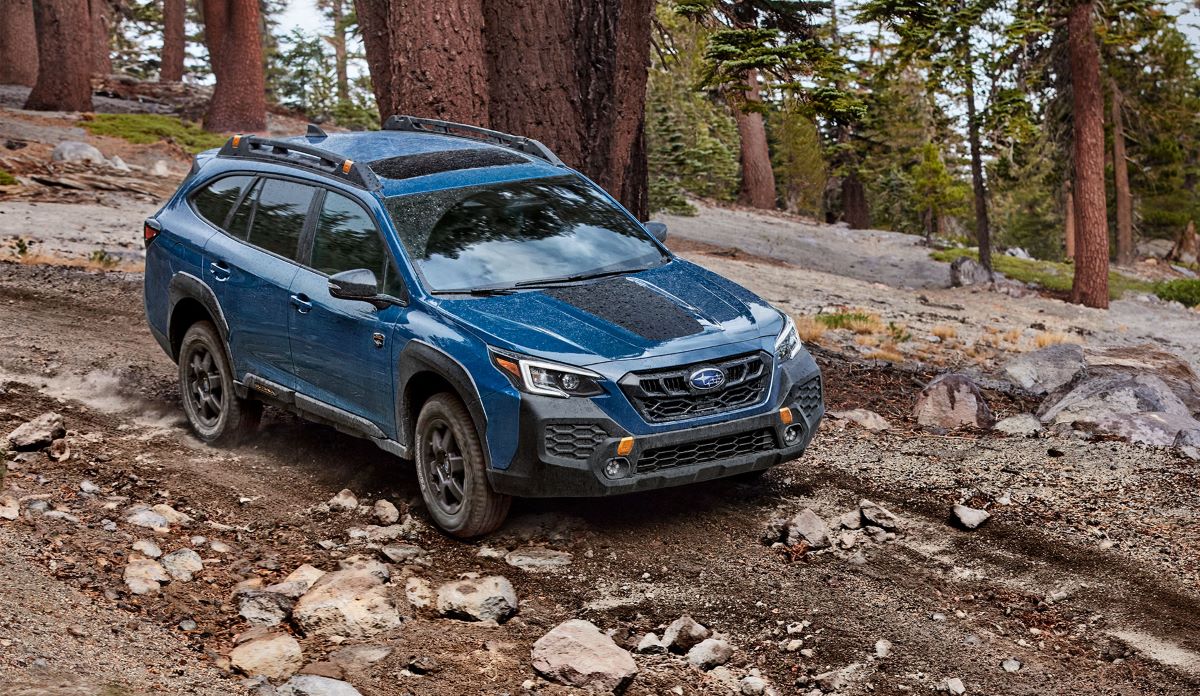
Inside, the Outback feels purpose-built for long journeys. The seats are firm but supportive, visibility is panoramic, and the cargo area easily swallows camping gear or luggage for a family of four.
Subaru’s EyeSight driver-assistance system helps reduce fatigue during extended drives, and the cabin remains impressively quiet even at higher speeds.
It’s especially appealing for road trips that mix city miles with backcountry exploration.
In a market increasingly dominated by crossovers, Subaru’s long-running Outback wagon has remained relevant by blending SUV-inspired styling cues with the functionality and driving dynamics of a traditional estate car.
Buyers can select either a naturally aspirated or turbocharged four-cylinder engine, and all models come standard with all-wheel drive.
A substantial roof rack provides practical carrying capacity for bikes or kayaks without the excessive height of many SUVs, making loading and unloading simpler.
The Outback’s enduring formula has been influential enough that premium brands have entered the same niche, with alternatives such as the Audi A4 Allroad and Volvo V60 Cross Country commanding nearly $20,000 more to start.
For 2022, Subaru expands the range with the introduction of the more rugged Wilderness trim. This version adds additional ground clearance, revised suspension tuning, Yokohama all-terrain tires, and distinctive styling elements to reinforce its off-road intent.
The Wilderness model also includes the turbocharged four-cylinder engine as standard, along with a roof rack rated to support up to 700 pounds and water-repellent interior upholstery designed for active use.
Pricing for the 2022 Outback begins at $28,820 and extends to $41,820 depending on trim and equipment. The Premium trim represents a strong value proposition in the lineup.
Although it is limited to the standard 182-horsepower engine, stepping up to the 260-horsepower turbocharged option requires at least a $6,000 premium.
The additional performance and 800-pound increase in towing capacity may not justify the extra cost for many buyers.
Under the hood, the Outback offers two flat-four engines. The standard 2.5-liter produces 182 horsepower, while the optional 2.4-liter turbocharged engine delivers 260 horsepower.
Both are paired with a continuously variable transmission engineered to simulate an eight-speed automatic in order to reduce engine drone. As expected from Subaru, all-wheel drive is standard across the lineup.
In testing, the standard engine provided modest acceleration and exhibited somewhat lethargic transmission responses. The turbocharged variant improved straight-line performance but retained similar transmission characteristics.
For most buyers, however, the focus is less on speed and more on comfort and all-weather capability. With 8.7 inches of ground clearance and a capable all-wheel-drive system, the Outback handles adverse weather and uneven terrain with confidence.
The Wilderness trim increases clearance to 9.5 inches and adds underbody protection, upgraded suspension components, and selectable Snow and Mud drive modes for enhanced off-road competence.
Ride quality remains compliant, and the steering is precise and easy to manage during highway driving, though the vehicle lacks the athletic edge that some Subaru WRX enthusiasts might expect.
In terms of utility, the standard engine supports towing up to 2,700 pounds, while the turbocharged version increases capacity to 3,500 pounds.
4. Lexus ES
The Lexus ES delivers effortless travel through refinement rather than sportiness. Everything about it feels calibrated for calm progress: buttery-smooth power delivery, whisper-quiet cabins, and suspension tuning that prioritizes comfort over cornering aggression.
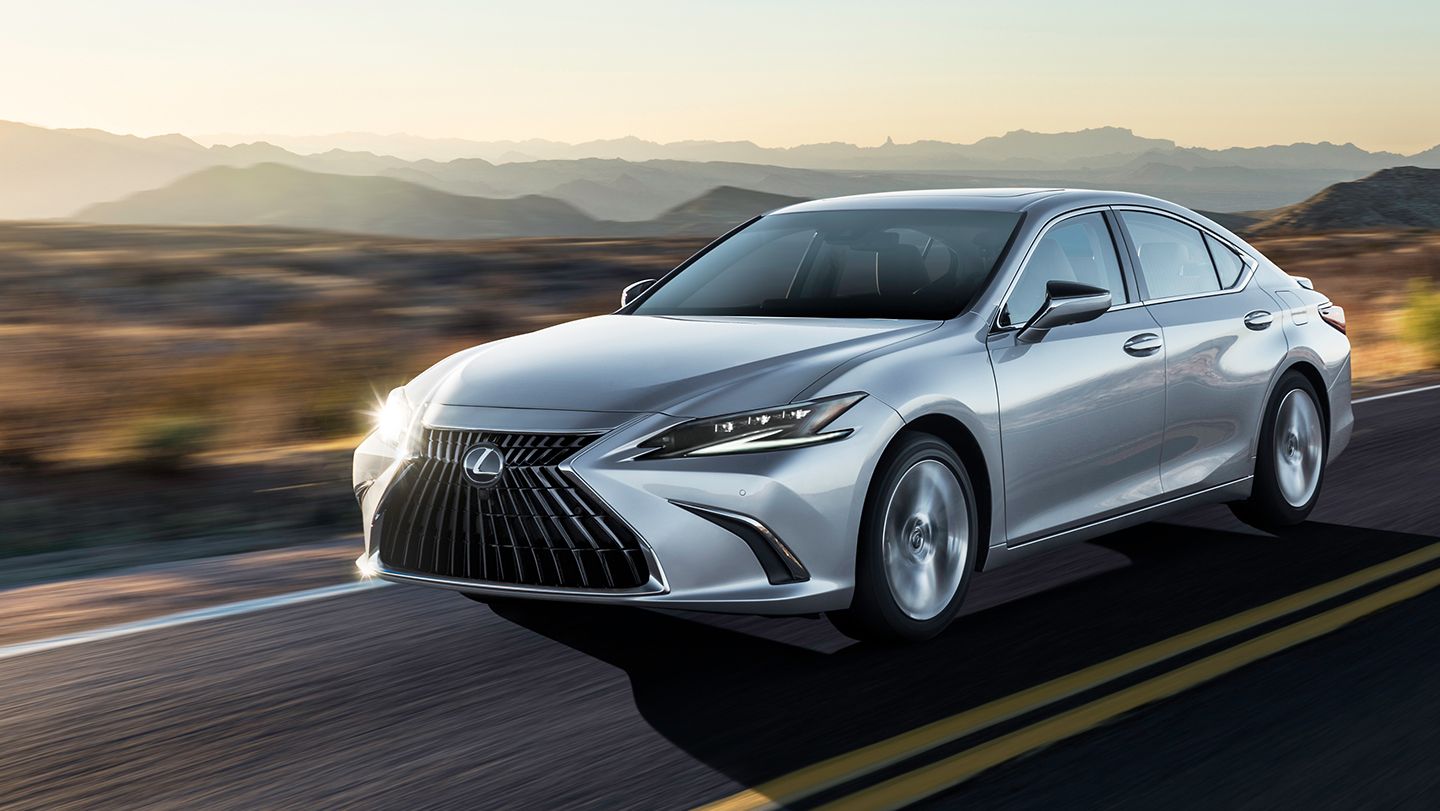
Long-distance drivers will appreciate the plush seating, exceptional noise insulation, and seamless adaptive cruise control. Even after hours on the road, the ES feels composed and relaxing.
For those who want luxury without complexity, it offers a refreshingly straightforward experience, no gimmicks, just dependable comfort mile after mile.
What you’re seeing is unmistakably a Lexus ES, but the model has been comprehensively reengineered and redesigned for a new generation.
The exterior styling is entirely new, the cabin has been reworked, and the powertrain lineup now centers exclusively on electrified options. Below is a detailed overview of what is currently known.
This is not a concept study or preview exercise; it is the production model that will soon arrive in showrooms. Visually, the transformation is dramatic.
The proportions and surfacing depart significantly from the restrained, classically styled sedan it replaces. The new design language is bold and more aligned with Lexus’ latest EV-influenced aesthetic.
Whether the styling resonates broadly remains subjective, but it represents a decisive break from the previous ES formula and may require some adjustment for long-time buyers.
In addition to its visual overhaul, the new ES has grown in size. Overall length now measures 203.3 inches, representing an increase of more than six inches over the outgoing model.
The wheelbase has expanded by three inches to 116.1 inches. This growth should translate into improved high-speed stability as well as increased interior space, particularly for rear passengers.
Every version of the new ES will feature some form of electrification. The familiar hybrid configuration returns, now designated as the ES 350h rather than the previous 300h.
It utilizes Lexus’ sixth-generation hybrid system, pairing a naturally aspirated 2.5-liter four-cylinder engine with an electric motor and compact battery pack.
Combined output is approximately 248 horsepower, a notable increase over the outgoing 300h’s 215 horsepower. Official fuel economy figures have not yet been released.
For the first time, the ES will also be offered as a fully electric vehicle. Two battery-electric variants are planned. The ES 350e will employ a single electric motor driving the front wheels, while the ES 500e will feature dual-motor all-wheel drive.
The ES 350e is rated at 224 horsepower and carries a Lexus-estimated driving range of roughly 300 miles. The more powerful ES 500e produces approximately 340 horsepower, though its range is expected to be somewhat lower due to the added performance and dual-motor configuration.
Collectively, the new ES represents a structural shift for the model line, expanding its footprint, modernizing its design, and transitioning fully into an electrified future.
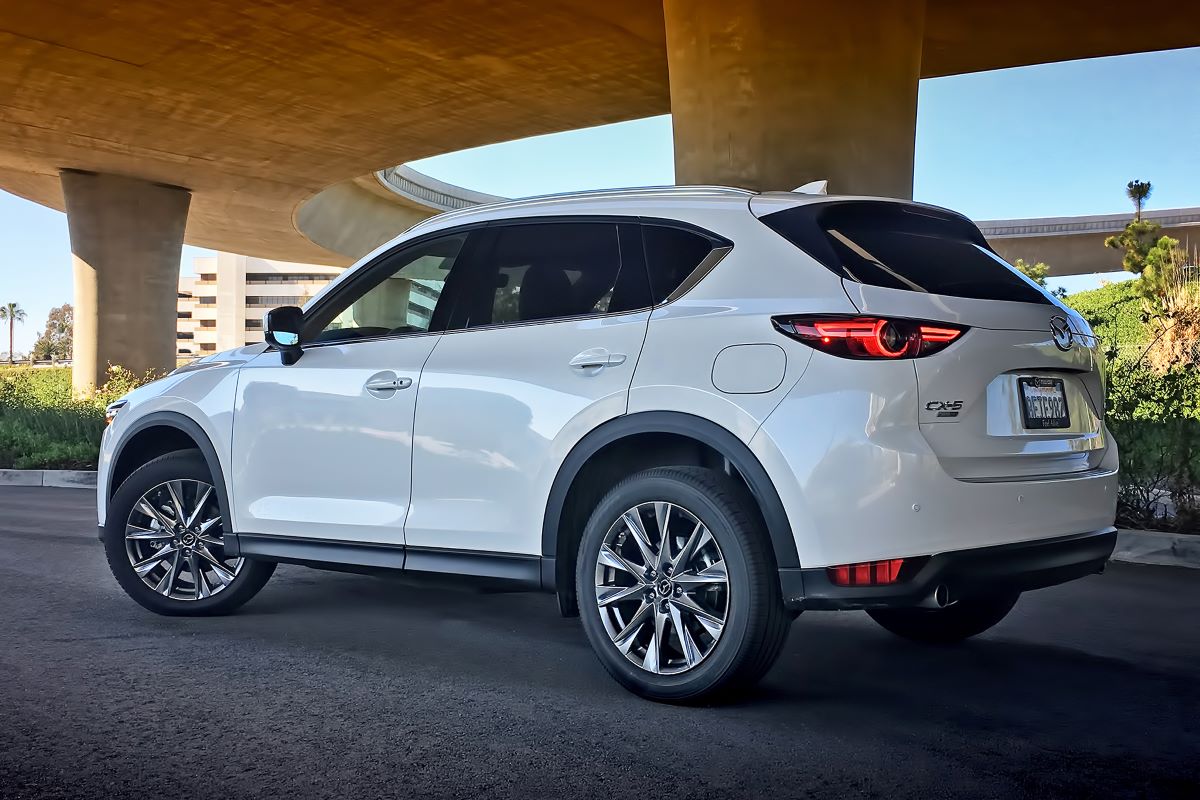
5. Mazda CX-5
Compact crossovers rarely feel special on long trips, but the Mazda CX-5 manages to rise above the segment.
Its interior materials feel upscale, the seats provide excellent lateral and lumbar support, and the steering remains engaging without becoming tiring.
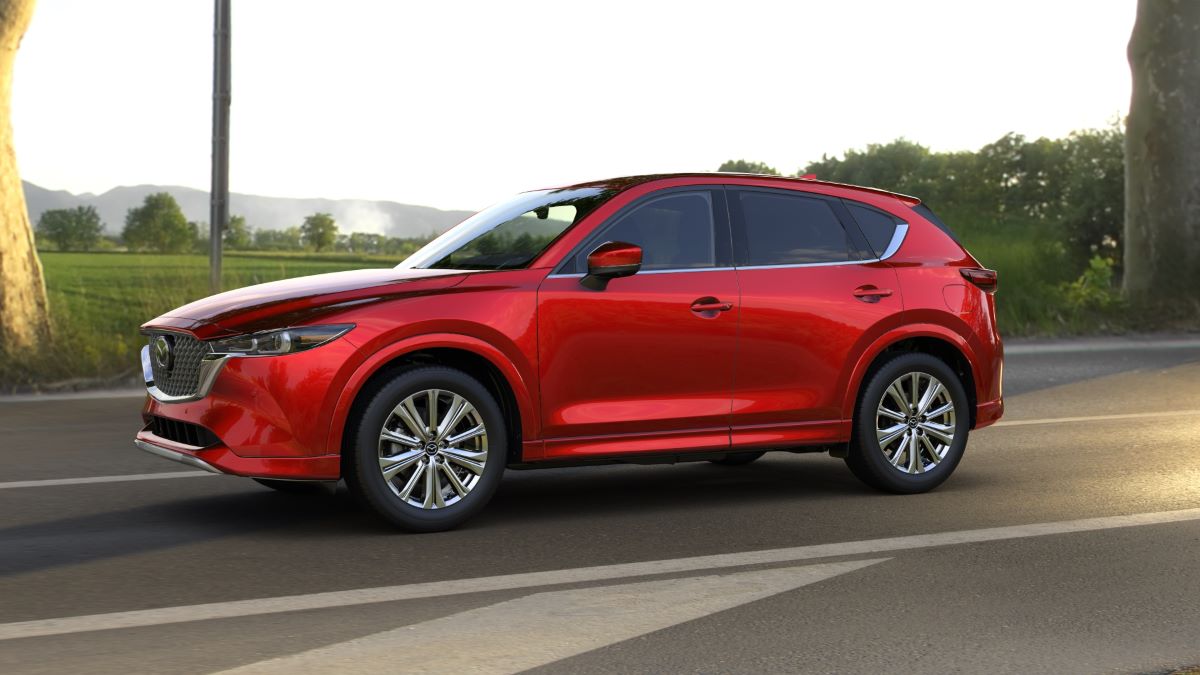
Mazda’s attention to cabin quietness pays dividends on extended drives, while the optional turbocharged engine gives the CX-5 confident passing power on two-lane highways.
It’s ideal for solo travelers or couples who want crossover practicality without sacrificing driving enjoyment.
6. Chrysler 300
The Chrysler 300 is unapologetically old-school in its approach to comfort, and that works in its favor. Its wide stance and long wheelbase translate into a planted highway feel that inspires confidence at speed.
Inside, the seats are broad and soft, making it easy to settle in for long stretches. Rear-wheel-drive architecture gives it stable cruising manners, while the available V6 provides smooth, unhurried acceleration.
For drivers who prefer a traditional full-size sedan experience, the 300 still delivers genuine road-trip appeal.
The Chrysler 300, alongside its corporate counterpart the Dodge Charger, stands apart in the large-sedan segment by retaining a rear-wheel-drive architecture and offering an available Hemi V-8 producing 363 horsepower.
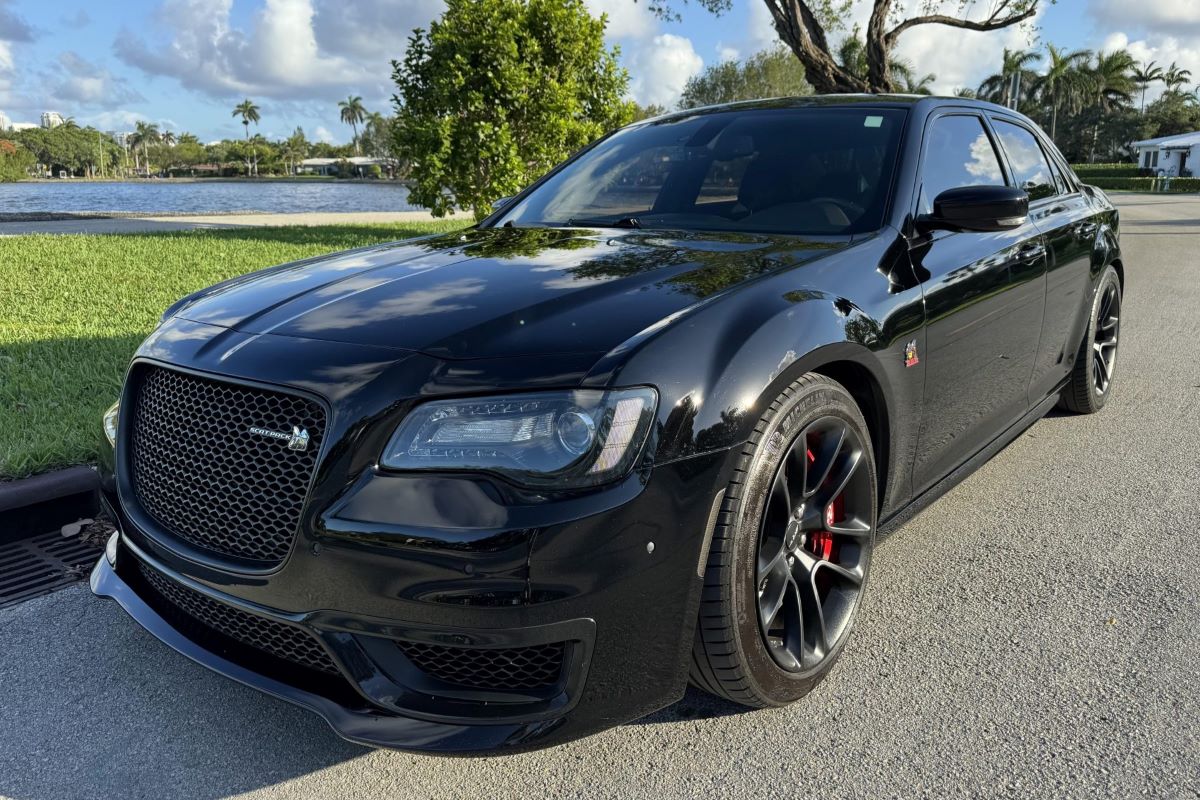
All-wheel drive is available, but only in combination with the standard 3.6-liter V-6 rated at 292 horsepower. In testing, a rear-wheel-drive 300S equipped with the V-6 accelerated from zero to 60 mph in 6.3 seconds.
While that figure trails some rivals in the segment, it remains adequately brisk for everyday driving. A previous test of a rear-wheel-drive V-8 model recorded a notably quicker 5.3-second run to 60 mph.
For a vehicle of its size, the 300 delivers competent handling. Steering feedback is not especially communicative, but overall body control is well managed.
The chassis demonstrates a willingness to respond when pushed, provided inputs remain measured. The 300S variant features a firmer suspension setup than other trims, and its standard 20-inch wheels further stiffen the ride.
As a result, the ride quality in that configuration can feel harsher than expected for a sedan positioned with near-luxury intentions.
Buyers prioritizing comfort would be better served by selecting the base Limited trim or the more upscale 300C rather than the sport-oriented 300S.
7. Hyundai Sonata Hybrid
Fuel efficiency plays a major role in effortless travel, and the Hyundai Sonata Hybrid excels here.
With real-world highway mileage that often exceeds expectations, it allows drivers to cover long distances with fewer fuel stops and lower overall costs.
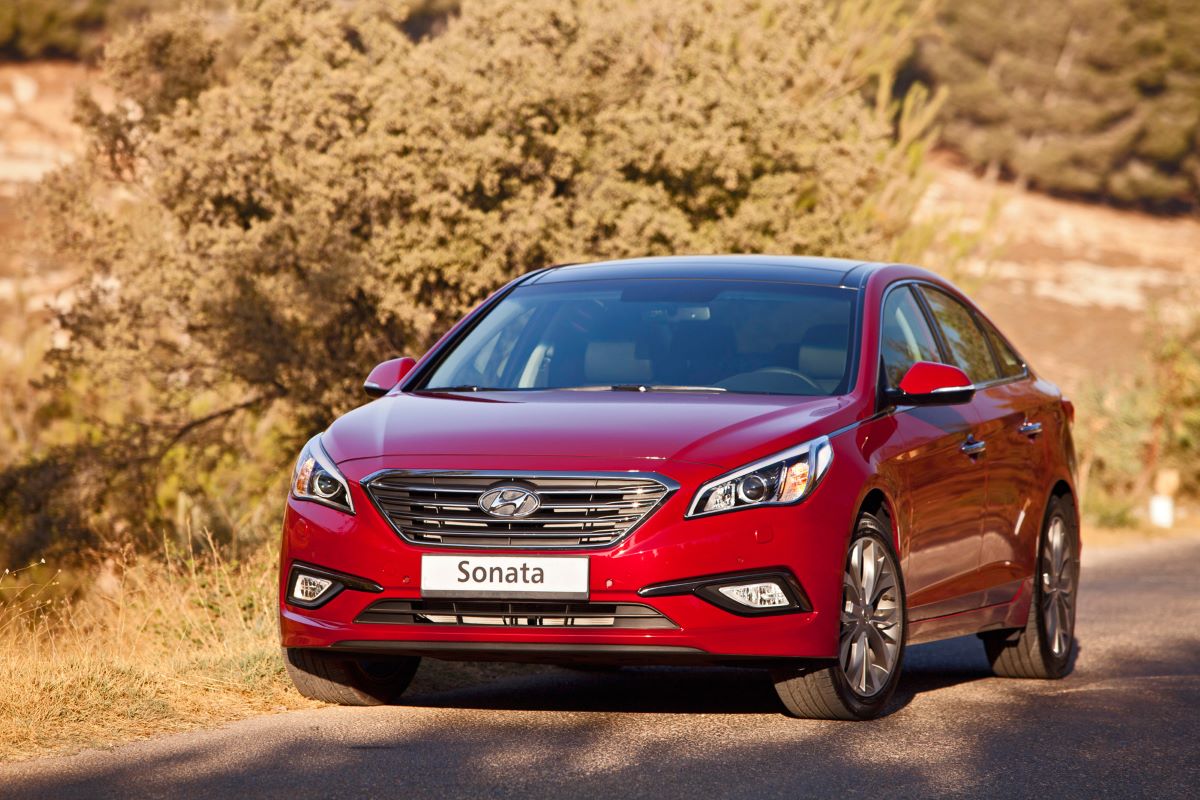
Beyond efficiency, the Sonata Hybrid offers a comfortable ride, supportive seats, and a surprisingly quiet cabin.
Hyundai’s driver-assistance tech feels polished and helpful rather than intrusive, making it easier to stay relaxed during extended freeway runs.
8. Volvo S90
The Volvo S90 approaches road trips from a Scandinavian design philosophy: clean lines, intuitive controls, and an emphasis on human comfort.
Its seats are among the best in the business, offering excellent support for drivers prone to back fatigue.
The S90’s calm suspension tuning and advanced safety systems work together to reduce stress on long drives.
It’s a sedan that encourages steady cruising rather than aggressive driving, making it ideal for travelers who prioritize serenity over speed.
Equipped with the new 295-horsepower B6 mild-hybrid powertrain, the S90 recorded a 6.4-second sprint from zero to 60 mph in testing.
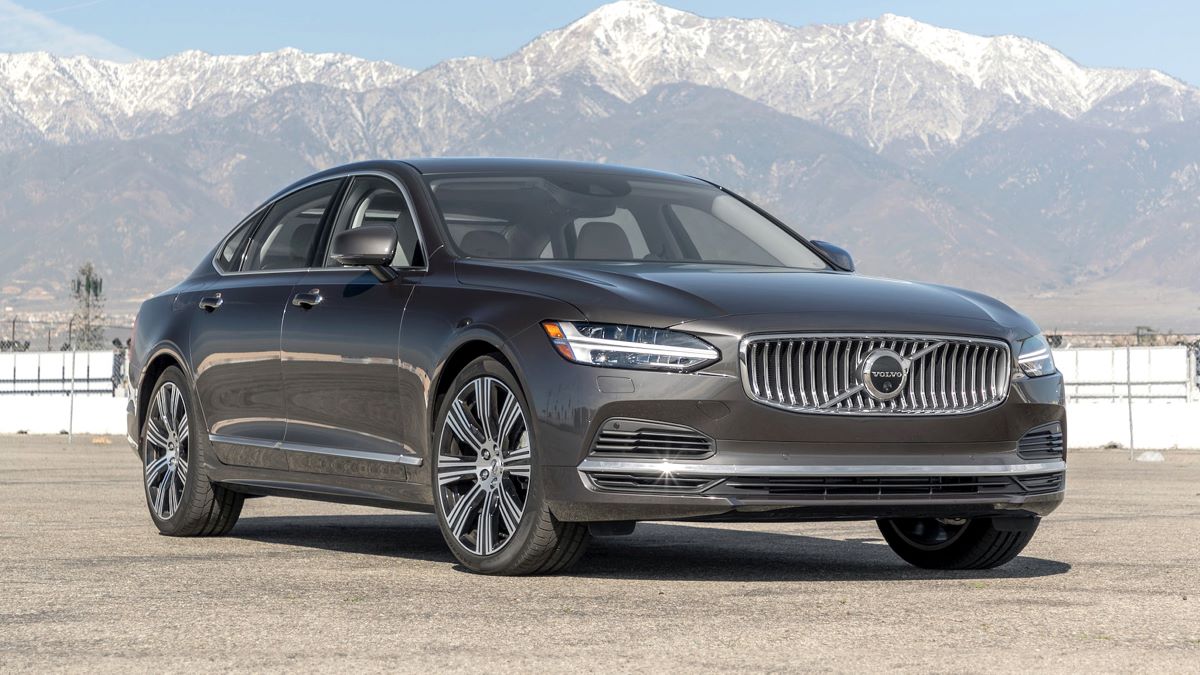
While that time is marginally slower than the outgoing T6 variant, the hybrid system’s strong low-end torque and well-calibrated eight-speed automatic transmission preserve a responsive, energetic feel during initial acceleration.
The plug-in hybrid Recharge model delivered significantly stronger straight-line performance, equaling the six-cylinder BMW 540i xDrive with a 4.5-second run to 60 mph.
However, real-world driving revealed occasional inconsistencies in the power delivery. A sudden press of the accelerator can produce a brief hesitation, followed by a noticeable surge when the gasoline engine engages to supplement the electric motors.
In terms of dynamics, the S90 maintains stable and predictable handling characteristics. That composure comes at the expense of ride comfort, as the suspension transmits more road imperfections into the cabin than softer-riding competitors.
The steering carries substantial weight, but it lacks the precision and immediacy expected in this segment, diminishing the vehicle’s sense of athleticism.
9. Kia Telluride
For families or groups, the Kia Telluride stands out as one of the most road-trip-friendly three-row SUVs available.
Its spacious interior, comfortable second-row seating, and excellent ride quality make it easy to transport multiple passengers without complaints.
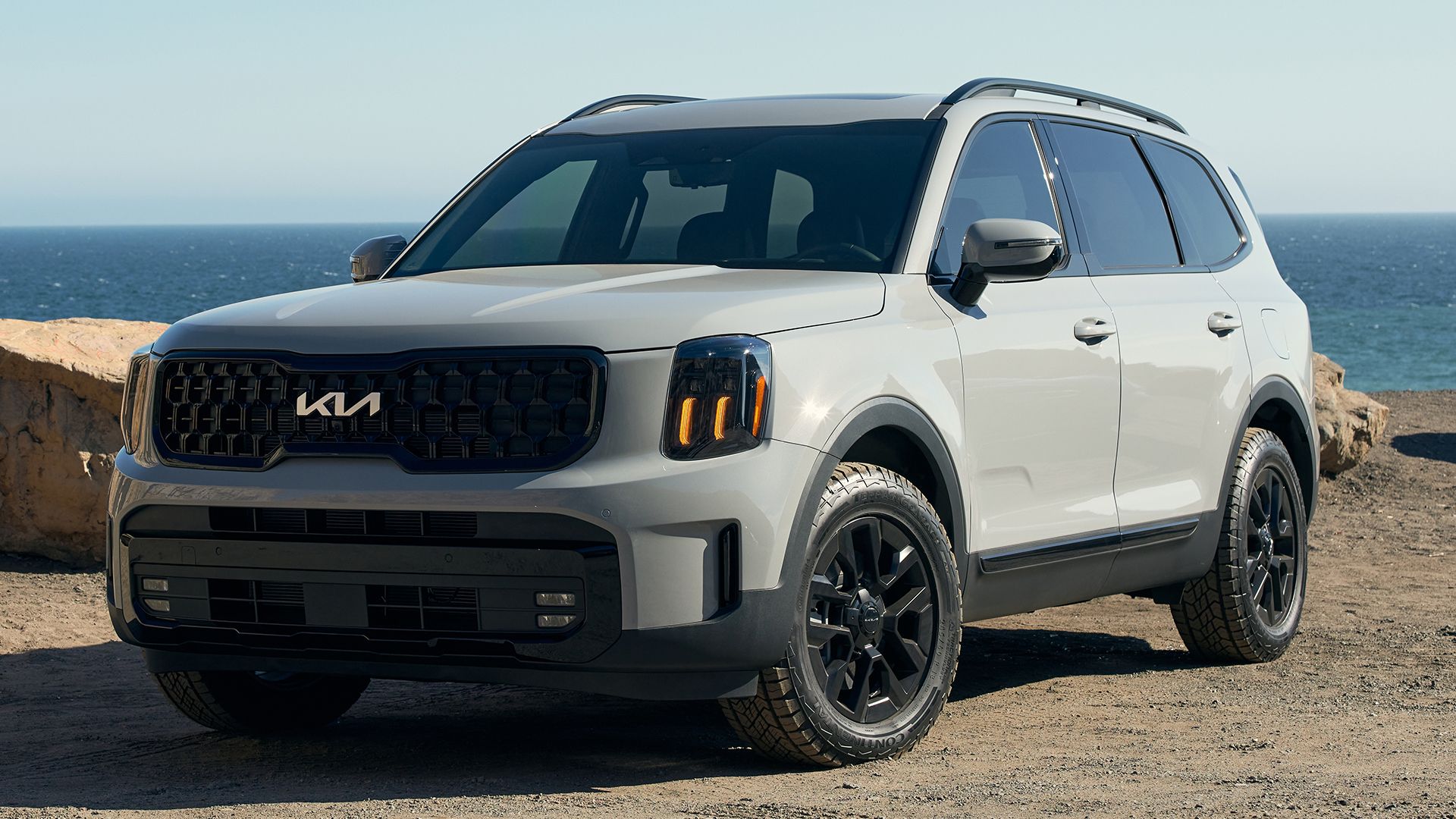
The Telluride also offers thoughtful storage solutions, strong climate control for all rows, and a smooth V6 that never feels strained at highway speeds.
It’s particularly well-suited for cross-country trips where comfort for every occupant matters.
The Telluride delivers a composed and confidence-inspiring driving experience. Its V-6 engine responds promptly to throttle inputs, although overall acceleration remains typical for the three-row SUV class.
Braking performance is strong, with confident stopping power and a pedal that allows for smooth, progressive modulation.
Steering effort is light during low-speed maneuvers, such as parking, and builds naturally as speeds increase.
Through corners, the Telluride feels planted and avoids excessive body lean. The engine’s automatic stop-start system, designed to improve fuel efficiency, operates with minimal vibration or noise, contributing to an overall refined driving character.
10. Chevrolet Impala
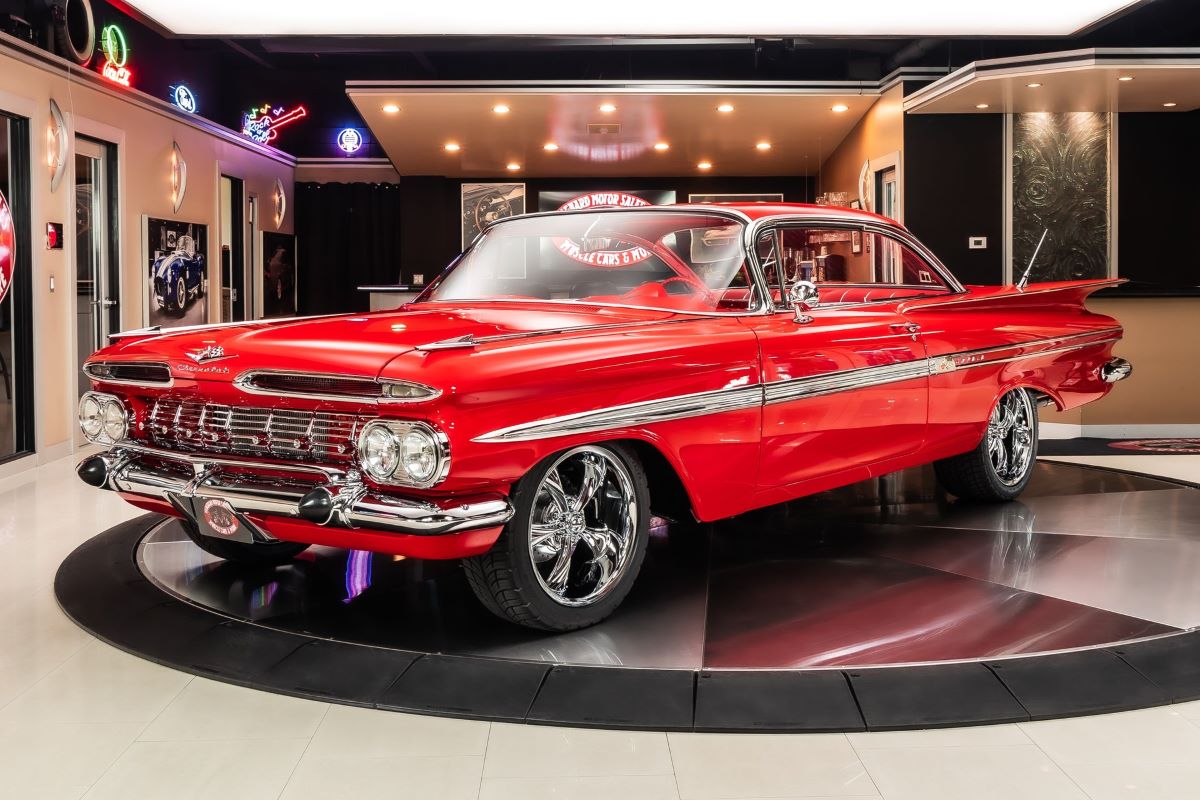
Though no longer in production, the Chevrolet Impala remains a standout on the used market for road-trip duty. Its large cabin, soft suspension, and straightforward controls make it easy to live with on long drives.
The Impala’s wide seats and generous rear legroom provide genuine comfort for adults, while its trunk easily handles multiple suitcases. For buyers seeking affordable long-distance capability, it remains a compelling option.
Effortless road trips aren’t about horsepower numbers or flashy styling, they’re about how a car treats you after four hours behind the wheel.
Quiet cabins, supportive seats, predictable handling, and thoughtful technology all play critical roles in reducing fatigue and increasing enjoyment.
The American automotive industry reached a defining moment in the 1950s, a decade that introduced some of the most enduring vehicles in U.S. history.
What started as a high-end variant eventually evolved into a standalone model bearing the Impala name, marking the beginning of one of the most significant nameplates in American automotive history.
Many well-known American nameplates began as trim packages, and the Impala followed that trajectory. The Bel Air Impala represented the pinnacle of Chevrolet’s offerings, with minimal cost-cutting and generous equipment.
Despite being introduced during the 1958 recession, the Impala trim performed strongly in sales, which ultimately justified its elevation to independent model status.
Buyers could choose from multiple powertrain options, including a three-barrel carbureted 5.7-liter (347-cubic-inch) V8 producing 280 horsepower. While the 1958 Impala is often overlooked today, it set the stage for Chevrolet’s rapid ascent in prominence.
The fully redesigned 1959 Impala marked a turning point. Although it was not the very first personal luxury car, it was among the earliest to solidify the segment’s identity, competing directly with the original Ford Thunderbird.
For the 1959 model year, the Impala became Chevrolet’s overall flagship. The lineup included several body styles, most notably the Impala Sport Coupe, along with a four-door sedan and a station wagon. Despite the broader offering, the Sport Coupe became the version most closely associated with the Impala name.
Stylistically, the 1959 Impala remains one of the most recognizable American cars ever produced. It featured distinctive design elements such as the chrome “mustache” above the grille and sharply angled rear fins.
Although General Motors implemented modest cost-saving measures during the recession, customer demand remained strong, and the Impala maintained its success into the following decade.
In 1961, a new generation arrived, bringing significant styling changes. The dramatic rear fins were eliminated, and the front fascia was lowered, giving the car a cleaner, more squared-off appearance.
Before the Camaro SS existed, there was the Impala SS. This high-performance version quickly became one of the most iconic iterations of the model.
Buyers could select from six-cylinder or V8 engines, but the standout option was the 6.7-liter (409-cubic-inch) big-block V8 producing up to 425 horsepower. In the early 1960s, 425 horsepower was an extraordinary figure, firmly establishing the Impala SS as a serious performance contender.
From an upscale Bel Air trim to a defining symbol of American performance and luxury, the Chevrolet Impala’s rise illustrates how a single model can shape an entire segment. Its evolution mirrored broader shifts in consumer tastes, styling trends, and performance expectations.
Whether you prefer sedans, crossovers, or full-size SUVs, the vehicles on this list share one defining trait: they make distance feel shorter.
Choose wisely, and your next road trip won’t just be about the destination, it’ll be a comfortable, confidence-inspiring journey from start to finish.