
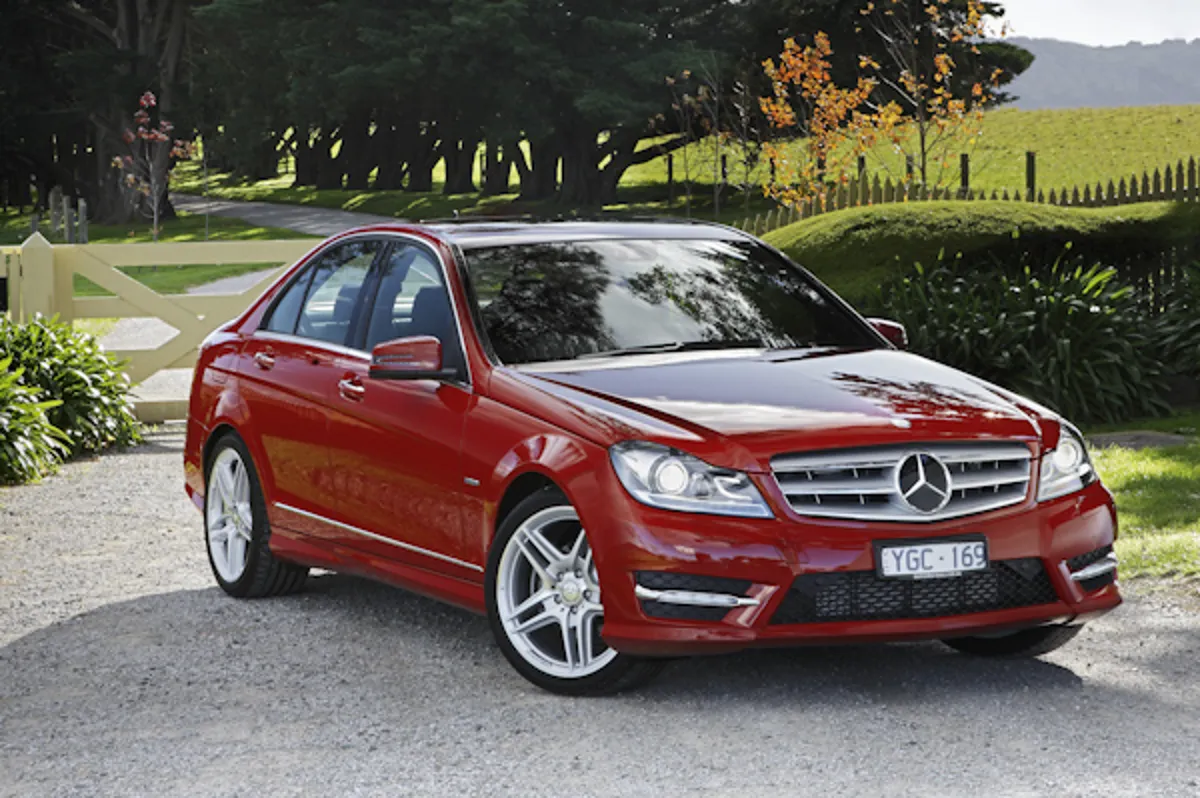
Mercedes-Benz has long been synonymous with luxury, engineering excellence, and status. The three-pointed star on the hood represents decades of automotive innovation and prestige.
However, the allure of owning a Mercedes can quickly fade when the reality of ownership costs sets in, particularly with older or depreciated models that seem like bargains on the used car market.
While these German luxury vehicles may appear affordable upfront, many Mercedes models from the past two decades have earned notorious reputations for becoming financial burdens.
The initial purchase price often represents just the beginning of a costly ownership experience. Complex engineering, expensive parts, specialized maintenance requirements, and frequent mechanical issues can transform what seemed like a smart investment into a perpetual money pit.
The depreciation curve on luxury vehicles works in favor of buyers initially, but there’s usually a good reason why certain Mercedes models lose value so rapidly.
These vehicles were designed with cutting-edge technology and built to exacting standards when new, but as they age, the cost of maintaining those sophisticated systems becomes disproportionately expensive compared to the car’s market value.
This article examines ten specific Mercedes-Benz models that have proven particularly problematic for budget-conscious buyers.
From transmission failures to electrical gremlins, air suspension nightmares to engine issues, these vehicles share a common trait: they look great on the lot but can drain your bank account faster than you can say “German engineering.” Understanding which models to avoid can save you thousands in repair bills and countless headaches down the road.
1. Mercedes-Benz W220 S-Class (2000-2006)
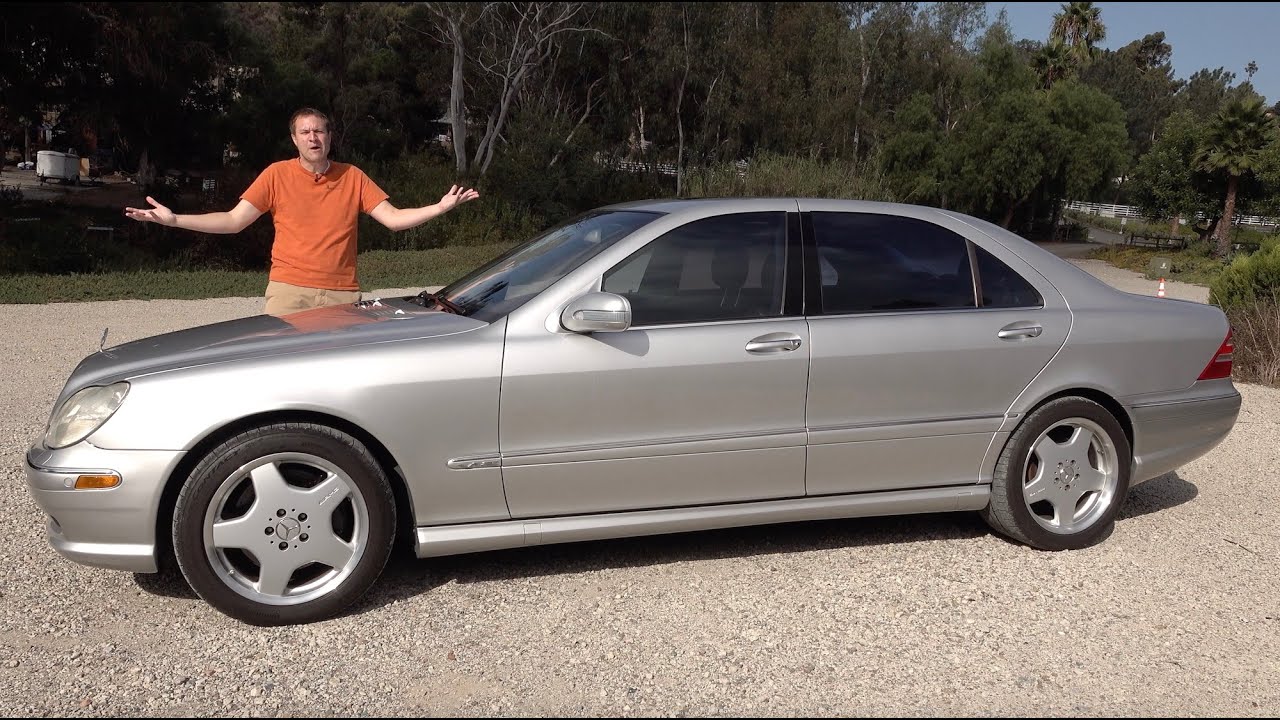
The W220 S-Class represented Mercedes-Benz’s flagship sedan at the turn of the millennium, packed with innovative technology and luxury features that were groundbreaking for their time. Models like the S430, S500, and S55 AMG offered impressive performance and comfort, making them highly desirable when new.
Today, these vehicles can be purchased for a fraction of their original $70,000-$120,000 sticker prices, with many examples available for under $10,000. However, this apparent bargain comes with significant risks that can quickly overwhelm any savings.
The most notorious issue plaguing the W220 S-Class is the AIRMATIC air suspension system. This sophisticated setup uses air springs instead of traditional coil springs to provide a cloud-like ride quality and adjustable ride height.
Unfortunately, the air struts, compressor, and associated components are prone to failure, often leaving the car sitting lopsidedly or completely disabled.
Replacing all four air struts and the compressor can easily cost $3,000-$5,000 at an independent shop, and significantly more at a dealership.
Many owners resort to converting to traditional coil springs, which eliminates the problem but also removes one of the car’s signature features.
Engine issues vary by model but include problems with the balance shaft in V8 engines, camshaft wear, and various oil leaks. The M113 V8 engine, while generally reliable, can develop expensive problems with the balance shaft gear, requiring engine removal for proper repair.
Routine maintenance is also costly, with services requiring synthetic oil, expensive filters, and specialized tools. What appears to be an affordable luxury sedan quickly becomes a financial liability that can cost more to maintain than many brand-new economy cars.
2. Mercedes-Benz R171 SLK (2005-2011)
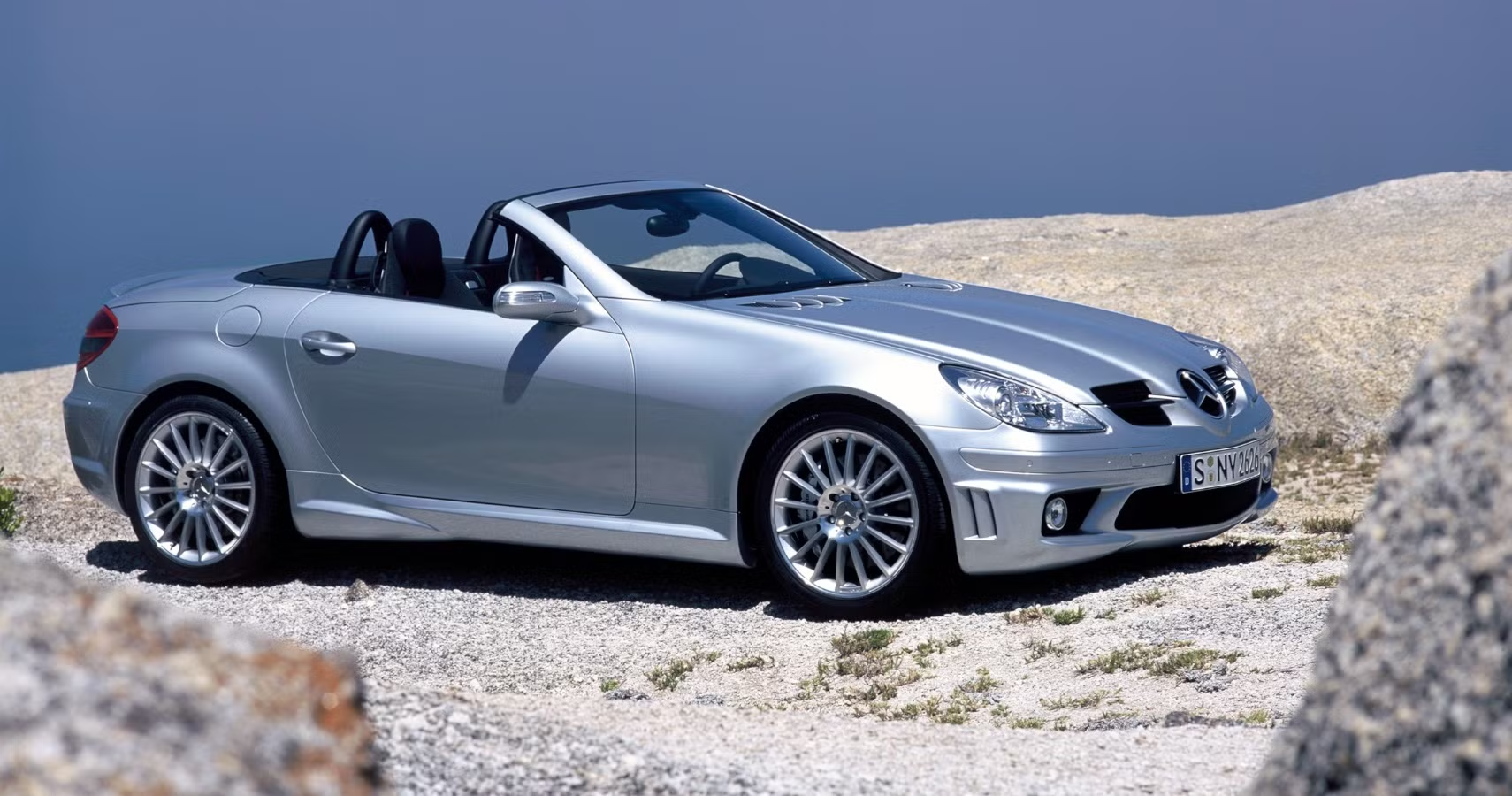
The R171 generation SLK brought Mercedes-Benz’s compact roadster into the modern era with sleek styling, the innovative retractable hardtop, and a range of engines from the efficient SLK280 to the powerful SLK55 AMG.
These vehicles represented the perfect combination of open-air driving pleasure and year-round practicality, making them popular among enthusiasts seeking a premium sports car experience.
Today’s used market offers these vehicles at tempting prices, often between $8,000-$15,000, which seems reasonable for a German luxury convertible. However, the ownership experience frequently proves far more expensive than the purchase price suggests.
The retractable hardtop mechanism, while impressive, represents a significant source of problems and expense. This complex system involves multiple motors, sensors, hydraulic components, and a precisely choreographed sequence of movements to fold the metal roof into the trunk.
When components fail and they do with alarming regularity the roof may become stuck halfway through its cycle or refuse to operate at all.
Common failures include hydraulic pump failures, broken roof sensors, failed actuators, and worn linkages.
Repairing these systems requires specialized knowledge and expensive parts, with costs easily reaching $2,000-$4,000 for major repairs. Some owners find themselves driving a permanent convertible or permanent coupe when repairs prove too costly.
Beyond these major issues, the SLK suffers from numerous smaller problems that add up quickly. The hydraulic convertible top pump fails frequently, window regulators break, xenon headlight ballasts fail, and various interior trim pieces deteriorate.
Oil leaks from valve covers, oil cooler seals, and other engine gaskets are common as these vehicles age. Air conditioning systems prove expensive to repair, and tire wear is accelerated by the sporty suspension geometry.
What seems like an affordable entry into premium convertible ownership often becomes a parade of expensive repairs that make ownership financially untenable for budget-conscious enthusiasts.
3. Mercedes-Benz W211 E-Class (2003-2009)
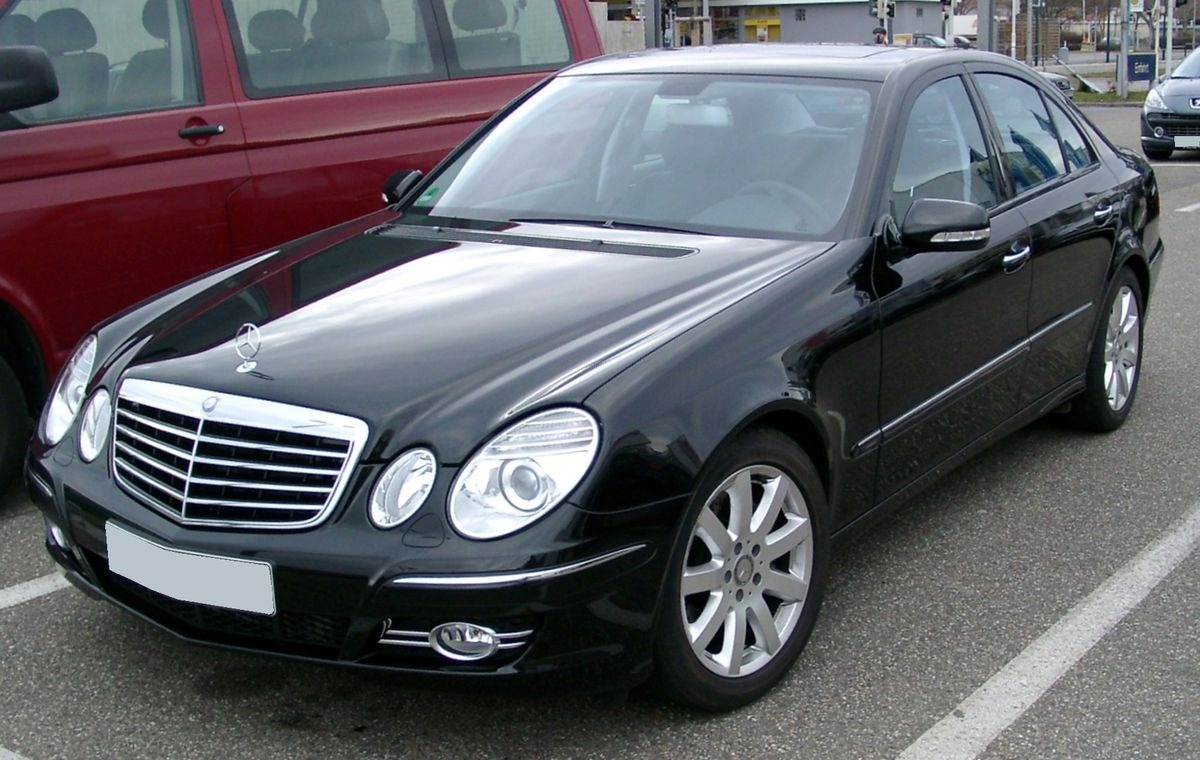
The W211 E-Class represented a bold redesign of Mercedes-Benz’s mid-size luxury sedan, introducing controversial styling and a host of new technologies. Models ranging from the E320 to the E63 AMG offered something for every taste, combining comfort, performance, and prestige.
These vehicles have depreciated significantly, with many examples available for $5,000-$12,000 depending on mileage and condition. While this makes them accessible to buyers who couldn’t afford them new, the W211 has developed a well-deserved reputation as one of the most problematic Mercedes-Benz models ever produced.
The most expensive and common problem affecting the W211 is the SBC (Sensotronic Brake Control) system, the same troublesome component found in the SLK. This brake-by-wire system was supposed to improve brake feel and performance but instead became a liability.
The SBC pump has a finite service life measured in brake applications, and when it fails, drivers receive urgent warning messages indicating brake system failure.
Mercedes extended warranty coverage for some units, but many vehicles now fall outside that protection. Replacing the SBC unit costs $2,500-$4,000, and finding replacement units can be difficult as they’re frequently backordered. This is not an optional repair when the SBC fails, the vehicle is unsafe to drive.
Air suspension problems plague W211 models equipped with the AIRMATIC system. Like the W220 S-Class, these vehicles use air springs that deteriorate over time, leading to sagging, uneven ride height, and complete failure. The air compressor works overtime trying to maintain pressure in leaking struts, eventually burning out and requiring replacement.
The entire system can cost $4,000-$6,000 to properly repair with all four struts and the compressor. Many owners convert to conventional coil springs, which solves the problem but diminishes the car’s luxury character and may affect resale value.
Additional common problems include front suspension component wear, particularly with ball joints and control arm bushings that require expensive replacement. The W211 is notorious for oil leaks from valve covers, cam adjusters, and various engine seals.
The balance shaft issue in M272 V6 engines can cause catastrophic engine damage if not addressed. Xenon headlight ballasts fail frequently at $300-$500 each.
Electrical problems ranging from malfunctioning seat controls to instrument cluster failures add to ownership costs. Rust can develop in rear wheel arches and door bottoms despite Mercedes’ claims of improved corrosion protection. The W211 exemplifies how complex modern luxury vehicles can become financial nightmares as they age.
4. Mercedes-Benz W164 M-Class (2006-2011)
The W164 M-Class brought Mercedes-Benz’s SUV into a new generation with improved styling, enhanced capability, and a range of powerful engines. Models like the ML350, ML550, and ML63 AMG offered luxury, space, and performance in a premium package.
These vehicles commanded premium prices when new, often exceeding $50,000-$80,000 depending on configuration. Today’s used market offers them for $8,000-$18,000, making them seem like excellent values for families seeking a three-pointed star.
However, the W164 M-Class has proven to be one of the most problematic SUVs Mercedes has ever produced, with reliability issues that can bankrupt unprepared owners.
The balance shaft problem in the M272 V6 engine represents a potentially catastrophic issue that affects ML350 models. The balance shaft gears, which are made of plastic or weak metal, can strip or break, causing the balance shaft to fail.
When this happens, metal fragments circulate through the engine, causing extensive damage to bearings, cylinder walls, and other critical components. The engine may run rough, produce knocking sounds, and eventually seize completely.
Repairing this issue properly requires complete engine disassembly or replacement, with costs ranging from $8,000-$15,000. Many owners discover this problem only after catastrophic failure, turning their affordable SUV into a total loss.
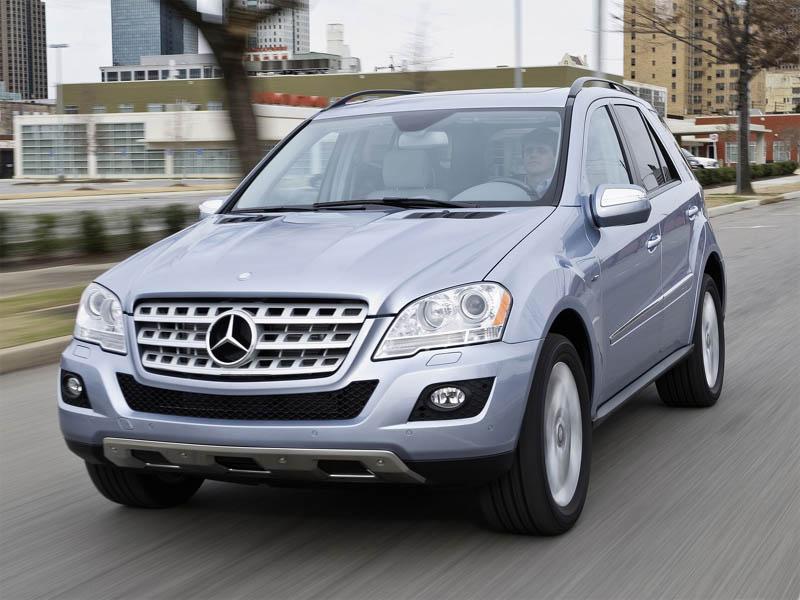
Air suspension failures are another hallmark of W164 M-Class ownership. The AIRMATIC system provides excellent ride quality and adjustable ground clearance, but the components are expensive and prone to failure. Air springs develop leaks, causing the vehicle to sag overnight or after sitting for periods.
The air compressor runs excessively trying to maintain pressure, eventually burning out. Replacing all four air struts and the compressor can cost $4,000-$6,000.
The air suspension also includes complex electronics and valves that add to diagnostic and repair costs. Many owners opt for coil spring conversion kits that cost $1,500-$2,500 but eliminate the sophisticated suspension features.
Beyond these major issues, the W164 suffers from numerous other expensive problems. The front differential can fail, causing grinding noises and requiring replacement at $2,000-$3,000.
Transfer case leaks and failures occur with some frequency. The rear hatch struts fail, allowing the heavy hatch to slam down dangerously. Xenon headlight assemblies are expensive to replace.
The engine cooling system, including the radiator, water pump, and thermostat housing, requires attention and expensive parts. Electrical problems affect everything from the power liftgate to the infotainment system.
For a vehicle that can be purchased for under $10,000, these potential repairs represent crushing financial obligations that make the M-Class a risky purchase for anyone without substantial repair reserves.
Also Read: Top 10 Luxury Bargains That Are Risky Without a Warranty
5. Mercedes-Benz W203 C-Class (2001-2007)
The W203 C-Class served as Mercedes-Benz’s entry-level luxury sedan, offering the prestige of the three-pointed star at a more accessible price point. Models like the C230, C320, and high-performance C32 AMG and C55 AMG provided options for various buyers.
These vehicles have depreciated dramatically, with many examples available for $3,000-$8,000, making them tempting for first-time luxury car buyers or those seeking affordable German engineering. Unfortunately, the W203 represents one of the lowest points in Mercedes-Benz reliability history, coinciding with the era when the brand prioritized cost-cutting over legendary build quality.
Rust issues plague the W203 more severely than almost any other modern Mercedes-Benz model. Despite being relatively recent vehicles, these cars develop significant corrosion in critical areas including the rear wheel arches, rocker panels, door bottoms, and even structural components in the rear subframe area.
This rust isn’t just cosmetic it can compromise structural integrity and lead to catastrophic failures. The rear subframe mounting points are particularly vulnerable, and corrosion here can cause the subframe to separate from the body during hard braking or impacts.
Proper rust repair requires extensive metalwork and welding, often costing thousands of dollars. Many W203 examples on the used market hide significant rust damage under fresh paint or undercoating.
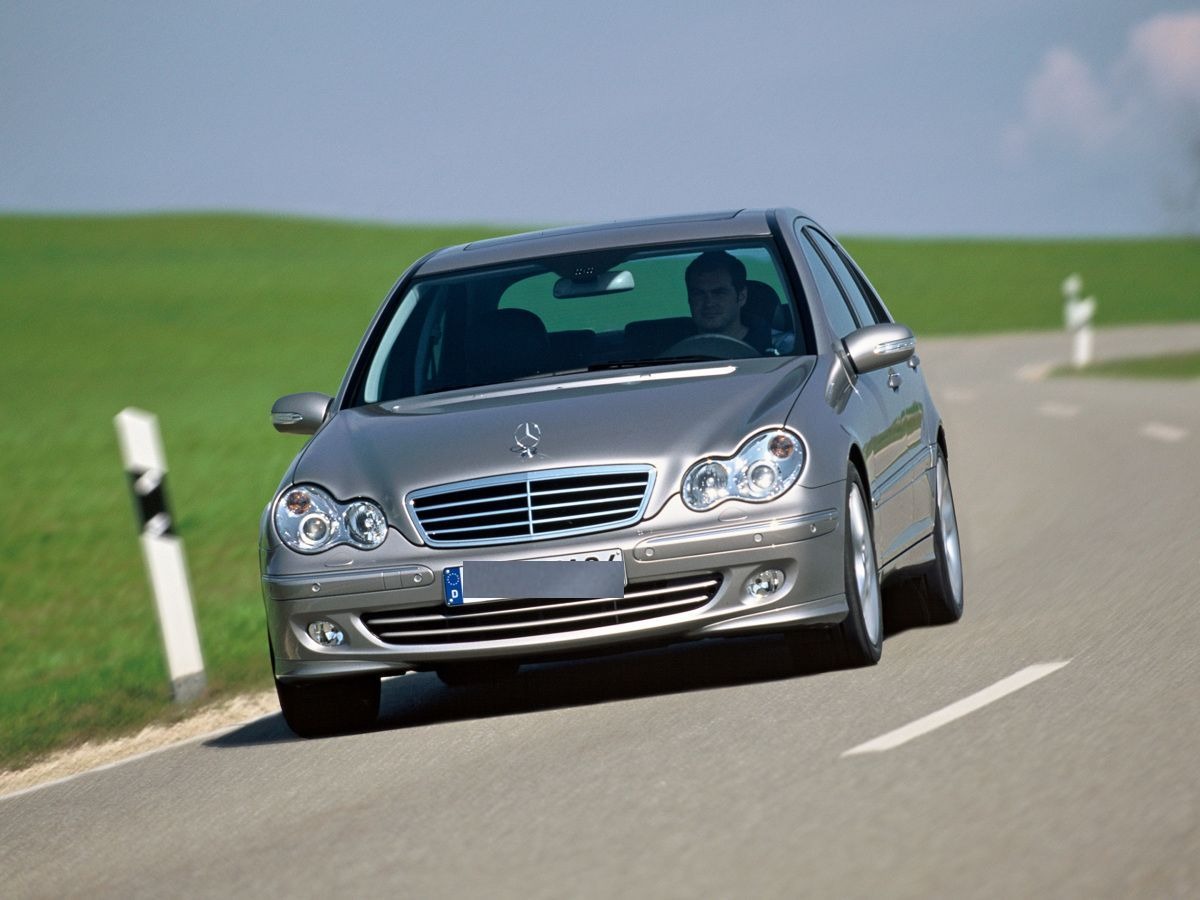
The M271 four-cylinder engine used in C230 models suffers from numerous problems despite being a relatively modern design. The timing chain and timing chain tensioner are notorious for premature wear, creating rattling noises on startup that indicate impending failure.
If the timing chain breaks, it can cause catastrophic engine damage requiring complete engine replacement. Preventive replacement of the timing components costs $1,500-$2,500.
The M271 also develops issues with the balance shaft module, camshaft adjusters, and various oil leaks. The Kompressor supercharger adds another layer of complexity and potential problems, including bearing failures and seal leaks.
Electrical problems are widespread in the W203, stemming from poor-quality components and deteriorating wiring. The combination instrument cluster fails frequently, displaying erratic readings or dying completely.
Window regulators break with remarkable regularity, costing $300-$500 per door to repair. The Electronic Ignition Switch (EIS) fails, preventing the vehicle from starting. Various body control modules fail, causing strange electrical behavior throughout the car. The seat occupancy sensor mat fails, triggering airbag warnings.
Air conditioning problems are common and expensive to repair. Interior quality is disappointing, with peeling soft-touch surfaces, broken trim pieces, and worn seat bolsters. The W203 C-Class represents a perfect storm of reliability issues that make it one of the worst used luxury car purchases possible.
6. Mercedes-Benz R230 SL-Class (2003-2012)
The R230 generation SL-Class continued Mercedes-Benz’s tradition of building sophisticated grand touring convertibles with retractable hardtops.
These stunning vehicles combined elegant styling, powerful engines, and cutting-edge technology in a package that commanded prices from $80,000 to well over $150,000 for AMG variants when new.
Today’s used market offers R230 SL-Class models for $15,000-$35,000 depending on year, mileage, and variant, making them appear to be incredible values for exotic-car-level luxury.
However, the R230’s complexity and age-related issues can make ownership financially devastating for buyers who don’t understand what they’re getting into.
The retractable hardtop mechanism is a masterpiece of engineering and a nightmare of reliability. This complex system involves multiple electric motors, hydraulic pumps, sensors, limit switches, and a precisely timed sequence that must work perfectly for the roof to operate.
When problems occur and they will the roof may become stuck in intermediate positions, refuse to open or close, or display cryptic error messages.
Common failures include the hydraulic cylinders developing leaks, the central locking mechanism failing, microswitch failures, and pump motor burnout. The trunk-mounted hydraulic pump is particularly expensive to replace. Repairs can easily cost $3,000-$6,000 depending on which components fail, and diagnosis alone can take hours of expensive shop time.
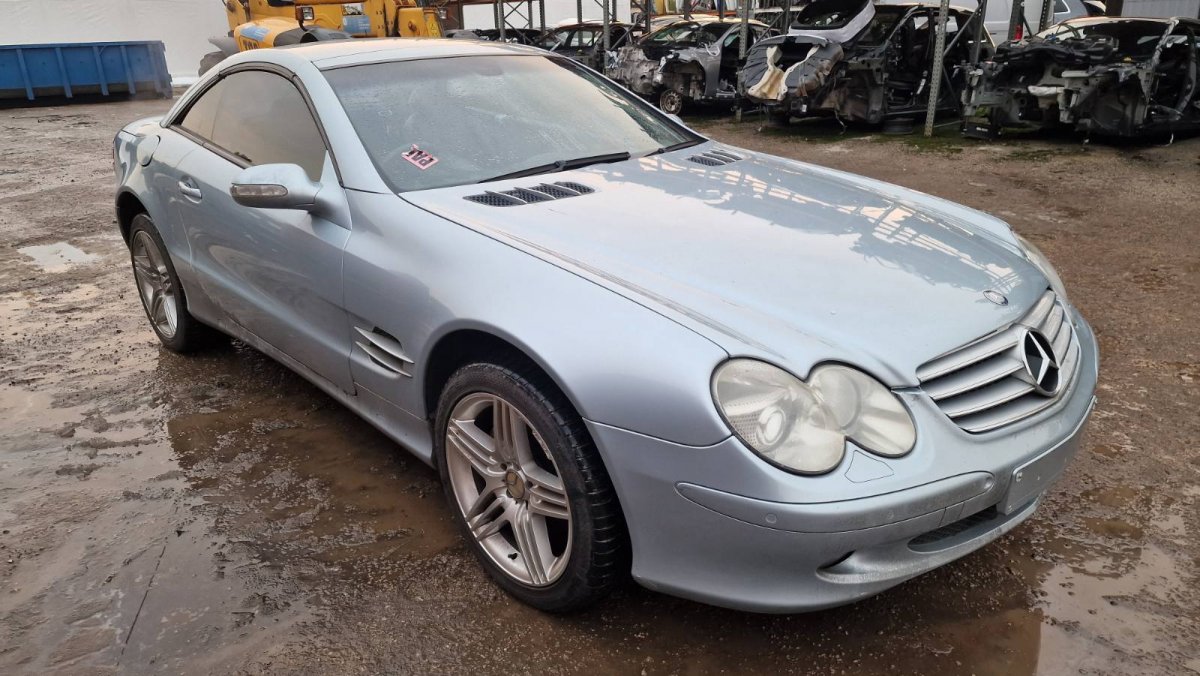
The ABC (Active Body Control) suspension system equipped on many R230 models represents one of the most sophisticated and expensive suspension systems ever installed in a production car. This hydraulic system actively controls body roll, dive, and squat while providing an incredibly smooth ride.
Unfortunately, it’s also incredibly expensive to maintain and repair. The hydraulic pump commonly fails, costing $2,500-$4,000 to replace. The pulsation dampers fail, causing rough running and warning lights. The hydraulic struts themselves can leak or fail, costing $1,000-$1,500 each to replace.
A complete ABC system overhaul can cost $8,000-$12,000, which often exceeds the vehicle’s value. There is no practical conversion to conventional suspension, so ABC-equipped cars become worthless when the system fails.
Beyond these major systems, the R230 suffers from numerous expensive problems. The SBC brake system fails as in other Mercedes models of this era. Transmission issues include the same valve body and conductor plate problems seen across the Mercedes range. The door closing assistance system fails frequently.
Xenon and later LED headlight assemblies are expensive to replace. The convertible top drains clog, causing water leaks into the interior. The seat ventilation system fails.
The navigation system becomes outdated and expensive to update. The Keyless Go system develops problems. For a vehicle marketed as the ultimate expression of automotive luxury, the R230 SL-Class has proven to be an unreliable money pit that few owners can afford to maintain properly.
7. Mercedes-Benz W219 CLS-Class (2005-2010)
The W219 CLS-Class introduced the “four-door coupe” concept to the luxury market, offering stunning styling that turned heads everywhere. This sleek sedan combined the practicality of four doors with the aesthetic appeal of a coupe, creating an entirely new market segment.
Models like the CLS500, CLS550, and CLS63 AMG offered impressive performance alongside head-turning looks. These vehicles commanded premium prices when new, often reaching $70,000-$100,000 or more.
Today, they’re available for $10,000-$25,000, making them seem like amazing bargains for style-conscious buyers seeking something distinctive. However, the CLS shares virtually all of its mechanical components with the problematic W211 E-Class, inheriting all of those reliability issues while adding some unique problems of its own.
The SBC brake system represents the same ticking time bomb found in other Mercedes models from this era. CLS owners face the same expensive $2,500-$4,000 SBC pump replacement when the system inevitably fails.
The CLS’s larger brakes and increased weight can accelerate SBC wear, meaning these units may fail even sooner than in lighter vehicles.
When the warning messages appear, immediate action is required, and the parts are frequently on backorder, potentially leaving owners without transportation for extended periods. This alone makes the CLS a risky purchase, as the cost of this single repair can equal or exceed the purchase price of affordable examples.
Air suspension failures mirror those in the W211 E-Class, with the added complication that CLS-specific components can be more expensive and harder to source.
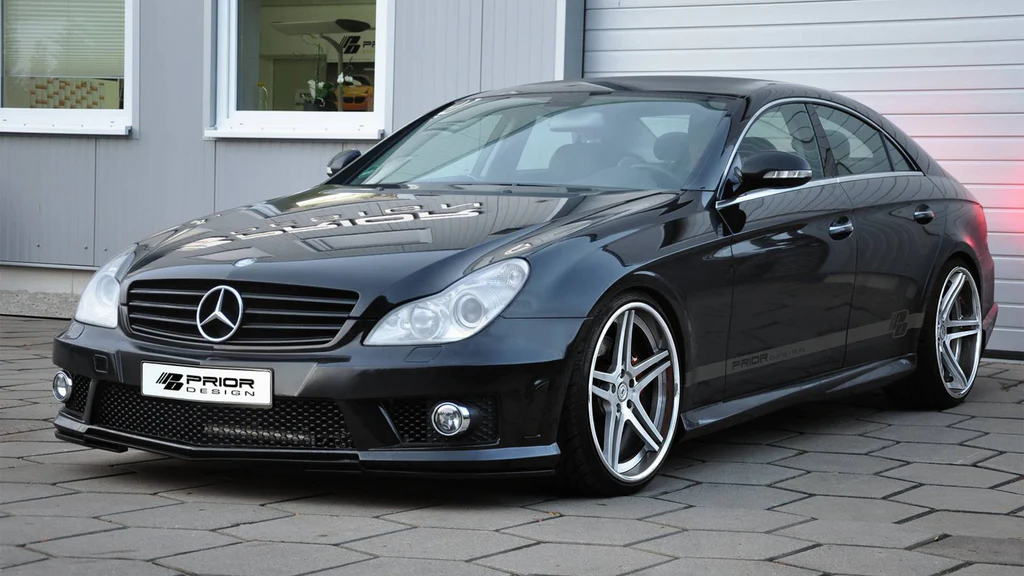
The air struts develop leaks, the compressor burns out from overwork, and the entire system can cost $4,500-$6,500 to properly repair.
The CLS sits lower than the E-Class, which can increase the likelihood of air spring damage from road debris and aggressive driving. Coil spring conversion is possible but affects the car’s sophisticated ride quality and sleek stance, diminishing its appeal.
The M273 V8 engine used in CLS550 models develops serious head bolt problems that weren’t fully understood when these vehicles were newer. The head bolts can pull threads from the aluminum block or stretch beyond their elastic limit, causing head gasket failures and coolant leaks into the combustion chambers.
Symptoms include coolant loss, rough running, and eventually catastrophic engine damage. Proper repair requires engine removal, block machining or replacement, new head bolts, and new head gaskets, costing $6,000-$10,000. Many owners discover this problem only after engine failure, making their stylish CLS essentially worthless.
Transmission problems affect all CLS models, with the seven-speed automatic transmission developing the familiar valve body, conductor plate, and torque converter failures. The CLS’s performance-oriented nature may accelerate these failures compared to more sedately driven vehicles. Balance shaft issues affect CLS350 models equipped with the M272 V6 engine.
The extensive electronics throughout the vehicle provide countless opportunities for expensive failures, from the command system to the keyless entry to the advanced lighting systems.
The CLS’s unique body panels and trim pieces are expensive to replace if damaged. Interior materials show wear poorly, with peeling dashboard surfaces and worn leather common. The CLS-Class offers undeniable style but backs it up with truly frightening reliability and repair costs that make it one of the worst used luxury car purchases available.
8. Mercedes-Benz W221 S-Class (2007-2013)
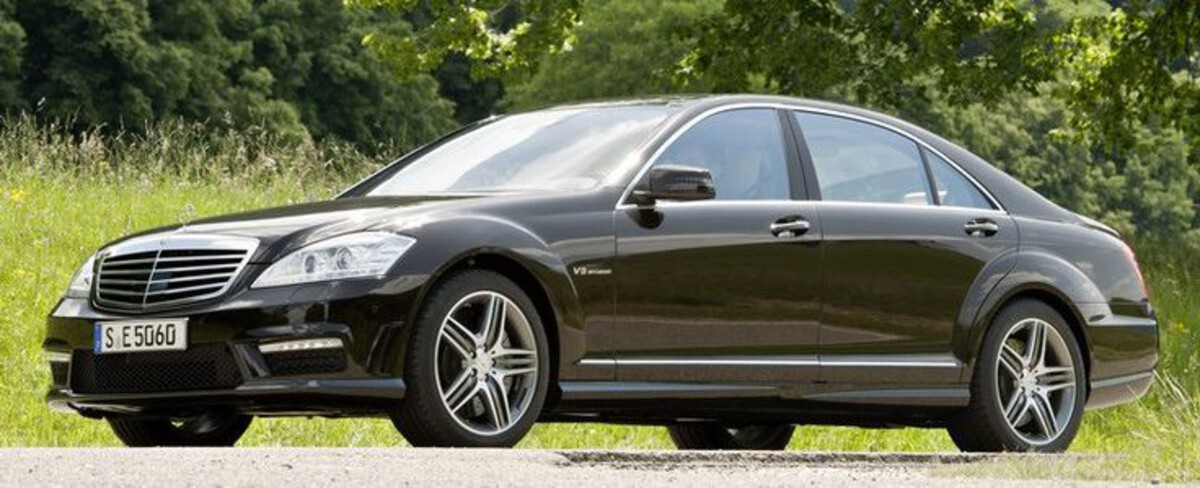
The W221 S-Class represented Mercedes-Benz’s redemption after the problematic W220, offering improved quality, more advanced technology, and refined luxury. These flagship sedans showcased the best of German engineering with models ranging from the S450 to the S65 AMG. When new, prices started around $90,000 and climbed well past $200,000 for fully loaded long-wheelbase AMG variants.
Today’s used market offers W221 S-Class models for $15,000-$40,000 depending on year, mileage, and specification. While these vehicles represent tremendous luxury for the money and are better built than the W220, they still present significant ownership challenges that can overwhelm buyers unprepared for the costs of maintaining a flagship luxury sedan.
The AIRMATIC air suspension remains problematic despite improvements over the previous generation. Air springs still develop leaks after 80,000-100,000 miles, and the compressor eventually burns out from constant operation. However, W221 components are more expensive than W220 parts, with a complete four-corner air suspension replacement costing $5,000-$7,000.
The system is more complex, with additional ride height sensors and control modules that can fail independently. The Active Body Control (ABC) system available on some models adds hydraulic complexity and expense, with potential repair costs reaching $10,000 or more for major component failures.
The extensive electronics and technology in the W221 create countless opportunities for expensive failures. The Command navigation and entertainment system, while impressive, becomes outdated and expensive to repair or update.
The night vision system fails and costs thousands to repair. The adaptive headlights develop problems requiring complete headlight assembly replacement at $2,000-$3,000 per side. The soft-close door system fails frequently.
The seat massage and ventilation systems stop working. The radar-based safety systems like Distronic cruise control and Pre-Safe require expensive recalibration after minor front-end damage. Each of these systems was impressive when new but becomes a liability as components age and fail.
Transmission problems affect the seven-speed automatic transmission, though reliability improved somewhat compared to earlier versions. However, the same basic issues with conductor plates and valve bodies still occur, and repairs remain expensive. The W221’s considerable weight and power put stress on transmission components, potentially accelerating wear.
Beyond these major systems, the W221 requires expensive routine maintenance with costly synthetic oil changes, expensive brake jobs with large rotors and pads, and rapid tire wear from staggered wheel setups.
The extensive use of aluminum in the body makes collision repair expensive. While the W221 is significantly better than the W220, it still represents a massive financial commitment for anyone without the budget to properly maintain a flagship luxury sedan. These are cars that depreciate to average-car prices but maintain flagship-car repair costs.
9. Mercedes-Benz W204 C-Class (2008-2014)
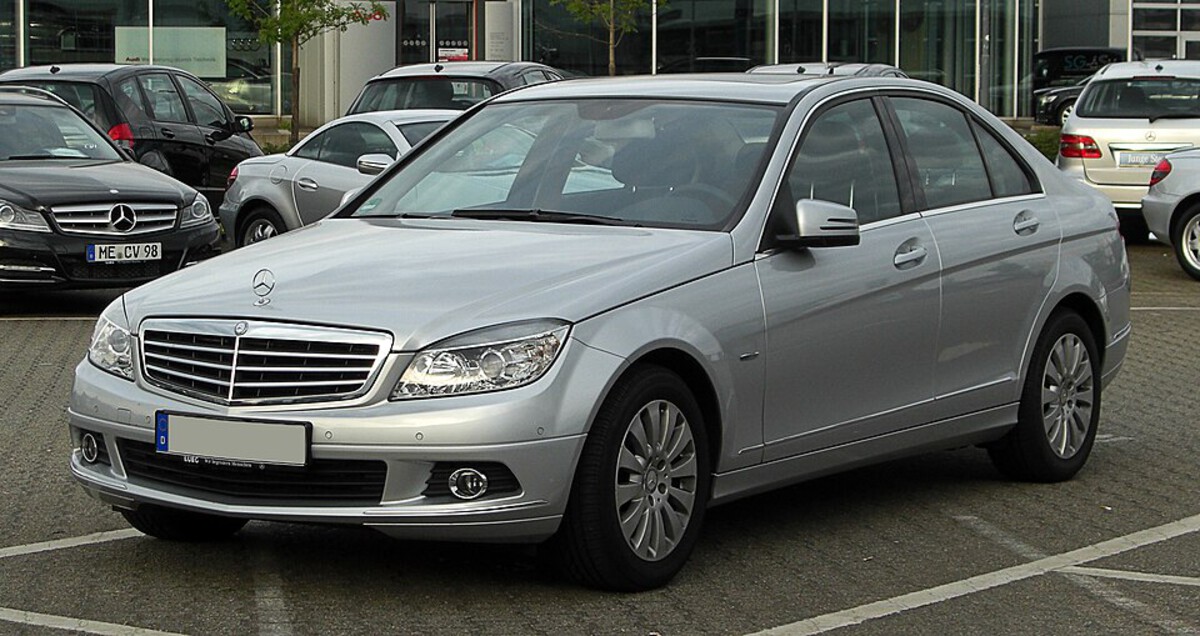
The W204 C-Class represented a significant improvement over the problematic W203, restoring some of Mercedes-Benz’s reputation for quality and reliability. With better build quality, improved materials, and more refined driving dynamics, the W204 seemed to mark a return to form.
Models ranging from the C250 to the C63 AMG offered something for every buyer, and the refreshed styling maintained the C-Class’s position as a desirable entry-level luxury sedan.
These vehicles have depreciated to tempting levels, with many examples available for $8,000-$18,000, making them accessible to buyers seeking affordable luxury. However, while better than the W203, the W204 still presents reliability challenges that can make ownership expensive and frustrating.
The M271 four-cylinder turbocharged engine in C250 models suffers from timing chain problems that can lead to catastrophic engine failure. The timing chain stretches and the tensioner weakens over time, causing rattling noises particularly on cold starts.
If the chain jumps time or breaks, it can cause valves to contact pistons, resulting in bent valves and damaged pistons requiring complete engine rebuild or replacement at costs of $5,000-$10,000.
Preventive timing chain replacement costs $2,000-$3,000, which many owners defer due to the expense, only to face much larger bills later. The M271 also develops issues with the turbocharger wastegate, balance shaft module, and high-pressure fuel pump.
Beyond these engine and transmission issues, the W204 has numerous other problems. The thermostat housing is made of plastic and fails frequently, causing coolant leaks and overheating at a repair cost of $500-$800. The radiator develops leaks. The water pump fails. Oil leaks from valve covers and oil filter housings are common.
The front suspension components including control arms and ball joints wear prematurely, especially with sport suspension packages. The steering rack can develop leaks and require replacement. Rust is less severe than the W203 but still occurs in some areas.
Electrical problems include failed window regulators, malfunctioning seat controls, and issues with the multimedia interface. While the W204 is more reliable than its predecessor, it still requires significantly more maintenance and repair than competing vehicles from Japanese luxury brands, making it a questionable choice for budget-conscious buyers.
10. Mercedes-Benz X204 GLK-Class (2010-2015)
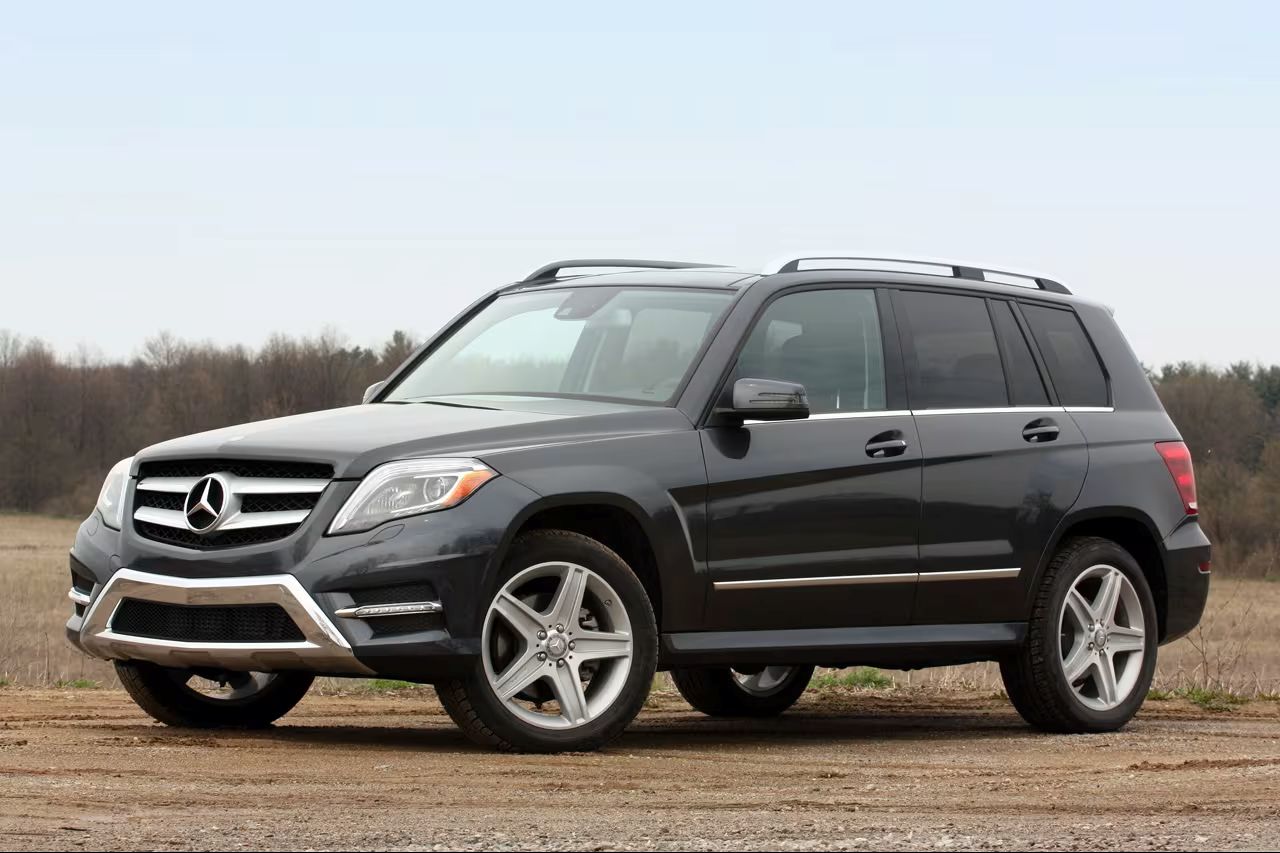
The X204 GLK-Class brought a compact luxury SUV to Mercedes-Benz’s lineup with distinctive boxy styling that set it apart from rounded competitors. Built on the W204 C-Class platform, the GLK shared many components with its sedan sibling while offering additional utility and commanding seating position.
Models like the GLK350 and GLK250 Bluetec diesel provided good performance and fuel economy in an upscale package. These vehicles have depreciated to accessible levels, with many examples available for $10,000-$20,000, making them attractive alternatives to new compact crossovers.
However, the GLK inherits virtually all of the W204’s mechanical problems while adding some unique issues related to its SUV configuration.
The GLK350’s M272 V6 engine brings the infamous balance shaft problem that has destroyed countless Mercedes engines. The plastic or weak metal balance shaft gears strip their teeth, causing the balance shaft to fail and scatter metal debris throughout the engine.
This leads to catastrophic damage requiring complete engine replacement at costs of $8,000-$15,000. Some GLK owners have experienced sudden engine failure without warning, while others noticed gradual deterioration with rough running and loss of power.
The problem can occur anywhere from 50,000 to 150,000 miles, making it an unpredictable threat that hangs over every M272-powered GLK. Preventive replacement of the balance shaft isn’t economically viable given the extensive labor involved.
Transmission problems mirror those in the W204 C-Class, with the seven-speed automatic transmission developing valve body and conductor plate failures.
The GLK’s additional weight and SUV usage patterns may accelerate transmission wear compared to sedans. Suspension components wear more quickly due to the GLK’s higher center of gravity and increased weight. The front control arms, ball joints, and tie rod ends require replacement more frequently than in cars.
The rear suspension bushings deteriorate, causing clunking and poor handling. Brake components wear faster and cost more to replace due to larger rotors and pads needed for the heavier vehicle.
While the GLK offers more versatility than a C-Class sedan, it also provides more opportunities for expensive failures, making it a risky purchase for buyers seeking affordable luxury SUV transportation.
The GLK-Class demonstrates that platform sharing allows problematic components to affect multiple model lines, spreading reliability issues across an entire brand’s lineup.
Also Read: 8 Electric Cars That Are Now Unbelievably Cheap Used
