
When it comes to automotive reliability, few brands command the respect and admiration that Lexus has earned over the past three decades. Since its inception in 1989, Toyota’s luxury division has built a reputation not just on comfort, refinement, and cutting-edge technology, but on an almost legendary dependability that has become the brand’s calling card.
While other luxury manufacturers have struggled with reliability issues, Lexus has consistently topped dependability surveys, with many of its vehicles routinely surpassing 200,000, 300,000, and even 500,000 miles with minimal issues beyond routine maintenance.
The secret to Lexus’s exceptional longevity lies in Toyota’s renowned engineering philosophy, which emphasizes overbuilding components, extensive testing, and conservative technological implementation.
Rather than rushing to adopt the latest unproven innovations, Lexus waits until technologies are thoroughly vetted before integrating them into production vehicles. This approach, combined with meticulous manufacturing processes and stringent quality control, results in vehicles that can withstand decades of use.
From full-size luxury sedans to rugged SUVs, certain Lexus models have distinguished themselves as particularly bulletproof machines.
These are the vehicles that rack up astronomical mileage while still running smoothly, the ones mechanics see rarely except for oil changes, and the models that owners hold onto for fifteen, twenty, or even twenty-five years.
In this article, we’ll explore ten Lexus models that have become famous for their refusal to quit, examining what makes each one so remarkably durable and why they’ve earned cult followings among those who value longevity above all else.
1. Lexus LS 400 (1990-2000)
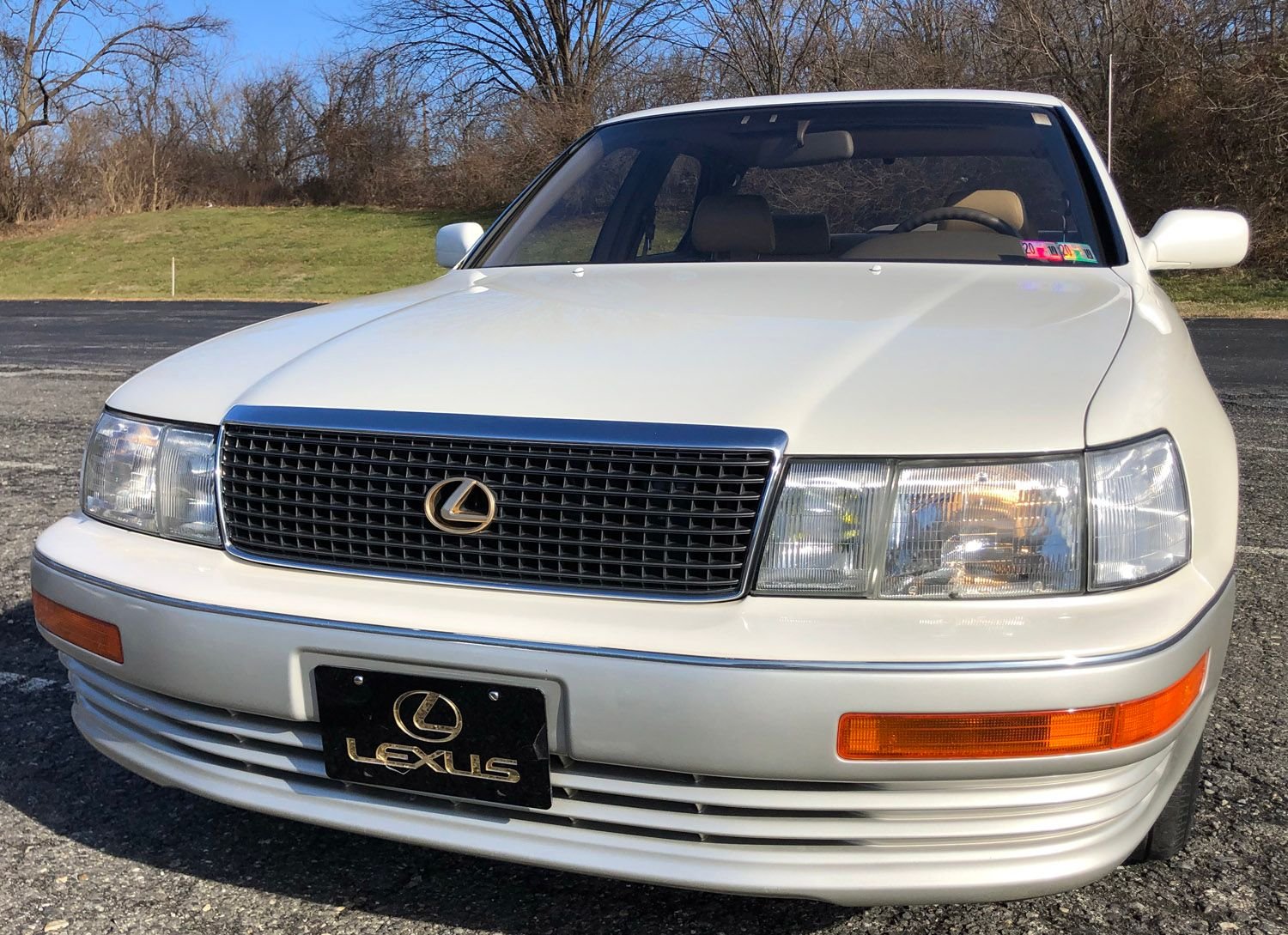
The original Lexus LS 400 didn’t just launch a brand it redefined what luxury car reliability could be. When it debuted in 1989 as a 1990 model, this full-size sedan sent shockwaves through the automotive world by delivering Mercedes-Benz levels of luxury and refinement with Toyota-level dependability at a significantly lower price point.
The LS 400 was the culmination of a secret project that cost Toyota over $1 billion and involved 1,400 engineers, 2,300 technicians, and 220 support workers. This massive investment paid off spectacularly, creating a vehicle that would become legendary for its durability.
At the heart of the LS 400’s reliability was its magnificent 4.0-liter 1UZ-FE V8 engine, a masterpiece of overengineering that produced 250 horsepower while barely breaking a sweat.
This engine was so meticulously crafted that Toyota balanced each individual piston to within 0.5 grams a level of precision typically reserved for racing engines.
The engine block was unusually rigid, the timing belt system was robust, and every component was designed with massive safety margins. The result was an engine that could easily exceed 300,000 miles without major repairs, with many examples surpassing 500,000 miles on their original powertrains.
The transmission was equally impressive. The four-speed automatic transmission used in early models was built to handle far more torque than the engine produced, ensuring longevity even under hard use.
The suspension components, braking system, and electrical architecture were all similarly overbuilt. Lexus famously tested LS 400 prototypes in Death Valley, on the Arctic Circle, and at high-speed test tracks around the world, accumulating over 2.7 million test miles before production began.
What truly sets the LS 400 apart is how well these vehicles have aged. A well-maintained LS 400 from the 1990s can still feel remarkably tight and solid, with minimal rattles or creaks even at high mileage.
The interior materials have proven exceptionally durable, and the paint quality remains outstanding. Common issues are remarkably minor the occasional starter motor replacement, power steering pump seals, or dashboard pixel fade. These are maintenance items rather than fundamental flaws.
Many owners report nothing beyond regular oil changes, brake jobs, and timing belt replacements even after fifteen or twenty years of ownership. The LS 400 established the template that all subsequent Lexus models would follow, proving that luxury and bulletproof reliability weren’t mutually exclusive concepts.
2. Lexus LX 470 (1998-2007)
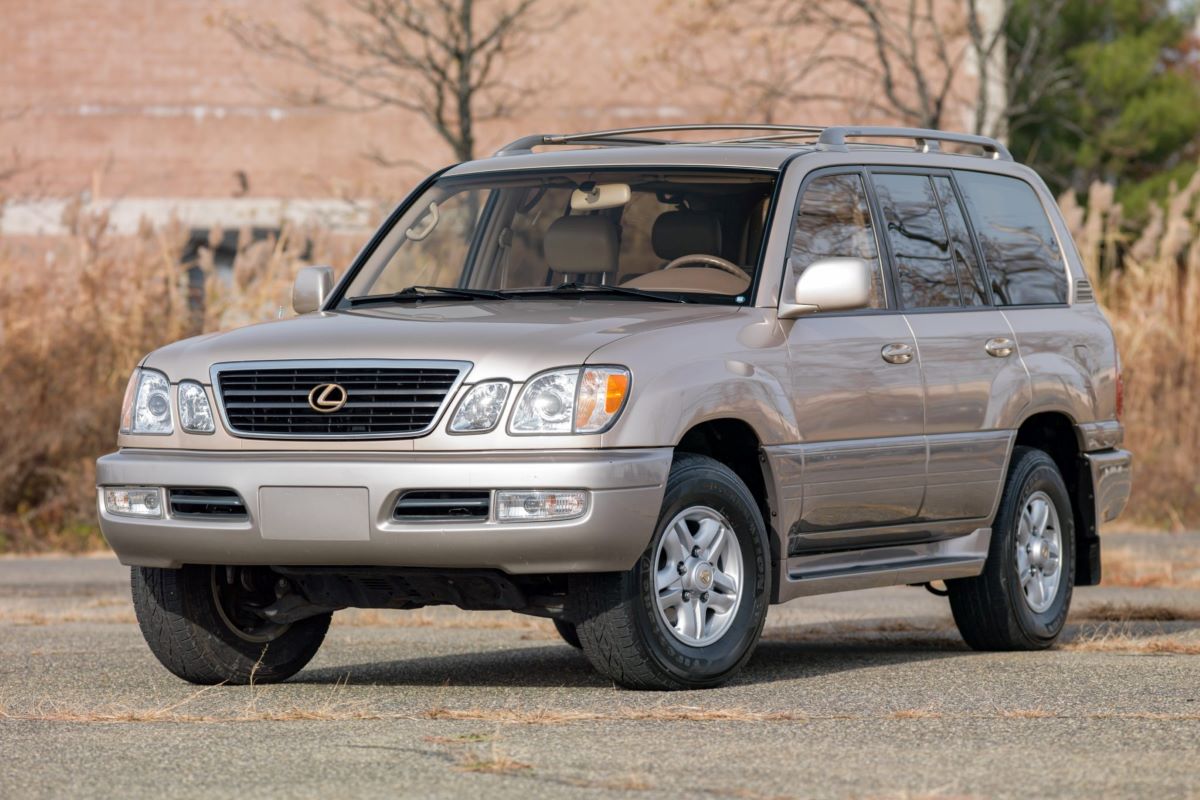
The Lexus LX 470 represents the pinnacle of body-on-frame SUV reliability, combining genuine off-road capability with luxury appointments and legendary Toyota Land Cruiser durability.
Based on the Toyota Land Cruiser 100 Series, the LX 470 benefited from decades of Land Cruiser engineering refinement, resulting in a vehicle that could traverse the Sahara Desert as easily as it could shuttle executives to board meetings.
This dual capability, combined with exceptional build quality, has made the LX 470 one of the most sought-after used luxury SUVs among those who prioritize longevity.
The LX 470’s reputation for indestructibility stems from its shared DNA with the Land Cruiser, a vehicle that’s been refined over 70 years to survive the world’s harshest conditions. The 2UZ-FE 4.7-liter V8 engine produces 230 horsepower (later increased to 275) and is known for its near-bulletproof reliability.
This engine uses a timing belt system that, when properly maintained with replacements every 90,000 miles, can last virtually forever. The engine block is iron, the heads are aluminum, and every component is massively overengineered. Owners regularly report 300,000, 400,000, and even 500,000-mile examples still running strong.
The full-time four-wheel-drive system is similarly robust, featuring a locking Torsen center differential and available locking rear differential. The five-speed automatic transmission is built like a vault, and the transfer case is shared with commercial Land Cruisers used in mining operations and military applications worldwide.
The suspension system employs height-adjustable hydraulic components that, while occasionally requiring maintenance, are built to extremely high standards. The body-on-frame construction provides exceptional rigidity and crash protection while isolating the cabin from road imperfections.
What makes the LX 470 particularly impressive is its ability to maintain its luxury character even at extreme mileage. The leather seats, wood trim, and electronics tend to hold up remarkably well.
Common issues are relatively minor and well-documented: the front lower ball joints typically need replacement around 100,000 miles, the radiator may develop leaks around 150,000 miles, and the secondary air injection system can fail (though this primarily affects emissions rather than performance).
The air suspension system, while reliable by luxury SUV standards, does eventually require attention. However, these are manageable maintenance items on a vehicle known for running 400,000 miles or more.
Many LX 470 owners consider their vehicles lifetime purchases, and it’s not uncommon to see examples with 250,000+ miles still commanding strong resale values because buyers know these trucks have plenty of life remaining.
3. Lexus RX 300 (1999-2003)
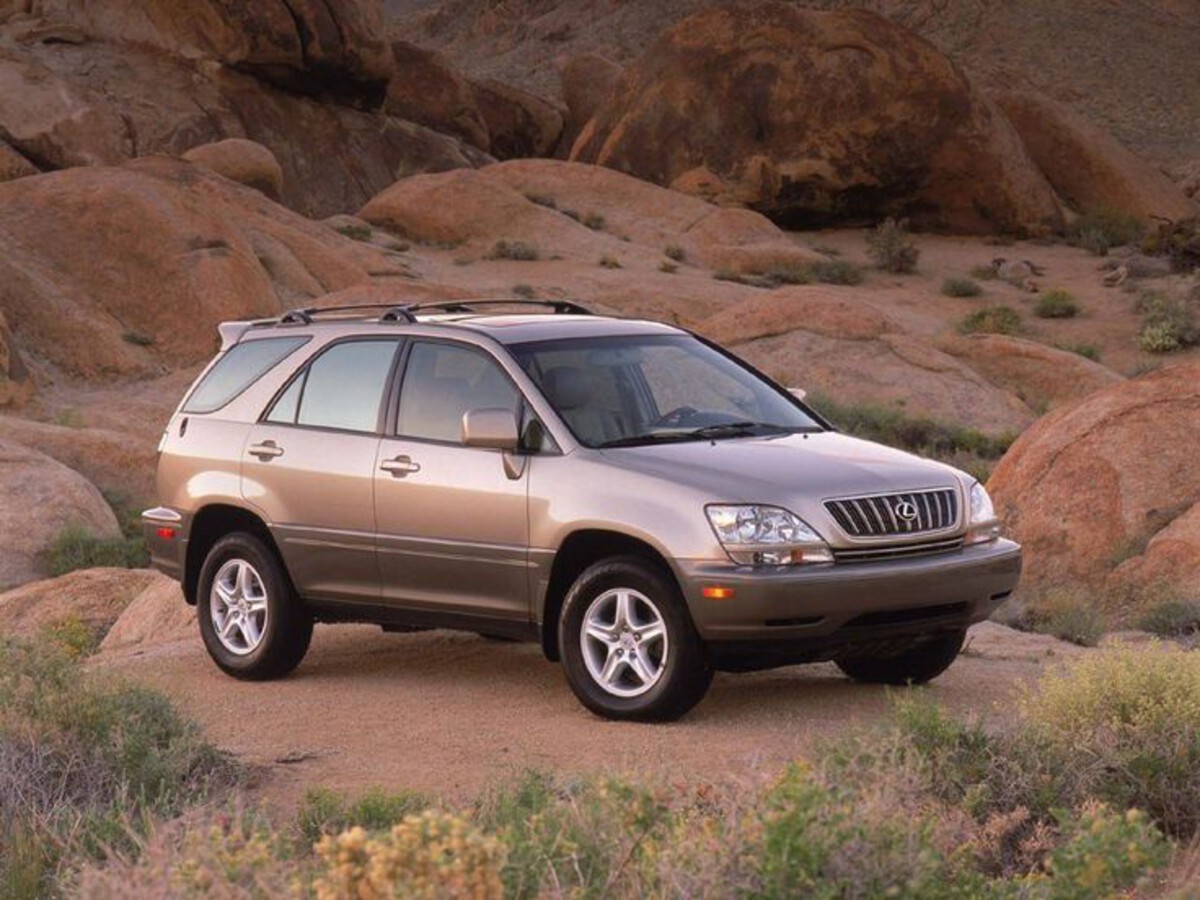
The first-generation Lexus RX 300 revolutionized the automotive world by creating the luxury crossover segment, but its lasting legacy is the exceptional reliability that made it a darling of suburban families who kept them for decades.
Built on a modified Toyota Camry platform and sharing many components with that famously durable sedan, the RX 300 combined car-like driving dynamics with SUV versatility and Lexus refinement. More importantly, it inherited Toyota’s bulletproof engineering philosophy, resulting in a vehicle that routinely exceeds 200,000 miles with minimal drama.
The RX 300’s 3.0-liter 1MZ-FE V6 engine is one of Toyota’s most reliable powerplants ever created. Producing 220 horsepower, this engine is smooth, quiet, and virtually unburstable when properly maintained. The engine uses a timing belt that requires replacement every 90,000 miles, but when this maintenance is performed, the engine can last indefinitely.
The all-wheel-drive system is simple and effective, using viscous coupling that requires no maintenance and rarely fails. The four-speed automatic transmission is robust and well-matched to the engine, shifting smoothly even at high mileage.
Common issues with the RX 300 are minor and well-understood by mechanics. The front struts and strut mounts eventually wear, typically around 100,000-150,000 miles.
The transmission fluid should be changed regularly despite Lexus’s claims of “lifetime” fluid this simple maintenance dramatically extends transmission life. Early models had issues with dashboard cracking in hot climates, which Lexus addressed with an extended warranty.
Some owners report minor oil consumption in very high-mileage examples, but this rarely becomes severe. The oxygen sensors may need replacement around 150,000 miles, and the alternator and water pump are typical wear items.
These are remarkably minor concerns for a luxury crossover, and it’s common to see RX 300s with 250,000, 300,000, or more miles still serving reliably as family transportation, often with their original engines and transmissions.
4. Lexus GX 470 (2003-2009)
The Lexus GX 470 is perhaps the most underappreciated reliable luxury SUV in Lexus’s lineup, offering body-on-frame toughness derived from the legendary Toyota Land Cruiser Prado while delivering genuine luxury and refinement.
While it shares mechanical DNA with the Toyota 4Runner, the GX 470 receives upgrades in materials, sound insulation, and features that raise it to luxury status without compromising the fundamental durability that makes Toyota’s truck-based SUVs famous.
This combination has created a devoted following among buyers who want a vehicle that can handle both daily commuting and serious outdoor adventures while lasting 300,000 miles or more.
The GX 470 uses the same 2UZ-FE 4.7-liter V8 engine found in the LX 470, producing 235 horsepower (later 263). This engine’s reputation for reliability is legendary it’s the same basic powerplant used in Toyota Tundra pickups that have exceeded one million miles. With proper maintenance, including timing belt replacements every 90,000 miles, this engine can run virtually forever.
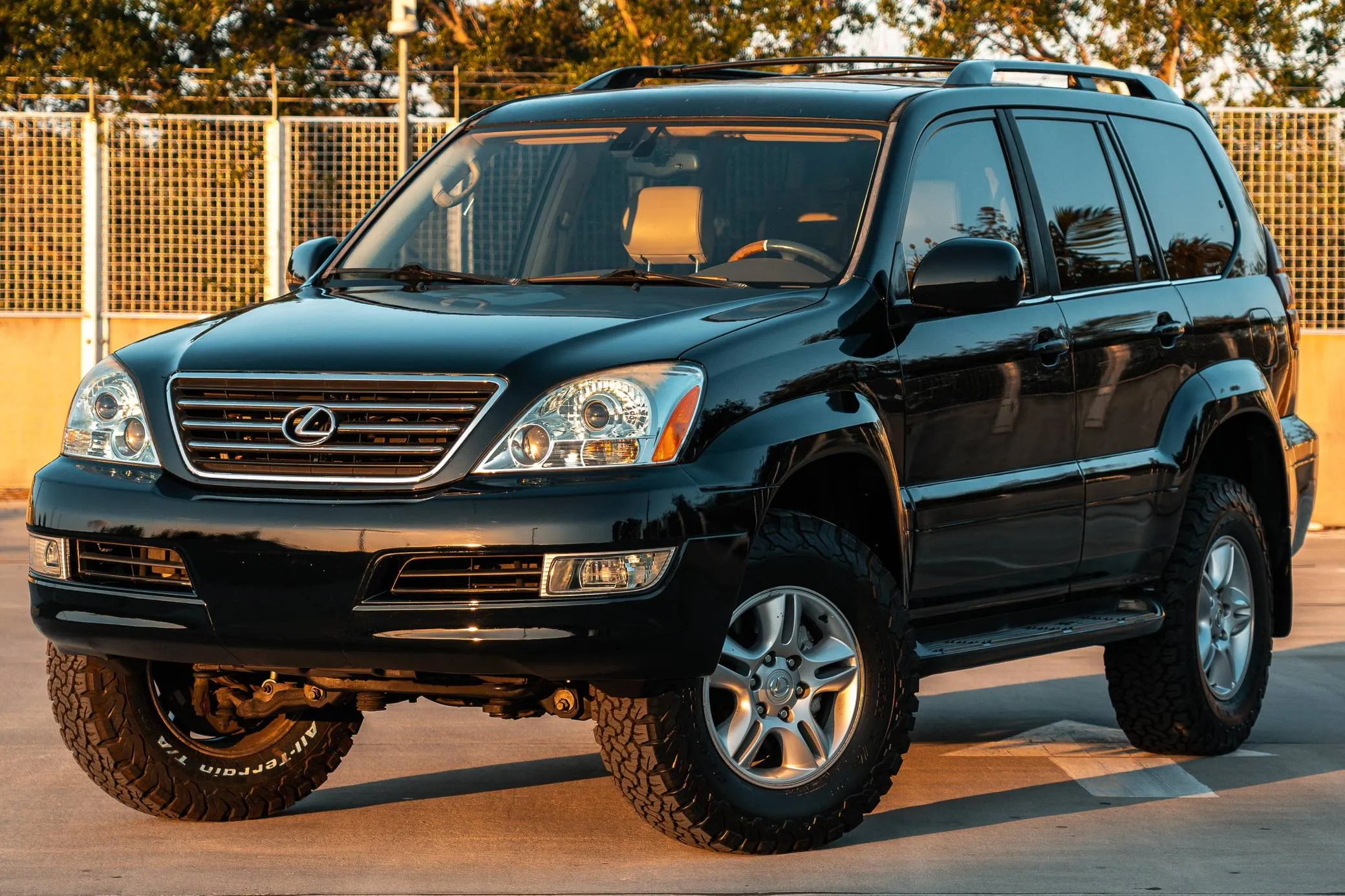
The engine bay is spacious, making maintenance straightforward, and the engine management system is relatively simple, reducing potential electrical gremlins. The five-speed automatic transmission is robust and well-suited to the engine’s torque characteristics.
The secondary air injection system can fail, but it doesn’t typically affect drivability. The alternator and water pump are long-lived but eventually require replacement.
These are minor concerns on a vehicle known for reaching 300,000-400,000 miles with its original powertrain. Many GX 470 owners view their vehicles as 20-year investments, and the strong used market for high-mileage examples validates this perspective. The GX 470 proves that a luxury SUV can be genuinely rugged without sacrificing refinement.
Also Read: 10 Affordable Mercedes Models That Become Expensive Headaches
5. Lexus ES 300/ES 330 (1997-2006)
The Lexus ES series has long been the brand’s best-selling sedan, and the third and fourth generation ES 300 and ES 330 models represent the sweet spot of reliability, comfort, and value.
Built on Toyota’s Camry platform but raised with superior materials, sound insulation, and refinement, these front-wheel-drive sedans offer LS-like comfort at a more accessible price point while delivering reliability that rivals and often exceeds the already legendary Camry.
For buyers seeking a luxury sedan that will run for 300,000 miles with minimal maintenance, these ES models are nearly ideal. The ES 300 (1997-2003) and ES 330 (2004-2006) use iterations of Toyota’s 1MZ-FE and 3MZ-FE V6 engines, producing between 200 and 225 horsepower.
These engines are smooth, refined, and exceptionally reliable. The timing belt system requires replacement every 90,000 miles, but when properly maintained, these engines can easily exceed 300,000 miles without major repairs.
The engine management systems are relatively simple, reducing potential electronic issues, and the engines themselves are designed with significant safety margins.
The four- and five-speed automatic transmissions are equally robust, sharing components with Camry and other Toyota products known for longevity.
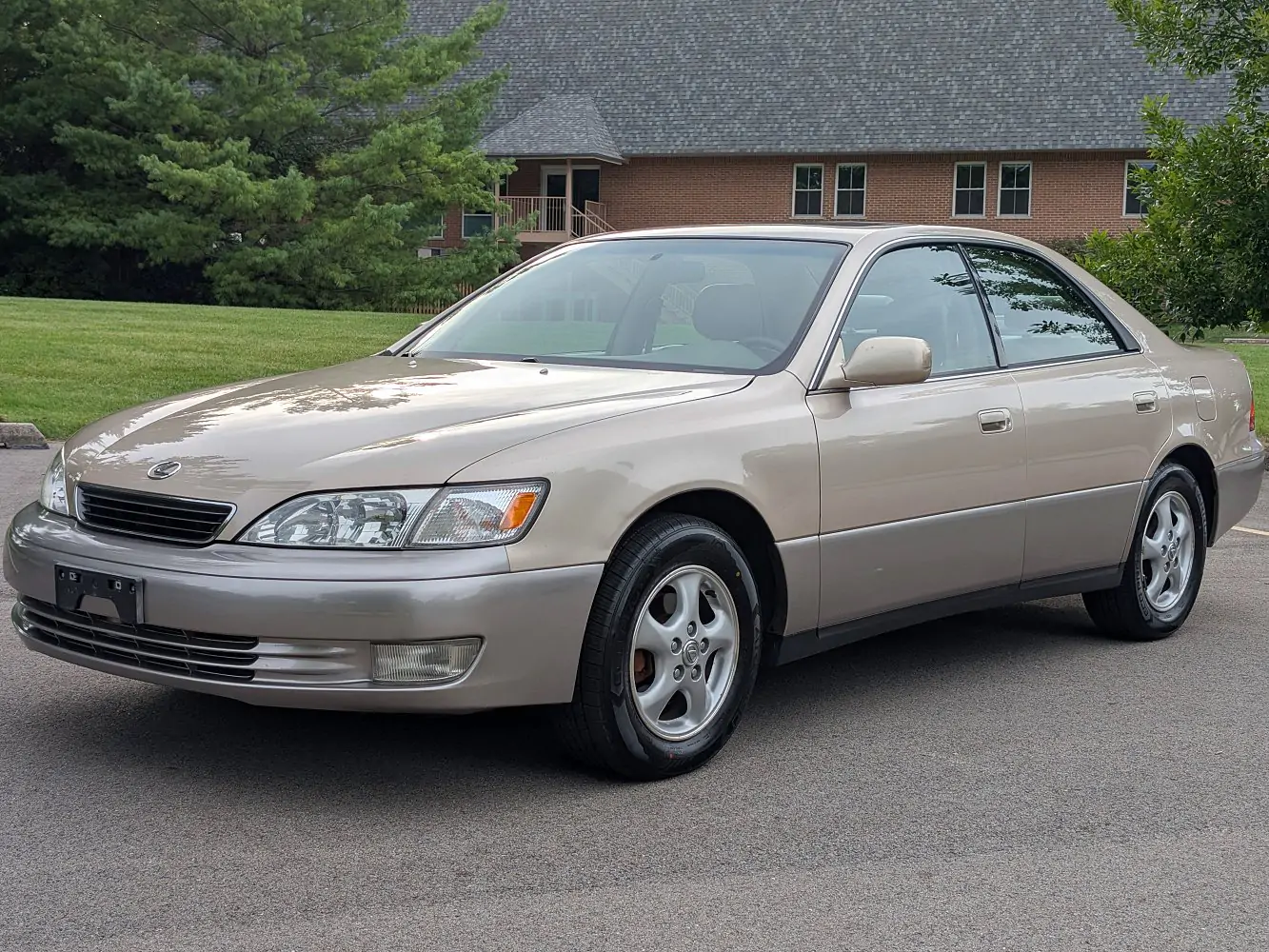
The unibody structure is exceptionally rigid, and the suspension components are durable and easily serviced. The front-wheel-drive layout is mechanically simple, with fewer components to fail compared to rear-wheel-drive or all-wheel-drive alternatives.
The braking system is conventional and reliable, and the electrical architecture, while not as simple as earlier Lexus models, has proven dependable. What truly sets the ES apart from the Camry is the superior interior materials, additional sound deadening, and higher-quality leather and trim that age gracefully.
The power steering rack may develop leaks in high-mileage examples, and the alternator and water pump are typical longevity items. The dashboard on some examples may develop cracks in hot climates.
These are truly minor concerns on vehicles that regularly reach 250,000-300,000 miles while still providing comfortable, refined transportation. Many ES 300/330 owners are second or third owners who purchased high-mileage examples precisely because they know these cars have been proven to last.
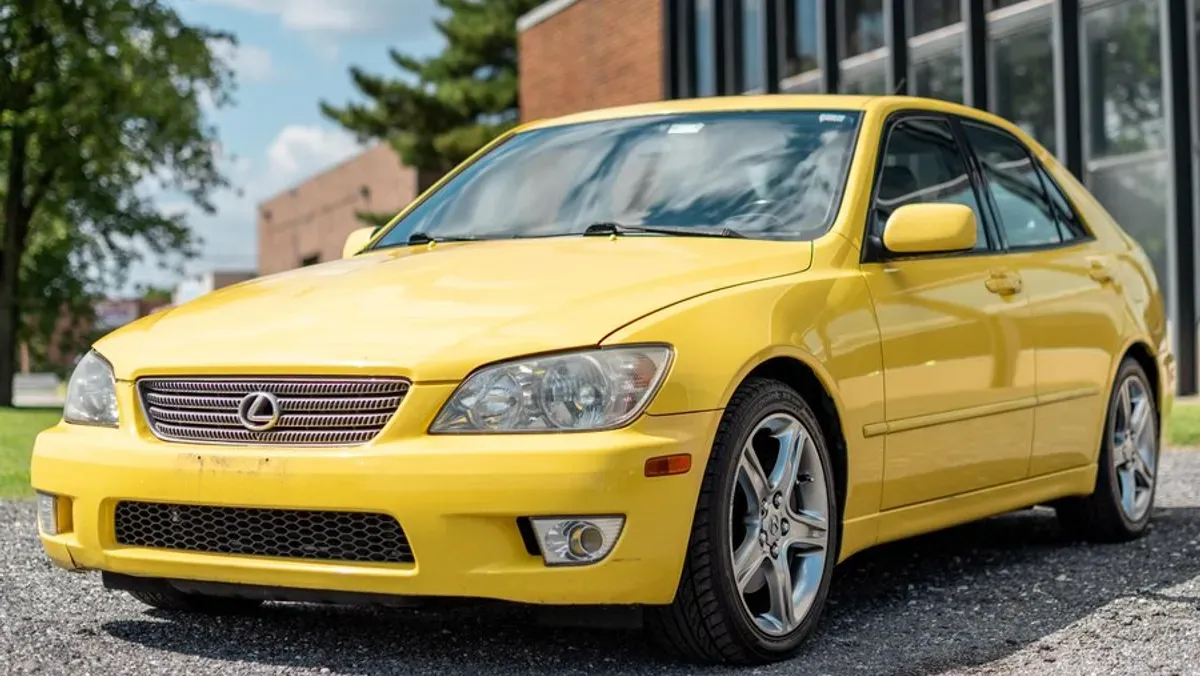
6. Lexus IS 300 (2001-2005)
The Lexus IS 300 represents something special in the Lexus lineup a sport sedan that maintains the brand’s legendary reliability while delivering genuine driving engagement.
Built on a rear-wheel-drive platform and powered by one of Toyota’s most celebrated engines, the IS 300 has developed a cult following among enthusiasts who appreciate its BMW 3-Series rivaling dynamics without the maintenance nightmares typically associated with European sport sedans.
The IS 300’s reputation for running forever while still being fun to drive makes it increasingly collectible. At the heart of the IS 300’s appeal is its magnificent 2JZ-GE engine, the naturally aspirated version of the legendary 2JZ-GTE that powered the Toyota Supra.
This 3.0-liter inline-six produces 215 horsepower and is essentially bulletproof. The 2JZ engine family is famous for its ability to handle massive power increases in turbocharged form, which means the naturally aspirated version is running at a small fraction of its structural limits.
The engine block is iron, the head is aluminum, and the engine uses a timing belt that should be replaced every 90,000 miles. With this simple maintenance, the 2JZ-GE can easily exceed 300,000 miles, and examples with 400,000-500,000 miles aren’t uncommon.
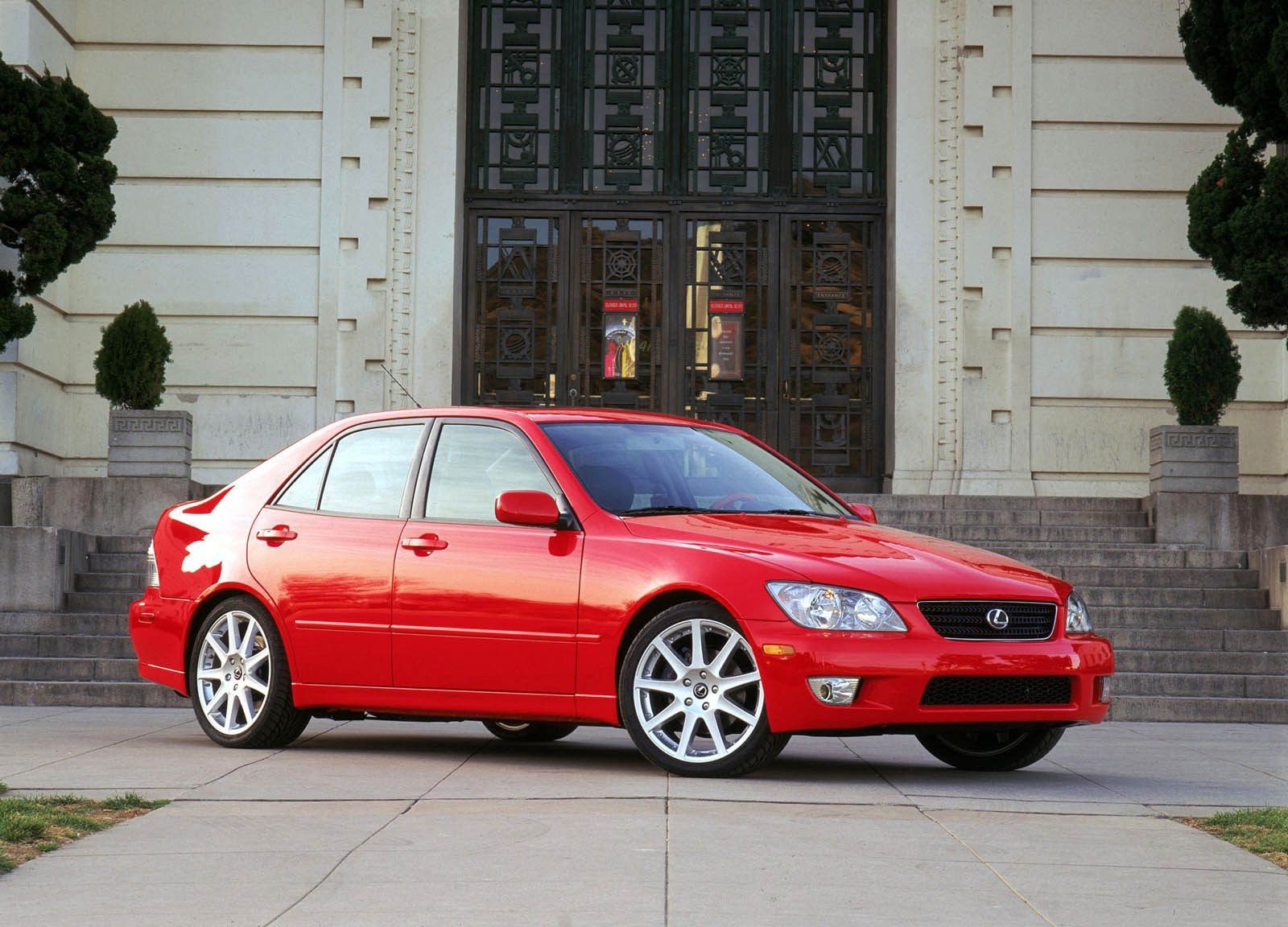
The rear-wheel-drive layout uses a robust driveline with a durable differential and half-shafts that rarely fail. The five-speed automatic transmission is strong, though not as engaging as the six-speed manual offered in limited quantities, which is even more reliable and highly prized by enthusiasts.
The independent suspension system uses high-quality components that provide excellent handling while proving durable over time. The chassis is remarkably rigid, and the vehicle doesn’t develop squeaks or rattles even at high mileage.
Common issues with the IS 300 are well-documented and manageable. The original xenon headlight ballasts eventually fail and are expensive to replace, though LED retrofits are now available.
The carbon buildup on intake valves is a long-term concern due to the direct injection system, though this typically doesn’t require attention until well past 150,000 miles. The center support bearing on the driveshaft may eventually need replacement, and the lower ball joints are a typical wear item around 100,000-120,000 miles.
Some examples experience minor oil consumption in extremely high-mileage applications. The rear differential should have its fluid changed regularly. The window regulators can fail, particularly on early examples.
These are remarkably minor concerns for a sport sedan, and the IS 300’s combination of reliability and driving pleasure has made it a favorite among those who want a car they can enjoy for decades. Many IS 300 owners have no intention of ever selling their cars, viewing them as modern classics that will only appreciate in value as surviving examples become rarer.
7. Lexus GS 300/GS 430 (1998-2005)
The second-generation Lexus GS represents the brand’s most serious attempt at creating a driver-focused luxury sedan, and both the six-cylinder GS 300 and V8-powered GS 430 have proven exceptionally durable while delivering engaging driving dynamics.
Based on the Toyota Aristo platform sold in Japan, these rear-wheel-drive sedans offered more sporting character than the ES while maintaining the reliability that defines the Lexus brand. For enthusiasts seeking a midsize luxury sedan that combines performance, comfort, and legendary longevity, the second-gen GS models are compelling choices.
The GS 300 uses the same 2JZ-GE inline-six found in the IS 300, producing 220 horsepower and bringing the same legendary reliability. This engine’s reputation is unparalleled with proper maintenance, including timing belt replacement every 90,000 miles, it can run indefinitely.
The GS 430 uses the 3UZ-FE 4.3-liter V8, an evolution of the 1UZ-FE from the LS 400, producing 300 horsepower. This engine is equally bulletproof, using a timing belt system that requires the same 90,000-mile replacement interval. Both engines are smooth, refined, and capable of exceeding 300,000 miles without major repairs.
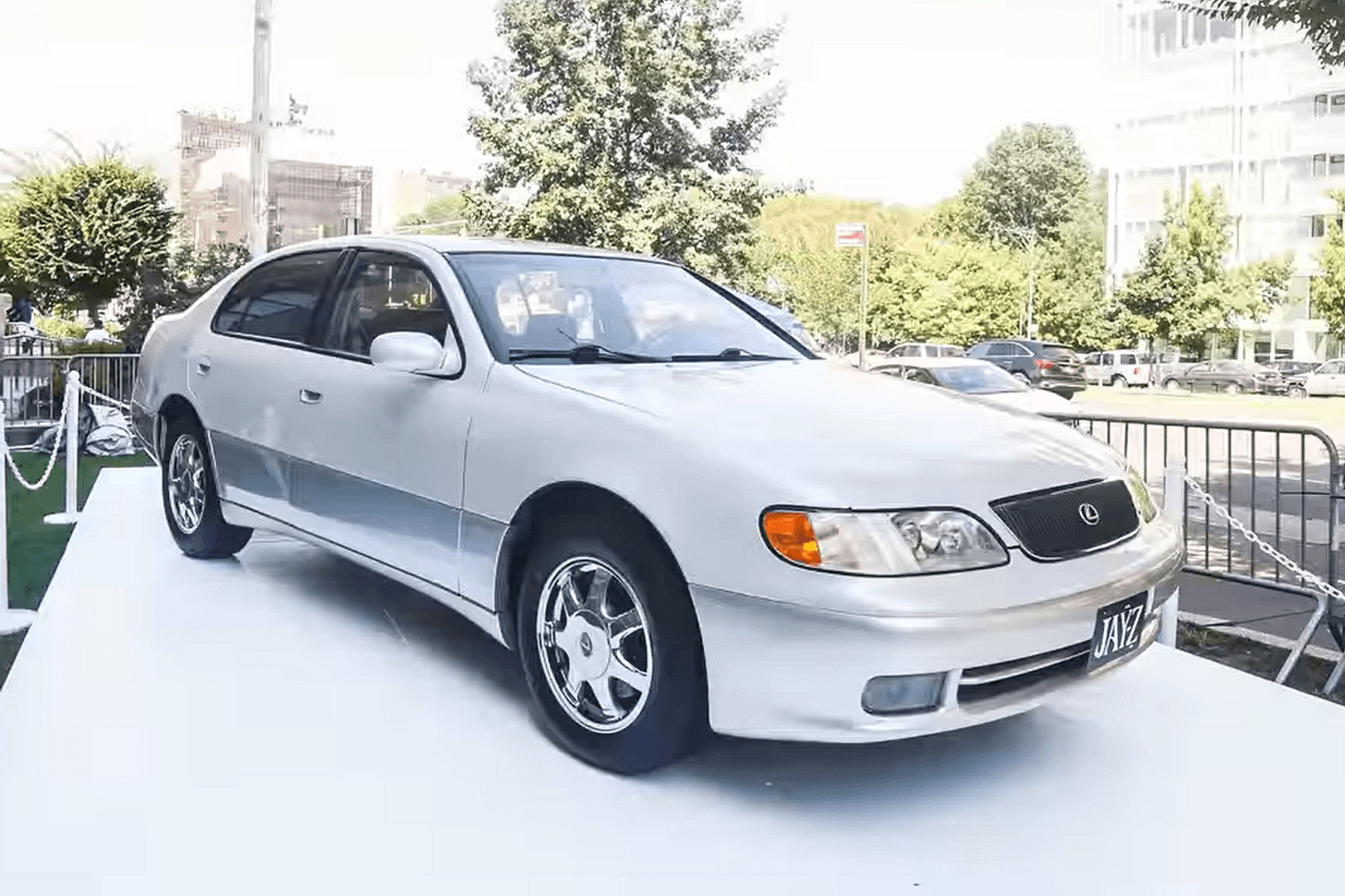
The rear-wheel-drive platform is sophisticated and durable. The five-speed automatic transmission in both models is robust and shifts smoothly even at high mileage.
The independent suspension system provides excellent handling dynamics while using durable components that hold up well over time. The chassis structure is exceptionally rigid, and the vehicle maintains its tight, solid feel even with 200,000+ miles. The braking system is powerful and reliable, and the steering provides good feedback while remaining dependable.
Common issues with these GS models are relatively minor given their complexity. The adaptive variable suspension (AVS) system, when equipped, can develop leaks in the hydraulic lines and actuators, though this affects ride quality rather than safety. The navigation system in early models is outdated but generally continues functioning.
The xenon headlight ballasts eventually fail. Some owners report minor oil consumption in very high-mileage examples, though this rarely becomes severe. The alternator, water pump, and starter motor are typical longevity items that eventually require replacement.
The transmission should have its fluid changed every 60,000 miles regardless of Lexus’s “lifetime” fluid claims. The power steering rack may develop leaks in high-mileage examples. The window regulators can fail, and the dashboard may develop some cracking in hot climates.
These are manageable maintenance items on vehicles that regularly exceed 250,000 miles while still providing engaging, comfortable transportation. The GS 300 and GS 430 prove that a sporty luxury sedan doesn’t have to sacrifice reliability, and their combination of performance and longevity has earned them devoted followings among enthusiasts who plan to keep their cars for decades.
8. Lexus SC 400/SC 430 (1992-2010)
The Lexus SC (Sports Coupe) series represents the brand’s foray into luxury grand touring coupes, and both the original SC 400 and its successor, the SC 430, have proven remarkably durable while offering distinctive styling and genuine luxury.
These are vehicles for those who want a reliable, comfortable cruiser that can rack up high mileage while still turning heads. The SC’s combination of reliability, comfort, and style has created a dedicated enthusiast base that treasures these increasingly rare coupes.
The first-generation SC 400 (1992-2000) shares its platform and drivetrain with the original LS 400, using the legendary 1UZ-FE 4.0-liter V8 producing 250 horsepower.
This means it inherits the LS’s legendary reliability the engine is essentially bulletproof with proper maintenance. The timing belt should be replaced every 90,000 miles, but with this simple maintenance, the engine can easily exceed 300,000 miles. The four-speed automatic transmission is robust and smooth.
The SC 300, powered by the 2JZ-GE inline-six, is equally reliable and even more prized by enthusiasts for its manual transmission option and tuning potential.
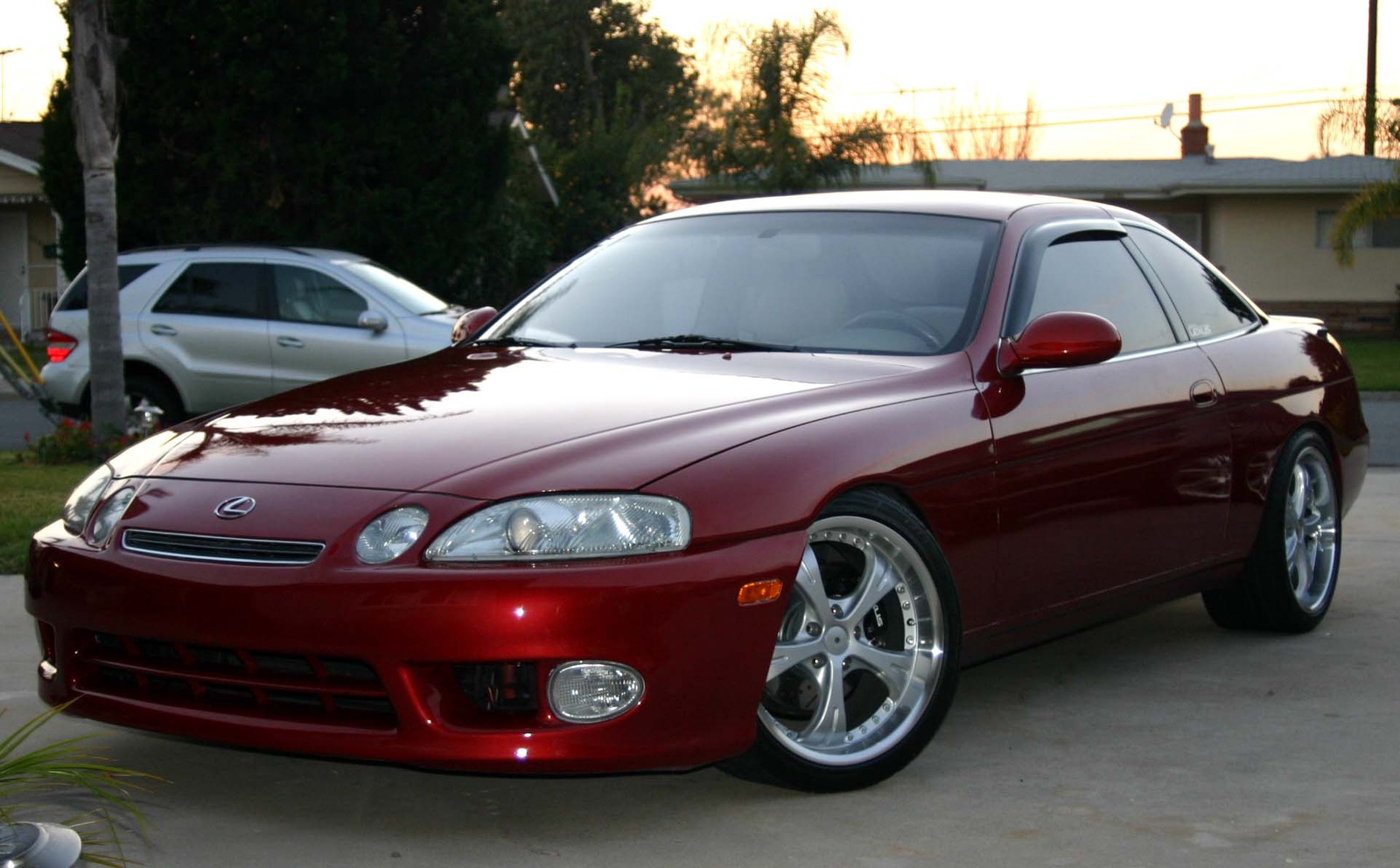
The SC 430 (2002-2010) uses the 3UZ-FE 4.3-liter V8 producing 300 horsepower, another iteration of Lexus’s bulletproof V8 family. This engine uses a timing belt system requiring the same 90,000-mile replacement interval. The six-speed automatic transmission is sophisticated yet durable.
The retractable hardtop is complex but generally reliable when properly maintained with regular lubrication of the mechanism. Both SC generations feature rear-wheel drive with limited-slip differentials and sophisticated suspension systems that provide excellent grand touring comfort while remaining durable.
Common issues vary between generations. On the SC 400, the power steering rack may develop leaks, the starter motor can fail, and the dashboard commonly develops cracks a purely cosmetic issue that doesn’t affect functionality.
The SC 430’s retractable hardtop requires regular maintenance including lubrication and adjustment of its complex mechanisms; neglect can lead to expensive repairs. Both generations may experience minor oil consumption in very high-mileage examples.
The alternator and water pump are typical longevity items. The xenon headlights on the SC 430 eventually require ballast replacement. The navigation systems in both generations are outdated but generally continue functioning.
The leather holds up remarkably well, though the driver’s seat bolster may show wear in high-mileage examples. These are remarkably minor concerns for luxury coupes, and it’s not unusual to see SC 400s with 250,000-300,000 miles still providing reliable, comfortable transportation.
The SC models prove that even Lexus’s least practical vehicles maintain the brand’s legendary reliability, making them excellent choices for those seeking distinctive, dependable luxury coupes they can enjoy for decades.
9. Lexus RX 330/RX 350 (2004-2009)
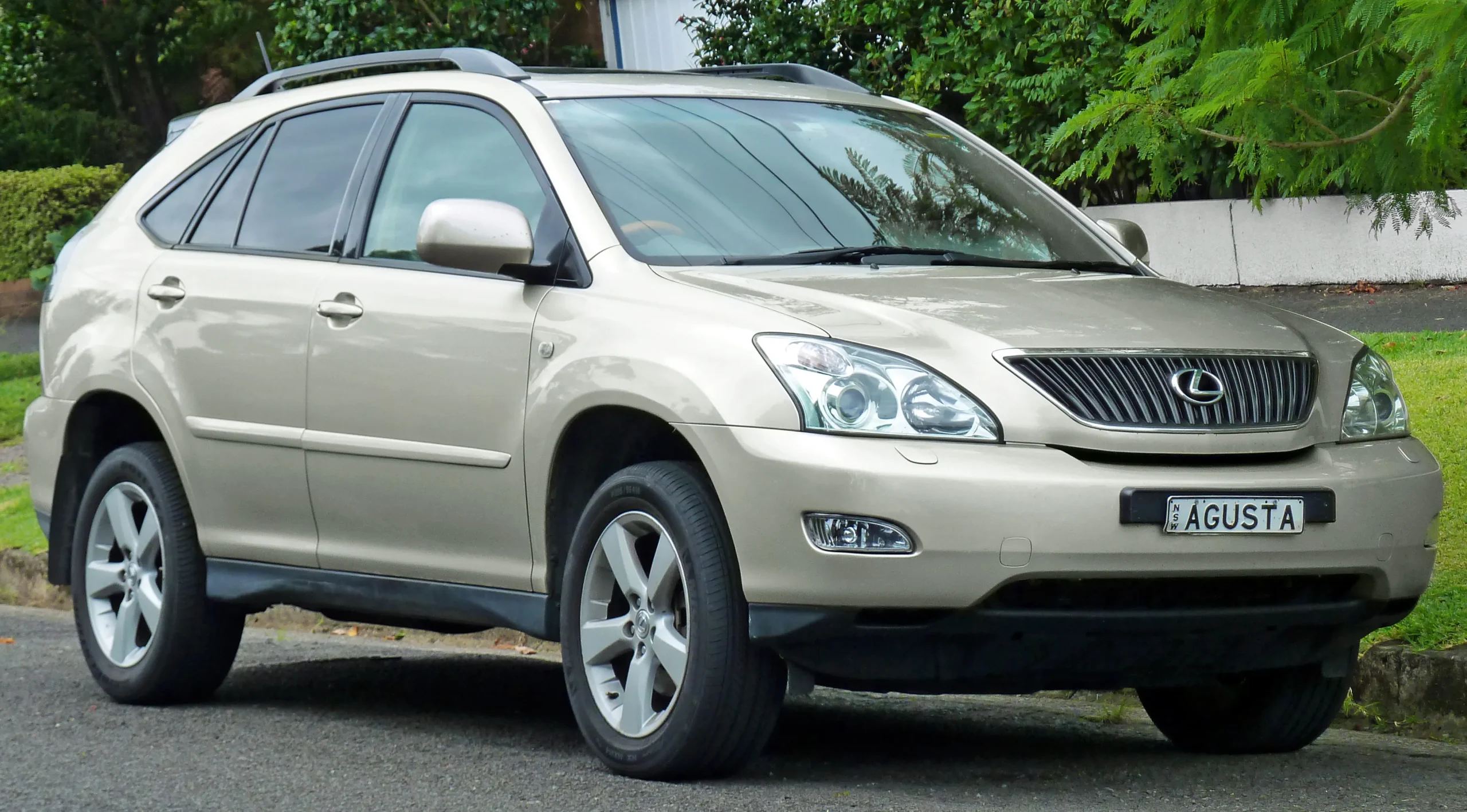
The second-generation Lexus RX built upon the success of the original, refining the luxury crossover formula while maintaining the exceptional reliability that made the RX 300 famous.
Available as the RX 330 (2004-2006) and RX 350 (2007-2009), these models represent perhaps the most practical choice for buyers seeking a reliable, comfortable family vehicle that will last 250,000 miles or more with minimal drama.
The combination of Camry-based mechanicals, Lexus refinement, and legendary Toyota durability has made these RX models perennial favorites in the used luxury market.
The RX 330 uses Toyota’s 3.3-liter 3MZ-FE V6 producing 230 horsepower, while the RX 350 received a newer 3.5-liter 2GR-FE V6 producing 270 horsepower. Both engines are timing chain-equipped, eliminating the timing belt replacement required on earlier models and reducing long-term maintenance costs.
These engines are smooth, refined, and exceptionally reliable. The 3MZ-FE is an evolution of the proven 1MZ-FE family, while the 2GR-FE is one of Toyota’s most successful modern engines, featuring direct and port injection for efficiency and power. Both can easily exceed 200,000 miles with nothing beyond routine maintenance.
The five-speed automatic transmission in the RX 330 and six-speed in the RX 350 are both robust and refined. The all-wheel-drive system, when equipped, is simple and effective, using an electronically controlled transfer case that’s more reliable than many competitors’ systems.
The unibody structure is extremely rigid, and the independent suspension at all four corners provides excellent ride quality while using durable components. The braking system is conventional and reliable, and the electrical architecture has proven dependable.
Common issues with these RX models are minimal and well-documented. The motor mounts eventually wear, typically around 100,000-150,000 miles, causing minor vibrations.
The transmission fluid should be changed every 60,000 miles despite Lexus’s “lifetime” fluid claims this simple maintenance prevents the rare transmission issues that can affect neglected examples.
Some RX 330 models experienced oil line clogs that could lead to engine damage, but this primarily affected 2004-2006 models and was addressed through a service campaign.
The water pump is a typical longevity item, though the timing chain eliminates the need for regular belt replacements. The oxygen sensors and catalytic converters may eventually require replacement in very high-mileage examples. The dashboard is resistant to cracking, unlike the first-generation RX.
The power liftgate motor may eventually fail. These are truly minor concerns on vehicles that routinely reach 250,000-300,000 miles, and it’s common to see these RX models still serving as reliable family transportation well into their second and third decades of life.
The combination of practicality, comfort, and legendary reliability makes the second-generation RX one of the best long-term values in the used luxury crossover market.
10. Lexus LS 430 (2001-2006)
The Lexus LS 430 represents the ultimate evolution of the original LS 400’s formula, refining every aspect while maintaining and even improving upon the legendary reliability that defined its predecessor.
As Lexus’s flagship sedan during its production run, the LS 430 delivered benchmark levels of comfort, refinement, and technology while continuing the tradition of bulletproof durability that made the LS series famous. For those seeking the pinnacle of reliable luxury sedans, the LS 430 remains an exceptional choice even two decades after its introduction.
The LS 430 uses the 3UZ-FE 4.3-liter V8, an evolution of the legendary 1UZ-FE, producing 290 horsepower. This engine incorporates variable valve timing and other technological advances while maintaining the overengineered approach that made the original so reliable.
The timing belt system requires replacement every 90,000 miles, but with proper maintenance, this engine can easily exceed 300,000 miles. The engine is remarkably smooth and quiet, with many owners reporting that even at 200,000 miles, the engine feels virtually new.
The five-speed automatic transmission is sophisticated yet durable, shifting almost imperceptibly while proving capable of lasting the life of the vehicle.

Common issues with the LS 430 are remarkably minor given the vehicle’s complexity. The air suspension eventually requires attention, typically around 100,000-150,000 miles, though conventional coil spring conversions are available. The alternator eventually needs replacement, often around 150,000-200,000 miles.
The starter motor can fail, typically after 150,000+ miles. Some examples experience minor oil consumption in very high-mileage applications. The water pump is a typical longevity item. The xenon headlight ballasts eventually fail.
The navigation system is outdated but generally continues functioning. The power steering rack may develop leaks in high-mileage examples.
These are truly minor concerns on a flagship luxury sedan, and it’s common to see LS 430s with 250,000, 300,000, or more miles still providing silent, comfortable, reliable transportation.
The LS 430 proves that even at the highest levels of luxury and sophistication, Lexus’s commitment to reliability remained paramount, creating vehicles that their owners can confidently plan to drive for twenty years or more.
Also Read: 10 Best GMC Trucks That Are Built to Last Forever
