Vintage trucks hold a special place in automotive history, representing durability, practicality, and timeless design. Unlike classic cars, which often require extensive and delicate restoration due to intricate bodywork and rare parts, many trucks offer a simpler, more straightforward path to revival.
Their sturdy frames, rugged construction, and often modular components make repairs easier, even for those new to restoration. Trucks were designed to endure heavy use and rough conditions, which means that finding a model with a solid foundation is more achievable than seeking a car with both mechanical integrity and cosmetic perfection.
For collectors and hobbyists, this combination of strength and simplicity translates into shorter restoration times, lower costs, and less frustration during the rebuilding process.
Another factor that makes vintage trucks appealing is the abundant availability of parts. Many trucks were produced in high volumes, and their utilitarian nature means that components are often interchangeable across model years. Enthusiasts can find replacement engines, suspension parts, and body panels without scouring rare auctions or paying exorbitant prices.
Additionally, the straightforward engineering of older trucks allows mechanics to work on them without needing specialized tools or advanced electronics knowledge.
Unlike some classic cars that use intricate systems for fuel injection, transmissions, or electrical networks, older trucks usually rely on simple carburetors, manual transmissions, and basic wiring, which are easier to understand and repair. This simplicity lowers the learning curve for new restorers while still providing the satisfaction of bringing a historic vehicle back to life.
The cultural appeal of vintage trucks also plays a role in their restoration popularity. Trucks often evoke a sense of nostalgia tied to rural life, labor, and family history, which adds personal meaning to the restoration process. Restoring a truck is not just about the mechanics; it is about preserving a piece of history that represents hard work, resilience, and craftsmanship.
Owners can display them at local car shows, use them for weekend drives, or even convert them into functional work vehicles, blending history with practicality. Unlike some collector cars that are preserved solely for exhibition, trucks often maintain their usefulness even after restoration, making them both a hobby and a practical investment.
Another advantage of choosing trucks over cars for restoration lies in their forgiving nature during the rebuilding process. Many trucks were designed with heavy-duty suspensions, reinforced chassis, and easy-to-replace body panels. Minor dents, rust, and cosmetic flaws are less intimidating to address, and repairs do not require extreme precision.
This makes it possible to achieve a satisfying restoration result without perfectionist skills or extensive experience. For newcomers, this can mean the difference between an abandoned project and a completed vehicle ready to drive and enjoy. The sense of accomplishment grows with each repaired panel or rebuilt engine, creating a rewarding journey from neglected relic to functional classic.
Finally, the financial aspect cannot be ignored. Vintage trucks, especially those that were mass-produced for commercial purposes, tend to be more affordable than equivalent classic cars. Their easier restorability reduces labor costs, and parts tend to be cheaper and more plentiful.
This makes them an attractive option for hobbyists who want to enjoy a hands-on restoration experience without overspending. With the combination of durability, simplicity, availability, cultural significance, and affordability, vintage trucks stand out as some of the most practical and satisfying vehicles to restore.
They offer both the joy of preserving history and the pride of completing a project that is functional, aesthetically pleasing, and historically significant.
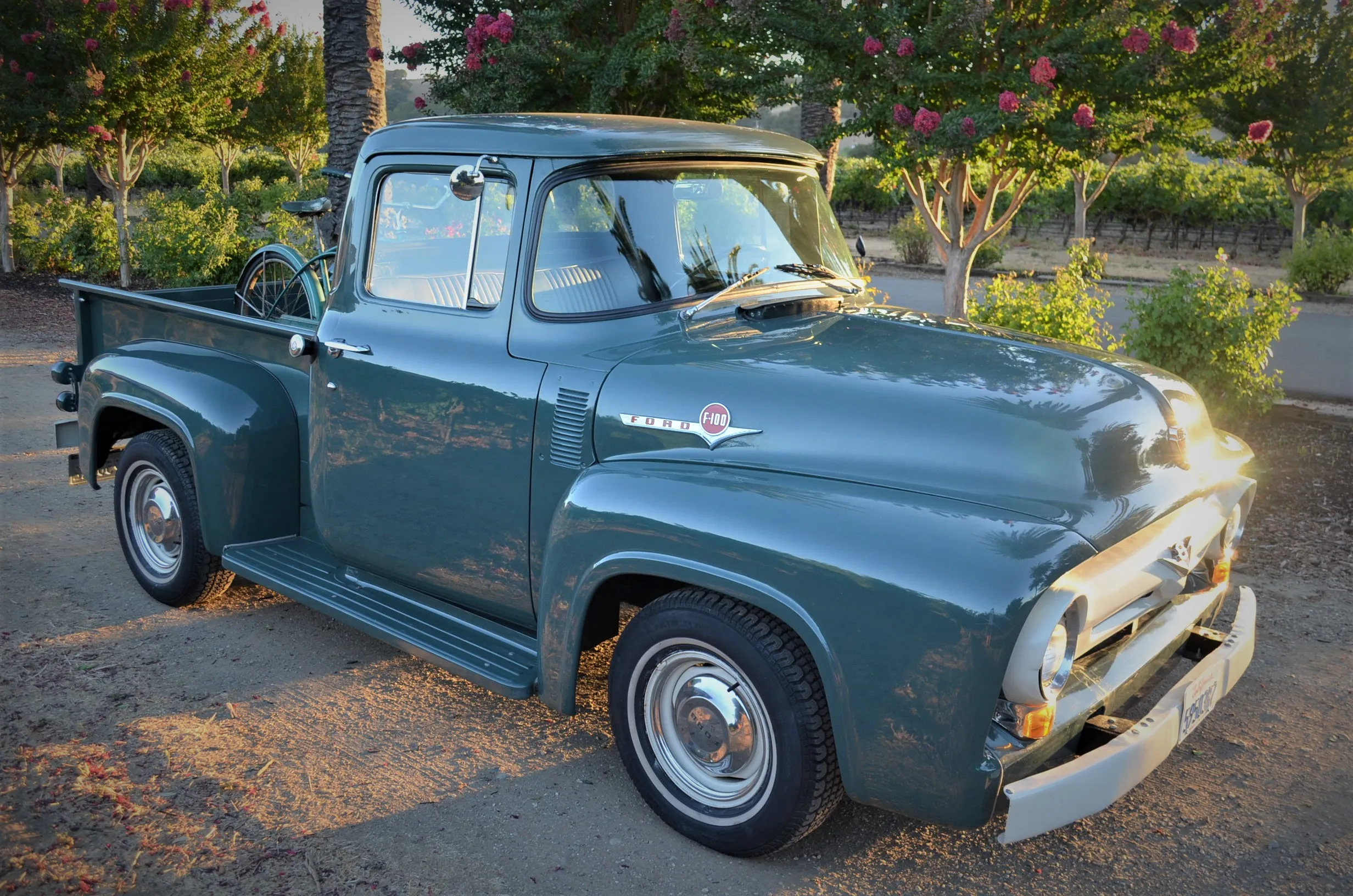
1. Ford F-100 (1953–1972)
The Ford F-100 quickly became a favorite among restorers due to its balance of classic design and mechanical simplicity. Produced as part of Ford’s F-Series, it features a ladder frame and solid axles that make repairs straightforward.
Engines ranged from inline-6 to small-block V8s, all built with accessible components. Compared to many vintage cars, the F-100’s under-hood space allows easier maintenance, while its durability means the frame and suspension often survive decades with minimal rust or damage.
Bodywork is among the more manageable aspects of restoring an F-100. Panels are largely flat or gently curved, and replacement sheet metal is widely available from reproduction suppliers.
Rust tends to appear in predictable locations, such as the cab corners and floor pans, making it easier to address without excessive trial and error. Doors, fenders, and beds can often be salvaged or replaced with little modification, and alignment can be achieved with standard tools rather than specialized equipment.
The interior of the F-100 emphasizes practicality. Early models featured minimal dashboards, simple gauges, and bench seating that can be restored without intricate knowledge of electronics. Replacement seat covers and trim pieces are widely available, and original-style steering wheels, knobs, and dash accents can be sourced from vintage suppliers.
This accessibility lowers restoration costs and allows owners to focus on mechanical and cosmetic improvements rather than complex rewiring.
Mechanical systems on the F-100 are straightforward. Leaf spring suspensions, solid rear axles, drum brakes, and conventional steering components make repairs and upgrades practical.
Engine rebuilds are feasible with widely available kits and parts, while modern improvements such as disc brake conversions or updated ignition systems can be installed without altering the truck’s classic appearance. The F-100’s mechanical simplicity contributes to a more predictable and manageable restoration process.
Restored F-100s remain highly desirable among collectors and enthusiasts. Their combination of rugged utility and iconic styling appeals to both traditional truck enthusiasts and casual collectors.
Restorers can return an F-100 to fully original condition or customize it for modern usability, such as adding period-correct paint schemes or upgraded suspension components. The lasting popularity and ease of restoration make the F-100 a standout choice for anyone looking to start a vintage truck project.
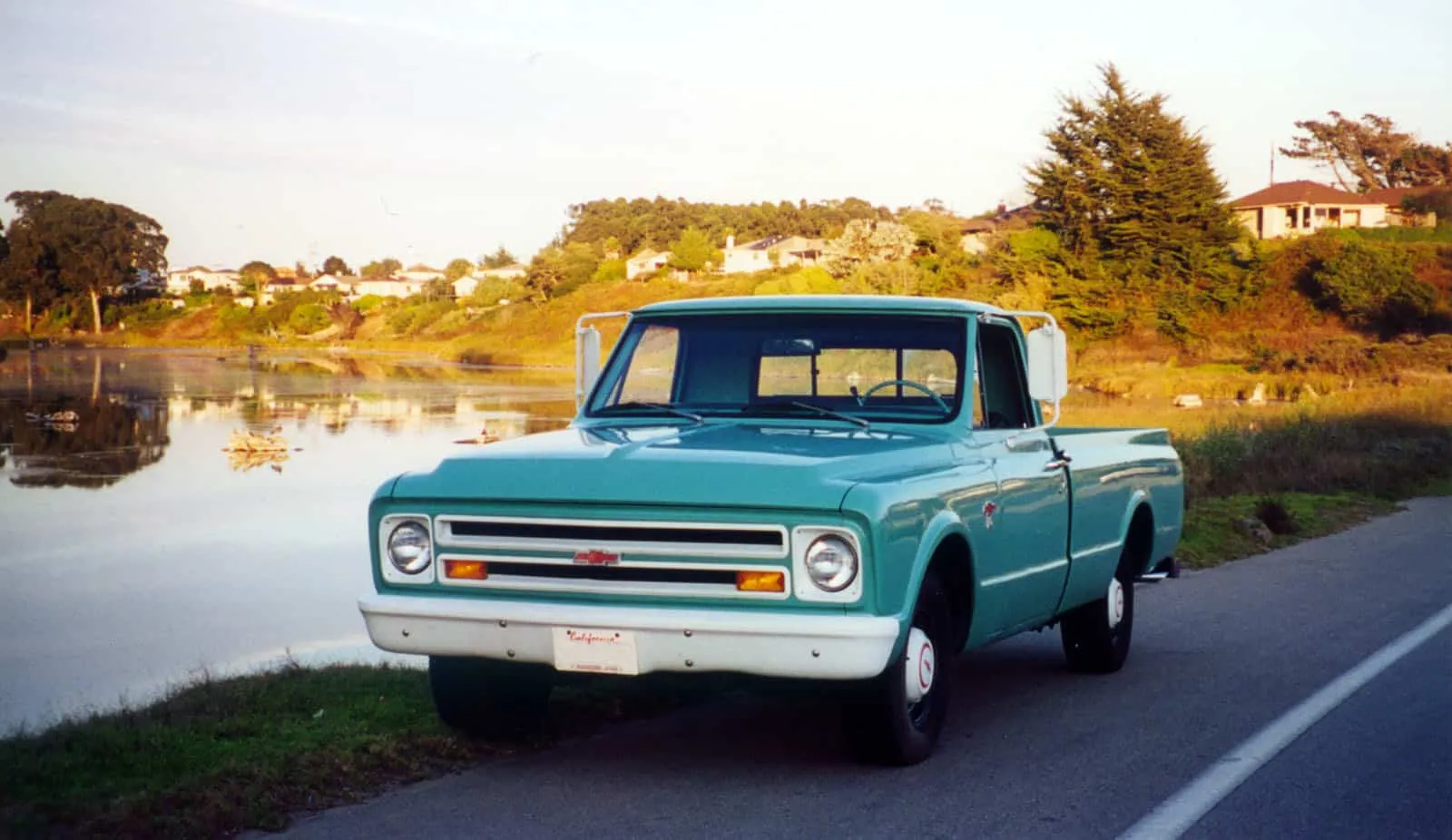
2. Chevrolet C10 (1960–1972)
The Chevrolet C10 is an enduring favorite in the restoration community, particularly the first-generation models produced from 1960 to 1966 and the second-generation models from 1967 to 1972. These trucks feature a separate body-on-frame construction that simplifies repairs compared to unibody vehicles.
Engine options included straight-6 and small-block V8s, which are widely supported by aftermarket parts. The wide engine bays provide easy access for repairs or upgrades, and the strong frame makes the truck forgiving during restoration projects.
Body restoration on a C10 is straightforward due to its flat panels, simple fender curves, and minimal trim. Rust-prone areas are well documented, particularly the cab corners, rocker panels, and bed floors, allowing restorers to plan repairs effectively.
Replacement panels, doors, and fenders are readily available, and reproduction parts closely match original specifications. Minor dents and surface corrosion can often be repaired with basic equipment, reducing the need for costly professional intervention.
Inside the C10, simplicity defines the cabin layout. Early models featured basic gauges, mechanical controls, and straightforward bench seating, making refurbishment manageable. Replacement interiors, including seat covers, dash pads, and steering wheels, are widely available and easy to install.
Unlike vintage cars with complex wiring harnesses or electrical systems, the C10’s minimal electrical components reduce the likelihood of restoration delays or unexpected problems.
The mechanical systems of the C10 are practical and forgiving. Solid rear axles, leaf spring suspensions, and drum brakes simplify maintenance and repair. Engines are robust and can be rebuilt using standard kits and parts from both Chevrolet and aftermarket suppliers.
Transmission swaps or minor upgrades can be performed with little difficulty, giving restorers flexibility to enhance drivability while maintaining a classic look.
Restored C10s are prized for their aesthetic and historical appeal. Their simple yet recognizable body lines, iconic front grilles, and functional beds make them highly collectible.
Restorers can return these trucks to original condition, create street rods, or lightly customize them for modern usability. The C10 balances simplicity, affordability, and style, making it an accessible and rewarding restoration project.
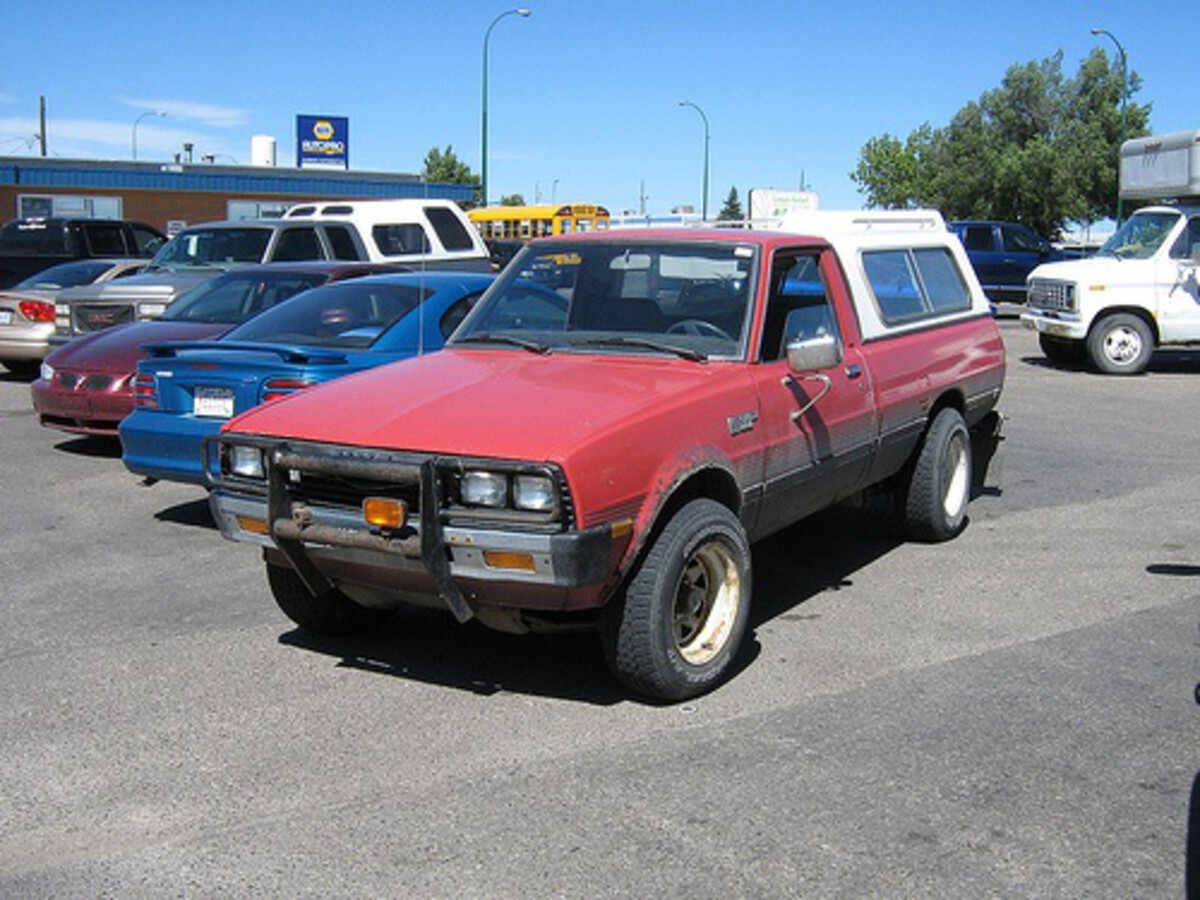
3. Dodge D-Series (1961–1975)
The Dodge D-Series offers robust engineering and straightforward construction, making it easier to restore than many classic cars. Built on a durable ladder frame, the D-Series trucks feature engines ranging from inline-6s to small-block V8s, all designed for accessibility and longevity.
Engine bays are roomy, allowing mechanics to perform repairs or rebuilds without excessive disassembly. Many D-Series models retain strong chassis integrity even decades later, reducing the need for major structural work.
Body restoration is less intimidating with the D-Series than with curvier classic cars. Panels are mostly flat with gentle contours, which makes rust repair and replacement simpler.
Reproduction fenders, doors, and beds are widely available, allowing restorers to maintain authenticity without hunting for rare salvage pieces. Even older trucks with floor pan or cab corner rust can be addressed with basic welding and sheet metal techniques.
Inside, the D-Series maintains functional simplicity. Seats, dashboard components, and steering systems are mechanical, with minimal wiring.
Early trucks used basic gauges and simple knobs, making interior refurbishment more approachable. Upholstery and trim kits are readily available for restoring original looks, allowing owners to create a cabin that feels period correct without intensive work.
The mechanical systems of the D-Series are straightforward and durable. Drum brakes, leaf spring suspensions, and solid axles are easy to service and replace.
Engines are resilient and can be rebuilt using off-the-shelf parts. Transmission and drivetrain components are similarly accessible, often compatible with other Dodge models, which provides flexibility and reduces costs during restoration.
Collectors value restored D-Series trucks for their rugged aesthetic and historical significance. Their no-nonsense design, combined with mechanical reliability, makes them highly sought after. Once restored, these trucks can be both functional daily drivers and appealing show vehicles, offering practicality alongside classic styling.
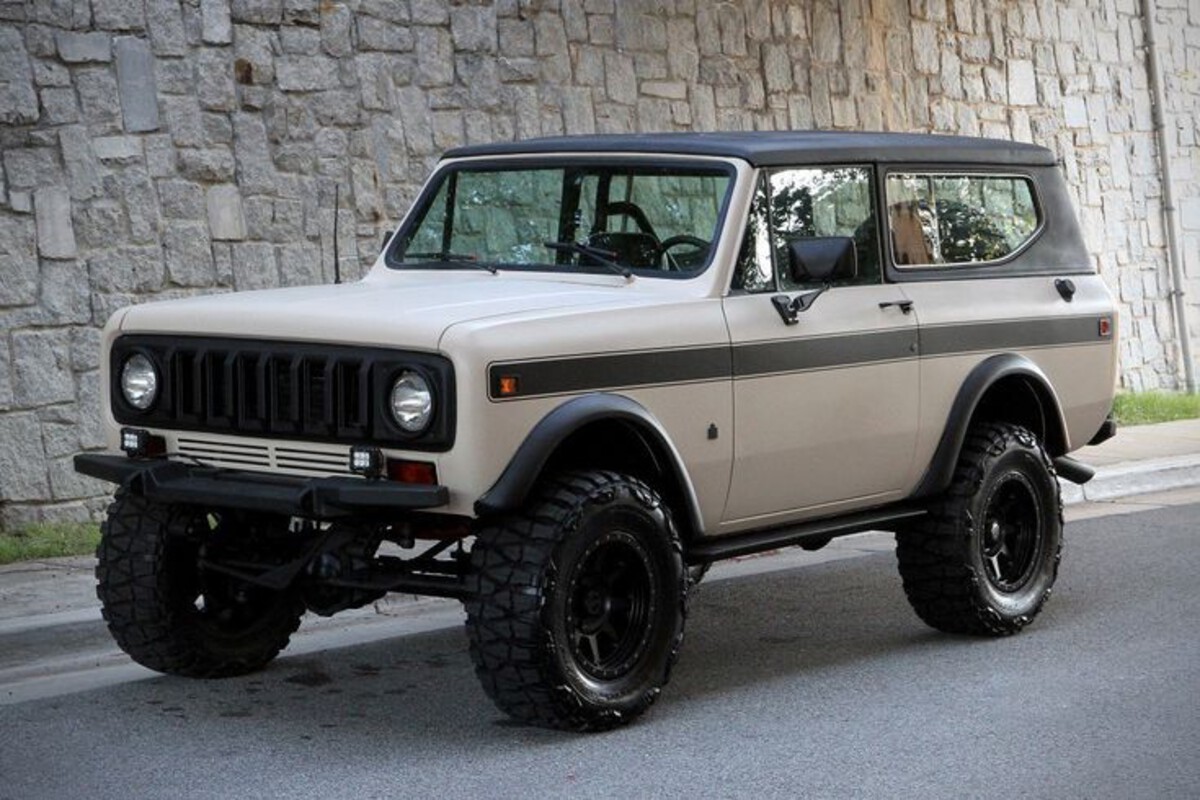
4. International Harvester Scout Pickup (1961–1971)
The International Harvester Scout Pickup is a compact truck designed for versatility and durability. Built with a simple ladder frame and solid axles, the Scout allows restorers to access engines and mechanical components with relative ease.
Engine options included inline-4 and inline-6 units, which are simple to maintain and repair. Scout trucks were produced in limited variations, yet their straightforward design ensures parts are still obtainable through specialty suppliers.
Body restoration is manageable due to flat panels and uncomplicated fender shapes. Rust is generally limited to known weak points such as floorboards and lower cab corners.
Replacement panels and trim pieces are widely available, and welding or patching tasks are feasible without highly specialized equipment. The compact dimensions of the Scout also make storage and handling during restoration more practical.
The cabin interior is spartan, emphasizing function rather than comfort. Seats, dashboards, and instrument panels are minimal, reducing the complexity of restoration. Wiring is simple, making troubleshooting easier than with contemporary vehicles. Upholstery kits and reproduction gauges allow restorers to achieve a period-correct look without excessive labor or expense.
Mechanical systems are designed with simplicity and durability in mind. Solid axles, leaf spring suspensions, and drum brakes are easy to maintain and repair. Engines are forgiving, and transmission work can often be completed with standard hand tools. These characteristics make the Scout an excellent choice for beginners and experienced restorers alike.
Collectors appreciate the Scout Pickup for its historical role as an early off-road vehicle. Restored trucks retain a functional and distinctive appearance, combining compact size with rugged design. They are practical for light-duty use, recreational off-roading, or display at car shows, offering versatility that many classic cars cannot match.
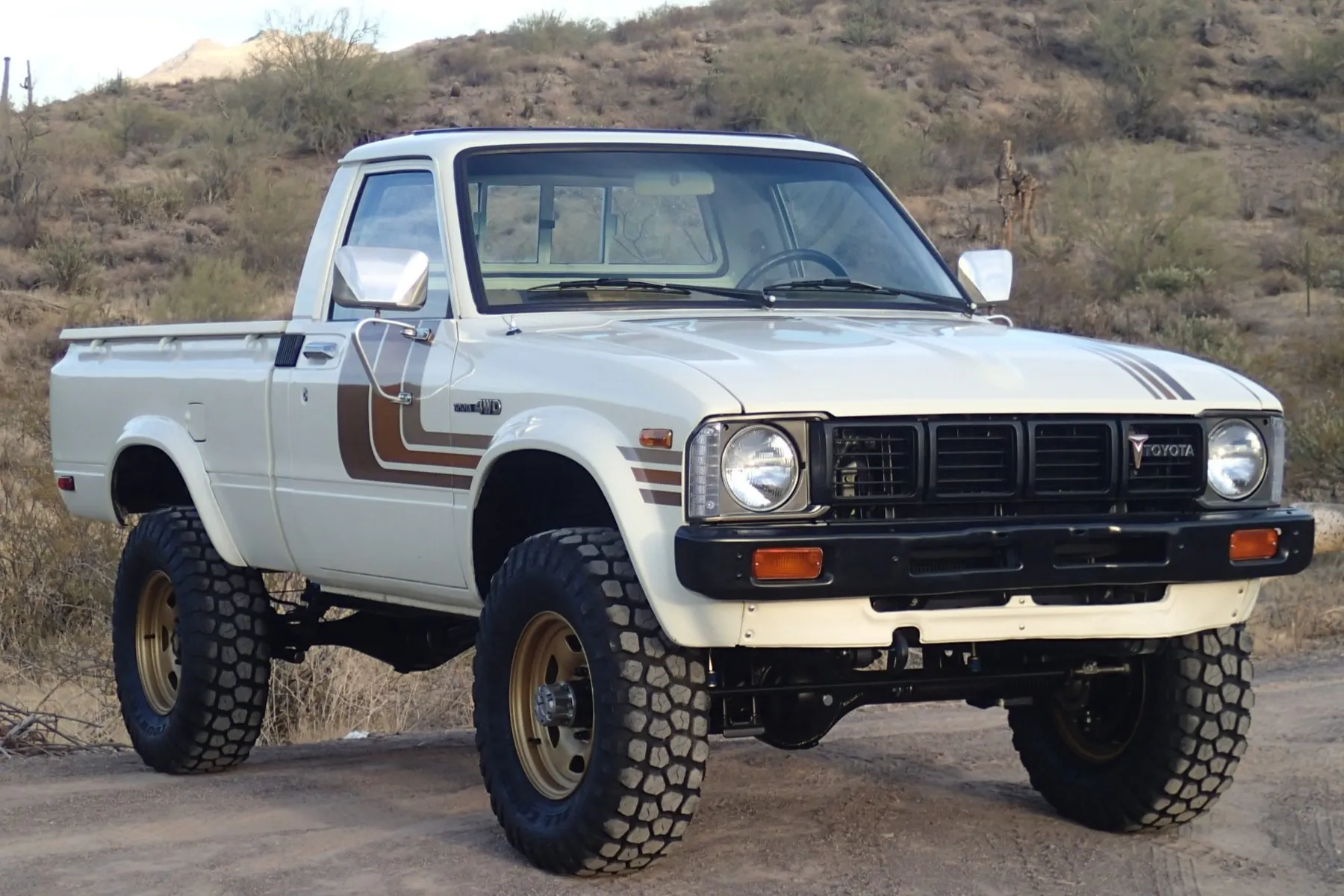
5. Toyota Hilux (1968–1979)
The first-generation Toyota Hilux is known for its reliability and ease of maintenance. Produced with a ladder-frame chassis, it features simple mechanical systems including inline-4 engines and manual transmissions that are straightforward to repair. Hilux trucks were exported globally, so parts remain available and manuals are widely accessible.
The robust construction allows trucks to survive decades with minimal corrosion or damage, making them ideal restoration candidates.
Body restoration is relatively simple due to flat panels and limited trim. Rust tends to develop in predictable areas such as the cab corners or wheel arches, allowing restorers to focus efforts efficiently.
Reproduction body panels and replacement parts are available from both local and international suppliers, and welding or dent repair is feasible with standard tools. Painting and finishing the Hilux is also straightforward due to its simple shapes.
The interior emphasizes functionality. Seats, dashboards, and controls are mechanical and basic, with minimal electrical systems. This reduces troubleshooting time and simplifies restoration.
Upholstery kits, steering wheels, and gauges are widely available, allowing owners to create a cabin that looks original without extensive custom work. The Hilux’s simple interior design lowers both costs and complexity.
Mechanical components are durable and accessible. Leaf spring suspensions, drum brakes, and solid axles make maintenance and repair practical. Engine rebuilds are feasible with readily available parts, and transmission servicing can be accomplished without specialized tools. These factors make the Hilux forgiving for first-time restorers or hobbyists seeking a manageable project.
Restored Hilux trucks continue to enjoy a reputation for reliability and utility. They are valued by collectors, hobbyists, and off-road enthusiasts alike. Whether used for daily driving, light work, or display, the Hilux combines historical appeal, mechanical simplicity, and a timeless design that ensures restoration projects are both achievable and rewarding.
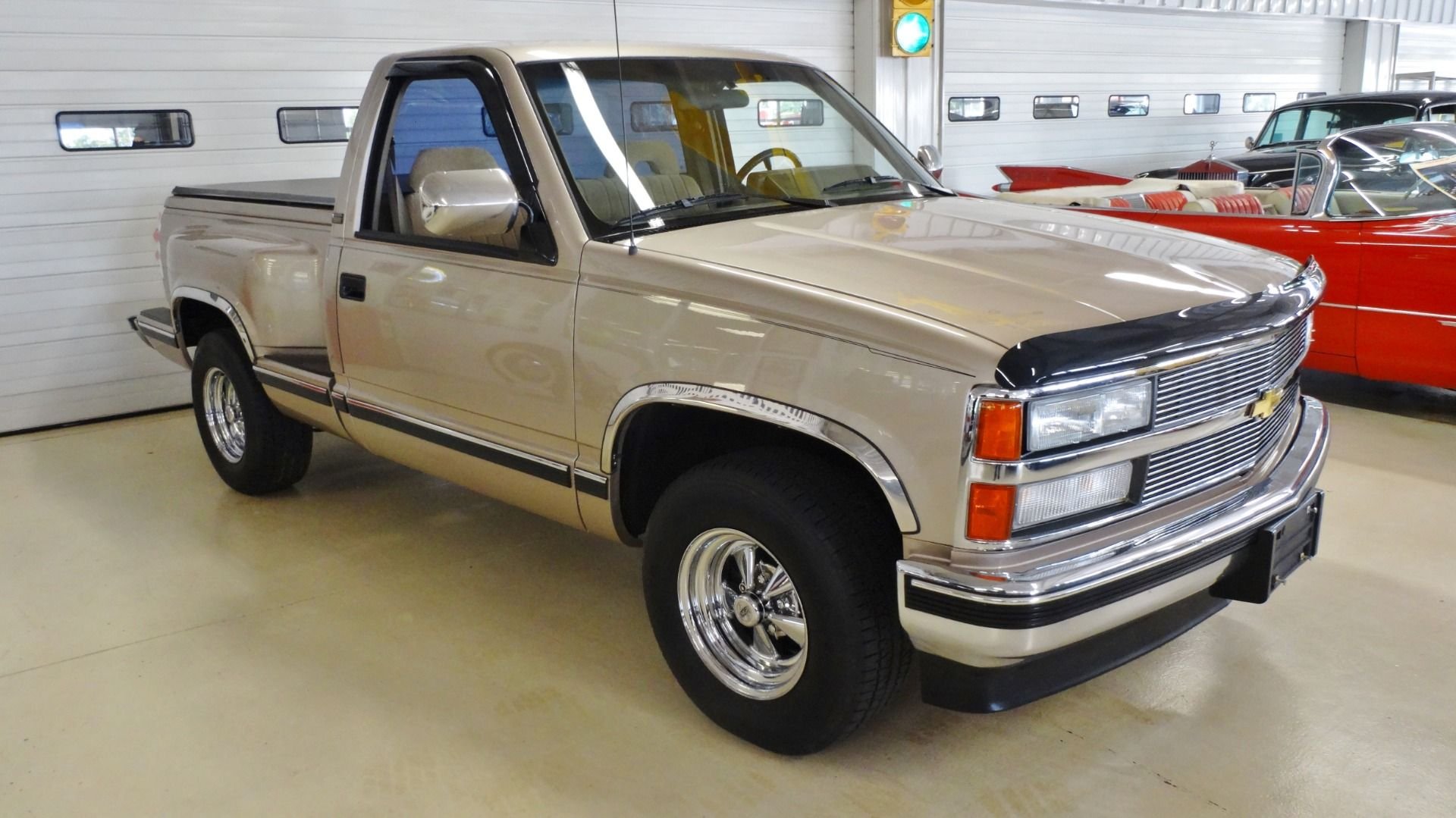
6. Chevrolet Silverado 10 (1973–1987)
The Chevrolet Silverado 10, often considered part of the C/K series, is a classic half-ton pickup that combines durability with straightforward design. Built on a body-on-frame chassis, the truck supports engines ranging from inline-6 to small-block V8s, all designed for easy access and repair.
Its engine bay is spacious, allowing restorers to work comfortably on carbureted or early fuel-injected systems without requiring specialized tools. Manuals and guides for restoration are widely available, making it a beginner-friendly project.
Body restoration on the Silverado 10 is manageable thanks to flat panels and limited trim complexity. Rust is most commonly found in rocker panels, cab corners, and bed floors, but reproduction panels and aftermarket parts are plentiful.
The truck’s doors, fenders, and bed panels are often interchangeable with other C/K models of the era, reducing costs. Alignment of body panels is achievable with standard workshop equipment, and dent repair can be handled using basic techniques.
The interior of the Silverado 10 emphasizes functionality over luxury. Seats are simple bench designs, and dashboards consist mostly of mechanical gauges and basic controls.
Electrical systems are minimal, making wiring issues easier to identify and repair. Replacement seat covers, steering wheels, and dash pads are widely available, allowing restorers to achieve an original look with minimal effort.
Mechanical components of the Silverado 10 are forgiving and durable. Solid axles, leaf springs, and drum brakes are easy to maintain or replace. Engine rebuilds, carburetor servicing, and transmission work can be performed with standard tools.
Many components are shared with other Chevrolet trucks, increasing parts availability and reducing restoration costs. Optional upgrades, like disc brake conversions, can be incorporated without compromising originality.
Restored Silverado 10 trucks remain highly desirable among enthusiasts for their classic styling and versatility. Their combination of ruggedness and simplicity ensures they perform well both as functional trucks and as collector vehicles. Whether displayed at a car show or used for light-duty hauling, a restored Silverado 10 combines practical utility with timeless appeal.
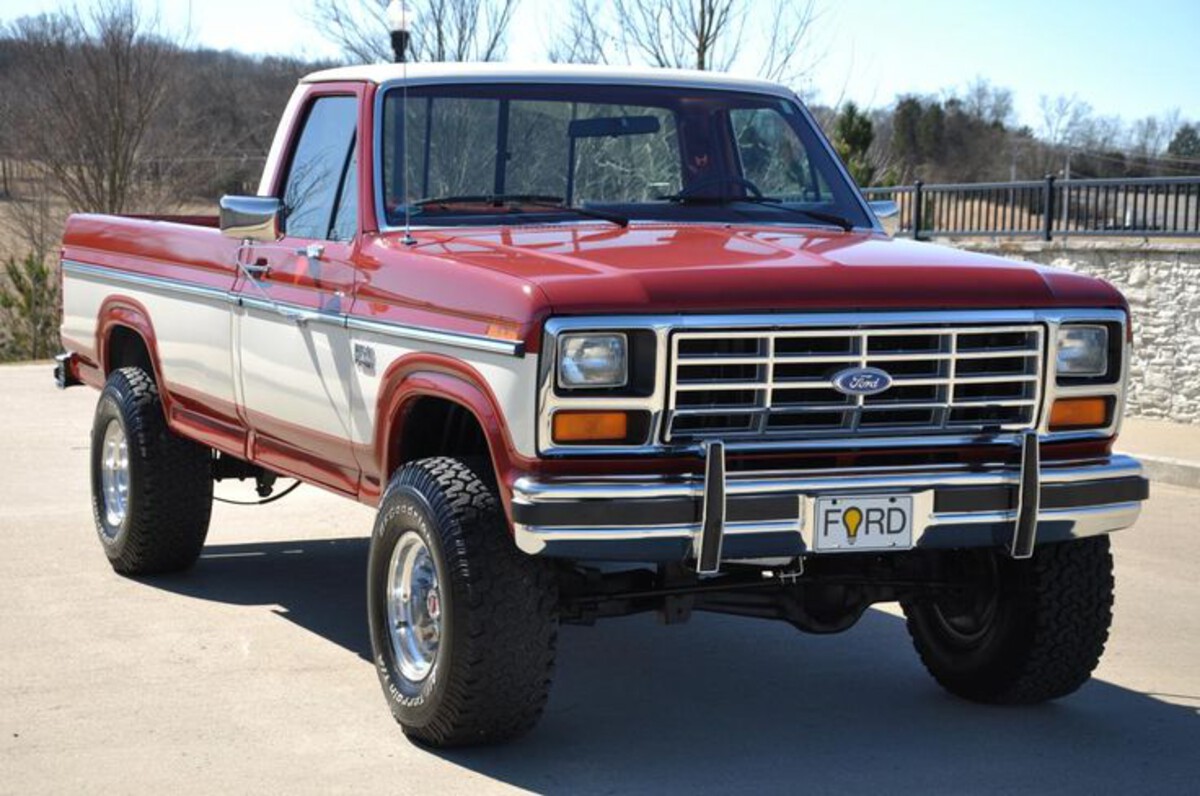
7. Ford Ranger (1972–1983)
The first-generation Ford Ranger, released in the early 1970s, is valued for its compact size, reliability, and ease of restoration. Built on a ladder-frame chassis, it accommodates a range of four-cylinder and V6 engines that are mechanically simple and widely supported.
The Ranger’s small engine bay is straightforward to navigate, which allows for maintenance, rebuilds, or upgrades without complicated disassembly. Its robust frame and mechanical simplicity make it ideal for first-time restorers.
Bodywork on the early Ranger is practical and less complex than many classic cars. Panels are flat with limited ornamentation, simplifying rust repair and replacement.
Common trouble spots include the cab corners, rocker panels, and wheel arches. Reproduction parts are available, and many components are shared with other Ford trucks of the era, making restoration more affordable. Alignment and dent repair are straightforward, even for those with moderate experience.
Inside, the Ranger prioritizes practicality. Seats are basic, dashboards feature minimal controls, and instrumentation is mechanical. Wiring is limited, reducing the likelihood of electrical complications during restoration.
Replacement interiors, including seat covers, steering wheels, and dash components, are widely available, allowing restorers to achieve a factory-correct appearance without excessive work.
Mechanical systems in the Ranger are robust and approachable. Drum brakes, solid axles, and leaf spring suspensions simplify repairs and replacement.
Engine rebuilds are achievable using standard hand tools, and transmissions can be serviced with basic knowledge. Interchangeable parts from other Ford trucks further enhance accessibility, making the Ranger forgiving for both novice and experienced restorers.
Restored first-generation Rangers remain sought after for their simplicity, reliability, and compact design. Their classic styling, combined with a straightforward restoration process, makes them appealing to hobbyists and collectors alike. Once restored, they provide both functional driving capability and vintage charm, suitable for display or light utility.
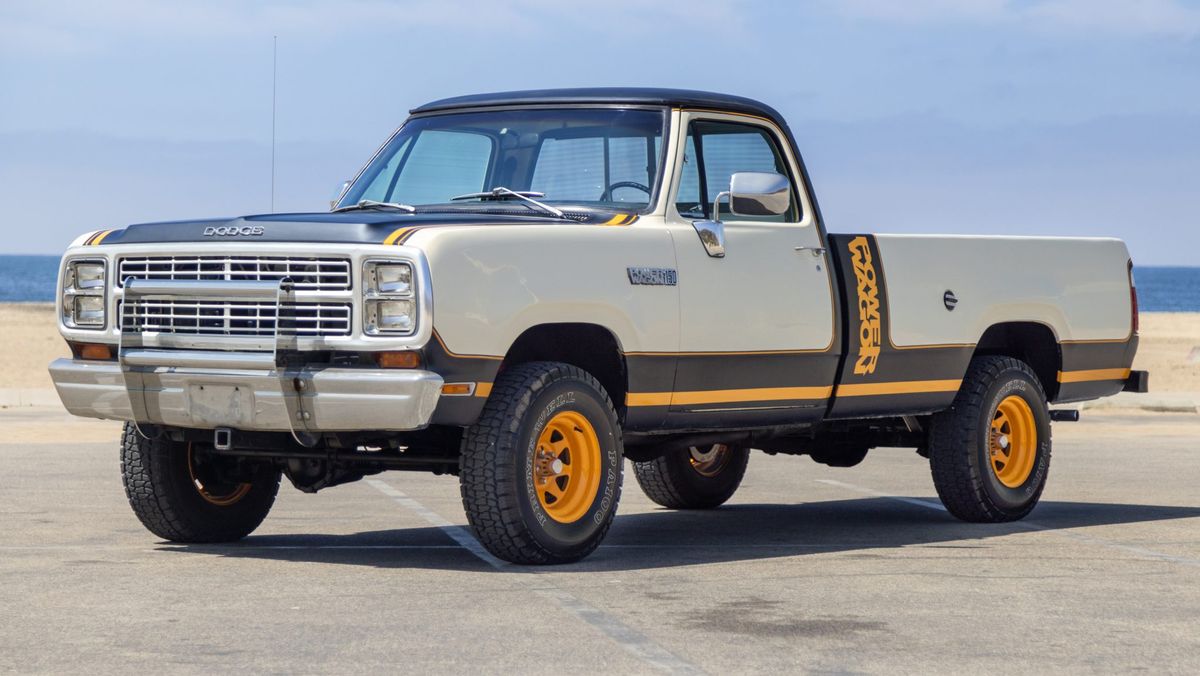
8. Dodge Power Wagon (1945–1980)
The Dodge Power Wagon is legendary for its rugged, heavy-duty construction, originally designed for military use. Built on a ladder-frame chassis with robust axles, the truck is capable of surviving decades of neglect, which makes restoration more accessible.
Engine options include inline-6 and small-block V8 units, all designed for durability and easy maintenance. Its mechanical simplicity ensures that restoration does not require advanced expertise, while parts remain available through specialized suppliers.
Body restoration is manageable due to simple panel design. Flat fenders, a boxy cab, and minimal trim reduce the complexity of repairs. Rust repair is often required in floorboards and cab corners, but aftermarket panels and salvage components are available.
Welding, panel replacement, and dent repair can generally be performed using standard shop equipment. The truck’s rugged frame also tolerates minor restoration errors without compromising structural integrity.
The interior emphasizes durability and function. Seats, dashboards, and mechanical gauges are designed for heavy use, making refurbishment straightforward.
Electrical systems are minimal, limiting potential troubleshooting issues. Replacement parts, such as seat covers, dash pads, and steering wheels, are widely accessible. Interiors can be restored to near-original condition without the need for specialized skills.
Mechanical systems of the Power Wagon are both simple and durable. Leaf springs, solid axles, drum brakes, and manual transmissions make maintenance easy for hobbyists. Engine rebuilds are achievable using widely available parts, while drivetrain repairs rarely require advanced knowledge. Modern upgrades, such as improved braking systems or power steering, can be incorporated without compromising the truck’s original design.
Collectors and enthusiasts highly value restored Power Wagons for their historical significance and rugged aesthetic. Their classic military-inspired appearance, combined with mechanical simplicity, ensures that restoration projects are both achievable and rewarding. Once restored, Power Wagons remain functional for display, light-duty work, or recreational off-road use.
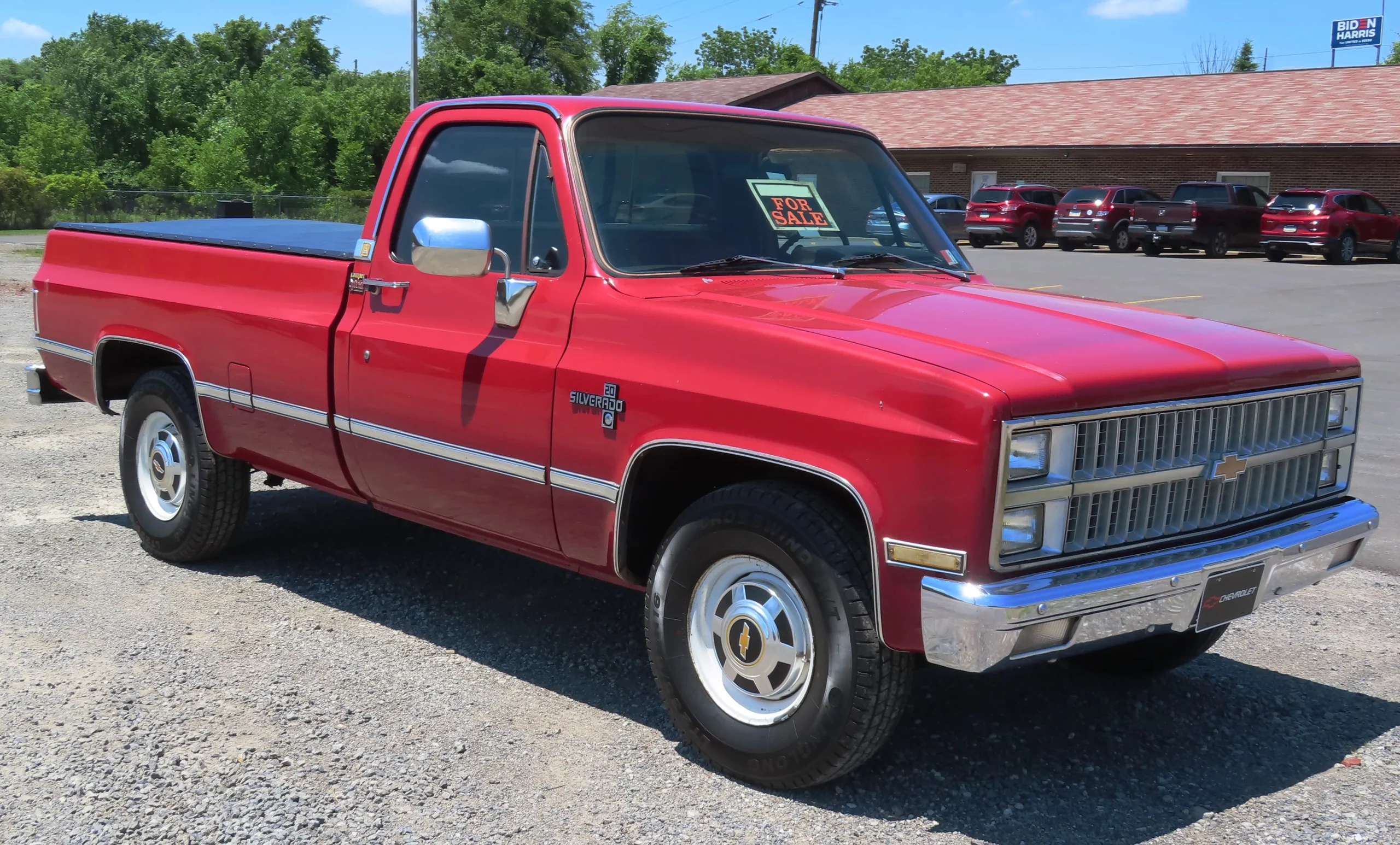
9. Chevrolet K10 (1969–1972)
The Chevrolet K10 is a four-wheel-drive half-ton truck from the classic C/K series, praised for its mechanical simplicity and durability. Built on a body-on-frame chassis with solid axles, the K10’s drivetrain is robust and accessible.
Engine options included inline-6 and small-block V8 units, all of which can be maintained or rebuilt with widely available parts. Its four-wheel-drive system, while slightly more complex than two-wheel-drive trucks, remains relatively straightforward for restoration.
Body restoration on the K10 is facilitated by flat panels and minimal trim. Rust commonly occurs in rocker panels, cab corners, and the bed floor, but replacement panels are available through both salvage and aftermarket sources.
The truck’s squared-off fenders and boxy cab design make panel alignment and welding tasks achievable for restorers of all skill levels. Dent repair and paint work are straightforward due to simple sheet metal shapes.
Inside, the K10 offers a functional and durable cabin. Early models feature bench seats, mechanical gauges, and a minimal dash layout. Wiring is simple, and interiors are easy to refurbish. Replacement upholstery, steering components, and dash elements are widely available, allowing restorers to achieve an authentic look without extensive modifications or advanced skills.
Mechanical systems are robust and forgiving. Leaf spring suspensions, drum brakes, and solid axles simplify maintenance. Engine and transmission work can be accomplished with standard tools, and many drivetrain parts are interchangeable with other Chevrolet trucks of the era.
Four-wheel-drive components, including transfer cases and manual hubs, are durable and maintainable with available replacement parts.
Restored K10 trucks remain highly desirable among collectors and off-road enthusiasts. Their combination of classic styling, rugged construction, and mechanical simplicity makes them both functional and collectible. Once restored, they perform reliably as both daily drivers and show trucks, offering enduring appeal decades after production.
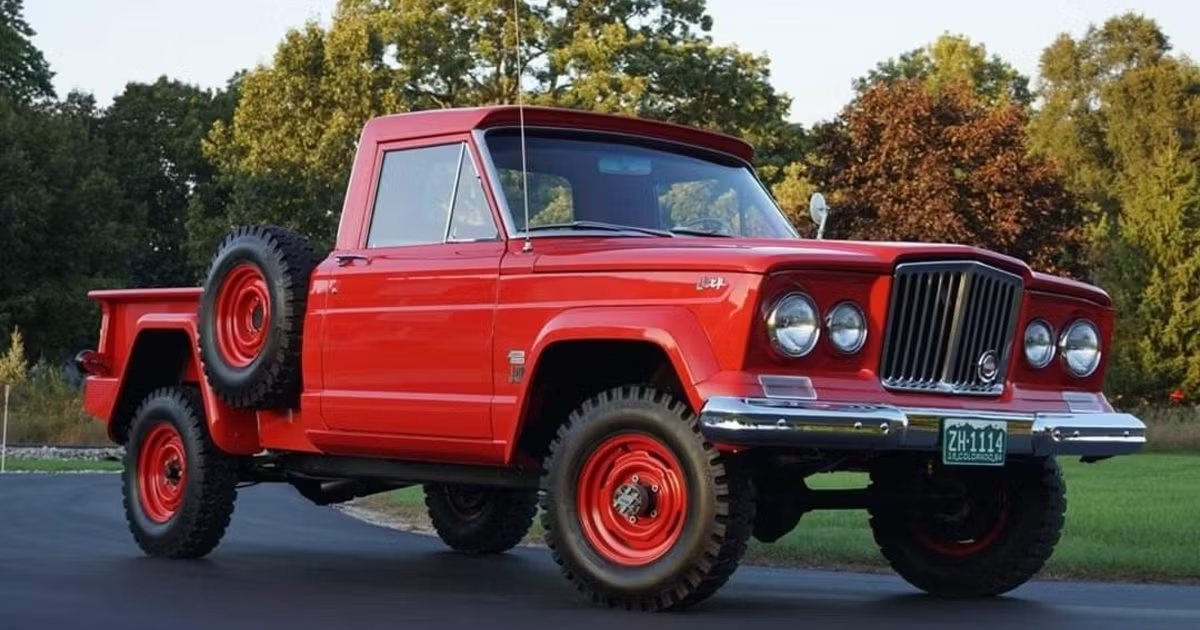
10. Jeep Gladiator (1962–1988)
The Jeep Gladiator is a heavy-duty pickup built for durability and utility. Based on the CJ platform, it features a ladder-frame chassis, solid axles, and engines ranging from inline-6 to V8 options in later years. Its mechanical systems are simple and well-documented, allowing restorers to work effectively without advanced expertise.
Engine bays are spacious, making maintenance and rebuilding straightforward. Specialty suppliers still offer replacement components for most models.
Body restoration is achievable due to flat panels, boxy fenders, and minimal trim. Rust frequently develops in the cab corners, rocker panels, and bed floor, but aftermarket and salvage panels are widely available.
The truck’s straightforward body structure allows for welding, dent repair, and panel replacement without advanced fabrication skills. The Gladiator’s strong frame also tolerates minor misalignments during restoration.
The interior is functional and rugged, emphasizing usability. Dashboards are simple, gauges are mechanical, and electrical wiring is minimal. Seats and trim components are easy to replace, and upholstery kits are widely available. Restoration efforts can focus on mechanical and cosmetic components without being slowed by complex electronics or advanced interiors.
Mechanical systems are durable and forgiving. Leaf spring suspensions, drum brakes, and solid axles simplify repairs and maintenance. Engines are resilient and often rebuildable with standard tools. Transfer cases and four-wheel-drive components are accessible, making drivetrain work achievable even for novice restorers. Optional upgrades like power steering or brake improvements can be added without compromising the truck’s original character.
Restored Jeep Gladiators are highly valued by collectors and enthusiasts. Their rugged design, off-road capability, and historical significance make them excellent restoration candidates. Once completed, these trucks remain functional, reliable, and visually striking, suitable for both practical use and display at automotive events.