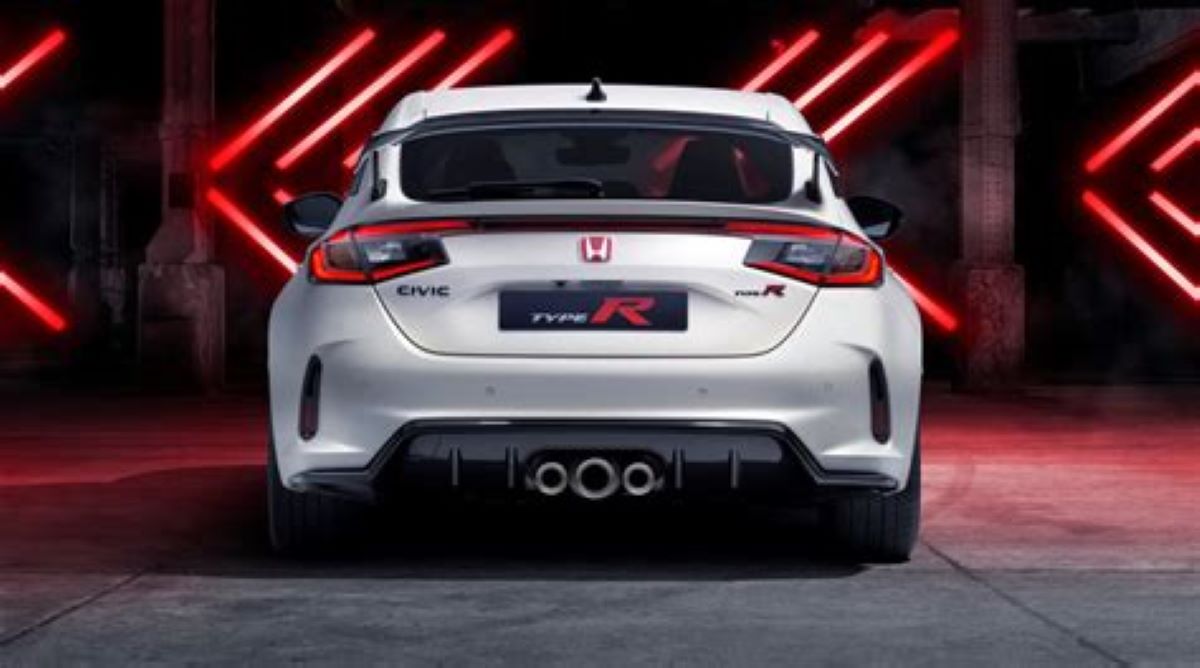
Honda appears ready to add yet another model to the growing roster of vehicles that American buyers can only admire from afar.
The new Super-One is a compact, kei-inspired electric hatchback engineered to make everyday driving more engaging, blending retro design elements with contemporary EV technology.
The automaker first revealed the Super-One concept at the 2025 Japan Mobility Show, presenting it as a small electric vehicle designed to inject enjoyment into routine commutes.
Initial plans pointed to a 2026 production timeline, but preparations for launch in Japan and select international markets are already progressing, suggesting the rollout may happen sooner than expected.
Visually, the Super-One remains largely faithful to its prototype form. It rides on Honda’s N-Series architecture but moves beyond the conventional kei-car template.
The stance is wider, the tires are larger, and the overall posture is more planted, shifting the character closer to that of a miniature hot hatch rather than a basic urban EV.
Its styling draws clear inspiration from the Honda City Turbo II, incorporating cues that reference Honda’s performance heritage from the 1980s.
Honda’s design team integrated functional performance elements directly into the body structure. The Super-One features genuine front and rear ducts intended to manage airflow and reduce drag.
Rear relief vents help mitigate turbulence, improving both cooling efficiency and high-speed stability rather than serving as purely cosmetic additions.
The model-exclusive Boost Violet Pearl paint finish, inspired by “Blue Jet” lightning, reinforces the car’s extroverted character.
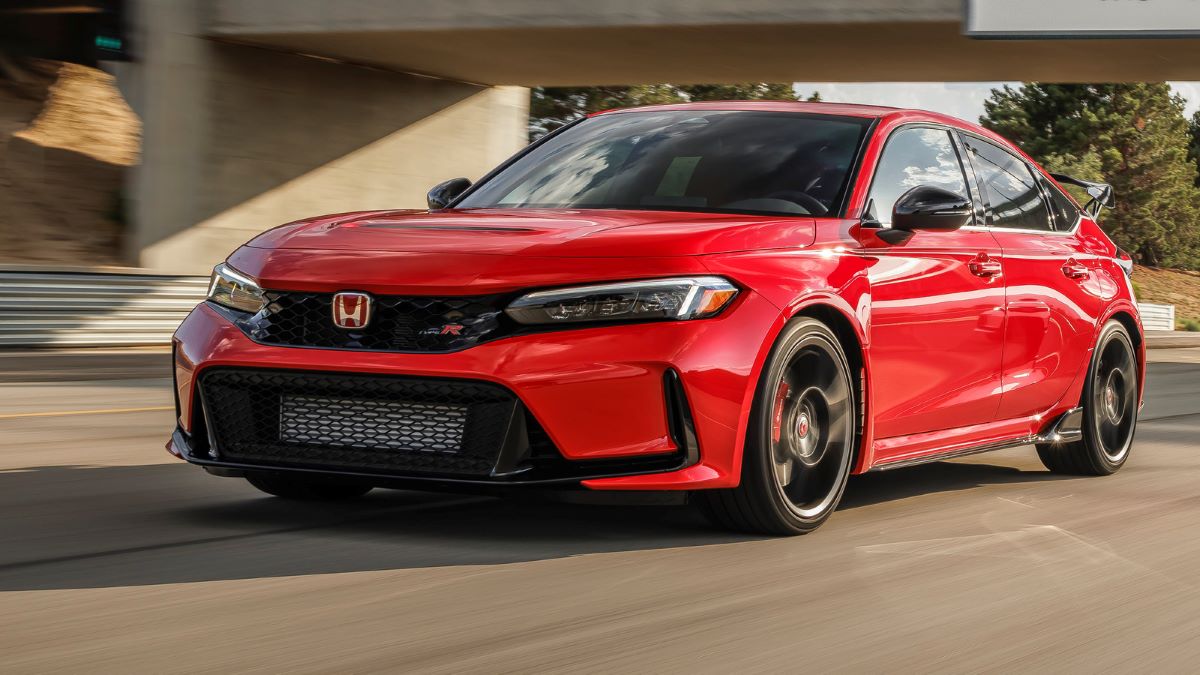
Inside the cabin, the focus remains on driver engagement. The Super-One includes sport-oriented seats, a 7-inch digital instrument cluster, active sound control, and a newly developed BOOST mode.
Together, these features aim to replicate aspects of traditional performance driving within an electric framework.
Although full technical specifications have yet to be disclosed, early reports indicate the Super-One surpasses standard kei-car thresholds in both dimensions and output.
Power is rumored to be approximately 95 horsepower, significantly above Japan’s 63-horsepower limit for kei vehicles.
BOOST mode is designed to deliver temporary performance surges, synchronizing simulated engine acoustics with a virtual multi-speed transmission effect.
The intent is to provide drivers with a more familiar, performance-oriented sensation despite the absence of a conventional combustion engine.
Pricing further distinguishes the Super-One from typical kei offerings. Japanese reports suggest a sticker price near ¥5 million, roughly equivalent to $32,000.
That figure exceeds expectations for a vehicle of this size, but once it operates outside kei regulations, additional taxation and upgraded components contribute to higher costs.
At that price point, the Super-One is likely to occupy a niche segment, targeting enthusiasts rather than mainstream urban commuters.
In markets such as Japan or parts of Europe, it may carve out a following as a compact electric performance car.
For buyers in the United States, however, it appears poised to join the list of small Hondas that would fit naturally on American roads yet remain unavailable for purchase.
Also Read: 10 Hatchbacks With Cargo Space That Rivals Compact Crossovers