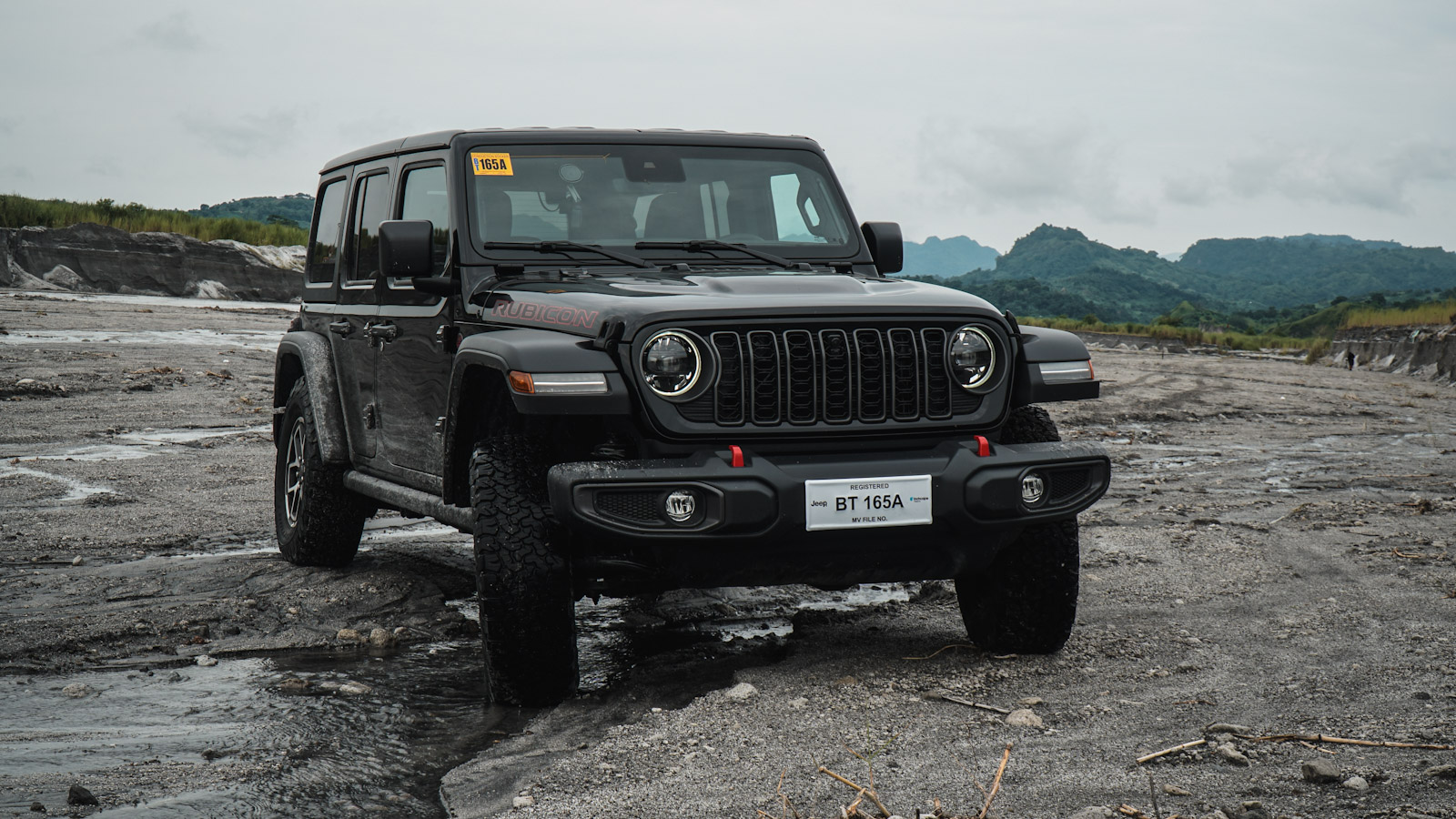
Not all SUVs marketed for adventure are equally capable. Some are built with the suspension, drivetrain, and clearance to tackle rocks, mud, and steep trails with confidence. Others rely on rugged styling to give the appearance of off-road readiness without the mechanical capability.
In this guide, we explore five off-road vehicles that are truly capable on trails, from the trail-dominating 2025 Jeep Wrangler Rubicon X to the versatile Land Rover Defender 110 X-Dynamic. We then contrast these with five SUVs that are mostly for show, including the Hyundai Tucson XRT and Toyota RAV4 TRD Off-Road.
By examining ground clearance, suspension travel, drivetrain systems, and protective features, this comparison highlights the difference between vehicles built for real adventure and those designed primarily for looks. Understanding these differences helps drivers choose a vehicle suited to the terrain they actually plan to tackle.
5 Off-Road Vehicles That Are Capable on Trails
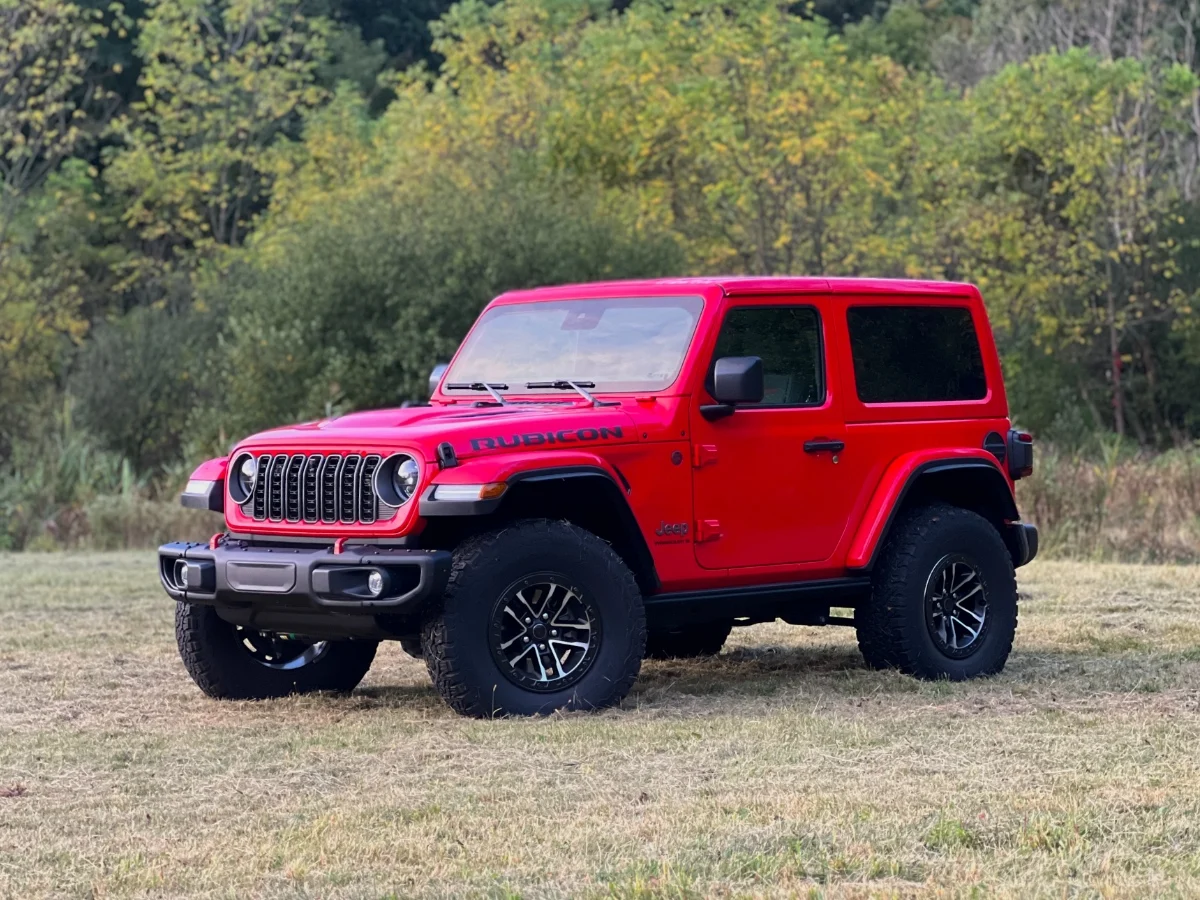
1. 2025 Jeep Wrangler Rubicon X: Luxury Meets Trail Dominance
The 2025 Jeep Wrangler Rubicon X stands at the pinnacle of off-road engineering, offering unmatched capability for serious adventurers. It features a 1.5-inch factory lift, 35-inch BFGoodrich KO2 all-terrain tires, and the Rock-Trac 4:1 low-range gear ratio 4WD system, providing precise control in extreme terrain.
Heavy-duty Dana 44 HD axles, front and rear locking differentials, and an electronic sway bar disconnect deliver a remarkable 12.9 inches of ground clearance, allowing the Rubicon X to crawl over rocks, mud, and snow with confidence.
Steel bumpers, rock rails, and an optional 8,000-lb Warn winch complete a robust package built for serious trail work, while Off-Road Plus mode optimizes throttle, traction, and transmission for maximum performance.
Beyond raw capability, the Rubicon X also excels in articulation and traction. The electronic sway bar disconnect enables wheels to remain planted over uneven surfaces, and the Rock-Trac HD Full-Time 4WD system ensures torque is distributed effectively, making low-speed crawling effortless.
Trail-rated for water fording, maneuverability, and clearance, it can handle challenging conditions straight from the showroom. Additional off-road technology, such as the integrated front-facing TrailCam, provides real-time obstacle awareness, while front and rear lockers offer ultimate control in the most demanding situations, reinforcing the Rubicon X as a purpose-built trail vehicle.
The interior marks a major shift for Wrangler enthusiasts, blending ruggedness with comfort. Nappa leather seats with 12-way power adjustment are waterproof, supporting deep water crossings up to 34 inches. A 12.3-inch Uconnect 5 touchscreen powers wireless Apple CarPlay, Android Auto, and integrated trail guides covering over 3,000 routes.
Acoustic glass and a 9-speaker Alpine audio system reduce wind noise from the removable top, creating a cabin that is both functional and refined. The Rubicon X successfully transforms the traditionally utilitarian Wrangler interior into a premium space suitable for long commutes or extended off-road expeditions.
On-road performance, however, reflects its off-road focus. The solid-axle suspension can feel stiff and jittery over pavement, and steering at highway speeds requires constant micro-adjustments. Large tires and aerodynamic drag limit fuel efficiency to under 20 MPG, unless opting for the 4xe Plug-in Hybrid.
Safety and convenience features, including Blind-Spot Monitoring and Adaptive Cruise Control, help offset these compromises. Starting north of $61,000 for the 4-door, the Rubicon X is an expensive but highly capable vehicle that combines extreme off-road performance with high-end amenities, making it the ultimate choice for those unwilling to sacrifice luxury or capability.
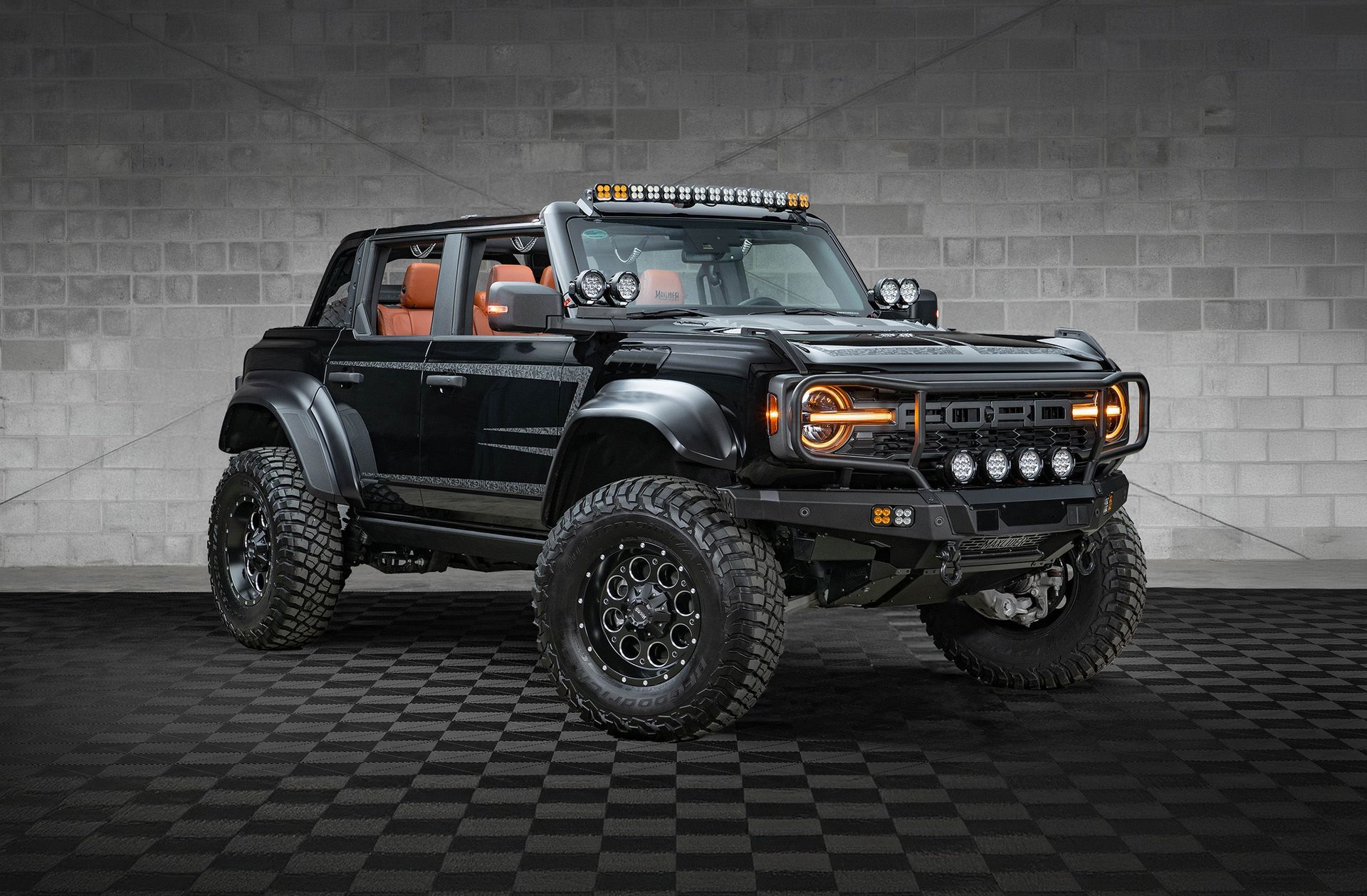
2. 2025 Ford Bronco Raptor: The High-Speed Off-Road Beast
The 2025 Ford Bronco Raptor is engineered to dominate both high-speed desert runs and extreme rock-crawling terrain. With 13.1 inches of ground clearance, a widened track, and 37-inch BFGoodrich KO2 all-terrain tires, it offers exceptional stability and traction on virtually any surface.
The Bronco Raptor’s Fox Live Valve suspension and HOSS 4.0 system with semi-active dampers adapt in real-time to terrain changes, soaking up brutal bumps and keeping the ride composed at speed. Heavy-duty steel bash plates, reinforced rocker panels, and a full-vehicle steel frame ensure durability, while its aggressive stance and wide fender flares signal its off-road prowess.
Under the hood, the Raptor packs a 3.0L EcoBoost V6 engine producing 418 horsepower and 440 lb-ft of torque, paired with a 10-speed automatic transmission and a 4.70:1 rear axle. This combination delivers powerful acceleration and confident crawling capability, making it one of the most potent production off-road SUVs.
The drivetrain is reinforced with Dana 50 rear and Dana 44 front axles, three lockable differentials, and a disconnecting stabilizer bar for impressive suspension articulation. Seven G.O.A.T. (Goes Over Any Terrain) modes, including Baja Mode, allow drivers to tailor the vehicle to high-speed desert racing or technical trail maneuvers, while Trail Control and One-Pedal Drive simplify low-speed precision.
On-road behavior sets the Bronco Raptor apart from competitors. Despite its enormous tires and wide track, the vehicle remains composed at highway speeds, with adjustable damping that minimizes body roll and maintains stability. Steering is responsive in most conditions, and the suspension absorbs road irregularities better than comparable SUVs like the Jeep Wrangler or Ford Expedition Tremor.
The cabin, while functional, falls short of expectations for a $115,000-plus vehicle, with overly rigid plastics and a smaller-than-expected 12-inch infotainment screen. Noise levels are high due to the boxy design and removable roof and doors, but seating is comfortable, and cargo capacity is generous for a four-door off-roader.
The 2025 Bronco Raptor blends raw off-road capability with surprisingly capable on-road manners. Its high-speed suspension, massive ground clearance, and wide stance make it ideal for desert running, rock climbing, and technical trails alike.
While interior refinement, noise, and fuel economy leave room for improvement, the Bronco Raptor’s performance, durability, and advanced off-road technology position it as a leader in the off-road SUV segment. For enthusiasts seeking a versatile, high-performance adventure vehicle, the Bronco Raptor delivers an unparalleled combination of speed, power, and trail-ready toughness.
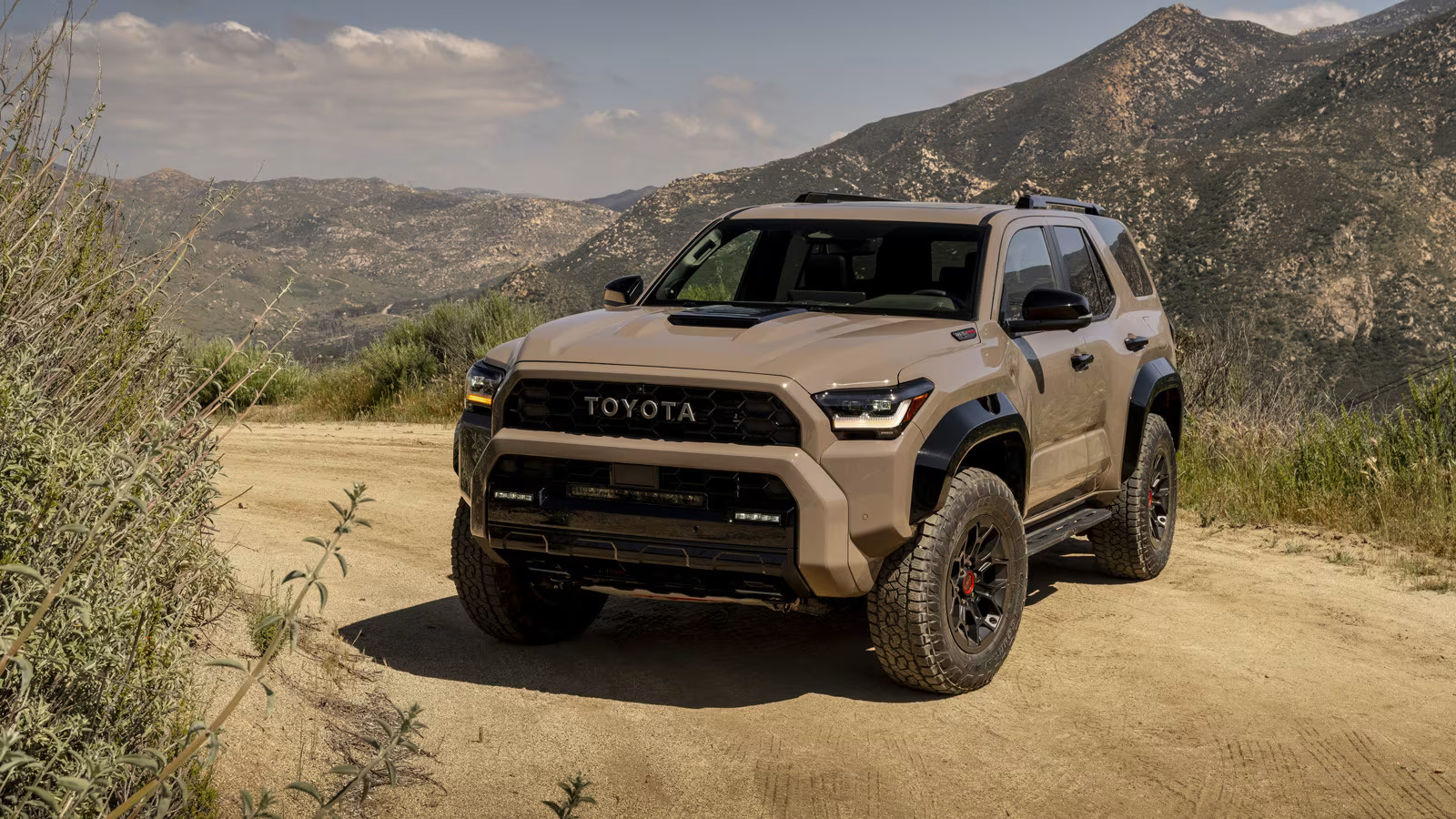
3. 2022–2025 Toyota 4Runner TRD Pro: Rugged Reliability Meets Everyday Versatility
The Toyota 4Runner TRD Pro is celebrated for its legendary durability and trail-ready design, making it one of the most reliable off-road SUVs available. Built on a traditional body-on-frame architecture, it features specialized off-road hardware such as FOX® internal bypass shocks, an electronic locking rear differential, and a thick aluminum front skid plate that protects vital components from rocks and debris.
Factory-fitted all-terrain tires on 17-inch matte-black alloy wheels ensure traction on varied surfaces, while its rugged suspension allows it to maintain composure during technical crawling or high-speed desert runs. Ground clearance between 9.6 and 10.1 inches, paired with a sharp 33-degree approach angle, allows the 4Runner to glide over rocks and obstacles that would challenge most SUVs.
Advanced off-road technology further enhances the 4Runner TRD Pro’s capabilities. Crawl Control acts like low-speed cruise control, managing throttle and braking so the driver can focus solely on steering through difficult terrain.
Multi-Terrain Select lets users optimize traction for Mud & Sand, Rock, or Mogul conditions, while Multi-Terrain Monitor provides camera views of under-vehicle obstacles, making navigation of complex trails more precise. Despite its rugged focus, the 4Runner remains surprisingly comfortable on daily drives, with a suspension system designed to balance off-road performance with on-road refinement.
The TRD Pro also excels as a practical and family-friendly SUV. The interior features large analog buttons and controls that prioritize simplicity over digital complexity, keeping the driving experience intuitive and distraction-free. Rear seat legroom is generous, SofTex seating is easy to clean, and rear air vents improve passenger comfort.
Cargo space is ample, and the soft yet supportive suspension allows the 4Runner to tackle potholes and rough roads like a cushioned, capable workhorse. This combination of ruggedness and usability makes it a “do-it-all” vehicle, equally at home on the trail, on errands, or transporting family gear.
While the 4Runner TRD Pro’s design is intentionally old-school, there are trade-offs. Fuel economy averages around 17 mpg, and modern conveniences like a heated steering wheel are missing on older models. The brake system is over-boosted, and the interior can feel dated compared to contemporary SUVs.
Yet, for enthusiasts who value proven reliability, simplicity, and the ability to go from showroom to trail without modification, the 4Runner remains unmatched. Its iconic, aggressive styling and versatile performance ensure it continues to be a favorite among off-roaders and daily drivers alike, offering decades of dependability in a single package.
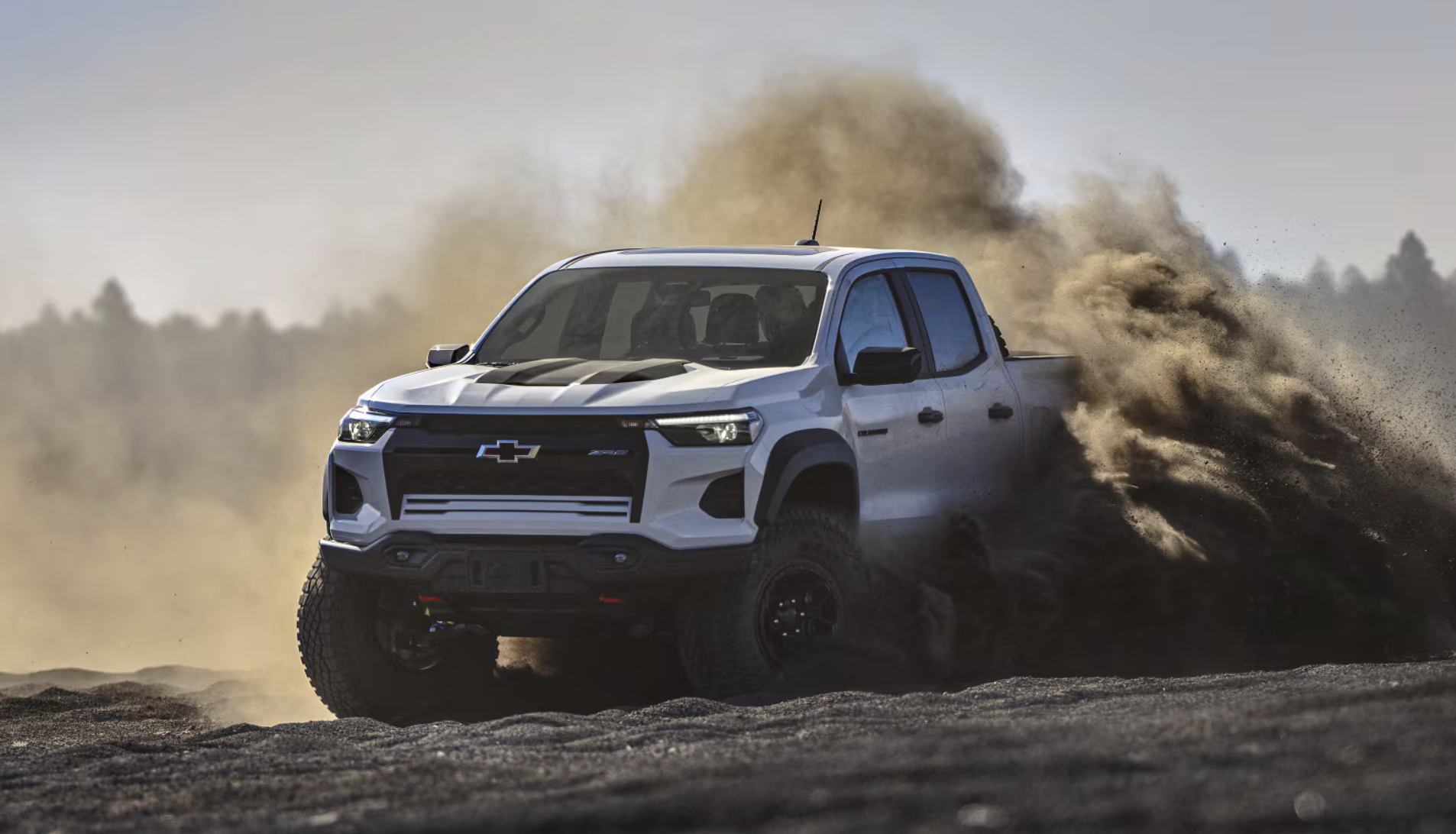
4. 2026 Chevrolet Colorado ZR2 Bison: Midsize Off-Road Mastery
The Chevrolet Colorado ZR2 Bison is a factory-built midsize off-road truck developed with American Expedition Vehicles (AEV) to excel in both rock crawling and overlanding. It features 35-inch Goodyear Wrangler Territory Mud-Terrain tires mounted on 17-inch beadlock-capable wheels, providing exceptional grip on rough terrain.
The Bison offers 12.2 inches of ground clearance and five boron steel skid plates to protect vital components, including the radiator, transmission, fuel tank, and differentials.
AEV high-clearance steel bumpers are winch-ready, while front and rear electronic locking differentials and a two-speed transfer case allow the truck to tackle technical trails with confidence. Its improved approach, departure, and breakover angles further enhance its off-road capability.
The suspension system is a major highlight of the ZR2 Bison. It uses Multimatic DSSV dampers with hydraulic jounce control to absorb impacts and maintain stability on harsh terrain. Standard front and rear jounce-control dampers provide additional shock absorption during high-speed off-road runs.
This setup allows the truck to handle mud, rocks, and uneven surfaces with smooth precision while still offering a controlled and comfortable ride on paved roads. The combination of advanced suspension technology and robust chassis design makes the Bison both aggressive on trails and refined in daily driving.
Inside, the Colorado ZR2 Bison combines comfort with practicality. The cabin features soft-touch materials, ventilated AEV-branded seats, and rubberized floor mats that hold up to mud and debris.
An 11.3-inch touchscreen provides forward, rear, top-down, and underbody camera views, helping drivers assess obstacles and terrain directly around the vehicle. Additional features such as a premium Bose audio system and capacitive phone charging add convenience while maintaining the truck’s functional focus. The interior is both durable and comfortable, supporting long trips on and off the road.
Performance is provided by a 310-hp turbocharged 2.7-liter four-cylinder engine paired with an eight-speed automatic transmission, delivering strong torque for climbing and off-road acceleration. Fuel economy averages about 16 mpg.
Limitations include the short five-foot bed and the large rear-mounted spare tire, which reduces rear visibility, and touchscreen-controlled lighting that can be less intuitive than physical switches.
Despite these minor drawbacks, the Colorado ZR2 Bison stands out as one of the most capable midsize off-road trucks, blending extreme trail performance, advanced suspension technology, and rugged features into a versatile and dependable package for enthusiasts who demand both capability and comfort.
5. Land Rover Defender 110 X-Dynamic: Rugged Versatility Meets Modern Refinement
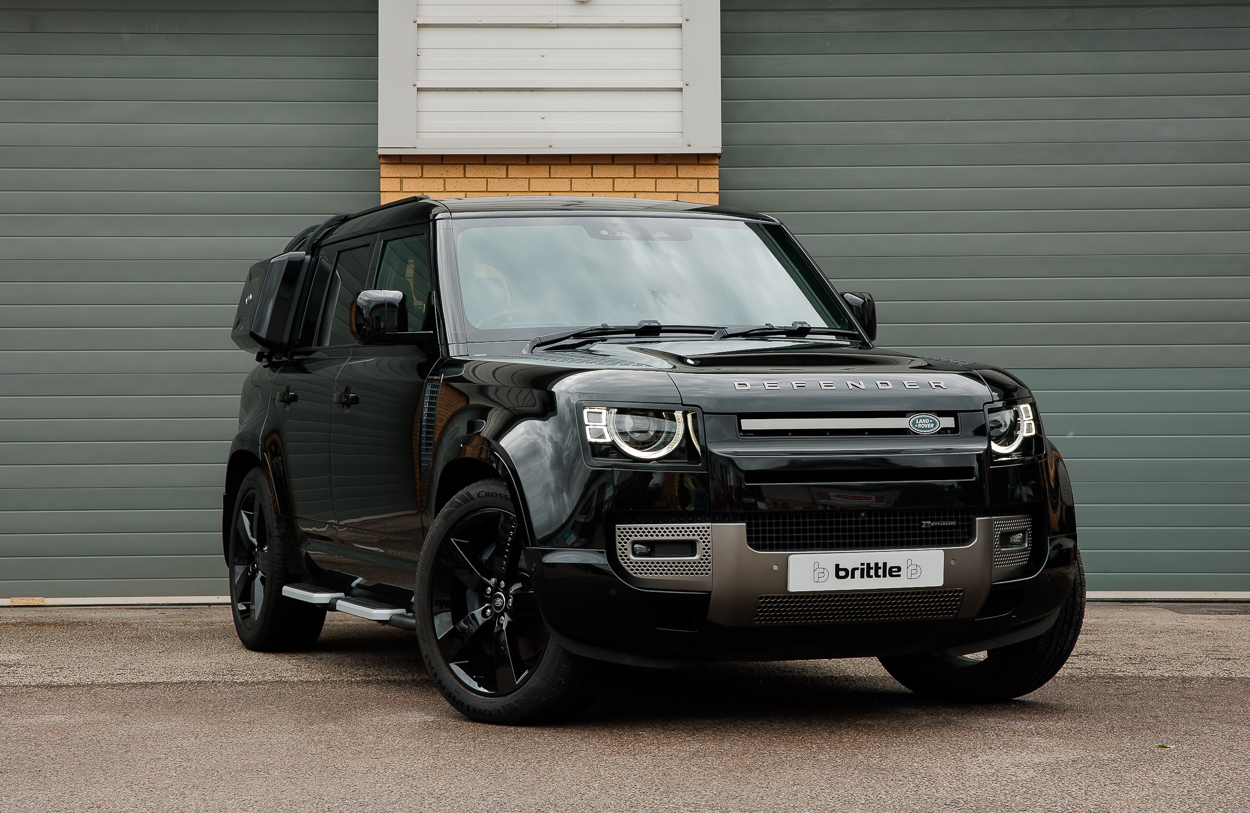
The Land Rover Defender 110 X-Dynamic is a highly capable off-road SUV that blends advanced technology with serious hardware to excel on extreme terrain. Its adjustable Electronic Air Suspension provides up to 11.6 inches of ground clearance, with an additional 70mm lift for clearing obstacles.
Combined with a 35.4-inch wading depth, short overhangs, and approach/departure angles of 38° and 40°, the Defender can tackle steep inclines, rocks, and deep water with confidence. The vehicle’s D7x aluminum monocoque chassis is the stiffest Land Rover has produced, capable of withstanding severe impacts and heavy snatch loads.
Rugged drivetrain components, including a robust all-wheel-drive system, a two-speed transfer case, and an Electronic Active Differential, maximize traction across varied surfaces.
The Defender 110 X-Dynamic incorporates high-tech terrain management to simplify challenging conditions. Its Terrain Response 2 and configurable Terrain Response systems automatically adjust traction, throttle, and braking for mud, sand, or rocks, while ClearSight Ground View and Wade Sensing cameras improve visibility over obstacles and through water.
Durable interior materials and reinforced exterior styling distinguish the X-Dynamic from entry-level trims, providing a tougher, more utilitarian feel without reaching the price of the flagship X model. This combination of rugged capability and refined design positions the X-Dynamic as a balanced choice for drivers seeking serious off-road performance alongside everyday usability.
Power comes from the P400 powertrain, a 3.0-liter turbocharged inline-six with a 48-volt mild-hybrid system producing 395 horsepower and 406 lb-ft of torque. The 5,000-pound SUV can accelerate to 60 mph in 5.8 seconds, surprising for its size.
On-road performance is enhanced by the aluminum monocoque chassis and air suspension, which absorb bumps and provide a composed ride. Steering is precise, though the vehicle exhibits noticeable body roll due to its height. It combines off-road readiness with a serene and controlled highway experience, making it suitable for long-distance travel and daily driving.
Inside, the Defender X-Dynamic emphasizes industrial luxury with a functional, durable interior. “Resist” synthetic upholstery resists mud and moisture, and exposed structural elements add a rugged aesthetic. Technology centers on an 11.4-inch Pivi Pro touchscreen, which supports over-the-air updates, though some dual-purpose controls are unintuitive.
Practicality remains strong, with 34 cubic feet of cargo space behind the second row and optional third-row seating for small children. The Defender also excels in towing, supporting up to 8,201 pounds. Despite relatively low fuel efficiency and occasional software glitches, the Land Rover Defender 110 X-Dynamic successfully delivers world-class off-road performance while maintaining comfort and usability for daily life.
Also Read: 5 Cars Owners Are Happy With Long-Term vs 5 They Aren’t
5 That Are Just for Show
1. Hyundai Tucson XRT: Style Over Off-Road Substance
The Hyundai Tucson XRT is primarily a cosmetic upgrade rather than a capable off-road vehicle. While its rugged exterior styling, roof rails, and blacked-out accents give the appearance of a trail-ready SUV, its mechanical underpinnings remain largely identical to the standard AWD Tucson.
With a ground clearance of 8.3 inches, it offers no improvement over other trims, leaving it unable to clear obstacles as easily as true off-road variants such as the Subaru Forester Wilderness, which provides 9.2 inches of clearance.
The Tucson XRT also lacks functional off-road hardware. Its Kumho Crugen HP71 all-season tires are designed for comfort and fuel efficiency, not traction on mud, rocks, or loose gravel.
The trim’s exterior cladding, while visually robust, is primarily plastic rather than steel or aluminum, offering minimal protection to critical components like the engine and transmission. The absence of metal skid plates and a full-size spare tire further limits its trail readiness.
Suspension and powertrain choices reinforce its street-focused nature. The Tucson XRT uses a standard 2.5-liter engine producing 187 horsepower, paired with a suspension tuned for pavement.
On rough surfaces, the ride becomes stiff and unstable even at low speeds, highlighting the lack of travel and articulation necessary for technical off-roading. It also does not include a low-range transfer case or mechanical locking differentials, relying instead on electronic Multi-Terrain Modes that are common across all AWD trims.
The Tucson XRT is designed for “soft-roading” and everyday adventures, such as gravel paths or snowy suburban roads. Its appeal lies in style-first features like rugged fascias, matte black wheel arches, and unique 18-inch alloy wheels, offering the look of an off-roader without the performance capability.
For those seeking serious trail performance, competitors with reinforced suspension, all-terrain tires, and skid protection remain better choices.
2. Kia Telluride X-Pro: Rugged Family SUV, Not a Trail Beast
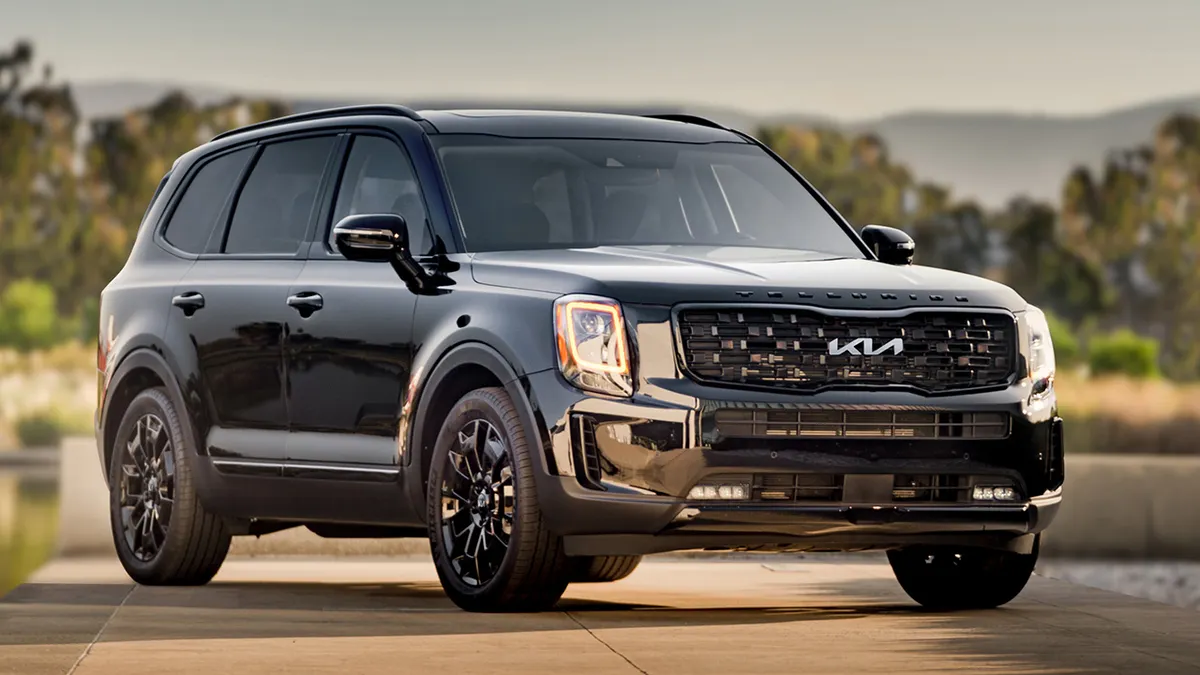
The 2025 Kia Telluride X-Pro is designed more for lifestyle and family adventures than hardcore off-roading. While it adds all-terrain tires, a slight lift, and some off-road styling, its mechanical foundation remains largely unchanged from the standard Telluride.
With 8.4 inches of ground clearance, it offers only a modest improvement over the base model, falling short of true off-road competitors like the Jeep Grand Cherokee or Toyota 4Runner. The slight lift enhances approach and departure angles marginally but does not provide the clearance necessary for rocks, ruts, or technical terrain.
Critical underbody protection is absent on the X-Pro. Unlike trail-focused SUVs that include steel or aluminum skid plates to safeguard the engine, transmission, and fuel tank, the Telluride lacks factory-installed armor. This omission leaves the vehicle vulnerable on rough or rocky paths, limiting its use to dirt roads, gravel trails, and forest paths where impacts are unlikely.
The X-Pro also lacks low-range gearing, which is essential for steep climbs, loose surfaces, or technical crawling. Its 3.8L V6 paired with an 8-speed automatic and software-driven center-locking differential cannot replicate the torque control offered by a mechanical two-speed transfer case.
Combined with its unibody construction, tuned for a smooth, quiet ride rather than extreme articulation, the Telluride’s chassis and suspension are optimized for comfort rather than trail durability.
Despite these limitations, the X-Pro excels as an “adventure-lite” SUV. It offers enhanced towing capacity of 5,500 pounds, 18-inch all-terrain tires for improved traction on snow or grass, and practical features such as a cargo-area power inverter for camping gear. It is ideal for family road trips, reaching remote campsites, or light forest-road excursions.
However, it is not engineered for technical trails or deep-wilderness excursions that require true off-road hardware and high-clearance geometry. The Telluride X-Pro delivers rugged styling and utility while maintaining the refinement and comfort expected of a midsize family SUV.
3. Honda Pilot TrailSport: Rugged Family SUV for Soft-Roading
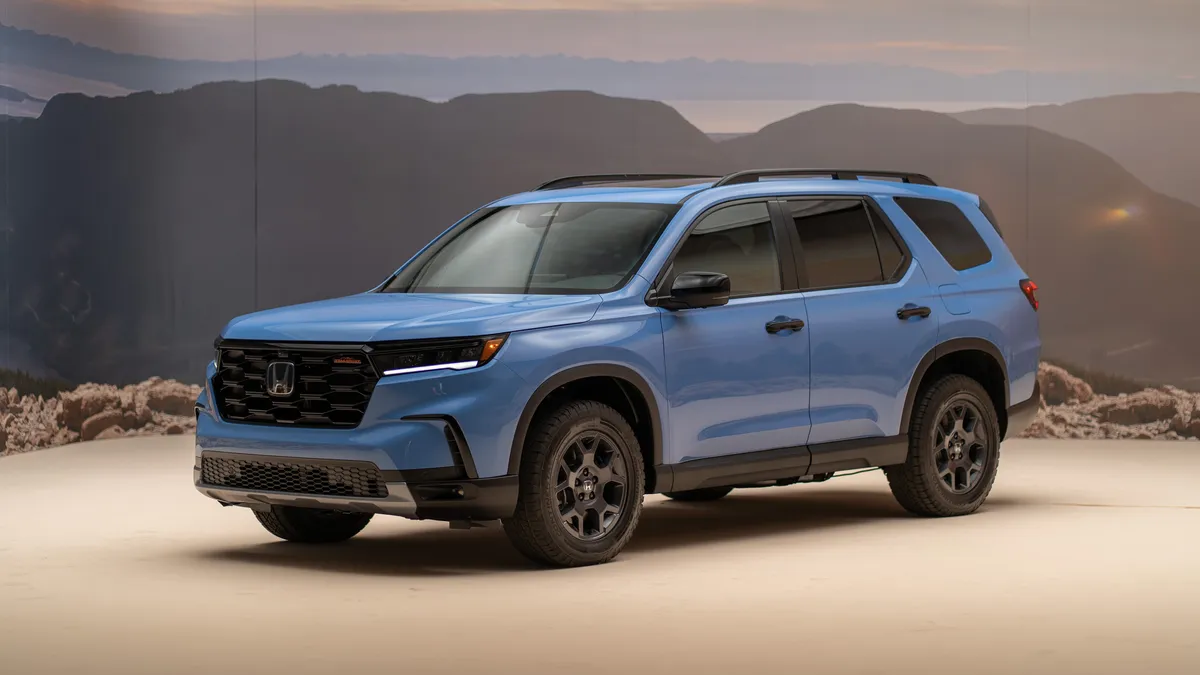
The Honda Pilot TrailSport is a slightly more capable version of the standard Pilot, designed for “soft-roading” such as forest paths, dirt roads, snow, and sand. While it adds off-road styling, a one-inch lift, and steel skid plates, it is not intended for technical trails or rock crawling. Its engineering prioritizes family comfort and road manners over hardcore off-road performance.
Mechanically, the TrailSport is limited by its unibody construction, which provides on-road comfort but lacks the durability and flex of body-on-frame SUVs like the Jeep Wrangler or Ford Bronco.
It also lacks a low-range transfer case, meaning it cannot generate the low-speed, high-torque power needed to safely crawl over steep rocks or rough terrain. With 8.3 inches of ground clearance, the Pilot is higher than the base model but still below even soft-road competitors such as the Subaru Forester or Ford Bronco, limiting its ability to clear large obstacles.
The Pilot’s off-road geometry further restricts its trail performance. Its long, boxy body leads to a 19.8° approach angle and 19.0° departure angle, making it easy to scrape the bumpers on dips or ledges. Suspension travel is improved compared to standard trims, with off-road-tuned dampers and thinner stabilizer bars, but wheels can still lift off the ground on uneven terrain, reducing traction.
TrailSport features often prioritize style over function. Distinctive paint, orange stitching, and cosmetic accents enhance the “adventure-ready” look. The Trail Torque Logic AWD system can send up to 70% of torque to the rear wheels, but remains front-biased and less effective than mechanical locking differentials. Its steel skid plates provide basic protection for the engine and fuel tank, but are meant for occasional impacts rather than sustained abuse.
The Honda Pilot TrailSport is a ruggedized family SUV built to handle gravel roads, campsites, and light trails. It delivers confidence off paved roads but is not engineered to tackle technical off-road obstacles or follow a true off-roader through extreme terrain.
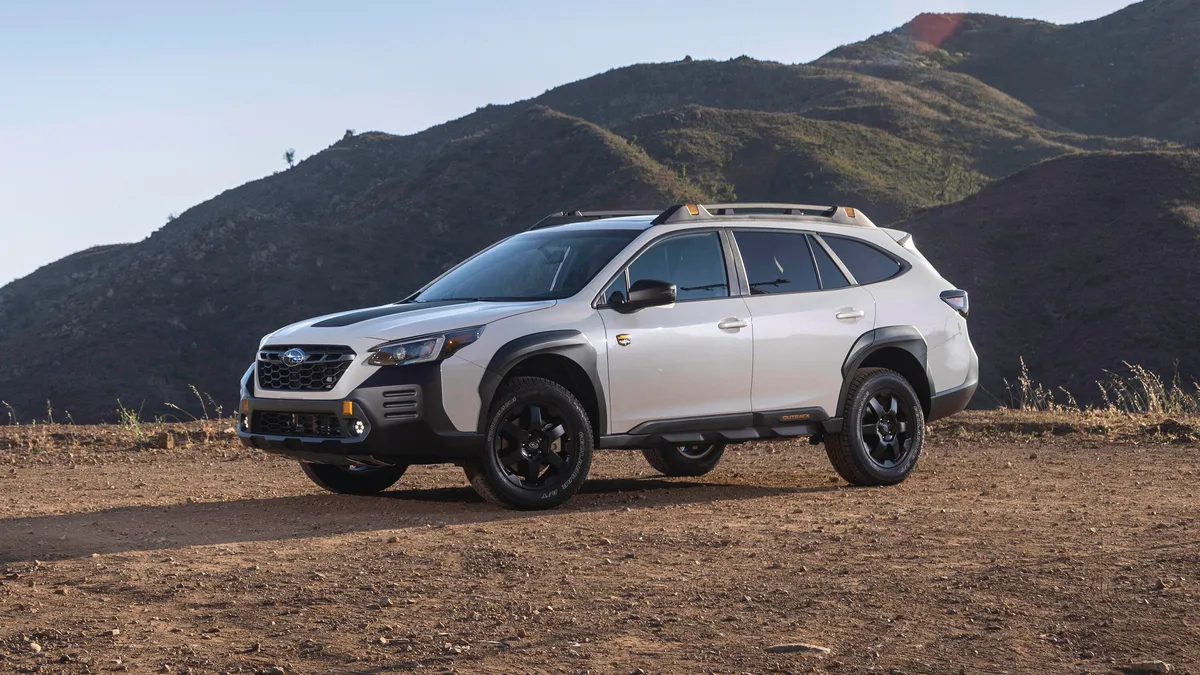
4. Subaru Outback Wilderness: Rugged Looks for Light Trails
The Subaru Outback Wilderness is the most off-road-capable model in the Subaru lineup, offering higher ground clearance, improved approach angles, and enhanced traction systems. With 9.5 inches of clearance and retuned AWD settings, it excels on gravel roads, forest tracks, snowy lanes, and moderate dirt trails. However, it is not a true technical off-roader and faces significant limitations on more extreme terrain.
A major constraint is the CVT transmission, which lacks a low-range gear. Unlike vehicles such as the Jeep Wrangler or Toyota 4Runner that feature a “4-Low” setting to multiply torque for slow, precise crawling, the Outback must rely on momentum to clear obstacles. This can lead to overheating the transmission and increase the risk of underbody impacts when attempting steep climbs or rock obstacles.
The Outback’s geometry and long overhangs also limit trail capability. While its ground clearance is respectable, the 20-degree approach angle leaves the front bumper vulnerable on steep inclines or ledges, forcing drivers to stick to flatter roads rather than true off-road paths.
Additionally, the unibody construction with independent suspension reduces wheel articulation. On uneven terrain, the Outback can lift one or more wheels, reducing traction. Without mechanical locking differentials, it relies on Subaru’s X-Mode system, which uses braking to redistribute power. While effective for light conditions, it is slower and less reliable than a mechanical locker on steep or uneven trails.
In practice, the Outback Wilderness is best suited for overlanding and light adventure driving, such as reaching remote campsites, driving forest roads, or tackling snowy routes. Its rugged styling, raised suspension, and “Wilderness” branding provide the appearance of serious off-road ability, but its mechanical limitations prevent it from handling true technical trails.
For buyers seeking a capable, safe, and comfortable family SUV with mild off-road capability, the Outback Wilderness delivers, but it is more about lifestyle than extreme trail performance.
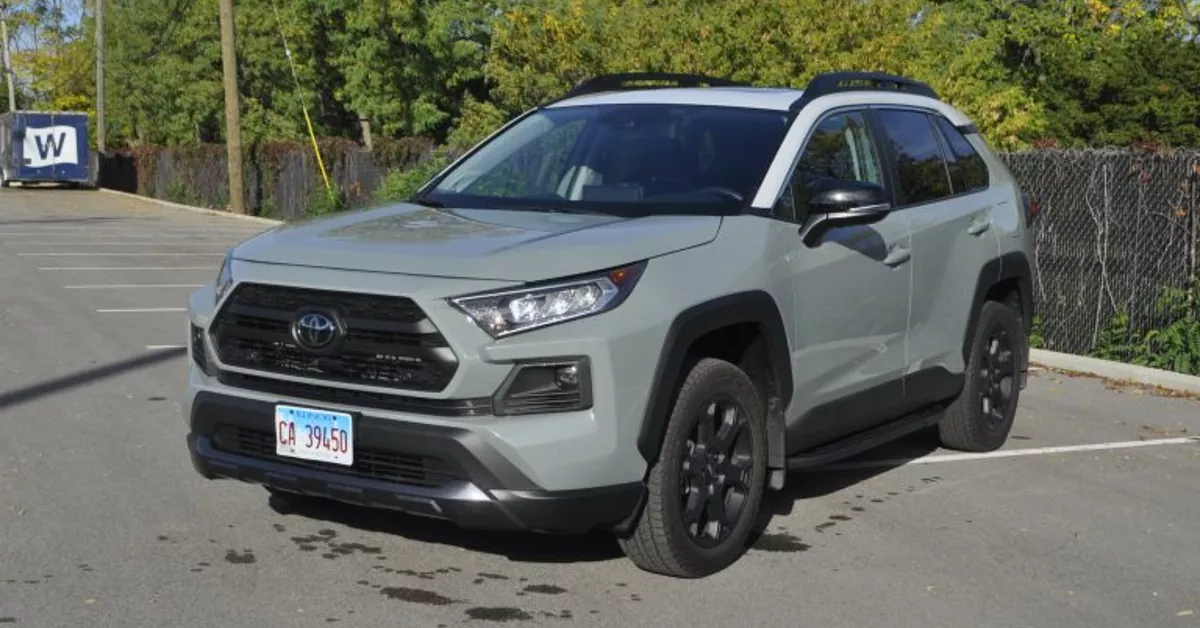
5. Toyota RAV4 TRD Off-Road: Soft-Roader with Limited Trail Capability
The Toyota RAV4 TRD Off-Road is a compact crossover designed for drivers who want the look and feel of an adventure vehicle without sacrificing daily comfort or fuel efficiency.
Despite the TRD branding, it is built on Toyota’s unibody TNGA platform, shared with the Corolla, making it structurally and mechanically distinct from true body-on-frame SUVs like the 4Runner. While it features upgraded suspension, tires, and off-road driving modes, it is best classified as a soft-roader rather than a serious trail machine.
Mechanically, the RAV4 TRD Off-Road lacks the hardware needed for technical off-roading. It does not have a two-speed transfer case or low-range gearing, preventing controlled torque multiplication for steep climbs or rock crawling.
Its Dynamic Torque Vectoring AWD system can send power to the rear and distribute torque between wheels, but it uses brake-based electronic simulation rather than mechanical locking differentials. This limits traction when a wheel loses contact with the ground.
The TRD package includes 8.6 inches of ground clearance, standard shallow 19-degree approach and departure angles, and mild Falken Wildpeak A/T Trail tires, which are better suited for dirt roads than deep mud or jagged terrain. Underbody protection is minimal, relying on plastic guards instead of steel skid plates.
Where it excels is in soft-road scenarios, such as unmaintained dirt or gravel roads, forest service paths, and snowy or slippery suburban conditions.
The TRD-tuned suspension with jounce bumpers absorbs bumps effectively, and the Multi-Terrain Select modes optimize traction for mud, sand, rock, or snow. Its compact size and efficient 2.5-liter engine with 8-speed automatic make it practical for everyday driving and light weekend adventures.
The RAV4 TRD Off-Road offers rugged styling and enhanced dirt-road capability, but it is not built for extreme trails. It is ideal for drivers seeking adventure-ready aesthetics, moderate off-road confidence, and a comfortable, fuel-efficient daily SUV.
True off-road vehicles, such as the Jeep Wrangler Rubicon X and Ford Bronco Raptor, combine high ground clearance, advanced suspension, and locking differentials to handle rocks, mud, and steep inclines safely. SUVs like the Kia Telluride X-Pro or Subaru Outback Wilderness offer comfort and style for gravel roads, forest tracks, and light trails but lack the mechanical hardware for extreme terrain.
Choosing between a capable off-roader and a lifestyle SUV depends on your intended adventures. Recognizing the differences ensures drivers select a vehicle that matches their terrain, maximizes safety, and delivers confidence and enjoyment on every journey.
Also Read: Top 10 Cars That Sound Amazing With Stock Exhausts