
Adventure has always had a mechanical partner. From the earliest Four Wheel Drive trucks clawing through mud to today’s electronically controlled rock crawlers, certain vehicles have done more than simply handle rough ground. They have reset expectations.
They proved that comfort and grit could coexist, that technology could work hand in hand with brute strength, and that drivers did not have to choose between weekday commuting and weekend escape.
Off-road capability is not about flashy marketing or oversized tires alone. It is about engineering decisions that allow a vehicle to climb, crawl, ford, and power through places that stop ordinary cars in their tracks.
Ground clearance, suspension articulation, locking differentials, and smart traction systems all play a part. Yet beyond the specs, true impact comes from how a vehicle changes the conversation. When one model raises the bar, competitors respond, and drivers benefit.
Below are ten all-terrain vehicles that reshaped what drivers expect when pavement ends. Each one brought something bold to the table, whether it was military-grade toughness, refined luxury paired with serious ability, or clever technology that made difficult trails feel manageable. These machines did not simply follow trends. They created new standards.
1. Jeep Wrangler Rubicon
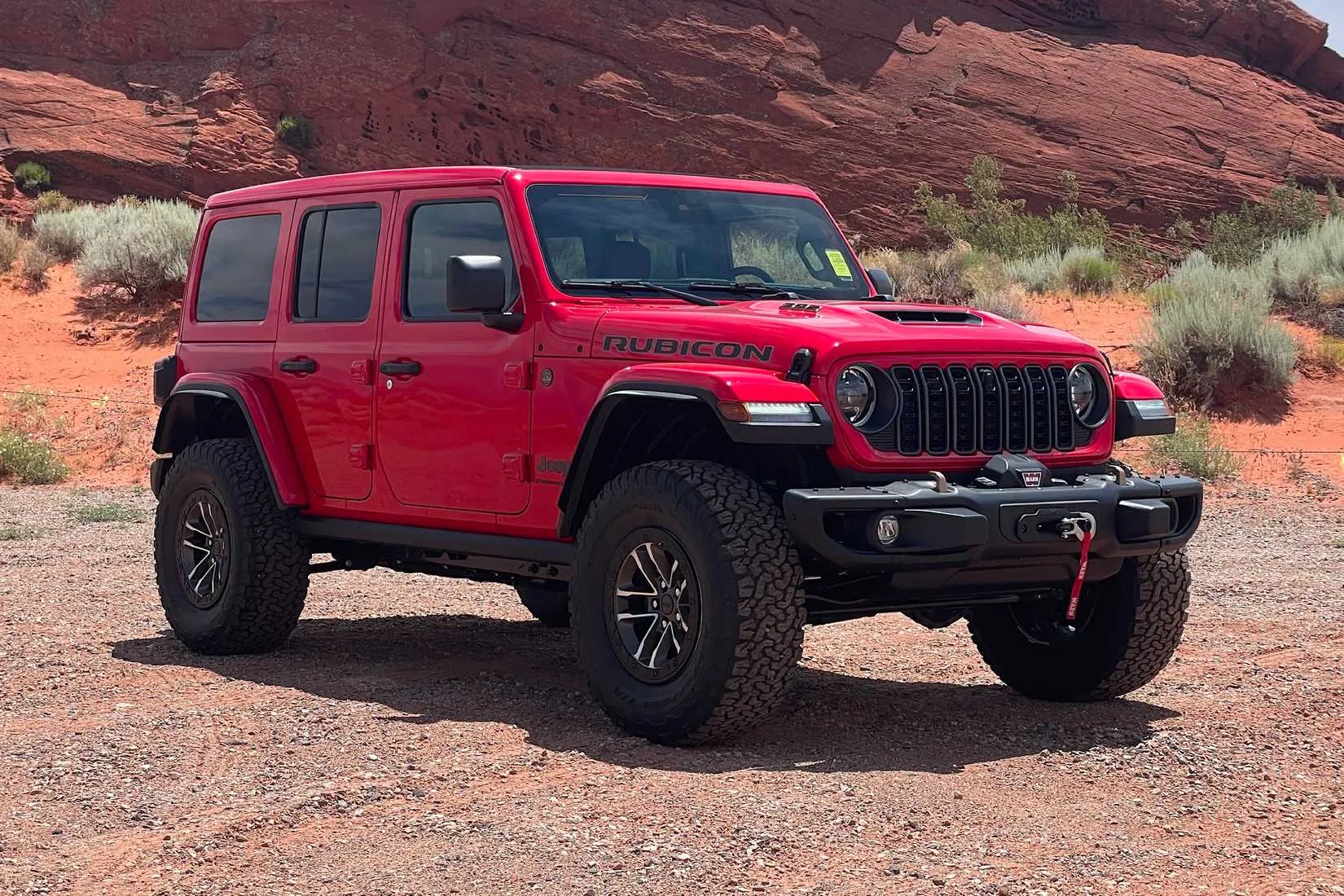
Picture a vehicle that looks ready for a mountain trail even when parked outside a grocery store. That image fits the Jeep Wrangler Rubicon perfectly.
Built on a heritage that traces back to wartime utility vehicles, the Rubicon trim took an already capable platform and sharpened it into a factory-ready rock crawler.
Heavy-duty Dana 44 axles front and rear signaled that this was not just a cosmetic upgrade. Electronic locking differentials allowed power to be sent evenly to both wheels on an axle, delivering traction when one wheel lifted off the ground.
A two-speed transfer case with a low-range ratio designed for crawling gave drivers the ability to move at a controlled pace over boulders and steep inclines. Add an electronic sway bar disconnect, and the suspension could articulate more freely, keeping tires planted where lesser SUVs would spin helplessly.
Solid front and rear axles, often criticized for on-road comfort, became an advantage on rough ground. They provided durability and predictable articulation that independent systems sometimes struggle to match in extreme conditions.
High ground clearance and generous approach and departure angles meant obstacles that would stop a crossover barely slowed the Rubicon.
Culturally, this model did something just as important. It made serious off-road hardware accessible straight from the dealership. Owners no longer needed to spend thousands modifying a base model to tackle demanding trails. That factory-backed capability gave drivers confidence and reshaped the aftermarket industry.
Competitors were forced to answer. Once the Wrangler Rubicon proved that extreme features could be sold in large numbers, other brands began offering locking differentials and advanced traction systems in their own vehicles. As a result, weekend adventurers gained more choices and better tools. Few SUVs have influenced the segment as clearly as this one.
2. Land Rover Defender 110
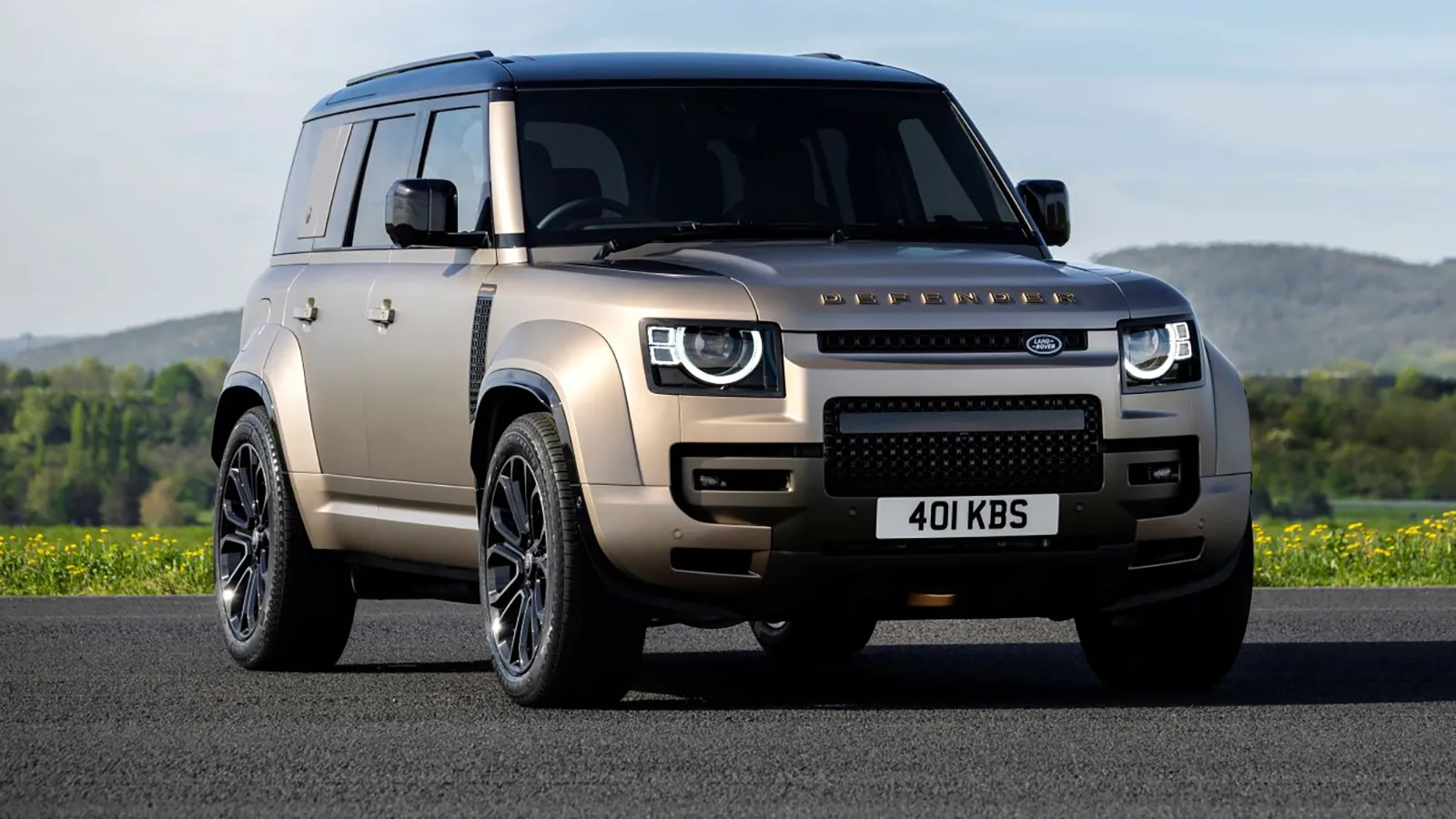
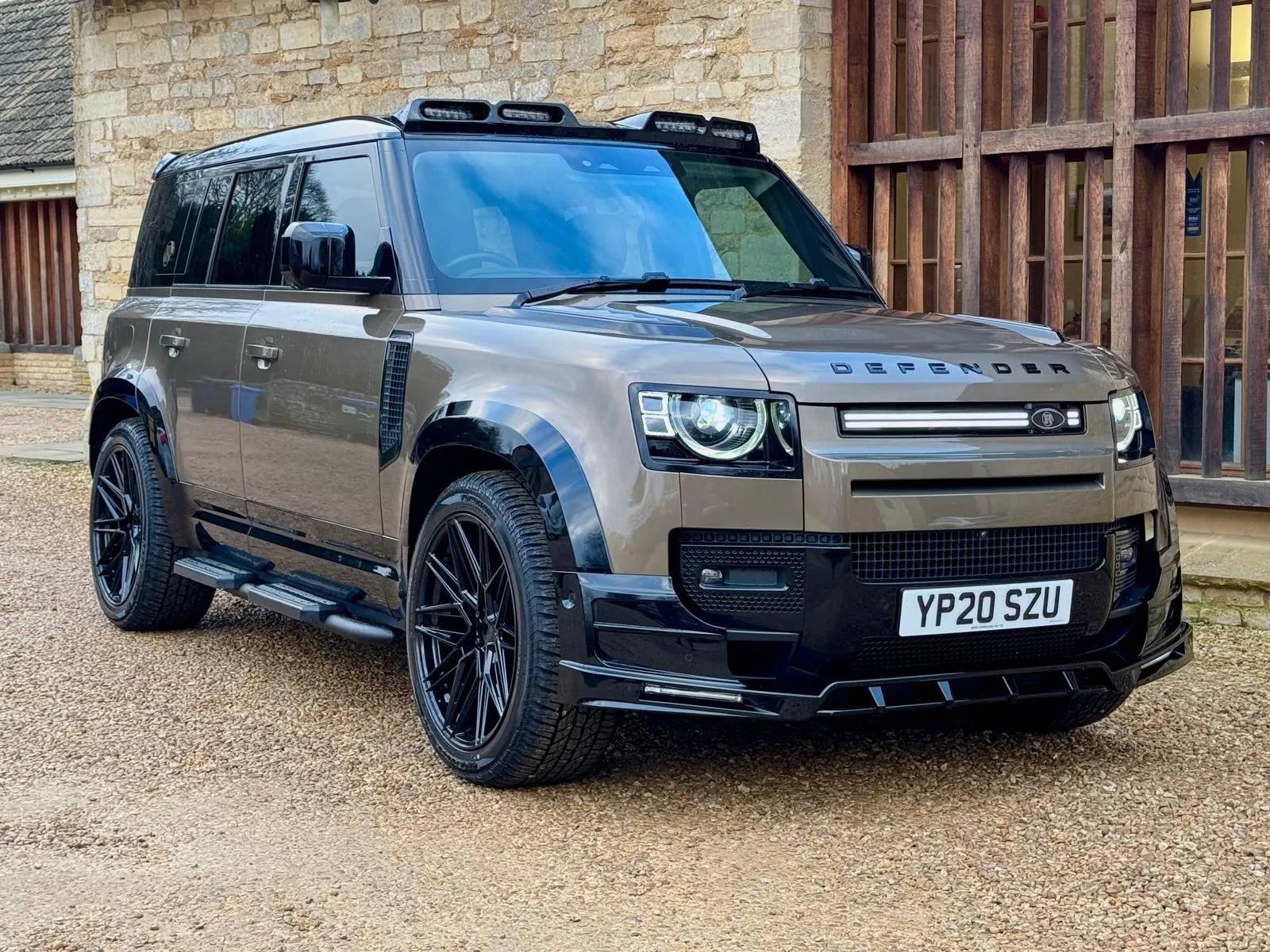
Refinement and rugged ability rarely share the same spotlight, yet the Land Rover Defender 110 managed to blend both in a way that shifted expectations.
When this modern generation arrived, it carried the weight of a legendary name. Skeptics wondered whether a unibody structure and advanced electronics could live up to the reputation built by its boxy predecessors.
Engineers answered with substance. An aluminum-intensive architecture provided strength while keeping weight under control. Air suspension allowed drivers to raise the ride height for rough conditions and lower it for highway travel.
Terrain Response software adjusted throttle mapping, differential behavior, and traction settings with a simple dial, tailoring the vehicle’s behavior to mud, sand, snow, or rock.
Wading depth figures impressed critics, and sophisticated cameras offered clear views of obstacles hidden by the hood. Instead of relying solely on mechanical toughness, the Defender 110 embraced technology as a partner. Drivers gained tools that made difficult routes less intimidating without stripping away the thrill of conquering them.
Inside, comfort levels rivaled those of premium SUVs. Durable materials, a modern infotainment system, and supportive seating proved that serious off-road capability did not require Spartan interiors.
This balance broadened the audience for capable vehicles. Families who once hesitated to buy a trail-ready SUV found a model that fit daily life and weekend adventures alike.
By proving that a high-tech, luxury-leaning SUV could still tackle punishing routes, the Defender 110 encouraged other manufacturers to invest heavily in software-driven traction systems. Off-road driving became more accessible to those without years of experience, and expectations for comfort rose across the segment.
Also Read: 10 Cars With Maintenance Schedules That Actually Matter in 2026
3. Toyota Land Cruiser 200 Series
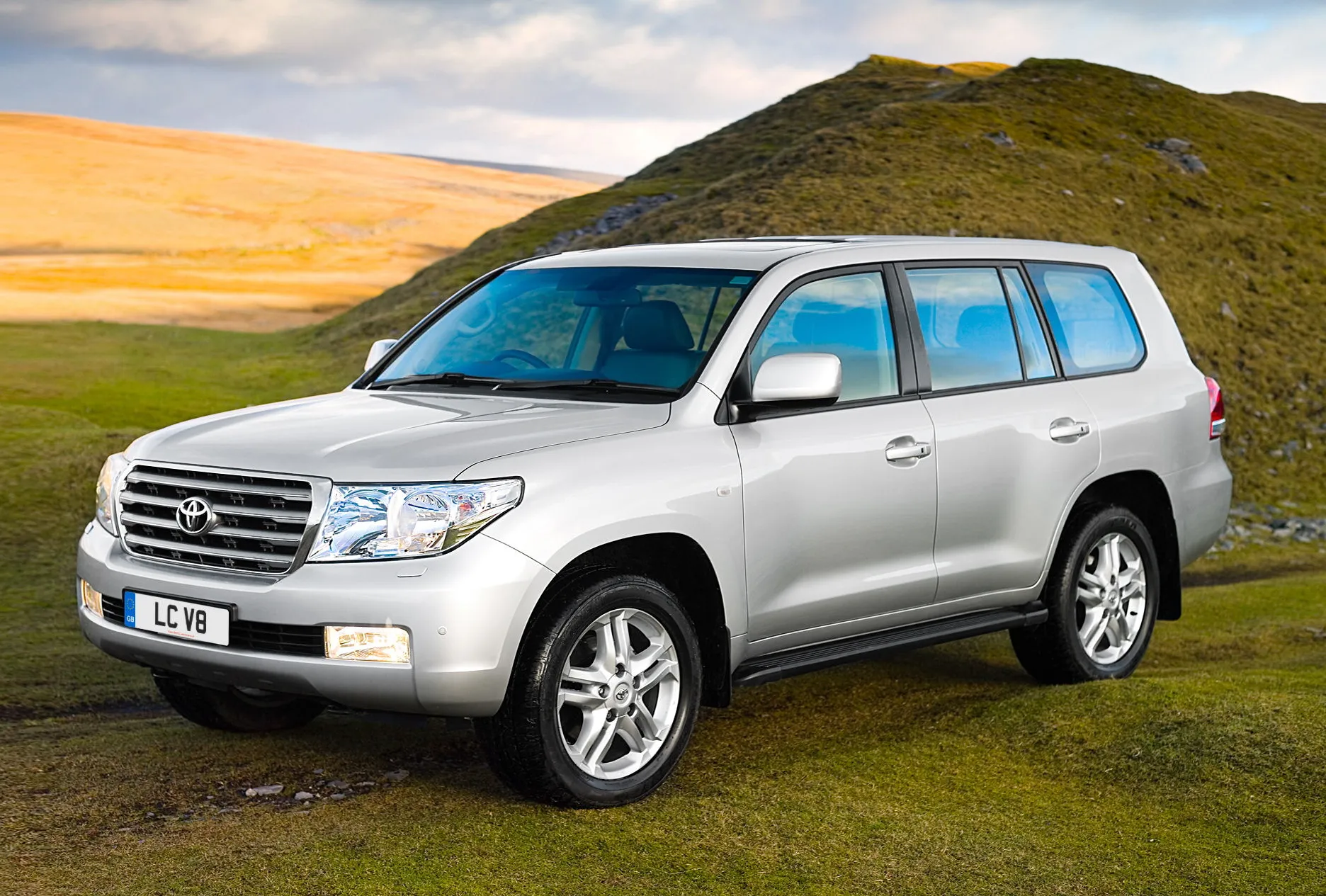
Durability can be quiet. It does not need aggressive styling or loud marketing campaigns. Toyota’s Land Cruiser 200 Series earned its reputation through decades of reliability in some of the harshest environments on Earth. Humanitarian groups, governments, and remote travelers relied on this SUV for a simple reason. It kept going.
Under the hood, a powerful V8 engine delivered smooth torque, while a full time four wheel drive system with a locking center differential ensured constant traction.
Crawl Control acted like an off-road cruise control, managing throttle and braking on steep climbs or descents. Multi-Terrain Select adjusted wheel slip to match different surfaces, allowing the vehicle to maintain grip in challenging conditions.
Frame construction provided strength for towing and rough travel, and suspension tuning struck a careful balance between comfort and control.
Unlike vehicles built purely for weekend fun, the Land Cruiser had to survive years of punishment. That design philosophy showed in reinforced components and conservative engineering choices.
Luxury was not ignored. Leather seats, advanced climate control, and premium audio systems created an environment suitable for long highway journeys. This blend of toughness and comfort helped redefine what a flagship SUV could be. Buyers no longer had to choose between a refined ride and serious off-road credibility.
Through steady, proven performance rather than flashy claims, the Land Cruiser 200 Series influenced the entire market. It demonstrated that reliability and capability together could justify a premium price. Competing brands took notice, strengthening their own durability standards to keep pace with Toyota’s benchmark.
4. Mercedes-Benz G-Class
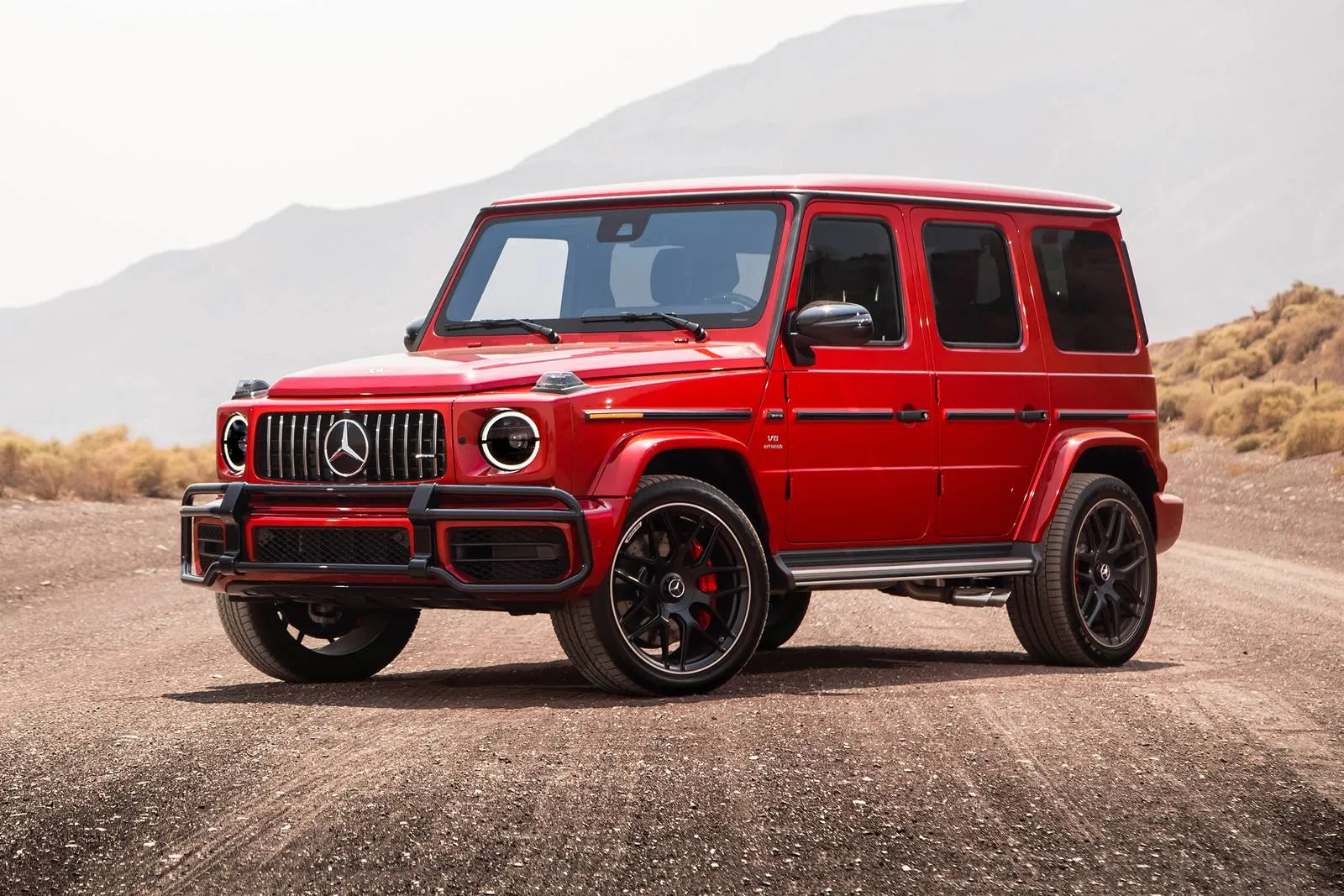
Boxy lines and upright glass give the Mercedes-Benz G-Class an unmistakable silhouette. Yet beneath that iconic shape lies engineering that redefined how luxury and brute strength could coexist.
Originally conceived as a military vehicle, the W463 generation developed into a symbol of wealth without abandoning its mechanical roots.
Three locking differentials set the G-Class apart. Front, center, and rear lockers could be engaged individually, providing unmatched traction in extreme situations.
Body-on-frame construction delivered rigidity, while a ladder frame supported demanding use. Permanent Four Wheel Drive ensured constant power delivery to all corners.
Despite its rugged underpinnings, the interior felt closer to a high-end sedan than a utility vehicle. Premium leather, advanced driver assistance systems, and a refined infotainment setup created a striking difference to the squared-off exterior. Buyers who wanted to climb rocky paths without sacrificing comfort found an unlikely hero.
This vehicle reshaped perceptions. Luxury brands began to recognize that off-road credibility added depth to their portfolios. Instead of offering soft crossovers alone, they invested in genuine hardware. Meanwhile, consumers learned that toughness did not require sacrificing style or status.
Performance variants added even more excitement, but the core message remained consistent. Serious mechanical solutions, including low-range gearing and solid axles, could live comfortably alongside advanced electronics and plush materials.
The G Class proved that a premium badge did not have to shy away from dirt and dust. Its influence can be seen in the growing number of upscale SUVs that now advertise real trail-ready capability rather than just image.
5. Ford F-150 Raptor
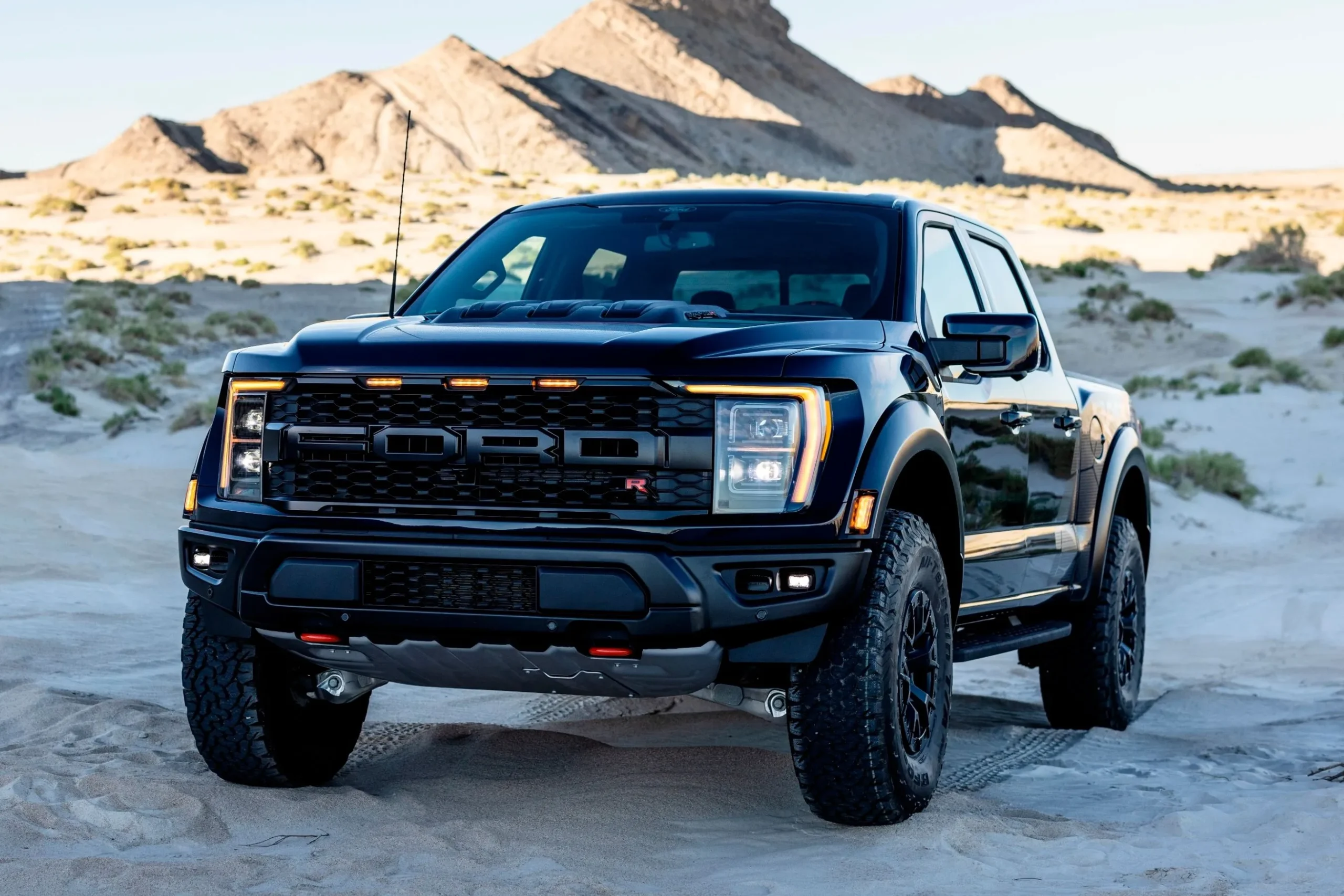
Discussions concerning off-road vehicles seldom focus on speed; attention is usually directed toward durability, traction, and climbing ability. The second-generation Ford F-150 Raptor altered that perception in a decisive manner.
Developed from the platform of one of the most commercially successful pickup trucks in the United States, this performance-oriented variant demonstrated that high-velocity driving across rough ground could be delivered directly from the manufacturer, without reliance on aftermarket modification.
Power is supplied by a twin-turbocharged V6 engine engineered to produce robust output across a broad range of engine speeds. This powerplant is paired with a refined ten-speed automatic transmission designed to optimise acceleration and maintain efficiency.
Through the strategic use of high-strength steel and military-grade aluminium in its construction, the vehicle achieves a balance between structural rigidity and controlled weight. Such material selection contributes to improved responsiveness and durability under demanding conditions.
Suspension engineering distinguishes the Raptor from conventional pickup trucks. Fox Racing Shox equipped with internal bypass technology, provides advanced damping control.
These shock absorbers are calibrated to manage both low-speed articulation and high-speed compression, thereby enabling the vehicle to absorb severe impacts encountered during rapid travel over uneven surfaces.
Wider track dimensions enhance stability, while reinforced chassis components withstand the stresses associated with jumps, deep ruts, and repeated high-load impacts. Driving adaptability is further enhanced through the Terrain Management System.
This system allows the driver to select calibrated modes that adjust throttle sensitivity, transmission mapping, steering feel, and traction control settings.
Whether operating on loose sand, muddy paths, or rocky ground, the driver can tailor the vehicle’s behaviour with precision. Such integration of electronic management with mechanical strength reflects careful engineering rather than superficial enhancement.
Despite its performance credentials, practicality remains intact. The presence of four full-size doors ensures adequate accommodation for passengers, while a functional cargo bed preserves the utility expected of a pickup truck.
Owners are therefore able to undertake professional responsibilities during the week and recreational pursuits during leisure periods without compromise.
The introduction of this model prompted competitive responses from other manufacturers, many of whom developed their own high-performance off-road pickups.
By demonstrating that speed, endurance, and manufacturer-backed reliability could coexist in a single package, Ford expanded the parameters by which off-road capability is assessed.
Performance across rough ground began to be evaluated not solely by crawling proficiency but also by controlled high-speed operation.
6. Chevrolet Colorado ZR2 Bison
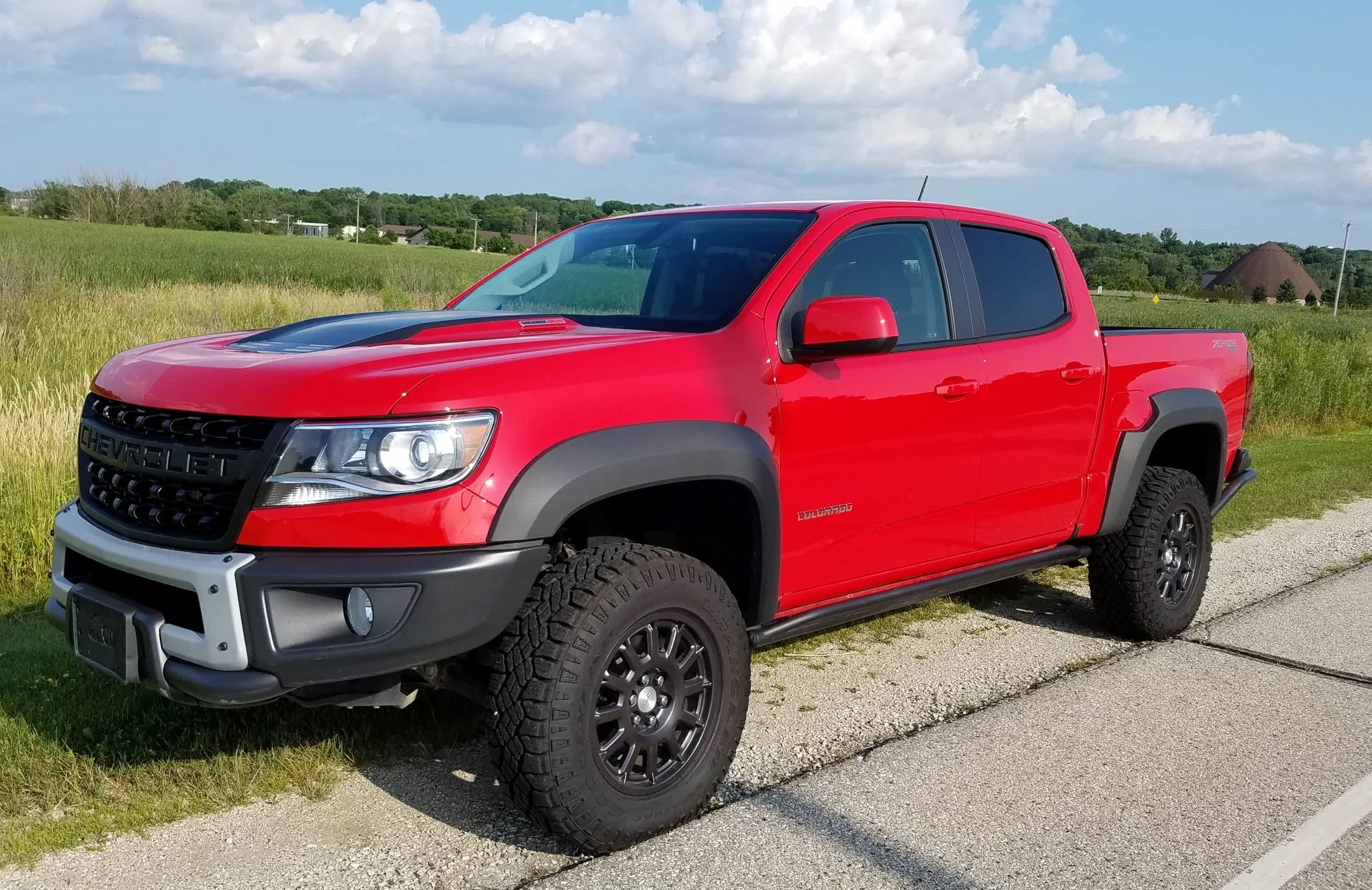
Start with steel where it matters most. The Chevrolet Colorado ZR2 Bison arrived from the factory armored and ready, developed in collaboration with American Expedition Vehicles to handle punishing routes without requiring owners to modify a thing.
Skid plates made from boron steel protected the oil pan, transfer case, fuel tank, and differentials. Front and rear bumpers were designed for clearance and recovery points, not just appearance. Unlike standard midsize pickups, the ZR2 platform featured Multimatic DSSV dampers.
These spool valve shocks offered precise control across varying speeds, delivering composure during slow rock crawling and stability when driving faster across rough ground. Front and rear electronic locking differentials gave drivers control when traction disappeared, while a two-inch factory lift increased ground clearance.
Approach and departure angles improved thanks to trimmed bumpers and thoughtful design. Wider track width enhanced stability.
Underbody protection inspired confidence to tackle rutted paths and rocky climbs without worrying about expensive damage. Instead of marketing bravado, this truck offered tangible hardware upgrades that translated directly to capability.
Interior appointments maintained everyday usability. Supportive seats, modern infotainment, and practical storage made long drives comfortable. That balance between durability and livability widened the appeal. Weekend adventurers gained serious off-road strength without sacrificing daily convenience.
By selling a truck that arrived fully equipped for harsh routes, Chevrolet pushed the idea that factory-backed overlanding gear could be both reliable and warranty-protected. Competitors responded with their own specialized trims.
Buyers benefited from a new expectation: genuine protective equipment and locking differentials should not be limited to aftermarket builds. The Colorado ZR2 Bison raised the standard for midsize off-road pickups and proved that smaller trucks could deliver big capability.
7. Ram 2500 Power Wagon
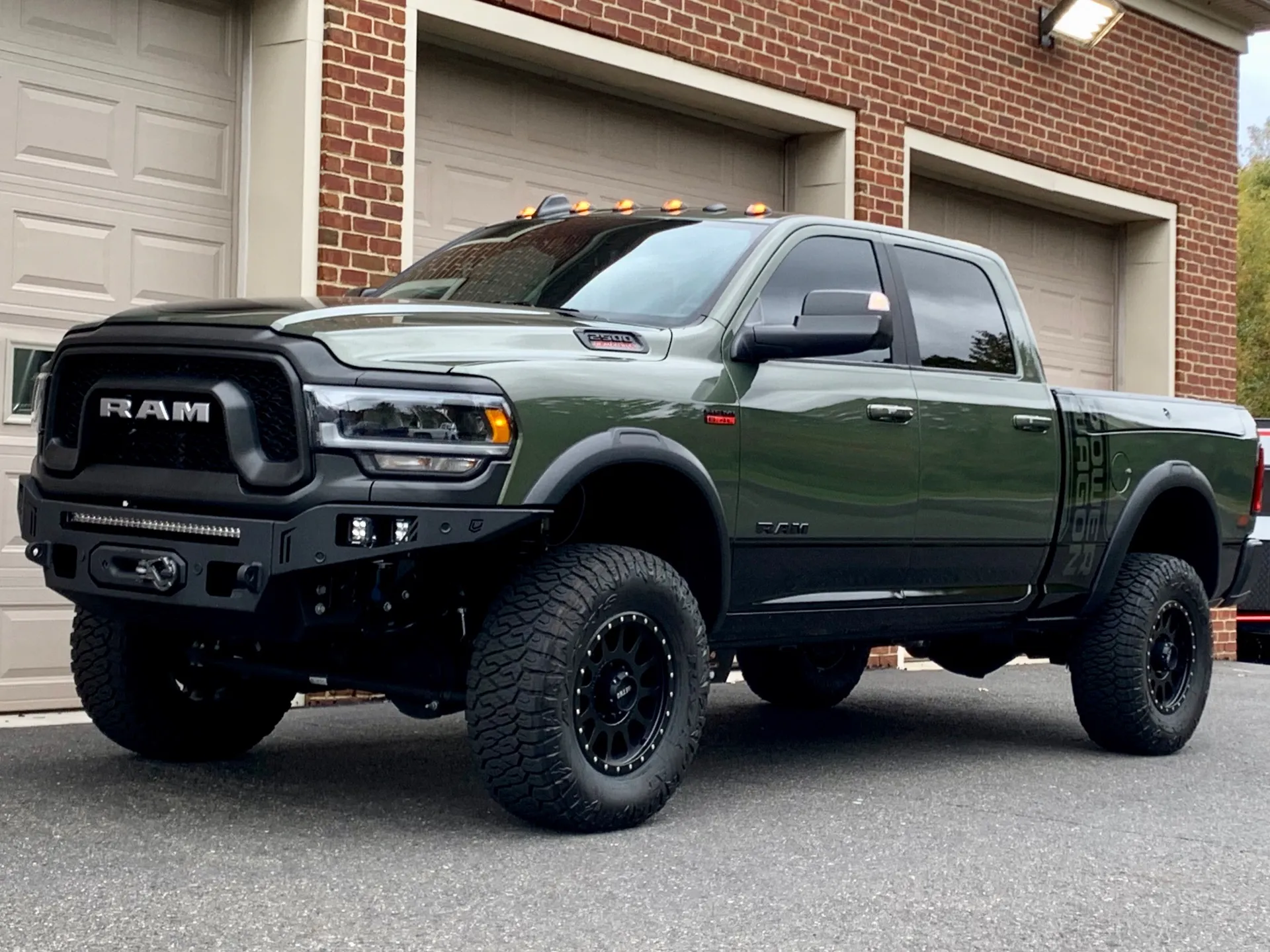
Picture a heavy-duty truck climbing over rocks with the calm confidence of a much smaller vehicle. That image describes the Ram 2500 Power Wagon. Built on a three-quarter-ton platform, it brought serious trail ability to a class often focused purely on towing and payload.
A factory-installed winch integrated into the front bumper set the tone immediately. Rated at 12,000 pounds, it offered self-recovery capability without requiring aftermarket additions.
Front and rear locking differentials worked with a two-speed transfer case to maintain traction in demanding conditions. Articulating suspension with a disconnecting front sway bar allowed impressive wheel travel for a vehicle of its size.
Skid plates shielded vital components, and off-road-tuned shocks controlled body movement. Despite its heavy-duty roots, the Power Wagon was engineered to crawl over obstacles rather than simply power through them.
Approach and departure angles were improved compared to standard models, making it far more agile than its dimensions might suggest.
Cab comfort reflected Ram’s focus on refinement. Spacious seating, advanced infotainment, and thoughtful storage solutions made long trips manageable. Owners could tow equipment during the week and head to remote trails on the weekend without switching vehicles.
By merging heavy-duty strength with authentic trail hardware, the Power Wagon challenged assumptions about what a large pickup could accomplish off pavement. It demonstrated that serious work capability and serious off-road engineering could coexist in one package.
That blend influenced other manufacturers to reconsider how much trail readiness they built into their heavy-duty offerings. Drivers gained a new option that did not force a choice between brute strength and adventurous ambition.
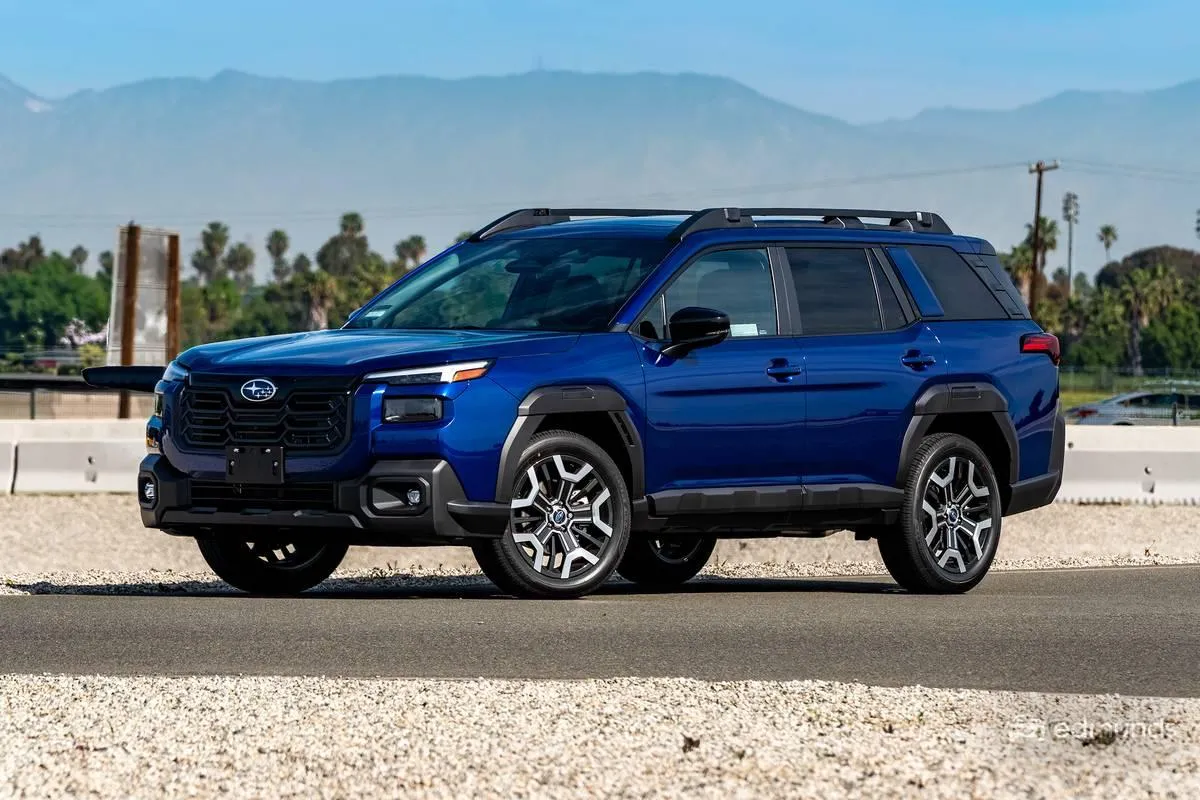
8. Subaru Outback Wilderness
Adventure motoring is not limited to body-on-frame trucks alone. Subaru demonstrated this clearly with the Subaru Outback Wilderness, a vehicle that redefined expectations for a station wagon.
Rather than relying on a conventional transfer case arrangement, it operates on a unibody structure supported by an advanced symmetrical All Wheel Drive system.
This engineering approach delivers stability, structural rigidity, and efficient power distribution without the added weight commonly associated with traditional Four Wheel Drive systems.
Ride height was increased beyond that of the standard Outback variants, providing improved clearance for uneven ground and poorly maintained roads.
Suspension components were recalibrated to withstand harsher driving conditions while maintaining composure and passenger comfort. The inclusion of Yokohama all-terrain tyres enhanced traction on loose gravel, sandy paths, and slippery surfaces.
Through the integration of dual-function X Mode, drivers benefit from electronic coordination of throttle response, gear selection, and braking force. This feature supports confident progress on muddy tracks, snowy routes, and steep inclines without demanding advanced technical skill from the driver.
Exterior refinements were executed with practical intent. Redesigned bumpers improved approach and departure angles, reducing the likelihood of scraping when ascending or descending uneven ground. Protective skid plates shield vital underbody components from damage caused by rocks or debris.
Reinforced roof rails were engineered to support heavier loads, including rooftop tents and additional travel equipment. Rather than positioning itself as a specialist rock crawler, this model was tailored for practical outdoor use, such as national park visits, rural pathways, mountainous drives, and extended winter journeys.
Cabin design reflects thoughtful consideration for daily usability. Water-resistant upholstery materials help maintain cleanliness after exposure to rain or mud. Generous cargo capacity accommodates luggage, sporting equipment, and travel supplies with ease.
Controls are arranged intuitively, ensuring drivers can focus on the road rather than struggling with complicated interfaces. Families seeking reliability, safety, and versatility will find reassurance in the vehicle’s balanced design.
Through the introduction of stronger off-road capability within a wagon format, the Outback Wilderness expanded public perception of what such vehicles can accomplish. It established that well calibrated all wheel drive technology, combined with structural refinement and purposeful design, can deliver dependable performance beyond paved roads.
As a result, other manufacturers began offering more robust variants of crossovers and wagons, acknowledging growing demand for practical vehicles capable of handling challenging driving conditions.
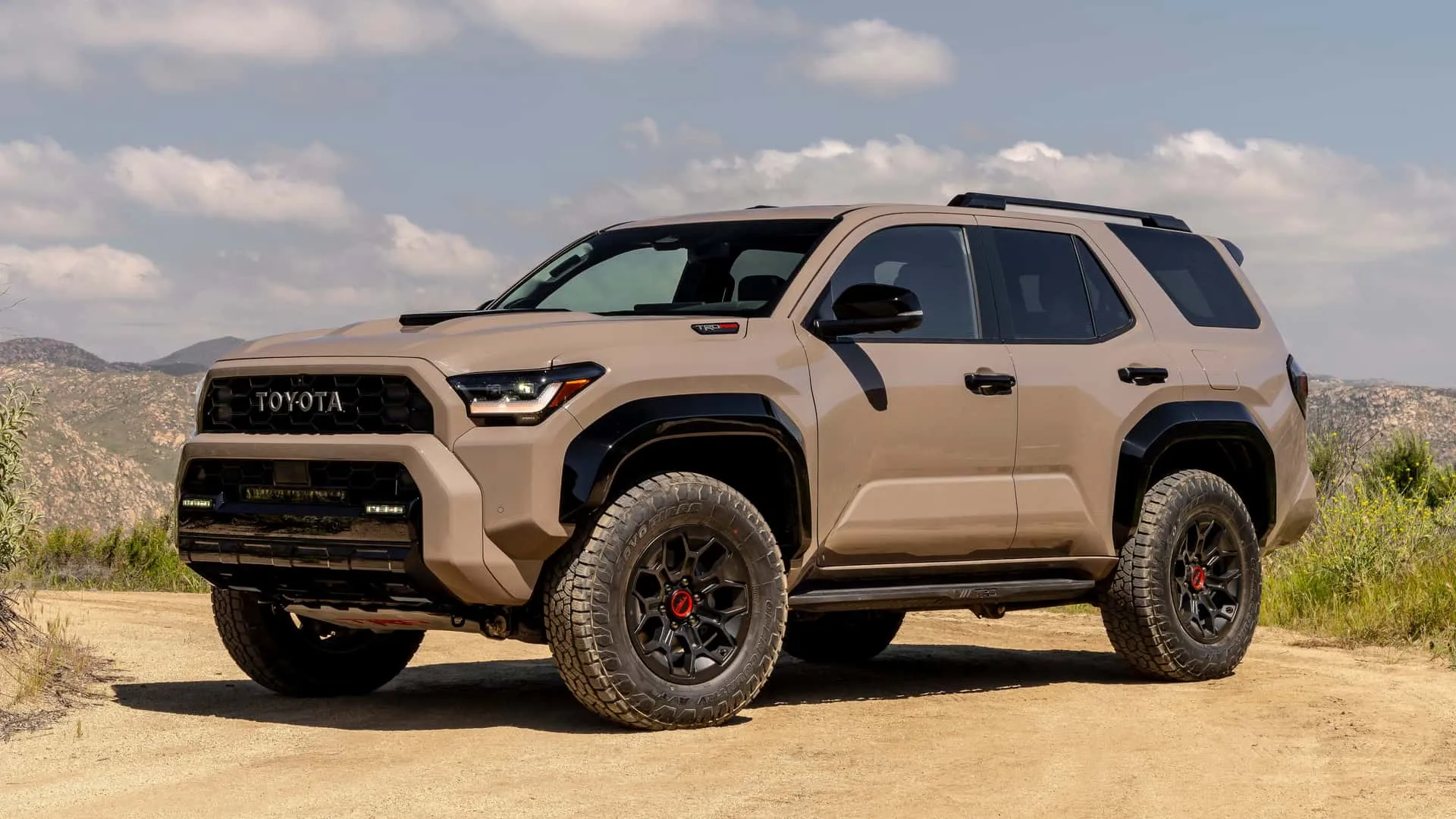
9. Toyota 4Runner TRD Pro
Reliability and simplicity define the Toyota 4Runner TRD Pro. Built on a body-on-frame architecture, it carried a reputation for durability that appealed to drivers who valued mechanical strength above flashy technology. TRD Pro enhancements sharpened that foundation into a serious off-road performer.
Fox internal bypass shocks improved control during rough travel, allowing the suspension to absorb impacts while maintaining composure.
A locking rear differential ensured both rear wheels could work together when traction was limited. Multi-Terrain Select and Crawl Control systems provided electronic assistance for tricky sections, helping manage throttle and braking automatically.
Skid plates protected vital components, and higher ground clearance improved obstacle clearance. Aggressive tires and unique suspension tuning separated the TRD Pro from standard trims. While not the most powerful SUV in its class, it delivered consistent, predictable performance that earned trust among adventure-minded drivers.
Cabin design favored function. Controls were straightforward, materials durable, and cargo space generous. Drivers could pack camping gear, recovery equipment, and supplies without feeling cramped. That practicality contributed to its loyal following.
The 4Runner TRD Pro reinforced the idea that proven engineering still has a place in a market increasingly dominated by crossovers. It demonstrated that body-on-frame construction and mechanical Four Wheel Drive systems remain relevant for those who prioritize durability and trail readiness.
Other brands responded by preserving or reviving rugged platforms in their own lineups. The message was clear: there remains a strong demand for SUVs that favor strength and endurance over trend chasing.
Also Read: 10 Budget RWD Cars That Outshine the Mustang in Every Way
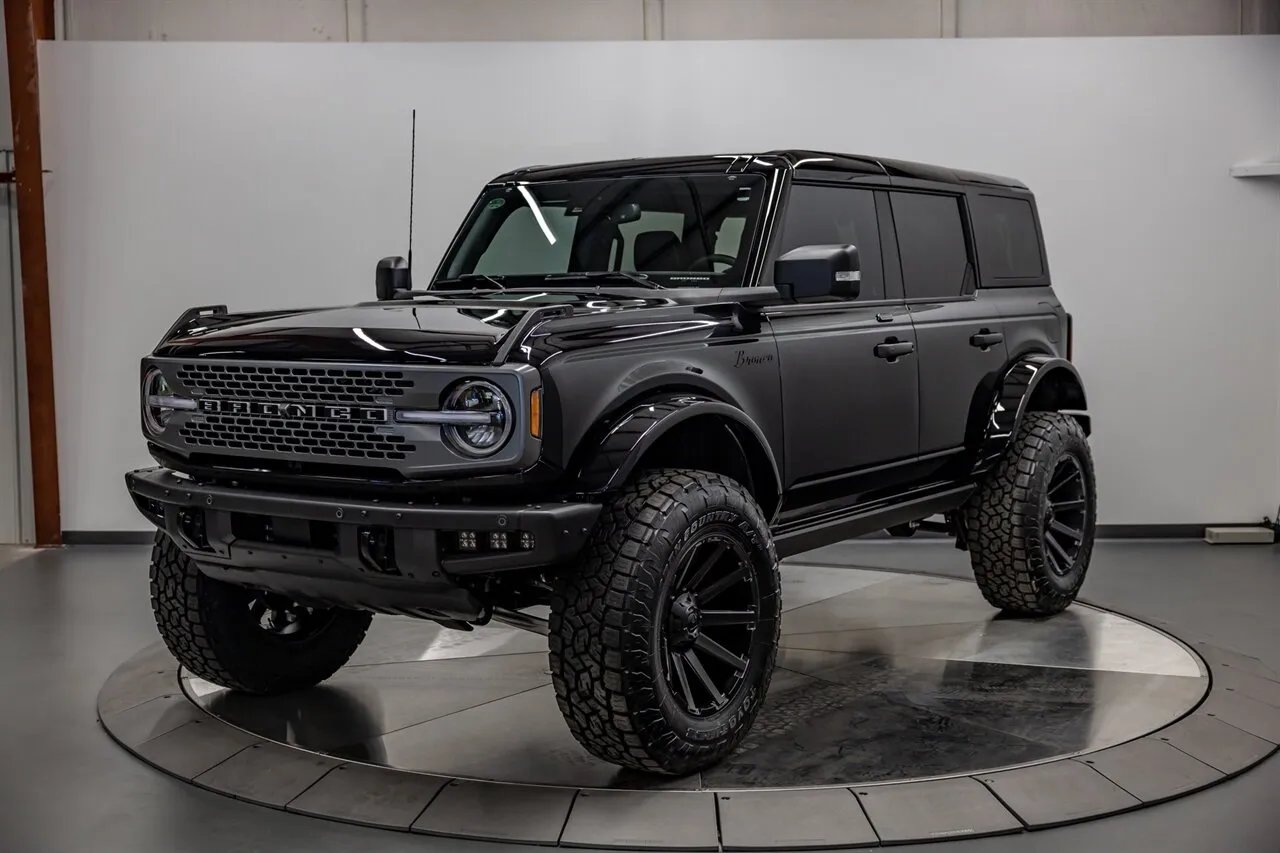
10. Ford Bronco Badlands
Few vehicles generated as much anticipation in recent years as the return of the Ford Bronco. Among its trims, the Bronco Badlands stood out for delivering serious trail hardware directly from the factory. Designed with modularity in mind, it embraced customization while maintaining robust engineering.
Electronic locking front and rear differentials offered exceptional traction. A two-speed transfer case with an available advanced Four Wheel Drive system allowed seamless transition between settings. High ground clearance, short overhangs, and impressive approach and departure angles positioned it well for steep climbs and rocky routes.
HOSS suspension components were engineered for durability and articulation. Disconnecting the front sway bar enhanced wheel travel during crawling situations. Protective skid plates guarded underbody components. Drivers could remove doors and roof panels, adding an open-air dimension to the experience that deepened the connection with the outdoors.
Inside, practical materials and intuitive controls emphasized function. Rubberized flooring and drain plugs made cleanup straightforward after muddy trips. Digital displays and driver assistance features ensured modern convenience remained intact.
The Bronco Badlands did more than revive a historic name. It reignited competition within the midsize off-road SUV category. Rival brands strengthened their own offerings in response, benefiting consumers who sought authentic capability rather than cosmetic upgrades.
By combining heritage-inspired design with contemporary engineering, this model reaffirmed that serious trail readiness can coexist with everyday usability. Its arrival pushed the segment forward and reminded manufacturers that true off-road ability still commands attention.
