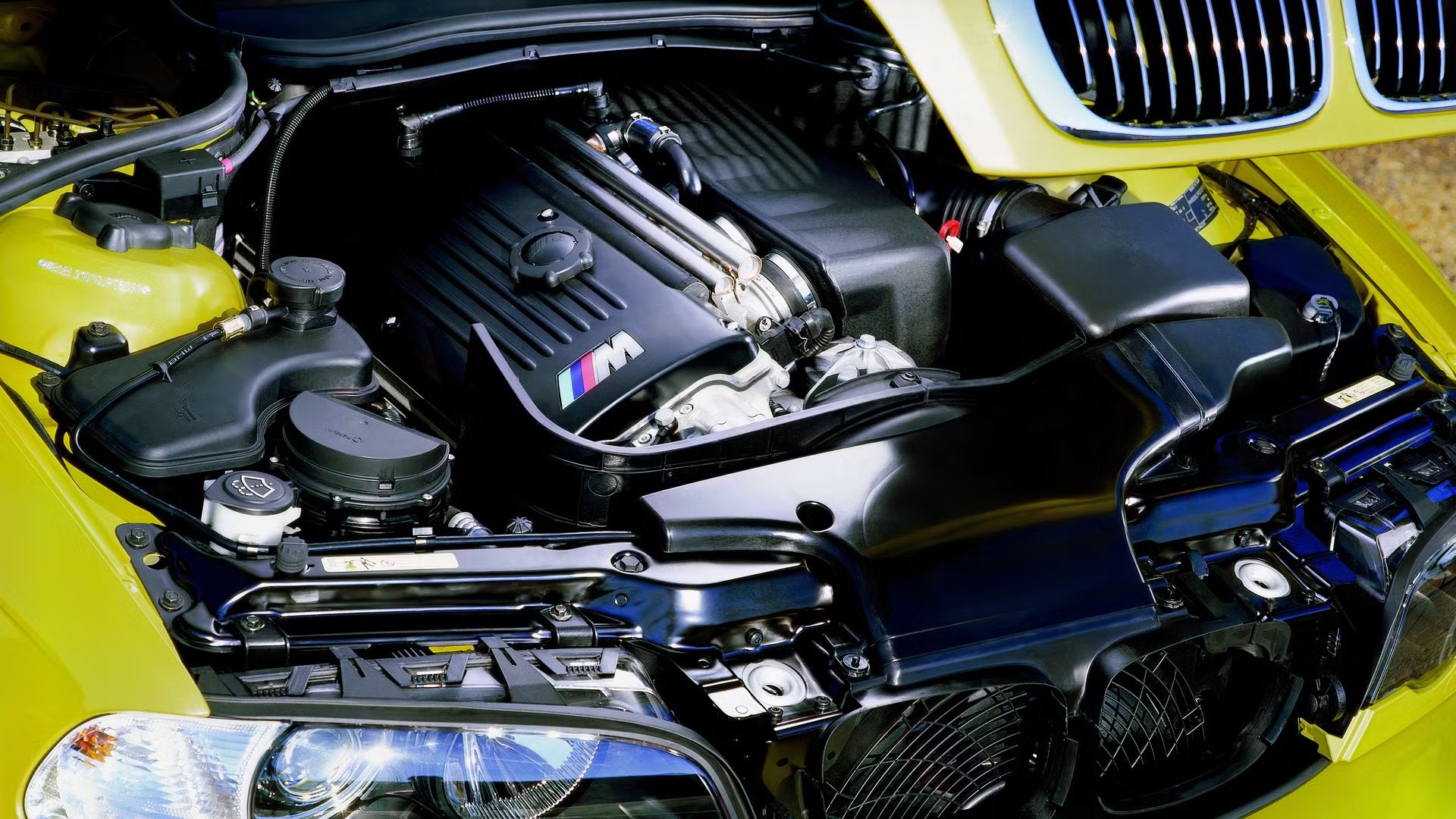
Naturally aspirated engines have a timeless appeal, combining mechanical simplicity with linear power delivery. Certain engines have earned legendary reputations for extreme durability, standing the test of time while providing reliable performance.
From lightweight high-revving inline-fours to robust V8s and dependable diesel powerplants, these engines show that reliability and longevity can coexist with engaging driving dynamics.
Enthusiasts, daily drivers, and off-road adventurers have celebrated engines such as the BMW M54, Honda K20, GM LS3, and Toyota 22R for exceeding hundreds of thousands of miles with proper maintenance. Each engine on this list offers unique characteristics, whether it is high-revving precision, smooth luxury, or workhorse toughness, making them outstanding examples of engineering excellence.
The following compilation highlights ten naturally aspirated powerplants known for their strength, resilience, and lasting appeal, explaining why they remain highly respected decades after their introduction.
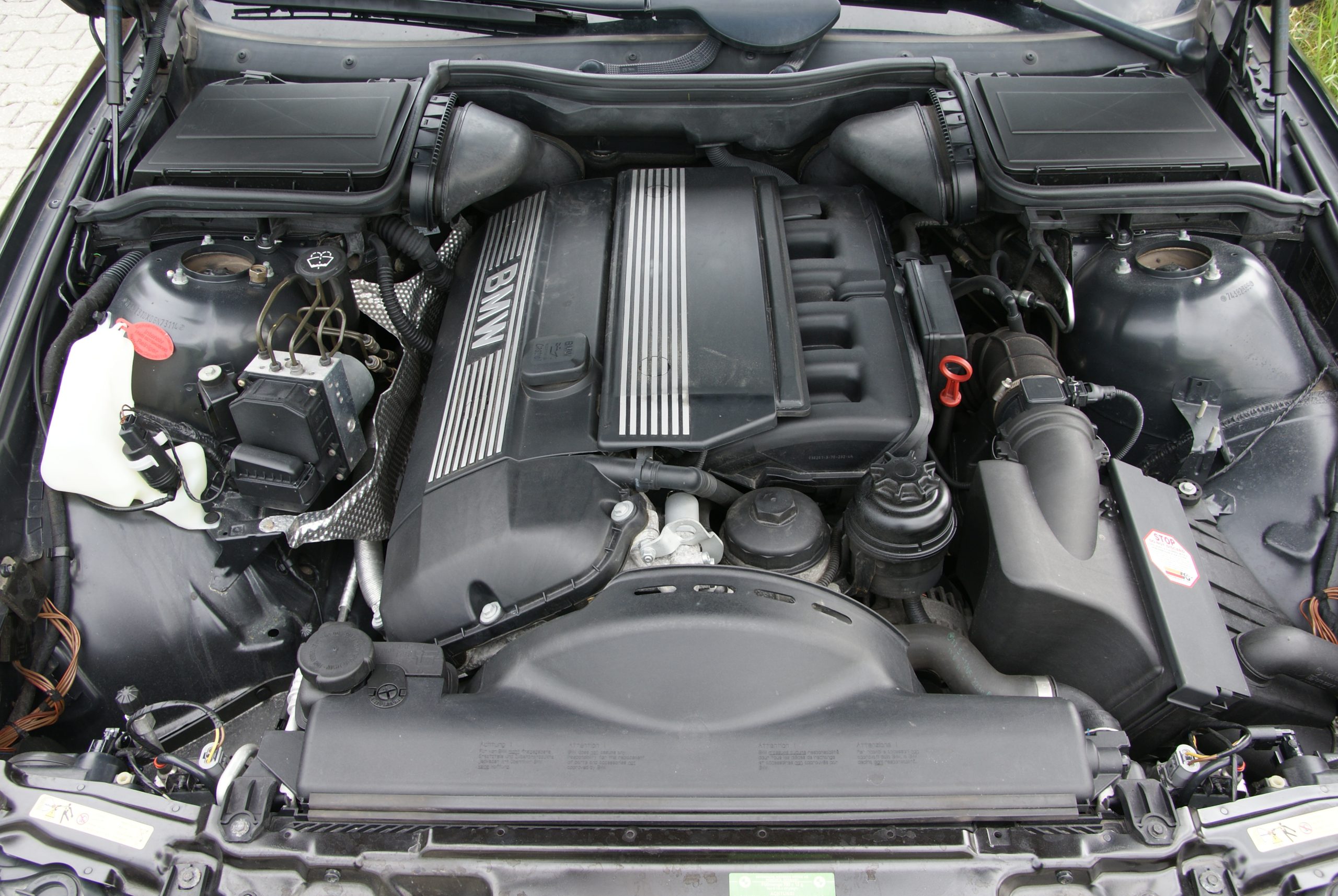
1. BMW M54 Inline-Six 1999 to 2006: A Benchmark for Smoothness and Longevity
Produced from 1999 to 2006, the BMW M54 inline-six is widely considered one of the brand’s most respected naturally aspirated engines. Available in 2.2, 2.5, and 3.0-liter variants, it delivered between 168 and 228 horsepower and up to 221 lb-ft of torque.
The engine powered a wide range of models, including the E46 330i, E39 5 Series, E53 X5, Z3, Z4, and certain 7 Series models. It also formed the engineering foundation for the high-performance S54 engine used in the E46 M3, highlighting its strong design roots.
The M54 featured an all-aluminum DOHC 24-valve configuration with dual VANOS variable valve timing, electronic throttle control, and a dual-length intake manifold. These technologies contributed to smooth, linear acceleration and a refined, high-revving character that became synonymous with BMW’s driving dynamics.
Among the three variants, the 3.0-liter M54B30 is often viewed as the ideal balance of power and usability, delivering brisk acceleration while maintaining everyday comfort and efficiency.
Reliability has been a defining trait of the M54, with many engines exceeding 300,000 miles when maintained correctly. Still, it has several well-known age-related weaknesses. Cooling system components such as the water pump, thermostat housing, and expansion tank are prone to failure and must be replaced preventively to avoid overheating.
Other common issues include oil consumption due to piston ring design, worn VANOS seals that can cause rough running, oil filter housing gasket leaks, crankcase ventilation system failures, and potential DISA valve wear.
The engine remains popular with enthusiasts because it is relatively straightforward to service and responds well to preventive maintenance. Regular oil changes, upgraded VANOS seals, and periodic cooling system refreshes greatly enhance durability. The M54 stands as a defining example of BMW’s naturally aspirated engineering, combining engaging performance with impressive long-term reliability.
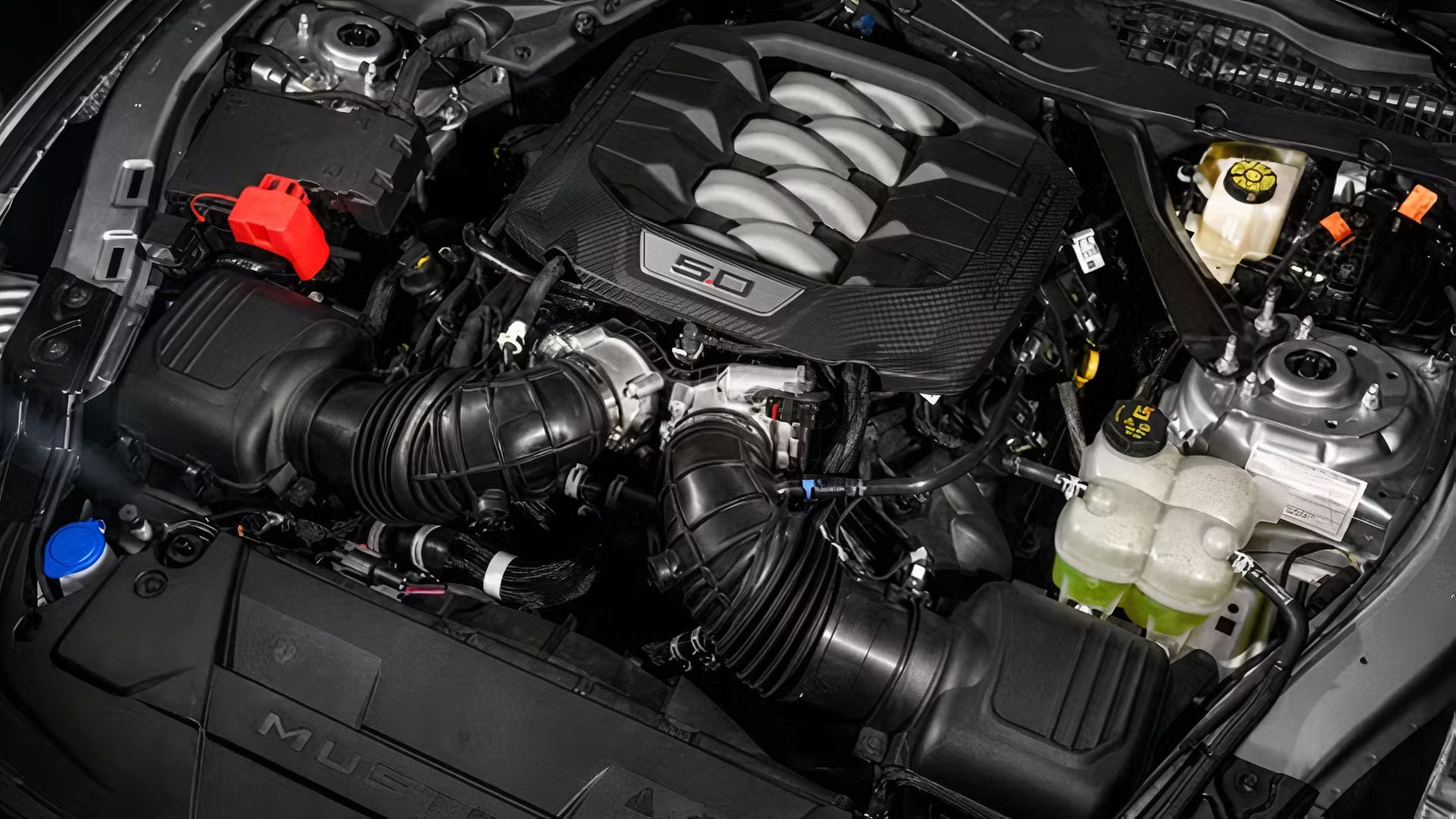
2. Ford 5.0L Coyote V8 2011 to Present: Modern Muscle with Proven Strength
Introduced in 2011, the Ford 5.0-liter Coyote V8 marked a major evolution of Ford’s long-running Modular engine family. Originally developed for the Mustang GT, it quickly became a benchmark for naturally aspirated American performance.
Producing between 360 and 460 horsepower and 380 to 420 lb-ft of torque depending on application and generation, the Coyote proved that a high-revving 5.0-liter V8 could compete with larger displacement rivals from GM and Chrysler while meeting modern fuel economy and emissions standards. It also became a core engine option in the F-150, where it was tuned for stronger low-end torque and truck durability.
The Coyote has progressed through four generations. The first generation debuted in the 2011 Mustang GT with 412 horsepower and featured a strong aluminum block with reinforced webbing, dual overhead cams, and variable cam timing.
The second generation improved cylinder heads and valvetrain components, raising output to 435 horsepower. The third generation introduced both direct and port fuel injection, increasing power to 460 horsepower in the Mustang and improving efficiency. The fourth generation continues refining performance and durability while maintaining its naturally aspirated character.
Key strengths include durability, strong internal components, and a high redline exceeding 7,000 rpm. Many examples surpass 200,000 miles with proper maintenance.
The engine is also highly tunable and responds well to supercharging or turbocharging, making it popular among performance enthusiasts. In factory form, it delivers immediate throttle response and a distinctive V8 exhaust note that appeals to traditional muscle car fans.
Common drawbacks include higher fuel consumption compared to turbocharged alternatives, occasional oil consumption concerns in certain model years, and intake manifold runner control issues. Later engines use spray-on cylinder liners, which limit traditional rebuilding methods.
Even with these considerations, the Coyote remains one of the most respected modern American V8 engines, valued for its balance of performance, reliability, and long-term usability.
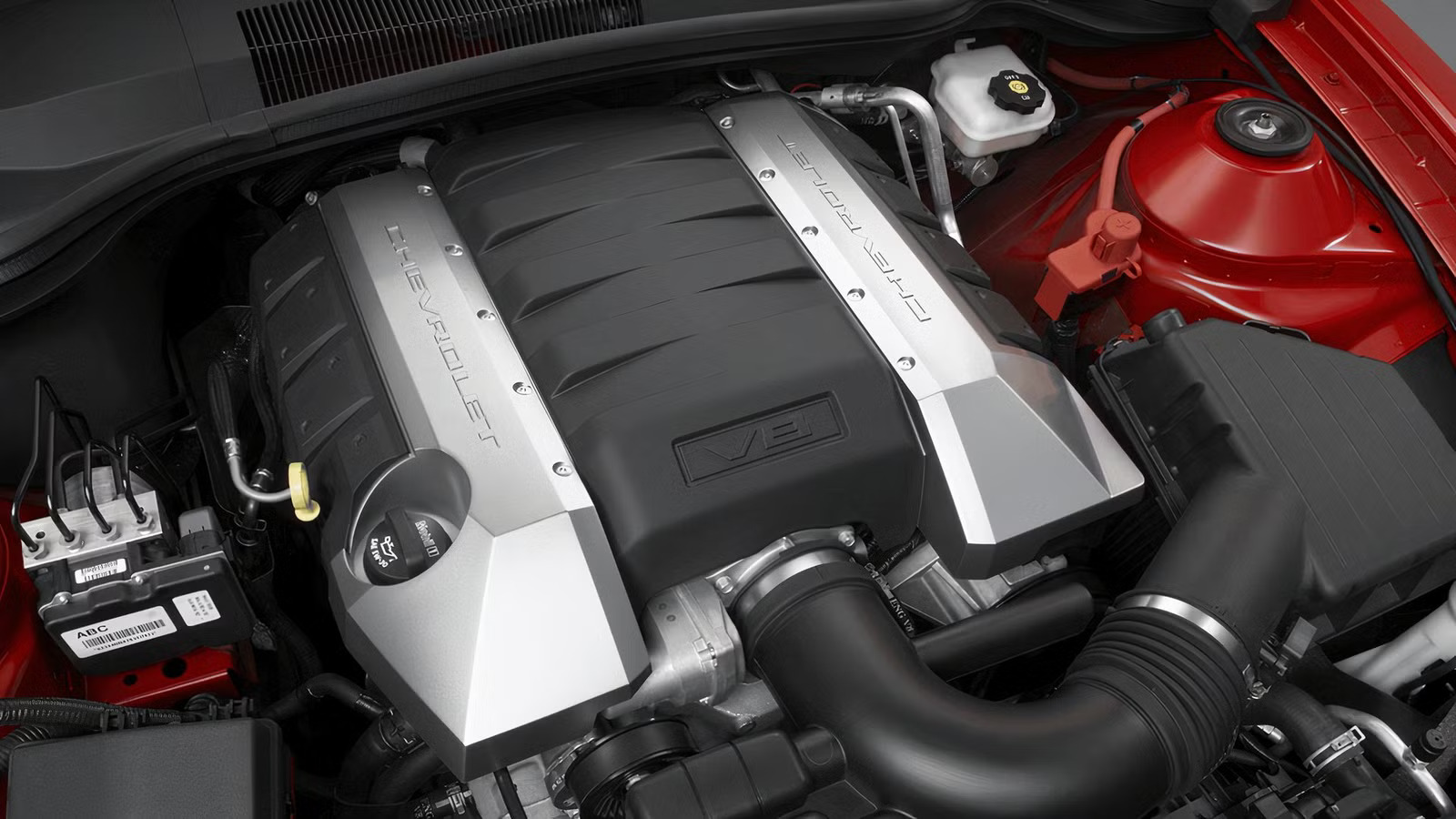
3. GM LS3 V8 2008 to 2017: A Modern Small-Block Performance Icon
Produced from 2008 to 2017, the GM 6.2-liter LS3 V8 is widely regarded as one of the finest naturally aspirated small-block engines of the modern era. Introduced as the base engine for the C6 Corvette, it replaced the 6.0-liter LS2 and delivered significant gains in power, airflow, and structural strength.
Factory output ranged from 430 to 436 horsepower and 424 to 428 lb-ft of torque, giving the Corvette strong acceleration, including 0 to 60 mph times of around 4.3 seconds. The LS3 also powered vehicles such as the Chevrolet SS sedan and several Australian HSV performance models.
Built on GM’s Gen IV small-block architecture, the LS3 features an aluminum block and aluminum cylinder heads. It incorporates high-flow rectangular-port heads derived from the LS7, improved block casting for added rigidity, and enhanced bay-to-bay breathing for durability under load.
An offset intake rocker arm design improves airflow efficiency, and high-flow injectors support its increased output. With a 6,600 rpm redline, the LS3 balances strong midrange torque with a willingness to rev, maintaining the traditional character expected from a large-displacement V8.
Reliability is a defining trait of the LS3. Many engines have surpassed 200,000 miles with routine maintenance, and its simple pushrod design contributes to long-term durability.
Some known concerns include valve guide wear in early examples, occasional oil consumption, and potential issues with Active Fuel Management in certain applications. These concerns are generally manageable and often addressed through aftermarket upgrades.
The LS3 has become a favorite among tuners and builders due to its strength and adaptability. Stock internals can handle substantial power increases, and common upgrades such as performance camshafts can push output well beyond 470 horsepower.
Forced induction setups have achieved far higher figures with supporting modifications. Its availability as a crate engine and widespread aftermarket support make it a popular choice for engine swaps. The LS3 remains a benchmark for dependable, high-output American V8 performance.
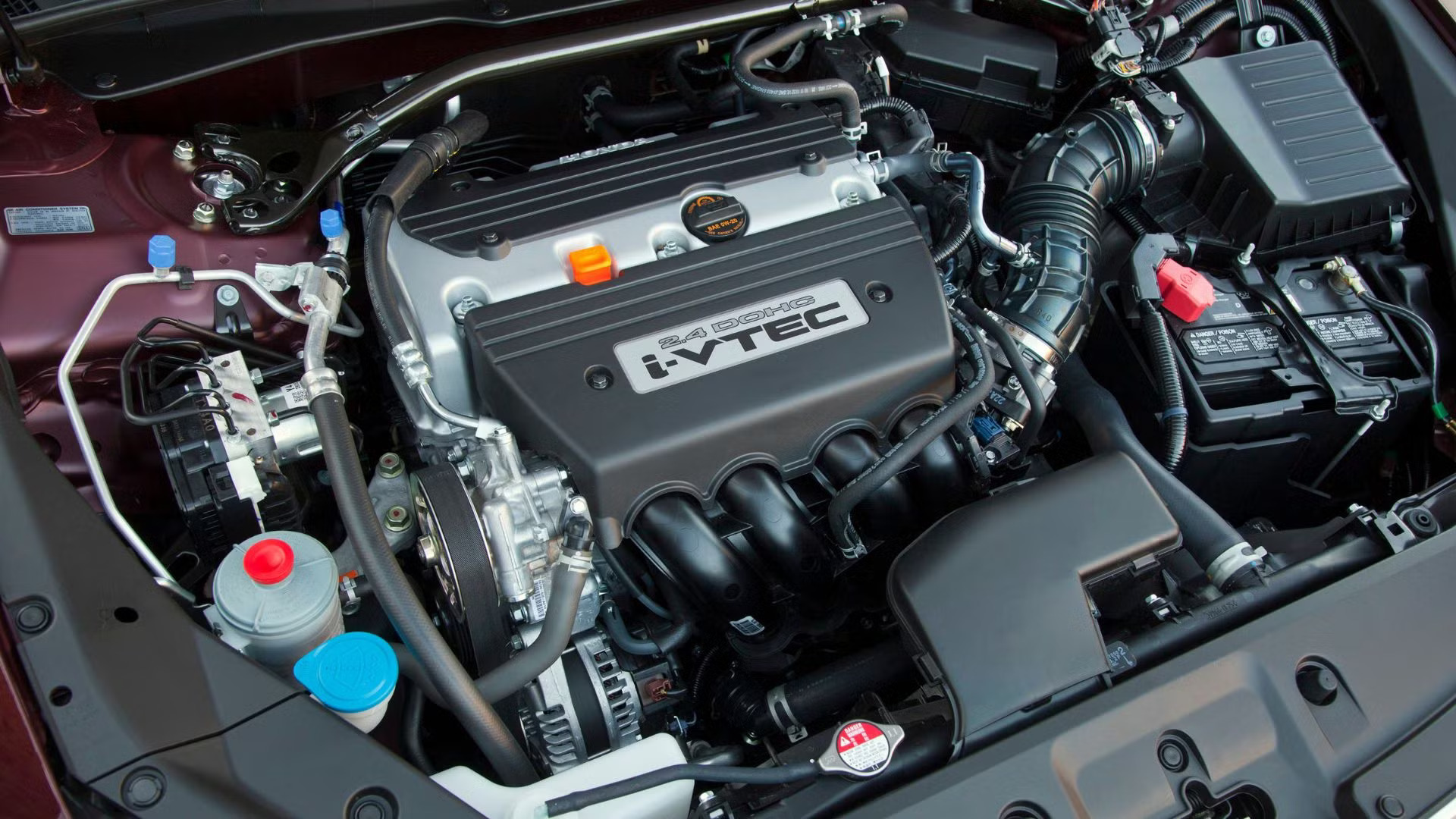
4. Honda K20 Series Inline-Four 2001 to 2011: High-Reving Precision and Proven Reliability
Produced between 2001 and 2011, the Honda K20 2.0-liter inline-four became one of the most respected naturally aspirated four-cylinder engines of its era.
Delivering between 150 and 221 horsepower and 131 to 159 lb-ft of torque depending on variant, the K20 powered a wide range of Honda and Acura models, most notably the Honda Civic Type R, Integra Type R, Civic Si, and Accord Euro R. It was developed as a successor to the B-series engines and quickly earned a reputation for blending durability with high-revving performance.
The K20 features an all-aluminum block and head, dual overhead camshafts, timing chain operation, and Honda’s intelligent i-VTEC system. Unlike earlier VTEC designs, i-VTEC provided a broader and smoother power band, improving both efficiency and top-end output.
High-performance variants such as the K20A and K20Z offered higher compression ratios and more aggressive cam profiles, enabling redlines beyond 8,000 rpm while maintaining everyday drivability. This balance of usable torque and strong upper-range power made the engine a favorite among enthusiasts.
Reliability is a defining strength of the K20. With regular oil changes and proper servicing, many examples exceed 200,000 miles. The timing chain design reduces long-term maintenance costs compared to belt-driven engines.
However, early models experienced occasional exhaust camshaft wear, and high-mileage engines may require timing chain tensioner replacement. Minor oil leaks, worn engine mounts, and carbon buildup can also appear over time. These issues are generally manageable and well-documented within the enthusiast community.
The K20’s robust construction and high-revving nature have made it highly popular for tuning and engine swaps. Naturally aspirated builds can exceed 250 horsepower, while forced induction setups can produce significantly more with supporting upgrades.
The platform later evolved into the turbocharged K20C used in modern performance Hondas, but the original K20 remains celebrated for its reliability, responsiveness, and enduring appeal among drivers and tuners alike.
Also Read: 5 Cars With Simple Dash Layouts vs 5 With Confusing Ones
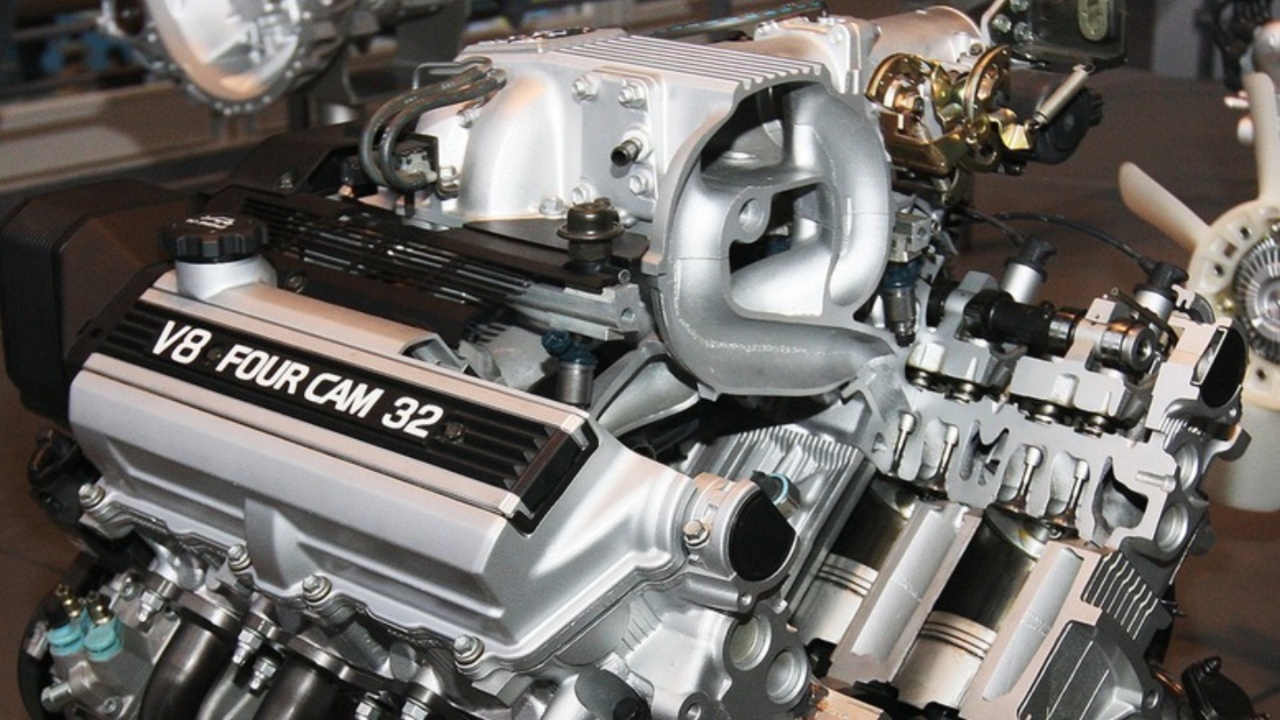
5. Lexus 1UZ-FE V8 1989 to 2000: Over-Engineered Luxury and Lasting Durability
Introduced in 1989 for the Lexus LS400, the 4.0-liter 1UZ-FE V8 was developed as part of Toyota’s ambitious effort to challenge established European luxury brands. Backed by an enormous development budget, the engine was engineered to deliver exceptional refinement, performance, and long-term durability.
Producing between 256 and 290 horsepower and 260 to 269 lb-ft of torque across its production run, the 1UZ-FE quickly earned a reputation as one of the smoothest and most reliable V8 engines of its time.
The 1UZ-FE features an all-aluminum 90-degree V8 design with dual overhead camshafts and 32 valves. Early versions from 1989 to 1994 produced around 250 horsepower and were known for their non-interference design.
Updates in 1995 brought higher compression ratios and lighter internal components, improving both efficiency and output. In 1998, the addition of variable valve timing significantly boosted performance, raising output to nearly 290 horsepower and enhancing throttle response. Beyond the LS400, the engine also powered models such as the Lexus SC400 and GS400, as well as several Toyota luxury sedans in global markets.
A defining characteristic of the 1UZ-FE is its legendary reliability. Many examples have surpassed 300,000 miles with routine maintenance, and some have reached far higher figures without major internal repairs. Its forged steel crankshaft and strong internals reflect a level of over-engineering that was uncommon even in the luxury segment. The engine’s smoothness became iconic, often demonstrated by its near vibration-free idle.
While durable, the 1UZ-FE does have maintenance considerations. Timing belt replacement is critical, particularly in later versions, and the starter motor’s location beneath the intake manifold makes replacement labor-intensive.
Fuel consumption is also higher than modern standards. Despite these factors, the 1UZ-FE remains celebrated for combining refinement, strength, and remarkable longevity, securing its place as one of the most respected V8 engines of the 1990s.
6. Mercedes-Benz OM617 Inline-Five 1974 to 1985: Diesel Durability Without Compromise
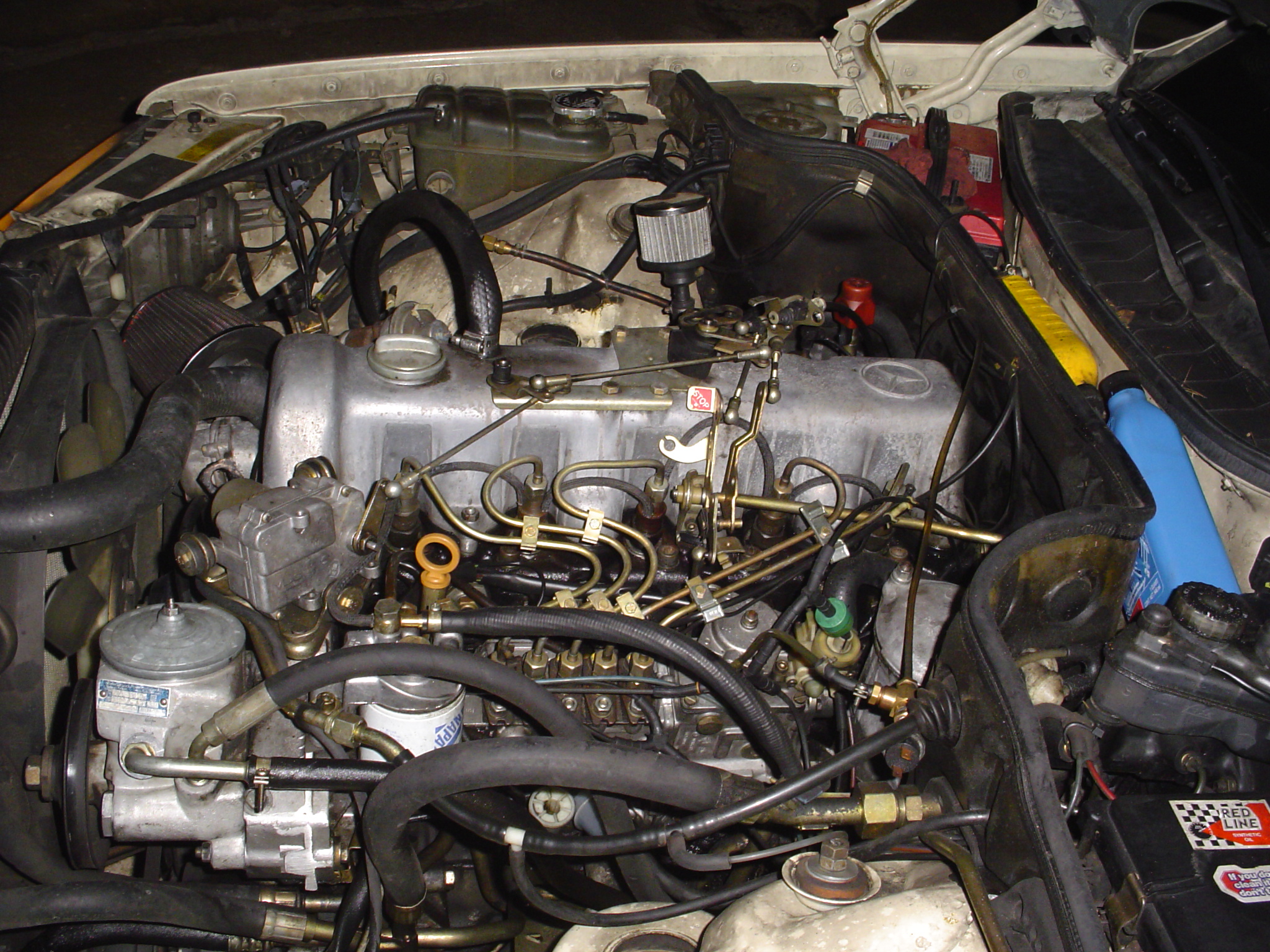
Produced from 1974 to 1985, with related versions continuing into the early 1990s, the Mercedes-Benz OM617 is widely regarded as one of the most durable diesel engines ever built. This 3.0-liter inline-five powered iconic models such as the Mercedes-Benz 300D, and helped cement the brand’s reputation for longevity during the 1970s and 1980s.
Known for its mechanical simplicity and over-engineered construction, the OM617 routinely surpasses 500,000 miles with proper maintenance, with some examples reportedly exceeding one million miles.
The OM617 features a cast-iron block and cylinder head, indirect fuel injection through a Bosch mechanical system, and a straightforward design free of modern electronic controls. Naturally aspirated versions produced around 79 to 87 horsepower and approximately 127 lb-ft of torque, while turbocharged variants introduced in the late 1970s raised output to over 110 horsepower and significantly improved drivability. Although modest in performance, especially by modern standards, the five-cylinder layout provided smoother operation than comparable four-cylinder diesels of the era.
A key strength of the OM617 is its resilience. Its thick-walled construction, conservative tuning, and absence of complex electronics make it highly tolerant of high mileage and even alternative fuels such as biodiesel or processed vegetable oil. Routine maintenance is straightforward, and many repairs can be performed with basic tools. This simplicity has made the engine popular among enthusiasts who value reliability over speed.
However, the OM617 is not without drawbacks. Acceleration is slow, particularly in naturally aspirated models, and cold-weather starting can be challenging without properly functioning glow plugs.
Some engines are prone to head cracking, especially in turbocharged versions, and oil leaks from aging seals are common. Even so, the OM617 remains an icon of diesel dependability, valued for its endurance, mechanical honesty, and ability to keep running long after many modern engines would require major repairs.
7. Nissan VQ V6 1994 to Present: Enduring Performance and Everyday Strength
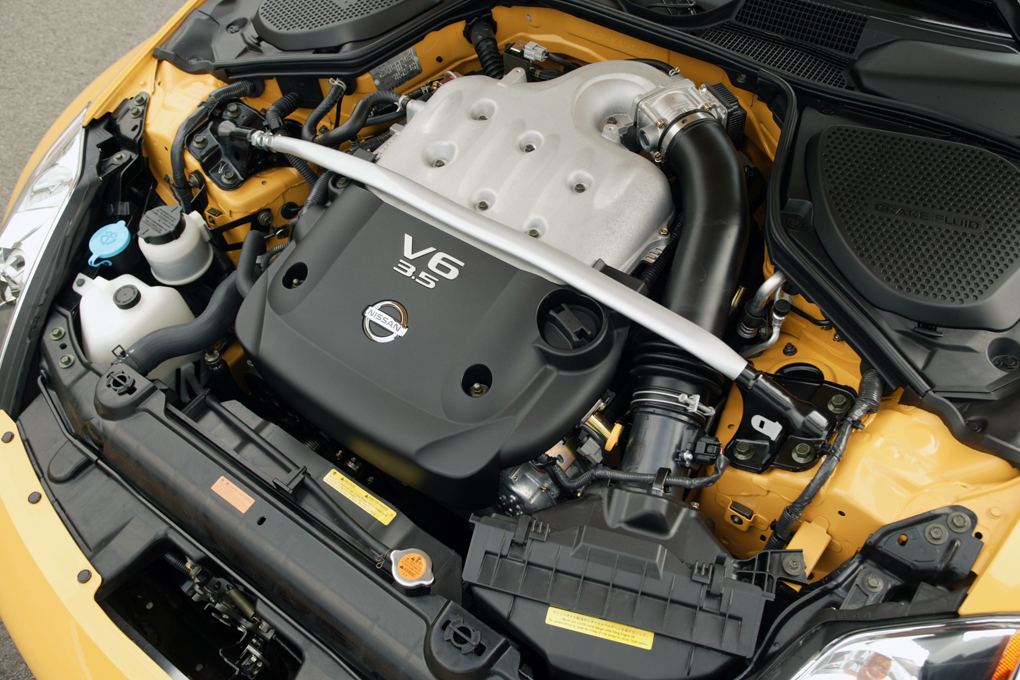
Since its introduction in 1994, the Nissan VQ V6 engine family has built a reputation as one of the most durable and versatile V6 platforms in the automotive world. Produced in displacements ranging from 2.0 to 4.0 liters, the VQ series delivers anywhere from 148 to 350 horsepower and up to 288 lb-ft of torque, depending on the variant.
Its long production run and consistent recognition, including 14 consecutive appearances on Ward’s 10 Best Engines list, highlight its lasting impact. The engine has powered everything from family sedans to sports cars such as the Nissan 370Z and a variety of SUVs and trucks.
Engineered to replace the older VG series, the VQ introduced an all-aluminum block and cylinder heads, a 60-degree V configuration for smoother operation, and a timing chain instead of a timing belt to improve durability. Early versions like the VQ30DE became known for refinement in the Maxima and Infiniti I30.
The 3.5-liter VQ35DE brought stronger performance to vehicles such as the 350Z and Infiniti G35, while later “HR” versions increased redlines to around 7,500 rpm and improved airflow for sharper throttle response. For truck applications, the VQ40DE emphasized torque and durability in models like the Frontier and Xterra.
Longevity is one of the VQ engine’s defining traits. Many examples surpass 200,000 miles with routine oil changes and proper care. Its forged components in certain variants and solid bottom-end design contribute to its resilience under spirited driving. A known issue in some models involves oil gallery gasket failure, which can reduce oil pressure if not addressed, but the repair is well-documented within the enthusiast community.
With broad aftermarket support, the VQ remains popular for performance modifications, including naturally aspirated tuning and forced induction builds. Its blend of strong power delivery, refinement, and durability continues to make it a trusted engine choice across multiple vehicle segments.
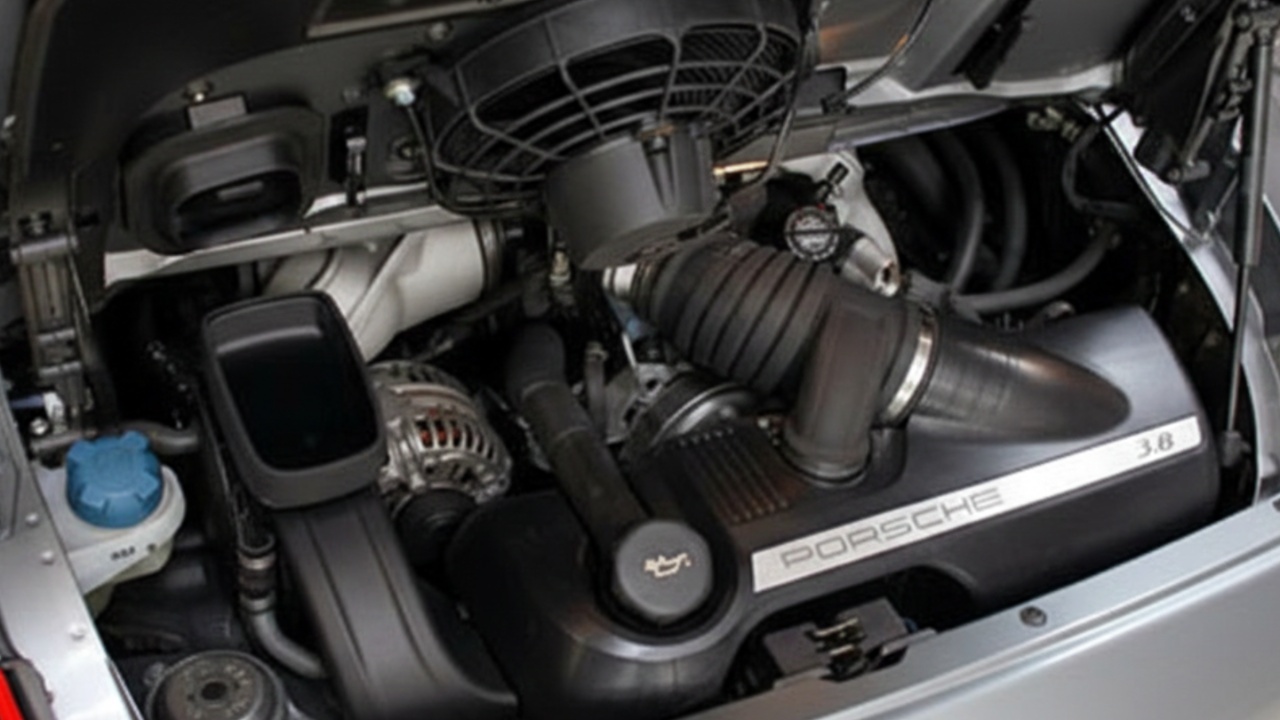
8. Porsche 9A1 Flat-Six 2009-2014: High-Revving Reliability
The Porsche 9A1 flat-six engine, introduced in 2009 with the 997.2 generation and continuing through the 2014 991.1 models, marked a significant step forward in naturally aspirated Porsche engineering.
It replaced the problematic M96 and M97 engines, which were infamous for intermediate shaft (IMS) bearing failures and rear main seal issues. The 9A1 eliminated the IMS shaft, introduced direct fuel injection (DFI), and offered improved performance, making it one of the most reliable flat-six engines Porsche has produced.
Displacement ranged from 2.9 to 4.0 liters, with horsepower outputs between 266 and 500 hp and torque ranging from 221 to 339 lb-ft, depending on the model.
Notable applications include high-performance models like the Porsche 997 GT3 RS 4.0, as well as various 911 Carrera, Boxster, and Cayman variants. The engine is highly regarded for its smooth, high-revving nature and the signature naturally aspirated exhaust note that enthusiasts love.
The 9A1’s engineering improvements provided a balance between performance and usability. Its high-revving character and strong throttle response made it thrilling on the track, while the availability of both manual and PDK dual-clutch transmissions allowed it to be highly adaptable to daily driving.
The introduction of the seven-speed PDK in this engine family further enhanced drivability, delivering rapid gear changes and smooth operation.
Reliability is a key highlight of the 9A1. By addressing IMS bearing failures and improving internal components, Porsche produced a motor capable of high mileage with minimal risk of catastrophic issues. Drivers report that these engines remain robust even under spirited driving, contributing to long-term ownership confidence.
While ownership costs remain high, and early 997.2 interiors may feel dated, the 9A1 offers a compelling combination of performance, refinement, and traditional Porsche character. Its naturally aspirated design ensures a visceral connection to the car, with exhilarating engine sound and responsiveness.
The 9A1 is widely regarded as a “sweet spot” for modern Porsche enthusiasts, combining the reliability of contemporary engineering with the engaging driving experience of classic naturally aspirated 911s. It remains a top choice for buyers seeking high-performance, durable, and thrilling Porsche powertrains.
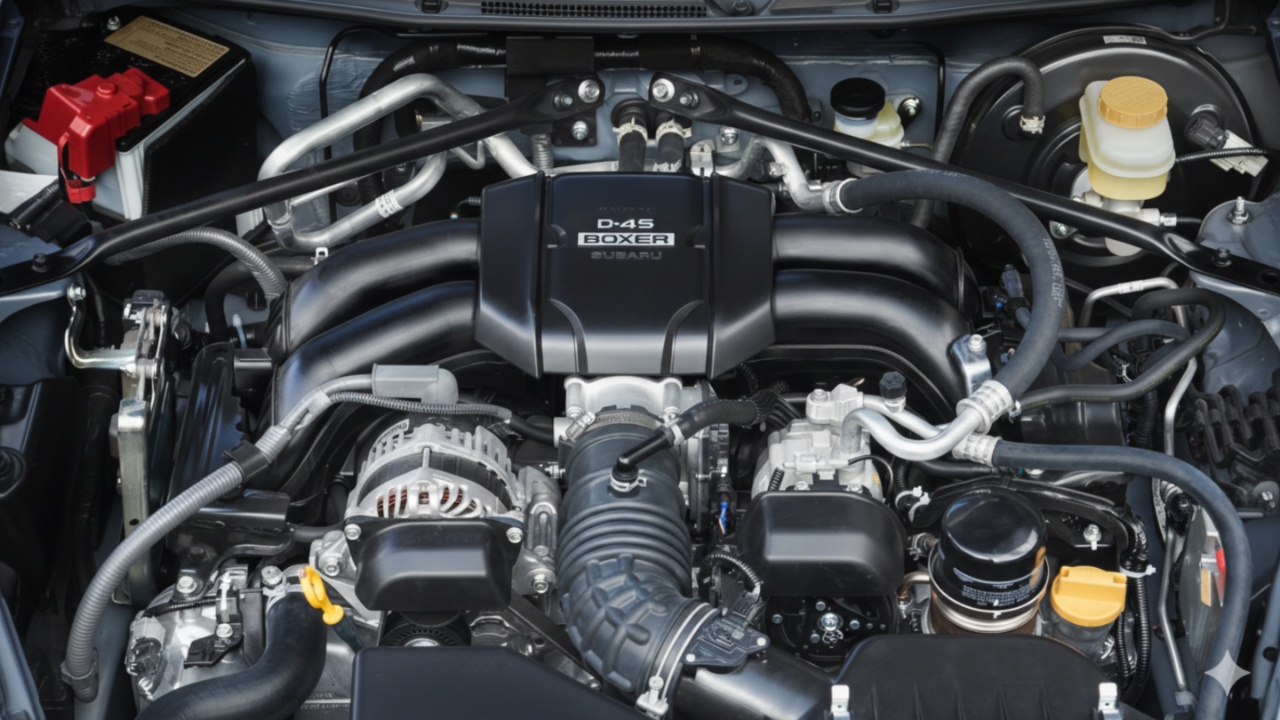
9. Subaru FB Flat-Four 2010 On: Efficient Boxer Engineering with Reliable Performance
The Subaru FB series, introduced between 2010 and 2011, represents the third generation of Subaru’s naturally aspirated flat-four engines, replacing the long-running EJ series. Designed with a focus on improved fuel economy, reduced emissions, and enhanced low-end torque, the FB engines brought significant updates to Subaru’s iconic horizontally opposed boxer layout.
The series powers a variety of models, including the Subaru Impreza, Forester, Legacy, and Outback, with displacements ranging from 1.6 to 2.5 liters, producing 113 to 182 horsepower and 111 to 184 lb-ft of torque.
The FB engines feature dual overhead camshafts with Subaru’s Dual Active Valve Control System (DAVCS), a timing chain in place of the EJ’s belt, and optimized intake and exhaust ports to reduce internal friction. These improvements contribute to broader torque curves, smoother power delivery, and reduced maintenance requirements.
Later revisions, such as the 2014 FB25, introduced higher compression ratios and larger intake valves, further enhancing responsiveness and efficiency. The low center of gravity inherent to the boxer design ensures excellent balance and stability, particularly in Subaru’s all-wheel-drive configurations.
In terms of reliability, the FB engines are generally durable, benefiting from the timing chain and refined combustion design. However, some long-term issues are noted among owners. Early FB25 engines are known for higher-than-average oil consumption, making regular oil checks essential.
Oil leaks from the timing chain cover or cam carrier seals are also reported, and repairs can be labor-intensive and costly. Preventive maintenance, including high-quality oil and filter use, helps mitigate VVT solenoid and other minor issues, ensuring longevity.
Performance characteristics emphasize practicality and efficiency rather than outright power. The FB25 delivers around 170 horsepower while offering strong low-end torque for everyday driving and utility applications. The engines are commonly paired with Subaru’s Lineartronic CVT, which improves fuel economy but can feel unresponsive or noisy under heavy acceleration.
The Subaru FB series demonstrates a successful modernization of the boxer engine, balancing efficiency, reliability, and drivability. Enthusiasts and daily drivers alike benefit from the smooth, stable ride and fuel-conscious design.
Pros include strong low-end torque, improved fuel efficiency, durable timing chains, and smooth operation, while cons center on potential oil consumption, expensive timing cover or cam carrier leaks, and CVT noise during spirited driving. The FB engines continue Subaru’s tradition of reliable flat-four power for practical and versatile vehicles.
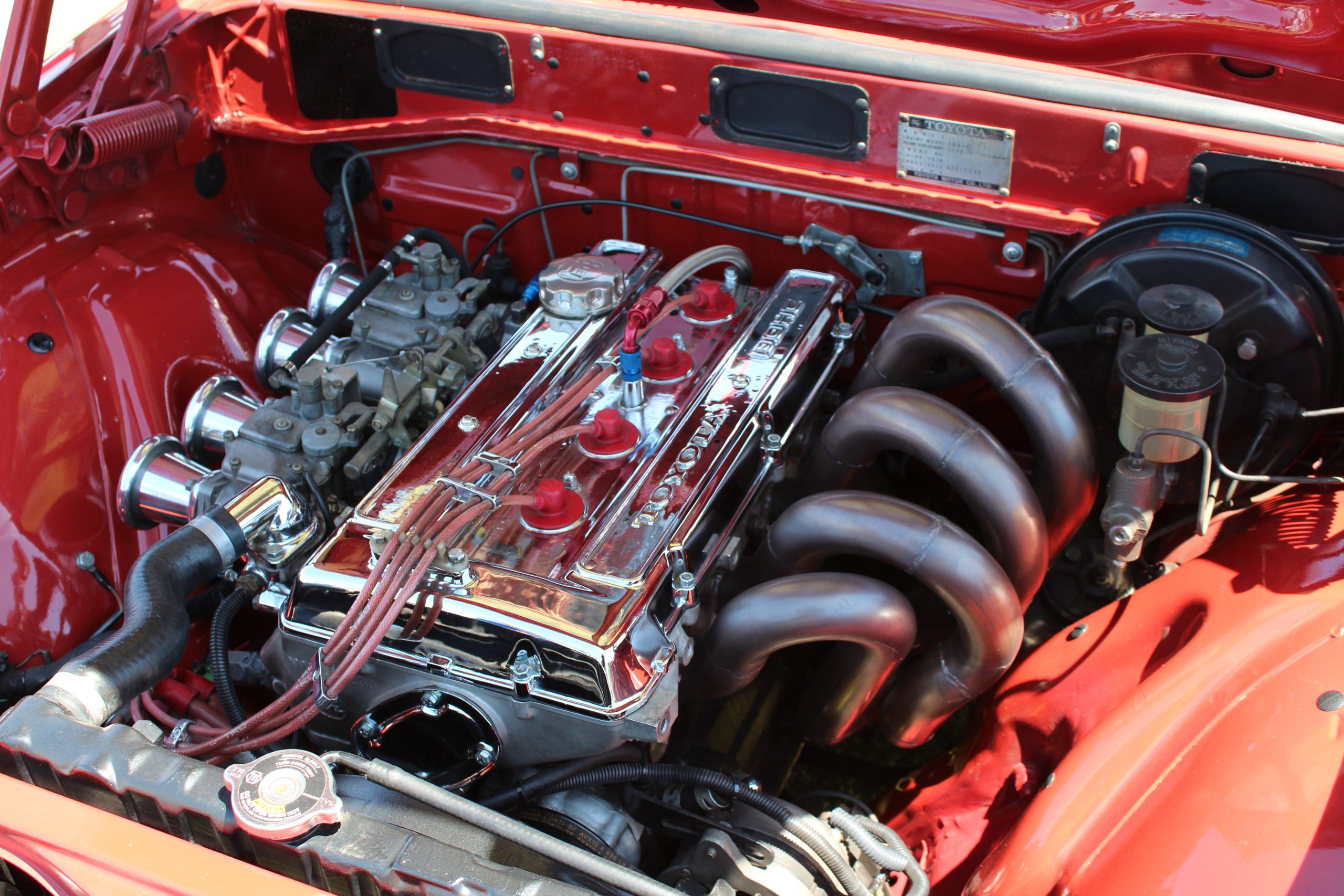
10. Toyota 22R: Legendary Reliability in a Rugged Package
The Toyota 22R engine, produced from 1981 to 1995, is widely celebrated for its exceptional durability and low-maintenance reliability. As part of Toyota’s long-running R family of engines, the 22R powered the Hilux pickup, 4Runner, and even the Celica sports car, making it a versatile and rugged choice for both work and recreational use.
Its 2.4-liter, single overhead cam inline-four configuration prioritized low-end torque, longevity, and simplicity over outright speed, which earned it a reputation as one of Toyota’s most dependable powerplants.
The engine was available in several variants. The original 22R used a carbureted fuel system and produced roughly 97–105 horsepower, offering easy maintenance and mechanical simplicity. In 1985, Toyota introduced the 22RE with electronic fuel injection (EFI), providing smoother cold starts, better fuel efficiency, and slightly higher output of 105–112 horsepower.
A rare 22R-TE turbocharged model was produced between 1986 and 1988, generating 135 horsepower in limited markets. All versions shared a robust cast-iron block and aluminum cylinder head designed to withstand harsh conditions, contributing to the engine’s legendary lifespan.
The 22R’s low-end torque and rugged design made it ideal for off-road enthusiasts and utility-focused drivers. With proper care, many 22R engines have surpassed 300,000 to 400,000 miles, with some reaching over half a million. Parts remain plentiful and affordable due to the engine’s long production run, and its non-interference SOHC design ensures that repairs are straightforward.
Despite its many strengths, the 22R is not a performance engine. It struggles with high-speed highway driving, especially in 4WD models or when loaded. Some known issues include timing chain guide failure, which can allow the chain to damage the timing cover, as well as potential head gasket problems if the engine overheats.
The intake port design limits high-performance modifications, making it better suited for reliability-focused applications than speed builds.
The Toyota 22R and 22RE remain icons of engineering simplicity and durability. Their blend of rugged construction, easy maintenance, and long-term reliability makes them ideal for those seeking a dependable, classic 4×4 or work truck.
While modest in power, the 22R continues to be celebrated as a “workhorse” engine that can survive decades of hard use with minimal intervention. Its reputation for near-indestructible longevity ensures it is still highly regarded by off-roaders, collectors, and practical enthusiasts alike.
The ten engines featured here demonstrate the potential of naturally aspirated designs to combine reliability with performance. From the high-revving excitement of the Porsche 9A1 and Honda K20 to the rock-solid endurance of the Toyota 22R and Mercedes OM617, these engines prove that careful engineering creates powerplants that endure.
Their continued popularity among enthusiasts, tuners, and everyday drivers reflects their reputation for dependability, ease of maintenance, and tuning potential. Whether providing smooth luxury in the Lexus 1UZ-FE, modern muscle in the Ford Coyote, or diesel durability in the OM617, these engines exemplify longevity while retaining character.
For anyone seeking a naturally aspirated engine capable of high mileage, strong performance, and minimal compromise, this list serves as a definitive guide to some of the most respected and durable powerplants ever produced.
Also read: 10 Cars Perfect for Freelancers Who Live in Coffee Shops