For years, V6 engines represented the benchmark for balanced performance, delivering smooth power, strong mid range torque, and confident acceleration across sedans, sports cars, and SUVs. Four cylinder engines, on the other hand, were often viewed as practical but less exciting alternatives.
Today, that perception has shifted dramatically. Advances in turbocharging, hybrid assistance, direct injection, and precision engineering have allowed modern four cylinders to rival, and in many cases exceed, the output of traditional V6 powerplants.
This list showcases eight exceptional engines that prove displacement is no longer the ultimate measure of performance. From the record breaking Mercedes AMG M139 to Honda’s high revving K20C1, and from truck ready torque monsters like GM’s 2.7L Turbo to hybrid innovation in Jeep’s 4xe system, these engines demonstrate how intelligent design can unlock extraordinary power from compact layouts.
Some focus on track ready intensity, others on daily drivability, towing capability, or refined luxury performance. All of them deliver numbers and real world capability that once required six cylinders or more.
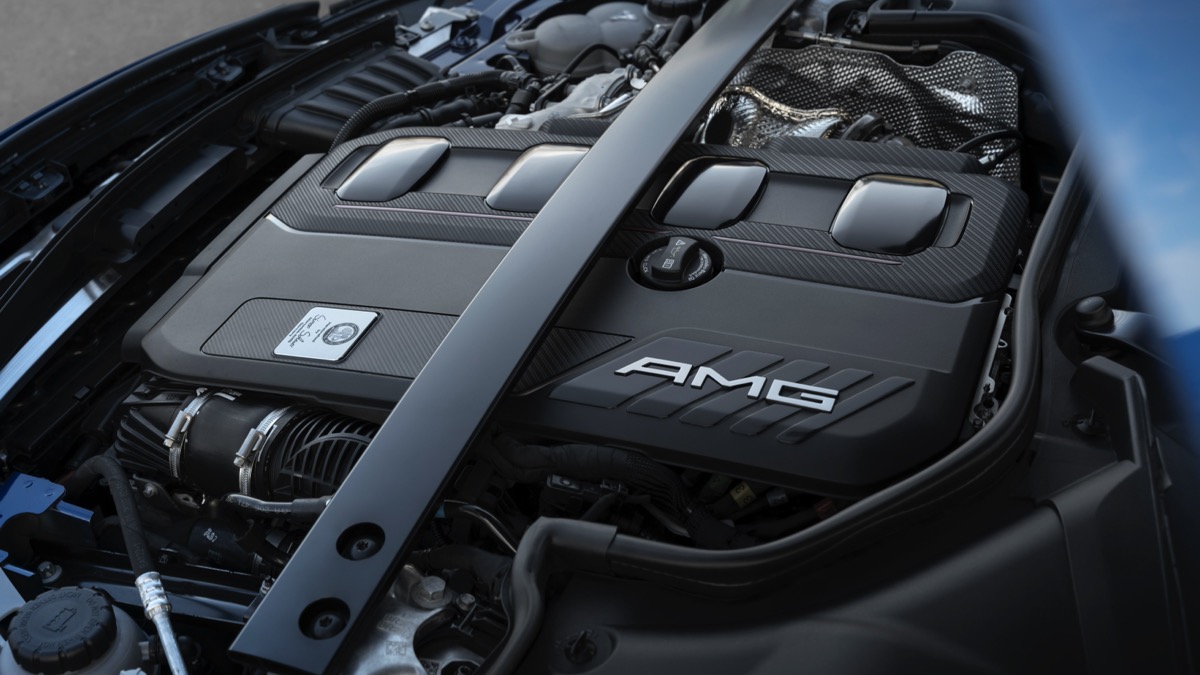
1. Mercedes-AMG M139: World’s Most Powerful Series-Production Four-Cylinder Engine with Advanced Engineering
The Mercedes-AMG M139 2.0L turbo engine is currently the most powerful series-production four-cylinder in the world. In its standard form, it produces 382 horsepower, while in the Mercedes-AMG C63 S E-Performance, output rises to 469 hp, exceeding the performance of many high-end V6 engines in luxury sedans.
Each engine is hand-assembled in Affalterbach under AMG’s “one man, one engine” philosophy, combining precise craftsmanship with high-performance engineering to rival larger powerplants.
The M139 is notable for its extraordinary specific output, achieving up to 208 hp per liter in standard configurations. Multiple power variants are available, including the base 382 hp, the “S” model at 416 hp, and the hybrid C63 S E-Performance at 469 hp.
Its innovative layout rotates the engine 180 degrees from its predecessor, placing the turbocharger and exhaust manifold at the rear near the firewall. This arrangement shortens intake and exhaust paths, improves airflow, and allows for a lower, more aerodynamic hood design.
Performance is enhanced by a twin-scroll turbocharger with roller bearings that reduce friction and turbo lag. Boost reaches 30.5 psi (2.1 bar) in S models, and electric exhaust gas turbochargers inspired by Formula 1 provide near-instant response. The engine also features dual-stage fuel injection, combining direct piezo injectors and intake solenoid valves to maximize power under high load.
Durability is achieved through a high-strength closed-deck aluminum block, forged steel crankshaft, and forged aluminum pistons. A robust cooling system includes a wheel-arch radiator, an electric water pump, and an air-cooled ECU housing.
AMG estimates the M139 has a service life of 250,000 km (155,000 miles) before a major overhaul. Maintenance requires careful attention, including regular oil changes with 0W-20 synthetic oil, spark plug replacements every 31,250 miles, and monitoring for oil consumption, turbo leaks, and cooling system strain.
The M139 represents a remarkable blend of power, innovation, and reliability, making it one of the most impressive four-cylinder engines in automotive history.
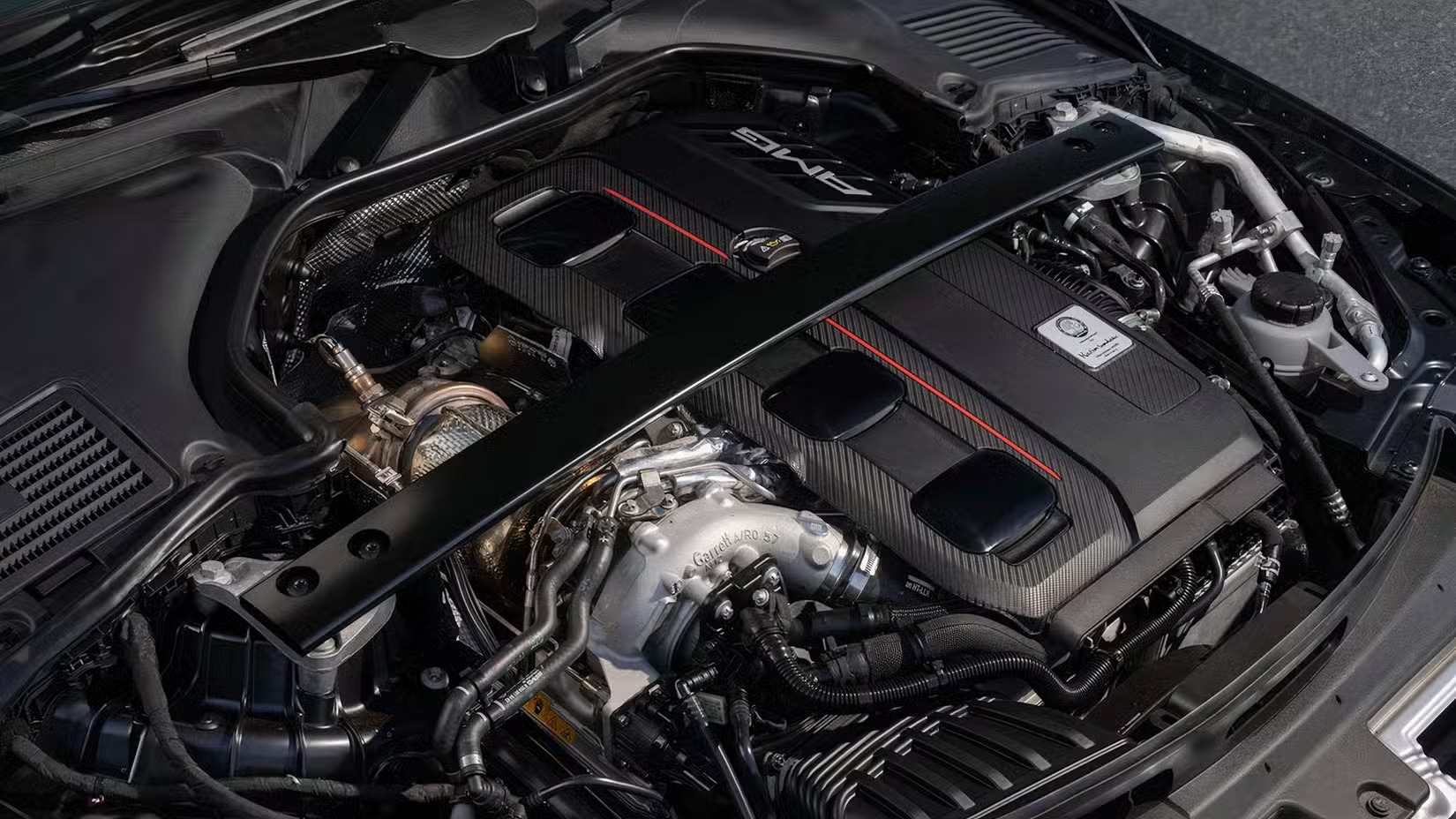
2. Ford 2.3L EcoBoost High Performance Package: Turbocharged Agility with V6-Replacing Power
The Ford 2.3L EcoBoost High Performance Package was developed to replace the Mustang’s former 3.7L V6 with a more advanced and capable alternative. Installed in the Mustang EcoBoost HPP, this turbocharged four cylinder produces 330 to 332 horsepower and 350 lb-ft of torque, delivering stronger low RPM pull and sharper track capability than the outgoing V6.
Borrowing key engineering elements from the Focus RS, Ford adapted this rally inspired engine for a rear wheel drive Mustang platform, creating a unique blend of muscle car presence and sports coupe precision.
The upgraded 2.3 liter engine features a larger 63 mm twin scroll turbocharger, a high capacity radiator, and reinforced internal components to manage increased boost pressure. Its broad torque curve is a defining strength, with 90 percent of peak torque available between 2,500 and 5,300 RPM.
This results in quick throttle response and a 0 to 60 mph time of about 4.5 seconds with the 10 speed automatic transmission. A 6 speed manual transmission remains available, offering a more engaging and traditional driving experience.
A key advantage of the HPP lies in its lighter front end compared to the V8 powered GT. With roughly 200 pounds less weight over the nose, the car exhibits sharper turn in and reduced understeer.
Performance upgrades include 13.9 inch front brake rotors with four piston calipers, a stiffer suspension setup, a 32 mm front sway bar, a heavy duty rear stabilizer bar, and a 3.55 limited slip rear axle. Riding on 19 inch wheels with Pirelli P Zero Corsa summer tires, the HPP maintains strong grip during spirited driving.
Distinctive styling elements such as a blacked out grille, unique hood stripe, raised rear spoiler, and High Performance fender badges signal its enhanced capability. Inside, aluminum trim, dedicated boost and oil pressure gauges, optional Recaro sport seats, and a serialized dash plaque add a sense of purpose.
With an EPA rating of 23 mpg combined, the EcoBoost HPP offers better efficiency than the Mustang GT while still delivering impressive acceleration. Although pricing can approach that of a base V8 when heavily optioned, it remains an appealing choice for drivers who prioritize balance, responsiveness, and modern turbocharged performance.
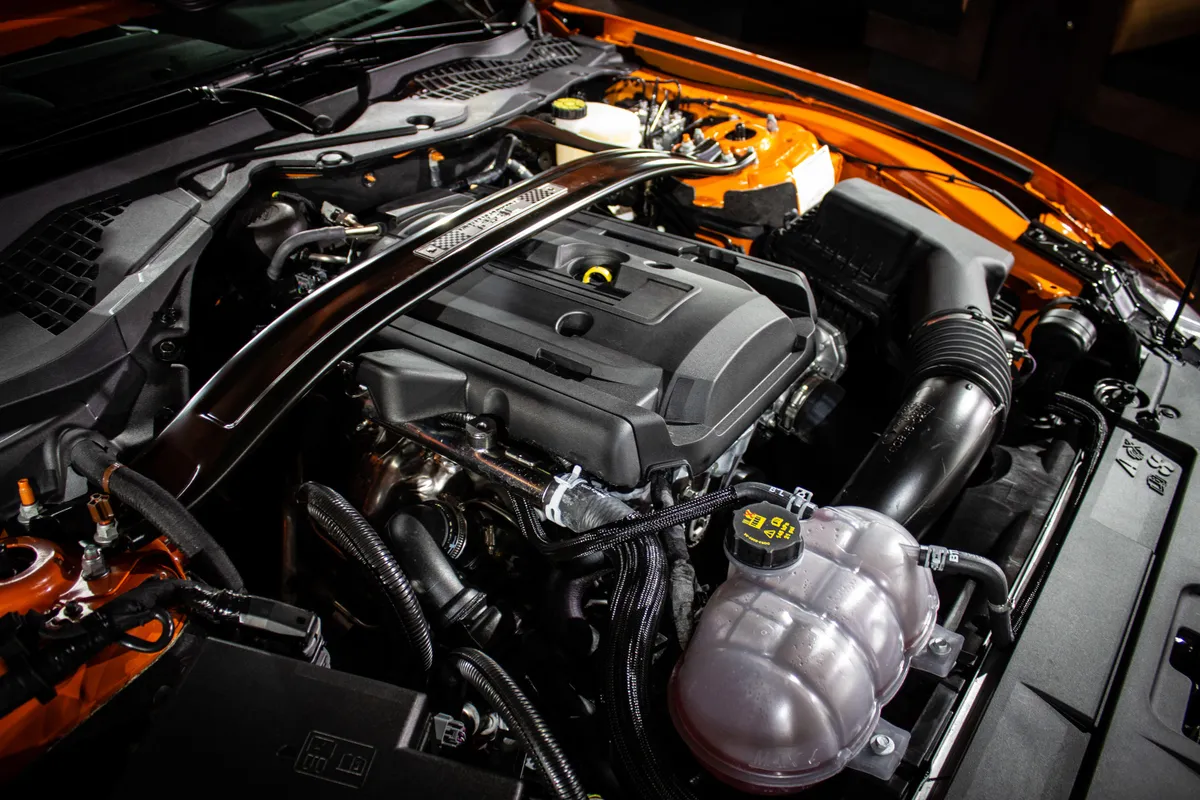
3. Honda K20C1 2.0L VTEC Turbo: High-Revving Turbocharged Engine Redefining Hot Hatch Performance
The Honda K20C1 2.0L VTEC Turbo is a cornerstone of Honda’s modern performance engines, powering the Civic Type R and the Acura Integra Type S. Producing up to 315 hp in the Civic Type R and 320 hp in the Integra Type S, this engine offers a broad torque curve that begins at just 2,500 rpm, giving it the responsiveness and feel of a larger displacement engine.
The K20C1 marks Honda’s transition from high-revving naturally aspirated engines to turbocharged performance powerplants, first introduced with the 2015 Civic Type R FK2 and now integral to the FK8 and FL5 models.
The K20C1 is a clean-sheet design optimized for forced induction. It features a pressure-cast aluminum alloy block with cast-iron cylinder sleeves for durability and heat resistance. A standout engineering feature is the liquid-cooled integrated exhaust manifold, known as the “headifold,” which lowers exhaust gas temperatures before they reach the turbo, improving spool and efficiency.
Unlike traditional VTEC engines, the K20C1 only employs variable valve lift on the exhaust side to enhance turbo response, eliminating the intake-side “VTEC kick” sound of older K-series engines. This combination allows the engine to deliver 306–315 hp depending on the model year, alongside a maximum torque of 310 lb-ft from low RPMs, making it exceptionally tractable on both street and track.
Reliability is a defining strength of the K20C1. Its pistons feature F1-style internal cooling galleries, while sodium-filled exhaust valves prevent heat fatigue. The forged steel crankshaft and offset crank alignment reduce piston side-thrust, enhancing durability. The timing chain is designed to last the engine’s lifetime, and many owners report over 100,000 miles with only minor maintenance needs.
The engine also boasts impressive tuning potential. While the stock fuel system limits output to 400–425 hp, professional builds have pushed the K20C1 block to over 1,200 hp. Honda also offers it as a crate engine through the Honda Racing Line program, making it accessible for swaps and track-focused projects.
The K20C1 delivers a modern, efficient, and reliable turbocharged package that appeals to daily drivers and hardcore enthusiasts alike. Its combination of torque, high-revving characteristics, and durability has cemented its place as one of the most respected engines in the hot hatch segment.
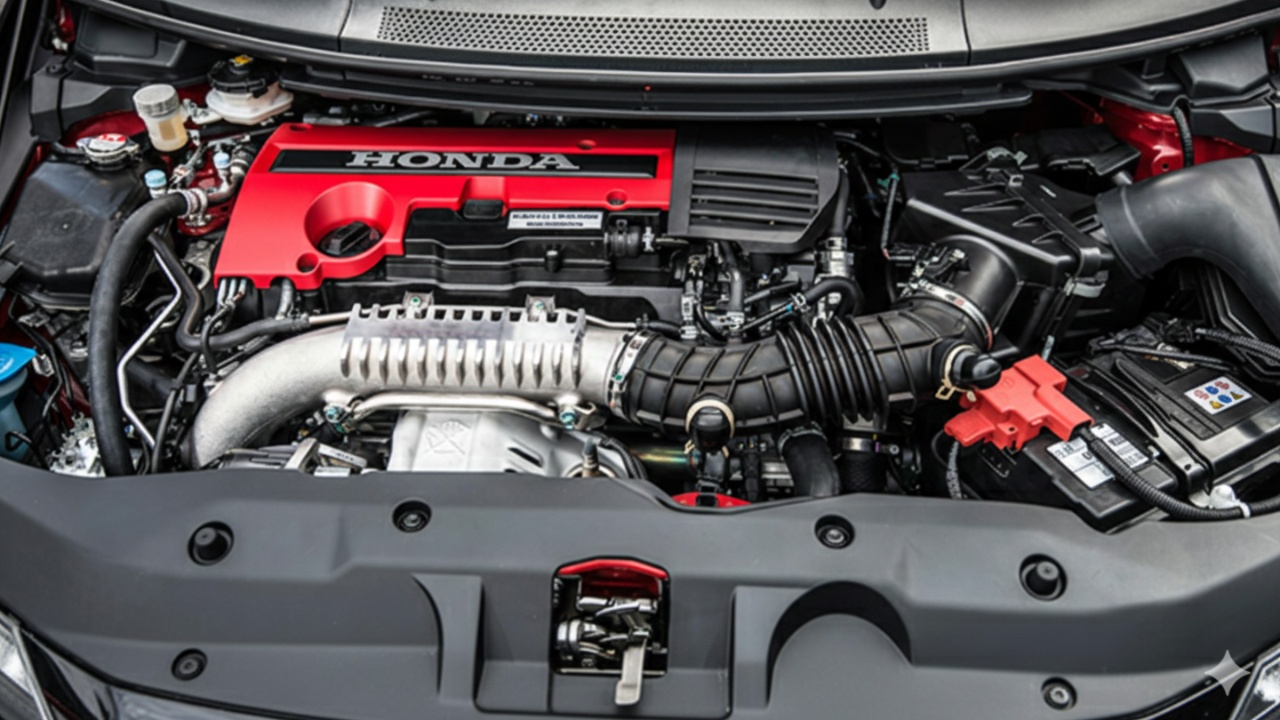
4. General Motors 2.7L Turbo L3B: High-Torque Four-Cylinder for Trucks and Sedans
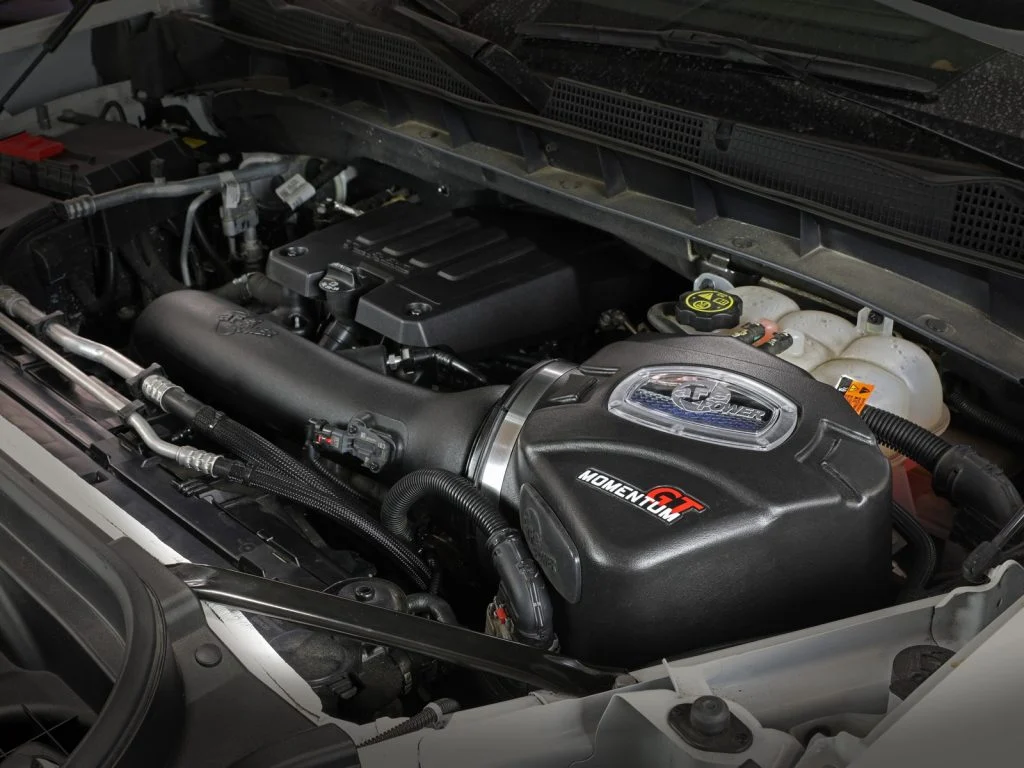
The General Motors 2.7L Turbo (L3B), also known as the TurboMax, is a modern, high-output four-cylinder engine designed for both performance sedans and light-duty trucks. In vehicles like the Cadillac CT4-V, it produces 325 hp and 380 lb-ft of torque, while in pickup truck applications such as the Chevrolet Silverado 1500, torque rises to 430 lb-ft at just 3,000 RPM, surpassing many naturally aspirated V6 engines.
This emphasis on low-end torque delivers diesel-like pulling power and immediate responsiveness, making it well-suited for towing, city driving, and highway merging. In Silverado form, the engine enables towing capacities of up to 9,500 lbs while maintaining smooth and quiet operation thanks to dual balance shafts that counteract vibrations inherent to a four-cylinder layout.
The L3B features several advanced technologies, including a dual-volute turbocharger and variable valve timing, which reduce turbo lag and improve efficiency. Despite its smaller displacement compared with older V6 engines, the L3B provides robust performance without sacrificing drivability.
Fuel economy estimates from the EPA place the Silverado TurboMax at approximately 18 mpg city and 21 mpg highway, though light cruising can yield 23–28 mpg, while heavy towing reduces efficiency due to higher turbo boost demands.
Durability was a key design focus. The engine uses a forged steel crankshaft and a fully forged bottom end to handle truck-level workloads. Owner surveys for models built after 2021 indicate a 94% satisfaction rate, with minimal reported issues.
Common concerns include carbon buildup on intake valves and occasional elevated oil consumption, both typical for modern direct-injection turbo engines. High-mileage examples exceeding 100,000 miles show the engine can withstand heavy use without major failures.
The 2.7L TurboMax is a practical, modern alternative to traditional V6 and V8 engines. It offers superior low-end torque, better city fuel economy, and a lower entry price, making it ideal for daily driving and light towing.
While heavy-duty users may still prefer a 3.0L Duramax Diesel or V8 for sustained mountain towing and engine braking, the L3B delivers a compelling combination of performance, efficiency, and reliability for most truck owners.
Also Read: 10 Engines That Tolerate Cheap Gas Without Knocking Or Failures
5. Porsche 2.5L Turbo Flat-Four: Compact Mid-Engine Power with Modern Performance
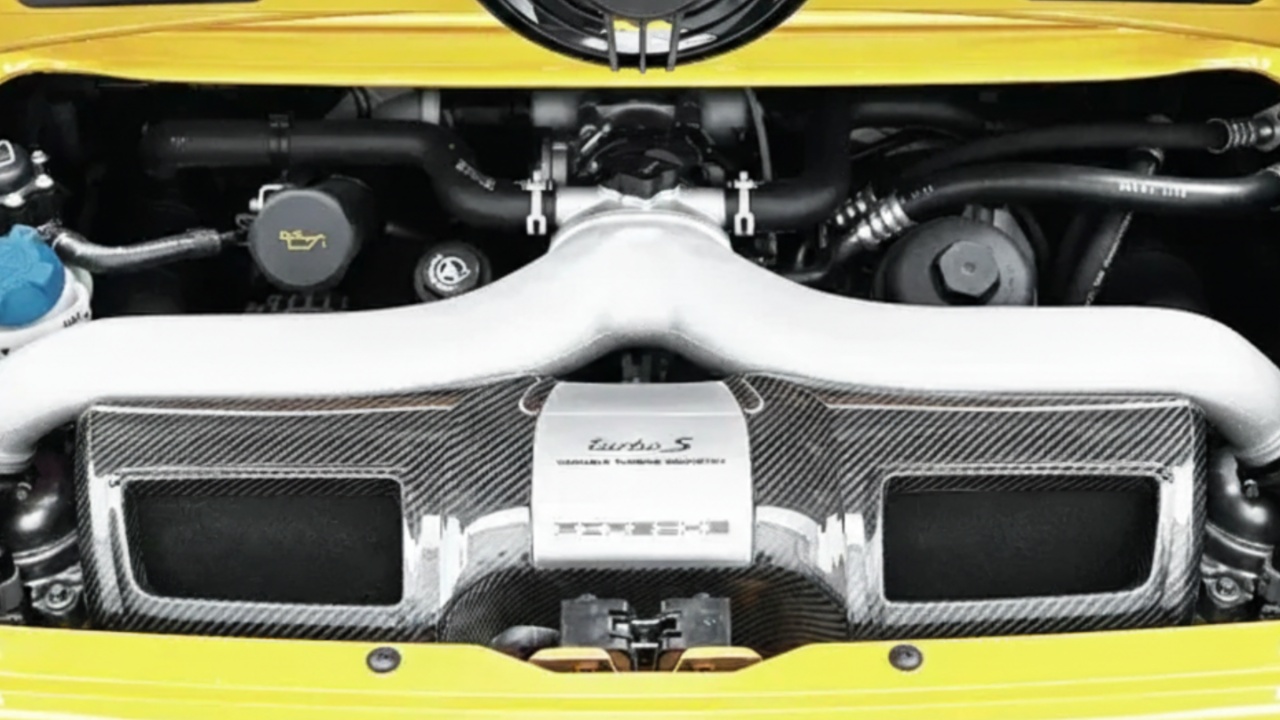
The Porsche 2.5L Turbo Flat-Four powers the 718 Cayman S and Boxster S, producing 350 hp and 309 lb-ft of torque. Introduced in 2017, this engine marked a major shift from Porsche’s traditional naturally aspirated flat-six, aiming to balance performance, efficiency, and modern turbocharging technology.
Despite the reduction in cylinders, it enables 0-60 mph times in the low 4-second range and a top speed of 177 mph when paired with the 7-speed PDK transmission and Sport Chrono Package. Torque arrives early, at just 1,900 RPM, providing an immediate, punchy feel in daily driving that many enthusiasts find highly engaging.
A standout feature of the 2.5L engine is Variable Turbine Geometry (VTG), borrowed from the 911 Turbo. Adjustable vanes optimize exhaust flow, delivering fast boost at low RPMs while maintaining peak output at high speeds.
This innovation, along with turbocharging, allows the engine to produce robust mid-range torque without significantly increasing displacement. The engine’s compact size lowers the center of gravity, enhancing the 718’s mid-engine balance and contributing to precise, responsive handling. Testers frequently praise the Cayman’s steering as “telepathic,” highlighting its world-class driving dynamics.
The engine’s main criticism is its sound profile. Compared with the metallic wail of the previous flat-six, the turbo four-cylinder produces a coarser idle, sometimes likened to a diesel or Subaru. However, with the Sports Exhaust option, it delivers aggressive pops and crackles under downshifts, and at higher revs, it transitions to a more urgent, melodic bark that retains Porsche character.
In terms of reliability, the 2.5L is highly durable, earning strong scores from sources like J.D. Power. Annual maintenance averages $600–$1,400, mostly for tires, brakes, and routine service. Early issues such as cooling system quirks and wastegate rattles have largely been resolved in later models.
The 2.5L Turbo Flat-Four emphasizes practical mid-range performance, efficiency, and everyday usability. While purists may prefer the emotional and acoustic appeal of the 4.0L flat-six, this turbocharged four-cylinder delivers impressive speed, excellent handling, and a highly usable package for modern mid-engine sports car enthusiasts.
6. Volkswagen/Audi EA888 2.0L Turbo: Versatile Engine Balancing Power, Efficiency, and Tuning Potential
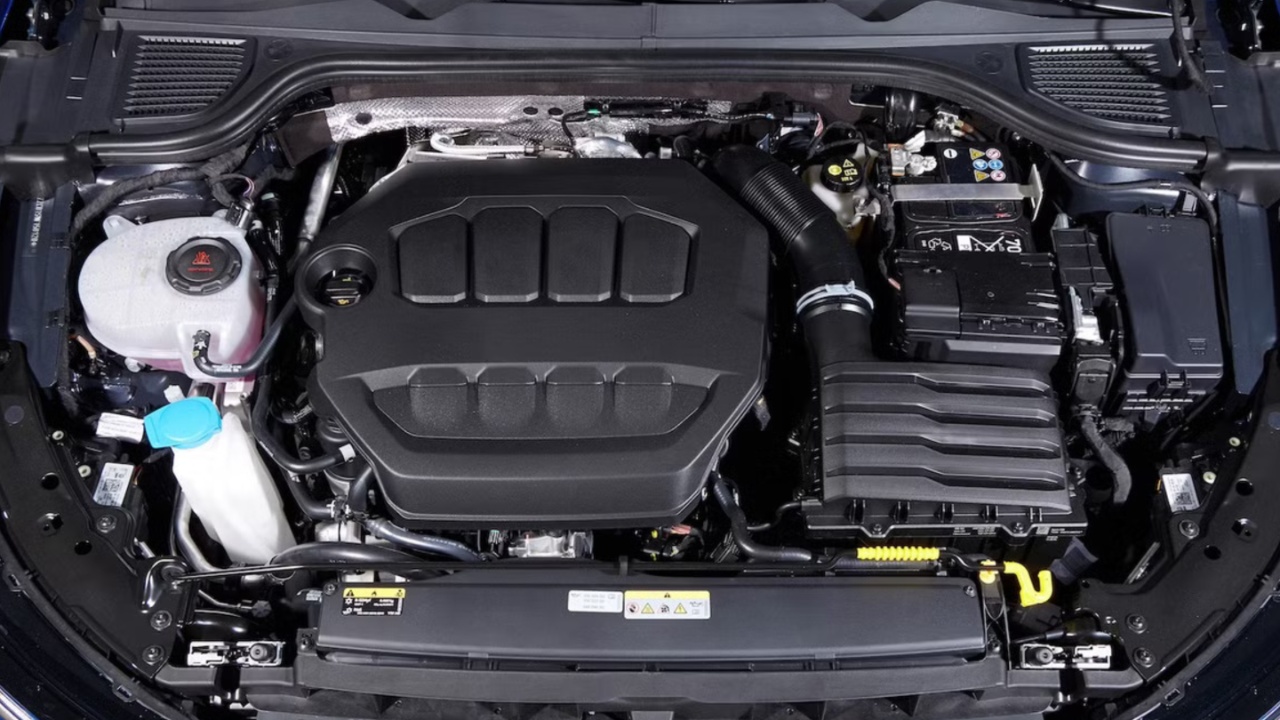
The Volkswagen/Audi EA888 2.0L Turbo is one of the most versatile and widely used engines in modern automotive engineering. Found in vehicles ranging from the Volkswagen Golf R to the Audi S3, this engine produces up to 328 hp in its high-performance configurations.
Its compact design delivers instantaneous torque, allowing it to compete with larger engines in both acceleration and highway passing scenarios. Beyond outright performance, the EA888 is praised for its fuel efficiency, tuning potential, and adaptability across the VW Group’s lineup.
Introduced around 2008, the EA888 has powered models from economical sedans like the VW Passat to track-focused hot hatches and sedans. The engine’s core features include turbocharging, direct fuel injection (TFSI/TSI), and variable valve timing, which together achieve a strong balance between power output and efficiency.
Later generations, Gen 3 and Gen 4, added integrated exhaust manifolds in the cylinder head and dual injection systems (port plus direct) to improve thermal management and reduce carbon buildup, a common issue in direct-injection engines.
The robust cast-iron block provides a solid foundation for tuning, making the EA888 a favorite among enthusiasts seeking extra power with Stage 1 or higher ECU modifications, provided proper maintenance is followed.
Reliability varies significantly depending on the generation. Gen 1 and 2 (2008–2012) engines are notorious for oil consumption issues due to poorly designed piston rings and timing chain tensioner failures, sometimes resulting in catastrophic damage. Early models even prompted class-action lawsuits over oil use.
By contrast, Gen 3 and Gen 4 (2013–present) have addressed these concerns with improved pistons, revised cooling systems, and upgraded chain tensioners. These later engines can reliably surpass 150,000–200,000 miles when maintained carefully.
Persistent concerns include carbon buildup on intake valves, which requires cleaning roughly every 50,000–60,000 miles, and water pump or thermostat housing leaks due to plastic components.
The EA888 2.0L Turbo is a well-rounded engine combining performance, efficiency, and durability. While early generations require caution due to mechanical weaknesses, later models offer a reliable platform for both daily driving and enthusiast-level tuning.
Longevity and performance depend heavily on a rigorous maintenance routine, high-quality manufacturer-approved oils, and proactive attention to known weak points, making the EA888 a standout example of modern turbocharged engineering.
7. Alfa Romeo 2.0L Turbo: Compact Engine Delivering Sporty Performance and Italian Character
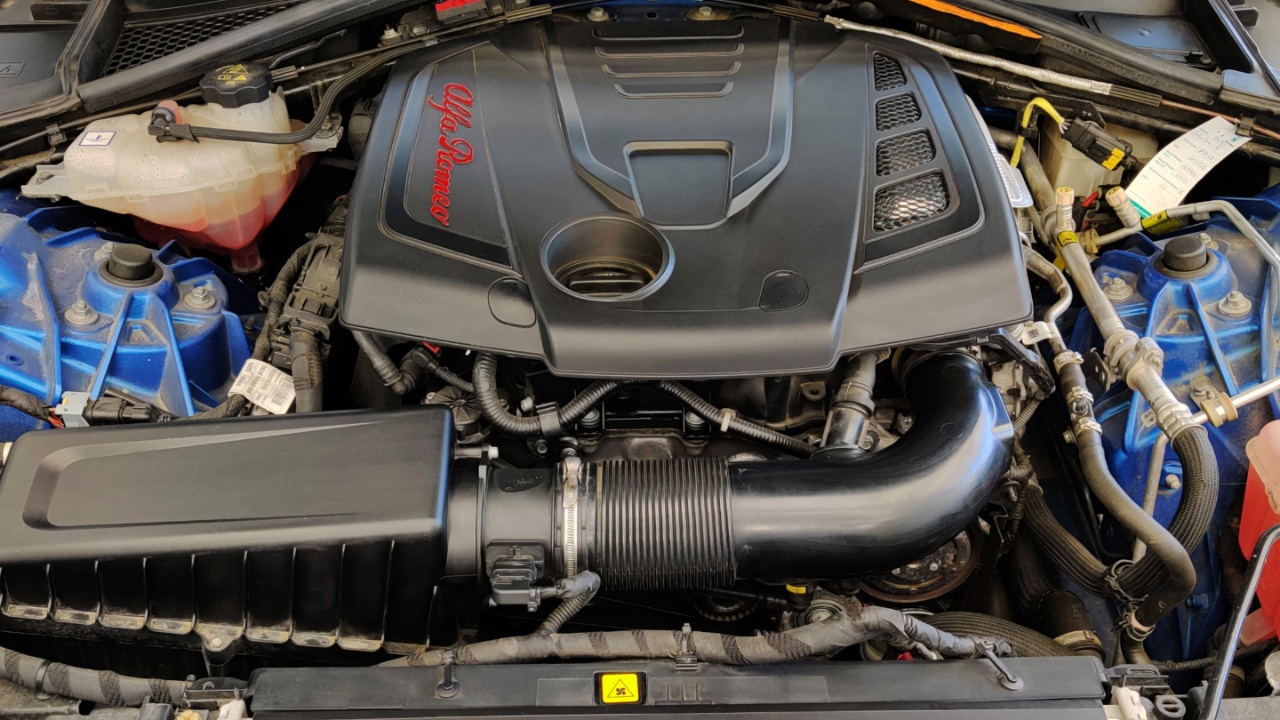
The Alfa Romeo 2.0L Turbo engine powers the base Giulia sedan and Stelvio SUV, offering 280 horsepower and 306 lb-ft of torque. This allows the Giulia to sprint from 0-60 mph in about 5.1 seconds, outperforming several V6-equipped luxury competitors.
As part of Stellantis’ Global Medium Engine (GME) family, this four-cylinder turbo engine has become a cornerstone of Alfa Romeo’s driving experience, praised for its responsiveness, engaging character, and alignment with the brand’s sporty ethos.
Performance is a standout feature of the 2.0L Turbo. The engine delivers strong mid-range torque, making it suitable for city driving as well as spirited runs on winding roads.
Power is transmitted via an eight-speed automatic transmission that generally keeps the engine in the optimal gear, though it can be slightly slow to downshift at times. Alfa Romeo’s DNA drive mode selector Dynamic, Natural, and Advanced Efficiency allows drivers to tailor the throttle and transmission behavior, with Dynamic mode enhancing responsiveness and sportiness.
Despite being a four-cylinder, the engine produces a distinct sound and Italian character that reviewers often highlight as a key emotional advantage over more clinical German competitors.
Reliability is mixed but generally solid with proper care. The mechanical components of the engine show few major issues, and a well-maintained unit can last over 200,000 miles. However, owners report intermittent electrical and software issues, including faulty sensors, warning lights, and infotainment glitches.
Maintenance costs can be higher than those of mass-market vehicles due to a smaller dealer network and specialized parts. Fuel economy is respectable for a performance engine, with combined figures typically in the mid-to-high 20s mpg (around 9–10 L/100km), though premium fuel is required to achieve optimal performance.
The Alfa Romeo 2.0L Turbo offers best-in-class acceleration, lively responsiveness, and distinctive Italian character. It makes both the Giulia and Stelvio genuinely engaging to drive, combining everyday usability with thrilling performance.
Prospective buyers should remain mindful of potential minor electrical or software issues and be prepared for specialized maintenance requirements to ensure long-term ownership satisfaction. This engine successfully balances exhilarating driving dynamics with practical performance for those seeking sporty, compact luxury vehicles.
8. Jeep 2.0L Turbo 4xe: Hybrid Power Meets Rugged Off-Road Capability
The Jeep 2.0L Turbo 4xe combines a 2.0-liter turbocharged inline-four with two electric motors in the Wrangler 4xe and Grand Cherokee 4xe. This plug-in hybrid system produces 375 horsepower and 470 lb-ft of torque, exceeding the low-end performance of Jeep’s traditional 3.6L Pentastar V6.
The instant torque from the electric motors is particularly advantageous for off-road use, allowing precise slow-speed crawling while keeping the engine silent. On paved roads, the Wrangler 4xe accelerates from 0–60 mph in about six seconds, making it quicker than the standard gas-powered models.
Efficiency is highly dependent on usage. The 4xe offers 21–25 miles of all-electric range, which is ideal for short commutes with nightly charging. When the battery is depleted, the system functions as a heavy hybrid. The extra 500–800 pounds of battery and motor weight can reduce fuel economy to 20–22 MPG, which is similar to, or slightly below, traditional 2.0L Turbo or V6 Jeep models.
Driving dynamics show a mix of strengths and trade-offs. Off-road, the system allows silent, controlled maneuvering, letting drivers hear terrain and surroundings. On-road, power transitions between gas and electric can feel uneven, and the 8-speed automatic transmission sometimes struggles to balance inputs. Regenerative braking can feel abrupt, and the added mass increases stopping distances.
Reliability and maintenance require attention. Early models experienced recalls for battery software and charging hardware. Owners report quirks such as Fuel and Oil Refresh Mode (FORM), which runs the gas engine periodically to prevent fuel dilution and can limit all-electric operation even with a full battery. The hybrid system increases complexity compared to traditional models, requiring careful adherence to maintenance schedules.
The Jeep 2.0L Turbo 4xe is best suited for tech-focused off-road enthusiasts or suburban drivers with short daily commutes. It delivers exceptional torque and hybrid efficiency for specific driving scenarios.
Drivers who rely on highway travel, cold climates, or maximum towing performance may find the extra weight, fuel management considerations, and higher purchase price challenging compared to conventional gas-powered Wranglers or Grand Cherokees. This hybrid system redefines Jeep performance by merging electrification with classic ruggedness.
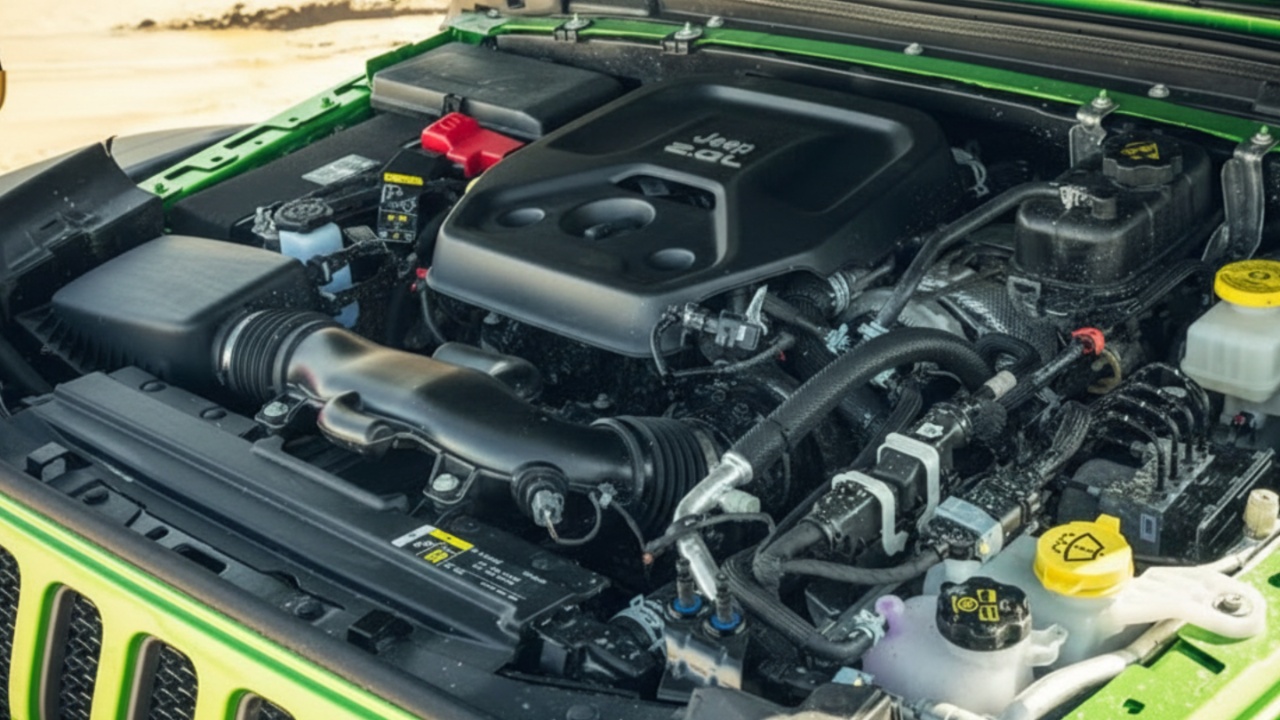
The evolution of the modern four cylinder engine reflects a broader transformation in automotive engineering. Instead of relying on larger displacement, manufacturers now maximize efficiency, airflow, boost pressure, and electrification to extract remarkable power from smaller packages.
The result is lighter engines, improved weight distribution, sharper handling, and often better fuel economy without sacrificing straight line performance.
Engines like the Mercedes AMG M139 push the limits of specific output, while the Porsche 2.5L Turbo Flat Four and Alfa Romeo 2.0L Turbo blend character with everyday usability.
The Volkswagen Audi EA888 balances tuning potential with practicality, and the GM 2.7L Turbo proves that even trucks can benefit from high torque four cylinder design. Meanwhile, hybrid systems such as Jeep’s 4xe show how electrification can amplify low end strength beyond what many V6 engines traditionally offered.
These eight engines highlight a clear reality: modern four cylinders are no longer compromises. They are performance leaders in their own right, delivering V6 level power with smarter engineering, broader torque curves, and technology driven refinement that defines the future of performance vehicles.
Also Read: 10 Cars With Steering So Good Outperforming Everything Else