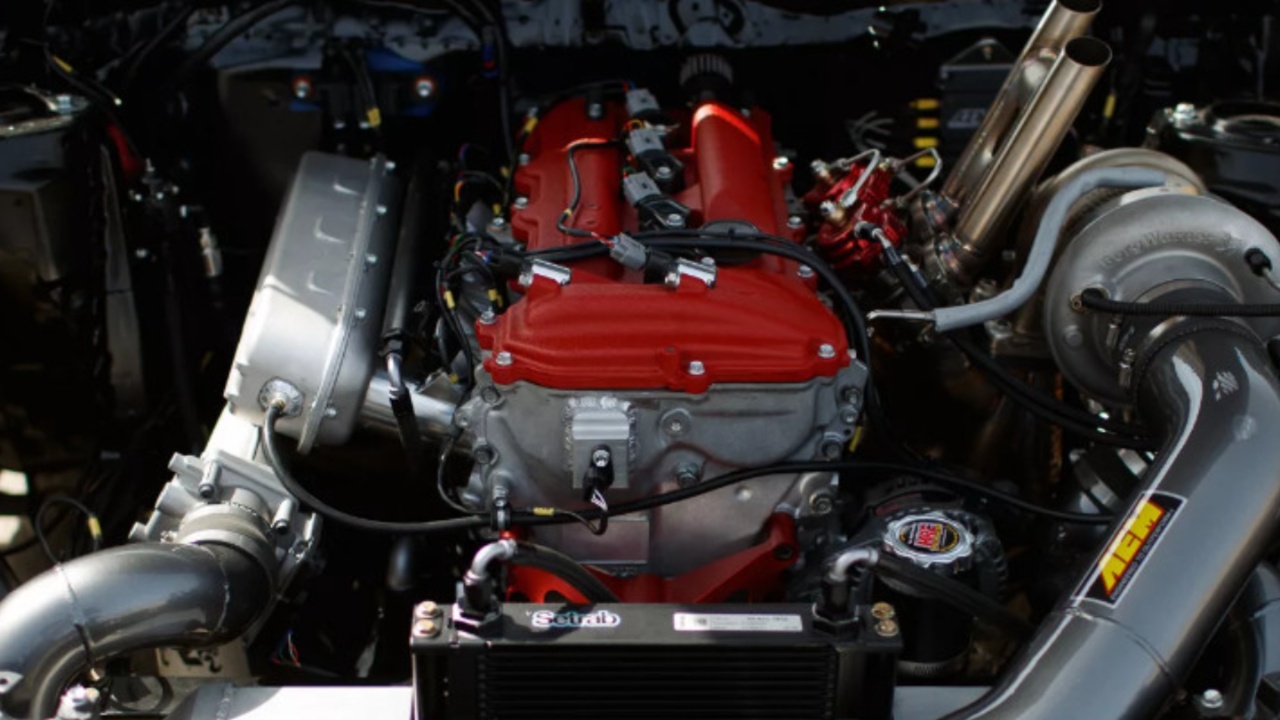
Timing components are among the most critical factors in an engine’s longevity, and some modern engines are engineered to last for hundreds of thousands of miles with their original timing chains. Unlike rubber belts that require periodic replacement, these metal chains are built to endure heat, friction, and mechanical stress for the life of the engine, minimizing maintenance and repair costs.
From compact four-cylinders like the Toyota 2AR-FE and Honda K24 to larger V6 and V8 engines such as the Toyota 3UR-FE, Mercedes-Benz OM642, and Chevy Vortec 6.2L, these powerplants combine robust construction, precision engineering, and efficient lubrication. Their design ensures that drivers can rely on smooth operation, consistent performance, and reduced risk of timing-related failures over high mileage.
This guide highlights ten engines with timing chains that last the life of the car, detailing their design features, reliability, and performance characteristics.
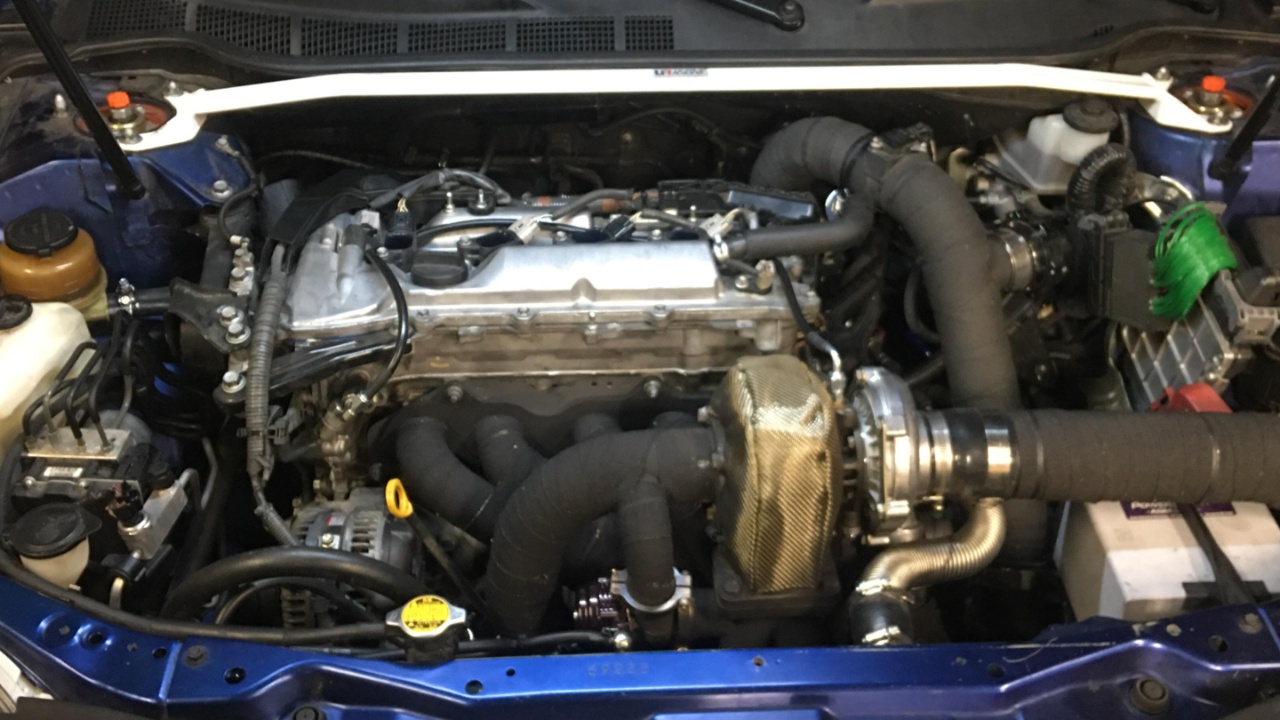
1. Toyota 2AR-FE: Design, Durability, and Common Issues
The Toyota 2.5L 2AR-FE is a highly respected four-cylinder engine introduced in 2009 and widely used in models such as the Toyota Camry, Toyota RAV4, and Toyota Highlander.
Built with a strong emphasis on thermal efficiency and reduced internal friction, this engine was engineered to provide long service life with minimal complexity. Its naturally aspirated design avoids the added stress associated with turbocharging, which contributes significantly to its reputation for longevity.
Producing approximately 176 to 178 horsepower, the 2AR-FE uses Dual VVT-i and port fuel injection to deliver smooth and predictable power. It performs well in daily commuting situations, offering responsive acceleration in city driving and steady cruising capability on the highway. The balance between efficiency and reliability has made it a dependable choice for high-volume Toyota vehicles.
One of the engine’s most important durability features is its timing chain system. Unlike rubber timing belts that require periodic replacement, the 2AR-FE uses a high-strength metal chain engineered to last the lifetime of the engine, frequently exceeding 300,000 miles when properly maintained.
Toyota does not specify a scheduled replacement interval for the timing chain because it is considered a non-serviceable component unless a malfunction occurs. Since the engine operates without extreme internal stress and the chain is continuously lubricated by engine oil, wear and stretching are minimal under proper care.
Strict oil maintenance is critical to preserving timing chain health. Owners who follow a consistent 5,000 to 7,500-mile synthetic oil change interval commonly report very high mileage without internal engine repairs.
Neglected oil changes, however, can lead to premature chain wear, guide deterioration, and camshaft timing issues. Warning signs of timing problems include rattling noises from the timing cover area at idle and check engine lights related to cam timing.
While the 2AR-FE is known for durability, early production models from 2010 through 2017 experienced excessive oil consumption in some cases. Drivers sometimes needed to monitor and top off oil more frequently. Other reported concerns include occasional VVT gear rattle during cold starts and water pump leaks over extended use. Later model years addressed many of these concerns.
With proper maintenance, the 2AR-FE remains one of Toyota’s most durable and long-lasting modern four-cylinder engines.
2. Honda K24: Engineering Excellence and Long-Term Reliability
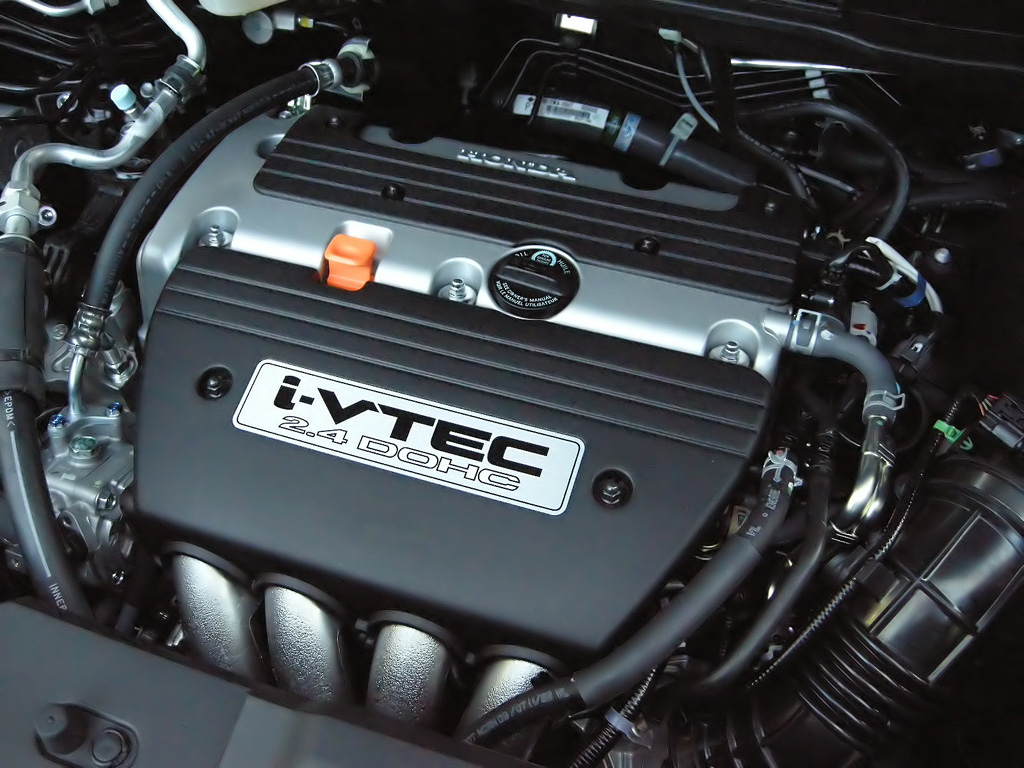
The Honda 2.4L K Series, commonly known as the K24, is widely regarded as one of the most reliable and versatile four-cylinder engines ever mass-produced. Introduced in 2001, it has powered a broad range of vehicles, including the Honda Accord, Honda CR-V, and the Acura TSX. Its reputation stems from a durable design that balances everyday dependability with impressive performance potential.
A major upgrade from earlier Honda engines was the transition from rubber timing belts to a high-strength steel timing chain. The K24 uses a silent chain system paired with a sophisticated oil-pressure-driven hydraulic tensioner that maintains proper chain tension.
Because the chain is constantly lubricated by engine oil and built from durable metal components, it is designed to last the life of the engine, often exceeding 200,000 miles and frequently reaching 300,000 miles with proper care. Honda does not specify a routine timing chain replacement interval, unlike belt-driven systems that typically require service around 100,000 miles.
Strict oil maintenance is essential to timing chain longevity. As these engines age, some may consume small amounts of oil, making it important to monitor levels carefully. Neglecting oil changes can lead to premature chain stretch or tensioner wear.
A common warning sign of trouble is a brief rattle during cold starts, often linked to a worn timing chain tensioner. If ignored, this issue can escalate into serious engine damage.
From an engineering standpoint, the K24 was developed to provide stronger low and mid range torque than the smaller K20. It features a 2,354 cc displacement with a long 99 mm stroke and incorporates Honda’s i-VTEC system, which optimizes valve timing and lift across the rpm range for both efficiency and high rpm performance.
Many variants include robust internal components such as a forged steel crankshaft and reinforced connecting rods.
Power output ranges from approximately 160 to 205 horsepower in stock form, yet the engine is famous for its tuning potential. With bolt-on modifications or forced induction, stock internals can reliably handle 400 horsepower or more.
While known for durability, certain variants have specific concerns, including VTC actuator rattle, oil consumption in some 2009 to 2014 models, and carbon buildup in direct injection versions. Even with these issues, the K24 remains a benchmark for four-cylinder reliability and performance.
3. Toyota 1GR-FE: Rugged Design and High-Mileage Durability
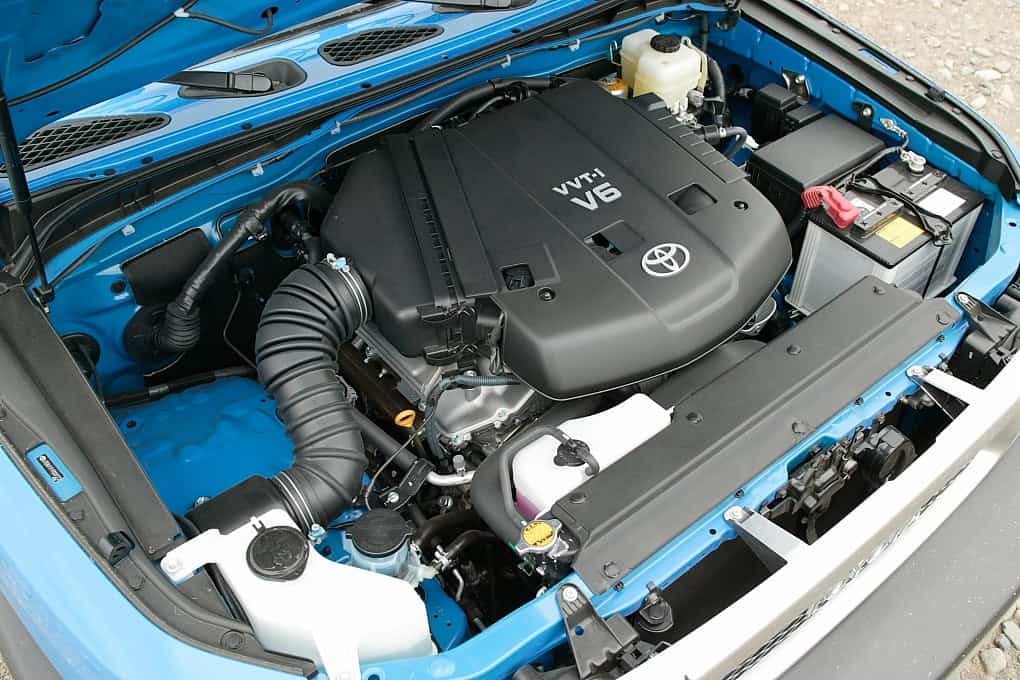
The Toyota 4.0L V6 1GR-FE is widely recognized as one of Toyota’s most durable and long-lasting truck engines. Introduced in 2002 as a successor to the 3.4L 5VZ-FE, it has powered some of Toyota’s most respected body-on-frame vehicles, including the Toyota 4Runner, Toyota Tacoma, Toyota FJ Cruiser, Toyota Tundra, and Toyota Land Cruiser Prado. Built for towing, off-road use, and high-mileage service, the 1GR-FE has earned a reputation as a true workhorse.
At its core, the 1GR-FE features an aluminum block with cast iron cylinder liners and a forged steel crankshaft, combining reduced weight with long term strength. It uses a 60-degree V6 configuration that promotes smooth operation and stable temperatures.
Unlike many modern competitors, the engine remains naturally aspirated, prioritizing durability and low end torque rather than turbocharged peak output. Early single VVT i versions produced about 236 horsepower and 266 lb ft of torque, while later Dual VVT i models introduced in 2010 increased output to roughly 270 horsepower and 278 lb ft.
A key contributor to its longevity is the heavy-duty timing chain system. Instead of a rubber belt, Toyota engineered the 1GR-FE with a high-strength steel chain designed to last the life of the engine. The chain operates within a sealed, oil-lubricated environment that minimizes friction and wear.
Toyota does not specify a replacement interval for the timing chain under normal service conditions. With regular oil changes, many engines exceed 250,000 to 350,000 miles on the original chain, and high-mileage examples reaching 400,000 miles are not uncommon in overland and fleet use.
Despite its durability, proper maintenance remains essential. Ignoring oil changes or allowing overheating can damage the chain tensioner or guides. Early models, particularly from 2003 to 2005, were known for potential head gasket failures around 150,000 miles, an issue later addressed with improved materials.
Water pump failures are also common wear items, sometimes occurring between 40,000 and 60,000 miles, making preventive replacement advisable. High-mileage engines may develop oil consumption or ticking noises, which are often harmless injector sounds but should still be evaluated.
Fuel economy is modest by modern standards, typically averaging mid-teens in city driving and low twenties on the highway. However, owners value the engine’s predictable torque delivery, mechanical simplicity, and long service life. For drivers prioritizing toughness, towing capability, and proven reliability, the 1GR-FE remains one of Toyota’s most respected truck engines.
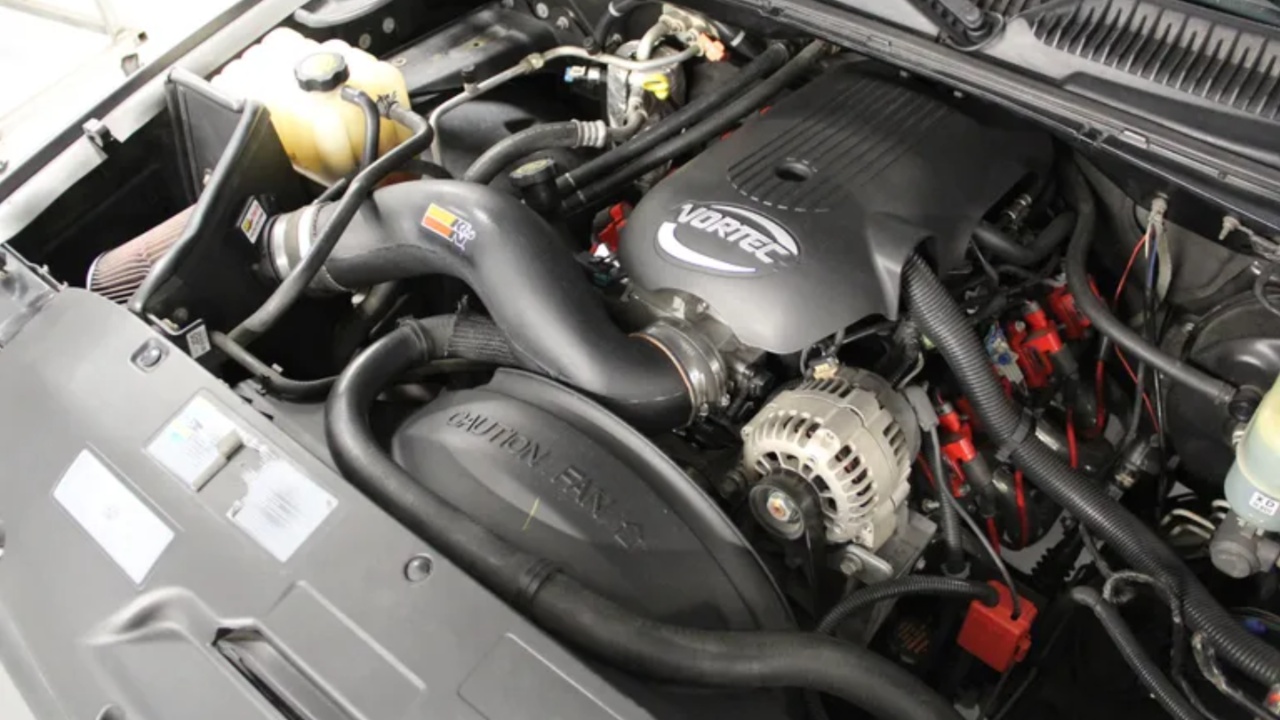
4. GM 5.3L V8: Simple Architecture and Proven Longevity
The GM 5.3L V8, part of the legendary LS small block family, is widely regarded as one of the most reliable and versatile truck engines produced in the past three decades. Found in vehicles such as the Chevrolet Silverado, Chevrolet Tahoe, GMC Sierra, and GMC Yukon, the 5.3L has built a reputation for high mileage durability, strong towing capability, and straightforward mechanical design.
A defining feature of this engine is its pushrod, or overhead valve, configuration. Unlike overhead cam engines that use long timing chains to drive multiple camshafts, the LS based 5.3L uses a cam in block layout. The timing chain connects the crankshaft directly to a single camshaft, resulting in a very short chain with minimal opportunity for stretch or slack.
This compact layout reduces mechanical complexity and lowers stress on timing components. The chain itself is heavy-duty and engineered for long service life, often lasting well beyond 200,000 miles without replacement. A leaf spring style dampener helps maintain consistent tension, reducing vibration, noise, and wear.
Power output varies by generation. Early Gen III versions produced around 270 to 295 horsepower, while later Gen IV and Gen V EcoTec3 variants deliver up to 355 horsepower and 383 lb ft of torque.
The engine features a 90-degree V8 layout with two valves per cylinder. Blocks are available in both cast iron and aluminum, depending on the application. In properly equipped trucks, towing capacity can exceed 11,000 pounds, making it a popular choice for work and recreation.
Durability is one of the 5.3L’s greatest strengths. With regular oil changes and basic maintenance, many examples exceed 200,000 to 250,000 miles, and some go far beyond that threshold.
The LS architecture also benefits from extensive aftermarket support, with affordable parts and strong tuning potential. Simple camshaft upgrades can push output beyond 400 horsepower, while heavily modified builds can handle extreme power levels.
However, certain generations introduced new complexities. Gen IV and Gen V models equipped with Active Fuel Management have experienced lifter failures in some cases. High-mileage engines may also develop oil consumption issues, and direct-injected versions can accumulate carbon on intake valves.
Despite these concerns, the 5.3L V8 remains a benchmark for dependable truck performance, combining mechanical simplicity with impressive real-world longevity.
Also Read: 5 Cars With Simple Dash Layouts vs 5 With Confusing Ones
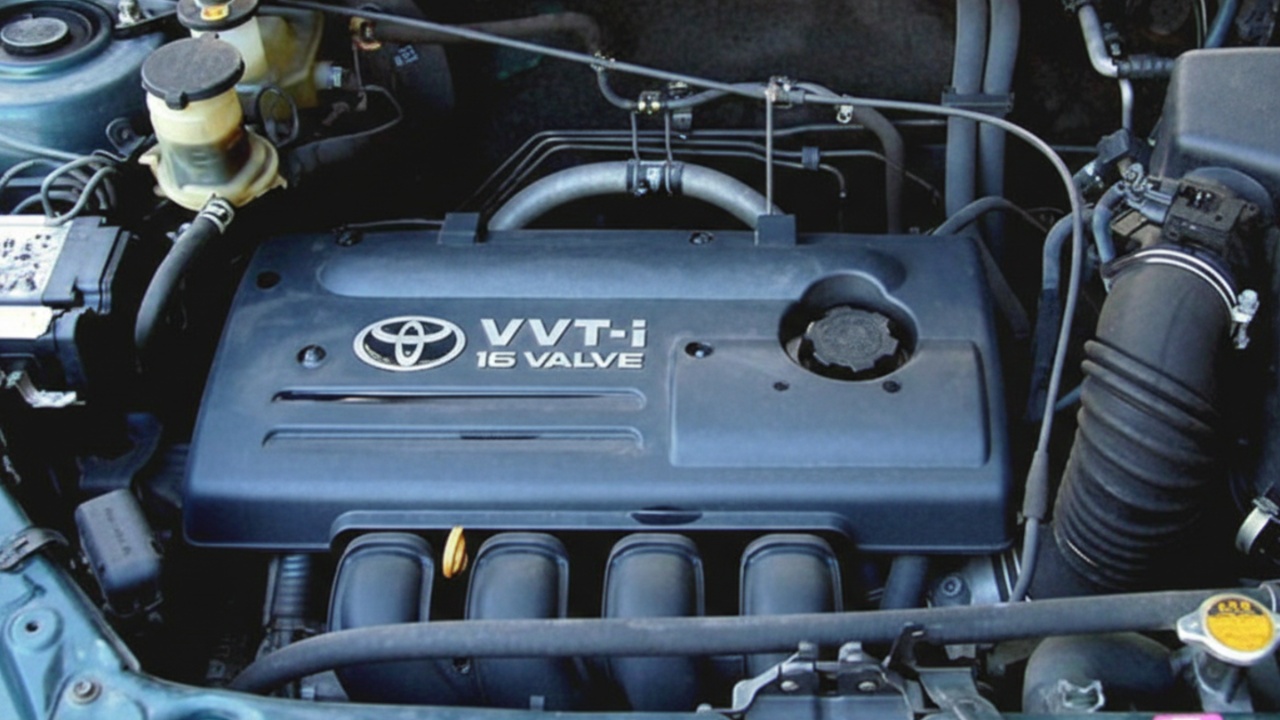
5. Toyota 1ZZ-FE: Durable Economy Engine with Lifetime Timing Chain
The Toyota 1.8L 1ZZ-FE is recognized as one of the most reliable engines in the compact and mid-size segments. Produced from 1998 to 2007, it powered the Toyota Corolla, Toyota Matrix, Toyota MR2 Spyder, and Toyota RAV4, among others. Designed for longevity and low maintenance, it became a benchmark for appliance-like reliability in Toyota’s economy lineup.
A defining feature of the 1ZZ-FE is its steel timing chain, engineered to last the life of the engine. Unlike rubber belts, the metal chain resists heat, aging, and brittleness, and is continuously lubricated by engine oil, reducing friction and wear. Its low-tension design prevents excessive stress on internal components, preserving the chain guides.
A hydraulic, oil-fed tensioner ensures proper chain tightness, minimizing slack or stretch. Regular oil changes are critical to keeping the lubrication system and tensioner functioning properly, as neglect can lead to premature wear or metallic rattling during cold starts.
The engine is a 1,794 cc inline-four with a die-cast aluminum block and press-fit cast iron liners. It features a Dual Overhead Camshaft (DOHC) 16-valve configuration and, in most post-2000 versions, VVT-i on the intake camshaft to improve efficiency and performance.
Power output ranges from 120 to 143 horsepower, with torque between 122 and 128 lb-ft, peaking at relatively low RPM for smooth city driving. The engine weighs approximately 102–130 kg, contributing to better fuel efficiency. Vehicles equipped with the 1ZZ-FE can achieve 28–32 MPG in mixed driving conditions and 35–40 MPG on highways.
While highly dependable, early 1ZZ-FE models had issues with excessive oil consumption due to undersized piston rings and clogged oil drainage holes, a problem addressed in revisions after 2004–2005.
The hydraulic timing chain tensioner may wear after 120,000 miles, producing rattling or potential timing drift. Other known concerns include ECM failures in 2005–2008 models and intake manifold gasket hardening, which can cause vacuum leaks and rough idle in colder climates.
The 1ZZ-FE is celebrated for its simplicity, low maintenance, and long lifespan, often exceeding 250,000 to 300,000 miles with proper care. Post-2005 units with consistent oil changes provide the most reliable examples, making the engine a strong choice for daily commuting and long-term vehicle ownership.
6. BMW N52: Smooth, Naturally Aspirated, and Durable Inline-Six
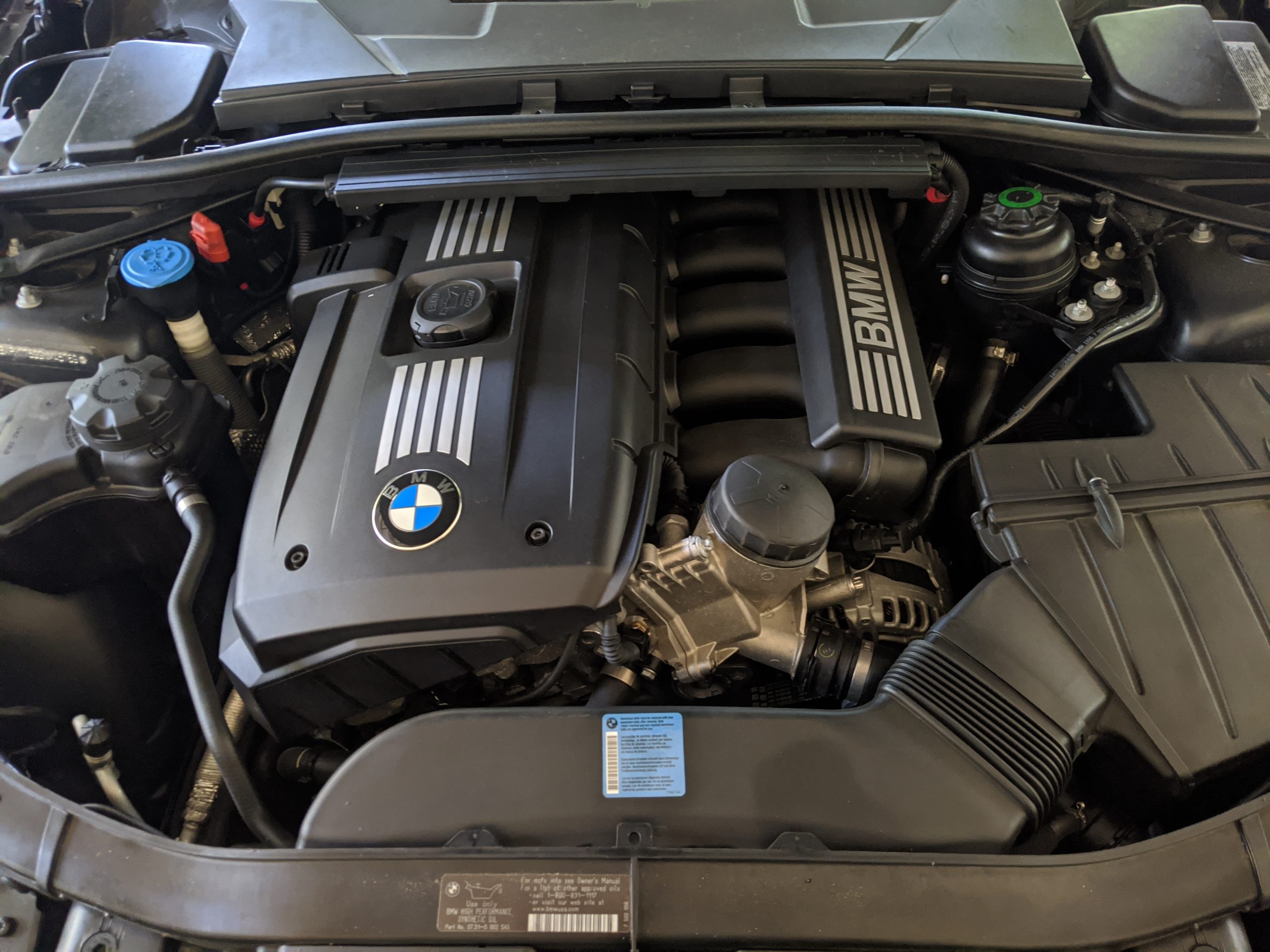
The BMW 3.0L N52 is widely considered one of the last “great” naturally aspirated engines from the brand. Produced between 2004 and 2015, it powered models such as the 325i, 328i, and 330i, offering a balance of reliability, refinement, and performance before BMW transitioned fully to turbocharged engines.
Known for its smooth power delivery and high-revving nature, the N52 is celebrated for exceptional longevity and a timing chain system that rarely requires replacement.
A major factor in the N52’s durability is its naturally aspirated design. Without a turbocharger, the engine operates at lower internal pressures and temperatures than modern turbocharged BMWs, reducing stress on the timing chain and internal components.
The chain itself is located at the front of the engine for efficient lubrication and is paired with a hydraulic tensioner. High-quality, consistent oil changes using BMW LL-01 or LL-04 oil are essential to prevent oil starvation, which could damage the tensioner or plastic guides. When properly maintained, the original timing chain commonly lasts the entire life of the engine, often exceeding 200,000 to 300,000 miles.
The N52 features a magnesium-aluminum alloy block, making it one of the lightest six-cylinder engines of its era. It has a DOHC configuration with variable valve timing (VANOS), producing between 215 and 268 horsepower depending on the model.
The engine is praised for its silky smooth operation, linear power delivery up to a 7,000 RPM redline, and a mechanical exhaust note that many enthusiasts consider superior to the later turbocharged replacements.
While generally reliable, the N52 has a few common maintenance considerations. Oil leaks are frequent at the valve cover gasket and oil filter housing gasket, and an unchecked OFHG leak can drip onto the serpentine belt, causing potential belt damage. Electric water pumps may fail between 60,000 and 100,000 miles, leading to sudden overheating.
VANOS solenoids can clog or fail, causing rough idling or minor power loss, and some pre-2009 models exhibit a metallic lifter tick when cold. A plastic coolant flange, often called the “Mickey Mouse” flange, can crack with age, and many owners replace it with an aluminum version proactively.
The BMW N52 is highly regarded for its combination of reliability, lightweight engineering, and smooth, high-revving performance. Enthusiasts often compare it to a “German Honda Civic” due to its durability and relatively simple maintenance.
For those seeking a naturally aspirated six-cylinder BMW with minimal timing chain issues and a classic driving experience, the N52 remains a top choice, delivering longevity and a satisfying driving character without the complications of forced induction.
7. Toyota 3UR-FE: Overbuilt V8 with Legendary Durability
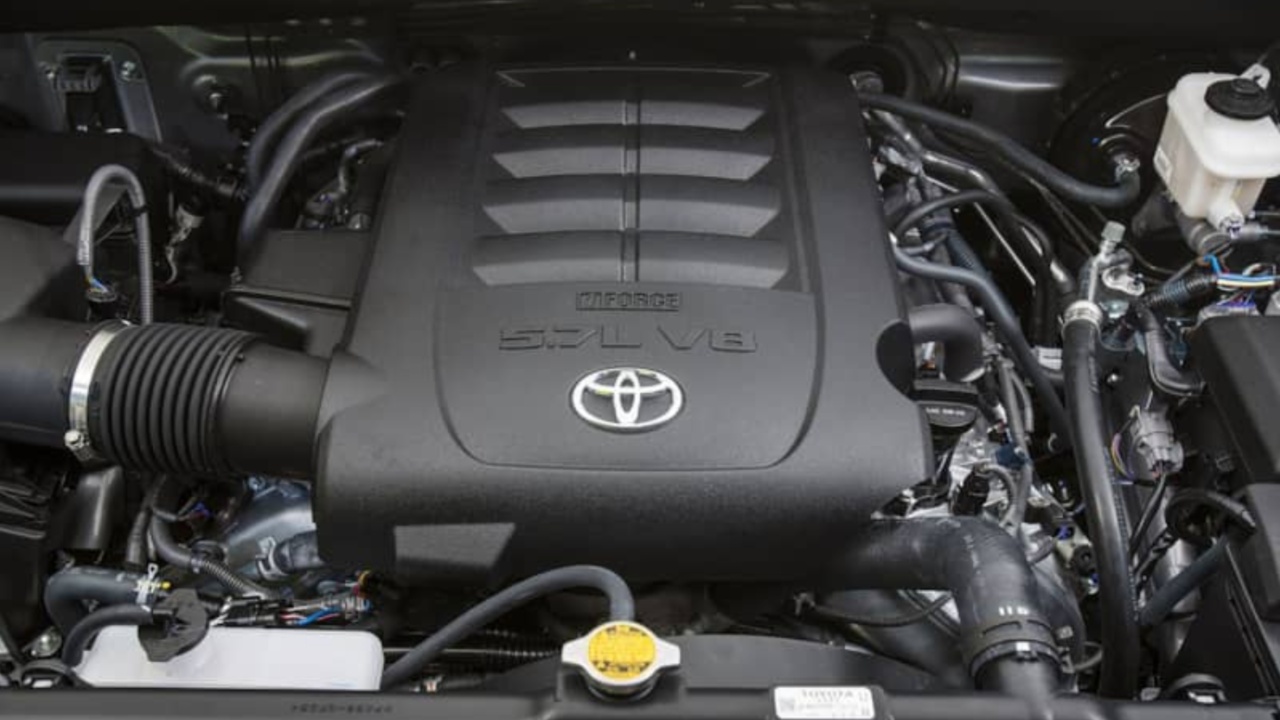
The Toyota 5.7L V8 3UR-FE is a hallmark of rugged, long-lasting engineering, powering trucks and SUVs such as the Toyota Tundra, Toyota Sequoia, and Toyota Land Cruiser. Introduced in 2007, the 3UR-FE embodies the “old school” approach to engine design, focusing on brute strength, reliability, and low-maintenance operation rather than fuel-saving technology or turbocharging.
It has earned a reputation as the heart of the “Million Mile Tundra,” with many owners exceeding 300,000 miles with basic maintenance.
A defining feature of the 3UR-FE is its robust timing system. Unlike rubber belts, the engine uses high-strength, non-serviceable timing chains designed to last the life of the vehicle. These chains are supported by durable guides and tensioners engineered to resist heat, stretching, and brittle fracture even under heavy-duty loads.
Internally lubricated by engine oil, the chains operate in optimal conditions as long as regular oil changes are performed. Cold-start noise may occur if the tensioner wears, but the chain itself rarely fails. This “fit-and-forget” system reflects Toyota’s focus on over-engineering for reliability.
The 3UR-FE produces 381 horsepower and 401 lb-ft of torque, delivering substantial low-end power. Dual VVT-i (Variable Valve Timing with intelligence) and an acoustic control induction system optimize airflow across the RPM range, providing smooth, linear acceleration.
The engine excels at towing and hauling, feeling effortless even with a 10,000-lb trailer. Its massive torque delivery and relaxed nature prevent strain, contributing to its long lifespan.
While highly reliable, the 3UR-FE has a few known quirks. Cam tower oil leaks are the most common issue, caused by failing sealant between the cam towers and the cylinder head. Water pumps may fail between 60,000 and 100,000 miles, and older secondary air injection pumps can allow moisture ingress, triggering limp mode. Most of these issues are manageable with routine inspection or preventive replacement.
The main trade-off is fuel consumption. Averaging 13–15 MPG, the 3UR-FE reflects its naturally aspirated V8 design from an era before strict emissions standards and fuel economy expectations. Owners consider this a reliability cost, paying more at the pump to avoid engine failures or complex turbo systems.
The Toyota 5.7L 3UR-FE remains a cult favorite for buyers seeking an engine that prioritizes longevity, simplicity, and unshakable performance. It is one of Toyota’s greatest naturally aspirated V8s, capable of powering vehicles for decades with minimal internal service.
8. Honda J35 V6: Reliable V6 with Proven Longevity
The Honda 3.5L J35 V6 is a mainstay in larger Honda and Acura vehicles, including the Honda Pilot, Honda Odyssey, Honda Accord, and Honda Ridgeline. Produced from 1997 through 2024, it is valued for its smooth power delivery, strong low-end torque, and long-term durability.
While some discussions have suggested timing chain versions, nearly all J35 engines, including the “Earth Dreams” direct-injection variants, utilize a timing belt rather than a chain. This belt requires replacement roughly every 90,000–100,000 miles, typically performed alongside the water pump.
The J35 is praised for its balance of power and efficiency. In standard form, it produces around 278 horsepower and 250 lb-ft of torque, making it suitable for larger family vehicles and crossovers. Its aluminum block and SOHC design with VTEC contribute to lightweight construction and reliable operation.
Variable Cylinder Management (VCM) is used in many applications to improve fuel economy by deactivating cylinders under light load. While effective for efficiency, VCM can increase oil consumption, foul spark plugs, and cause cylinder imbalance if not monitored. Many owners choose aftermarket solutions to disable VCM for improved long-term reliability.
Key factors in the engine’s durability include Honda’s robust materials and thoughtful design. The timing belt system is critical, as the J35 is an interference engine; failure of the belt can result in catastrophic internal damage. Proper maintenance of the belt, along with regular oil changes and attention to engine seals, helps ensure the engine surpasses 200,000–300,000 miles.
Direct-injection variants can experience carbon buildup on intake valves, while high-mileage units may show oil leaks from front or rear main seals. These are generally manageable with routine inspection and maintenance.
Despite the need for timing belt replacement, the J35 remains highly reliable and smooth-running. Owners appreciate its predictable performance, low-end torque, and adaptability across SUVs, minivans, and sedans. Its aluminum construction and VTEC design contribute to efficiency and a relatively light engine for its size.
The Honda 3.5L J35 V6 stands out as a durable, long-lived engine for large vehicles. While timing belt service is a significant consideration, its combination of reliability, smooth operation, and robust power delivery makes it a top choice in the used vehicle market, provided maintenance has been performed consistently.
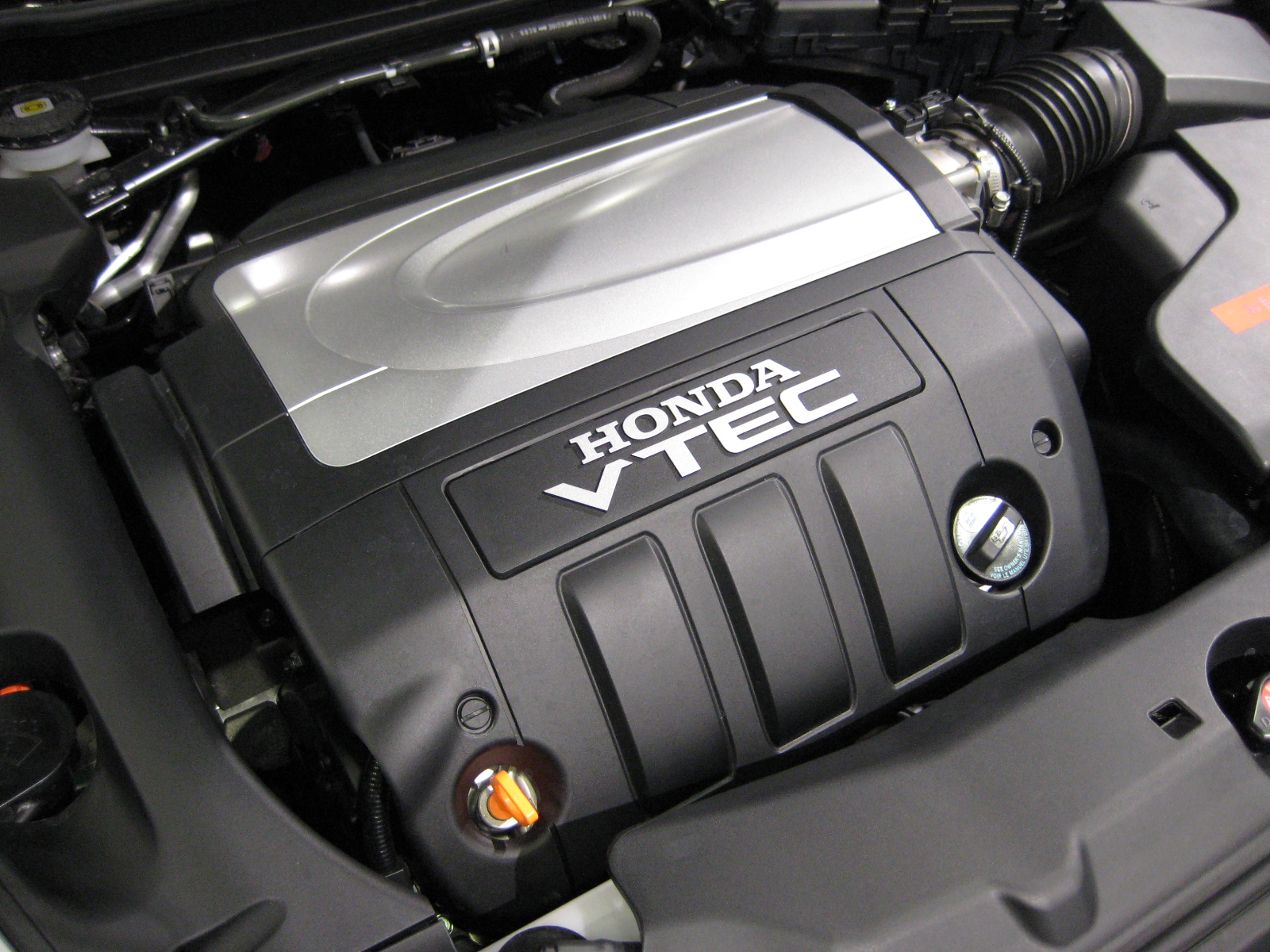
9. Mercedes-Benz OM642: Durable Diesel Powerhouse
The Mercedes-Benz 3.0L V6 Diesel (OM642) is a heavy-duty engine designed for longevity and versatility, powering vehicles from the Mercedes Sprinter to the Mercedes GLE, as well as E-Class and S-Class sedans, ML and GL SUVs.
Introduced in 2005, the OM642 combines a refined aluminum-based 72-degree V6 layout with a counter-rotating balance shaft, delivering smooth operation despite the high torque and vibration typical of diesel engines. Its timing system features a robust duplex roller chain that is thicker than standard gasoline chains, engineered to endure hundreds of thousands of miles even under heavy hauling or long-distance driving.
The OM642 timing chain is designed for extreme durability, often exceeding 200,000 miles and, in many cases, approaching 500,000 miles with proper maintenance. Its long life is supported by steel duplex construction, constant pressurized oil lubrication, and an automatic hydraulic tensioner that compensates for minor chain stretch over time.
This design reduces wear and maintains accurate timing, making the chain a “fit-and-forget” component for most owners. However, extreme neglect or improper oil maintenance can cause the tensioner or guides to fail, producing a distinctive rattle and requiring a full timing chain kit replacement.
Performance-wise, the OM642 delivers 369 to 457 lb-ft of torque, depending on the model, making it well-suited for towing and heavy-duty applications. Advanced Bosch common rail fuel injection, Variable Geometry Turbocharging, and careful balance-shaft engineering allow the engine to provide smooth, linear acceleration while maintaining impressive fuel efficiency for its size, often achieving 28–32 mpg on the highway.
Its refinement and torque make it a preferred choice for commercial use, long-distance highway travel, and luxury SUVs requiring both comfort and capability.
Common maintenance concerns include oil cooler seal leaks, failing injector copper seals (the so-called “Black Death”), clogged intake swirl flaps from CCV oil vapors, and complex emissions systems on BlueTEC models, including DPF and SCR maintenance. These issues typically appear after 100,000 miles and can be costly to repair, often requiring several thousand dollars in labor.
Proactive maintenance is essential to maximize longevity. Oil changes every 7,500 to 10,000 miles using MB 229.51 low-ash oil, along with regular fuel filter replacements, are critical. With proper care, the OM642 provides a durable, high-torque diesel experience that is capable of long service life, combining Mercedes-Benz refinement with commercial-grade resilience.
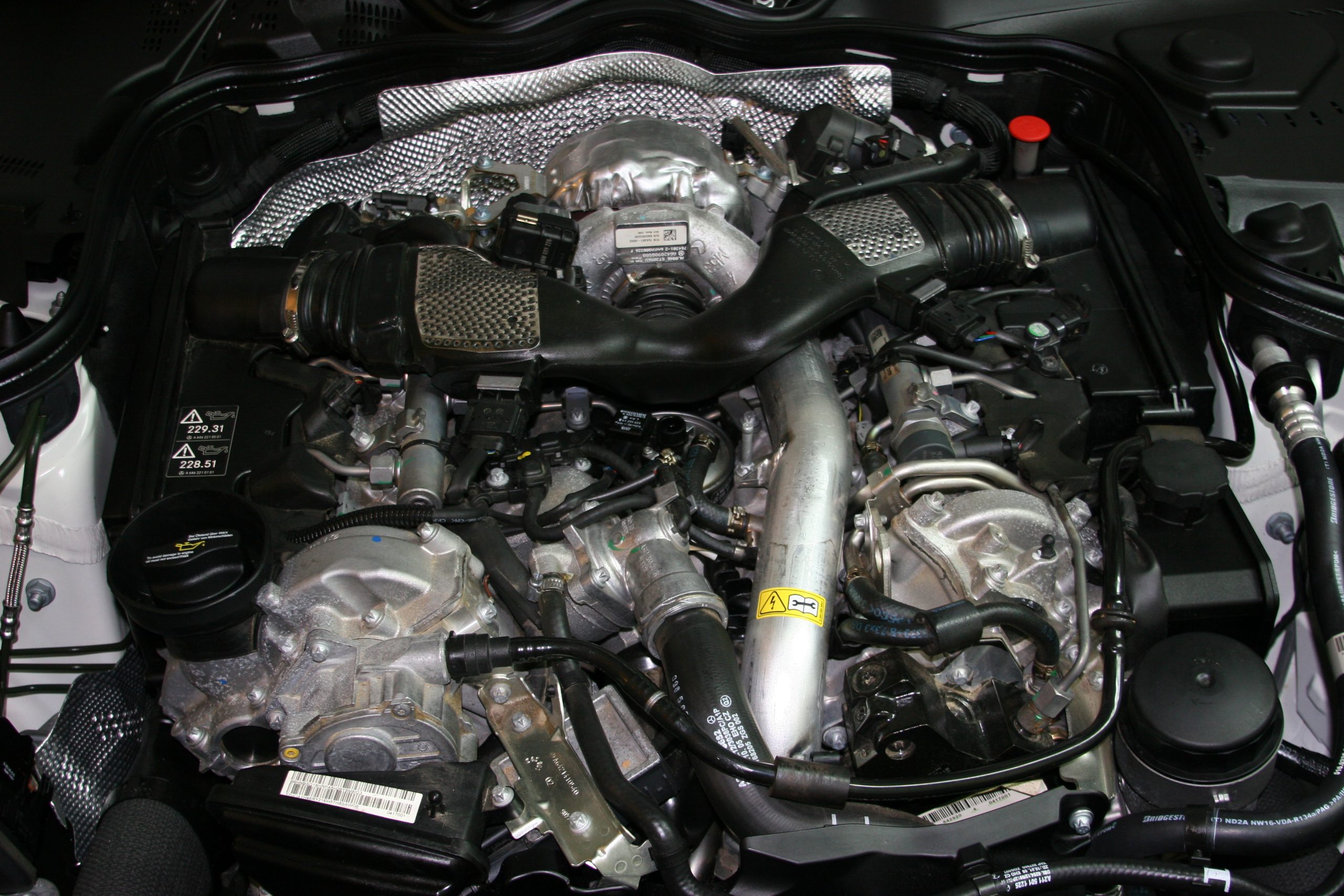
10. Chevy Vortec 6.2L: Durable High-Displacement V8
The Chevy Vortec 6.2L (L92/L9H) engines are heavy-duty, truck-oriented versions of the LS small-block, found in the Cadillac Escalade and GMC Yukon Denali. Unlike later 6.2L variants with Active Fuel Management (AFM), these engines maintain mechanical simplicity, which contributes to the longevity of their short, stout timing chains.
The absence of complex cylinder-deactivation hardware reduces internal stress, allowing the chains and sprockets to experience minimal wear even under heavy loads, making the L92 and L9H capable of exceeding 250,000–300,000 miles with basic maintenance.
The timing chains are steel roller designs, constantly lubricated in an oil bath and tensioned by efficient hydraulic systems. The chains benefit from the cam-in-block OHV architecture, which shortens chain length and lowers stress compared to overhead-cam engines.
The L9H variant, built for E85 compatibility, features higher-grade components for additional durability and performance potential. Despite their robustness, neglecting oil changes or maintenance of the Variable Valve Timing (VVT) system can lead to chain or tensioner issues in very high-mileage engines.
Performance-wise, both engines deliver 403 horsepower and 417 lb-ft of torque, providing strong low-end grunt for towing while maintaining high-end output. The L92 and L9H engines feature all-aluminum blocks, high-flow rectangular-port cylinder heads, and cam-in-block VVT that enhances torque distribution.
These engines are prized for their reliability, as they avoid the lifter and camshaft failures associated with AFM-equipped later 6.2L engines.
Common maintenance concerns are minor, including valve cover and intake manifold gasket leaks, motor mount wear from high torque, and recommendations to use premium fuel to avoid spark knock.
Enthusiasts value these engines for their affordability, aftermarket support, and swap potential. Basic bolt-on modifications, such as camshaft upgrades or LS3-style intakes, can significantly increase power without compromising durability.
The L92 and L9H exemplify GM’s ability to balance modern performance with mechanical simplicity. They are considered among the most reliable high-displacement V8s in light-duty trucks, providing years of dependable service and strong performance with minimal maintenance demands.
The ten engines covered here demonstrate that durability and performance can coexist when engineering focuses on strength, quality, and proper lubrication. Their timing chains, often “fit-and-forget” components, are designed to withstand years of use with minimal wear.
From Toyota’s dependable four- and six-cylinder engines to the high-torque Chevy Vortec 6.2L V8 and the heavy-duty Mercedes-Benz OM642 diesel, these engines provide dependable, long-lasting operation while maintaining strong performance.
Owners benefit from fewer maintenance intervals, lower repair costs, and confidence in high-mileage ownership. These engines are prime examples of mechanical simplicity and robust engineering, offering drivers reliable power and longevity across a variety of vehicles.
Also Read: 10 Cars With Steering So Good Outperforming Everything Else