V8 engines have long been associated with powerful acceleration, commanding presence, and high fuel consumption. Modern engineering, however, has redefined what these engines can achieve, particularly on highways.
Automakers such as Jaguar, BMW, and Land Rover have developed V8 powertrains that combine immense performance with intelligent efficiency. By using technologies like turbocharging, mild-hybrid systems, optimized thermodynamics, and lightweight materials, these vehicles can deliver thrilling acceleration, substantial torque, and practical highway range.
The result is a new generation of SUVs where high displacement no longer automatically means excessive fuel use. The “Top 6 V8 Engines That Are Surprisingly Fuel Efficient on Highways” showcases models that strike a careful balance between excitement and efficiency.
From the Jaguar F-Pace SVR’s supercharged delivery to the BMW X5 and X6 M60i’s refined twin-turbo V8, each vehicle offers a driving experience that satisfies enthusiasts while remaining surprisingly practical for long-distance travel.
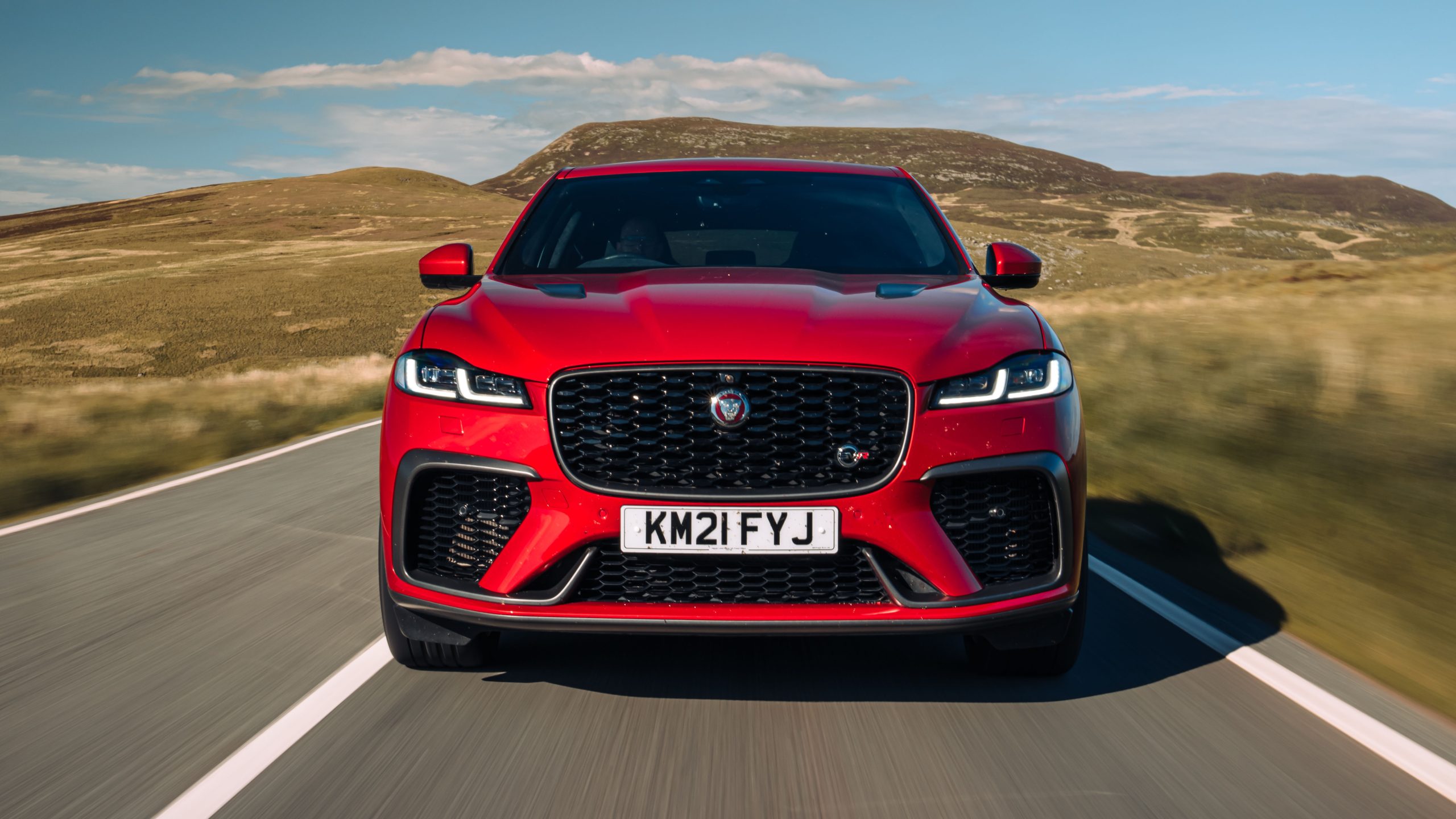
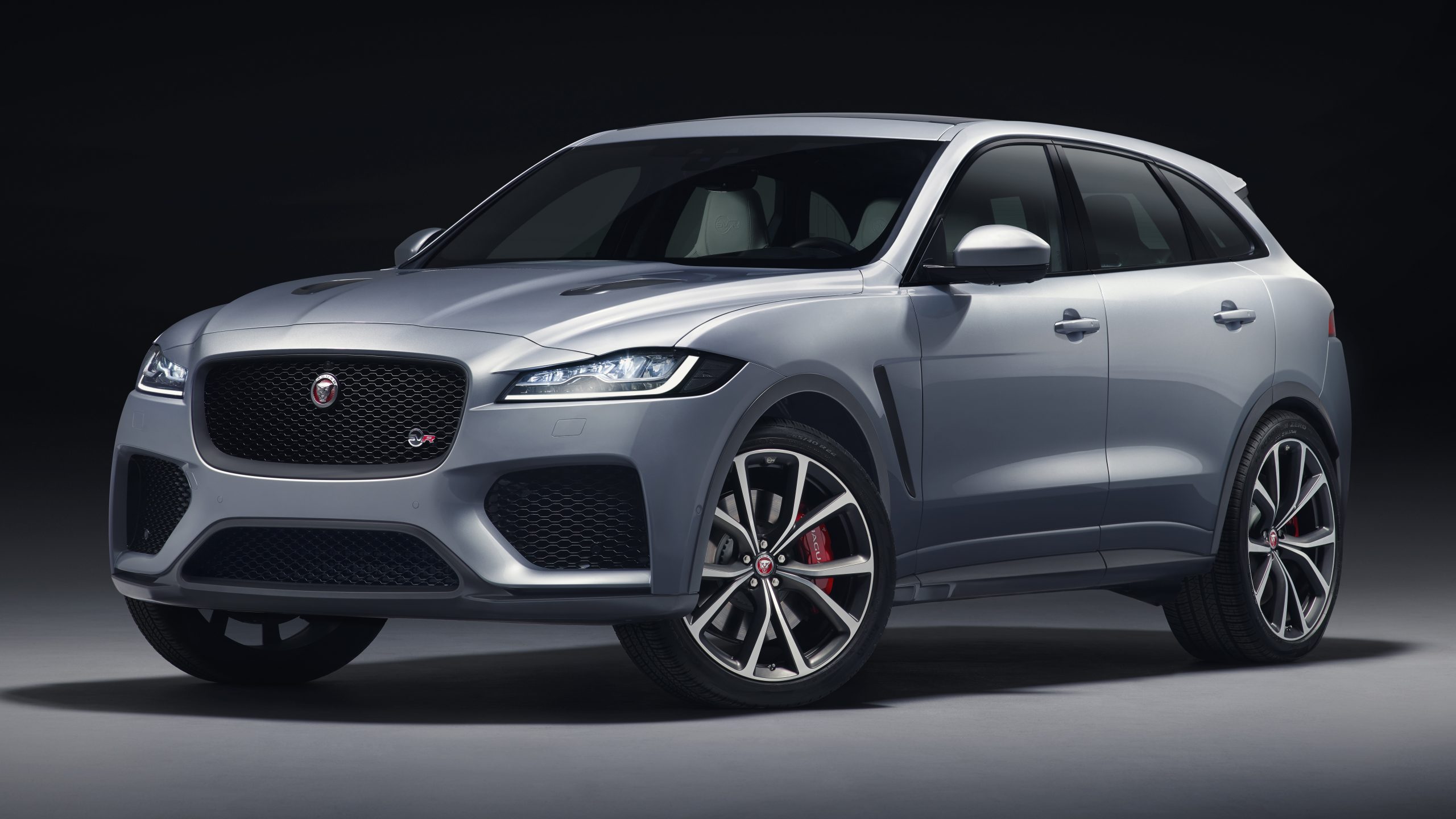
1. Jaguar F-Pace SVR
The Jaguar F-Pace SVR represents one of the most dramatic interpretations of the modern performance SUV. Combining a high-displacement supercharged V8 engine with everyday practicality, it delivers sports-car levels of excitement in a five-seat luxury package.
With Jaguar preparing to discontinue the F-Pace after 2024 as it shifts toward an electric future, the SVR stands as a final celebration of the brand’s traditional combustion performance philosophy.
At its core is a 5.0-liter supercharged V8 producing 542 horsepower and 502 lb-ft of torque in standard form. In later versions such as the 575 Edition, output rises to 567 horsepower (575 PS) and 516 lb-ft (700 Nm). This immense power allows the SUV to sprint from 0–60 mph in as little as 3.8 seconds and reach a top speed of 178 mph. The defining feature of this engine is its supercharger.
Unlike turbocharged competitors, the supercharged setup delivers immediate throttle response without lag. Power builds in a smooth, linear surge, creating a direct and highly engaging connection between driver input and acceleration. The result is a vehicle that feels urgent and alive at any speed.
Fuel economy figures are rated at 15 mpg in the city, 21 mpg on the highway, and 17 mpg combined. These numbers are modest, particularly compared to smaller turbocharged or hybrid SUVs. However, when measured against rivals with similar performance, the SVR proves competitive.
Despite its large displacement and high output, it can match or slightly surpass some alternatives in highway range, offering around 460 miles on a full tank. This makes its efficiency noteworthy in context, as it extracts remarkable performance from its fuel consumption while maintaining daily usability.
Engineering plays a key role in maximizing performance. The F-Pace SVR uses an aluminum-intensive body structure, with approximately 80 percent of the chassis made from aluminum. This reduces weight compared to traditional steel construction and enhances the power-to-weight ratio.
The lighter structure improves agility, braking performance, and handling precision. Aerodynamic enhancements such as enlarged air intakes, bonnet vents, and a redesigned front bumper help reduce lift and improve cooling for both the engine and braking system. These features are functional, ensuring stability and durability during spirited driving.
Power is sent through a specially calibrated ZF eight-speed automatic transmission that delivers rapid and smooth shifts. The gearbox is tuned to keep the torque converter locked after second gear, improving responsiveness and mechanical efficiency. Jaguar’s Intelligent Driveline Dynamics system continuously monitors traction and redistributes torque between the front and rear axles when necessary.
The rear-biased all-wheel-drive system enhances cornering balance and allows a slight degree of slip under hard acceleration, adding to the vehicle’s dynamic character. Despite its SUV proportions, the SVR maintains impressive composure through bends, with controlled body roll and communicative steering that encourages confident driving.
Inside, the cabin reflects Jaguar’s push toward greater refinement, particularly in models updated from 2021 onward. The facelift introduced an 11.4-inch Pivi Pro infotainment system, higher-quality materials, and improved comfort. Passenger space is generous, with supportive seating, good rear legroom, and a spacious cargo area of approximately 650 litres.
The ride quality in newer versions is more compliant, especially in Comfort mode, making long-distance journeys more pleasant. Some minor criticisms remain, including fuel thirst and a few touch-sensitive controls that can feel less intuitive than traditional buttons.
The Jaguar F-Pace SVR has earned praise from automotive reviewers for its thrilling engine note, strong acceleration, and engaging handling. It is frequently described as one of the last performance SUVs to rely on a traditional supercharged V8 rather than downsized turbocharged power.
For enthusiasts seeking a luxury SUV that balances practicality with genuine excitement, the F-Pace SVR offers a distinctive and memorable driving experience that is becoming increasingly rare in today’s automotive world.
2. BMW Alpina XB7
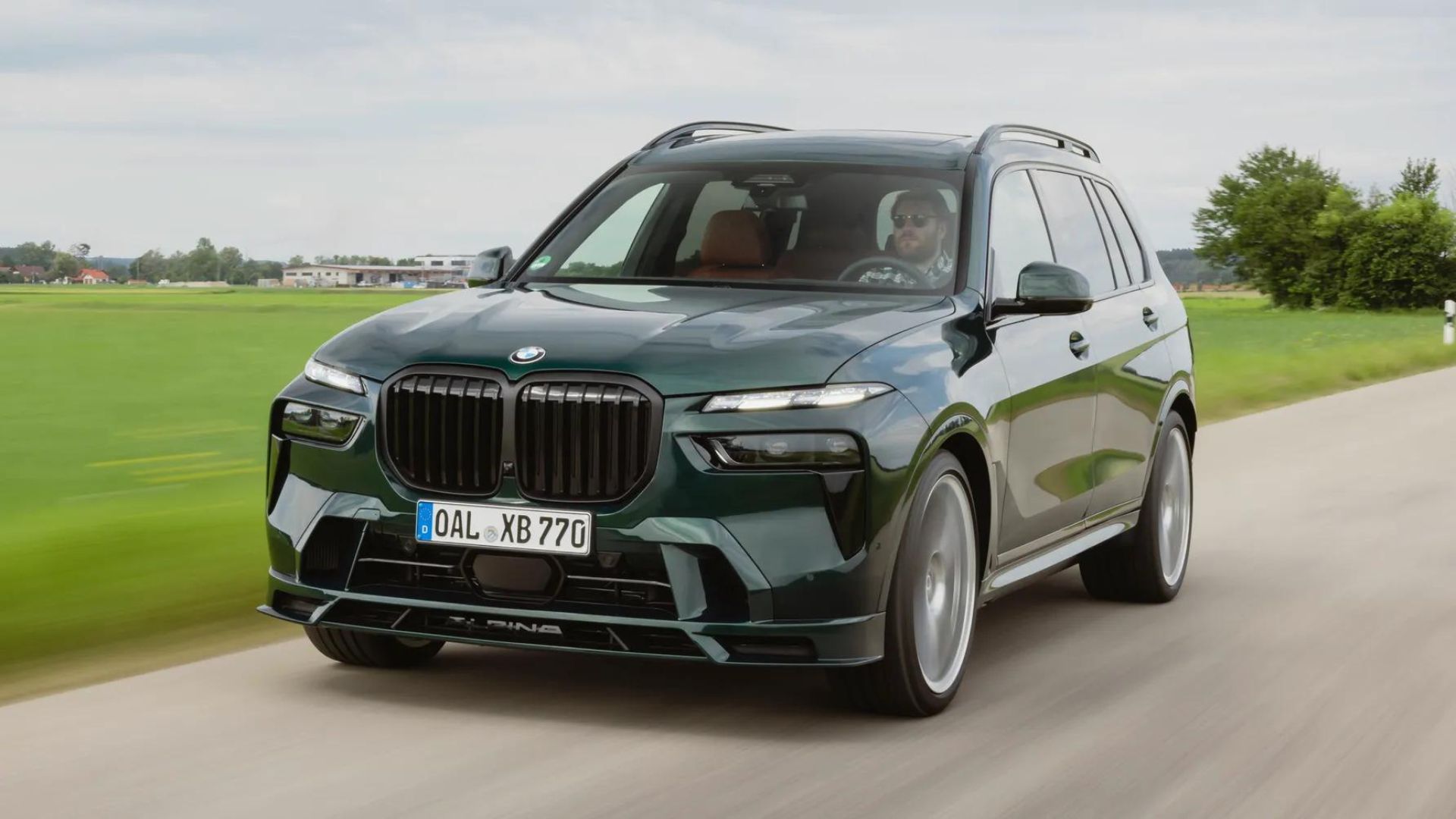
The BMW Alpina XB7 is the most exclusive and powerful version of the BMW X7, transforming the large three-row SUV into a high-performance luxury flagship. With a starting price of about $152,400, it competes with ultra-luxury SUVs while offering distinctive Alpina craftsmanship and engineering.
It combines hand-finished interior details, advanced hybrid-assisted technology, and immense V8 power in a vehicle designed for high-speed comfort rather than track-focused aggression.
Under the hood is a 4.4-liter twin-turbocharged V8 producing 631 horsepower and 640 lb-ft of torque. This engine enables the nearly 6,000-pound SUV to accelerate from 0 to 60 mph in as little as 3.9 seconds. Despite its size and three rows of seating, performance is immediate and forceful.
The engine is paired with an eight-speed ZF automatic transmission and BMW’s xDrive all-wheel-drive system, delivering smooth and confident traction in all conditions. Power delivery feels effortless, making the XB7 exceptionally capable at both highway speeds and during quick overtaking maneuvers.
A significant element of the latest model is the integration of a 48-volt mild-hybrid system. Built into the transmission, it uses a starter-generator to recover energy during braking and deceleration, storing it in a lithium-ion battery. The system can contribute up to 12 additional horsepower and 148 lb-ft of torque to assist the engine during initial acceleration and steady cruising.
This support allows the V8 to operate more efficiently under certain loads. As a result, the XB7 achieves EPA ratings of 16 mpg in the city, 20 mpg on the highway, and 17 mpg combined. While these figures are not modest, they are competitive when compared with similarly powerful V8 SUVs.
Alpina engineers have also focused on maintaining thermal efficiency and mechanical stability. The XB7 features an upgraded cooling system with additional external water coolers, an enlarged radiator, and a dedicated transmission oil cooler. A specialized intercooling system keeps intake air temperatures low, improving combustion efficiency and sustaining performance during demanding driving.
The engine uses a cross-bank exhaust manifold that feeds twin-scroll turbochargers. This design reduces back pressure and improves boost response, delivering strong torque from as low as 1,800 RPM. The result is smooth, consistent acceleration across a broad rev range.
Driving dynamics are surprisingly agile for a vehicle of this size. Rear-axle steering enhances maneuverability at low speeds and stability at higher speeds. Large Brembo brakes provide strong stopping power, bringing the SUV to a halt from 60 mph in roughly 100 feet.
The two-axle air suspension adapts continuously and includes an Alpina-specific Comfort Plus mode that softens the ride beyond standard settings, allowing the vehicle to glide over uneven surfaces.
At higher speeds, the suspension lowers automatically to reduce aerodynamic drag and improve stability. Transmission tuning also keeps engine speeds low during highway travel, maintaining refinement and reducing fuel consumption during long journeys.
Inside, the cabin reflects Alpina’s dedication to craftsmanship and exclusivity. Lavalina leather wraps the steering wheel, while upgraded Merino leather seats provide exceptional comfort.
Unique Alpina stitching, bespoke digital instrument graphics, and a production plaque emphasize the limited nature of the model. Technology includes BMW’s curved iDrive 8.5 display, augmented reality navigation, and a 20-speaker Bowers and Wilkins sound system. The interior atmosphere is quiet, luxurious, and suited for extended travel.
Reviewers frequently praise the XB7 for its immense acceleration, advanced technology, and refined ride quality. Some note that its price premium over the X7 M60i is substantial.
Cargo space behind the third row is limited, and the optional 23-inch wheels can make the ride firmer on rough pavement. Even so, the BMW Alpina XB7 delivers exceptional performance, luxury, and exclusivity in a three-row SUV that balances family practicality with remarkable speed and engineering sophistication.
3. BMW X7 M60i xDrive
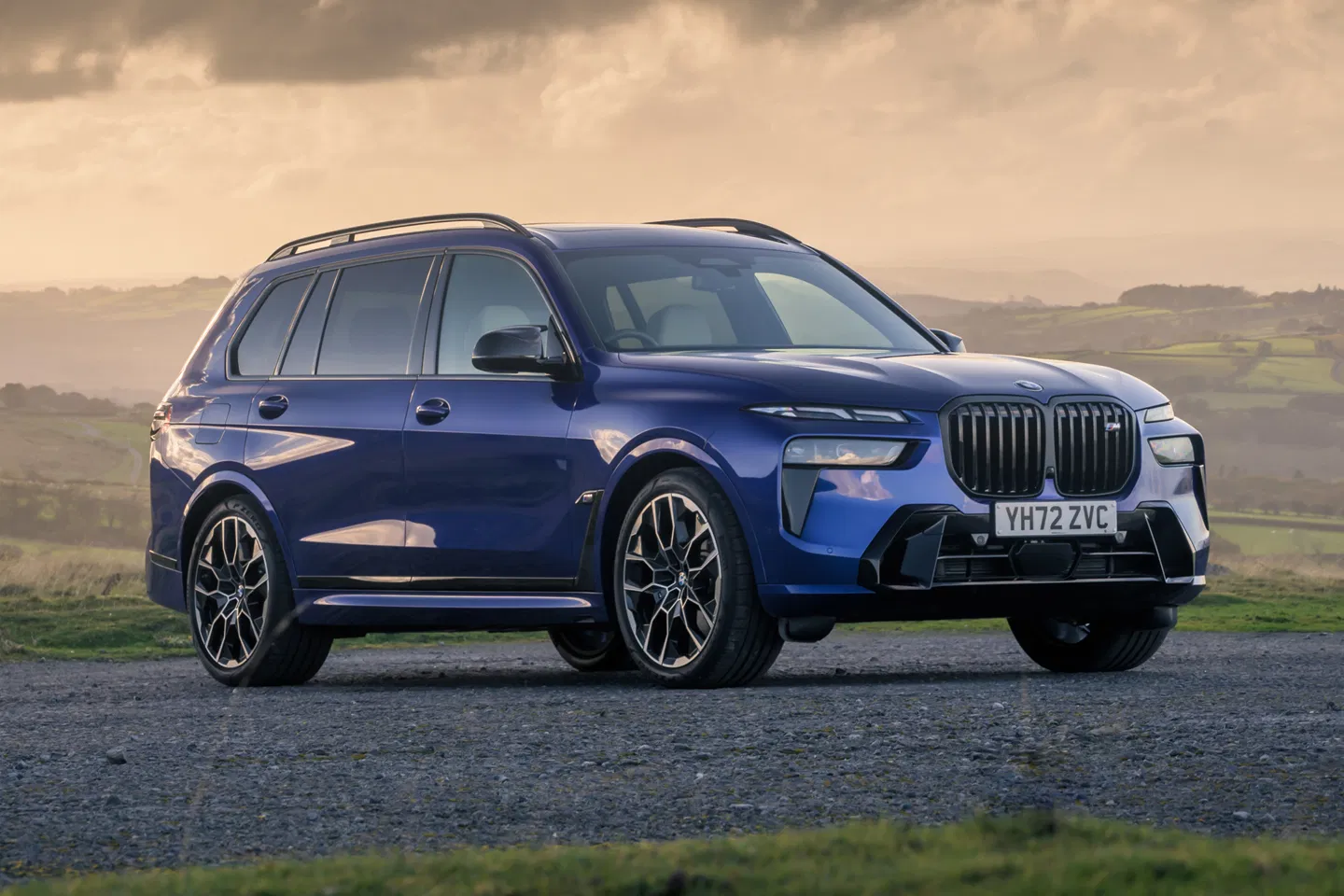
The BMW X7 M60i xDrive is the performance-focused version of BMW’s flagship three-row SUV, combining V8 power, advanced hybrid technology, and high-end luxury in a full-size package. Built on BMW’s CLAR platform, which it shares with models such as the 8 Series and X5, the X7 showcases the brand’s modern design language, including the enlarged kidney grille and split-headlight layout.
With a starting MSRP of about $108,700, it sits near the top of BMW’s SUV range while offering a balance of performance and relative efficiency that stands out in the V8 segment.
Power comes from BMW’s new-generation 4.4-liter twin-turbocharged S68 V8 engine, producing 523 horsepower and 553 lb-ft of torque. This output allows the large SUV to accelerate from 0 to 60 mph in approximately 4.5 seconds, a figure that rivals many smaller performance vehicles.
Despite its size and three-row layout, the M60i delivers strong and immediate acceleration, making highway merging and overtaking effortless. The engine is paired with an eight-speed Steptronic Sport automatic transmission and BMW’s xDrive all-wheel-drive system, ensuring smooth and controlled power delivery in various driving conditions.
One of the most significant contributors to the X7 M60i’s efficiency is its integrated 48-volt mild-hybrid system. Unlike older belt-driven systems, this setup incorporates an electric motor directly into the transmission. The motor can provide up to 12 additional horsepower and 147 lb-ft of torque to assist the engine during acceleration.
It also captures energy during braking and coasting, storing it in a dedicated 48-volt battery. This stored energy powers vehicle electronics and supports the engine when needed, reducing fuel consumption under certain conditions. The system also enhances the start-stop function, making engine restarts nearly imperceptible in city driving.
The S68 engine architecture itself is designed with thermodynamic efficiency in mind. A cross-bank exhaust manifold improves exhaust flow to the turbochargers, reducing lag and enhancing combustion efficiency. Electric VANOS variable camshaft timing replaces older hydraulic systems, allowing more precise control of valve timing to optimize fuel use across different loads and speeds.
Improved oil management, including a redesigned oil pump and lighter oil sump, reduces internal friction and parasitic losses. These measures help the X7 M60i achieve EPA fuel economy ratings of 16 mpg city, 21 mpg highway, and 18 mpg combined, making it one of the more efficient V8-powered luxury SUVs in its class.
Driving dynamics are enhanced by several advanced systems. Integral Active Steering, which includes rear-wheel steering, improves low-speed maneuverability and high-speed stability. Adaptive M Suspension Professional and Active Roll Stabilization reduce body roll and maintain composure during spirited driving.
In Comfort mode, the air suspension provides a smooth and composed ride suitable for long journeys. Optional 23-inch wheels can slightly firm up the ride on rough surfaces, but the standard setup maintains a strong balance between control and comfort.
Inside, the X7 M60i offers a richly appointed cabin with high-quality materials and modern technology. Available Merino leather upholstery, carbon fiber trim, and finely crafted surfaces create a premium atmosphere. Heated front seats are standard, with ventilation and massage functions available.
The dashboard features BMW’s curved display, combining a 12.3-inch digital instrument cluster and a 14.9-inch central touchscreen running iDrive 8 or 8.5. Wireless Apple CarPlay and Android Auto are standard, along with multiple USB-C charging ports across all three rows. Some reviewers note that relocating climate controls into the touchscreen can be less intuitive than traditional physical buttons.
Practicality remains a key strength. The third row can comfortably accommodate adults, which is not always the case in competing SUVs. Cargo space measures 326 liters with all seats in place and expands to over 2,120 liters with the rear seats folded.
While fuel consumption remains higher than smaller-engine alternatives, the X7 M60i delivers strong value within its segment by combining substantial power, advanced efficiency technology, generous space, and a comprehensive list of standard features in a refined and capable full-size luxury SUV.
Also Read: 5 Engines Famous for Longevity vs 5 With Timing Chain Headaches
4. Land Rover Range Rover SV
The Land Rover Range Rover SV represents the highest expression of performance and luxury within the Range Rover lineup. Positioned at the very top of the brand’s SUV range, it combines handcrafted opulence with formidable V8 power and advanced hybrid technology.
With a starting MSRP around $209,000 before options, the SV commands a premium price, but it delivers performance and innovation that help justify its position in the ultra-luxury SUV segment.
Power comes from a 4.4-liter twin-turbocharged V8 mild-hybrid engine, commonly referred to as the P615 in full-size SV specification. It produces 607 horsepower and 553 lb-ft of torque, enabling the large SUV to sprint from 0 to 60 mph in approximately 4.3 seconds, with a top speed of 162 mph.
In the related Range Rover Sport SV variant, output climbs even higher, allowing a 0 to 60 mph time as low as 3.6 seconds. These figures place the SV among the quickest luxury SUVs available, despite its substantial size and weight.
Fuel economy is rated at 16 mpg in the city, 22 mpg on the highway, and 18 mpg combined. While these numbers are not modest in absolute terms, they are competitive within the high-output V8 category. Compared with the previous 5.0-liter supercharged V8 used in earlier SVR models, the new engine produces more power while reducing emissions by roughly 15 percent, reflecting a significant technological advancement.
A major contributor to this improvement is the integration of a 48-volt mild-hybrid system. The system captures energy during braking and deceleration, storing it in a compact battery for later use.
This stored energy assists the engine under load, smoothing gear shifts and reducing the amount of fuel required during initial acceleration. The hybrid system also enhances start-stop operation, making restarts more seamless in urban driving conditions.
Efficiency gains also stem from advanced internal engineering. The engine employs spray bore technology instead of traditional steel cylinder liners. This ultra-thin metallic coating reduces internal friction and weight while improving heat transfer between the combustion chamber and cooling system. Lower friction allows the engine to operate more freely, improving both responsiveness and fuel efficiency.
Precision combustion control further enhances performance. Sophisticated variable valve timing and lift systems optimize the air-fuel mixture throughout the rev range. Twin-scroll turbochargers provide rapid boost response, minimizing pumping losses and delivering strong torque at low engine speeds. The result is immediate and sustained acceleration without unnecessary fuel waste.
Beyond the engine, the Range Rover SV incorporates holistic efficiency measures. Optional 23-inch carbon fiber wheels reduce unsprung mass and save up to 76 kilograms across the vehicle, improving handling precision and reducing the energy required for acceleration. Advanced aerodynamics and lightweight materials also contribute to better performance per unit of fuel consumed.
Driving dynamics are elevated by the innovative 6D Dynamics hydraulic suspension system. This setup links the dampers to control pitch and roll during acceleration, braking, and cornering, effectively minimizing body lean without conventional anti-roll bars.
The system provides remarkable composure for such a large vehicle, though some reviewers note that it can feel slightly insulated when driven aggressively. Ride comfort remains excellent in normal driving modes, maintaining the brand’s reputation for refinement.
Inside, the SV delivers a meticulously crafted cabin. Semi-aniline leather, ceramic controls, and intricate wood veneers create a contemporary yet luxurious atmosphere. The 13.1-inch curved Pivi Pro touchscreen provides crisp graphics and wireless smartphone integration, though the shift of climate controls into the touchscreen has drawn some criticism.
Unique features such as the Body and Soul Seat system, which integrates seat vibrations with the 29-speaker Meridian Signature audio system, create an immersive sensory experience. Buyers can choose from multiple seating configurations, including exclusive four-seat Signature Suite layouts with rear entertainment and refrigeration options.
Despite its strengths, concerns remain regarding long-term reliability and high ownership costs. Land Rover has historically ranked lower in reliability surveys, and maintenance expenses can be substantial. Fuel consumption, premium tires, and optional carbon ceramic brakes also add to running costs.
The Range Rover SV successfully blends extraordinary power, advanced engineering, and handcrafted luxury into a single package. It delivers impressive acceleration and innovative technology while maintaining the comfort and prestige expected of a flagship British SUV.
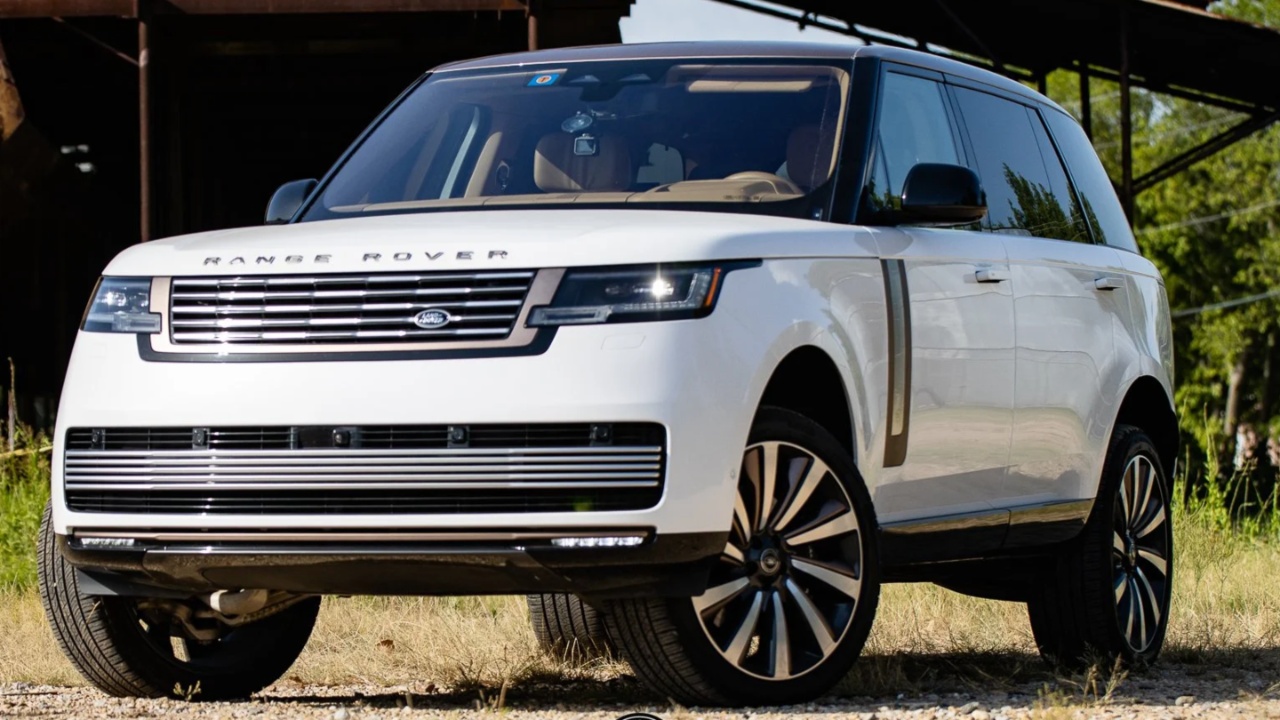
5. Land Rover Range Rover P530 and Land Rover Range Rover Sport P530
The Land Rover Range Rover P530 and Range Rover Sport P530 are modern expressions of the brand’s commitment to combining luxury, performance, and improved efficiency. Both SUVs are powered by a 4.4-liter twin-turbocharged V8 producing 523 horsepower and 553 lb-ft of torque.
This engine replaces the older 5.0-liter supercharged V8, offering a more refined, efficient, and technologically advanced powertrain. Pricing starts at approximately $131,400 for the full-size Range Rover and $109,700 for the Range Rover Sport, placing them in the premium luxury SUV segment while delivering competitive efficiency for vehicles of their size and output.
At the heart of the P530 engine is a “Hot-V” turbocharged configuration. Placing the turbochargers within the V of the engine reduces the distance exhaust gases must travel to reach the turbines, minimizing energy loss and boosting throttle response.
Unlike a traditional supercharged engine that draws mechanical energy from the crankshaft, this twin-turbo setup uses exhaust energy that would otherwise be wasted, improving thermal efficiency while delivering immediate power. Both SUVs achieve 0 to 60 mph in approximately 4.4 to 4.6 seconds, remarkable figures for SUVs weighing around 2.5 tons.
A 48-volt mild-hybrid system further contributes to efficiency. The integrated starter-generator captures energy during braking or coasting and stores it in a compact battery. This energy supports engine output under load, powers on-board systems, and allows smoother operation of the stop-start function.
By reducing the V8’s workload in everyday driving, the system helps both models achieve EPA ratings of 16 mpg city, 23 mpg highway, and 19 mpg combined. This represents roughly a 17 percent improvement over the previous generation supercharged V8.
Advanced internal engineering also enhances performance and efficiency. The P530 features variable valve lift and camshaft timing systems that optimize airflow according to driving conditions.
At low speeds, valve lift is reduced to minimize pumping losses, while at higher speeds the system maximizes airflow for full power. Wire-arc sprayed cylinder bores replace heavy steel liners, reducing friction and weight. These features allow the engine to operate more efficiently without compromising performance.
Driveline management plays an important role in efficiency. The Intelligent All-Wheel Drive system monitors grip continuously and can decouple the front axle entirely at steady highway speeds, allowing the vehicle to run in rear-wheel drive. This reduces mechanical drag and improves fuel economy while maintaining control.
Although the P530 is shared between both models, each offers a unique driving experience. The full-size Range Rover prioritizes comfort and refinement. Standard all-wheel steering enhances maneuverability despite its size, and the interior is spacious with a long wheelbase and optional third-row seating.
A 13.1-inch curved Pivi Pro touchscreen, premium leather, and high-end materials create a serene, luxurious cabin, while the suspension isolates occupants from road imperfections for a smooth ride.
The Range Rover Sport P530 is tuned for a more dynamic experience. It sits slightly lower with a stiffer chassis, offering sharper handling. Active roll control technology keeps the SUV flat during cornering, reducing body roll.
While still quiet and luxurious, the Sport provides more road feedback and a sportier character. It sacrifices the optional third row of the full-size model but features a sleeker, more aggressive profile for drivers seeking a responsive, engaging ride.
Both models share some drawbacks. Real-world fuel consumption rises under spirited driving, the nearly buttonless touchscreen interface can be less intuitive for some, and Land Rover’s historical reliability issues remain a consideration for long-term ownership.
The Range Rover and Range Rover Sport P530 combine strong V8 performance, mild-hybrid efficiency, and refined British luxury. They demonstrate how modern engineering can maintain the power and character expected of a large luxury SUV while significantly improving efficiency, making them highly capable and technologically advanced choices in the premium segment.
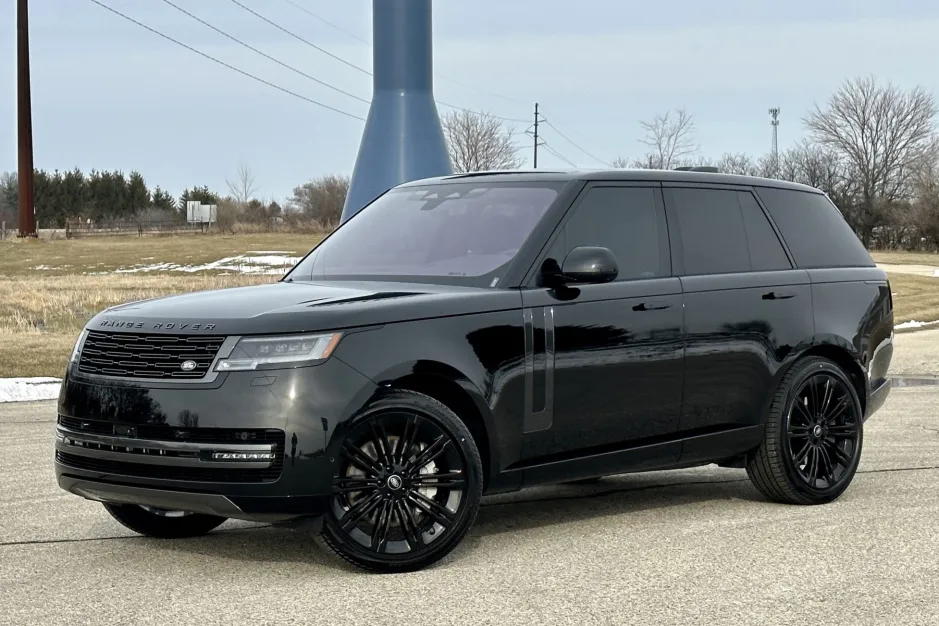
6. BMW X5 M60i and BMW X6 M60i
The BMW X5 M60i and X6 M60i are the most efficient non-hybrid V8 models in BMW’s lineup, combining strong performance with advanced engineering that maximizes both power and fuel efficiency. Both SUVs share the 4.4-liter S68 twin-turbo V8 engine, producing 523 horsepower and 553 lb-ft of torque.
The X5 M60i starts at approximately $89,300, while the more stylish X6 M60i starts around $93,600. Despite their significant size, both vehicles achieve an EPA-estimated 17 mpg city, 22 mpg highway, and 19 mpg combined, making them stand out in the luxury V8 segment for balancing performance with efficiency.
The S68 engine represents a complete redesign over BMW’s older N63 V8. It was developed with strict emissions and efficiency standards in mind while still delivering high output. A key feature of the engine is its 48-volt mild-hybrid system integrated directly into the 8-speed Steptronic Sport transmission.
Unlike traditional belt-driven starter-generator setups, this system provides up to 12 hp and 147 lb-ft of torque during acceleration. It also recaptures energy during braking and coasting, storing it in a 48V battery.
This energy assists the engine under load, powers auxiliary systems, and allows smoother stop-start operation. The mild-hybrid system is designed to improve both real-world efficiency and responsiveness without compromising the V8’s character.
BMW engineers further optimized the engine with advanced thermodynamic and mechanical technologies. The S68 uses a cross-bank exhaust manifold to ensure exhaust gases reach the bank-symmetrical turbochargers evenly, reducing turbo lag and improving combustion efficiency.
Electric VANOS variable camshaft control allows rapid and precise adjustments to valve timing, reducing fuel consumption across a wide range of driving conditions.
The oil system has been upgraded with an external cooler, a redesigned pump, and a weight-minimized sump to reduce friction and parasitic losses. Combined, these improvements allow the S68 to deliver massive power while maintaining impressive efficiency for a large V8.
In real-world use, the X5 and X6 M60i demonstrate strong performance while controlling fuel consumption. Cylinder deactivation and seamless coasting in Eco Pro mode allow the engine to shut off partially while maintaining essential functions, particularly at highway speeds.
These features result in combined fuel figures near 19 mpg under normal driving, and closer to 25.5 mpg during steady-state cruising in optimal conditions. Both SUVs can accelerate from 0-60 mph in about 4.1 seconds, offering high performance without excessive fuel demands.
While the powertrains are identical, the X5 and X6 offer distinct designs and lifestyles. The X5 M60i features a more traditional, upright SUV shape with superior rear headroom and a larger cargo area of about 33.9 cubic feet. It is well-suited for families or buyers prioritizing utility alongside speed.
The X6 M60i, with its coupe-like sloping roofline and distinctive “Iconic Glow” kidney grille, sacrifices roughly six cubic feet of cargo space and rear visibility but offers a more aggressive and visually striking presence.
Both models include advanced driving technologies that enhance their agility and comfort. Integral Active Steering allows these SUVs to maneuver like smaller vehicles despite their size, while the Adaptive M Suspension strikes a balance between firm handling and everyday comfort.
The interiors are dominated by BMW’s Curved Display running iDrive 8.5, featuring high-quality materials such as carbon fiber and Merino leather. Some drivers may find the lack of physical climate control buttons a drawback due to the glass-centric design.
The X5 M60i is ideal for those seeking utility, performance, and value, while the X6 M60i appeals to buyers who prioritize style and road presence. Both SUVs exemplify BMW’s ability to combine executive luxury with high-output V8 performance, offering thrilling acceleration, sophisticated engineering, and impressive efficiency for large, non-hybrid luxury vehicles.
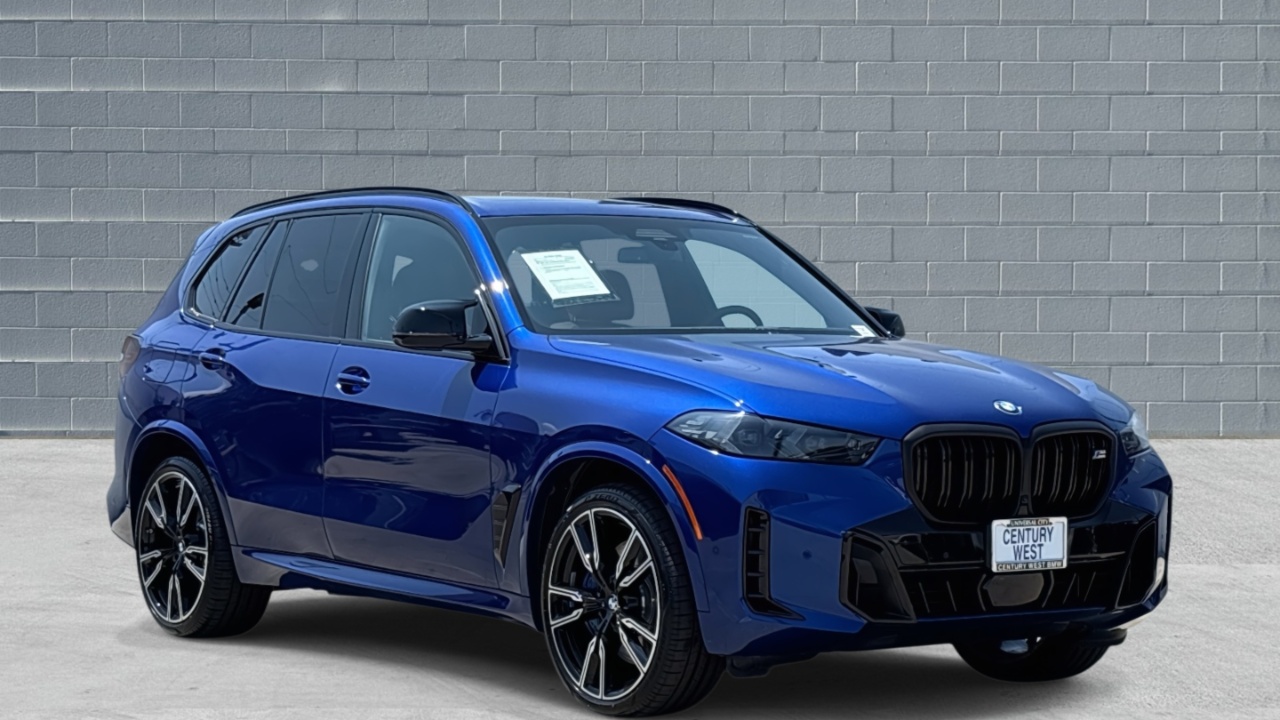
These six V8-powered SUVs prove that performance and fuel efficiency are no longer mutually exclusive. Through innovations such as mild-hybrid assistance, turbocharging, advanced valve timing, and careful engineering, these vehicles provide powerful acceleration and strong torque while minimizing fuel consumption. Highway driving becomes practical without sacrificing the thrill of a large, high-output V8.
Models like the Jaguar F-Pace SVR, BMW Alpina XB7, and Range Rover SV deliver a combination of luxury, refinement, and responsive performance that sets them apart in the premium SUV segment.
Each demonstrates that modern technology can extract more efficiency from traditional engines while preserving the character and excitement expected from a V8. For drivers seeking a full-size SUV with exhilarating power that does not punish fuel economy, these six models offer some of the best examples currently available.
Also Read: 10 Cars That Make Routine Oil Changes Weirdly Difficult