
Modern engines often strive to balance performance, fuel efficiency, and longevity, but this balance sometimes comes with higher oil consumption. Many high-performance or turbocharged engines, such as the BMW N63 V8, Subaru FB25, Audi 2.0T, and Acura J37, deliver smooth power and responsive driving yet consume more oil than conventional engines.
Common causes include low-tension piston rings, carbon buildup, PCV system malfunctions, and specific design choices such as aluminum-silicon cylinder liners or hot Vee configurations. Manufacturers often classify oil consumption within a certain range as normal, sometimes allowing up to a quart per 1,000 miles.
This acceptance helps balance efficiency, reduce internal friction, and improve warranty management. For owners, understanding why these engines consume oil is essential for proper maintenance and longevity while still enjoying the performance benefits of modern engineering.
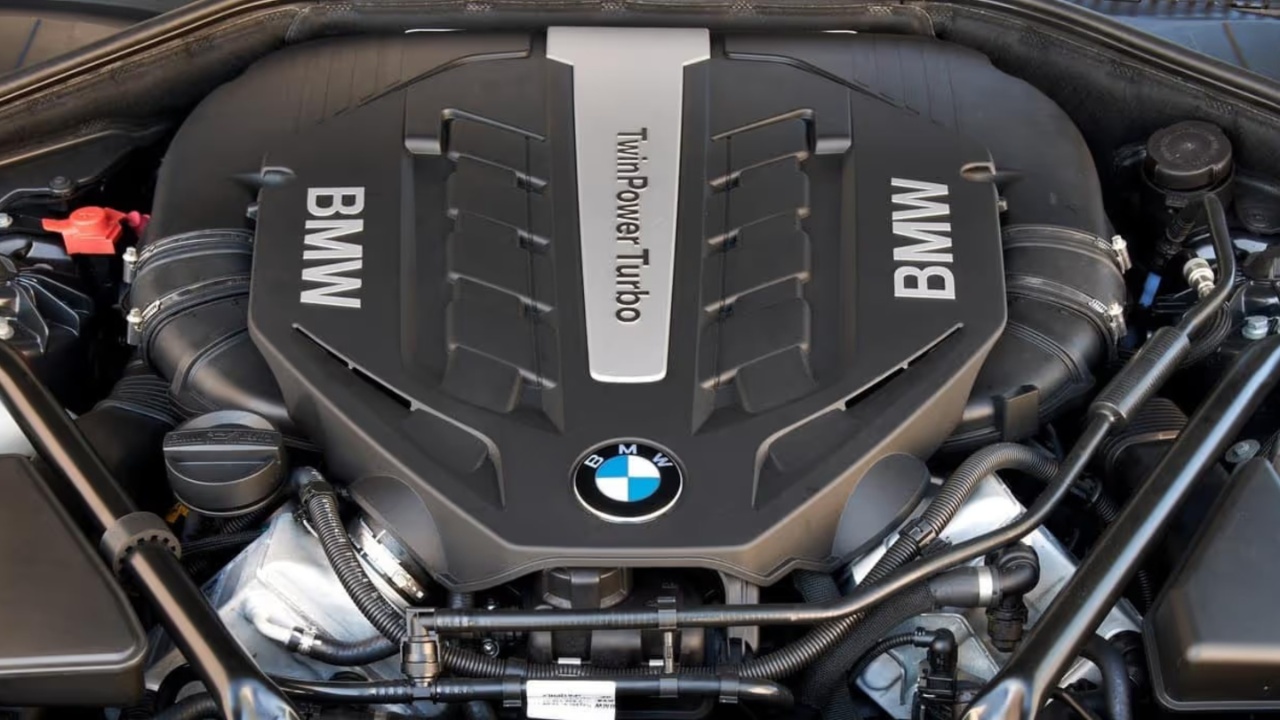
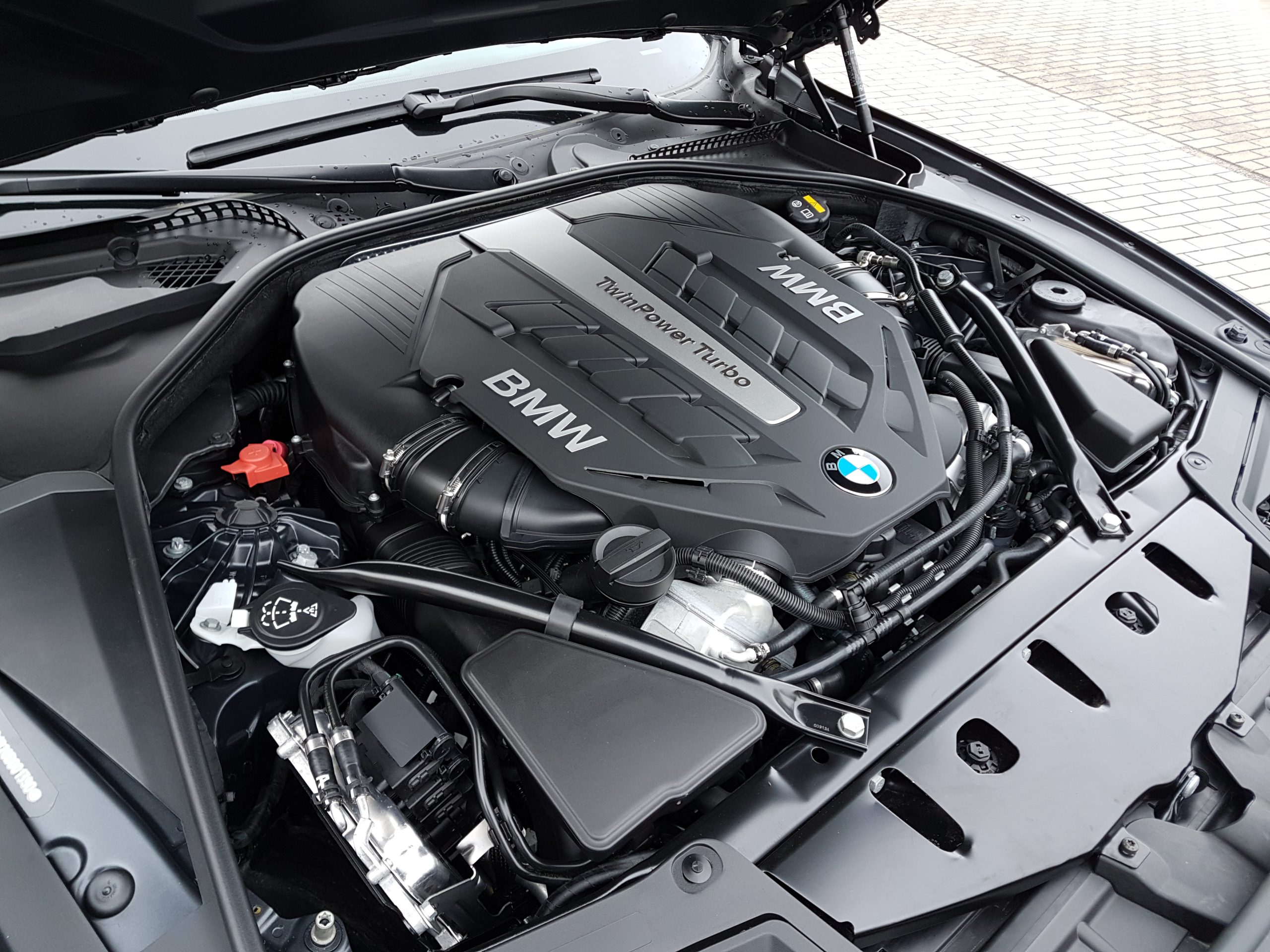
1. BMW N63 V8: Delivers Strong Performance but Faces Persistent Reliability Concerns
The BMW 4.4-liter Twin Turbo V8, known as the N63, stands out as one of the brand’s most ambitious engine designs. Introduced in 2008, it was the first production V8 to use a “hot vee” configuration, placing the turbochargers inside the valley of the engine rather than on the outside.
This layout improves throttle response, reduces turbo lag, and allows for tighter packaging. Depending on the version, output ranges from roughly 402 horsepower in early models to more than 523 horsepower in later Technical Update variants. The engine is widely praised for its smooth power delivery, refined character, and strong tuning potential.
Despite these strengths, the N63 gained a reputation for excessive oil consumption and mechanical problems, particularly in models produced between 2008 and 2013. The hot Vee design traps intense heat in the center of the engine, exposing seals, gaskets, and other components to extreme temperatures.
Over time, valve stem seals can harden and crack, allowing oil to seep into the combustion chamber where it burns. Turbocharger oil seals may also degrade under sustained heat, contributing to further oil loss. In certain cases, worn piston rings and failures within the crankcase ventilation system compound the problem.
Some engines have been documented consuming as much as one quart of oil every 750 to 1,000 miles. BMW has at times classified this level of usage as within acceptable factory limits. Early maintenance intervals of approximately 15,000 miles also made matters worse, as owners were less likely to check or replenish oil between services.
As complaints mounted, BMW introduced a Customer Care Package aimed at addressing common failure points, replacing components such as injectors and ventilation parts. Lawsuits later led to extended warranty coverage and complimentary oil top-offs for affected vehicles.
Subsequent N63TU, N63TU2, and N63TU3 revisions introduced significant improvements in heat management and durability. While early engines are often viewed as high risk, later versions are regarded as much more reliable, provided they receive diligent maintenance and careful inspection before purchase.
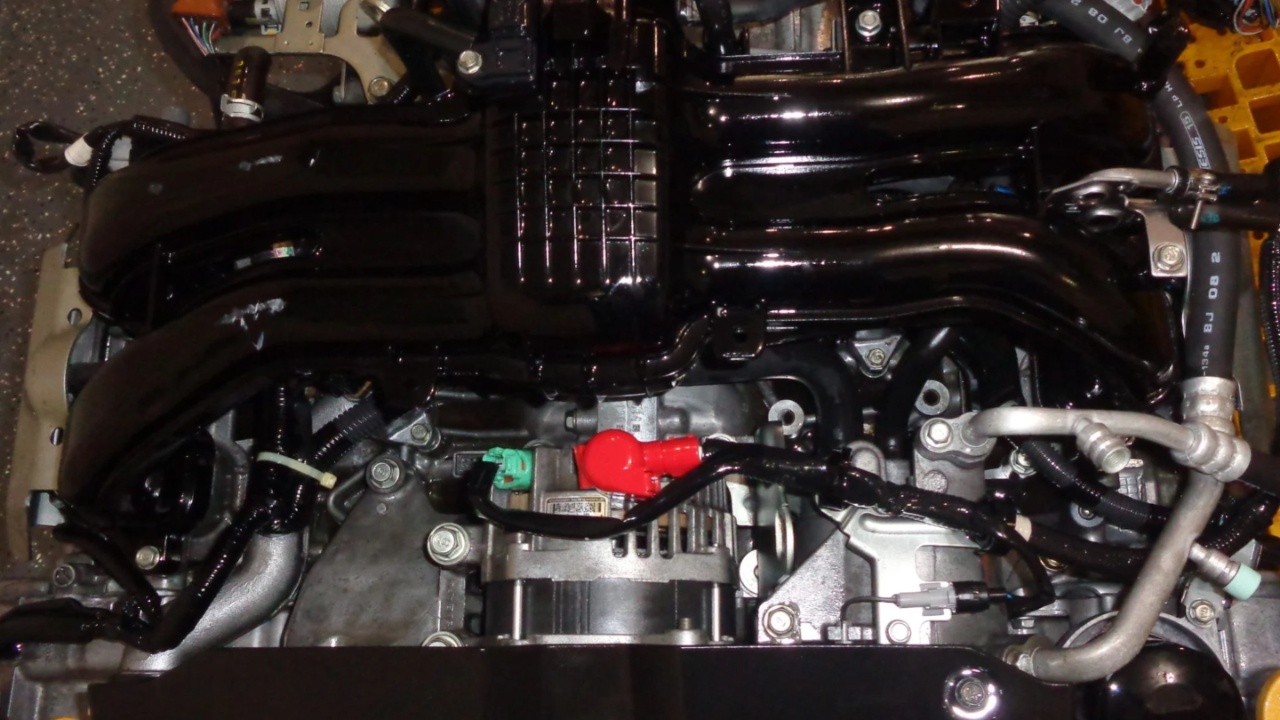
2. Subaru FB25: Balances Fuel Efficiency With Notable Oil Consumption Concerns
The Subaru 2.5-liter H4 FB25 engine, introduced around 2010, powers popular models such as the Forester, Outback, and Legacy. Designed as a successor to the older EJ25, it addressed prior head gasket problems and adopted a timing chain instead of a belt to improve long-term durability. Producing about 182 horsepower, the FB25 is regarded as dependable for daily driving, though not particularly sporty.
However, early versions built between 2011 and 2014 developed a reputation for excessive oil consumption. The issue largely stems from engineering decisions aimed at improving fuel economy. Subaru adopted low-tension oil control piston rings to reduce internal friction and meet stricter emissions standards.
While effective for efficiency, these rings apply less pressure against the cylinder walls, allowing more oil to slip past and burn during combustion. Over time, carbon buildup can cause the rings to stick in their grooves, further weakening their ability to control oil.
The recommended use of thin 0W-20 synthetic oil also contributes. Lower viscosity oil flows more easily, which benefits fuel economy but can increase the likelihood of oil bypassing rings and valve seals.
Additionally, the boxer engine layout positions cylinders horizontally, allowing oil to rest along the lower cylinder walls when the engine is off, potentially increasing seepage past aging seals. Problems within the Positive Crankcase Ventilation system can also push excess oil vapor into the intake to be burned.
Subaru has at times considered consumption of up to one quart every 1,200 to 1,500 miles within acceptable limits. Rather than widespread recalls, the company typically addressed complaints through Technical Service Bulletins and oil consumption tests.
Later models from 2015 onward show improvements and fewer reported issues. To reduce risk, owners are advised to monitor oil levels regularly, use high-quality full synthetic oil, maintain the PCV valve, and occasionally drive at sustained highway speeds to minimize carbon buildup. With attentive maintenance, the FB25 can remain a durable and practical engine choice.
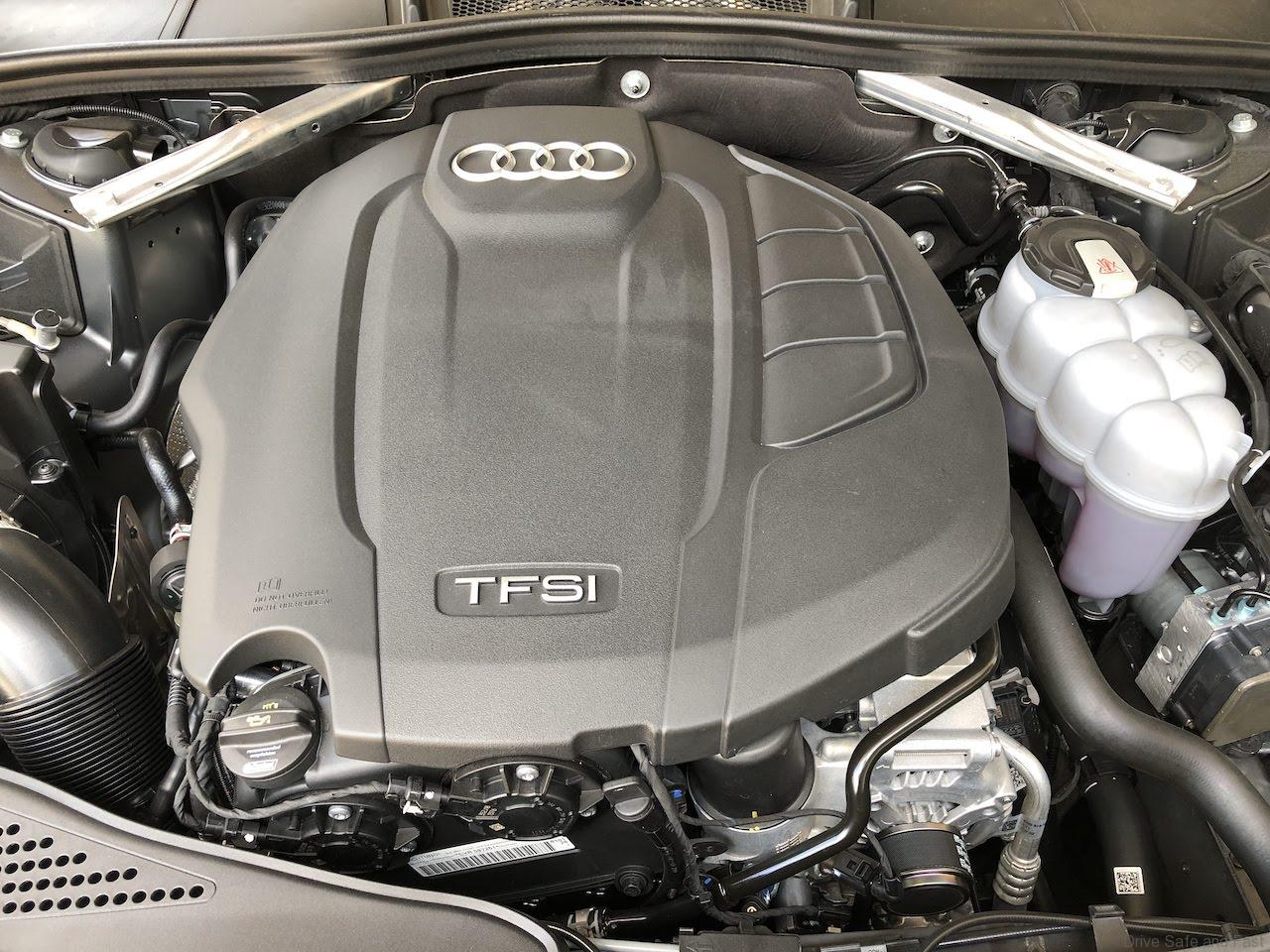
3. Audi 2.0L TFSI: Earns Praise for Performance, but Early Models Faced Oil Consumption Issues
The Audi 2.0 liter Turbocharged Inline Four, commonly known as the TFSI and based largely on the Volkswagen Group EA888 platform, has powered a wide range of Audi models, including the A3, A4, A5, Q5, and performance variants such as the S3. Known for its strong balance of power and efficiency, the engine typically produces between 200 and 328 horsepower, depending on the tune.
It delivers responsive low-end torque, smooth acceleration, and solid highway performance, especially when paired with Audi’s S tronic dual clutch transmission. Modern versions also incorporate mild hybrid technology to improve fuel economy, with some models achieving fuel efficiency in the mid-30 MPG range on highways.
Despite its strengths, early versions produced between 2008 and mid 2011 developed a reputation for excessive oil consumption. The primary cause was a flawed piston ring design.
Audi used thin, low-tension 1.5 mm oil control rings to reduce friction and improve fuel economy. Over time, these narrow rings became clogged with carbon deposits, preventing them from properly scraping oil from the cylinder walls. This allowed oil to enter the combustion chamber and burn.
Additional factors worsened the issue. Failures in the Positive Crankcase Ventilation system could increase internal engine pressure, forcing oil vapor into the intake. The high heat generated by the turbocharger also contributed to oil thinning and evaporation. Because the engine uses direct injection, carbon buildup on intake valves is common and can further aggravate oil control problems.
For several years, Audi classified oil consumption of up to 0.5 liters per 1,000 kilometers as within acceptable factory limits. Correcting the defect required replacing pistons and rings, a costly and labor-intensive overhaul. Following owner complaints and legal action, Audi extended warranties for many affected vehicles.
Later generations introduced thicker 2.5 mm piston rings and other improvements, significantly enhancing reliability. Modern fourth-generation versions are regarded as dependable when properly maintained. For buyers considering older models, regular oil monitoring, quality synthetic oil, and attention to carbon cleaning remain essential for long-term durability.
4. Subaru FB20: Boxer Engine Balances Efficiency and Durability but Faces Oil Consumption Concerns
The Subaru 2.0-liter H4 FB20 engine is a naturally aspirated four-cylinder boxer engine introduced around 2011 to replace the older EJ series. Found primarily in 2012 to 2016 Impreza and 2013 to 2017 Crosstrek models, it was designed to improve fuel efficiency, broaden the torque curve, and eliminate older head gasket concerns.
The engine uses a timing chain instead of a timing belt, reducing long-term maintenance costs. Producing roughly 148 to 150 horsepower, it prioritizes economy and reliability over strong acceleration. Many drivers consider it modest in power, especially when paired with the Lineartronic CVT, though it performs adequately for daily commuting.
One of the most widely discussed issues with early FB20 engines is higher-than-average oil consumption. Several factors contribute to this behavior. The engine uses low-tension piston rings designed to reduce internal friction and improve fuel economy.
In some cases, these rings fail to seal properly, allowing oil to pass into the combustion chamber where it burns. Subaru’s use of ultra-thin 0W 20 synthetic oil to meet fuel economy standards further increases the likelihood of oil slipping past rings and valve seals.
The boxer engine’s horizontal layout can also allow oil to settle differently compared to traditional inline engines, potentially increasing consumption under certain conditions.
Short trips may worsen the issue by causing fuel dilution and moisture buildup in the oil, thinning it further. Additionally, a malfunctioning or clogged Positive Crankcase Ventilation system can raise internal pressure and push oil vapor into the intake manifold.
Subaru initially described consumption of up to one quart every 1,000 to 1,200 miles as acceptable. After widespread owner complaints and a class action lawsuit, the company extended warranties for certain models, covering short block repairs up to 8 years or 100,000 miles.
With proper maintenance, including frequent oil checks and high-quality synthetic oil, the FB20 can last 200,000 miles or more. While not performance oriented, it remains a practical and durable engine for drivers who prioritize efficiency and All Wheel Drive capability.
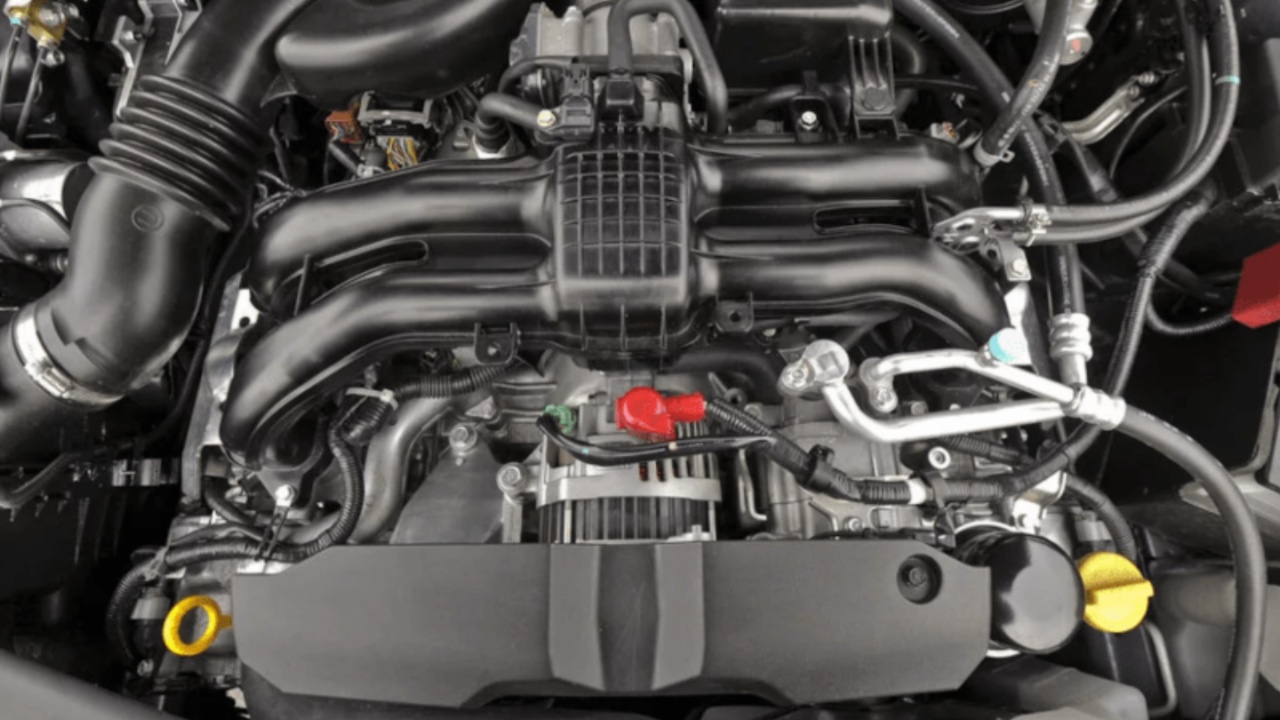
5. GM 2.4L Ecotec Engine: Delivers Efficiency but Struggles With Chronic Oil Consumption
The GM 2.4-liter inline four Ecotec engine, used widely between 2010 and 2017 in vehicles such as the Chevrolet Equinox, Chevrolet Malibu, and GMC Terrain, was designed to balance fuel efficiency and everyday performance.
Producing between 164 and 182 horsepower, it features direct injection and variable valve timing, offering respectable fuel economy and smooth operation for a midsize crossover or sedan. Despite these advantages, the engine developed a strong reputation for excessive oil consumption, particularly in 2010 to 2013 models.
The primary cause of the issue lies in the design of the piston rings. GM utilized low-tension oil control rings to reduce internal friction and improve fuel economy. However, these rings often failed to maintain adequate sealing against the cylinder walls.
As a result, oil was able to pass into the combustion chamber and burn during operation. Over time, carbon buildup from burning oil caused the rings to stick, worsening the problem and accelerating wear.
The Positive Crankcase Ventilation system also contributed. A flawed intake manifold design could create excessive vacuum, pulling oil from the valvetrain directly into the intake system. Additionally, worn valve stem seals in higher mileage engines allowed further oil leakage into the cylinders.
Because many early versions lacked a low oil level sensor, drivers often remained unaware of dangerously low oil levels unless they manually checked the dipstick. GM’s Oil Life Monitoring system sometimes encouraged extended service intervals, increasing the risk of running low between changes.
GM stated in technical service bulletins that oil consumption of one quart every 1,000 to 2,000 miles could be considered acceptable under certain conditions. This stance led to class action lawsuits and extended warranty coverage for some owners.
If oil levels drop too far, serious consequences can follow, including timing chain failure, bearing damage, or catalytic converter contamination. While the period from 2014 to 2017 showed some improvement, buyers and owners must monitor oil levels closely and follow strict maintenance practices to prevent costly engine damage.
Also Read: 10 Cars With Maintenance Schedules That Actually Matter in 2026
6. Audi 3.0T Supercharged V6: Combines Strong Performance With Manageable Oil Consumption Concerns
The Audi 3.0-liter supercharged V6, commonly referred to as the 3.0T TFSI, is widely regarded as one of Audi’s most balanced modern performance engines. Produced primarily between 2009 and 2017, it powered models such as the S4, S5, A6, A7, Q7, and SQ5.
Delivering between 300 and 333 horsepower in factory form, the engine uses a Roots-type supercharger to provide immediate throttle response without turbo lag. It offers smooth, linear power delivery and has become popular for its tuning potential, with relatively simple upgrades pushing output beyond 400 horsepower. When properly maintained, many examples exceed 200,000 miles.
Despite its strong reputation, the 3.0T is known to consume engine oil at a noticeable rate. The most common cause is a failing or clogged Positive Crankcase Ventilation system, also referred to as the oil separator.
Located beneath the supercharger in the engine’s V configuration, this component separates oil vapors from crankcase gases. When it fails, oil vapor is drawn directly into the intake manifold and burned during combustion.
Additional design factors contribute. Like many high-performance European engines, the 3.0T uses low-tension piston rings to reduce internal friction and improve efficiency. This can allow small amounts of oil to pass into the combustion chamber, especially as mileage increases.
The engine’s direct injection system also permits carbon buildup on intake valves, as fuel does not wash over them. Oil vapor can bake onto these surfaces, worsening ring sealing and increasing consumption.
High operating temperatures and pressures generated by the supercharger accelerate oil breakdown. Some engines also develop upper timing cover leaks, allowing oil to escape externally and burn on hot components.
Audi considers the oil consumption of up to roughly half a quart per 600 to 1,000 miles to be within specification. While this rate may seem high, it is often described as characteristic of tightly engineered performance engines. Regular monitoring, timely PCV replacement, proper synthetic oil use, and occasional carbon cleaning help maintain reliability and long-term durability.
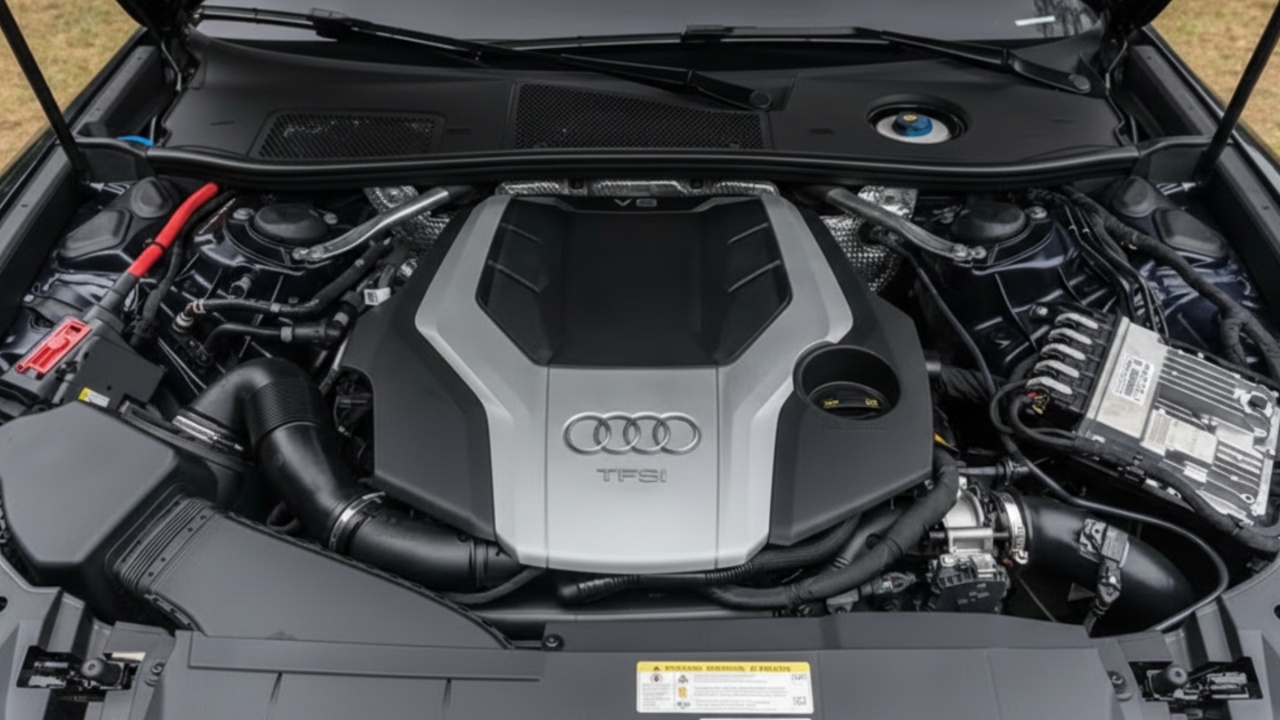
7. BMW N14 and N18 1.6L Turbo Engines: Blend Strong Performance With Notable Oil Consumption Issues
The BMW 1.6-liter turbocharged inline four, known as the N14 and later N18, powers many 2007 to 2014 MINI Cooper S and John Cooper Works models, along with certain BMW 1 Series variants.
Part of the jointly developed Prince engine family, it produces between 172 and 215 horsepower and is appreciated for quick acceleration, responsive turbocharged torque, and impressive fuel economy for its size. Despite its engaging driving character, the engine has become known for persistent oil consumption and carbon-related reliability concerns.
A primary contributor to oil loss is extreme operating heat. The turbocharger generates high temperatures that accelerate oil breakdown. As oil degrades, it can bake onto internal components, forming hardened carbon deposits in a process commonly referred to as coking.
These deposits accumulate on intake valves and piston rings. When piston rings become stuck or restricted by carbon, they lose their sealing capability, allowing oil to slip past into the combustion chamber, where it burns.
Valve stem seal deterioration is another frequent issue. Prolonged exposure to heat can cause the seals to harden and crack, permitting oil to seep directly into the cylinders. The Positive Crankcase Ventilation system, built into the valve cover, may also fail or clog.
When this happens, excess crankcase pressure can push oil vapor into the intake tract, increasing consumption. Turbocharger seal wear can further contribute by leaking oil into the intake or exhaust system. External leaks from the valve cover gasket and oil filter housing are also common maintenance concerns.
BMW has often stated that oil usage of up to one quart per 1,000 to 1,500 miles can fall within acceptable limits for turbocharged performance engines. Design priorities such as emissions compliance, reduced internal friction, and tight mechanical tolerances influence these characteristics.
The updated N18 engine addressed some earlier timing chain and reliability weaknesses found in the N14, yet both variants demand attentive ownership. Frequent oil changes using high-quality synthetic oil and consistent monitoring are essential to reduce wear and preserve engine longevity.
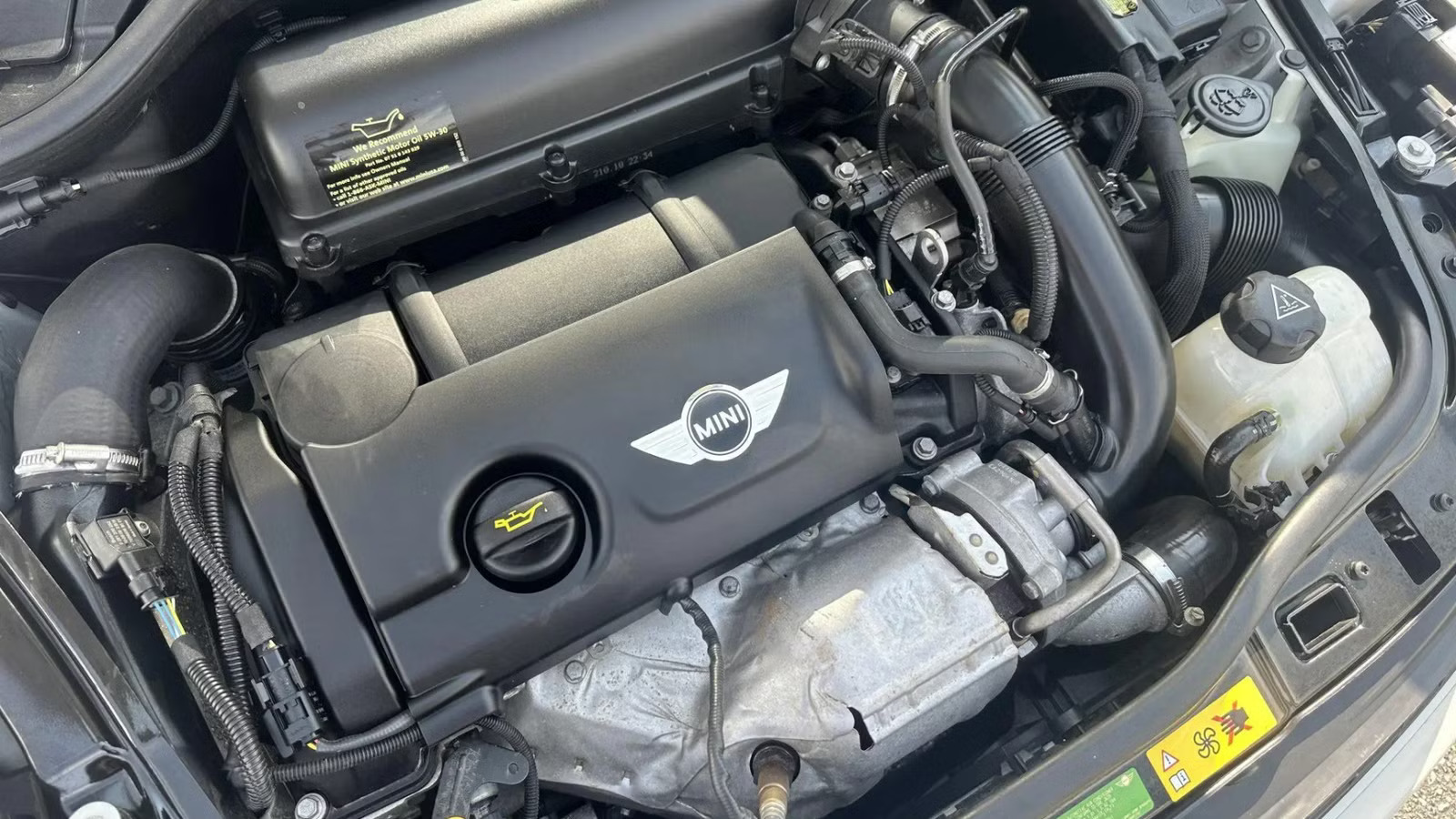
8. Volkswagen 1.4L TSI: Balances Efficiency and Performance but Faces Oil Consumption Concerns
The Volkswagen 1.4-liter TSI turbocharged inline four was developed to replace larger naturally aspirated engines with a smaller, more efficient forced induction alternative.
Used widely in models such as the Golf, Jetta, and Tiguan, the engine typically produces between 122 and 150 horsepower with strong low-end torque available from around 1,500 rpm. It is often paired with a manual transmission or seven-speed DSG dual clutch, delivering responsive acceleration and impressive fuel economy that can approach 40 miles per gallon on the highway.
Despite its efficiency and energetic character, certain versions of the 1.4 TSI have developed a reputation for oil consumption. Early EA111 twin-charged variants produced between 2008 and 2012 were particularly vulnerable.
Some suffered from faulty piston and piston ring designs that failed to maintain a proper seal against the cylinder walls. Low-tension piston rings, chosen to reduce internal friction and improve fuel economy, could allow oil to pass into the combustion chamber over time. In more severe cases, cracked piston ring lands led to dramatic oil loss, especially under high stress or when lower octane fuel was used.
The engine’s small displacement, combined with turbo boost, means it operates under significant pressure. If the Positive Crankcase Ventilation system becomes clogged or fails, excess crankcase pressure can push oil vapor into the intake system, where it burns.
Worn turbocharger oil seals can also leak oil into the intake or exhaust stream. The use of thin 0W 20 oil, specified for efficiency, may further contribute to oil slipping past seals and rings as components age.
Volkswagen considers consumption up to roughly 0.5 liters per 1,000 kilometers to be within acceptable limits for turbocharged engines. This policy reflects engineering priorities focused on efficiency and emissions compliance. Later EA211 generation engines improved reliability, though careful maintenance, frequent oil checks, and high-quality synthetic oil remain essential for long-term durability.
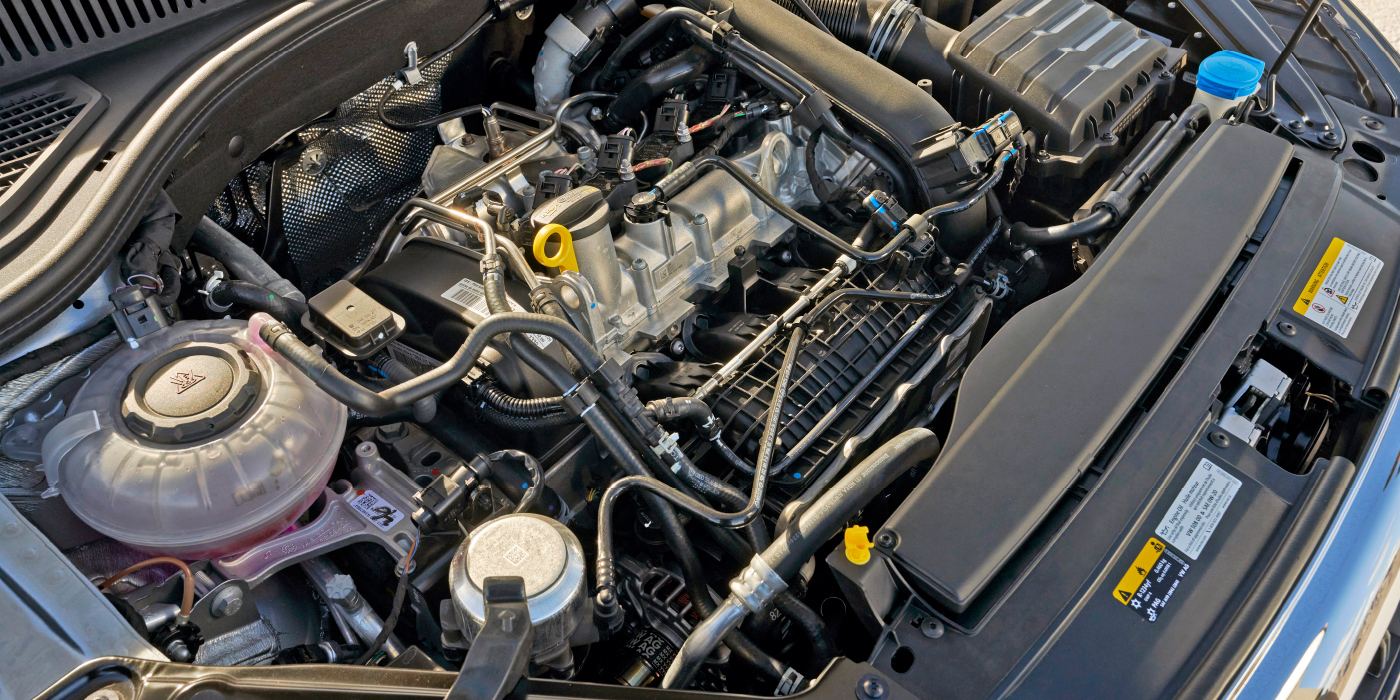
9. Subaru 3.6L H6 (EZ36): Robust Boxer Engine with Manageable Oil Consumption
The Subaru 3.6L H6 engine, commonly found in Outback and Legacy models, is a naturally aspirated, horizontally opposed “boxer” powerplant producing 256 hp and 247 lb-ft of torque. Compared to Subaru’s four-cylinder engines, the EZ36 offers stronger low-end performance, smoother power delivery, and improved towing capability (around 1,800 kg or ~4,000 lbs).
It is typically paired with a high-torque CVT, providing stable, quiet, and comfortable driving experiences, especially on long trips or in mountainous terrain. While it delivers significantly more power than the 2.5L engine, fuel economy is lower, averaging around 20–27 MPG, and high-RPM performance may feel limited.
Despite its reliability, the 3.6L H6 can consume oil due to its engine design and operating characteristics. Its horizontally opposed configuration allows oil to pool around cylinder heads and walls, increasing the likelihood of seepage past piston rings. The use of low-tension piston rings to reduce internal friction and meet fuel economy targets further contributes to gradual oil burning.
High operating temperatures combined with thin synthetic oils (0W-20) reduce viscosity, making it easier for oil to bypass seals, while aging rubber components, such as valve stem seals, can harden and lose effectiveness, especially after 100,000 miles.
Clogged or malfunctioning PCV valves can create excess crankcase pressure, forcing oil into the intake where it is burned. Engines not properly broken in during the first 1,000 miles may also have rings that fail to seat completely, adding to oil consumption.
Manufacturers consider some consumption “normal” due to tight tolerances and efficiency-focused engineering. Subaru sets lenient thresholds (often 1 quart every 2,000–3,000 miles) and encourages regular oil checks and maintenance rather than costly engine replacements.
Owners can mitigate oil loss by checking levels frequently, replacing the PCV valve if needed, using high-quality synthetic oils, and shortening oil change intervals to 4,000–5,000 miles.
The 3.6L H6 is praised for reliability, smooth and punchy performance, and long service life, with many engines surpassing 300,000 miles. It excels for drivers prioritizing low-end torque, towing, and durability, making it a strong choice for Outback and Legacy models despite its higher fuel consumption and age-related oil seepage issues.
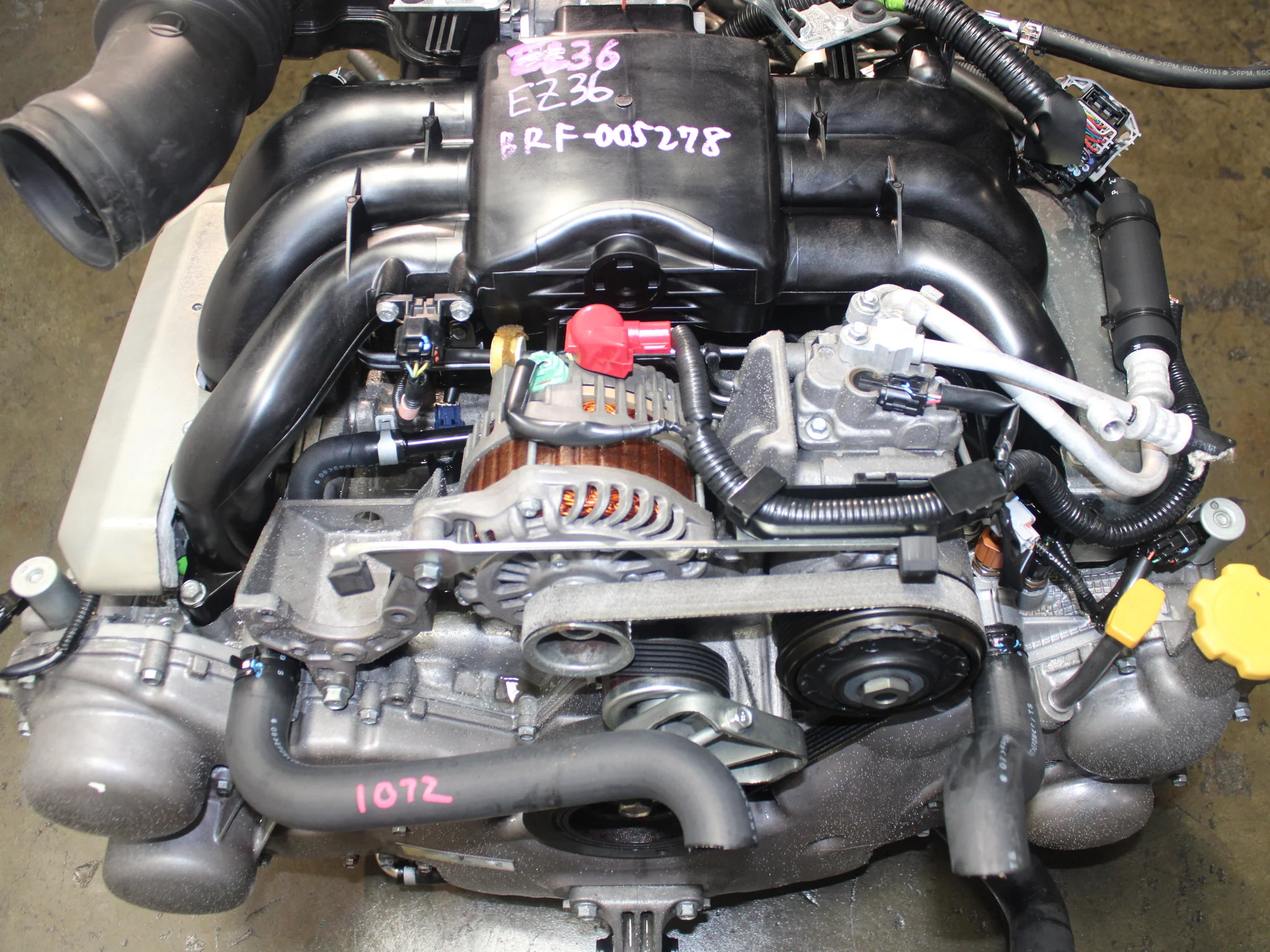
10. Acura 3.7L V6 (J37): Performance-Focused Engine with Notable Oil Consumption
The Acura 3.7L V6 (J37) was Honda/Acura’s flagship naturally aspirated V6, produced from roughly 2009 to 2014, powering high-end models such as the TL SH-AWD, MDX, RL, and ZDX.
This 60-degree V6 with SOHC 24-valve VTEC produces 300–305 horsepower and 270–275 lb-ft of torque, offering strong acceleration and smooth high-RPM performance, particularly when paired with the Super Handling All-Wheel Drive (SH-AWD) system. It delivers a refined driving experience and responsive power, but fuel economy is low, especially in city driving, and premium gasoline is recommended.
The J37 engine is well-documented for excessive oil consumption, primarily due to its engineering and material choices. It uses aluminum-silicon (Alusil) cylinder liners instead of traditional iron sleeves to save weight.
While innovative, these liners are vulnerable to scoring if piston rings become clogged with carbon deposits, often referred to as “coking.” Low-tension oil control rings, designed to reduce internal friction and improve efficiency, lose their ability to seal the cylinder walls over time.
High-performance operation further exacerbates the issue, as elevated temperatures thin the oil and accelerate ring wear. Additionally, the engine’s Variable Cylinder Management system, which deactivates cylinders to improve fuel efficiency, can stress rings through repeated cooling and heating cycles, allowing oil to enter combustion chambers when cylinders reactivate. PCV system defects may also contribute, generating excess crankcase pressure that forces oil into the intake.
Acura considers oil consumption up to approximately one quart per 1,000 miles acceptable. This threshold reflects the balance between high-performance design and warranty management, as constant monitoring and rebuilding engines would be costly. For affected vehicles, Acura extended powertrain warranties to 8 years or 125,000 miles to cover piston and ring replacements.
Mitigation strategies include using the recommended 5W-20 oil, frequent oil changes, and monitoring oil levels closely, especially during short-trip driving that promotes carbon buildup. A permanent fix usually requires replacing piston rings with updated parts.
Common issues beyond oil consumption include timing belt maintenance (recommended every 100,000 miles or 7 years) and rattling from hydraulic timing belt tensioners on high-mileage models.
The J37 engine provides excellent performance, a capable AWD system, and a smooth, high-revving driving experience, but owners must manage oil carefully and accept higher maintenance costs.
For used purchases, 2012–2014 models are preferable, as many earlier units had more severe oil consumption problems. While offering a rewarding drive, the J37 is best suited for buyers who prioritize power and handling over fuel efficiency and low-maintenance operation.
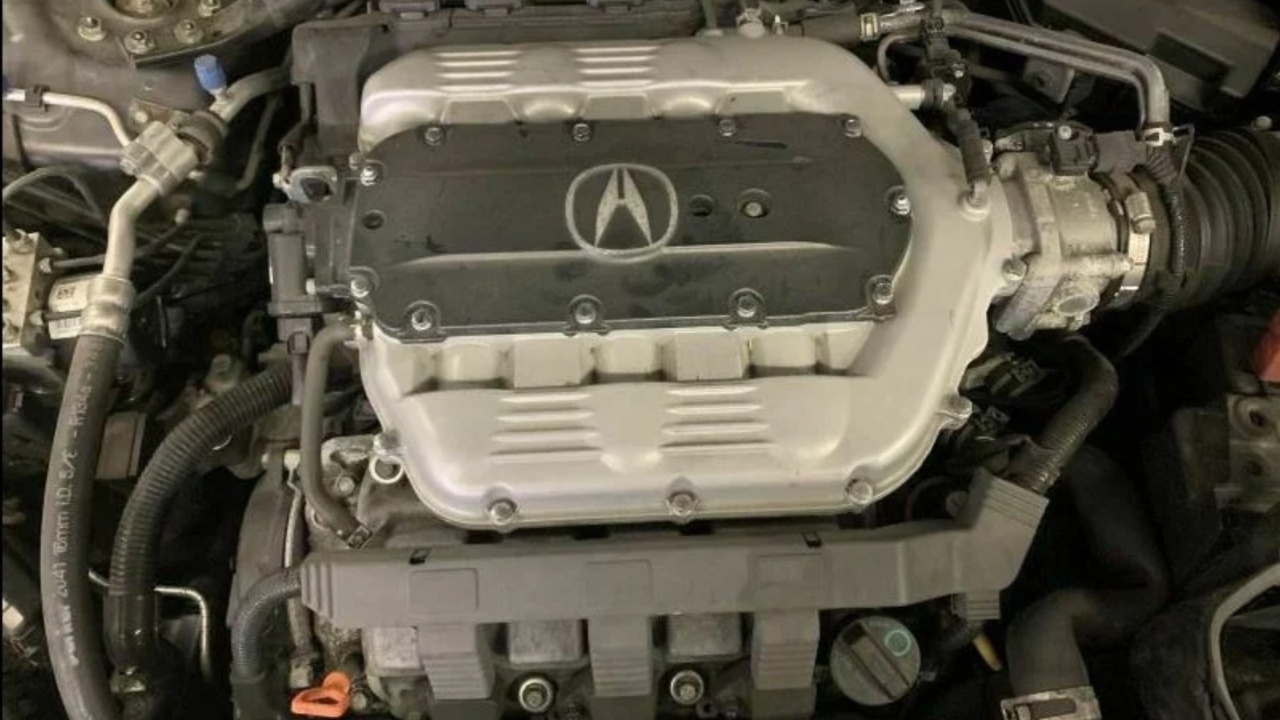
Engines such as the BMW N63, Audi 3.0T, Volkswagen 1.4 TSI, and Acura J37 show that higher oil consumption is frequently an engineering trade-off rather than a defect. Manufacturers allow it to achieve tighter tolerances, improved fuel economy, and reliable high-output performance.
They often provide extended warranties, service guidance, and maintenance recommendations to help owners manage the issue. Regular oil checks, proper synthetic oil, and maintenance of components such as the PCV system reduce risks associated with oil loss.
While oil consumption may appear concerning, attentive maintenance allows these engines to deliver strong performance, refinement, and durability, making them excellent choices for drivers who value technology and driving enjoyment alongside engine longevity.
Also Read: 5 Cars That Are Unstoppable in Deep Snow vs 5 AWD Models That Get Stuck
