Supercharged engines are known for delivering immediate power, linear torque, and a thrilling driving experience, but not all high-performance engines are equally easy to maintain. Turbocharged systems often involve complex exhaust plumbing, high-heat management, and intricate electronics, making servicing more difficult and costly.
Superchargers, especially those mounted on top of the engine, provide a more accessible and user-friendly alternative while still offering impressive performance. This list highlights five supercharged engines that combine exceptional power with straightforward maintenance.
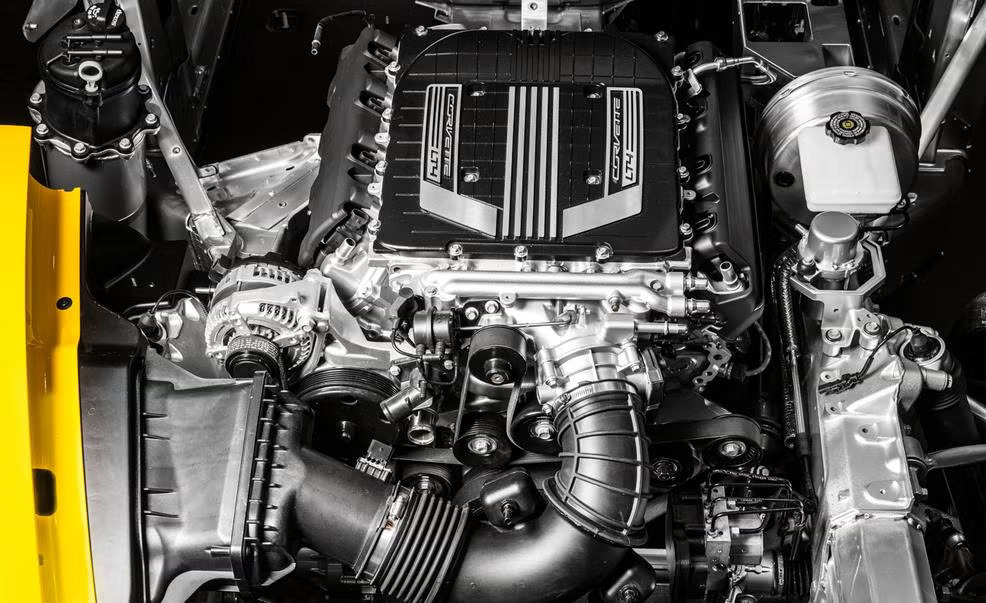
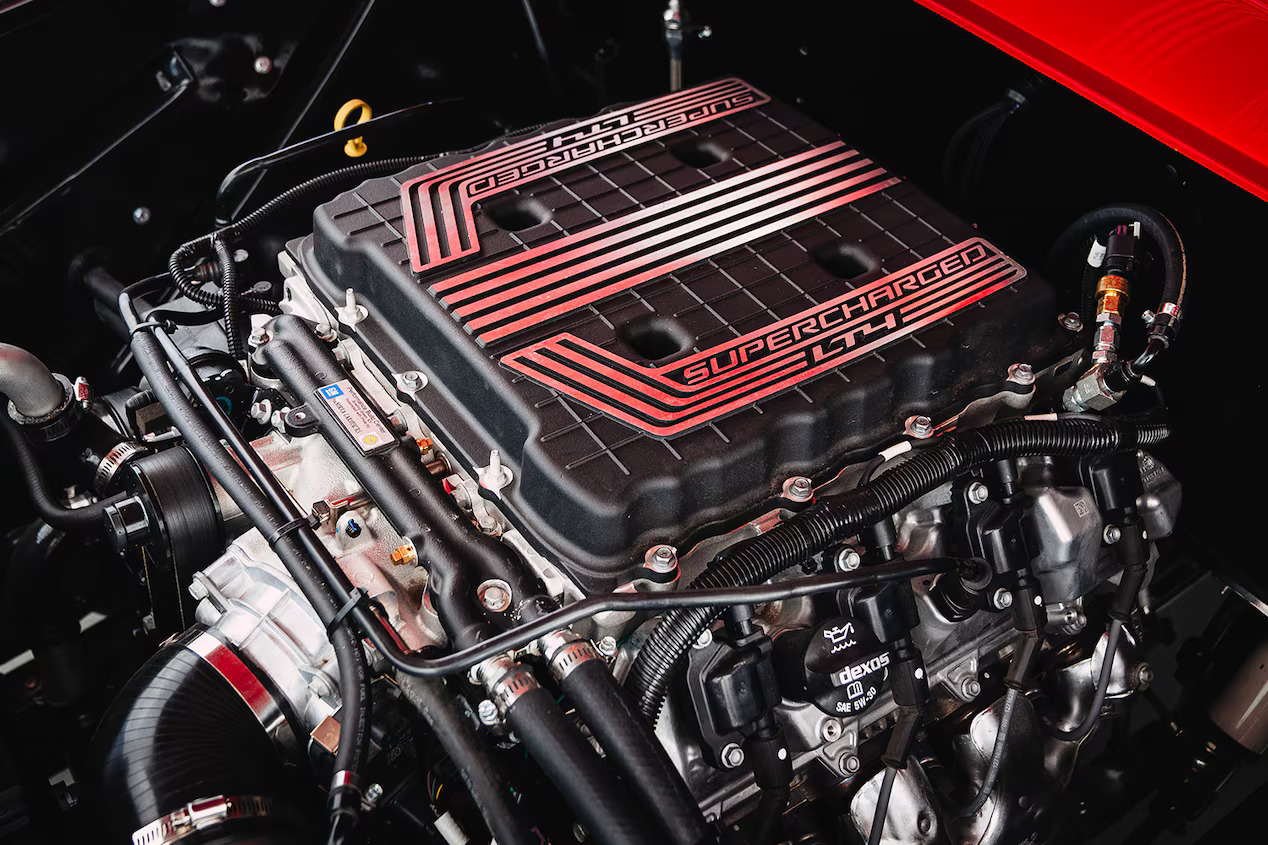
The GM 6.2L LT4 V8, found in the 2016 to 2022 Camaro ZL1 and Corvette Z06, leads the pack with 650 horsepower and 650 pound-feet of torque. Its Eaton TVS1740 supercharger sits in the engine valley, allowing easy access to spark plugs, injectors, and belts.
The Mercedes-Benz 5.4L M113K AMG V8 delivers legendary reliability with a top-mounted twin-screw supercharger that reduces heat stress and simplifies service. The modern Ford 5.2L Predator V8 in the Shelby GT500 produces 760 horsepower and features an inverted Roots-type supercharger for accessible maintenance and better handling.
Jaguar’s AJ133 5.0L V8 offers smooth power delivery with fewer failure points than turbo systems, and Toyota’s 3.5L 2GR-FZE V6 in the Lotus Emira and Exige combines proven durability with a belt-driven supercharger and widely available parts.
These engines show that supercharging can offer both outstanding performance and practical serviceability.
1. GM 6.2L Supercharged LT4 V8: High-Performance Power with Robust Engineering
The GM 6.2-liter supercharged LT4 V8, powering the 2016–2022 Camaro ZL1 and Corvette Z06, represents a pinnacle of American performance engineering. Built on the Gen V small-block architecture, the LT4 combines extreme power output with impressive reliability and serviceability.
Its 1.7-liter Eaton TVS1740 supercharger is top-mounted within the engine valley, spinning up to 20,000 RPM to deliver roughly 9 psi of boost. This configuration produces a formidable 650 horsepower and 650 lb-ft of torque, enabling world-class acceleration while maintaining accessibility for maintenance.
Unlike turbocharged engines, the LT4’s supercharger eliminates complex exhaust plumbing, intricate heat shielding, and difficult-to-reach fuel systems, making spark plug, coil pack, and injector service straightforward.
Engine internals are heavily fortified to handle forced induction stresses. The LT4 features a forged steel crankshaft, forged powdered-metal connecting rods, and forged aluminum pistons, paired with lightweight titanium intake valves for high-RPM stability.
Rotocast A356-T6 aluminum cylinder heads ensure excellent strength and heat dissipation. Direct injection and variable valve timing allow a high 10.0:1 compression ratio, optimizing both performance and efficiency. Lubrication systems vary by model: the Camaro ZL1 uses a wet-sump setup, while the Corvette Z06 employs a 10.5-quart dry-sump system to maintain oil pressure during high-G track conditions.
While the LT4 is widely regarded as robust, it is not without concerns. Active Fuel Management lifters can fail, causing valvetrain noise or damage, although the system is often disabled in stock performance calibrations.
Early Corvette Z06 models were susceptible to heat soak during extended track sessions, though revisions and the Camaro ZL1’s enhanced cooling package mitigated this issue. Low-mileage failures, often linked to main bearings or oil pump housings, have been reported, as well as occasional supercharger bypass valve or bearing wear at high mileage.
Owners can maximize the LT4’s durability with high-quality lubricants, premium fuel, and regular maintenance. With proper care, this engine is capable of an estimated 150,000-mile lifespan while delivering exhilarating performance.
Its combination of brute force, engineering precision, and everyday usability has made the LT4 a benchmark for American V8 supercharged engines, offering supercar-level acceleration with the reliability expected in a daily driver.
2. Mercedes-Benz 5.4L M113K V8: Legendary Supercharged AMG Engine with Durability and Ease of Maintenance
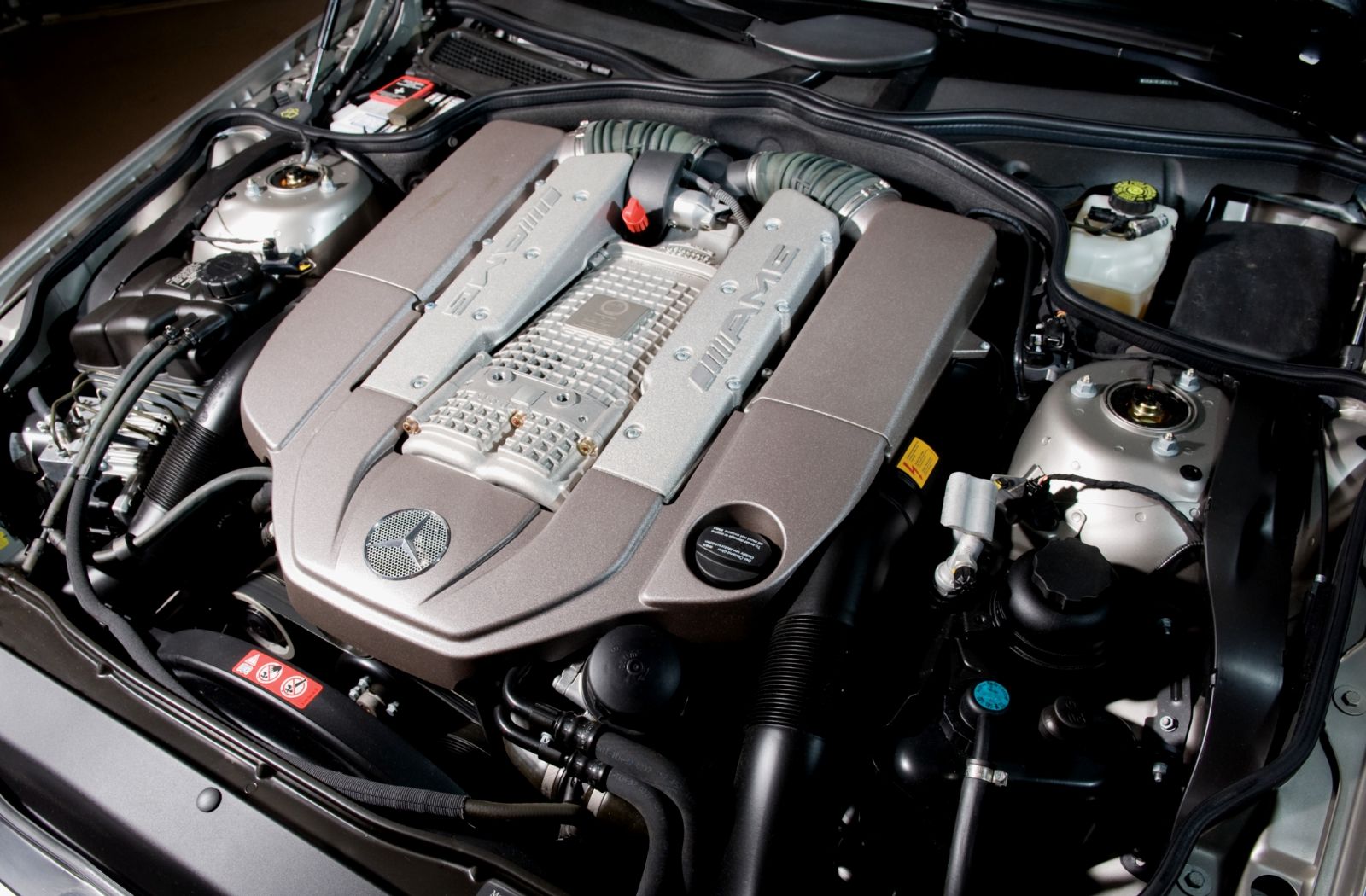
The Mercedes-Benz 5.4L M113K V8, produced between 1998 and 2011, stands as one of the most reliable and user-friendly high-performance engines of its era. Known as the “Kompressor” AMG V8, it powered iconic models such as the E 55 AMG, CLS 55 AMG, CLK DTM AMG, and G 55 AMG, delivering abundant low-end torque and linear power throughout the rev range.
Unlike modern turbocharged engines with complex exhaust routing, heat shielding, and tight packaging, the M113K utilizes a 2.1L top-mounted Lysholm-type twin-screw supercharger driven by a crankshaft belt. This straightforward design reduces heat stress on surrounding components, simplifies maintenance, and allows easy access to injectors, spark plugs, and throttle components.
The engine architecture is robust and lower-tech compared to contemporary DOHC turbo V8s. With a Single Overhead Camshaft and three valves per cylinder (two intake, one exhaust), timing is simpler and less failure-prone.
Port fuel injection avoids the carbon buildup common in direct-injection systems, and a duplex roller timing chain enhances long-term reliability. The aluminum block and heads provide lightness without compromising strength, while the durable supercharger delivers instantaneous boost without complex plumbing.
Maintenance is straightforward due to excellent component accessibility. Critical service points such as the oil filter, spark plugs, and supercharger are located on top, reducing labor time. Engine bay packaging is spacious compared to modern AMG turbo models, giving technicians ample room to work.
Standardized parts across the Mercedes-Benz lineup further reduce costs, and common upgrades, such as Bosch intercooler pumps, are easy to implement.
While the engine has known issues, including valve cover leaks, engine mount stress from high torque, and occasional supercharger wear, these are generally manageable and less expensive than failures typical of modern turbocharged engines, such as coking, wastegate failure, or oil line leaks.
Performance-wise, the M113K delivers impressive AMG characteristics. It produces strong torque at low RPMs, ensuring effortless acceleration and towing capability, while its reliability allows vehicles to exceed 400,000–500,000 kilometers with proper maintenance.
Regular oil changes, coolant checks, and occasional supercharger servicing help maintain its longevity. Its combination of supercharged torque, mechanical simplicity, and accessible design makes it particularly suited for enthusiasts seeking performance without the headaches of modern turbocharged setups.
The Mercedes-Benz 5.4L M113K V8 represents the peak of the early supercharged AMG era. It balances massive, immediate power with exceptional durability and ease of service.
For daily driving or spirited performance, the M113K remains a standout choice, often preferred over later naturally aspirated or turbocharged AMG engines due to its reliability, robust torque delivery, and straightforward maintenance. Its legacy continues as a benchmark for durable, high-performance German V8 engineering.
Also Read: 5 Engines Famous for Longevity vs 5 With Timing Chain Headaches
3. Ford 5.2L Supercharged Predator V8: Modern Supercharged Masterpiece in the Shelby GT500
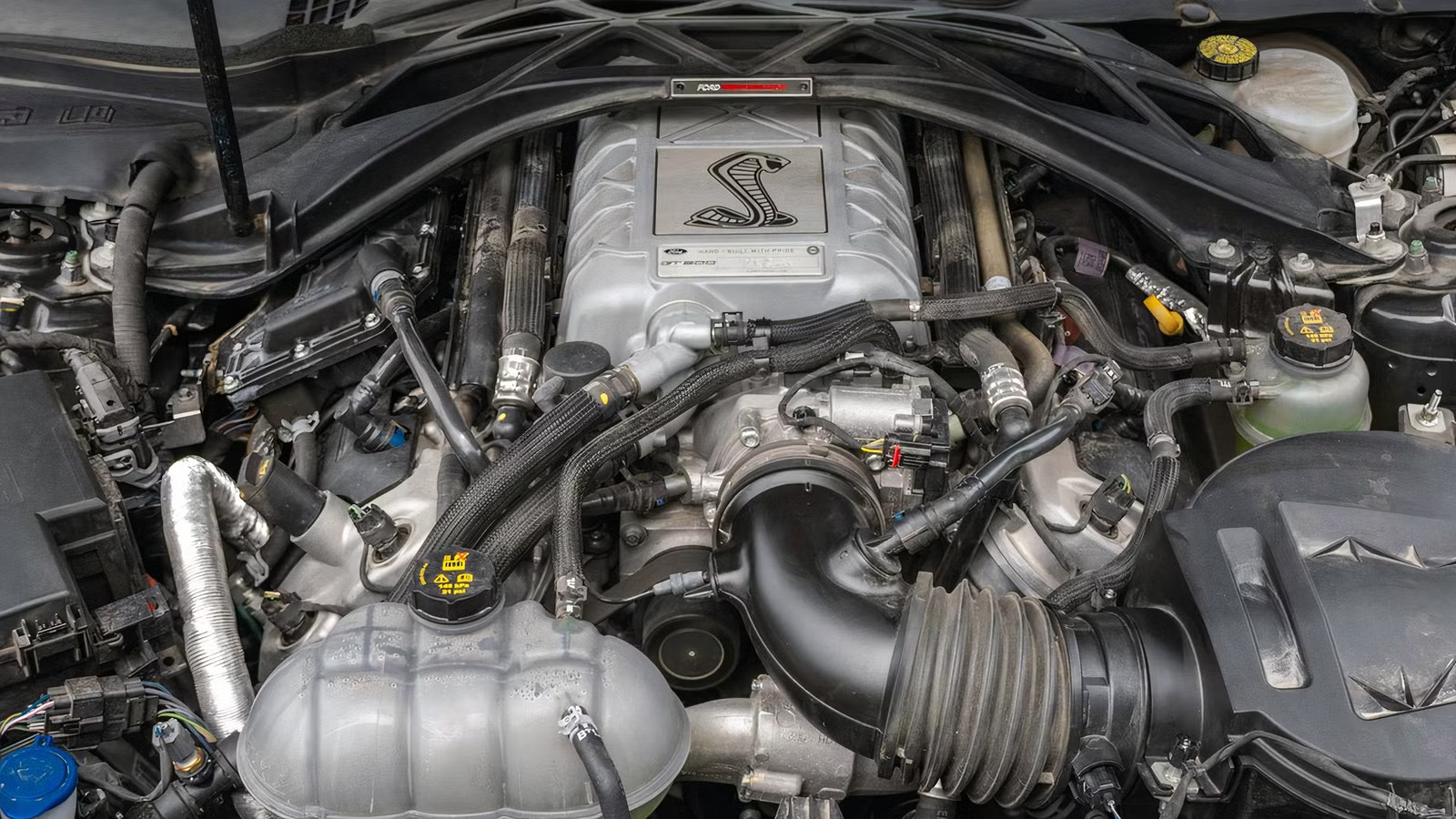
The 2020+ Ford Mustang Shelby GT500 features the 5.2L Supercharged Predator V8, a high-output engine designed to deliver unprecedented performance while remaining surprisingly accessible for maintenance. Hand-built by Ford Performance, this engine is the most powerful street-legal Ford production engine, producing 760 horsepower at 7,300 rpm and 625 lb-ft of torque at 5,000 rpm.
It incorporates a 2.65L Eaton TVS R2650 inverted Roots-type supercharger positioned in the V of the engine to lower the center of gravity, improving handling and weight distribution.
The cross-plane forged steel crankshaft, cast aluminum block, and forged internals ensure durability and track-ready reliability. Derived from the Coyote V8 architecture, the Predator engine also emphasizes low-rpm torque and traditional V8 sound, offering enthusiasts both performance and character.
The engine’s design simplifies service compared to turbocharged alternatives. The top-mounted supercharger allows direct access to spark plugs, injectors, and belts without removing suspension or engine components.
Unlike twin-turbo systems, it avoids complex heat-intensive plumbing, oil lines, intercoolers, or exhaust modifications. This reduces maintenance complexity, potential leaks, and heat-related failures. Routine supercharger inspection primarily involves checking the belt and airflow components, making long-term ownership more straightforward.
Performance on the road and track is staggering. Reviewers report 0-60 mph times just over 3.5 seconds, with quarter-mile runs under 11 seconds. The Predator V8 pairs with a Tremec 7-speed dual-clutch transmission capable of shifts in as little as 80 milliseconds, ensuring smooth, rapid power delivery.
Despite its ferocious output, the engine and systems such as the MagneRide suspension and active exhaust can be tuned for daily driving comfort. The exhaust offers multiple modes ranging from quiet cruising to track-focused intensity. This balance allows the Shelby GT500 to function as both a street car and a track-capable supercar.
The engine does have trade-offs. Fuel economy is low, averaging around 14 mpg combined, with spirited driving reducing this further. Interior refinement in the GT500 relies on standard Mustang components, and highly supportive Recaro seats may be uncomfortable for larger drivers on long trips.
Despite these considerations, experts praise the Predator V8 as a “modern masterpiece,” combining reliability, immense power, and serviceability in a production-ready American V8.
The Ford 5.2L Supercharged Predator V8 embodies a perfect blend of raw performance, mechanical accessibility, and engineering ingenuity. Its robust supercharged design, hand-built quality, and impressive torque curve make it an ideal choice for enthusiasts seeking extreme speed without sacrificing maintainability.
The Predator V8 establishes a new benchmark for high-output production engines, offering supercar-level performance in a road-friendly package.
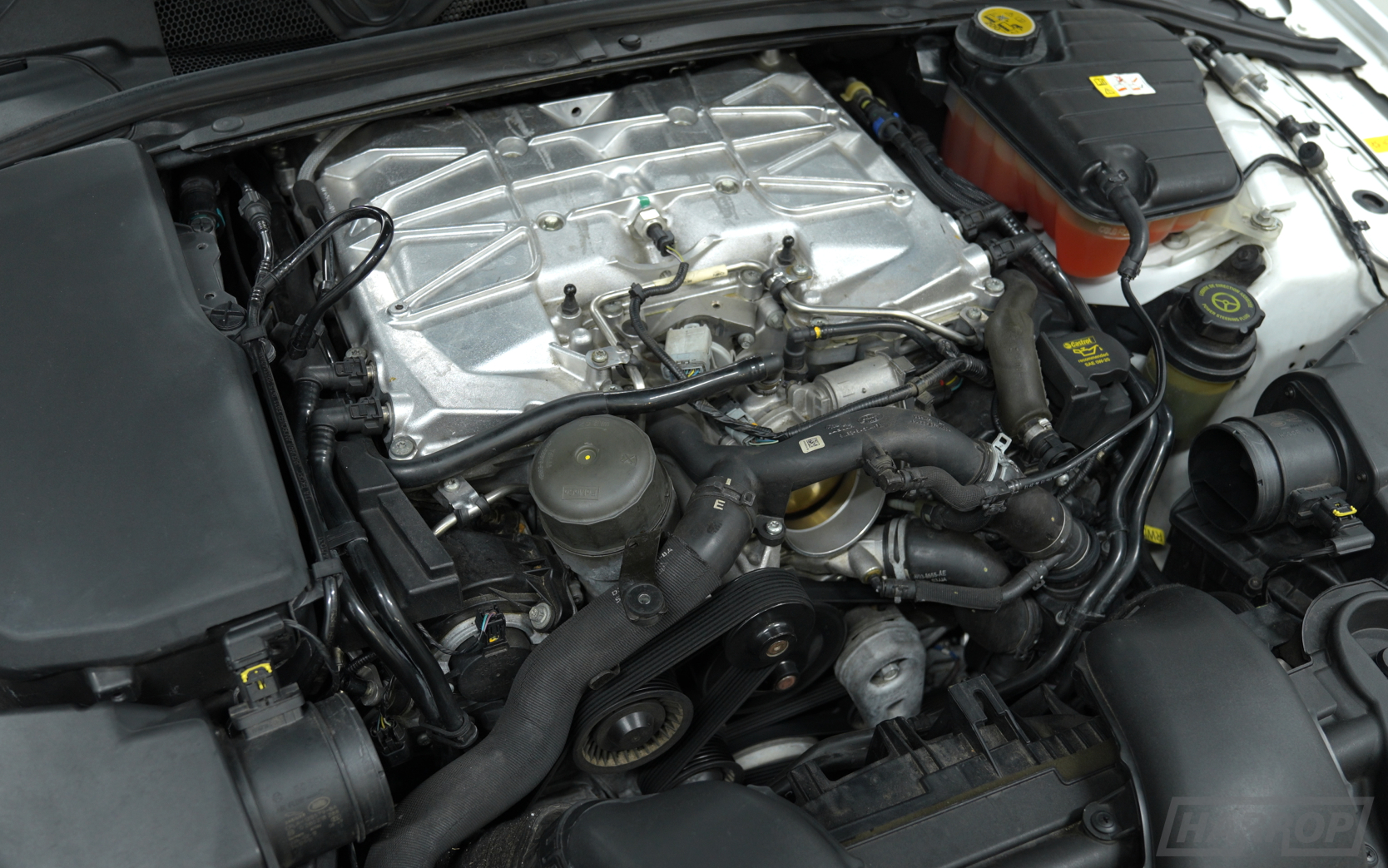
4. Jaguar AJ133 5.0L Supercharged V8: Accessible Power with Supercharged Charisma
The Jaguar AJ133 5.0L Supercharged V8, produced from roughly 2010 to the present, powers high-performance Jaguar and Land Rover models, including the F-Type, F-Pace SVR, XF-R, XJ, Range Rover, and Range Rover Sport.
Delivering between 470 and 575 horsepower and up to 700 Nm of torque, the engine is celebrated for its immediate throttle response, aggressive exhaust note, and strong mid-range performance.
Its top-mounted Eaton TVS supercharger sits in the valley of the V8, providing smooth and linear power delivery while avoiding the lag and heat stress commonly seen in turbocharged engines. The design allows for easier servicing and modification compared to more complex turbo setups.
One of the AJ133’s main advantages is its straightforward mechanical layout and accessibility. The belt-driven supercharger eliminates the need for intricate exhaust routing, wastegates, or complex intercooler piping. Routine maintenance, such as inspecting or replacing the supercharger belt, pulley, or oil, can usually be completed without engine removal.
Diagnosing boost or performance issues is simpler than with electronically controlled twin-turbo systems, and well-documented upgrades like smaller pulley kits and ECU tunes can increase performance with minimal effort. Lower operating temperatures further reduce the risk of heat-related failures, making the engine more reliable under sustained performance driving.
Despite its strengths, the AJ133 requires attention to specific maintenance areas. Early models experienced premature timing chain tensioner wear, which can result in costly repairs if neglected.
Plastic coolant crossover pipes and water pumps are prone to failure and benefit from proactive replacement to prevent overheating. Frequent oil changes are critical to minimize timing chain wear and preserve engine longevity. With proper care, owners report strong durability, with many engines exceeding 70,000 miles without major issues.
Driving the AJ133 is an engaging experience. When paired with ZF 8-speed automatic transmissions, the engine delivers seamless power and responsive acceleration. Its distinct exhaust note provides a loud and aggressive sound that enhances the sensory appeal of Jaguar models.
The broad torque curve allows confident street driving while remaining capable on the track, and the engine responds well to performance modifications for enthusiasts seeking more power.
The Jaguar AJ133 5.0L Supercharged V8 strikes a balance between exhilarating performance and relative serviceability. Its top-mounted supercharger and simpler architecture make maintenance more accessible than high-heat turbocharged engines, while its power output, torque, and signature sound provide an emotionally engaging driving experience.
Owners who stay on top of preventative maintenance, particularly for timing chains and cooling components, benefit from a reliable and thrilling engine that continues to stand out among high-performance V8s. Its combination of power, accessibility, and upgrade potential ensures it remains highly desirable for enthusiasts who value both performance and mechanical simplicity.
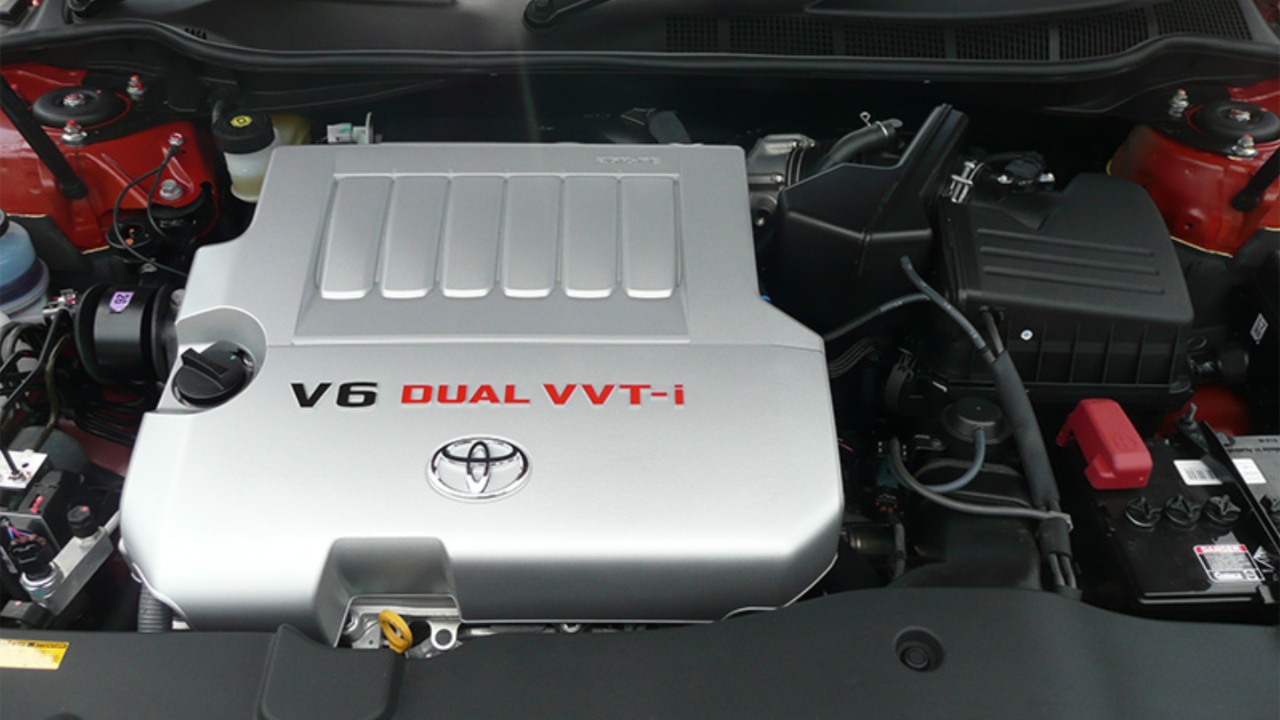
5. Toyota 3.5L 2GR-FZE V6: Reliable Supercharged Power for Lotus
The Toyota 3.5L 2GR-FZE V6, used in the Lotus Emira and Exige, is widely regarded as a reliable, high-performance engine that combines Toyota’s proven durability with accessible supercharged power.
Typically paired with a Magnuson or Harrop supercharger in the Lotus applications, this engine delivers approximately 400 horsepower and 317 lb-ft of torque, providing linear, high-revving performance. Its design prioritizes simplicity and serviceability, making it easier to maintain than modern turbocharged alternatives, which often involve complex piping, high-heat management, and multiple electronics.
One key advantage of the 2GR-FZE/FE is its straightforward architecture. The top-mounted supercharger is belt-driven and easy to access for maintenance tasks such as belt or pulley replacements. Unlike turbocharged systems, the engine does not require intercoolers, wastegates, or intricate exhaust plumbing, reducing potential failure points and simplifying troubleshooting.
Additionally, the engine features a robust timing chain, eliminating the need for periodic belt replacements, and has widely available parts across Toyota and Lexus models like the Camry, IS 350, and Avalon, making repairs and maintenance cost-effective.
The 2GR-FZE offers strong long-term durability, often exceeding 200,000 to 300,000 miles with standard maintenance. Earlier VVTi oil line recalls were addressed in post-2010 models, ensuring reliability for Lotus installations.
The engine’s architecture and lower complexity translate into fewer mechanical failures, making it a practical option for enthusiasts seeking supercharged performance without the intensive maintenance of turbocharged systems.
Performance characteristics are notable for both street and track applications. The engine achieves 0–60 mph in roughly 4.2 seconds and a top speed of around 180 mph. The supercharger produces a distinct high-pitched whine, enhanced in Sport mode to deliver a “nuanced, beefy” tone that contributes to the visceral driving experience.
Paired with a 6-speed manual or automatic transmission, the engine delivers strong mid-range torque and immediate throttle response, making acceleration smooth and predictable.
Driving dynamics are complemented by Lotus’ rigid aluminum chassis, hydraulic steering, and sport-tuned suspension, offering excellent feedback and control. The Emira prioritizes a balance between comfort and performance, while the Exige emphasizes track-focused rigidity. Driving modes, including Tour and Sport, adjust sound and throttle response to suit street or track conditions.
While the 2GR-FZE is praised for reliability, sound, and accessible maintenance, there are trade-offs. Fuel economy is modest, and the 6-speed manual can feel finicky during aggressive shifts.
Nonetheless, its proven design, minimal failure points, and supercharged performance make it a standout choice for the last generation of gas-powered Lotus sports cars. The Toyota 3.5L 2GR-FZE V6 successfully blends durability, serviceability, and thrilling supercharged performance into a package that appeals to both enthusiasts and everyday drivers alike.
These five supercharged engines prove that high-output performance can coexist with maintainability. Designs like the GM LT4, Mercedes M113K, Ford Predator, Jaguar AJ133, and Toyota 2GR-FZE allow enthusiasts to enjoy powerful acceleration and robust torque without the maintenance complications of turbocharged systems.
Their top-mounted superchargers simplify routine service tasks, including belt replacement, spark plug changes, and inspections, while reducing potential heat-related failures and mechanical complexity.
For drivers who want thrilling performance with reliable maintenance, these engines strike the perfect balance. From American muscle in the LT4 and Predator to German and British engineering with the M113K and AJ133, and Toyota’s dependable 2GR-FZE in a lightweight sports car, these powerplants combine power, accessibility, and longevity.
Whether for track use, spirited street driving, or everyday commuting, these supercharged engines deliver excitement and peace of mind, showing that high performance does not need to come at the cost of practicality.
Also read: 10 Cars With Maintenance Schedules That Actually Matter in 2026