
In times of economic uncertainty, vehicles that retain their value offer a practical alternative to traditional investments. The eight vehicles featured here combine performance, reliability, and lasting appeal, allowing owners to enjoy driving while protecting their financial investment.
From classic American muscle cars like the Ford Mustang and Chevrolet Camaro to dependable trucks such as the Toyota Tundra and Tacoma, these vehicles demonstrate how quality engineering and strong brand reputation can slow depreciation.
Luxury sports cars like the Porsche 718 Cayman and 911 show that limited production, enthusiast demand, and collectible status contribute to sustained value. Even mainstream favorites like the Honda Civic maintain strong resale value due to reliability and widespread popularity.
These cars provide more than transportation. They offer a balance of practicality, excitement, and long-term financial value that, in many cases, can outperform traditional stock market investments.
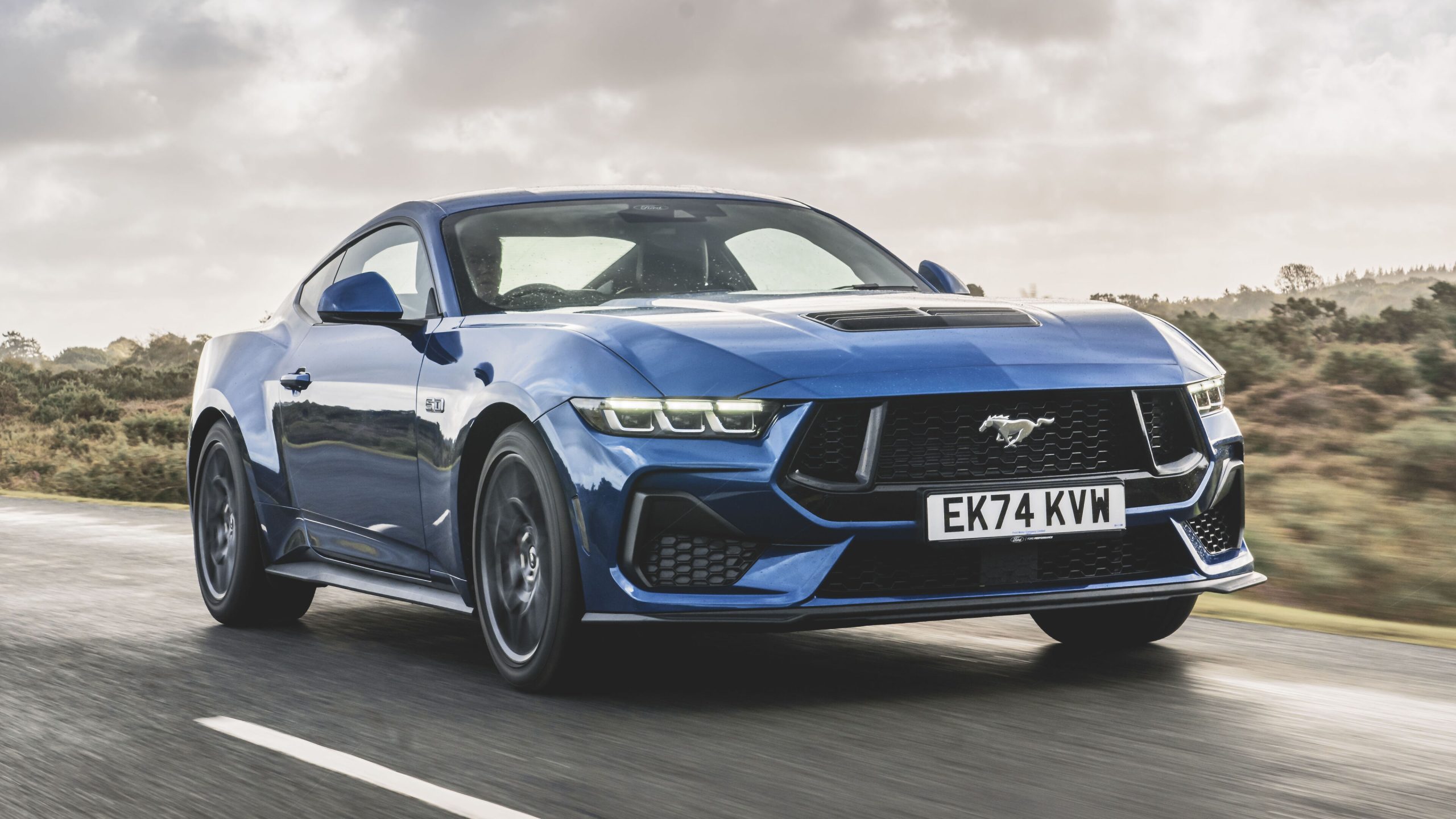
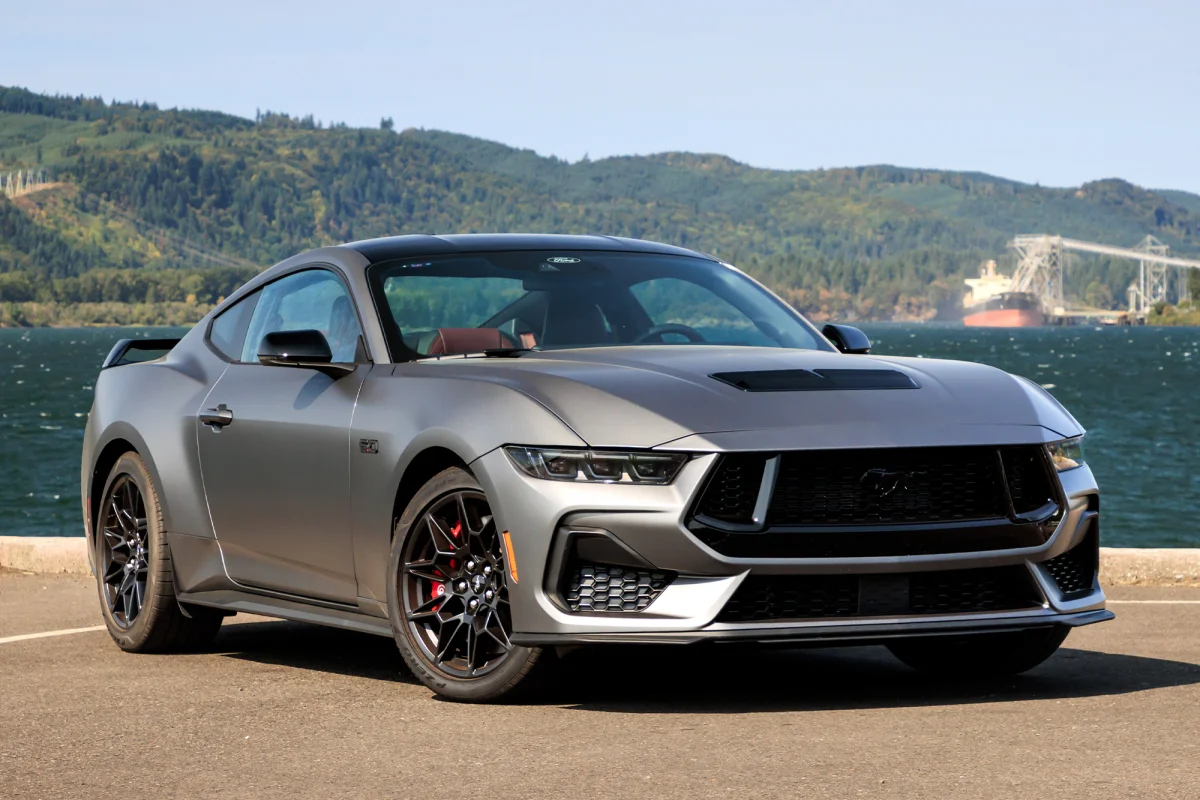
1. Ford Mustang: Iconic Muscle Car Retains Value While Delivering Performance and Style
The Ford Mustang remains America’s lone pony car after the discontinuation of the Fiesta, Focus, Fusion, Taurus, Dodge Challenger, and Chevrolet Camaro. Its status as Ford’s only non-SUV contributes to its strong resale value, with a five-year depreciation of just 29.2 percent and an average price drop of $9,325 from MSRP.
Mustangs retain value due to a dedicated enthusiast community, wide aftermarket support, proven reliability, and sustained demand for well-maintained examples. Iconic branding, slowed depreciation after five years, and its position as a traditional V8, rear-wheel-drive muscle car reinforce its appeal in the used car market.
The Mustang offers a range of powertrains to suit different performance needs. The base 2.3-liter EcoBoost four-cylinder produces 315 horsepower and 350 pound-feet of torque with a 10-speed automatic. The 5.0-liter V8 GT provides 480 horsepower and 415 pound-feet, available with either the automatic or six-speed manual.
The track-focused Mustang Dark Horse boosts output to 500 horsepower, while the top-tier Dark Horse SC uses a supercharged 5.2-liter V8 expected to exceed 700 horsepower.
With adaptive dampers, improved ride balance, and track-ready tires, the Dark Horse models demonstrate Ford’s commitment to handling alongside brute performance. On the test track, a GT with performance exhaust reaches 60 mph in 4.2 seconds, while the Dark Horse crosses the quarter-mile in 12.5 seconds at 115 mph.
Fuel economy varies by model, with the EcoBoost rated up to 22 mpg city and 33 highway, the GT up to 16 city and 24 highway, and the Dark Horse at 14 city and 22 highway. Real-world tests reflect similar figures, with a GT manual achieving 24 mpg on the highway.
Inside, the Mustang blends retro and modern design, offering supportive seats, a configurable 12.4-inch digital instrument cluster, ambient lighting, and optional retro analog displays. Premium models feature stitched trim, while the FX package adds plaid inserts for extra style. Trunk capacity accommodates five carry-on suitcases or 14 with rear seats folded.
The infotainment system includes a 13.2-inch Sync 4 screen, Apple CarPlay, Android Auto, optional wireless charging, Amazon Alexa, and over-the-air updates. Safety features come via Ford Co-Pilot360, with standard emergency braking, lane-keeping assist, and optional active pothole mitigation.
The Mustang carries a three-year/36,000-mile limited warranty and a five-year/60,000-mile powertrain warranty, though scheduled maintenance visits are not included. The Mustang combines enduring style, strong performance, and tangible value, making it a standout in the muscle car segment.
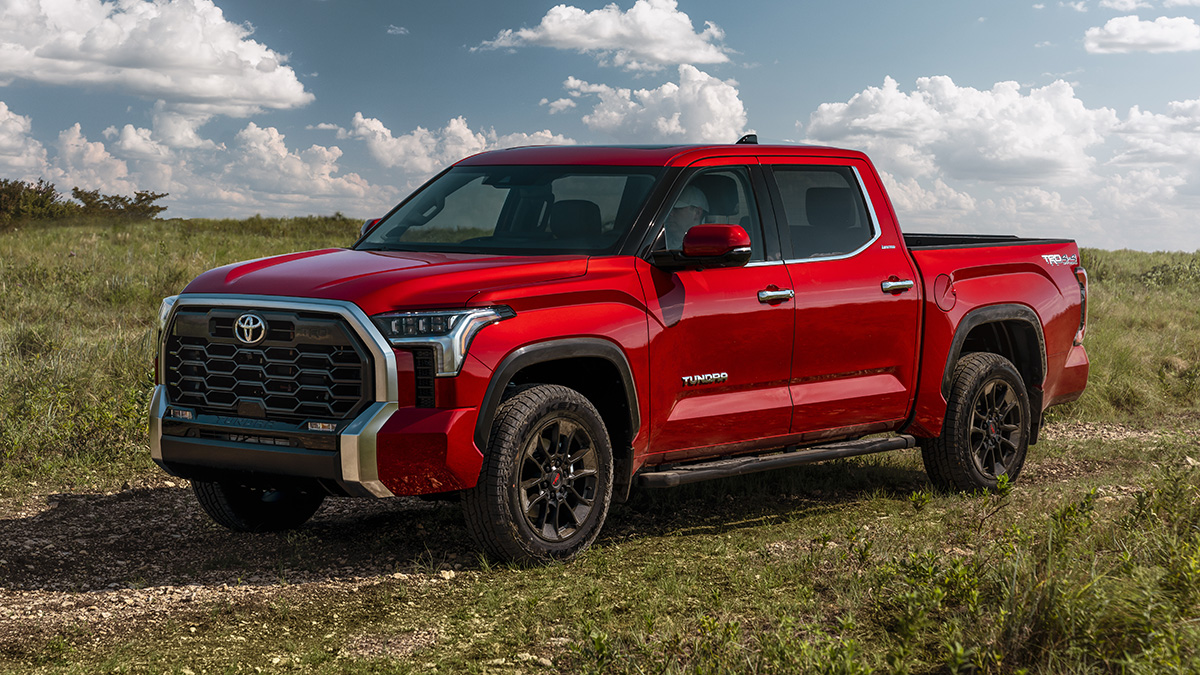
2. Toyota Tundra: Reliable Pickup Retains Value with Strong Performance and Utility
The Toyota Tundra continues to stand out in the full-size pickup segment, boasting an average five-year depreciation of just 29.1 percent and a price difference from MSRP of $11,659. Despite initial issues with bearing failures in its twin-turbo V6 engines, Toyota addressed the concerns, and the Tundra remains a dependable, long-lasting truck.
Its reputation for legendary reliability, slow depreciation, and high demand makes it one of the best-retained-value vehicles in its class, often keeping around 60 percent of its original value after five years. Loyal customers and limited availability further enhance resale prices, positioning the Tundra as a “tangible asset” for buyers seeking durability and dependability.
The Tundra lineup features a twin-turbo 3.4-liter V6, delivering 348 horsepower in the base SR model and 389 horsepower in higher trims, paired with a smooth 10-speed automatic transmission. Buyers can choose rear-wheel drive or part-time four-wheel drive.
While towing and payload capacity of 12,000 pounds and 1,940 pounds, respectively trails some competitors like the Ford F-150 and Ram 1500, the truck offers a coil-spring rear suspension for a more comfortable daily driving experience. Performance testing shows the Tundra Limited CrewMax 4×4 reaches 60 mph in 6.1 seconds, with hybrid models slightly quicker, demonstrating competitive acceleration for its class.
Inside, the Tundra balances functionality with comfort. First-row legroom ranges from 39.7 to 41.8 inches, while the second row provides 33.3 inches of legroom and 38.9 inches of headroom in the crew cab. Cargo capacity includes bed lengths of 6.5 or 8 feet, accommodating standard construction materials. Storage is plentiful, with under-seat boxes, overhead compartments, and a spacious center console.
Infotainment options include an 8-inch standard touchscreen or an optional 14-inch display with Apple CarPlay, Android Auto, Bluetooth, and optional Wi-Fi hotspot. Audio systems range from a 6-speaker stereo to a 12-speaker JBL setup in top trims, and wireless charging is standard on Limited models and above.
The Tundra comes equipped with Toyota Safety Sense 2.5, offering adaptive cruise control, lane-departure warning with steering assist, and forward collision warning with automatic braking.
Higher trims add blind-spot monitoring, trailer detection, and front and rear parking assist. Warranty coverage includes a three-year/36,000-mile limited warranty and five-year/60,000-mile powertrain warranty, complemented by two years or 25,000 miles of complimentary maintenance.
With a combination of legendary reliability, practical performance, and high resale value, the Toyota Tundra remains a compelling choice for buyers seeking a durable, capable, and long-lasting full-size pickup.
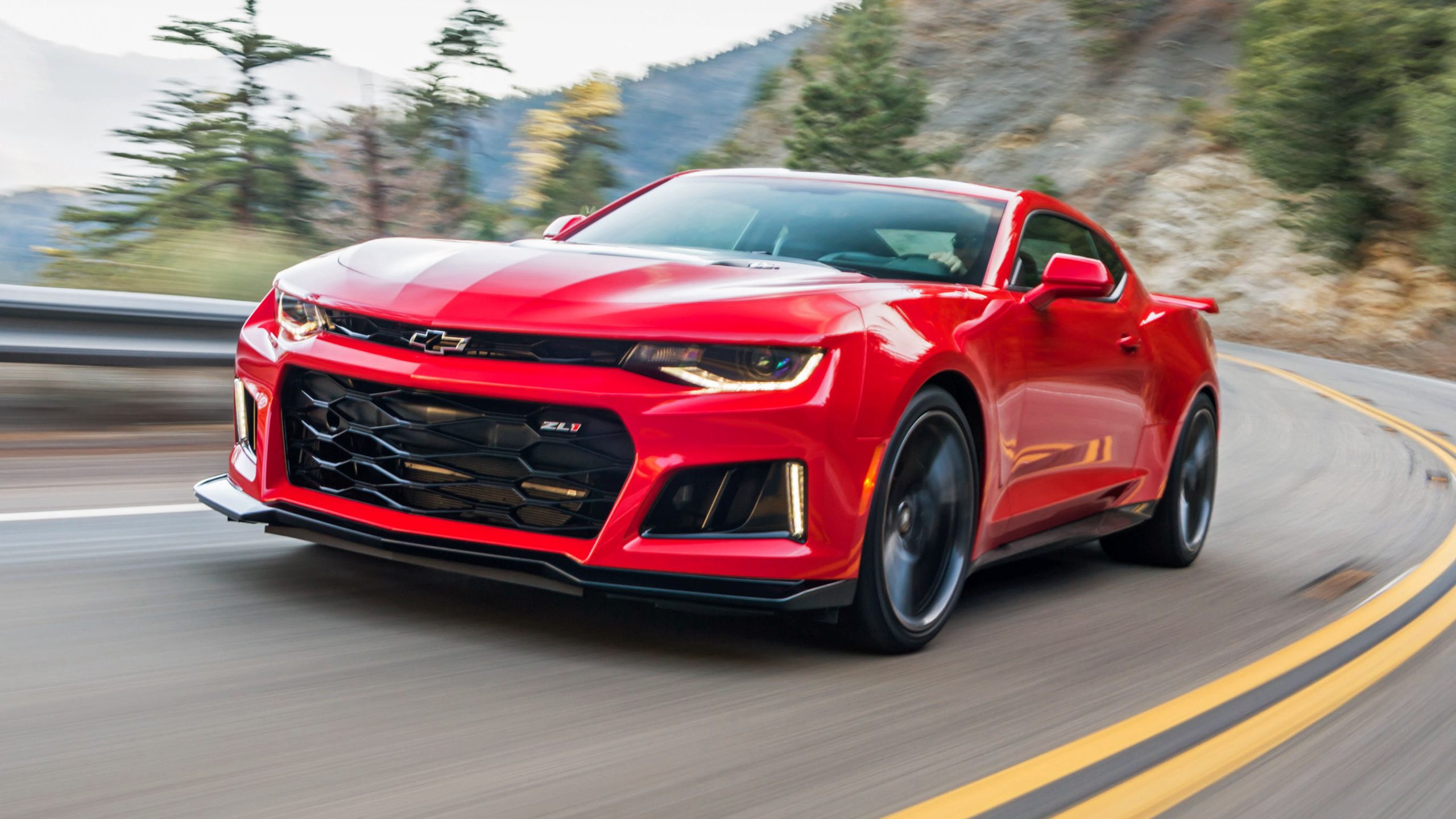
3. Chevrolet Camaro: Iconic Pony Car Maintains Strong Value and Performance
The Chevrolet Camaro remains a standout in the pony car segment, with an average five-year depreciation of 28.0 percent and a price difference from MSRP of $8,653. Despite declining popularity and being discontinued in 2023, the sixth-generation Camaro has held its value exceptionally well.
Low production numbers, especially in its final years, combined with strong demand from enthusiasts and collectors, have created a robust resale market. Special editions like the ZL1 or 1LE and classic Camaro heritage contribute to its desirability, with some high-performance models even appreciating over time.
The Camaro lineup offers a range of engines and transmissions to suit different driving preferences. The base V-6 produces 335 horsepower, paired with a six-speed manual or a 10-speed automatic. For serious performance, the 6.2-liter LT1 V-8 delivers 455 horsepower and 455 pound-feet of torque, with the option of a six-speed manual or 10-speed automatic.
The optional 1LE package enhances handling, providing track-ready Brembo brakes and sport-tuned suspension, allowing the Camaro to compete with much more expensive sports cars. The Camaro combines responsive steering, solid chassis dynamics, and balanced ride quality, making it one of the most enjoyable vehicles to drive in its class.
Fuel economy for the V-6 is rated at 18 mpg city and 29 mpg highway, while V-8 models achieve 16 mpg city and 26 mpg highway. Real-world testing shows these figures are achievable, even with manual transmissions.
Inside, the Camaro features an updated, modern interior with improved materials, supportive front seats, and an optional head-up display. However, practicality remains limited: the rear seats are cramped, and the trunk space is small, reducing its usability as a daily driver. Ambient interior lighting and customizable displays add flair, keeping the cabin visually engaging for enthusiasts.
Infotainment includes Chevrolet’s Infotainment 3 system on an 8.0-inch touchscreen, with Apple CarPlay, Android Auto, Wi-Fi hotspot capability, and responsive menus. Safety features are available, including blind-spot monitoring, rear cross-traffic alert, forward-collision warning, and rear parking sensors.
Warranty coverage aligns with competitors, offering a three-year/36,000-mile limited warranty and a five-year/60,000-mile powertrain warranty, along with a complimentary first maintenance service.
In short, the Chevrolet Camaro stands out for its combination of performance, iconic status, and strong resale value. Low production numbers and high enthusiast demand ensure that even discontinued models remain highly sought after, cementing the Camaro’s position as a collectible, driver-focused muscle car that retains both excitement and value.
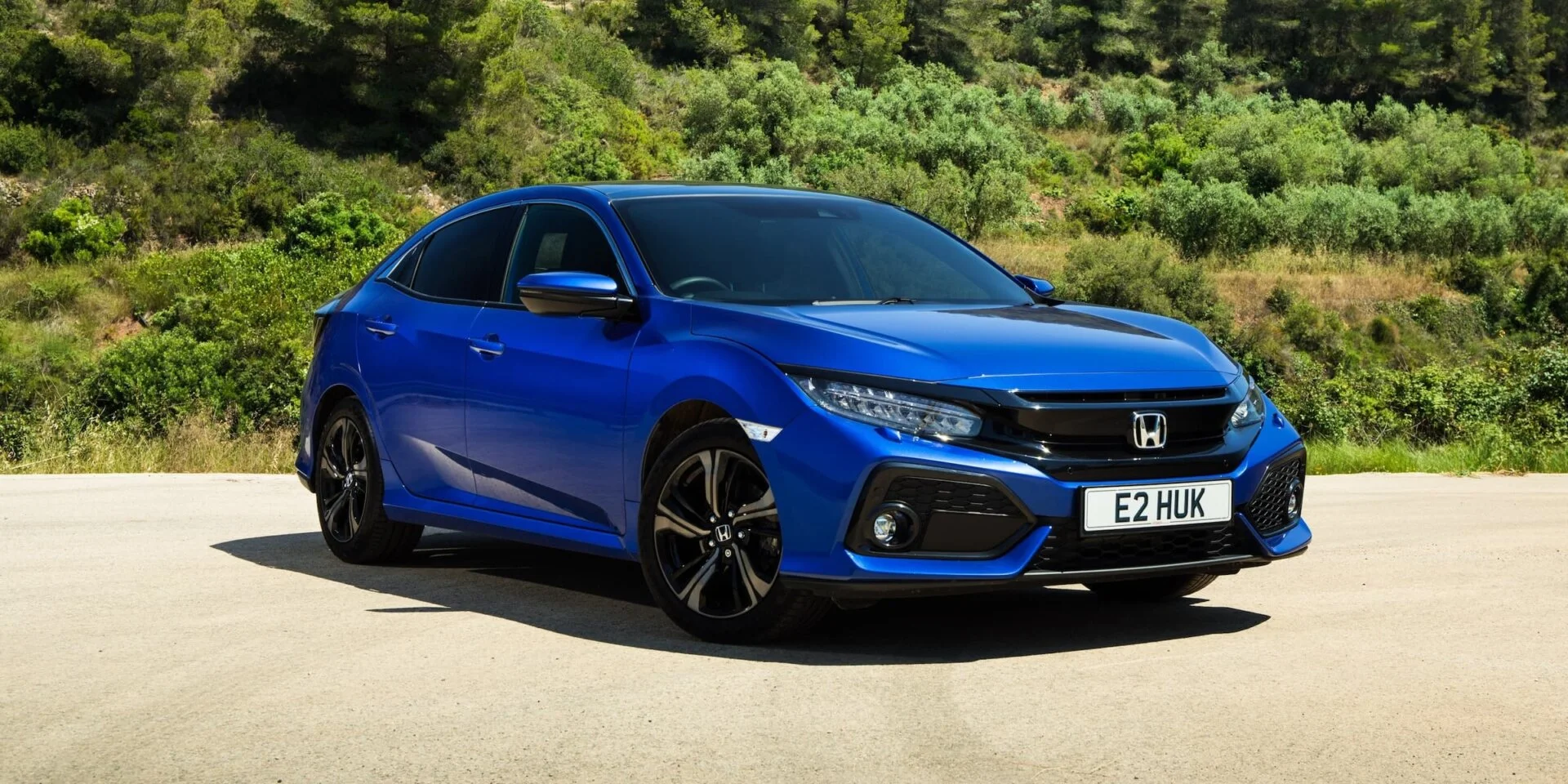
4. Honda Civic: Reliable, Efficient, and Highly Valued in the Used Market
The Honda Civic continues to stand out as one of the best-selling and best-retaining vehicles in the United States, with an average five-year depreciation of just 28.0 percent and an average price difference from MSRP of $6,987.
Despite high production numbers, the Civic maintains strong resale value thanks to its legendary reliability, high demand, and slow depreciation. Models like the Civic Si and Type R, which offer manual transmissions and performance-oriented features, further enhance the car’s desirability and collectability in the used-car market.
The Civic’s reputation for reliability and low maintenance costs makes it a favorite among used-car buyers. Standard nonhybrid models feature a 150-hp 2.0-liter four-cylinder engine with front-wheel drive and a continuously variable automatic transmission (CVT), providing nimble handling and adequate performance for urban driving.
For those seeking more efficiency and modern tech, the Civic Hybrid combines a 2.0-liter four-cylinder with two electric motors to produce 200 horsepower, also routed through a CVT to the front wheels. The Hybrid model offers quick acceleration, smooth operation, and fuel economy that rivals many conventional sedans.
Performance metrics are strong for the class: the Civic Hybrid Sport Touring hatchback reaches 60 mph in 6.1 seconds, while the nonhybrid sedan takes 8.9 seconds. Fuel efficiency is another key strength, with EPA ratings for the Hybrid reaching 50 mpg city, 47 mpg highway, and 49 mpg combined.
In real-world testing, a Civic Hybrid achieved 47 mpg on a 75-mph highway loop, while nonhybrid models ranged from 36–41 mpg depending on configuration.
The Civic’s interior is practical and versatile, offering generous front passenger space, supportive seats, and ample cargo capacity. Sedans accommodate six carry-on suitcases with rear seats folded, while hatchbacks provide slightly more flexibility.
Infotainment includes a standard 7.0-inch touchscreen with wired Apple CarPlay and Android Auto, with larger 9.0-inch screens, wireless connectivity, navigation, wireless charging, and optional 12-speaker Bose audio available on higher trims.
Safety is another strong suit for the Civic. Standard features include automated emergency braking, lane-keeping assist, and adaptive cruise control. Optional features on higher trims include blind-spot monitoring, rear cross-traffic alert, and front and rear parking sensors.
Warranty coverage is standard: three years/36,000 miles limited, five years/60,000 miles powertrain, and eight years/100,000 miles for hybrid components, with one year/12,000 miles of complimentary maintenance.
The Honda Civic combines durability, efficiency, and broad appeal, making it a reliable, fun-to-drive, and smart investment for buyers looking for strong long-term value in the compact car segment.
Also read: 5 Cars That Are Unstoppable in Deep Snow vs 5 AWD Models That Get Stuck
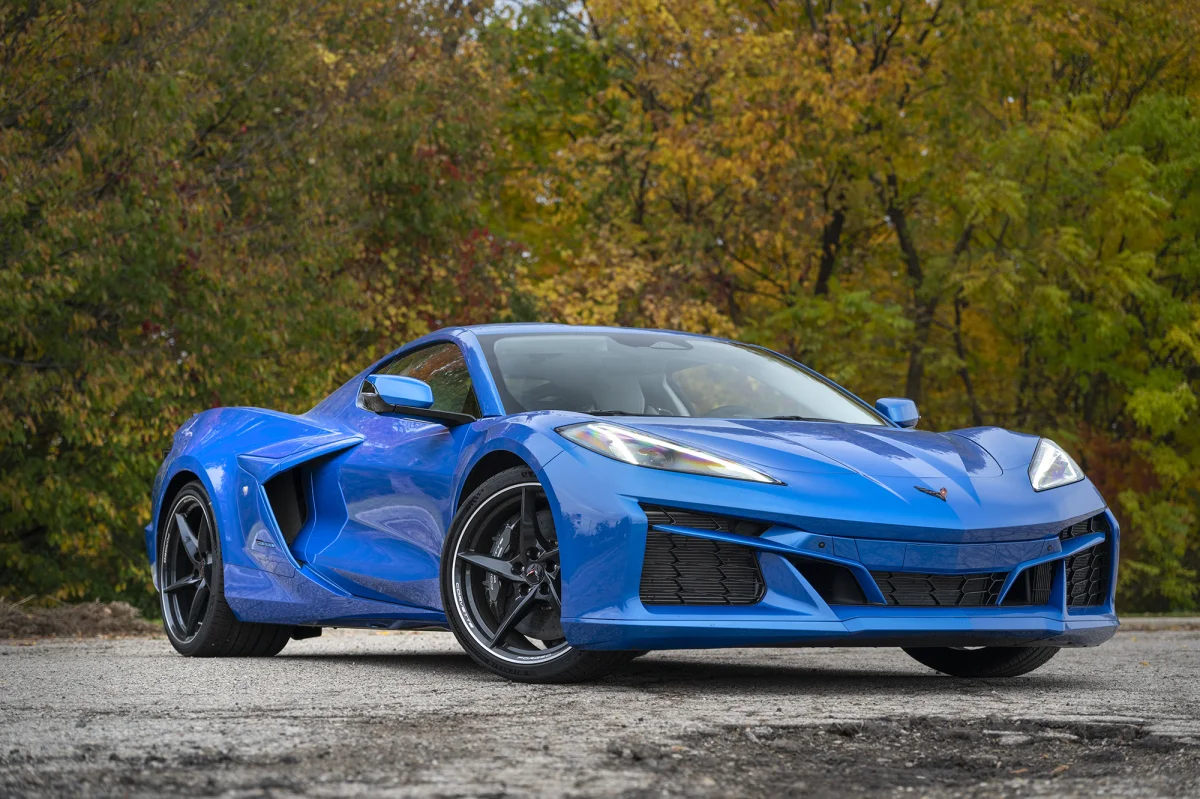
5. Chevrolet Corvette: America’s Iconic Sports Car with Strong Value Retention
The Chevrolet Corvette continues to excel in both performance and resale value, with an average five-year depreciation of just 27.2% and an average price difference from MSRP of $18,557.
The mid-engine C8 Corvette, along with variants like the hybrid E-Ray, Z06, and hyper-focused ZR1 and ZR1X, has cemented its reputation as an attainable high-performance sports car that rivals European supercars in capability but at a fraction of the cost. Its blend of acceleration, handling, and practicality with two trunks for storage makes it one of the most well-rounded sports cars on the market.
Value retention for the Corvette is driven by several factors. Low five-year depreciation rates, strong demand for the C8 mid-engine model, and its status as a high-performance, relatively affordable supercar all contribute to resale stability.
Certain models, such as special editions or the last front-engine C7 with manual transmission, hold particularly strong value due to their collectibility. Despite the C8’s increasing production numbers normalizing prices for base models, Corvettes remain desirable among enthusiasts and collectors alike.
Under the hood, the base C8 features a 6.2-liter pushrod V-8 producing 490 horsepower and 470 lb-ft of torque, increased to 495 horsepower with the Z51 performance package. This package adds upgrades like an electronic limited-slip differential, aggressive brakes, summer tires, and the dual-mode exhaust.
Power is routed through an eight-speed dual-clutch automatic, controlled via a push-button console selector or steering-wheel-mounted paddles. Even without a manual option, the Corvette delivers exceptional driving dynamics, with 0–60 mph achieved in just 2.8 seconds and a quarter-mile of 11.2 seconds at 122 mph in testing. The car also corners at 1.03 g on the skidpad and stops from 70 mph in 149 feet.
Fuel economy is moderate for a sports car, with EPA estimates of 16 mpg city, 25 mpg highway, and 19 mpg combined; real-world testing yielded 26 mpg on the highway.
Interior comfort and technology are strong points: the driver-focused cockpit features a 14-inch digital gauge cluster, a 12.7-inch infotainment touchscreen with wireless Apple CarPlay/Android Auto, and two trunks offering 13 cubic feet of cargo space, enough for two sets of golf clubs or multiple carry-on bags. Premium trims offer leather, carbon-fiber accents, and a 14-speaker Bose audio system.
Safety features include standard automated emergency braking with pedestrian and cyclist detection, lane-keeping assist, and optional blind-spot monitoring and rear cross-traffic alert. Warranty coverage is average, with three years/36,000 miles limited, five years/60,000 miles powertrain, and the first maintenance visit covered at no cost.
The Chevrolet Corvette combines supercar-level performance, practical usability, and strong value retention, making it a smart choice for enthusiasts seeking both driving excitement and long-term investment potential.
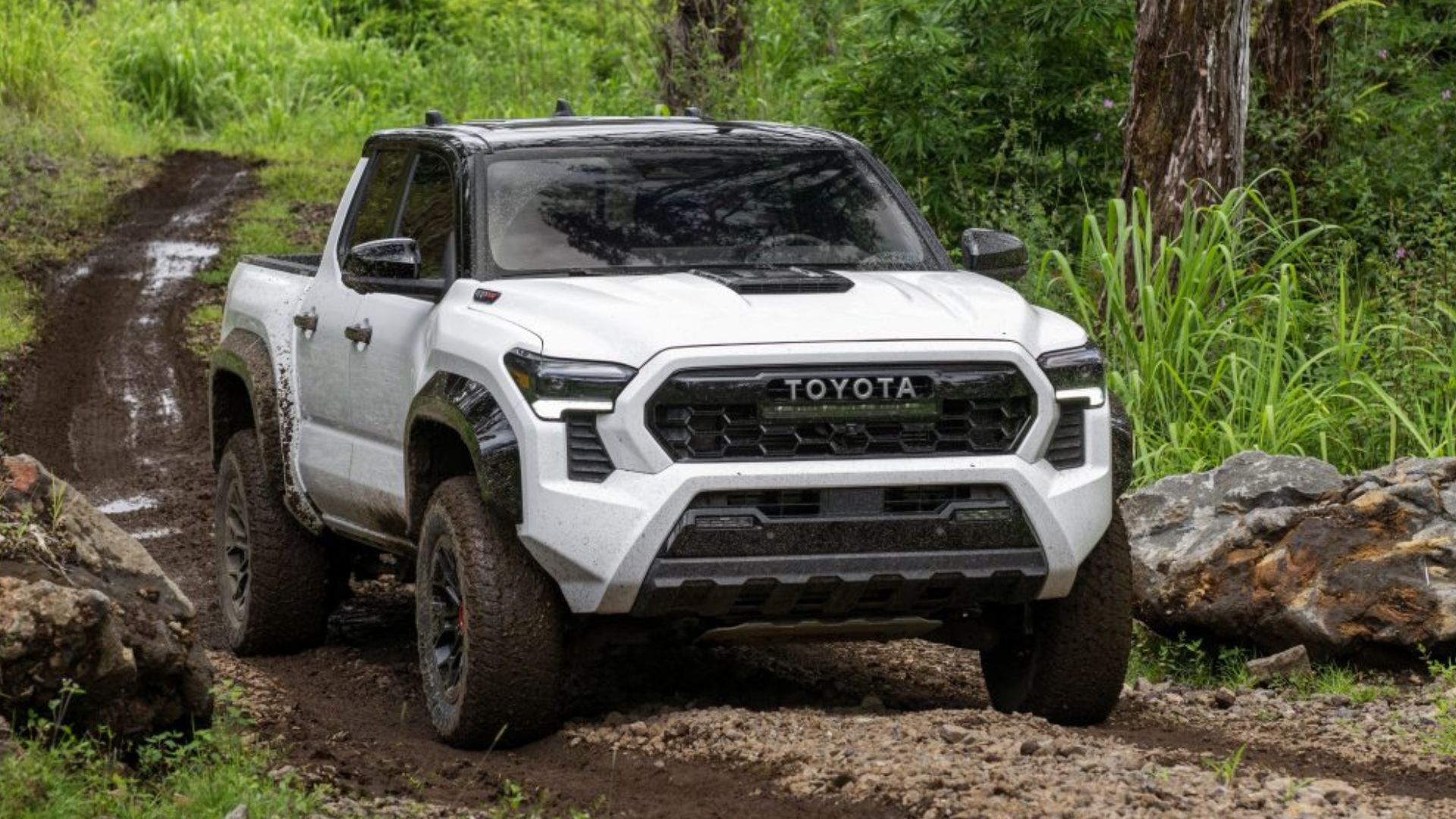
6. Toyota Tacoma: Reliable, Durable, and Exceptional Resale Value
The Toyota Tacoma remains one of the best-performing midsize pickup trucks in terms of resale value, with an average five-year depreciation of 26.0 percent and an average price difference from MSRP of $8,217. Even with the arrival of the more technologically advanced 2023 generation, older Tacoma models continue to hold their value exceptionally well.
This is due to a combination of high demand, legendary reliability, limited supply, and a devoted enthusiast community often called “Taco Nation.” Unlike stocks, which can fluctuate daily, the Tacoma provides a tangible and useful asset while depreciating much more slowly than the industry average. Many Tacomas retain over 70 percent of their original value after five years.
Several factors contribute to Tacoma’s strong value retention. Its reliability and durability allow many trucks to exceed 200,000 miles with minimal maintenance. Low ownership costs and minimal major repairs make used Tacomas highly desirable and sustain strong resale prices. Toyota’s conservative production levels create supply constraints that drive consistent demand.
Minimal generational redesigns ensure older models remain mechanically similar to newer versions, making parts easy to find and maintaining desirability. Off-road-focused models, such as the TRD Pro, retain value particularly well, and the wide aftermarket support, including lift kits and camping accessories, adds to their appeal.
Tacoma powertrains include a base turbocharged 2.4-liter four-cylinder producing 228 horsepower and a 278-hp i-Force V6 delivering 317 pound-feet of torque on higher trims. Both rear-wheel-drive and four-wheel-drive configurations are available, paired with either an eight-speed automatic or a six-speed manual transmission.
Coil-spring rear suspensions on higher trims improve ride quality, while leaf-spring setups remain on entry-level models. The Tacoma performs well both on and off road, with 0-60 mph times of 7.0 seconds for the V6 automatic and 7.9 seconds for the manual version. Maximum towing and payload capacities are 6,500 pounds and 1,705 pounds, respectively.
The interior has been upgraded with better materials, high-resolution digital displays, and a more ergonomic dashboard layout. Infotainment features an 8-inch touchscreen with wireless Apple CarPlay and Android Auto, with optional 14-inch screens, JBL audio systems, and wireless charging on higher trims.
Cabin space is improved with better headroom and seating adjustability, while the Double Cab offers extended cargo bed options.
Standard safety features include forward-collision warning, automated emergency braking, lane-keeping assist, and adaptive cruise control. Blind-spot monitoring and rear-cross-traffic alert are available on higher trims. Warranty coverage includes a three-year/36,000-mile limited warranty, five-year/60,000-mile powertrain warranty, and two years/25,000 miles of complimentary maintenance.
The Tacoma combines exceptional reliability, strong resale value, off-road capability, and practical usability, making it a highly desirable truck for long-term ownership.
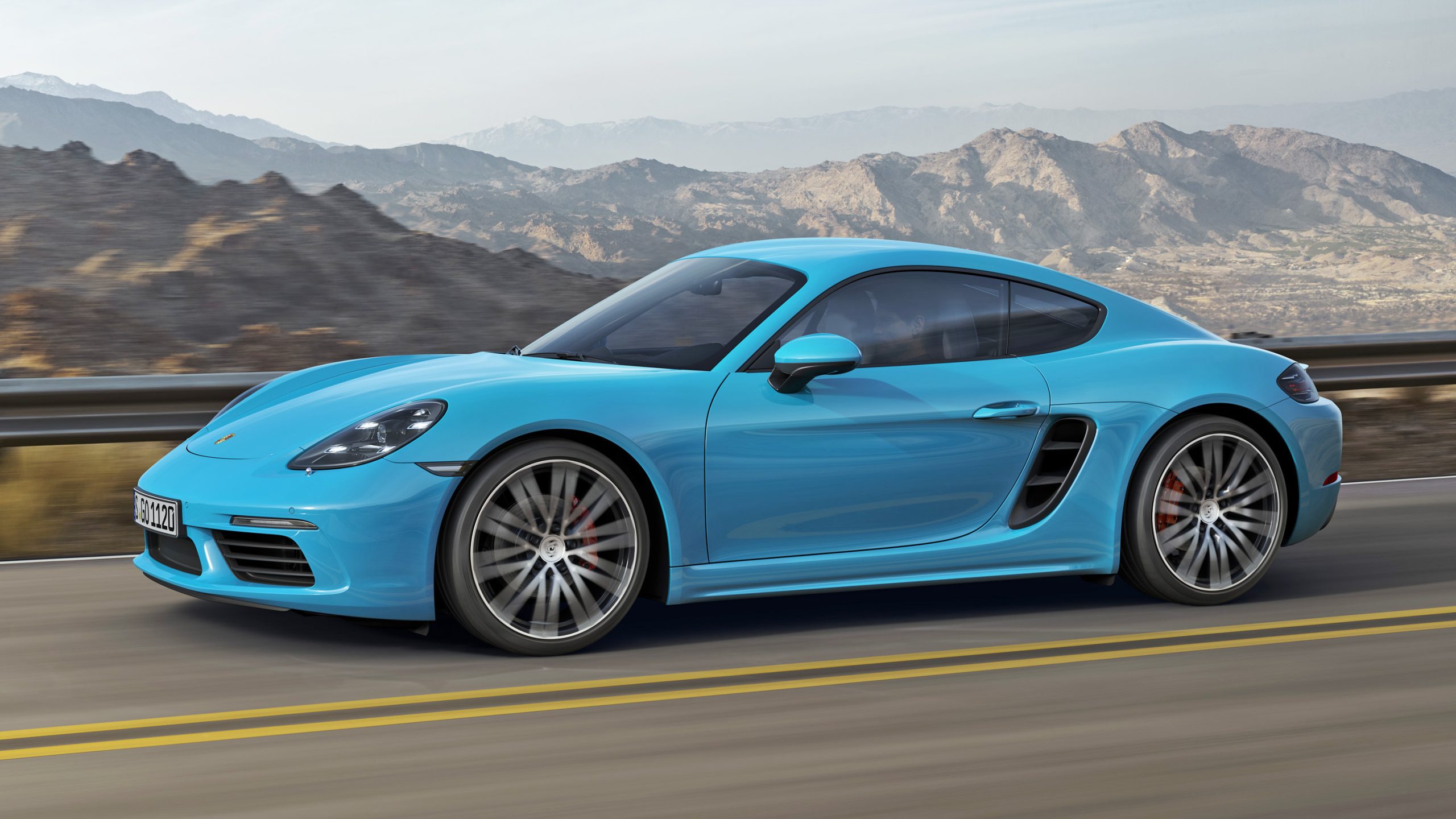
7. Porsche 718 Cayman: A Modern Classic That Holds Its Value
The Porsche 718 Cayman is a standout sports car that combines exhilarating performance with strong resale value. Over five years, it experiences an average depreciation of 21.8%, with a typical price difference from MSRP of $15,851.
Its value retention is fueled by limited production, high demand, brand prestige, and its status as one of the last purely internal-combustion mid-engine Porsches before electrification. High-performance variants like the GTS 4.0 and GT4 RS are especially collectible, often maintaining or even appreciating in value.
The Cayman offers a range of engines to suit different driving preferences. The base model features a 300-hp turbocharged 2.0-liter flat-four, while the S model uses a 350-hp 2.5-liter turbocharged flat-four. Purists favor the naturally aspirated 4.0-liter flat-six found in the GTS 4.0 (394 hp) and GT4 RS (493 hp).
Transmission options include a standard six-speed manual or a seven-speed dual-clutch automatic. The car’s mid-engine layout, precise steering, and responsive suspension deliver exceptional grip, balance, and stability, making it as comfortable on twisty roads as it is for extended drives. Acceleration ranges from 4.4 seconds for the base model to a stunning 2.8 seconds in the GT4 RS.
The cabin blends performance-focused design with practicality. Gauges and controls are intuitive, and seats are comfortable, though some hard plastics are present. Cargo space is competitive, fitting two carry-on suitcases in both the rear and front trunks.
Fuel efficiency varies: the base model achieves up to 21 mpg city and 27 highway, while the GT4 rates 16 city and 23 highway, with real-world highway testing showing up to 32 mpg. The infotainment system is responsive and includes Apple CarPlay, with options for Bose or Burmester audio upgrades. Safety features include standard front and rear parking sensors, with optional adaptive cruise control and blind-spot monitoring.
Porsche provides a four-year/50,000-mile limited and powertrain warranty, with complimentary maintenance for one year or 10,000 miles. The combination of thrilling performance, strong resale potential, and practical usability cements the 718 Cayman’s reputation as a modern sports car classic.
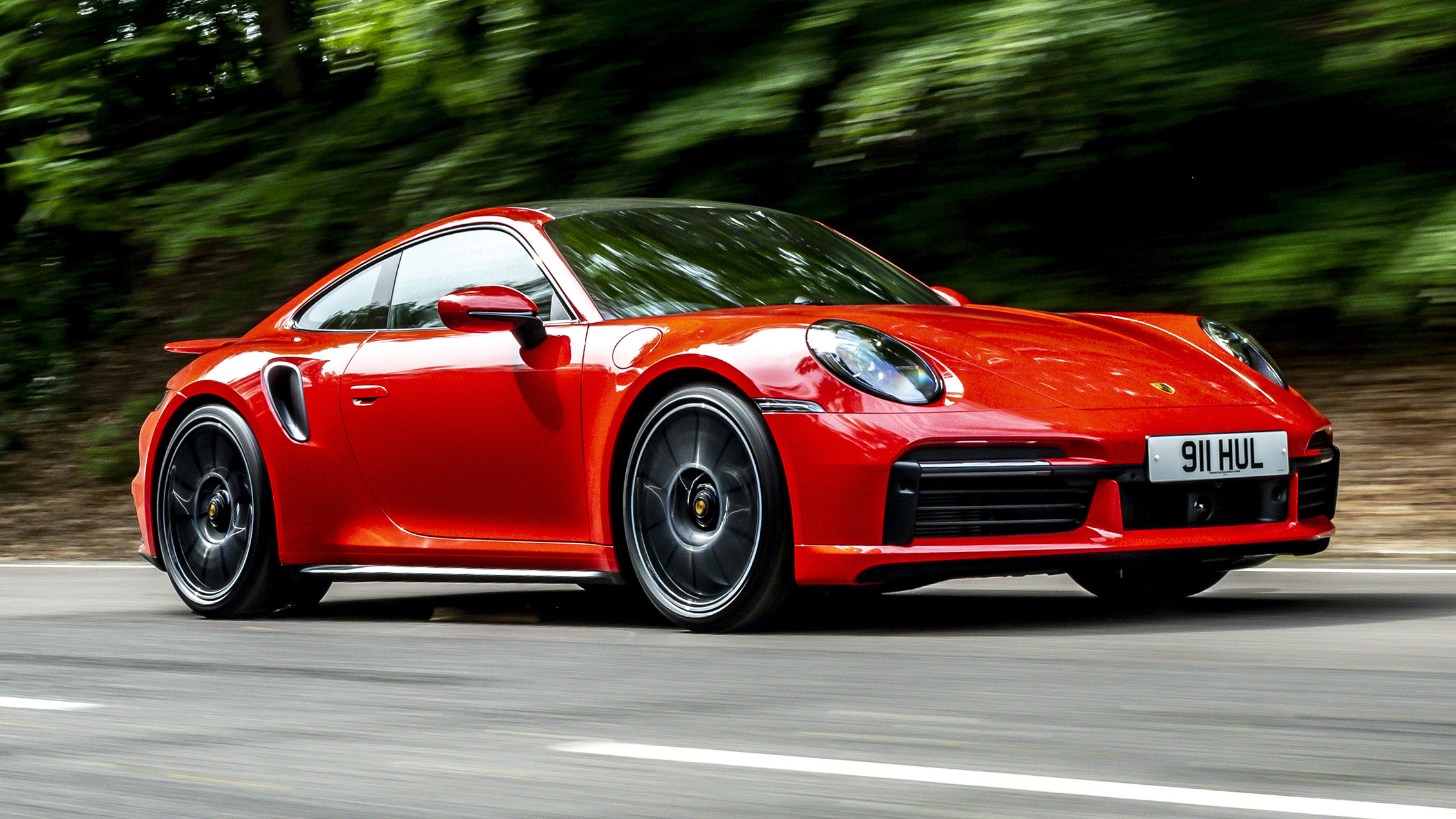
8. Porsche 911: The Iconic Sports Car That Retains Its Value
The Porsche 911 is known for combining high-performance engineering, timeless design, and strong resale value. Over five years, it experiences an average depreciation of 19.5 percent, with an average price difference from MSRP of $24,428. Limited production, high enthusiast demand, and its iconic rear-engine design help the 911 maintain value better than most sports cars.
Certain models, such as the GT3, can even appreciate with time. Its reputation as a durable and reliable performance car, along with the availability of manual transmissions, increases collector interest and emphasizes the 911’s status as a driver-focused sports car.
The 911 lineup offers multiple engine and performance options. The base Carrera has a twin-turbocharged 3.0-liter flat-six producing 388 horsepower. The Carrera S and Carrera 4S produce 473 horsepower and feature an eight-speed PDK dual-clutch automatic transmission.
The GTS model includes a hybridized 3.6-liter flat-six paired with an electric motor, generating a total of 532 horsepower. Acceleration ranges from 3.1 seconds to reach 60 miles per hour in the base Carrera to 2.5 seconds in the GTS hybrid. Porsche’s rear-engine layout, precise steering, and well-tuned suspension provide excellent agility and stability, delivering thrilling performance while remaining comfortable for daily driving.
The interior balances driver-focused design with practicality. The coupe is offered as a two-seater, with an optional 2+2 layout featuring the traditional rear jump seats.
Key features include a 12.6-inch digital instrument cluster, a 10.9-inch Porsche Communication Management infotainment system, Apple CarPlay, Amazon Alexa voice controls, and an upgraded Dolby Atmos audio system. Cargo space is modest but usable, with cooled storage in the center console and standard rear compartment space.
Fuel economy varies across the range. The base Carrera is rated at 18 miles per gallon city and 25 highway, while the S and 4S models achieve 17 city and 24 highway. On highway testing, the Carrera S achieved 23 miles per gallon. Safety features include standard forward-collision warning and automatic emergency braking, with optional adaptive cruise control, blind-spot monitoring, lane-keeping assist, and night vision.
Porsche provides a four-year or 50,000-mile limited and powertrain warranty, with one year or 10,000 miles of complimentary maintenance. With its combination of performance, durability, and strong value retention, the 911 remains one of the most iconic and desirable sports cars, appealing to both enthusiasts and collectors.
Selecting a car that holds value requires considering performance, reliability, and desirability. The vehicles on this list show that careful engineering, strong brand heritage, and consistent demand can make a car a wise investment.
Whether it is the excitement of a Ford Mustang, the utility of a Toyota Tundra, or the collectible appeal of a Porsche 911, each model allows owners to enjoy driving while retaining significant value. For buyers seeking both driving pleasure and financial sense, these eight vehicles demonstrate that some cars can maintain value better than the stock market over time.
Also read: 10 Cars That Make Routine Oil Changes Weirdly Difficult
