When buying a pre-owned vehicle, warranty coverage can make a substantial difference in long-term ownership costs and peace of mind. Certified Pre-Owned programs are designed to give buyers confidence that they are purchasing a vehicle that has been carefully inspected and backed by the manufacturer.
Some brands, such as Lexus, Hyundai, Kia, Mitsubishi, and Acura, provide extensive CPO warranties with long-term powertrain protection, comprehensive bumper-to-bumper coverage, and added benefits like roadside assistance and complimentary maintenance. These programs ensure reliability and minimize unexpected repair expenses.
In contrast, other automakers, including Tesla, Nissan, Ford, Chevrolet/GMC, and Honda, offer limited or short-term CPO coverage, often targeting older or higher-mileage vehicles.
These programs provide only brief protection, reduced inspection standards, or non-transferable warranties, leaving owners exposed to potential repair costs. Understanding the differences between strong and weak CPO programs can help buyers make informed decisions when selecting a pre-owned vehicle.
5 Brands With Excellent Certified Pre-Owned Warranties
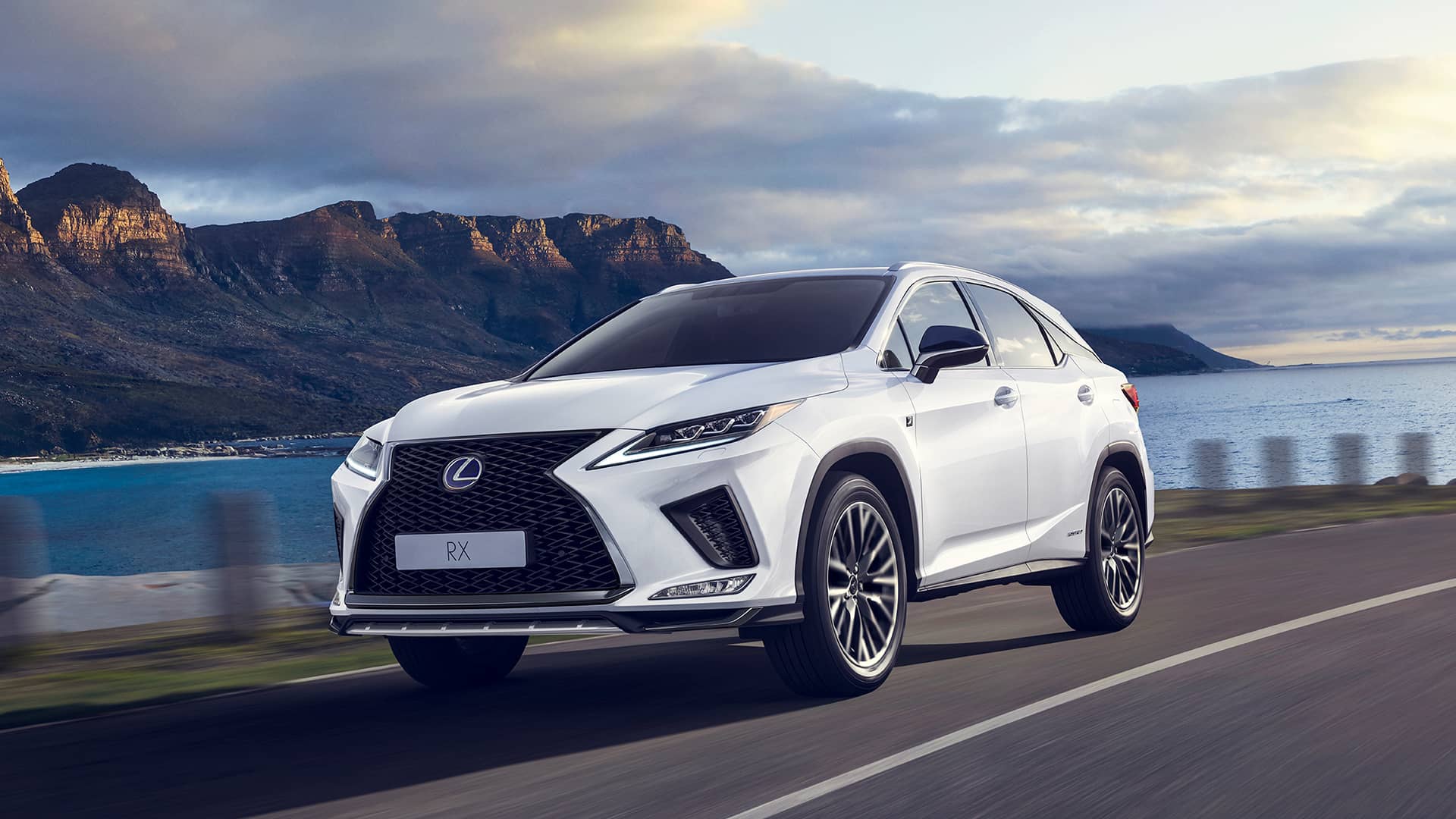
1. Lexus
Lexus delivers one of the strongest warranty programs in the luxury automotive segment, combining long-term protection, high reliability ratings, and valuable ownership benefits. Every new Lexus vehicle comes with a 4-year or 50,000-mile basic warranty that covers defects in materials and workmanship.
In addition, the 6-year or 70,000-mile powertrain warranty protects essential components such as the engine, transmission, and drivetrain. Hybrid models receive added protection through an 8-year or 100,000-mile hybrid battery warranty, which extends to 10 years or 150,000 miles for 2020 and newer models.
Coverage also includes a 6-year corrosion warranty with unlimited mileage and four years of roadside assistance regardless of mileage. Complimentary maintenance covers the first two scheduled service visits, helping reduce early ownership costs.
A major strength of the Lexus program is its L/Certified Certified Pre-Owned offering. Each vehicle must pass a comprehensive 175-point inspection performed by factory-trained technicians. This inspection evaluates mechanical systems, safety features, electronics, and interior and exterior conditions to ensure the vehicle meets strict brand standards.
The L/Certified Limited Warranty provides up to six years of unlimited mileage coverage, often extending protection beyond the original new vehicle warranty period. Certified vehicles also include two years or 20,000 miles of complimentary maintenance, 24-hour roadside assistance, and trip interruption protection.
Repairs are completed with no deductible, and coverage applies to major systems such as electronics, climate control, and powertrain components. Lexus also provides an additional two years of unlimited mileage coverage after the original 4-year or 50,000-mile warranty expires, further strengthening long-term protection.
For drivers seeking extended peace of mind, Lexus offers optional Extra Care protection plans in Platinum, Gold, and Powertrain tiers. These plans can extend coverage up to nine years, offering flexibility for long-term ownership. While Lexus vehicles are widely recognized for exceptional reliability, these extended plans add another layer of security.
In international markets such as the Philippines, Lexus provides a 3-year or 100,000-kilometer warranty that can be extended to five years with service rewards when maintenance requirements are met.
2. Hyundai
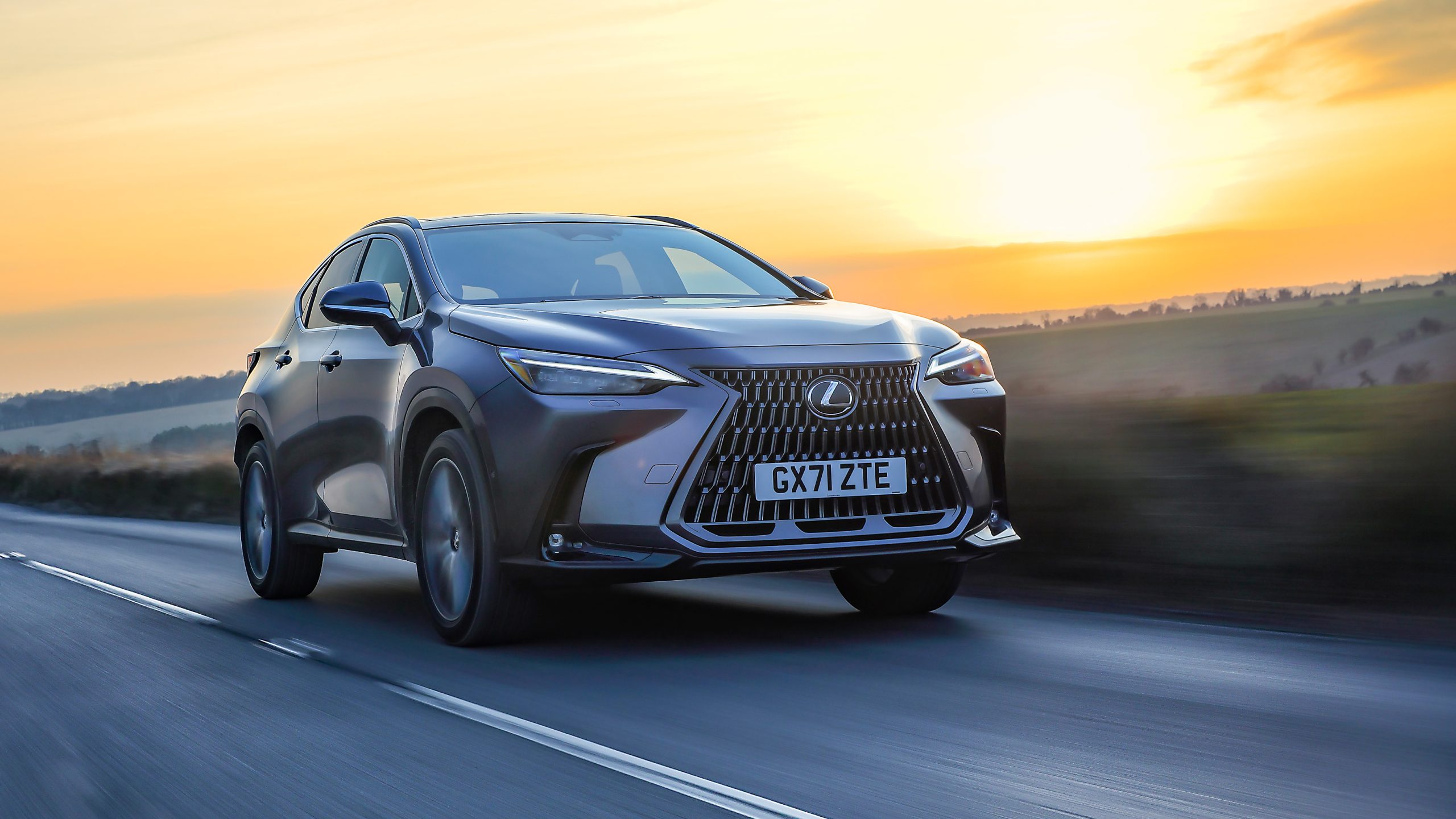
Hyundai offers one of the most extensive warranty programs in the automotive market, anchored by its 10-year or 100,000-mile powertrain warranty and 5-year or 60,000-mile New Vehicle Limited Warranty. The bumper-to-bumper coverage protects most vehicle components, including technology and infotainment systems, against defects in materials and workmanship.
The powertrain warranty covers major components such as the engine, transmission, and transaxle. Additional protection includes a 7-year anti-perforation warranty with unlimited miles and 5 years of unlimited-mile roadside assistance that covers towing, jump starts, and fuel delivery.
Hyundai also provides 3 years or 36,000 miles of complimentary factory-scheduled maintenance. Hybrid and electric models benefit from strong battery coverage, typically lasting 8 to 10 years or up to 100,000 miles, depending on the model.
Hyundai’s Certified Pre-Owned program is particularly notable because it reinstates the original 10-year or 100,000-mile powertrain warranty for eligible vehicles.
This is significant since the full powertrain warranty does not transfer to second owners when a vehicle is sold outside the CPO program. Certified buyers also receive the remainder of the 5-year or 60,000-mile bumper-to-bumper warranty from the original in-service date, preserving valuable factory protection.
To qualify for certification, vehicles must be less than five years old and have fewer than 60,000 miles. Each vehicle undergoes a detailed 173-point inspection, though some dealerships reference a 120-point checklist depending on the program. The inspection evaluates critical systems such as the engine, drivetrain, suspension, brakes, electronics, and safety features to ensure they meet strict manufacturer standards.
CPO benefits extend beyond warranty coverage. Buyers receive 10 years of 24-hour roadside assistance with unlimited miles, rental car reimbursement, travel interruption coverage, and a complimentary CARFAX vehicle history report. A 3-day or 300-mile exchange policy, with extended options in certain regions, adds flexibility if the buyer changes their mind.
Maintaining the recommended preventive maintenance schedule is required to keep warranty coverage valid. While some owners report occasional delays in service processing, Hyundai’s long-term factory-backed protection remains a major advantage for new and certified pre-owned buyers.
3. Kia
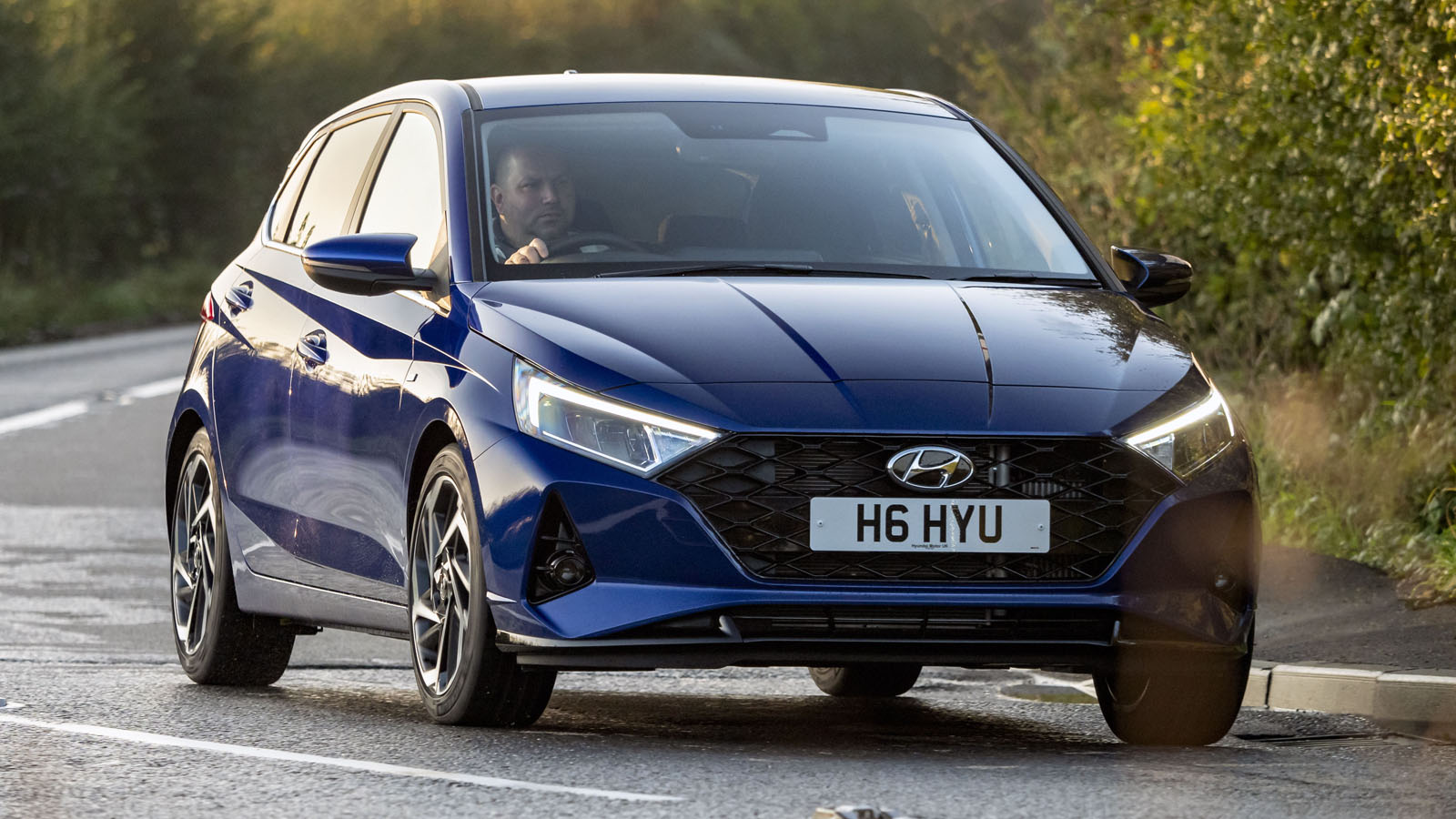
Kia offers one of the most competitive warranty programs in the automotive industry, highlighted by its 10-year or 100,000-mile powertrain warranty and 5-year or 60,000-mile limited basic warranty for new vehicles. The powertrain warranty covers essential components such as the engine, transmission, and drivetrain, while the bumper-to-bumper coverage protects a broad range of vehicle systems.
Additional protection includes a 5-year or 100,000-mile anti-perforation warranty against rust and 5-year or 60,000-mile roadside assistance that covers towing and certain travel-related interruptions. The factory powertrain warranty carries no deductible for covered repairs, adding further value.
For Certified Pre-Owned vehicles, Kia strengthens its appeal by reinstating the 10-year or 100,000-mile powertrain limited warranty from the original in-service date. This is significant because non-certified second owners typically receive only a 5-year or 60,000-mile powertrain warranty.
In addition, Kia CPO vehicles include 12 months or 12,000 miles of Platinum Comprehensive coverage that begins on the date of CPO purchase. This Platinum warranty functions as a bumper-to-bumper plan, covering many major systems beyond the powertrain for unexpected repairs.
Each certified vehicle must pass a detailed 165-point inspection conducted by factory-trained technicians. The inspection reviews the engine, transmission, braking system, suspension, electronics, and interior components. Any necessary repairs are completed using genuine Kia parts. Strict eligibility standards apply, with vehicles generally required to be five to six model years old or newer and to have fewer than 60,000 to 80,000 miles.
Kia’s CPO program also includes 10 years of 24-hour roadside assistance, rental car reimbursement up to a daily limit, travel breakdown coverage, and a complimentary CARFAX Vehicle History Report. These added benefits enhance buyer confidence and resale value.
Extended protection plans, often marketed as Kia Protection Plus, can expand coverage up to 150,000 miles with options such as Platinum, Gold, or Powertrain tiers.
Maintenance documentation is essential, as failure to follow recommended service schedules can affect warranty claims. Kia’s combination of long-term powertrain protection and comprehensive CPO benefits makes it a strong choice for value-focused buyers seeking extended coverage.
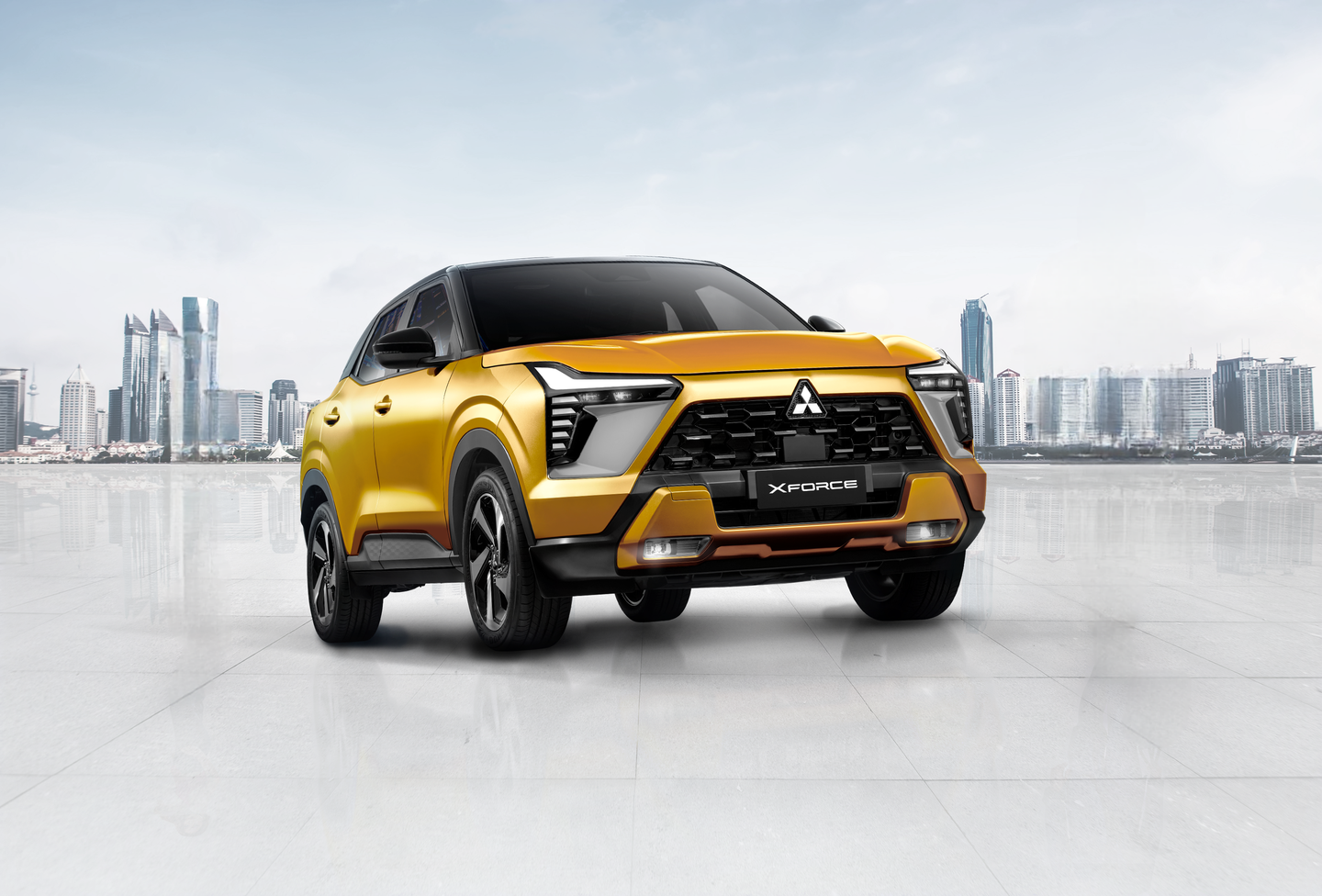
4. Mitsubishi Motors
Mitsubishi Motors offers one of the longest factory warranties available in the automotive industry. New vehicles are backed by a 10-year or 100,000-mile powertrain limited warranty that covers essential components such as the engine, transmission, and drive axle.
This long-term protection is paired with a 5-year or 60,000-mile New Vehicle Limited Warranty that provides bumper-to-bumper coverage for most vehicle systems, including electrical and mechanical components.
Additional protection includes a 7-year or 100,000-mile anti-corrosion or perforation warranty for rust-through on body sheet metal, as well as 5 years of unlimited-mile roadside assistance offering towing, jump-starts, and emergency fuel delivery.
Mitsubishi’s Certified Pre-Owned program strengthens the brand’s value proposition by transferring the remainder of the 10-year or 100,000-mile powertrain warranty from the original in-service date to the new owner. This extended coverage period exceeds what many competing brands provide in their certified programs.
Certified vehicles also retain the balance of the 5-year or 60,000-mile bumper-to-bumper warranty, delivering broad protection against unexpected repairs. In many cases, covered repairs are completed with no deductible, increasing cost savings and peace of mind for buyers.
Eligibility requirements for certification are strict. Vehicles must typically be fewer than five years old and have fewer than 60,000 miles. Each vehicle must pass a comprehensive 123-point inspection that evaluates the engine, transmission, suspension, braking systems, electronics, interior features, and structural condition.
Any necessary repairs are completed to meet factory standards. Certified vehicles also include 24-hour roadside assistance for the duration of warranty coverage and a vehicle history report to confirm title status and service background.
There are important considerations to keep in mind. Warranty coverage begins from the vehicle’s original registration date, not from the resale date. The 10-year powertrain warranty is primarily intended for the original owner, and coverage for later owners outside the CPO program may be reduced.
Maintaining the recommended service schedule at authorized dealerships is essential to preserve warranty validity. Mitsubishi also offers the Diamond Care Protection Plan for buyers seeking extended coverage options beyond the factory warranty.
5. Acura
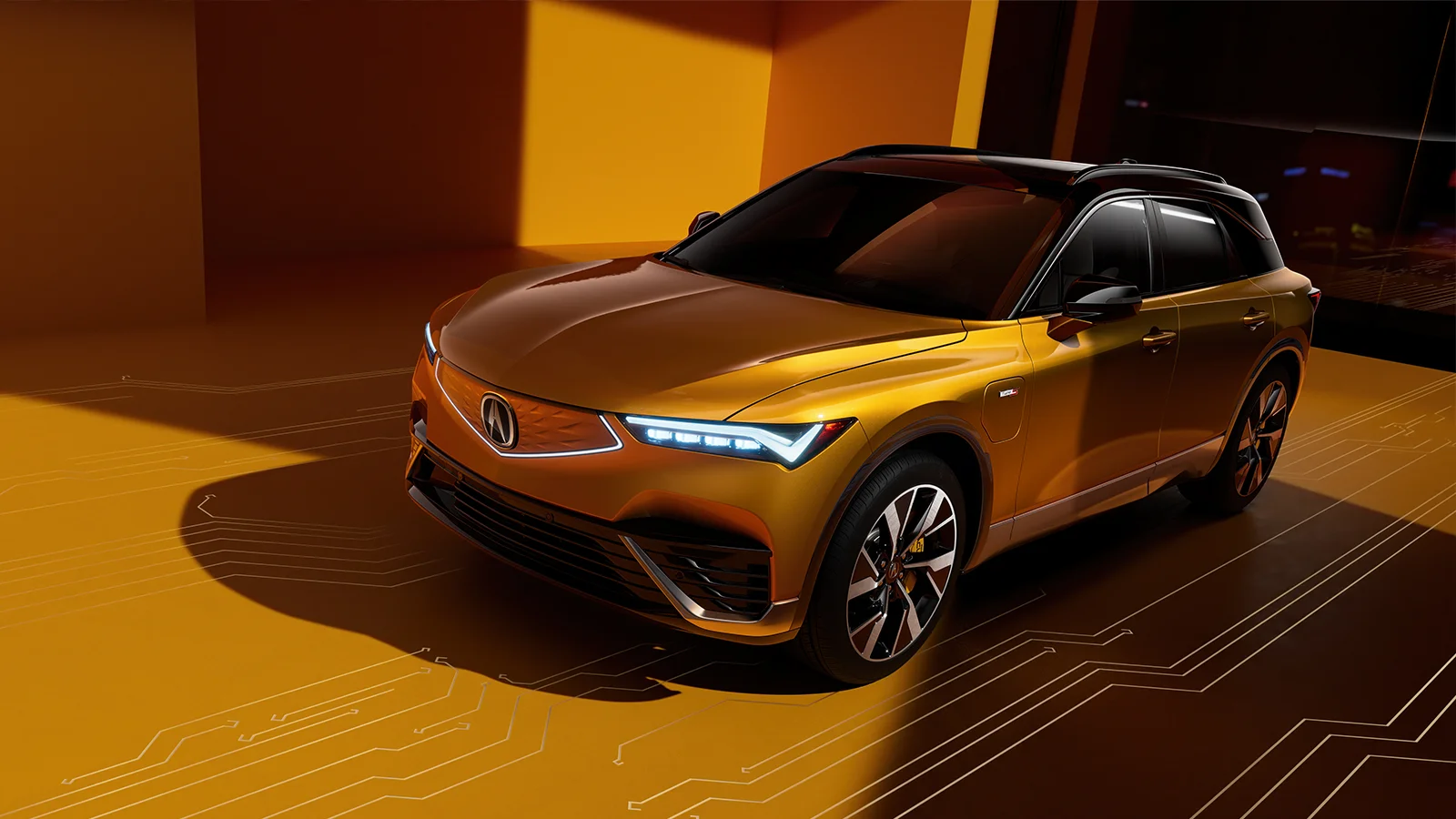
Acura delivers strong warranty protection for both new and certified pre-owned vehicles, reinforcing its reputation in the luxury segment. New Acura models are backed by a 4-year or 50,000-mile New Vehicle Limited Warranty that covers defects in materials or workmanship on most vehicle components.
The 6-year or 70,000-mile Powertrain Limited Warranty protects major systems such as the engine, transmission, and drivetrain. Additional protections include a 5-year unlimited-mile rust perforation warranty and a 15-year or 150,000-mile seat belt warranty.
Roadside assistance is included during the initial coverage period. For extended protection, Acura Care plans are available, offering coverage for up to 8 years or 120,000 miles through authorized dealerships.
Acura’s Certified Pre-Owned program, branded as Precision Certified, is frequently ranked among the top luxury CPO programs. Eligible vehicles, typically 2019 to 2024 models, receive a 7-year or 100,000-mile powertrain warranty calculated from the original in-service date.
In addition, the program extends non-powertrain coverage to 2 years or up to 100,000 total miles, depending on the certification tier. Some versions also include a 12-month or 12,000-mile limited bumper-to-bumper warranty beginning at the time of certified purchase.
Strict eligibility requirements help maintain high standards. Vehicles must generally be less than six years old and have fewer than 80,000 miles to qualify. Each candidate must pass a comprehensive 182-point inspection that evaluates mechanical components, safety systems, electronics, structural integrity, and cosmetic condition. Only vehicles that meet these demanding criteria are approved for certification.
Precision Certified models also include 24-hour roadside assistance, a complimentary vehicle history report, and the first scheduled maintenance service at no charge. Covered repairs are typically completed with no deductible, adding financial value and convenience.
While routine maintenance and wear items such as brake pads, tires, and wiper blades are not covered, Acura’s manufacturer-backed warranties provide extensive protection against unexpected mechanical failures.
The combination of long-term powertrain coverage, extended non-powertrain protection, and rigorous inspection standards makes Acura’s Precision Certified program a compelling choice for luxury buyers seeking dependable coverage.
Also Read: 5 Cars With Simple Dash Layouts vs 5 With Confusing Ones
5 With Weak Coverage
1. Tesla
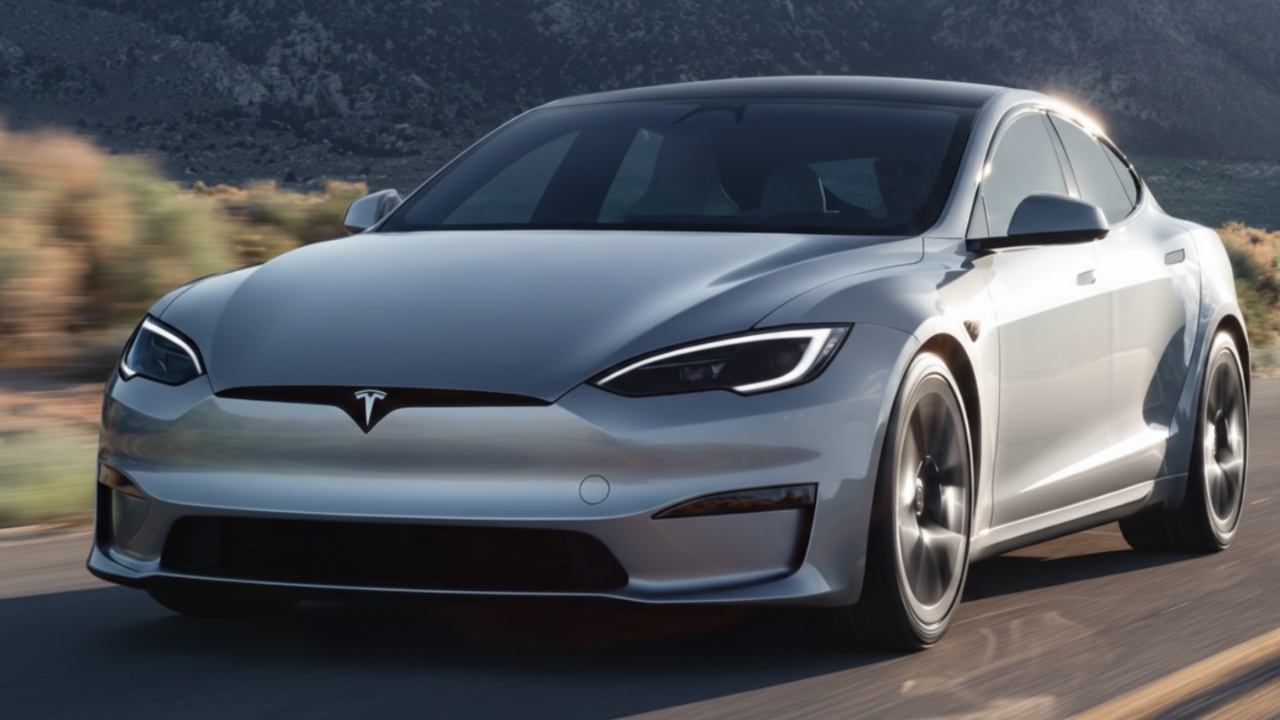
Tesla offers a warranty program that is often considered more limited compared to traditional automakers and luxury brands. New Tesla vehicles come with a 4-year or 50,000-mile Basic Vehicle Limited Warranty and an 8-year or 100,000 to 120,000-mile battery and drive unit warranty, depending on the model.
For certified pre-owned vehicles, Tesla provides a 1-year or 10,000-mile warranty that begins after the original basic warranty expires. Unlike many other certified programs, Tesla does not include a free vehicle history report or certification inspection.
Several factors contribute to perceptions of weaker coverage. The Basic Vehicle Warranty excludes common wear items such as tires, brake pads, and brake fluid. Suspension and steering issues are frequently denied under “normal noise and vibration” clauses, and battery replacement claims can be rejected if water exposure is suspected, even under normal driving conditions.
Certain technology components, such as the Media Control Unit touchscreen, have reduced coverage limits, sometimes only two years or 25,000 miles. These limitations can result in significant out-of-pocket expenses for owners.
High repair costs and service limitations further affect Tesla owners. Out-of-warranty repairs for common failures, including suspension, half-shafts, and steering components, can be expensive.
Diagnostic fees may be charged even when problems are not immediately resolved. Reports from former service personnel indicate that the company has sometimes attributed part failures to user error to avoid covering known defects, which adds financial risk for owners.
Tesla’s engineering approach also influences warranty performance. The company focuses on rapid product updates and continuous improvements rather than long-term validation. Early-build components may be more likely to fail shortly after warranty expiration.
Studies show that Tesla vehicles have a higher number of mechanical faults per 100 vehicles, 176 compared to an industry average of 121, which increases the burden on the warranty program and highlights the risk of repairs just outside coverage.
Although Tesla’s 8-year battery and drive unit warranty is strong for electric vehicles, the 4-year or 50,000-mile basic coverage and limited CPO warranty are less comprehensive than those of competitors that provide longer bumper-to-bumper protection. High repair costs, restrictive exclusions, and minimal CPO benefits make Tesla’s warranty program less protective than most other automakers.
2. Nissan
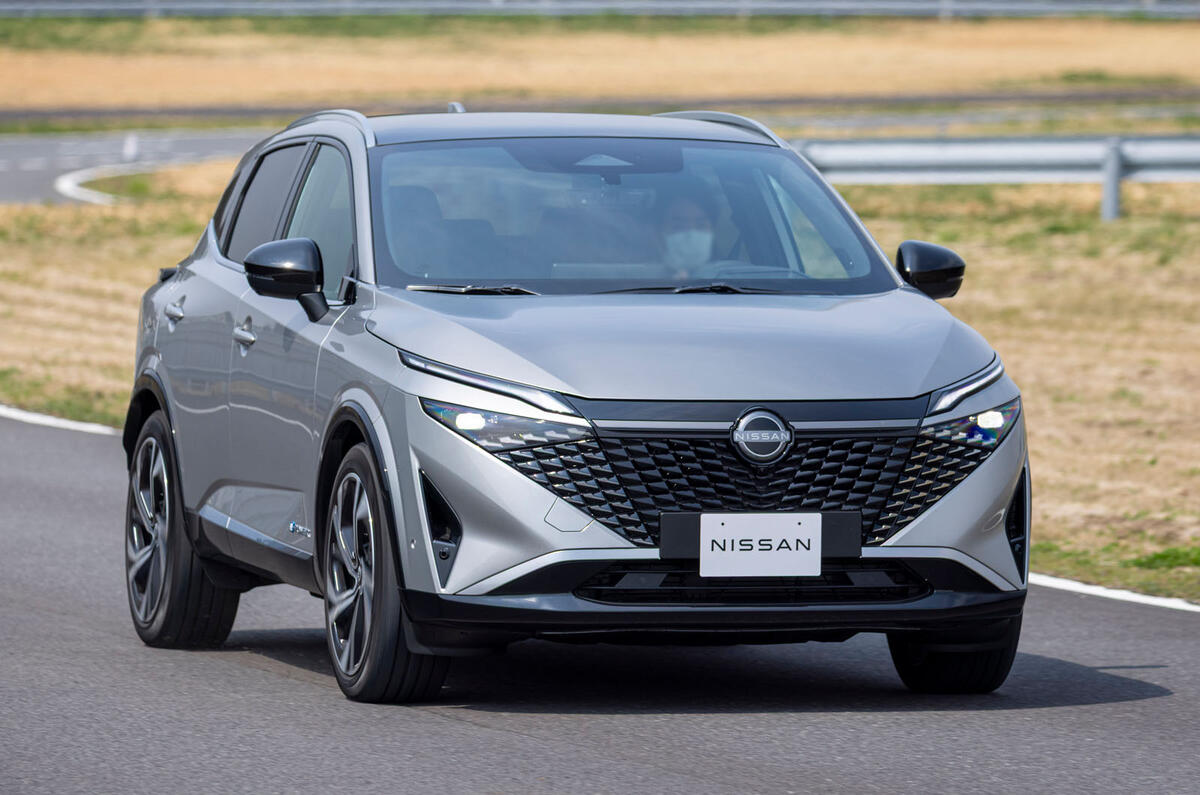
Nissan’s Certified Select program provides minimal warranty coverage for older, higher-mileage vehicles, making it notably weaker compared to standard Certified Pre-Owned (CPO) programs.
Unlike Nissan’s full CPO vehicles, which offer a 7-year or 100,000-mile powertrain warranty, the Certified Select tier covers only six months or 6,000 miles, whichever comes first. The program is non-transferable, meaning subsequent owners receive no protection, reducing resale value and long-term peace of mind.
The Certified Select warranty is limited to the vehicle’s powertrain, covering essential components such as the engine, transmission, and drivetrain. It does not extend to high-tech electronics, infotainment systems, suspension, steering, or climate control.
Unlike many CPO programs that provide a bumper-to-bumper extension for added security, Certified Select leaves owners exposed to costly non-powertrain repairs immediately after purchase. A $100 deductible applies to each covered repair, further diminishing the program’s value for a warranty that lasts only six months.
The program targets older vehicles, typically up to 10 years old, with up to 100,000 miles. Cars of this age are more likely to experience mechanical fatigue, making the short warranty period insufficient given the higher risk of failure.
In addition, the inspection standards for Certified Select vehicles are significantly lower than standard CPO vehicles. Certified Select relies on an 84-point inspection, roughly half the 167-point evaluation required for Nissan’s full CPO vehicles. This reduced scrutiny increases the chance that pre-existing issues go undetected before sale.
While the program includes 24-hour roadside assistance, this benefit expires with the six-month warranty. Owners lose access to towing, jump-starts, and flat tire support shortly after the coverage period ends, whereas standard CPO owners receive these services for years.
Nissan Certified Select offers only basic powertrain protection for older vehicles, with limited mileage, non-transferable coverage, and minimal inspection standards.
Buyers seeking meaningful peace of mind or long-term protection would find this program substantially weaker than standard CPO offerings or competing brands such as Honda and Toyota, which provide longer and more comprehensive coverage for pre-owned vehicles.
3. Ford Blue Certified
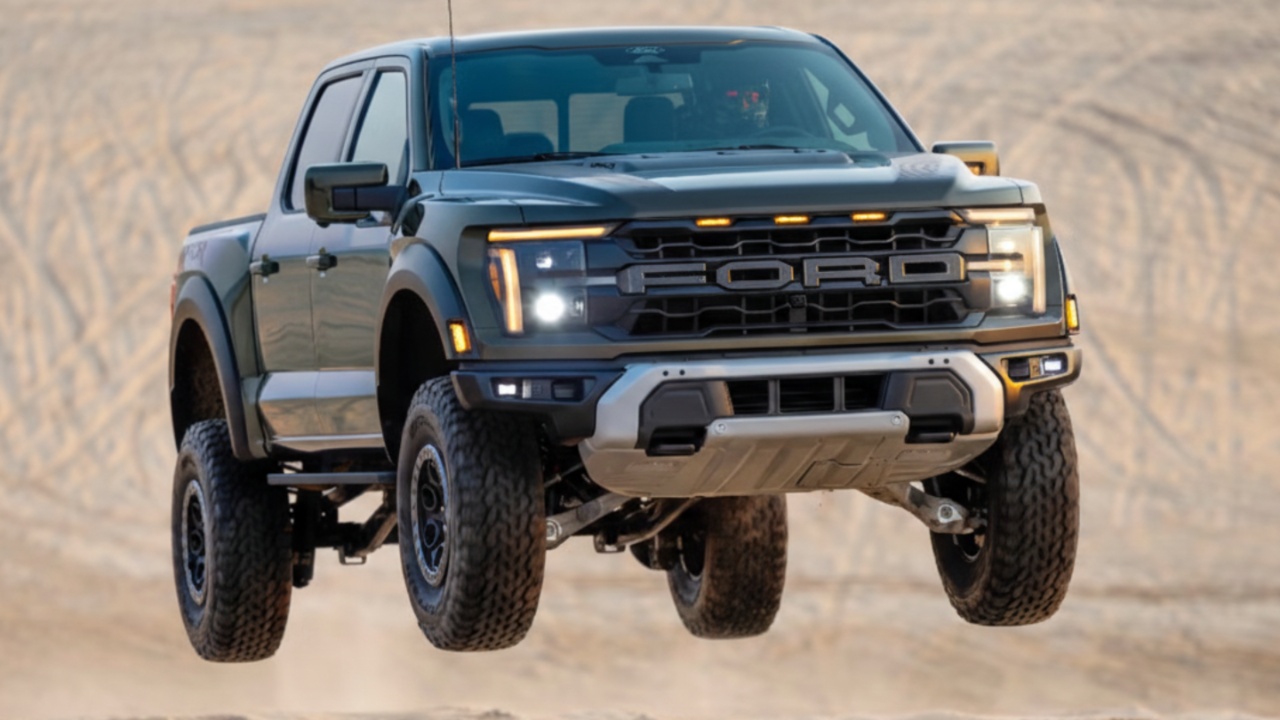
Ford’s Blue Certified program is an entry-level certification designed for older, high-mileage vehicles and is widely regarded as a limited warranty option. Unlike Ford’s premium Gold Certified tier, which provides a 7-year or 100,000-mile powertrain warranty, Blue Certified vehicles receive only 90 days or 4,000 miles of comprehensive limited coverage.
The program functions as a budget-friendly option bridging the gap between a standard “as-is” used car and a full CPO vehicle, providing minimal short-term protection against unexpected failures.
One key factor behind the limited coverage is the age and mileage of the vehicles included. Blue Certified applies to cars up to 10 years old with up to 150,000 miles. Older vehicles have a statistically higher likelihood of engine, transmission, and drivetrain failures.
To keep certification affordable for both dealers and buyers, Ford restricts the warranty to a 90-day window. Extending the coverage for multiple years on high-mileage vehicles would make the program cost-prohibitive and less attractive to its target market.
Another distinction from the Gold tier is the lack of dedicated long-term powertrain protection. While the 90-day coverage does include powertrain components, the protection expires quickly, leaving the owner responsible for potentially expensive repairs unless an extended service plan, such as Ford Protect, is purchased.
Blue Certified is also notable for its universal brand eligibility. Unlike Gold or EV CPO programs, which are limited to Ford vehicles, Blue Certified can apply to any make and model, including competitors’ vehicles.
This flexibility allows dealers to standardize coverage across multiple brands, but it also limits the ability to offer a long-term manufacturer-backed warranty on vehicles with proprietary systems unfamiliar to Ford technicians.
The program is positioned as a value product for buyers prioritizing a lower purchase price over extended coverage. Vehicles undergo a 139-point inspection, fewer than the 172-point inspection required for Gold Certified, and benefits such as FordPass Rewards points and roadside assistance are significantly reduced.
Blue Certified is designed intentionally as a limited-liability product. It provides just enough coverage to reduce the risk of catastrophic failures immediately after purchase, while keeping costs manageable. Buyers seeking long-term warranty protection would need to consider higher-tier certification or extended service plans.
4. Chevrolet and GMC
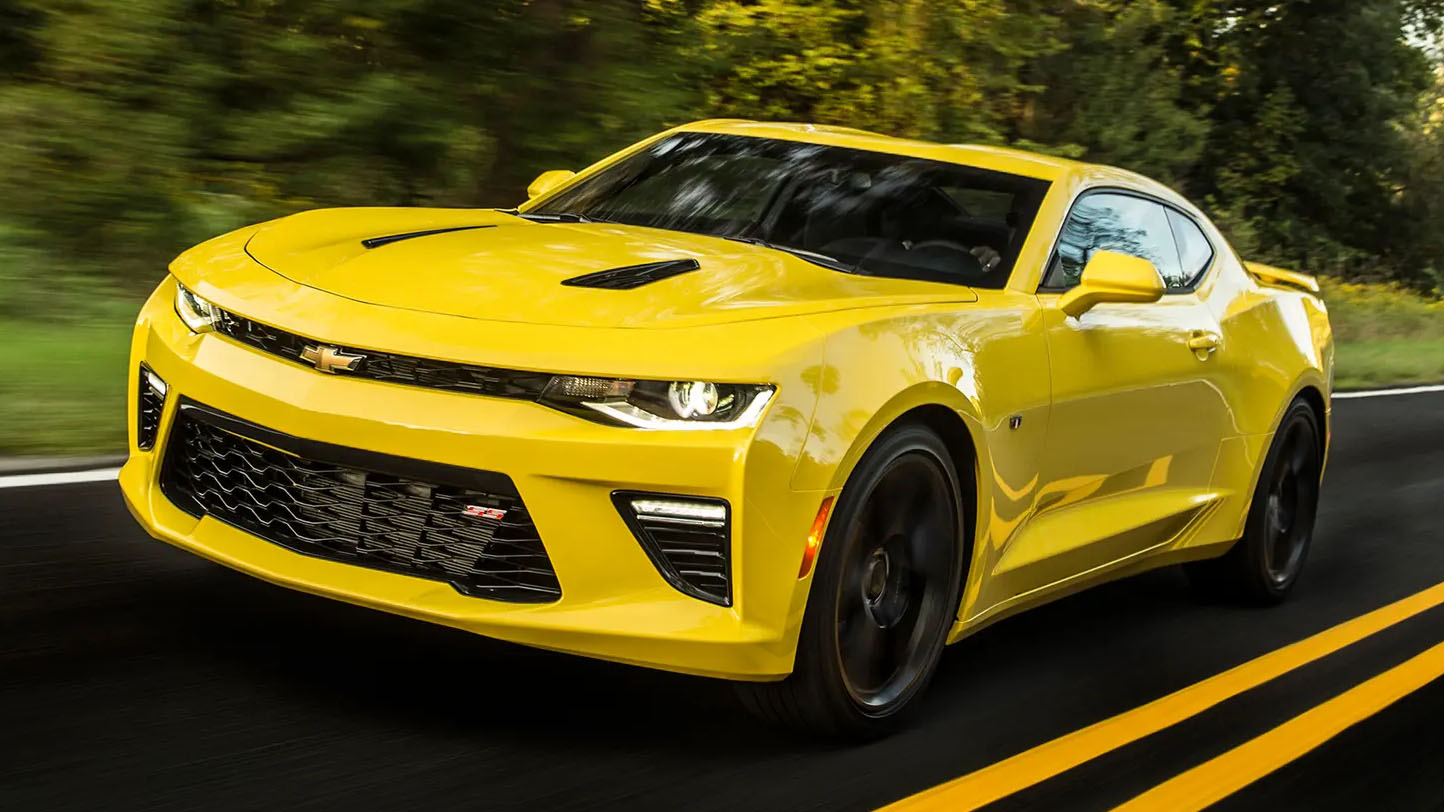
Chevrolet and GMC provide professional but mid-tier warranty coverage for certified pre-owned vehicles. Standard CPO coverage includes a 1-year or 12,000-mile bumper-to-bumper limited warranty and a 6-year or 100,000-mile powertrain warranty.
While this protection includes two scheduled maintenance visits and 24/7 roadside assistance, it does not match the longevity offered by brands such as Hyundai, Kia, or Mitsubishi, which provide 10-year or 100,000-mile powertrain warranties.
In comparison to domestic and Japanese competitors like Ford and Toyota, GM’s coverage is aligned with industry norms but is considered less competitive against value-oriented brands with extended warranties.
The current warranty strategy reflects a deliberate corporate focus on profit management and consumer behavior analysis. In 2015, GM reduced the standard powertrain warranty from 100,000 miles to 60,000 miles.
Executives cited internal research suggesting that extended warranties were not a major purchase factor for most buyers. Customers were more influenced by immediate features, including in-car technology and infotainment systems, than by long-term coverage.
Limiting warranty exposure also protects GM’s financial stability. Warranties represent significant liabilities, requiring the manufacturer to reserve funds for potential future repairs. Rising warranty costs, partially driven by engine recalls and electric vehicle software issues, impacted GM’s net income in 2025, causing a 35 percent drop in second-quarter profits.
By maintaining a 60,000-mile powertrain limit for standard vehicles, GM reduces the risk of costly repairs on aging cars while protecting EBIT-adjusted margins, which totaled $14.9 billion in 2024.
GM benchmarks its coverage against Ford and Toyota rather than against Korean brands. Since these competitors also provide roughly 60,000-mile powertrain protection, GM maintains a competitive position in the eyes of most truck and SUV buyers without incurring the cost of extended warranties.
Selective exceptions are applied to build confidence in new technologies. For example, the Silverado TurboMax engine receives 6-year or 100,000-mile powertrain coverage, while most Chevrolet and GMC electric vehicles, such as the Equinox EV and Hummer EV, carry 8-year or 100,000-mile warranties on the battery and drive unit to reduce consumer concerns.
The shorter factory warranty also supports extended protection plan sales. By offering a basic coverage package, dealerships can upsell additional plans to risk-averse buyers, generating additional per-vehicle revenue. While Chevrolet and GMC CPO warranties provide solid protection, their duration and scope reflect a strategic balance of cost management, market benchmarking, and revenue generation.
5. Honda HondaTrue Used
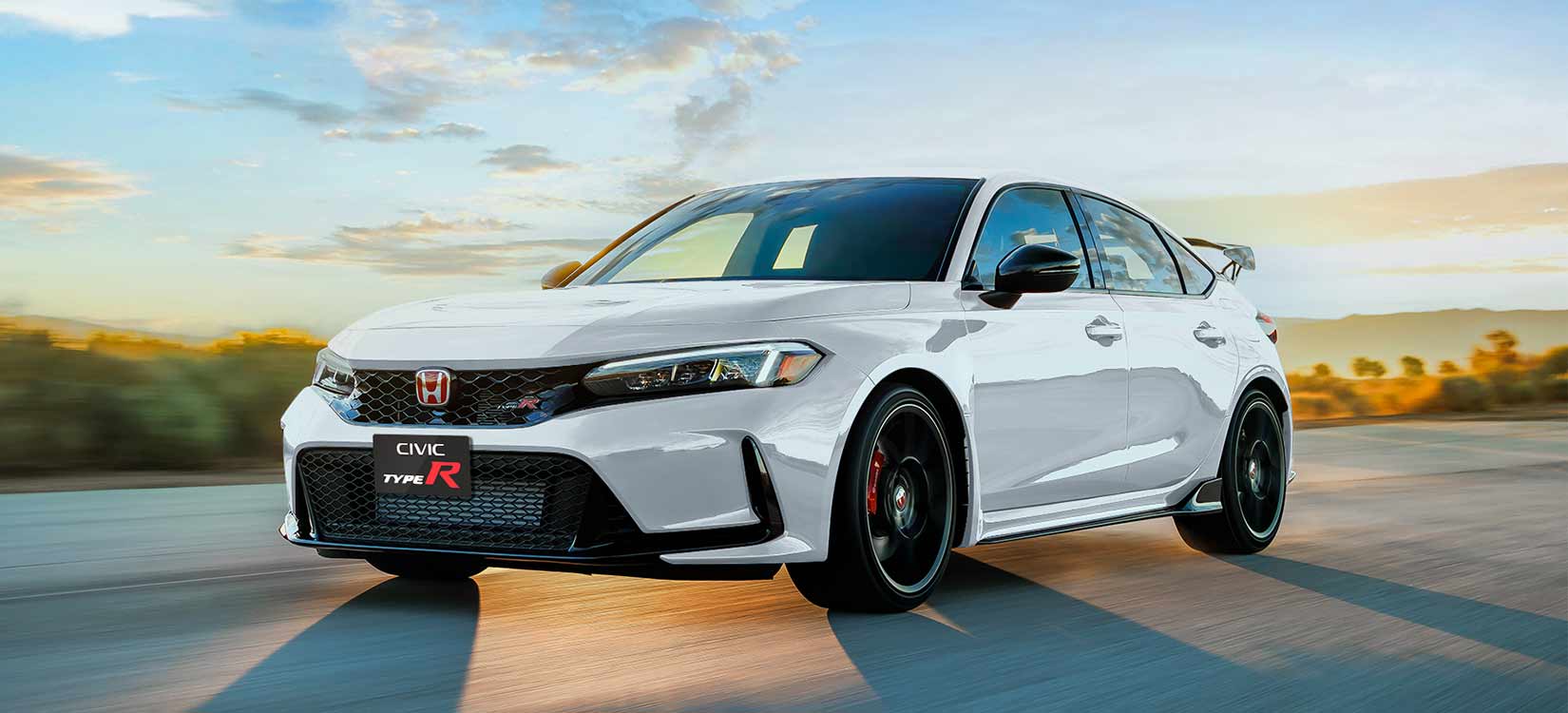
HondaTrue Used is an entry-level warranty program designed for older Honda models, typically up to 10 years old. Coverage includes both powertrain and non-powertrain components, but it is limited to 100 days or 5,000 miles, making it one of the shortest warranties in the industry.
Unlike Honda’s premium Certified+ program, which highlights the newest, lowest-mileage vehicles with comprehensive protection, HondaTrue Used targets cars that are still reliable but have higher mileage and more wear, effectively serving as a budget-conscious option for buyers who want Honda-backed assurance without the premium cost.
The limited coverage reflects the age and mileage of the vehicles. HondaTrue Used accepts cars with no strict mileage limits, which can include vehicles over 10 years old and with more than 120,000 miles.
Older components such as alternators, water pumps, and suspension parts have shorter lifespans, and guaranteeing them for years on high-mileage vehicles would be financially risky for Honda. The 100-day window acts as a short-term safeguard, ensuring that major defects are addressed immediately after purchase rather than providing long-term protection.
Inspection standards also influence coverage strength. HondaTrue Used vehicles undergo a 112-point inspection, which is less rigorous than the 182-point checklist required for HondaTrue Certified+.
The reduced inspection means Honda cannot fully guarantee the long-term durability of all minor components, providing coverage primarily for essential systems such as the engine, transmission, and brakes, while excluding electronics or other wear items.
Market positioning and affordability play a significant role in shaping HondaTrue Used. Offering a full-length warranty similar to Certified+ vehicles would substantially increase the vehicle price to account for anticipated repair costs, reducing its appeal as an affordable entry-level option.
The program balances cost and protection, providing enough reassurance to prevent buyers from purchasing a “lemon” while keeping the price accessible.
HondaTrue Used is not a reflection of poor quality but a carefully structured program for higher-risk, high-mileage vehicles. It bridges the gap between private, “as-is” sales and full Certified+ Hondas, offering a short-term window of protection for vehicles that have already seen significant road use. This approach allows buyers to obtain a Honda-backed vehicle at a lower cost while mitigating immediate risks.
The gap between excellent and weak Certified Pre-Owned warranties highlights the importance of evaluating coverage details before purchasing. Brands like Lexus, Hyundai, Kia, Mitsubishi, and Acura invest in rigorous inspections, long-term powertrain guarantees, and extensive bumper-to-bumper coverage, ensuring buyers can enjoy peace of mind and predictable ownership costs.
On the other hand, programs from Tesla, Nissan, Ford, Chevrolet/GMC, and Honda provide minimal protection, often limited by short durations, high-mileage vehicles, or reduced inspections. While these programs may offer affordable entry points, they leave owners vulnerable to unexpected repairs.
For buyers seeking long-term reliability and financial security, choosing vehicles with robust CPO warranties can reduce maintenance risks, enhance resale value, and provide confidence that the car has met strict manufacturer standards. Comparing warranty coverage across brands is essential for making a smart pre-owned vehicle investment.
Also Read: 10 Cars With Maintenance Schedules That Actually Matter in 2026