
When most people shop for used performance cars, they assume they’re trading precision for price.
Newer models get all the attention for adaptive dampers, torque vectoring, and computer-controlled stability systems, while older cars are often written off as crude, floaty, or dated. That assumption isn’t always fair.
Over the last two decades, automakers quietly crossed an important threshold: chassis tuning, suspension geometry, and steering calibration became genuinely sophisticated, even before today’s screens and driver aids took over.
As a result, several older performance cars still feel remarkably contemporary on a twisty road. Some offer hydraulic steering with better feedback than many modern racks.
Others have near-perfect weight balance or multilink rear suspensions that wouldn’t feel out of place on a new sports sedan.
For U.S. buyers, this creates a sweet spot in the used market. These cars deliver engaging handling and real-world usability at prices far below modern equivalents.
You won’t get wireless Apple CarPlay or lane centering, but you will get sharp turn-in, stable cornering, and chassis behavior that holds up impressively well in 2026.
Here are ten older performance cars that still drive like they belong in the present day.
1. BMW M3 (E46, 2001–2006)
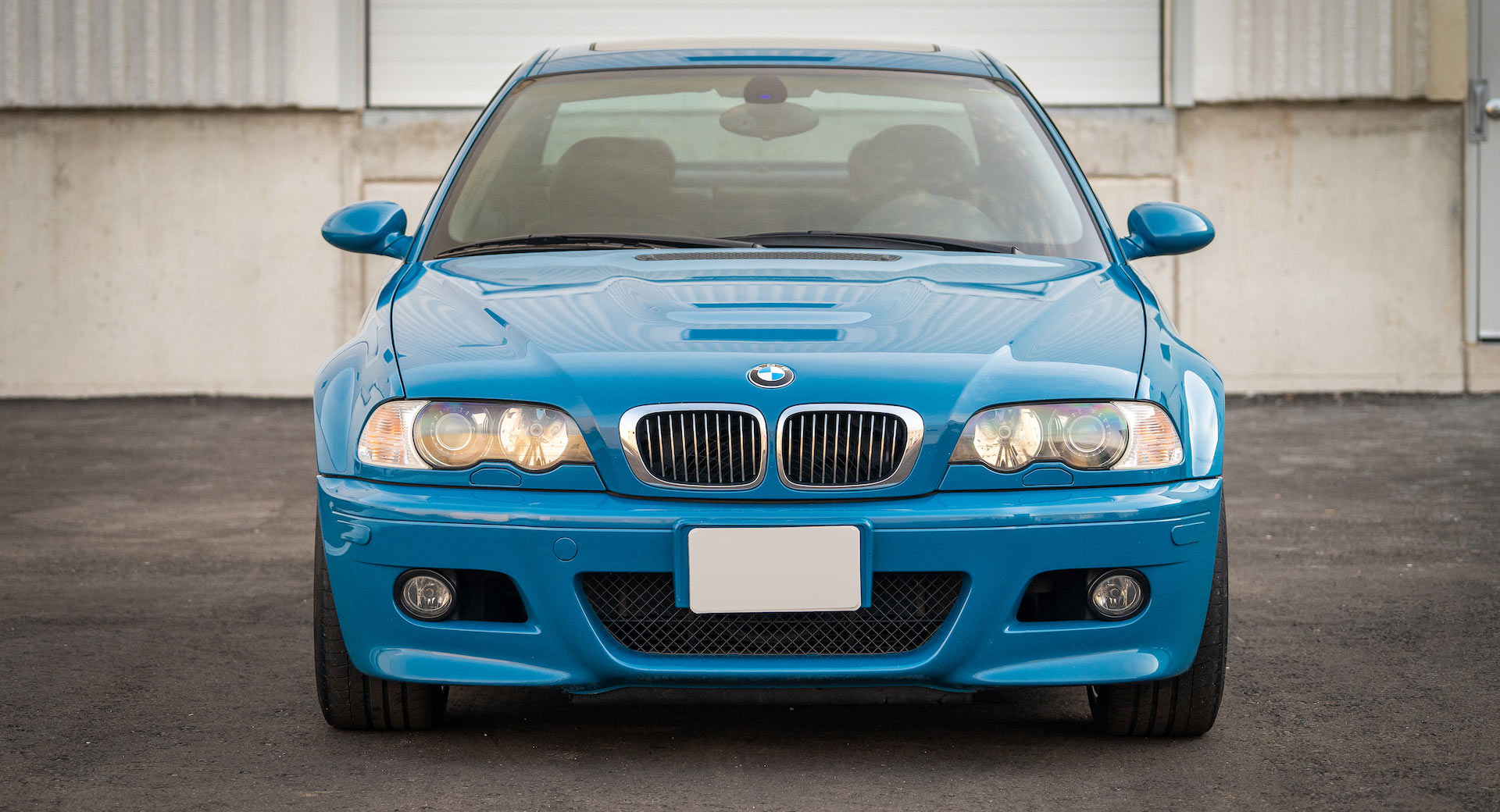
The E46 M3 is often remembered for its high-revving inline-six, but its chassis deserves equal praise.
With near-50/50 weight distribution, aluminum suspension components, and beautifully tuned hydraulic steering, this generation delivers balance that many modern sports coupes still chase.
What makes it feel contemporary is how composed it remains when pushed. There’s real compliance over broken pavement, yet body control stays tight through fast transitions.
The multi-link rear suspension provides excellent traction out of corners, and the front end communicates clearly without artificial weighting.
In today’s world of numb electric steering racks, the E46’s feedback feels almost refreshing. For drivers who value connection over screens, this M3 still sets a benchmark.
BMW’s M division traces its origins to 1972, when it was established as BMW Motorsport GmbH. Beginning with the BMW 5 Series, the newly formed group set out to create factory-developed high-performance variants of BMW’s mainstream models.
During the 1970s and 1980s, it produced icons such as the M535i, M5, and M635 CSi. That same era also saw the introduction of the M1 supercar, a standalone performance model not derived from a regular production vehicle. Up to that stage, every M-badged car relied on an inline six-cylinder engine configuration.
In 1986, the lineup expanded with the arrival of the four-cylinder E30-chassis BMW M3. The original objective was to manufacture 5000 examples of the two-door sports sedan to meet homologation requirements for European touring car competition.
However, demand far exceeded expectations, and total production ultimately reached nearly 18,000 units. The commercial and critical success of the first M3 established BMW Motorsport GmbH as a credible and influential force within the global performance car segment.
Early M3 models were powered by a 2.3-liter, 16-valve engine, later enlarged to 2.5 liters in European markets, that both visually and mechanically reflected its lineage as a derivative of BMW’s former Formula 1 powerplant.
American enthusiasts embraced the 192-horsepower output, the car’s relatively low curb weight of roughly 2800 pounds, and its exceptional handling balance.
Criticism, however, centered on the car’s uncompromising nature as a thinly veiled homologation special, including pronounced engine vibration around 4000 rpm. Some observers also viewed the aggressive styling as excessive. Pricing was another point of contention, with the original M3 debuting at $34,800.
Following a pause in U.S. availability after the 1991 model year, BMW returned with a significantly revised M3 in the spring of 1994 as a 1995 model. Automotive journalists present at the U.S. launch were immediately impressed.
Built on the more refined E36-generation 3 Series platform, the new M3 represented a substantial philosophical shift from its predecessor. It delivered world-class performance while also providing everyday usability, four-passenger accommodation, and genuine comfort.
Perhaps most unexpected was its pricing. Considering BMW’s historically aggressive pricing strategy in the late 1980s and early 1990s, the new model’s $35,800 introductory price was notable.
Despite featuring a more sophisticated 240-horsepower 3.0-liter inline six-cylinder engine, a leather interior, full power amenities, and extensive standard equipment, it was priced almost identically to the earlier, less refined M3 introduced six years prior.
Critical reception was overwhelmingly positive, and consumer demand followed suit. By the end of its production run, the 1995–1999 BMW M3 had been manufactured in Regensburg, Germany, with a total of 71,279 units produced across coupe, sedan, and convertible body styles.
With this legacy in place, any subsequent M3 faces the challenge of meeting a well-established and highly respected standard.
2. Chevrolet Corvette C6 (2005–2013)
The C6 Corvette marked a turning point for America’s sports car. Gone was much of the old-school looseness; in its place came a stiff hydroformed chassis, refined suspension geometry, and serious grip.
Thanks to its rear transaxle layout, weight distribution is far better than earlier Corvettes, giving the car impressive stability at speed.
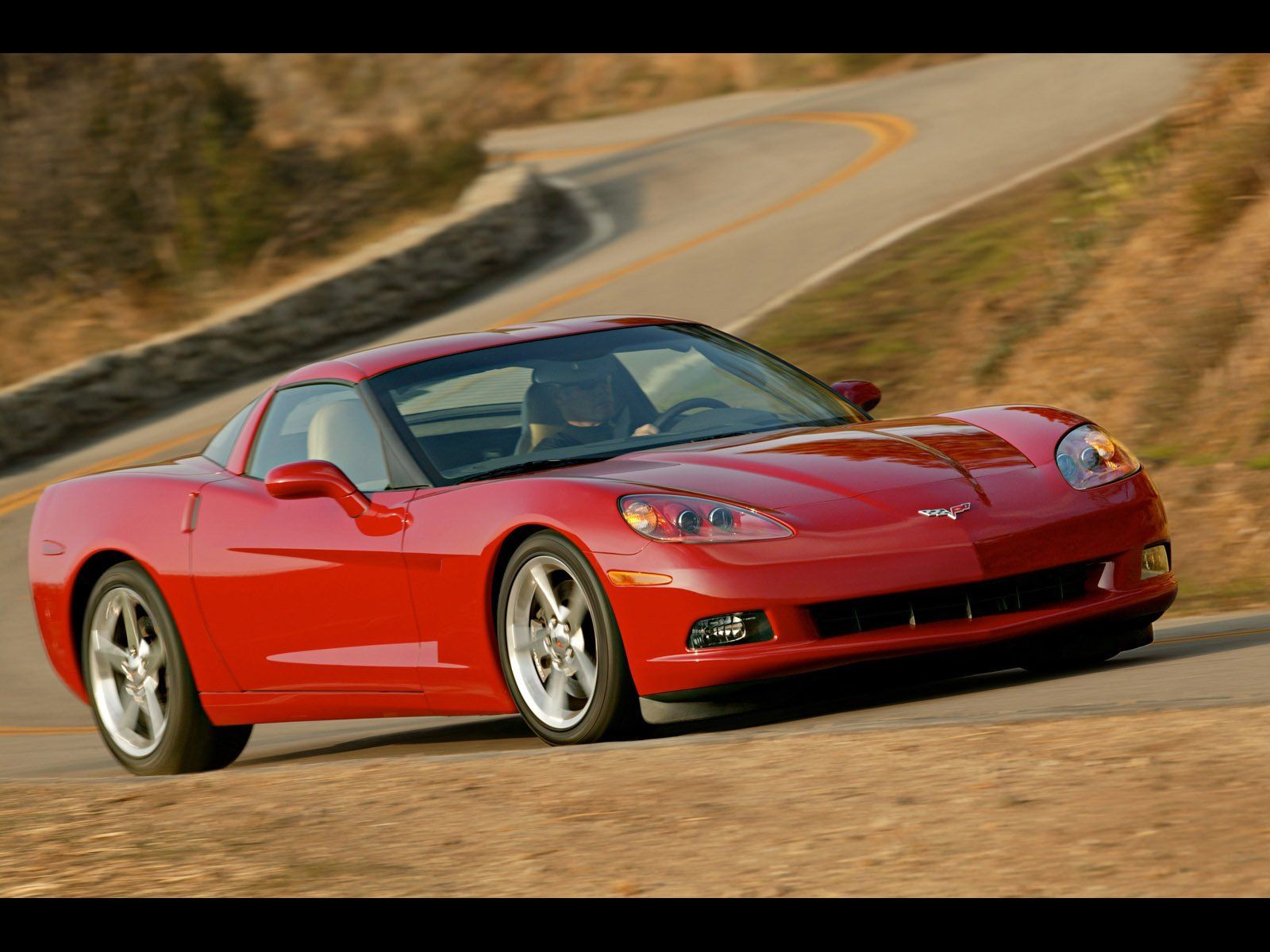
Even base models feel planted, while Z51-equipped cars deliver track-ready body control straight from the factory.
Despite its V8 muscle reputation, the C6 surprises with precise turn-in and confident mid-corner balance. It’s proof that high horsepower doesn’t have to come at the expense of finesse.
The Corvette’s 2007 updates further refine a sports car that underwent a complete redesign in 2005 and received significant improvements again in 2006. Both coupe and convertible variants remain powered by the LS2 6.0-liter V-8 engine, delivering 400 hp (298 kW) and 400 lb-ft of torque (542 Nm).
This engine is paired with a rear-mounted transaxle designed to optimize weight distribution. A six-speed manual transmission comes standard, while a six-speed paddle-shift transmission with automatic modes is offered as an option.
The 2007 Corvette convertible includes a power-operated soft top when equipped with the 3LT package, while a manually operated top is standard. In both cases, the roof utilizes a five-layer fabric construction that conceals the structural framework beneath it, resulting in a clean appearance when raised. This design also contributes to maintaining the vehicle’s aerodynamic efficiency and minimizing road noise.
Inside, the Corvette reflects its dual-cockpit design heritage. The cabin emphasizes high-grade materials, precise craftsmanship, and functional design elements intended to support performance-oriented driving. The instrument panel and door surfaces feature cast-skin, foam-in-place trim that mimics the look and feel of leather-wrapped, padded panels.
3. Porsche 911 (997, 2005–2012)
Porsche has always prioritized handling, and the 997-generation 911 shows just how far ahead the brand was in the mid-2000s.
With a wider track than earlier models, improved suspension tuning, and steering that blends precision with genuine road feel, the 997 feels remarkably modern.
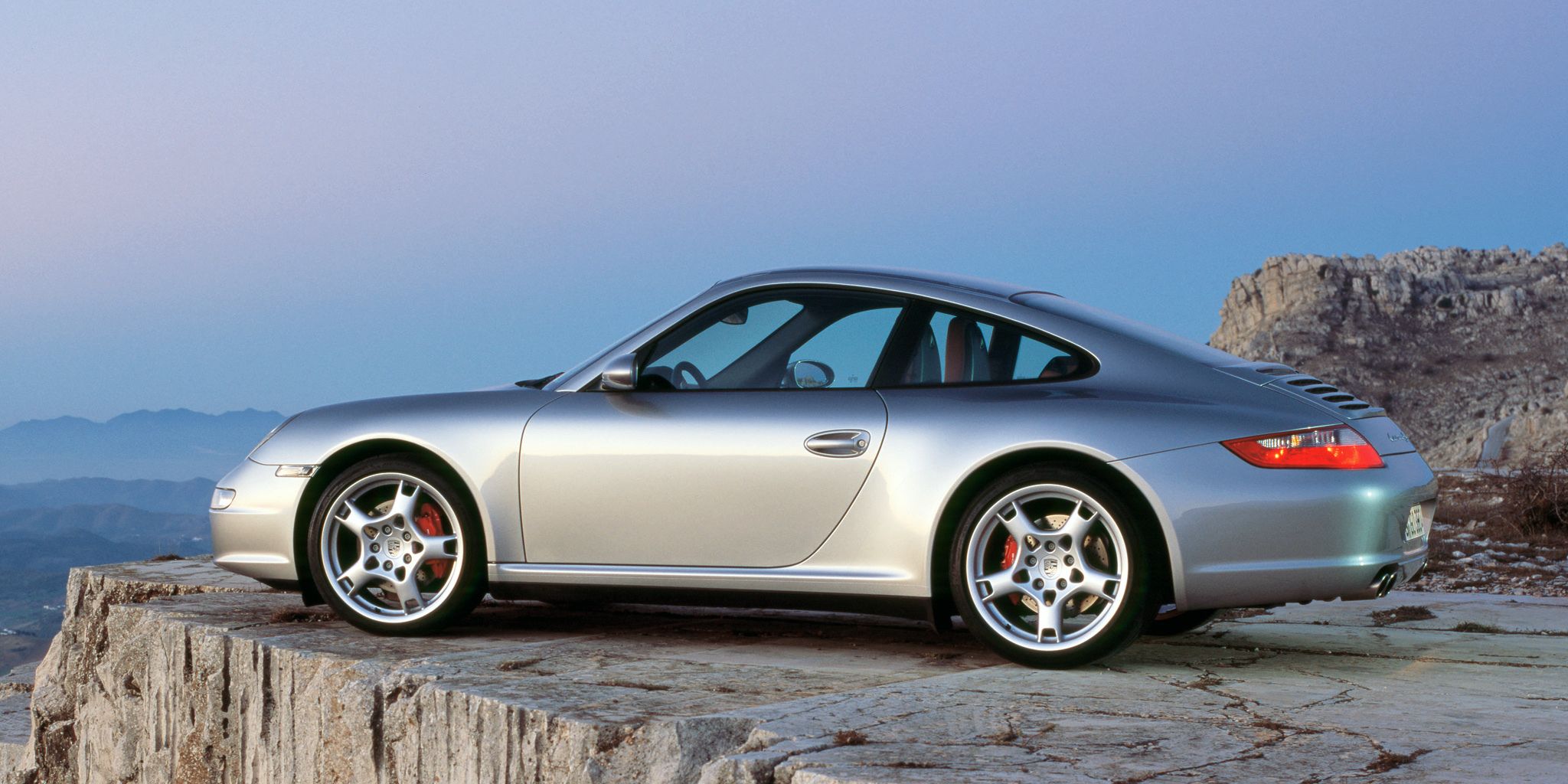
The rear-engine layout still defines the driving experience, but Porsche’s stability systems and chassis balance make it far more approachable than older air-cooled cars.
On winding roads, it flows naturally from corner to corner, offering composure that rivals many newer sports cars costing twice as much.
When the subject turns to automotive legends, few vehicles approach the stature of Porsche’s 911. The model has remained in continuous production for nearly fifty years.
Throughout that time, various iterations have competed globally, accumulating victories and championships across numerous racing disciplines. Drivers and critics consistently praise the experience behind the wheel, while enthusiasts who do not yet own one often aspire to add a 911 to their garage someday.
Its enduring success is particularly notable given the unconventional engineering at its core. With the engine mounted behind the rear axle, placing substantial mass at the back of the car, the 911’s layout would seem at odds with conventional physics.
By traditional standards, this configuration should present handling challenges. Yet Porsche’s engineers in Stuttgart have repeatedly refined and evolved the concept, improving it generation after generation and ultimately arriving at the highly accomplished 997 series.
The 911 lineup now spans an extensive range of configurations. Buyers can select rear-wheel drive or all-wheel drive, naturally aspirated or turbocharged powerplants, and body styles that include coupe, targa, and convertible. Variants can be mixed across these categories, and the race-focused GT3 models have returned as well.
For drivers who prioritize handling precision, Porsche reintroduced the GT3 and the more track-oriented GT3 RS for the 2010 model year. The 435-horsepower GT3 stands as the benchmark for street-legal 911 handling capability. In the same year, the Turbo received a performance increase, now delivering 500 horsepower from its twin-turbocharged engine.
Few sports cars are as immediately recognizable as the 911. While its styling remains elegant and distinctive, the design is also aerodynamically efficient. The Carrera achieves a drag coefficient of 0.29, contributing not only to high-speed stability but also to unexpectedly strong fuel economy for a performance car.
The 911 includes rear seats, though their practicality is limited; they are better suited for small items than adult passengers. The front occupants, however, benefit from seating that is supportive and comfortable, albeit restrained in design. Modern amenities are fully available, including navigation systems and iPod integration.
Even the least powerful version in the 911 range delivers a smooth and forceful surge of acceleration. The higher-performance models raise the bar considerably. In testing, the Turbo achieved 0 to 60 miles per hour in just 2.8 seconds.
Braking performance is equally impressive, offering stopping power of exceptional strength, while steering feedback remains among the most communicative in the sports car segment.
4. Mazda RX-8 (2004–2011)
The RX-8 doesn’t impress with brute force, but its handling is quietly exceptional.
Mazda engineered near-perfect weight balance, a low center of gravity thanks to the compact rotary engine, and one of the best chassis setups in its class.
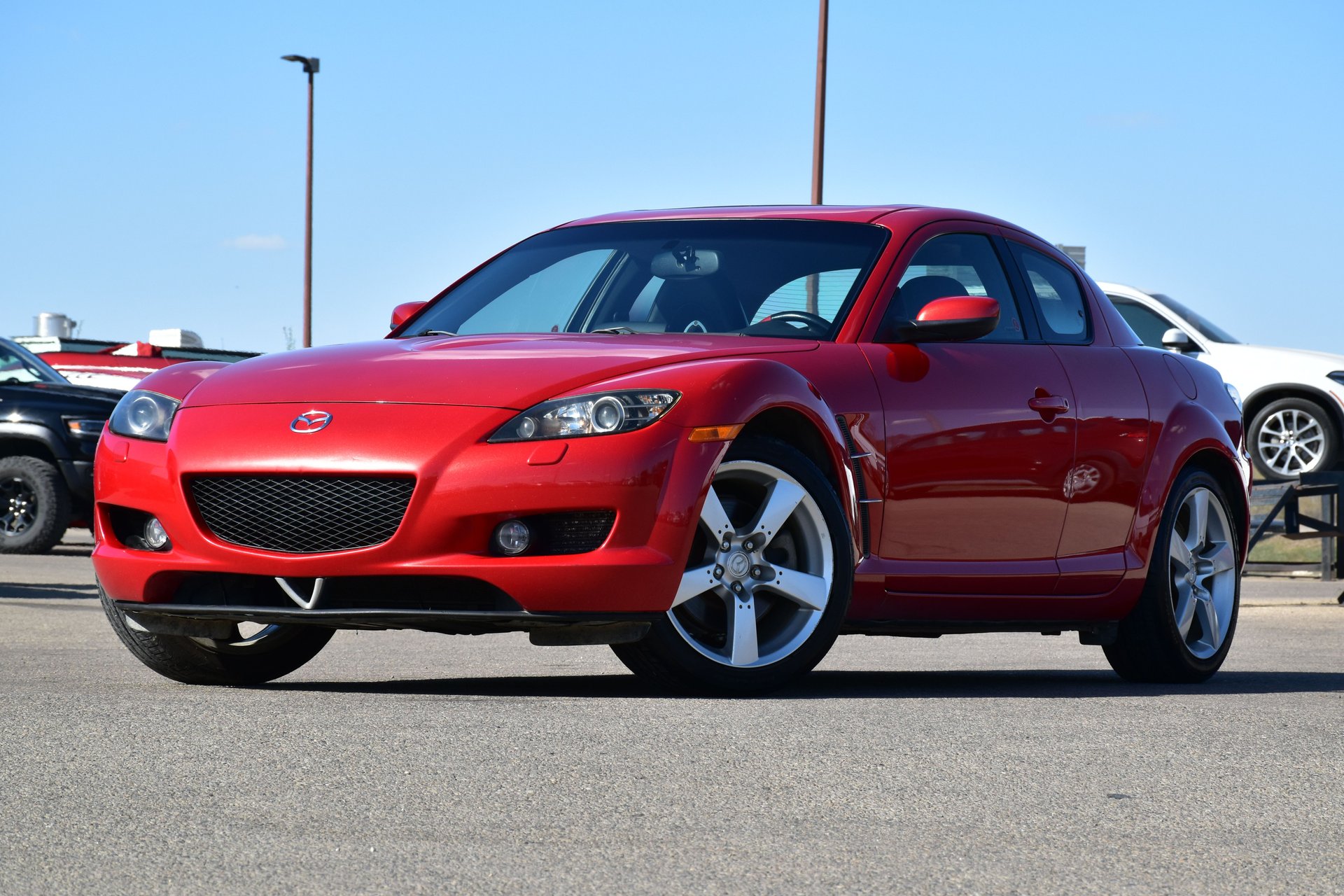
The result is a car that feels light on its feet, rotates willingly, and stays predictable even when driven hard.
Its double-wishbone front and multi-link rear suspension give it agility that still feels relevant today. If you value steering feel and balance over straight-line speed, the RX-8 remains a hidden gem.
5. Nissan 350Z (2003–2008)
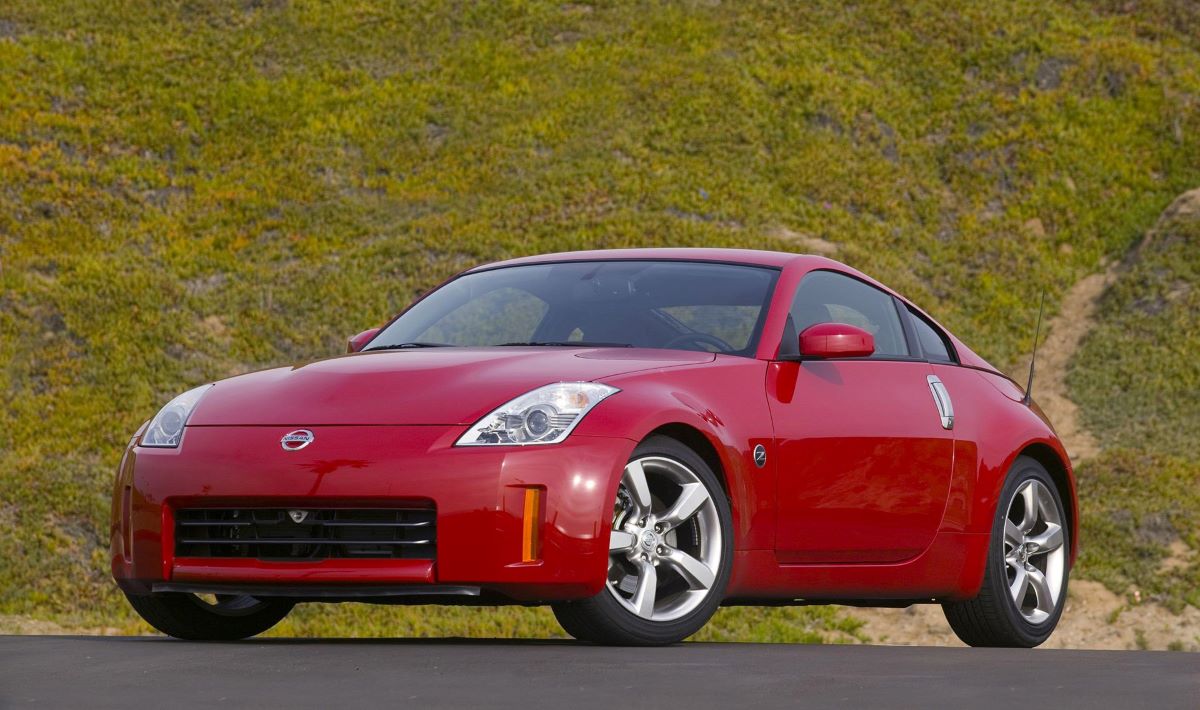
The 350Z brought rear-wheel-drive performance back to Nissan’s mainstream lineup, and its platform holds up surprisingly well.
With a short wheelbase, wide stance, and stiff structure, the Z feels direct and confidence-inspiring. Later models benefited from suspension revisions that improved ride quality without dulling responsiveness.
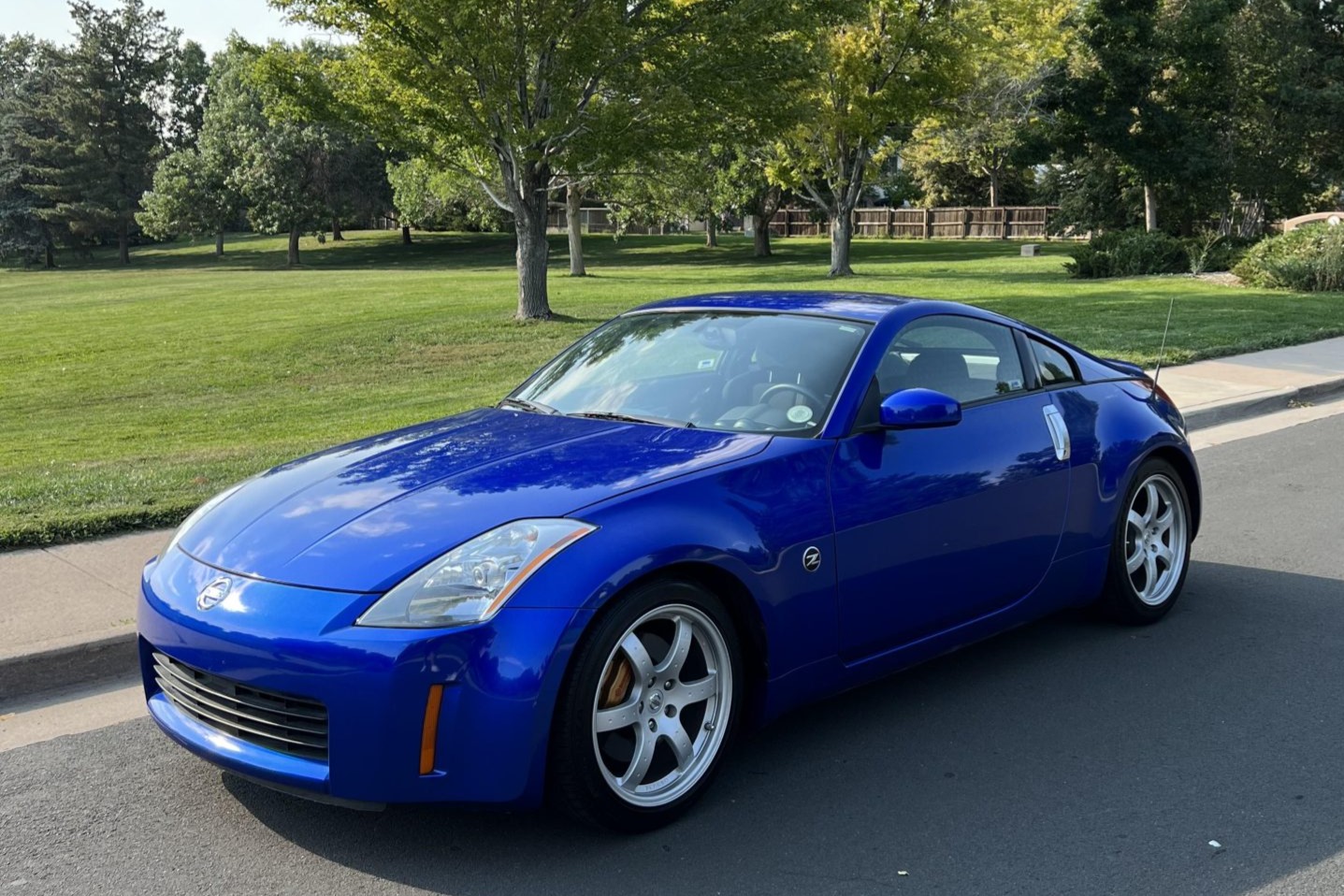
It may lack modern driver aids, but that’s part of the appeal: the car communicates clearly, rewards smooth inputs, and delivers handling that still feels purposeful rather than primitive.
The 350Z is offered in both coupe and roadster configurations. Our evaluation vehicle was a roadster, specifically the Touring trim, positioned midrange within the 350Z convertible lineup, and it represented a well-executed modern sports car.
There is no overt nostalgia in its presentation; instead, the 350Z Roadster delivers comfort approaching near-luxury standards. It also incorporates up-to-date technology supporting performance, safety, and infotainment. The seats, windows, and convertible top are all power-operated.
Inside, the 2005 Nissan 350Z Roadster presents a cabin that is compact yet comfortable and thoughtfully equipped. The Touring model includes heated, power-adjustable seats upholstered in perforated leather. These seats provide excellent comfort and support, along with a well-judged driving position.
The shift lever is ideally located, though the metal and rubber pedals are not perfectly arranged for heel-and-toe techniques. With the top raised, outward visibility is better than anticipated, mirror coverage is effective, and the heated glass rear window should remain clear throughout the vehicle’s lifespan.
With the top lowered, visibility is outstanding. The power-operated roof deploys quickly, requiring only manual latching and unlatching. Its relatively thin lining offers modest insulation from temperature extremes and road noise.
A metal tonneau panel positioned behind the passenger compartment lifts to accommodate the folded top and then closes to conceal it, enhancing both aerodynamic performance and visual appeal. We did find it somewhat puzzling that the parking brake must be released before raising or lowering the top.
Also Read: Top 10 Cars With Heavy Duty Floor Mats Included From the Factory
6. Audi TT (Mk2, 2008–2014)
The second-generation TT moved beyond its styling-first roots and became a legitimately capable handler.
Audi widened the track, refined the suspension, and offered Quattro all-wheel drive for added grip.
The result is a compact coupe that feels planted and predictable, especially in poor weather, an underrated advantage for daily driving in many parts of the U.S.
While the steering isn’t as talkative as some rivals, balance and composure remain impressively modern.
It is difficult to believe that a silhouette resembling an overturned bathtub, accented by distinctive aluminum details inside, could exert such influence on automotive design. Yet that is precisely what the Audi TT achieved. As one of the most visually original vehicles introduced in the past decade, the TT has earned recognition as a modern German design icon.
For certain drivers, however, design distinction alone is insufficient. Over time, the original TT’s Golf-based mechanical foundation began to show its age, making a comprehensive redesign increasingly necessary. For the 2008 model year, Audi delivered the first complete overhaul of the TT since its U.S. debut eight years earlier.
The 2008 Audi TT grows in nearly every dimension. Overall length increases by almost five inches, while width and height see modest gains. The wheelbase and both front and rear track widths expand by roughly two inches.
Despite the larger footprint, extensive use of aluminum, accounting for 69 percent of the structure by weight, improves torsional rigidity while simultaneously reducing curb weight.
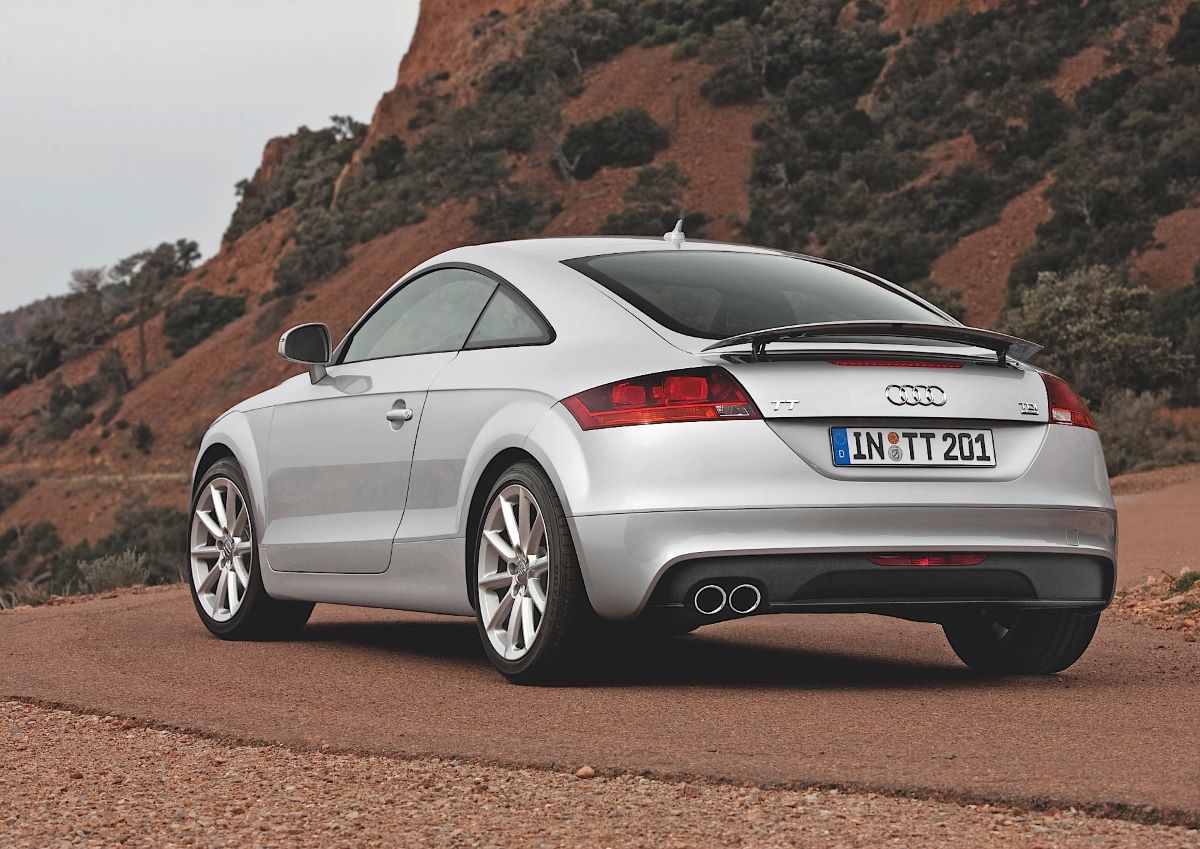
Powertrain options remain familiar in layout but incorporate updates. Buyers can choose between a turbocharged four-cylinder engine or a naturally aspirated V6. The four-cylinder is Audi’s latest direct-injection unit, while the V6 carries over from the previous generation.
Because the outgoing TT’s exterior and interior styling were among its strongest attributes, Audi opted for evolutionary rather than radical visual changes. The updated design presents a slightly more assertive character and incorporates Audi’s contemporary single-frame grille. At higher speeds, a retractable rear spoiler deploys to improve aerodynamic efficiency.
The front-wheel-drive 2.0T variant is equipped with a turbocharged 2.0-liter four-cylinder engine producing 200 horsepower and 207 pound-feet of torque. The Audi TT 3.2 Quattro adds all-wheel drive and a 3.2-liter V6 rated at 250 horsepower and 236 lb-ft of torque.
In Quattro models, torque distribution typically favors the front at an 85/15 split, though up to 100 percent of available torque can be directed to either axle as conditions require.
The 2.0T currently comes standard with a paddle-shift automated manual transmission, formerly known as DSG and now branded as Audi’s “S-tronic.” A traditional six-speed manual transmission is expected to become available later. The 3.2 Quattro can be paired with either a six-speed manual or the six-speed S-tronic transmission.
7. Mini Cooper S (R56, 2007–2013)
Few cars this small deliver such big handling confidence.
The R56 Mini Cooper S combines a low curb weight with a rigid chassis and sporty suspension tuning. Turn-in is immediate, body roll is minimal, and the car thrives on tight roads where larger vehicles feel cumbersome.
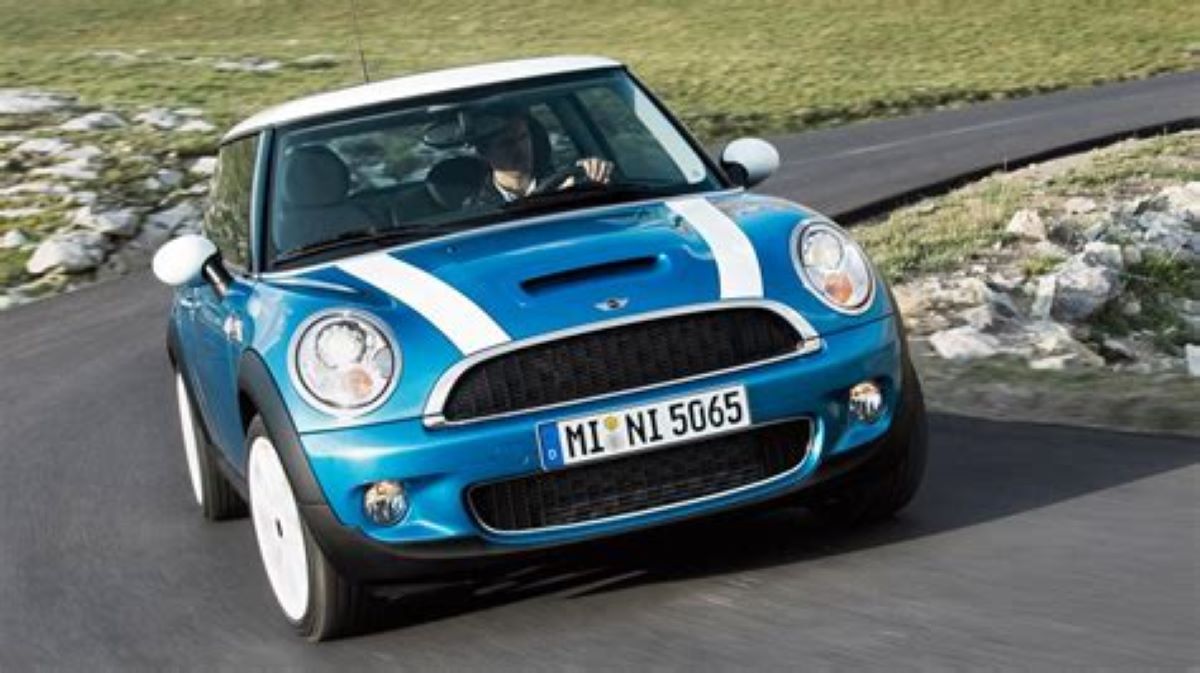
It’s not refined by luxury standards, but its kart-like agility still feels fresh, and it remains one of the most entertaining front-wheel-drive cars ever sold in America.
Also Read: Top 10 Manual Transmission Cars You Can Still Buy New Today
8. Subaru WRX STI (2008–2014)
Built with rally heritage in mind, the WRX STI offers handling that prioritizes grip and stability over polish.
Its symmetrical all-wheel-drive system, limited-slip differentials, and aggressive suspension tuning make it exceptionally capable on rough or slippery surfaces.
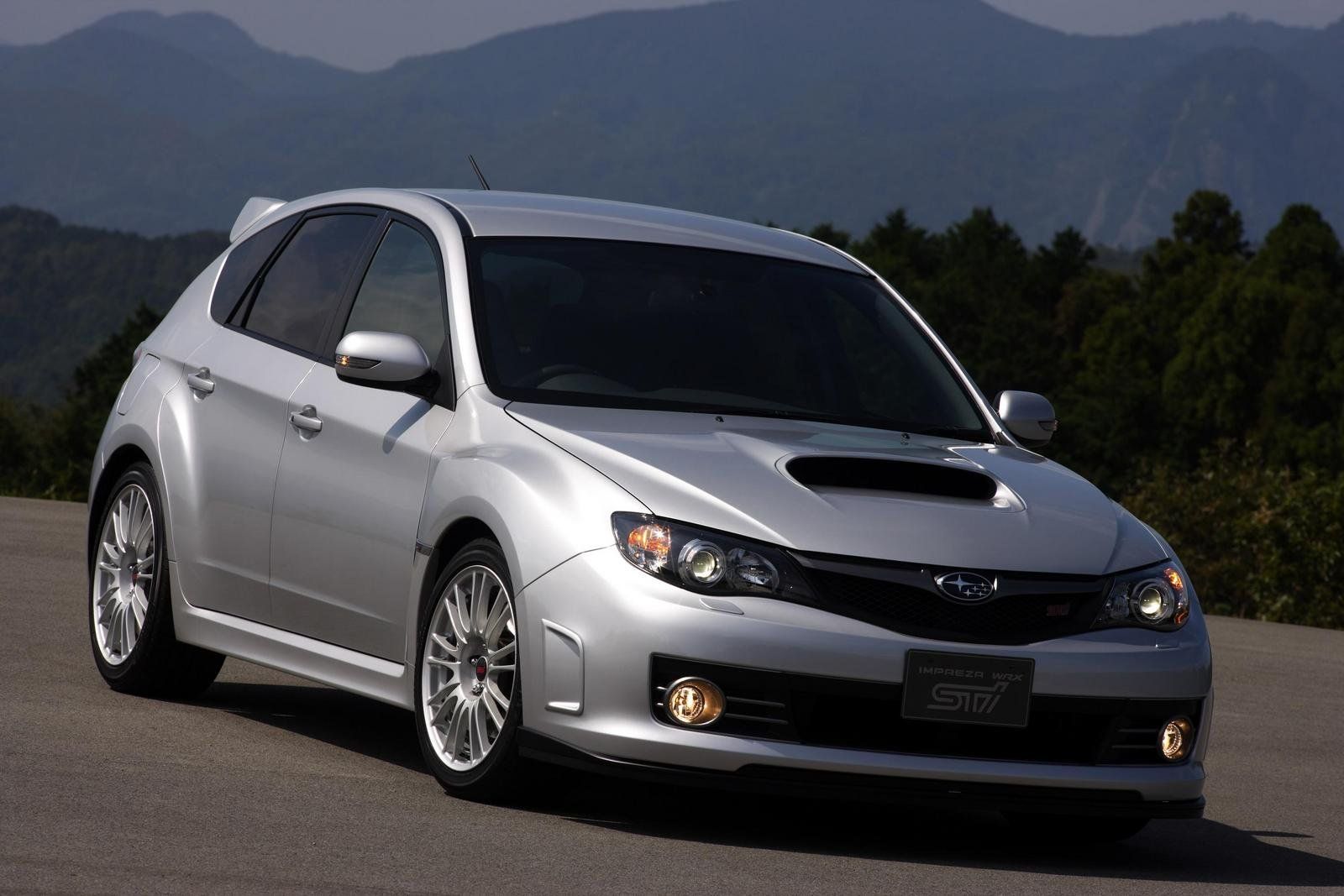
Even today, few cars provide the same sense of mechanical traction at this price point. It may ride firmly, but when the road gets challenging, the STI feels unshakable.
Dismissing the $10,500 price difference between the 5-door WRX and the 5-door WRX STI is not straightforward. The STI delivers an additional 40 horsepower, one more gear ratio, and the Driver Controlled Center Differential. Beyond those upgrades, however, the distinctions are less immediately apparent.
This observation should not be interpreted as diminishing the STI’s capabilities; rather, it underscores how strong a value the WRX represents. For most buyers, the STI’s advantages will only justify the roughly $10,000 premium for a relatively narrow audience.
The Subaru WRX STI is frequently described as a street-legal rally car. Although that characterization may be somewhat overstated, the STI undeniably qualifies as a serious performance machine. The distinctive rumble of the turbocharged boxer four-cylinder engine and the pronounced transmission whine in first and second gear contribute to its character.
The gear lever operates with exceptionally short throws, creating the sensation that shifts require only a minimal movement. The WRX STI delivers substantial speed and impressive traction, giving drivers a strong sense of confidence, even during routine drives, such as returning home from the airport.
At the same time, it is difficult not to compare the STI with the significantly less expensive Subaru WRX. The 265-horsepower WRX feels nearly as quick as the 305-horsepower WRX STI in typical public-road driving conditions. It also features similarly aggressive exterior cladding and meaningful chassis enhancements.
In some respects, the STI can be more demanding to drive at speed, as it employs a firmer clutch and exhibits more pronounced turbo lag than the WRX. Considering the notable price gap between the two models, opting for the standard Subaru WRX and retaining the nearly $10,000 difference may represent the more rational choice for many buyers.
9. BMW 135i (2008–2013)
The original 1 Series coupe packed serious performance into a compact footprint.
With rear-wheel drive, a turbocharged inline-six, and classic BMW steering feel, the 135i delivers surprising poise. Its shorter wheelbase gives it a playful character, while the suspension provides enough compliance for everyday driving.
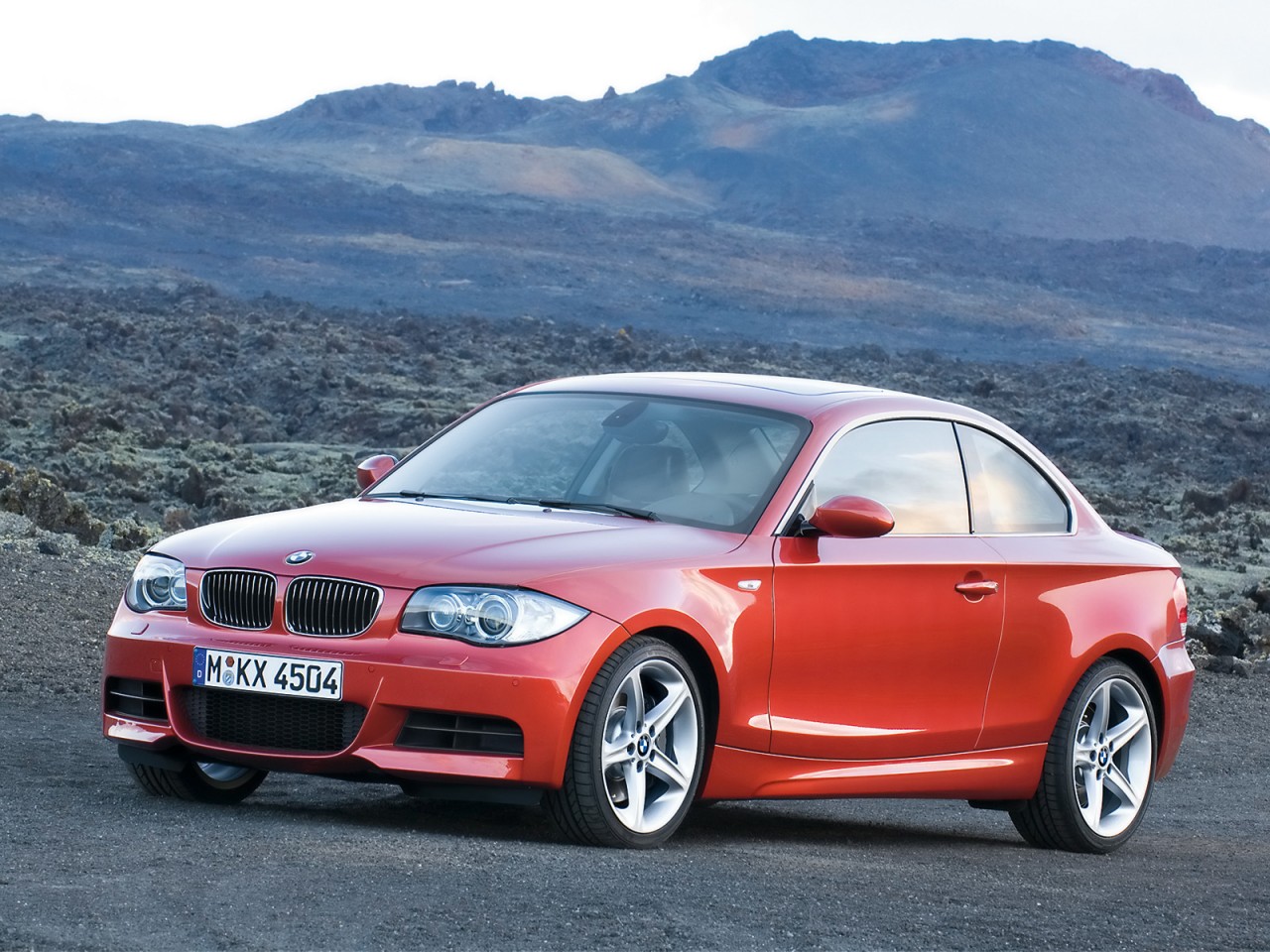
Compared to today’s heavier performance coupes, the 135i feels refreshingly light and responsive.
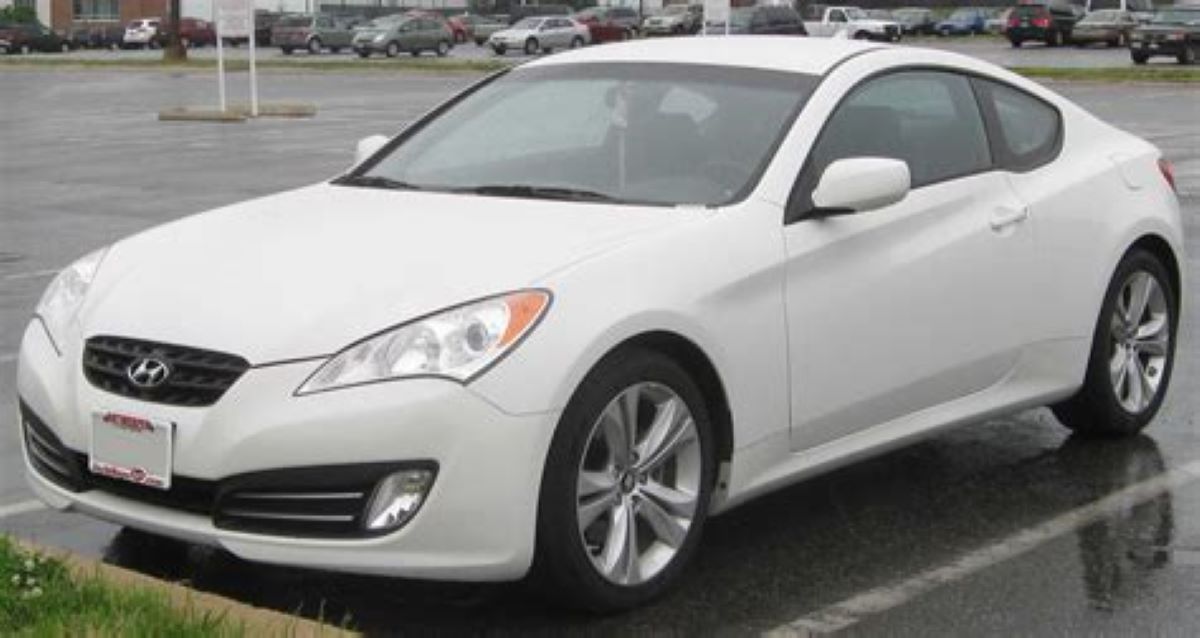
10. Hyundai Genesis Coupe (2010–2014)
Hyundai’s first serious rear-wheel-drive sports coupe surprised nearly everyone.
The Genesis Coupe offered solid chassis tuning, balanced handling, and available Brembo brakes at a price far below European rivals. Later models refined the suspension and steering, making the car feel more composed and predictable at speed.
It doesn’t have the brand cachet of some competitors, but dynamically, it holds its own, and then some.
Modern handling isn’t just about adaptive dampers or digital drive modes. It’s about balance, steering feedback, and suspension tuning that works in the real world.
These older performance cars prove that great chassis engineering doesn’t age quickly. For U.S. buyers willing to shop smart, they represent outstanding value: engaging driving dynamics, proven platforms, and prices that leave room in the budget for maintenance or tasteful upgrades.
If you care more about how a car feels in a corner than how big its touchscreen is, these machines still deliver, and they do it with character that many newer models struggle to match.
