Over the past decade, the American auto market has embraced a near-universal design trend: larger touchscreens, fewer physical buttons, and glossy digital panels stretching from pillar to pillar.
For some buyers, that approach signals modernity. For others, particularly enthusiasts and long-distance drivers, it represents a compromise.
Touch interfaces can look impressive in a showroom, but they often bury essential controls in submenus, demand visual attention at speed, and reduce tactile feedback that drivers once relied on instinctively.
A driver-focused interior takes a different path. It prioritizes ergonomics, physical controls, visibility, and mechanical engagement. Instead of asking the driver to navigate layers of software, it places key functions exactly where muscle memory expects them.
The following twelve vehicles demonstrate that thoughtful cockpit design can outperform oversized touchscreens in real-world usability, especially for drivers who value control over spectacle.
1. Porsche 911
Even in its latest generation, the 911 retains a clear driver-first philosophy. The tachometer remains centered, still the dominant visual element, reinforcing the car’s performance priority.
While digital screens flank the analog gauge, essential functions like drive modes, suspension settings, and climate controls remain accessible through physical switches.
The seating position is low and perfectly aligned with the steering column and pedals, minimizing fatigue and maximizing feedback.
The result is an environment that supports spirited driving without forcing the driver to look away from the road to adjust simple settings.
The Porsche 911 remains one of the most complete sports cars currently available. In 992-generation form, it earned our Best Driver’s Car honors due to its composed and confidence-inspiring handling, highly communicative steering, progressive brake feel, and outstanding dual-clutch transmission.
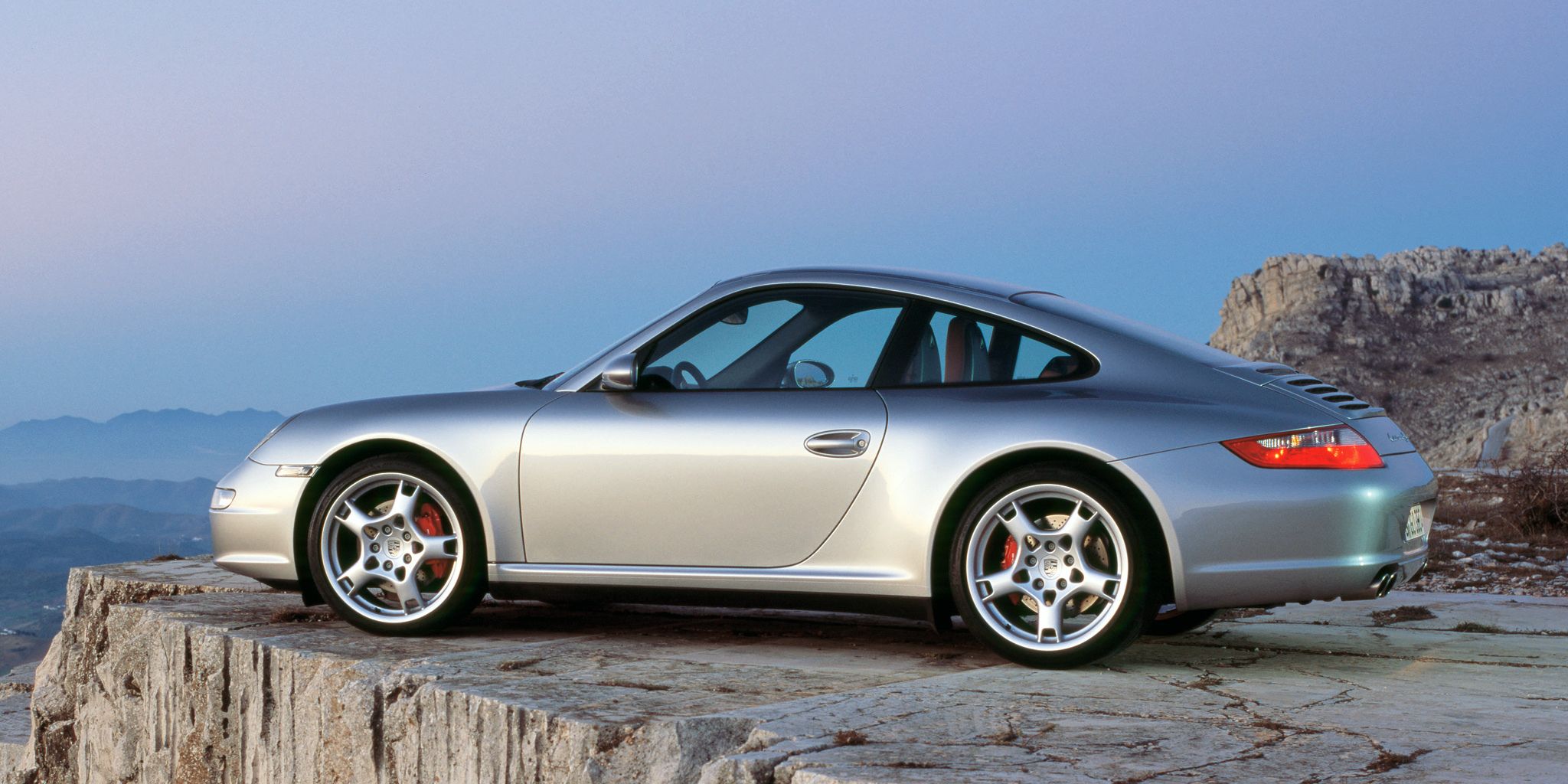
Porsche also continues to offer a manual gearbox, reinforcing the car’s enthusiast credentials. After driving the GTS variant, we described it as “an exceptional daily all-rounder with blitzkrieg performance. ”
When the 911 is tasked with grand touring duties rather than aggressive back-road driving, some shortcomings emerge. Ride quality is firmer than that of certain rivals, and the combination of large wheels and low-profile tires transmits noticeable road noise into the cabin.
At the top of the range, however, the 911 demonstrates its full capability. The Turbo S delivers extraordinary acceleration, particularly when equipped with the lightweight package.
The Cabriolet variant secured first place in our convertible supercar comparison against the Mercedes-AMG GT R Roadster and McLaren 720S Spider. The GT3, meanwhile, stands as the most focused and authentic iteration of the lineup, a lightweight, razor-sharp performance machine that represents Porsche at its most uncompromising.
In terms of powertrain diversity, few vehicles rival the 911. Porsche offers no fewer than six flat-six engine configurations, spanning from the 379-horsepower unit in the base Carrera to the 640-horsepower engine powering the rear-mounted Turbo S.
2. Mazda MX-5 Miata
The Miata’s interior reflects its lightweight philosophy. Controls are compact, logically arranged, and built around a mechanical shifter that becomes the focal point of the cabin.
Mazda wisely pairs its infotainment with a rotary controller rather than relying exclusively on touch input, allowing adjustments without reaching forward.
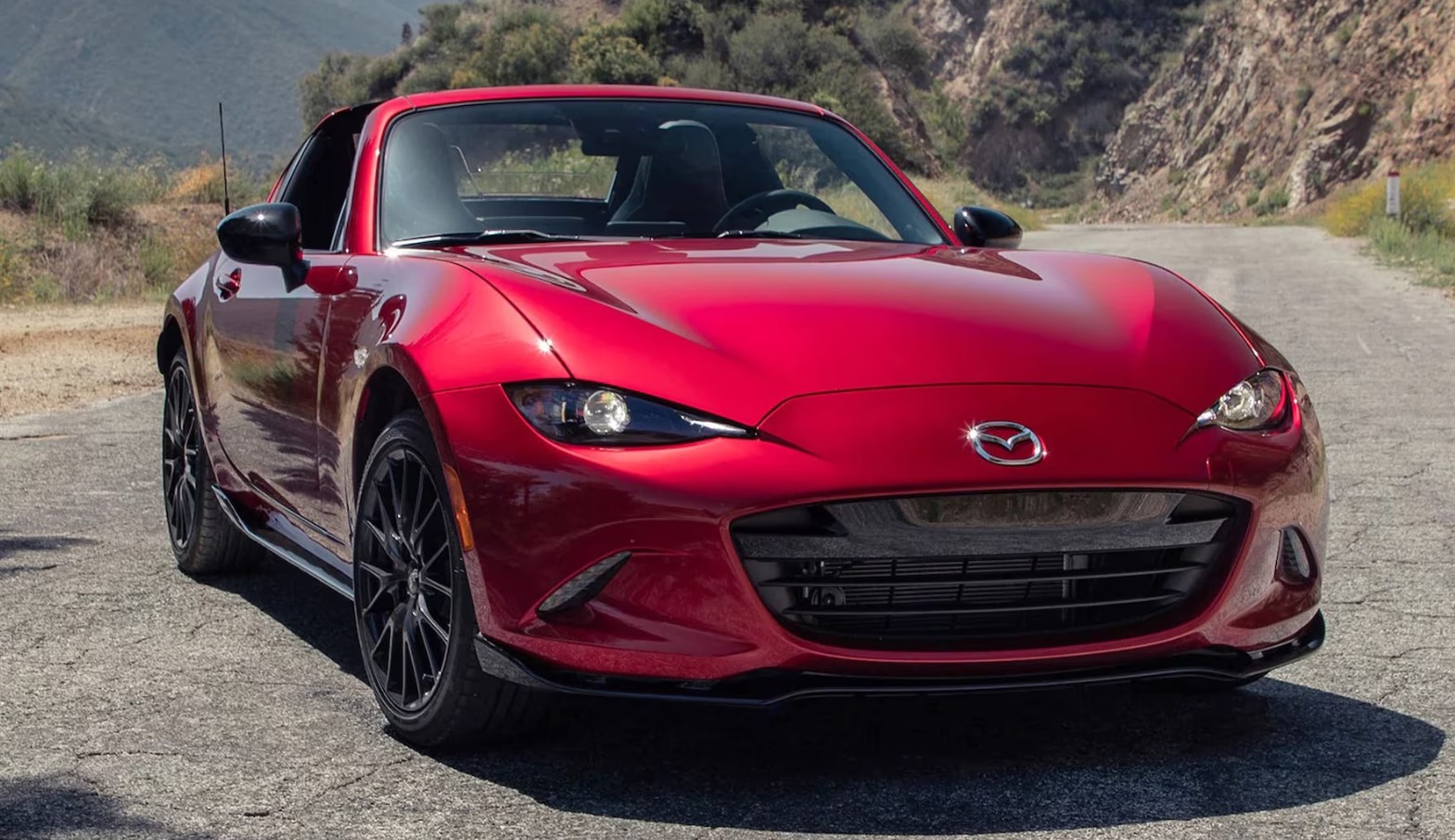
Visibility is excellent, and the short-throw manual gearbox reinforces engagement. Nothing feels ornamental. Every element exists to serve the act of driving.
The Miata’s engine revs freely and delivers sufficient output to provide genuinely engaging acceleration. Its energetic, high-revving character pairs exceptionally well with the precise and intuitive manual transmission, which encourages frequent gear changes.
The available automatic transmission is also commendable, offering quick shifts and sport-oriented calibration. In our testing, the soft-top model accelerated from 0 to 60 mph in 5.7 seconds, while the slightly heavier RF hardtop completed the same sprint in 5.8 seconds.
Ride quality is firm, and the suspension can feel busy over consecutive bumps. The mid-level Club trim, equipped with stiffer springs and dampers, delivers the most rigid ride in the lineup, though none of the variants feel harsh or poorly tuned.
Handling is immediate and responsive, with quick directional changes that reinforce the car’s lightweight character. The steering is a standout feature, light, communicative, and highly tactile, providing clear feedback about front-tire grip. The Miata remains an unfiltered and thoroughly enjoyable driving experience.
3. BMW M2
Although BMW has adopted curved digital displays across its lineup, the M2 maintains dedicated M1 and M2 steering-wheel buttons for instantly configurable drive modes. This preserves rapid access to performance settings without navigating menus.
The seats are deeply bolstered yet supportive for daily use. Crucially, core vehicle functions, volume, defrost, stability control, are still assigned physical switches.
The cabin blends modern digital instrumentation with retained tactile control, striking a more functional balance than many competitors.
In our performance testing, the BMW M2 equipped with the eight-speed automatic transmission accelerated from 0 to 60 mph in 3.9 seconds, while the six-speed manual version completed the same sprint in 4.3 seconds.
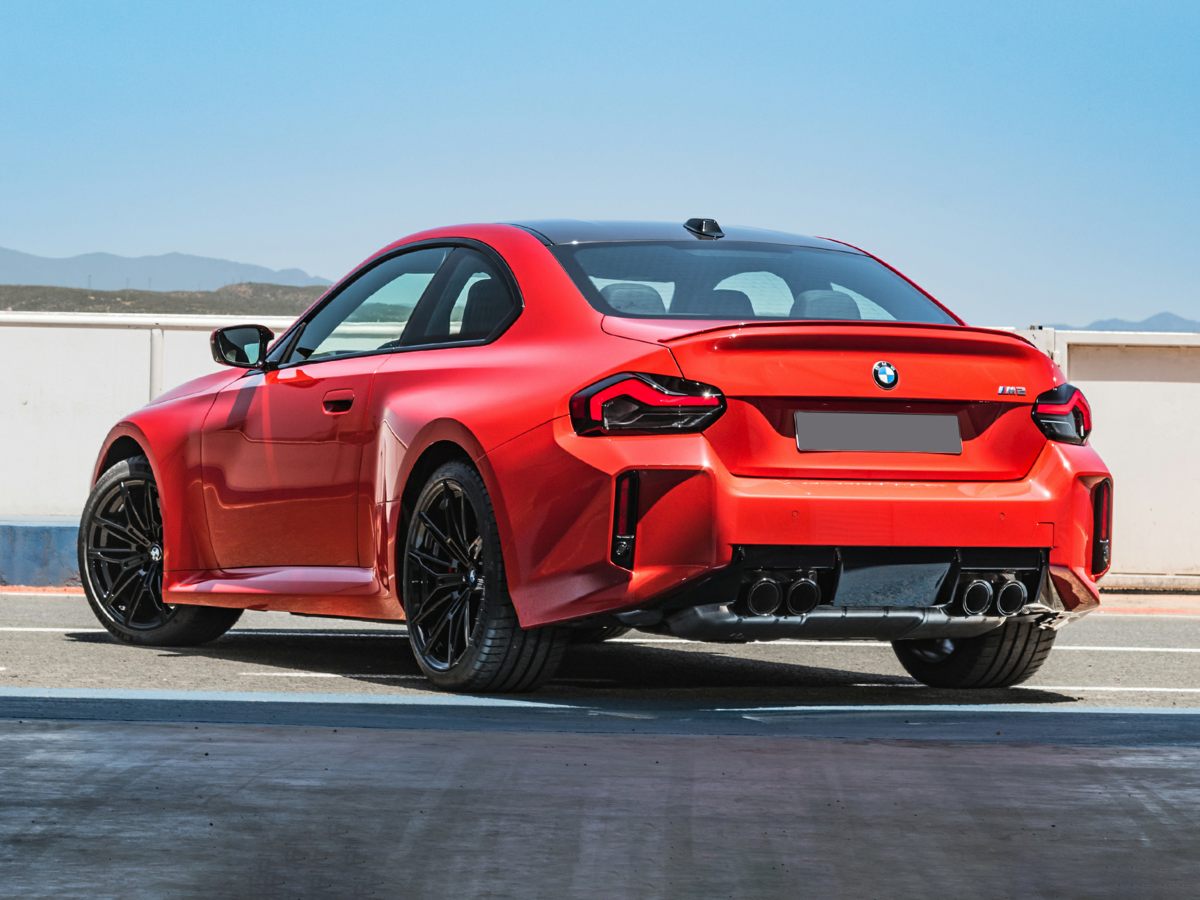
Both variants recorded identical 0–30 mph times, indicating that the automatic’s advantage emerges at higher speeds where its rapid shifts make a measurable difference. On the skidpad, the M2 generated an impressive 1.07 g of lateral grip.
On the road, BMW’s smallest M model feels balanced and composed, with sharp, predictable directional changes that enhance driver confidence. It is undeniably entertaining to drive.
Given the option, however, we would select the manual transmission. It offers a more immersive experience, and features such as automatic rev-matching and a light, progressive clutch make it manageable in daily driving and heavy traffic.
The M2’s performance envelope is approachable, allowing drivers of varying skill levels to explore its capabilities without feeling overwhelmed, an impressive trait for a car with this level of acceleration and grip.
Compared to its predecessor, the latest M2 also introduces a noticeable degree of refinement. Ride quality is relatively compliant, and the suspension effectively filters out many road imperfections, preserving a cabin environment that feels composed and well-insulated.
4. Chevrolet Camaro
The Camaro’s interior is unapologetically cockpit-like. High beltlines and a focused instrument binnacle create a sense of enclosure.
The most distinctive feature is its circular climate-control vents, which double as temperature adjusters, an intuitive solution that eliminates touchscreen dependency.
The analog gauge cluster in earlier trims remains easy to scan, and the manual shifter placement is precise. It may not feel luxurious, but it is purpose-built.
Chevrolet’s response to the Ford Mustang required a fundamentally conventional formula: a front-engine, rear-wheel-drive layout capable of accommodating the full range of Chevrolet powertrains.
The car also needed sufficient flexibility to support multiple trim levels across a broad pricing spectrum. Internally codenamed “Panther,” the project reflected the seriousness with which Chevrolet approached the emerging pony-car segment.
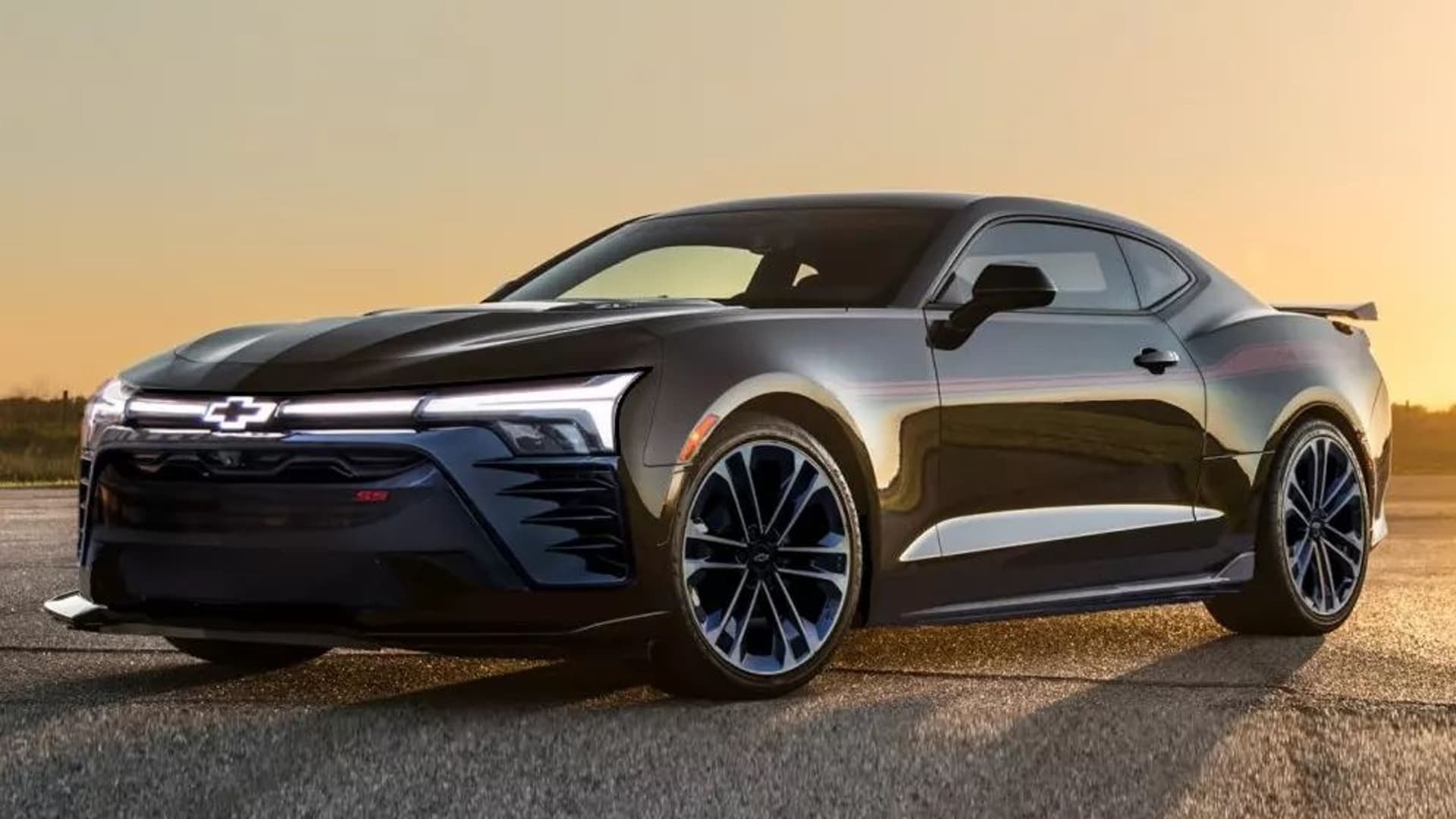
The result of an accelerated development timeline debuted in September 1966 as a 1967 model, riding on GM’s new rear-wheel-drive F-body platform. Buyers could choose between a hardtop coupe and a convertible, both configured with 2+2 seating. From the outset, the car was engineered to support extensive customization, effectively serving as a foundation for a wide array of factory options.
The base engine in the first-generation Camaro was a 230-cubic-inch inline-six, with an expansive selection of V8 engines available above it. This mirrored the Mustang’s strategy, allowing Chevrolet dealers to guide customers from an affordable entry-level configuration to progressively more powerful, and more expensive, variants.
Several option packages further defined the Camaro’s character. The Rally Sport (RS) package focused primarily on appearance and trim enhancements.
The Super Sport (SS) package introduced higher-output engines along with chassis upgrades to improve performance. The Z/28 package was developed in response to SCCA Trans-Am regulations, which capped displacement at 5.0 liters and required homologation for public sale.
The Chevrolet Z/28 featured a high-output 302-cubic-inch V8 paired with a range of performance-oriented components. The result was a Camaro engineered not merely for straight-line acceleration but for competitive capability on a road course.
5. Toyota GR86
The GR86’s layout emphasizes simplicity. A compact steering wheel, upright seating, and a short-throw manual create direct interaction between driver and drivetrain.
The digital gauge cluster changes layout in track mode, prioritizing tachometer visibility.
Climate and drive-mode controls remain physical. The cabin avoids glossy overdesign and instead focuses on clarity, reinforcing its reputation as an affordable enthusiast platform.
The standout attribute of the GR86 is its exceptional chassis balance and handling precision. Steering feedback is notably sharp and communicative, providing a clear sense of front-end grip. When equipped with the optional high-performance summer tires, lateral grip and driver confidence increase further.
Balance is excellent, though the firm suspension tuning can make the car feel unsettled over rough or uneven pavement. Braking performance is also commendable; our test vehicle came to a stop from 60 mph in just 104 feet, an impressively short distance for an affordable performance coupe.
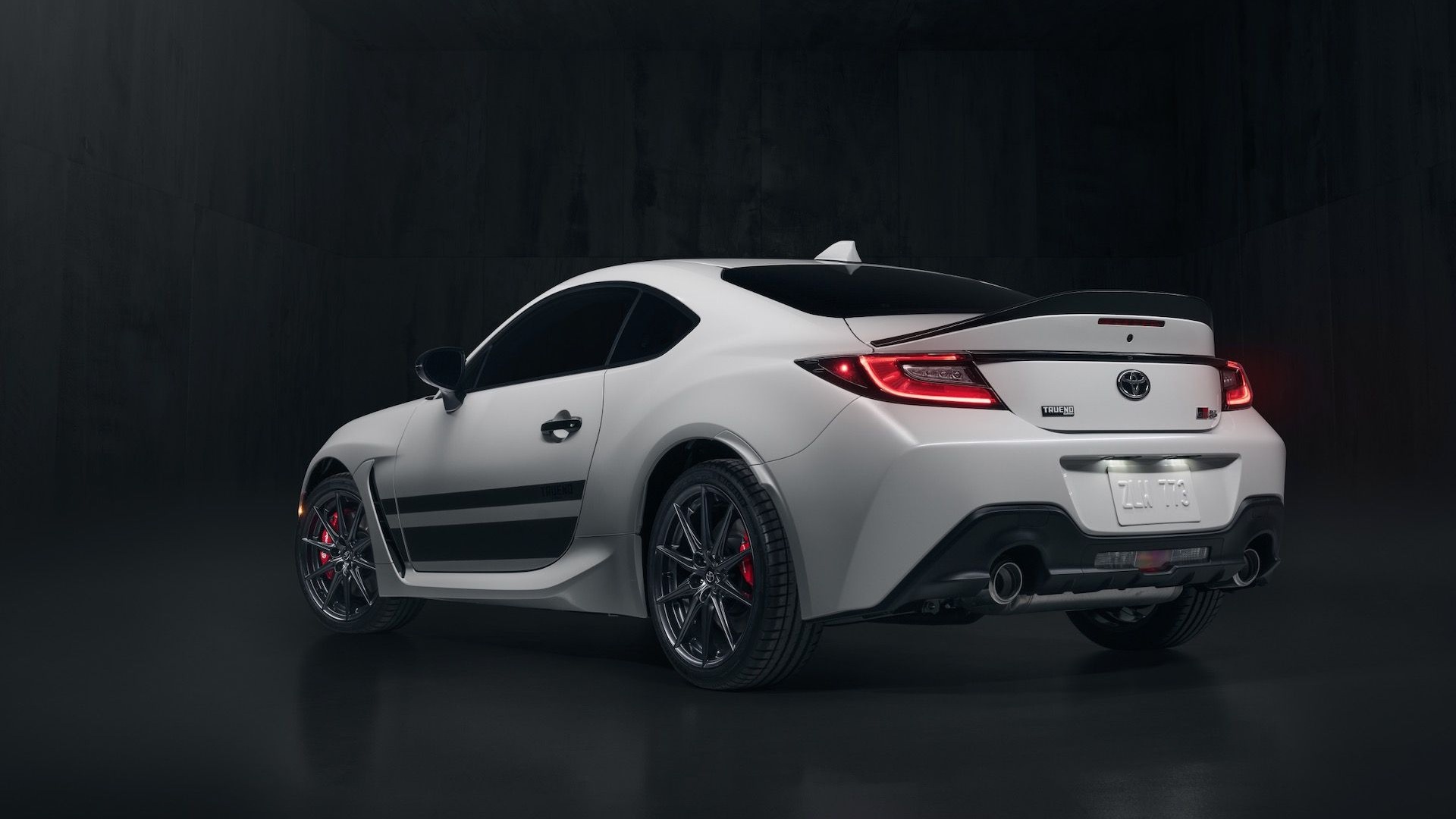
Straight-line performance has improved with the latest generation. The 2.4-liter engine propels the manual-equipped GR86 from 0 to 60 mph in an even 6.0 seconds, representing a half-second improvement over its predecessor.
The manual transmission offers precise, mechanical-feeling shifts, and the pedal placement is well suited for heel-and-toe downshifts. The clutch is light, with a clearly defined engagement point that makes it approachable in daily driving.
Choosing the automatic transmission results in a slower 0–60 mph time of 6.9 seconds, but it offers greater convenience in congested conditions. It also includes paddle shifters and delivers prompt downshifts when Track mode is engaged.
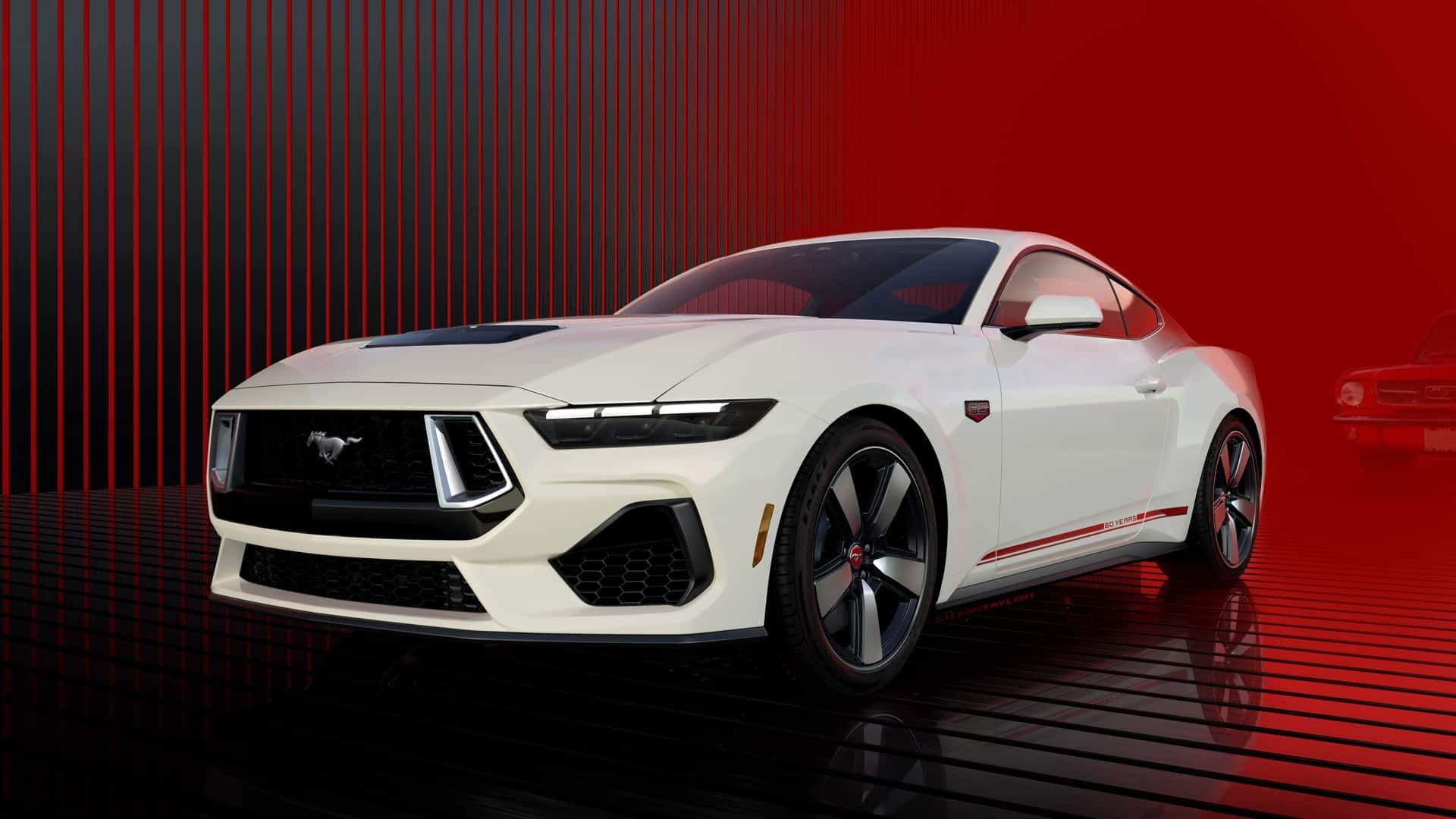
6. Ford Mustang
The latest Mustang integrates dual digital screens, yet it retains physical toggle switches for key functions. Those metal toggles provide satisfying tactile confirmation absent in many touchscreen-dominated interiors.
Performance pages are customizable, but drive modes can be switched quickly via console controls.
The manual transmission option further enhances engagement, preserving the Mustang’s long-standing appeal to drivers who value mechanical interaction.
The latest Mustang lineup introduces meaningful performance updates across its range. The standard engine is an enhanced turbocharged 2.3-liter EcoBoost four-cylinder producing 315 horsepower and 350 pound-feet of torque, an increase of 5 horsepower over the prior base model, though still short of the previous EcoBoost Performance’s 330-hp rating.
All EcoBoost variants are equipped with a 10-speed automatic transmission. The Mustang GT continues to feature a 5.0-liter V-8 paired with a standard six-speed manual gearbox.
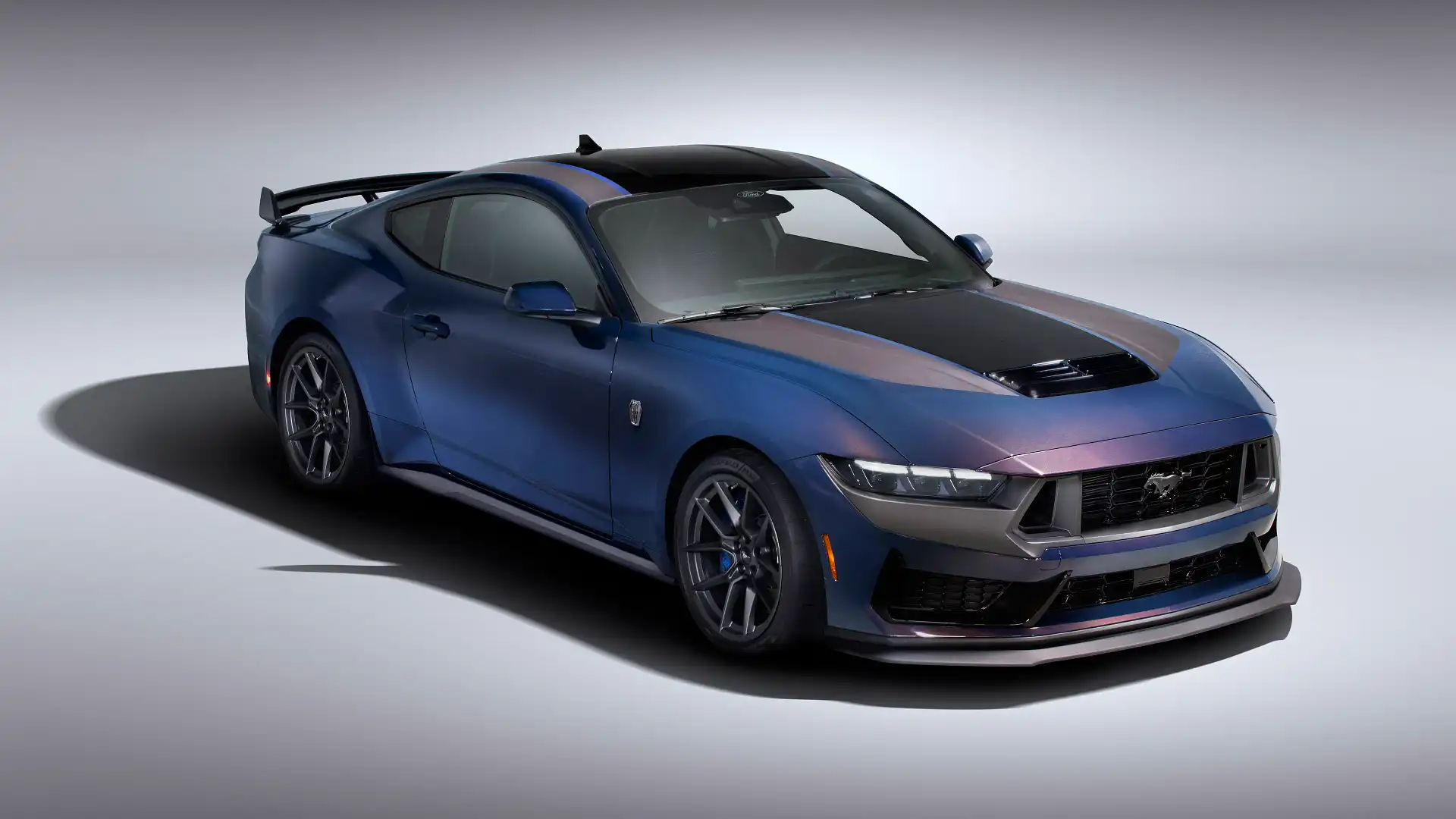
Output from the revised Coyote V-8 rises to 480 horsepower and 415 pound-feet of torque, up from the previous generation’s 450 horsepower and 420 pound-feet. Ford notes that selecting the optional performance exhaust increases those figures to 486 horsepower and 418 pound-feet. Steering feel and feedback have also been noticeably improved in this generation.
At our test track, a Mustang GT equipped with the performance exhaust accelerated from 0 to 60 mph in 4.2 seconds. The EcoBoost model followed closely, reaching 60 mph in 4.5 seconds.
Optional MagnaRide dampers effectively absorb surface imperfections such as expansion joints and road undulations, preserving cabin composure without sacrificing body control.
The newly introduced Mustang Dark Horse builds on the GT platform with a more track-focused orientation. Powered by a 500-horsepower version of the 5.0-liter V-8, it serves as a spiritual successor to the previous-generation Mach 1.
Unlike the GT’s MT-82 six-speed manual, the Dark Horse features the Tremec TR-3160 six-speed transmission previously found in the Mach 1 and the discontinued Shelby GT350. Performance gains over the GT are incremental rather than dramatic; in testing, the Dark Horse reached 60 mph in 4.1 seconds, 100 mph in 9.7 seconds, and completed the quarter-mile in 12.5 seconds at 115 mph.
7. Honda Civic Type R
The Type R’s red bucket seats immediately signal intent. More importantly, the aluminum shift knob and precise pedal placement make the cockpit feel engineered rather than styled.
Honda’s infotainment remains modest in size, while the digital cluster provides track-oriented data when selected. Physical HVAC controls sit below the screen, ensuring quick adjustments without distraction.
The Civic Type R demonstrates a high level of capability. In our testing, it accelerated from 0 to 60 mph in 5.5 seconds. That places it nearly a full second ahead of a manual-equipped Hyundai Elantra N, which recorded a 6.4-second run. However, all-wheel-drive competitors such as the Volkswagen Golf R and Toyota GR Corolla achieve the same benchmark in five seconds or less.
Braking performance is equally impressive. The Type R required just 108 feet to come to a stop from 60 mph, an exceptional result for a hatchback, particularly given the relatively cool conditions during testing. On the skidpad, it generated 1.07 g of lateral grip, surpassing the previous generation and matching figures often associated with vehicles at significantly higher price points.
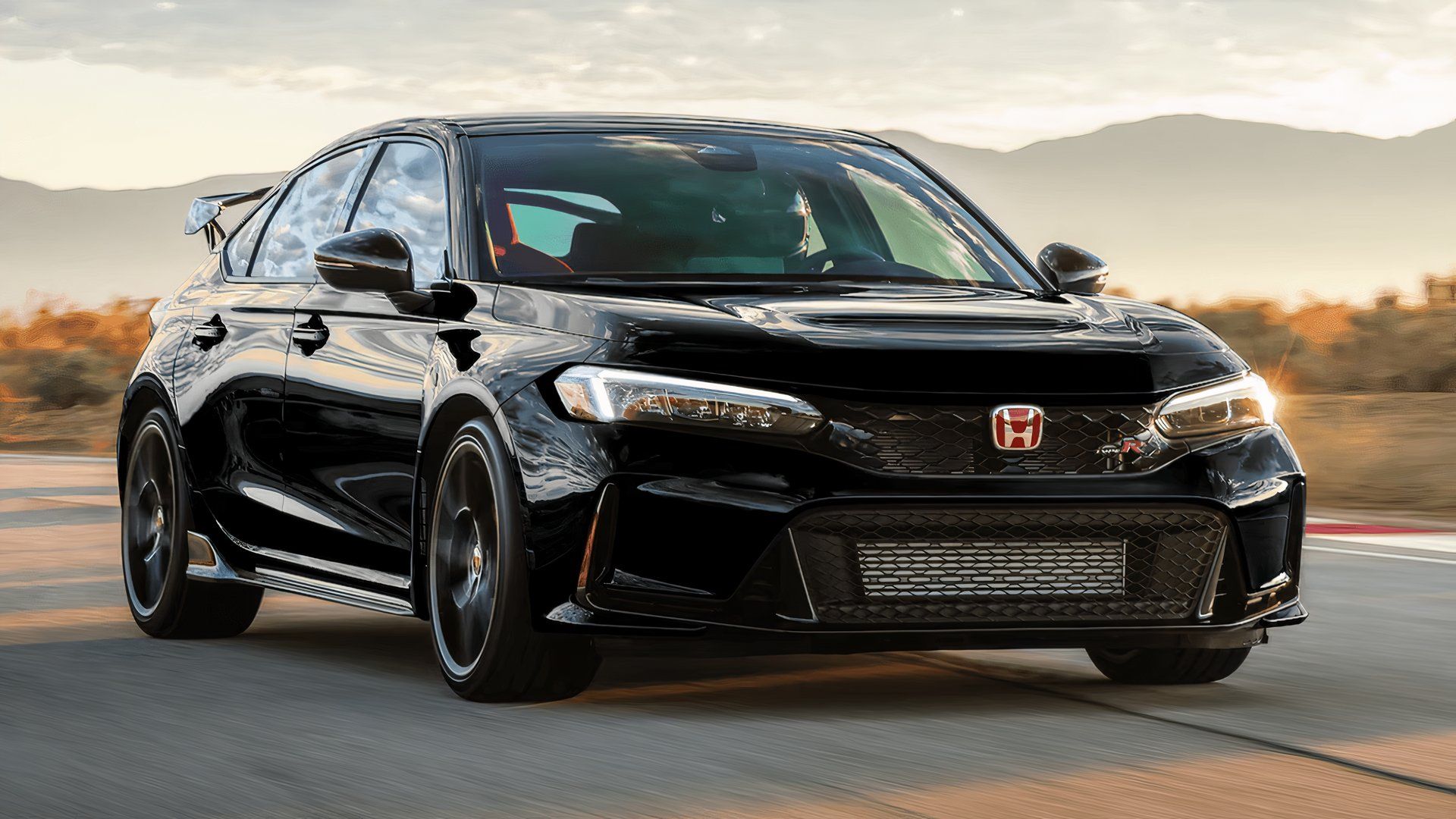
Beyond the metrics, the latest Type R delivers a highly engaging driving experience. It feels stable and planted, inspiring confidence in a wide range of conditions.
The balance between agility and substantial mechanical grip makes it rewarding at both moderate and elevated speeds. Driver inputs are crisp and immediate, with well-calibrated steering, precise shift action, and responsive throttle mapping that collectively elevate the overall refinement of the package.
8. Subaru BRZ
Mechanically similar to the GR86, the BRZ offers a clean, symmetrical dashboard layout. The digital tachometer dominates the cluster in performance modes, emphasizing engine speed over infotainment data.
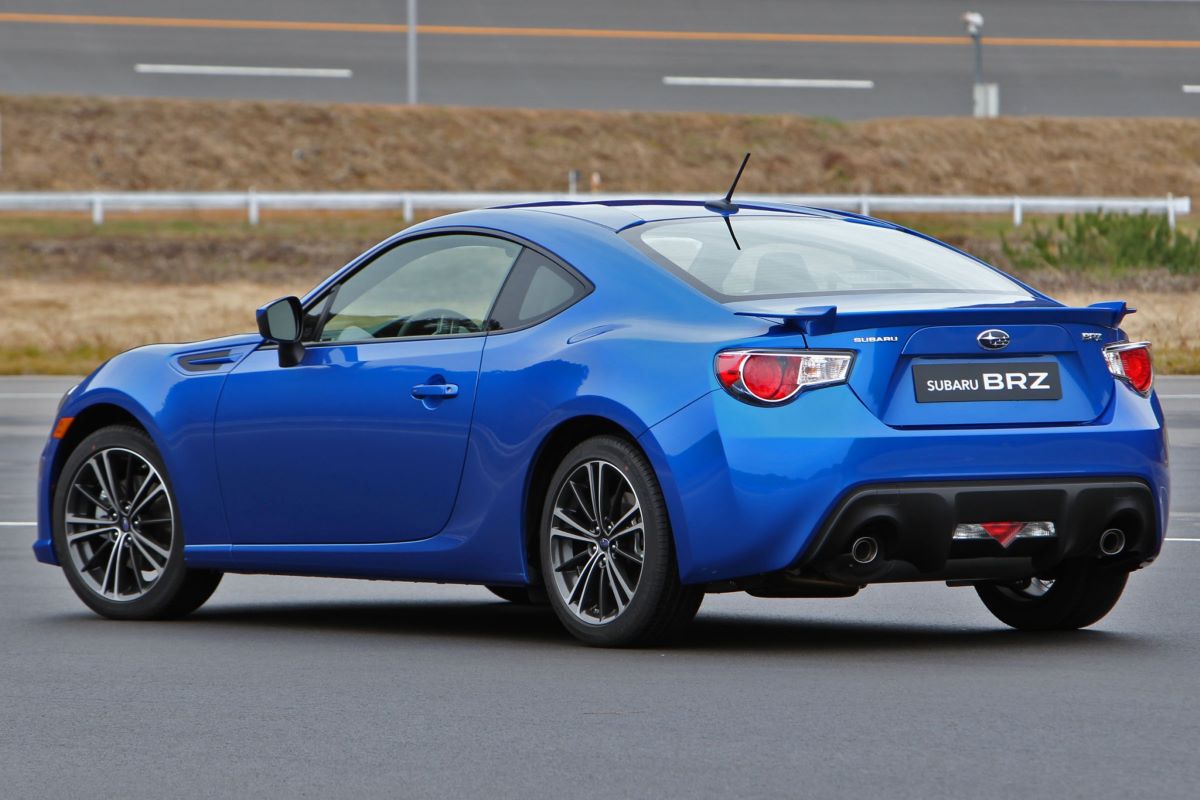
Physical buttons for traction control and climate functions remain accessible. The focus stays on steering feel and throttle response rather than screen interaction.
The Subaru BRZ embodies the traditional sports car formula: lightweight construction, rear-wheel drive, and an emphasis on driver engagement, all at an attainable price point.
Sharing its core architecture with the Toyota GR86, the BRZ focuses squarely on delivering a connected and rewarding driving experience. A standard six-speed manual transmission, low-slung seating position, and compact 2+2 layout have contributed to its recognition as a multiple 10Best award winner and a 2024 Editors’ Choice selection.
Power comes from Subaru’s 2.4-liter flat-four engine, producing 228 horsepower. While output figures are modest on paper, the BRZ’s low curb weight ensures lively performance and responsive acceleration. The manual transmission operates with light effort and precise action, and the chassis exhibits confident, well-balanced handling that makes it particularly enjoyable on winding roads.
Despite its performance orientation, the BRZ offers a degree of everyday usability. The cabin includes several storage compartments, small rear seats suitable for occasional use, and a trunk large enough to accommodate a week’s worth of groceries.
Although the interior prioritizes function over luxury, it incorporates sufficient modern technology to support daily driving without detracting from the car’s driver-focused character.
9. Cadillac CT4-V Blackwing
In an era when many sport sedans have abandoned manuals, the CT4-V Blackwing retains one. Its cockpit combines premium materials with real performance ergonomics.
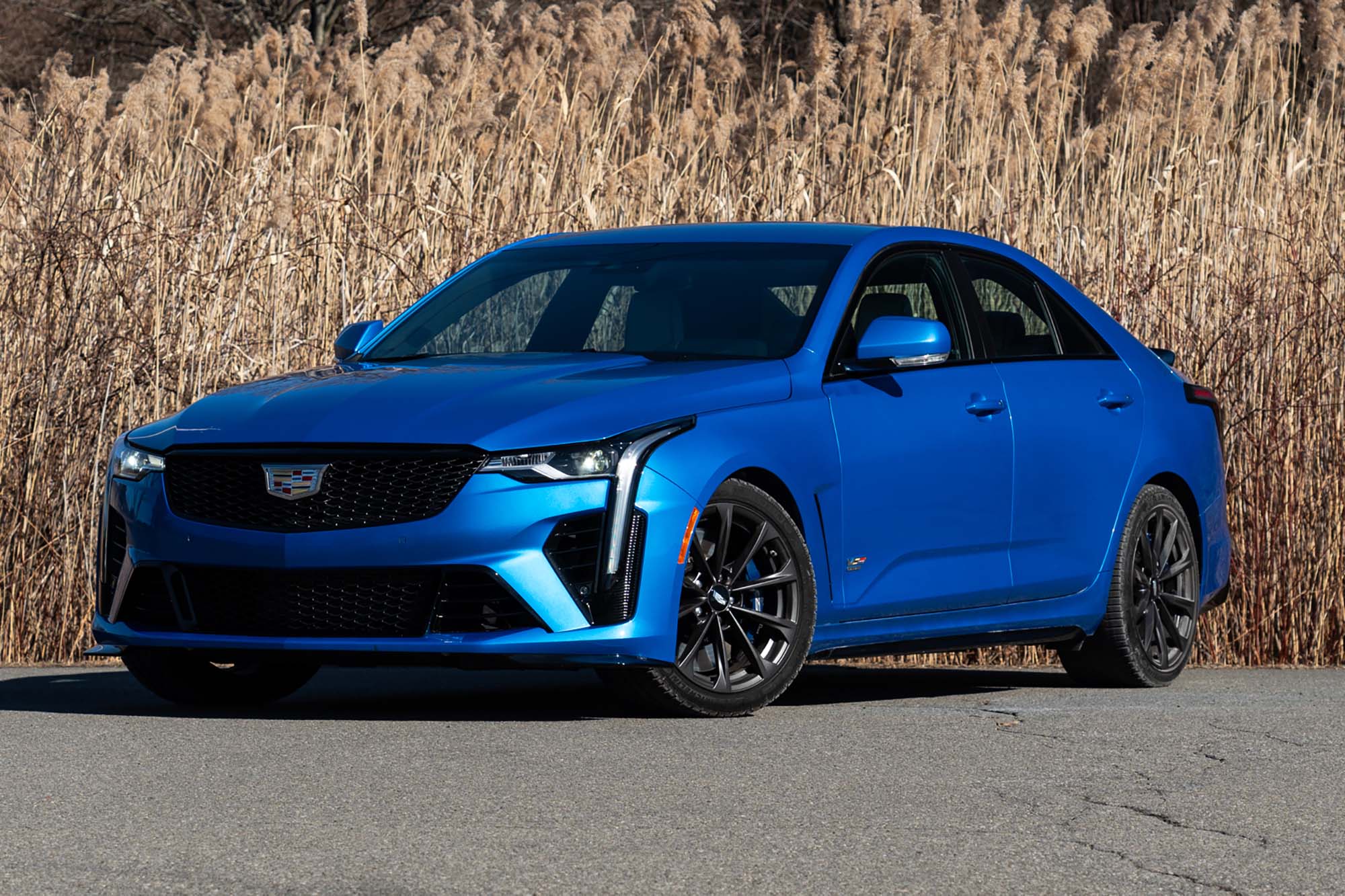
Drive modes are accessible through dedicated controls, and the instrument cluster provides track telemetry without overwhelming the driver. It demonstrates that luxury and tactility are not mutually exclusive.
The CT4-V Blackwing delivers a highly engaging driving experience. It feels quick, assertive, and thoroughly involving on the road. Our test vehicle, equipped with the six-speed manual transmission, accelerated from 0 to 60 mph in 4.6 seconds.
While that figure is not class-leading, and the automatic transmission would likely produce a quicker result, the manual is chosen for driver engagement rather than outright acceleration metrics. The consistent surge of power through each gear change adds to the car’s appeal.
Beyond straight-line performance, the Blackwing exhibits strong composure. The braking system is robust, offering smooth, stable deceleration without noticeable fade during repeated laps at our test track. Steering response is sharp and precise, yet remains easy to manage in everyday driving scenarios.
Handling is a particular highlight: the Blackwing generated 1.09 g on the skidpad and demonstrated balanced, predictable behavior on both the track and winding roads. Grip levels are substantial, and the stability control system operates unobtrusively. The magnetorheological dampers contribute to impressive ride quality for a vehicle with this level of performance.
Visibility is adequate but not exceptional, and the driver-assistance systems are functional rather than standout. Notably, Super Cruise is unavailable on the Blackwing, unlike other CT4 variants, and adaptive cruise control cannot be paired with the manual transmission.
10. Dodge Challenger
The Challenger’s interior leans retro, with bold analog gauges and substantial physical controls. While it includes performance pages within its infotainment system, key functions are not buried beneath layers of software.
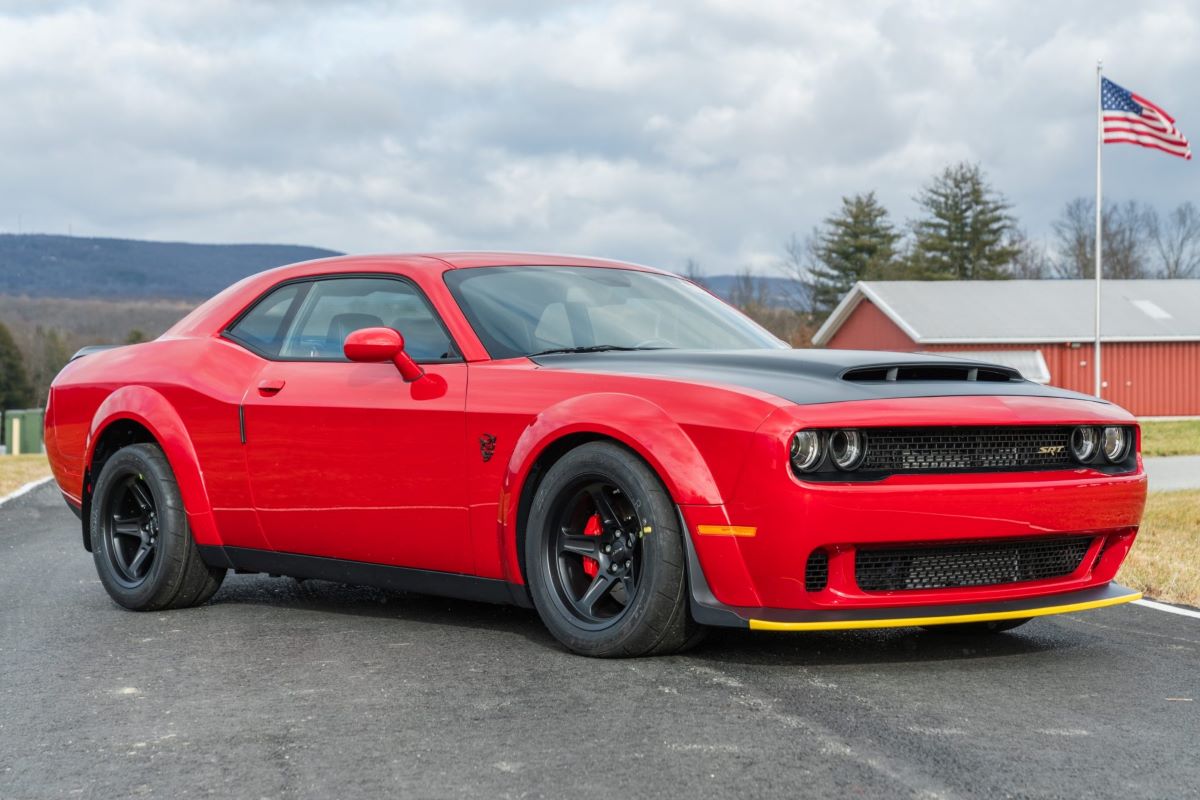
The broad center console and traditional shifter placement create familiarity. For many drivers, that analog feel enhances confidence.
The Challenger’s standard 305-horsepower V-6 is unlikely to satisfy drivers seeking strong performance. Paired exclusively with an eight-speed automatic transmission, the engine feels underpowered in the Challenger’s substantial chassis and lacks the urgency found in key competitors.
The available Hemi V-8 engines, however, transform the car’s character. The 375-horsepower 5.7-liter V-8 we tested delivered ample power for controlled oversteer and produced a deep, satisfying exhaust note. For those seeking greater output, the 6.4-liter V-8 generates 485 horsepower and 475 pound-feet of torque, significantly elevating performance.
We also evaluated the T/A 392 equipped with the automatic transmission and were impressed by its aggressive startup bark and resonant exhaust tone under acceleration.
While a manual transmission enhances driver involvement, the automatic proves highly responsive, delivering prompt downshifts and immediate throttle response. \
Since its 2015 redesign, the Challenger has provided a generally compliant ride that favors comfort over precision. Compared with the sharper handling and greater chassis agility of the Chevrolet Camaro and Ford Mustang, the Challenger feels softer in tight corners, and its steering lacks detailed feedback. The slower steering response, however, aligns well with relaxed driving and controlled power-induced slides.
11. Jeep Wrangler
Off-road environments demand quick access to critical systems. The Wrangler addresses this with oversized physical switches for traction modes, locking differentials, and climate adjustments.
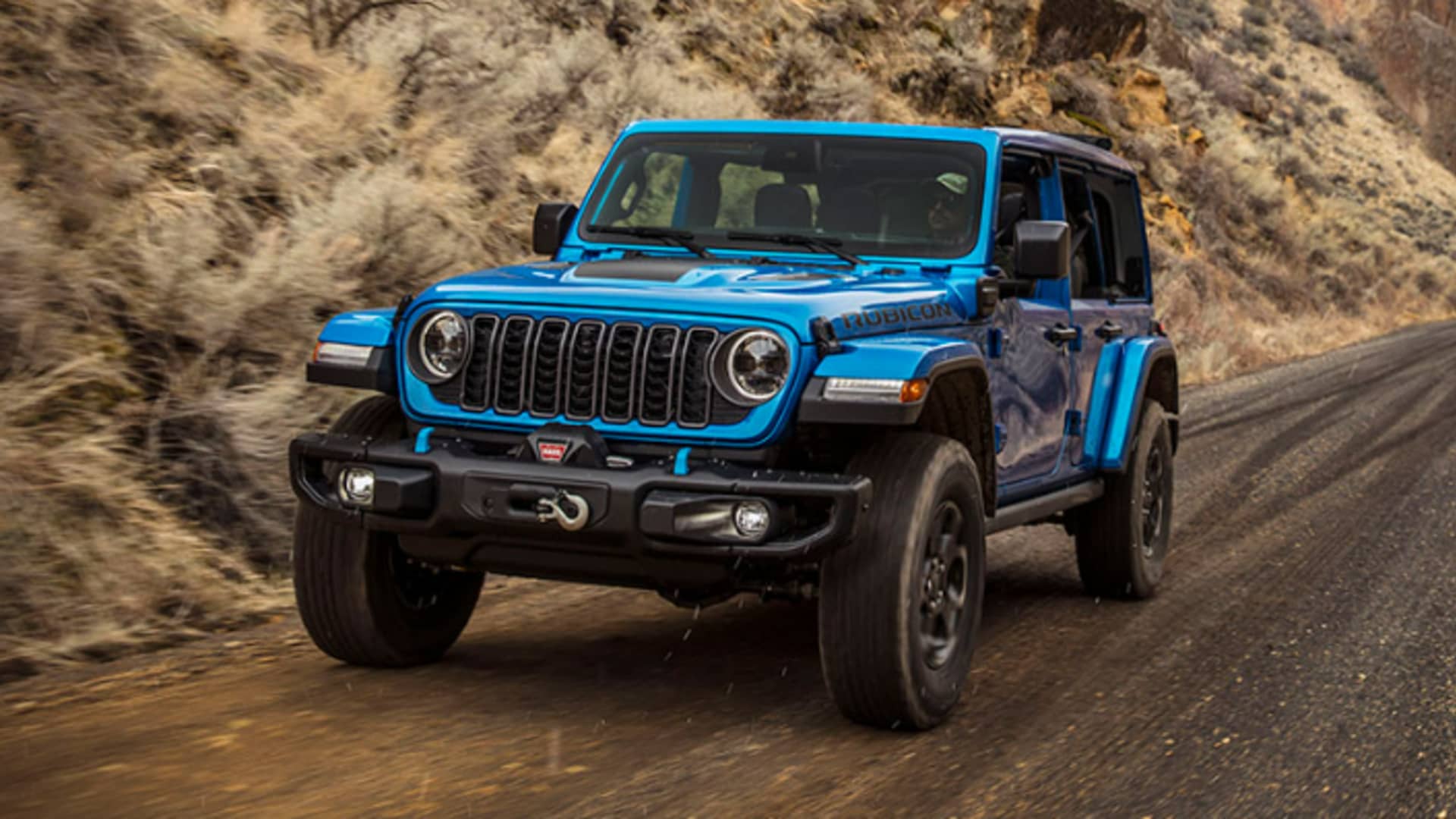
The upright windshield and commanding seating position prioritize visibility. It may not be a sports car, but its interior reflects situational practicality over digital minimalism.
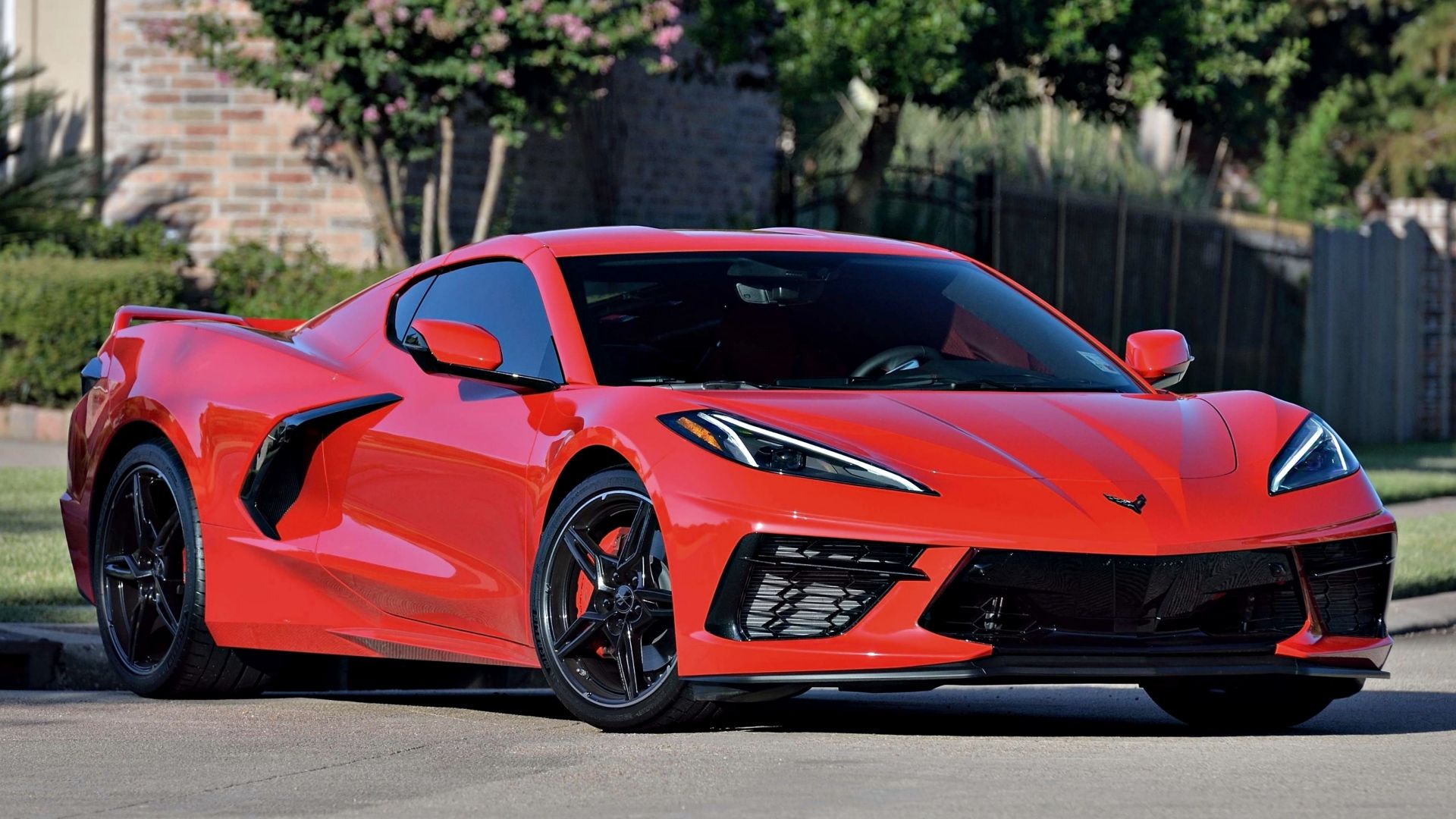
12. Chevrolet Corvette
The C8 Corvette represents a radical layout change, yet its design remains driver-centric.
The tall spine of climate buttons separates driver and passenger, placing controls within fingertip reach. The digital cluster is configurable but keeps performance metrics prominent.
The seating position is low and forward, mimicking European mid-engine exotics while maintaining American usability standards. Despite modern screens, the interface emphasizes immediate access rather than aesthetic dominance.
In the U.S. market, the push toward touchscreen-dominated cabins often stems from cost efficiency and perceived technological advancement.
However, the vehicles above illustrate that thoughtful ergonomics, tactile controls, and performance-oriented layouts continue to offer tangible advantages.
Driver-focused interiors reduce cognitive load, preserve muscle memory, and foster a deeper connection between operator and machine.
For enthusiasts and practical drivers alike, these cabins demonstrate that technology does not have to displace tactility.
When executed correctly, screens can complement rather than control the driving experience. In an increasingly digitized automotive landscape, these models prove that substance still matters more than surface.