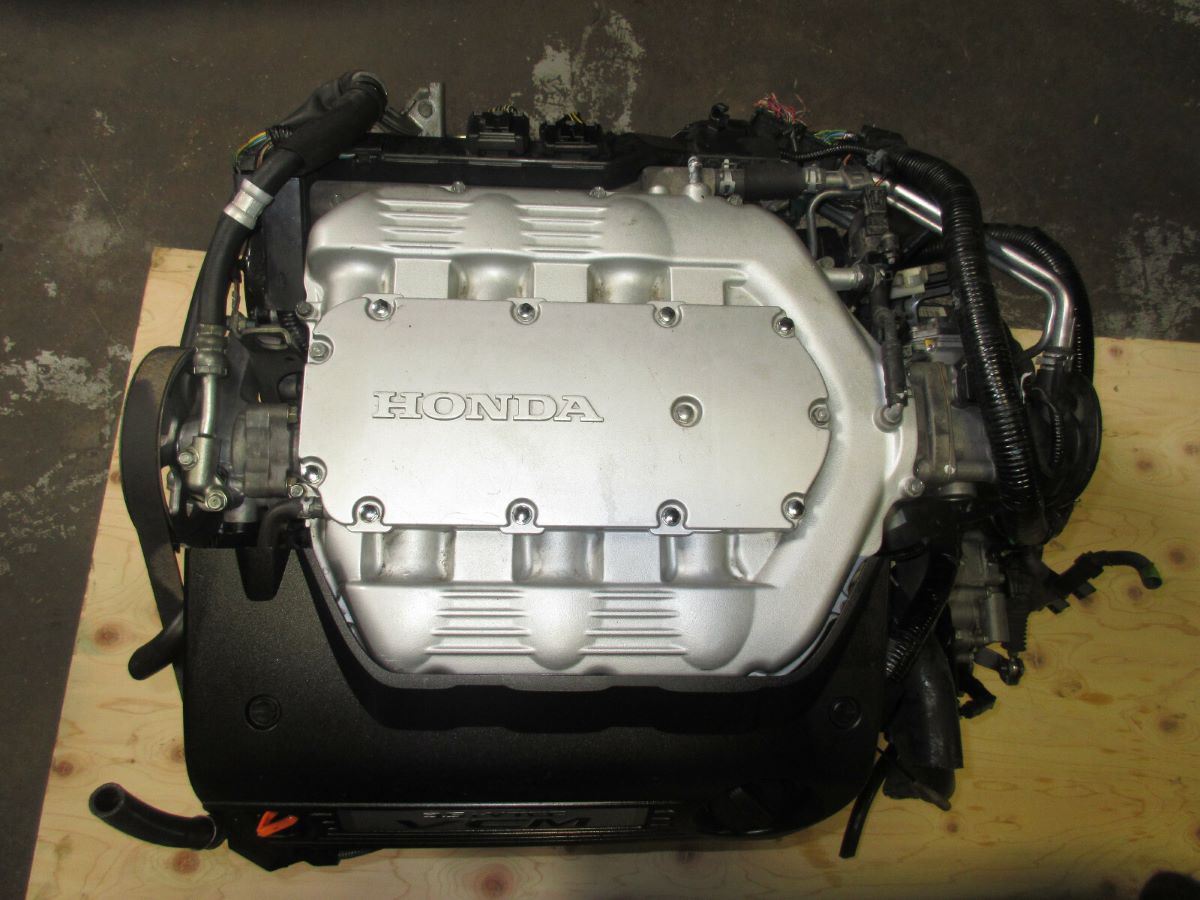
Turbocharging dominates modern performance engineering. It improves emissions numbers, boosts torque at low RPM, and helps automakers meet tightening efficiency regulations. But for many enthusiasts, something vital was lost along the way.
Naturally aspirated V6 engines offer a different experience. Throttle response is immediate. Power builds predictably.
The sound is organic rather than synthesized. And in many cases, these engines proved remarkably durable over hundreds of thousands of miles.
While most manufacturers have moved on to smaller turbocharged units or hybrid setups, several classic NA V6 platforms remain deeply respected in enthusiast circles, especially in the used market, where they offer compelling value and a more analog driving feel.
Below are eight naturally aspirated V6 engines that still earn loyalty today, with examples commonly found in US driveways, autocross events, and weekend canyon runs.
1. Toyota 2GR-FE (3.5L)
Developed by Toyota Motor Corporation, the 2GR-FE quietly became one of the most versatile V6 engines ever produced. You’ll find it in everything from family sedans like the Camry and Avalon to crossovers like the RAV4, and even performance applications such as the Lotus Evora.
Making between 268 and 301 horsepower depending on tune, the 3.5-liter delivers smooth, linear acceleration with a broad torque curve that feels stronger than the numbers suggest.
What enthusiasts appreciate most is reliability. With proper maintenance, these engines routinely exceed 200,000 miles. The aluminum block keeps weight reasonable, while Toyota’s conservative tuning philosophy ensures long-term durability. It also responds well to bolt-on mods, making it popular with budget-minded tuners.
For many US buyers, the 2GR-FE represents the sweet spot between daily usability and genuine performance.
Toyota introduced its transverse-mounted 3.5-liter V-6 gasoline engine, designated 2GR-FE, in 2004. It succeeded both the earlier 1MZ-FE V-6 and the well-known 2JZ inline-six. The 2GR-FE quickly became a core powerplant across Toyota’s mainstream lineup, including models such as the Toyota Camry, Toyota RAV4, and Toyota Highlander.
It was also widely adopted in Lexus vehicles bearing the “350” designation, including the Lexus IS 350, GS 350, and RX 350. Beyond Toyota’s own brands, the engine was notably used in performance-oriented applications such as the Lotus Evora S and Exige S.
The 2GR-FE shares architectural similarities with the 1GR-FE, utilizing an open-deck cast aluminum alloy cylinder block fitted with spiny-type cast-iron cylinder liners that are cast directly into the block.
The engine features a 60-degree V-angle between cylinder banks. Internally, it employs a forged steel crankshaft with five counterweights and forged connecting rods. Aluminum alloy pistons with resin-coated skirts reduce friction, while integrated oil jets spray the undersides of the pistons to control operating temperatures.
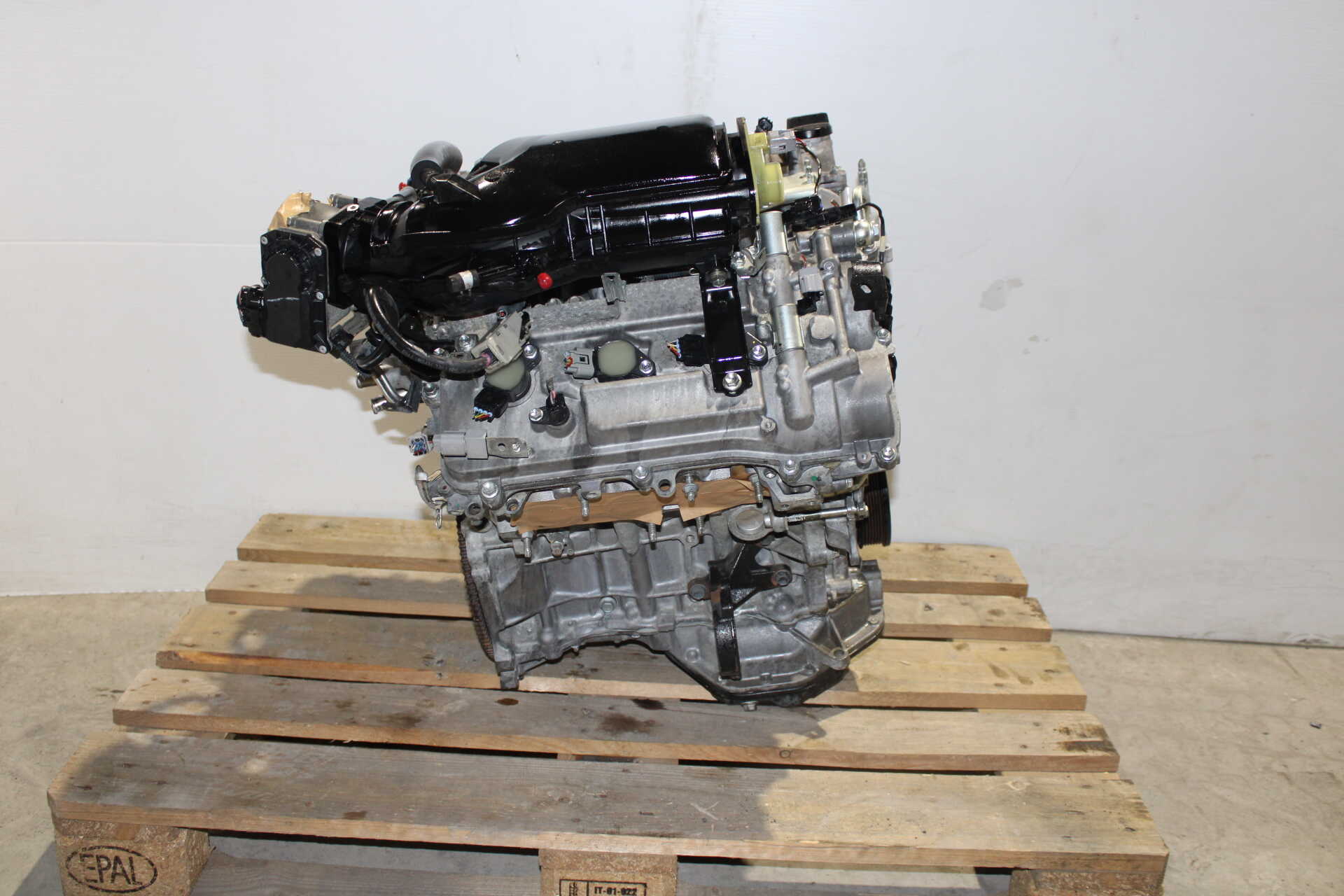
Each cylinder head consists of three aluminum alloy components: the cylinder head casting, a separate camshaft housing, and the valve cover. Steel-laminate head gaskets seal the interface between the heads and the block. The valvetrain uses dual overhead camshafts per bank, driven by a chain system.
The primary timing chain drives the intake camshafts, while the exhaust camshafts are actuated via secondary chains connected to the intake cams. Toyota’s Dual VVT-i system provides variable valve timing on both intake and exhaust sides. Valves are actuated through roller rocker arms, and hydraulic lash adjusters automatically maintain proper valve clearance.
The 2GR-FE is equipped with a plastic variable-geometry intake manifold incorporating Toyota’s ACIS (Acoustic Control Induction System), which adjusts intake runner length based on engine speed by opening or closing an intake air control valve.
Fuel delivery is handled by a sequential multi-port injection system, and ignition is provided by Toyota’s Direct Ignition System (DIS), with an individual coil mounted directly on each spark plug. Exhaust gases exit through stainless-steel exhaust manifolds and pass through dual three-way catalytic converters.
The 2GR-FSE variant was developed primarily for Lexus and certain Japanese domestic market vehicles. This version incorporates Toyota’s D-4S fuel system, combining both direct injection and conventional port fuel injection.
The dual-injection setup requires separate low- and high-pressure fuel circuits. Revised cylinder heads accommodate high-pressure direct injectors positioned near the intake valves.
The pistons are redesigned and constructed from hypereutectic aluminum alloy to withstand increased thermal and mechanical loads. Direct injection enhances combustion cooling, allowing the compression ratio to rise to 11.8:1. Like the 2GR-FE, the 2GR-FSE retains ETCS-i throttle control, ACIS intake management, and the DIS ignition system.
2. Nissan VQ37VHR (3.7L)
Built by Nissan Motor Co., the VQ37VHR is the high point of Nissan’s legendary VQ series.
This 3.7-liter naturally aspirated V6 powered cars like the 370Z and Infiniti G37, producing around 330 horsepower with a 7,500-RPM redline.
Its standout feature is Nissan’s Variable Valve Event and Lift (VVEL) system, which allows precise control over intake valve lift, resulting in razor-sharp throttle response.
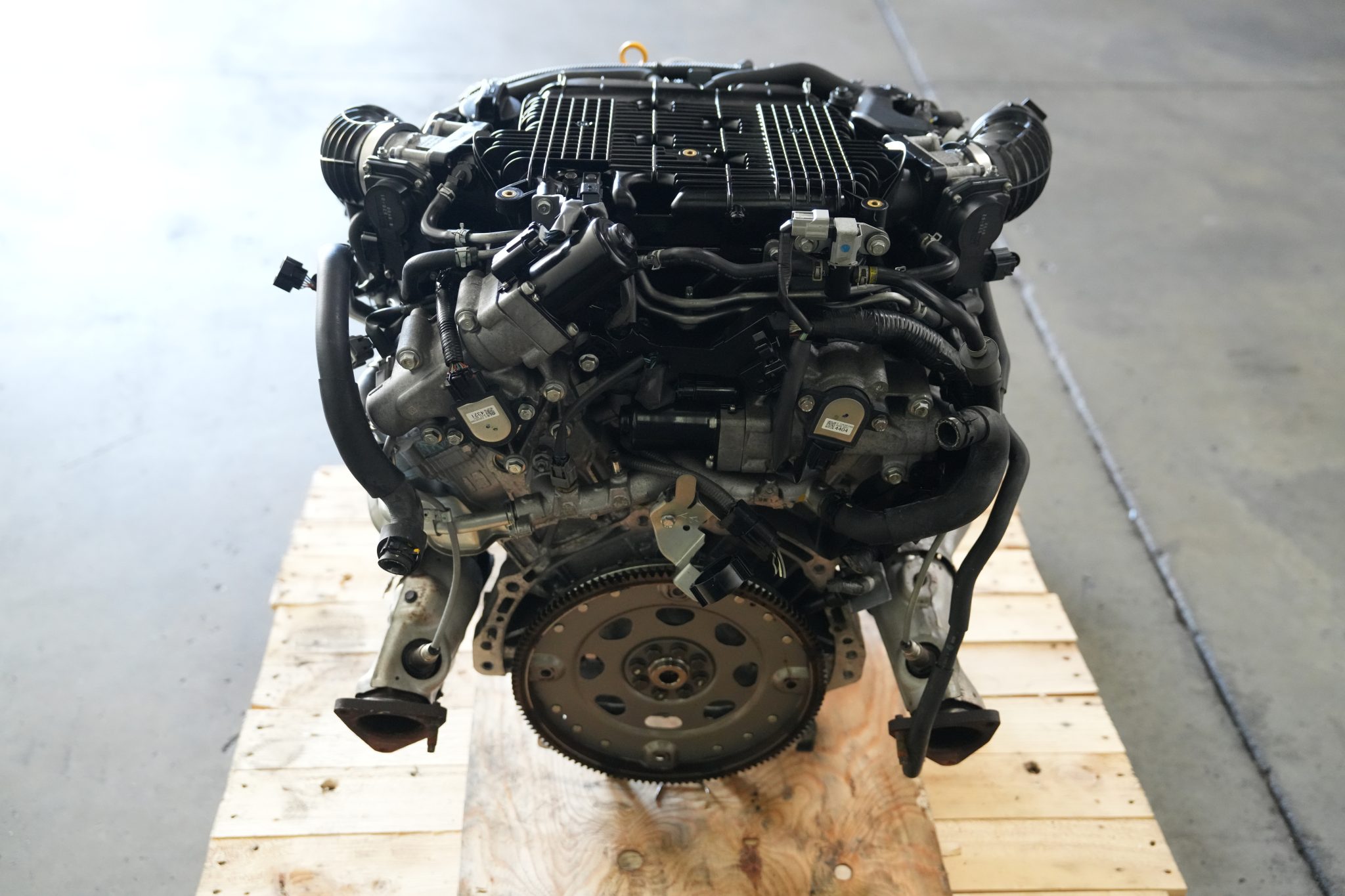
The VQ37VHR is loved for its aggressive top-end pull and unmistakable exhaust note.
While early examples had oil consumption issues, later revisions proved solid, and today it remains a favorite among drift and track-day communities across the US. It’s loud, rev-happy, and unapologetically mechanical.
3. Honda J35 (3.5L)
From Honda Motor Co. comes the J-series, with the J35 being its most widespread variant.
Used extensively in Accords, Odysseys, MDXs, and Acura TL models, this SOHC V6 typically produces 240–290 horsepower depending on application. While not a hardcore performance engine, it excels in smoothness and everyday torque.
Enthusiasts respect the J35 for its refinement and longevity. It’s common to see these engines pushing well past 250,000 miles.
Paired with Honda’s VTEC system, higher-output versions (like those in the Acura TL Type-S) deliver a surprisingly sporty character.
For drivers who value reliability and real-world drivability over raw track numbers, the J35 remains a benchmark.
Honda has long maintained a reputation for engineering dependable and refined powertrains, and its 3.5-liter V6 engine stands as one of the brand’s most prominent examples. This naturally aspirated V6 has powered a broad range of Honda vehicles, reflecting the company’s emphasis on durability, smooth operation, and balanced performance.
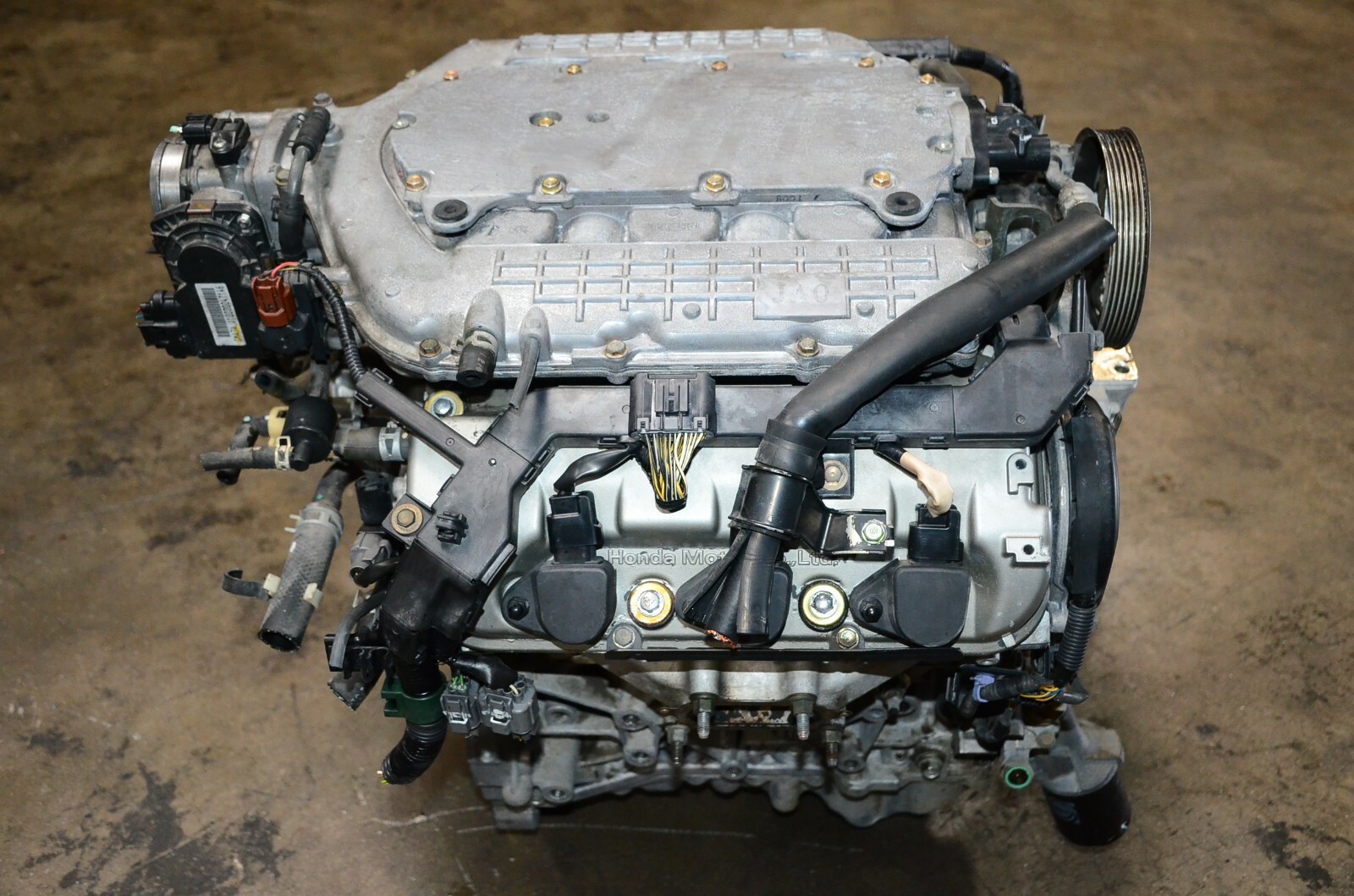
Rather than focusing solely on peak output, the engine is engineered to deliver linear acceleration, everyday drivability, and long-term reliability, qualities that appeal to both practical commuters and drivers seeking stronger performance.
The 3.5-liter V6 has been deployed across several high-volume Honda models, demonstrating its versatility in different vehicle segments.
In the Honda Accord, the V6 variant elevated the midsize sedan’s performance credentials, providing confident acceleration for highway merging and overtaking while maintaining the model’s signature ride comfort.
The Honda Odyssey utilized the same engine to support family-oriented duties. In a fully loaded minivan configuration, the V6 delivers sufficient torque for passenger and cargo hauling without strain, contributing to relaxed long-distance travel.
The Honda Pilot, a midsize SUV, benefits from the engine’s balance of power and efficiency. Whether used for daily commuting or light off-road excursions, the V6 provides steady and predictable performance.
Honda’s Ridgeline pickup integrates the 3.5-liter V6 to combine utility with refinement. The engine supplies adequate towing and hauling capability while preserving the smoothness typically associated with passenger vehicles.
The 3.5-liter V6 has appeared in multiple model generations:
- The Honda Accord (2003–2012) offered the V6 as a performance-oriented alternative to the inline-four models, appealing to buyers seeking stronger acceleration.
- The Honda Odyssey (2005–2020) relied on this engine as a core powertrain, where it proved to be a durable and capable solution for family transportation.
- The Honda Pilot (2003–present) has consistently featured versions of this V6, maintaining a practical balance between output and fuel economy.
- The Honda Ridgeline (2006–present) continues to utilize the engine, reinforcing its role as a refined yet capable midsize truck.
Across these applications, the 3.5-liter V6 has supported Honda’s strategy of delivering vehicles that combine practicality with a degree of driving engagement. Its smooth power delivery and broad torque curve make it well suited for both urban and highway use.
The 3.5-liter V6 is generally regarded as a reliable engine, with many owners reporting strong longevity when routine maintenance schedules are followed.
However, as with any internal combustion engine, certain issues may arise over time. Awareness of typical maintenance requirements and known concerns can help owners address potential problems early and preserve long-term performance.
4. Ford Cyclone 3.7L
The Cyclone V6, developed by Ford Motor Company, helped redefine entry-level performance in the early 2010s.
Most famously found in the V6 Mustang, the 3.7-liter version made over 300 horsepower, numbers that once belonged exclusively to V8s. It also appeared in F-150 pickups and various crossovers, proving its flexibility.
What made the Cyclone special was its combination of efficiency and power. Mustang models equipped with this engine offered sub-6-second 0–60 times while still achieving respectable highway fuel economy.
It’s not exotic, but it’s robust, affordable, and still widely supported in the aftermarket.
Ford introduced the 3.7-liter V6 as part of its Cyclone engine family in 2007. Known internally as the Duratec 37, the engine was also produced by Mazda and initially appeared in the 2008 Mazda CX-9 under the MZI 3.7 designation.
Ford deployed the 3.7L V6 across a broad range of larger vehicles, including SUVs, pickups, and full-size sedans such as the Ford F-150, Ford Edge Sport, Lincoln MKS, and Lincoln MKT. In 2011, the 3.7-liter Cyclone replaced the long-running 4.0-liter Cologne V6 as the base engine in the Ford Mustang.
The 3.7L Duratec features a cast aluminum alloy cylinder block built around a modern architecture. It incorporates a removable rear main seal cover plate and a structural rear-sump cast aluminum oil pan. All Cyclone engines share an 86.6 mm (3.41-inch) stroke; the 3.7-liter variant achieves its additional displacement through a 3.0 mm increase in bore compared with the 3.5-liter version.
The block uses cast-in cylinder liners in an open-deck configuration, allowing the tops of the cylinders to remain unsupported for improved cooling. Internally, the engine employs a forged 4130 alloy steel crankshaft, six-bolt billet steel main bearing caps, and integrated piston oil squirters to enhance durability and thermal management.
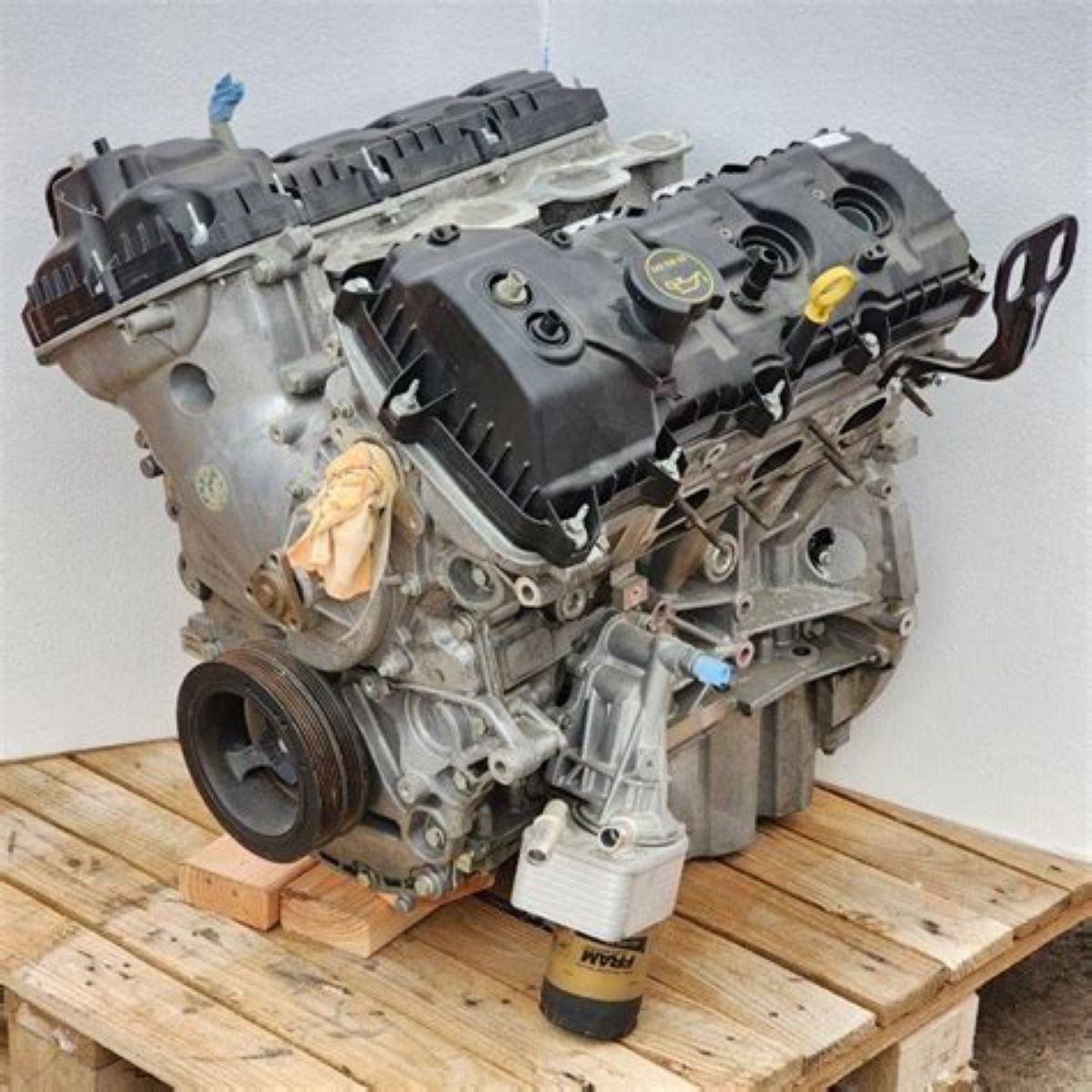
The aluminum cylinder heads incorporate four valves per cylinder and dual overhead camshafts driven by a chain system. A primary timing chain drives both the water pump and the intake camshafts.
Each intake camshaft then transfers motion to its corresponding exhaust camshaft via a secondary single-roller chain. Early versions of the engine used intake-only variable cam timing (iVCT). Beginning in 2011, Ford introduced twin-independent variable cam timing (Ti-VCT), enabling adjustment of both intake and exhaust camshafts for improved efficiency and performance.
The valvetrain utilizes Ford’s Direct Acting Mechanical Bucket design, with highly polished cam-contact surfaces to reduce friction. Intake valves measure 1.45 inches in diameter, while exhaust valves measure 1.22 inches; both use 5.5 mm valve stems.
Valve lift is 9.8 mm (0.385 inches) on the intake side and approximately 9.1 mm (0.360 inches) on the exhaust side. The engine also employs Ford’s stretch-type Front-End Accessory Drive (FEAD) system, designed without idlers or tensioners to minimize parasitic power losses.
Induction is managed through a two-piece plastic intake manifold, with fuel injectors positioned in the lower section. The exhaust manifolds are constructed from cast iron. In Mustang and F-150 applications equipped with Ti-VCT, the manifolds are specifically shaped to transition from oval exhaust ports to the collector, optimizing exhaust flow characteristics.
5. GM LGX 3.6L
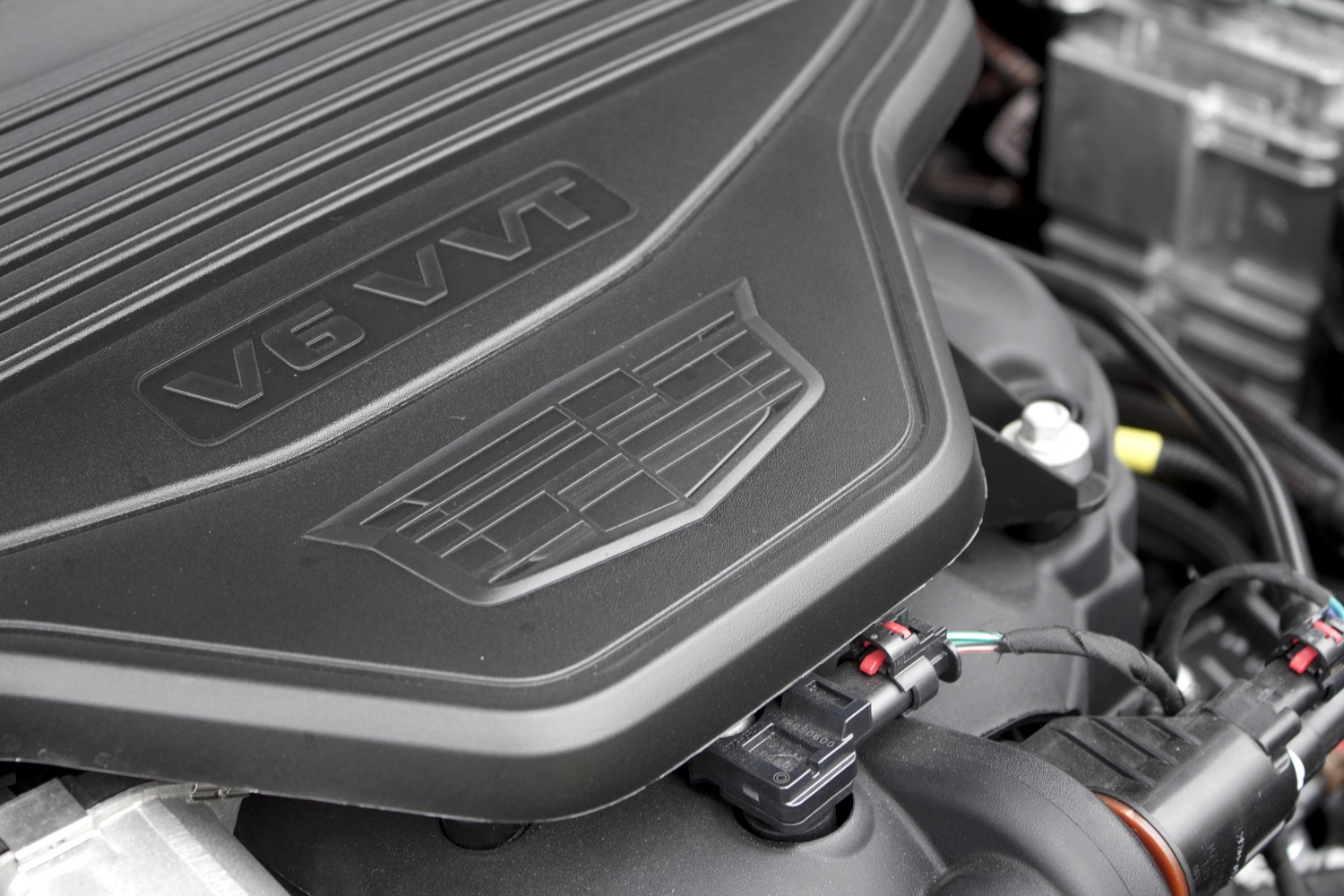
Produced by General Motors, the LGX 3.6-liter V6 represents GM’s most refined naturally aspirated six-cylinder.
Found in vehicles like the Camaro, Cadillac ATS, and Colorado, it generates up to 335 horsepower and features direct injection with variable valve timing.
In Camaro form, it delivers impressive acceleration while maintaining balanced handling thanks to its relatively light aluminum construction.
Earlier GM 3.6 engines had timing-chain issues, but the LGX addressed many of those concerns. Today, it’s appreciated for its smooth delivery and strong midrange, making V6 Camaros surprisingly capable canyon cars.
6. Alfa Romeo Busso V6
Designed under the banner of Alfa Romeo, the Busso V6 is less common in the US, but legendary worldwide.
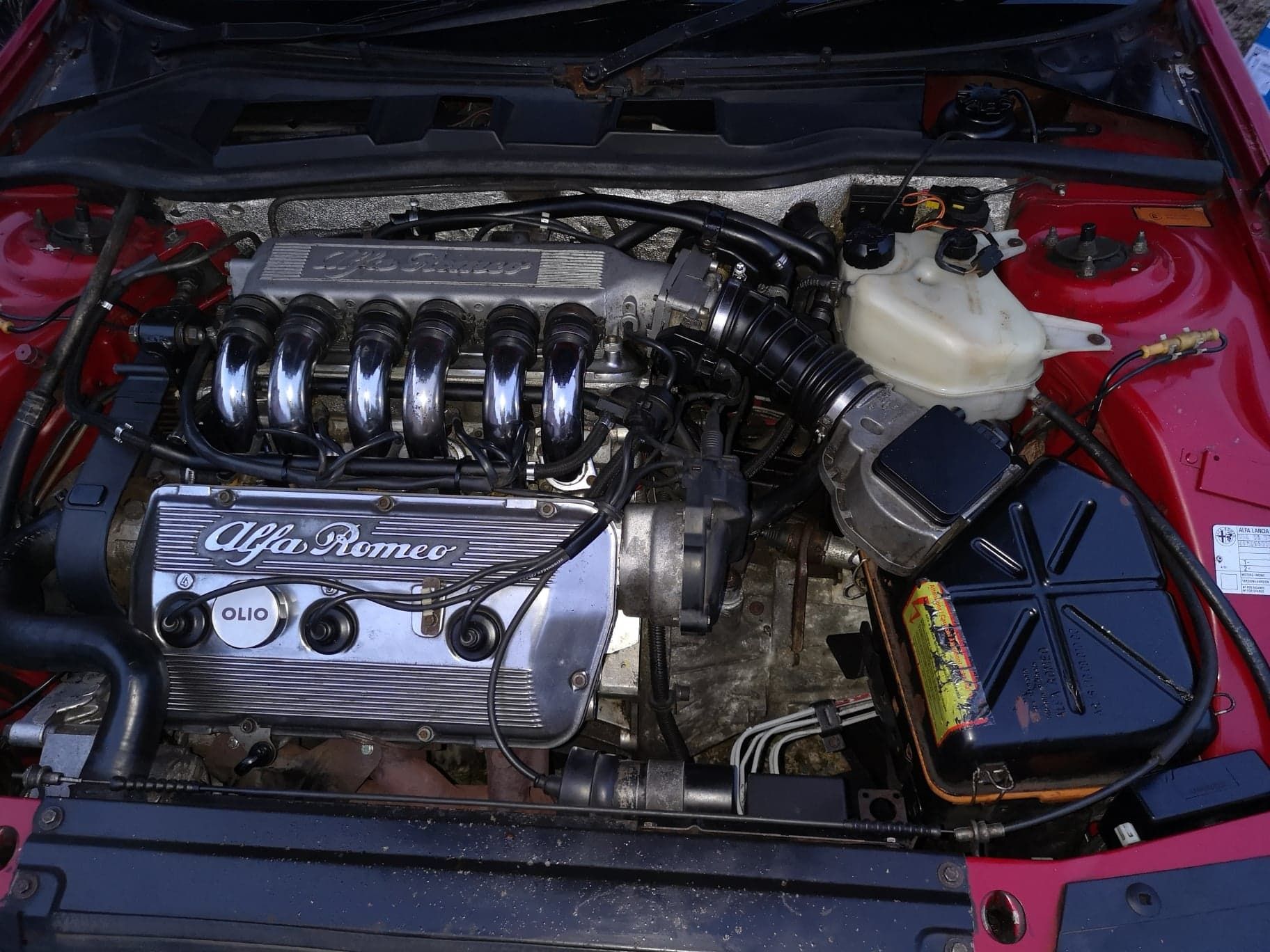
Produced from the late 1970s through the early 2000s, this all-aluminum V6 is revered for its intake runner design and spine-tingling exhaust note. Power outputs ranged from roughly 160 to over 240 horsepower, but numbers were never the point.
The Busso is celebrated for emotional engagement. It’s mechanical art, with polished intake plenums and a sound that many consider among the best ever produced by a V6.
Collectors actively seek Busso-powered Alfas today, and values continue to climb.
Two years later, Giuseppe Busso joined Alfa Romeo as World War II began to unfold across Europe. Despite the turbulent period, he steadily advanced within the company.
After a short tenure at Ferrari from 1946 to 1948, Busso returned to Alfa Romeo in 1948, where he remained until his retirement in 1977. Among his final and most significant contributions was the design of what would later become known as the Busso V6 engine.
Although development was completed in 1977, the engine did not enter production immediately. Its first application came in 1979, when it was installed in the Alfa 6 sedan.
By the time the Busso V6 began appearing in production vehicles, Giuseppe Busso had effectively stepped away from active engineering work. In addition to the Alfa 6, the engine gained broader recognition when it was fitted to the Alfa Romeo GTV6 in 1980, where it produced 156 horsepower.
The GTV6’s positioning as a sporty coupe helped highlight the engine’s strengths, its strong performance characteristics and distinctive exhaust note quickly attracted enthusiast attention. Over time, these qualities would solidify the Busso V6’s reputation as one of Alfa Romeo’s most celebrated engines.
7. Audi 3.2 FSI V6
The 3.2-liter FSI V6 from Audi AG brought direct injection to Audi’s naturally aspirated lineup.
Installed in models like the A4, A6, and TT, this engine produced around 250 horsepower with a refined, high-revving character.
Paired with Audi’s quattro system, it delivered confident all-weather performance, an important selling point for US buyers in colder climates.
While maintenance costs are higher than Japanese rivals, enthusiasts admire its smoothness and premium feel, especially when paired with a manual transmission.
The Audi 3.2 FSI engine, a member of the Volkswagen Group’s V6 family, was introduced in the mid-2000s. It was engineered to balance performance with efficiency, incorporating Fuel Stratified Injection (FSI) technology to improve fuel atomization and combustion control.
With a displacement of 3.2 liters, the engine produced approximately 250 horsepower and 243 lb-ft of torque. It was offered in a range of Audi models, including the A3, A4, A6, and TT, as well as in select Volkswagen applications such as the Golf and Passat. The engine appealed to drivers seeking responsive acceleration and refined power delivery in a practical, everyday package.
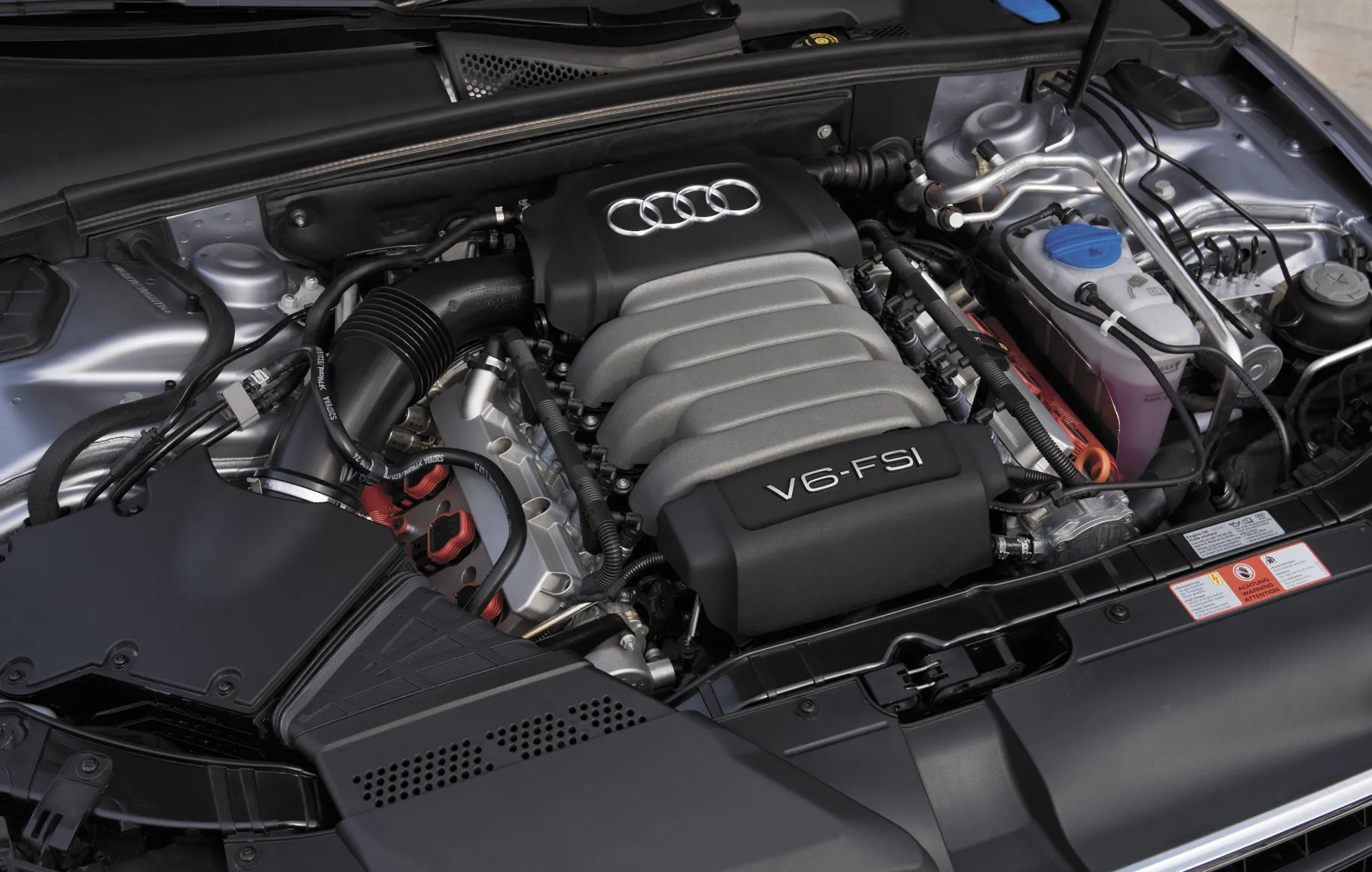
From a design standpoint, the 3.2 FSI featured dual overhead camshafts (DOHC) and lightweight aluminum construction to reduce overall mass and enhance vehicle dynamics. The use of direct fuel injection improved throttle response and supported higher specific output compared to conventional port-injected engines.
However, the advanced engineering and integration of FSI technology added mechanical and electronic complexity. While marketed as a performance-oriented and technologically advanced powerplant, the engine has drawn criticism over time for certain reliability concerns that can result in elevated maintenance and repair costs.
Despite its performance credentials, the 3.2 FSI is associated with several reported issues that may affect long-term durability. Awareness of these potential concerns is important for both current owners and prospective buyers, as proactive maintenance and early diagnosis can mitigate more significant problems. Understanding the engine’s known weaknesses is essential to preserving reliability and ensuring a satisfactory ownership experience.
8. Chrysler Pentastar 3.6L (Early NA Performance Tunes)
Developed under Stellantis, the Pentastar 3.6-liter V6 is one of the most widespread engines in modern American vehicles.
Used in Chargers, Challengers, Wranglers, and Grand Cherokees, it makes up to 305 horsepower in certain trims.
While not traditionally viewed as an enthusiast motor, early performance-oriented calibrations surprised many drivers with their responsiveness and midrange punch.
Its strength lies in availability and affordability. Parts are everywhere, and tuning support continues to grow, making it a practical platform for grassroots builds.
Naturally aspirated V6 engines occupy a shrinking corner of automotive history. They reward precise throttle inputs, encourage revving, and often outlast more complex turbocharged alternatives.
Developed as a next-generation replacement for earlier V6 engines, the Pentastar quickly became one of Chrysler’s most significant powertrain programs. It has been widely deployed in vehicles such as the Dodge Challenger, Jeep Cherokee, Jeep Wrangler, and Ram 1500. For three consecutive years, the 3.6L Pentastar earned recognition as one of the top ten engines in the U.S. market.
Compared with its 3.5-liter predecessor, the 3.6-liter Pentastar delivers 38 percent more power while consuming 11 percent less fuel and weighing 42 pounds (19 kg) less.
It is also more compact, measuring 94 mm shorter than the 3.7-liter V6 and 34 mm shorter than the previous 3.5-liter unit. The engine features a high-pressure die-cast aluminum cylinder block with a 60-degree V angle. Its open-deck design reduces material usage and production cost while maintaining durability through cast-iron cylinder liners.
The block incorporates three piston oil-cooling jets, with each jet cooling two pistons to manage heat and reduce the risk of detonation. Internal components include forged steel connecting rods, a nodular iron crankshaft, and cast aluminum pistons equipped with low-friction rings and reduced skirt profiles to minimize mass and friction. Lubrication is handled by a chain-driven, vane-type variable-displacement oil pump.
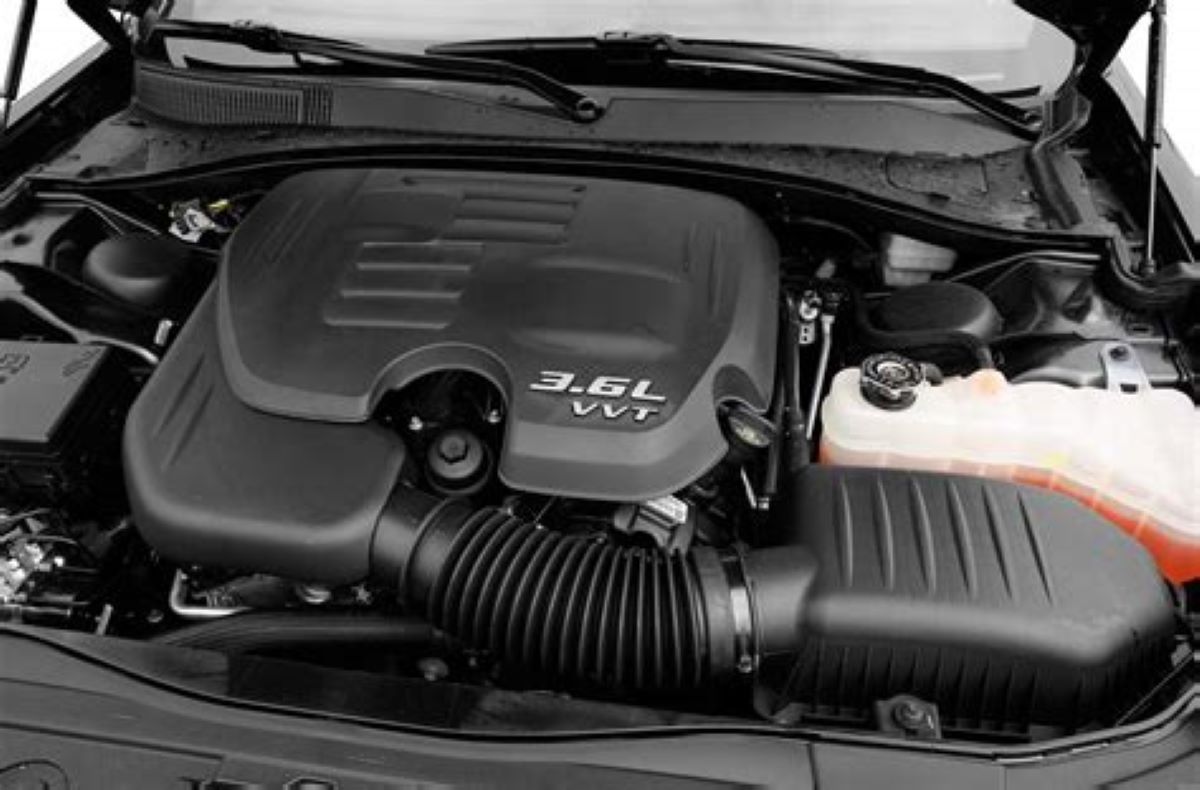
Accessory mounting was streamlined to reduce vibration and noise. Instead of using external brackets, the alternator, air-conditioning compressor, and belt tensioner are mounted directly to the engine block and driven by a serpentine belt. This integrated approach contributes to smoother operation and improved NVH characteristics.
The engine uses sand-cast aluminum cylinder heads made from T7 heat-treated aluminum. Each head incorporates four valves per cylinder and dual overhead camshafts actuated by roller finger followers with hydraulic lifters. Separate timing chains drive each cylinder bank, utilizing a “silent chain link” design. All four camshafts are equipped with torque-actuated phasers to provide variable valve timing.
The intake valves are single-piece units made from forged martensitic steel with a 39 mm diameter. Exhaust valves feature a two-piece construction, combining a forged austenitic head welded to a martensitic stem, with a 30 mm diameter. The cylinder heads include high-flow intake and exhaust ports and integrate the exhaust manifold directly into the casting.
Airflow is managed by a lightweight composite intake manifold paired with a 74 mm throttle body and electronically controlled multi-point port fuel injection. The engine delivers 90 percent of its peak torque between 1,800 and 6,350 rpm, enabling strong drivability across a broad operating range without requiring premium fuel.
Although designed for efficiency and ease of maintenance, the Pentastar V6 also achieves competitive fuel economy, reduced emissions, and refined operation, making it a versatile and widely adopted powerplant across multiple vehicle segments.
For US enthusiasts shopping the used market, these powerplants offer something increasingly rare: mechanical honesty. No boost spikes. No artificial sound enhancement. Just displacement, airflow, and driver control.