
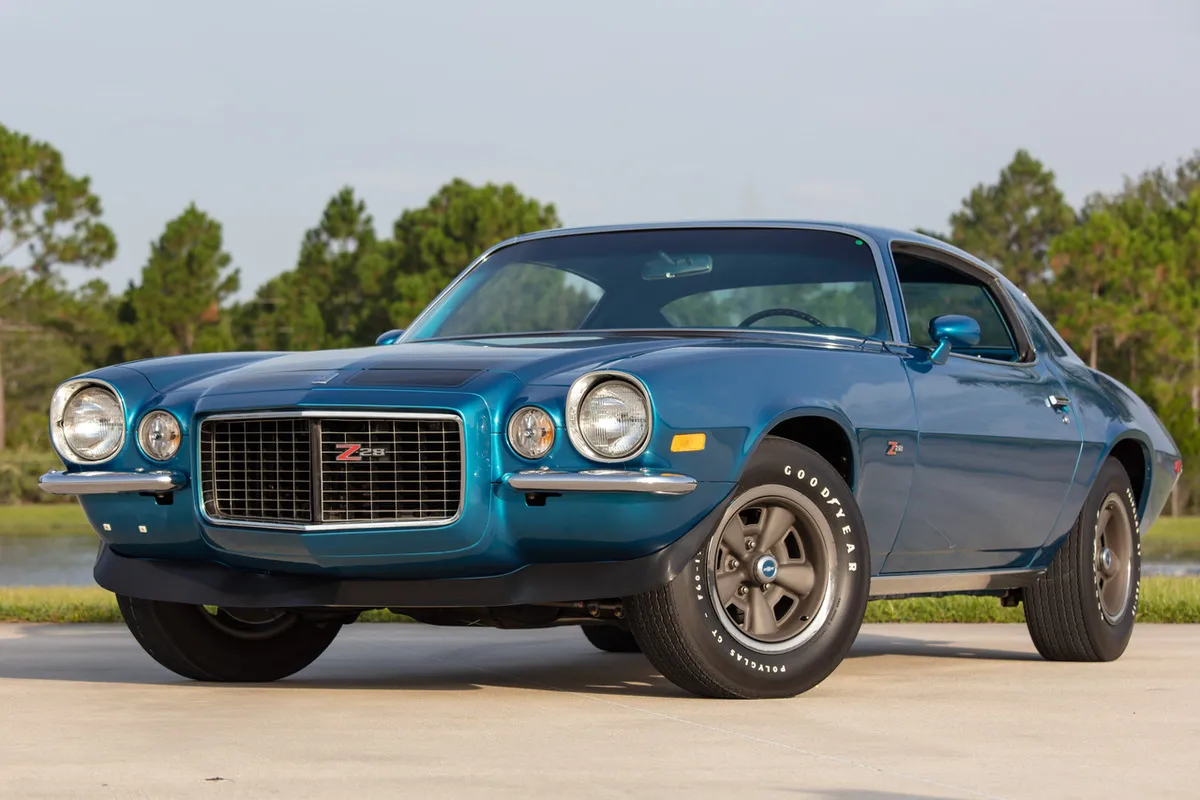
Classic muscle cars often get painted as loud, temperamental machines that demand endless attention and deep pockets. That reputation scares off plenty of people who love the look, sound, and history of these cars but still want something that fits into regular life.
What often gets missed is that several muscle-era models were built with everyday use in mind, even while delivering serious performance. Comfortable seating, manageable dimensions, durable engines, and parts availability all played a role in making certain models far more cooperative than their reputations suggest.
Living with a classic does not always mean constant wrenching or avoiding traffic. Some of these cars start easily, idle smoothly, handle heat well, and accept modern upgrades without drama.
Insurance can be reasonable, mechanical layouts are easy to understand, and many examples still feel at home on highways, city streets, and long weekend drives. Owners who choose wisely often discover that classic muscle ownership can feel less like a hobby and more like a lifestyle upgrade.
This list focuses on ten classic muscle cars that balance performance character with everyday friendliness. Each one earned its place by offering reliability, comfort, drivability, and ownership practicality that still holds up decades later.
These are cars that can be enjoyed often, not hidden away under covers. The first five set the tone by showing how classic power and real-world usability can share the same driveway.
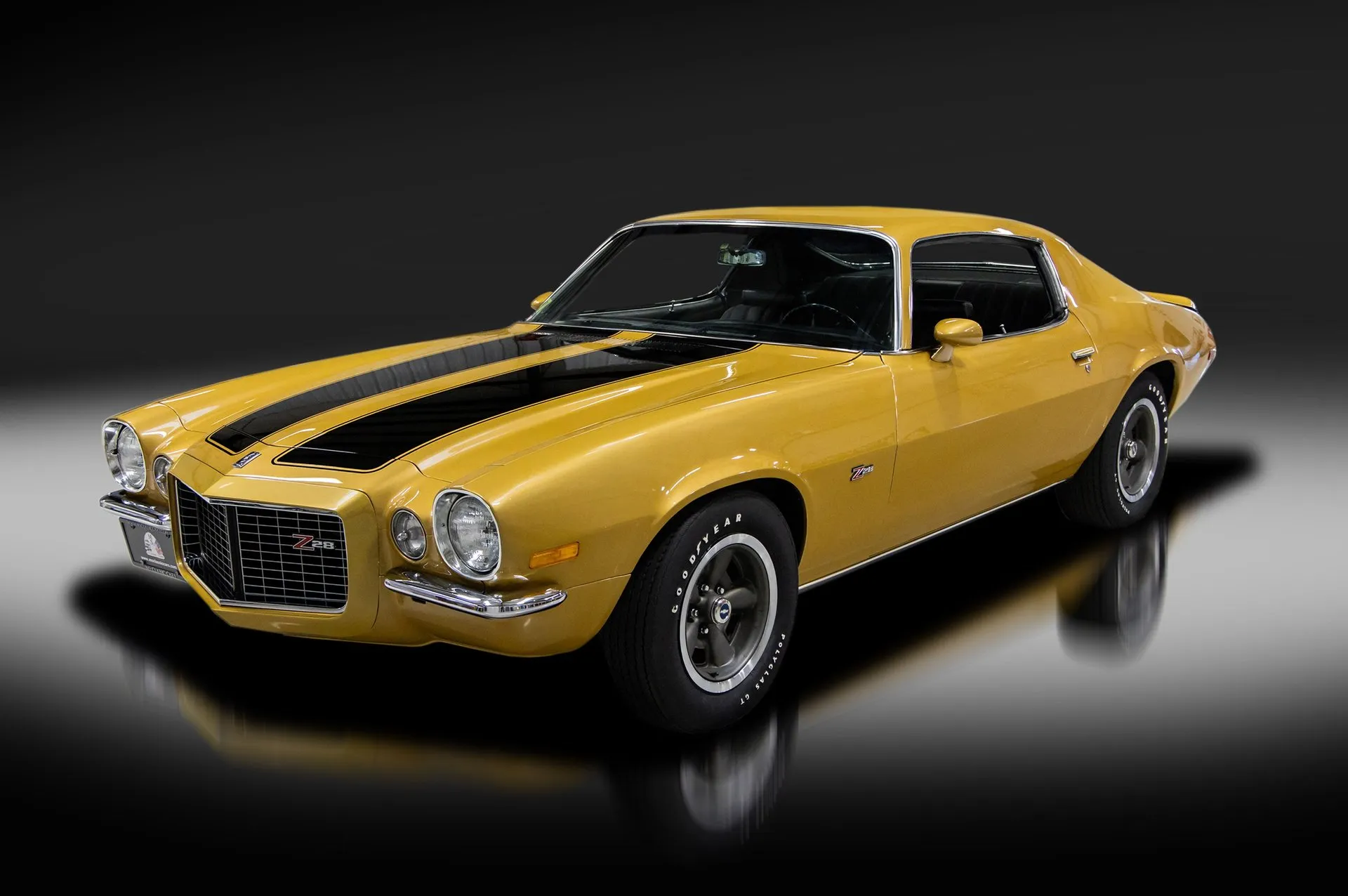
1. Chevrolet Camaro Z28 (1970-1973)
Estimated Price Range: $45,000 to $95,000
Chevrolet Camaro Z28 models from the early 1970s offer a blend of muscle attitude and daily usability that still surprises new owners. Built during a period when performance mattered but comfort had not been abandoned, these cars benefited from thoughtful engineering that allowed them to function beyond weekend thrills. Wide availability of parts and straightforward mechanical systems add to their livability.
Engine options such as the small block V8 delivered strong performance without pushing components to fragile limits. Cooling systems were robust for their time, and engine bays offered generous space for service access. Regular driving helps these engines stay healthy, and many examples run smoothly on modern fuels with minor tuning adjustments.
Interior layout focused on driver comfort. Seating position feels natural, visibility remains usable for city driving, and controls are simple and intuitive. Cabin noise exists, yet it never overwhelms casual driving. Trunk space handles errands easily, which makes spontaneous use far more realistic than people expect from a muscle car.
Suspension tuning favored balance rather than punishing stiffness. That approach allowed the Z28 to handle uneven pavement without rattling occupants or stressing components. Steering response feels direct but manageable, which helps during parking and low-speed maneuvers.
Ownership benefits from one major advantage: massive aftermarket support. Replacement parts, upgrades, and service knowledge remain easy to find. That accessibility reduces downtime and keeps costs predictable. The early 1970s Camaro Z28 stands as a reminder that muscle cars were once built to be driven regularly, not just admired from afar.
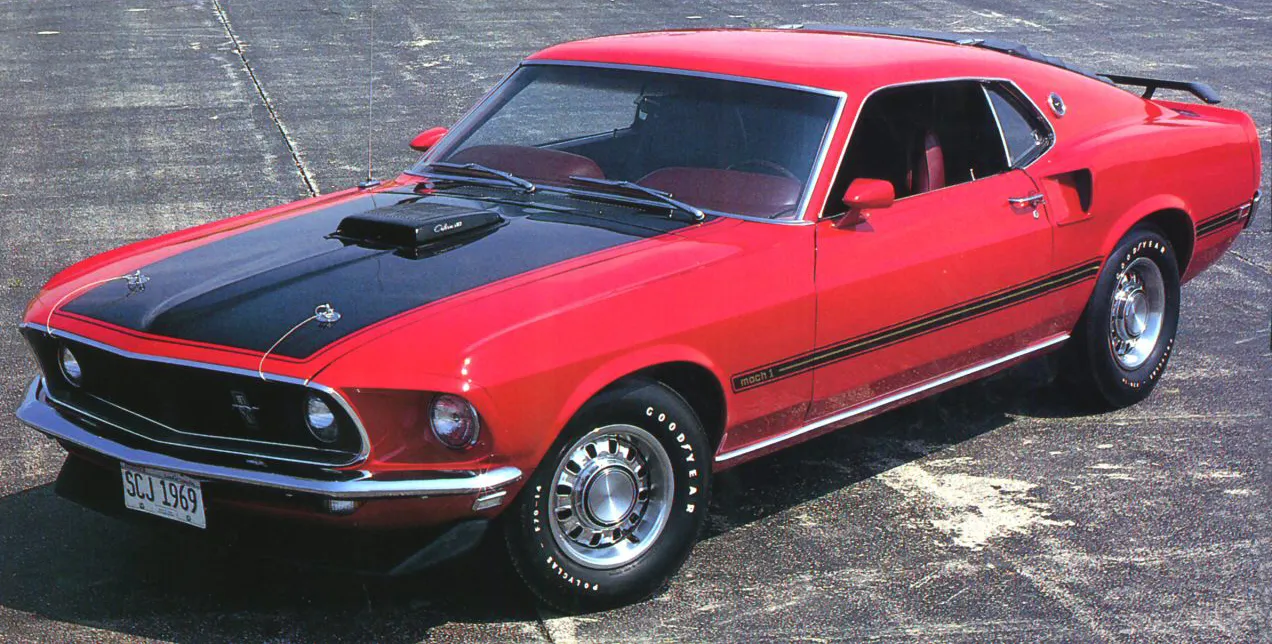
2. Ford Mustang Mach 1 (1969-1970)
Estimated Price Range: $40,000 to $85,000
Ford Mustang Mach 1 models from the late 1960s balance style, performance, and everyday comfort in a way that feels remarkably modern. These cars were designed to appeal to drivers who wanted power without sacrificing daily usability, and that philosophy still shows today.
Powertrains ranged from dependable small block V8s to more aggressive options, giving buyers flexibility even back then. The more moderate engine choices remain especially friendly for routine driving, offering smooth acceleration and predictable behavior. Cooling and ignition systems hold up well with basic care, making consistent use realistic.
Inside the cabin, ergonomics feel familiar rather than exotic. Seats provide reasonable support, pedal placement feels natural, and dashboard layouts remain easy to understand. Long drives do not feel punishing, and ventilation systems function well enough to make warm-weather cruising enjoyable.
Ride quality plays a large role in the Mach 1’s livability. Suspension tuning leaned toward comfort without sacrificing control. That setup helps preserve interior components and reduces driver fatigue during extended use. Braking systems feel confident and predictable, especially when updated with modern materials.
Ownership ease also benefits from strong community support. Parts availability remains excellent, and mechanical knowledge is widespread. Insurance often falls into reasonable classic categories, and repair costs stay manageable. The 1969-1970 Mustang Mach 1 proves that iconic styling and daily comfort can exist side by side without compromise.
Also Read: 10 Classic Cars You Can Daily Drive in Modern Traffic
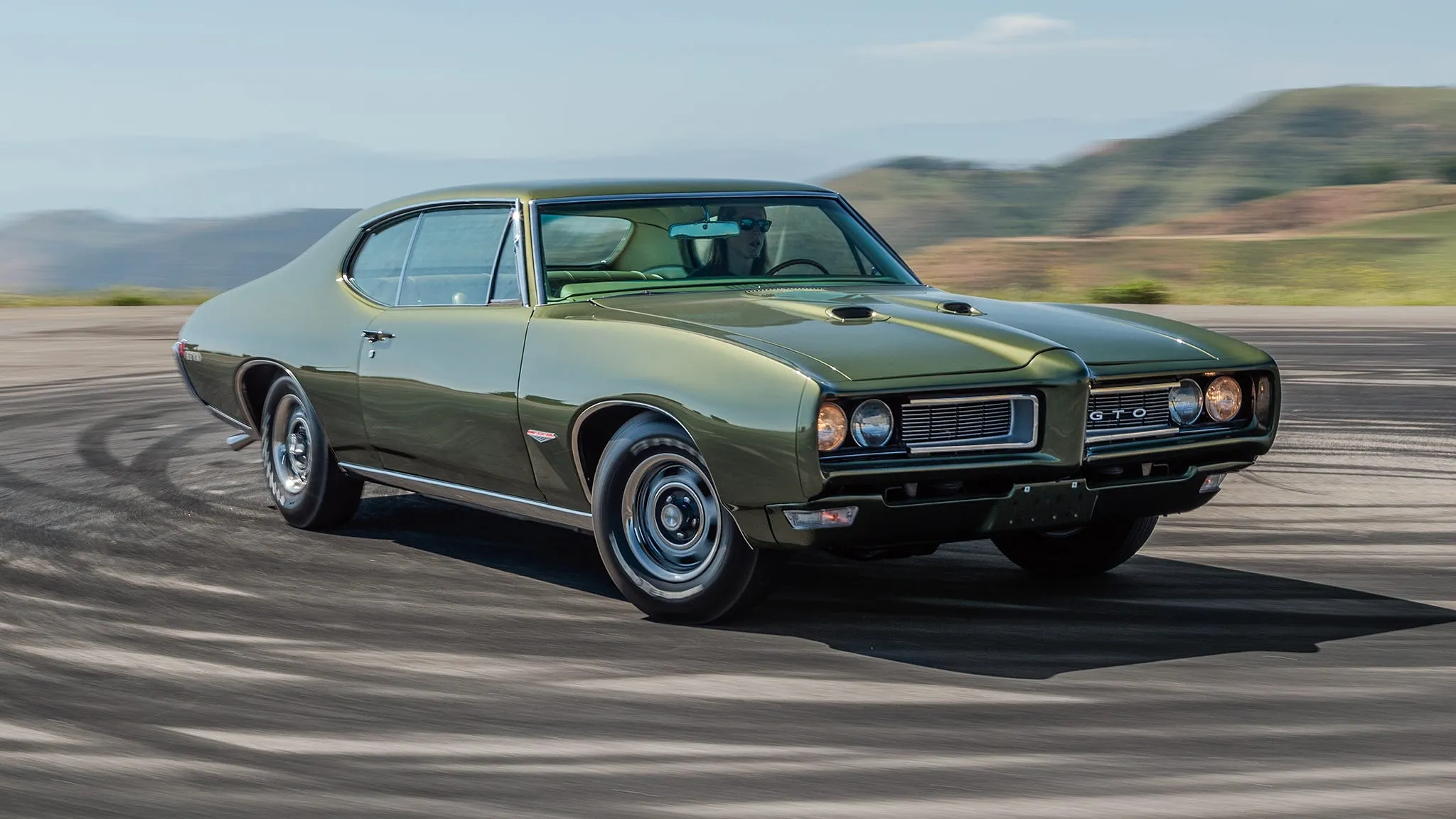
3. Pontiac GTO (1968-1970)
Estimated Price Range: $50,000 to $100,000
Pontiac GTO models from the late 1960s earned fame for performance, yet they also delivered surprising everyday friendliness. Built on a midsize platform, these cars offered generous interior space and ride comfort that set them apart from more stripped-down rivals.
Engine choices included torquey V8s that produced strong low-end power, making city driving effortless. Throttle response feels smooth rather than abrupt, which helps maintain control in traffic. These engines thrive on regular use and respond well to routine servicing, supporting long-term reliability.
Interior comfort stands out immediately. Wide seats, generous legroom, and a relaxed driving position make daily trips feel easy. Controls are simple, and cabin noise remains controlled for a muscle-era vehicle. Large doors and seating height also make entry and exit comfortable for a wide range of drivers.
Chassis tuning favored stability and comfort. Suspension absorbed rough pavement without harshness, protecting components from unnecessary stress. Steering feels predictable, and the car tracks confidently at highway speeds. That balance supports relaxed driving rather than demanding constant attention.
Ownership practicality benefits from shared components with other GM vehicles of the era. Parts sourcing remains straightforward, and repair procedures stay approachable. Many owners drive these cars frequently without issue. The late 1960s Pontiac GTO shows that muscle heritage does not require daily sacrifice to enjoy fully.
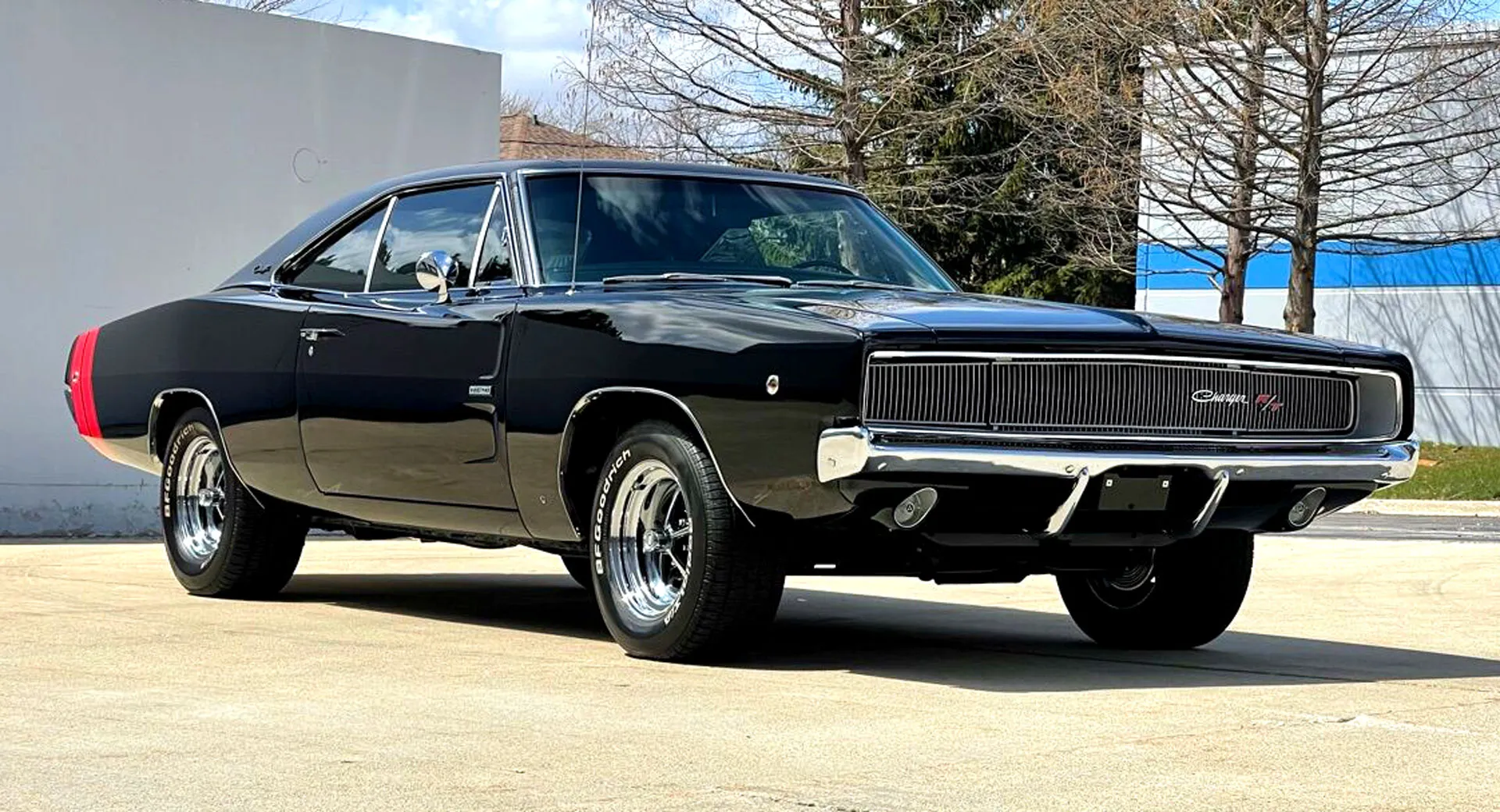
4. Dodge Charger R/T (1968-1970)
Estimated Price Range: $70,000 to $140,000
Dodge Charger R/T models produced from 1968 to 1970 represent a period when American performance cars combined bold design with practical road manners. Although the exterior profile projects strength and authority, extended ownership reveals a vehicle designed for more than visual impact.
Engineers focused on creating a car that could deliver power while remaining composed during regular use, which explains why many examples served as dependable transport rather than occasional showpieces. Powertrain choices contributed greatly to this usability. V8 engines available in the Charger R/T delivered strong low-speed pulling ability, allowing smooth movement through traffic without frequent gear changes.
Power delivery felt controlled and measured, reducing unnecessary stress on internal components. Cooling systems were designed to support long periods of operation, and lubrication layouts handled sustained driving effectively when routine servicing was observed. Such a mechanical balance reduced concerns about breakdown during daily use.
Interior accommodation received careful attention. Front and rear seating areas provided generous space, supporting driver and passenger comfort on extended journeys. Dashboard instruments were arranged clearly, allowing quick understanding without distraction.
Controls operated with reassuring weight, and cabin materials were selected for durability rather than decorative appeal. These choices ensured that interior wear developed slowly, even after years of use. Ride comfort played an essential role in the Charger R/T experience.
Suspension calibration absorbed uneven road surfaces with confidence, limiting harsh reactions that could fatigue occupants. The long wheelbase promoted steady highway behaviour, supporting relaxed cruising. This tuning approach also helped preserve body alignment and interior fittings across prolonged service life.
Practical ownership considerations strengthened the Charger R/T appeal. Mechanical layouts remained straightforward, allowing technicians easy access during repairs. Replacement components stayed available through shared Chrysler platforms, reducing downtime and expense.
Insurance classification often reflected the car’s size and stability rather than its aggressive image, which assisted cost control. The Dodge Charger R/T from 1968 to 1970 demonstrates that dramatic styling can exist alongside comfort, reliability, and responsible ownership expectations. Steering response remained predictable, supporting confident control during urban driving and open road travel.
Brake systems, when maintained to factory standards, provided consistent stopping power suitable for the vehicle’s weight. Visibility through large windows reduced strain during parking and lane changes. Owners often reported that routine servicing schedules fit easily into regular budgets, since procedures followed familiar patterns.
Fuel consumption reflected engine size, yet steady cruising reduced unnecessary waste. Such qualities encouraged frequent use rather than storage, allowing the Charger R/T to serve as a reliable means of transport while retaining its performance identity.
This blend of strength, comfort, and mechanical clarity explains why many surviving examples continue operating today, supporting both collectors and drivers who value dependable classic motoring without excessive demands. Regular care sustains confidence during ownership. Today still.
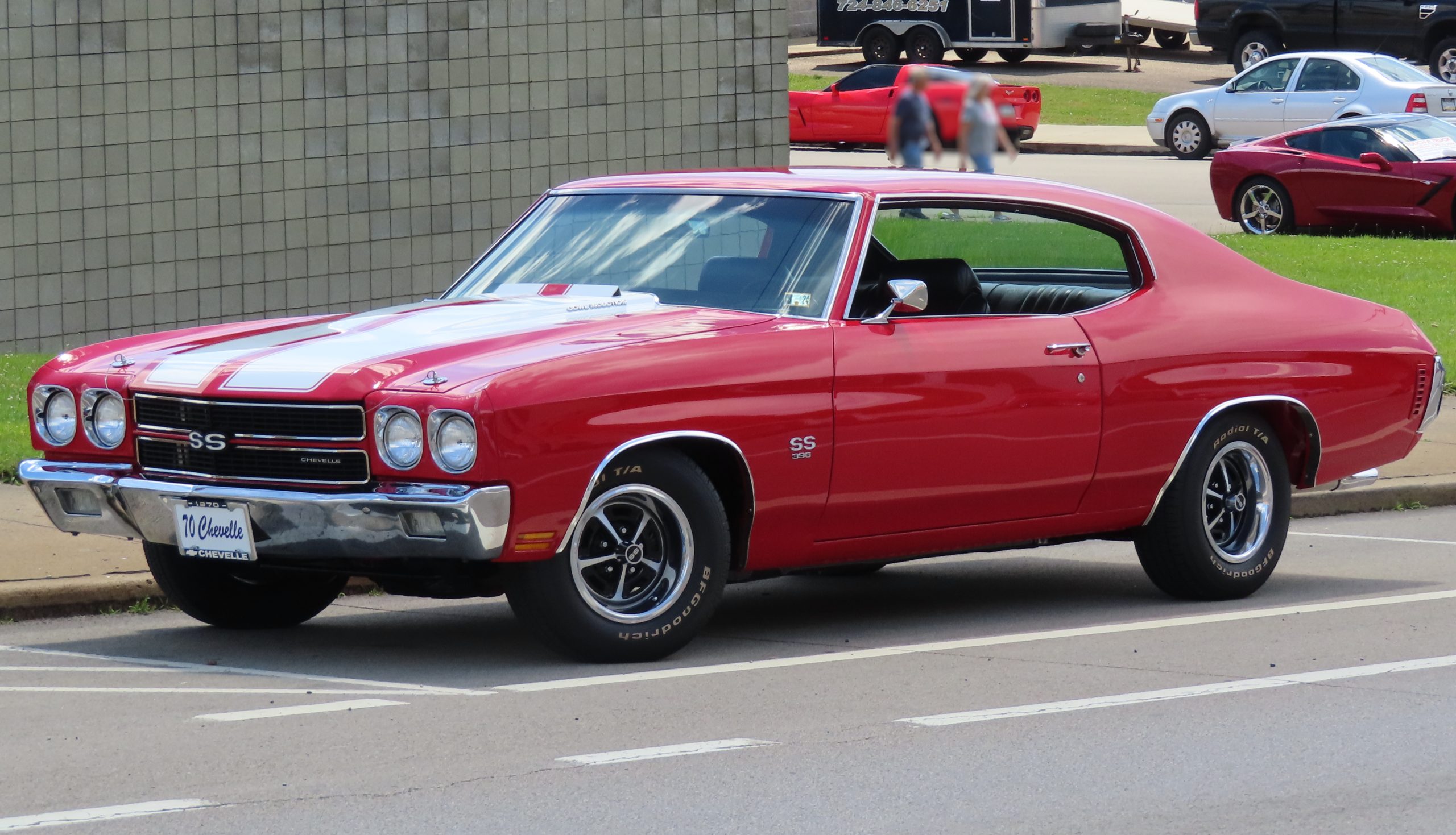
5. Chevrolet Chevelle SS (1970-1972)
Estimated Price Range: $60,000 to $130,000
Chevrolet Chevelle SS models built from 1970 to 1972 reflected a period when performance vehicles also addressed family and daily transport needs. Positioned on a midsize platform, this car provided generous cabin space while maintaining confident road behaviour.
Buyers discovered that strong styling and practical design could coexist, allowing the Chevelle SS to serve both spirited driving moments and routine responsibilities without compromise. Engine selections played an important role in this reputation. Small block V8 options delivered smooth acceleration and dependable output suitable for frequent use.
These engines responded well to scheduled servicing, maintaining stable temperatures and oil pressure during extended operation. Power characteristics remained manageable, allowing drivers to operate comfortably without constant attention. This mechanical temperament supported long service life across varied driving conditions.
Cabin layout focused on clarity and ease of use. Seating accommodated adults comfortably in both rows, supporting family travel and social outings. Dashboard controls followed logical placement, reducing distraction and learning effort. Noise insulation limited intrusion from road and engine sources, helping occupants remain relaxed during longer trips. Interior materials resisted wear effectively, ensuring sustained usability even as mileage accumulated.
Chassis tuning balanced comfort with control. Suspension components absorbed road irregularities while preserving predictable handling. Steering feel remained steady, aiding driver confidence at highway speeds and during city manoeuvres. Braking systems offered a reliable response, supporting safe operation when maintained appropriately. These attributes encouraged regular driving rather than occasional use.
Ownership experience benefited from wide service familiarity. Replacement parts remained readily available through aftermarket and original channels, easing maintenance planning. Repair procedures followed conventional methods, limiting labour difficulty.
Insurance and registration considerations often align with the car’s midsize classification. The Chevrolet Chevelle SS from 1970 to 1972 illustrates how muscle era vehicles could deliver lasting reliability, daily comfort, and enjoyable performance without imposing demanding ownership requirements.
Drivers appreciated predictable behaviour during routine errands, commuting, and weekend travel. Fuel usage reflected engine configuration, yet steady driving habits improved efficiency. Heating and ventilation systems operate dependably, supporting comfort across seasonal conditions.
Electrical systems remained straightforward, reducing fault frequency. Many owners described confidence when starting the vehicle after periods of rest. Long-term satisfaction often came from the car’s ability to integrate into daily routines without drama. This character allowed the Chevelle SS to remain relevant beyond its production years, supporting continued use by drivers who value strength, comfort, and mechanical honesty.
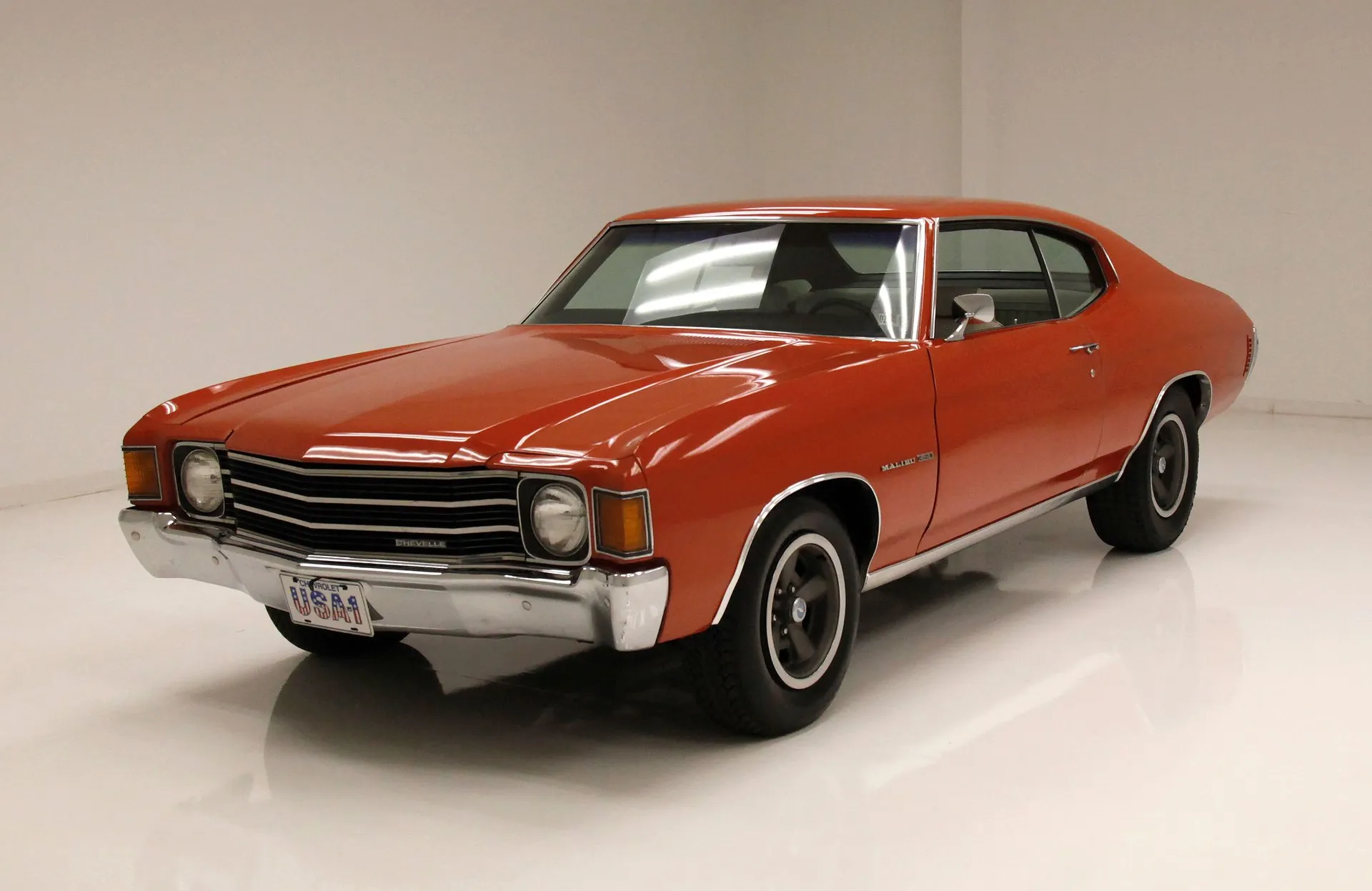
6. 1972 Chevrolet Chevelle Malibu SS
Estimated Price Range: $35,000 to $70,000
Road presence alone makes the 1972 Chevrolet Chevelle Malibu SS feel special, yet daily ownership rarely turns into a chore. That balance begins with its straightforward engineering. Built during a period when muscle cars still relied on mechanical simplicity, this Chevelle uses components that remain widely available today.
Parts compatibility across several General Motors platforms keeps repair costs reasonable, which helps owners maintain confidence when using the car beyond weekend drives. Routine servicing feels familiar to any technician experienced with classic American vehicles, and that familiarity reduces frustration for long-term use.
Comfort plays a larger role than people expect. Wide seats, generous legroom, and a relaxed seating position allow the Chevelle Malibu SS to function as a comfortable cruiser. Long highway drives do not feel exhausting, even without modern driving aids. Steering effort stays manageable, visibility remains clear, and cabin space accommodates passengers without complaints.
While the exterior suggests aggression, the interior quietly supports regular travel without demanding sacrifices from the driver. Engine choices also influence ease of ownership. Many 1972 examples came with well-proven small block V8 options rather than extreme high-output configurations.
Those engines deliver steady torque without placing stress on internal components. Fuel requirements remain flexible, tuning stays simple, and overheating rarely becomes a concern when cooling systems receive proper attention. Automatic transmissions paired well with these engines, producing smooth driving behavior suitable for traffic and suburban use.
Another advantage appears in suspension tuning. Chevrolet softened the setup slightly by this model year, which improved ride quality without stripping away character. Bumps and uneven pavement feel controlled rather than jarring, making the car more usable on everyday roads. Brake systems also improved, with front disc setups available, allowing predictable stopping power that inspires trust.
Ownership satisfaction grows from reliability rather than flash. This Chevelle rewards owners who enjoy driving instead of constant tinkering. Insurance costs stay manageable compared to rarer muscle models, and resale demand remains steady. Those qualities explain why the 1972 Chevrolet Chevelle Malibu SS continues to appear in daily-driven collections rather than remaining locked away in climate-controlled garages.
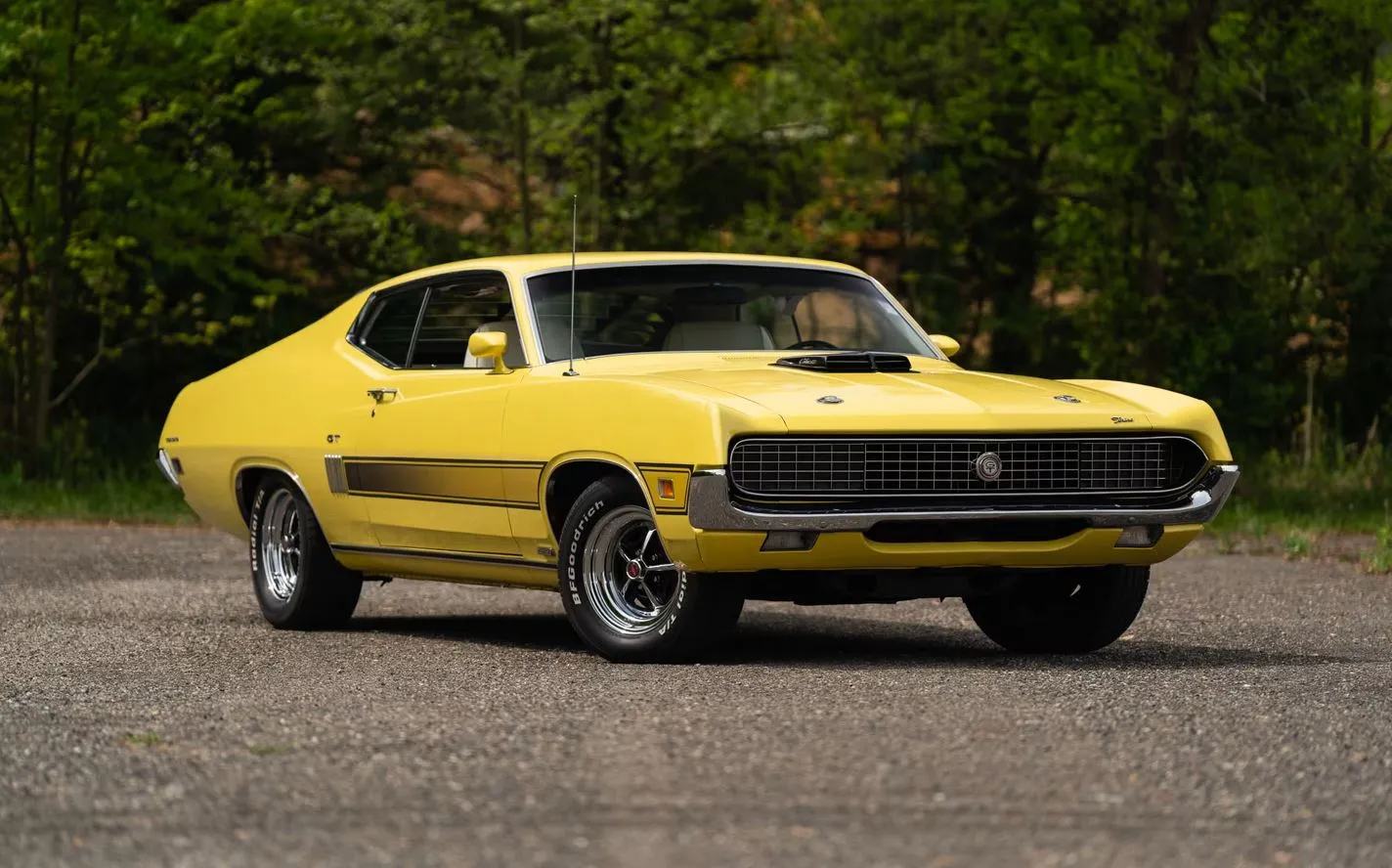
7. 1970 Ford Torino GT
Estimated Price Range: $30,000 to $65,000
Bold styling meets practical engineering in the 1970 Ford Torino GT, a muscle car that fits into real life more easily than expected. Ford designed the Torino to serve multiple roles, which resulted in a chassis capable of handling performance without sacrificing usability.
That design choice benefits modern owners who want power without constant adjustments. Body panels, suspension parts, and drivetrain components remain accessible through aftermarket suppliers, keeping maintenance predictable. Driving manners form a major part of the Torino GT appeal. Steering feels direct yet relaxed, allowing smooth control during city driving.
The wheelbase contributes to stable highway behavior, reducing fatigue on longer trips. Ride quality leans toward comfort, making the Torino feel closer to a grand touring car than a raw street machine. Passengers appreciate the space, while drivers enjoy a cabin layout that feels intuitive rather than cluttered.
Engine availability also helps. Many Torino GT models used Ford’s dependable V8 engines tuned for balance rather than extreme output. Power delivery arrives smoothly, which reduces strain on driveline parts and promotes longevity. Cooling systems hold up well in warm conditions, and oiling systems perform reliably during sustained use. Owners often report thousands of trouble-free miles when regular service schedules are followed.
Interior materials contribute to livability as well. Durable upholstery, simple gauges, and solid switchgear resist wear better than more delicate luxury trims from the same era. Visibility remains a strength, thanks to generous glass area and thoughtful mirror placement. Parking and low-speed maneuvering do not feel intimidating, even for drivers new to classic muscle cars.
The Torino GT also benefits from Ford’s focus on safety improvements during the early seventies. Better braking options and reinforced structures add reassurance without harming driving enjoyment. Insurance companies tend to view the Torino as less risky than higher-profile muscle cars, which can reduce ownership costs.
For drivers seeking a classic with presence and practicality, the 1970 Ford Torino GT delivers steady performance without demanding constant attention. That dependable nature explains why it continues to serve as a regular driver for enthusiasts who prefer using their cars instead of storing them.
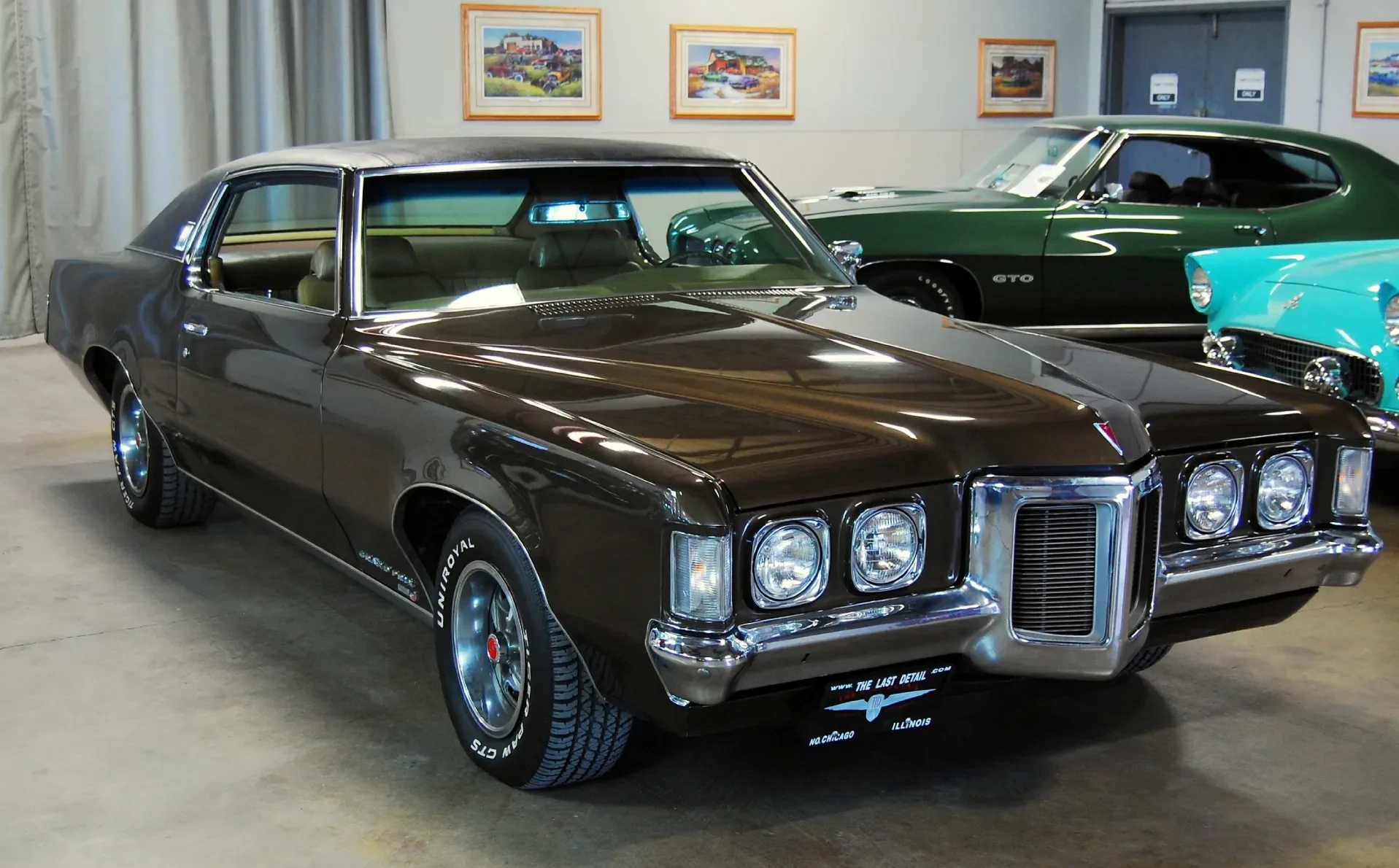
8. 1969 Pontiac Grand Prix Model J
Estimated Price Range: $25,000 to $55,000
Luxury and muscle find common ground in the 1969 Pontiac Grand Prix Model J, a car that blends strong performance with daily comfort. Pontiac positioned this model as a personal performance coupe, which influenced every aspect of its design. Longer doors, a wide stance, and refined suspension tuning created a car that feels composed in normal driving situations. That composure helps modern owners integrate it into routine use.
Cabin comfort stands out immediately. Seating feels supportive, controls sit within easy reach, and sound insulation reduces fatigue during extended trips. Unlike more stripped-down muscle cars, the Grand Prix Model J treats occupants with consideration. Climate systems function effectively, visibility remains clear, and the interior design prioritizes ease rather than theatrics. Those features make commuting or weekend travel feel natural.
Engine choices contribute to reliability. Pontiac’s V8 engines earned a reputation for durability when maintained properly. The Model J often featured engines tuned for smooth power delivery, which reduced stress on internal components. Acceleration feels confident without being overwhelming, allowing the car to perform well in traffic. Fuel consumption stays reasonable for its size and era, especially during steady cruising.
Suspension design also supports everyday driving. Pontiac tuned the setup to absorb road imperfections while maintaining control through curves. That balance allows drivers to enjoy spirited moments without discomfort. Steering response feels predictable, which builds confidence during longer ownership. Brake systems provide dependable stopping power, especially on models equipped with front disc brakes.
Ownership costs remain manageable due to shared components across General Motors platforms. Replacement parts remain available, and mechanical layouts feel familiar to experienced technicians. Insurance classifications often place the Grand Prix in a lower risk category than pure muscle coupes, which helps reduce expenses.
The 1969 Pontiac Grand Prix Model J suits drivers who value comfort alongside performance. Its ability to serve as a refined daily vehicle explains why many examples continue to accumulate miles rather than sitting unused. Practical strength defines its lasting appeal.
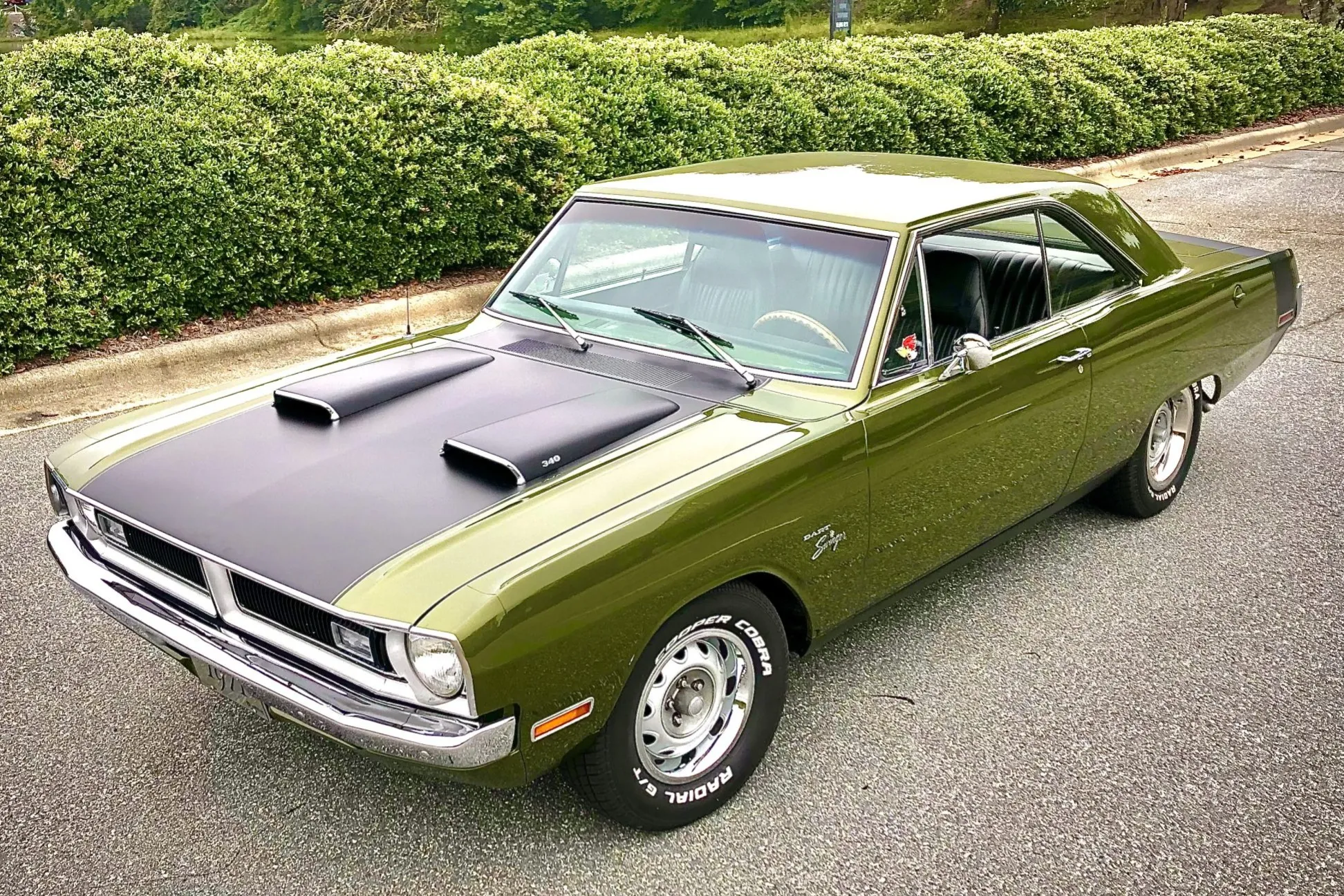
9. 1971 Dodge Dart Swinger 340
Estimated Price Range: $40,000 to $75,000
Compact proportions give the 1971 Dodge Dart Swinger 340 an advantage that many muscle cars lack. Smaller size translates into easier handling, simpler parking, and reduced stress during daily driving. Chrysler engineered this model to deliver strong performance without excessive bulk, which remains appealing for modern ownership. That efficiency makes the Dart Swinger 340 approachable even for drivers new to classic cars.
Under the hood, the 340 cubic inch V8 offers a blend of power and durability. Known for solid construction, this engine performs reliably when maintained with basic care. Power arrives quickly without overwhelming the chassis, allowing confident acceleration in everyday situations. Fuel requirements stay manageable, and tuning remains straightforward. Many owners appreciate how easily the engine responds to routine servicing.
Driving dynamics also enhance livability. The Dart’s lighter weight improves steering response and braking feel. Suspension tuning supports stability without harshness, making the car comfortable on varied road surfaces. Urban driving feels less demanding compared to larger muscle models, while highway cruising remains relaxed and controlled.
Interior simplicity adds another layer of convenience. Controls remain easy to understand, gauges provide clear information, and seating offers reasonable comfort for extended trips. Cabin materials resist wear, and replacement parts remain accessible through restoration suppliers. Visibility stays strong thanks to upright glass and modest body dimensions.
Maintenance costs stay relatively low due to mechanical accessibility. Engine bays allow straightforward access to service points, reducing labor time during repairs. Parts interchangeability across Chrysler platforms further supports affordability. Insurance costs often remain lower than expected because of the car’s size and practical reputation.
The 1971 Dodge Dart Swinger 340 appeals to drivers who want muscle performance without constant compromises. Its balance of power, size, and reliability explains why it remains one of the easiest classic performance cars to use regularly.
Also Read: 10 American Classics That Are Still Affordable
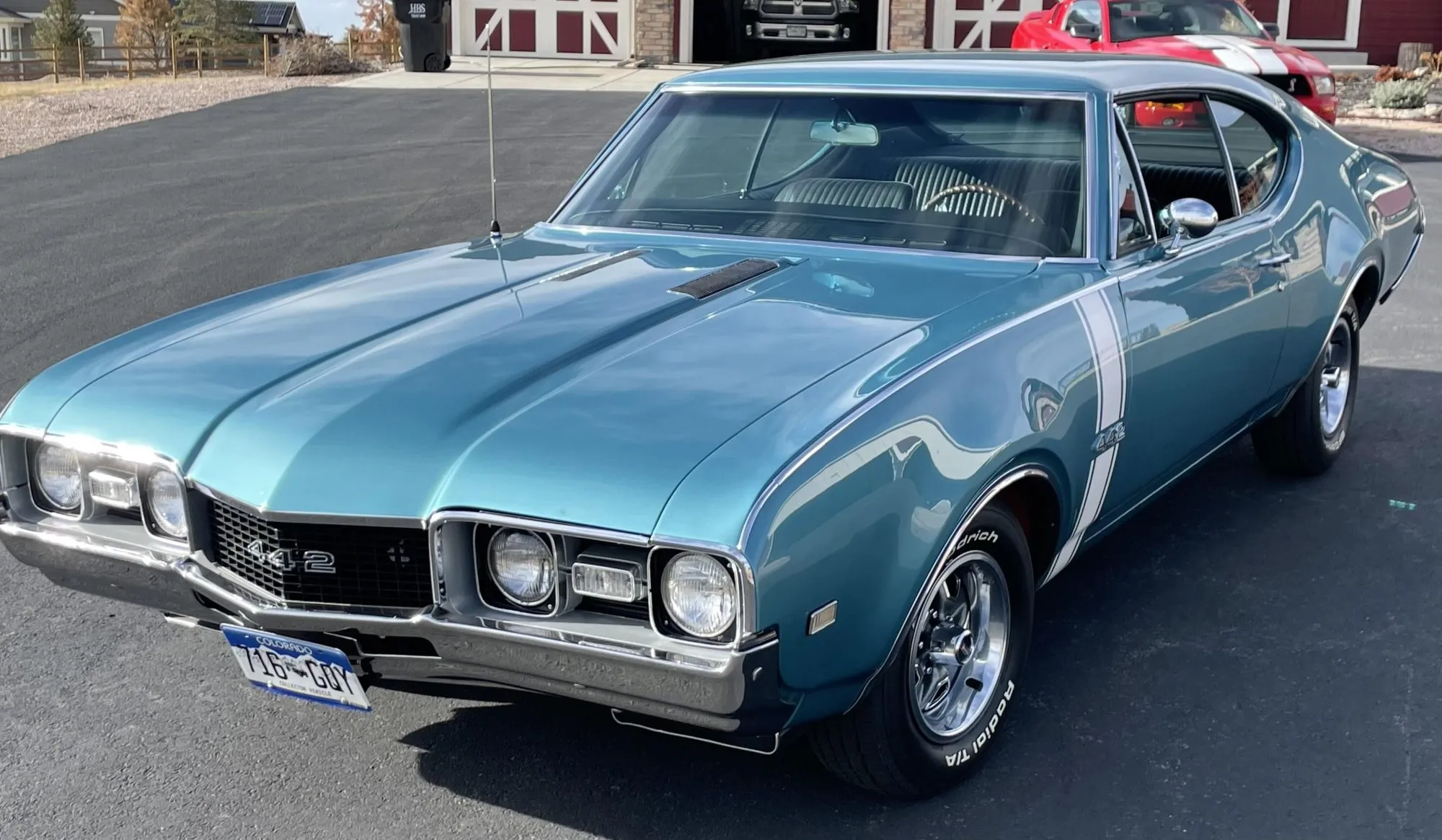
10. 1968 Oldsmobile Cutlass Supreme 442
Estimated Price Range: $45,000 to $95,000
Refinement defines the 1968 Oldsmobile Cutlass Supreme 442, a muscle car designed with comfort and reliability in mind. Oldsmobile approached performance differently than some rivals, focusing on smooth delivery rather than aggressive behavior. That philosophy benefits owners seeking a classic that integrates smoothly into daily routines.
Ride quality plays a major role. Suspension tuning favors control without harshness, allowing the car to absorb road imperfections with ease. Long drives feel relaxed, supported by well-padded seating and a spacious interior. Steering effort stays light enough for urban use while remaining confident at highway speeds.
Powertrain choices support durability. The 442 package included engines known for balanced output rather than extreme tuning. That balance reduces wear on components and promotes long service life. Automatic transmissions paired well with these engines, producing seamless acceleration suitable for traffic conditions. Cooling and lubrication systems perform reliably under steady use.
Interior craftsmanship adds to ownership satisfaction. Dashboard layouts feel logical, materials hold up well, and controls remain intuitive. Visibility remains clear, which simplifies everyday driving tasks. Sound insulation helps create a calm cabin environment, reducing fatigue during longer journeys.
Maintenance benefits from General Motors’ parts availability. Replacement components remain accessible, and mechanical layouts allow straightforward servicing. Insurance rates often reflect the Cutlass Supreme’s reputation as a refined performance car rather than a high-risk model. Fuel costs remain reasonable for a V8 of its era when driven sensibly.
The 1968 Oldsmobile Cutlass Supreme 442 stands as a reminder that muscle cars can deliver comfort without sacrificing character. Its dependable behavior, smooth power delivery, and approachable ownership experience explain why it continues to serve drivers who value enjoyment without constant demands.
