
Modern performance discussions tend to revolve around horsepower, torque curves, and 0–60 times, yet braking systems are often the more meaningful metric of real-world capability.
In the United States, where long highway stretches, mountain descents, track-day culture, and increasingly heavy performance vehicles all intersect, a well-engineered factory braking system can define a car’s usability as much as its engine output.
Stock brakes that “punch above their weight” do more than stop quickly once; they deliver consistent pedal feel, thermal stability, and predictable modulation without requiring immediate aftermarket upgrades.
The following twelve vehicles stand out not because they wear the largest rotors in their segments, but because their factory braking packages deliver performance typically associated with more expensive or track-focused machinery.
1. Chevrolet Camaro SS (6th Generation)
The sixth-generation Chevrolet Camaro SS benefits from GM’s Alpha platform and a braking package that feels engineered for track abuse straight from the showroom.
Standard four-piston Brembo calipers clamp sizable vented rotors, and the optional six-piston front setup further elevates performance.
Even without stepping up to the 1LE variant, the stock system offers firm pedal feedback and impressive fade resistance.
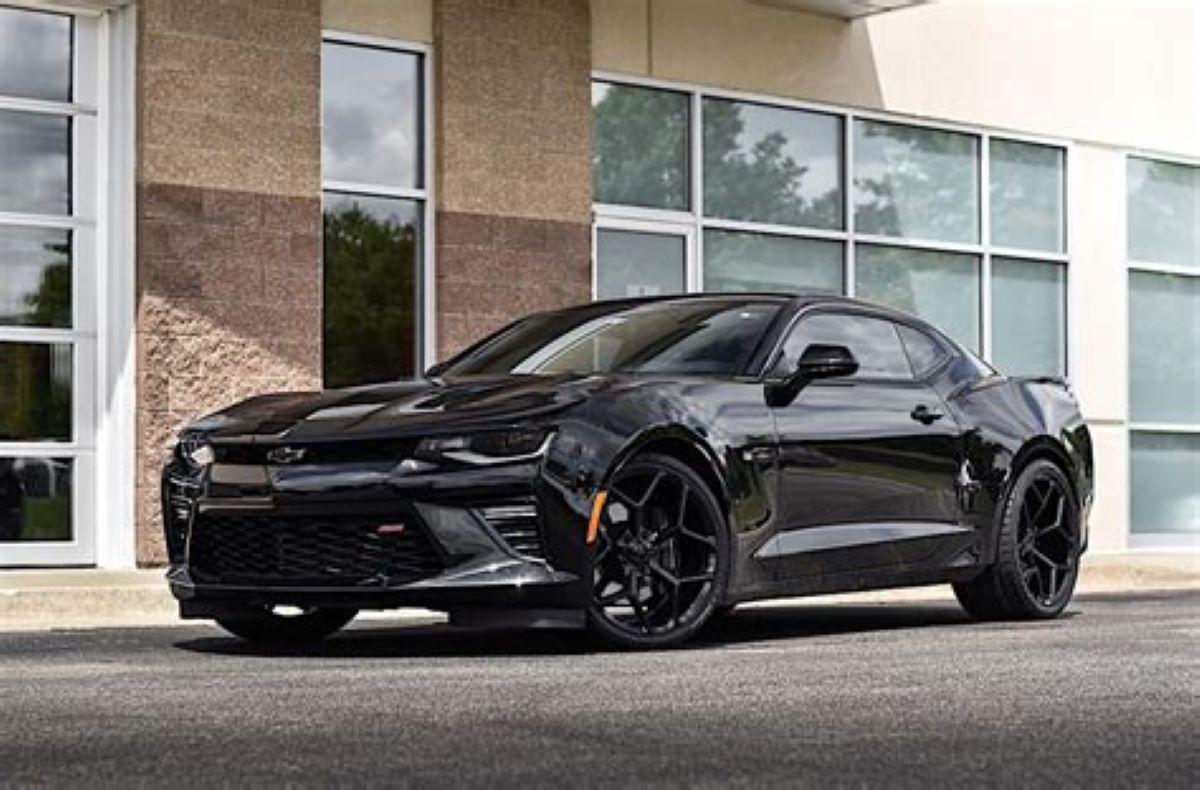
In U.S. track-day environments, particularly in hotter states such as Arizona or Texas, the Camaro SS has demonstrated repeated-session consistency without immediate pad or fluid upgrades.
That thermal resilience, paired with communicative pedal travel, allows drivers to trail-brake confidently into corners rather than simply relying on ABS intervention.
When it debuted for the 2016 model year, the Chevrolet Camaro was available in both coupe and convertible body styles and offered in three primary trims: LT, RS, and SS. The entry-level Camaro LT featured a 2.0-liter turbocharged inline four-cylinder engine rated at 275 horsepower and 295 lb-ft of torque.
That output enabled a 0-60-mph run in 5.4 seconds and an estimated top speed of 149 mph. Positioned as the midrange variant, the RS was equipped with a 3.6-liter direct-injected V-6 producing 335 horsepower and 284 lb-ft of torque. In testing, it achieved a 0-60 time of 5.3 seconds and reached a top speed of 151 mph.
At launch, the performance leader was the Camaro SS. It was powered by a naturally aspirated 6.2-liter LT1 V-8 generating 455 horsepower and 455 lb-ft of torque. This V-8 significantly elevated performance, delivering a 0-60-mph time of 4.0 seconds in testing and completing the quarter mile in 12.4 seconds before reaching a top speed of 165 mph.
Across all three trims, power was sent to the rear wheels through either a six-speed manual transmission or an eight-speed automatic. For the 2019 model year, a ten-speed automatic transmission was introduced for the Camaro SS and later replaced the eight-speed automatic across the broader Camaro lineup.
In 2017, Chevrolet expanded the range with the introduction of the Chevrolet Camaro ZL1, the highest-performance variant at the time. The ZL1 was equipped with a supercharged 6.2-liter V-8 producing 650 horsepower and 650 lb-ft of torque. It accelerated from 0 to 60 mph in 3.5 seconds, completed the quarter mile in 11.5 seconds, and offered a top speed of 198 mph.
Also Read: 6 Sports Cars That Have Stopped Depreciating and Are Rising in Value
2. Ford Mustang Mach 1 (S550)
The Ford Mustang Mach 1 bridges the gap between standard GT models and the Shelby lineup.
Its factory Brembo six-piston front brakes and larger rotors are tuned for repeated high-speed deceleration. Importantly, Ford calibrated the pedal mapping to maintain linearity rather than abrupt bite.
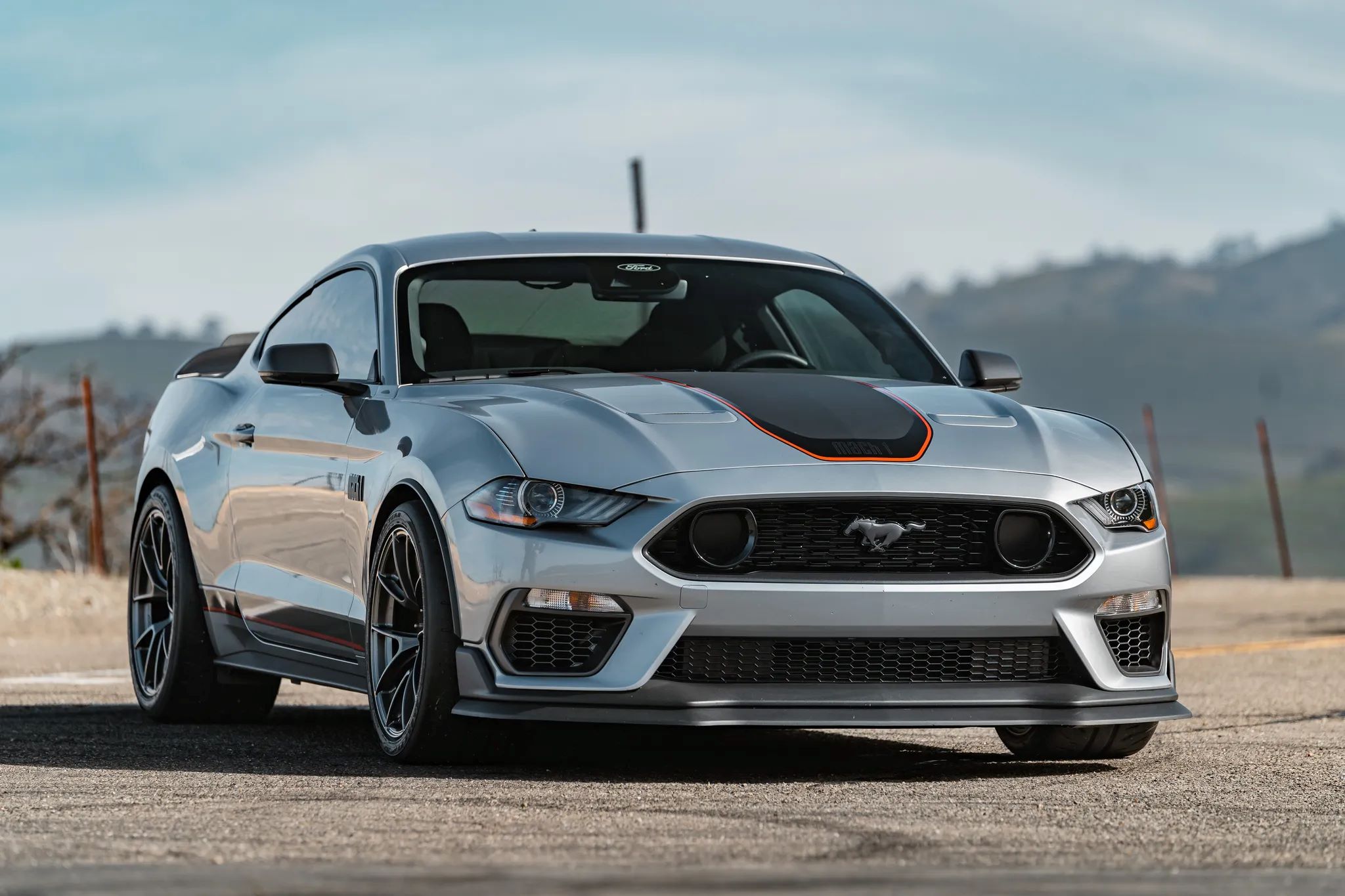
On American road courses with heavy braking zones, Road America or VIR, for example, the Mach 1’s stock system resists fade better than many vehicles in its price bracket.
It manages heat through rotor mass and ducting rather than sheer diameter alone. The result is braking performance that matches the car’s elevated track credentials without requiring immediate modification.
The powertrain strategy of the Ford Mustang S550 generated substantial debate at launch. For the first time since the Fox Body era of the 1980s and early 1990s, Ford reintroduced a four-cylinder engine into the Mustang lineup.
Contrary to widespread assumptions, however, the four-cylinder was not positioned as the base engine. That role initially belonged to the V6, at least until Ford discontinued it in 2017.
The S550 carried over the 3.7-liter naturally aspirated V6 from the preceding S197-II generation. This Duratec-family engine produced 300 horsepower and 280 lb-ft of torque.
Although often overlooked, this V6 delivered respectable performance and marked a clear improvement over the earlier 4.0-liter unit it replaced. Despite its capability, the V6’s tenure was brief. Ford eliminated it during the S550’s third model year, leaving buyers to choose between the EcoBoost four-cylinder and the V8.
The 2.3-liter EcoBoost engine shared significant engineering similarities with the unit found in the Mk3 Focus RS. In the Mustang, it generated 310 horsepower. Torque output stood at 320 lb-ft in pre-facelift models and increased to 350 lb-ft following the refresh. Performance was strong for a turbocharged four-cylinder, with a 0-60 mph time of approximately 5.1 seconds.
For many enthusiasts, the most compelling option in the S550 range was the 5.0-liter Coyote V8. Variants of the Coyote powered most derivatives of this generation.
In its standard pre-facelift configuration, the engine produced 435 horsepower and 400 lb-ft of torque. Output increased to 460 horsepower and 420 lb-ft after the facelift, before later being adjusted downward to 450 horsepower and 410 lb-ft to comply with updated emissions regulations.
Special editions further elevated performance figures. The limited-production Ford Mustang Bullitt delivered 480 horsepower and 420 lb-ft of torque. The Ford Mustang Mach 1 initially matched those figures, though output was later reduced to 470 horsepower and 410 lb-ft following regulatory changes.
All S550 Mustangs retained a rear-wheel-drive configuration. Power was delivered through either a six-speed manual transmission or, in pre-facelift models, a six-speed automatic. The facelifted S550 replaced the six-speed automatic with a 10-speed automatic transmission, broadening the performance and efficiency envelope of the lineup.
3. Porsche 718 Cayman (Base Model)
The base Porsche 718 Cayman often lives in the shadow of its S and GT derivatives, yet its standard steel braking system is a benchmark for balance.
Porsche’s brake-by-wire calibration and pedal geometry deliver exceptional modulation. Rotor sizing is moderate, but the system’s heat management and pad compound selection provide repeatable performance.
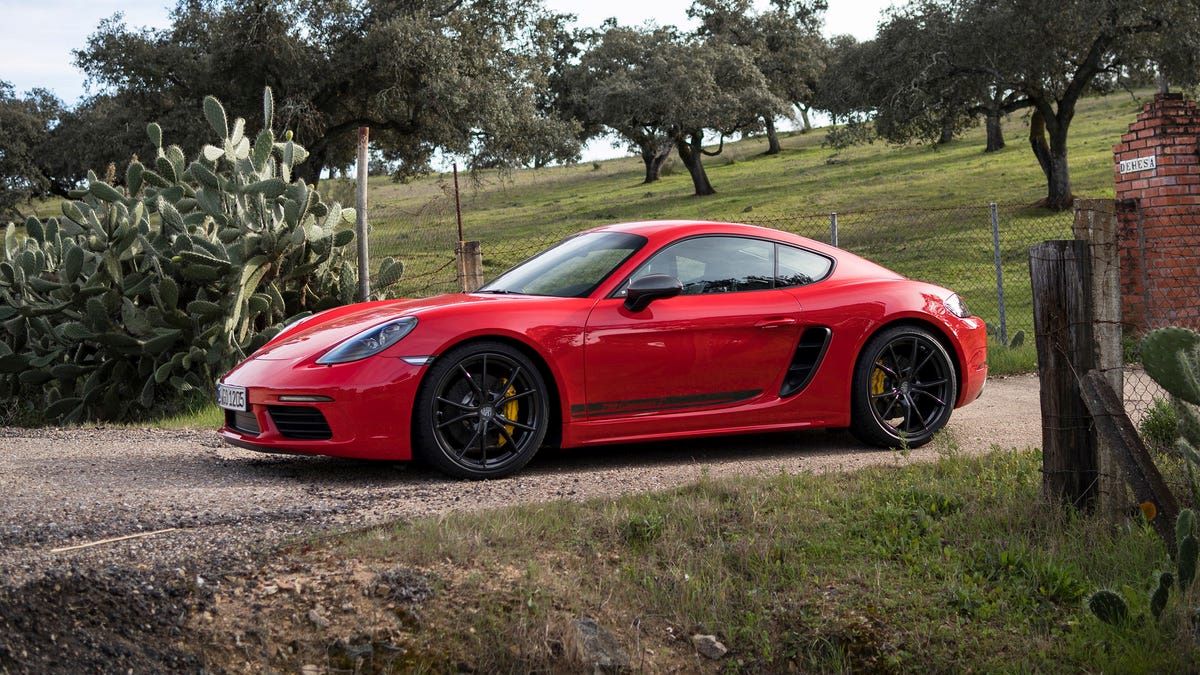
For U.S. canyon driving or autocross events, the base 718’s braking feel frequently surpasses higher-horsepower competitors.
The system prioritizes consistency and communication rather than raw stopping force numbers, which makes it one of the most confidence-inspiring stock setups in its class. The 718 Cayman S delivers a highly engaging and responsive driving experience, defined by exceptional chassis balance and braking control.
Its handling precision stands out not only in outright grip but also in subtle driver feedback and composure. Straight-line performance is strong, and while the manual version is quick, the PDK-equipped model is likely the faster configuration. Notably, the manual transmission exhibits a few drivability inconsistencies, which is somewhat unexpected given the manufacturer’s reputation.
The turbocharged engine provides substantial thrust across a broad rpm range, ensuring accessible performance without requiring constant high-rev operation.
Gear spacing is optimized to maintain continuous power delivery, keeping the engine within its effective band. In testing, the Cayman S reached 60 mph in 4.6 seconds, placing it directly alongside its nearest rivals. The dual-clutch PDK transmission is expected to produce even quicker acceleration times due to faster and more consistent shift execution.
Brake performance is a defining strength. Pedal feel is firm with progressive modulation, allowing smooth deceleration during routine driving.
Under emergency braking conditions, the Cayman S required just 95 feet to stop, an exceptionally short distance. Even after repeated high-load applications, the system maintained consistent pedal firmness with no detectable fade or reduction in stopping capability.
Steering weight and response are well-calibrated for a sports car of this caliber. Inputs are immediate and accurate, contributing to the car’s overall agility. While feedback diminishes slightly at the limits of grip, the system remains highly precise and direct, reinforcing driver confidence during spirited driving.
Chassis balance is exemplary. The Cayman S remains composed and stable under aggressive cornering, maintaining its trajectory even over moderate mid-corner surface imperfections. With stability control disabled, the rear can rotate progressively, offering controlled oversteer that remains manageable and rewarding rather than abrupt.
Interestingly, the Cayman S feels more fluid during assertive driving than in low-speed, everyday conditions. Smooth operation in traffic requires deliberate clutch and throttle coordination to avoid minor lurching.
Clutch engagement could be more intuitive, and the manual shifter lacks some precision. However, the rev-matching downshift function in Sport mode is exceptionally well-executed and ranks among the best currently available.
Also Read: 10 Sports Cars That Prove You Can Have Speed and Safety
4. Honda Civic Type R (FK8 and FL5)
The Honda Civic Type R, in both FK8 and FL5 generations, features large Brembo front calipers and aggressive factory pad compounds.
Despite being front-wheel drive, it maintains braking stability under high load thanks to excellent weight transfer control and chassis tuning.
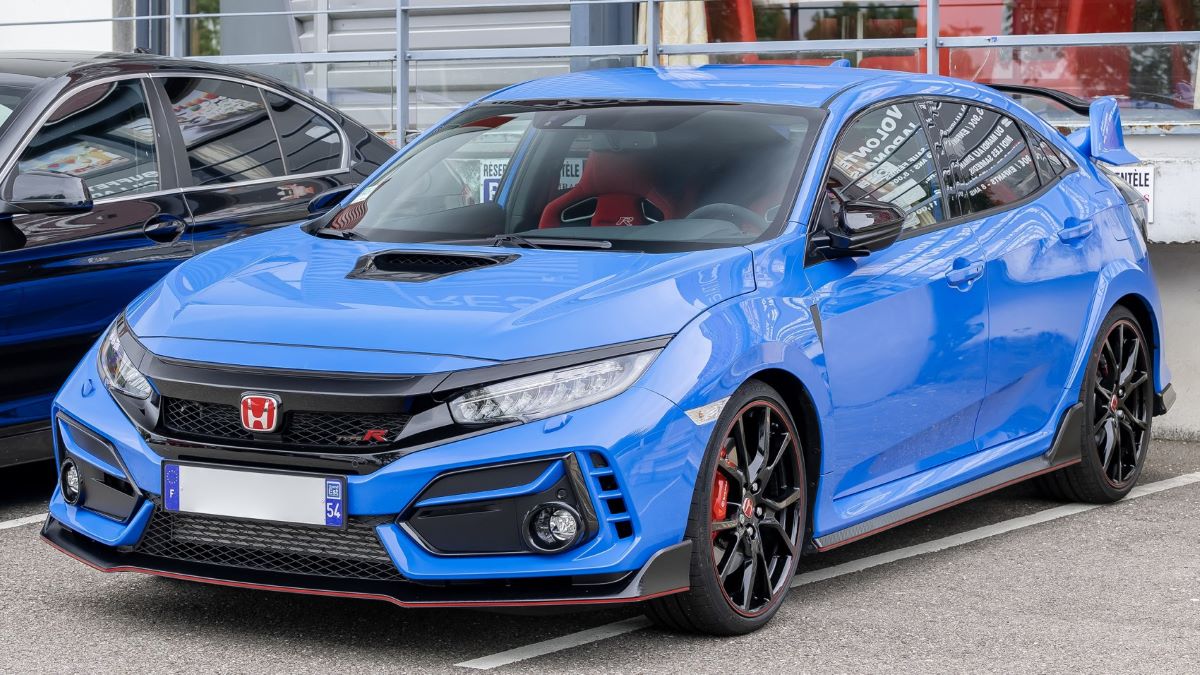
In U.S. track-day communities, the Type R is widely acknowledged for its stock brake durability. Many owners can complete multiple sessions before considering upgraded pads.
The system’s strength lies in its ability to maintain bite without excessive pedal travel growth, a common weakness in hot hatch competitors.
5. BMW M340i (G20)
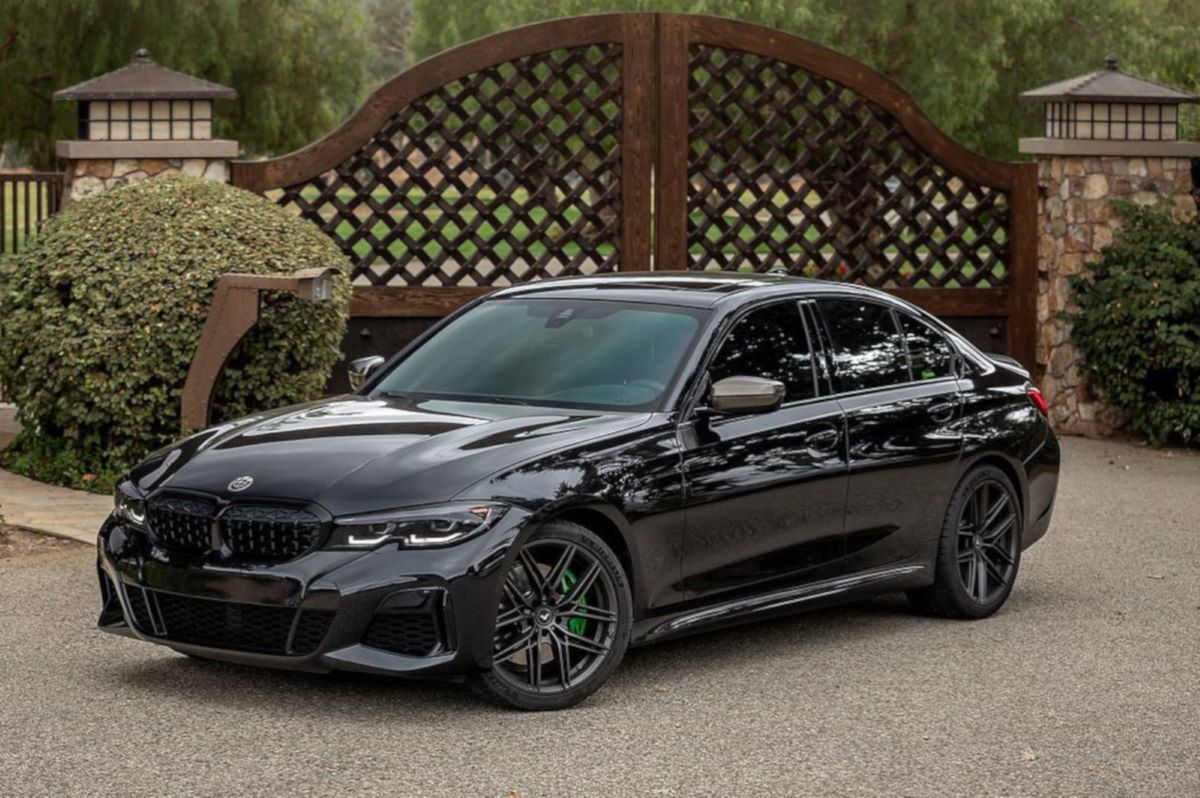
The BMW M340i does not wear a full M badge, yet its optional M Sport braking package performs at a level that approaches earlier-generation M3 models.
Four-piston front calipers and large rotors combine with sophisticated brake blending and stability calibration.
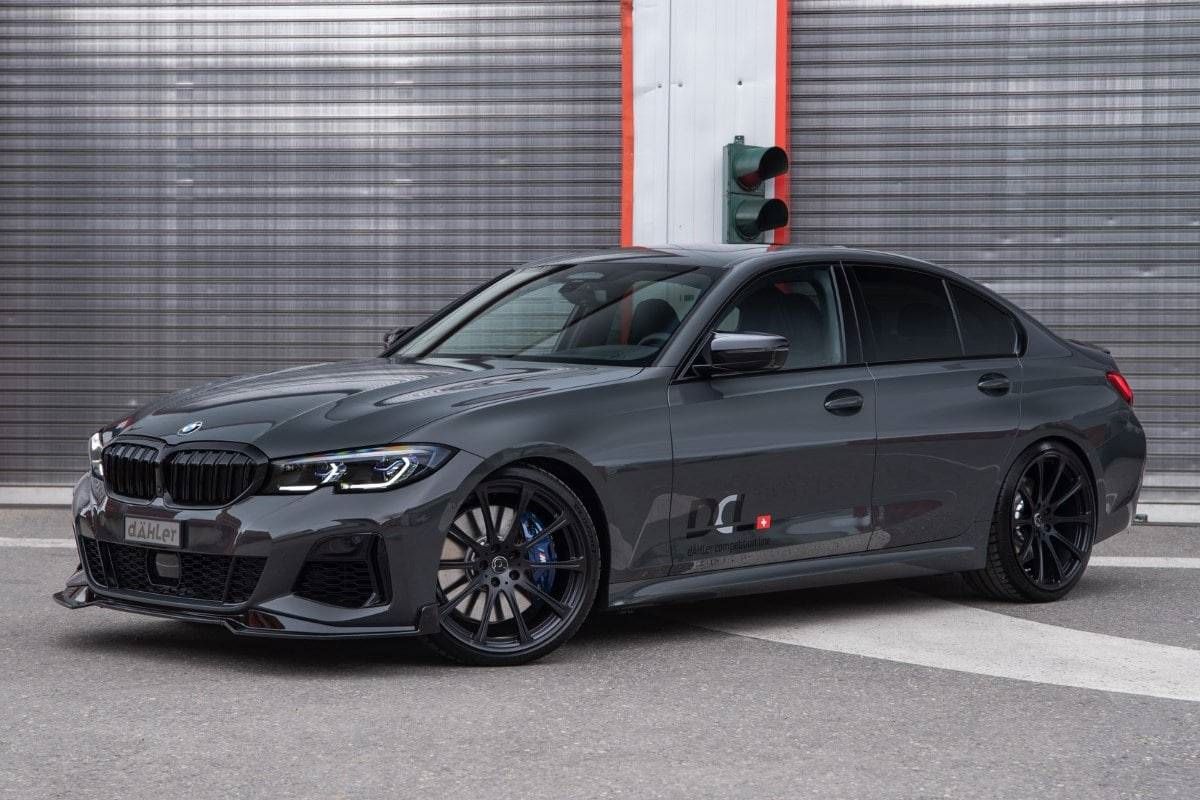
On American highways, where high-speed cruising can transition quickly into emergency braking, the M340i delivers strong, stable deceleration with minimal nose dive.
It balances comfort and performance, making it particularly impressive given its dual role as both executive sedan and capable sport machine.
The 3 Series lineup includes three refined and capable gasoline-based powertrains, each delivering strong performance characteristics.
The 330i is equipped with a turbocharged 2.0-liter four-cylinder engine producing 255 horsepower and 295 pound-feet of torque. In real-world driving, the engine feels more robust than its output figures suggest, delivering responsive acceleration and strong midrange pull.
Stepping up to the M340i introduces a turbocharged 3.0-liter inline-six supported by a 48-volt mild-hybrid system. Combined output stands at 382 horsepower and 369 pound-feet of torque. This configuration provides immediate throttle response and sustained high-end power, reinforcing its performance-oriented positioning within the range.
The 330e plug-in hybrid pairs a turbocharged 2.0-liter four-cylinder with an electric motor, producing a combined 288 horsepower and 310 pound-feet of torque.
The integration between combustion and electric components is well-calibrated, creating seamless power delivery. A notable feature is the Xtraboost function, which briefly increases output and delivers a perceptible surge in acceleration.
All three variants are matched to a highly responsive and smooth eight-speed automatic transmission and come standard with rear-wheel drive. All-wheel drive is available at additional cost, though a manual transmission is not offered in this generation regardless of configuration.
Chassis tuning options further differentiate the driving experience. Buyers may select the standard suspension setup, the firmer M Sport configuration, or the Dynamic Handling package, which incorporates adaptive dampers for variable ride control.
The four-cylinder 330i demonstrated its competitive capability by prevailing in a comparison test against rival sports sedans, earning praise for its ability to transition from composed daily driving to engaging performance with minimal compromise.
6. Chevrolet Corvette Stingray (C7)
The C7 Corvette Stingray introduced a braking package that felt closer to European exotics than traditional American sports cars.
Brembo calipers and large vented rotors provide exceptional thermal capacity. Even in base form, the system withstands repeated hard stops without dramatic fade.
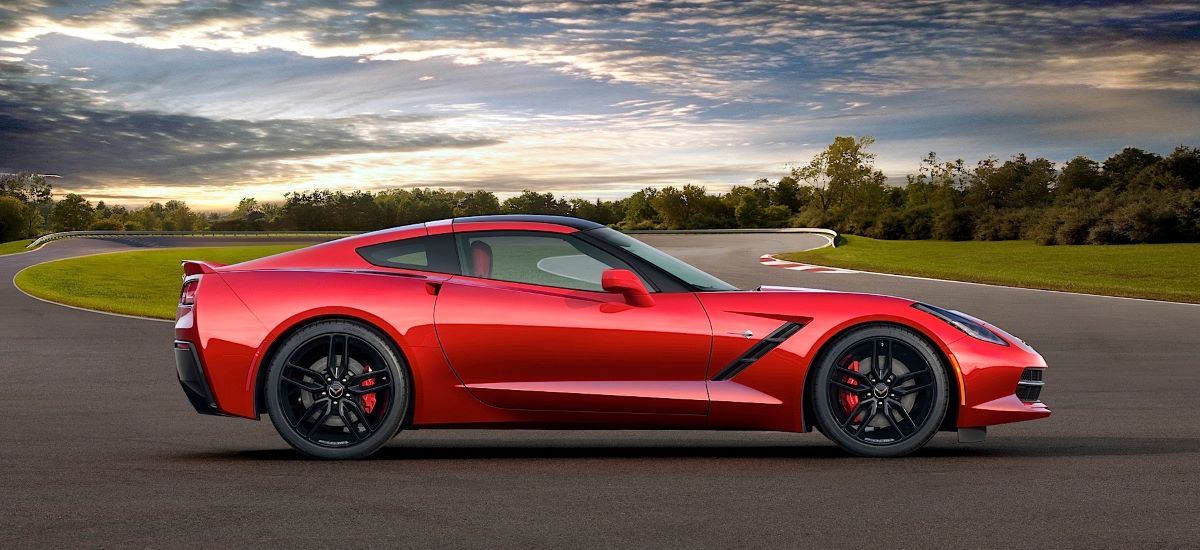
For U.S. buyers who use the Corvette for both daily driving and open-track days, the stock brakes provide a rare blend of durability and smooth pedal response.
They allow drivers to exploit the chassis’ balance without immediately budgeting for aftermarket upgrades.
7. Subaru WRX STI
Although discontinued, the last-generation Subaru WRX STI remains notable for its robust factory Brembo system. Fixed multi-piston calipers and sizable rotors were standard, not optional.
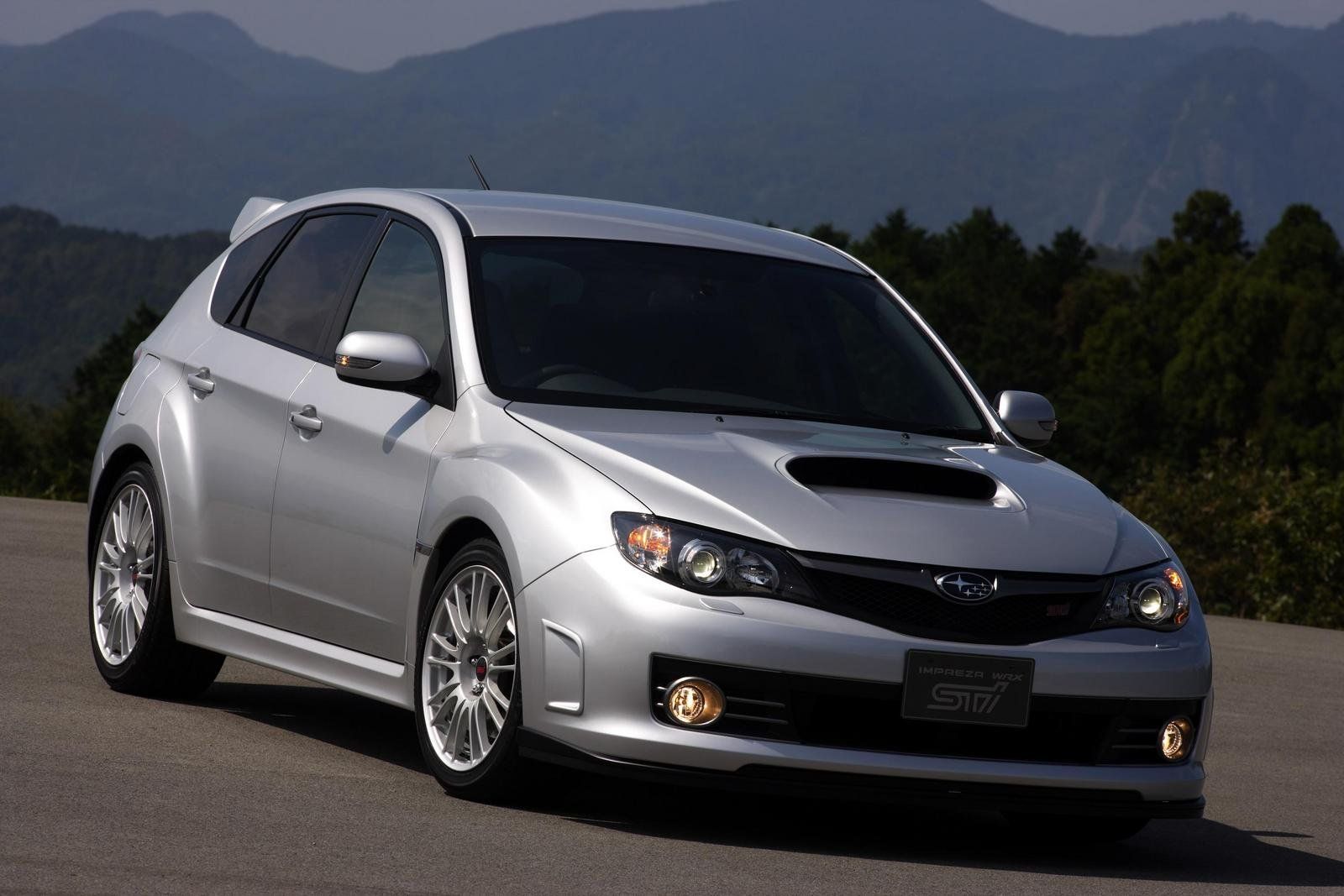
In mountainous American regions such as Colorado or the Pacific Northwest, where sustained downhill braking is common, the STI’s stock setup manages heat effectively.
Pedal feel remains relatively firm under load, which enhances driver confidence during aggressive driving in variable weather conditions.
Subaru has introduced a manual transmission option to the VB-generation WRX S4 STI sold in Japan, adding the long-requested third pedal to the lineup. Until now, this variant, powered by the same 271-horsepower turbocharged 2.4-liter boxer four-cylinder engine found in the U.S.-market WRX, had been available exclusively with an automatic transmission.
Visual updates distinguish the Sport# from the standard STI configuration. Based on available imagery, Subaru appears to have fitted a revised grille mesh with a more textured finish and removed the prominent rear wing seen on the regular STI.
A red accent strip outlining the lower perimeter of the body was displayed at the Tokyo Auto Salon; however, since it is absent in certain press images, it may be offered as an optional design element. Additional technical details have not yet been fully disclosed, and further clarification is expected pending official communication from Subaru.
Although anticipation surrounding this latest STI announcement may feel restrained, it also underscores continued demand, particularly from the U.S. market, for a fully realized high-performance WRX variant.
The last STI model officially sold in the United States concluded production with the 2021 model year, leaving a noticeable gap in Subaru’s performance offerings.
8. Toyota GR Supra (3.0)
The Toyota GR Supra 3.0 shares much of its hardware with BMW’s Z4, including a capable factory braking system.
Four-piston front calipers and well-ventilated rotors deliver consistent stopping power. The pedal feel is firm and progressive, reflecting BMW’s tuning philosophy.
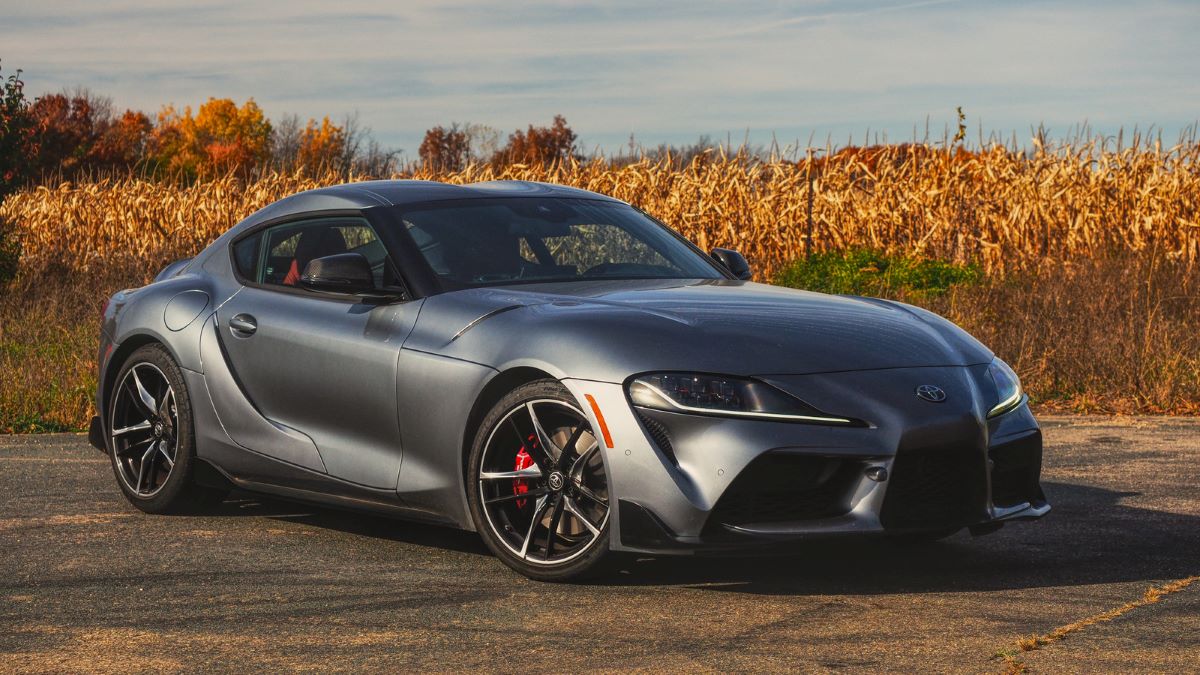
For U.S. performance buyers, the Supra’s stock brakes are often sufficient for spirited canyon runs and occasional track use. The system’s ability to resist fade in repeated high-speed stops is notable given the car’s price positioning.
Earlier generations of the Supra prioritized straight-line acceleration over cornering finesse, but the current iteration delivers both acceleration and agility in equal measure.
In instrumented testing, a Premium-trim Supra accelerated from 0 to 60 mph in 4.4 seconds. A power increase introduced for the 2021 model year slightly reduced initial traction off the line, yet it provided a noticeable improvement in high-speed performance.
Through corners, the steering system relays a meaningful amount of feedback from the front tires, enhancing driver confidence. Updated chassis tuning contributes to more natural steering response, while suspension revisions improve mechanical grip without diminishing the car’s inherent playfulness.
The result is sharper cornering capability with a reduced tendency toward abrupt oversteer. Under braking, the combination of strong calipers and high-adhesion tires brings the Supra to a halt from 60 mph in 105 feet. For sustained high-intensity use, such as track sessions, upgraded brake pads would likely enhance durability and consistency.
Despite its performance credentials, the Supra is not limited to occasional weekend use. It maintains a level of drivability and refinement that makes it suitable for regular daily operation with minimal compromise.
9. Cadillac CT4-V Blackwing
The Cadillac CT4-V Blackwing incorporates a track-capable Brembo system that rivals European sport sedans.
Even without the optional carbon-ceramic upgrade, the standard steel setup offers substantial rotor mass and precise pedal calibration.
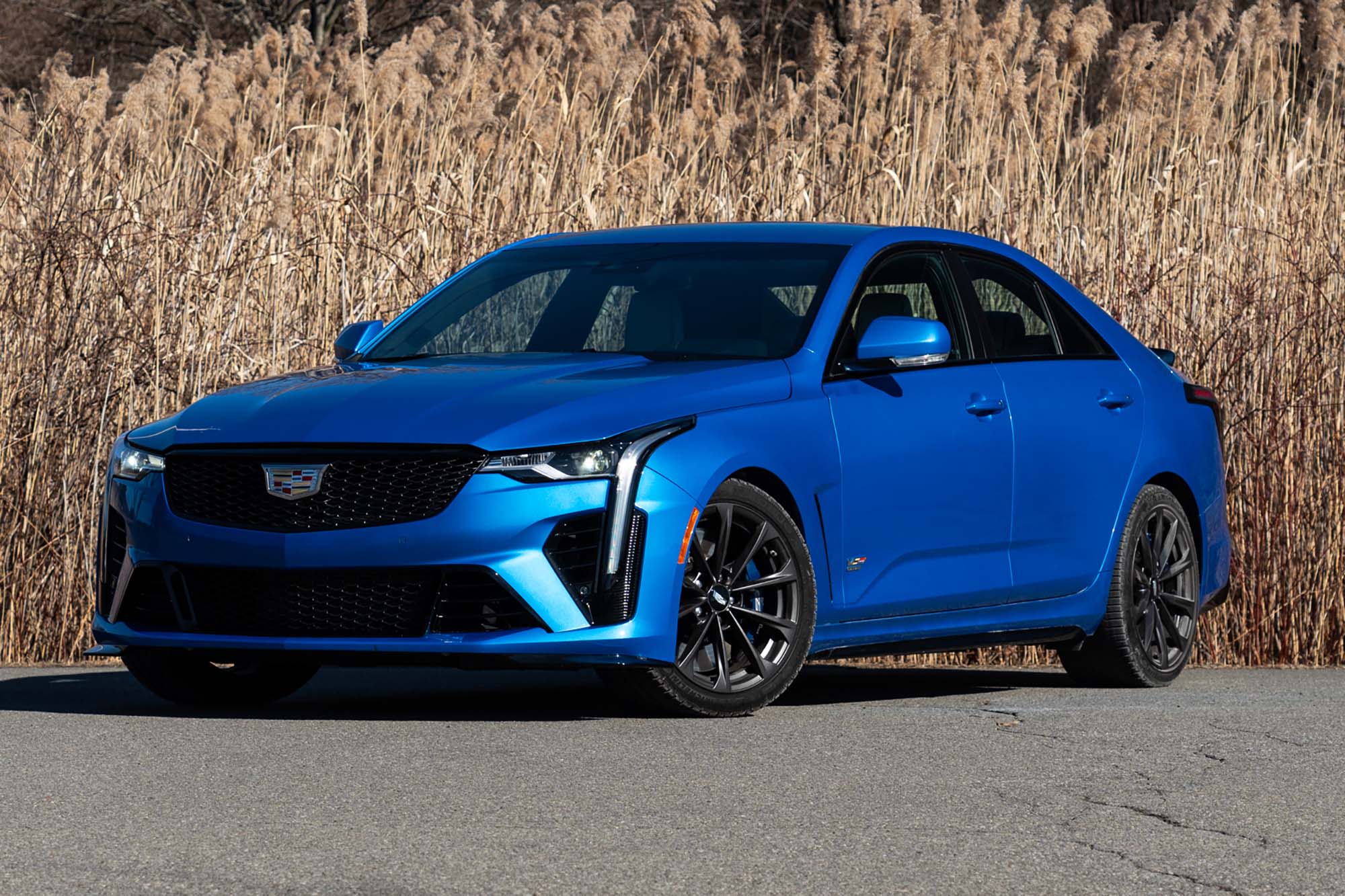
On American road courses and high-speed interstates alike, the Blackwing’s brakes exhibit strong initial bite and stable deceleration under repeated load.
The tuning emphasizes linear pedal effort, allowing fine modulation near the limit of grip.
The CT4-V Blackwing packs a twin-turbo 3.6-liter V-6 that produces 472 horsepower and 445 pound-feet of torque. That power is routed to the rear wheels through a standard six-speed manual transmission or a 10-speed automatic.
All-wheel drive is not available. Our first driving impressions revealed the Blackwing sounds better than its ATS-V predecessor, has loads of steering feedback, and possesses one of the best ride-handling balances in its class.
Every model is fitted with adaptive dampers, an electronic limited-slip differential, and a powerful braking system that make it racetrack-ready.
At our own test track, we saw the CT4-V Blackwing with the manual box hit 60 mph in 4.0 seconds, post 1.01 g’s on our skidpad, and stop from 70 mph in 153 feet. While all three stats trail the 503-hp, automatic-only BMW M3 Competition we tested, the Caddy feels more alive and does a better job of communicating with the driver.
10. Mazda MX-5 Miata (ND2)
The Mazda MX-5 Miata does not rely on oversized rotors or exotic calipers. Instead, its light curb weight enables the modest factory braking system to perform beyond expectations.
Reduced mass lowers thermal stress, allowing smaller components to maintain consistency.
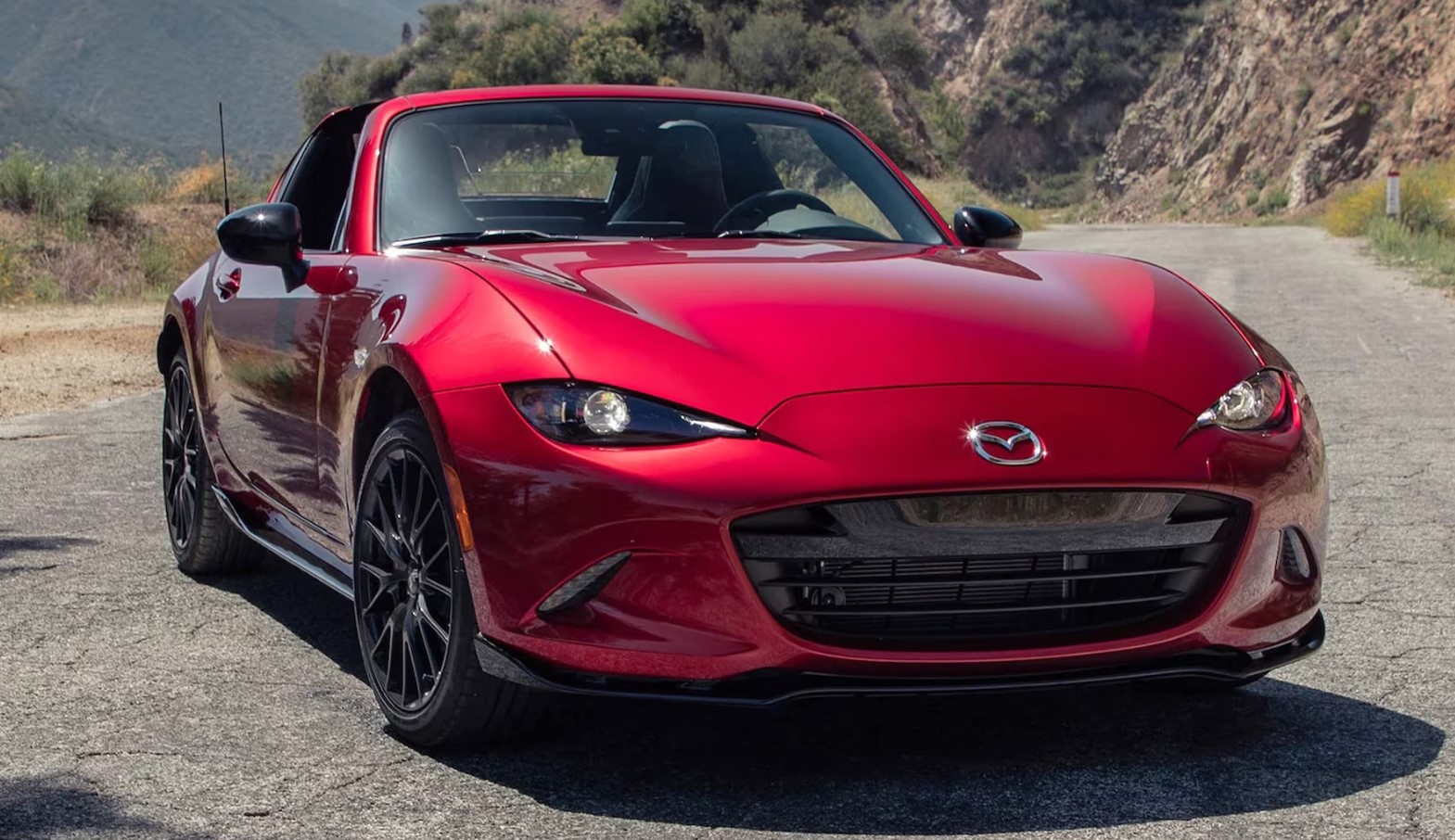
In American autocross events, the ND2 Miata’s stock brakes often outperform heavier competitors with larger hardware. The pedal feel is direct, and the system resists fade because it is not tasked with arresting excessive mass.
11. Dodge Challenger R/T Scat Pack (Widebody)
The Challenger Scat Pack Widebody features substantial Brembo hardware, including six-piston front calipers. Given the car’s significant weight, expectations might be modest.
However, Dodge engineered sufficient rotor mass and airflow to provide consistent stopping performance.
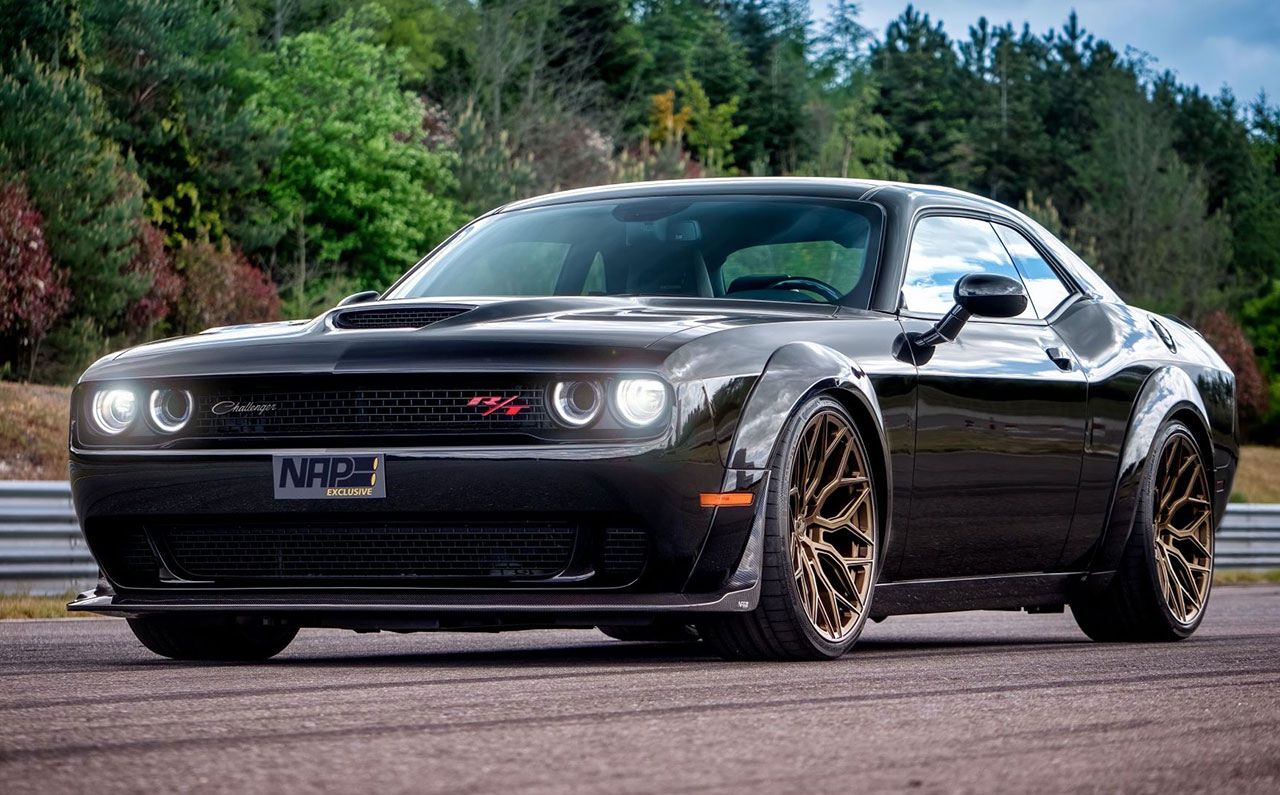
On long American highways, where the Scat Pack’s 6.4-liter V8 can rapidly accumulate speed, the factory brakes offer reassuring deceleration.
While weight remains a factor, the system delivers performance that matches the vehicle’s muscle car identity.
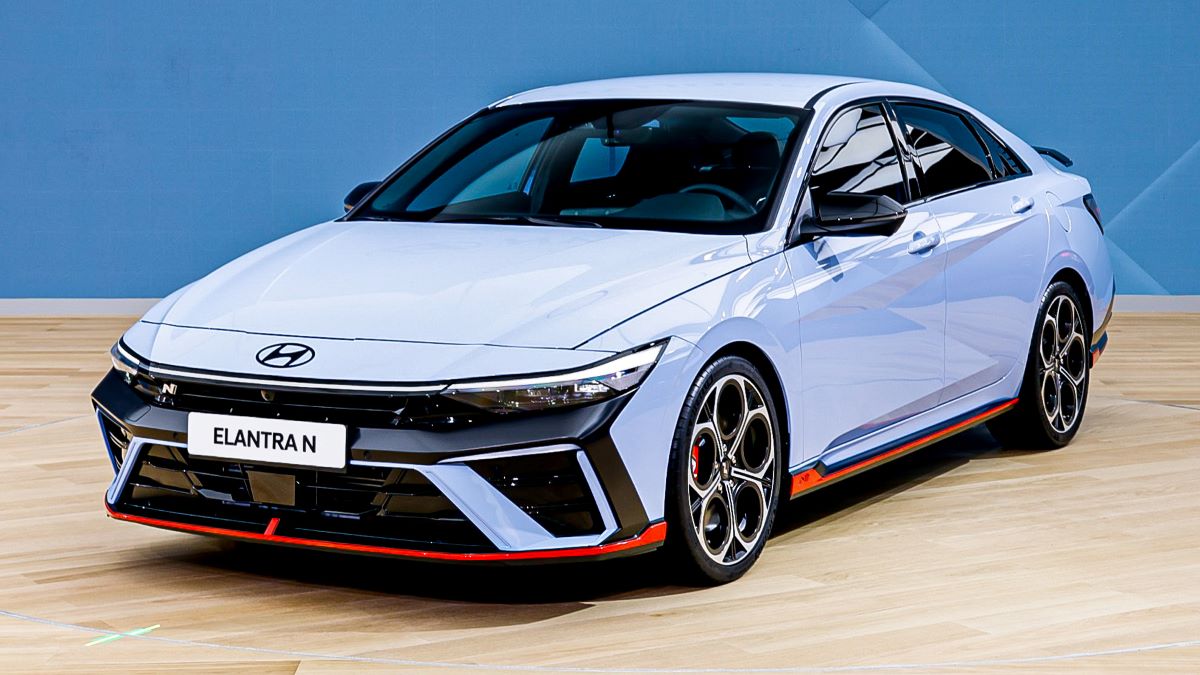
12. Hyundai Elantra N
The Hyundai Elantra N surprised many U.S. reviewers with its track-ready calibration. Large front rotors and performance-oriented pads come standard.
The brake cooling strategy and electronic integration allow sustained lapping without rapid fade.
In its segment, the Elantra N’s stock braking package is frequently compared to more expensive sport sedans.
The system maintains composure under repeated heavy braking, reinforcing Hyundai’s commitment to genuine performance engineering rather than marketing claims.
Factory braking systems that punch above their weight share common traits: adequate thermal capacity, thoughtful pedal calibration, and chassis integration that promotes stability under deceleration.
In the American market, where performance driving ranges from autocross to cross-country road trips, these vehicles demonstrate that stock hardware can deliver exceptional stopping power when engineered holistically.
While aftermarket upgrades remain popular, these twelve examples illustrate that, in the right vehicle, the factory braking system can be more than sufficient. In many cases, it is a defining performance feature rather than a compromise.
