
Few nameplates stir emotion like the Ford Mustang. Since the mid-1960s, it has represented freedom, performance, and the American automotive spirit. Posters on bedroom walls, weekend cruises, drag strip runs, and daily commutes have all featured some version of this iconic pony car. With so many generations and trims spanning decades, the Mustang story includes soaring highs and a few frustrating chapters.
Loyalty runs deep among Mustang owners, yet not every model leaves a lasting positive impression. Some cars struggled with reliability. Others were disappointed drivers who expected more power, better handling, or stronger build quality. A handful simply failed to live up to the badge’s legacy.
This page takes a candid look at ten Ford Mustangs that certain owners say they would never buy again. That perspective does not mean these cars lack merit or charm. It simply reflects common complaints and ownership experiences shared across forums, clubs, and long-term reviews.
Every generation carries lessons. By examining where specific models fell short for some drivers, potential buyers can make more informed decisions. Mustang history is rich and varied, and understanding its weaker moments can be just as important as celebrating its best ones.
1. 1974 Ford Mustang II Base Model
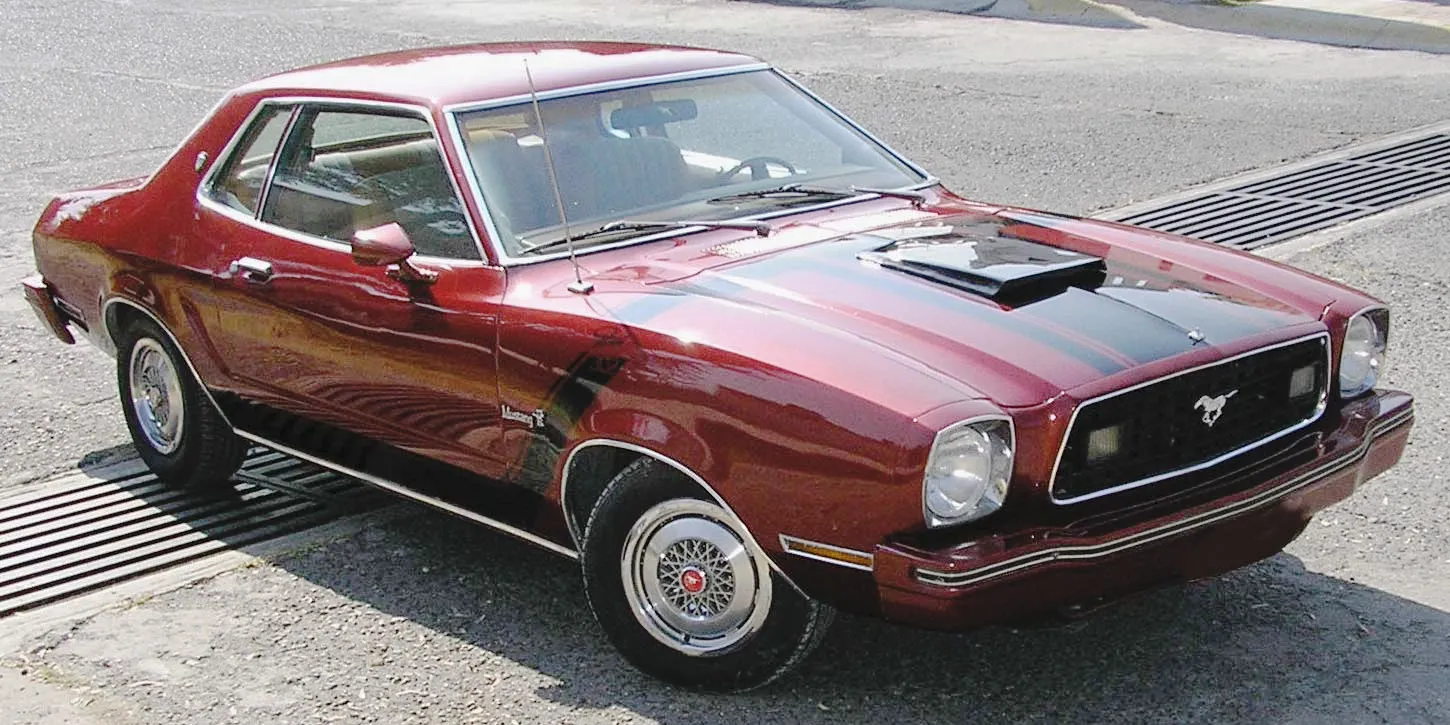
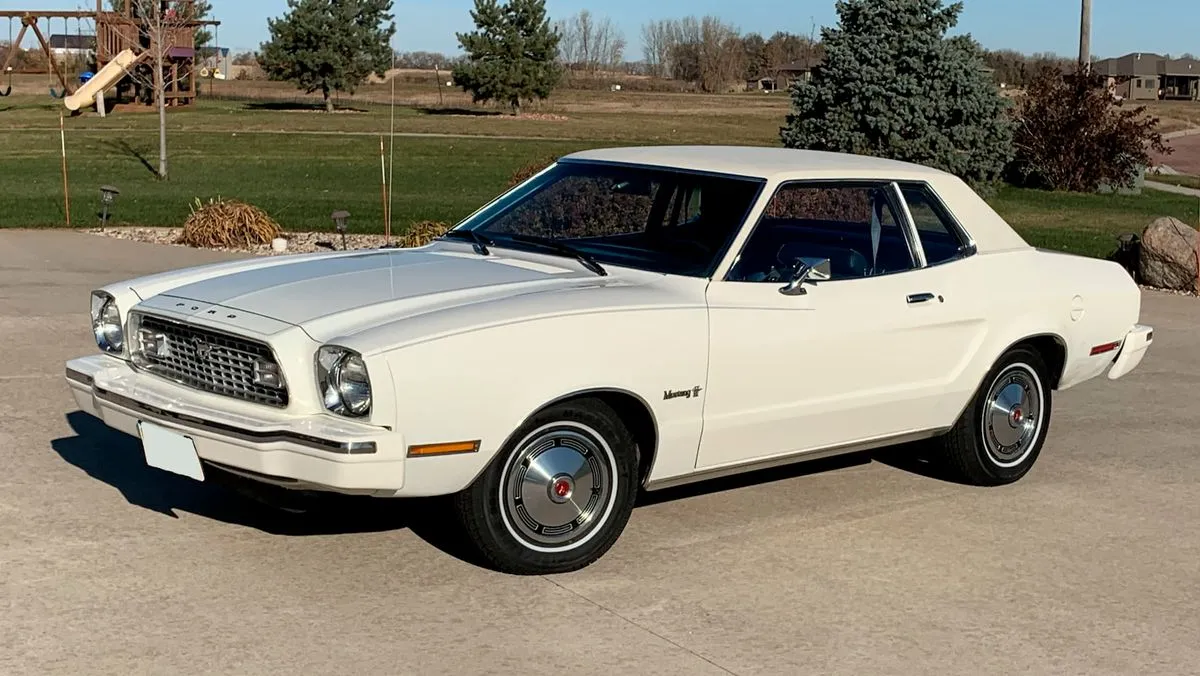
Energy shifted dramatically in the mid-1970s, and the 1974 Ford Mustang II Base Model became a symbol of that change. Downsized dimensions and reduced engine output reflected new fuel economy demands, yet longtime Mustang enthusiasts often felt disappointed.
Power options tell much of the story. Early base models came equipped with a modest inline four-cylinder engine producing far less horsepower than previous V8-powered Mustangs. Acceleration felt sluggish, especially compared with the muscle-era cars that defined the brand. Even available V6 options failed to deliver the excitement buyers expected from a Mustang badge.
Styling divided opinions as well. Shorter length and smaller proportions made the Mustang II easier to maneuver and park, yet some owners described it as less aggressive and less muscular than earlier generations. While sales numbers were strong during its introduction, enthusiasm sometimes faded once the novelty wore off.
Interior design focused on economy rather than performance flair. Materials often felt inexpensive, and cabin noise levels could be higher than anticipated. Drivers seeking a sporty environment sometimes walked away underwhelmed.
Reliability experiences varied, yet certain owners reported carburetor issues and aging emissions equipment, causing headaches. Combined with modest performance, those concerns led some to question whether the car truly represented Mustang heritage.
To be fair, the Mustang II arrived during a challenging era for performance vehicles. Rising fuel prices and stricter regulations forced automakers to rethink priorities. Still, many owners who experienced this base model later admitted they would choose a different generation if given another chance.
For collectors, the Mustang II has gained niche appreciation. For former owners who longed for stronger power and sharper styling, the 1974 Ford Mustang II Base Model remains a chapter they would prefer not to revisit.
2. 1999 Ford Mustang SVT Cobra
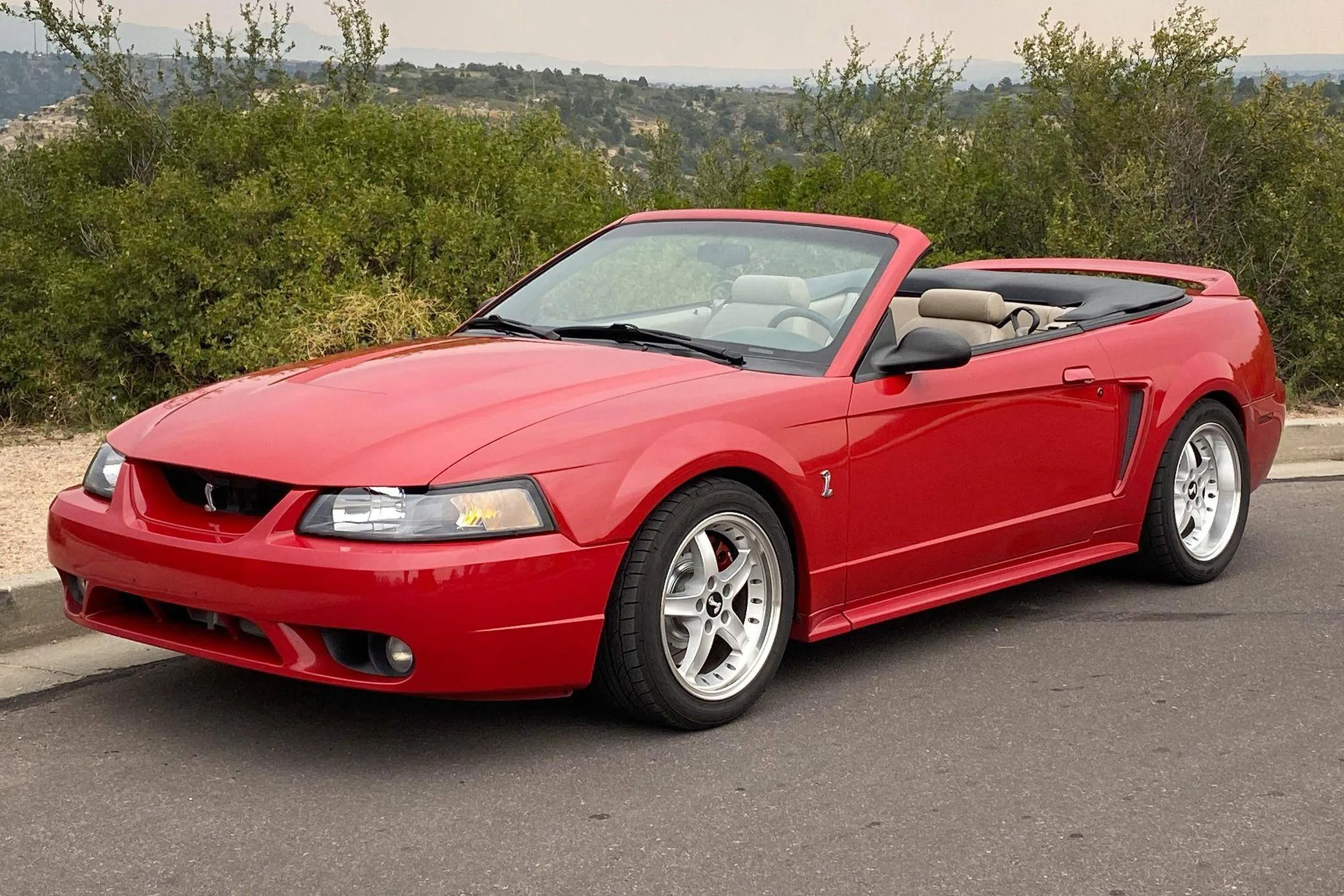
High expectations surrounded the launch of the 1999 Ford Mustang SVT Cobra. Advertised horsepower figures promised serious performance, and the Special Vehicle Team badge carried weight among enthusiasts. For some owners, reality did not match the marketing.
Shortly after release, independent testing revealed horsepower numbers lower than originally claimed. That discrepancy triggered frustration and public criticism. Ford eventually addressed the issue with fixes and performance updates, yet early buyers felt misled.
Driving impressions varied. The 4.6-liter DOHC V8 produced respectable power, but some drivers expected stronger low-end torque. Acceleration felt good rather than extraordinary, which disappointed those anticipating a dramatic step above the standard GT model.
Build quality complaints also surfaced. Certain owners reported minor interior rattles and trim fit inconsistencies. While not universal, those issues dampened the premium feel many anticipated from a flagship performance variant.
Handling characteristics drew mixed reactions. Independent rear suspension marked a technical advancement over the solid axle found in other trims, yet some enthusiasts preferred the raw simplicity of earlier setups. Ride quality could feel firm for daily driving, particularly on rough roads.
Resale value fluctuations added another layer of frustration for early buyers who paid premium prices. Later corrections to horsepower ratings and production adjustments influenced market perception. Despite these concerns, many Cobras remain beloved today.
Yet a segment of original owners recalls the initial controversy and unmet expectations. For them, the 1999 Ford Mustang SVT Cobra represents a lesson about hype, transparency, and the importance of delivering exactly what performance enthusiasts anticipate.
Also Read: 10 American Classics That Are Still Affordable
3. 2005 Ford Mustang V6 Deluxe
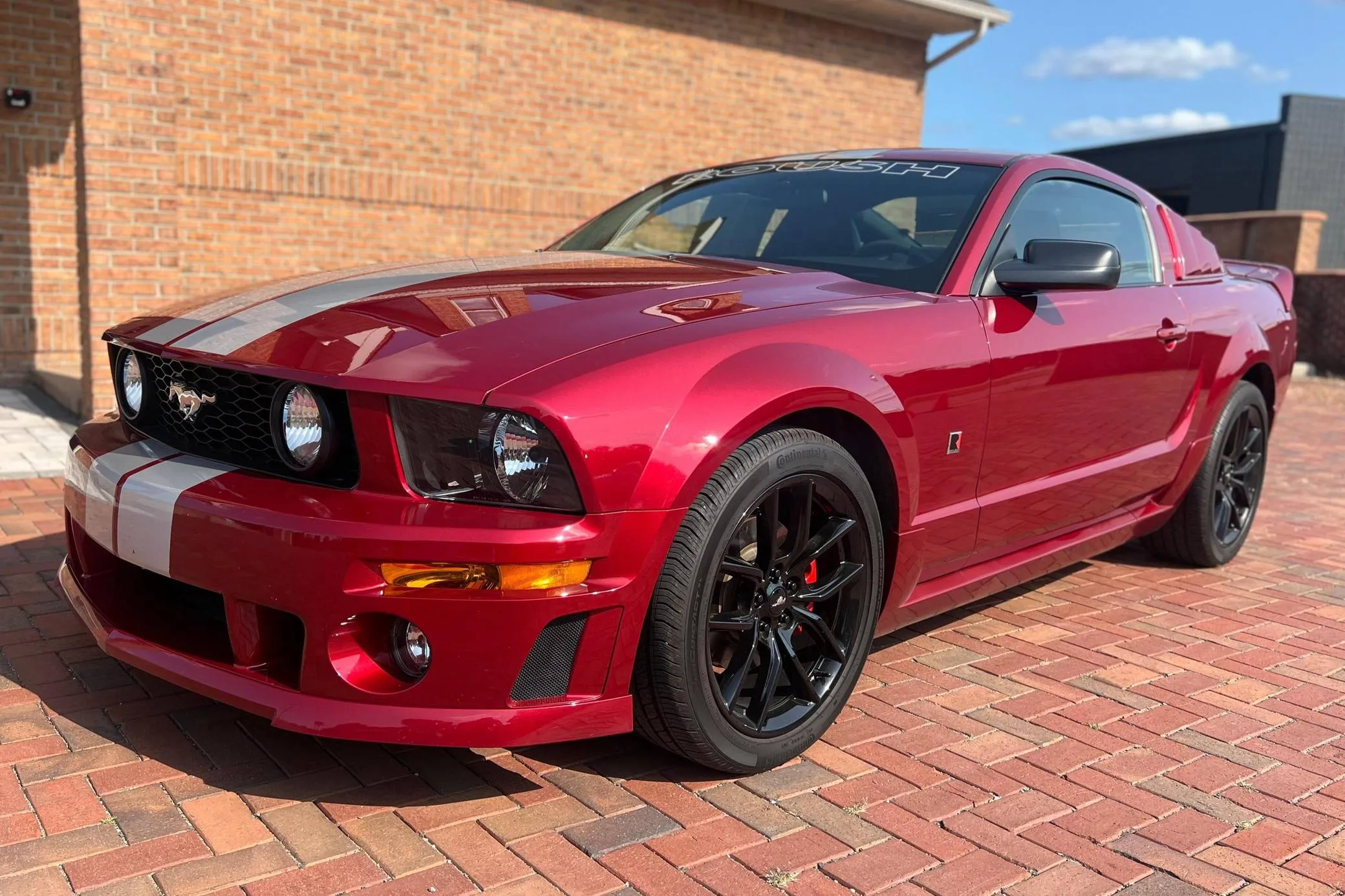
Retro styling returned dramatically with the 2005 Ford Mustang V6 Deluxe, and public reaction was enthusiastic. That excitement, however, did not always carry through to long-term ownership experiences for V6 buyers.
Performance stands at the center of many complaints. Powered by a 4.0-liter V6, this model delivered adequate daily driving capability but lacked the punch associated with Mustang heritage. Drivers who purchased the V6 for budget reasons sometimes later regretted not stretching for the GT.
Interior materials drew criticism from some owners. Hard plastics and basic finishes clashed with the car’s bold exterior design. Early production examples occasionally exhibited squeaks and rattles that diminished perceived quality.
Fuel economy failed to impress either. For a six-cylinder model, real-world mileage often fell short of expectations. Owners hoping for both efficiency and sporty flair found themselves dissatisfied on both fronts.
Handling and ride comfort generated mixed reviews. Solid rear axle suspension provided durability and a classic Mustang feel, yet it struggled to match the refinement of competitors with independent setups. Rough pavement could lead to a choppy ride experience.
Depreciation rates also influenced buyer sentiment. As resale values dropped, some owners felt their investment did not hold up as strongly as anticipated. None of these factors makes the 2005 Mustang V6 Deluxe a bad car.
It revived Mustang styling and introduced a new generation to the brand. Even so, certain owners look back and admit they would choose a different trim or year given another opportunity.
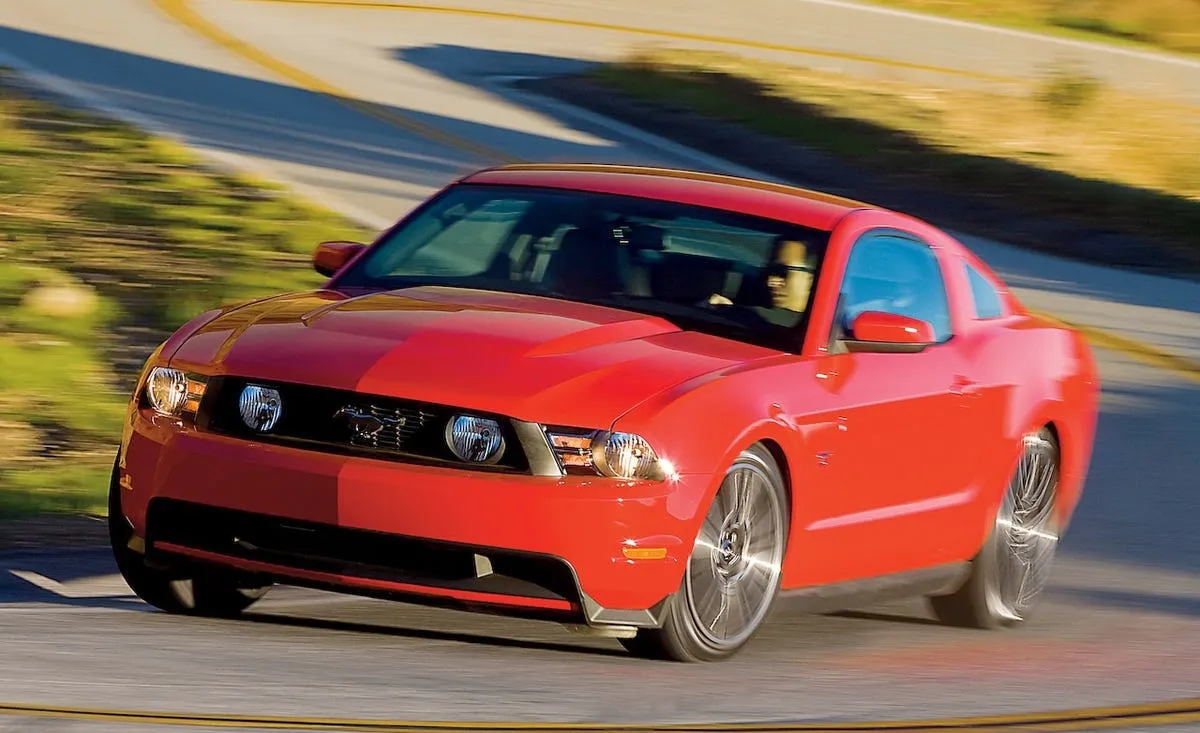
4. 2010 Ford Mustang GT Automatic
Anticipation surrounded the refreshed 2010 Ford Mustang GT Automatic, especially with its updated styling and refined cabin. Yet for some owners, the automatic transmission dulled what should have been a thrilling V8 experience.
Under the hood sat the familiar 4.6-liter V8. While dependable and capable, it was nearing the end of its production life. Competing performance cars began offering more horsepower, leaving certain drivers wishing for stronger output.
Transmission tuning received particular criticism. Automatic moves could feel slow compared with manual variants, reducing engagement during spirited driving. Enthusiasts who prioritized performance often regretted choosing the automatic option.
Fuel consumption also remained a concern. Power came at the expense of efficiency, and rising fuel costs made daily driving expensive for some owners. Interior upgrades improved quality compared with earlier years, yet minor complaints about electronics and trim durability persisted. Drivers expecting near-luxury refinement occasionally felt let down.
As the 5.0-liter Coyote engine debuted shortly after in the 2011 model year, resale values for the 2010 GT softened. Buyers who missed that transition sometimes expressed regret. For a portion of owners, the 2010 Ford Mustang GT Automatic felt like a transitional model that arrived just before a major leap forward. That timing alone left some wishing they had waited one more year.
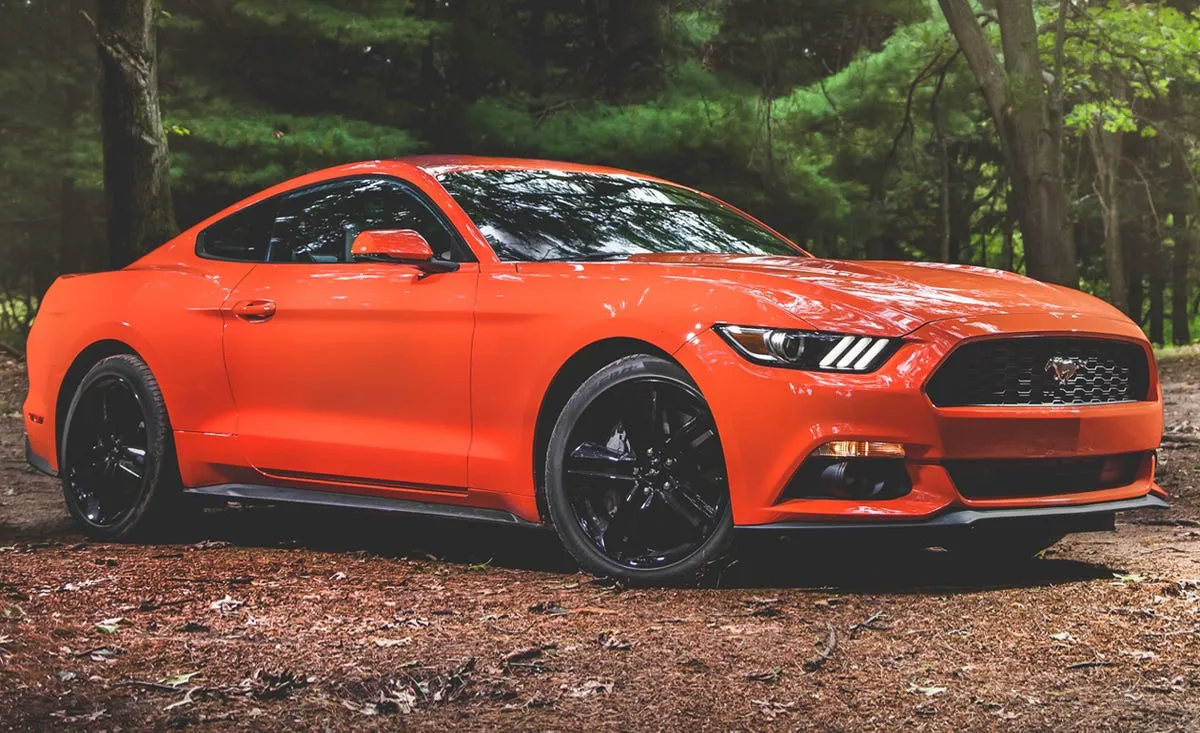
5. 2015 Ford Mustang EcoBoost Premium Early Production
Change defined the launch of the 2015 Ford Mustang EcoBoost Premium. Independent rear suspension and a turbocharged four-cylinder engine marked a bold step forward. Early production units, however, did not impress every buyer.
Turbo lag complaints surfaced in owner discussions. Acceleration felt strong once boost built, yet initial throttle response sometimes lacked immediacy. Drivers accustomed to naturally aspirated V8 torque needed time to adjust.
Reports of engine issues, including occasional head gasket concerns and overheating in modified examples, influenced perception. While not universal, such stories shaped buyer sentiment. Transmission tuning also divided opinions. Some automatic versions displayed hesitant shifting behavior, especially during aggressive driving.
Interior technology marked progress, though early infotainment systems occasionally suffered glitches. Software updates improved reliability later, yet first-year owners encountered frustrations. Styling received praise, and handling improved with independent rear suspension. Still, for buyers who expected flawless execution from a new generation, early hiccups left a lasting impression.
Plenty of EcoBoost Mustangs continue to perform reliably today. Even so, certain early adopters admit they would wait for later model years if purchasing again. Timing, expectations, and first-year issues combined to create mixed ownership experiences for the 2015 Ford Mustang EcoBoost Premium.
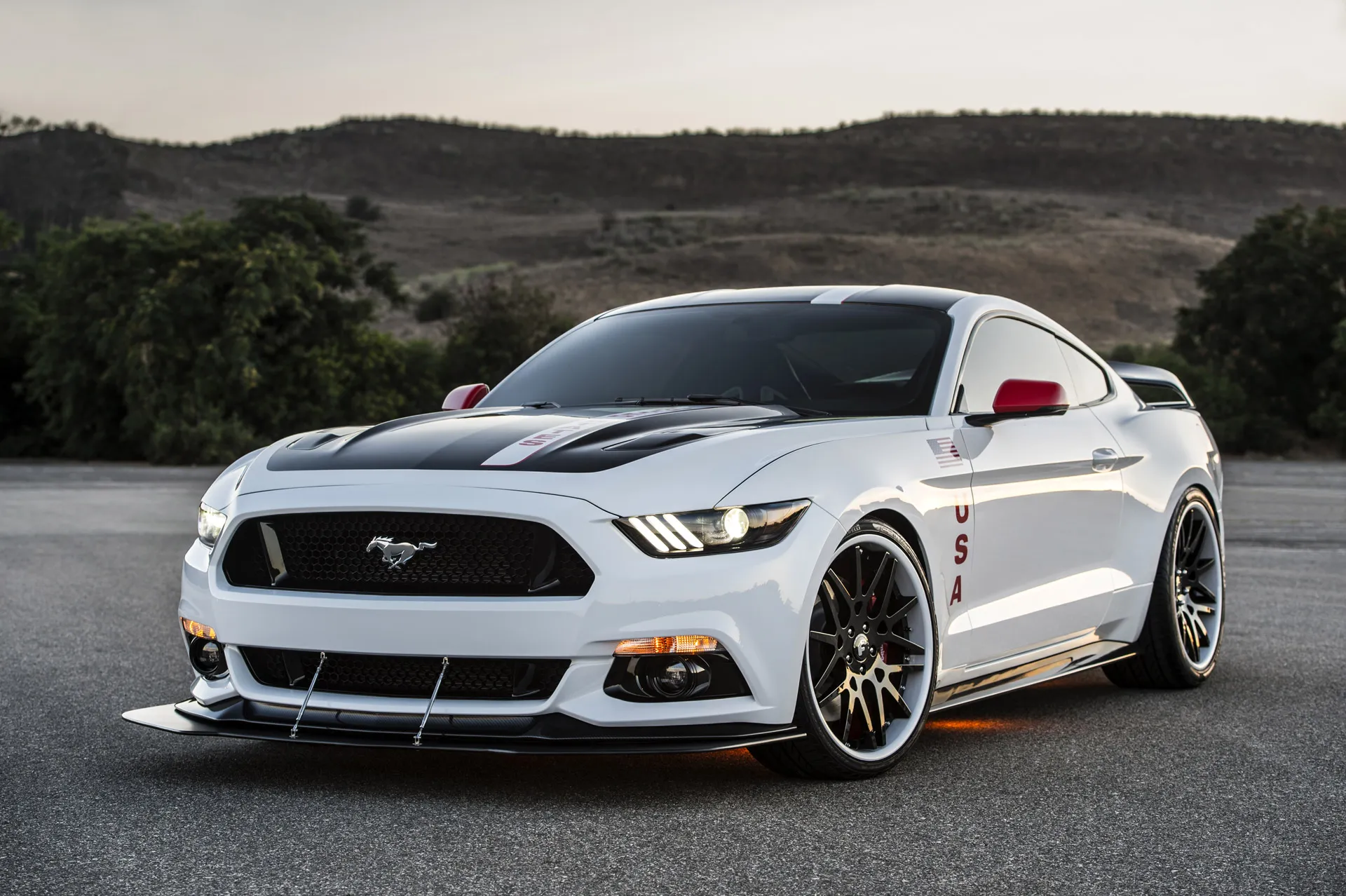
6. 2015 Ford Mustang EcoBoost Premium Fastback
Turbocharged four-cylinder power sounded like a smart evolution when this model arrived. Lighter weight, better fuel economy, and modern tech were all part of the pitch. On paper, the 2015 Ford Mustang EcoBoost Premium
Fastback seemed like a balanced sports car for daily use. For a group of owners, though, the experience did not live up to expectations. Acceleration felt strong at first, especially in city traffic, where low-end torque made quick work of stoplights. Yet some drivers reported inconsistent throttle response.
A few mentioned hesitation under hard acceleration, while others dealt with check engine lights tied to boost pressure or sensor faults. Although not every car suffered from these concerns, those who did found the repairs frustrating and sometimes expensive outside warranty coverage.
Interior quality also drew mixed reactions. Soft-touch materials looked appealing in photos, but rattles and squeaks developed in certain vehicles after only a few years. Owners expecting long-term refinement compared the cabin noise to older, less expensive compact cars. For a model positioned as a premium trim, that stung.
Transmission behavior became another sticking point. The six-speed automatic occasionally hunted between gears, especially during highway merging. Drivers who opted for the manual praised engagement but complained about clutch feel and occasional grinding when shifting aggressively. That inconsistency left some wishing they had chosen a different powertrain.
Cooling system issues surfaced in owner forums as well. A handful of drivers described overheating during track days or spirited summer driving. While track use pushes any car harder than normal commuting, some buyers believed a Mustang should handle that kind of stress without added upgrades.
Resale value created disappointment for a portion of EcoBoost owners. They expected strong demand, only to find the market favored V8 models. When trade-in time arrived, offers sometimes came in lower than anticipated.
Taken together, these concerns shaped opinions. Several former owners said they loved the styling and appreciated the fuel savings, yet they would not purchase the same configuration again. They might still consider a Mustang in the future, just not this particular version.
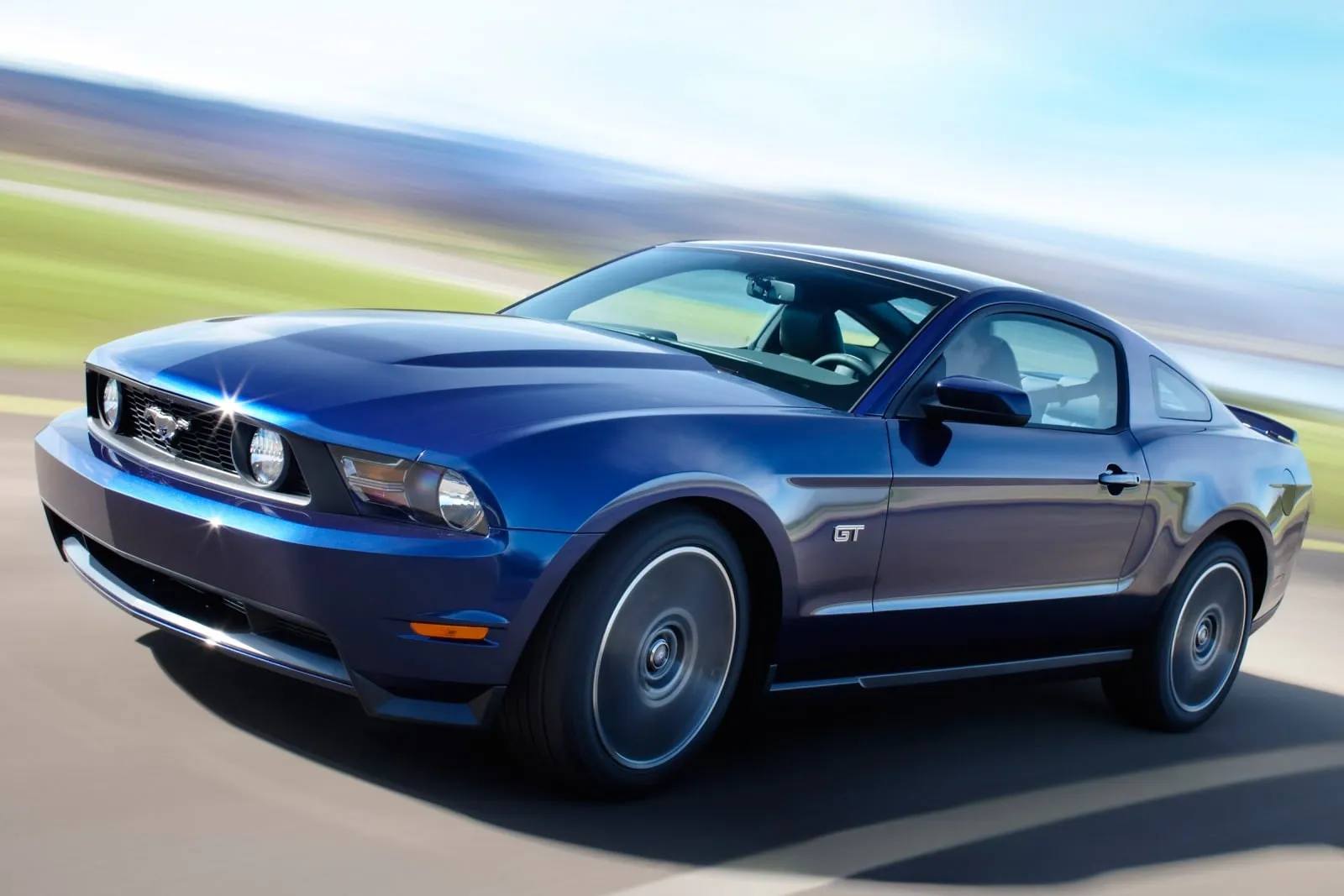
7. 2010 Ford Mustang V6 Convertible
Sunshine, open roads, and that familiar pony badge should have made this car an easy favorite. For some drivers, the 2010 Ford Mustang V6 Convertible delivered exactly that. For others, the romance faded faster than expected.
Start with performance. The 4.0-liter V6 produced adequate power for relaxed cruising, but it struggled to feel lively when merging onto highways or climbing steep grades. Owners who test drove the V8 often admitted they chose the V6 to save money, then spent years wishing they had stretched their budget.
Ride quality created divided opinions. With the top down, wind noise increased quickly at highway speeds. Conversations required raised voices, and long road trips left some drivers fatigued. Even with the top up, a few owners noticed extra creaks from the body structure, especially on uneven pavement.
Interior durability also surfaced in owner complaints. Convertible tops on certain cars developed leaks near the seams or along the rear window. Water intrusion led to damp carpets and, in some cases, electrical glitches. Repairs could be costly once the warranty expires.
Fuel economy did not always meet expectations either. Buyers selected the V6 believing it would deliver strong mileage, yet real-world results often fell short of advertised figures. Combined with modest performance, that trade-off disappointed drivers who expected better balance.
Handling ranked as average at best. Steering feedback felt vague compared to newer sports cars, and body roll was noticeable during sharp turns. Drivers who wanted a more responsive feel found themselves upgrading suspension components or trading the car for something sportier.
Ownership costs added another layer of frustration. Insurance premiums for convertibles can run higher than coupes, and replacement soft tops are not cheap. Some former owners admitted they underestimated those expenses.
By the time it came to sell, a few drivers felt relieved. They enjoyed warm-weather cruising but would not choose the same trim again. If they return to the Mustang lineup, they plan to skip the V6 convertible and look toward a coupe with stronger performance credentials.
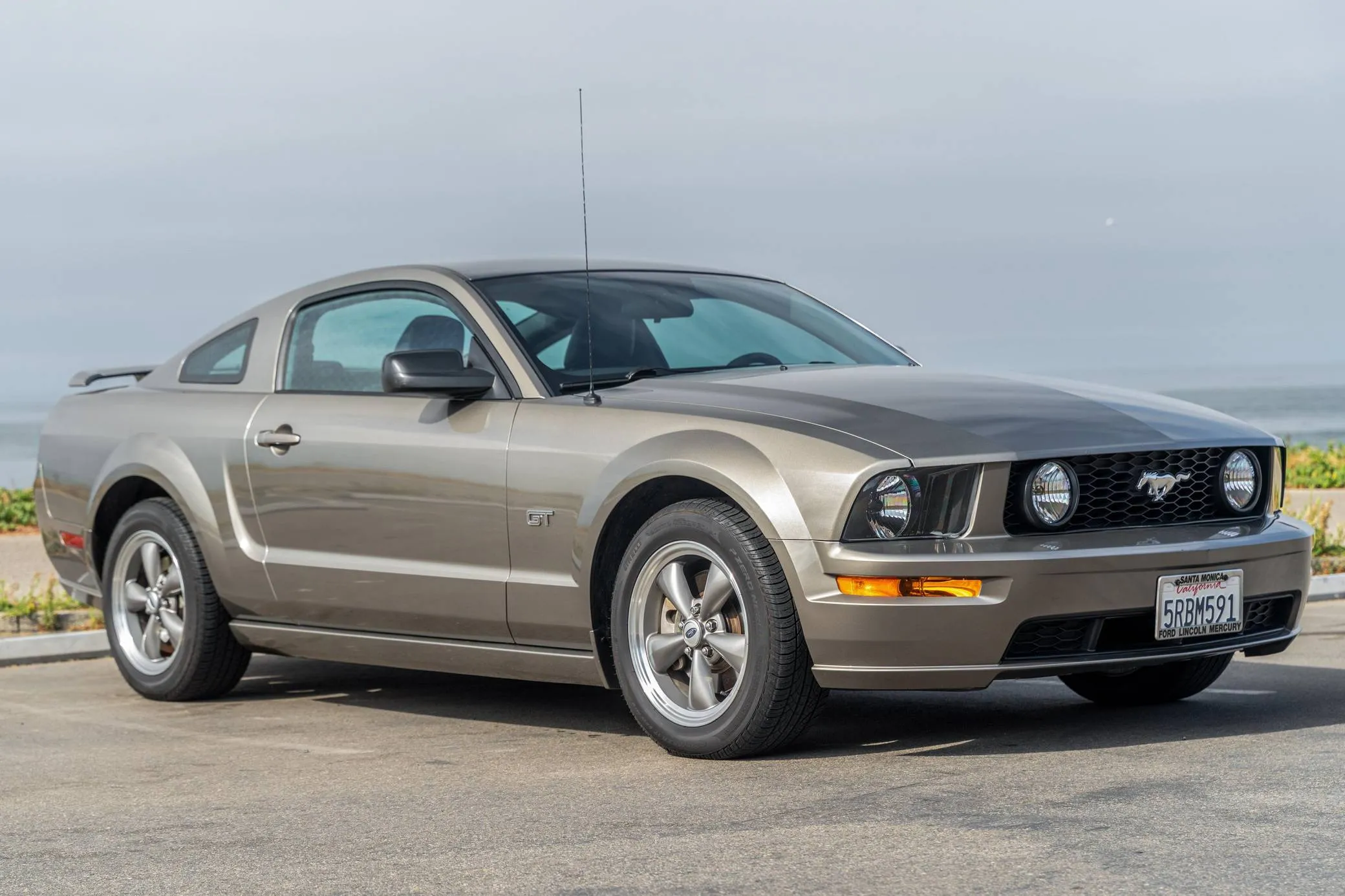
8. 2005 Ford Mustang GT Premium Coupe
Retro styling sparked excitement when this generation launched. The 2005 Ford Mustang GT Premium Coupe brought back design cues that echoed the late 1960s, and buyers lined up for that nostalgic vibe. Years later, certain owners view their purchase with mixed feelings.
Power from the 4.6-liter V8 delivered solid straight-line performance. Acceleration felt satisfying, and the exhaust note drew compliments at every stoplight. Still, some drivers discovered that straight-line speed did not translate into balanced handling. The live rear axle setup caused wheel hop during hard launches, and rough pavement unsettled the rear end in corners.
Cabin design leaned heavily into the retro theme. Large gauges and metallic accents looked appealing at first glance. After extended ownership, though, certain materials showed wear sooner than expected. Plastic trim pieces scratched easily, and seat bolsters wore down on high-mileage examples.
Fuel consumption caught a few buyers off guard. While most people expect a V8 to drink more gas, rising fuel prices made daily commuting expensive. Owners who used the GT as their primary vehicle sometimes regretted not choosing a more efficient option.
Reliability experiences vary. Some drivers reported years of trouble-free service, while others dealt with spark plug issues related to the three-valve engine design. Extracting broken spark plugs became a known challenge, leading to repair bills that felt disproportionate to the problem.
Road noise also entered the conversation. Tire roar and wind noise were more pronounced than in many modern coupes. Long highway drives could feel tiring, especially compared to newer competitors that emphasized refinement.
Insurance costs and tire replacements added to the ownership picture. Performance tires wore quickly under spirited driving, and replacements were not inexpensive. That reality dampened enthusiasm for some drivers who initially bought the car for weekend thrills.
Looking back, several former owners say they loved the styling and engine sound, yet they would hesitate to purchase the same year again. They might consider a later generation with improved suspension and interior quality.
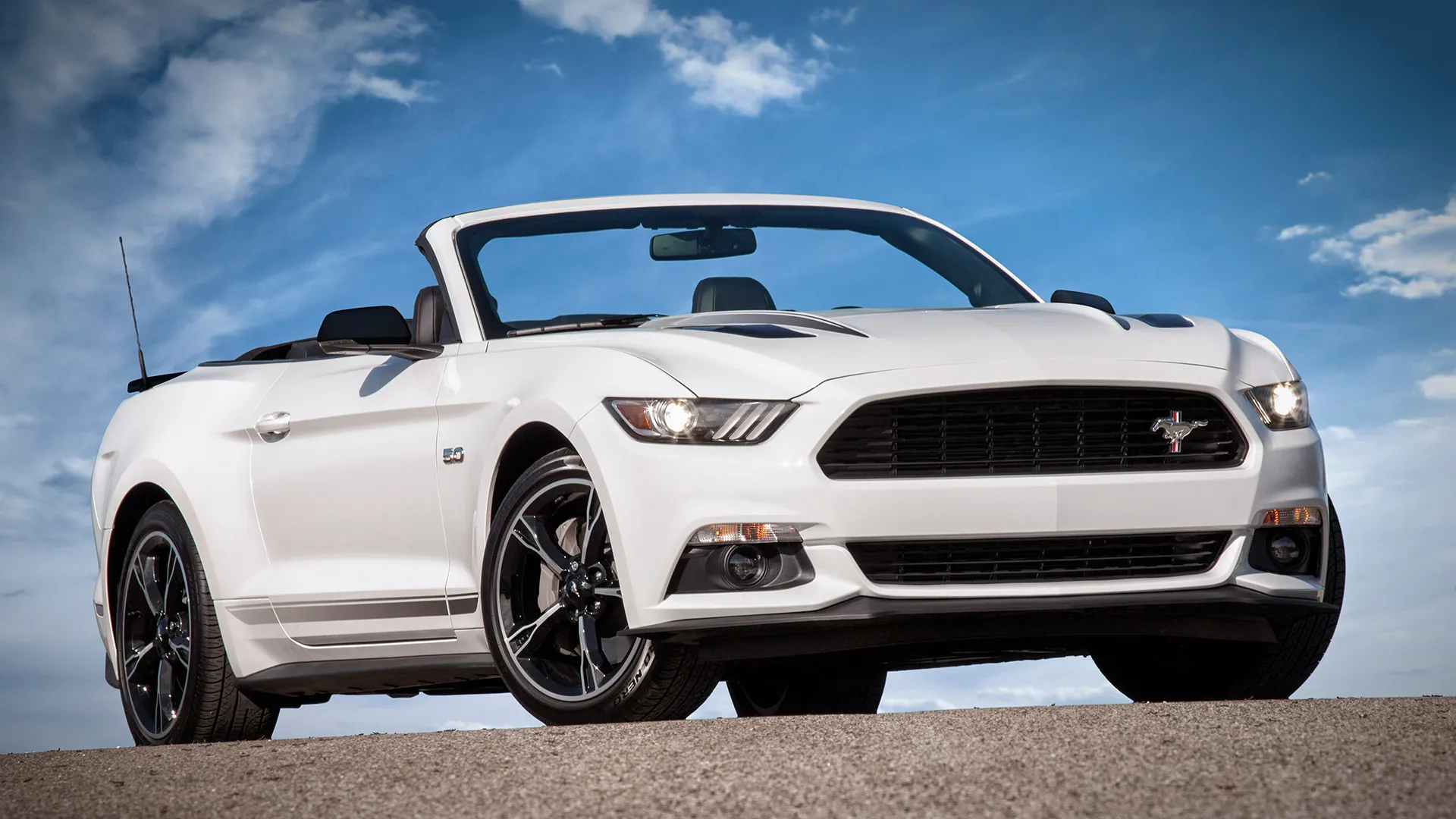
9. 2016 Ford Mustang GT California Special
Special edition badging can raise expectations. The 2016 Ford Mustang GT California Special combined V8 performance with unique trim details, blacked out accents, and distinct interior touches. Buyers anticipated something truly refined. Some walked away feeling that appearance upgrades did not justify the price premium.
Under the hood sat the familiar 5.0-liter V8, delivering strong horsepower and quick acceleration. Most owners praised the engine without hesitation. Frustration centered elsewhere, particularly in perceived value. Several drivers felt that cosmetic enhancements did not transform the driving experience enough to separate it from a standard GT.
Ride comfort came under scrutiny. The suspension, tuned for sporty response, transmitted bumps more harshly than expected for a daily driver. On rough city streets, occupants felt jolts that grew tiresome during long commutes.
Interior technology also drew criticism from certain owners. Early versions of the infotainment system lagged or froze at times. Software updates helped, but the initial experience left a poor impression. For a car marketed as a premium edition, those hiccups felt disappointing.
Paint quality concerns surfaced in some cases. Dark exterior colors showed swirl marks and chips easily, and a few owners reported premature wear on certain trim pieces. Keeping the car looking pristine required regular detailing and careful washing techniques.
Resale conversations revealed another layer. Buyers paid extra for the California Special package, yet trade-in offers did not always reflect that additional investment. Dealers sometimes valued it similarly to a regular GT with comparable mileage.
Even with these complaints, many drivers still admired the engine and styling. Yet several former owners admitted that if they could revisit their decision, they would choose either a base GT and save money or step up to a higher-performance variant with tangible mechanical upgrades.
Also Read: 10 Affordable Mercedes Models That Become Expensive Headaches
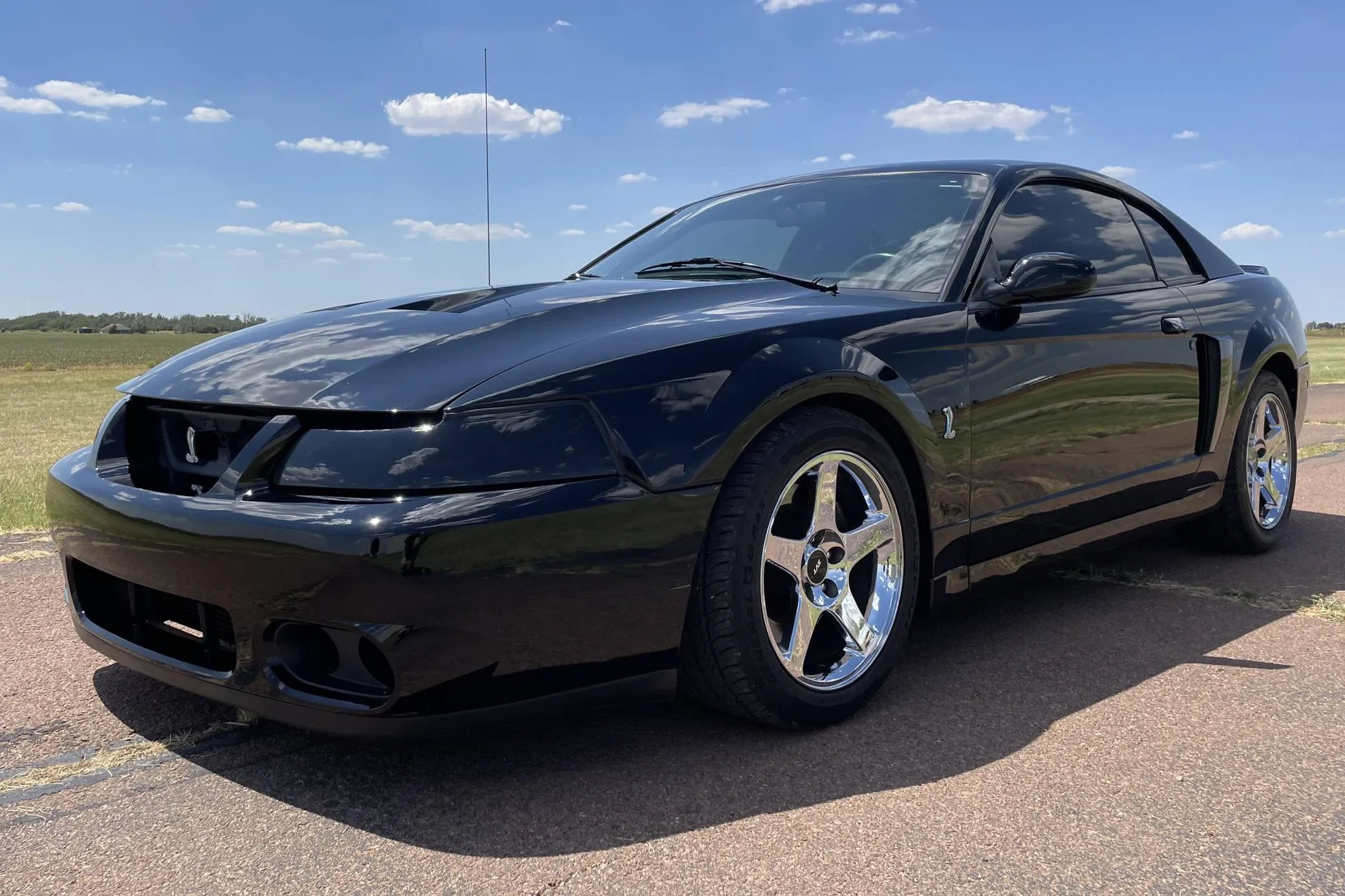
10. 2003 Ford Mustang SVT Cobra
High expectations followed this performance icon. The 2003 Ford Mustang SVT Cobra, often called the Terminator, arrived with a supercharged 4.6-liter V8 and serious horsepower for its era. Enthusiasts praised its speed, but living with one every day proved challenging for some owners.
Straight line acceleration felt intense. Few cars in its price range at the time could keep up. That power came with trade-offs. Fuel economy hovered in the low teens during spirited driving, making frequent gas station visits part of regular life.
Ride quality leaned toward stiff. Suspension tuning favored performance, which meant rough pavement translated directly into the cabin. Drivers using the Cobra for commuting sometimes grew weary of the constant firmness.
Clutch effort stood out as another issue. The pedal felt heavy, especially in traffic. Long drives through congested areas could leave a driver’s left leg sore. While performance purists accepted that trait, others found it tiring.
Insurance premiums for this high-output model ran higher than standard Mustangs. Replacement parts specific to the SVT variant also carried premium pricing. When repairs arose, costs added up quickly. Heat management presented concerns during aggressive driving.
Supercharged engines generate extra heat, and some owners experienced rising temperatures during extended spirited runs. Upgrading cooling components became a common recommendation within enthusiast circles.
Interior quality reflected early 2000s standards rather than luxury expectations. Hard plastics and limited sound insulation reminded drivers that performance took priority over comfort. Road and exhaust noise filled the cabin at highway speeds.
Reflecting on ownership, several drivers still smile when recalling the raw acceleration. At the same time, they admit they would not purchase the same model again for daily use. For weekend thrills, it delivered excitement. As an everyday car, it demanded compromises that not everyone wants to repeat.
