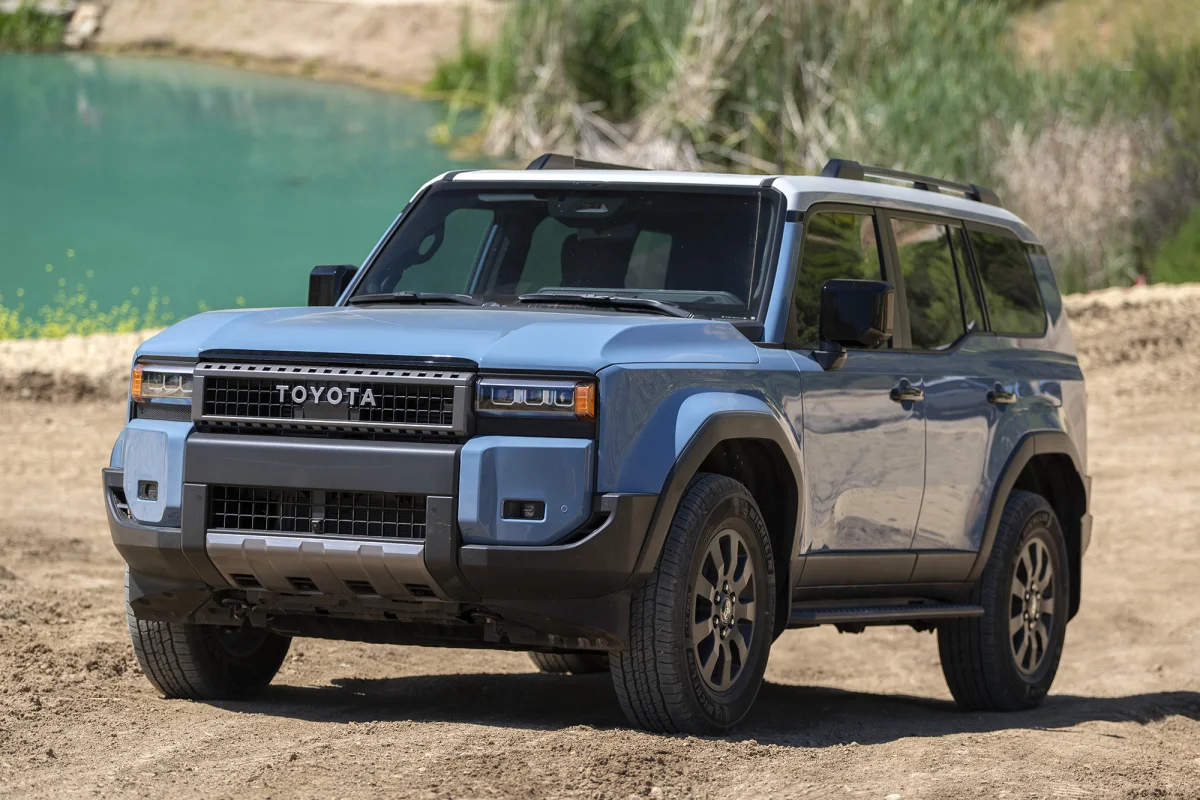
When it comes to SUVs designed for durability, capability, and longevity, nothing beats a traditional truck-based architecture. Unlike modern unibody crossovers that prioritize comfort and fuel efficiency, body-on-frame SUVs separate the body from a robust ladder-frame chassis, delivering exceptional strength, torsional rigidity, and off-road resilience.
The top eight SUVs built on truck frames combine these proven engineering principles with modern technology, luxury, and performance. From the legendary Toyota Land Cruiser, which has earned a global reputation for over 300,000 miles of dependable service, to the Jeep Wrangler, a no-nonsense off-roader with military-grade durability, each model offers unique strengths.
These SUVs excel in towing, payload capacity, and rough-terrain performance while offering reliability for long-term ownership. Whether equipped with hybrid powertrains, turbocharged engines, or luxury interiors, these vehicles prove that a strong foundation remains essential for tackling demanding adventures, heavy loads, and life’s unpredictable roads.
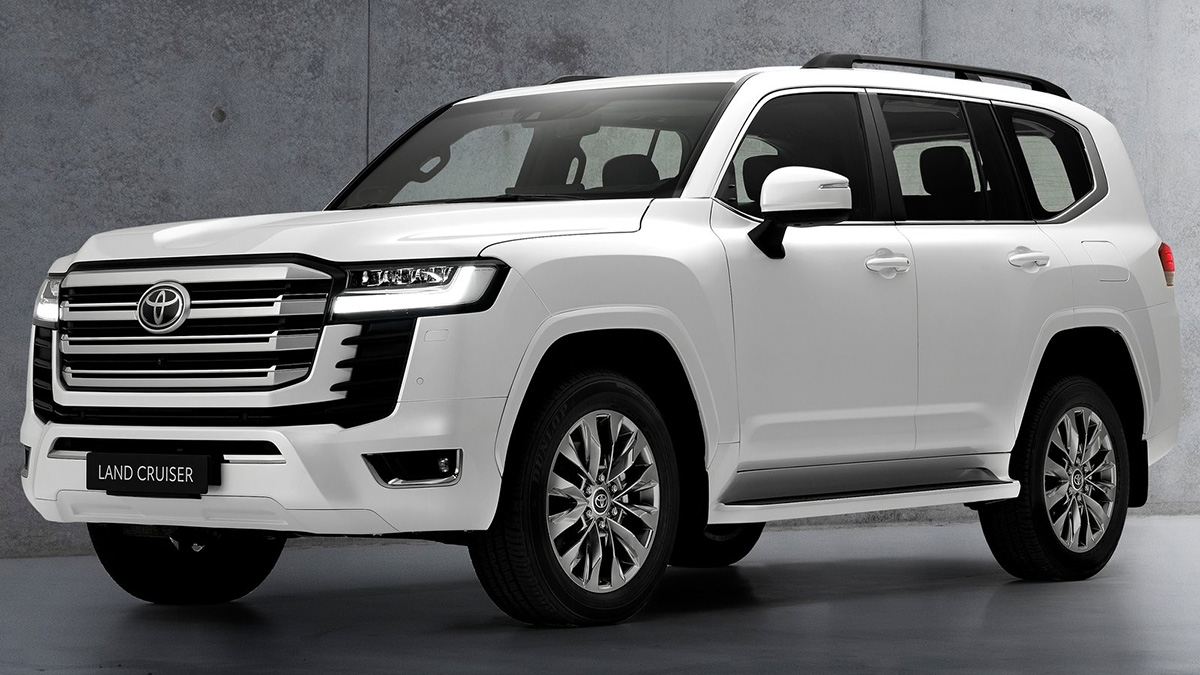
1. Toyota Land Cruiser: Legendary Durability Meets Modern Hybrid Performance
The Toyota Land Cruiser continues to set the standard for rugged, overbuilt SUVs. Built on a high-strength steel ladder-frame chassis engineered to last 25 years, it prioritizes mechanical longevity and thermal management over fuel efficiency or on-road refinement.
Its body-on-frame construction separates the body from the drivetrain, allowing the Land Cruiser to handle extreme stress, heavy towing, and repairs in remote environments with ease.
Full-time four-wheel drive, a locking rear differential, low-range gearing, and advanced off-road systems ensure that the SUV not only reaches its destination but also reliably returns. Known worldwide for surpassing 300,000 miles, it is recognized as a long-lasting, high-value investment.
The Land Cruiser’s rugged frame delivers strength and rigidity unmatched in its class. Ultra-high-strength, hot-stamped steel frame rails flex under pressure, protecting the cabin from shocks on rough terrain while resisting corrosion over decades.
This construction allows towing capacities over 6,000 pounds and accommodates aftermarket upgrades like winches, heavy-duty bumpers, and roof racks. Maintenance is simplified due to the bolted-on body, making it possible to repair in remote or harsh conditions. Its military-grade reliability, proven since 1951, reflects decades of use by humanitarian, government, and military operations worldwide.
For power, the 2026 model replaces the traditional V-8 with a turbocharged 2.4-liter four-cylinder hybrid, paired with two electric motors for 326 horsepower. An eight-speed automatic transmission delivers power to a full-time four-wheel-drive system with crawl control, hill-descent control, and a locking center differential.
Acceleration to 60 mph occurs in 7.7 seconds, while the hybrid powertrain provides smooth, quiet performance. Real-world highway fuel economy tested at 21 mpg is close to its EPA combined rating of 23 mpg.
Inside, the Land Cruiser now seats five across two rows, putting it in competition with mid-size off-road SUVs like the Ford Bronco and Jeep Wrangler. The base 1958 trim offers heated seats, a heated steering wheel, and a six-speaker stereo, while the top trim adds ventilated leather seats, a 12.3-inch touchscreen, and a 10- or 14-speaker audio system.
Cargo space holds 17 carry-on suitcases behind the rear seats or 31 with the seats folded. Standard infotainment supports wireless Apple CarPlay and Android Auto, with USB-C and wireless charging included.
Safety features include automated emergency braking with pedestrian detection, lane-departure warning, adaptive cruise control, and lane-centering assist through Toyota Safety Sense 3.0. Warranty coverage spans three years/36,000 miles for the limited warranty, five years/60,000 miles for the powertrain, and 10 years/150,000 miles for hybrid components, with two years of complimentary maintenance.
The Toyota Land Cruiser combines proven durability, capable off-road performance, and modern hybrid efficiency, maintaining its reputation as a globally trusted SUV for extreme conditions.
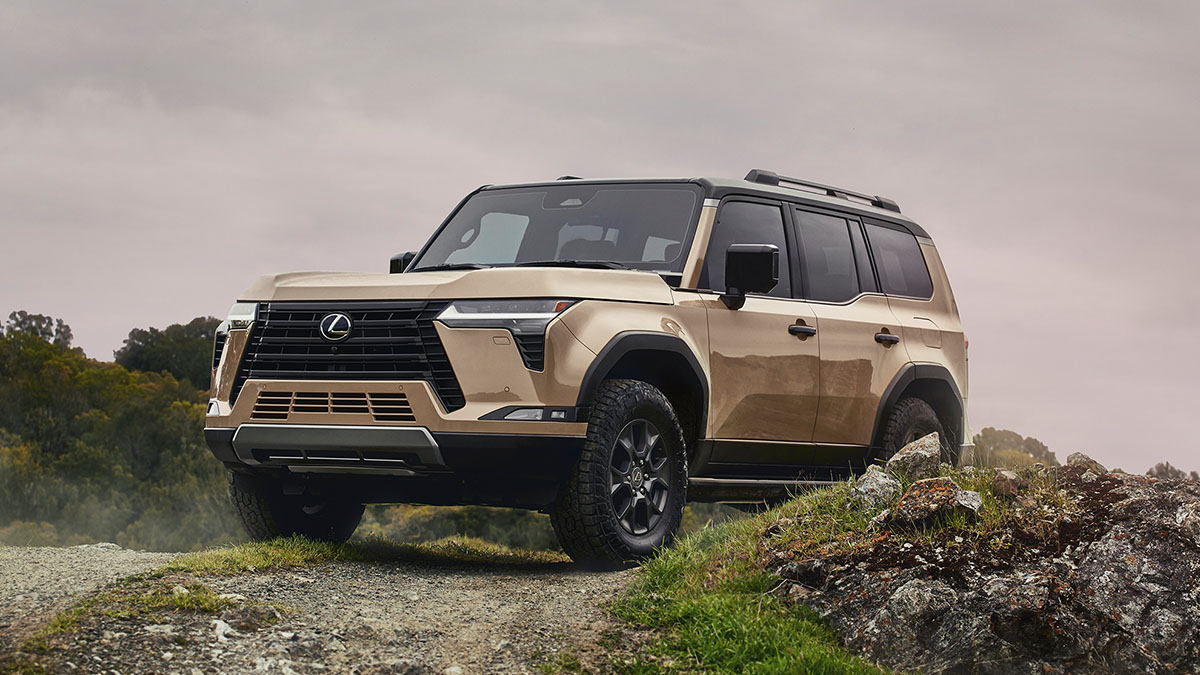
2. Lexus GX: Rugged Capability with Refined Luxury
The Lexus GX combines the toughness of a traditional Land Cruiser with premium refinement. Built on the GA-F global truck platform, it features a body-on-frame design that provides exceptional torsional strength and durability, allowing the SUV to endure rugged terrain without flexing or structural fatigue.
Sharing parts with Toyota’s global truck line, the GX balances mechanical reliability with upscale interior appointments. Its ladder-frame construction supports heavy towing, off-road articulation, and long-term serviceability, making it a rare luxury SUV that does not compromise on ruggedness.
The GX550 is powered by a twin-turbocharged 3.4-liter V6 generating 349 horsepower, paired with a 10-speed automatic transmission. All-wheel drive is standard, and off-road-focused trims such as Overtrail and Overtrail+ include features like crawl control, adaptive suspension with increased wheel articulation, aluminum skid plates, and selectable terrain modes.
The Kinetic Dynamic Suspension System (KDSS) and e-KDSS in advanced trims allow the anti-roll bars to disconnect independently, improving stability and traction on uneven surfaces. On the track, the GX550 accelerates to 60 mph in 6.2 seconds, faster than the Land Cruiser’s hybrid powertrain, though body roll and stiff ride are noticeable due to the tall, boxy SUV profile.
Towing capacity is a standout, with the GX rated to pull up to 9,096 pounds, surpassing previous generations and most competitors in the luxury segment. While official EPA fuel economy figures are not yet available, testing of the 2025 model shows 15 mpg city, 21 mpg highway, and 17 mpg combined, which trails the hybrid Land Cruiser but remains reasonable for a V6 luxury off-roader.
The interior blends luxury and utility, offering up to seven seats in Premium and Luxury trims, though third-row space is limited. Overtrail trims seat five but provides excellent front- and second-row comfort, with premium materials, faux-suede accents, and options like a head-up display and digital key.
Cargo space accommodates 18 carry-on suitcases behind the second row or 33 with seats folded, although the raised cargo floor can make heavy loading awkward. Infotainment includes a 14-inch touchscreen with wireless Apple CarPlay and Android Auto, a 12.3-inch digital gauge cluster, and available upgrades such as a 21-speaker Mark Levinson surround-sound system.
Safety comes from Lexus Safety System+ 3.0, which includes automated emergency braking with pedestrian detection, lane-departure warning with lane-keeping assist, and adaptive cruise control with lane-centering. Warranty coverage outpaces many competitors, with a four-year/50,000-mile limited warranty, six-year/70,000-mile powertrain coverage, and one year of complimentary maintenance.
The Lexus GX blends luxury, off-road capability, and long-term durability, offering a refined driving experience while retaining the toughness expected from a truck-based SUV.
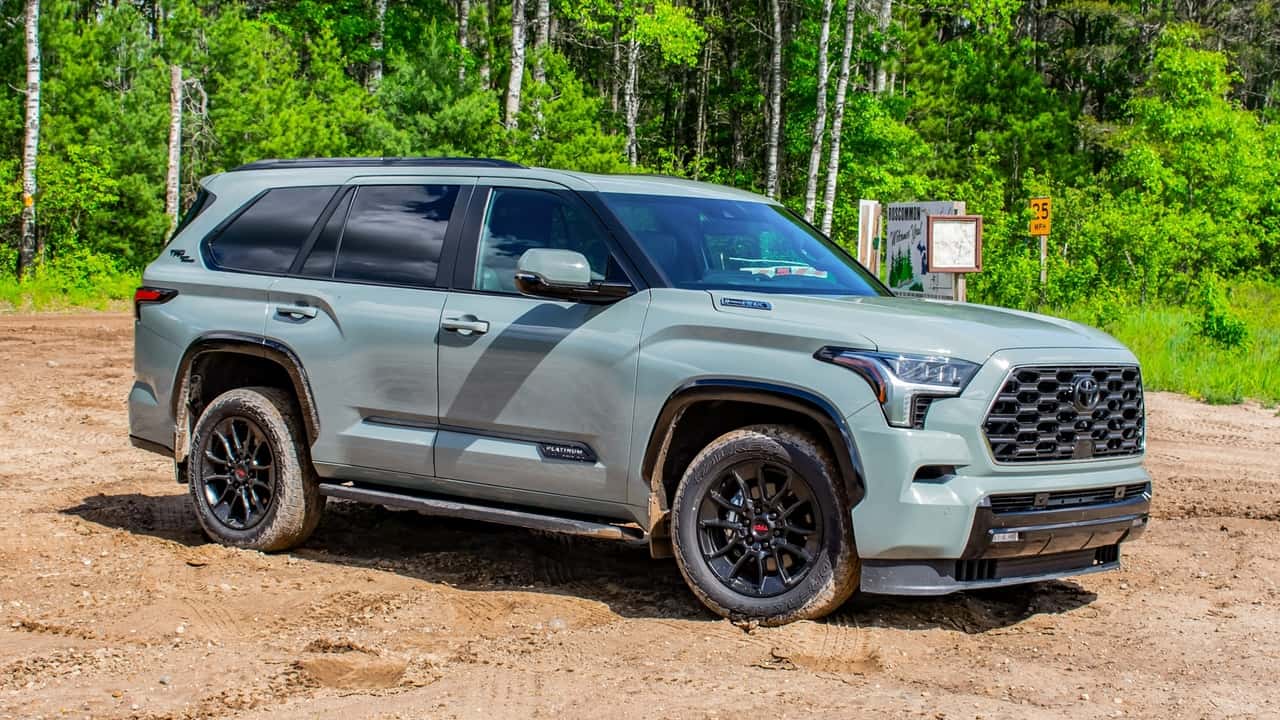
3. Toyota Sequoia: Full-Size SUV with Heavy-Duty Capability
The Toyota Sequoia is a full-size SUV built on a truck-based, body-on-frame platform shared with the Tundra and Land Cruiser, combining rugged durability with family-friendly functionality. Its fully boxed ladder-frame chassis is engineered to withstand punishing off-road conditions and heavy towing, while its oversized cooling systems and drivetrain components ensure reliability even under maximum load and high temperatures. Designed for longevity, many Sequoias are expected to surpass 200,000 to 300,000 miles with proper care.
The Sequoia is powered by the i-FORCE MAX hybrid powertrain, which pairs a twin-turbo 3.4-liter V6 with an electric motor to produce 437 horsepower and 583 lb-ft of torque. This power is delivered through a 10-speed automatic transmission, with rear-wheel drive standard and four-wheel drive optional.
Off-road-focused TRD Pro models come equipped with upgraded Fox dampers, front skid plates, locking rear differentials, and 18-inch wheels with 33-inch tires. Other trims can be outfitted with the TRD Off-Road package, offering hill-descent control, Crawl Control, and terrain-selectable drive modes.
The Sequoia delivers a comfortable ride and quiet cabin, though its wide, high stance and light steering effort make precise lane placement challenging on highways. Acceleration to 60 mph ranges from 5.6 seconds in the four-wheel-drive Capstone to 5.9 seconds in the TRD Off-Road variant.
Towing is a standout feature, with capacities up to 9,520 pounds, surpassing most rivals in the full-size SUV segment. Multi-link rear suspension balances heavy-duty hauling with on-road comfort, while solid rear-axle design enhances stability when towing or carrying large loads. Fuel economy is rated at 21 mpg city, 24 mpg highway, and 22 mpg combined, slightly reduced when equipped with four-wheel drive.
Inside, the Sequoia accommodates up to eight passengers with a second-row bench or seven with optional captain’s chairs. A third row is standard but offers limited headroom, and the cargo floor sits high, reducing ease of loading.
Interior trim ranges from cloth to leather with wood or chrome accents, and higher trims feature heated and cooled seats, panoramic sunroof, and premium audio systems. Cargo capacity is modest, with 12 cubic feet behind the third row, expandable by folding or sliding seats.
Technology includes a 14-inch touchscreen on most trims, wireless Apple CarPlay and Android Auto, Wi-Fi hotspot, and optional premium audio systems. Safety features are comprehensive, including forward-collision warning with automatic braking, lane-departure warning with lane-keeping assist, and adaptive cruise control.
Warranty coverage includes a three-year/36,000-mile limited warranty, five-year/60,000-mile powertrain warranty, and 10-year/150,000-mile hybrid component coverage, with two years of complimentary maintenance.
The Toyota Sequoia combines the strength and towing capacity of a full-size truck with modern hybrid performance and family-oriented versatility, offering a durable and capable SUV for both daily driving and demanding adventures.
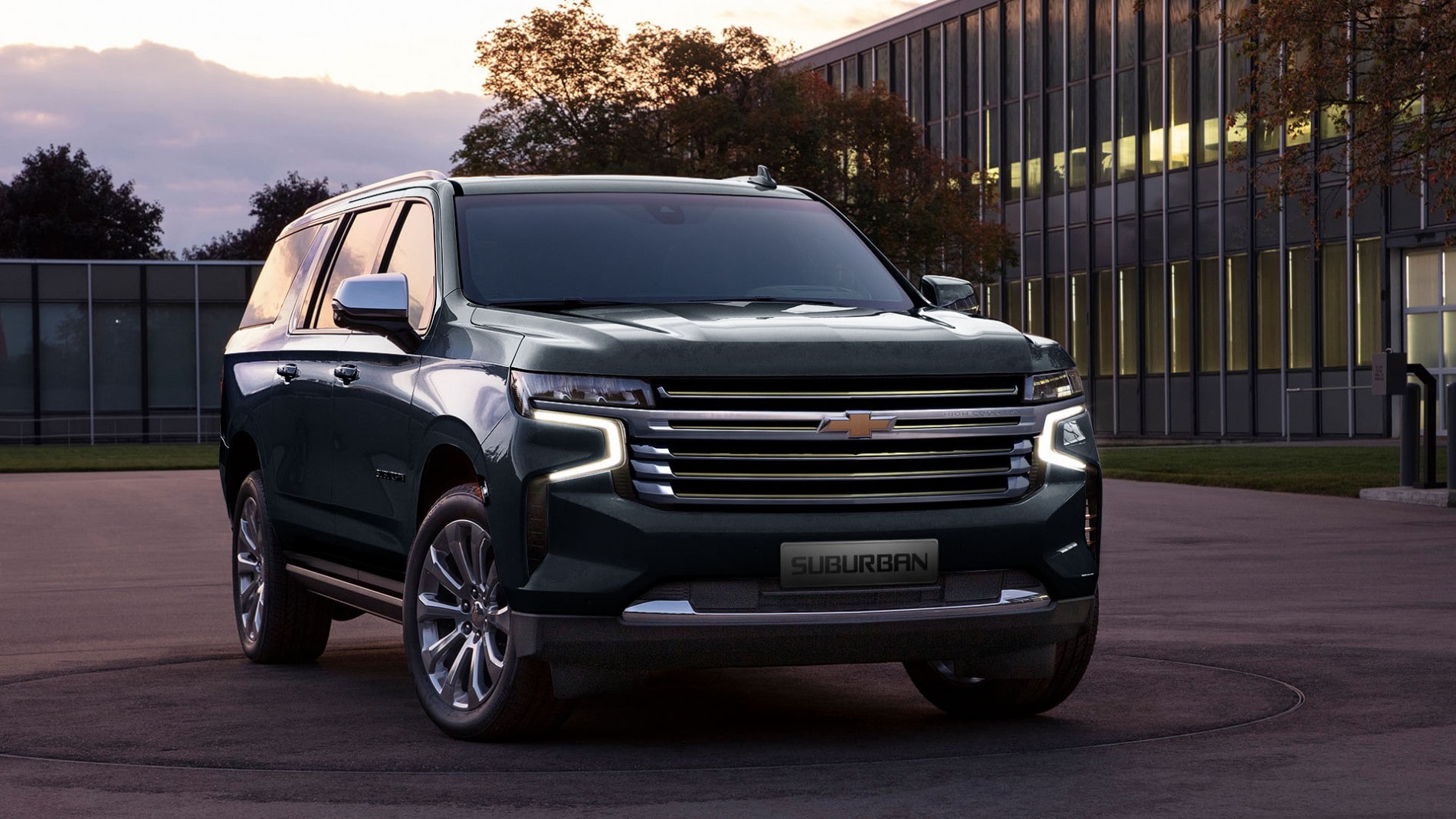
4. Chevrolet Suburban: Full-Size SUV with Heavy-Duty Capability
The Chevrolet Suburban is one of the longest-running nameplates in automotive history, built on a truck-based, body-on-frame platform shared with the Silverado. This ladder-frame construction provides exceptional durability, torsional rigidity, and towing capability, making it ideal for high-stress family use, fleet duty, and long-term ownership often exceeding 200,000 miles.
The Suburban’s reinforced independent rear suspension and massive wheelbase balance smooth on-road comfort with stable heavy-load handling, while corrosion-resistant frame coatings enhance long-term reliability.
Engine options include a 355-hp 5.3-liter V8, a 420-hp 6.2-liter V8, and a 305-hp 3.0-liter diesel inline-six, all paired with a 10-speed automatic transmission. Rear-wheel drive is standard, with all-wheel drive optional. The Z71 off-road trim adds 20-inch all-terrain wheels, underbody skid plates, and a two-speed transfer case for traditional four-wheel-drive operation.
Adaptive dampers and adjustable air suspension allow the ride height to be raised or lowered automatically or manually, improving aerodynamics, ground clearance, and passenger accessibility. In testing, the 6.2-liter V8 Suburban reaches 60 mph in 6.0 seconds, while the diesel variant takes 8.4 seconds.
Towing capacity is impressive, with the maximum rated at 8,300 pounds using the Max Trailering package. Even models with the diesel engine provide strong torque for hauling, though towing capacity is slightly lower at 7,800 pounds. Fuel economy varies, with the diesel achieving up to 21 mpg city and 26 mpg highway, and gasoline engines rated at 15 mpg city and 20 mpg highway.
The interior is spacious, seating seven to nine passengers depending on configuration. Three rows of seats provide ample legroom, and the load floor behind the third row is low and flat, facilitating cargo loading.
High-end trims like the High Country feature wood accents, perforated leather upholstery, and unique interior color schemes, while base models still offer automatic climate control, power outlets, and fold-flat seating for practicality.
Infotainment is advanced, including a 17.7-inch central touchscreen, an 11-inch digital instrument cluster, Apple CarPlay, Android Auto, a Wi-Fi hotspot, and wireless smartphone charging. Optional features include a Bose audio system, rear-seat entertainment, and GM’s Super Cruise hands-free driving technology on select trims.
Safety equipment is comprehensive, with standard automated emergency braking with pedestrian and cyclist detection, lane-departure warning with lane-keeping assist, and available adaptive cruise control. Warranty coverage includes a three-year/36,000-mile limited warranty and a five-year/60,000-mile powertrain warranty.
The Chevrolet Suburban blends heavy-duty truck capability, massive passenger and cargo space, and modern technology, delivering a full-size SUV that excels in towing, long-term durability, and family utility.
Also read: 5 Cars With Simple Dash Layouts vs 5 With Confusing Ones
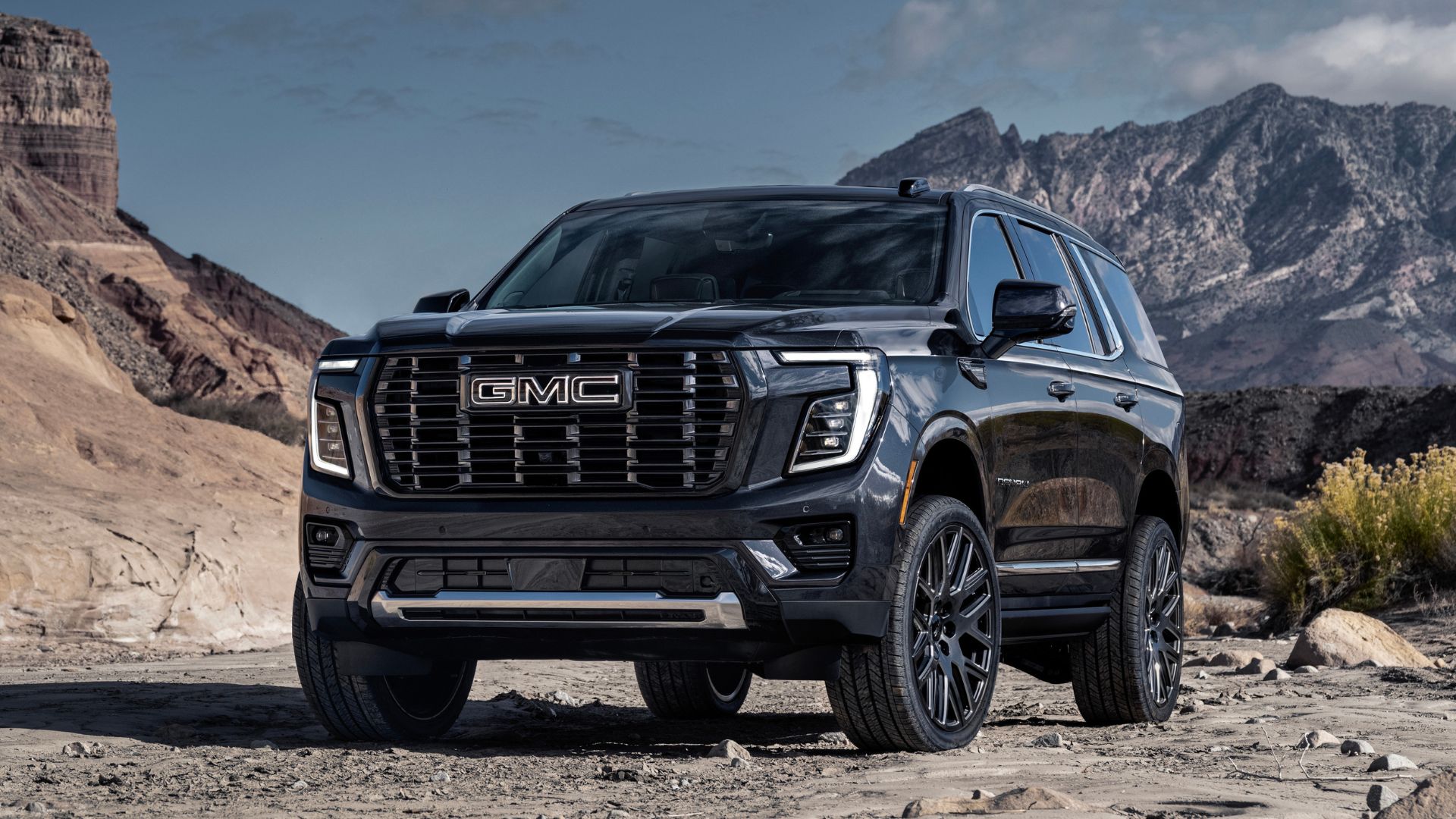
5. GMC Yukon: Rugged Capability with Executive Comfort
The GMC Yukon pairs the mechanical toughness of the GMC Sierra pickup with a refined, full-size SUV body. Built on a truck-based, body-on-frame platform, the Yukon benefits from a high-strength steel ladder frame, often fully boxed, which provides structural rigidity, a low center of gravity, and resistance to torsional forces.
This architecture allows the SUV to tow heavy loads, endure off-road conditions, and maintain passenger comfort, making it a “workhorse in a suit” capable of both executive transport and weekend towing. The frame also simplifies repairs and contributes to long-term durability, allowing the Yukon to reliably cover 200,000 miles or more.
Engine options include a standard 355-hp 5.3-liter V8, an optional 420-hp 6.2-liter V8, and a 305-hp 3.0-liter diesel inline-six, all mated to a 10-speed automatic transmission. Rear-wheel drive comes standard, with four-wheel drive available on most trims. The diesel engine excels in low-end torque and fuel efficiency, making it well-suited for towing.
The off-road-oriented AT4 trim adds a two-speed transfer case, 20-inch all-terrain wheels, underbody skid plates, and optional air suspension capable of increasing ground clearance by up to two inches. Acceleration ranges from 5.9 seconds to 60 mph for the 6.2-liter Denali model to 6.9 seconds for the diesel AT4, demonstrating competitive performance for a full-size SUV.
Towing capacity peaks at 8,400 pounds with the 5.3-liter rear-wheel-drive model, while four-wheel-drive configurations slightly reduce ratings. GMC’s trailering technologies, such as transparent trailer view and jackknife alerts, assist with heavy towing, enhancing safety and convenience.
Fuel economy varies from 14–21 mpg city and 18–26 mpg highway, depending on engine and drivetrain, with the diesel achieving the best efficiency and delivering 27 mpg in highway testing.
Interior appointments combine comfort, luxury, and utility. Denali models feature open-pore wood trim, chrome accents, and 16-way heated, ventilated, and massaging front seats.
Second-row configurations include a bench for eight passengers or captain’s chairs for seven, with adult-friendly third-row seating. Cargo space is generous, offering up to 145 cubic feet in the XL model with seats stowed, and standard-length Yukons accommodate six carry-on suitcases behind the third row.
Technology includes a 16.8-inch vertical touchscreen, wireless Apple CarPlay, Android Auto, Wi-Fi hotspot, and available rear-seat entertainment. Audio options range from a standard 10-speaker Bose system to an optional 22-speaker setup.
Safety features include standard automated emergency braking with forward-collision warning, while lane-departure warning, lane-keeping assist, adaptive cruise control, and Super Cruise hands-free driving are optional.
Warranty coverage includes a three-year/36,000-mile limited warranty, a five-year/60,000-mile powertrain warranty, and one year of complimentary maintenance. The GMC Yukon delivers the durability of a pickup with the refinement and technology expected of a modern full-size SUV, making it versatile for both work and family use.
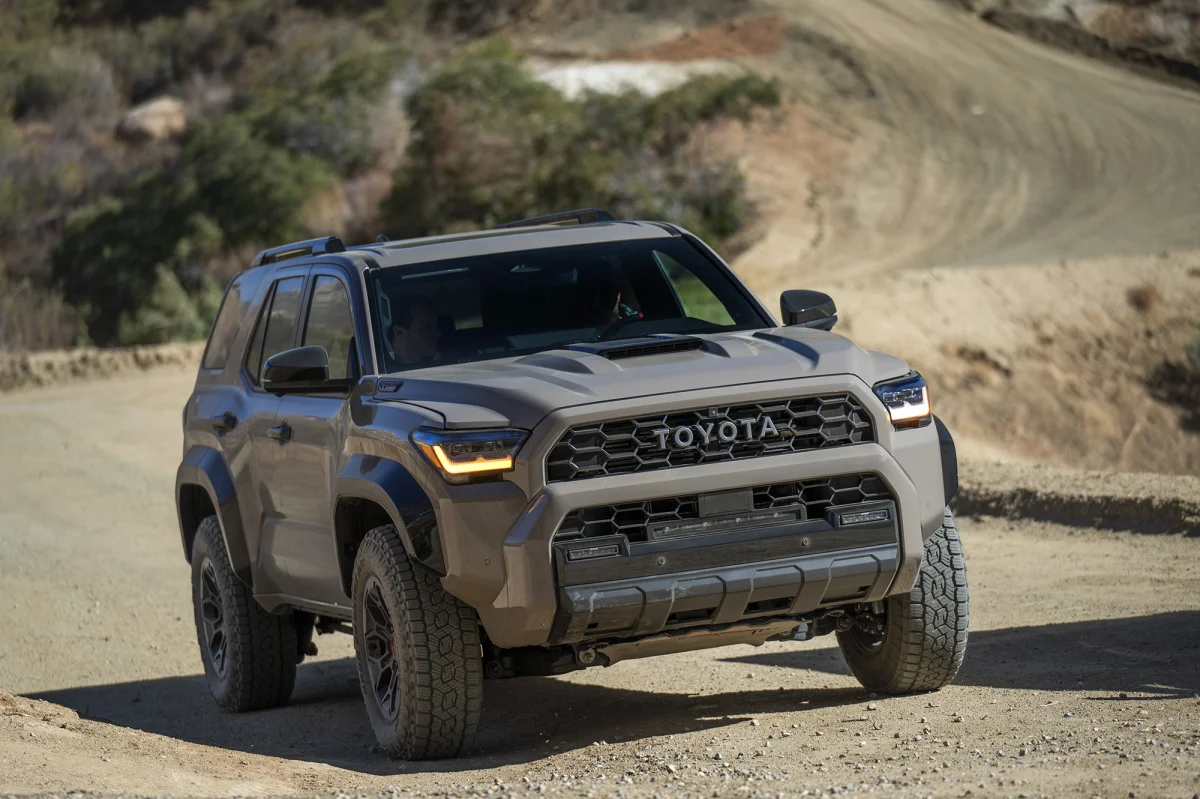
6. Toyota 4Runner: Midsize SUV with Proven Off-Road Durability
The Toyota 4Runner continues Toyota’s tradition of rugged, body-on-frame construction, making it one of the few midsize SUVs that remain true to a truck-based architecture. Built on a high-strength ladder frame derived from the Tacoma, the 4Runner delivers exceptional structural rigidity, off-road capability, and long-term durability.
Its design allows it to endure twisting forces, rocky trails, and harsh conditions while protecting the passenger cabin. The 4Runner’s underbody skid plates, optional locking rear differential, and off-road suspension tuning make it capable in desert, forest, or mountainous terrain, and its simplicity ensures easy maintenance over hundreds of thousands of miles.
All 4Runners come with a 278-hp turbocharged 2.4-liter four-cylinder engine paired with an eight-speed automatic transmission. Rear-wheel drive is standard, with a full-time four-wheel-drive system available, featuring a two-speed transfer case for high and low ranges.
Off-road-oriented trims offer disconnecting stabilizer bars, off-road cruise control, and other terrain-focused equipment. Hybrid models further enhance off-road capabilities with manually adjustable dampers. In testing, a four-wheel-drive 4Runner accelerated to 60 mph in 7.5 seconds, maintaining adequate power for highway merging and trail driving alike.
Towing capacity reaches up to 6,000 pounds, giving it a strong advantage over many midsize SUV competitors. While the body-on-frame design sacrifices some ride refinement and fuel efficiency, it preserves the 4Runner’s identity as a reliable, go-anywhere vehicle. EPA ratings for the previous model suggest up to 20 mpg city, 26 mpg highway, and 22 mpg combined, with updated figures for 2026 pending.
The interior reflects a practical, driver-focused layout similar to the Tacoma, with easy-to-reach controls and multiple storage bins. A third-row seat is optional, accommodating additional passengers when needed, though space is limited for adults. Open-air enjoyment is possible with four fully opening windows, a power-operated rear window, and an optional sliding sunroof.
Infotainment includes a standard 8.0-inch touchscreen with Toyota’s latest software, optional 14.0-inch displays, a 12.3-inch digital gauge cluster, wireless Apple CarPlay and Android Auto, USB-C ports, and an optional wireless charging pad.
Safety features are comprehensive, bundled in Toyota Safety Sense 3.0, including automated emergency braking with pedestrian detection, lane-departure warning with lane-keeping assist, and adaptive cruise control with lane-centering.
Warranty coverage provides a three-year/36,000-mile limited warranty, a five-year/60,000-mile powertrain warranty, and two years of complimentary scheduled maintenance, making the 4Runner a reliable, long-lasting choice for off-road enthusiasts and midsize SUV buyers seeking a durable, versatile vehicle.
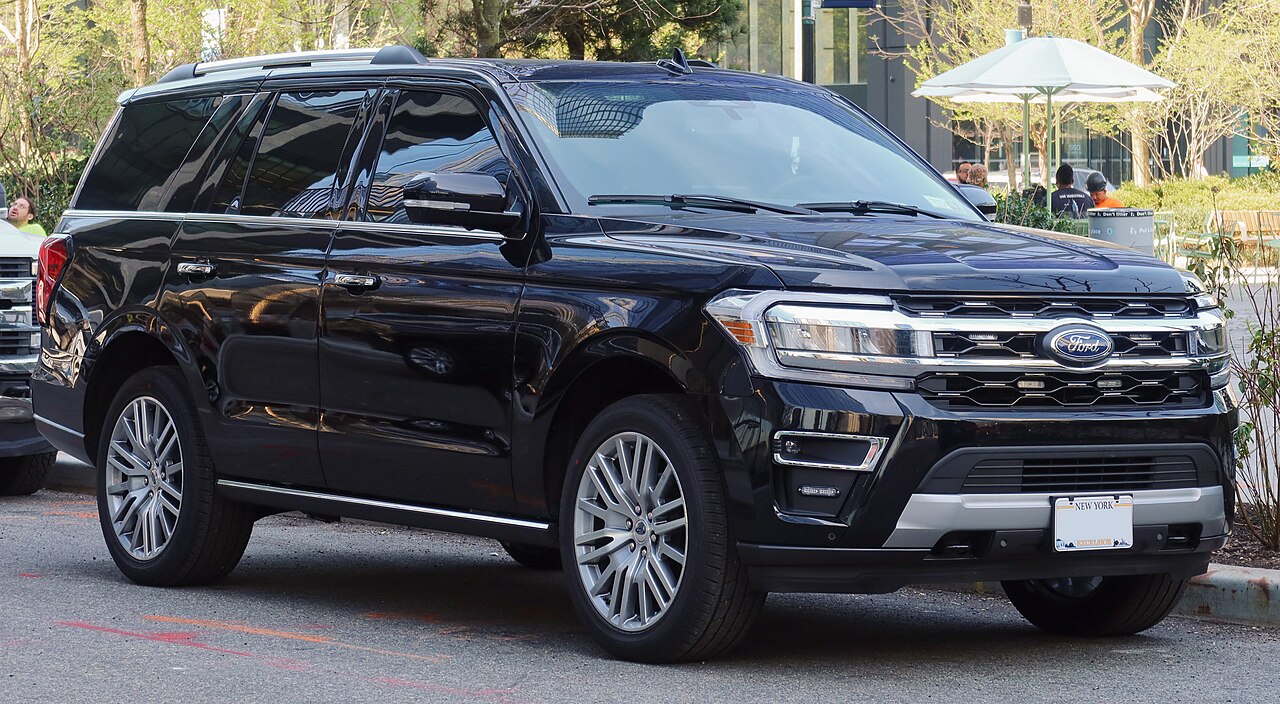
7. Ford Expedition: Full-Size SUV Built for Heavy-Duty Utility
The Ford Expedition is a truck-based, body-on-frame SUV that combines pickup-level durability with spacious, family-friendly interiors. Built on a high-strength, fully boxed steel frame shared with the F-150, it emphasizes towing, hauling, and long-term reliability over the lighter feel of unibody crossovers.
This design allows the Expedition to handle extreme stress, heavy loads, and rough terrain without compromising structural integrity. Its body-on-frame construction also simplifies repairs after collisions or off-road incidents, enhancing its longevity.
Towing capacity is one of the Expedition’s standout features. With a maximum of 9,600 pounds, the 2026 model competes with half-ton pickup trucks, making it ideal for trailers, boats, or campers. The chassis uses high-strength materials and fully boxed steel for rigidity, while military-grade aluminum panels reduce weight and resist corrosion.
Off-road performance is supported by a robust frame, torsional strength, up to 10.6 inches of ground clearance on the Tremor trim, and features like Rock Crawl mode and Trail Turn Assist that improve maneuverability in tight, rugged environments.
Power comes from a 3.5-liter twin-turbo EcoBoost V6 paired with a 10-speed automatic transmission. Standard output is 400 horsepower, with an available high-output version producing 440 hp. Rear-wheel drive is standard, and four-wheel drive is optional.
Independent rear suspension contributes to a more comfortable highway ride, while the off-road-focused Tremor trim adds underbody skid plates, all-terrain tires, and raised suspension. Testing shows the high-output Expedition Max accelerates to 60 mph in just 4.9 seconds, impressive for a nearly 6,000-pound SUV.
Fuel efficiency is rated at up to 17 mpg city and 23 mpg highway for rear-wheel-drive models, with four-wheel-drive trims slightly lower. Real-world testing of the Expedition Max returned 23 mpg on a 75-mph highway route, confirming its competitive efficiency for a large truck-based SUV.
Inside, the Expedition provides a spacious, configurable cabin with three rows of seats that accommodate adults comfortably. The second row offers a bench or optional captain’s chairs, and all rear seats fold flat to create a level cargo floor.
Storage capacity is generous, allowing up to 48 carry-on suitcases with the seats folded. High-end Platinum trims feature leather upholstery, massaging front seats, and premium materials.
Technology is centered around a 24.0-inch dashboard display with a separate secondary screen for infotainment, wireless Apple CarPlay, Android Auto, onboard Wi-Fi, and over-the-air updates. Driver-assistance options include automated emergency braking, lane-departure warning, adaptive cruise control, and Ford’s BlueCruise hands-free driving system.
Warranty coverage includes a three-year/36,000-mile limited warranty and a five-year/60,000-mile powertrain warranty, offering strong protection, though no complimentary maintenance is included. The Expedition remains a top choice for families and professionals seeking a full-size SUV with true truck-level performance, durability, and towing capability.
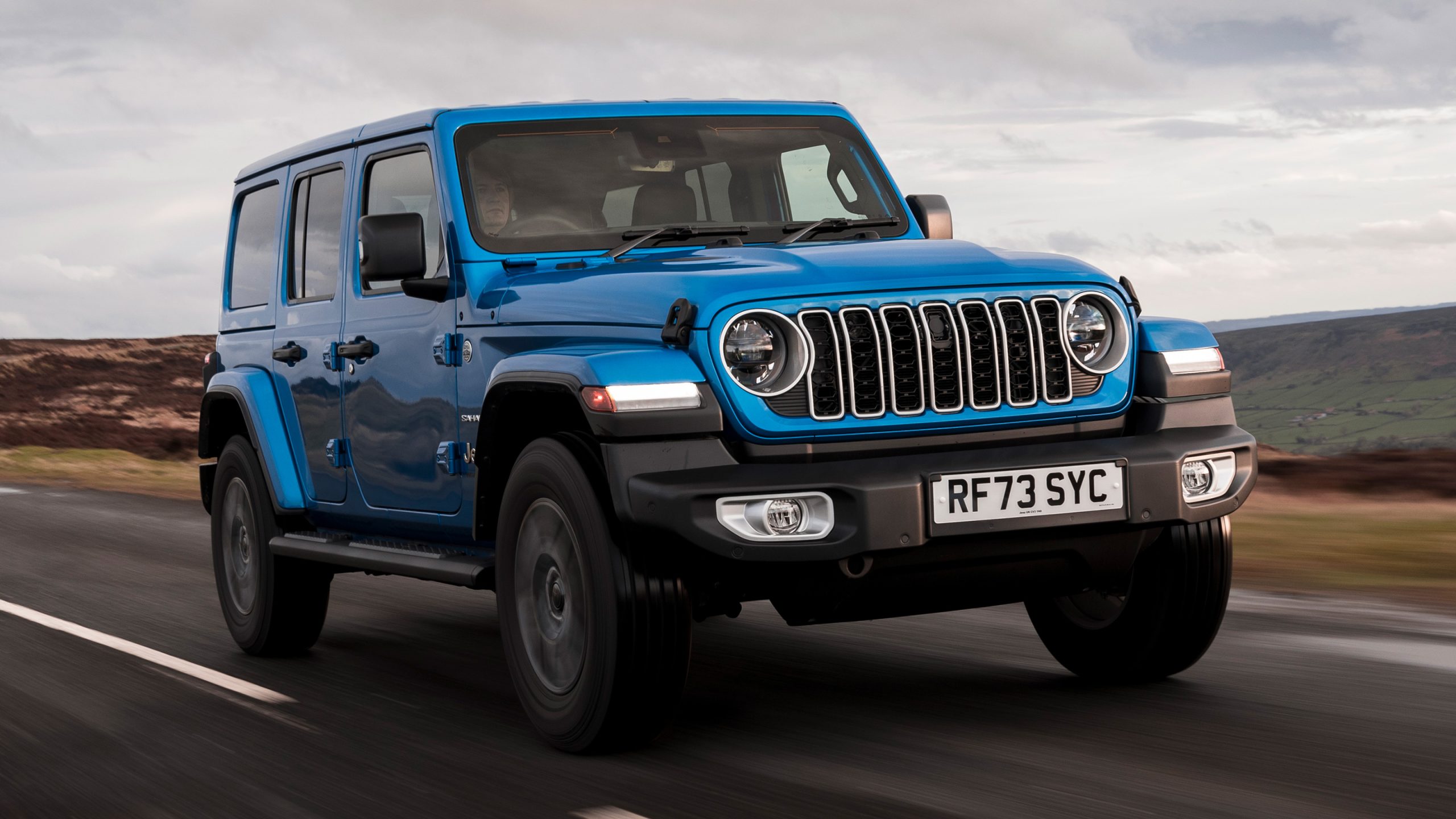
8. Jeep Wrangler: A True Truck-Based Off-Roader
The Jeep Wrangler is one of the few modern SUVs that remains fully truck-based. It uses a high-strength ladder frame paired with solid front and rear axles. This body-on-frame construction delivers extreme durability, excellent off-road capability, and easy modification.
Unlike unibody crossovers, the Wrangler separates the vehicle body from the structural backbone. This allows the frame to absorb heavy impacts and twisting forces when traveling over rough terrain. Key areas such as the hitch and suspension mounts are reinforced to withstand the jolts and shocks of serious off-road driving.
The ladder-frame chassis provides torsional rigidity and superior suspension articulation. Solid axles, such as the Dana 44, keep all four wheels on the ground for maximum traction. This design also enables the Wrangler to carry heavy loads and tow equipment that would overstrain a unibody SUV.
The separation of body and frame allows for easier repairs and aftermarket modifications, including lift kits and winch-ready bumpers. The Wrangler’s design honors the military-grade Willys MB, offering a long-lasting SUV capable of over 100,000 miles of heavy use without major issues.
The Wrangler comes with multiple engine options. A standard 285-hp 3.6-liter V6 pairs with a six-speed manual or eight-speed automatic transmission. Optional engines include a 270-hp turbocharged 2.0-liter four-cylinder and a 470-hp 6.4-liter V8 392.
Most trims have part-time four-wheel drive, while full-time four-wheel drive is available on Sport, Sahara, and Rubicon models. The short-wheelbase two-door model has a sharper ride, while four-door models provide improved comfort. Performance testing shows the 392 model accelerates to 60 mph in 4.0 seconds, demonstrating strong capability for a rugged SUV.
Towing capacity ranges from 2,000 pounds for the two-door model to 5,000 pounds for the V8 392. Fuel economy varies with engine and trim. EPA ratings are 13 to 20 mpg in the city and 16 to 23 mpg on the highway. Real-world testing shows the turbo-four returns 26 mpg while the V8 consumes 13 mpg.
Inside, the Wrangler is functional and durable with an upright dashboard, simple controls, and a commanding view of the trail. Four-door models offer reasonable rear-seat space, but cargo room is limited. The Uconnect 5 infotainment system features a 12.3-inch touchscreen with wireless Apple CarPlay and Android Auto.
Optional safety features include blind-spot monitoring, rear-cross-traffic alert, and rear parking sensors. Warranty coverage includes a three-year or 36,000-mile limited warranty, a five-year or 60,000-mile powertrain warranty, and two complimentary maintenance visits.
The Wrangler combines rugged off-road capability with ease of customization, making it a standout choice for those who need a truck-based SUV built for adventure.
The eight truck-based SUVs featured here demonstrate that true durability comes from the frame beneath the body. From full-size family haulers like the Ford Expedition and Chevrolet Suburban to midsize trail conquerors like the Toyota 4Runner, each SUV combines rugged construction with modern comfort and technology.
Body-on-frame architecture allows for higher towing capacity, superior off-road performance, and easier repairs, ensuring these vehicles can handle decades of use in challenging conditions. With advanced engines, driver-assistance systems, and versatile interiors, these SUVs balance toughness with everyday practicality.
Choosing a truck-based SUV means investing in longevity, dependability, and capability that unibody vehicles cannot match. For drivers who value strength, reliability, and the confidence to carry heavy loads or explore remote terrain, these eight models stand out as benchmarks of engineering excellence and proof that a solid foundation is the key to enduring performance.
Also Read: 10 Cars With Factory Exhaust Notes Worth Preserving