
Buying a compact car often starts with a simple goal: dependable transportation that does not drain your wallet. These smaller vehicles promise fuel savings, easier parking, and lower ownership costs. Yet not every compact car delivers the same long-term experience.
Some models quietly rack up 150,000 miles and keep going with little drama. Others begin to feel loose, fragile, or worn out long before reaching that milestone. Durability in a compact car is not only about the engine surviving high mileage.
It involves how the doors close after a decade, how the suspension handles rough roads, and whether the interior still feels solid instead of creaky. A car that “holds together” sends a message through its steering, braking, and overall structure. One that feels flimsy may still run, but it does not inspire confidence.
Shoppers looking at used compact cars deserve clarity. Mileage alone tells part of the story, but build quality and engineering choices often determine how a car ages. Certain models have earned a reputation for steady reliability and tight construction. Others struggle with rattles, premature component wear, or powertrains that feel tired too soon.
Below, you will find five compact cars known for staying solid past 150,000 miles, followed by five that tend to feel fragile earlier in their lifespan. Each one tells a different story about what long-term ownership really looks like.
5 Compact Cars That Hold Together Over 150,000 Miles
1. 2013 Toyota Corolla
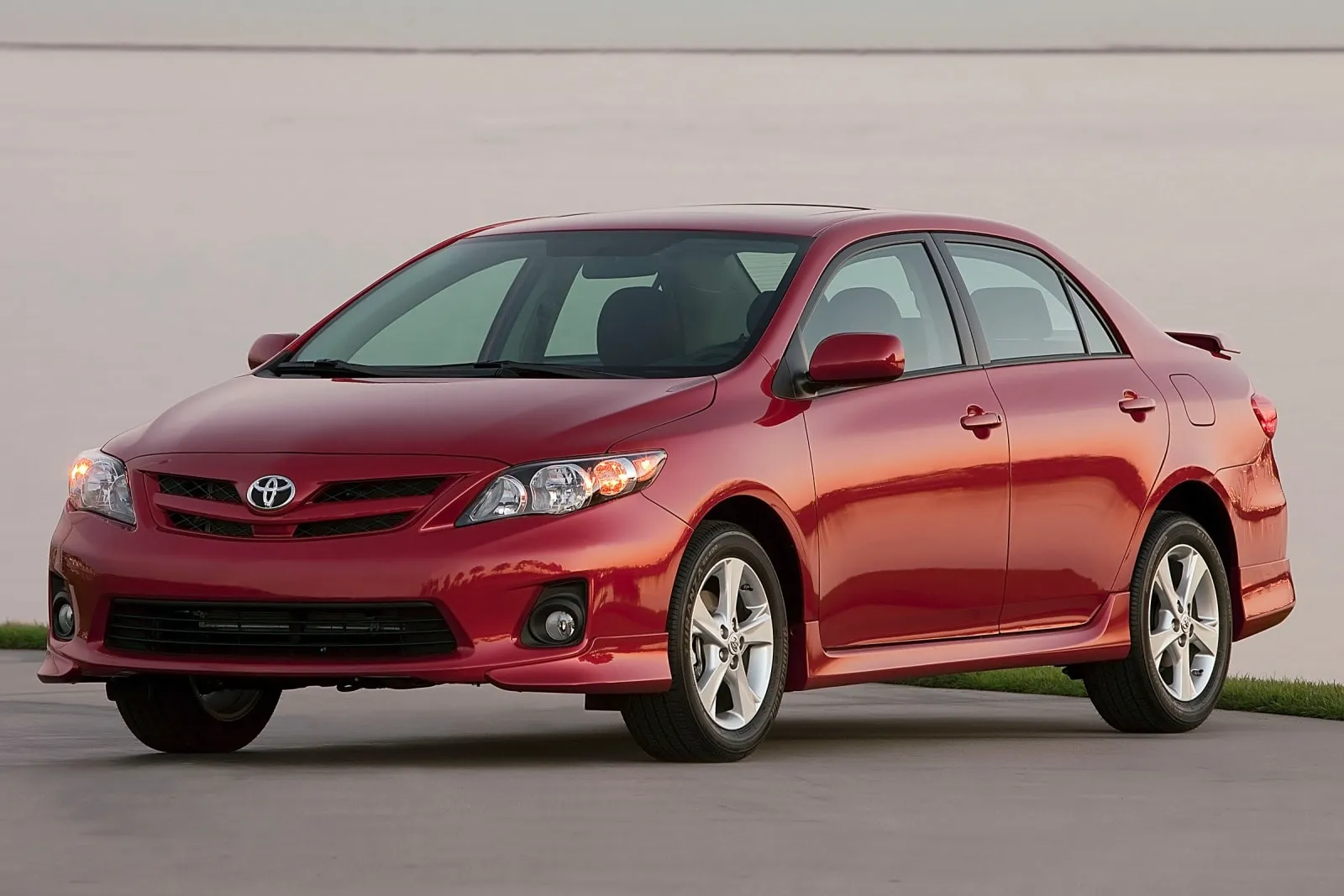
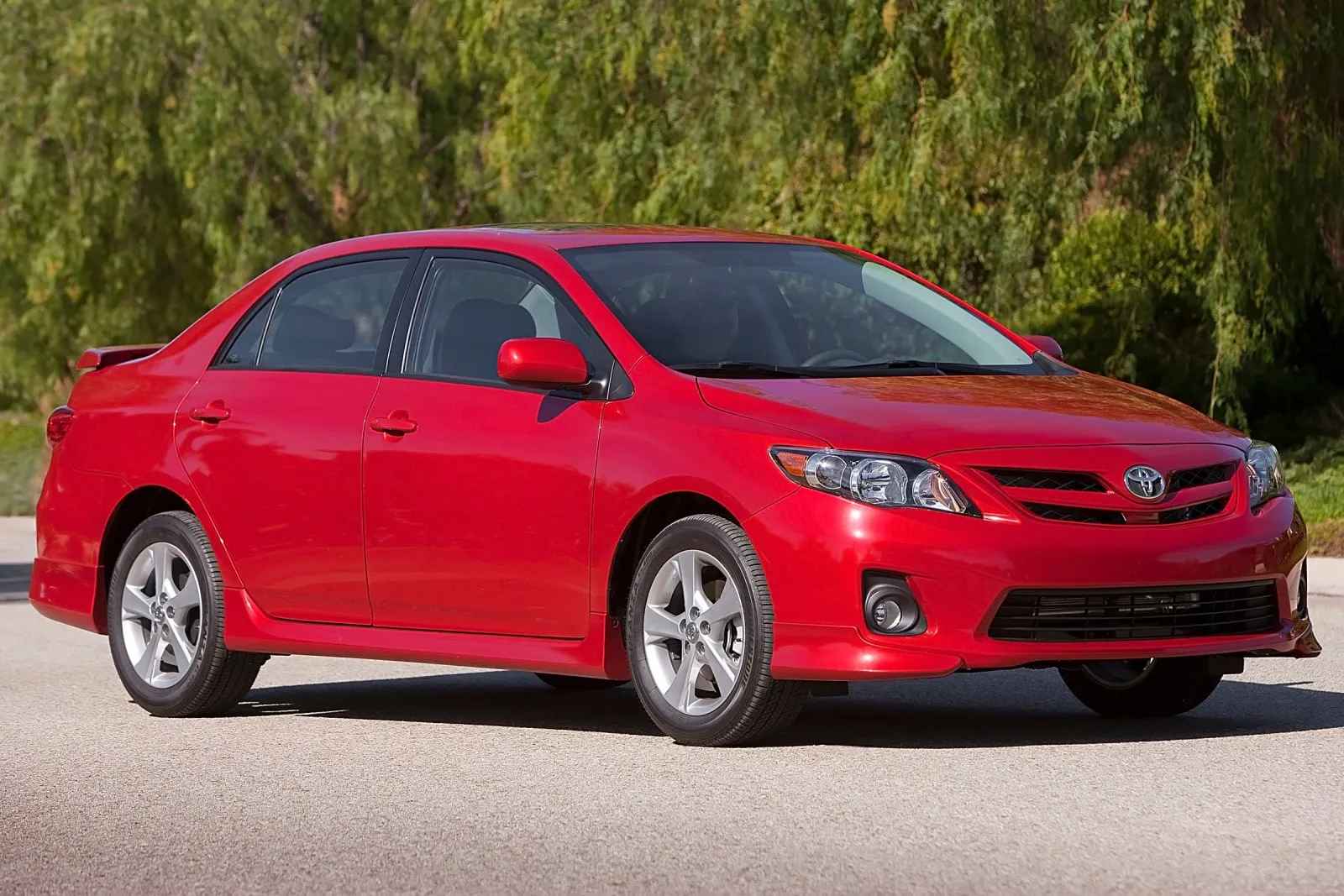
Quiet confidence defines the 2010-2013 Toyota Corolla. Owners rarely boast about it, yet that silence speaks volumes. This generation focused less on flashy technology and more on straightforward engineering. A naturally aspirated 1.8-liter four-cylinder engine paired with a conventional automatic transmission created a powertrain that simply works.
Longevity often begins with simplicity. Corolla engines from these years avoid turbochargers and complicated fuel systems, reducing the number of parts that can fail. Regular oil changes and routine servicing typically keep them running well past 150,000 miles. Reports of major engine failure remain rare when maintenance stays consistent.
Cabin durability strengthens its reputation. Door panels resist cracking, seat fabric holds shape, and dashboard materials age without severe fading. Controls maintain their firmness instead of turning loose or sticky. After a decade of use, many examples still feel structurally tight.
Suspension tuning leans toward comfort rather than sportiness. Struts and bushings wear at a predictable pace, and replacement costs stay manageable. Steering response remains steady rather than vague, even in higher-mileage cars.
Body integrity also deserves attention. Paint quality resists corrosion when cared for properly, and door hinges remain sturdy. Drivers often comment that the car “still feels like a Corolla” long after crossing six digits on the odometer.
While excitement may not define this model, resilience certainly does. For buyers seeking a compact car that maintains composure through years of daily use, the 2010-2013 Toyota Corolla stands as a dependable choice.
2. 2015 Honda Civic
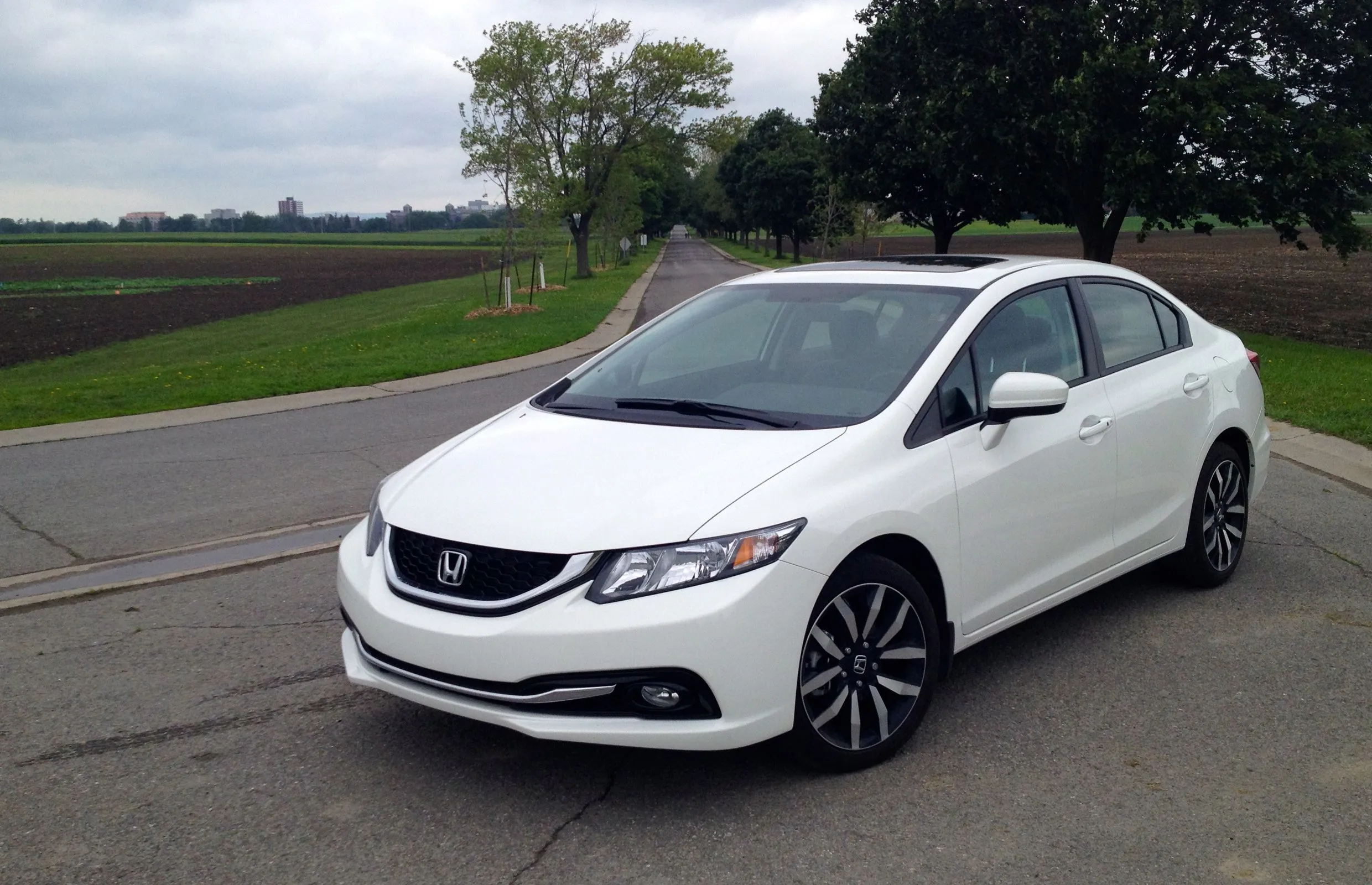
Refinement meets endurance in the 2012-2015 Honda Civic. After an initial wave of criticism at launch, Honda quickly updated materials and ride quality, creating a compact car that aged gracefully.
Under the hood sits a 1.8-liter four-cylinder engine known for smooth operation and strong durability. Paired with either a five-speed automatic or manual transmission, the Civic avoids unnecessary mechanical complications. Owners frequently report surpassing 150,000 miles without major drivetrain repairs.
Interior construction improved after early feedback. Panels fit securely, buttons maintain tactile feedback, and cabin noise remains controlled even as mileage rises. This sense of solidity reduces the impression of aging.
Chassis design contributes to its staying power. Steering retains accuracy, and suspension components show balanced wear patterns. Though shocks and bushings eventually require replacement, the structure itself feels rigid and dependable.
Fuel efficiency adds practical appeal. Consistent mileage numbers reduce strain on the budget, encouraging owners to keep the vehicle longer. A car that saves money at the pump and avoids constant repairs naturally earns loyalty.
Resale values reflect this trust. Used examples with 150,000 miles still command attention because buyers believe in their durability. That belief did not appear by accident; it developed through years of consistent ownership experiences.
Choosing a 2012-2015 Honda Civic often means investing in a compact car that remains composed and structurally sound long after newer models start showing fatigue.
Also Read: 5 Compact Cars That Feel Solid at Highway Speeds vs 5 That Feel Unstable
3. 2014 Mazda3 Skyactiv
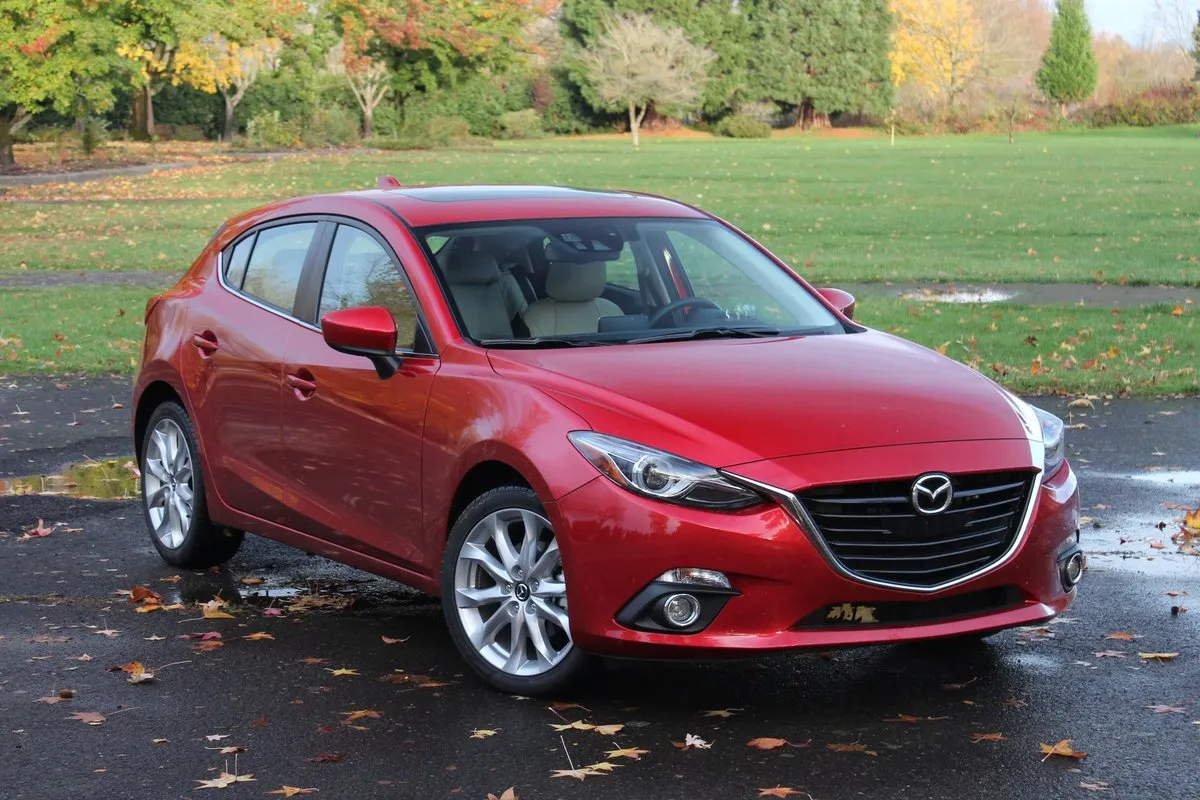
Refinement and resilience coexist impressively in the 2011 to 2014 Mazda3 fitted with the Skyactiv engine. This model represents a thoughtful advancement in engineering philosophy, where efficiency does not undermine durability. Motorists who appreciate responsive steering and controlled handling frequently discover that this vehicle maintains its structural integrity even after extensive mileage accumulation.
Mazda’s 2.0-litre Skyactiv petrol engine employs a high compression ratio without turbocharging. By avoiding forced induction, mechanical stress remains moderate, thereby supporting longevity. When serviced at recommended intervals with quality lubricants and genuine filters, the engine sustains smooth performance beyond 150,000 miles.
Both the six-speed manual and automatic transmissions complement this reliability. Gear engagement remains precise, and premature mechanical wear is uncommon when fluid changes are performed consistently. Chassis engineering contributes substantially to the vehicle’s enduring character.
The suspension system delivers a composed ride while preserving firm road contact. Even after years of operation, the body structure resists flexing, and alignment stability tends to remain intact. Drivers often observe that the vehicle continues to feel secure and balanced, rather than loose or unsettled, despite advancing mileage.
Interior craftsmanship reflects careful material selection. Soft-touch surfaces retain their texture, and upholstery stitching rarely deteriorates prematurely. While minor rattles may occasionally arise with age, widespread deterioration is rarely associated with this generation.
Control switches and dashboard fittings maintain firmness, reinforcing the perception of quality construction. Earlier Mazda models were sometimes criticised for corrosion concerns; however, the 2011 to 2014 Mazda3 benefited from improved rust protection.
Proper cleaning and routine inspection of vulnerable areas such as wheel arches and underbody components greatly reduce the likelihood of structural corrosion. In temperate climates, well-maintained examples continue to present solid exterior conditions even after many years.
Running costs remain moderate, which encourages owners to retain the vehicle rather than dispose of it prematurely. Routine servicing, brake component replacement, and suspension upkeep do not impose excessive financial strain. As a result, many examples continue operating reliably well beyond 150,000 miles.
The 2011 to 2014 Mazda3 Skyactiv stands as evidence that compact vehicles can provide driving satisfaction while preserving mechanical dependability. Through disciplined maintenance and attentive ownership, this model consistently demonstrates long-term endurance.
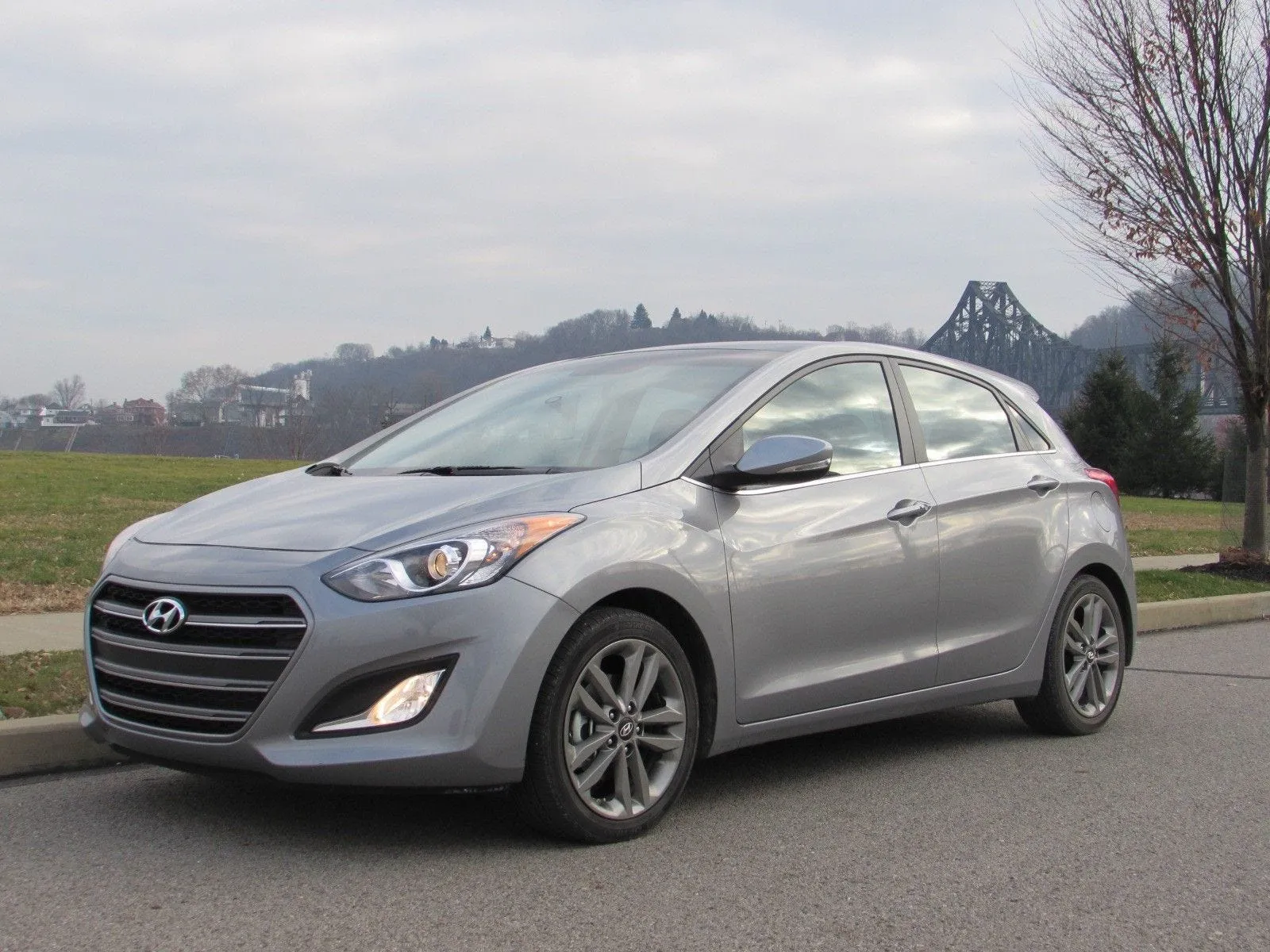
4. 2016 Hyundai Elantra GT
Durability combined with practicality defines the 2013 to 2016 Hyundai Elantra GT. Designed with European influence, this hatchback delivers a composed driving experience supported by dependable mechanical systems. Owners seeking balanced performance and everyday functionality frequently regard this model as a dependable long-term companion.
Power is supplied by a naturally aspirated 2.0-litre petrol engine. The absence of turbocharging reduces mechanical strain and simplifies maintenance requirements. With routine oil changes and cooling system inspections, the engine continues operating efficiently well past 150,000 miles.
Transmission options include a six-speed manual and a conventional automatic gearbox, both of which demonstrate commendable reliability when fluid servicing is conducted according to manufacturer guidelines. Structural integrity remains one of the Elantra GT’s strengths.
Suspension components exhibit predictable wear patterns, allowing timely replacement before secondary damage occurs. Steering precision generally remains steady, and chassis rigidity prevents the deterioration in handling often experienced in ageing compact hatchbacks.
Interior assembly reflects measured attention to durability. Seat frames retain their structure, and fabric upholstery typically resists premature tearing. Dashboard panels and control buttons maintain alignment and firmness, even after years of regular use. Door seals remain effective at limiting wind intrusion, preserving cabin comfort.
Electrical systems in this generation show marked improvement compared with earlier Hyundai products. Infotainment interfaces, climate control units, and power accessories demonstrate consistent functionality when maintained properly. Electrical faults are relatively infrequent, enhancing confidence in long-term ownership.
Owners frequently report surpassing the 150,000-mile threshold with no major mechanical interventions beyond routine servicing. Brake components, suspension bushings, and tyres require periodic replacement, yet these are expected wear items rather than design deficiencies.
The 2013 to 2016 Hyundai Elantra GT does not rely on extravagant styling or excessive technological embellishments. Instead, it earns recognition through steady performance, sensible engineering, and structural consistency. With responsible maintenance practices, this hatchback continues to deliver dependable service across extensive mileage.
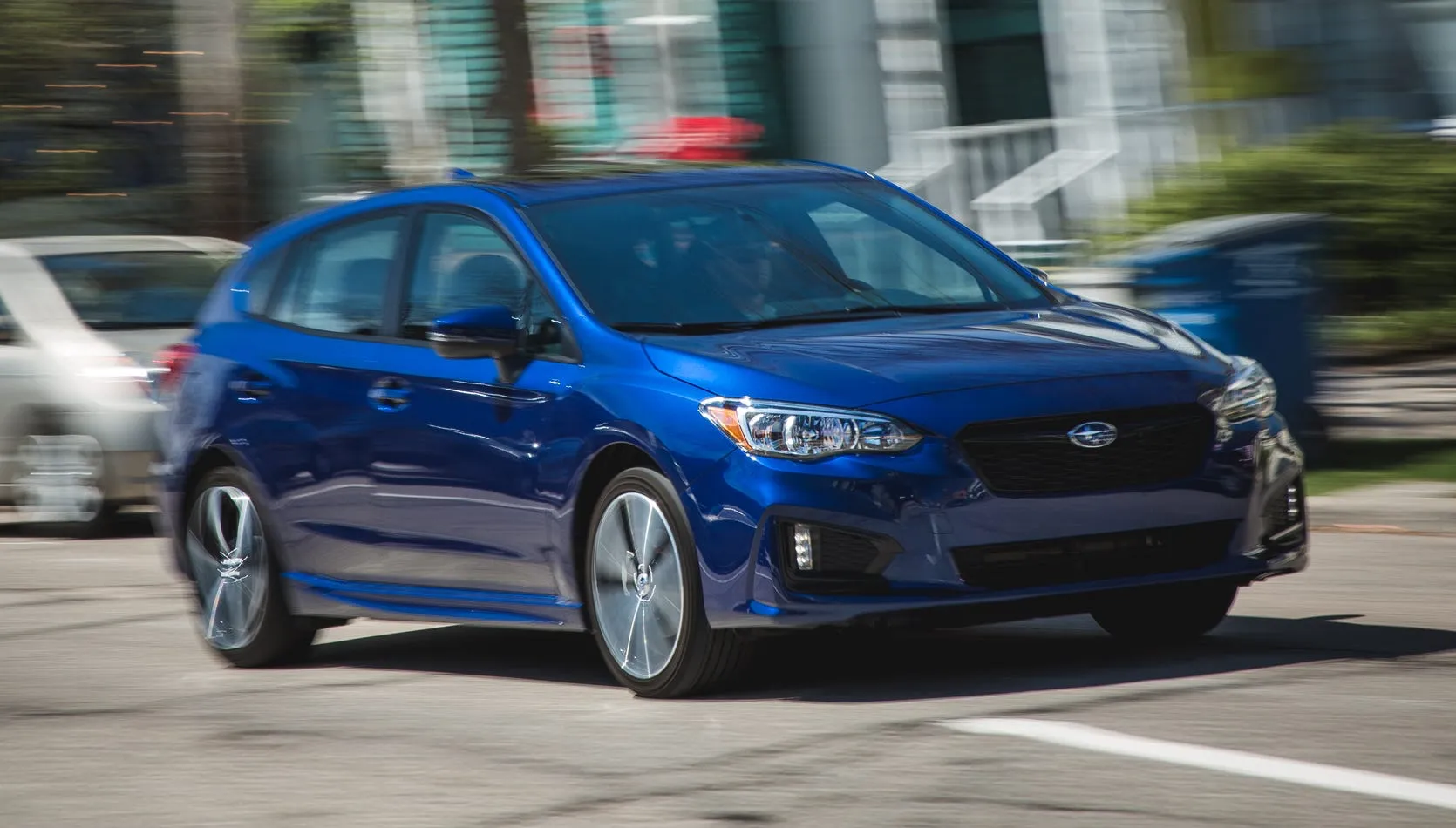
5. 2017 Subaru Impreza
Dependable traction and mechanical resilience characterise the 2014 to 2017 Subaru Impreza. Equipped with standard all-wheel drive, this compact vehicle distinguishes itself through balanced capability and enduring construction. Drivers requiring stability in varied weather conditions often appreciate that durability accompanies its practical design.
The 2.0-litre horizontally opposed engine sits low within the chassis, promoting stability and controlled handling. Earlier Subaru generations faced concerns regarding head gasket durability; however, refinements in this model reduced such vulnerabilities. When serviced with appropriate engine oil and coolant, the power unit frequently exceeds 150,000 miles without major internal failure.
Subaru’s symmetrical all-wheel drive system contributes to long-term robustness. Provided that differential fluids and transmission components receive regular attention, drivetrain assemblies maintain consistent performance. Many high-mileage examples demonstrate that the all-wheel drive system retains operational integrity without excessive wear.
Cabin durability reflects careful engineering choices. Seat structures remain supportive, dashboard materials resist cracking, and interior controls preserve their tactile firmness. Even after extended use, the interior seldom conveys a sense of fragility. Sound insulation remains effective, supporting a composed driving atmosphere.
Suspension components and steering systems sustain predictable wear patterns. Replacement of struts, bushings, and brake components at appropriate intervals preserves ride quality and control. Structural rigidity remains evident, reducing body flex and maintaining alignment stability across prolonged usage.
Owners who prioritise year-round mobility value the assurance that reliability accompanies traction capability. Proper servicing of engine, transmission, and drivetrain components enables the Impreza to operate dependably beyond substantial mileage milestones.
The 2014 to 2017 Subaru Impreza demonstrates that compact vehicles can integrate all-wheel drive with durable construction. Through disciplined maintenance and responsible driving habits, this model continues to provide dependable performance and structural integrity well past 150,000 miles.
5 Compact Cars That Feel Flimsy Before 150,000 Miles
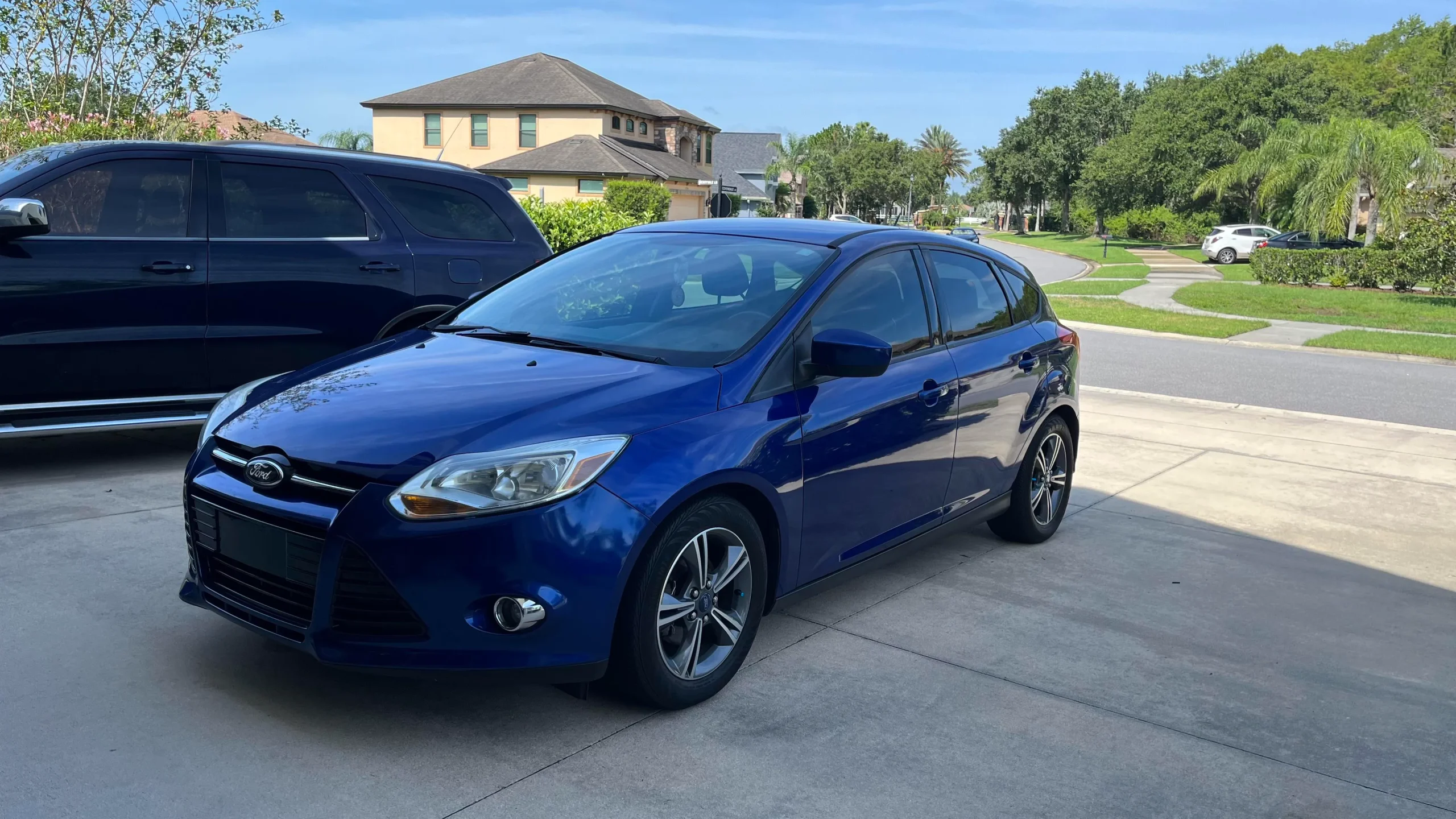
1. 2012 Ford Focus SE
Few compact cars arrived with as much promise as the 2012 Ford Focus SE. Sharp styling, an upscale-looking cabin, and agile handling made it appealing from the start. Early test drives often left drivers impressed by how solid it felt at city speeds. Yet living with this car long term can tell a different story.
Primary trouble centers around the PowerShift dual-clutch automatic transmission. Owners frequently reported shuddering, hesitation, and rough engagement, especially in stop-and-go traffic. Instead of delivering crisp, smooth gear changes, the transmission can behave unpredictably, leading to frustration during daily commutes.
Repeated software updates and clutch replacements have helped some vehicles, though others continue to struggle well before reaching higher mileage. Interior durability also draws mixed reactions. While the dashboard design looks modern, the materials on door panels and center consoles tend to scratch easily.
Rattles may develop in colder weather, and seat cushioning sometimes loses firmness earlier than expected. As mileage climbs toward six figures, small annoyances can accumulate, making the cabin feel older than the odometer suggests.
Suspension components deserve attention as well. Bushings and control arm parts can wear out sooner than drivers anticipate, especially on rough pavement. When these pieces begin to age, the ride loses its earlier composure and starts to feel less controlled. Braking performance remains adequate, but premature wear on certain components has been reported.
Engine reliability is less controversial. The 2.0-liter four-cylinder itself is generally durable when maintained properly. Oil changes at proper intervals and cooling system care keep it running smoothly. Unfortunately, drivetrain concerns overshadow the engine’s strengths, which shape long-term impressions of the vehicle.
For shoppers considering a used 2012 Ford Focus SE, careful inspection is essential. A thorough test drive that includes slow-speed traffic simulation can reveal transmission behavior. Service records showing completed updates and repairs are equally important. Without those, reaching 150,000 miles with minimal headaches can feel uncertain.
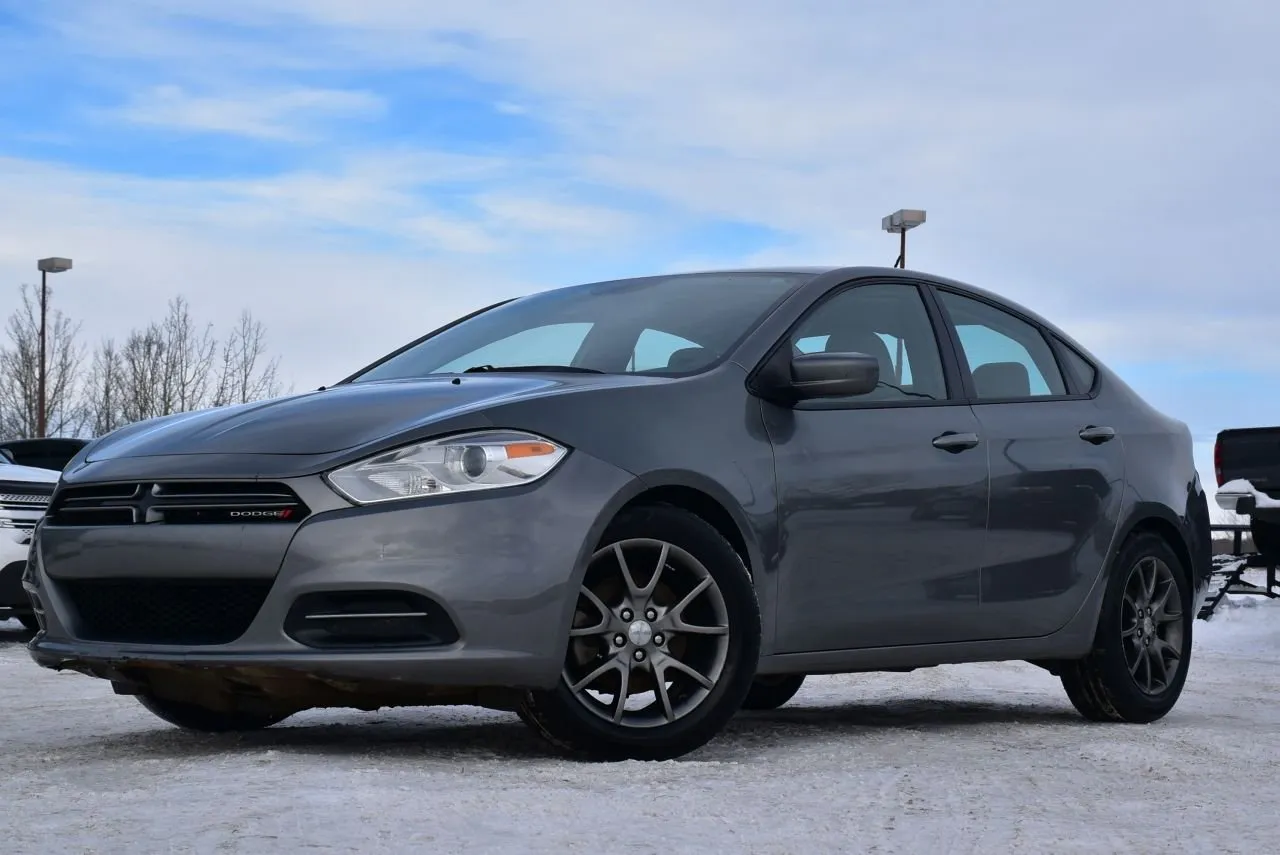
2. 2013 Dodge Dart SXT
Bold design and a roomy interior set high expectations for the 2013 Dodge Dart SXT. Based on a platform shared with European engineering roots, it aimed to blend style with substance. First impressions can be positive, especially with the available technology features and smooth highway ride.
Reliability reports, however, paint a more cautious picture. Electrical glitches have been one of the most common concerns. Infotainment systems may freeze or reboot unexpectedly, and various warning lights can illuminate without a clear cause. Intermittent sensor issues sometimes require repeated dealership visits, which can test patience.
Engine choices also vary in long-term satisfaction. The 1.4-liter turbocharged engine delivers decent power for its size, though it demands consistent care. Turbo components, cooling systems, and oil quality become crucial factors in durability. When oil change intervals stretch too long, performance and reliability may suffer.
Manual transmissions tend to hold up better than certain automatic versions, yet clutch wear can occur earlier than some drivers expect. Automatic models have faced complaints regarding harsh moves or hesitation. As mileage builds, drivetrain refinement may decline, reducing confidence during daily driving.
Interior assembly quality presents another concern. Though cabin space is generous for a compact sedan, trim pieces can loosen with age. Door handles, window switches, and seat mechanisms sometimes show wear earlier than anticipated. Road noise may increase as seals and insulation age.
Suspension tuning initially feels comfortable, absorbing bumps without harshness. Over higher mileage, though, components such as tie rods and stabilizer links may require replacement. Once those parts wear down, steering precision can diminish.
Choosing a 2013 Dodge Dart SXT demands a close review of service history and a comprehensive inspection. Vehicles that received consistent upkeep can perform adequately, yet those with deferred care may show their age quickly. Achieving 150,000 miles without repeated repairs may require more attention than drivers expect from a compact sedan.
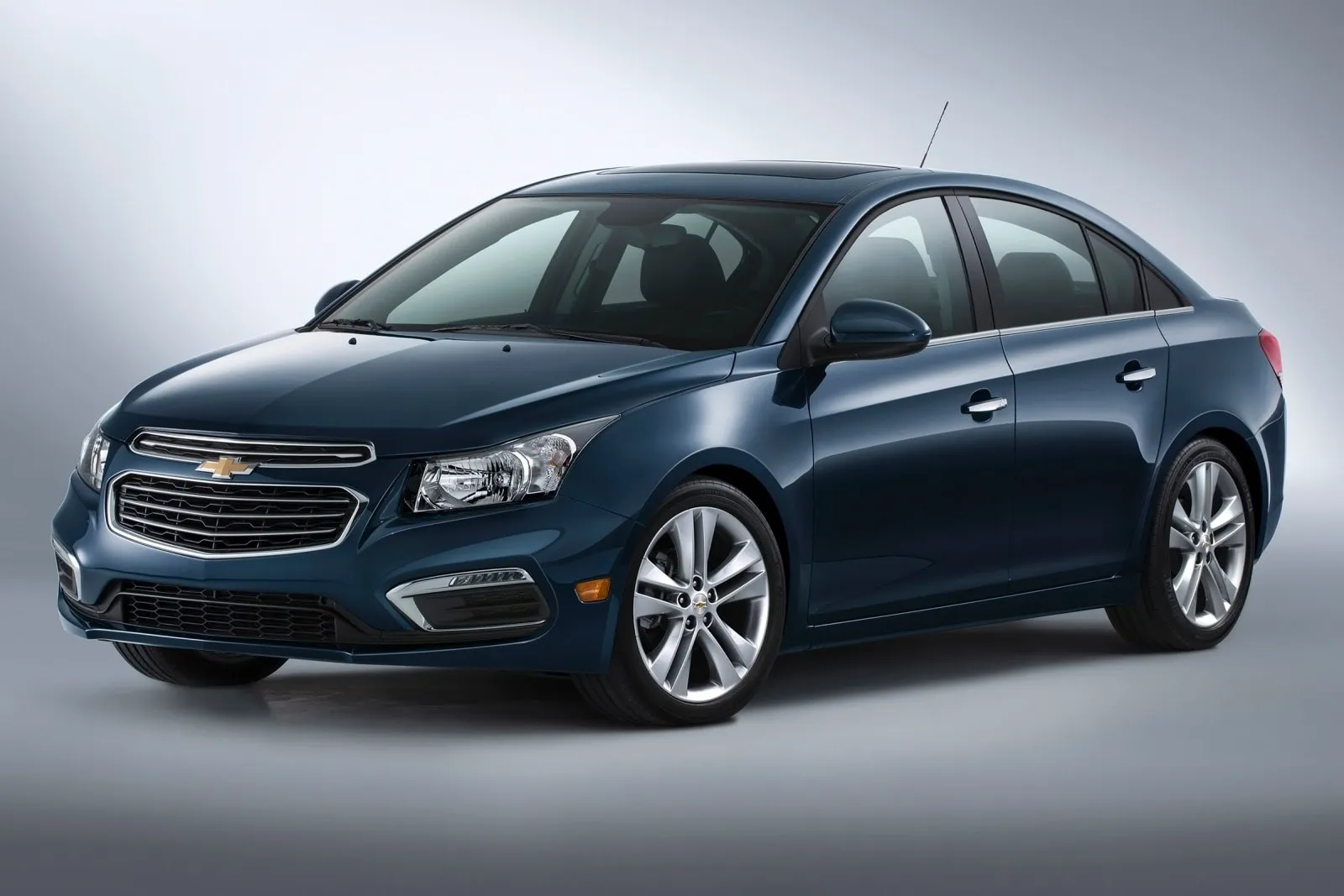
3. 2015 Chevrolet Cruze LS
Affordable pricing and attractive fuel economy made the 2015 Chevrolet Cruze LS a popular choice in the compact segment. From the outside, its clean lines suggest a dependable commuter car. Behind the wheel, the ride feels composed at moderate speeds, which can leave a solid first impression.
Long-term ownership stories reveal certain patterns worth noting. Turbocharged 1.4-liter engines found in many Cruze models provide good efficiency, though they can face issues with coolant leaks and water pump failures. When cooling components deteriorate, overheating risks increase if not addressed promptly. Consistent inspection of hoses and seals becomes vital.
Oil leaks around valve covers and intake manifolds have also appeared in some vehicles. These problems may start small yet gradually create larger repair bills. Ignoring minor seepage can lead to rough idling or reduced performance.
Interior build quality receives mixed feedback. Dashboard plastics may feel sturdy at first, though creaks can develop as miles accumulate. Seat fabric on base trims sometimes shows wear earlier than expected. Climate control systems generally perform well, yet blower motor resistors and related components may require attention.
Transmission performance varies depending on maintenance habits. Automatic units can deliver smooth moves when fluid is serviced at recommended intervals. Delayed fluid changes, however, may result in harsher gear transitions and reduced longevity.
Braking and suspension systems hold up reasonably well, though front struts and sway bar links might need replacement before the 150,000-mile mark. Once those parts age, ride comfort declines, and steering feel becomes less precise.
Drivers considering a used 2015 Chevrolet Cruze LS should prioritize examples with detailed maintenance records. Addressing small mechanical issues early can prevent larger failures. Without that proactive care, the vehicle may feel less robust as it approaches higher mileage.
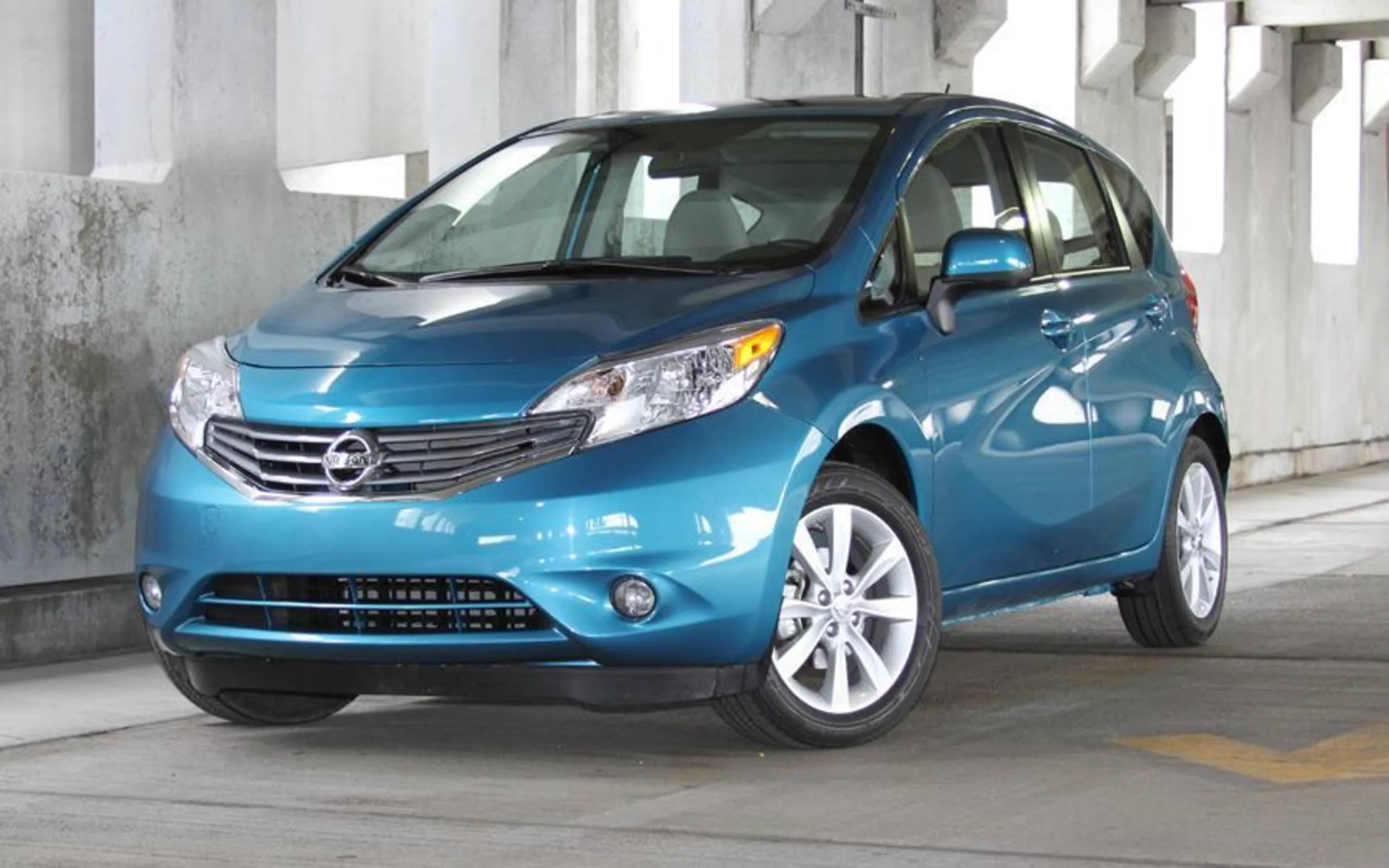
4. 2014 Nissan Versa Note SV
Budget-friendly pricing and impressive cargo space attract buyers to the 2014 Nissan Versa Note SV. Its tall roofline and practical hatchback design make it a smart urban companion. City driving feels light and maneuverable, with steering that simplifies tight parking situations.
Durability concerns often center on the continuously variable transmission. While this type of gearbox promotes fuel efficiency, some owners report whining noises or delayed acceleration after extended use. Consistent fluid changes help, though not all units maintain smooth operation beyond 120,000 miles.
Engine reliability tends to be average when routine care is followed. The 1.6-liter four-cylinder provides modest power suited for commuting. Pushing it hard for extended highway travel can strain performance, which affects long-term comfort.
Cabin materials reflect the vehicle’s budget orientation. Hard plastics dominate the interior, and trim pieces may loosen as mileage grows. Seat padding can flatten, reducing comfort during longer drives. Road noise insulation is minimal, so highway speeds may amplify sound levels inside the cabin.
Suspension tuning favors softness, which works well on smoother pavement. Rougher roads may accelerate wear on shocks and bushings. Once those components degrade, the ride can feel unsettled. Electrical systems are generally straightforward, though occasional power window and door lock malfunctions have been reported. Addressing these issues quickly prevents additional strain on related components.
Prospective buyers should carefully assess transmission performance during a test drive. A smooth, quiet response during acceleration is a good sign. Vehicles with complete service documentation are more likely to approach higher mileage without major headaches. Even so, expectations should align with its budget-focused design.
Also Read: 5 Compact Cars With Bulletproof Engines VS 5 With Weak Links
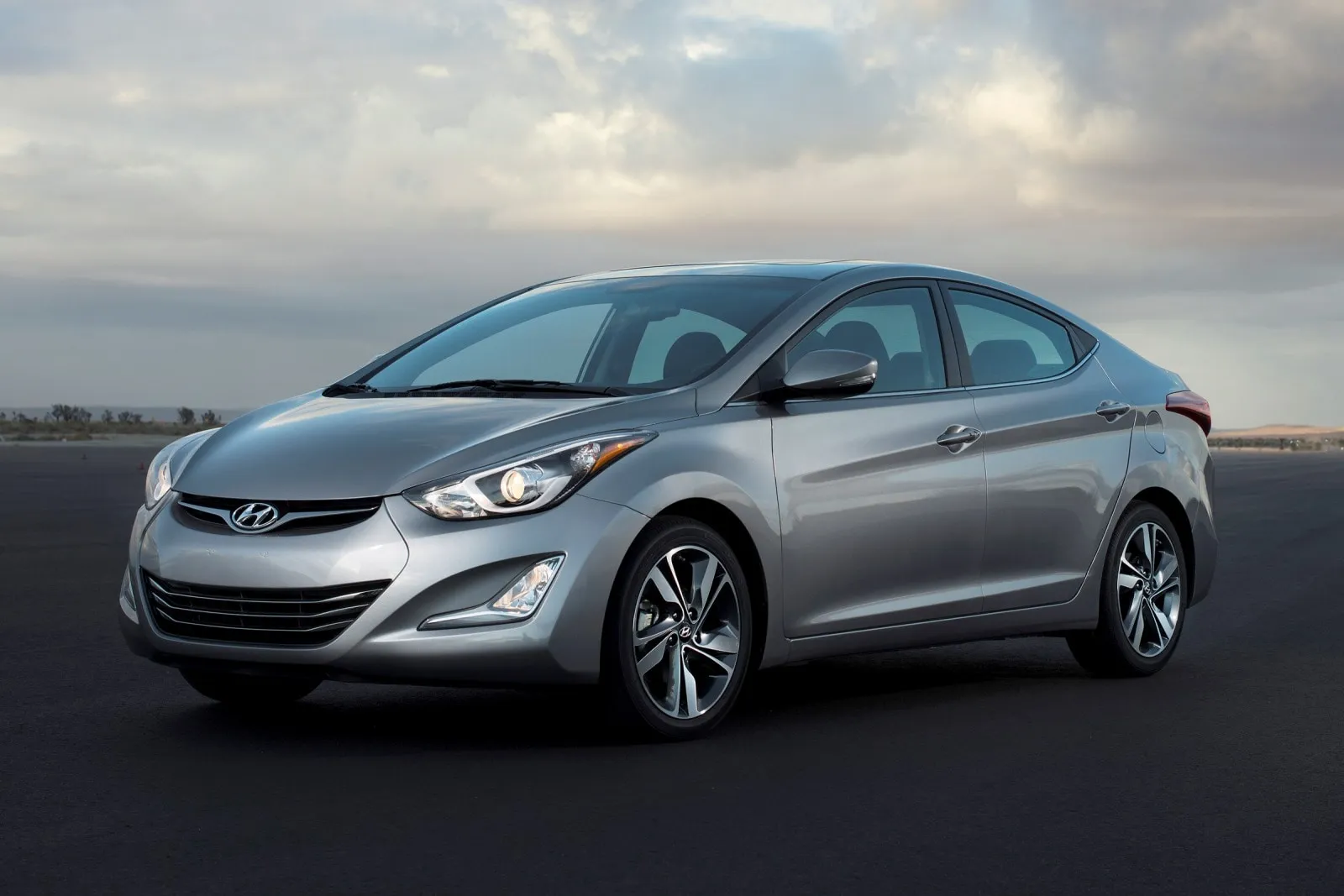
5. 2016 Hyundai Elantra SE
Sleek styling and a reputation for value make the 2016 Hyundai Elantra SE appealing on paper. It offers generous features for its class and competitive fuel economy. Initial driving impressions often highlight a comfortable ride and straightforward controls.
Long-term durability varies depending on care and driving habits. Some owners report engine concerns related to excessive oil consumption. Regular monitoring of oil levels becomes essential, especially as mileage increases. Ignoring this can result in engine wear that shortens the lifespan.
Automatic transmissions in this model generally perform reliably, though fluid changes at proper intervals are critical. Skipping scheduled service may lead to rough shifting as miles accumulate. Manual versions often provide simpler long-term ownership, provided the clutch receives proper treatment.
Interior quality is acceptable for its price point, yet certain plastics may scratch easily. Door seals and weather stripping can deteriorate, allowing additional road noise. Infotainment systems function adequately, though occasional software glitches may appear.
Suspension components hold up reasonably well, though struts and bushings may require replacement before reaching 150,000 miles. When those parts age, ride comfort decreases and steering precision fades. Braking systems are dependable when pads and rotors are replaced on schedule. Delayed service can strain other components, increasing repair costs.
Anyone considering a 2016 Hyundai Elantra SE should request complete maintenance documentation and perform a thorough inspection. With attentive care, it can deliver reliable service. Without consistent upkeep, however, it may begin to feel less sturdy as mileage climbs toward the 150,000-mile mark.
