
A decade ago, stepping into a high-end vehicle felt like entering a private lounge on wheels. Heated steering wheels, massive touchscreens, advanced driver assistance systems, and smartphone integration were reserved for flagship sedans and premium SUVs. Buyers paid thousands extra for features that were proudly listed in glossy brochures as exclusive upgrades.
Fast forward to 2026, and the automotive experience has changed dramatically. Features once treated as elite perks now appear in compact sedans, affordable crossovers, and even entry-level hatchbacks. What used to define luxury has quietly become the baseline expectation.
This transformation did not happen overnight. Competition, technology advancements, and consumer demand pushed automakers to adopt innovations more quickly and spread them across entire lineups. As a result, drivers shopping for a modestly priced new car today enjoy comfort, safety, and connectivity that rival what premium buyers received ten years ago.
Looking back at specific vehicles from 2016 offers a clear picture of how far things have progressed. The following ten models highlight luxury features that once required a premium badge and a premium budget. Today, those same features are commonly included without extra cost in vehicles across multiple segments.
1. 2016 Mercedes-Benz S-Class S550 and Advanced Driver Assistance Systems
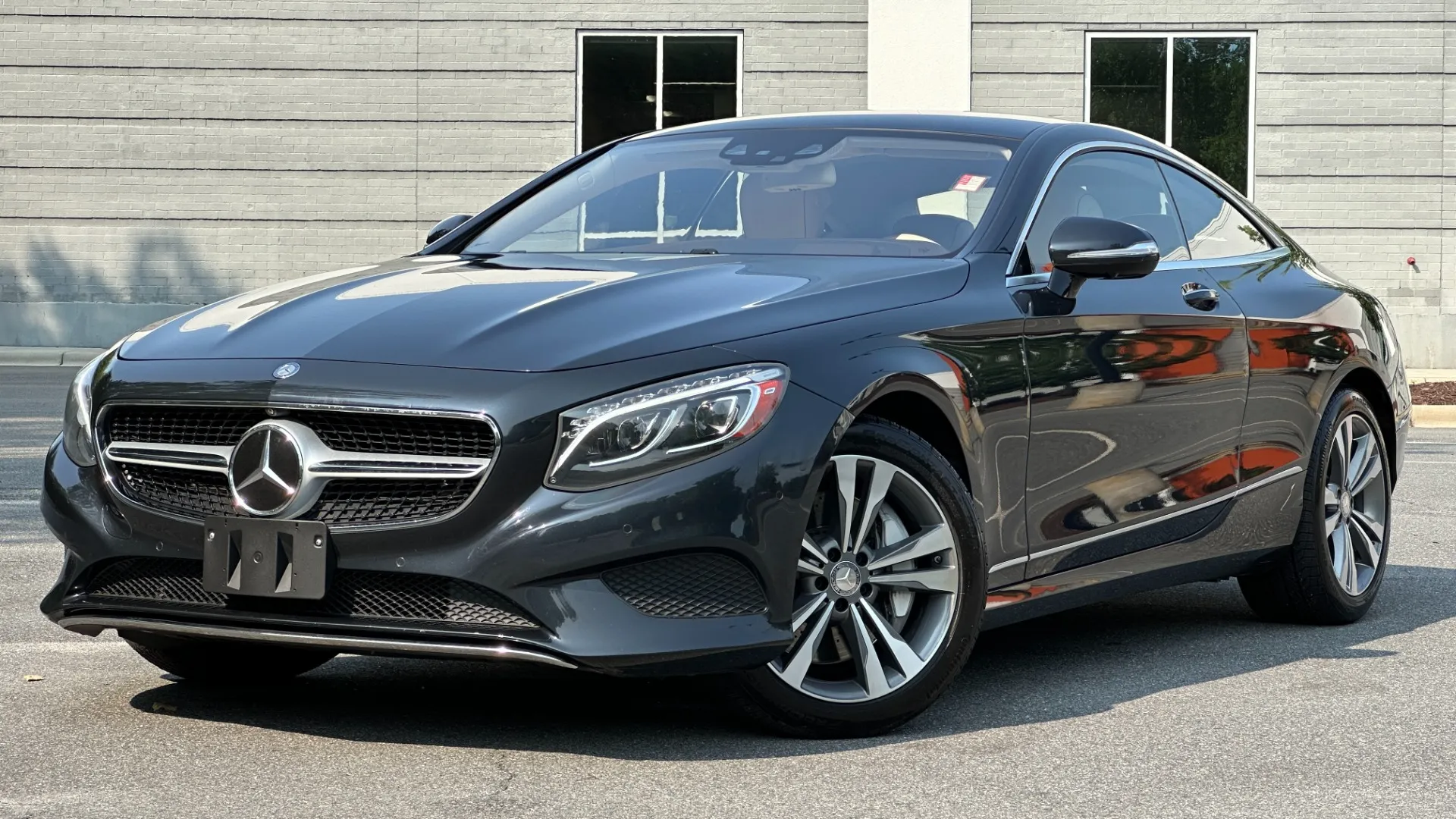
A flagship sedan once defined the cutting edge of automotive technology, and the 2016 Mercedes-Benz S-Class S550 stood at the forefront of that movement.
Equipped with adaptive cruise control, lane keeping assist, blind spot monitoring, and automatic emergency braking, it delivered a semi-autonomous driving experience that felt futuristic at the time. Buyers paid a premium for these systems, often bundling them into expensive option packages.
Driving this sedan in 2016 meant experiencing technology that few vehicles could match. Radar sensors and cameras worked together to maintain following distance, gently steer within lane markings, and even apply brakes if a collision seemed imminent. For drivers accustomed to traditional cruise control, this felt revolutionary.
Cost-limited accessibility. These features were largely confined to luxury sedans and high-priced SUVs. Mainstream compact cars rarely offered such assistance, and when they did, availability was restricted to top trims. Fast forward to the present day, and advanced driver assistance systems have become standard equipment in numerous affordable vehicles.
Compact sedans, small crossovers, and even budget-friendly subcompacts now include automatic emergency braking and lane departure warnings without additional charges. Government safety ratings and consumer demand accelerated adoption across brands.
What once symbolized technological prestige has advanced into a safety expectation. Drivers now assume that new vehicles will include forward collision alerts and adaptive cruise control, even at modest price points. The 2016 S-Class S550 played a central role in shaping that expectation.
Its advanced systems demonstrated what was possible, and competitors responded quickly. Today, stepping into an entry-level sedan often means enjoying assistance features that once required flagship status and a six-figure budget.
2. 2016 BMW 7 Series 750i and Gesture Control Technology
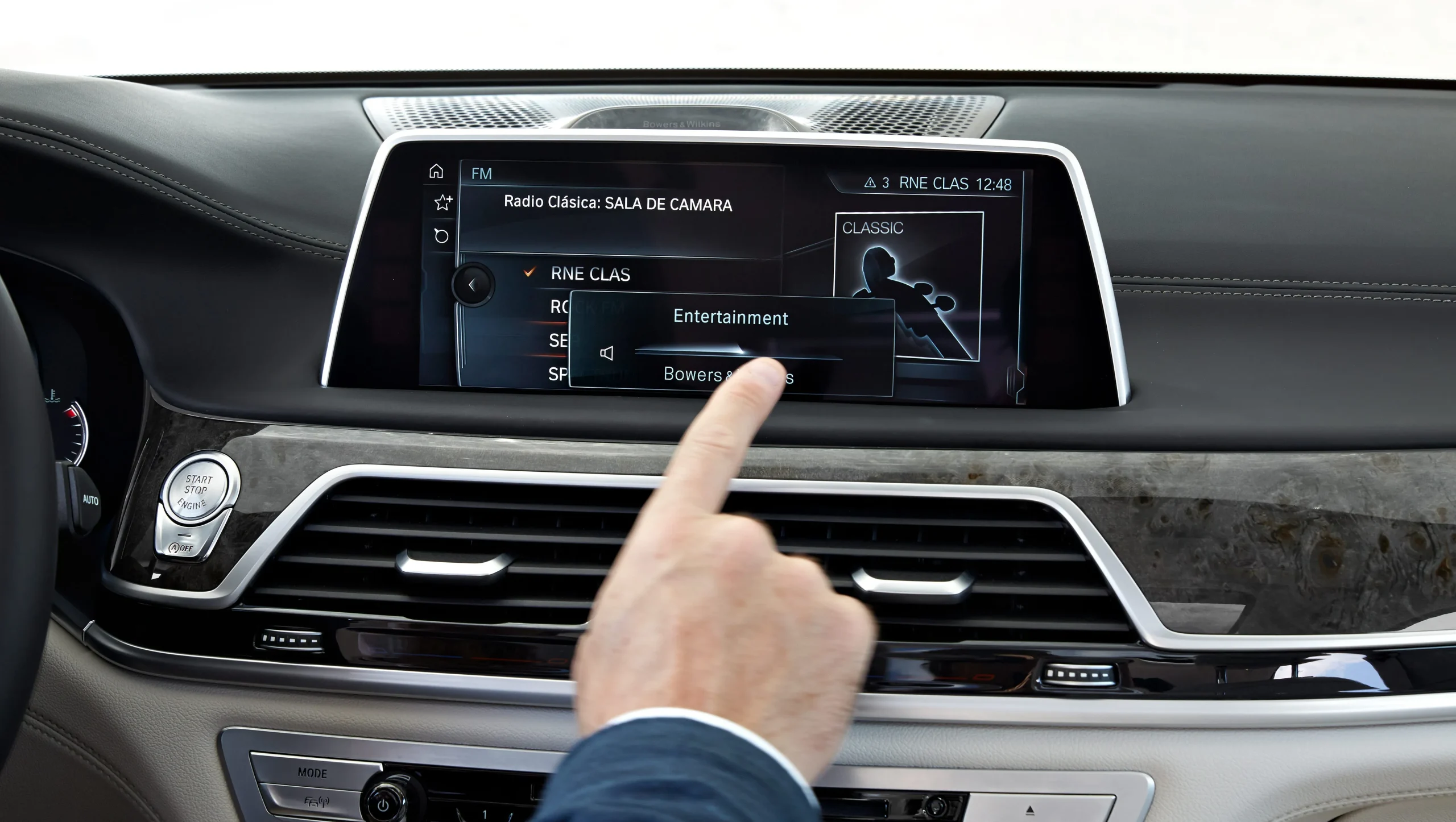
Luxury innovation sometimes arrives in unexpected forms. When the 2016 BMW 7 Series 750i introduced gesture control, the idea of adjusting volume or answering calls with a wave of the hand felt like something from a science fiction film. Infrared sensors tracked simple hand movements near the center console, allowing drivers to perform specific functions without touching a button.
At launch, this feature generated widespread curiosity. Buyers viewed it as a sort of how human-machine interaction could develop. Combined with a large infotainment display and digital instrument cluster, the 7 Series reinforced BMW’s reputation for integrating advanced interfaces into its flagship sedan.
Exclusivity defined its early years. Gesture control was bundled with premium packages and reserved for upper trims. Entry-level vehicles offered basic touchscreens at best, while high-end sedans experimented with new interaction methods.
Although gesture control itself remains less common today, the broader concept it represented has become mainstream. Large, responsive touchscreens, digital dashboards, voice-activated commands, and wireless connectivity now appear in vehicles across all price categories. The expectation that drivers can interact seamlessly with technology without relying solely on physical buttons has taken root.
Affordable compact cars now feature voice assistants that adjust climate settings or input navigation destinations. Wireless smartphone integration has become commonplace. Digital instrument clusters replace analog gauges in vehicles that cost far less than a flagship sedan did in 2016.
The 2016 BMW 7 Series 750i signaled a turning point in user interface design. While hand gestures may not dominate the market, the push toward intuitive, technology-driven cabins has filtered down to everyday vehicles. Buyers no longer need a luxury badge to experience advanced digital interaction behind the wheel.
Also Read: Top 10 Luxury Sedans With the Most Reliable Air Suspension Systems
3. 2016 Audi A8 L and Matrix LED Headlights
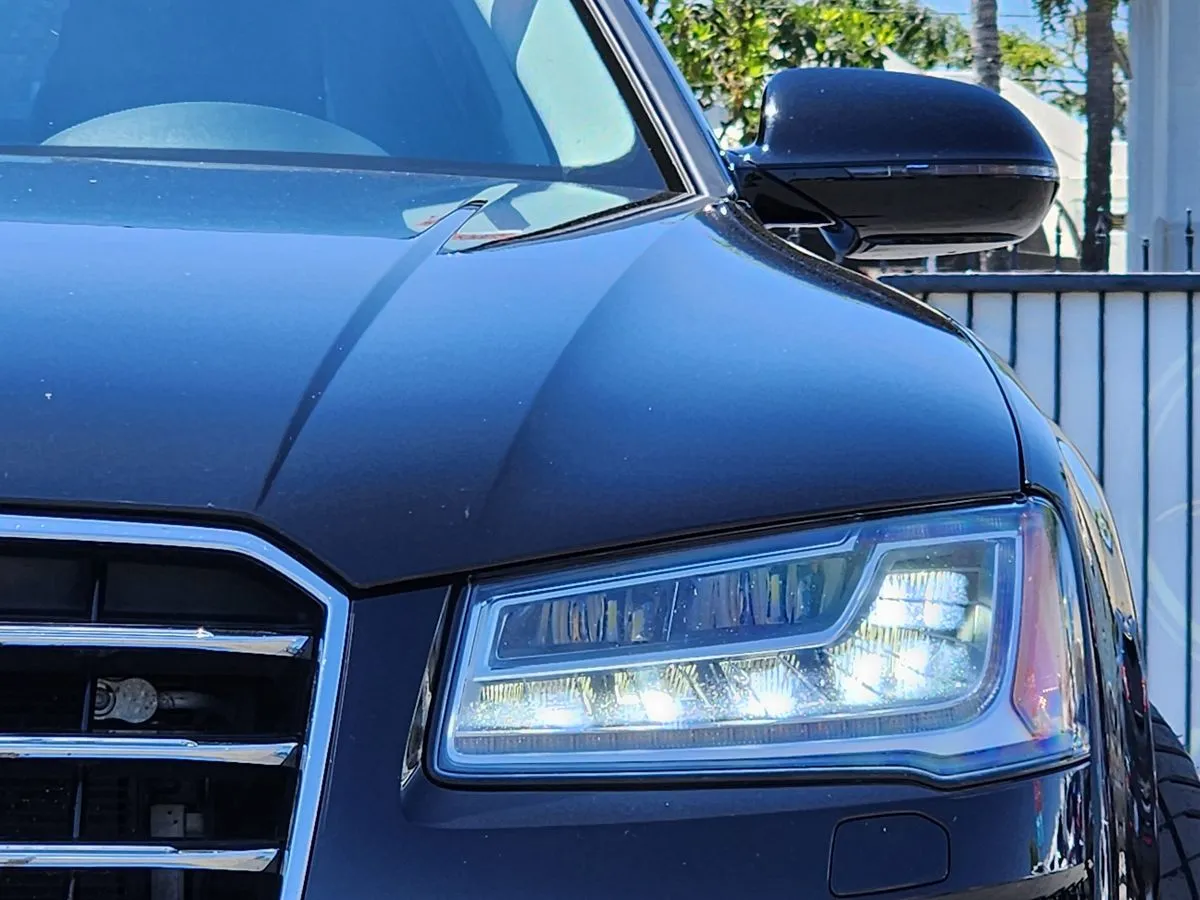
Lighting technology rarely grabs headlines, yet it plays a crucial role in driving comfort and safety. The 2016 Audi A8 L introduced advanced Matrix LED headlights that could adapt beam patterns in real time. By selectively dimming portions of the light, the system maintained high beam visibility without blinding oncoming drivers.
In practical terms, this meant drivers enjoyed maximum illumination on dark roads while other vehicles remained unaffected. Cameras detected approaching traffic and adjusted individual LED segments accordingly. At the time, this felt highly sophisticated and was available primarily in premium European sedans.
Traditional halogen headlights dominated mainstream vehicles during that period. Adaptive lighting systems were rare and usually required expensive upgrades. Matrix LED technology positioned the A8 L as a leader in nighttime visibility and engineering refinement.
Technology has progressed rapidly since then. LED headlights are now standard on many affordable vehicles. Automatic high beam assist systems appear in compact cars and family crossovers alike. While full Matrix functionality may still be more common in higher trims, adaptive lighting is no longer exclusive to flagship sedans.
Improved manufacturing efficiency and regulatory approval in various markets contributed to broader adoption. Drivers shopping in 2026 often expect crisp LED illumination and automatic high beam adjustment without paying luxury-level prices.
The 2016 Audi A8 L demonstrated how intelligent lighting could enhance both safety and comfort. What once served as a premium differentiator now appears in vehicles across a wide range of price points. Night driving has become safer and more convenient for everyday motorists thanks to innovations that began in high-end sedans.
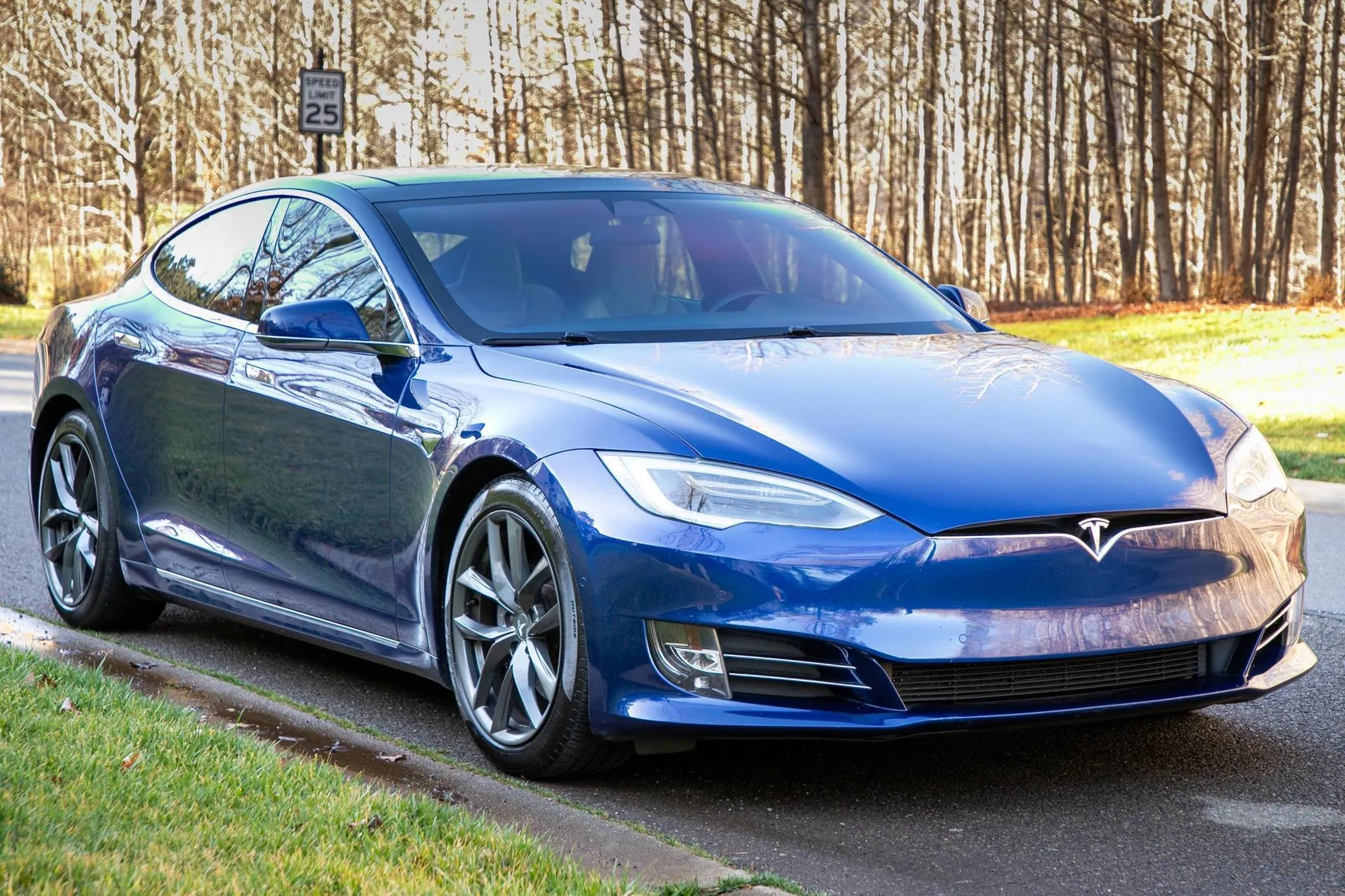
4. Tesla Model S 90D and Over-the-Air Software Updates
For many years, vehicle software updates required a visit to an authorised dealership. Owners scheduled appointments, technicians connected diagnostic equipment, and new programming was installed through physical access to the vehicle.
The 2016 Tesla Model S 90D departed from that routine by introducing over-the-air software updates delivered directly through a wireless connection. Improvements to performance, interface design, and system stability could be installed without the owner leaving home.
At the time of its introduction, this approach appeared highly progressive. Drivers were accustomed to purchasing a car whose features remained largely fixed throughout its lifespan. With this model, the vehicle became capable of receiving refinements after delivery.
Adjustments to the touchscreen interface, enhancements to driver assistance functions, and efficiency improvements were transmitted digitally. The experience resembled that of a smartphone receiving periodic upgrades, yet applied to a motor car.
During that period, very few manufacturers offered comparable capability. Although certain vehicles possessed internet connectivity for navigation or media streaming, remote deployment of core software updates remained uncommon.
Most brands relied on workshop-based procedures carried out during routine servicing. The idea that a vehicle could improve through software without mechanical intervention was still developing. As connectivity standards matured and consumer demand for convenience increased, other manufacturers adopted similar systems.
Presently, many brands provide over-the-air updates for infotainment platforms, navigation databases, and selected driver assistance functions. Owners receive notifications on their mobile applications or dashboard displays when new software versions are available. Installation often occurs overnight, minimising inconvenience.
Expectations among buyers have consequently developed. Many consumers now consider remote update capability an essential element of modern vehicle ownership. The phrase software-defined vehicle has gained acceptance within industry discussions, reflecting a growing emphasis on digital architecture as a central component of automotive design.
The 2016 Tesla Model S 90D contributed materially to the acceptance of this approach. By demonstrating that a car could function as a continuously improving platform, it influenced competitive strategy across multiple manufacturers.
Wireless updates have since become common across various segments and price categories, reinforcing the view that software development forms an integral aspect of contemporary motoring.
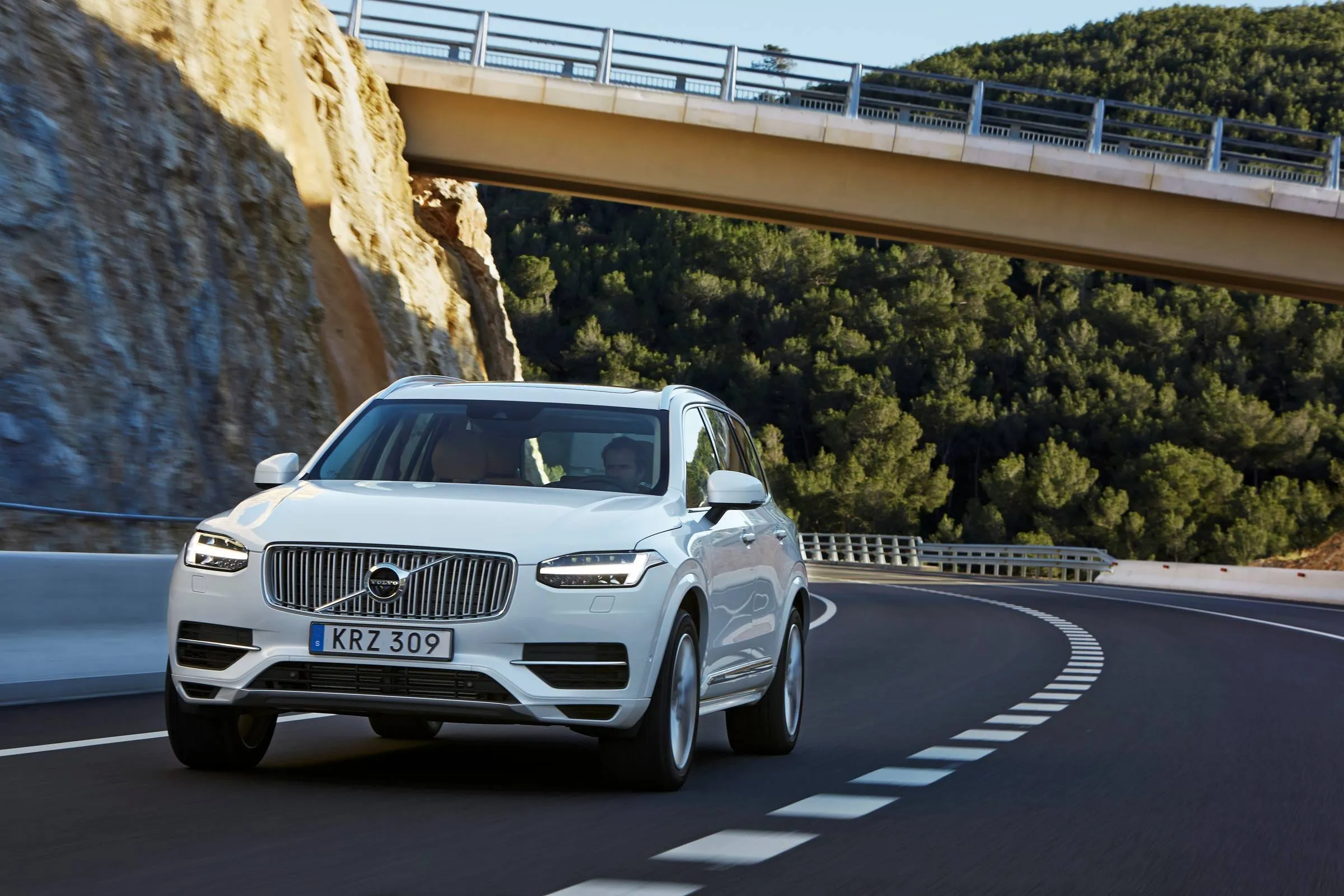
5. Volvo XC90 T6 Inscription and Semi-Autonomous Pilot Assist
Safety has long been associated with the identity of Volvo Cars, and the 2016 Volvo XC90 T6 Inscription advanced that tradition through its Pilot Assist system. This semi-autonomous feature combined adaptive cruise control with steering assistance, enabling the vehicle to maintain speed, regulate following distance, and support lane positioning under defined conditions.
At its introduction, it represented a meaningful advancement in driver support technology. When activated on suitable highways, Pilot Assist reduced the physical and mental effort required for extended journeys. Although the driver was required to keep their hands on the steering wheel and remain attentive, the system assisted with minor steering corrections and consistent speed control.
For families and professionals undertaking long-distance travel, this capability offered measurable comfort and reassurance. At that stage of development, integrated steering support paired with adaptive cruise control was generally confined to premium models.
Compact and mid-size sport utility vehicles rarely offer such comprehensive assistance without substantial optional packages. Buyers seeking advanced driver support typically consider higher price brackets. Within a decade, lane-centring systems and adaptive cruise control have become widely available across numerous segments.
Many entry-level sedans and crossovers now include these technologies as standard equipment. What previously appeared exclusive to luxury vehicles has become an expected provision in new models. Regulatory encouragement and market competition accelerated the spread of such systems.
Manufacturers recognised that advanced safety equipment could strengthen the appeal of both premium and affordable vehicles. Consumers, having experienced the convenience of assisted driving, increasingly regarded it as a practical necessity rather than a luxury.
The 2016 Volvo XC90 T6 Inscription demonstrated that semi-autonomous systems could be responsibly integrated into everyday family transport. Its adoption of Pilot Assist contributed to the broader acceptance of driver assistance technologies across the automotive sector, shaping contemporary expectations regarding safety and driving support.
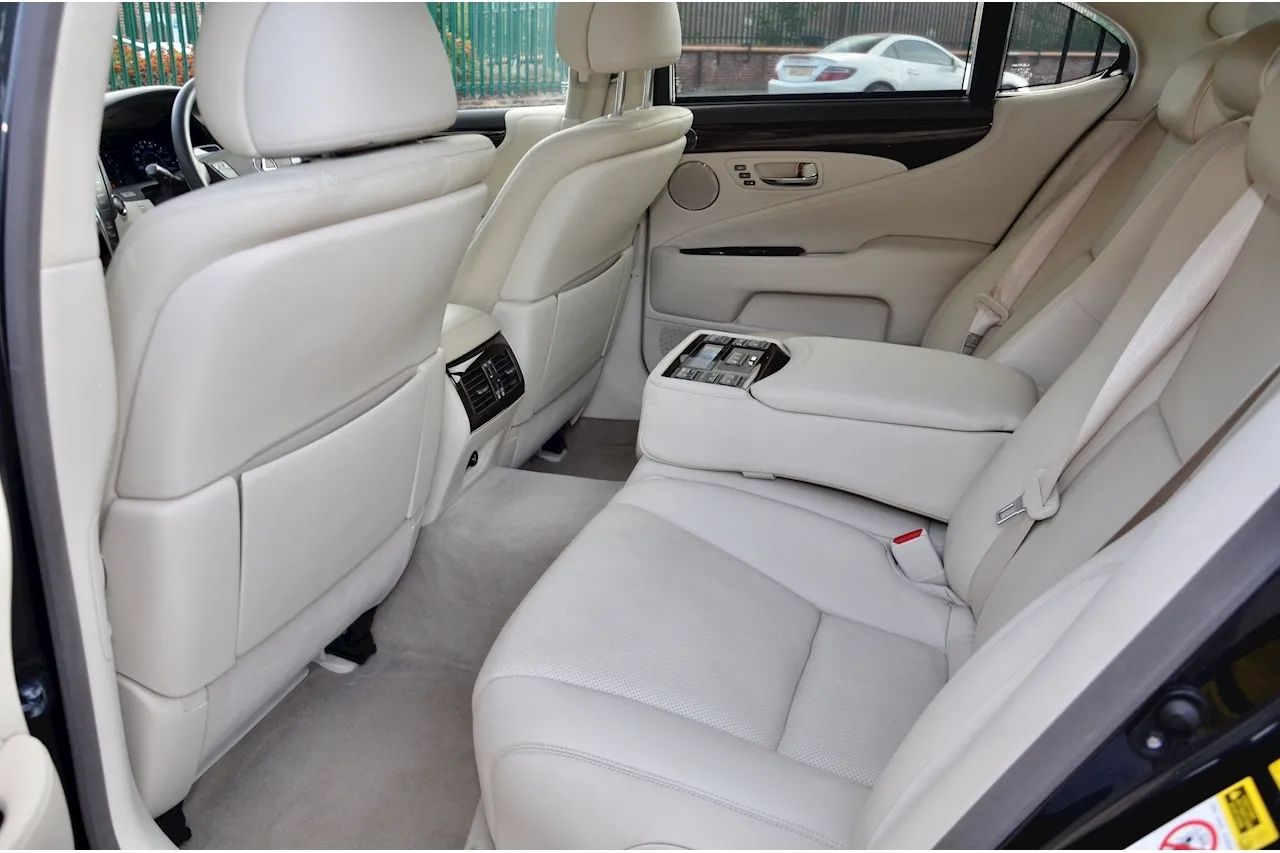
6. 2016 Lexus LS 460 and Heated and Ventilated Rear Seats
Rear seat comfort once separated executive sedans from everything else on the road. The 2016 Lexus LS 460 demonstrated this clearly with available heated and ventilated rear seats, power reclining functions, and dedicated climate controls for passengers in the back. Business leaders and chauffeured clients enjoyed an experience that felt closer to first-class airline seating than a typical sedan cabin.
At the time, such features were rare outside flagship luxury models. Buyers selecting midsize sedans or compact crossovers could expect heated front seats, yet rear passengers were often left with basic upholstery and fixed bench seating. Ventilated rear seats, in particular, signaled high status and a willingness to invest heavily in comfort.
Cost played a major role in exclusivity. Adding a rear seat comfort package to a luxury sedan required thousands of dollars beyond the base price. These features involved extra ducting, advanced seat materials, additional controls, and more intricate wiring systems.
Fast forward to 2026, and heated rear seats appear in a wide range of vehicles, including family-oriented crossovers and mid-priced sedans. Ventilated rear seating, while still more common in higher trims, is no longer restricted to flagship models. Automakers recognize that second-row passengers expect consideration equal to front occupants.
Consumer demand for family comfort accelerated adoption. Parents transporting children and adults alike value temperature control for every seat. As production costs decreased and supply chains improved, manufacturers could offer rear seat climate features at lower price points.
The 2016 Lexus LS 460 illustrated how rear passengers could be treated with the same care as drivers. Today, stepping into a well-equipped mainstream vehicle often means enjoying heated rear seats without paying executive sedan prices. Comfort that once defined luxury has become part of everyday expectations for many buyers.
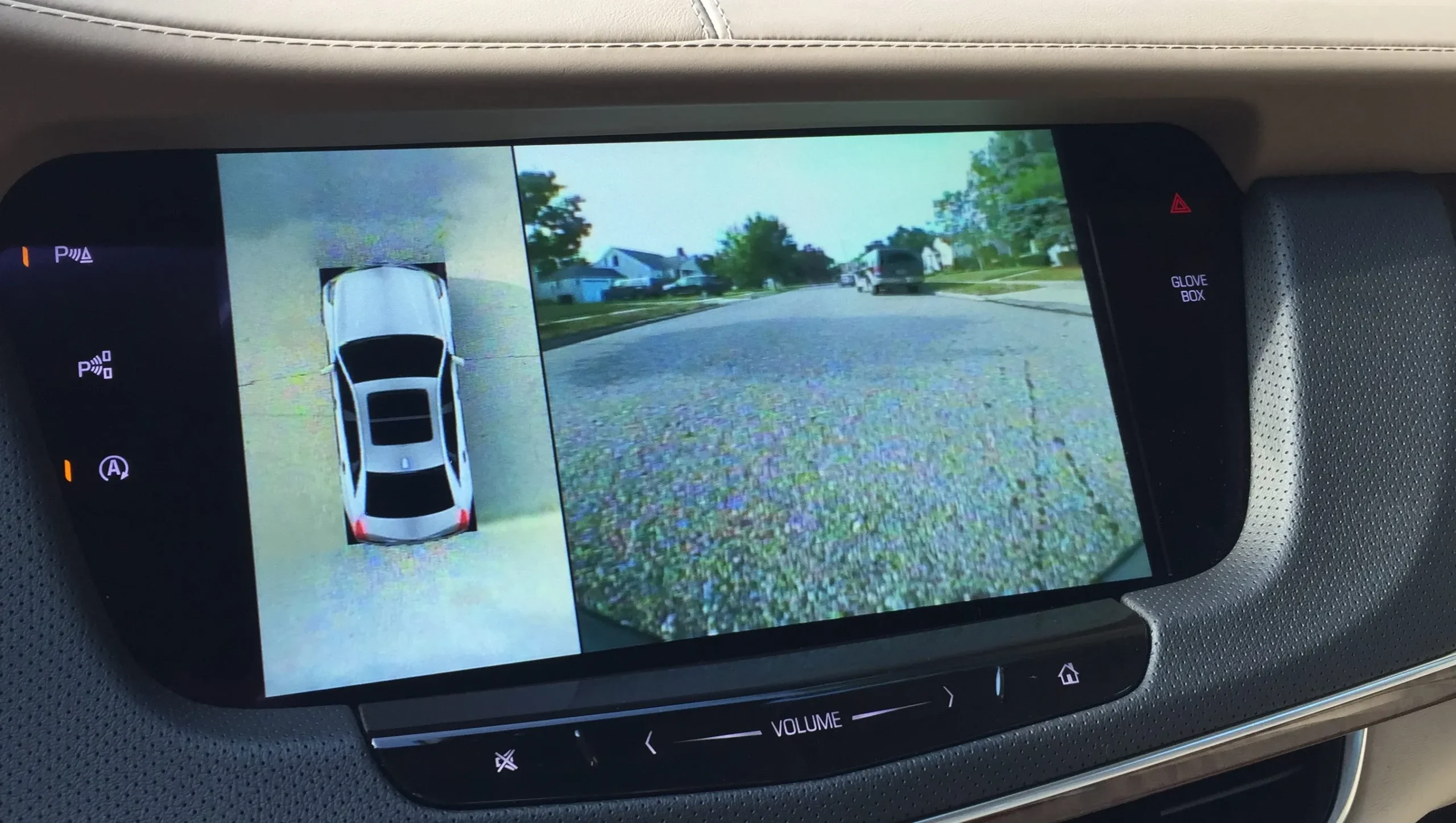
7. 2016 Cadillac CT6 Platinum and Surround View Camera Systems
Parking a large sedan used to require careful judgment and steady nerves. The 2016 Cadillac CT6 Platinum changed that experience by offering a surround view camera system that stitched together images from multiple cameras to create a bird’s eye perspective. For drivers maneuvering in tight spaces, this technology felt transformative.
At introduction, surround view cameras were primarily associated with premium vehicles. Budget-friendly models typically offered a simple rearview camera at best. The ability to see a full perimeter view around the vehicle required advanced processing power and multiple camera installations, which increased manufacturing costs.
Driving the CT6 Platinum with this feature provided a new level of confidence. Curb proximity, garage alignment, and obstacle detection became far easier tasks. For urban drivers, that reassurance justified the higher price tag. As the years progressed, camera technology became more affordable and easier to integrate.
Processing hardware shrank in size and cost, while software improved rapidly. By 2026, surround view systems appear in many midsize SUVs and even some compact crossovers. Rearview cameras are now mandatory in new vehicles, and expanded views are widely available without premium branding.
Shoppers have grown accustomed to visual assistance when parking. Sales staff now emphasize camera clarity and display size even in entry-level trims. What once served as a marketing highlight for flagship sedans has become an expected convenience feature.
The 2016 Cadillac CT6 Platinum played an influential role by demonstrating how intuitive and practical a full perimeter camera system could be. Today, drivers stepping into mainstream vehicles often benefit from the same type of visibility enhancement that was once reserved for luxury showrooms.
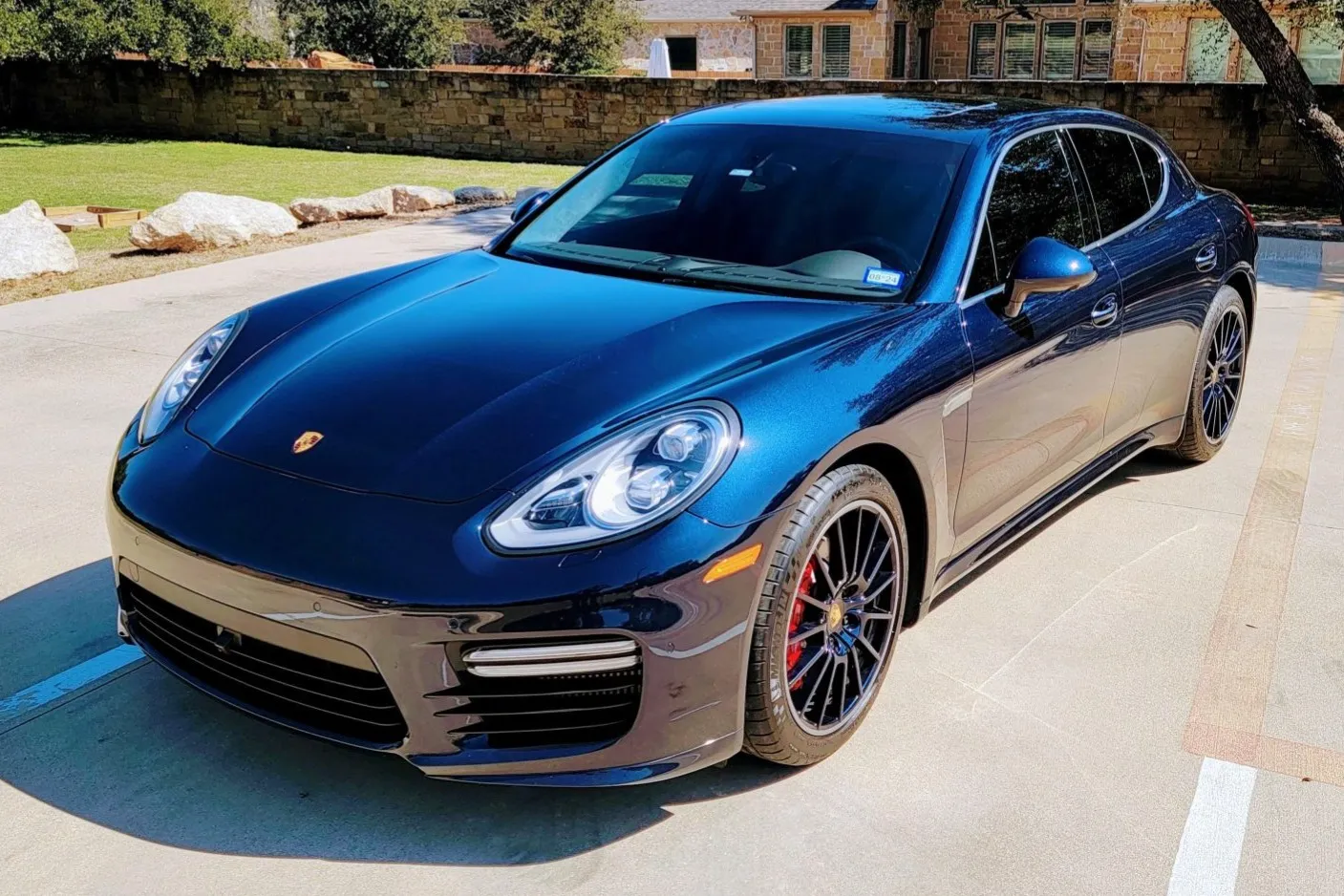
8. 2016 Porsche Panamera Turbo and Adaptive Air Suspension
Performance and comfort rarely coexist without compromise, yet the 2016 Porsche Panamera Turbo aimed to deliver both through adaptive air suspension. By adjusting ride height and damping characteristics electronically, the system balanced sharp handling with smooth cruising. Drivers could tailor the vehicle’s behavior based on preference or driving conditions.
Ten years ago, adaptive air suspension was closely associated with high-end performance sedans and large luxury SUVs. Buyers paid a premium for the ability to adjust suspension settings at the touch of a button. Conventional steel springs remained the norm in most mainstream vehicles.
Driving the Panamera Turbo in comfort mode felt refined and composed. Switching to a sport setting lowered the ride height and tightened suspension response. This dual personality added depth to the ownership experience and justified its elevated price.
Technology diffusion changed that dynamic. Electronic dampers and adaptive suspension systems have gradually spread into more accessible segments. While full air suspension remains less common in budget models, adaptive damping systems now appear in many family SUVs and sport-oriented sedans at reasonable price levels.
Manufacturers recognized that buyers appreciate customization. The ability to switch between comfort and sport settings enhances daily usability. Improved reliability and cost efficiency have allowed these systems to appear beyond ultra-luxury models.
The 2016 Porsche Panamera Turbo showcased how adjustable suspension could transform a vehicle’s character. Presently, drivers shopping for vehicles at mid-range price points can access similar adaptability without investing in a high-performance luxury sedan.
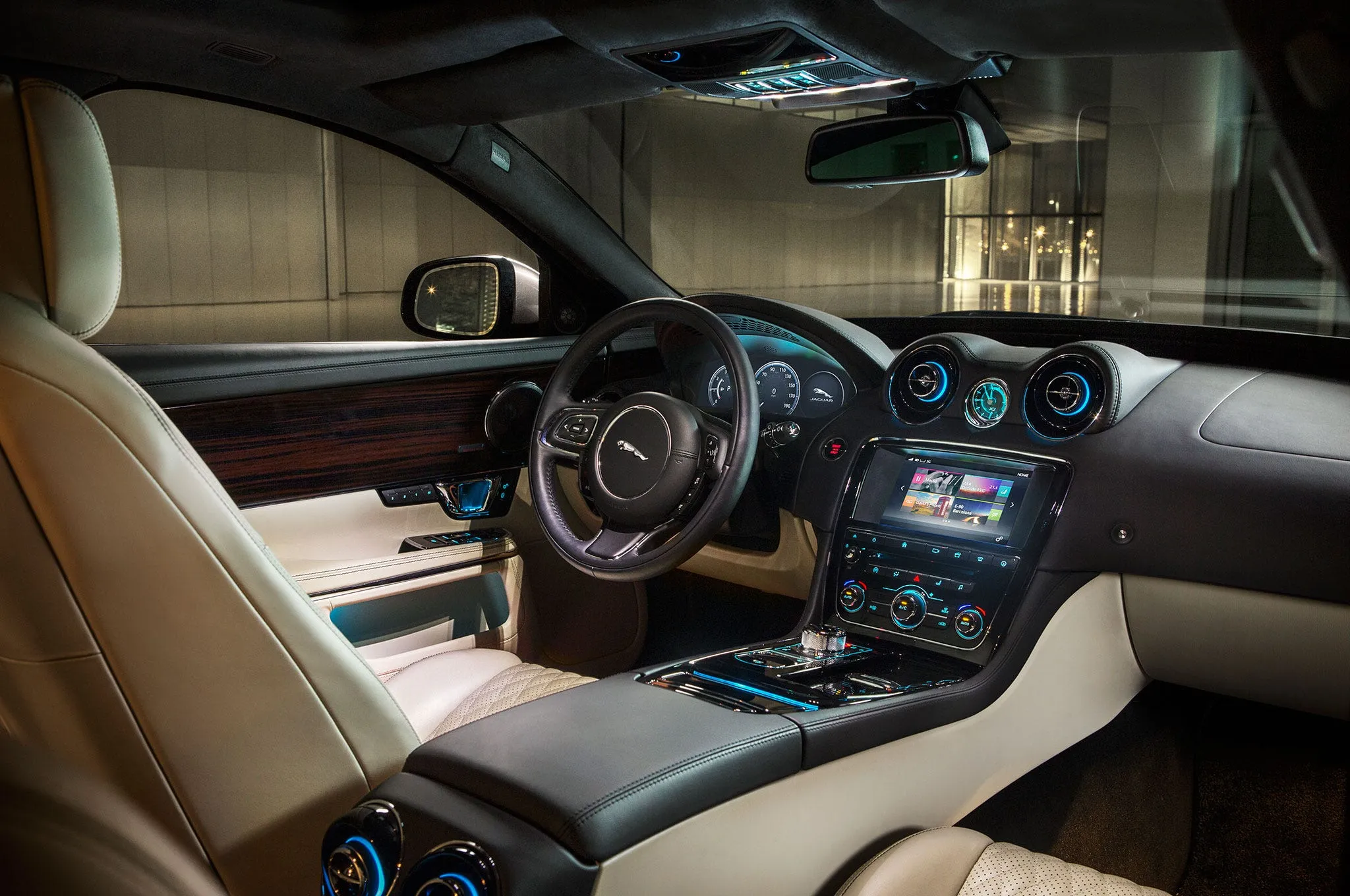
9. 2016 Jaguar XJ Portfolio and Digital Instrument Clusters
Traditional analogue gauges once defined the interior presentation of even the most expensive motor vehicles. Circular speedometers and tachometers, framed by polished trim, represented the standard format for decades. The 2016 Jaguar XJ Portfolio departed from this long-established approach by introducing a fully digital instrument cluster positioned directly behind the steering wheel.
Instead of fixed mechanical dials, the driver encountered a configurable display capable of presenting navigation guidance, vehicle performance data, safety alerts, and media information within a single screen. At the time of its introduction, this feature conveyed refined technological advancement.
Luxury manufacturers adopted digital clusters to distinguish their products from mass market alternatives. High-resolution graphics, smooth animations, and flexible layouts contributed to a modern driving atmosphere. The presentation created an impression of sophistication that aligned with the XJ Portfolio’s premium positioning.
Developing such a system required advanced display technology and powerful processors to ensure clarity and responsiveness. Production expenses remained considerable, which restricted widespread adoption. Consequently, fully digital dashboards were seldom available in affordable vehicles during that period.
Prospective buyers seeking this innovation often had to consider high-end showrooms and accept the financial commitment attached to premium models. Progress in display manufacturing gradually altered this situation.
As production volumes expanded and component costs declined, digital screens became more accessible to a broader range of manufacturers. Improvements in software design and hardware durability also enhanced reliability and user experience.
By 2026, digital instrument clusters will be present in compact saloons, hatchbacks, and sport utility vehicles across various price categories. Entry-level trims frequently include configurable displays that replace traditional analogue gauges entirely.
Drivers can customise layouts, access turn-by-turn navigation instructions within the instrument panel, and monitor driver assistance systems through clear graphical representations. The 2016 Jaguar XJ Portfolio contributed meaningfully to this transformation.
It demonstrated that a digital dashboard could combine aesthetic appeal with functional practicality. What once served as a distinguishing element of luxury now appears as a common expectation among modern motorists, reflecting how swiftly automotive technology developed and become widely available.
Also Read: 10 Luxury Hybrid SUVs With Shockingly High Ownership Costs
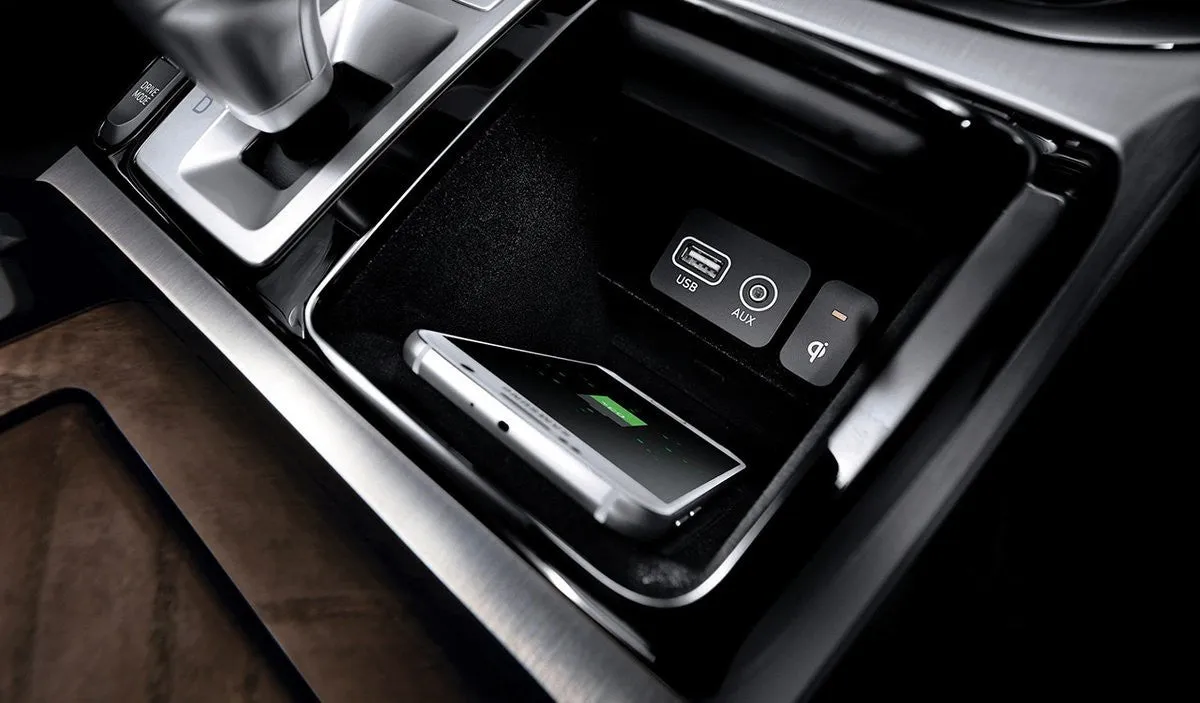
10. 2016 Genesis G90 Ultimate and Wireless Smartphone Charging
Convenience in automotive design often manifests through the thoughtful integration of everyday technology. The 2016 Genesis G90 Ultimate exemplified this principle by incorporating wireless smartphone charging within the centre console. During an era when charging cables dominated vehicle interiors, the presence of a dedicated charging pad represented a progressive step toward simplicity and tidiness.
Initially, wireless charging systems appeared primarily in premium vehicles. Integration required compatible charging standards, appropriate placement within the cabin, and careful coordination with interior design elements. Manufacturers needed to ensure safe heat management and stable connectivity. As a result, the feature was frequently reserved for high specification trims and flagship models.
Placing a mobile device on a charging surface without connecting a cable offered clear practical benefits. It reduced interior clutter, minimised distraction, and enhanced day-to-day usability. For professionals who relied heavily on their mobile devices for communication and navigation, the convenience extended beyond novelty.
The system aligned seamlessly with the G90 Ultimate’s objective of delivering refined comfort and technological sophistication. Advancements in smartphone technology and charging protocols encouraged broader industry adoption.
As wireless charging standards matured and consumer demand increased, production costs declined. Automotive designers found it easier to incorporate charging pads within existing console layouts without compromising storage space or aesthetics.
By 2026, wireless charging will have become commonplace in numerous compact and midsize vehicles. Many manufacturers include charging pads as standard equipment across multiple trims. Drivers now expect vehicles to support their digital lifestyles through seamless connectivity, including USB ports, wireless integration, and cable-free charging solutions.
The 2016 Genesis G90 Ultimate demonstrated that small yet practical innovations could influence purchasing decisions and redefine expectations. A feature once associated with flagship luxury saloons now appears widely across the automotive market.
This progression illustrates how rapidly premium conveniences can transition from exclusive amenities to everyday standards embraced by drivers worldwide.
