

Living with chronic back pain changes how you experience everyday life, especially behind the wheel. A short commute can feel endless. A weekend road trip might leave you stiff and sore before you even reach your destination. For drivers who deal with ongoing discomfort, the right seat is not a luxury. It is a necessity.
Automakers have made major strides in seat engineering during the past decade. Lumbar systems are more advanced, cushioning materials are smarter, and adjustability now goes far beyond simple forward and backward movement.
Heated and ventilated functions are helpful, but true relief comes from proper spinal alignment, tailored support, and pressure distribution that reduces strain on sensitive areas. Choosing a vehicle based on horsepower or infotainment features will not solve back pain.
Thoughtful seat design, wide adjustment ranges, and supportive contours matter far more. A well-designed seat can reduce muscle fatigue, promote better posture, and help you arrive at your destination feeling steady instead of exhausted.
Below are ten vehicles known for seats that genuinely support drivers dealing with chronic back issues. Each one offers a different approach to comfort, ranging from orthopedic certifications to multi-contour massage systems. If comfort ranks at the top of your priority list, this guide will help you narrow your search and focus on what truly makes a difference.
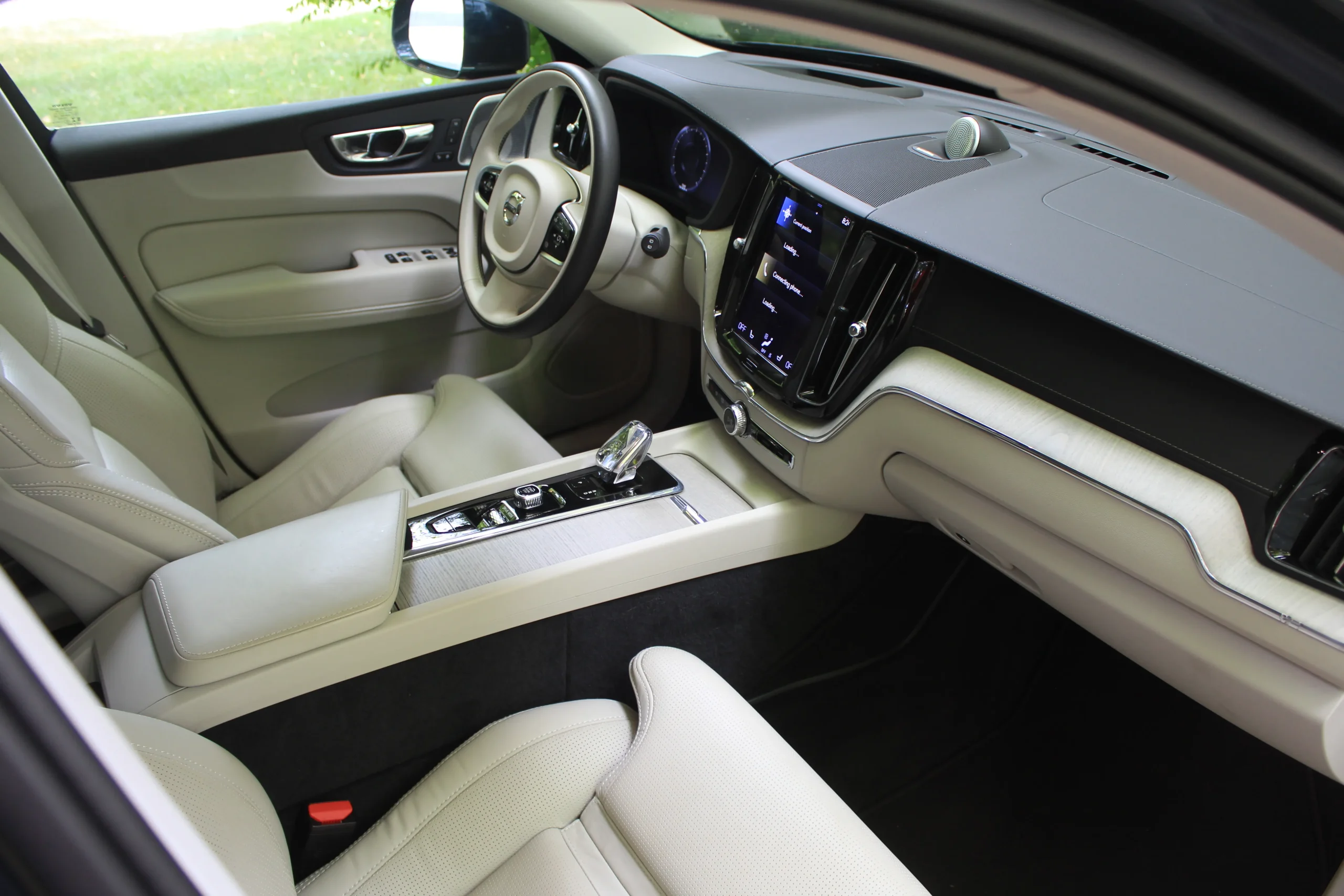
1. Volvo XC60
Few brands have built a stronger reputation for seat comfort than Volvo Cars, and the Volvo XC60 continues that tradition with seats engineered to support the human spine in a natural position. From the moment you sit down, the shape feels intentional. The cushion is firm enough to prevent sinking yet compliant enough to avoid pressure points.
Orthopedic specialists have influenced Volvo’s seat philosophy for years, and it shows. The XC60 offers multiple lumbar adjustments, including height and depth control. That flexibility allows drivers to target specific areas of the lower back rather than relying on a single inflatable pad. For someone dealing with chronic discomfort, that level of personalization can reduce strain during longer drives.
Seat bottoms are designed to support the thighs evenly, which helps improve circulation and minimize numbness. Taller drivers benefit from extendable thigh supports that reduce pressure on the tailbone. Shorter drivers can fine-tune height and tilt adjustments to maintain proper posture without overreaching for the steering wheel.
Available massage functions provide subtle movement that encourages blood flow. Unlike aggressive systems that feel distracting, Volvo’s approach remains gentle and steady. Combined with heating and ventilation, the seat creates an environment that feels controlled and calm.
Cabin ergonomics also contributes to spinal comfort. Controls are placed within easy reach, minimizing awkward twisting. The upright seating position of the XC60 further supports a healthy driving posture, reducing lower back compression that often occurs in low-slung vehicles.
Drivers with chronic back pain frequently describe Volvo seats as “just right.” That consistency is not accidental. It is the result of careful research, precise cushioning density, and thoughtful adjustability. For daily commuting and longer highway stretches, the Volvo XC60 stands as one of the most supportive options available.
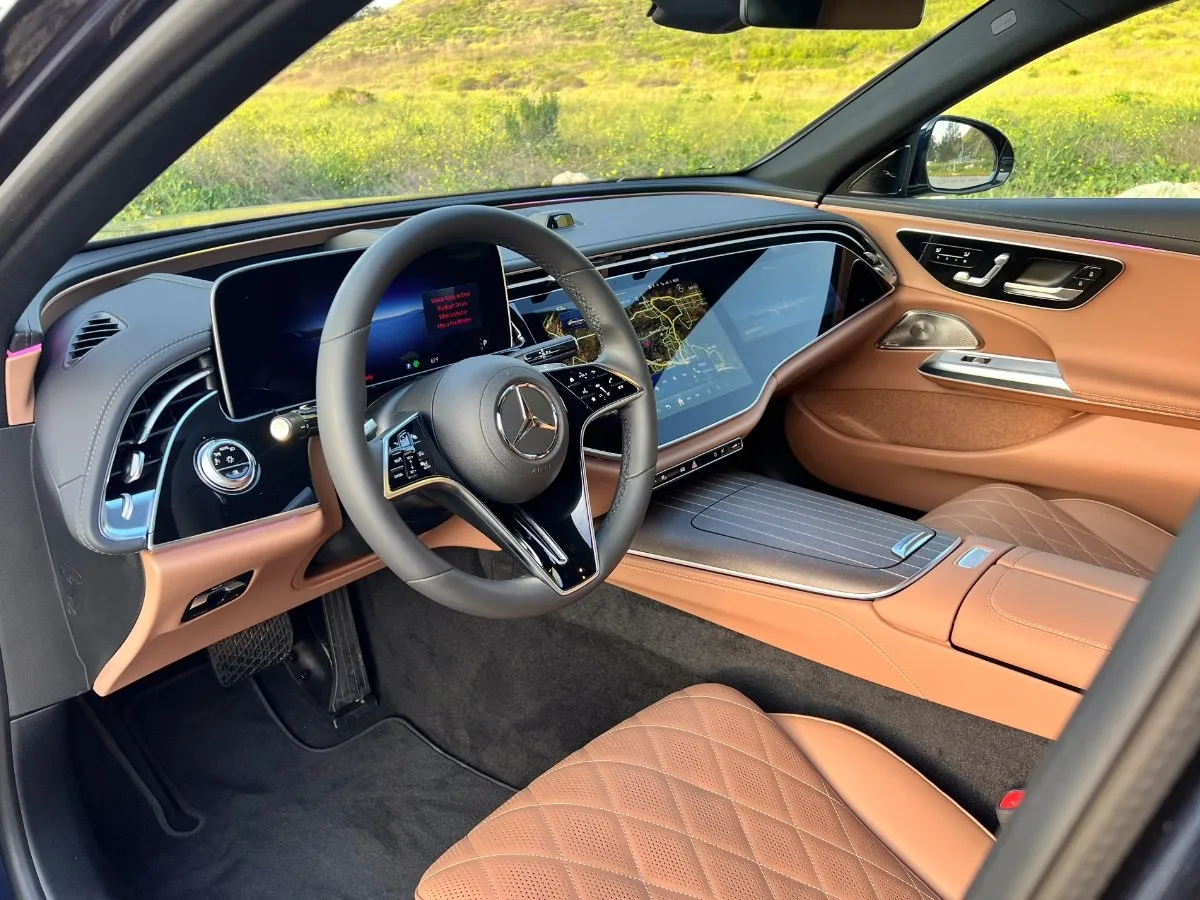
2. Mercedes-Benz E-Class
Refinement defines the seating experience inside the Mercedes-Benz E-Class. Step into the cabin, and the seat greets you with structured cushioning that feels both supportive and luxurious. This is not softness for its own sake. It is controlled comfort built to maintain posture hour after hour.
Multi-contour front seats are available, offering a wide range of adjustments. Drivers can fine-tune lumbar support in several directions, adjust side bolsters, and even control upper back contours. That level of customization matters when managing chronic pain, as no two spines require the same support profile.
Massage functionality goes beyond simple vibration. Programs are designed to simulate subtle muscle movement, helping reduce stiffness during extended drives. Warmth settings add another layer of relief, particularly helpful during colder months when muscles tend to tighten.
Seat depth and cushion angle adjustments allow drivers to distribute weight evenly across the hips and thighs. That distribution reduces localized pressure, which often triggers discomfort in the lower back. Memory settings ensure your ideal configuration is stored and easily recalled.
Driving posture in the E-Class feels natural due to its balanced seating height. You sit neither too low nor too upright. The steering wheel adjusts generously, enabling alignment that keeps shoulders relaxed and spine neutral.
Attention to materials enhances the experience. High-quality foam retains its structure over years of use, resisting the sagging that can compromise support. Even base trims offer solid ergonomic foundations, while higher trims introduce advanced features that rival executive lounge seating.
For individuals who spend substantial time on highways or in traffic, the Mercedes-Benz E-Class delivers consistent comfort through thoughtful engineering rather than flashy gimmicks.
Also Read: 10 Forgotten Luxury Cars That Are Shockingly Cheap to Own
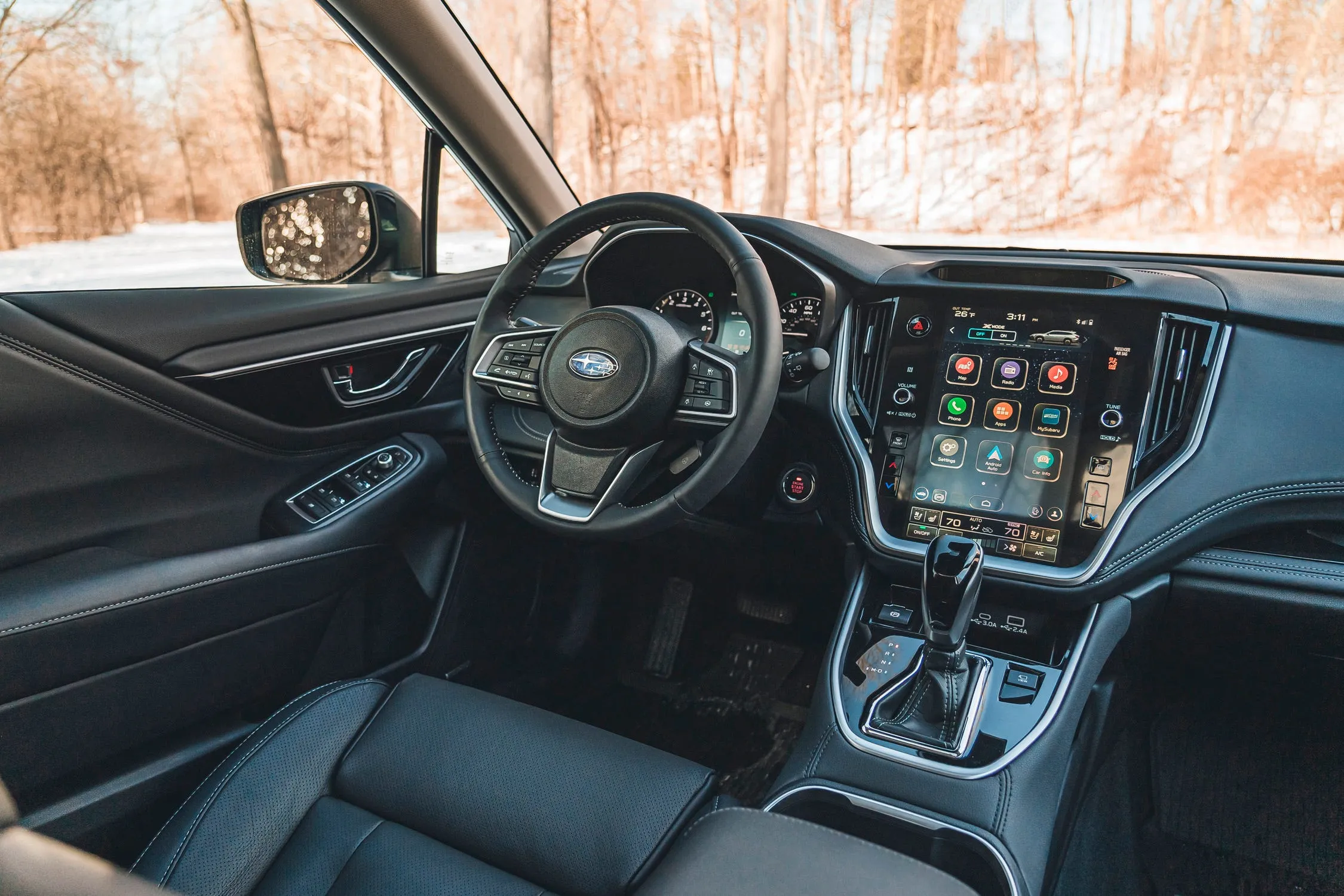
3. Subaru Outback
Adventure-ready does not always mean back-friendly, yet the Subaru Outback strikes a careful balance between rugged capability and long-distance comfort. Its seating design prioritizes stability, which is critical for drivers managing chronic back pain.
The Outback’s seats feature wide cushions that accommodate various body types without feeling restrictive. Lumbar support is power-adjustable in higher trims, allowing precise positioning that supports the natural curve of the spine. Cushion firmness leans toward the supportive side, which helps prevent excessive compression during long drives.
A slightly elevated driving position makes entry and exit easier. For anyone with back issues, minimizing the effort required to get in and out of the vehicle can make daily routines far less taxing. You step in rather than drop down into the seat.
Seatbacks provide even pressure distribution across the upper body. Combined with adjustable tilt and height controls, the Outback allows drivers to maintain a relaxed shoulder position while keeping the lower back properly supported. Heated seats are widely available, offering soothing warmth that can ease muscle tightness.
Road isolation also plays a role in comfort. Subaru has improved cabin quietness and suspension tuning in recent generations. Reduced vibration means less strain transferred through the seat into the spine. Practicality adds another layer of appeal. Drivers who need space for mobility aids, sports gear, or everyday cargo will appreciate the Outback’s versatility without sacrificing seating comfort.
Dependable, spacious, and thoughtfully designed, the Subaru Outback provides a realistic and supportive option for those seeking relief without stepping into a luxury price bracket.
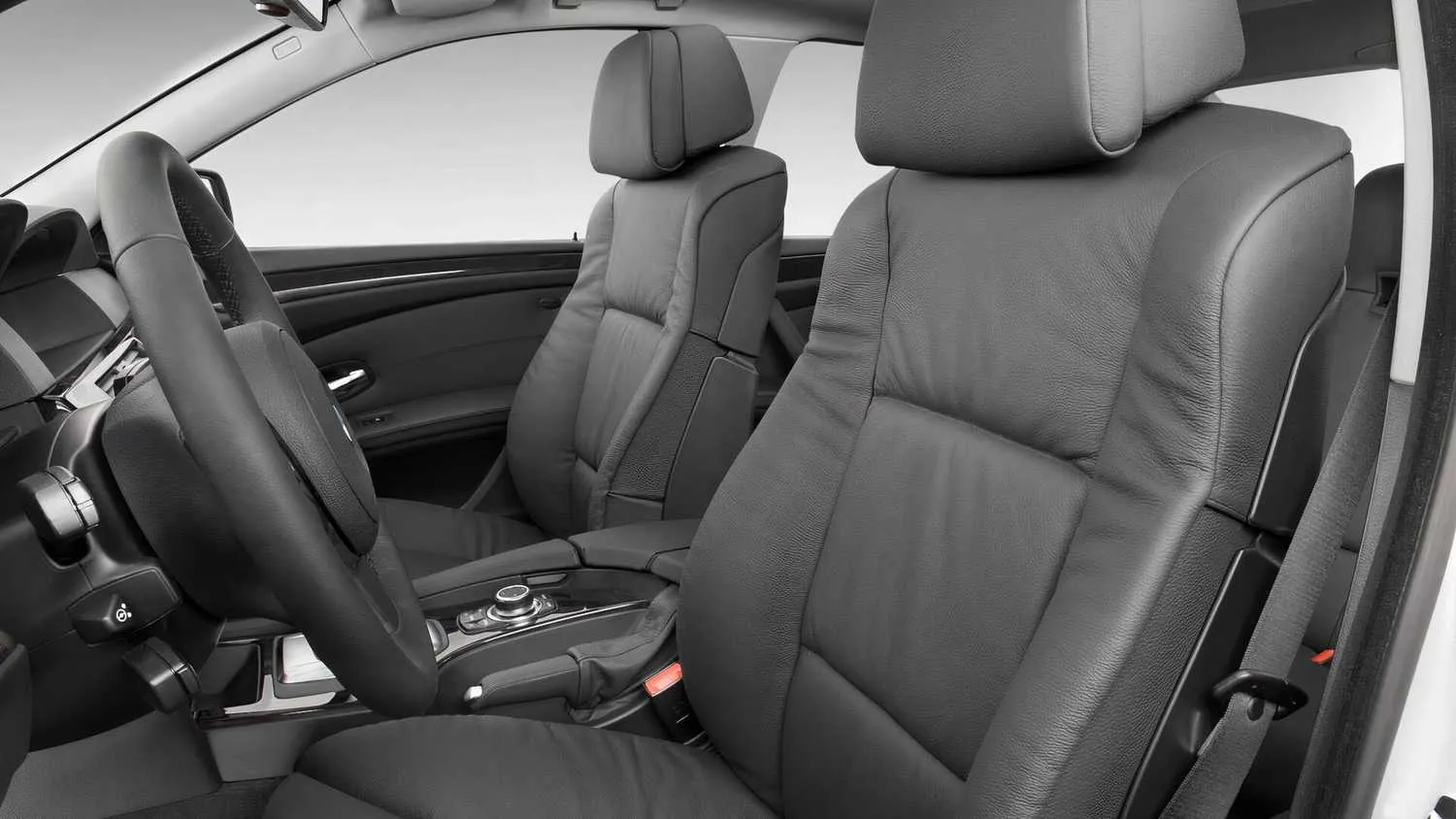
4. BMW 5 Series
The engineering discipline is clearly evident in the seating philosophy of the BMW 5 Series. Rather than relying on excessive softness, the manufacturer has adopted a structured approach that promotes correct spinal alignment during both dynamic driving and steady highway travel. The intention is to ensure that comfort does not compromise posture, particularly for drivers who contend with chronic back pain.
Front seats provide extensive power adjustments that allow a high degree of personalization. Multi-directional lumbar support enables the driver to regulate both the height and intensity of lower back reinforcement. In addition, adjustable upper back sections provide targeted support for the thoracic region.
This feature is especially beneficial for individuals who experience discomfort between the shoulder blades after prolonged periods behind the wheel. Optional multi-contour seating further expands the range of customization. Side bolsters may be adjusted to provide lateral stability without exerting excessive pressure on the torso.
This is advantageous during cornering, as it reduces the need for muscular bracing. Extendable thigh supports are also available, helping to distribute weight evenly beneath the legs and improve circulation. Reduced pressure in this area assists in limiting fatigue during extended journeys.
Cushion density has been carefully calibrated. At first contact, the seat feels firm and supportive rather than overly soft. With continued use, the cushioning maintains its composure, preventing the sinking sensation that often leads to poor posture. Such firmness helps preserve the natural curvature of the spine and discourages slouching, which frequently aggravates lower back conditions.
Climate-controlled seating enhances the experience. Heating elements provide soothing warmth that can ease muscular stiffness, while ventilation promotes airflow and prevents heat accumulation. Where equipped, massage functions deliver controlled, rhythmic motion designed to stimulate circulation without causing distraction.
Attention to driving ergonomics strengthens the entire benefit. The steering wheel offers generous adjustment, enabling proper arm positioning and relaxed shoulders. Pedal placement supports a balanced seating posture, and clear outward visibility reduces the likelihood of neck strain.
For drivers seeking a vehicle that combines performance with carefully engineered seat support, the BMW 5 Series presents a disciplined and thoughtfully executed solution tailored to long-term comfort.
5. Lexus RX 350
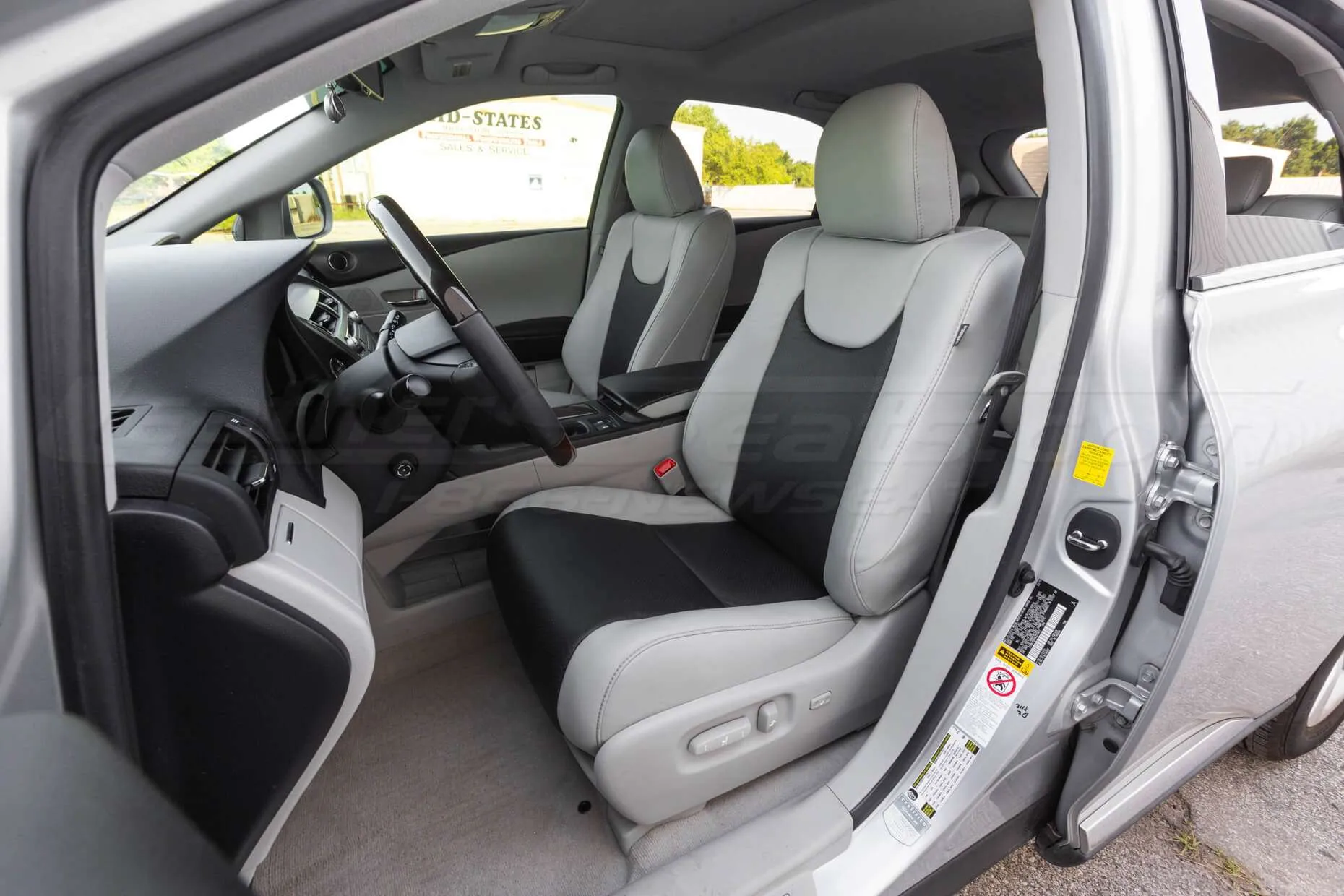
Comfort and refinement are central characteristics of the Lexus RX 350, and its seating design reflects a deliberate effort to minimise fatigue while maintaining dependable lumbar support. The cabin presents a calm atmosphere, yet the true value for drivers with chronic back discomfort lies in the careful construction of the seats themselves.
Seat cushions are generously padded, providing a welcoming surface without sacrificing structural integrity. Despite their plush appearance, the cushions retain adequate firmness to prevent excessive compression under body weight. This balance assists in preserving a neutral spinal position during routine commutes and longer road journeys.
Power-adjustable lumbar support is available across several trims, allowing drivers to position lower back reinforcement precisely where it is required. Certain variants introduce additional refinements, including extendable seat cushions that enhance thigh support.
By distributing weight more evenly across the hips and legs, these features help reduce strain on the lumbar region and promote better circulation. Climate-controlled seating contributes meaningfully to comfort. Heated seats provide consistent warmth during cooler conditions, assisting in relaxing tense muscles.
Ventilated seating improves airflow, preventing heat buildup that can contribute to stiffness and discomfort. Such provisions ensure that drivers maintain physical ease regardless of seasonal variations. Ride quality further enhances spinal comfort.
Suspension tuning absorbs road irregularities with composure, limiting abrupt jolts that might otherwise transmit through the seat structure into the lower back. Cabin insulation effectively reduces external noise, fostering a serene driving environment that helps limit physical tension.
Seat height has been thoughtfully arranged to simplify entry and exit. Drivers do not need to descend into a low cabin or exert excessive effort when standing. Memory functions allow preferred seating positions to be stored and recalled with ease, ensuring consistency each time the vehicle is driven.
Material durability remains an important consideration. High-quality upholstery and resilient cushioning retain their shape through extended use, preventing sagging that could undermine support. For individuals who prioritise daily comfort and sustained back care, the Lexus RX 350 offers a refined and dependable seating experience.
6. Lincoln Aviator
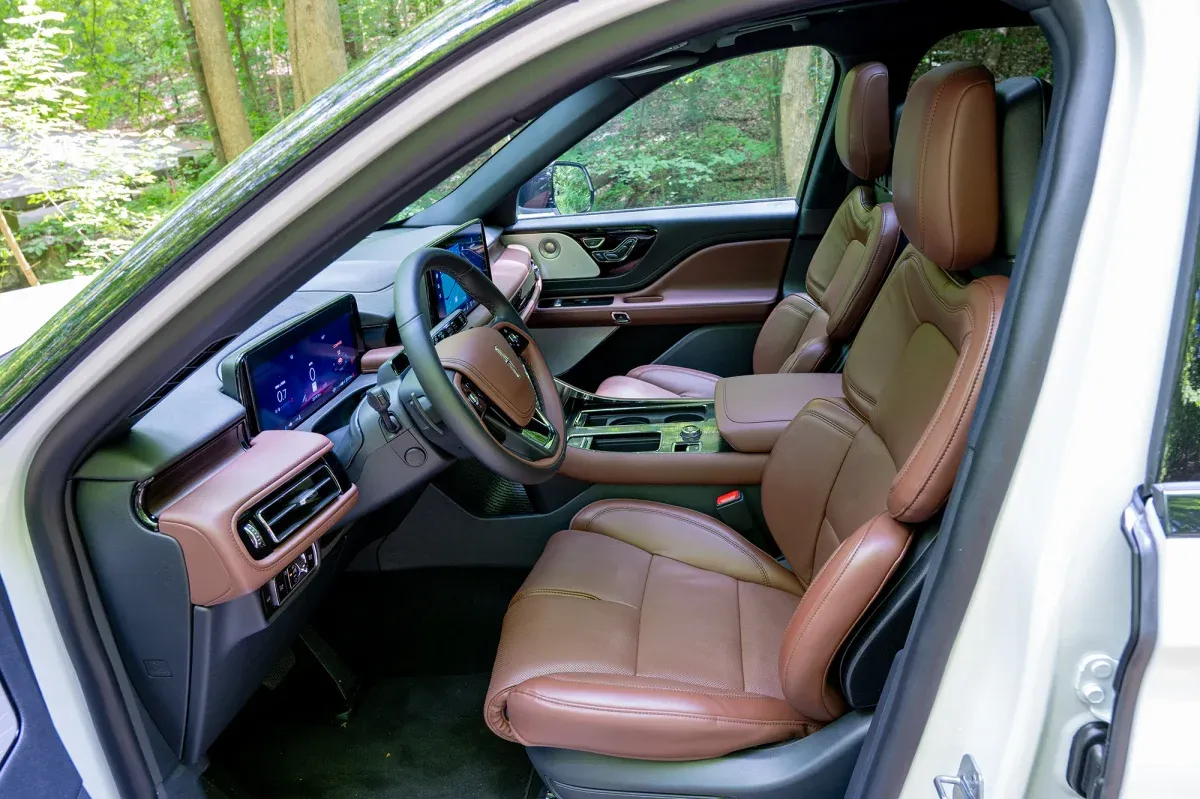
Comfort takes center stage in the Lincoln Aviator, especially for drivers who experience persistent back discomfort. From the first adjustment, it becomes clear that these seats were designed with long hours in mind. Lincoln’s available Perfect Position front seats offer up to 30 ways to adjust, allowing drivers to fine-tune nearly every angle and contour.
Lower back support can be shaped with impressive precision. The lumbar system adjusts in multiple directions, including height and firmness, making it easier to match the natural curve of your spine. Drivers who struggle with pressure points can adjust the cushion tilt and seat depth to help distribute weight more evenly across the hips and thighs.
That balanced distribution reduces the strain that often builds during extended commutes. Massage functionality in the Aviator goes beyond a basic vibration setting. Multiple programs provide rolling patterns that gently stimulate muscles along the back and seat cushion.
For someone managing chronic pain, subtle movement during a highway drive can help prevent stiffness from setting in too quickly. Heated and ventilated options add temperature control that supports muscle relaxation year-round.
Seat padding strikes a careful balance between plush and supportive. It feels inviting at first touch, yet maintains structure during long trips. Unlike overly soft seats that encourage slouching, the Aviator promotes a more upright, aligned posture. Entry and exit are equally considered. The ride height allows drivers to step in comfortably without crouching or climbing.
Cabin quietness enhances the entire seating experience. Reduced road noise lowers tension, which indirectly benefits muscle comfort. Steering wheel adjustments and pedal placement also support proper alignment, minimizing awkward angles that can aggravate back pain.
For drivers who prioritize adjustability and long-distance comfort, the Lincoln Aviator offers a thoughtful combination of technology and ergonomics that can make daily driving far more manageable.
7. Toyota Avalon
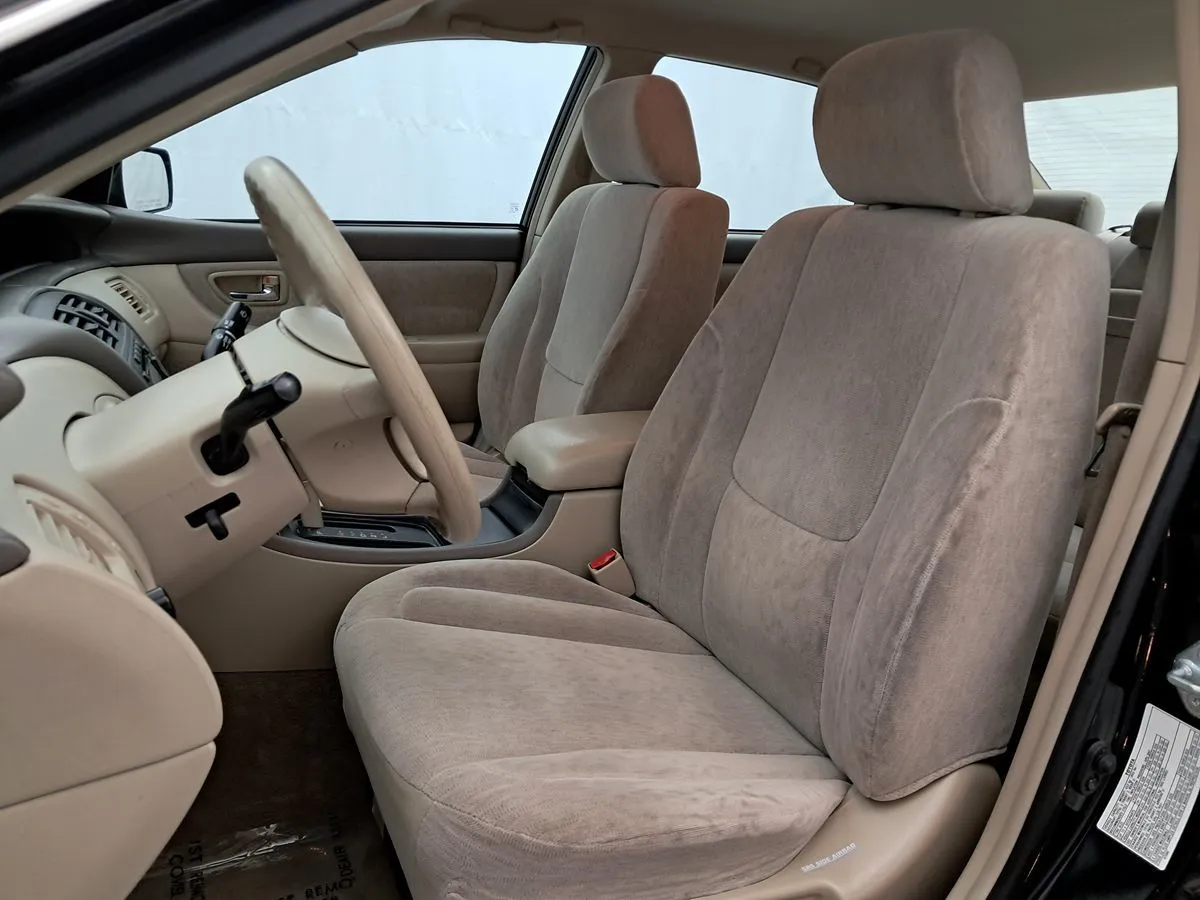
Space and support define the seating character of the Toyota Avalon. This full-size sedan provides wide, accommodating front seats that cater to a variety of body types. Drivers dealing with chronic back pain often appreciate the generous cushion dimensions, which reduce the cramped feeling common in smaller vehicles.
Power-adjustable lumbar support comes standard in most trims, allowing drivers to position lower back reinforcement exactly where it is needed. Cushion padding feels soft without collapsing under weight. That steady firmness helps maintain spinal alignment instead of encouraging a slouched posture. Seat height and tilt adjustments further assist in achieving a natural driving position.
Long-distance comfort is one of Avalon’s strengths. The seat bottom supports the thighs evenly, reducing circulation issues that can trigger numbness or discomfort. Heated and ventilated seats are available, giving drivers control over temperature, which plays a quiet but meaningful role in muscle relaxation.
Ride quality contributes directly to back relief. Suspension tuning absorbs road imperfections with composure, limiting sharp jolts that travel through the seat. Cabin noise remains low, creating a calm environment that helps reduce physical tension.
Interior ergonomics feel straightforward and accessible. Controls sit within easy reach, so drivers are not forced into awkward stretches. The steering wheel offers a wide range of adjustment, encouraging proper shoulder alignment and relaxed arm positioning.
Reliability adds peace of mind. Drivers who rely on their vehicle daily for work or family duties benefit from consistent comfort without frequent mechanical concerns. For those seeking a spacious sedan with dependable support and practical features, the Toyota Avalon remains a strong candidate for managing chronic back discomfort.
8. Audi A6
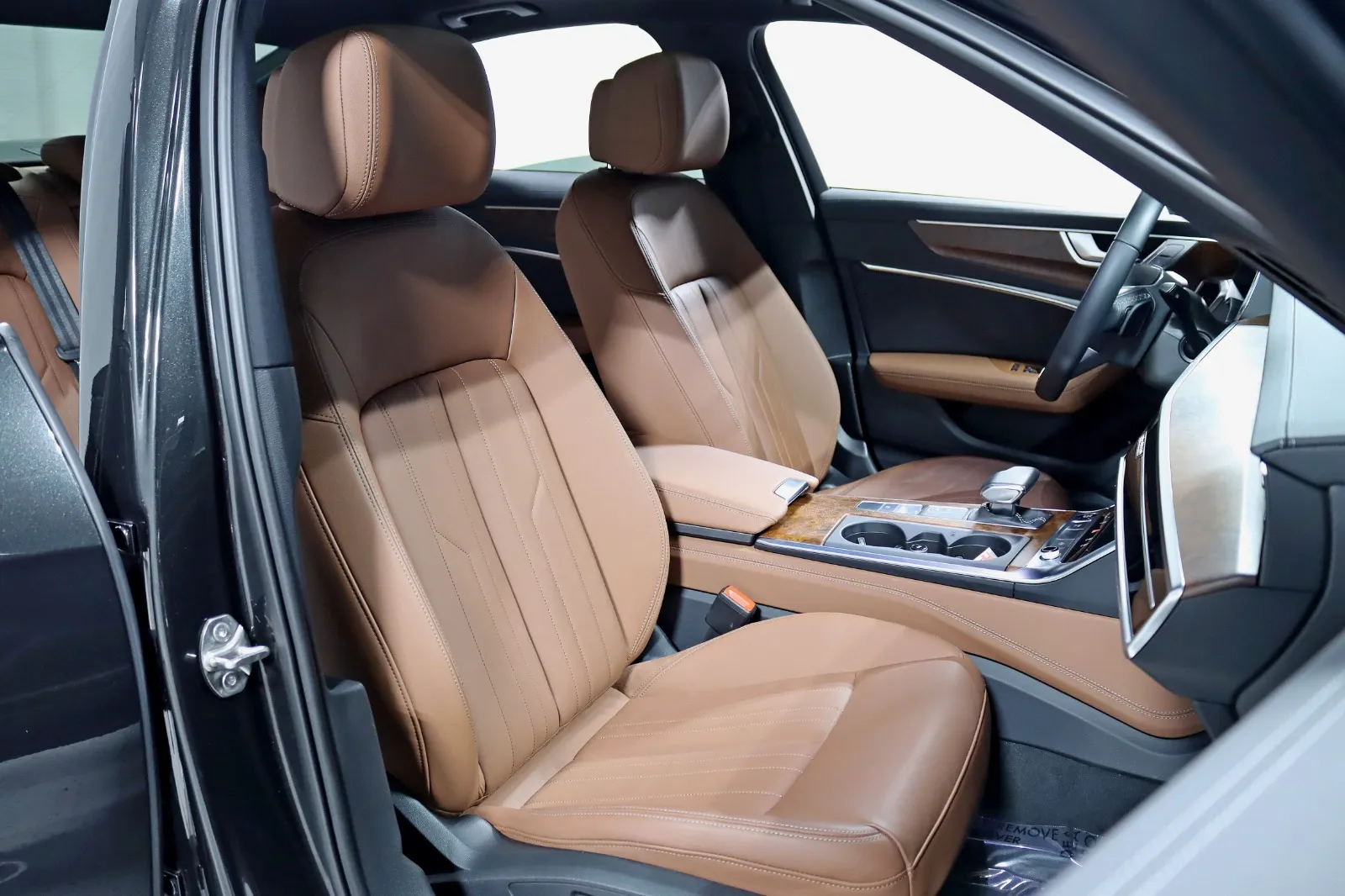
Sophistication meets precision in the Audi A6, where seat design focuses on structured comfort and advanced adjustability. Drivers who need refined lumbar support will find plenty of customization here. Available multi-contour seats allow adjustments to the lower back, upper back, and side bolsters, ensuring that support aligns closely with individual posture requirements.
Cushion density leans toward firm support rather than plush softness. That firmness helps prevent sinking, which can place stress on the lumbar region during extended drives. Seat depth adjustment benefits taller drivers by reducing pressure beneath the thighs, while shorter drivers can raise and tilt the seat to maintain a comfortable reach to pedals and steering wheel.
Massage functions add another layer of relief. Instead of abrupt vibration, the system uses controlled patterns that encourage circulation without distraction. Heated and ventilated options provide consistent temperature regulation, easing stiffness during seasonal extremes.
Driving position in the A6 promotes balance. The seat height allows for clear visibility while maintaining a natural hip angle. Steering wheel adjustment is generous, enabling drivers to keep their shoulders relaxed and spine upright. Thoughtful ergonomics reduce unnecessary strain during daily use.
High-quality materials help the seat retain its shape through years of driving. Leather and foam combinations are engineered to resist sagging, preserving consistent support. Suspension refinement also plays a role, as the A6 absorbs road irregularities with composure, limiting vibration transfer to the cabin.
For drivers who want technology-driven comfort combined with structured support, the Audi A6 offers seating that prioritizes posture and endurance.
9. Honda CR-V
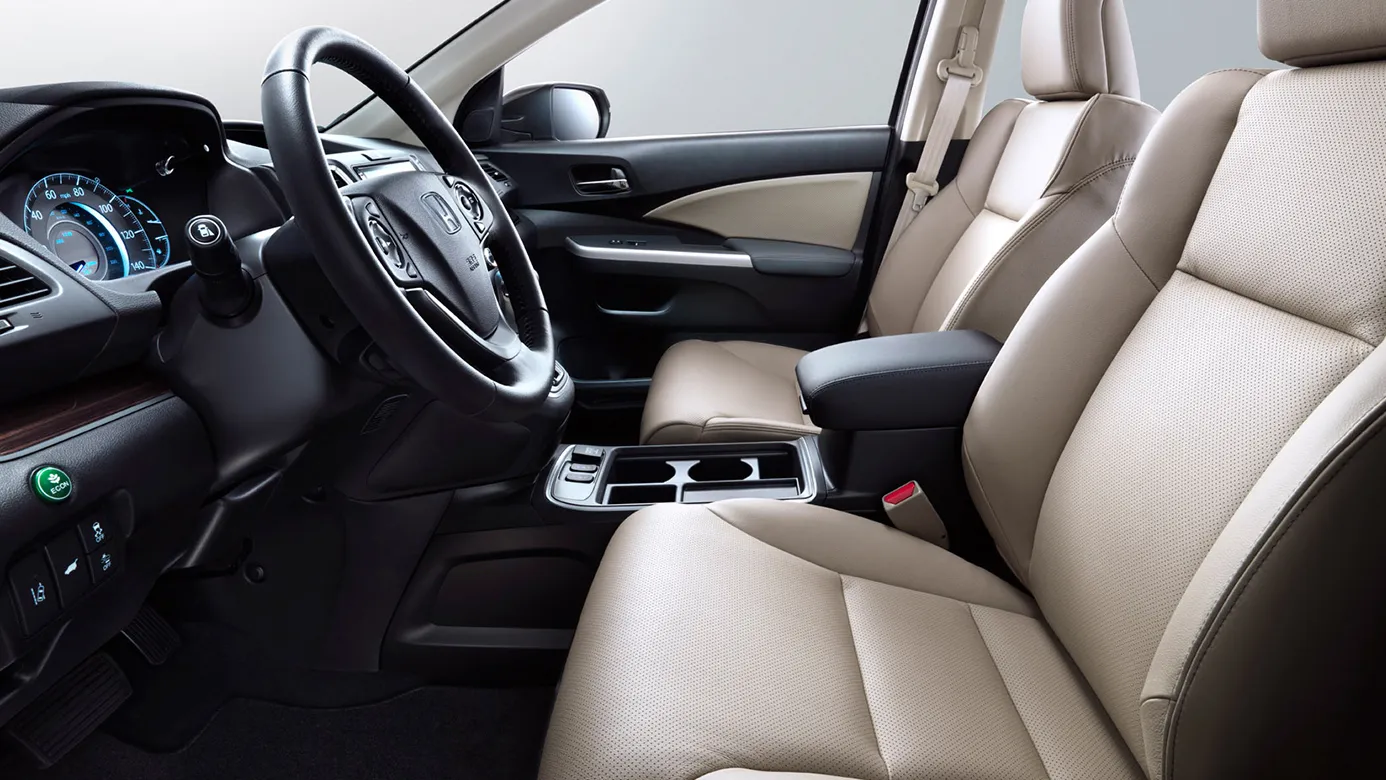
Practical design often delivers quiet comfort, and the Honda CR-V proves that point with impressive consistency. While it may not promote elaborate seat technology or flashy massage programs, its thoughtful ergonomic layout serves drivers managing chronic back pain in a meaningful way. Instead of relying on gimmicks, the CR-V focuses on posture, cushion balance, and day-to-day usability.
Front seats offer generous width, giving drivers room to settle in without feeling squeezed. That extra space can reduce hip tension, especially on longer drives. Cushioning strikes a smart middle ground. It feels supportive rather than overly plush, helping maintain spinal alignment instead of encouraging slouching.
In higher trims, power-adjustable lumbar support allows drivers to fine-tune lower back positioning. Being able to raise, lower, or increase lumbar pressure makes a tangible difference for individuals who need targeted reinforcement in specific areas.
Seat height adjustability plays an important role as well. A slightly elevated driving position means you step into the CR-V rather than drop down into it. For anyone dealing with stiffness or limited flexibility, that entry and exit height reduces strain on the lower back and hips. Daily errands become less taxing when you are not repeatedly bending or twisting awkwardly just to get in and out.
Cushion contours distribute weight evenly across the thighs and hips, minimizing pressure points. During extended drives, that balanced support helps prevent numbness and soreness that often stem from uneven weight distribution.
Heated front seats are widely available, offering steady warmth that can soothe tight muscles and encourage relaxation. For many drivers with chronic discomfort, controlled heat can be just as helpful as a lumbar adjustment.
Ride quality adds another layer of comfort. Suspension tuning absorbs most road imperfections before they reach the cabin. Reduced vibration means less repetitive stress traveling through the seat into the spine. The cabin layout keeps frequently used controls within easy reach, limiting the need for twisting or stretching while driving.
Affordability strengthens the CR-V’s appeal. Drivers do not need to invest in a luxury badge to gain dependable support. The CR-V combines practical design, steady cushioning, and ergonomic seating into a package that works well for families, commuters, and anyone seeking consistent comfort. For those prioritizing back-friendly seating without stretching their budget, it remains a dependable and sensible choice.
Also Read: Top 10 Classic American Luxury Cars That Truly Earn Their Reputation
10. Hyundai Palisade
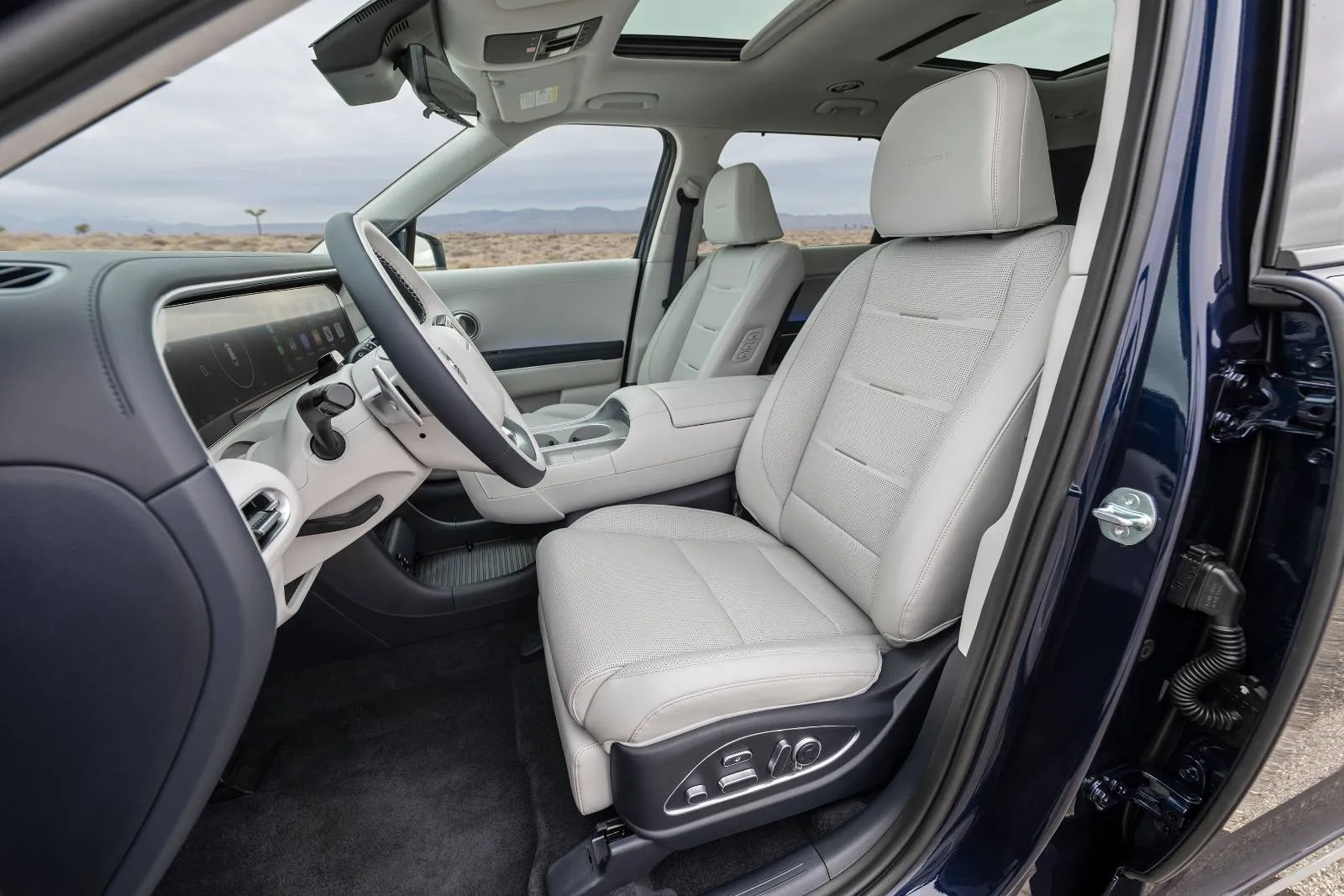
Luxury-level comfort in a family-focused SUV defines the Hyundai Palisade’s appeal. From the driver’s seat, attention to support becomes immediately clear. Wide cushions and carefully contoured seatbacks create a foundation that feels both welcoming and structured.
Power-adjustable lumbar support allows precise lower back positioning. Higher trims introduce multi-directional adjustments that tailor the seat to individual spinal needs. Thigh extension features help taller drivers reduce pressure beneath the legs, improving circulation and minimizing fatigue.
Heated and ventilated front seats come standard or are available in many configurations. Temperature control assists with muscle relaxation, especially during extended drives. Some trims also include a massage function, offering gentle movement that can reduce stiffness during highway travel.
Ride comfort enhances the seating experience. Suspension tuning smooths out rough pavement, limiting sharp impacts that aggravate sensitive backs. Cabin insulation reduces noise, contributing to a calmer driving atmosphere that supports physical ease.
Interior layout encourages healthy posture. Steering wheel and seat adjustments provide ample range, helping drivers align hips, shoulders, and knees comfortably. The slightly elevated seating height simplifies entry and exit, reducing strain during daily use.
Durability matters as well. Seat materials maintain structure under regular use, preserving support consistency. Families who spend hours on the road will appreciate how the Palisade balances space, refinement, and comfort-focused design.
For drivers dealing with chronic back pain who also need room for passengers and cargo, the Hyundai Palisade offers a compelling blend of adjustability, thoughtful ergonomics, and long-distance support.
