Commuting long distances every day places constant demands on a vehicle, its engine, its comfort, and its ability to deliver efficient performance day after day. Whether someone travels from suburb to city, crosses state lines for work, or simply enjoys the freedom of long highways, the choice of a car with low fuel costs can shape both the quality of life and the health of a budget.
High fuel costs can quickly add up, especially when covering hundreds of kilometers each week. That is why commuters focused on fuel economy often prioritize vehicles that deliver strong mileage, reliable engineering, and a comfortable cabin where long hours behind the wheel feel lighter. This article presents top choices that balance economic operation with real world comfort and performance.
When looking at vehicles for commuters, several factors matter beyond just miles per liter. Cabin space should be adequate for long hours without strain. Ride quality needs to absorb bumps and reduce fatigue. Fuel systems that use smaller engines, clever gearing, and lightweight materials tend to help lower consumption.
Some designs also include advanced features like regenerative braking or smart idle shutdown that further improve efficiency. All of these attributes help daily drivers get more distance from every drop of fuel.
Different commuters have different priorities. Some want an eco friendly hybrid that blends electric and petrol power to push efficiency even higher. Others find that a modern diesel engine strikes the right balance between torque, highway cruising comfort, and cost per kilometer.
Many find that internal combustion cars with sophisticated transmissions and aerodynamic shapes provide excellent real world mileage without costing a fortune to maintain. For long journeys that span thousands of kilometres, reliability becomes essential, and these choices reflect years of engineering to minimize breakdowns and maximize uptime.
This guide looks at vehicles that are admired by long distance commuters because they combine excellent fuel efficiency with comfort, cabin space, and user friendly features. Each car on this list has earned its place for practical reasons motorists appreciate.
What follows are descriptions and insights on what makes each of the top ten cars a worthy choice, from thoughtful design to fuel saving technology and driver satisfaction over long trips.
Whether someone wants a mainstream compact, a hybrid with higher fuel economy figures, or a premium vehicle with strong efficiency credentials, this list presents solid options.
The goal is to help commuters match their needs with specific cars that keep fuel costs down while making long distance travel less of a burden. Now let us look at each vehicle in detail, beginning with one of the most popular choices for drivers who rack up many miles each week.
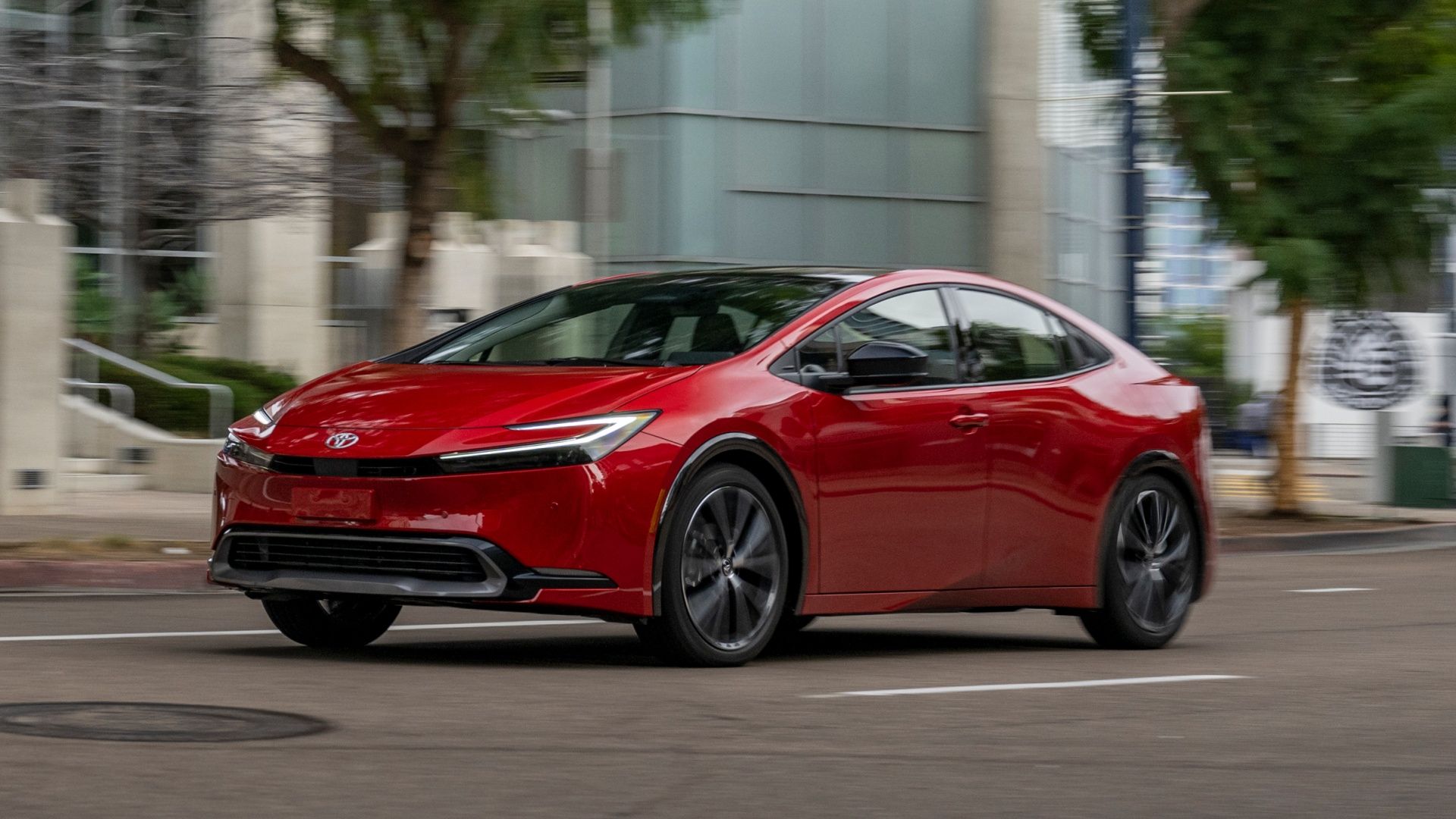
1. Toyota Prius
The Toyota Prius has long been known as a smart choice for people who want excellent efficiency from their daily driving. With a hybrid powertrain that blends petrol and electric energy smoothly, the Prius consistently delivers low fuel costs even when covering long distances.
Its engineering focuses on optimizing every drop of fuel, which means many commuters can feel confident about their fuel budget at the end of the month. This reputation for mileage makes it a model that deserves serious consideration.
Inside, the cabin is designed with comfort and visibility in mind. Controls are placed within easy reach, seats are shaped to support longer journeys, and the ride quality is calm and stable over varied road surfaces.
Long distance commuters will appreciate how the car remains composed on highways, making hours behind the wheel feel less tiring. With an efficient engine and lightweight construction, the Prius feels responsive without fuss.
Toyota’s hybrid system uses regenerative braking to capture energy that would otherwise be wasted, feeding it back into the battery so the petrol engine runs less often. This helps extend the range and cut costs during extended trips.
For those who face stop and go traffic before hitting open highways, the Prius shines because it spends more time in electric mode in slow conditions, further trimming fuel use. Drivers often notice the difference within just a few weeks of regular long distance use.
Ownership experience tends to be positive because Toyota has built a strong track record for reliability. Regular maintenance is straightforward and service centers understand how to keep these hybrids in peak condition.
Long distance commuters will find this reassuring when tallying up not just fuel costs but total operating expenses over the years. A car that rarely needs unexpected repairs can make day after day travel more predictable.
The Prius may not excite those seeking a sporty drive, but its purpose is efficiency and it excels at that. For drivers who value peace of mind, strong mileage numbers, and a design that has been refined over generations, the Prius stands out as a practical choice for reducing fuel costs during long commutes. Its focus on efficiency and comfort makes it one of the most sensible cars available for people who spend considerable time on the road.
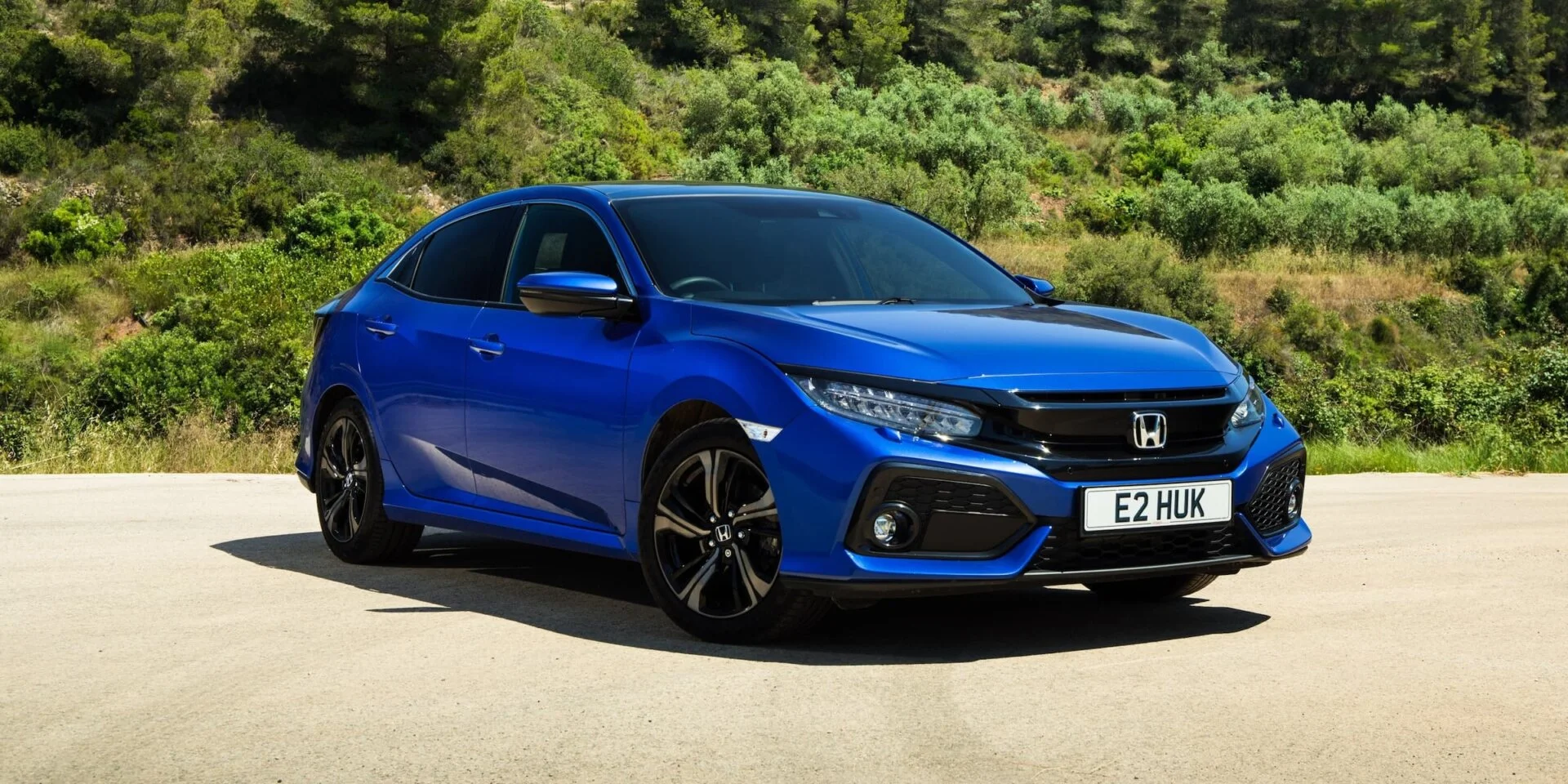
2. Honda Civic Diesel
The Honda Civic Diesel appeals to commuters who want a blend of strong fuel economy and engaging performance. Diesel engines have a natural advantage when it comes to long distance cruising because they generate strong torque at lower revs and tend to sip fuel sensibly on highways.
In the Civic Diesel, this characteristic is matched to a chassis that feels planted and confident, encouraging relaxed, efficient driving across kilometers of open road.
Comfort inside the cabin is generous, with well bolstered seats and plenty of room for driver and passengers. Materials feel solid and durable, which can help reassure those who place heavy demands on their vehicle week after week.
Commuters will enjoy how quiet and refined the cabin remains at cruising speeds, making conversation and audio entertainment easy to enjoy without shouting over engine noise.
The diesel powertrain is tuned to make the most of every liter, and combined with a gearbox that shifts smoothly, the Civic Diesel maintains strong mileage figures on long runs.
Brake energy regeneration may not feature in this setup, but the efficiency gains come from the inherent nature of the diesel engine and its optimized gearing for highway use. Many drivers find that they do not need to refuel as often, which helps keep fuel expenditure lower.
Maintenance for diesel engines has improved over the years, and the Civic Diesel benefits from reliable components and a service network that understands its needs. For long distance commuters, predictable service intervals and good parts availability can make life easier and keep ongoing costs manageable. This is an important factor for anyone who calculates total cost of ownership rather than just fuel economy charts.
Driving dynamics also contribute to its appeal. The Civic Diesel responds well to throttle inputs, and its suspension balances comfort with control in a way that avoids fatigue on extended journeys.
For those who value a driving experience that is engaging yet composed, this car delivers a satisfying blend of economy and performance that makes long commutes feel less burdensome and more rewarding.
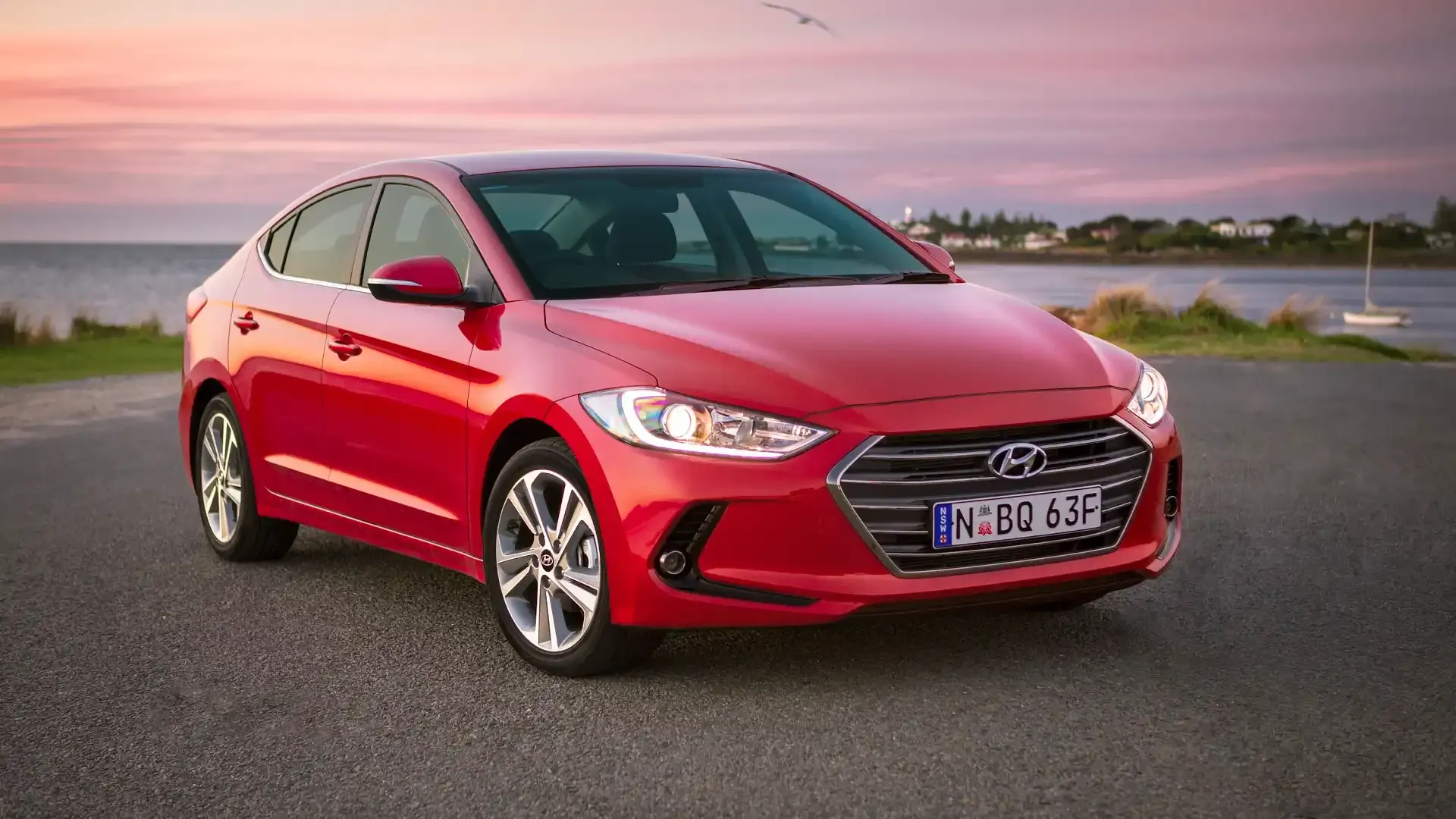
3. Hyundai Elantra
The Hyundai Elantra has built a reputation as a commuter favourite, combining a balanced driving experience with fuel efficient engineering. Its engine options are designed to offer competitive mileage while still providing enough power for overtaking and steady highway cruising.
Long distance commuters will appreciate how the Elantra maintains composure over a range of road conditions, which helps reduce stress during extended trips.
Inside, the cabin layout is user friendly and seats are engineered with support in mind, ensuring long routes do not take a toll on posture. Controls are intuitive, and the infotainment system is easy to navigate without distraction.
A comfortable climate control system helps keep the interior pleasant regardless of outside conditions, which matters on long distance journeys where weather may change frequently.
The Elantra’s engineering also focuses on reducing unnecessary weight and enhancing aerodynamics, which both contribute to lower fuel consumption.
While hybrid versions exist, even the conventional petrol engine models deliver strong mileage numbers that rival many in their class. For commuters who do not require hybrid technology, this efficiency makes the Elantra a sound choice that does not compromise everyday use.
Servicing is typically straightforward, and parts are widely available due to the brand’s global presence. Regular maintenance schedules are reasonable, which helps keep long term ownership costs in check. Drivers who travel significant distances year after year will find peace of mind in a vehicle that does not demand constant attention or expensive upkeep.
On the road, the Elantra feels balanced and predictable, which builds confidence when driving through varying traffic patterns or long stretches of highway.
Steering feedback is clear, acceleration feels steady, and the design inspires trust. For commuters focused on fuel economy and everyday practicality, the Elantra offers a compelling mix of features that make the miles go by more pleasantly and economically.
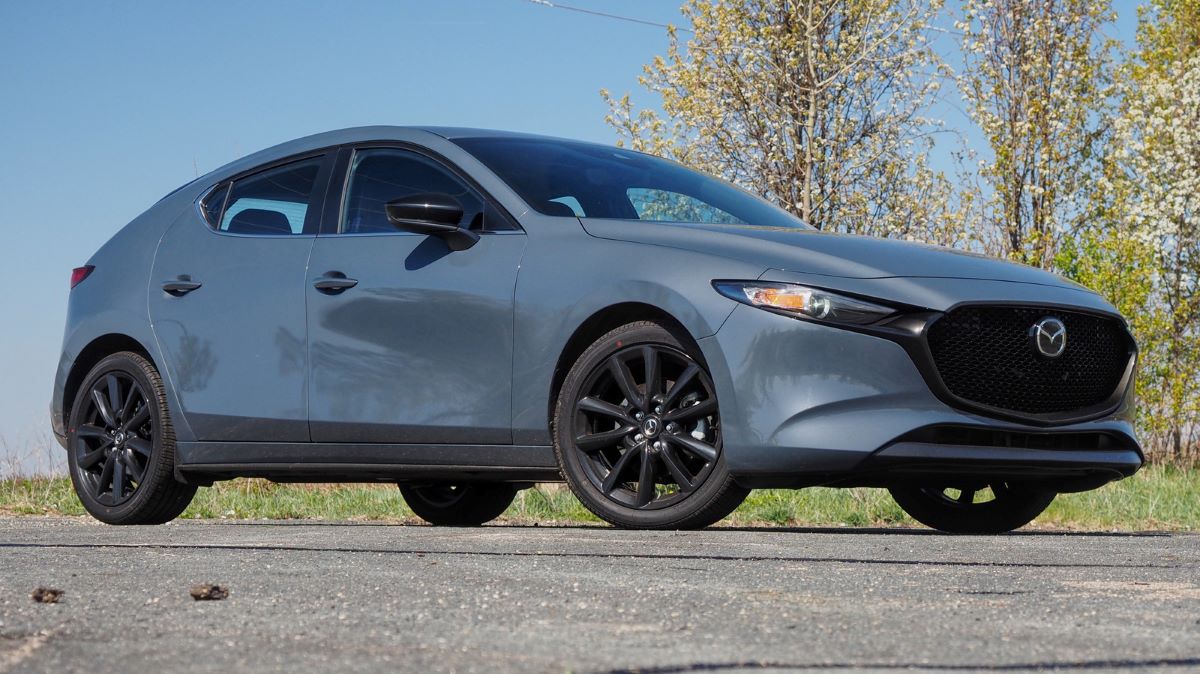
4. Mazda3 Skyactiv
The Mazda3 with Skyactiv technology appeals to drivers who want a fuel efficient vehicle that also feels refined to drive. Mazda’s approach blends efficient engine design with lightweight construction, which helps improve fuel economy without resorting to hybridization.
Long distance commuters appreciate how efficiently the Skyactiv powertrain uses fuel, especially on sustained highway trips where consistency matters most.
Inside the cabin, refinement is noticeable with supportive seating and a layout that feels modern without being distracting. Long distances feel less tiring when ergonomics are well thought out, and the Mazda3 scores well in this area. Visibility from the driver’s seat is generous, and controls are placed to make operation instinctive, which helps reduce cognitive load on extended drives.
The body and chassis are engineered to be rigid yet lightweight, a combination that enhances both fuel efficiency and driving dynamics. Steering is responsive, making lane changes and highway merges feel natural. Brake feel is firm and confidence inspiring, which matters when someone spends many hours behind the wheel each week. These qualities help make longer trips more enjoyable.
Fuel economy benefits from Mazda’s focus on optimizing combustion and reducing losses throughout the drivetrain. While it may not match hybrid mileage figures, the Mazda3 often delivers better consumption than many competitors that do not prioritize efficiency. For commuters who want a balance of engaging driving and practical costs, this makes the Skyactiv model an attractive choice.
Maintenance and ownership costs are generally reasonable, with Mazda delivering reliable engineering and a service network that supports long term use. Drivers who travel extensively find value in a car that does not require frequent unscheduled repairs.
Combining reliability with efficiency and comfort, the Mazda3 with Skyactiv technology becomes a strong contender for anyone seeking to lower fuel costs without sacrificing a pleasant driving experience.
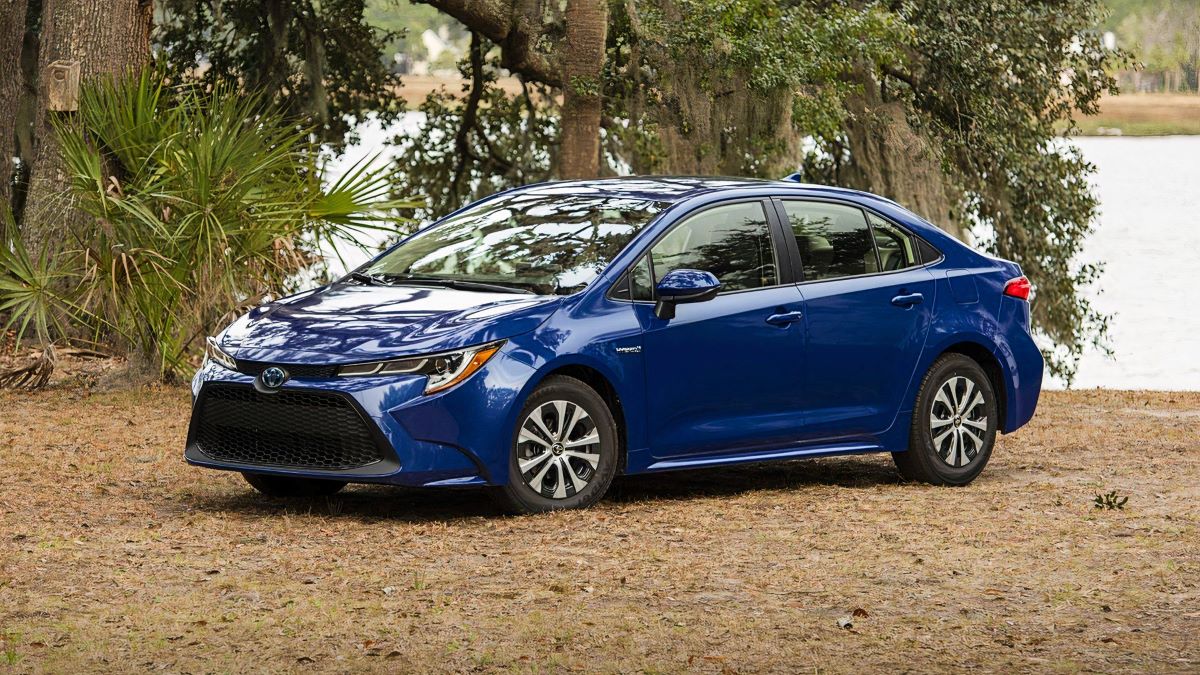
5. Toyota Corolla Hybrid
The Toyota Corolla Hybrid brings together a well known platform with a hybrid powertrain that boosts fuel economy significantly. Long distance commuters often choose hybrid models because they can combine the best traits of petrol and electric systems, leading to reduced fuel use without limiting range.
In the Corolla Hybrid, this balance is achieved with smooth transitions between power sources and a quiet, refined ride that suits extended highway travel.
Comfort in the cabin is a priority with supportive seating, intuitive controls, and a layout that stays familiar to many drivers. Those adjusting from conventional versions of the Corolla will find the transition to the hybrid model seamless, with the added benefit of reduced fuel stops. Noise insulation helps keep the interior calm, even when covering hundreds of kilometers in a single drive.
The hybrid system uses energy that is normally lost during braking and stores it in a battery for later use, which helps reduce dependence on the petrol engine. At lower speeds and in steady traffic, this often results in impressive fuel savings. Long distance commuters appreciate how the hybrid powertrain feels responsive rather than confusing, making gear changes smooth and predictable.
Routine maintenance for the Corolla Hybrid typically aligns with what owners of standard Corolla models expect, with the added advantage that hybrid systems tend not to require excessive service if properly cared for.
This predictability in upkeep helps commuters plan long term costs more easily, which complements the fuel economy benefits. Reliability has long been a hallmark of Toyota engineering, and this model carries that reputation forward.
Drivers who want consistent fuel savings over extended journeys find the Corolla Hybrid hard to ignore. Its blend of comfortable long distance driving characteristics, strong efficiency figures, and familiar design make it appealing for daily commuters.
When fuel costs are a prime consideration, this hybrid model stands out as one of the top choices for reducing expenditure while covering significant distances every week.
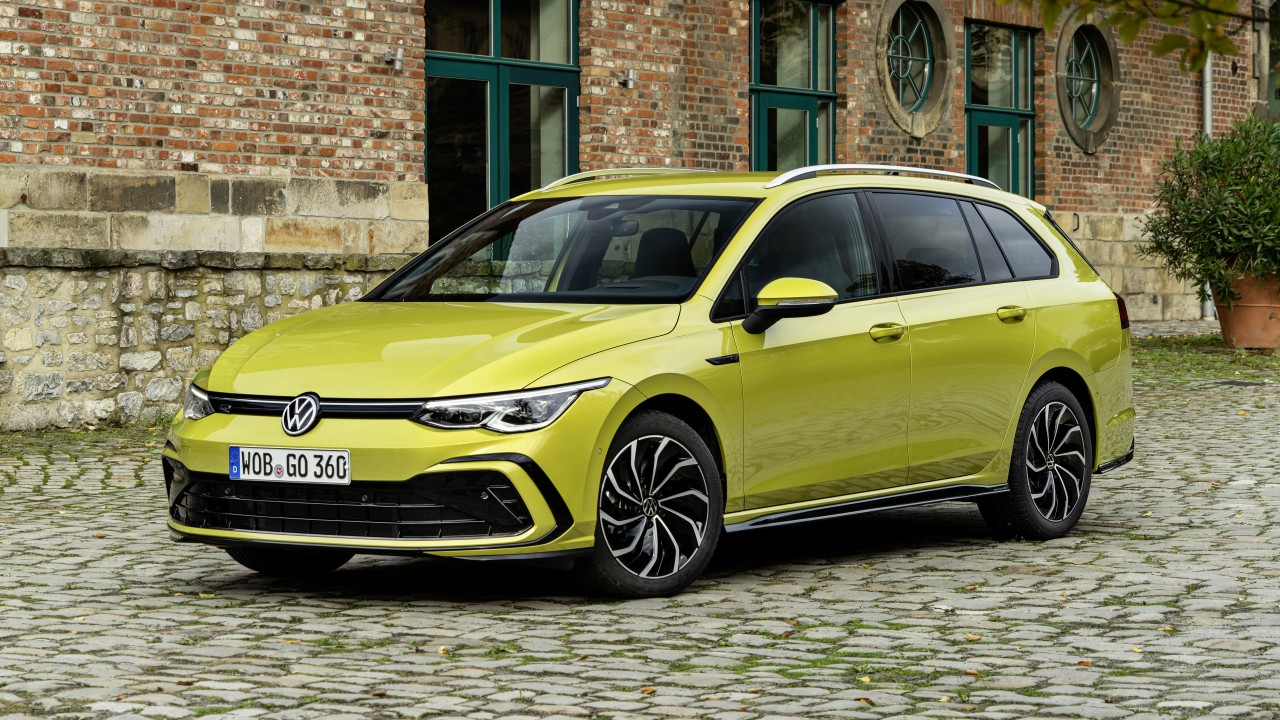
6. Volkswagen Golf TDI
The Volkswagen Golf TDI appeals to those who value a refined diesel engine with strong torque and low fuel consumption. Diesel technology naturally lends itself to long distance driving because it can deliver excellent economy figures at highway speeds while producing enough low end torque for relaxed cruising. The Golf’s compact shape and thoughtful engineering make it efficient without feeling underpowered.
Inside the cabin, comfort and quality materials help make longer trips easier to enjoy. Seats are supportive with enough adjustability to help drivers find a comfortable position, which matters when spending many hours on the road. Controls are laid out logically, and the dashboard feels well put together, reducing the chances of fatigue during extended journeys.
The TDI engine combines with a gearbox that is tuned for efficiency and smooth shifts. This helps keep the engine operating in its most economical range as often as possible, which in turn leads to fewer fuel stops and lower costs over time.
Diesel engines like this also tend to maintain their economy advantage in colder climates or when towing light loads, making them versatile for different commuter needs.
Routine servicing for diesel engines has become more predictable over recent years, with many technicians well versed in maintaining TDI powertrains.
For commuters, knowing that the service network understands the specific needs of the vehicle adds confidence, especially when traveling long distances regularly. Longevity in diesel engines is often strong, which means fewer surprises in ownership.
The driving experience in the Golf TDI feels stable and composed, with steering that offers clear feedback and a suspension that balances comfort with control.
For everyday highway use, this makes journeys feel reassuring rather than tiring. When fuel economy and comfort are priorities for a long distance commuter, the Golf TDI remains a compelling choice among compact cars with efficient diesel powertrains.
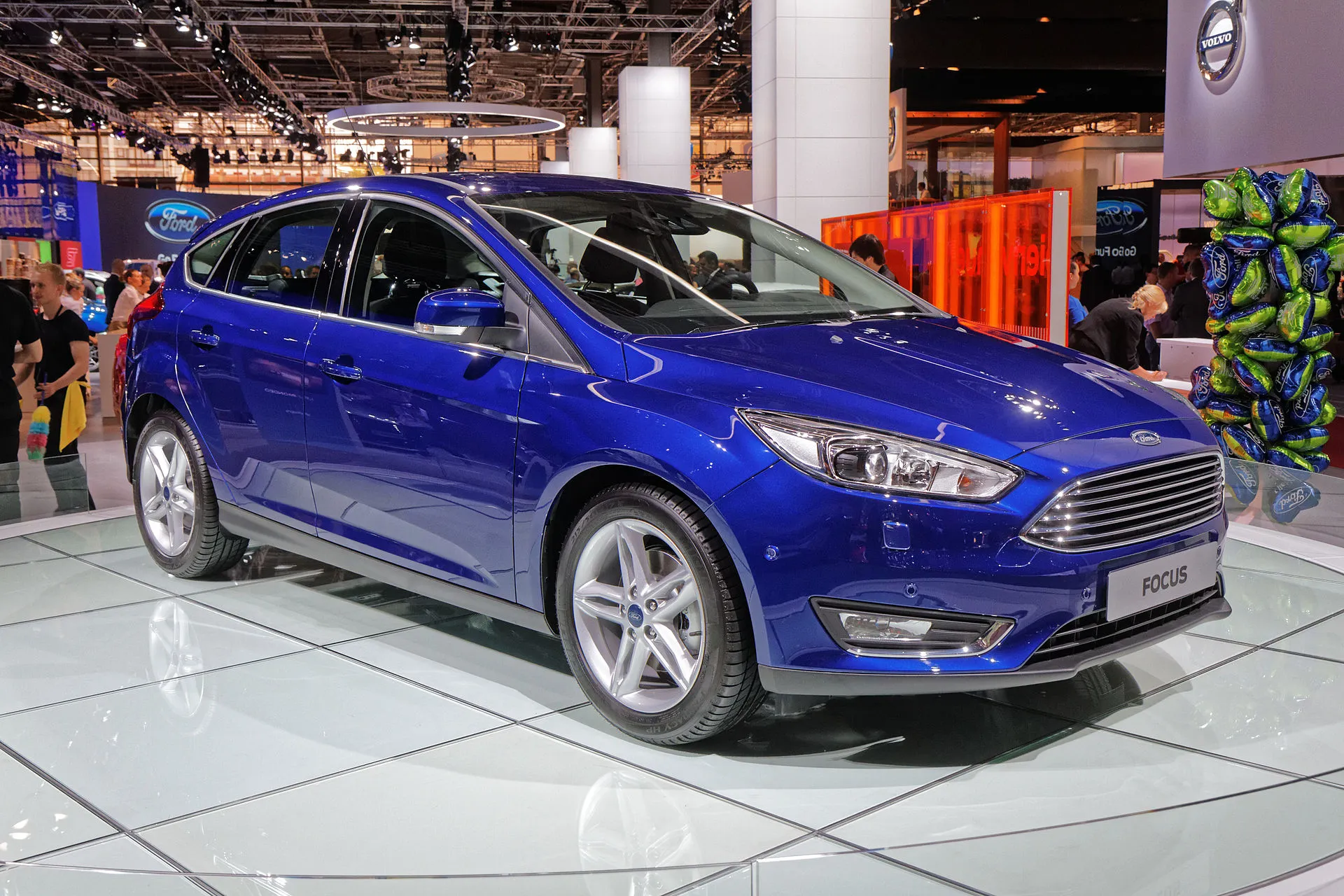
7. Ford Focus Ecoboost
The Ford Focus with Ecoboost technology offers long distance commuters a balanced mix of fuel economy and energetic performance. Ecoboost engines are known for downsized turbocharged design that extracts more power from smaller displacement, which helps keep fuel consumption lower in normal driving. Long stretches on highways feel confident, with enough power available when needed without wasting fuel.
Inside the cabin, the Focus provides a comfortable environment for long journeys. Seats are supportive and adjust to help drivers maintain good posture, which matters when spending many hours at the wheel.
Controls are strategically placed for ease of use, and the steering wheel feels comfortable to grip for extended periods. These qualities together help reduce the strain of long distance travel.
The Ecoboost engine works in harmony with a responsive transmission that shifts smoothly and keeps the engine in an efficient range. This synergy helps minimize fuel costs without sacrificing drivability. Many commuters find that they can maintain highway speeds with ease, and the engine does not feel strained when accelerating to pass slower traffic, which can be reassuring on long roads.
Maintenance for Ecoboost engines is generally in line with typical petrol powertrains, with routine service intervals that many owners find manageable. Parts and service centers are commonly available, making upkeep predictable. For commuters tallying total costs over years of use, this transparency in servicing can help keep budgets organized and avoid unexpected expenses.
The driving dynamics also contribute to the Focus’s appeal. The suspension absorbs imperfections in the road, and the ride remains calm and composed even at higher speeds.
For those who appreciate a vehicle that feels planted and responsive while still delivering strong fuel economy, the Focus Ecoboost makes a strong case as an efficient choice for covering long distances without excessive fuel costs.
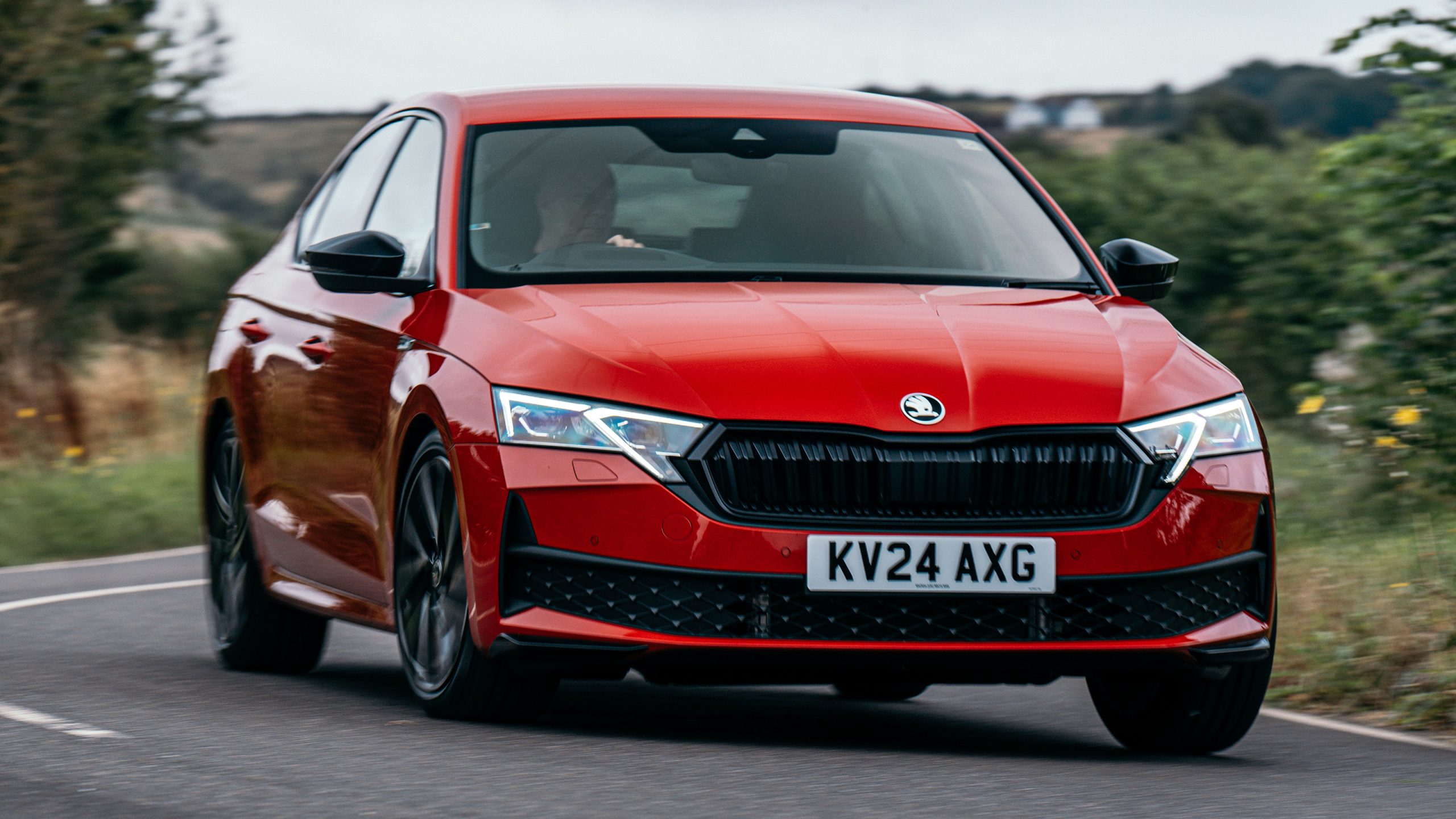
8. Skoda Octavia
The Skoda Octavia has earned praise from long distance commuters for its spacious interior, efficient engine choices, and comfortable ride. This model often offers a range of powertrains, including efficient petrol and diesel options that deliver strong mileage.
Commuters who travel long distances will appreciate how smooth and refined the Octavia feels on highways, helping reduce fatigue on extended journeys.
Inside, cabin space is generous, with ample legroom and headroom that suits taller passengers and drivers alike. Seats are supportive with firm cushioning that helps maintain comfort over long hours behind the wheel.
Controls are placed logically, and visibility from the driver’s seat is broad, making long trips feel more manageable and less tiring. These attributes matter when kilometers accumulate quickly.
The efficient engines paired with optimized transmissions help the Octavia deliver competitive fuel economy figures. Whether opting for diesel variants known for economy at constant speeds or petrol versions with responsive acceleration, the Octavia caters to different commuter needs. This flexibility makes it attractive to a wider range of drivers who prioritize low fuel usage.
Routine maintenance for Skoda vehicles is typically straightforward, and parts are widely available because of the brand’s global presence. Service intervals and procedures are well established, helping owners plan upkeep with confidence. Commuters who log extensive mileage yearly value predictability in both fuel costs and servicing demands.
Driving dynamics balance comfort with control, making long distance travel pleasant rather than exhausting. The suspension soaks up road imperfections while maintaining composure, and steering feedback helps drivers feel connected without being overly demanding. For those seeking a roomy, efficient vehicle that performs consistently over long distances, the Skoda Octavia stands out as a strong contender.
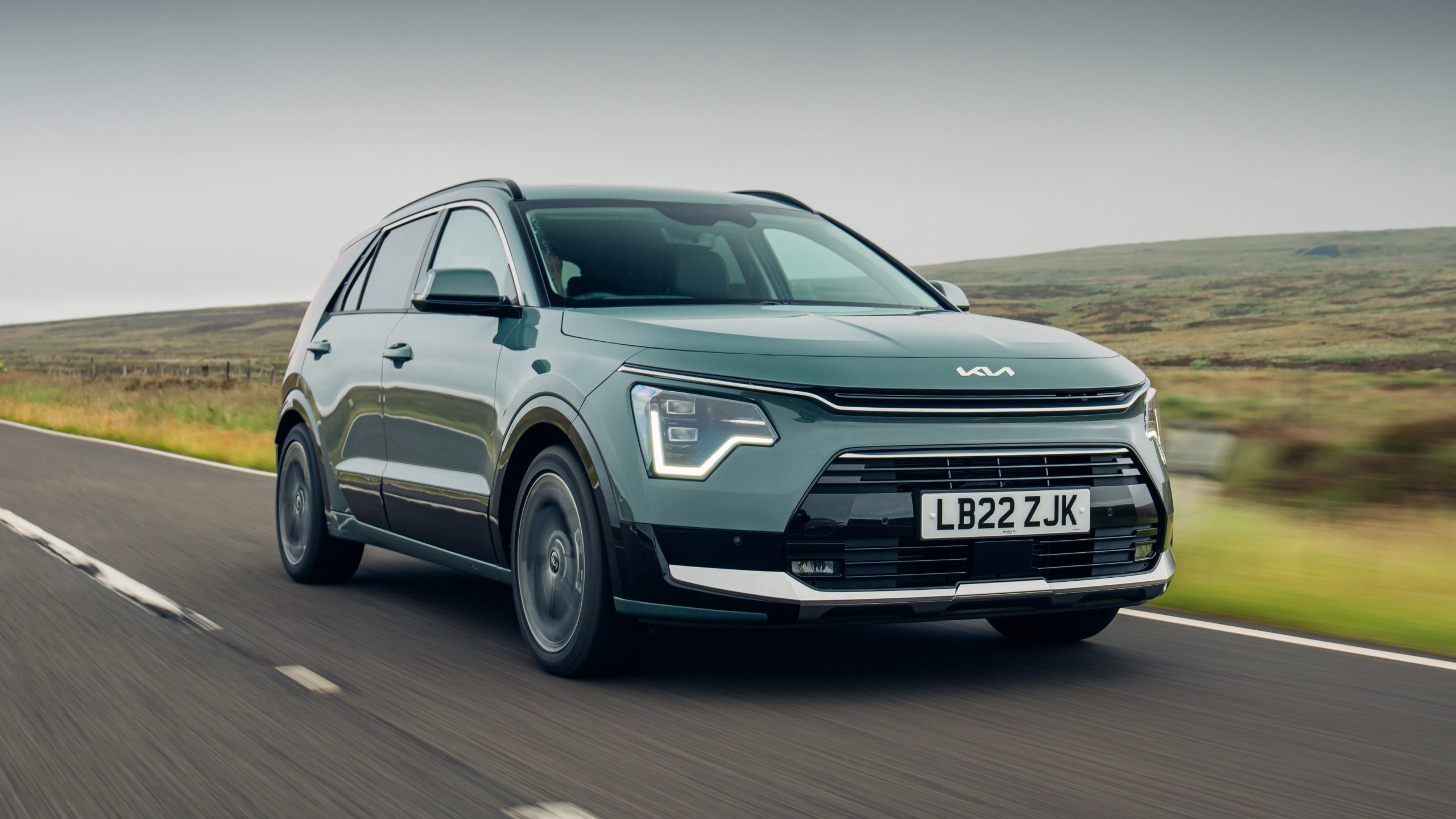
9. Kia Niro Hybrid
The Kia Niro Hybrid is aimed at efficiency minded commuters who want strong fuel economy figures without sacrificing everyday versatility.
Its hybrid system blends petrol and electric power in a way that helps reduce fuel consumption, particularly in conditions where traffic patterns frequently change. Long journeys feel less burdensome when a hybrid powertrain extends the distance between fuel stops.
The cabin is thoughtfully designed with comfort and practicality in mind. Seats are supportive and adjustable, helping drivers find a comfortable position for extended trips.
Controls are intuitive, with display screens that are easy to read without drawing attention away from the road. Climate control systems help keep the interior pleasant regardless of outside conditions, which is important on long distance drives.
The hybrid system captures energy from braking that would otherwise go to waste and uses it to supplement the petrol engine. This saves fuel especially in stop and go traffic before reaching open roads. When cruising at steady speeds, the efficiency benefits continue as the system uses electric power where possible to reduce petrol usage, helping lower fuel costs for commuters.
Maintenance for the Niro Hybrid aligns with what many owners expect from modern vehicles, with predictable service intervals and a global dealer network that supports hybrid technology.
Batteries and hybrid components are engineered for durability, and when properly maintained, they often deliver consistent performance over many years. This reliability helps long distance commuters plan ownership expenses with confidence.
On the road, the Niro Hybrid feels composed, with balanced handling and a comfortable ride. Steering is responsive yet relaxed, and acceleration feels smooth as the hybrid system transitions between power sources.
For commuters focused on reducing fuel costs while enjoying a comfortable, capable vehicle for long distance travel, the Kia Niro Hybrid offers a strong combination of efficiency and usability.
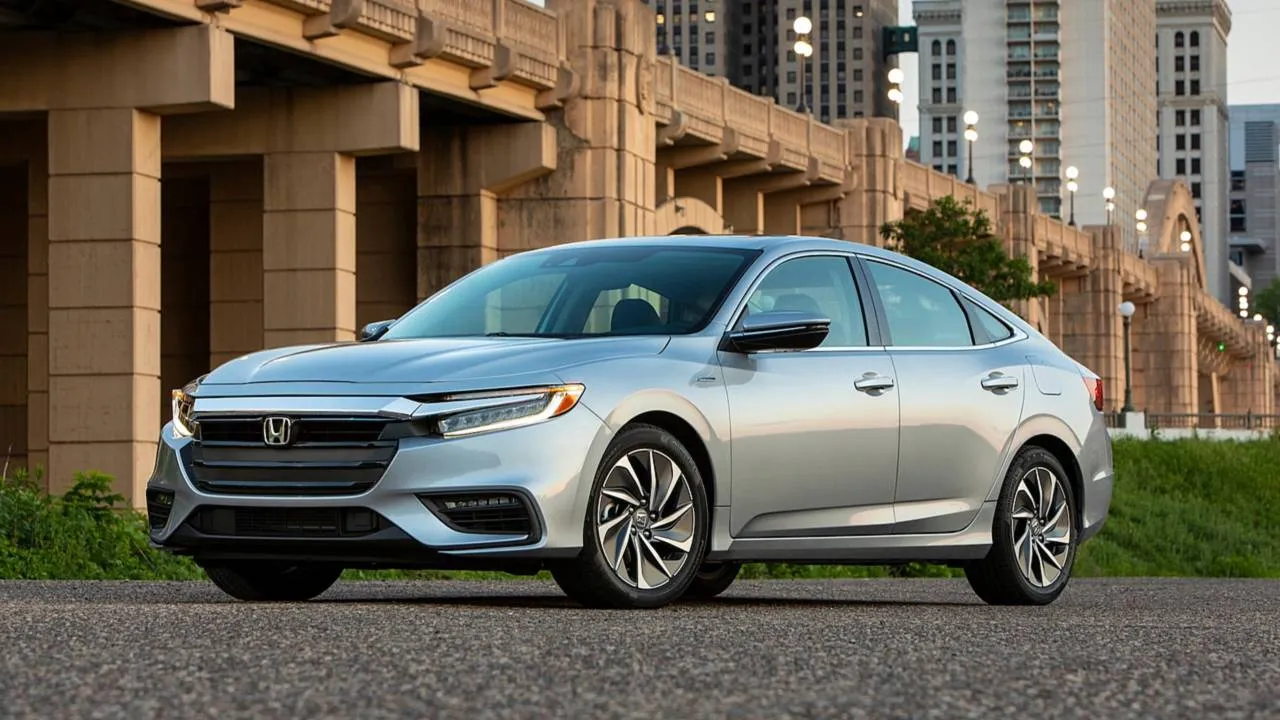
10. Honda Insight
The Honda Insight is a hybrid sedan that blends refined styling with fuel efficient performance, making it a strong choice for commuters who travel significant distances regularly.
Its hybrid powertrain combines a petrol engine with electric support to lower fuel consumption while maintaining a smooth driving experience. Long trips feel less daunting when a vehicle can keep fuel use down without compromising driving quality.
Inside, the Insight provides a comfortable and well thought out cabin environment. Seats are shaped to reduce fatigue, and materials feel durable and pleasant to the touch. Visibility remains good in all directions, helping drivers stay aware of their surroundings on long highways or winding rural routes. Controls are logically arranged, making operation intuitive for everyday use.
The hybrid system works seamlessly to switch between electric and petrol power, often using electric energy at lower speeds or gentle acceleration. This helps reduce fuel usage especially when traffic conditions vary before reaching open roads. On consistent highway stretches, efficiency remains strong because the engine runs in its most economical range, stretching every drop of fuel further.
Routine maintenance for the Insight generally follows standard schedules similar to other Honda models, with the added benefit that Honda’s hybrid systems have gained a reputation for reliability.
Service centers familiar with hybrid maintenance help ensure that the vehicle remains in good condition over many kilometers of commuting. This predictability in upkeep complements the low fuel usage.
Driving dynamics feel refined, with steering that communicates road conditions and a suspension that smooths out irregular surfaces. The experience feels calm and balanced, which helps reduce driver fatigue during long distance travel.
For commuters who value a hybrid that delivers both economy and comfort, the Honda Insight represents a thoughtful choice that helps keep fuel costs low without sacrificing everyday enjoyment.