
Learning to drive a manual transmission is one of those rites of passage that separates casual drivers from those who truly understand what it means to be connected to a machine.
There’s something deeply satisfying about rowing through gears yourself, feeling the engine respond to your inputs, and mastering the delicate dance between clutch, throttle, and shifter. But here’s the thing not all manual cars are created equal. Some are forgiving, predictable, and almost seem to teach you themselves.
Others are demanding, temperamental, and will stall you at every traffic light until you’ve logged hundreds of miles of practice. The clutch is at the heart of it all. A well-calibrated clutch with a long, progressive engagement window gives beginners the time they need to find that “bite point” without drama.
A finicky clutch, on the other hand, engages in a razor-thin window, punishing even the slightest mistiming with a lurch, a stall, or an embarrassing kangaroo hop through an intersection.
In this guide, we’re looking at five manual cars that are genuinely excellent for beginners, followed by five that will test your patience, humility, and possibly your relationship with whoever is sitting in the passenger seat. Whether you’re shopping for your first stick shift or just curious where your car lands, this breakdown covers everything you need to know.
5 Manual Transmission Cars That Are Easy to Learn On
These exceptionally forgiving vehicles feature progressive clutch engagement and adequate low-end torque perfectly suited for nervous beginners learning manual transmissions, providing confidence-building experiences through smooth takeoffs and intuitive pedal feel without the stalling frustrations typically discouraging new manual drivers attempting to master three-pedal coordination.
Their thoughtful engineering includes generous clutch travel and strong engines that resist the harsh engagement found in performance-oriented manuals while delivering clear bite points allowing predictable clutch release, enough torque preventing constant stalling during hill starts, and shifters providing positive gear engagement without requiring perfect timing or excessive force.
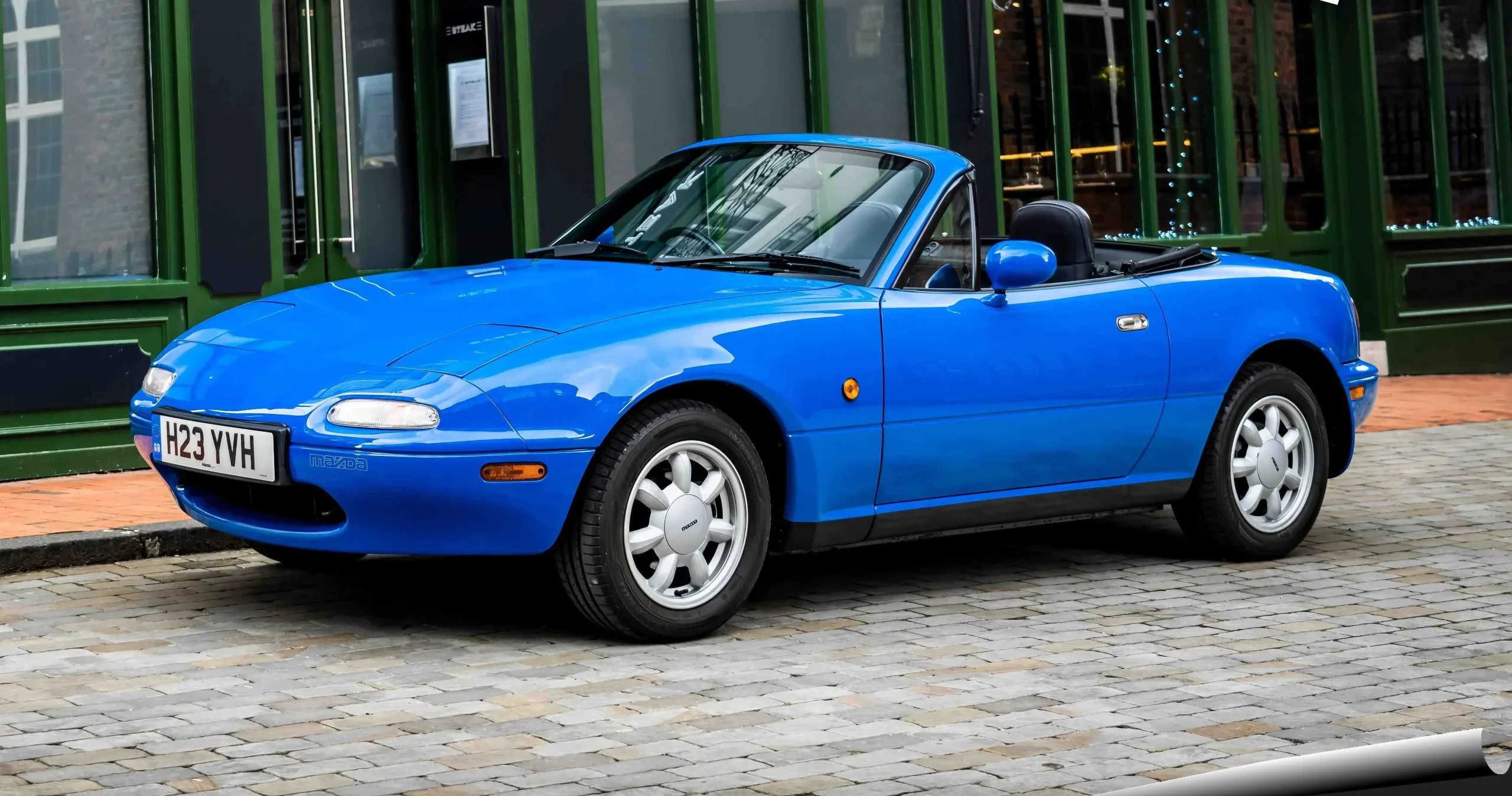
1. Mazda MX-5 Miata
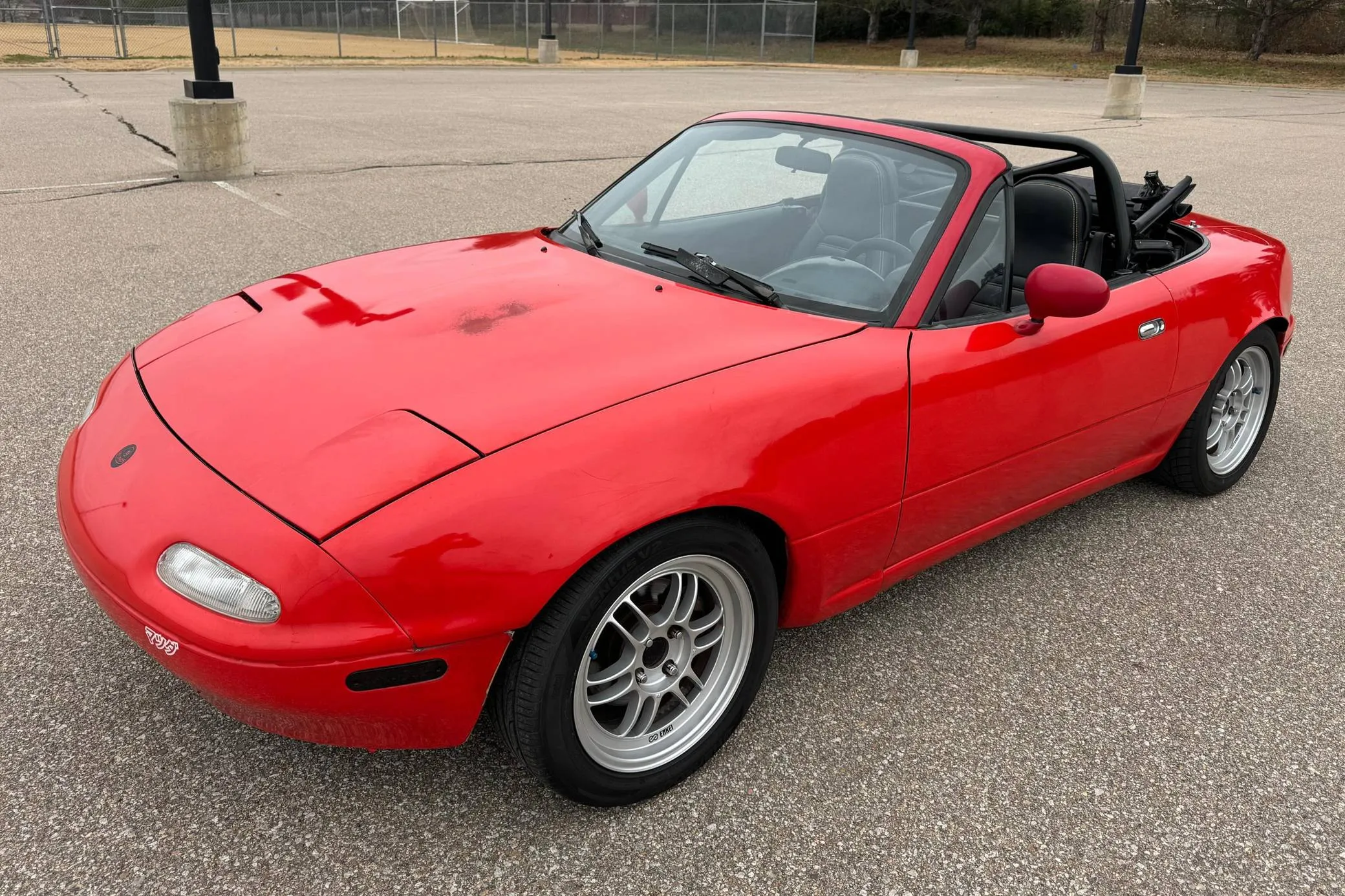
If there’s one car that driving instructors, enthusiasts, and automotive journalists universally agree is the perfect car to learn a manual transmission on, it’s the Mazda MX-5 Miata.
This small, lightweight roadster has been in continuous production since 1989, and across every single generation, Mazda has refined its manual gearbox and clutch into something that feels almost tailor-made for the learning process.
It’s no accident that the Miata is consistently recommended as the ideal first manual car it genuinely earns that reputation in every measurable way.
The clutch in the Miata is one of its greatest strengths. It has a long, well-defined engagement zone that gives drivers plenty of time to feel the bite point and modulate accordingly. There’s no sudden grab, no surprise engagement that catches you off guard.
The pedal weight is light enough that your left leg won’t fatigue during stop-and-go traffic, but it still provides enough resistance to give you tactile feedback about where you are in the engagement range. For a beginner still developing muscle memory, this is absolutely critical. You need to feel what’s happening, and the Miata lets you feel everything.
The gearbox itself is equally impressive. The throws are short and mechanical, with a satisfying click into each gate. There’s very little vagueness or notchiness you always know exactly which gear you’re in and exactly where the next one is.
This clarity reduces cognitive load for new drivers who are already managing steering, braking, and traffic while simultaneously trying to coordinate three pedals for the first time. The last thing you need is a shifter that leaves you guessing.
Beyond the mechanics, the Miata’s size and weight work in a learner’s favor. At roughly 2,400 pounds, it’s a light car, which means the engine doesn’t need to work particularly hard to get moving from a stop.
Even if you release the clutch a little early or don’t give it quite enough gas, the car tends to forgive you rather than immediately stalling. The engine has enough low-end flexibility to compensate for small mistakes, which is exactly what a beginner needs while their hands and feet are still learning to work together.
The driving position is also worth mentioning. Seated low with the road close beneath you, the Miata gives you a visceral connection to the car that makes it easier to sense what’s happening mechanically.
You hear the engine clearly, feel vibrations through the seat, and get immediate feedback from the chassis. All of this sensory information helps beginners understand cause and effect faster than they would in a more insulated vehicle.
Finally, the Miata is genuinely fun. Learning on a car you enjoy driving makes the process faster and far less frustrating. When stalling is just a minor interruption rather than a source of shame, you progress more confidently. The Miata makes even early, clumsy attempts feel rewarding, which keeps motivation high during the learning curve.
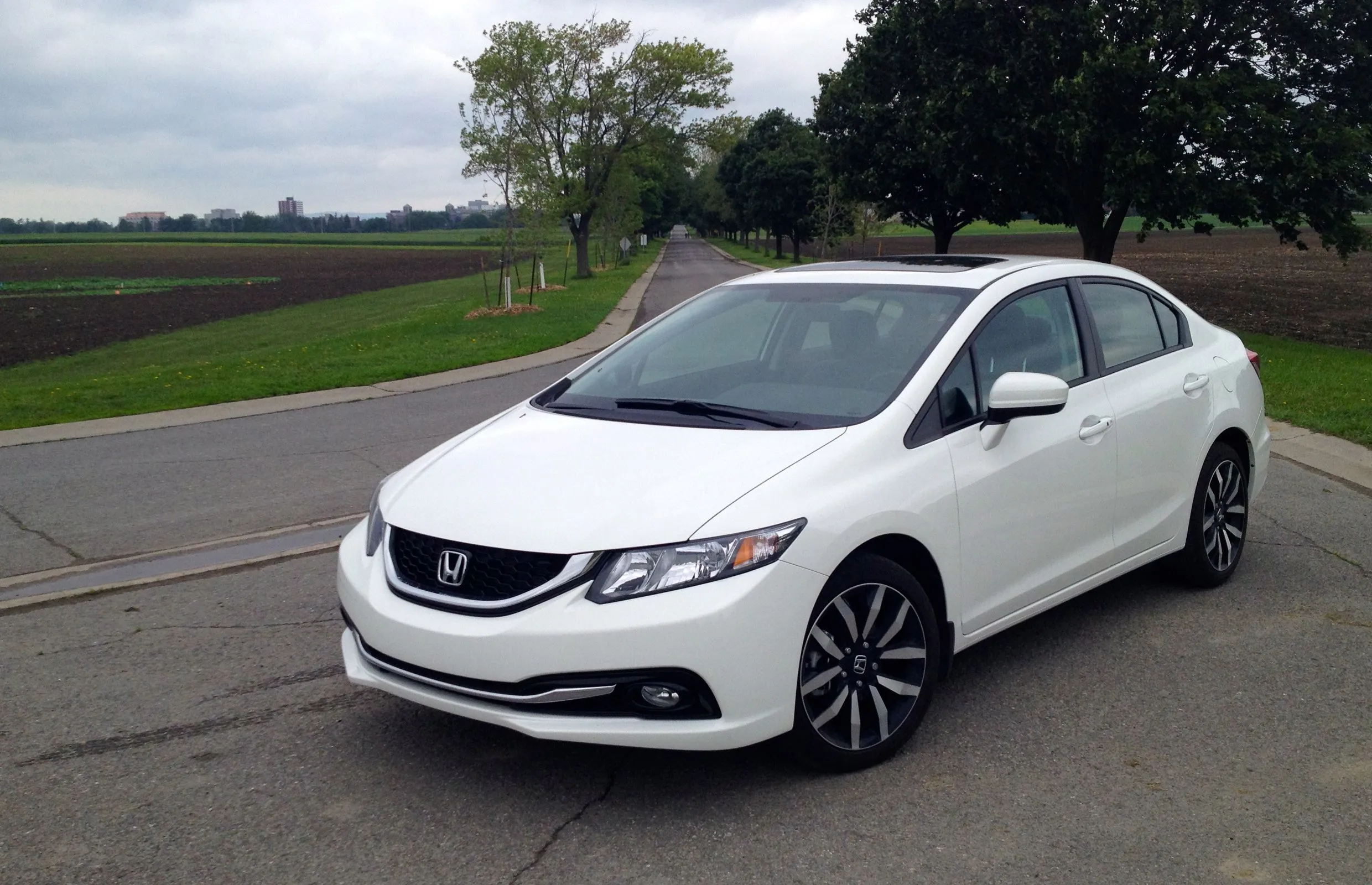
2. Honda Civic (Manual, 2000s–2010s Generations)
Honda has a long history of building some of the most driver-friendly manual gearboxes in the automotive world, and the Civic from the early 2000s through the mid-2010s represents the sweet spot of that legacy.
These cars are everywhere, they’re affordable, they’re reliable, and they happen to come with one of the most approachable clutch and gearbox combinations you’ll find at any price point. If the Miata is the ideal sports car for learning, the Civic is the ideal everyday car for the same purpose.
The clutch in these Civic generations is light, progressive, and predictable. Honda calibrated it with a wide engagement band that makes finding the bite point a relaxed, unhurried process.
There’s no abrupt grab, no mysterious dead zone followed by a sudden lurch. The engagement is smooth and linear, meaning that whatever speed you’re releasing the pedal, the clutch responds proportionally. For a beginner, this means that small mistakes don’t immediately become big problems. The car gives you time to correct.
What really sets the Civic apart is the gearbox itself. Honda’s cable-operated shifters from this era are legendary for their precision and feel. The throws are short, the gates are clearly defined, and there’s a mechanical satisfaction to each shift that makes you want to keep doing it.
Compared to many modern cars with vague, long-throw shifters, the Civic’s gearbox is almost surgical in its precision. Beginners benefit enormously from this clarity because gear selection becomes intuitive quickly, leaving mental bandwidth for the other aspects of manual driving.
The VTEC engines in these Civics are also very forgiving for learners. They have a broad powerband and make reasonable torque at low RPMs, which means you don’t need to rev the engine dramatically to pull away from a stop.
You can ease the clutch out at relatively low revs and the car cooperates, which simplifies the coordination challenge considerably during those early practice sessions.
There’s also very little tendency to stall violently if you get it wrong, the car gives you a warning lurch before dying, which is far preferable to the sudden, unceremonious stalls you get from some other platforms.
These Civics are also extremely common on the used market, which makes them practical for learners who want to buy their first manual car without spending a fortune.
Parts are cheap, maintenance is straightforward, and the cars are tough enough to handle the inevitable clutch abuse that comes with the learning process without requiring expensive repairs.
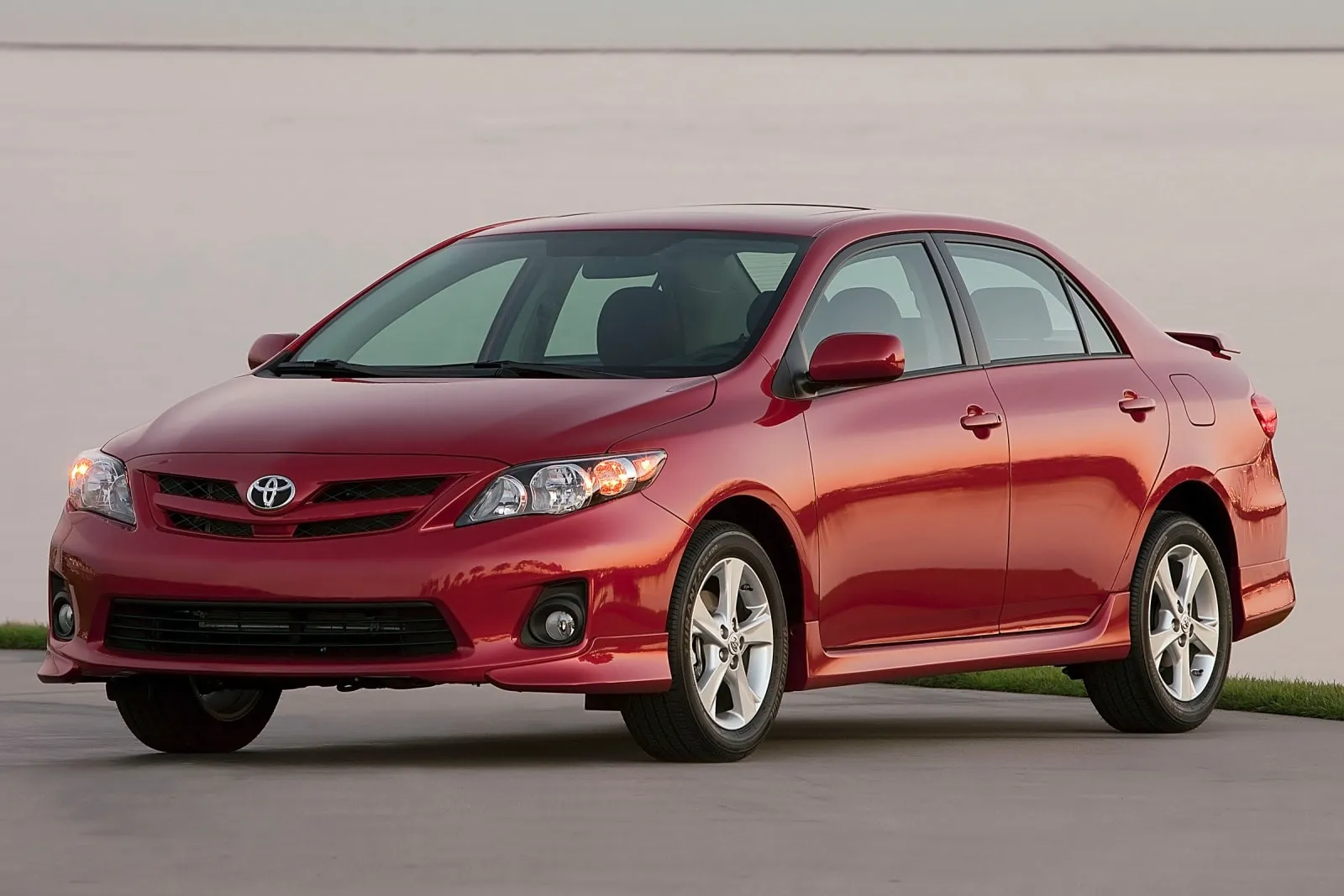
3. Toyota Corolla (Manual, E110–E140 Generations)
Toyota’s Corolla has been the world’s best-selling car for good reason it does everything competently, reliably, and without drama. The manual versions of the E110 and E140 generations, covering roughly the late 1990s through the early 2010s, offer a clutch and gearbox combination that is the very definition of approachable.
These aren’t exciting cars, but for the purpose of learning a manual transmission, excitement is the last thing you want. What you want is calm, predictable behavior, and the Corolla delivers that in abundance.
The clutch feel in these Corollas is light and linear. Toyota tuned it to be forgiving above all else, with a long engagement zone that practically invites beginners to explore the bite point without fear of immediate stalling.
The pedal requires minimal effort to operate, which is a blessing during the exhausting early stages of learning when your left leg is performing an entirely new movement it’s never been asked to do before. Long practice sessions are far less physically tiring in a Corolla than in a car with a heavier clutch.
The gear selection is equally unfussy. While it lacks the mechanical precision and tactile satisfaction of Honda’s best shifters, the Corolla’s gearbox is smooth, cooperative, and rarely gets in the way.
The throws are of medium length, the gates are forgiving, and the synchromesh is well-engineered enough that even clumsy, poorly-timed shifts tend to go in cleanly. You won’t grind gears in a Corolla the way you might in a car with a more demanding drivetrain.
Toyota’s 1ZZ-FE and 2ZZ-GE engines, commonly found in these generations, are also very accommodating for learners. They produce usable torque across a wide RPM range, meaning you have a broad window for clutch release without the engine bogging down dramatically or revving too aggressively.
This flexibility greatly reduces the precision required at low speeds and from a standstill, which is where most beginners struggle the most. The Corolla’s reliability is also a significant practical advantage for learners.
Clutch abuse is a real concern during the learning process, and a Corolla’s drivetrain is robust enough to absorb a considerable amount of it before showing signs of wear.
The ownership cost is low, the car is widely understood by mechanics everywhere, and resale values remain solid even after years of use. For someone who wants to learn manual driving without the anxiety of potentially damaging an expensive or rare vehicle, the Corolla offers real peace of mind.
4. Volkswagen Golf (Mk5 and Mk6, 2.5L or TDI)
The Volkswagen Golf has been a benchmark for the compact hatchback segment for decades, and the fifth and sixth generation models built between 2004 and 2013 represent some of the finest examples of accessible, driver-focused engineering Volkswagen has ever produced.
The manual versions of these cars, particularly those fitted with the 2.5-liter five-cylinder or the beloved TDI diesel engine, offer a clutch and gearbox experience that manages to be both forgiving for beginners and deeply satisfying for experienced drivers.
The clutch in these Golf generations is well-weighted and progressive. It’s not quite as light as the Honda Civic’s, but it’s tuned to have a very clear, identifiable bite point that makes it easy to learn and easy to repeat consistently.
Once you find the bite, the engagement is smooth and gradual, giving beginners the control they need to pull away cleanly without drama. The pedal feel is confidence-inspiring there’s enough resistance to give you feedback, but not so much that it becomes fatiguing in traffic.
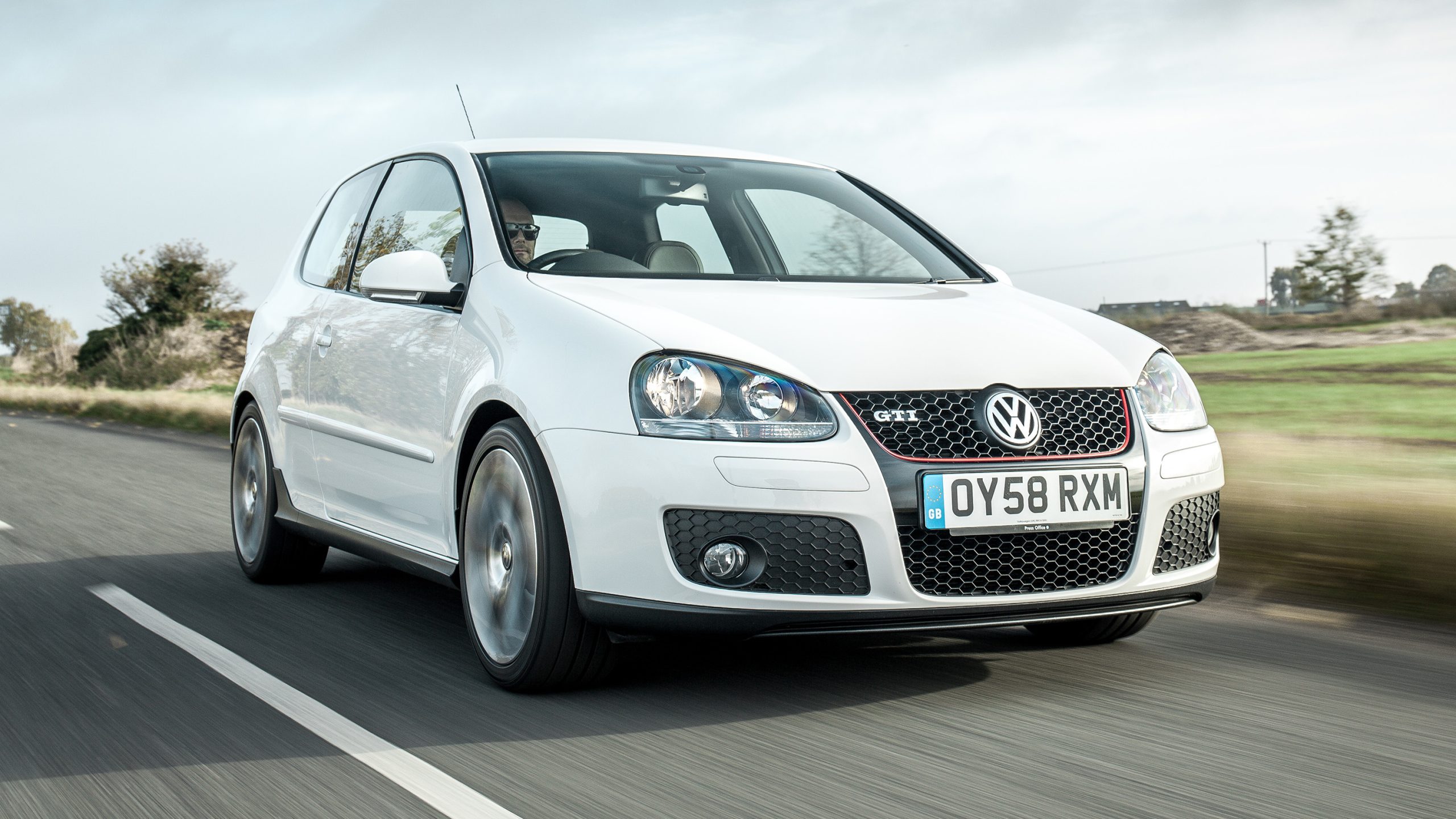
The gearbox is a genuine highlight. Volkswagen’s six-speed manual from this era is one of the better shifters in the mainstream market, offering a combination of short throws, good mechanical feedback, and well-spaced ratios that work well both around town and on the highway.
The action is precise without being stiff, and the synchromesh is good enough that even hurried shifts tend to land cleanly. Beginners will find that gear selection quickly becomes second nature in this car, which is exactly the outcome you want.
The TDI diesel version deserves special mention for learners. Diesel engines produce their peak torque at very low RPMs, which means the car will pull strongly even if you’re barely above idle when releasing the clutch.
This makes hill starts and stop-and-go traffic considerably easier to manage, because the engine is always ready to respond with torque even if your timing is slightly off. Many learners who have struggled with petrol cars have found diesels transformative for building confidence.
The Golf’s refinement and build quality also contribute to the learning experience. The cabin is well-insulated without being entirely disconnected, meaning you get useful feedback without excessive noise or harshness.
The ergonomics are excellent, with pedals that are well-spaced and positioned for comfortable heel-toe if you eventually want to develop that skill.
Also Read: 10 Used EVs Sitting on Dealer Lots And Why They’re Actually Great Buys
5. Subaru Impreza (Manual, 2002–2011)
The Subaru Impreza occupies an interesting middle ground it’s a practical, all-wheel-drive compact that comes with a manual gearbox and one of the more learner-friendly clutch setups in its segment.
Spanning the second and third generations from 2002 to 2011, these Imprezas offer a driving experience that is honest, mechanical, and tolerant of the kind of imprecision that characterizes early manual driving without being dull or lifeless.
The clutch is relatively light and has a progressive engagement window. Subaru calibrated these cars to work well in varied conditions including rain, snow, and mixed terrain, which means the drivetrain is designed with mechanical predictability as a priority. For a learner, this translates into a clutch that doesn’t punish minor timing errors harshly.
The bite point is accessible and consistent, and the car doesn’t lunge aggressively if you release slightly too fast, giving you room to develop your timing without constant embarrassment.
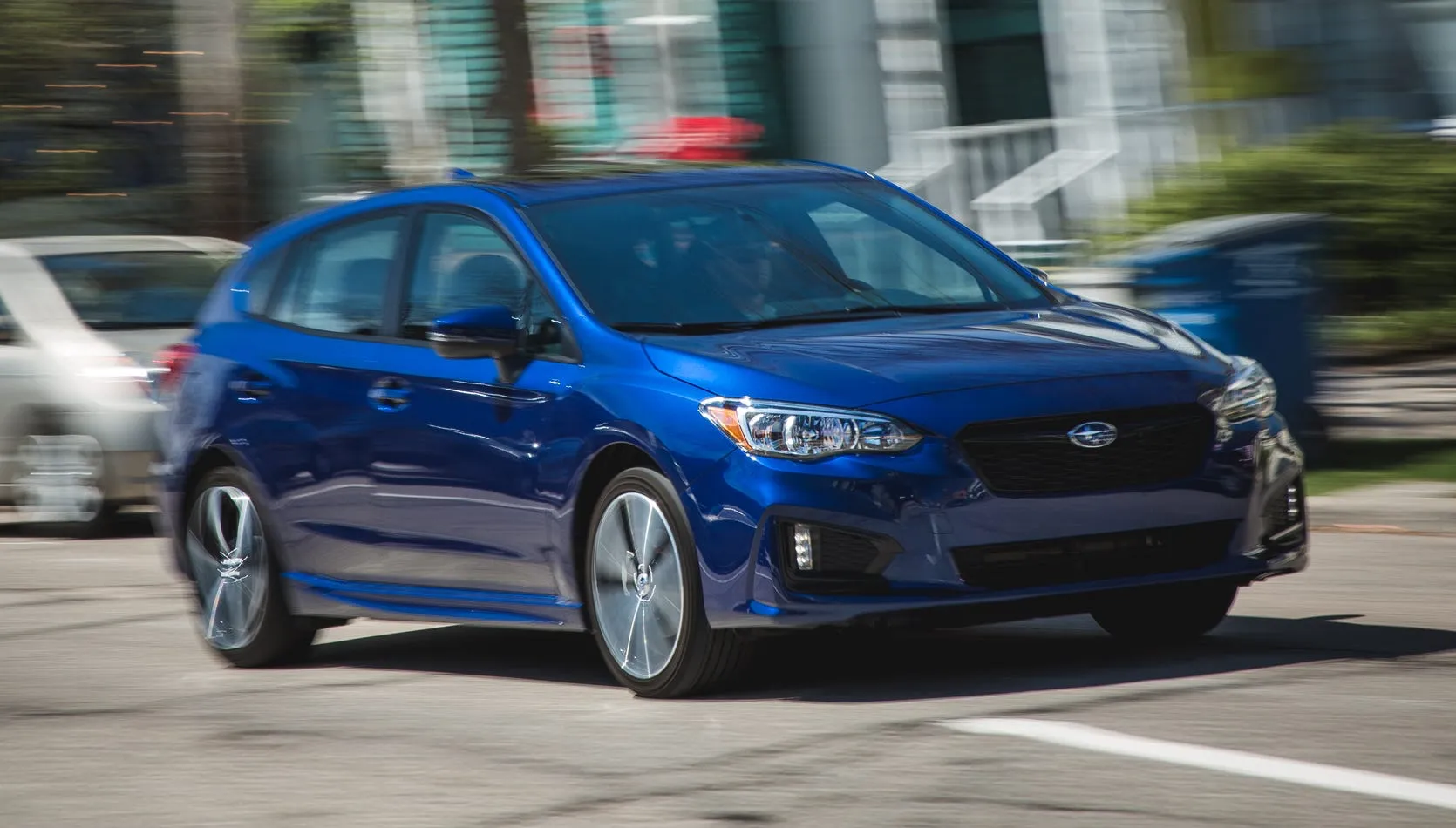
The EJ-series engines found in most of these Imprezas produce decent low-end torque and have a friendly powerband that accommodates learners well. You don’t need to chase high RPMs to get the car moving, and the engine responds cooperatively even when you’re working through the clutch slowly and carefully.
The characteristic Subaru boxer engine rumble also provides useful auditory feedback that helps beginners understand engine load and RPM without staring at the tachometer.
The gearbox itself is solid if not spectacular. The throws are slightly longer than Honda or Volkswagen’s best, but the action is smooth and the gates are clearly defined. Neutral is easy to find, and the car rarely fights you when you’re trying to select a gear, which is more important than outright mechanical feel during the learning process.
The AWD system adds a layer of confidence for learners in climates that include rain or cold weather. Hill starts in slippery conditions are notably less stressful in an AWD car because you have better traction to work with, which gives beginners one less variable to manage during an already cognitively demanding task.
5 Manual Cars With Finicky Clutches
These frustratingly difficult vehicles suffer from abrupt clutch engagement and narrow powerband characteristics that create genuine learning barriers for manual transmission beginners, transforming skill development into discouraging struggles as unforgiving clutches cause constant stalling, precise timing requirements exceed novice abilities, and aggressive characteristics punish learning mistakes with harsh mechanical responses.
Their problematic engineering includes on-off clutch engagement and peaky engines that cannot accommodate beginner imprecision, leading to embarrassing stalls at every intersection despite best efforts, clutches engaging so suddenly that smooth starts become nearly impossible without extensive practice, and rev-hang or touchy throttles making coordination genuinely difficult even for experienced manual drivers.
Despite impressive performance credentials and engaging characteristics for skilled drivers, these vehicles torture beginners through their clutches requiring millimeter-perfect release points that novices cannot consistently find, engines with insufficient low-end torque stalling constantly unless revved excessively, and characteristics so unforgiving that learning becomes discouraging struggle rather than enjoyable skill development.
1. Lotus Elise / Exige
The Lotus Elise is one of the most celebrated sports cars ever built, and for experienced drivers, its manual transmission is a pure, visceral connection between man and machine.
But for anyone still developing their manual driving skills, the Elise’s clutch is genuinely one of the most punishing pieces of hardware you’ll encounter outside of a purpose-built race car. This is a car that demands total commitment and precision from its driver, and the clutch reflects that philosophy completely and uncompromisingly.
The clutch engagement window in the Elise is brutally narrow. There is very little progressive buildup the bite point arrives quickly and with significant force, and if you’re not prepared for it, the car will lurch, stall, or both simultaneously.
The pedal itself offers minimal travel, meaning that the difference between “clutch fully disengaged” and “clutch fully engaged” happens over a very short distance. Beginners who are used to having a second or two to modulate their release will be completely caught off guard by how fast things happen in the Elise.
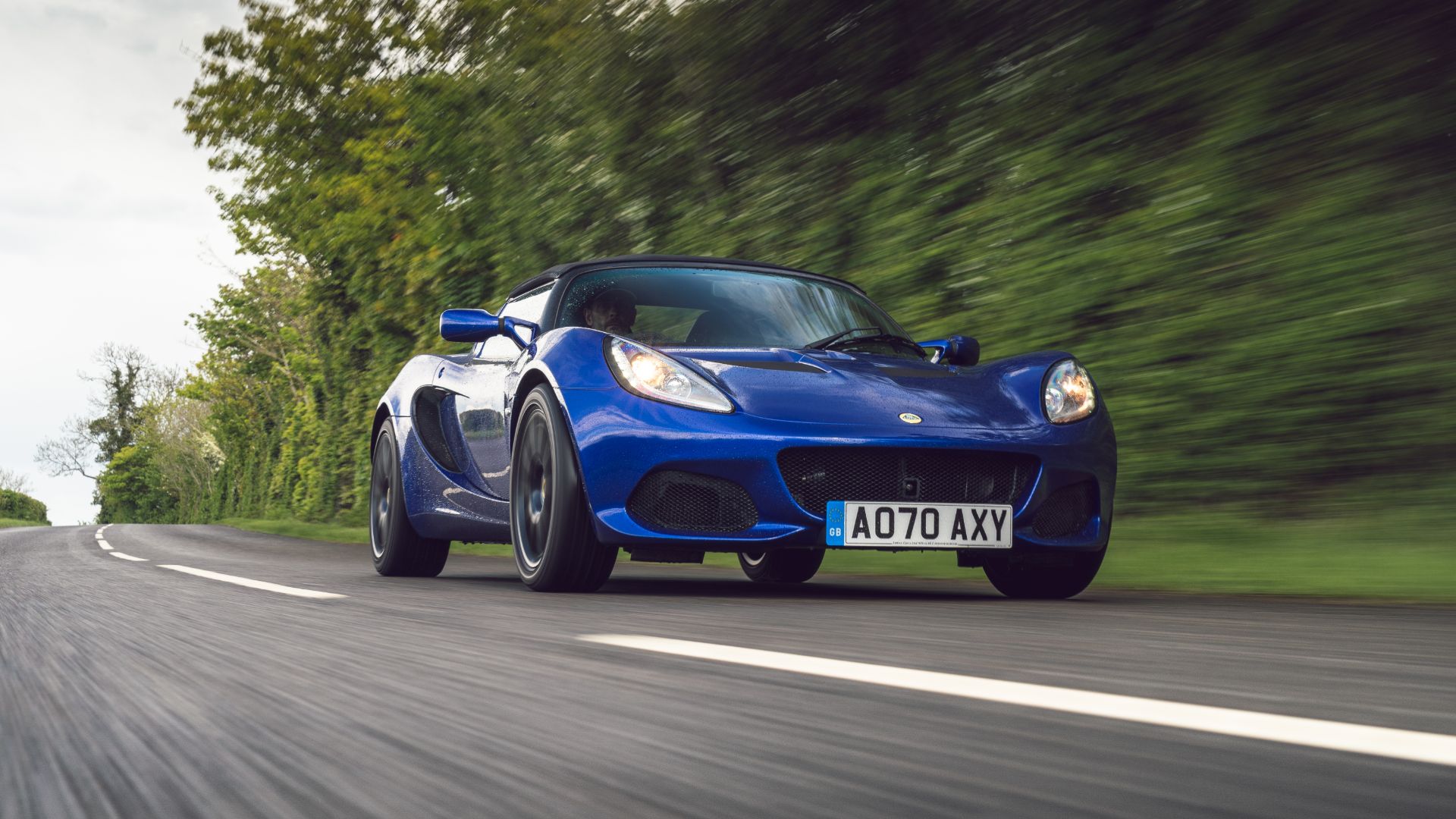
The pedal weight also contributes to the challenge. It requires meaningful force to depress fully, and it returns with a snap that can catch new drivers off guard. In traffic, repeatedly operating this clutch is genuinely tiring, and the frustration of stalling repeatedly in such a raw, intimidating environment compounds the difficulty significantly. The Elise was designed as a focused driver’s car, and the clutch communicates that message loudly and without apology.
What makes it particularly difficult for learners is the car’s weight or lack of it. At under 1,600 pounds, the Elise is featherlight, which means that clutch mistakes translate immediately and dramatically into vehicle behavior.
There’s no mass to absorb the shock of an abrupt engagement. The car reacts to everything you do with complete immediacy, which is intoxicating when you get it right and deeply humiliating when you don’t.
The driving position is also extremely low, the visibility is limited, and the entire sensory experience is overwhelming for someone who isn’t yet a confident manual driver. The sum of all these factors makes the Elise a car that is genuinely best reserved for drivers who have already mastered the fundamentals on something more forgiving.
2. Honda S2000
The Honda S2000 is a legendary sports car that enthusiasts adore, and rightfully so. Its 9,000 RPM redline, razor-sharp chassis, and precise steering make it one of the most rewarding driver’s cars of the 2000s.
But its clutch and drivetrain are specifically tuned for experienced, rev-happy drivers, and beginners will find it an exercise in humility that can quickly become frustrating and demoralizing.
The S2000’s clutch is notoriously grabby. The engagement window is tight, and the bite point arrives suddenly and with conviction. Unlike the forgiving, linear clutches found on the Civic or Miata, the S2000’s clutch demands precision and rewards nothing less.
Get the timing even slightly wrong and you’ll get a pronounced, embarrassing lurch. Get it very wrong and you’ll stall a car that sounds magnificent but will make you feel awful about yourself in the moment.
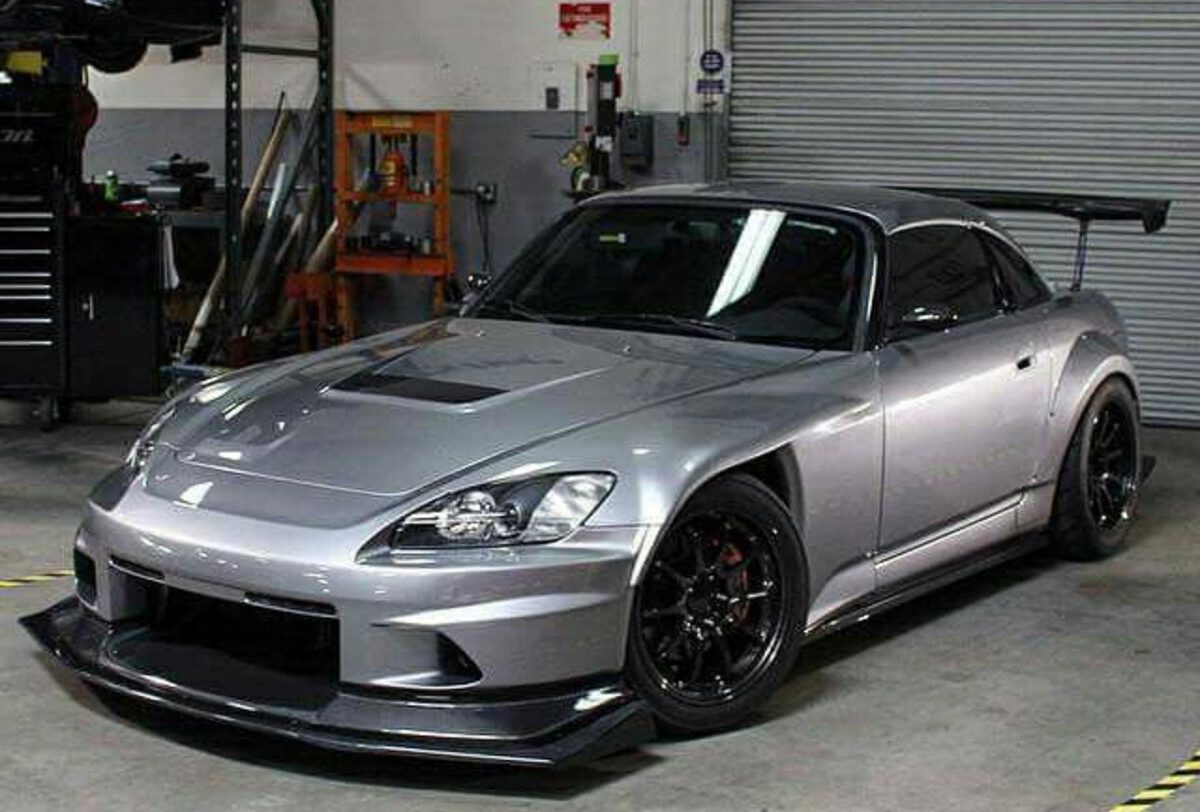
The engine compounds the difficulty enormously. The F20C and F22C engines used in the S2000 produce almost no torque below 4,000 RPM. This is a car that needs to be kept on the boil to perform properly, and for a beginner who is used to engines that pull from low revs, the S2000 feels almost dead until the VTEC system engages and the powerband suddenly comes alive.
Pulling away from a stop requires revving significantly higher than intuition suggests, and coordinating that with the grabby clutch is a skill that takes real time to develop.
The short-ratio gearbox, while magnificent in the hands of a skilled driver, also adds to the challenge. The shifts are quick and precise, which is wonderful at speed but unforgiving when you’re still developing coordination.
Miss a gear and you either end up in a higher gear than expected causing a stumble or you accidentally downshift to a gear that leaves the engine screaming.
Despite all of this, the S2000 is an exceptional machine. It just absolutely requires a foundation of manual driving experience before you climb into one.
Attempting to learn on an S2000 is like learning to swim by being thrown into the deep end some people manage it, but most just struggle and come away discouraged.
3. Ferrari 355 / 360 (Gated Manual)
Few driving experiences on earth are as celebrated as rowing through the open metal gates of a Ferrari manual gearbox. The mechanical click of the shifter moving through its exposed gate is one of the most iconic sounds and tactile sensations in all of motoring.
But for anyone not already deeply comfortable with demanding manual transmissions, the Ferrari gated manual is an instrument of considerable difficulty and, at times, genuine terror.
The clutch in the 355 and 360 is heavy. Very heavy. Operating it in traffic is a workout for your left leg, and after extended periods of stop-and-go driving, fatigue becomes a real factor that directly impacts the precision of your inputs.
For beginners who are still building the muscular coordination required for smooth clutch operation, the additional physical demand of a heavy pedal adds a layer of difficulty that compounds all the other challenges these cars present.
The engagement is similarly unforgiving. The bite point is sharp and defined, and there is very little room for error without the car reacting dramatically.
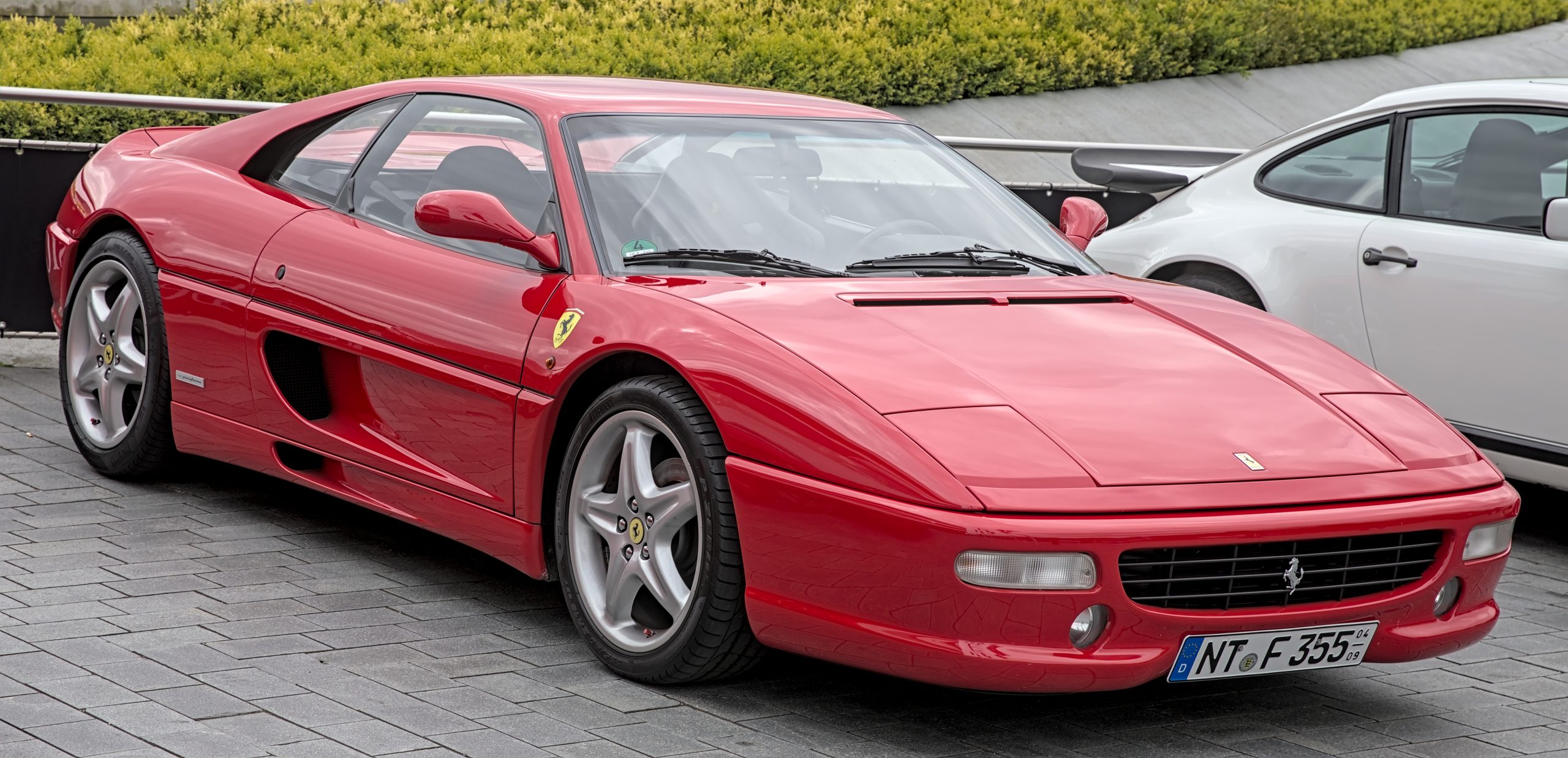
Ferraris of this generation carry powerful engines that respond with enthusiasm to clutch mistakes, and the resulting lurches and stalls are not just embarrassing they happen in an Italian sports car that costs more than most people’s houses, which adds a layer of psychological pressure that itself interferes with relaxed, effective learning.
The gated shifter, while beautiful and mechanically satisfying, actually requires a deliberate, authoritative action to operate correctly. You cannot be tentative with it.
If you hesitate or change direction mid-movement, the shifter will resist and fight you, potentially refusing to engage the gear you want. This is a mechanical characteristic that rewards confident, experienced inputs and punishes uncertainty which is exactly the state most beginners operate in.
Add to all of this the fact that the driving position is low and exotic, the engine sits behind you and produces considerable noise and heat, and the entire experience is intensely visceral and sensory, and you have a car that overwhelms beginners on multiple levels simultaneously before the clutch has even entered the conversation.
4. Porsche 911 (Air-Cooled, 930–993 Generations)
The air-cooled Porsche 911 is an icon, but it is also genuinely one of the most technically demanding manual cars ever produced for road use. The combination of a rear-mounted, air-cooled flat-six engine, a historically tricky clutch, and handling dynamics that punish mistakes makes the classic 911 a car that even experienced drivers approach with respect.
For a beginner, it’s a machine that can feel almost hostile. The clutch in these cars is heavy and has a fairly narrow engagement window. The pedal requires considerable force, and the bite point, while findable, doesn’t give you much room to modulate before the car reacts.
Getting smooth starts from rest requires practice and a level of left-leg strength and coordination that beginners simply haven’t developed yet. The engagement happens with more abruptness than modern, electronically-optimized clutch systems, and the car’s rear weight bias means that abrupt clutch releases translate into pronounced nose lift and tail squat that can unsettle the chassis at exactly the wrong moment.
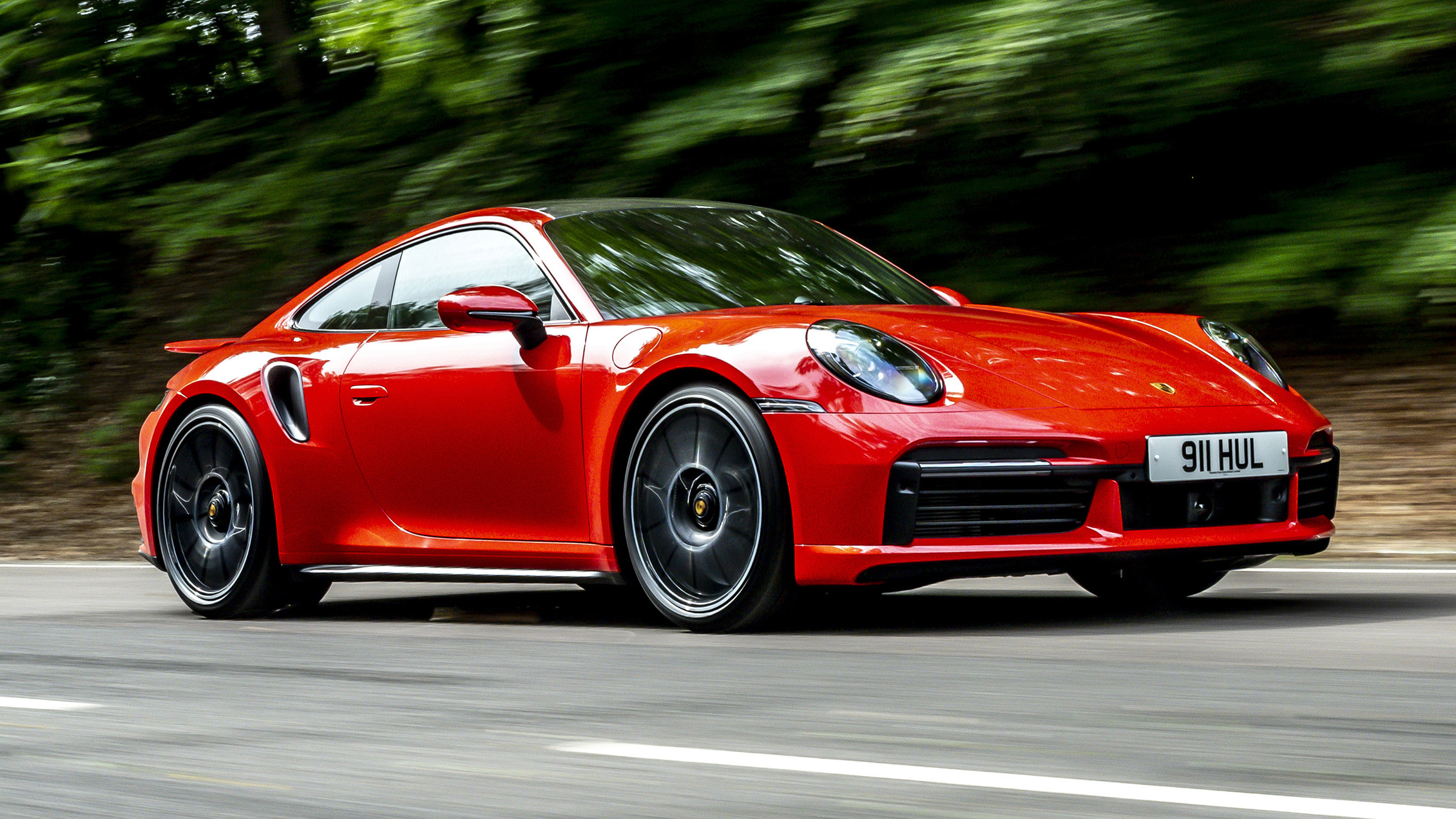
Hill starts in a classic 911 with a manual are famously stressful, even for experienced drivers. The combination of clutch weight, narrow engagement window, and rear-engine weight distribution means that managing a hill start cleanly requires a level of skill and coordination that takes considerable time to acquire.
Beginners who have only just mastered flat-ground starts will find hill starts in a 911 to be a genuinely anxiety-inducing challenge. The older the 911, the more demanding the experience.
The 930 Turbo, often called the “Widowmaker,” combines the inherent clutch and handling challenges of the 911 platform with a turbocharged engine that delivers its power in a sudden, dramatic surge that must be carefully managed through the clutch and throttle simultaneously.
Even the naturally aspirated versions of the 930 and 964 generations are significantly more demanding than anything a beginner should consider as a learning vehicle.
The 911 rewards mastery with an incomparable driving experience, but the path to that mastery is long, demanding, and best traveled having first built solid foundations on something considerably more forgiving.
5. Lamborghini Gallardo (E-Gear Excluded, True Manual)
The Lamborghini Gallardo manual is a rare, polarizing machine. Most Gallardos left the factory with the automated E-Gear paddleshift system, but a small number were delivered with a true six-speed manual gearbox, and those cars have become objects of fascination and desire among hardcore enthusiasts.
They are also, for anyone without extensive manual driving experience, extraordinarily difficult to operate smoothly, and the clutch is at the center of that difficulty.
The clutch in the manual Gallardo is extremely heavy and has an engagement characteristic that is nothing short of brutal. The bite point arrives without much warning, the engagement is abrupt, and the forces required to operate the pedal in slow traffic are exhausting even for fit, experienced drivers.
There is very little room for error the window between “nothing happening” and “car lurching forward dramatically” is narrow enough that it demands precise, practiced inputs every single time.
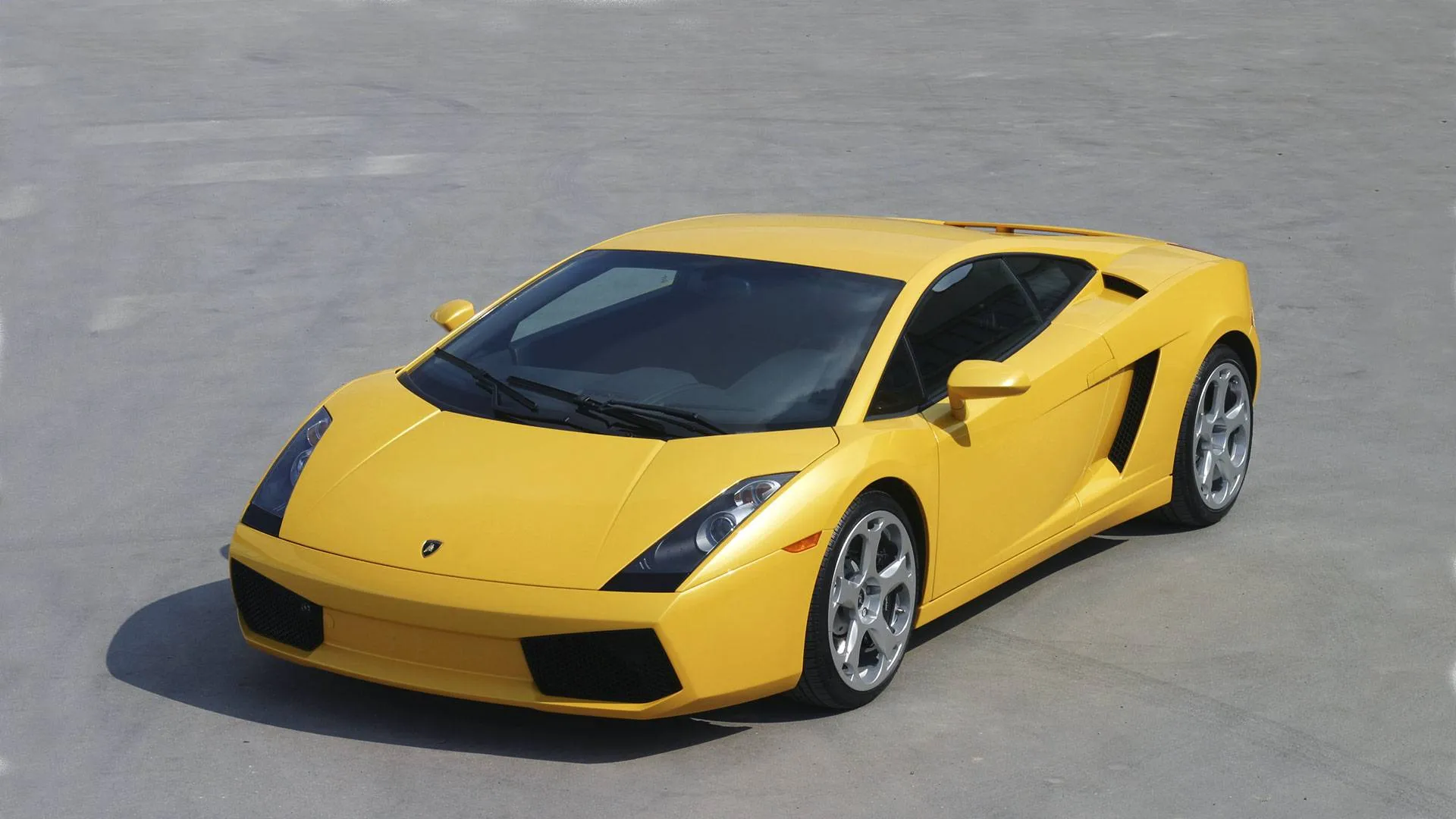
The V10 engine doesn’t help. With 500 or more horsepower and an engine that responds eagerly to throttle inputs, any excess revving combined with an imprecise clutch release produces a violent result.
Conversely, not providing enough throttle while releasing the clutch a common beginner mistake will stall the car with a thud that feels distinctly unceremonious for a vehicle of this stature and price.
The gearbox itself is also notably mechanical and demanding. The throws are not particularly long, but the action requires deliberate, confident inputs. You cannot drift vaguely in the direction of a gear and hope it engages you must commit fully and move the shifter with authority.
Hesitant or uncertain shifts are rewarded with grinding or missed gears, neither of which you want to experience in a car worth several hundred thousand dollars.
The Gallardo manual is ultimately a mechanical marvel that delivers an incredible, irreplaceable experience to those who have the skills to extract it.
But it belongs on this list precisely because those skills take years to develop, and the car demands them from the very first moment you touch the clutch pedal. It is the opposite of forgiving, and that is both its greatest strength and its most significant barrier to entry.
Also Read: 10 Inline-Six Engines Known for Expensive Repairs You Can Avoid
