
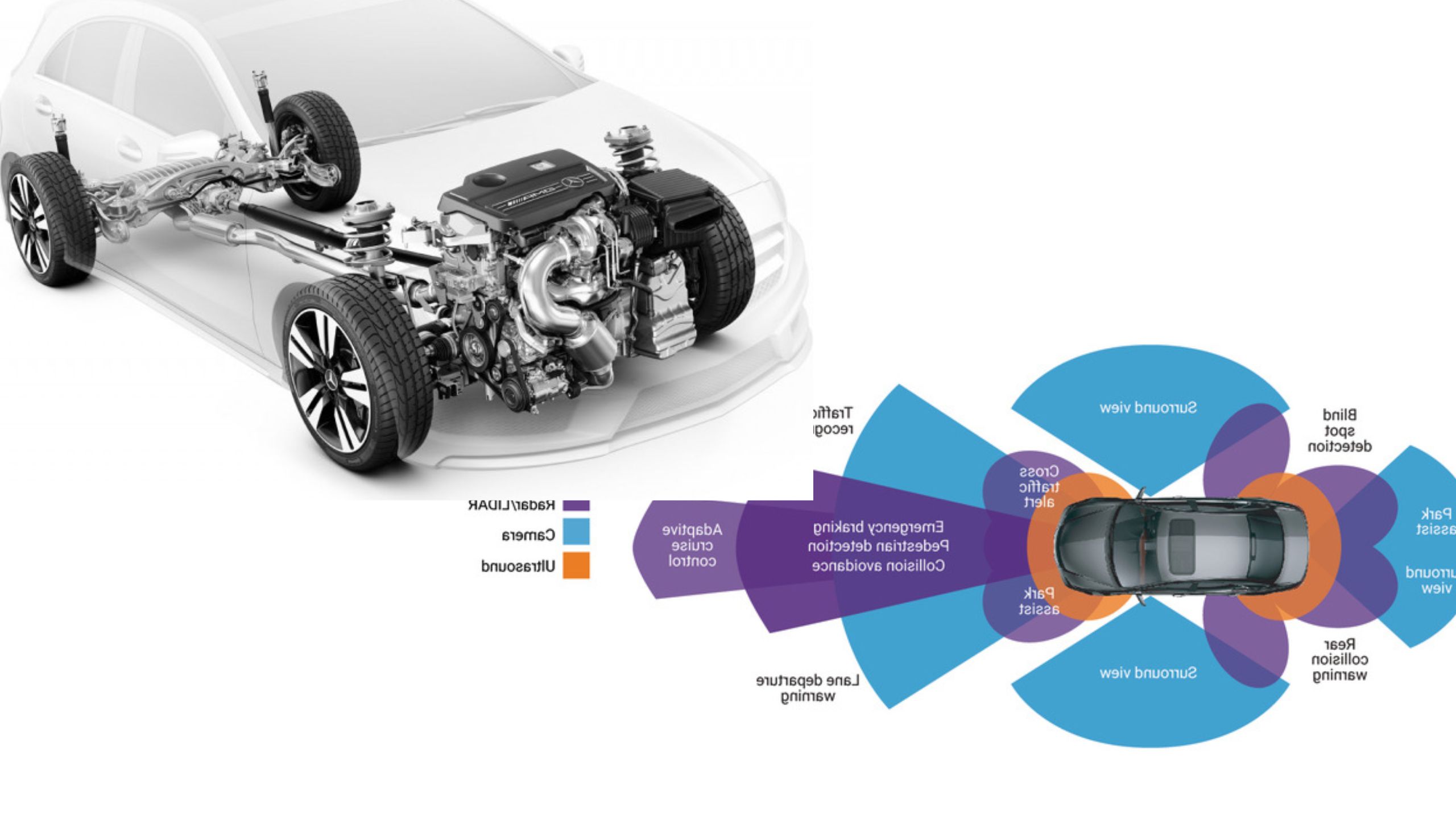
When it comes to selling your car, not all features are created equal. While you might love that custom neon underglow or the oversized spoiler you added last summer, potential buyers and dealerships may not share your enthusiasm and those modifications could actually hurt your resale value rather than help it. The used car market is highly competitive, and buyers today are more informed than ever.
They walk into dealerships and private sales armed with research, Carfax reports, and a clear idea of what they want. This means that as a car owner, you need to think strategically from the moment you drive off the lot.
The good news is that certain factory-installed and aftermarket features consistently command higher resale prices across virtually every vehicle segment.
Whether you’re buying a new car and want to make smart choices for the future, or you’re looking to add value to your current vehicle before listing it, understanding which features actually move the needle can save you thousands of dollars.
In this guide, we break down the ten features that real-world buyers are willing to pay a premium for features backed by market data, dealer insights, and buyer behavior trends. Let’s get into it.
1. Advanced Driver Assistance Systems (ADAS)
Advanced Driver Assistance Systems, collectively known as ADAS have rapidly moved from luxury novelty to mainstream expectation in the used car market.
Features like adaptive cruise control, lane-keeping assist, automatic emergency braking, blind-spot monitoring, and rear cross-traffic alert are no longer seen as optional extras by savvy used car buyers.
They are increasingly viewed as baseline safety requirements, and their presence on a used vehicle can add anywhere from $1,500 to $4,000 to its resale value depending on the make, model, and specific features included.
The reason ADAS features carry such weight in the resale market comes down to a combination of safety awareness and replacement cost. Buyers who have experienced these technologies in rental cars or newer vehicles are reluctant to go back to driving without them.
Parents shopping for cars for teenage drivers actively seek out automatic emergency braking and lane-departure warnings. Insurance companies in several states now offer discounts for vehicles equipped with collision mitigation systems, which gives financially conscious buyers yet another reason to pay more for a car that has them.
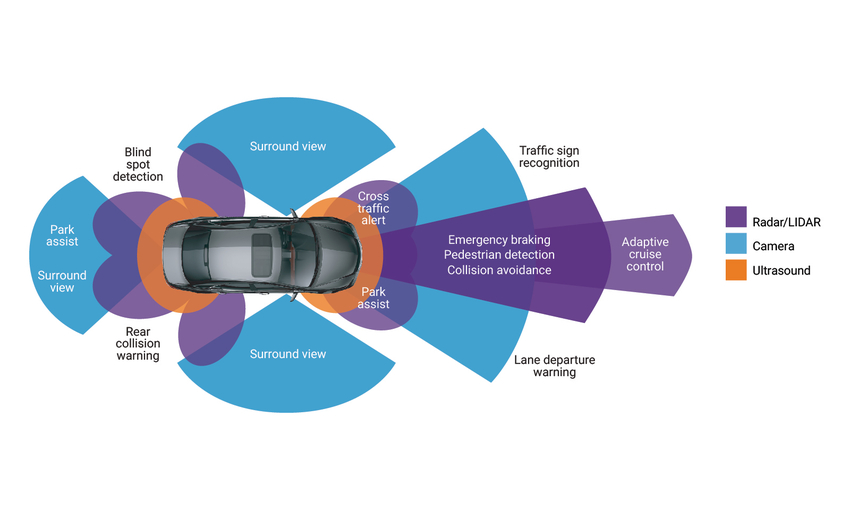
From the dealer’s perspective, ADAS-equipped vehicles sit on the lot for fewer days and attract more competitive offers at auction. Industry data from sources like Black Book and Kelley Blue Book consistently show that safety technology packages add measurable value at trade-in time, even when the vehicle is four or five years old.
The technology doesn’t depreciate the way entertainment features do a blind-spot monitoring system that worked perfectly when the car was new still works perfectly five years later, and buyers recognize that.
If you’re buying a new car and trying to protect your future resale value, selecting the safety technology package is one of the most reliable investments you can make.
Even if you personally feel confident driving without assistance systems, the resale market will reward you for having them. For current owners, there are limited aftermarket options to add genuine ADAS features, but ensuring that all existing systems are fully functional and documented at resale time is critical.
A non-functional backup camera or a disabled lane-assist system can actually lower your vehicle’s value rather than preserve it, so maintaining these systems is just as important as having them in the first place.
The trajectory is only going one direction. As NHTSA continues to push for broader mandates around automatic emergency braking and other safety technologies, the used car buyers of tomorrow will expect these features as standard. Getting ahead of that curve by choosing ADAS-equipped vehicles today is both a safety decision and a smart financial one.
2. Sunroof or Panoramic Moonroof
Few features generate as much buyer excitement during a used car test drive as a sunroof or panoramic moonroof. There is something viscerally appealing about opening up the sky above you, and that emotional response translates directly into dollars.
According to various automotive market analyses, vehicles equipped with a sunroof or moonroof sell for an average of $1,000 to $2,000 more than comparable models without one and in SUV segments, that premium can climb even higher.
The distinction between a sunroof and a panoramic moonroof matters in terms of resale impact. A standard sunroof a small glass panel above the front seats adds value, but a panoramic roof that stretches from the front cabin to over the rear seats adds significantly more.
As SUVs and crossovers have come to dominate the American car market, panoramic roofs have become one of the most requested features in that segment.
Buyers shopping for family vehicles love the sense of openness a panoramic roof provides, and rear-seat passengers often children particularly enjoy it.
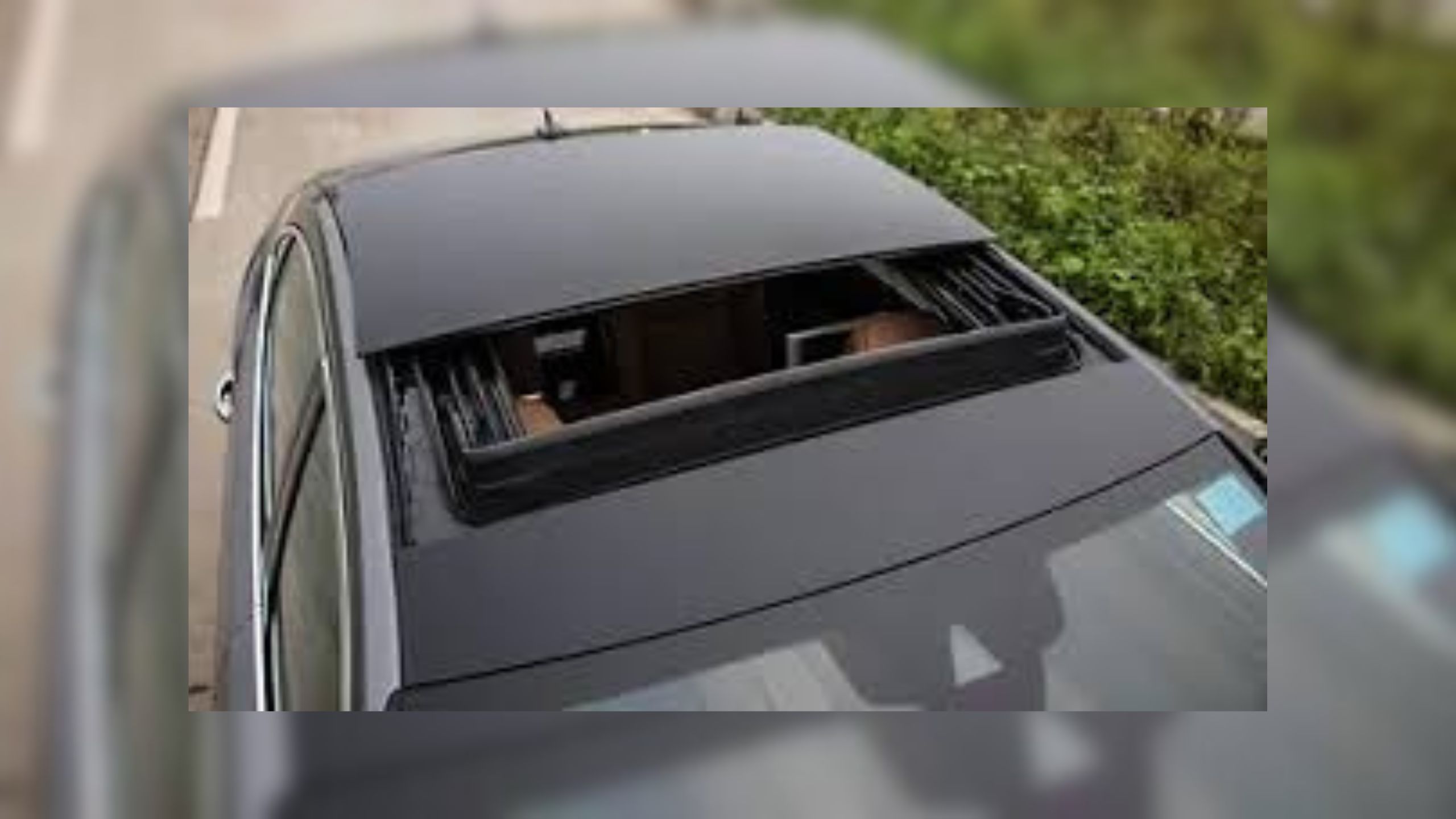
From a resale standpoint, the sunroof premium tends to hold up well over time because it is a mechanical feature that is both visible and experiential.
Unlike a technology feature that can become outdated, a glass roof that lets in light and air is timeless. Buyers can immediately experience the feature during a test drive, which is a powerful selling advantage. When a feature can be felt and seen in real time, it justifies the price premium far more effectively than a spec sheet item.
One important caveat for owners is maintenance. A sunroof that leaks, has a broken seal, or operates with a grinding motor can be a significant red flag for buyers and can actually reduce your car’s value below what it would be without the feature at all.
Keeping the sunroof tracks clean, ensuring the drainage tubes are clear, and addressing any seal issues proactively is essential to preserving this value-adding feature. Document any maintenance or repairs related to the roof so you can show buyers that it has been properly cared for.
For buyers looking to maximize future resale value, selecting the sunroof or panoramic roof option at the time of purchase is one of the most reliable choices available particularly in SUVs, crossovers, and mid-size sedans where the feature commands the largest premium.
3. All-Wheel Drive (AWD)
All-wheel drive is one of the most consistently valuable features in the used car market, and its influence on resale value extends across virtually every vehicle class that offers it.
From compact crossovers to full-size SUVs to sports sedans, AWD-equipped vehicles command measurable premiums over their front-wheel-drive or rear-wheel-drive counterparts.
In markets with harsh winters the Midwest, New England, the Pacific Northwest, and mountain states that premium grows even larger. On average, AWD adds between $1,500 and $3,000 to a vehicle’s resale value, though the figure can be higher in weather-sensitive markets.
The appeal of AWD in the used market is rooted in practicality and peace of mind. Buyers in snowy or rainy climates feel significantly more confident in a vehicle that distributes power to all four wheels, and that confidence has a dollar value attached to it.
Even buyers in relatively mild climates often prefer AWD because it signals versatility a sense that the vehicle can handle whatever comes. This psychological component of the AWD premium is just as real as its mechanical benefits.
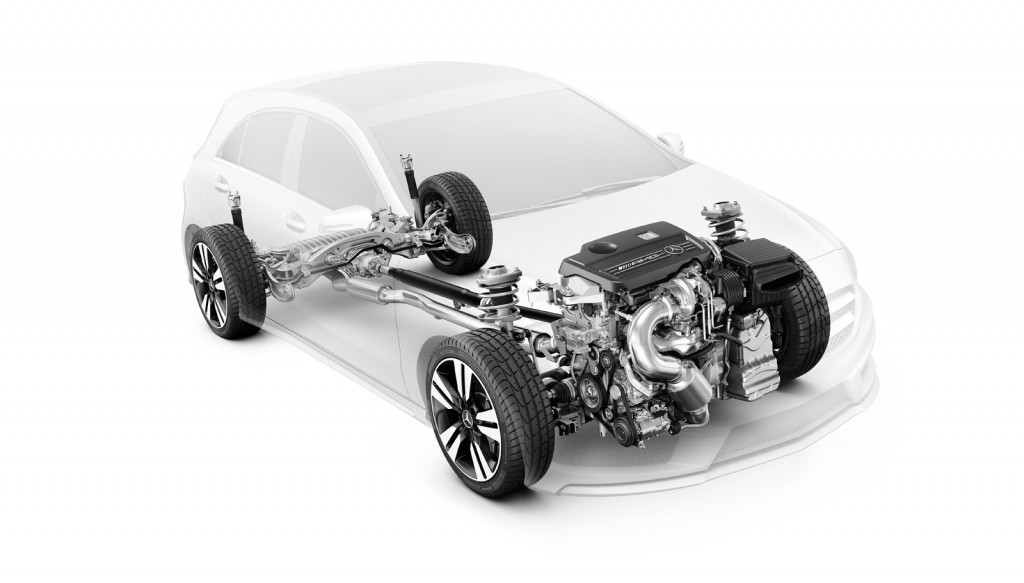
For SUV and crossover buyers in particular, AWD has become an expectation rather than an option. A used crossover listed without AWD in a market like Minneapolis or Denver will immediately face questions about why it lacks the feature, and it will be shopped against AWD alternatives that may be more expensive but more desirable.
Sellers of front-wheel-drive crossovers in these markets consistently report having to price more aggressively to attract buyers. From a mechanical standpoint, AWD systems need to be well-maintained to preserve their value contribution.
A used AWD vehicle with documented maintenance differential fluid changes, transfer case services will command a stronger price than one with an unknown service history.
Buyers and dealers know that neglected AWD systems can be expensive to repair, so a clean maintenance record protects both the feature’s value and the vehicle value.
If you’re currently shopping for a new vehicle in a region with cold winters or are buying an SUV or crossover, opting for AWD is one of the clearest resale value decisions you can make.
The higher sticker price at purchase is frequently recovered and sometimes exceeded at trade-in time, making AWD one of the few factory options that can legitimately pay for itself over the ownership cycle.
4. Heated and Ventilated Seats
Seat comfort is deeply personal, and buyers who have experienced heated and ventilated seats rarely want to go back to living without them. This emotional attachment to comfort features makes heated seats one of the most reliable value-preserving options available in the used car market.
Vehicles equipped with heated front seats and especially heated rear seats consistently outperform comparable models without this feature, typically commanding an additional $500 to $1,500 in resale value depending on the vehicle segment.
Ventilated or cooled seats amplify this effect. While still considered more of a luxury feature, ventilated seats are increasingly sought after in warmer climates like the Southeast and Southwest.
In markets like Texas, Florida, and Arizona, a used car with ventilated seats will attract more interest and command stronger offers than one without, because buyers in those regions know firsthand how significant seat cooling is during a hot summer commute.
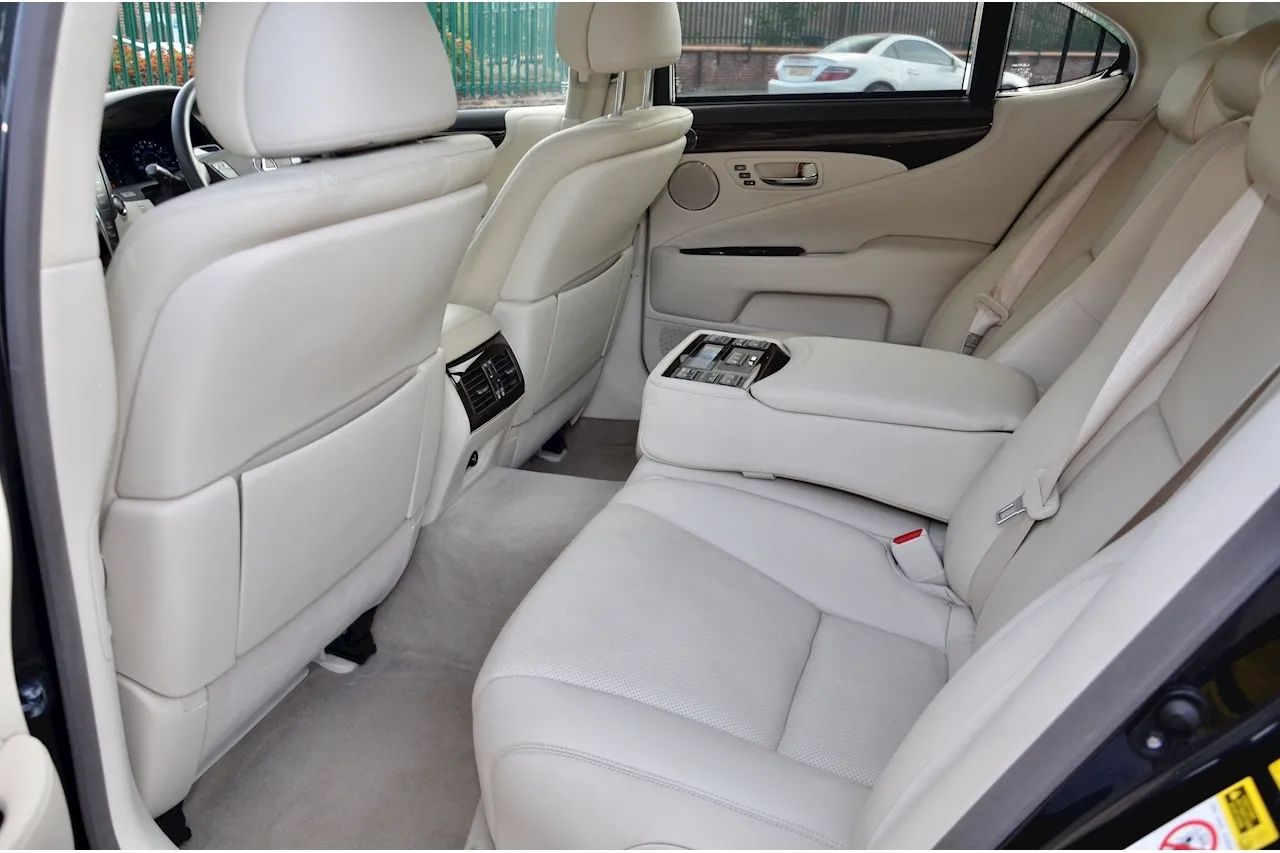
The reason these features hold their value so well is partly practical and partly experiential. Like a sunroof, heated and ventilated seats are immediately experienced during a test drive.
A buyer who sits down in a heated seat during a cold test drive in January will feel the value of that feature immediately, and that direct experience is a powerful motivator. The feature also ages well a heating element in a seat that has been properly maintained works just as effectively in year seven as it did in year one.
For vehicle owners preparing to sell, it’s worth ensuring that all seat heating and cooling functions are fully operational before listing. A single non-functioning seat zone will immediately be identified during a test drive and will give buyers leverage to negotiate down.
Test all zones across all seats, front and rear, to make sure everything works correctly. If there is a minor electrical issue with one zone, addressing it before listing can protect hundreds of dollars in your sale price. Heated steering wheels are a related feature that also adds measurable value, particularly in colder markets.
Buyers who experience a heated steering wheel for the first time during a test drive in February tend to become instant converts, and their willingness to pay a premium for that feature grows accordingly. Combining heated seats with a heated steering wheel creates a strong comfort package that is genuinely compelling in the used market.
Also Read: Legendary Classic Car Engines That Defined Performance History
5. Apple CarPlay and Android Auto
In-car technology has a complicated relationship with resale value. Expensive proprietary infotainment systems from five or ten years ago are often a liability in today’s used car market, because buyers find them outdated, clunky, and incompatible with their devices.
Apple CarPlay and Android Auto, however, represent a fundamentally different kind of in-car technology and their impact on resale value is consistently positive. Vehicles equipped with wireless or wired CarPlay and Android Auto command stronger buyer interest and are generally priced higher than comparable vehicles without these integrations.
The reason is simple: CarPlay and Android Auto essentially turn the car’s infotainment screen into a mirror for the driver’s smartphone. Navigation is handled by Google Maps or Apple Maps, which are updated in real time via cellular data.
Music comes from Spotify, Apple Music, or any other app the driver uses. Phone calls and texts are managed seamlessly and safely through the car’s interface. This means the car’s technology never becomes truly outdated, because the smartphone which buyers upgrade every few years always brings current software to the display.

This future-proofing quality is what makes CarPlay and Android Auto particularly valuable from a resale standpoint. A 2020 vehicle with CarPlay feels more current in 2025 than a 2020 vehicle with a proprietary navigation system that hasn’t received a map update in three years.
Buyers of used vehicles who are choosing between otherwise comparable options will frequently select the CarPlay-equipped car specifically because of this longevity of relevance.
Wireless CarPlay, introduced on a growing number of vehicles in recent years, adds an additional premium over wired-only systems because of the added convenience.
Buyers who have experienced wireless connectivity and are accustomed to simply getting in the car and having their phone integrate automatically are reluctant to step back to plugging in a cable. This preference is reflected in how quickly wireless CarPlay-equipped used vehicles sell compared to wired-only alternatives.
For current owners, ensuring your CarPlay and Android Auto connections work smoothly including keeping software updated and replacing any worn USB ports is an easy way to protect this feature’s value contribution. For buyers choosing options on a new vehicle, selecting the upgrade to wireless CarPlay where available is a sound resale investment.
6. Third-Row Seating
Third-row seating in SUVs and crossovers occupies a unique and powerful position in the used car market. For families with three or more children, regular carpooling responsibilities, or frequent group travel, third-row seating is not a luxury it is a necessity.
And because it is a structural feature of the vehicle rather than an add-on, it fundamentally positions the vehicle in a different market segment. Three-row SUVs consistently command resale premiums of $2,000 to $5,000 over their two-row equivalents, and in some segments the gap is even wider.
The value of third-row seating is amplified by how difficult it is to retrofit after the fact. Unlike a navigation system that can be upgraded or a sunroof that can be added aftermarket, third-row seating is built into the vehicle’s architecture.
If a buyer needs seven-passenger capacity and you have it, you are not competing with two-row vehicles you are in a smaller, more specialized pool that commands stronger pricing power.
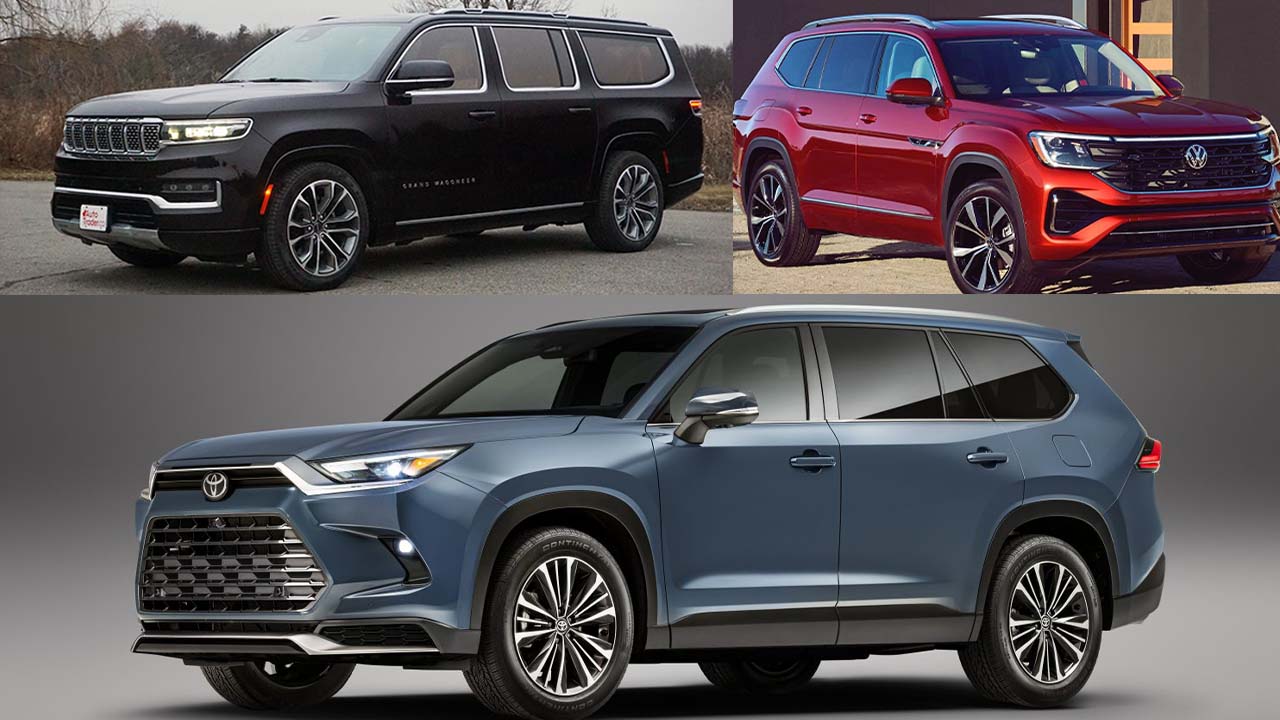
Buyers in the family segment which represents a enormous portion of SUV purchases plan their vehicle purchases around family size and growth. A couple expecting a second child, a family that regularly hosts grandparents, or parents coaching youth sports teams are all buyers for whom third-row availability is a decisive factor.
These buyers are typically motivated and willing to pay a premium for the right vehicle, which works strongly in a seller’s favor. Maintaining the third row in good condition is important for preserving its resale value contribution.
Stained, torn, or non-functional third-row seats will invite negotiation from buyers who understand the cost of reupholstering or repairing seats. Keeping floor mats in place, addressing spills quickly, and regularly cleaning the third-row area which is often the most neglected part of a family SUV can meaningfully impact your final sale price.
It’s also worth noting that third-row seats that fold flat into the floor are worth more than those that must be manually removed. Buyers value the flexibility of having cargo space and passenger space in a single vehicle, and a third row that disappears into the floor provides that versatility. If your vehicle has this feature, highlighting it prominently in your listing is strongly recommended.
7. Leather or Premium Upholstery
Interior condition is one of the most immediately impactful factors in used car valuation, and premium upholstery plays a central role in that first impression. Vehicles with leather or high-quality leatherette interiors consistently command higher resale values than those with cloth interiors across virtually every vehicle category.
The premium varies by segment, but $500 to $2,500 above comparable cloth-interior vehicles is a typical range, with luxury segments showing even larger differentials.
The appeal of leather in the used market is multifaceted. It signals a higher trim level, which suggests the vehicle is more likely to be equipped with other desirable features as well.
It photographs well, which matters enormously in today’s online-first used car shopping environment where most buyers form their initial impression from listing photos.
And it is genuinely more durable and easier to clean than cloth in many real-world use cases a spilled coffee that stains fabric can be wiped off leather without a trace.
Modern leatherette and synthetic leather materials used by brands like Tesla, Volkswagen, and Toyota have become strong alternatives to genuine leather in the resale market.
Buyers are generally as receptive to high-quality synthetic leather as they are to genuine leather, particularly because vegan or animal-free interiors are a selling point for a growing segment of buyers. If your vehicle features premium synthetic upholstery in good condition, don’t hesitate to highlight this in your listing.
Condition is everything with upholstery. Cracked, faded, or torn leather can actually reduce your vehicle’s value rather than enhance it, because buyers immediately calculate the cost of reupholstering or using seat covers.
Keeping leather conditioned with appropriate products every few months, avoiding prolonged sun exposure, and addressing minor cracks or wear early dramatically extends the life of your interior and protects this significant resale value contributor.
Steam cleaning and professional leather reconditioning before listing is a worthwhile investment that frequently returns more than its cost in sale price.
8. Low Mileage and Documented Maintenance History
While not a feature in the traditional sense, low mileage and a complete, documented maintenance history are among the most powerful value drivers in the used car market and they are worth treating with the same strategic attention as any optional feature.
A vehicle with 40,000 miles on the odometer is worth significantly more than an identical vehicle with 80,000 miles, with the difference often exceeding several thousand dollars depending on the vehicle’s age and segment.
The maintenance history component is equally important and often underappreciated by sellers. A vehicle with a complete service record oil changes at regular intervals, brake inspections, tire rotations, fluid changes, and any required repairs gives buyers confidence that the vehicle has been cared for.
This documented confidence translates into willingness to pay more, negotiate less aggressively, and move forward without demanding additional inspections or price concessions.
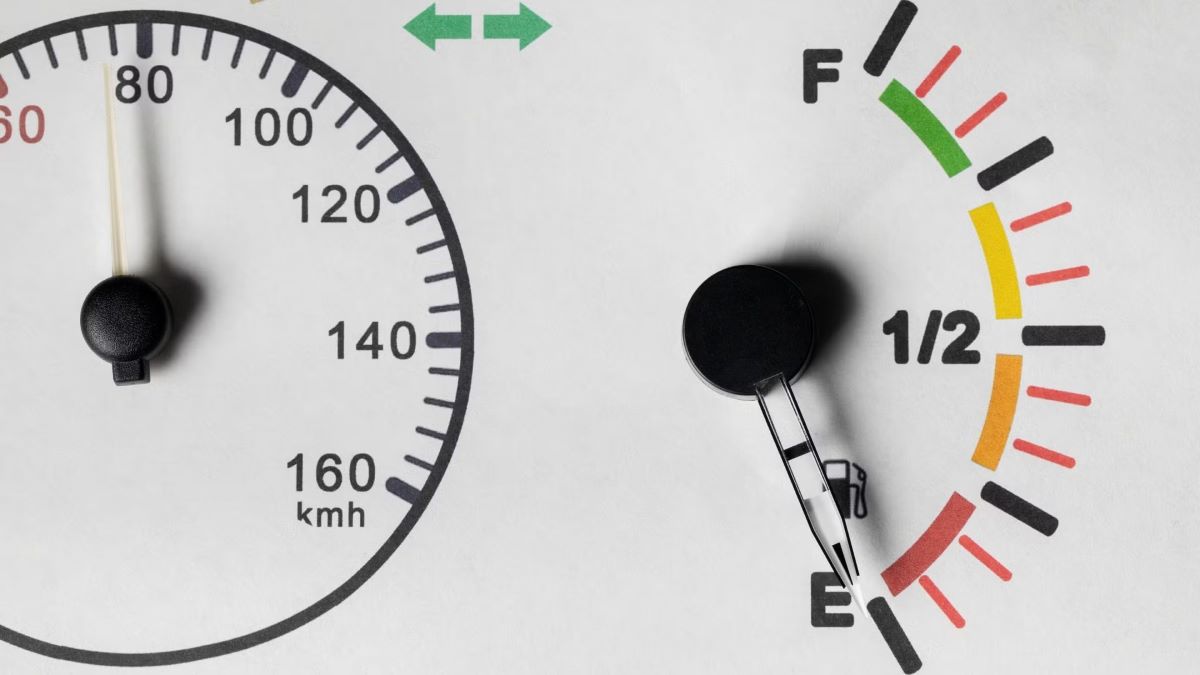
Digital maintenance records have made this easier than ever. Many dealers and quick-lube chains now maintain electronic service histories that owners can access and print on demand.
Services like Carfax and AutoCheck compile dealer and repair shop visits into comprehensive reports that potential buyers can purchase for a small fee and buyers who pull these reports and find a complete, consistent service history respond positively.
A vehicle that “shows well” on Carfax commands stronger pricing than one with gaps in its service record, even if those gaps are the result of owner maintenance rather than neglect.
For vehicle owners who perform their own oil changes and maintenance, keeping receipts for parts oil filters, fluids, brake pads and maintaining a log of services performed can partially fill this gap.
While it isn’t the same as having dealer-verified records, a binder full of dated receipts and a handwritten maintenance log demonstrates that the owner took the vehicle’s upkeep seriously, which resonates with buyers.
Highway miles versus city miles matter as well. A vehicle with 70,000 predominantly highway miles is generally in better mechanical condition than one with 50,000 mostly city miles, because highway driving is less demanding on braking systems, transmissions, and engines. If your vehicle has predominantly highway mileage, this is worth communicating clearly in your listing and directly to potential buyers.
9. Backup Camera and Parking Sensors
The backup camera became federally mandated on all new vehicles sold in the United States beginning in 2018, but its presence on pre-mandate used vehicles still significantly affects resale value. Buyers have become so accustomed to backup cameras that vehicles without them face meaningful resistance in the used market.
A used car from 2015 or 2016 equipped with a factory backup camera will consistently outsell an equivalent vehicle without one, often by $500 to $1,000 or more.
Parking sensors amplify this effect. Front and rear parking sensors which emit audible warnings as the vehicle approaches an obstacle are particularly valued in urban markets where parallel parking and tight garages are everyday realities.
City dwellers shopping for used cars frequently filter their searches to include parking sensor availability, knowing the daily peace of mind these features provide.
The combination of a backup camera with a clear, high-resolution image and fully functional parking sensors represents a tangible safety and convenience package that buyers can immediately evaluate during a test drive.
A camera that displays a clear, properly calibrated image and sensors that respond accurately at the right distances demonstrate that the vehicle’s electronic systems are in good order which reassures buyers about the health of the car’s technology suite.
Maintaining these features is critical to their value contribution. A backup camera with a foggy lens, a distorted image, or a screen that takes thirty seconds to activate will concern buyers.
Parking sensors that give false readings or fail to detect obstacles are actually worse than having no sensors at all, because they suggest unreliable electronics.
Cleaning camera lenses, ensuring software is updated, and addressing any sensor calibration issues before listing your vehicle will protect these features’ contribution to your sale price.
For owners of older vehicles considering aftermarket additions, quality backup camera installations by reputable shops can add value in the private sale market.
However, it’s important to ensure the installation looks clean and factory-like rather than haphazard, since buyers can spot amateur work and it may raise questions about other aspects of the vehicle’s condition.
10. Factory Navigation and Premium Audio Systems
Rounding out the list are two features that, while facing some competition from smartphone integration, continue to add meaningful resale value when they are high quality and well-maintained: factory navigation systems and premium branded audio systems.
Together or separately, these features contribute to a vehicle’s perceived quality, trim positioning, and desirability in the used market. Factory navigation systems from luxury brands BMW’s iDrive, Mercedes-Benz’s MBUX, Audi’s MMI retain value because they are deeply integrated into the vehicle’s operating system and are typically paired with premium displays and intuitive controls.
Even as smartphone-based navigation has become dominant, buyers of luxury used vehicles still expect and value the presence of an integrated navigation system. For mainstream brands, factory navigation is less of a differentiator than it was five years ago, given how ubiquitous CarPlay and Android Auto have become, but it still contributes positively when the maps are updated and the system functions correctly.
Premium branded audio systems are a different story and a more consistently positive one. A used vehicle equipped with a Bose, Harman Kardon, Bang & Olufsen, Meridian, or Mark Levinson sound system commands a measurable premium in the resale market. These systems represent hardware that cannot be easily or inexpensively replicated by an aftermarket installation.

The amplifiers, speaker placements, acoustic tuning, and integration with the vehicle’s cabin design are engineered as a package, and buyers who love music know they cannot get that experience from a $300 aftermarket head unit and a set of replacement speakers.
The premium audio advantage is particularly strong with enthusiast buyers the kind of buyer who will pay $2,000 more for a used vehicle specifically because it has the premium sound system but it extends beyond enthusiasts into general buyers who simply enjoy a rich, full audio experience during their daily commute.
In competitive used car listings where two similar vehicles are priced near each other, the one with the premium sound system will consistently attract more interest and fewer lowball offers.
Keeping these systems fully operational is essential. A factory navigation system with outdated maps or a frozen screen, or a premium audio system with a blown speaker or a malfunctioning subwoofer, can turn a value-adding feature into a liability.
Test every speaker zone, every navigation function, and every touchscreen interaction before listing your vehicle, and address any issues discovered. The investment in repairs is almost always recovered in the final sale price.
Also Read: 10 Hard Truths About Electric Pickups Nobody Tells You
