
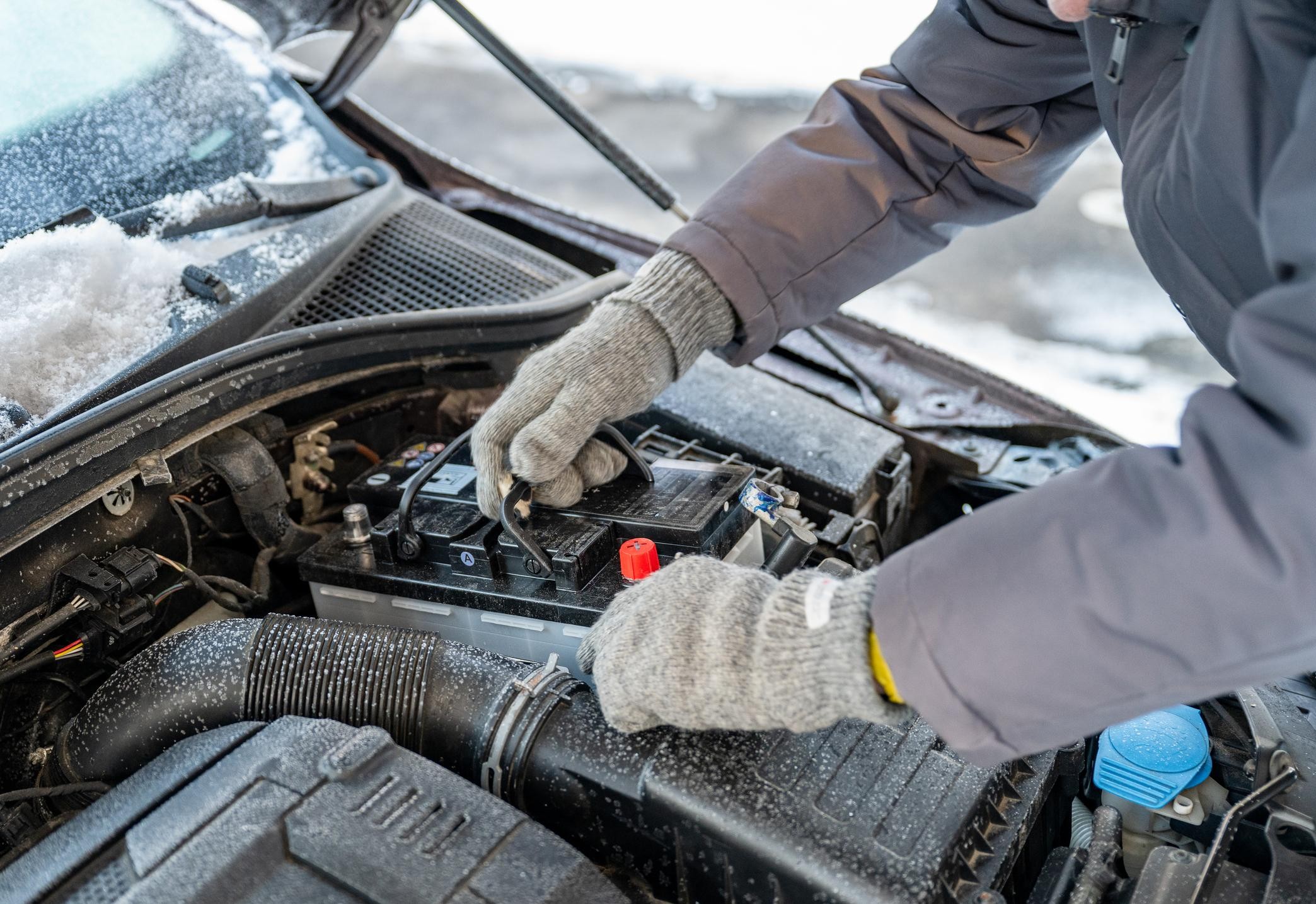
Winter is one of the most unforgiving seasons for your vehicle, and nothing feels quite as frustrating as turning your key on a frigid morning only to hear that dreaded clicking sound or worse, complete silence. Your car battery, the heart of your vehicle’s electrical system, takes an enormous beating during extreme cold weather.
What many drivers don’t realize is that cold temperatures don’t just make it harder to start your car; they fundamentally change how your battery functions at a chemical level.
A fully charged battery operating at room temperature can lose up to 35% of its power when temperatures drop to freezing, and up to 60% of its power when temperatures plunge to -22°F (-30°C).
Meanwhile, your engine actually demands more power to start in the cold because the oil thickens and moving parts become harder to turn. This creates a dangerous combination a weakened battery struggling to meet heightened demand.
Whether you live in a region that sees harsh winters annually or you’re simply preparing for an unexpected cold snap, understanding how to protect your car battery can save you from costly repairs, emergency roadside calls, and the sheer inconvenience of being stranded. The following eight tips will help you keep your battery healthy, strong, and ready to perform no matter how low the mercury drops.
Tip 1: Test Your Battery Before Winter Arrives
One of the smartest and most proactive things you can do as a car owner is to have your battery professionally tested before the cold season sets in.
This single step can be the difference between sailing through winter without a hitch and finding yourself stranded in a parking lot on the coldest morning of the year. Battery testing is quick, inexpensive, and widely available at most auto parts stores, dealerships, and service centers and in many cases, it’s offered completely free of charge.
But why does pre-winter testing matter so much? The answer lies in understanding how batteries age and degrade over time. A car battery typically has a lifespan of three to five years, depending on factors like usage patterns, climate, and maintenance habits. As a battery approaches the end of its service life, its internal resistance increases and its capacity to hold a charge diminishes.
Under normal driving conditions during mild weather, a weakened battery might still manage to start your car without much trouble. But the moment extreme cold enters the picture, the margin for error disappears almost entirely.
Battery testing goes beyond simply checking whether your battery has enough charge right now. A proper load test evaluates how well the battery performs under the kind of stress it actually faces when starting your engine.
Technicians use specialized diagnostic equipment often called a battery analyzer or conductance tester to assess the battery’s cold cranking amps (CCA), its state of charge, and its health. Cold cranking amps measure a battery’s ability to start an engine at 0°F (-18°C), which makes it one of the most relevant specifications for winter performance.
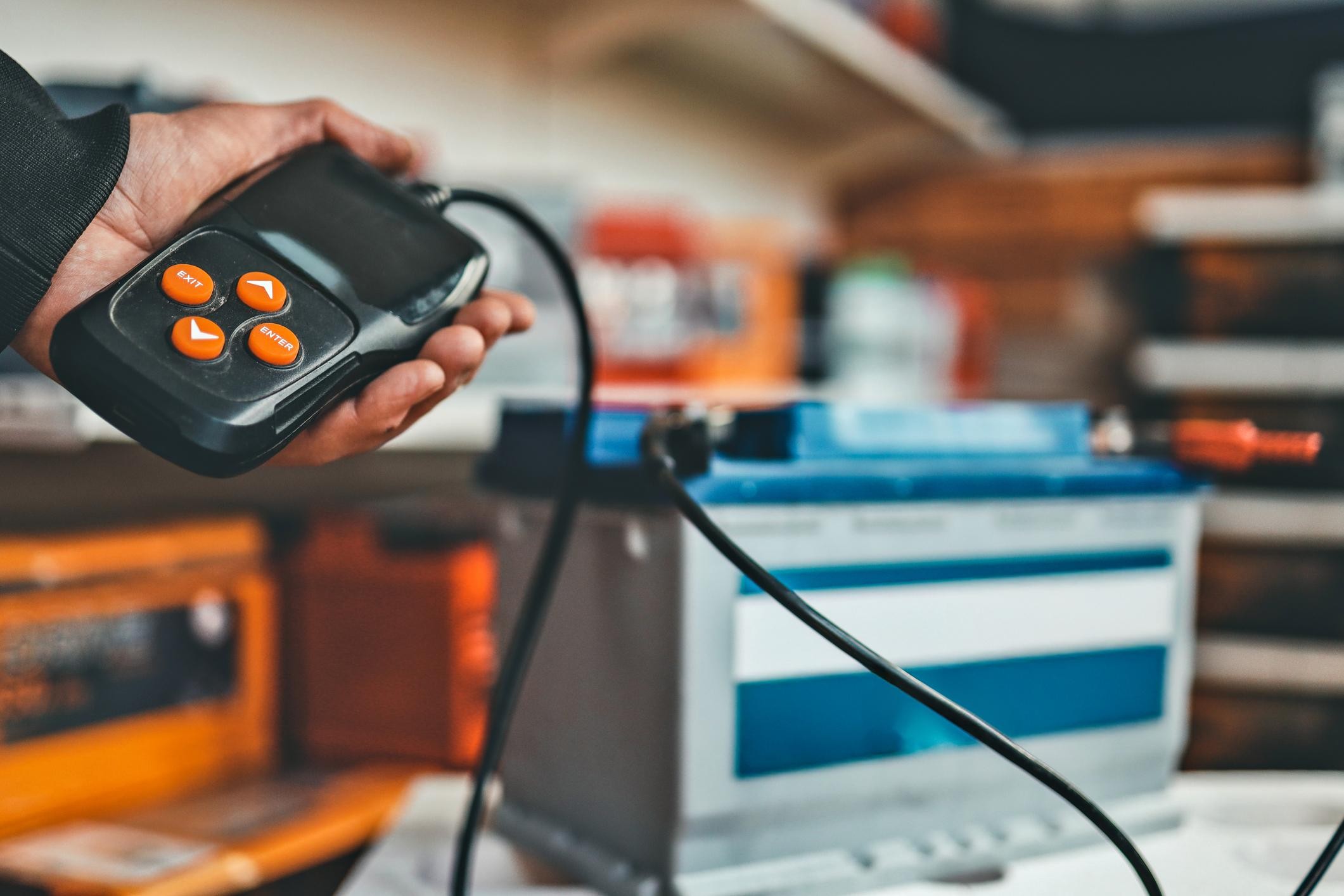
If a test reveals that your battery is operating below its rated capacity or showing signs of sulfation a common form of battery degradation where lead sulfate crystals build up on the battery plates it’s far better to know this in October than in January.
Replacing a battery before winter is a controlled, planned expense. Dealing with a dead battery in the middle of a snowstorm is an emergency, and emergencies always cost more in both time and money.
Another important element to check during pre-winter battery inspection is the battery’s terminals and cables. Corrosion on the terminals that bluish-white or greenish crust you might notice around the connection points increases electrical resistance and can prevent your battery from delivering its full power to the starter motor.
A technician can clean the terminals using a wire brush and a mixture of baking soda and water, restoring a solid electrical connection. Loose or frayed cables should also be addressed at the same time.
It’s also worth knowing your battery’s age. If it’s more than four years old, some mechanics will recommend replacing it preemptively before winter, even if it passes a basic load test.
This is because batteries can fail suddenly and without warning once they reach a certain age, and older batteries are far more vulnerable to cold-induced failure than newer ones. Many batteries have a sticker on top or side indicating the installation date, making it easy to calculate how old it is.
Making battery testing part of your annual fall car maintenance routine alongside checking your antifreeze, winter tires, and wiper blades is a simple habit that pays significant dividends. Think of it as an insurance policy against cold-weather breakdowns.
A few minutes at an auto parts store today could spare you hours of stress and hundreds of dollars in emergency service fees down the road. When the temperature plummets and everyone else is dealing with dead batteries, you’ll be the one driving away without a second thought.
Tip 2: Keep Your Car in a Garage
If you have access to a garage, using it during winter months is one of the most effective and effortless ways to protect your car battery from the damaging effects of extreme cold.
It sounds almost too simple, but the temperature difference between an unheated garage and the open air on a bitter winter night can be surprisingly significant and that difference can have a meaningful impact on your battery’s ability to start your engine in the morning.
When a car sits outside overnight in sub-zero temperatures, the battery is exposed to the full force of the cold for hours on end. As temperatures drop, the chemical reactions inside the battery slow down considerably.
A lead-acid battery the type found in most conventional vehicles relies on a chemical reaction between lead plates and sulfuric acid electrolyte to generate electricity.
Cold temperatures slow this reaction, reducing the battery’s ability to deliver current. The colder it gets, the more sluggish and inefficient the battery becomes.
An unheated garage typically stays anywhere from 10 to 20 degrees warmer than the outside temperature, simply by virtue of being enclosed and sheltered from wind.
While that might not sound like much, when outdoor temperatures are hovering near -10°F or -20°F, those extra degrees can push the temperature inside the garage above the threshold where battery performance begins to drop most sharply.
Even partial protection from the worst of the cold helps your battery retain more of its charge overnight and respond more reliably when you need it most in the morning.
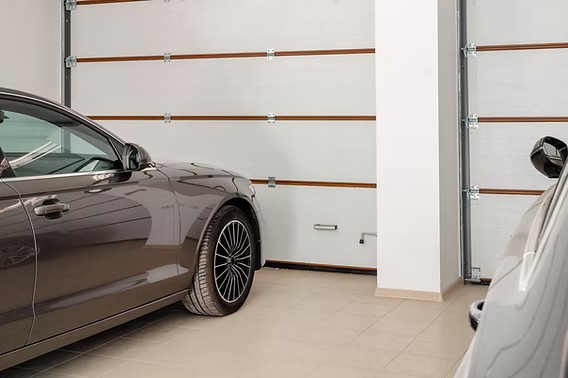
For those lucky enough to have a heated garage, the benefits multiply significantly. A heated space keeps your battery in a temperature range where it operates near full efficiency. It also means your engine oil remains fluid, your coolant stays effective, and your car’s rubber seals and belts don’t contract and crack from the cold.
Starting a car that has been kept in a heated garage on a cold morning is a dramatically smoother and easier experience on both the battery and the engine compared to starting one that has been sitting in freezing temperatures all night.
Beyond temperature alone, garages also protect your vehicle from wind chill. While wind chill technically affects living beings more than inanimate objects, prolonged exposure to cold wind can accelerate heat loss from your engine bay and battery compartment. Parking in a garage eliminates this factor entirely, creating a stable, calm environment for your vehicle to rest in.
If your garage has become a storage space rather than a parking space a situation many homeowners find themselves in winter is an excellent motivation to reorganize.
Even clearing just enough room for your primary vehicle can make a meaningful difference in how well it starts and performs during cold snaps. If a full garage cleanout isn’t feasible, even parking near a building wall that blocks the prevailing cold wind can offer a modest improvement over being completely exposed in an open lot.
For apartment dwellers or those without garage access, covered parking structures are the next best option. Even a roof overhead can reduce the amount of radiant heat loss from your vehicle overnight.
If no covered option is available, other strategies like using an engine block heater, a battery blanket, or a trickle charger become even more important, and we’ll explore those in detail throughout the remaining tips.
The bottom line is that temperature management is central to battery health, and your parking environment is one of the easiest variables you can control.
Tip 3: Invest in a Battery Insulation Kit or Thermal Wrap
Not every driver has the luxury of a garage, but that doesn’t mean your battery has to face extreme cold completely unprotected. Battery insulation kits and thermal wraps are affordable, easy-to-install accessories that can make a measurable difference in how well your battery holds up through frigid temperatures.
These products are designed specifically to moderate the temperature around your battery, keeping it warmer than the ambient air and reducing the performance loss that comes with deep cold.
A battery insulation kit typically consists of a heat-resistant plastic or foam casing that wraps around the outside of your battery. Some kits also include a thermal sleeve or jacket made from insulating materials that reduce heat transfer between the battery and the surrounding cold air in the engine bay.
Many modern vehicles actually come equipped with factory-installed battery insulation from the manufacturer particularly those designed for markets that experience harsh winters but if your car doesn’t have this, aftermarket options are widely available and relatively inexpensive, often costing between $20 and $50.
The science behind battery insulation is straightforward. Your battery generates a modest amount of heat during normal operation and charging. Without insulation, that heat dissipates rapidly into the cold air surrounding it, leaving the battery exposed to ambient temperatures that can plummet well below freezing overnight.
With an insulating wrap or casing in place, that heat is retained around the battery for longer, keeping the internal temperature of the battery higher and the chemical reactions inside more active and efficient.
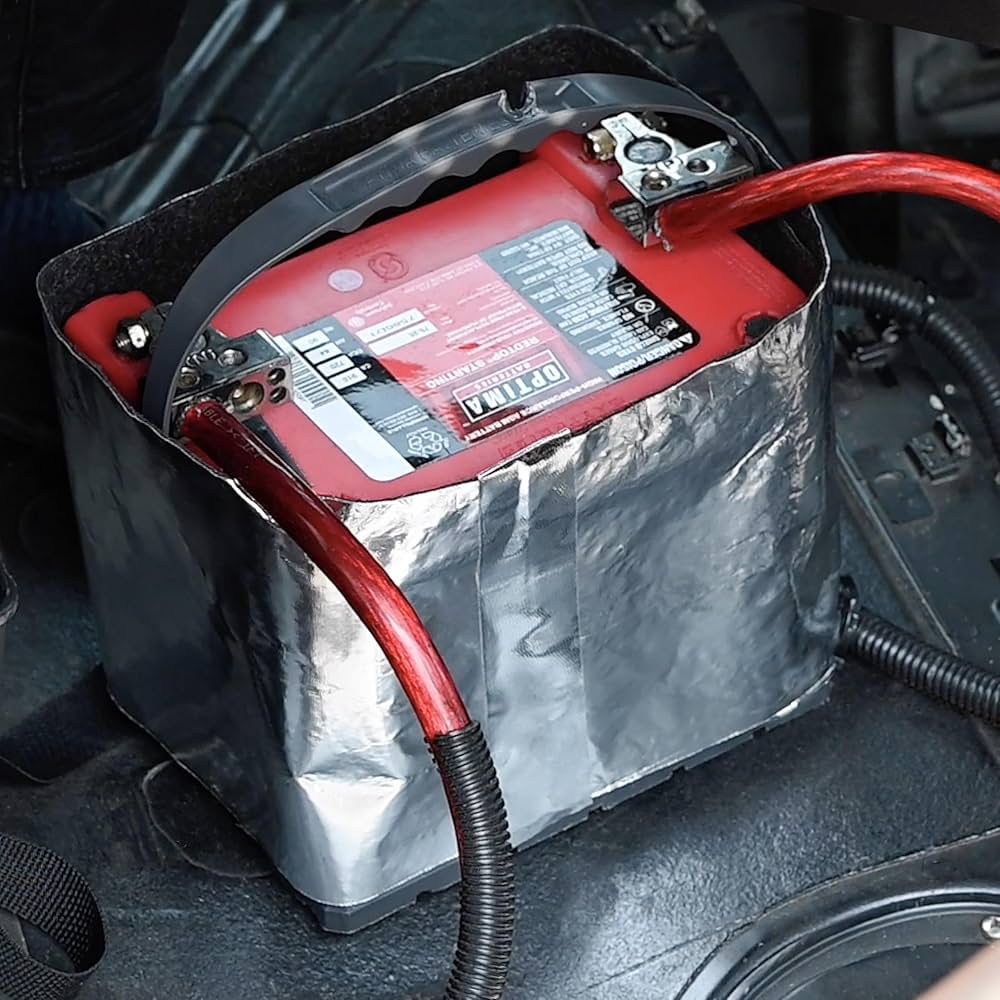
It’s important to note that battery insulation is most beneficial in moderating cold exposure not in cases where your battery has already become extremely cold. If your car has been sitting in -20°F temperatures all night without any insulation, the battery will likely have reached that temperature regardless.
Insulation works best as a preventive measure, slowing the rate at which your battery cools down after you’ve driven and the engine bay is warm. Think of it as a thermos for your battery it keeps things warmer for longer, but it doesn’t generate heat on its own.
When shopping for a battery insulation kit, make sure you choose one compatible with your battery’s size. Batteries come in different group sizes a standardized classification system based on physical dimensions so you’ll want to match the insulation kit to your specific battery group size.
Your owner’s manual or the label on your existing battery can help you identify the correct group size. Auto parts store staff can also assist you in finding the right fit.
Installation is typically very simple and requires no special tools. Most kits involve wrapping a sleeve around the battery and securing it in place. It’s a good idea to install your insulation kit in the fall, before temperatures drop significantly, so your battery is protected from the very beginning of the cold season rather than after it has already experienced several weeks of freezing temperatures.
Paired with other strategies like keeping the battery charged and parking in a sheltered location, a battery insulation kit is a low-cost addition to your winter preparedness toolkit that delivers real-world benefits every time the temperature drops below freezing.
Tip 4: Use a Battery Maintainer or Trickle Charger
One of the most effective tools in any cold-weather car owner’s arsenal is a battery maintainer sometimes called a trickle charger or smart charger.
These devices plug into a standard household outlet and connect to your car’s battery, delivering a low, steady stream of electricity that keeps the battery at or near full charge during periods when the vehicle is not being driven.
In winter, when batteries discharge faster and vehicles are sometimes left sitting for days at a time, a battery maintainer can be the difference between a car that starts reliably and one that leaves you stranded.
Here’s why this matters. A fully charged battery is significantly more resistant to the performance-robbing effects of cold weather than a partially discharged one.
A battery at 100% charge has more electrochemical energy available to power the starter motor, which means it can overcome the increased resistance of a cold engine more effectively.
A battery at 50% or less charge in cold weather may simply not have enough power to crank the engine at all, especially if temperatures have dipped into single digits or below.
Modern battery maintainers particularly those marketed as “smart chargers” are far more sophisticated than old-fashioned trickle chargers. They monitor the battery’s state of charge continuously and adjust their output accordingly.
When the battery reaches full charge, the maintainer switches to a float mode, delivering just enough current to compensate for self-discharge without overcharging the battery.
Overcharging a battery can cause the electrolyte to gas off, damaging the battery and potentially creating a fire or explosion hazard. Smart chargers eliminate this risk by automatically managing the charging cycle.
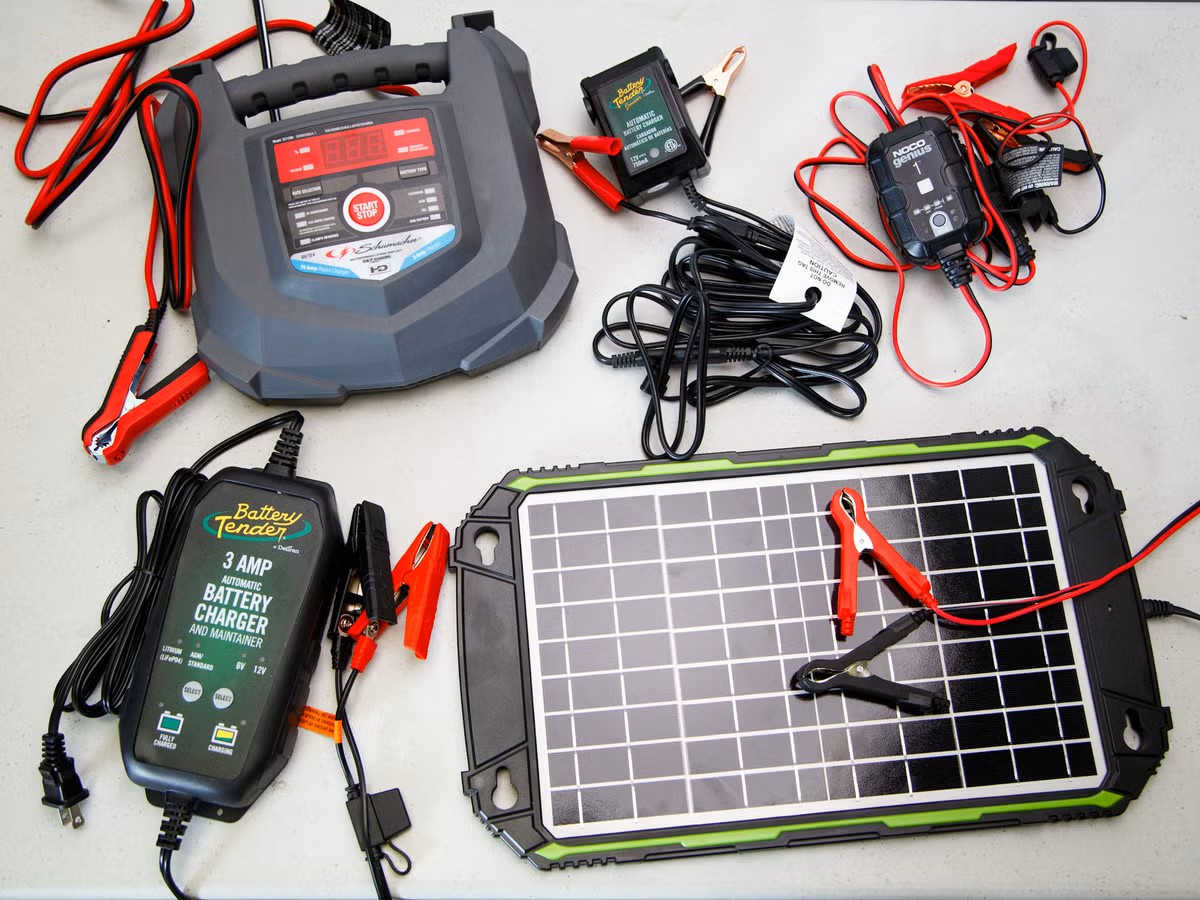
Setting up a battery maintainer is simple. Most units come with two connection options: alligator clips that attach directly to the battery terminals, or a permanent pigtail connector that you can leave connected to the battery year-round and simply plug in when needed.
The pigtail option is particularly convenient because it eliminates the need to open the hood every time you want to connect the charger you simply route the pigtail connector to an accessible location under the hood or through the grille, and plug the charger in from outside the vehicle.
Battery maintainers are especially valuable for vehicles that aren’t driven frequently in winter classic cars, motorcycles stored for the season, or second vehicles that sit idle for weeks at a time.
Even for daily drivers, plugging in a maintainer overnight during a cold snap provides peace of mind and ensures you wake up to a fully charged battery every morning. Prices range from around $25 for basic models to $80 or more for advanced units with multiple charging modes and diagnostic displays.
Also Read: 10 Most Reliable Lexus Models Famous for Never Quitting
Tip 5: Limit Short Trips and Allow the Battery to Recharge
In cold weather, your driving habits have a direct and significant impact on your battery’s health and longevity. One of the most battery-draining patterns you can fall into during winter is a routine of frequent short trips popping out to the grocery store, dropping the kids at school, making a quick run to the pharmacy.
Each of these trips requires your battery to deliver a substantial burst of power to start the cold engine, but the trip may not be long enough for your alternator to fully replenish what was used.
The alternator is the component responsible for recharging your battery while the engine is running. It generates electricity using the mechanical energy of the running engine and directs that electricity back into the battery.
However, the alternator also powers all of your vehicle’s electrical systems while driving headlights, heated seats, the infotainment system, the blower motor for the heater, and more.
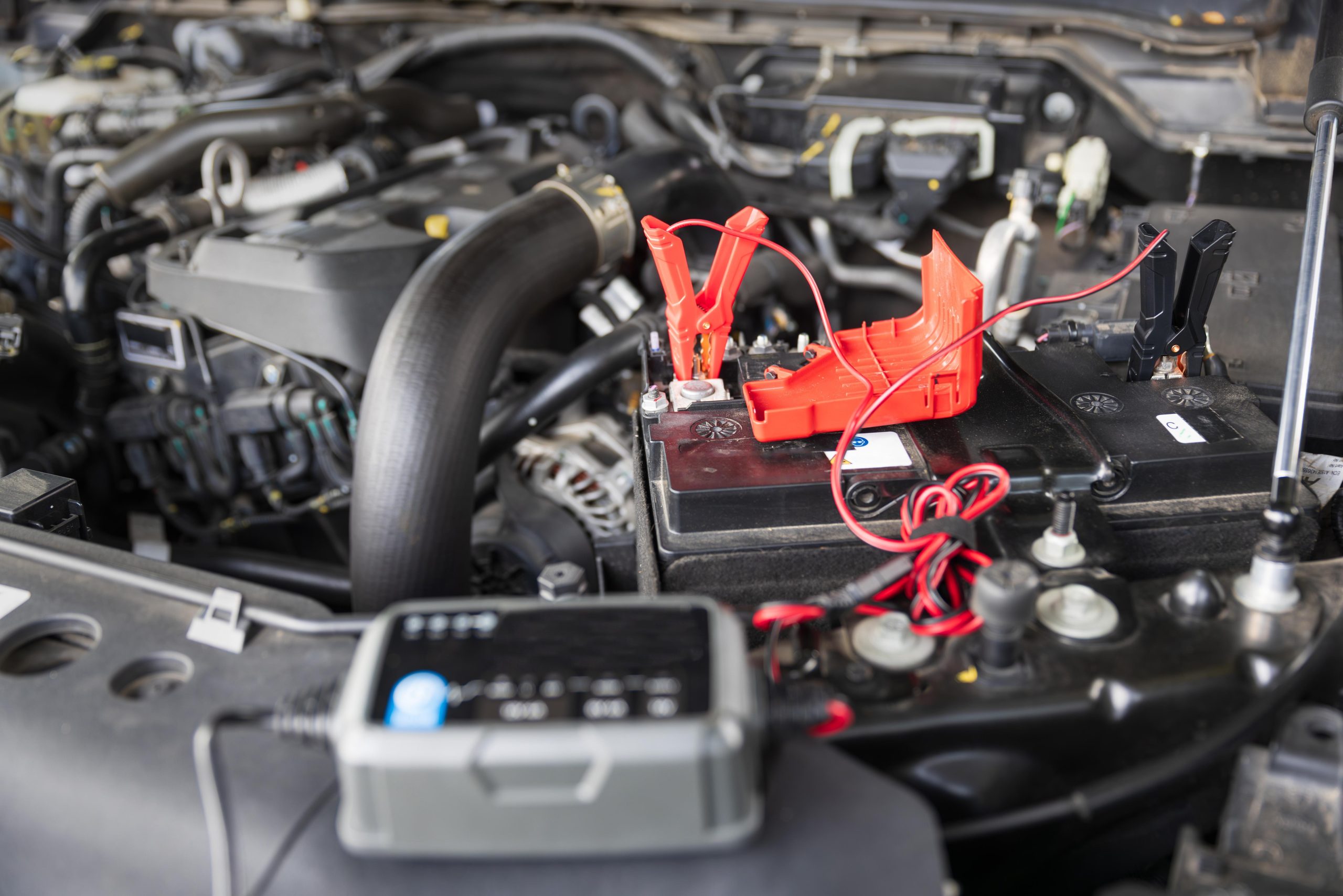
In winter, all of these systems are typically running simultaneously and drawing significant power. This means the alternator has to work harder just to keep up with current demand, leaving less capacity to recharge the battery.
If your trips are consistently short say, less than 15 to 20 minutes the alternator may never fully catch up. Over a series of short trips, your battery’s state of charge can gradually decline, until one morning it simply doesn’t have enough power to start the engine.
This cumulative discharge effect is one of the most common reasons drivers experience dead batteries in winter, even when the battery itself is relatively new and healthy.
It’s also worth being mindful of how many electrical accessories you use during short winter drives. Turning off the heated rear window, heated mirrors, and seat heaters once they’ve done their job reduces the load on the alternator and allows more of its output to go toward recharging the battery.
Small adjustments to your driving habits and electrical usage, practiced consistently through the cold months, can add up to meaningful improvements in battery health and reliability.
Tip 6: Turn Off Electrical Accessories Before Starting the Engine
This tip is simple but frequently overlooked, and it can have an outsized impact on how much strain your battery experiences every time you start your car on a cold morning.
Before you turn the key or press the start button, take a moment to make sure that your high-draw electrical accessories heated seats, rear defroster, heated mirrors, high-powered audio systems, and climate control blowers are switched off or set to their lowest settings.
Here’s why this matters. Starting a cold engine is the single most power-intensive thing your battery does. The starter motor, which spins the engine until it fires on its own, draws an enormous amount of current often several hundred amps for just a few seconds.
When this happens simultaneously with multiple high-draw accessories also pulling power from the battery, the total load can exceed what the battery is capable of delivering, especially in cold conditions when its output is already reduced.
By turning off or reducing electrical accessories before starting, you free up the battery’s full available power for the starter motor. This gives the engine the best possible chance of starting cleanly on the first crank, which is gentler on the battery, the starter motor, and the engine itself.
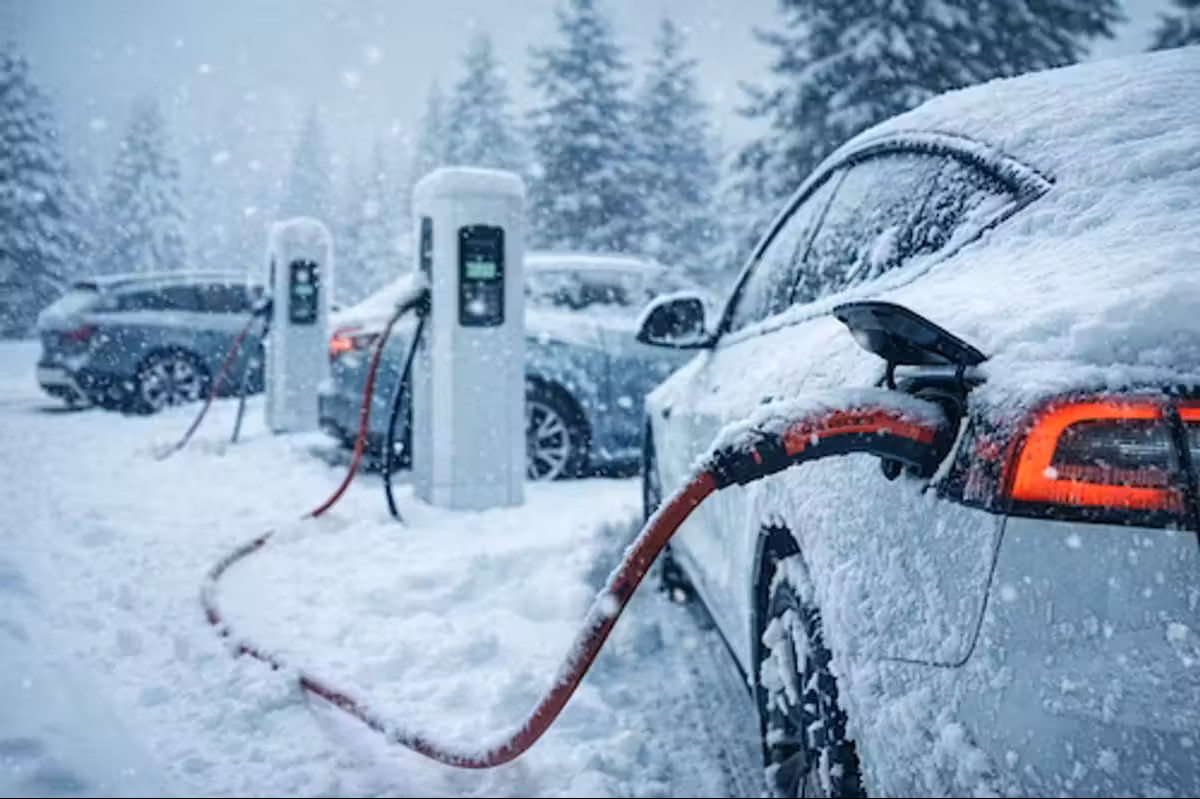
It also reduces the risk of a no-start situation on particularly cold mornings when the battery is already working near its limits. Once the engine is running and the alternator comes online, you can turn your accessories back on gradually.
Starting with the most important ones the heater blower to defrost the windshield and adding others as the engine warms up is a sensible approach that reduces the alternator’s initial load and allows the battery to recover from the startup discharge before being asked to support multiple systems simultaneously.
Modern vehicles with push-button start and sophisticated battery management systems may handle some of this automatically, prioritizing power to the starter during cranking and temporarily reducing accessory loads.
However, in older vehicles and even in some newer ones under especially cold conditions, being deliberate about reducing electrical load before starting is a habit worth developing. It costs nothing, takes only a few seconds, and extends both the life of your battery and the reliability of your cold-weather starts.
Tip 7: Check and Clean Battery Terminals Regularly
Corroded battery terminals are one of the most common and easily preventable causes of starting problems in winter. Yet this simple maintenance task is often overlooked until a driver is already experiencing trouble.
Making terminal inspection and cleaning a regular part of your fall and winter car maintenance routine can dramatically improve your battery’s performance and prevent frustrating no-start situations on cold mornings.
Battery terminal corrosion appears as a whitish, bluish, or greenish crusty buildup around the metal posts where the battery cables connect. This corrosion is the result of chemical reactions between the battery acid vapors, the metal terminals, and moisture in the air.
While a small amount of surface corrosion is normal, heavy buildup creates a layer of resistance between the battery and the cables, impeding the flow of electricity. In cold weather, when the battery is already delivering less power than usual, even modest resistance at the terminals can be enough to prevent the engine from starting.
Cleaning corroded terminals is a straightforward job that most drivers can do themselves with minimal tools. You’ll need a wire brush, a pair of rubber gloves, safety glasses, and either a commercial battery terminal cleaner spray or a homemade solution of baking soda and warm water. Start by disconnecting the negative cable first, then the positive.
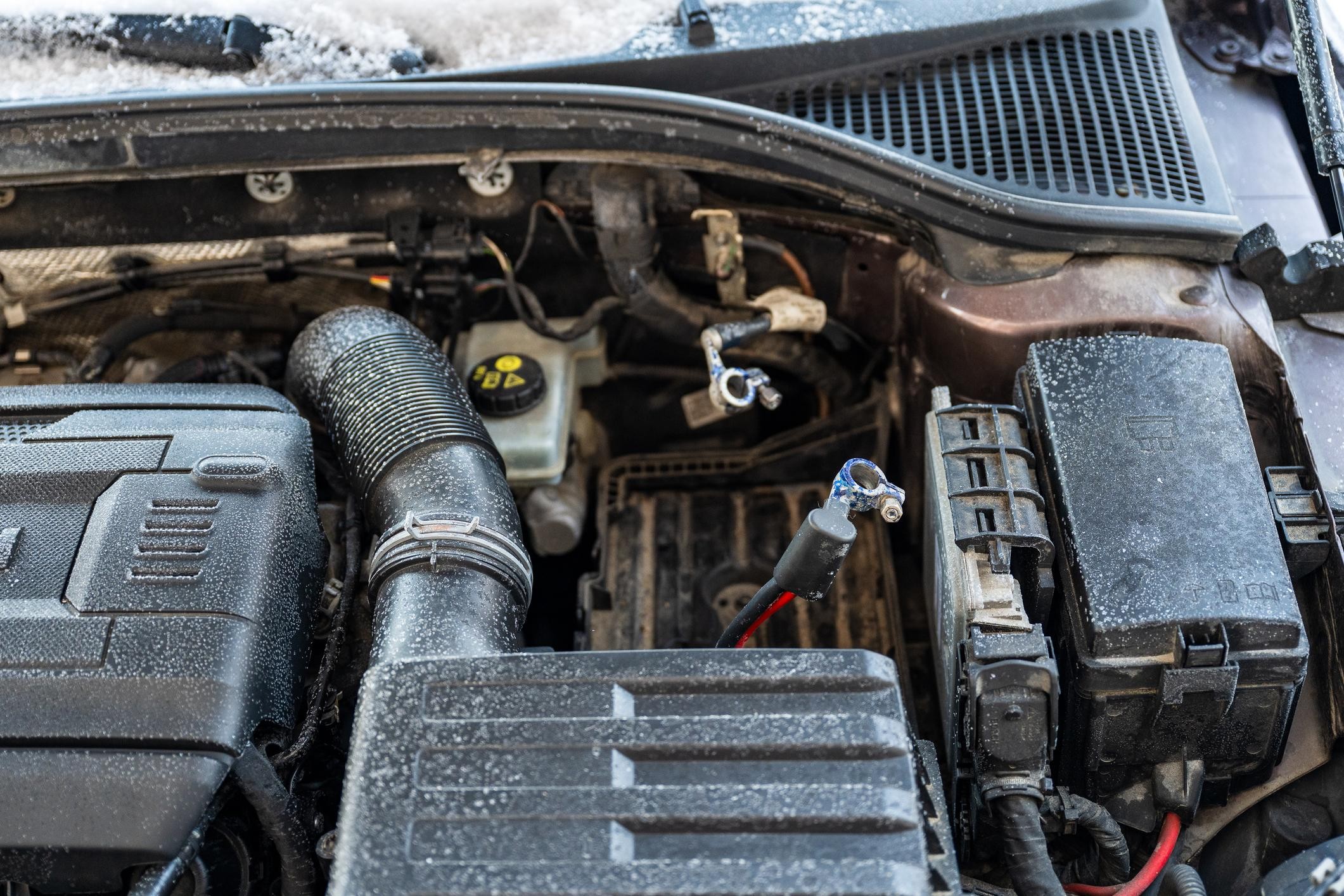
Apply your cleaning solution to the terminals and posts, scrubbing away the corrosion with the wire brush until the metal is clean and shiny. Rinse with a little clean water, dry thoroughly, and reconnect the positive cable first, followed by the negative.
After cleaning, applying a thin coat of petroleum jelly (Vaseline), dielectric grease, or a commercial battery terminal protector spray to the terminals helps prevent future corrosion by creating a moisture barrier.
Some drivers also use felt terminal washers small rings that sit around the battery posts which are treated with a corrosion-inhibiting compound and provide ongoing protection between maintenance sessions.
Beyond the terminals themselves, inspect the battery cables for cracks, fraying, or looseness. A cable that isn’t making firm, solid contact with the terminal will cause the same starting problems as corrosion, and damaged cables should be replaced promptly.
In cold weather, a corroded or loose connection is unforgiving the combination of reduced battery output and impaired current delivery through damaged connections is a reliable recipe for a dead car on a winter morning. Regular terminal maintenance, taking no more than 15 minutes a couple of times a season, keeps this easily preventable problem firmly in check.
Tip 8: Know the Warning Signs of a Failing Battery
No matter how well you maintain your battery, it will eventually reach the end of its useful life. The key to avoiding a winter breakdown is learning to recognize the warning signs of a failing battery before it leaves you stranded, and acting on those signs promptly.
A battery that is beginning to fail will usually give you several opportunities to notice the problem if you know what to look for. The most recognizable warning sign is slow or sluggish cranking when you start the engine.
If you notice that the engine is turning over more slowly than usual that labored, grinding sound rather than the crisp, quick engagement you’re used to this is a strong indicator that your battery is struggling to deliver sufficient current.
In warm weather, this symptom might be mild enough to ignore, but in cold weather it typically becomes much more pronounced and can quickly progress to a no-start condition.
Dimming headlights are another classic warning sign. If your headlights appear noticeably dimmer than usual, particularly at idle, or if you notice them brightening when you rev the engine, this suggests that your battery or charging system is not maintaining adequate voltage.
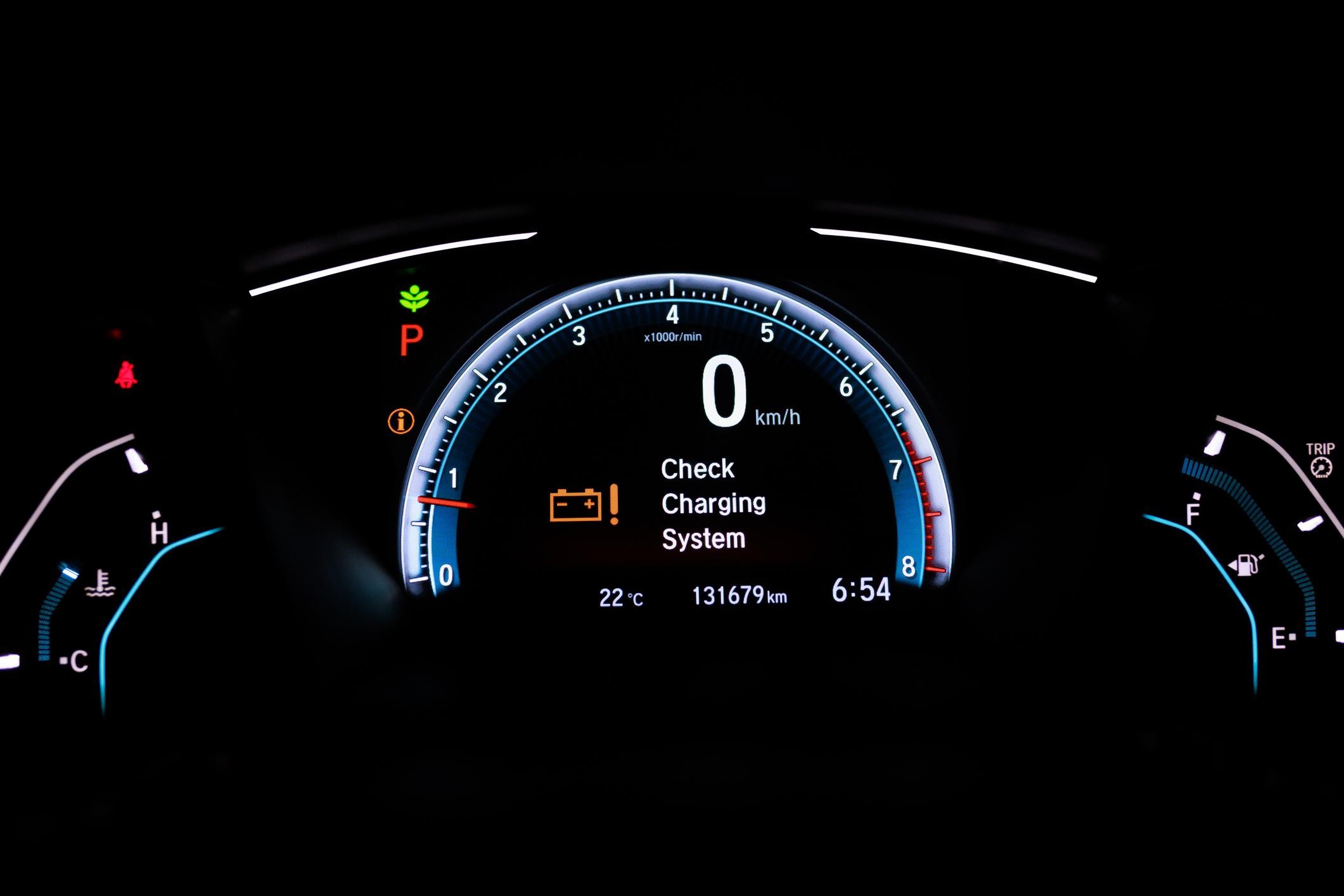
The brightness of your headlights is directly tied to the electrical system voltage, so dimming lights are a clear signal that something is amiss. Frequent need for jump-starts is perhaps the most obvious warning sign.
A healthy battery in a vehicle with a functioning charging system should never need to be jump-started under normal circumstances. If you’ve needed a jump-start more than once in a season, that’s a clear signal that the battery is failing and needs to be tested or replaced.
Finally, trust your nose. A rotten egg or sulfur smell near the battery area can indicate that the battery is overcharging or has developed an internal fault, causing the electrolyte to break down and release hydrogen sulfide gas.
This is a serious issue that warrants immediate professional attention. By staying attuned to these warning signs and responding to them quickly with a battery test, terminal cleaning, or replacement as appropriate you stay ahead of the problem and keep your vehicle reliable through even the harshest winter conditions.
Also Read: 5 Used Sedans With Bulletproof Engines vs 5 That Frequent the Shop
