
In a world increasingly dominated by headlines about electric vehicles and hybrid powertrains, it’s easy to forget that traditional internal combustion engines have quietly reached an impressive level of refinement.
For decades, engineers have labored over cylinder heads, transmission ratios, aerodynamic profiles, and lightweight materials not to achieve electrification, but to squeeze every last drop of performance out of a gallon of gasoline. The result? A growing class of non-hybrid cars that rival, and in some cases approach, the fuel efficiency numbers once reserved exclusively for electrified vehicles.
Choosing a non-hybrid car with stellar fuel economy makes sense for a wide variety of drivers. Hybrids carry a price premium that doesn’t always pencil out for budget-conscious buyers, and the added complexity of dual powertrains can raise concerns about long-term maintenance costs.
For drivers who take mostly highway miles, the benefit of hybrid regenerative braking is diminished further. For these people, a well-engineered, gas-only car offering 40-plus miles per gallon on the highway or even on a combined cycle is simply the smarter, simpler choice.
This list celebrates exactly that: ten non-hybrid, non-electric cars that punch well above their weight class in fuel economy. These vehicles achieve 40 MPG or better on the highway, and several of them come impressively close to that mark on the combined city-highway cycle.
Whether you’re a first-time buyer, a commuter trying to cut fuel costs, or simply someone who prefers the uncomplicated reliability of a traditional gasoline engine, there is something here for you.
From Honda’s perennial compact benchmark to Volkswagen’s lone German representative in the efficiency game, these cars prove that going green doesn’t always require a battery pack.
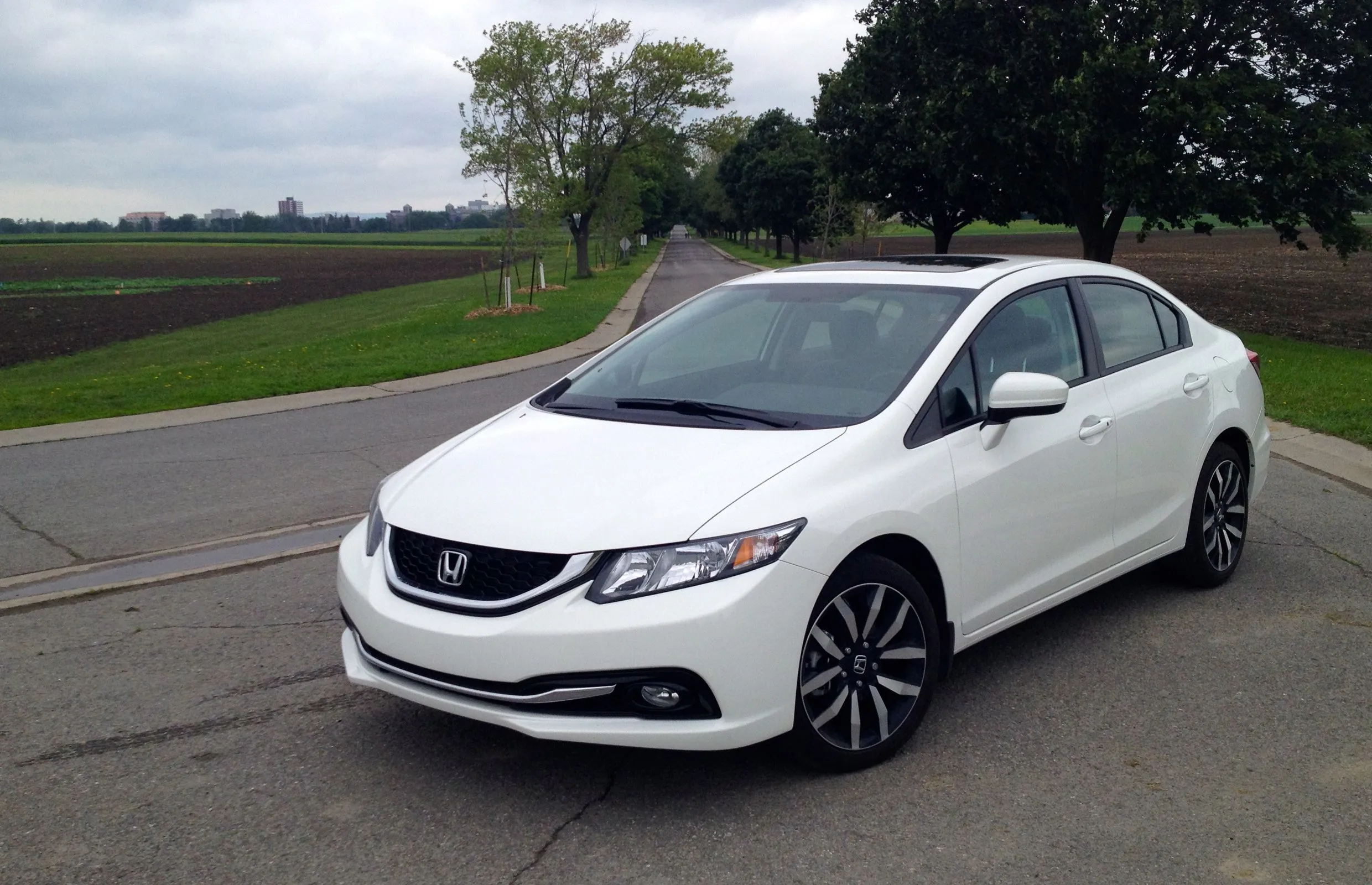
1. Honda Civic (2025)
When people talk about non-hybrid fuel efficiency in the modern era, the conversation almost always begins with the Honda Civic. For 2025, the Civic has stepped up as the most fuel-efficient non-hybrid car you can buy new, following the discontinuation of the Mitsubishi Mirage the longtime reigning champion of budget-priced fuel economy.
The Civic more than earns its new crown, and in many respects, it deserves it far more comprehensively than the Mirage ever could, because it couples genuine efficiency with a remarkably well-rounded ownership experience.
At its core, the 2025 Civic LX runs a 2.0-liter four-cylinder engine paired with a continuously variable transmission. This combination earns an EPA-estimated 31 MPG in the city and 40 MPG on the highway, for a combined rating of 36 MPG.
Opt for higher Sport trim models, and the highway figure holds impressively steady. What makes the Civic particularly extraordinary, however, is not just the numbers but everything surrounding them.
The Civic is available in both sedan and hatchback body styles, giving buyers flexibility in practicality without compromising on efficiency. The hatchback, in particular, is beloved for its combination of a roomy cargo area and that same fuel-sipping powertrain.
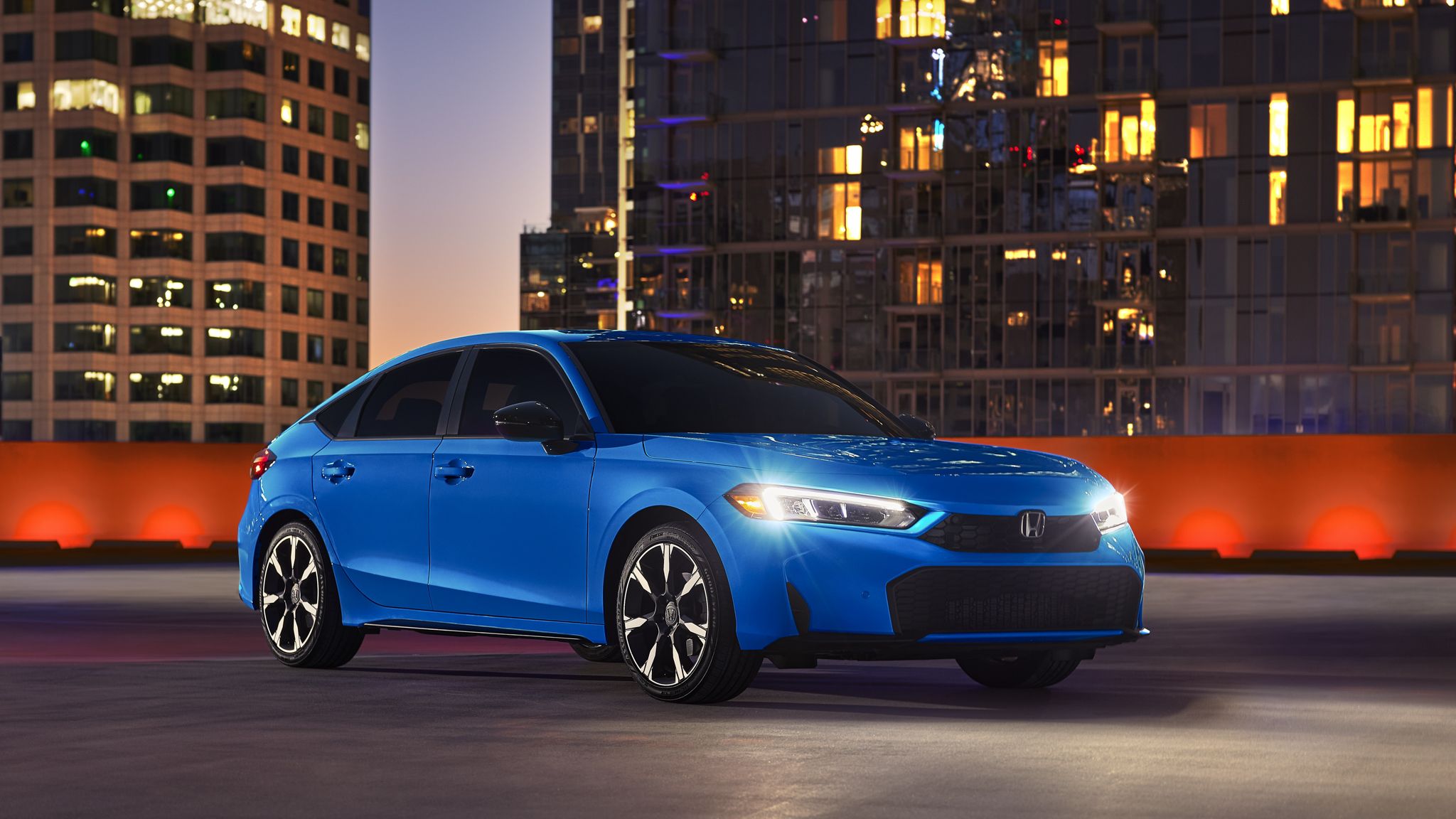
Step inside and the Civic impresses immediately. Honda has always been known for building cars that feel upmarket relative to their price point, and the 2025 Civic is no exception.
Materials quality is excellent for the segment, the layout is intuitive and driver-focused, and the inclusion of Honda Sensing a comprehensive suite of driver assistance technologies as standard equipment across all trims is a genuine point of differentiation.
You get forward collision warning, automatic emergency braking, lane departure alert, and adaptive cruise control without having to pay extra for a safety package.
Driving the Civic reinforces why it consistently tops best-of lists across automotive media. The steering is communicative without being overly sharp, the ride quality strikes a confident balance between firmness and comfort, and the engine is refined and responsive.
It is a car that makes every journey feel considered and competent. Combined with its leading fuel economy, it’s also one of the most affordable ways to access genuine quality in the compact segment.
Prices start around $24,000 for the base LX trim a strong value proposition in a market where nearly everything has gotten more expensive. For buyers who want a truly exceptional non-hybrid car that also happens to be frugal, the 2025 Honda Civic is the clear, undisputed answer.
2. Hyundai Elantra
The Hyundai Elantra has undergone something of a transformation over the past decade. Once a forgettable economy car that existed simply to provide affordable transportation, the modern Elantra has evolved into a legitimately stylish, feature-rich compact sedan that competes aggressively on both price and substance.
For 2025, the Elantra continues to impress, not only because of its distinctive parametric design language arguably the most visually striking in the non-luxury compact segment, but also because of its formidable fuel economy credentials without any hybrid assistance whatsoever.
The base Elantra SE uses a 2.0-liter four-cylinder engine mated to a continuously variable transmission. The EPA rates it at 32 MPG in the city and 41 MPG on the highway, for a combined figure of 36 MPG, essentially tying the Honda Civic at the very top of the non-hybrid efficiency leaderboard.
The 41 MPG highway figure is particularly noteworthy, as it genuinely delivers over that 40 MPG benchmark that most buyers think requires hybrid technology. Higher trims, including the SEL and Limited, offer additional refinement and features while seeing a modest reduction in city fuel economy, though highway numbers remain competitive.
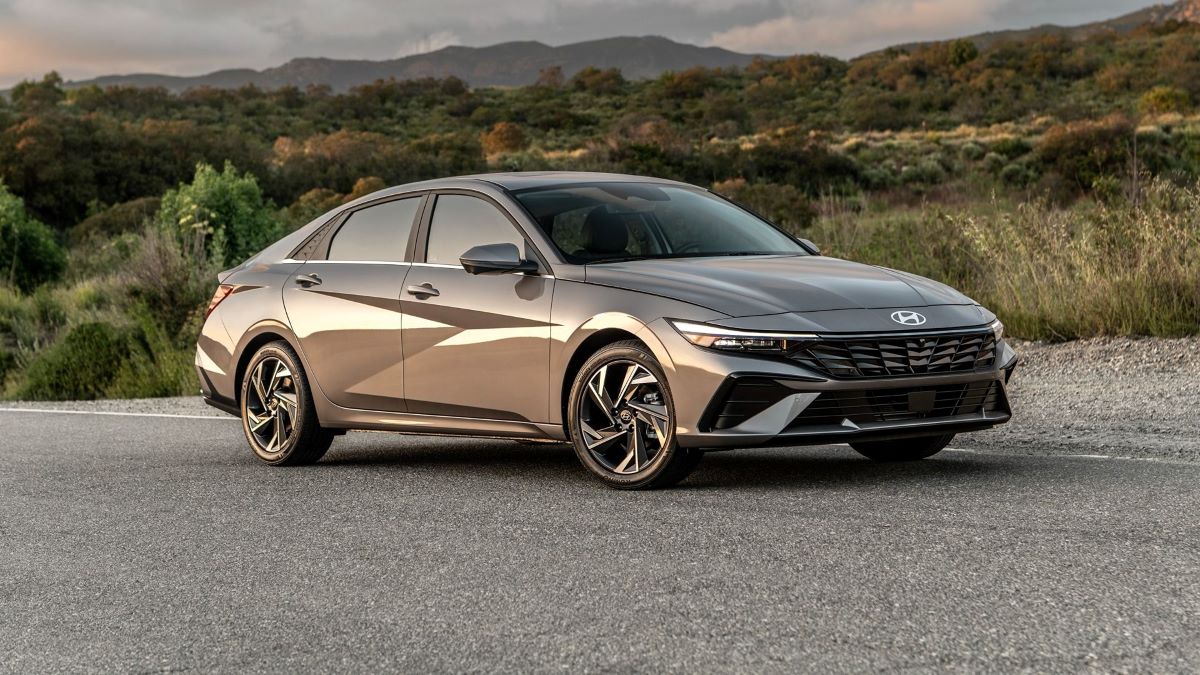
Inside, the 2025 Elantra delivers a cabin experience that exceeds what you might expect at this price point. Hyundai has equipped the car with a clean, modern layout that centers around a large infotainment screen and a driver-oriented instrument cluster.
Standard technology features include wireless Apple CarPlay and Android Auto on select trims, and the Elantra’s list of standard driver assistance features is among the most comprehensive in the class.
Hyundai’s SmartSense safety suite includes forward collision avoidance with pedestrian and cyclist detection, lane keeping assist, and driver attention warning all available even on the more affordable trims.
The driving experience is competent and composed. The Elantra’s suspension tuning prioritizes comfort without sacrificing handling confidence, making it suitable for long highway drives and urban commutes alike. The CVT is smooth in operation, and the engine’s power delivery is linear and predictable.
One area where the Elantra genuinely distinguishes itself from rivals is warranty coverage Hyundai’s industry-leading 5-year/60,000-mile basic warranty and 10-year/100,000-mile powertrain warranty provide exceptional peace of mind.
For buyers who want a stylish, efficient, and well-protected compact sedan that squeezes past the 40 MPG highway barrier without a hybrid system, the 2025 Hyundai Elantra is a thoroughly compelling choice.
3. Toyota Corolla
Few nameplates in automotive history carry as much weight as the Toyota Corolla. Having sold more units globally than perhaps any other car in history, the Corolla has been a universal symbol of dependable, affordable transportation for over half a century.
The 2025 version continues that legacy while incorporating the fuel efficiency improvements that come from Toyota’s ongoing engine and transmission development program.
While the Corolla’s combined fuel economy of 35 MPG is just slightly below the 40 MPG highway benchmark, its highway figure of 38 MPG on certain trims and 40 MPG in optimal configurations keeps it firmly in the conversation.
Under the hood, the 2025 Corolla uses Toyota’s 2.0-liter Dynamic Force engine, a unit praised for its thermal efficiency and smooth power delivery. Paired with a continuously variable transmission, the Corolla produces 169 horsepower while maintaining fuel consumption that feels almost contradictory to those numbers.
Toyota’s engineering philosophy has always leaned toward maximizing efficiency through lightweight construction, aerodynamic optimization, and precise powertrain calibration, and the Corolla benefits from all three approaches comprehensively.
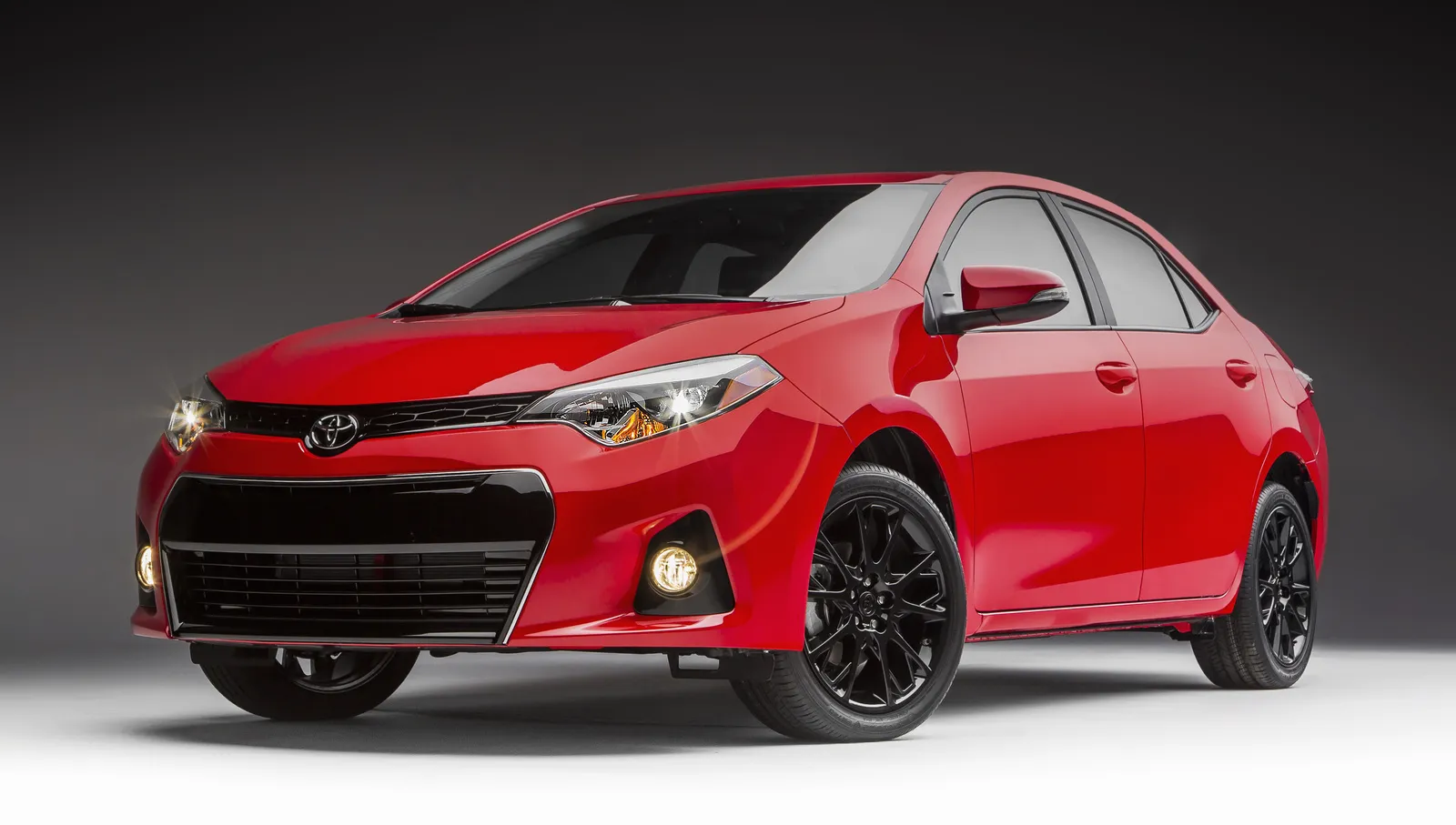
Inside, the Corolla’s cabin is functional and intelligently designed. The 8-inch touchscreen infotainment system supports Apple CarPlay, Android Auto, and Amazon Alexa integration, making it straightforward for modern drivers to connect their digital lives to their commute.
Toyota Safety Sense 3.0 comes standard on all Corolla models and represents one of the most comprehensive factory safety suites available in this price range, incorporating pre-collision warning, lane tracing assist, automatic high beams, and road sign assist among its features.
The Corolla is available in both sedan and hatchback configurations, and both achieve the same 35 MPG combined rating a useful flexibility for buyers with different cargo needs. On the highway, where the car spends most of its life for many owners, the Corolla shines most brightly, returning fuel economy figures that approach and occasionally meet the 40 MPG mark.
Toyota’s reputation for long-term reliability and low ownership costs makes the Corolla an especially prudent financial choice over the long haul. For buyers who value proven dependability above all else, complemented by genuine fuel efficiency and a comprehensive feature set, the 2025 Toyota Corolla remains one of the safest bets in the entire automotive market.
4. Nissan Sentra
The Nissan Sentra doesn’t always get the recognition it deserves in the crowded compact sedan segment. It lacks the brand cachet of a Honda or the bold styling of a Hyundai, but what it offers instead is a quietly impressive package of efficiency, comfort, and technology at a price point that makes the ownership equation extremely favorable.
For 2025, the Sentra continues to earn respect from efficiency-focused buyers with its EPA-estimated 30 MPG city, 40 MPG highway, and 34 MPG combined ratings courtesy of a 2.0-liter four-cylinder engine working in concert with a smooth continuously variable transmission.
That 40 MPG highway figure is the headline number, and it’s a genuine one. Nissan’s 2.0-liter engine produces 149 horsepower and 146 pound-feet of torque, enough to make the Sentra feel lively in everyday driving without ever feeling strained.
The CVT manages engine speed intelligently to keep the powerplant in its most efficient operating range, whether you’re cruising at highway speeds or going through the stop-and-go urban traffic. The result is a car that genuinely rewards careful driving with fuel economy that approaches hybrid territory on long stretches of open road.
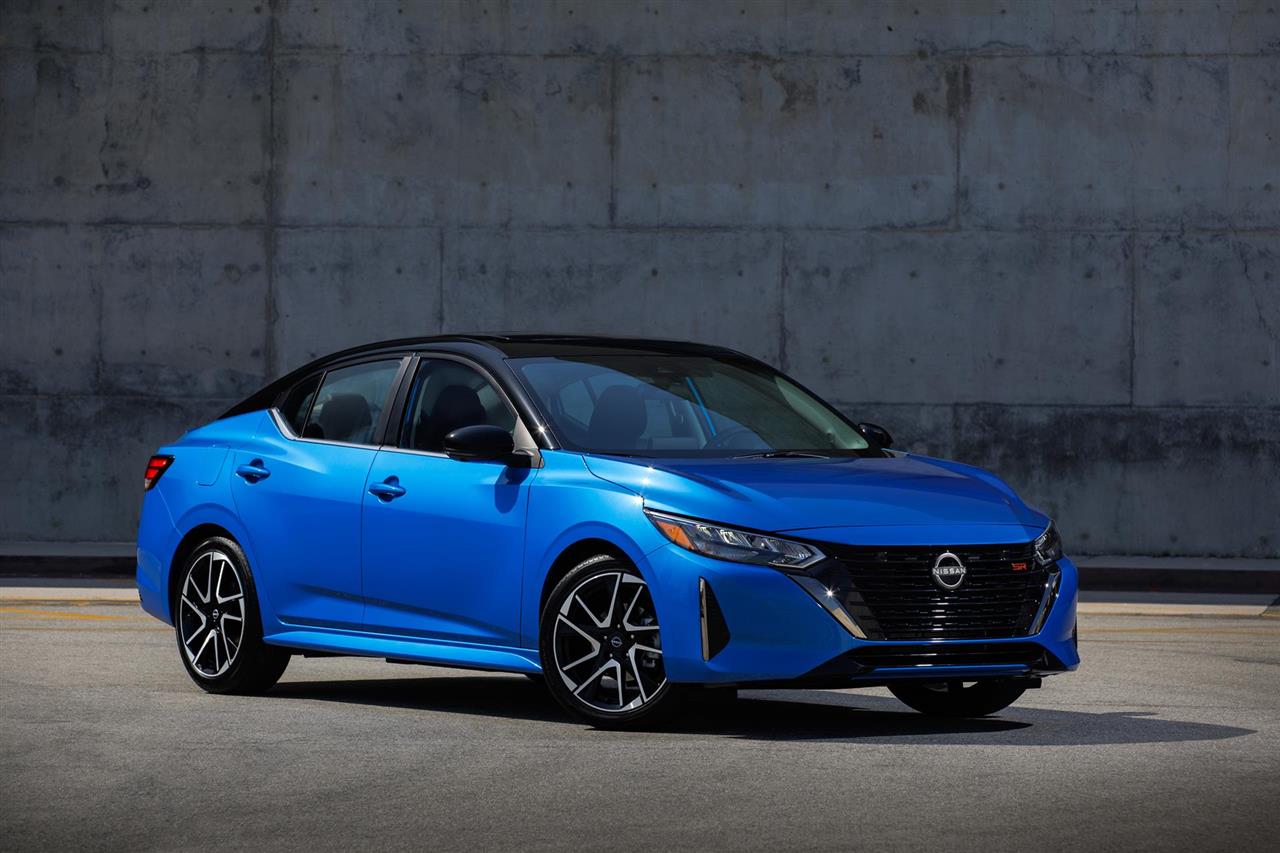
The interior of the 2025 Sentra is one of its most underappreciated strengths. Nissan has worked hard to raise the quality of materials and the sophistication of the design, resulting in a cabin that feels more premium than the car’s starting price might suggest.
The instrument cluster features clean analog gauges with a complementary digital display, and the cabin design incorporates thoughtful touches like sport-influenced circular air vents with red accent stitching that inject personality into an otherwise restrained environment.
Standard features include a touchscreen infotainment system with Apple CarPlay and Android Auto, a Wi-Fi hotspot for 2025, and Nissan Safety Shield 360 a suite of six active safety features available across the lineup.
The Sentra’s ride quality is notably comfortable for its class, prioritizing smooth isolation from road imperfections over sporty handling dynamics. For buyers who primarily use their compact car for commuting and occasional road trips, this is a very sensible setup.
Starting at around $22,730, the Sentra also represents excellent value, particularly when you factor in the strong list of standard technology and safety features.
For buyers who want that genuine 40 MPG highway rating in a comfortable, well-equipped compact sedan at an accessible price, the 2025 Nissan Sentra is a consistently overlooked gem worth much more attention.
Also Read: Top 10 Luxury Cars With the Most Understated and Elegant Designs
5. Kia K4 (2025)
The Kia K4 is one of the most significant new entries in the compact sedan segment for 2025, serving as the successor to the well-regarded Kia Forte. While the Forte earned a strong reputation over its long production run including praise for its fuel efficiency and Kia’s legendary warranty the K4 represents a comprehensive modernization of the formula.
In its base configuration, the 2025 K4 earns an EPA-estimated highway fuel economy of 40 MPG, keeping it in that exclusive club of non-hybrid compact cars that can genuinely deliver premium efficiency numbers.
The K4 uses a 2.0-liter naturally aspirated four-cylinder engine in base trim, producing outputs sufficient for confident everyday driving while prioritizing economy. Higher trims gain access to a more powerful turbocharged option for buyers who value performance over fuel savings, but for efficiency-focused buyers, the base powertrain is where the magic happens.
The continuously variable transmission works seamlessly with the engine to maintain optimal efficiency across a wide range of driving conditions, and the car’s lightweight structure another area of Kia’s ongoing investment further supports the impressive fuel economy ratings.
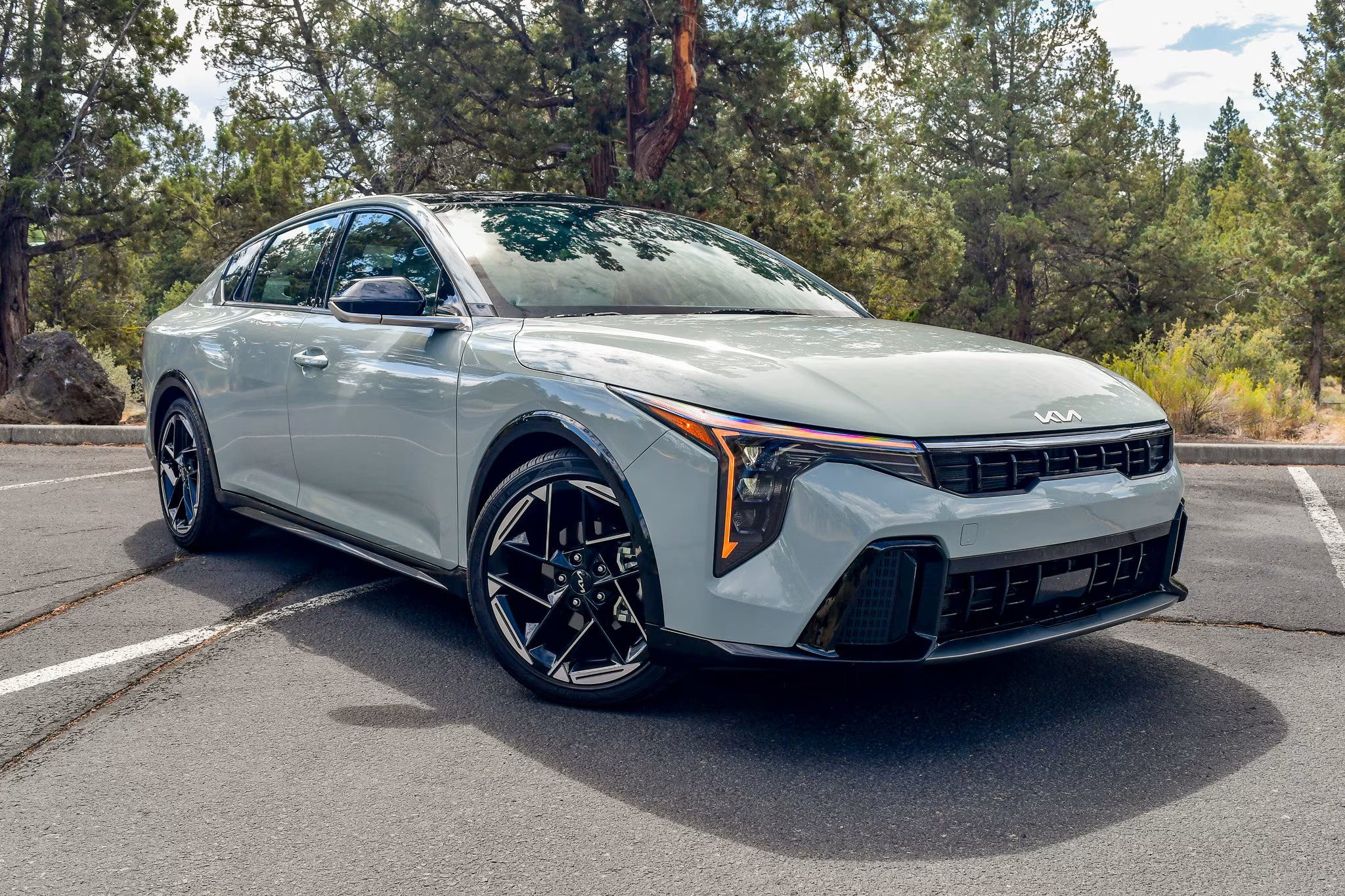
Aesthetically, the K4 draws visual inspiration from its larger sibling, the Kia K5, with a sleek roofline, a sculpted hood, and a front fascia that communicates a sense of forward momentum even when the car is standing still.
The floating roof profile is a modern design touch that raises the K4’s presence well beyond what its price tag might suggest. Inside, Kia has equipped the K4 with a large center screen, wireless projection for both Apple CarPlay and Android Auto, and an expansive suite of driver assistance features all available as standard across the lineup.
The K4 also benefits from Kia’s famously generous warranty coverage: five years / 60,000 miles bumper-to-bumper and ten years / 100,000 miles on the powertrain.
For a compact car buyer looking to minimize risk over a long ownership period, this warranty is a genuinely significant financial benefit. Starting at around $23,000, the K4 positions itself competitively among compact sedan rivals, offering more features per dollar than many competing models.
For buyers seeking a fresh, modern, and feature-rich non-hybrid compact sedan that comfortably crosses the 40 MPG highway threshold, the 2025 Kia K4 is a compelling and exciting new choice.
6. Kia Forte (Previous Generation)
While the Kia K4 now carries the torch for Kia’s compact sedan efficiency story, the outgoing Forte deserves its own recognition both because used examples remain widely available and because it helped establish just how capable a budget compact sedan could be in terms of fuel economy.
The Kia Forte’s final production years delivered EPA-estimated fuel economy figures approaching 41 MPG on the highway, making it one of the most efficient non-hybrid compact sedans of its generation, particularly impressive given its more mature architecture.
The Forte’s heart was a 2.0-liter four-cylinder engine producing 147 horsepower and 132 pound-feet of torque modest figures on paper but entirely adequate for the way most compact sedan buyers actually use their vehicles.
The continuously variable transmission handled power delivery smoothly and kept the engine in its efficiency sweet spot at highway speeds. Despite its relatively conservative powertrain specifications, the Forte offered a driving experience that felt confident and composed, with well-weighted steering and a suspension calibrated to absorb road imperfections without inducing excessive body motion.
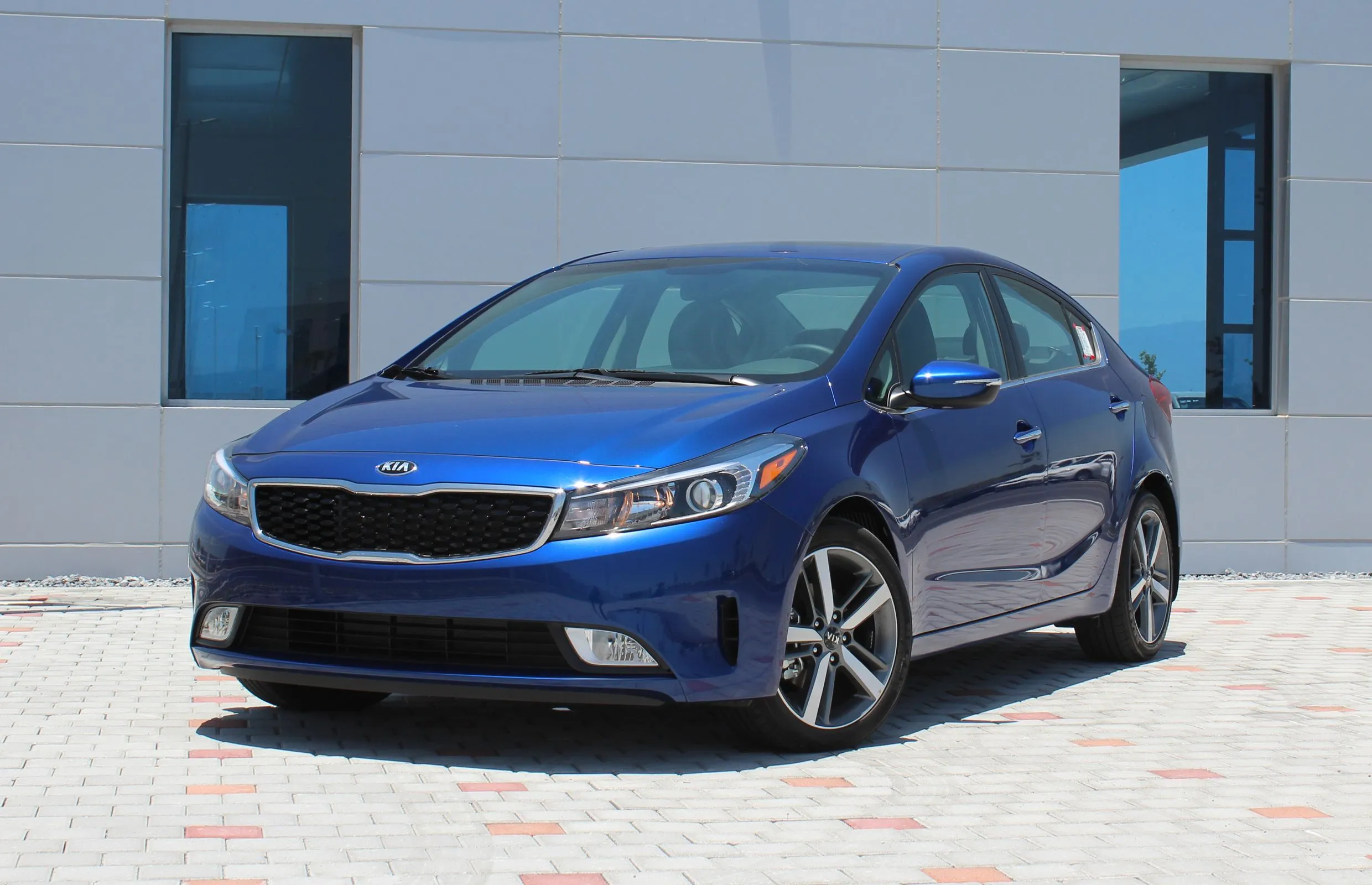
One of the Forte’s most enduring selling points was its interior quality, which consistently punched above the car’s price class. Kia invested meaningfully in the tactile quality of materials and the logical layout of controls, resulting in a cabin that felt more expensive to operate than its sticker price implied.
Standard technology features included a touchscreen infotainment system with smartphone connectivity, automatic emergency braking, and lane keeping assistance a comprehensive starting point even at the base trim level.
The Forte also carried Kia’s remarkable 10-year / 100,000-mile powertrain warranty, which remains one of the most consumer-friendly coverage packages in the industry. For buyers purchasing a used Forte that still falls within its warranty window, this coverage provides meaningful protection against unexpected powertrain repair costs.
Combined with the car’s proven reliability record and low running costs, the Forte represents tremendous long-term value. Buyers who can find a well-maintained used Forte or a remaining new-car inventory unit will find an extremely efficient, reliable, and well-equipped compact sedan that legitimately approaches the 40-plus MPG threshold without any hybrid complication.
7. Volkswagen Jetta
The Volkswagen Jetta occupies a unique position on this list: it is the only car with a European badge to crack the 40 MPG highway threshold in the non-hybrid compact sedan segment.
That distinction alone makes it noteworthy, but the Jetta offers more than just bragging rights about German engineering on a fuel economy chart. It delivers a genuinely distinctive driving experience more polished, more driver-focused, and more characterful than most of its Asian competitors while still delivering the efficiency numbers that frugal buyers demand.
For 2025, the Jetta received a meaningful refresh that updated its styling and interior technology. The EPA rates the 2025 Jetta at 29 MPG in the city, 40 MPG on the highway, and 33 MPG combined when equipped with the 8-speed automatic transmission.
Interestingly, and unlike most competitors, the Jetta’s higher trims the Sport, SE, and SEL achieve superior fuel economy compared to the base model, which drops one MPG on the highway.
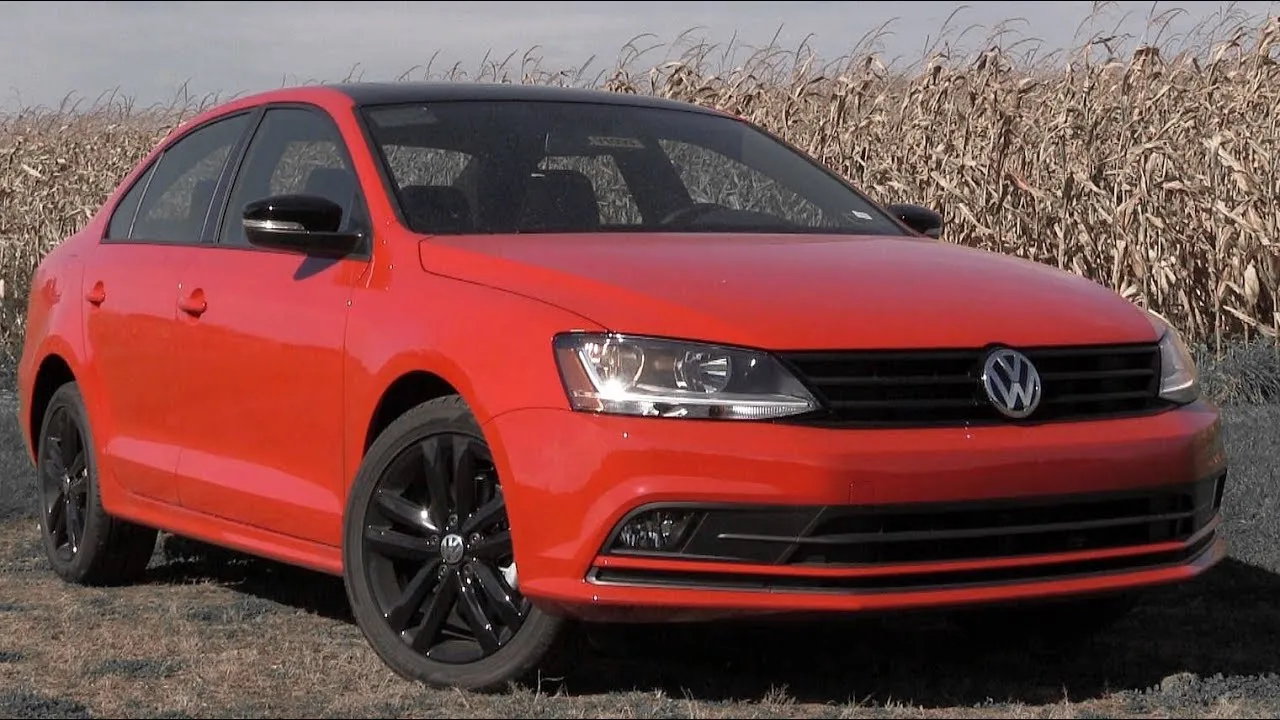
This is an unusual dynamic in the compact sedan world and worth knowing before trimming your budget too aggressively. The powertrain consists of a 1.5-liter turbocharged four-cylinder engine, a unit that balances power and efficiency more skillfully than its displacement suggests.
Inside, the 2025 Jetta’s cabin is a genuine differentiator from its Korean and Japanese rivals. VW has maintained its commitment to a more premium interior aesthetic, with higher-quality materials, a more restrained design language, and a layout that feels less cluttered than many competitors.
The infotainment system supports Apple CarPlay and Android Auto, and the Jetta adds useful features like a mobile hotspot and wireless phone charging in upper trims. Traditional knobs for radio and HVAC control a feature VW has clung to while rivals have migrated everything to touchscreens, make day-to-day operation more intuitive and less distracting.
The driving experience is where the Jetta most clearly distinguishes itself. Its turbocharged engine delivers power with a smoothness and torque spread that naturally aspirated rivals can’t replicate, and the 8-speed automatic transmission shifts with a sophistication that makes the car feel more expensive in motion.
Ride quality is firm but well-controlled, and the handling balance rewards confident cornering inputs. For buyers who value European driving character and cabin refinement alongside genuine fuel efficiency, the 2025 Volkswagen Jetta the only German entry in the 40 MPG club, makes a strong, distinctive case for itself.
8. Nissan Versa
If your primary goals are spending as little as possible upfront and then spending as little as possible on fuel, the 2025 Nissan Versa makes a compelling argument for itself that very few cars can effectively counter.
The Versa holds the title of most affordable new car in America, with a starting price well below $20,000, and its EPA fuel economy ratings approximately 32 MPG city, 40 MPG highway, and 35 MPG combined mean that running costs are exceptionally low as well. It’s a one-two punch of accessibility and frugality that is genuinely hard to beat in the current market.
Power comes from a 1.6-liter four-cylinder engine producing 122 horsepower, a modest figure that prioritizes efficiency over performance. The continuously variable transmission manages engine speed smoothly, and the lightweight construction of the Versa’s body means the small engine is never working harder than it needs to at cruising speeds.
On long highway drives, the Versa settles into a rhythm of relaxed, efficient operation that makes those 40 MPG highway figures entirely believable and consistent in real-world conditions.
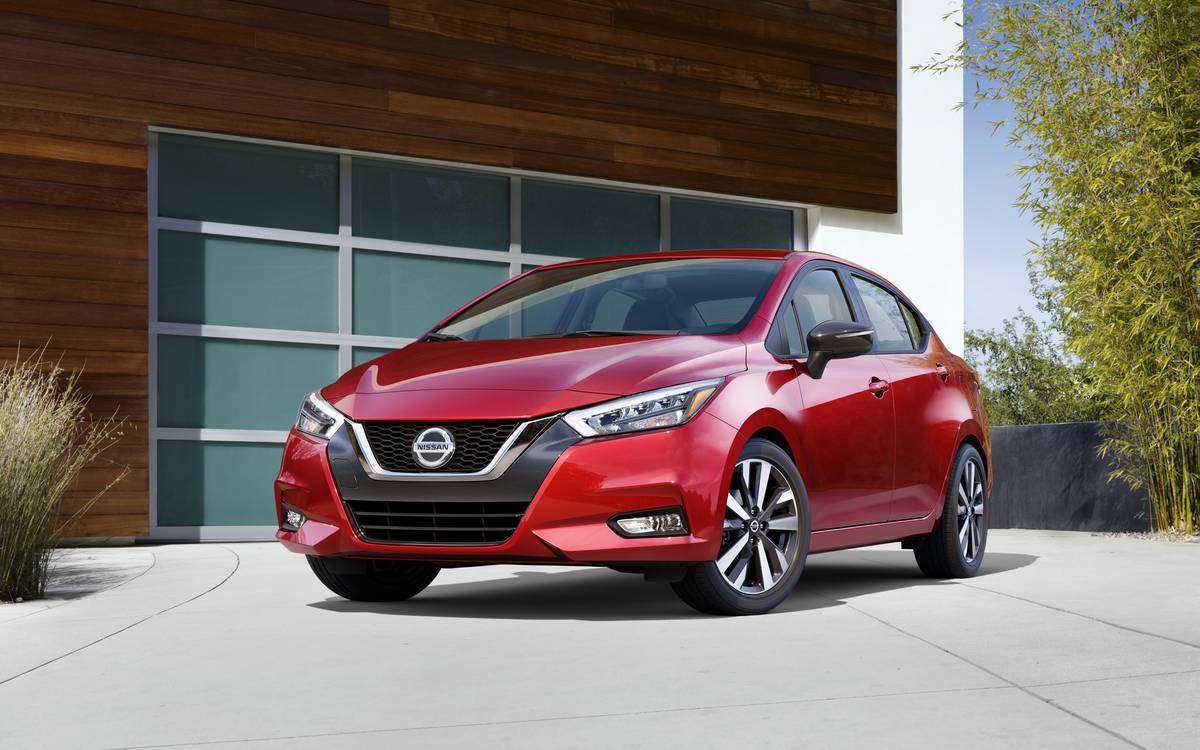
The interior of the 2025 Versa has been quietly improved over successive model year updates. Seat fabrics have been upgraded for 2025, additional sound insulation has been added to reduce road and wind noise intrusion at highway speeds, and the sense of space inside is surprisingly generous for a subcompact.
The rear seat, in particular, offers more legroom than many buyers expect, making the Versa genuinely suitable as a family car for shorter distances. A 7-inch touchscreen infotainment system supports smartphone connectivity, and standard automatic emergency braking adds a layer of safety that budget buyers in previous generations could only dream of accessing.
For first-time car buyers, recent graduates, urban commuters, or anyone simply trying to minimize transportation costs without sacrificing reliability or modern technology, the 2025 Nissan Versa makes an extremely rational, compelling case.
The combination of its sub-$20,000 starting price and 40 MPG highway fuel economy creates an ownership cost profile that is genuinely difficult to improve upon without moving into the used car market.
Add Nissan’s standard safety features and a comfortable, spacious cabin, and the Versa proves that maximum affordability and genuine efficiency can absolutely coexist.
9. Toyota Corolla Hatchback
The Toyota Corolla Hatchback is proof that you don’t have to sacrifice cargo space or driving engagement to access strong fuel economy from a traditional gasoline engine.
While the Corolla sedan earns its place among efficient compacts, the hatchback variant deserves separate consideration because it offers a meaningfully more versatile ownership experience expanded cargo volume, a more dynamic aesthetic, and a rear hatch that opens the Corolla up to use cases the sedan simply cannot accommodate without sacrificing the EPA-rated 35-38 MPG combined figures that put it within reach of that 40 MPG highway benchmark.
The 2025 Corolla Hatchback uses the same 2.0-liter Dynamic Force engine as the sedan, producing 168-169 horsepower in combination with either a continuously variable transmission or an optional 6-speed intelligent manual transmission.
The manual option is particularly interesting, as it makes the Corolla Hatchback a rare breed in the modern compact market: a fuel-efficient, practical hatchback that actively engages the driver.
While the CVT delivers the best highway fuel economy approaching 40 MPG under optimal conditions the manual transmission remains available for buyers who value driving involvement as much as they value efficiency.
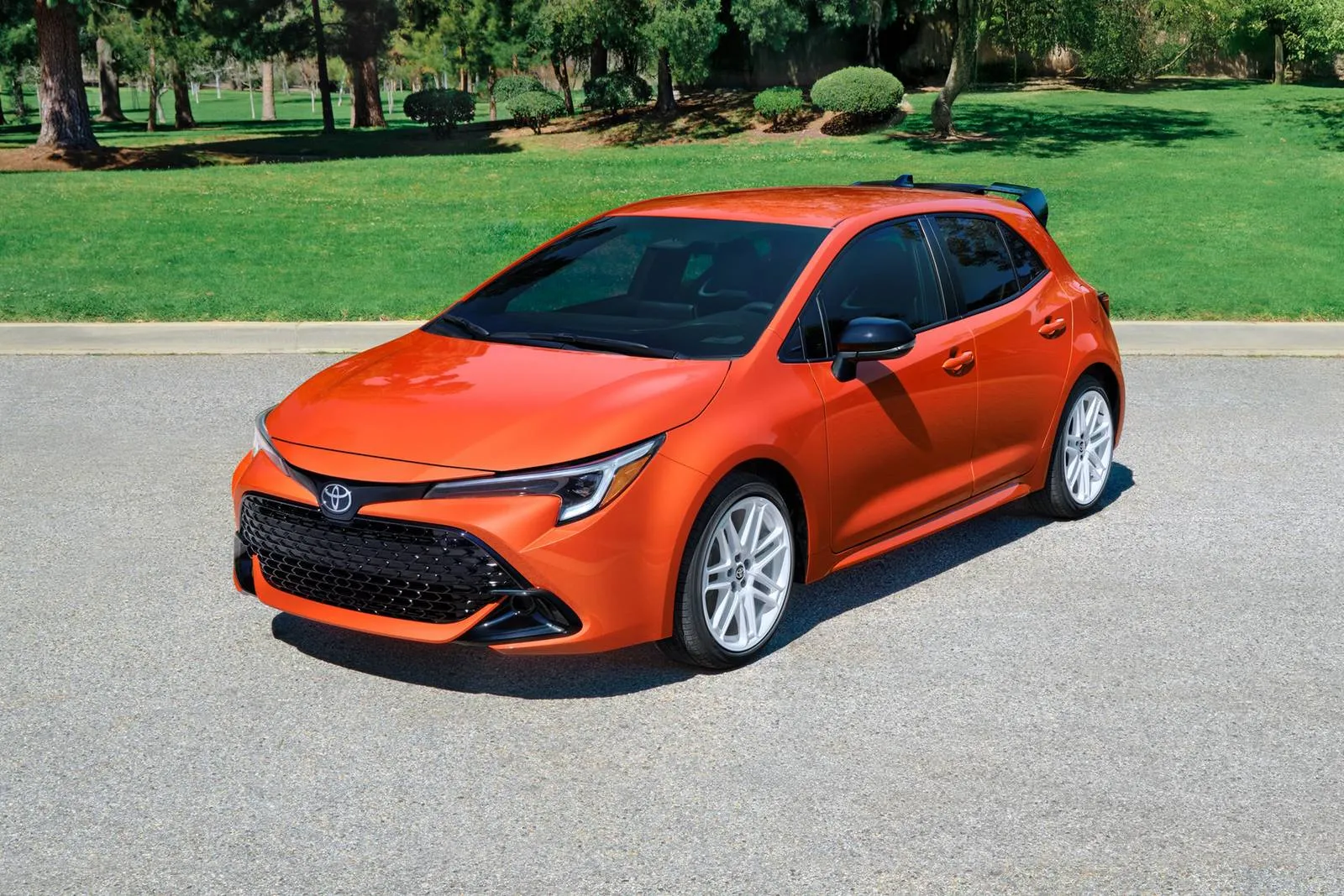
Toyota’s approach to the Corolla Hatchback’s interior focuses on purposeful functionality. The cabin layout is clean and ergonomically sound, and the available 8-inch touchscreen infotainment system with integrated connectivity features makes it easy to use without demanding excessive driver attention.
Toyota Safety Sense 3.0 is standard across all trims, ensuring that even base buyers access the full suite of active safety technologies. The cargo area behind the rear seats is meaningfully larger than the sedan’s trunk, and the flat-folding rear seats expand the usable space substantially for larger loads.
On the road, the Corolla Hatchback’s slightly stiffer suspension tuning compared to the sedan delivers a more connected, confident feel through corners, making it the more enjoyable of the two body styles to drive enthusiastically.
The engine is refined and responsive across the rev range, and the driving experience strikes a balance that feels disproportionately engaging for an economy-focused compact. Toyota’s legendary reliability record and low long-term ownership costs add further appeal.
The 2025 Toyota Corolla Hatchback is the ideal choice for buyers who want efficiency, practicality, driver engagement, and the peace of mind that comes with the world’s most trusted automotive nameplate.
10. Volkswagen Jetta GLI
The Volkswagen Jetta GLI is, in many respects, an unlikely entry on a fuel efficiency list. It is, after all, marketed primarily as a performance-oriented compact sedan it has a more powerful turbocharged engine, sport-tuned suspension, distinctive styling cues, and a driver-focused personality that positions it far closer to enthusiast territory than economy commuter territory.
And yet, the GLI’s EPA highway fuel economy rating of approximately 40 MPG on the highway with its 7-speed dual-clutch transmission makes it a legitimate and uniquely compelling member of the 40 MPG non-hybrid club.
Under the hood sits a 2.0-liter turbocharged four-cylinder engine producing 228 horsepower and 258 pound-feet of torque. These are genuinely muscular figures for a compact sedan, and they make the GLI the most powerful car on this entire list by a significant margin.
The 7-speed dual-clutch automatic transmission manages this power with exceptional efficiency on the highway, where its rapid, precise gear changes and tall top ratios allow the engine to operate at low rpm during cruising the exact condition under which the 40 MPG highway figure is achieved.
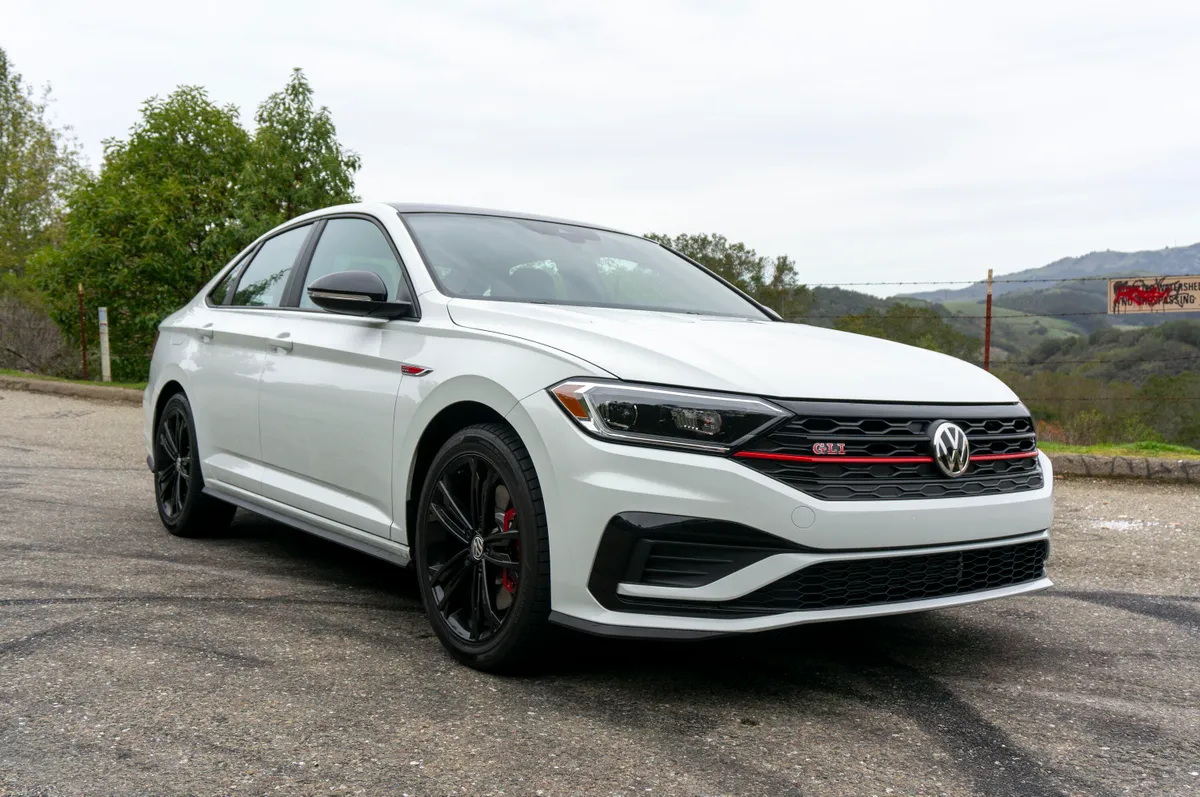
In city driving, where the stop-start nature of traffic demands more from the powertrain, fuel economy drops considerably, which is characteristic of performance-tuned vehicles.
The GLI’s interior is a step above the standard Jetta, with sport seats, additional leather surfaces, and performance-oriented detailing that make the cabin feel genuinely premium.
The infotainment system is shared with the standard Jetta and includes the same comprehensive connectivity features, but the GLI adds a flat-bottomed steering wheel, driving mode selection, and electronic limited-slip differential that collectively transform the experience from that of a practical commuter to something more purposeful and exciting.
On the road, the GLI is one of the most rewarding compact sedans available anywhere near its price point. The chassis is taut and responsive, the steering communicates road texture with unusual clarity, and the engine delivers its turbocharged power with linear, satisfying urgency.
For buyers who want to cross the 40 MPG highway threshold but refuse to drive a car that bores them, the Volkswagen Jetta GLI represents a genuinely remarkable achievement: an enthusiast’s compact sedan that also earns its place among the most fuel-efficient non-hybrid cars on the market. It is the perfect intersection of performance and economy, and a car that makes no compromises in either direction.
Also Read: 10 Features That Actually Increase Your Car Resale Value
