
The Supreme Court has determined that tariffs imposed under presidential emergency authority were unlawful. However, vehicle and auto parts import duties remain in place, meaning trade-related cost pressures continue for automakers.
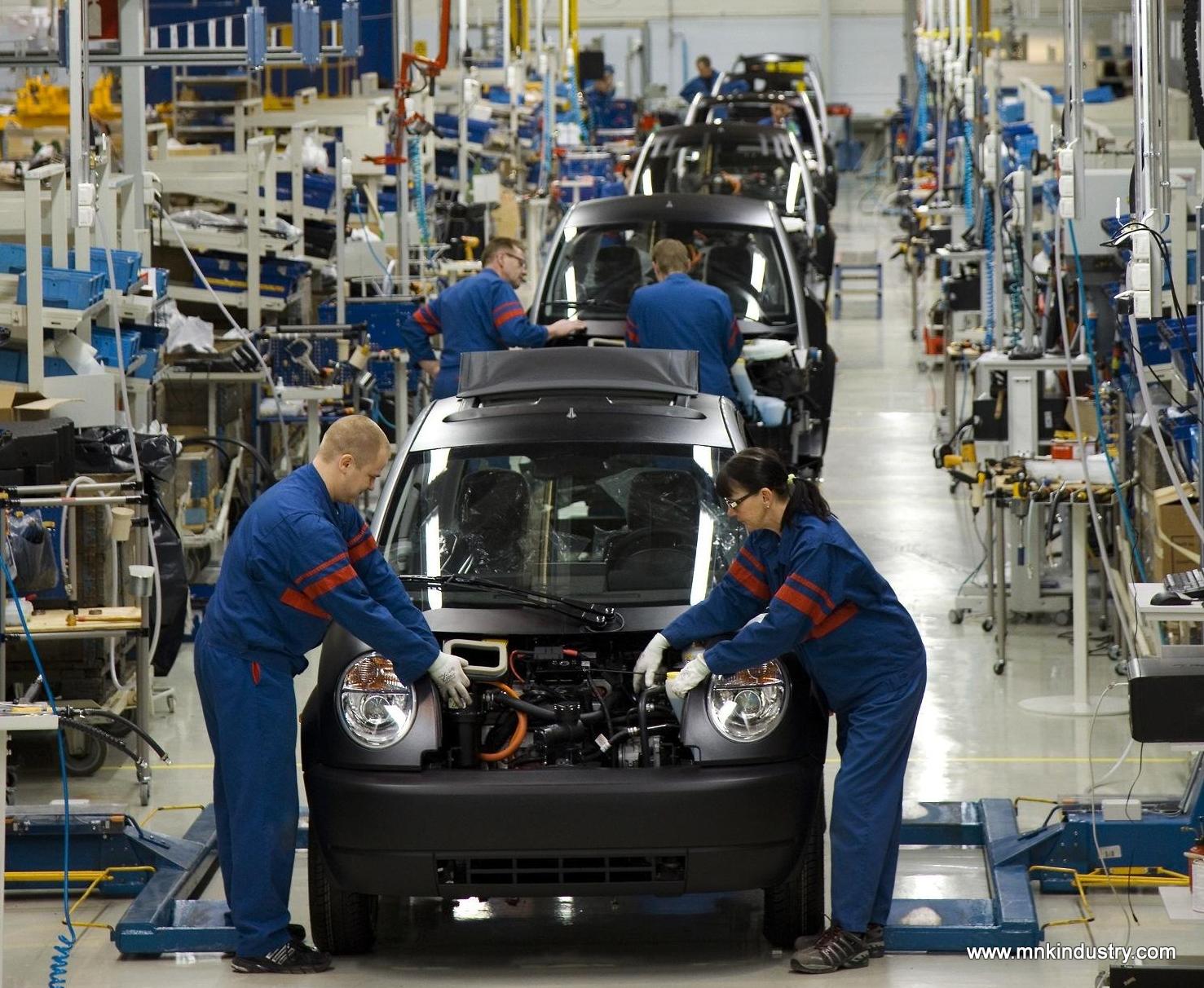
Workers carry on with vehicle assembly shortly before production was paused for an event at the Honda of Canada Manufacturing Plant 2 in Alliston, Ontario.
Tariffs introduced during the Trump administration created significant disruption across the automotive sector, particularly for manufacturers such as Audi that do not operate U.S.-based production facilities.
Although the Supreme Court recently ruled 6–3 that numerous tariffs issued under the International Emergency Economic Powers Act (IEEPA) were unlawful, the industry is not entirely relieved of trade-related burdens.
Duties on imported vehicles and automotive components were implemented under Section 232 rather than IEEPA. This legal distinction is consequential.
Companies impacted by IEEPA-based tariffs, now deemed unlawful, may attempt to recover payments, though the reimbursement process is anticipated to be complex and administratively challenging. Import duties applied under Section 232 remain enforceable, meaning automakers must continue absorbing those costs.
The report indicates that since the beginning of 2025, the federal government has collected approximately $314.4 billion in duties, taxes, and related fees. Of that total, roughly $133.5 billion stemmed from tariffs imposed under emergency powers legislation.
While consumers are not directly assessed tariff charges at the point of purchase, manufacturers have been absorbing much of the financial burden. Over time, these import duties have exerted sustained pressure on companies that depend heavily on overseas manufacturing.
Some automakers are evaluating the expansion or establishment of production operations within the United States. Others, however, are maintaining their current strategies. General Motors, for example, continues importing the South Korea, manufactured Chevrolet Trax, opting to manage the associated import tax while capitalizing on strong U.S. demand.
Following the Court’s ruling, Trump introduced a new global tariff of 10 percent, later increased to 15 percent, designed to remain in effect for up to 150 days. Notably, this measure excludes vehicles and auto parts already covered under Section 232 tariffs.
The shifting tariff environment has intensified calls for automakers and suppliers to reinforce North American integration under the United States–Mexico–Canada Agreement (USMCA). Industry stakeholders argue that deeper regional collaboration is essential to preserving global competitiveness, particularly as Chinese automakers continue expanding their footprint in international markets.
A spokesperson for Toyota North America stated, “We are eager to see a renewed USMCA that strengthens North American competitiveness and delivers great certainty for the industry.”
It remains uncertain how recently negotiated U.S. trade frameworks with major automotive exporters, including the European Union, Japan, and South Korea, will evolve following the Supreme Court’s 6–3 decision.
Nevertheless, the report suggests that the ruling is likely to offer financial relief to many businesses affected by emergency-based tariffs and enhance supply chain transparency, particularly for sourcing networks concentrated in Asia.
