
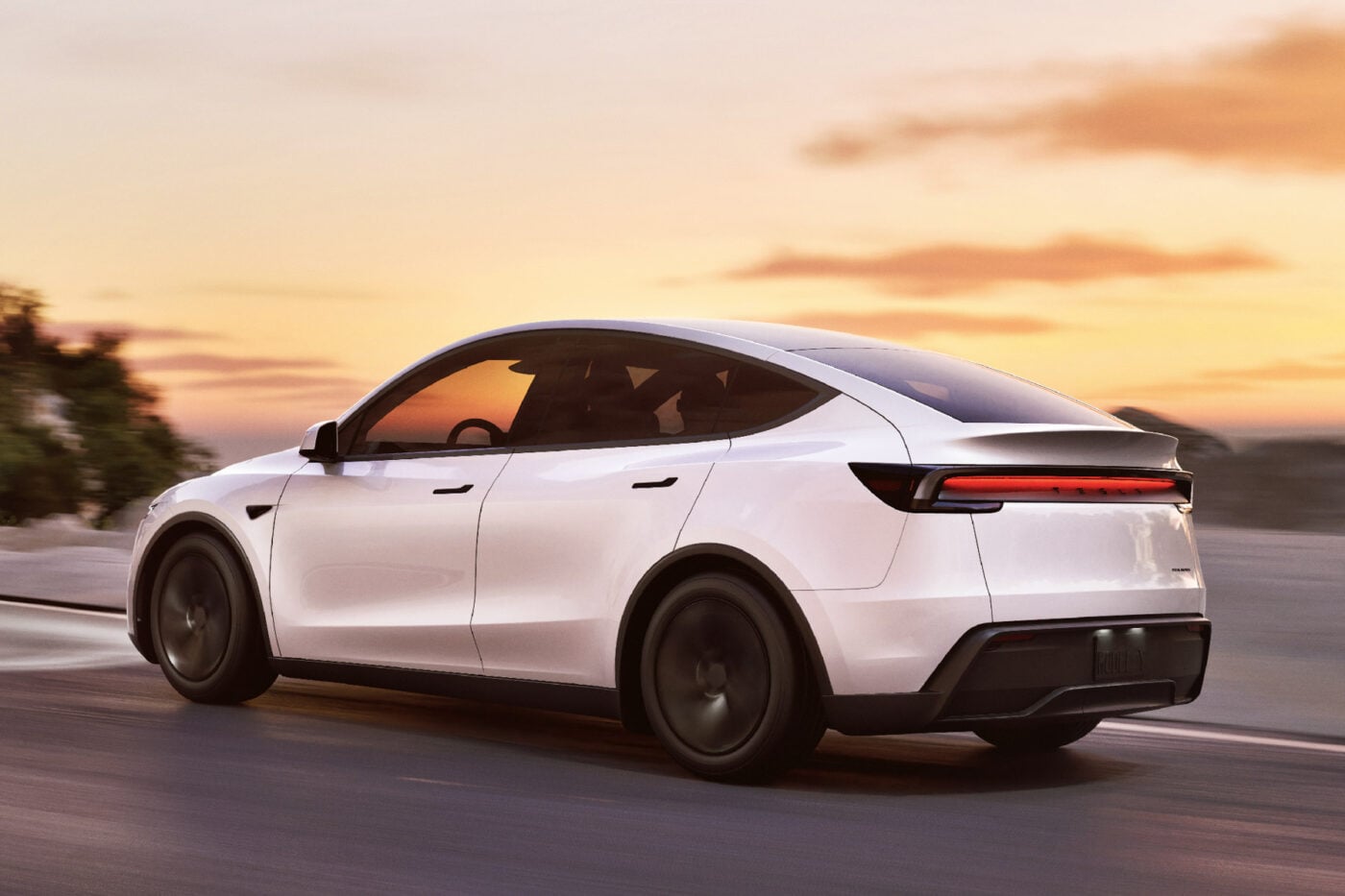
Murphy Police Department is putting two Tesla Model Y Juniper patrol vehicles into service to determine whether electric SUVs can take over duties traditionally handled by Tahoes and Explorers.
Tesla’s U.S. sales have faced headwinds amid a broader cooling of EV demand. Despite that environment, the Murphy Police Department in Texas has elected to conduct a real-world assessment of electric patrol vehicles. The department is integrating two Tesla Model Y Juniper units into active service, each converted for law enforcement use by UP.FIT.
Over the next twelve months, officials will analyze whether these compact electric SUVs can realistically replace established patrol platforms such as the Ford Explorer and Chevrolet Tahoe. The evaluation will consider operational capability, reliability, lifecycle costs, and suitability for daily policing requirements.
The initiative originated when Lieutenant McCarty proposed the concept to the police chief, later presenting it to the city council. Following research into available options, the Model Y Juniper was identified as a feasible candidate, in part due to projected reductions in fuel and maintenance expenditures.
Safety considerations also factored into deliberations, though the topic remains nuanced. Tesla has faced legal scrutiny related to malfunctioning door handles, and fatal crashes involving Autopilot systems have drawn national attention.
Additionally, Germany’s TÜV Report 2026 indicated that one in six Model Y vehicles did not pass serious safety inspections. Despite these concerns, Murphy PD determined that a structured pilot program would provide objective performance data under controlled conditions.
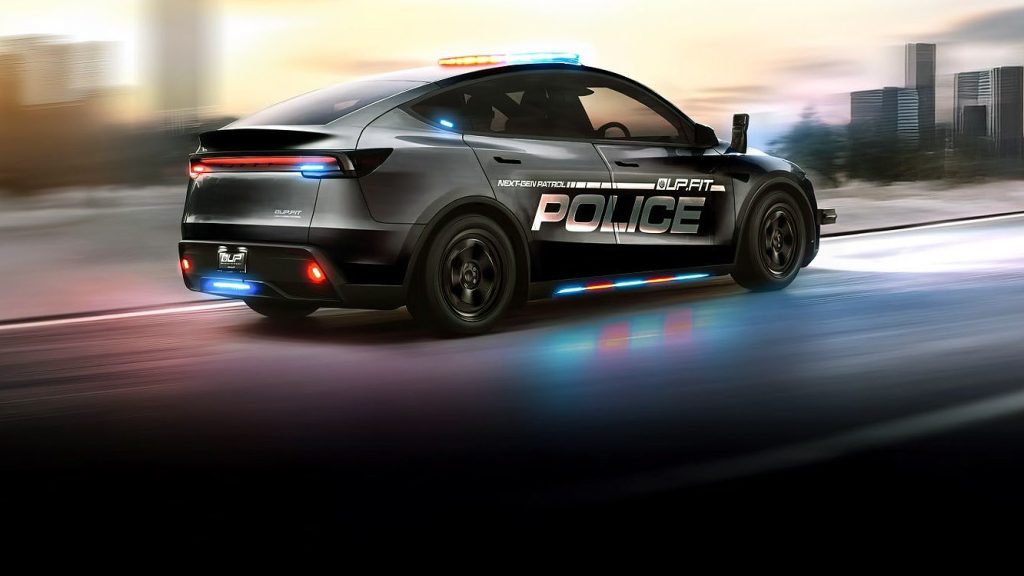
The patrol-spec Model Y units are priced comparably to conventional Tahoe-based police vehicles. These are not standard retail crossovers. UP.FIT, a division of Unplugged Performance specializing in Tesla modifications for government fleets, equipped the vehicles with comprehensive law enforcement hardware.
The upgrades include a roof-mounted light bar, emergency lighting systems, sirens, public address equipment, suspension enhancements, forged aluminum wheels, reinforced braking components, and ventilated seating designed for extended shifts.
The interior has been modified with a half-cage for mounting weapons and protective equipment, a full prisoner containment cage, and multiple dash cameras to support evidentiary recording requirements.
From a functional standpoint, electric vehicles align with many urban patrol patterns. Police units frequently idle for extended durations and typically operate within defined municipal boundaries rather than accumulating sustained highway mileage. Reduced idling inefficiencies and lower fuel costs could present measurable advantages in city environments.
If the year-long trial yields favorable results, the department may consider expanding its electric fleet. Tesla’s recently introduced $59,990 dual-motor all-wheel-drive Cybertruck could potentially enter future evaluations as well.
Whether this experiment results in a broader shift remains to be seen. Murphy PD’s findings will provide practical data on whether electric SUVs can meet the operational, financial, and safety demands historically handled by traditional gasoline-powered patrol vehicles.
