
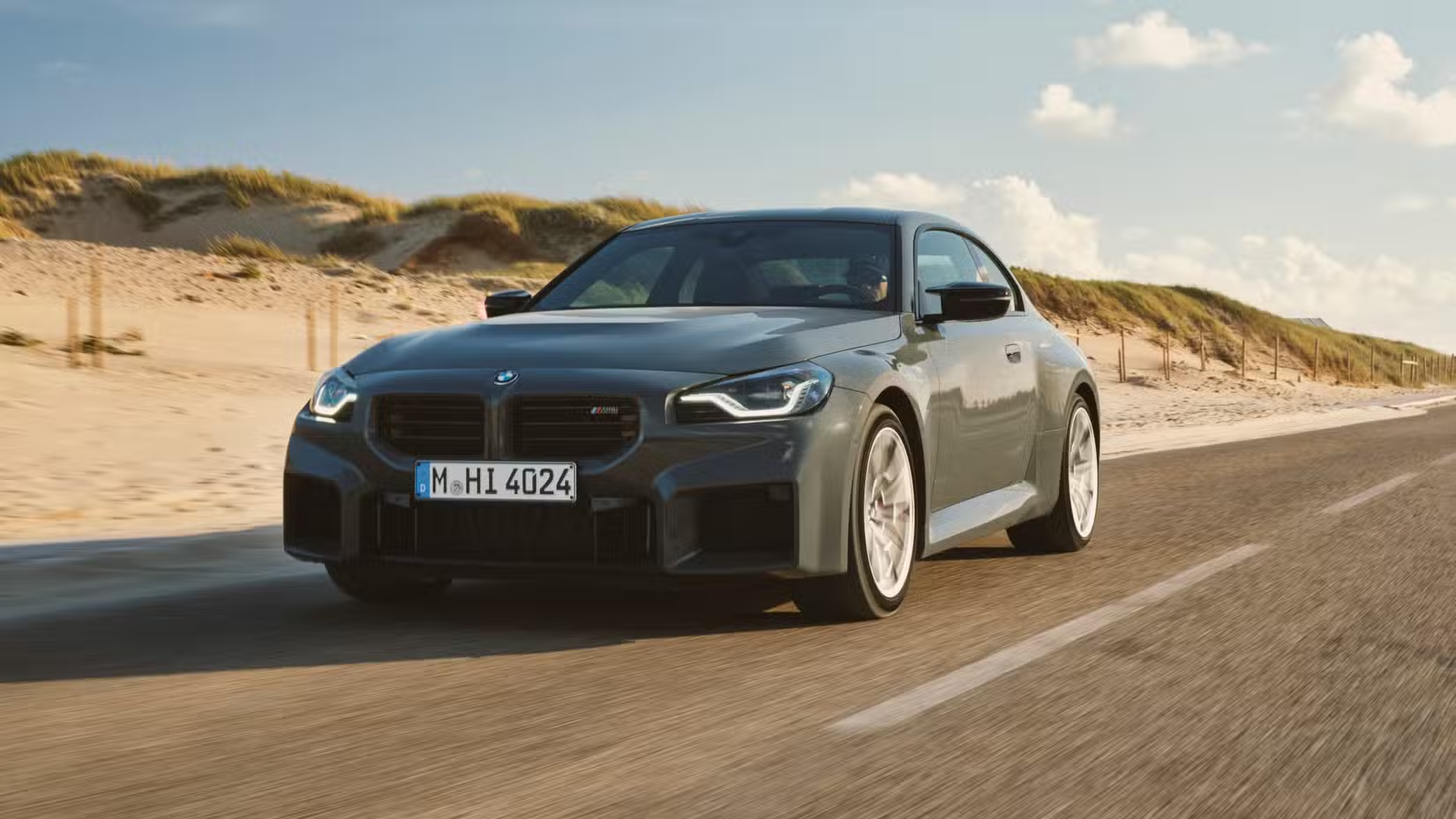
The gradual disappearance of manual gearboxes in the premium segment is not simply the result of fading driver interest or lost engineering expertise. Instead, multiple economic and technical pressures have converged to make them increasingly impractical. According to BMW M chief Frank van Meel, “the manual doesn’t really make sense. It limits you in torque and in fuel consumption.”
BMW’s current manual transmission is engineered to handle up to 405 lb-ft of torque while still meeting internal durability and efficiency standards. That ceiling renders it incompatible with higher-output variants such as the CS versions of the M2, M3, and M4, as well as the standard 738-lb-ft M5.
As performance benchmarks rise and emissions regulations tighten, engines must deliver greater output while maintaining improved efficiency. Developing a stronger manual gearbox may seem straightforward in theory, but the economic reality is more complex.
“It’s going to be quite difficult in the future to develop completely new gearboxes because the segment in the market is quite small, and the suppliers are not so keen on doing something like that,” van Meel explained.
BMW has historically sourced its manual transmissions from German suppliers Getrag and ZF, both of which also serve brands such as Audi, Jaguar, Land Rover, and Mercedes-Benz.
These manufacturers prioritize luxury and refinement, and demand for high-torque manual gearboxes within that ecosystem is limited. Designing a transmission exclusively for BMW M models would significantly increase per-unit costs due to the absence of shared development across multiple customers.
Even Porsche’s current manual offerings, such as the 911 Carrera T and GT3, operate at comparatively modest torque levels, producing 331 lb-ft.
If BMW, or any other automaker, sought to engineer a manual capable of managing the higher torque outputs of modern turbocharged or electrified powertrains, the development expenses would not be amortized across a broad customer base. For now, BMW intends to continue offering manual versions of the M2, M3, and M4, but the timeline appears limited.
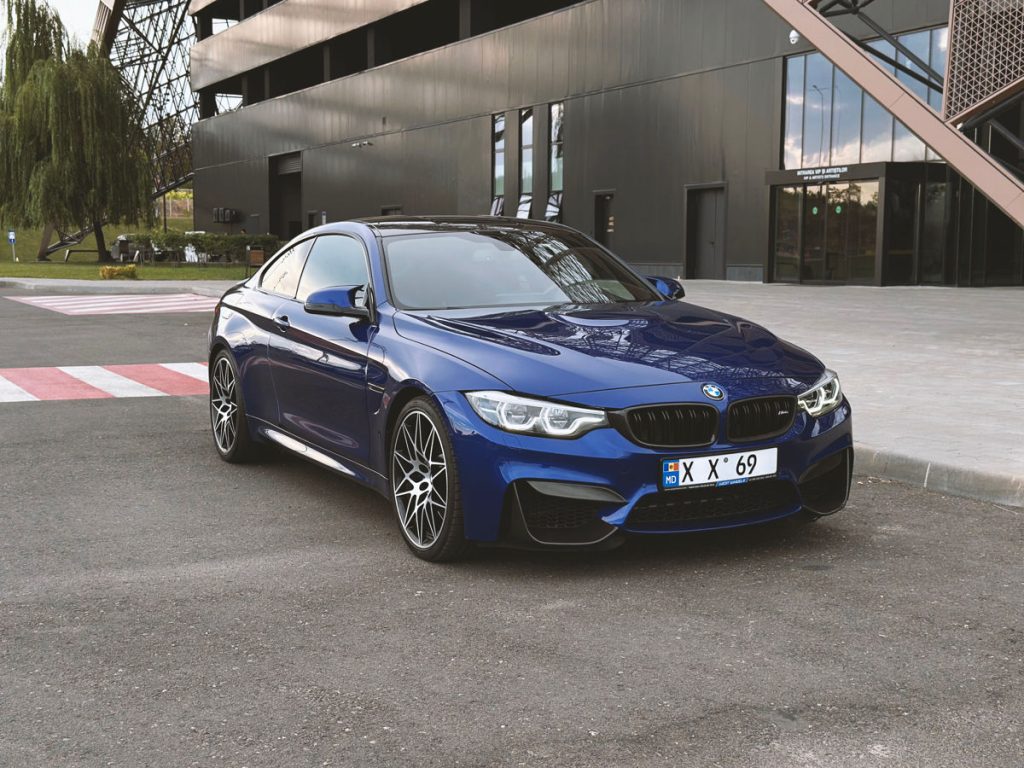
“We’re still happy with the manuals we have, and we plan to keep them for the next couple of years, but in future, probably it’s going to be more difficult to keep the manuals alive, especially in the next decade,” van Meel said, referencing the broader shift toward electrification.
The Cadillac CT5-V Blackwing, producing 659 lb-ft of torque, demonstrates that high-output manual vehicles remain technically feasible. The previous-generation C7 Corvette ZR1 generated 715 lb-ft.
Both rely on Tremec transmissions manufactured in Mexico. However, incorporating such gearboxes into a European premium product would entail substantial logistical costs, and their shift characteristics, particularly the noted roughness between first and second gear in the TR-6060 and TR-6070, would not meet BMW’s refinement standards.
Ultimately, the core issue is scale. The economic justification for developing a new, high-capacity manual transmission within the premium performance segment is increasingly weak.
Limited-production hypercars remain an exception. The Pagani Utopia delivers 811 lb-ft of torque, while the Koenigsegg CC850 produces up to 1,022 lb-ft when running E85 fuel, and both offer manual-style driver engagement. In such ultra-exclusive cases, development costs are absorbed by extraordinary pricing.
In practical terms, the manual transmission is transitioning from a mainstream enthusiast option to a niche luxury indulgence, particularly in vehicles delivering substantial torque.
