
Engines built with overhead valve design have earned their place in automotive history through straightforward engineering and dependable performance. These power plants operated on principles that mechanics could understand at a glance, making repairs accessible to anyone with basic tools and determination.
Before computers controlled every aspect of combustion, these engines relied on mechanical precision and well-tested designs that stood the test of time. Overhead valve architecture positioned valves in the cylinder head while keeping the camshaft in the engine block, using pushrods and rocker arms to operate the valves.
This configuration offered several advantages: simpler construction, easier maintenance, and fewer components that could fail. Enthusiasts appreciated how these engines could be rebuilt in home garages without specialized equipment or diagnostic computers.
What makes these particular engines legendary isn’t just their mechanical layout. Each one carved out a reputation for starting reliably, running smoothly, and continuing to function long after odometers rolled past numbers that would have killed lesser power plants.
Farmers, taxi drivers, and everyday commuters all came to trust these engines because they delivered consistent performance without drama or constant attention. Simplicity doesn’t mean lack of sophistication. These engines incorporated thoughtful engineering solutions that balanced performance with durability.
From American highways to international markets, these engines powered millions of vehicles through decades of service. Some became famous for their longevity, others for their smooth operation, and still others for their ability to keep running despite minimal maintenance.
Each earned its reputation through real-world performance rather than marketing hype. Let’s examine ten overhead valve engines that exemplified mechanical simplicity while delivering the reliability that made them automotive icons.
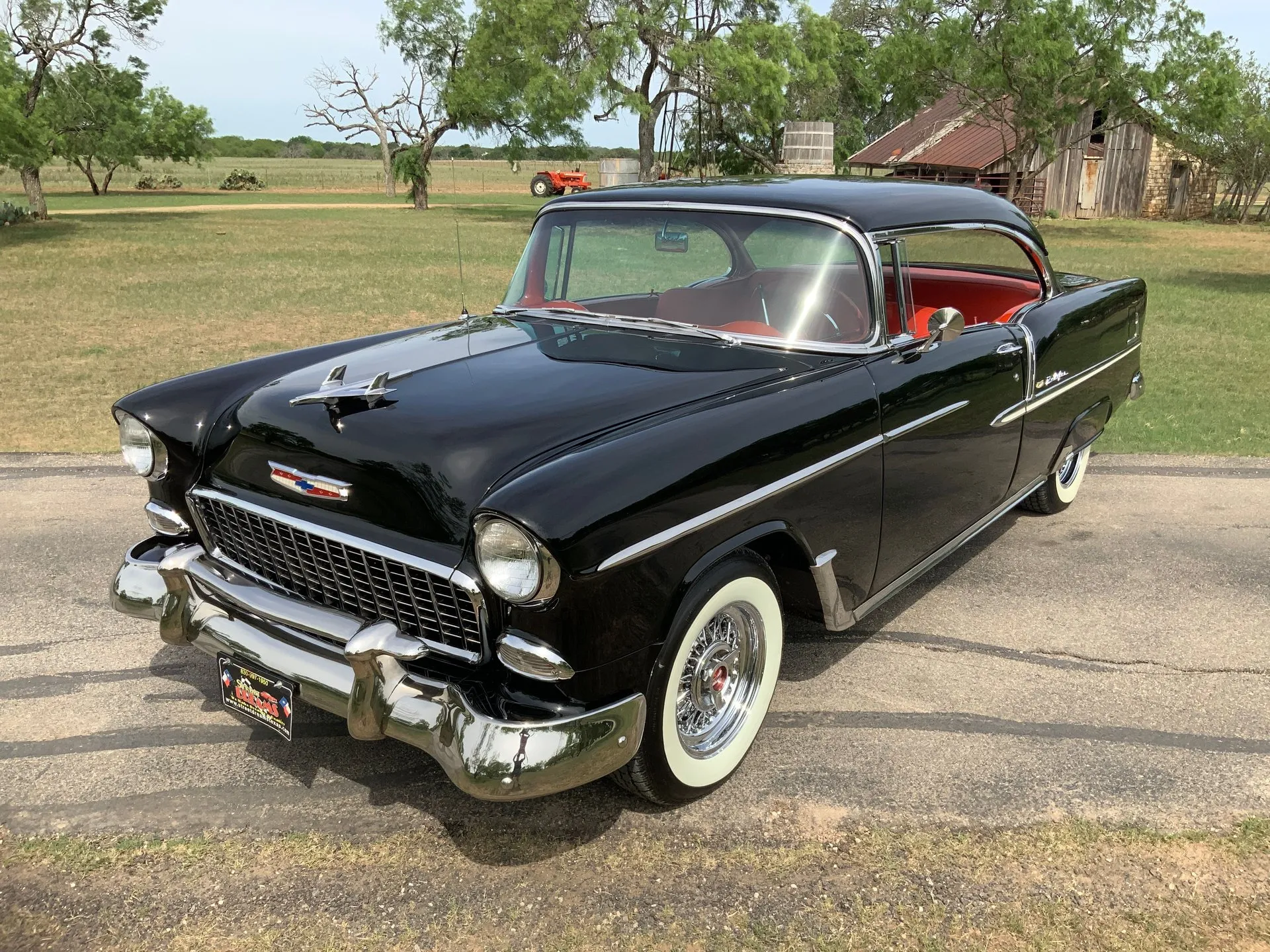
1. 1955 Chevrolet Bel Air Small-Block V8
Price Range: $25,000 – $75,000+
Chevrolet introduced something special when they dropped their new small-block V8 into the 1955 Bel Air. This 265-cubic-inch engine weighed roughly 40 pounds less than the inline-six it replaced while producing substantially more power.
Engineers achieved this through intelligent design choices rather than exotic materials or complicated systems. Cast iron construction kept costs reasonable while providing durability that would become legendary. What separated this engine from competitors was its compact external dimensions combined with generous internal capacity.
Short pushrods reduced valvetrain weight, allowing higher engine speeds without valve float. Stamped steel rocker arms instead of forged pieces cut costs without sacrificing reliability. Every component served its purpose without unnecessary elaboration.
Mechanics loved working on these engines because parts remained accessible. Spark plugs could be changed without removing half the engine bay components. Valve adjustments required only basic wrenches and a feeler gauge. Distributor access meant ignition timing adjustments took minutes rather than hours. This accessibility extended engine life because owners actually performed maintenance rather than avoiding it due to difficulty.
Performance enthusiasts discovered these engines responded beautifully to modifications. Boring the cylinders, installing a hotter camshaft, or adding a four-barrel carburetor transformed a mild-mannered daily driver into something considerably more exciting.
Because the basic design was so sound, the engine could handle increased power levels without immediate failure. This modification-friendly nature helped build the engine’s reputation among hot rodders. Production numbers tell the story of success.
Chevrolet manufactured millions of these small-blocks across multiple decades, with the basic architecture remaining largely unchanged. That consistency meant parts availability stayed excellent, and mechanics accumulated extensive experience working on them. Junkyards are filled with potential donors, making rebuilds affordable even for enthusiasts on tight budgets.
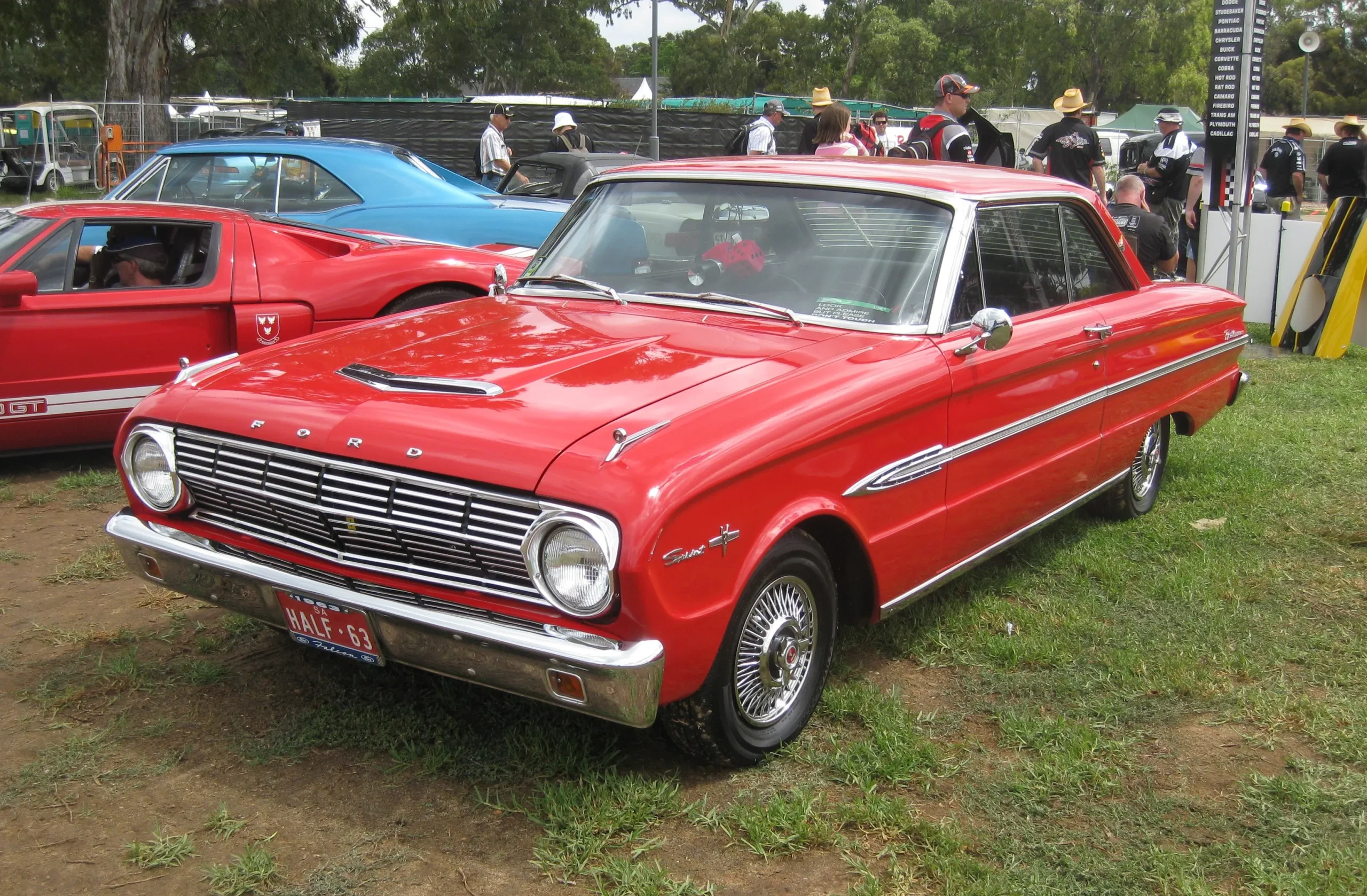
2. 1960 Ford Falcon Straight-Six
Price Range: $8,000 – $25,000
Ford designed their 144-cubic-inch inline-six specifically for economy and simplicity when they launched the Falcon. This engine featured overhead valves operated by a single camshaft, seven main bearings for smoothness, and a single-barrel carburetor that prioritized fuel economy. Nothing about this powerplant was flashy, which was precisely the point.
Running characteristics emphasized smoothness over raw power. Seven main bearings meant vibration stayed minimal even at highway speeds. The long stroke design generated adequate torque for moving the lightweight Falcon without requiring frequent gear changes. Drivers appreciated how the engine pulled steadily from low speeds without protest or drama.
Service intervals stretched longer than those of many competitors, partly because the engine didn’t work particularly hard in normal driving. Conservative valve timing and modest compression ratios meant internal components experienced less stress. Oil changes and basic tune-ups kept these engines running for hundreds of thousands of miles. Taxi companies discovered this durability and purchased Falcons by the fleet.
Simplicity extended to the ignition system. Conventional points and condenser ignition required periodic adjustment but could be serviced with tools found in any basic toolkit. Timing marks were clearly visible and accessible. Distributor caps lifted off without removing surrounding components. Spark plug wires followed logical paths that made tracing ignition problems straightforward.
Cooling system design prioritized reliability through adequate capacity rather than fancy solutions. A simple belt-driven water pump circulated coolant through a properly sized radiator. Thermostats operated mechanically without electronic intervention.
When problems occurred, diagnosis was straightforward, and repairs were inexpensive. This combination of thoughtful engineering and accessible maintenance created an engine that owners could depend on year after year.
Also Read: Top 10 Affordable Classics for People Who Want to Start a Collection
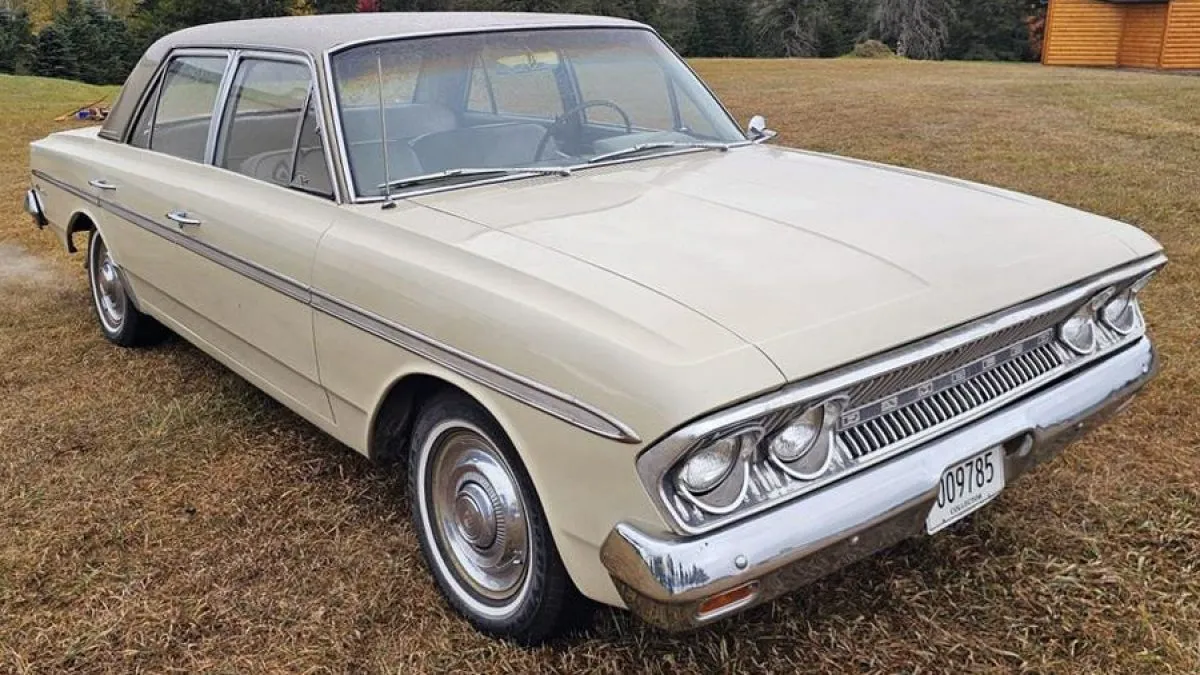
3. 1963 Rambler Classic 196
Price Range: $5,000 – $18,000
American Motors Corporation built its reputation on practical vehicles, and the 196-cubic-inch inline-six powering the 1963 Rambler Classic exemplified that philosophy. This engine delivered adequate performance while emphasizing fuel efficiency and longevity. AMC engineers understood their customers valued reliability over flashy specifications, so they designed accordingly.
Construction followed proven principles. Cast iron block and head provided durability without exotic materials. Four main bearings were sufficient for the engine’s modest power output and conservative operating speeds.
Hydraulic valve lifters eliminated the need for periodic valve adjustments, reducing maintenance requirements for owners who preferred driving to wrenching. Carburetion remained delightfully simple. A single-barrel carburetor provided fuel metering that was easy to understand and service. No complicated linkages or vacuum-operated secondaries to malfunction.
Choke operation was straightforward, making cold starts predictable even in harsh winter conditions. When carburetor rebuilding became necessary, kits were inexpensive, and installation was straightforward enough for home mechanics.
Torque characteristics suited the Rambler’s mission perfectly. Peak torque arrived at relatively low engine speeds, making city driving relaxed and highway cruising comfortable. Drivers didn’t need to rev the engine aggressively to merge into traffic or climb hills. This relaxed power delivery reduced mechanical stress and contributed to the engine’s reputation for longevity.
Parts interchangeability across multiple AMC models meant replacement components stayed available and affordable. Rebuilders accumulated extensive experience with these engines, creating a knowledge base that helped keep them running long after the company ceased operations.
Enthusiasts today still appreciate how these engines can be maintained with basic tools and readily available parts, making classic Rambler ownership practical rather than a constant struggle against obsolescence.
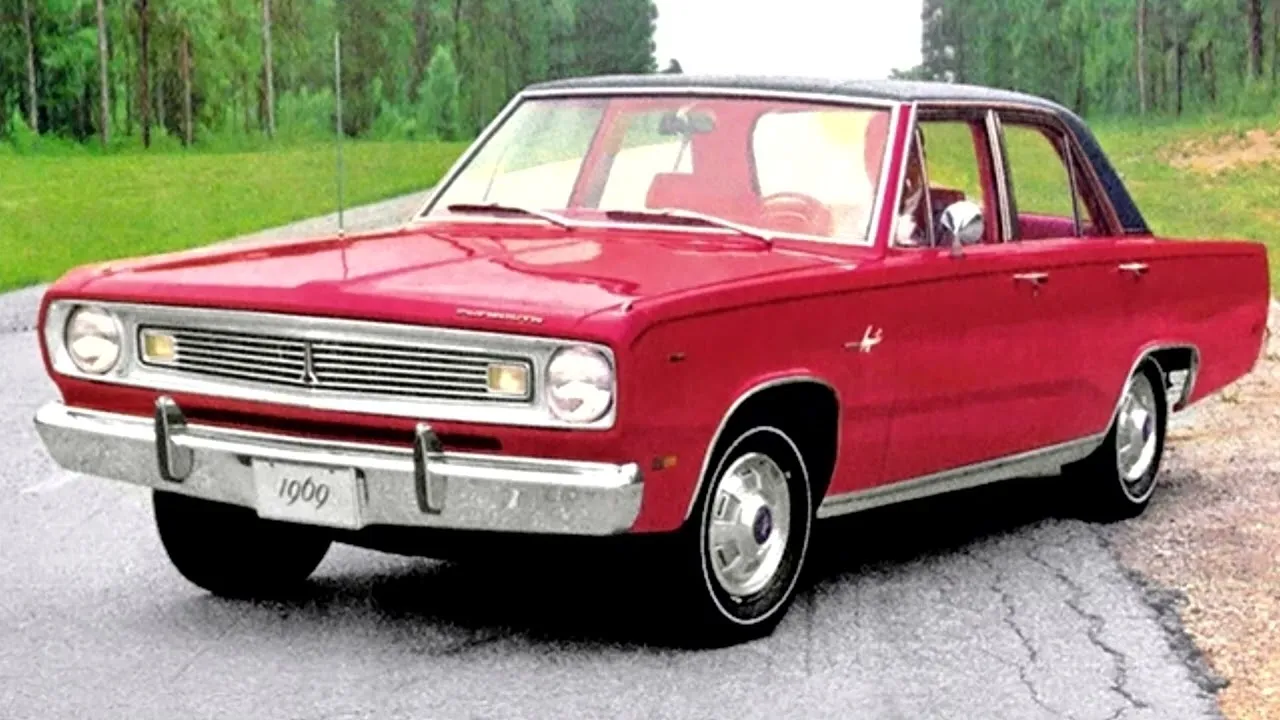
4. 1967 Plymouth Valiant Slant-Six
Price Range: $6,000 – $22,000
Chrysler’s slant-six deserves recognition as one of the most durable engines ever produced. Introduced in 1960 and continuing through 1987, this 225-cubic-inch powerplant earned legendary status through sheer indestructibility. The unusual 30-degree cylinder bank angle allowed a lower hood line while creating space for intake and exhaust manifolds that improved breathing.
Physical robustness came from engineering decisions that prioritized strength. Seven main bearings supported the crankshaft, distributing loads evenly. Cylinder walls were thick enough to handle decades of use and multiple rebuilds.
Connecting rods were beefy enough that failures were rare even under severe service conditions. This overbuilt construction meant the engine could tolerate neglect that would destroy lesser power plants. Stories about slant-sixes running without oil, coolant, or proper maintenance became legendary.
While such abuse isn’t recommended, these tales highlighted genuine durability. Police departments, taxi services, and delivery companies all discovered these engines could handle punishing duty cycles. Six-figure odometer readings were common, and some engines exceeded 300,000 miles with only basic maintenance.
Fuel economy remained respectable despite the engine’s considerable weight. The long stroke design generated good low-end torque, allowing relaxed cruising speeds. Single-barrel carburetion kept fuel consumption reasonable. Combined with the engine’s longevity, total cost of ownership stayed low even compared to smaller, lighter powerplants that required more frequent replacement.
Servicing required no special tools or knowledge. Spark plugs were accessible, though the slanted configuration meant paying attention to wire routing. Valve cover removal for adjustments took only minutes. Water pump replacement was straightforward.
Timing cover access allowed easy timing chain inspection and replacement. This combination of durability and serviceability made the slant-six a favorite among practical vehicle owners who valued reliability above all else.
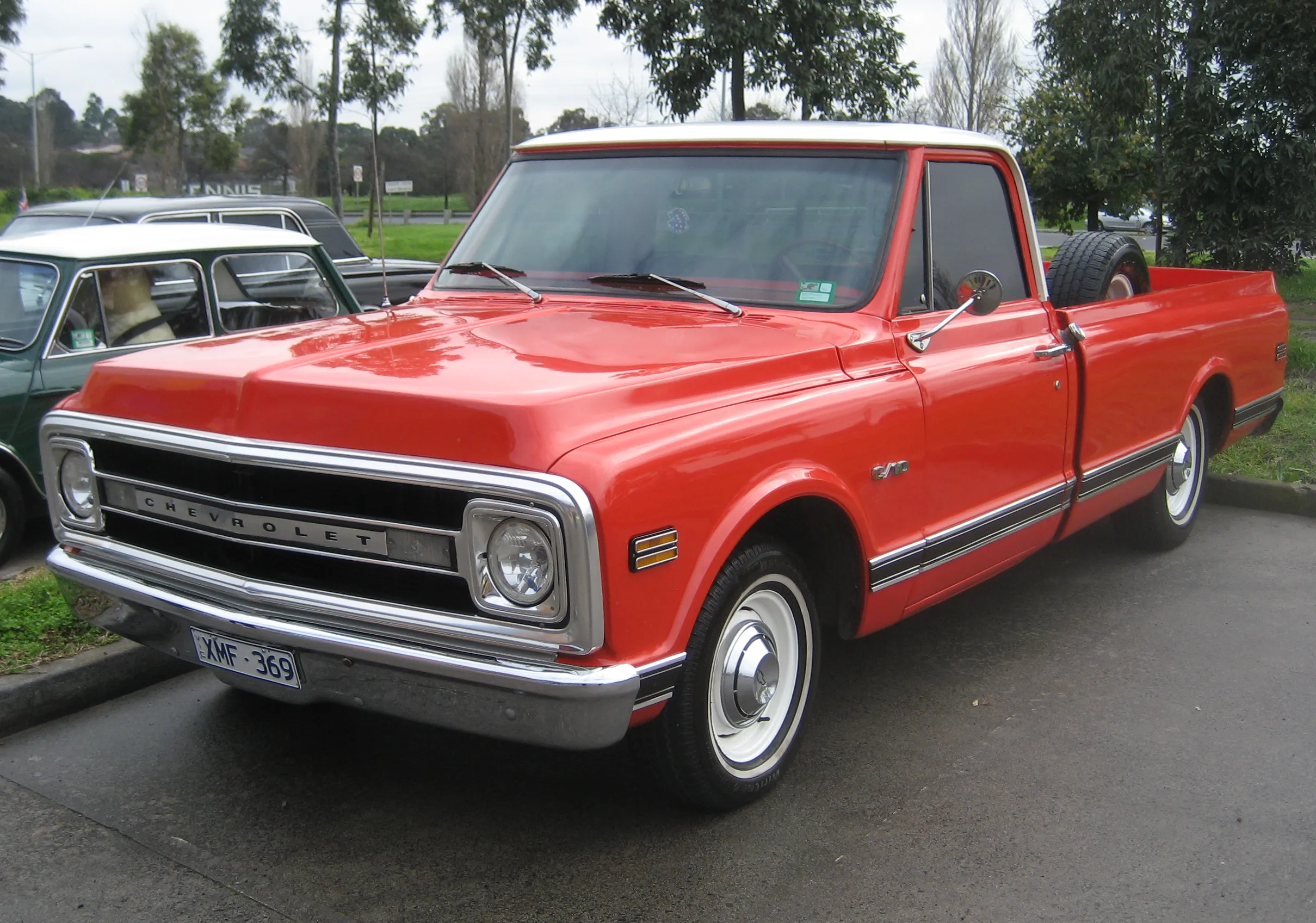
5. 1970 Chevrolet C10 292 Inline-Six
Price Range: $10,000 – $35,000
Chevrolet’s 292-cubic-inch inline-six powered countless trucks through decades of hard work. Introduced in 1963 and continuing through 1990, this engine prioritized torque delivery and longevity over high horsepower numbers.
Truck buyers appreciated how it pulled heavy loads without complaint while delivering respectable fuel economy for such a large displacement. Architecture followed traditional practices proven through decades of experience. Seven main bearings ensured crankshaft support that could handle the stress of trailer towing and cargo hauling.
Generous rod bearings prevented premature wear even under sustained heavy loads. Cylinder wall thickness provided room for multiple rebuilds, with many engines seeing bore work two or three times during their service life.
Low-end torque characteristics made this engine ideal for truck duty. Peak torque arrived at around 1,600 rpm, meaning the engine pulled strongly from just above idle. Drivers could leave the truck in higher gears longer, reducing transmission wear and improving fuel economy. Highway cruising remained relaxed because the engine didn’t need to rev high to maintain speed.
Commercial users discovered this engine could handle sustained operation that would have destroyed lighter-duty power plants. Delivery trucks running all day in stop-and-go traffic accumulated hundreds of thousands of miles.
Farm trucks pulling trailers, operating hydraulic systems, and powering auxiliary equipment proved the engine’s versatility. Municipal vehicles subjected to constant idling and frequent cold starts demonstrated its durability under less-than-ideal conditions.
Maintenance requirements stayed minimal because the engine operated conservatively. Valve adjustments were infrequent due to hydraulic lifters. Timing chains typically lasted the engine’s entire service life. Water pumps ran for years before requiring replacement.
When repairs became necessary, parts remained affordable, and installation was straightforward. This combination made the 292 a favorite among fleet managers and individual owners who needed dependable transportation rather than exciting performance.
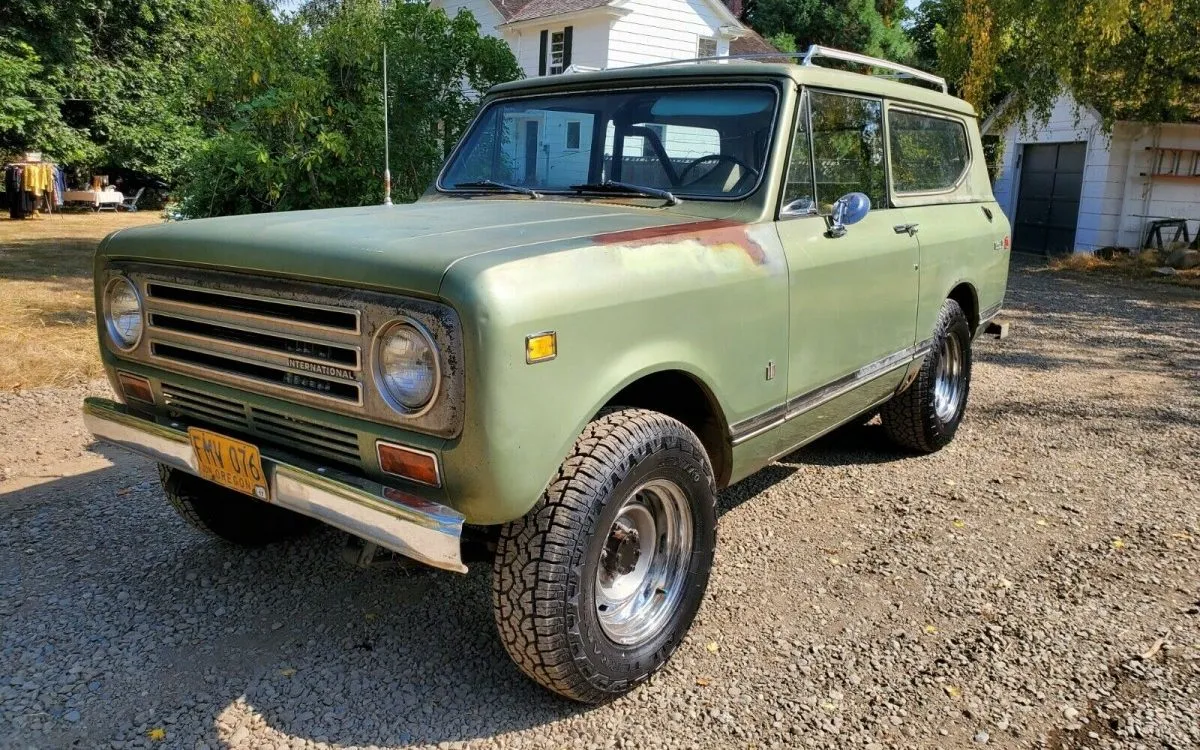
6. 1972 International Harvester Scout II 196
Price Range: $8,000 – $30,000
International Harvester’s 196-cubic-inch four-cylinder engine powered the Scout II with unpretentious reliability that matched the vehicle’s utilitarian mission. This overhead valve design produced modest power figures but delivered exceptional torque characteristics ideal for off-road work and heavy hauling.
Farmers and rural drivers valued how this engine started reliably in freezing temperatures and continued running through conditions that stopped more sophisticated power plants. Mechanical simplicity defined every aspect of this engine’s construction.
Four cylinders meant fewer components to service compared to six or eight-cylinder alternatives. A single carburetor handled fuel delivery without complicated metering systems or electronic controls.
Ignition remained refreshingly straightforward, using a conventional distributor with points that could be adjusted with a dwell meter and basic hand tools. When something broke, a diagnosis rarely required more than visual inspection and simple testing procedures.
Durability came through robust construction rather than delicate engineering. Thick cylinder walls tolerated years of hard use and thermal cycling. Connecting rods were substantial enough to handle the increased stress of low-speed, high-load operation common in off-road driving.
Crankshaft bearing surfaces were generous, distributing forces across an adequate surface area to prevent premature wear. When rebuilds became necessary, standard machine work restored the engine to like-new condition without requiring specialized procedures or exotic replacement parts.
Service intervals stretched longer than competitors’ because the engine operated conservatively. Oil capacity was sufficient to handle extended periods between changes, important for vehicles working in remote locations. Air filtration systems were robust and easy to service, critical when operating in dusty conditions.
Cooling systems featured adequate capacity with simple belt-driven water pumps that rarely failed unexpectedly. Radiator hoses followed logical paths that made replacement straightforward during roadside repairs.
Parts availability remained excellent long after International Harvester ceased automobile production. Agricultural equipment dealers stocked many components because similar engines powered farm machinery. Aftermarket suppliers recognized the engine’s popularity and maintained an inventory of wear items and rebuild kits.
This continued support meant Scout II owners could keep their vehicles running without resorting to custom fabrication or expensive, obsolete parts searches, making vintage International ownership practical for enthusiasts who actually drove their vehicles rather than treating them as garage ornaments.
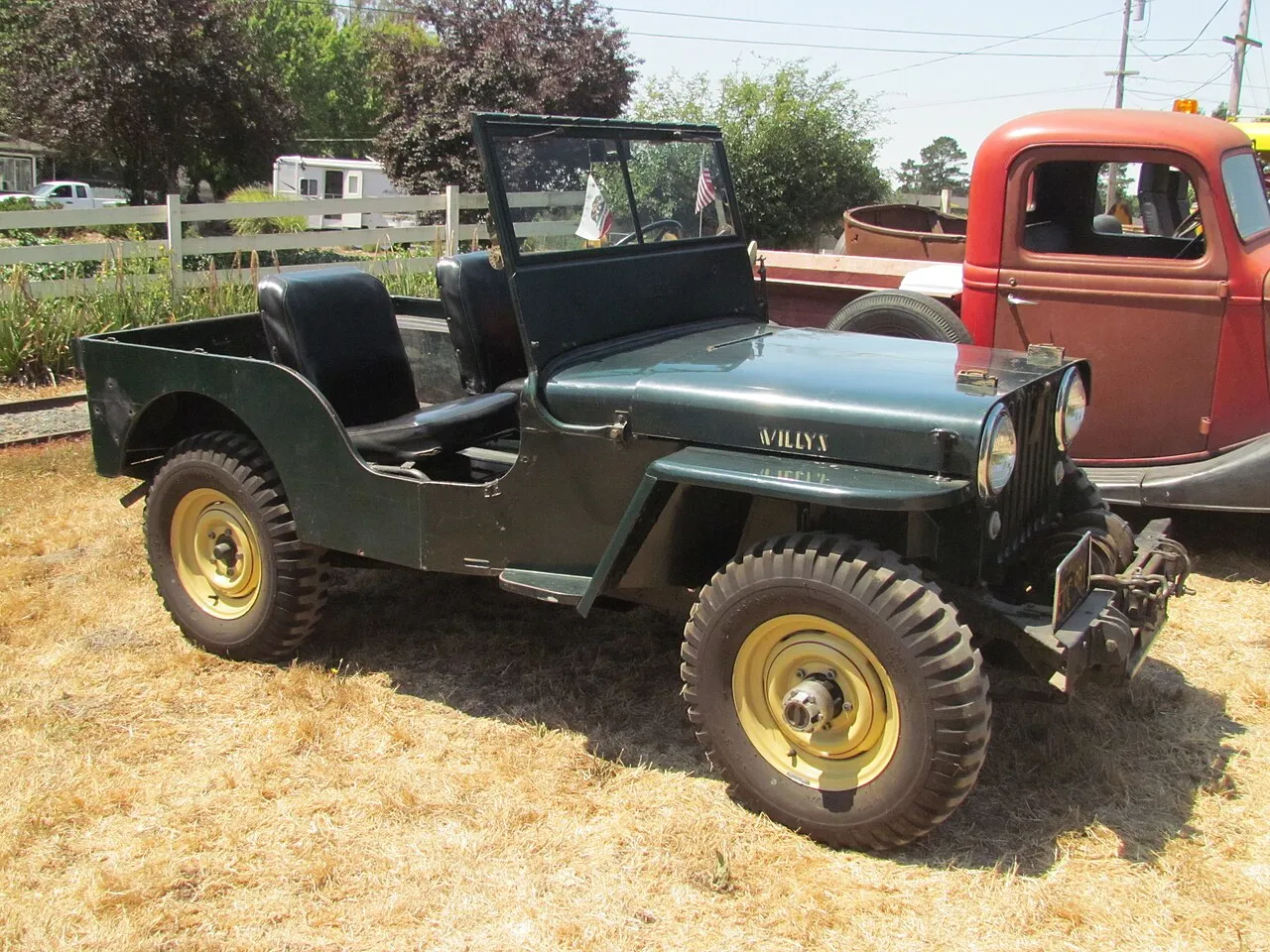
7. 1974 Jeep CJ-5 258
Price Range: $10,000 – $35,000
AMC’s 258-cubic-inch inline-six became synonymous with Jeep reliability during the 1970s and 1980s. This engine advanced from earlier AMC designs, incorporating lessons learned from millions of miles of real-world operation.
Engineers focused on creating a powerplant that could handle the specific demands of four-wheel-drive vehicles: low-speed torque, sustained operation at steep angles, and the ability to restart quickly after water crossings.
Casting quality and material selection reflected priorities of durability and ease of manufacturing. Block and head used high-quality cast iron that resisted cracking even when subjected to thermal shock from cold water splashing onto hot exhaust manifolds.
Cylinder bores featured adequate thickness for multiple rebuilds, with many engines receiving oversized pistons two or three times during their service life. Main bearing caps were robust, preventing the fretting and movement that could cause catastrophic failures during severe off-road use.
Breathing characteristics were optimized for torque rather than high-rpm horsepower. Intake and exhaust manifolds featured generous cross-sections that reduced restriction at low engine speeds. Valve timing emphasized cylinder filling at speeds below 3,000 rpm, where Jeeps spent most of their operating time.
Compression ratios were moderate, allowing the engine to run on regular gasoline without detonation even under heavy loads or high ambient temperatures common in desert environments. Ignition and fuel systems remained blissfully analog.
Distributor-based ignition with mechanical and vacuum advance curves provided a reliable spark without sensors or computers. Single or two-barrel carburetors delivered fuel in predictable patterns that mechanics understood intuitively.
When problems occurred, troubleshooting followed logical paths that didn’t require expensive diagnostic equipment. A test light, multimeter, and compression gauge were sufficient tools for diagnosing nearly any issue.
Off-road enthusiasts particularly appreciated how this engine tolerated steep operating angles. Oil pan design and pickup location ensured lubrication continued even when the vehicle sat at extreme angles during rock crawling.
Similarly, fuel delivery remained consistent during steep climbs or descents because the mechanical fuel pump maintained steady pressure regardless of vehicle attitude. These characteristics might seem minor until you’re halfway up a boulder field and the engine needs to keep running.
Aftermarket support flourished because so many of these engines were produced. Performance parts ranging from mild upgrades to radical modifications became available from multiple suppliers. Rebuild kits using modern materials and improved designs allowed restoration to better-than-new condition.
This extensive aftermarket meant Jeep CJ-5 owners could maintain their vehicles indefinitely, with some examples accumulating well over 400,000 miles on original blocks that had been rebuilt multiple times, a testament to the fundamental soundness of the design.
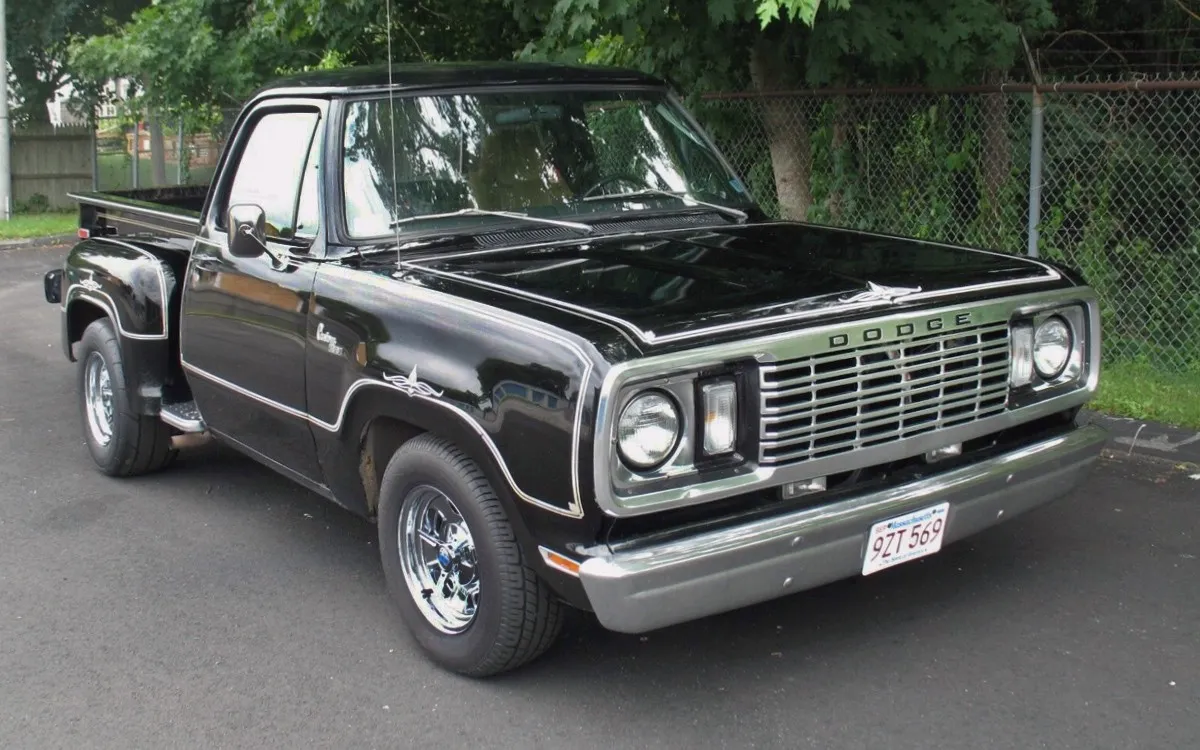
8. 1978 Dodge D100 225 Slant-Six
Price Range: $7,000 – $25,000
Chrysler installed their proven slant-six in countless trucks, where its legendary durability found appreciative owners who needed reliable work vehicles. By 1978, this engine had been refined through nearly two decades of production, with minor improvements addressing the few weaknesses identified through millions of miles of operation.
Truck buyers chose this engine specifically for its reputation, often paying extra to avoid optional V8 powerplants that offered more power but higher fuel consumption and increased maintenance costs. Commercial applications proved this engine’s worth beyond any marketing claims. Utility companies operated fleets of slant-six-powered trucks for decades, with some vehicles accumulating over half a million miles before retirement.
Plumbing contractors, electricians, and other tradespeople relied on these trucks for daily transportation to job sites, where reliability meant the difference between earning income and losing money to breakdowns. Municipal governments purchased them for meter readers, inspectors, and light maintenance crews, appreciating how infrequently these vehicles required unscheduled repairs.
Fuel economy remained competitive despite the engine’s considerable weight and modest technology. Long-stroke design generated adequate torque without requiring high engine speeds during normal driving. Single-barrel carburetor metering stayed conservative, prioritizing economy over peak performance.
Combined with the engine’s longevity, total operating costs stayed remarkably low. Accountants calculating fleet expenses discovered these trucks delivered better value than alternatives requiring more frequent replacement or expensive repairs.
Cold-weather operation became legendary among owners in northern climates. These engines started reliably at temperatures that stopped competitors, partly because of robust starter motors and partly because of conservative compression ratios that reduced cranking resistance.
Once running, they reached operating temperature quickly and maintained stable idle quality even in subzero conditions. Ice fishermen, snowplow operators, and anyone else working outdoors during winter learned to trust these engines implicitly.
Rebuilding procedures were well-documented and straightforward. Machine shops accumulated extensive experience boring cylinders, grinding crankshafts, and installing oversized bearings. Parts availability stayed excellent because the engine powered so many vehicles across nearly three decades.
Home mechanics with moderate skills could perform complete rebuilds in their garages using standard tools and readily available service manuals.
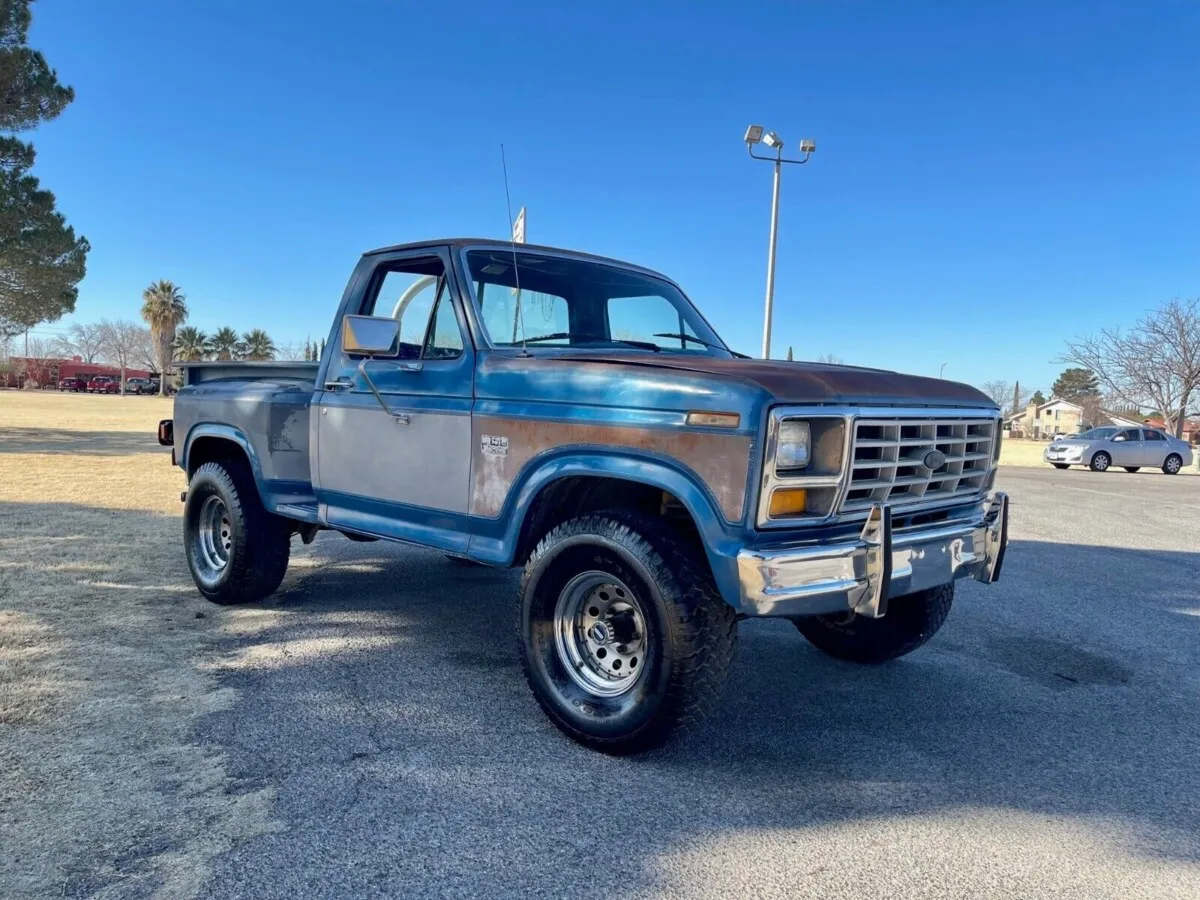
9. 1982 Ford F-150 300 Inline-Six
Price Range: $8,000 – $28,000
Ford’s 300-cubic-inch inline-six represents perhaps the ultimate expression of simple, durable truck engine design. Introduced in 1965 and continuing through 1996, this powerplant earned fanatical loyalty among owners who prioritized reliability and longevity above all other considerations.
With displacement of exactly 300 cubic inches achieved through a 4.00-inch bore and 3.98-inch stroke, this engine featured dimensions that machinists found easy to remember and work with, a small detail that contributed to widespread mechanical familiarity.
Physical construction emphasized strength through conservative design rather than advanced materials or complicated features. Seven main bearings supported a forged steel crankshaft that rarely failed even under sustained heavy loads.
Connecting rods were substantial, with generous bearing surfaces that distributed forces adequately. Cylinder walls were thick enough to accommodate multiple overbores, with .060-inch over being common during rebuilds and .090-inch over being possible in blocks with minimal wear or previous machining.
Torque characteristics made this engine ideal for truck duty across varied applications. Peak torque arrived at approximately 2,000 rpm, meaning the engine pulled strongly from just off idle. Highway cruising required modest engine speeds because the long stroke generated adequate power without revving.
Drivers could maintain 65 mph at around 2,200 rpm with appropriate rear axle ratios, reducing noise, vibration, and mechanical wear during sustained highway operation. This relaxed operation translated directly into extended engine life.
Fleet buyers discovered total cost of ownership remained lower than alternatives despite modern engines offering better fuel economy. These engines routinely exceeded 300,000 miles with only basic maintenance, while competitors often required major repairs or replacement by 150,000 miles.
When repairs became necessary, parts costs stayed reasonable, and labor times remained low because mechanics could work quickly on such straightforward designs. Accountants calculating depreciation, fuel, maintenance, and repair costs found these trucks delivered superior value over their service lives.
Modifications and performance upgrades were possible, but most owners left these engines stock because reliability mattered more than acceleration. Some enthusiasts installed split exhaust manifolds, better carburetors, and improved ignition systems, achieving modest power gains without sacrificing dependability.
These engines responded well to thoughtful upgrades because the basic design was sound enough to handle increased output without immediate failure.
Also Read: 10 Classic Muscle Cars That Are Surprisingly Easy to Live With
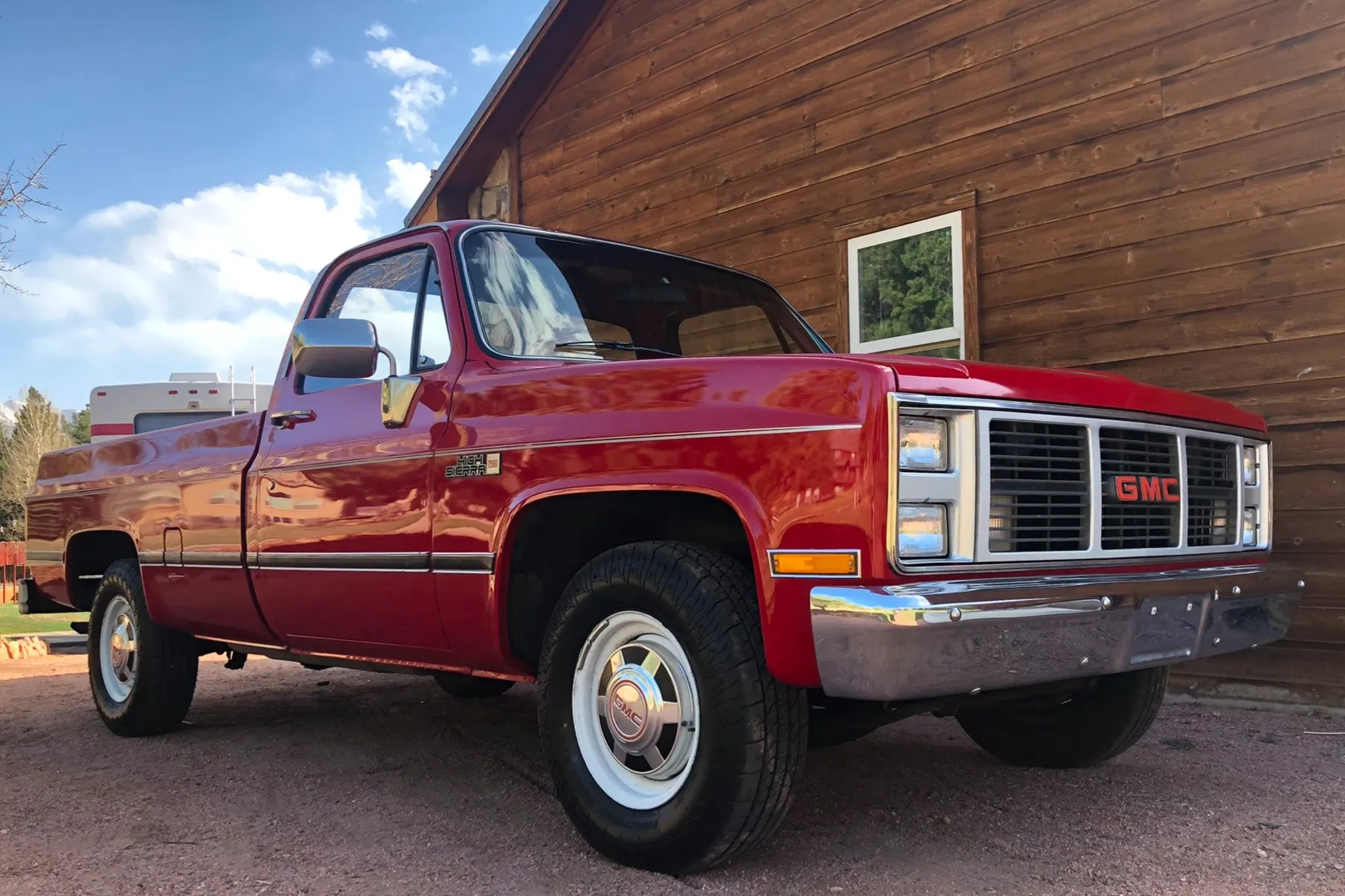
10. 1985 GMC Sierra 2500 454
Price Range: $9,000 – $32,000
General Motors’ 454-cubic-inch big-block V8 brought serious capability to heavy-duty trucks needing maximum towing and hauling capacity. While larger and more powerful than other engines on this list, the 454 maintained the fundamental simplicity that characterized earlier overhead valve designs.
Two-barrel carburetor models emphasized torque and durability over high horsepower, making them ideal for sustained heavy-duty work rather than performance applications. Block construction used high-nickel cast iron that resisted cracking under thermal stress.
Four-bolt main bearing caps secured the crankshaft in the center three positions, with two-bolt caps at the front and rear. This arrangement provided adequate strength for truck duty without the expense of four-bolt caps throughout.
Cylinder walls were thick, allowing standard rebuilding procedures to restore engines to like-new condition. Deck surfaces remained stable through years of heating and cooling cycles, rarely requiring extensive machining during rebuilds.
Breathing was adequate rather than exceptional, which suited the engine’s mission perfectly. Large displacement meant each cylinder needed to move relatively little air per combustion cycle, reducing the importance of fancy port designs or large valves.
Intake and exhaust manifolds featured straightforward designs that prioritized durability and ease of servicing over maximum flow. This conservative approach to airflow meant the engine ran cooler and lasted longer than competitors pushing similar displacements harder for additional horsepower.
Truck buyers who needed to tow heavy trailers regularly or haul maximum payloads discovered this engine delivered where it mattered. Peak torque arrived at low engine speeds, allowing the truck to move heavy loads from rest without excessive clutch wear or transmission stress.
Highway towing remained relaxed because the engine produced adequate power at moderate speeds. Cooling systems featured large radiators and robust water pumps that prevented overheating even during sustained mountain climbs with maximum loads.
