
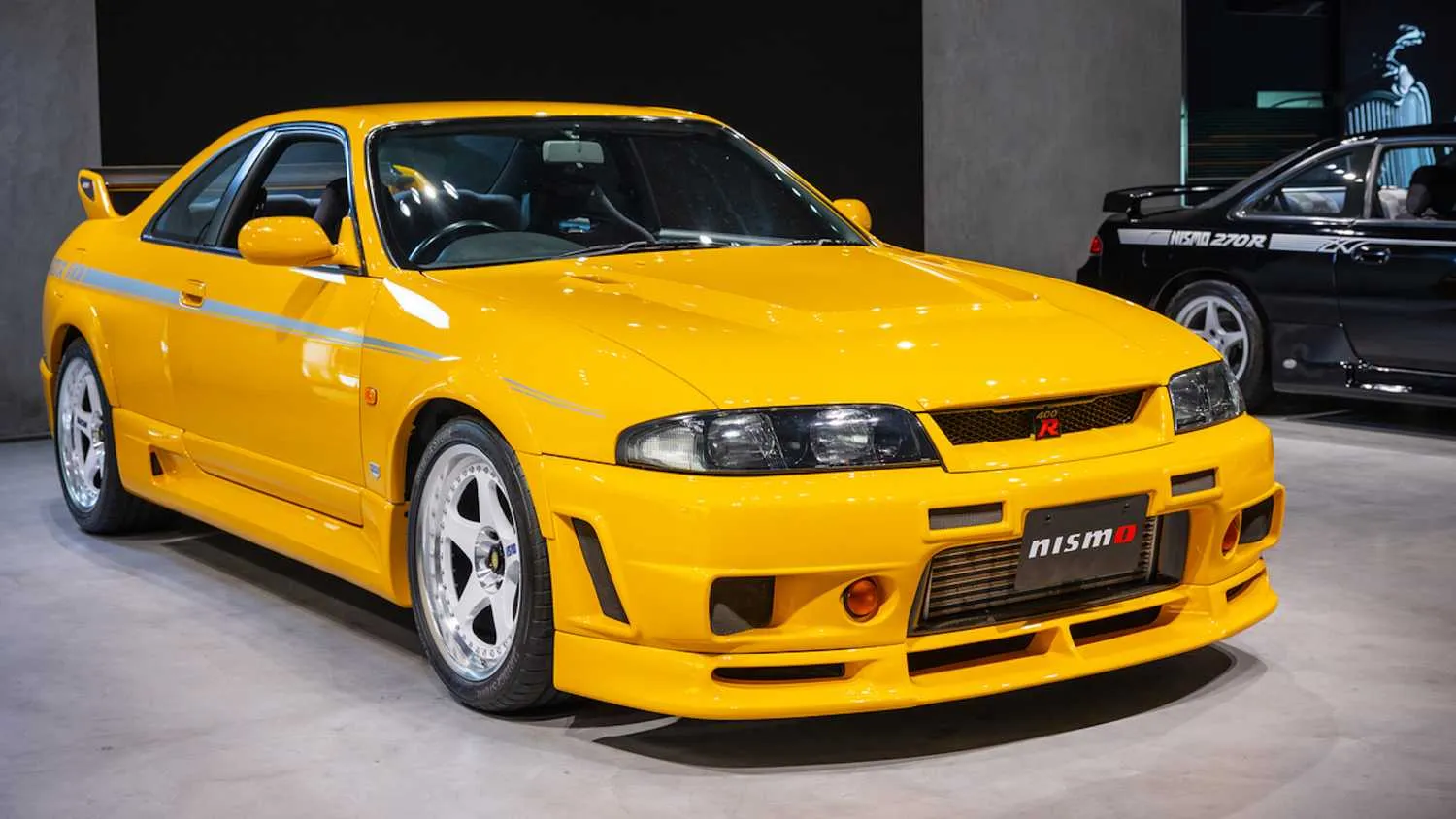
Car culture thrives on variety. While some models circle the globe and appear in driveways from Los Angeles to London, others live quiet, fascinating lives confined to a single national market. Automakers often design vehicles with specific regulations, consumer tastes, tax laws, or road conditions in mind. As a result, certain cars never officially leave their home country.
That exclusivity gives these machines a unique charm. They reflect local identity, engineering priorities, and cultural preferences in ways that globally distributed models rarely do.
A performance sedan tuned for Japanese expressways feels different from a compact city car shaped by European tax structures. A luxury coupe created solely for the American market tells its own story about consumer demand and brand strategy.
For collectors and enthusiasts, country-specific cars carry extra appeal. They represent hidden chapters in automotive history, sometimes requiring import efforts or special knowledge to acquire. Their rarity outside their home nation creates curiosity, conversation, and pride of ownership.
Presented here are ten fascinating cars that were officially sold in just one country. Each example highlights how geography, regulation, and culture can shape an automobile’s destiny.
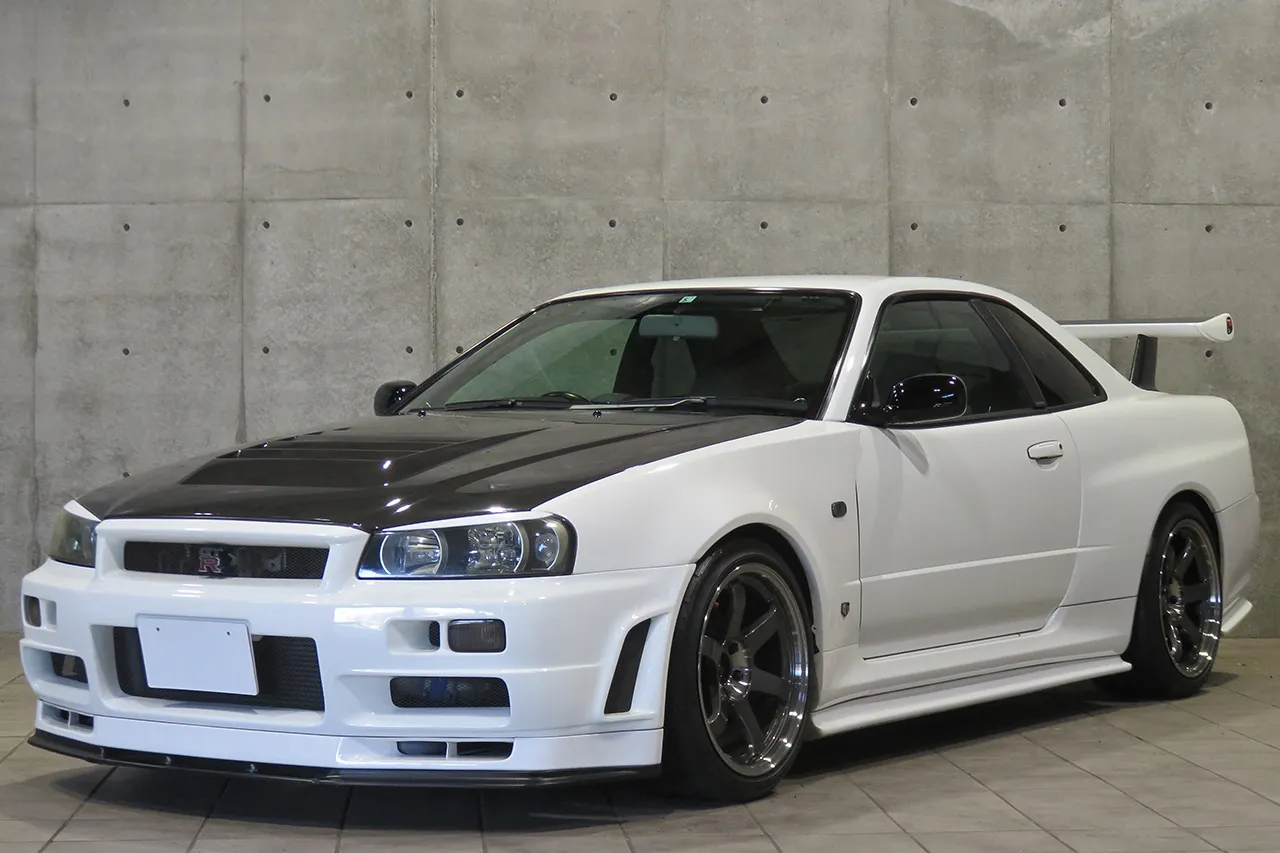
1. Nissan Skyline GT-R R34 (Japan Only)
Performance aficionados frequently reference the Nissan Skyline GT-R R34 with reverence typically reserved for automotive icons. Manufactured between 1999 and 2002, this model received official distribution exclusively within Japan, despite its reputation achieving global recognition through video gaming media, cinematic appearances, and motorsport achievements.
Stringent emissions regulations and administrative obstacles prevented Nissan from pursuing broader international distribution during its production period.
Beneath its sculpted bonnet resided a twin-turbocharged 2.6-liter inline-six powerplant designated RB26DETT. Power transmission exhibited crisp and purposeful characteristics, complemented by a sophisticated all-wheel-drive architecture and advanced electronic management systems.
Operators commended its equilibrium, traction capabilities, and remarkable cornering proficiency. Meticulous engineering defined the operational experience, granting it legitimacy beyond promotional rhetoric. Design vocabulary synthesized aggression with functional purpose.
Expanded fender arches, prominent rear aerodynamic appendage, and robust proportional geometry communicated serious performance intentions without superfluous ornamentation. Cockpit appointments introduced a multifunctional digital display presenting instantaneous performance metrics, emphasizing the vehicle’s technological aspirations and forward-thinking approach to driver information systems.
Although officially restricted to Japanese domestic market distribution, the R34 eventually accessed alternative territories through private importation channels as regulatory frameworks permitted. This circuitous route to international availability amplified its mystique rather than diminishing its appeal.
Collectors prioritize authenticity, rendering Japanese-specification examples particularly coveted within enthusiast communities. Custodianship demands considerable dedication. Component procurement and regulatory compliance documentation present substantial challenges for international purchasers.
Nevertheless, the compensation resides in experiencing an automobile that genuinely belonged to a single nation throughout its primary production years. Parts availability varies depending on geographical location, with Japanese suppliers maintaining superior inventory compared to international distributors.
Documentation requirements for legal importation differ substantially across jurisdictions. Some countries enforce waiting periods before vehicles qualify for importation, whilst others maintain permanent restrictions on specific models. Prospective owners must investigate local regulations thoroughly before committing financial resources to an acquisition.
Maintenance expertise represents another consideration. Mechanics familiar with RB26DETT architecture possess specialized knowledge that general automotive technicians may lack. This expertise concentration means servicing often requires seeking specialists rather than utilizing convenient local facilities, potentially increasing ownership costs and logistical planning requirements.
Despite these obstacles, devoted enthusiasts willingly accept such complications to possess a vehicle representing the pinnacle of Japanese performance engineering from that era.
The Nissan Skyline GT-R R34 demonstrates that geographical distribution limitations can amplify a vehicle’s legendary status rather than restricting it, creating desire through scarcity and exclusivity that resonates across international borders decades after production concluded.

2. Ford Falcon XR8 BA Series (Australia Only)
Australian motorways historically resonated with V8 sedan acoustics engineered specifically for domestic preferences. Ford addressed this demand through the Ford Falcon XR8 BA Series, introduced in 2002 with sales confined exclusively to Australia. This performance sedan reflected a marketplace valuing substantial rear-wheel-drive automobiles capable of extended-distance comfort alongside assertive power delivery.
A naturally aspirated 5.4-liter V8 powerplant propelled the XR8, generating robust acceleration and assured highway velocity maintenance. Suspension calibration achieved equilibrium between comfort and handling precision, rendering it appropriate for quotidian transportation and enthusiastic driving scenarios.
Expansive thoroughfares and open geographical spaces influenced its developmental character, with the automobile responding appropriately to these environmental conditions. External styling projected muscular assurance. Prominent frontal grille assemblies, athletic alloy wheel designs, and refined aerodynamic components communicated performance capability without compromising practical utility.
Interior architecture favored generous passenger accommodation and intuitive control interfaces, conforming to expectations surrounding family-oriented performance sedans that could fulfill multiple transportation roles.
Following production termination and Ford’s cessation of Australian manufacturing operations, the XR8 attracted heightened collector interest from individuals recognizing its cultural importance within Australian automotive heritage. Importing specimens requires substantial commitment, yet enthusiasts value their authenticity as a product of Australian engineering philosophy and consumer preferences.
Production techniques reflected Australian conditions, with cooling systems engineered to manage elevated ambient temperatures common across the continent’s interior. Chassis development incorporated testing across diverse Australian roads, from coastal highways to inland routes characterized by extended straight sections and varying surface qualities.
This vehicle represents an era when Australian manufacturers produced automobiles distinctly tailored for local requirements rather than adapting international designs. Engine displacement choices, transmission ratios, and suspension specifications all reflected Australian driving patterns and geographical characteristics that differed substantially from European or North American markets.
Parts availability remains adequate within Australia, where specialist suppliers maintain inventory for discontinued Ford models. International owners face greater procurement challenges, often relying on Australian exporters or specialized dismantlers to source replacement components. This geographical dependency reinforces the vehicle’s identity as an authentically Australian product.
The Ford Falcon XR8 BA Series symbolizes an automotive history chapter defined by regional distinction. Constructed for a single nation’s roads and operators, it persists as a compelling testament that market-specific automobiles can embody national character through powerful mechanical expression, engineering decisions reflecting local values, and design choices that resonate with domestic consumer expectations prioritizing performance, practicality, and value within large-displacement rear-wheel-drive configurations.
Also Read: 5 Compact Cars That Hold Together Over 150000 Miles vs 5 That Feel Flimsy
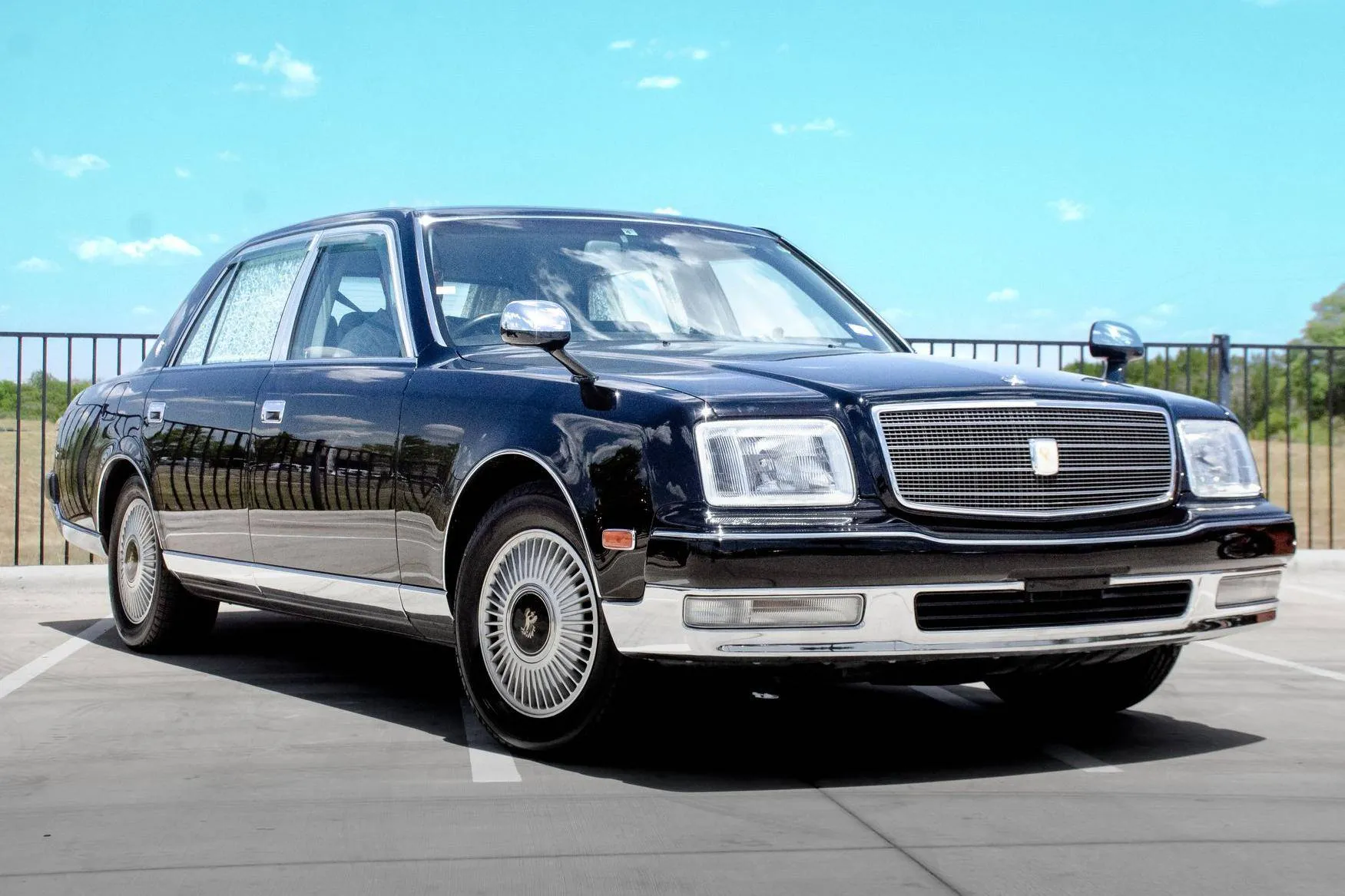
3. Toyota Century G50 (Japan Only)
Luxury manifests through various expressions, and the Toyota Century G50 articulates it through understated authority. Manufactured between 1967 and 1997 with sales restricted to Japan, this flagship sedan served government officials, corporate executives, and members of the imperial household. Toyota deliberately avoided widespread exportation, maintaining its position as a domestic emblem of distinction.
Rather than pursuing ostentatious display, the Century emphasized measured restraint. Conservative styling elements, discreet chrome detailing, and formal proportional geometry communicated dignity. Interior appointments prioritized rear passenger accommodation, featuring sumptuous seating and painstaking craftsmanship that reflected traditional Japanese attention to detail.
Propulsion derived from a refined V8 engine engineered for smoothness rather than aggressive output. Ride quality emphasized composure, ensuring dignified conveyance instead of spirited driving dynamics. Engineers devoted considerable effort toward cabin sound insulation, facilitating effortless conversation even during highway velocity operation.
Restricted availability enhanced its desirability. Ownership within Japan frequently indicated professional achievement and elevated social standing. Beyond national boundaries, public sightings remain extraordinarily uncommon, contributing to its enigmatic character. This scarcity transforms each international appearance into a noteworthy occasion for automotive enthusiasts.
Toyota’s strategic decision to confine Century distribution within domestic markets reinforced its cultural relevance. It functions not as a global luxury rival but as a distinctly Japanese interpretation of executive mobility. Design philosophy reflects values specific to Japanese business culture, where discretion often supersedes conspicuous display of wealth.
For collectors internationally, acquiring a Century represents appreciation for subtle refinement shaped by particular societal expectations. Import procedures present challenges, yet devoted enthusiasts drive through these obstacles to possess this unique expression of Japanese automotive excellence.
The vehicle embodies a philosophy where true luxury requires no announcement, speaking instead through quality, precision, and thoughtful execution that rewards those who understand its cultural context and historical importance.
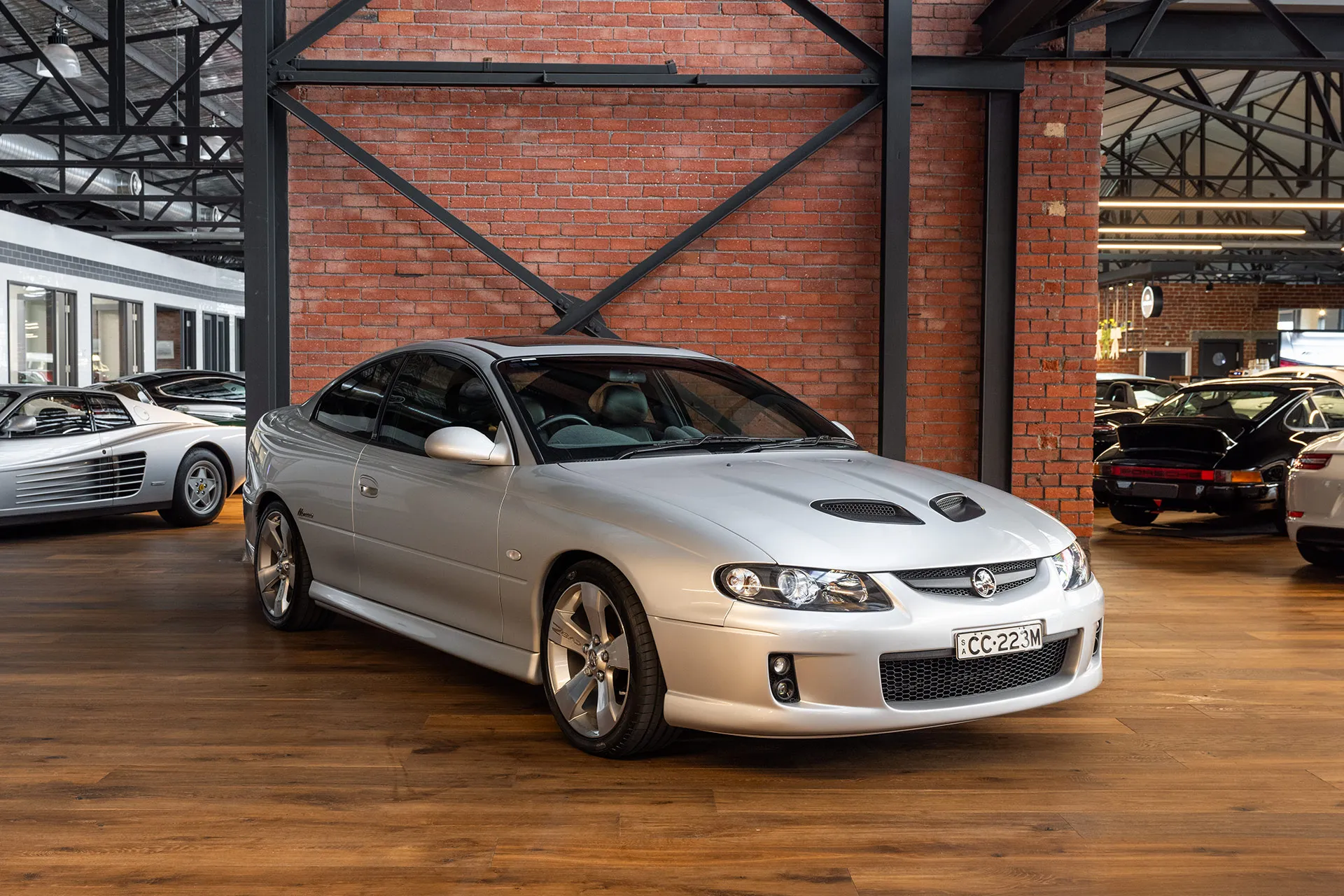
4. Holden Monaro CV8 (Australia Only)
Performance coupes manufactured in Australia occupy a distinguished position within that nation’s automotive chronicle. Holden introduced the Monaro CV8 in 2001, resurrecting a celebrated nameplate for domestic consumption. Although related models appeared internationally under alternative branding, the CV8 designation remained officially available in Australia exclusively.
A V8 powerplant delivered robust rear-wheel-drive performance, producing satisfying acceleration and resonant exhaust acoustics. Engineers calibrated suspension assemblies to accommodate local road characteristics, achieving equilibrium between responsive handling and ride comfort suitable for Australian driving conditions.
External styling synthesized heritage design elements with contemporary contours. Muscular proportions and coupe roofline architecture projected assurance without superfluous ornamentation. Interior specifications emphasized functionality alongside sporting character, balancing everyday usability with performance-oriented aesthetics.
As domestic vehicle production ceased throughout Australia, the Monaro CV8 attracted increased collector attention. It represents national identity through both engineering philosophy and brand heritage, embodying an era when Australian manufacturers produced vehicles tailored specifically for local preferences and conditions.
Acquiring one beyond Australian borders involves import procedures and compliance modifications, yet enthusiasts value its authentic character. The Holden Monaro CV8 illustrates how regional loyalty and market preferences can determine a model’s entire commercial existence, creating vehicles that resonate deeply within their intended markets whilst remaining relatively unknown elsewhere.
This vehicle serves as a testament to Australian automotive capability during an era when domestic production thrived. Its V8 engine configuration reflects Australian preference for naturally aspirated power delivery, whilst its coupe bodywork appeals to buyers seeking performance without sacrificing practicality.
Today, surviving examples command respect among collectors who recognize their historical importance within Australian motoring culture.
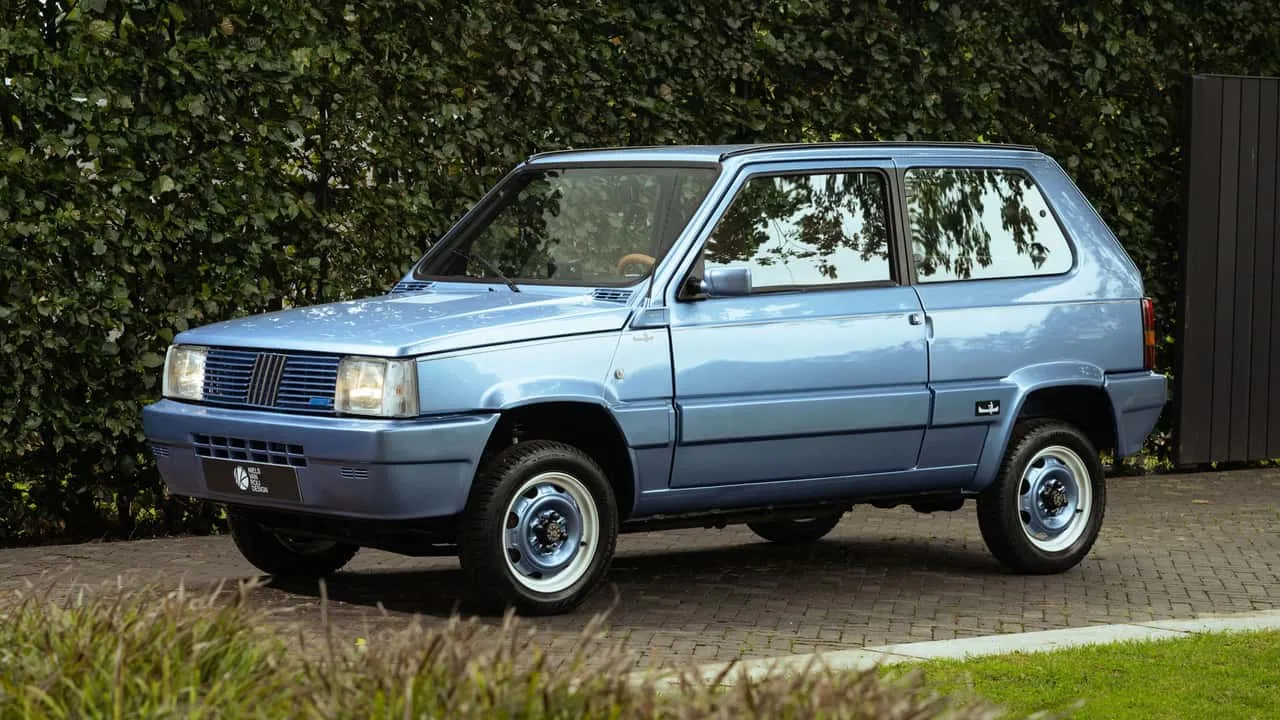
5. Fiat Panda 4×4 Sisley (Italy Only)
Compact utility vehicles frequently surprise operators with their operational capability. Fiat’s Panda 4×4 Sisley edition, marketed exclusively throughout Italy during the late 1980s and early 1990s, synthesized small-vehicle practicality with authentic off-road competence.
Despite modest external dimensions, this variant incorporated four-wheel drive transmission and elevated ground clearance. Rural thoroughfares and mountainous territories influenced its engineering specifications, permitting drivers to manage snow-covered surfaces, gravel paths, and irregular roads confidently.
Distinctive trim appointments and interior accent pieces differentiated the Sisley edition from standard Panda configurations. Functional performance commanded priority above luxury amenities, yet inherent charm defined its character. This balance appealed to Italian buyers seeking transportation that accommodated diverse operating environments without pretension.
Italian purchasers valued a vehicle combining operational efficiency with practical versatility. Export initiatives remained constrained, strengthening its domestic identification. The Sisley edition addressed specific requirements within Italian geography, particularly mountainous regions where conventional vehicles struggled during winter months.
Contemporary collectors appreciate the Panda 4×4 Sisley for its genuine capability and authentic character. It demonstrates how practical requirements within a single nation can inspire an automobile unlike anything distributed internationally. Compact dimensions, purposeful engineering, and regional customization render it a fascinating subject within automotive history.
This vehicle represents an era when manufacturers developed specialized variants addressing local conditions rather than pursuing global market standardization. Its success validated Fiat’s understanding of Italian customer requirements, creating a model that served practical needs whilst maintaining the cheerful personality that characterized the Panda lineage throughout its production tenure.
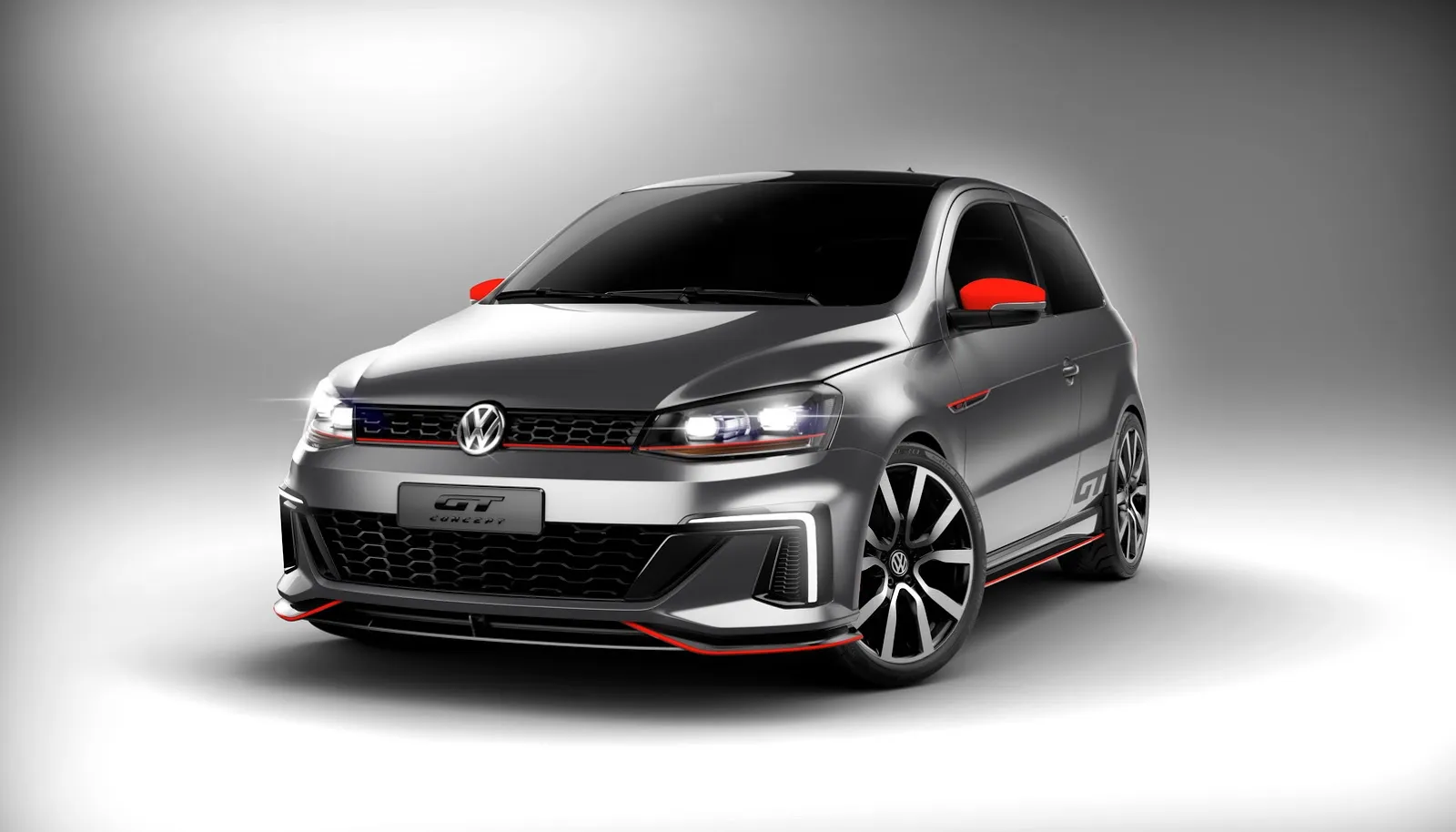
6. Volkswagen Gol GTI (Brazil Only)
Brazil’s automotive market has long developed its own identity, shaped by taxation policies, fuel considerations, and consumer preferences distinct from Europe and North America. Within that environment, Volkswagen introduced the Volkswagen Gol GTI in 1989 as a high-performance version of its locally developed Gol hatchback. This model was officially sold only in Brazil, designed specifically for domestic buyers who wanted spirited driving in a compact package built to suit local conditions.
Unlike the European Golf GTI, the Gol GTI rode on a platform engineered primarily for South America. Its styling reflected late 1980s performance cues, including body-colored bumpers, sporty wheels, and subtle aerodynamic enhancements. Clean lines and compact proportions gave it a purposeful stance without appearing excessive. Inside, supportive seats and straightforward instrumentation emphasized functionality while reinforcing its sporting identity.
Power came from a fuel-injected 2.0-liter engine, which was advanced for the Brazilian market at the time. Electronic fuel injection improved throttle response and efficiency, distinguishing the GTI from more basic Gol variants. Drivers appreciated the lively acceleration and nimble handling, particularly in urban settings where agility mattered. Suspension tuning favored control without sacrificing daily usability, making it practical as both a commuter and a weekend performer.
Cultural impact within Brazil strengthened its reputation. Young drivers viewed it as a symbol of aspiration, while enthusiasts respected it as a locally engineered performance car rather than an imported solution. Since it remained exclusive to Brazil, collectors outside the country rarely encounter original examples. Importing one today requires dedication, but that effort underscores its uniqueness.
The Volkswagen Golf GTI stands as a reminder that performance icons are not limited to globally recognized nameplates. Sometimes a car designed for one nation becomes a cherished emblem of that country’s automotive identity, admired by those who understand its context and history.
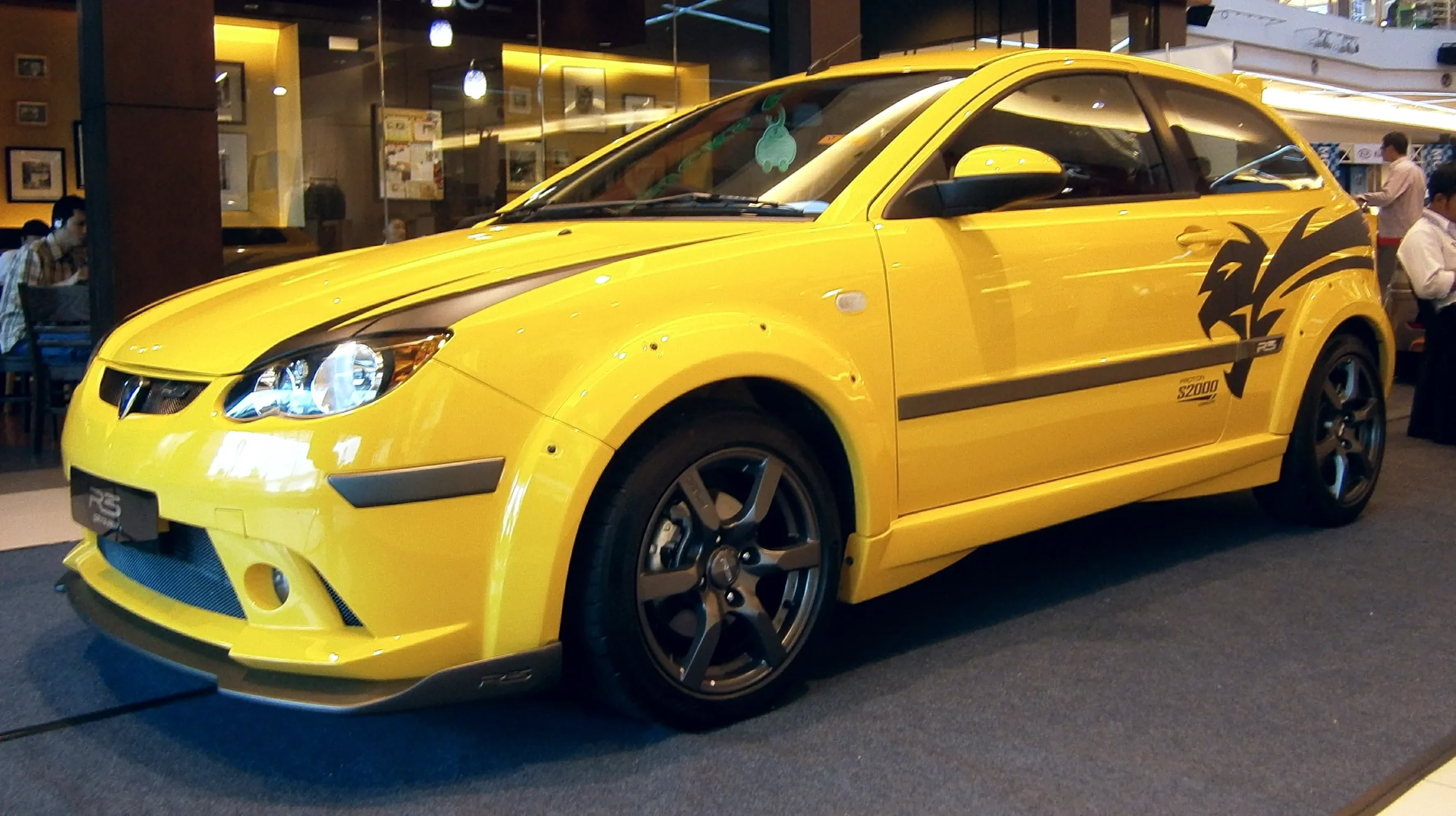
7. Proton Satria R3 (Malaysia Only)
Performance divisions often represent the highest expression of a manufacturer’s ambition. Malaysia’s national automaker, Proton, established its Race, Rally, Research division known as R3 to demonstrate technical capability and competitive spirit.
The Proton Satria R3 emerged as a focused, limited-production hatchback officially sold only in Malaysia, reflecting domestic pride and motorsport inspiration. Built on the compact Satria platform, the R3 version received extensive chassis tuning and weight reduction measures. Engineers strengthened structural rigidity and adjusted suspension geometry to improve handling precision.
Lightweight wheels and performance-oriented tires contributed to sharper response during spirited driving. Rather than pursuing high horsepower figures, the project emphasized balance, driver engagement, and track-ready dynamics.
Exterior design incorporated subtle yet purposeful enhancements. Distinctive paint schemes, aerodynamic detailing, and R3 badging signaled exclusivity without resorting to flamboyance. Interior appointments prioritized functionality, featuring sport seats and reduced sound insulation to save weight. Each example carried a sense of handcrafted attention, reinforcing its limited-production status.
Domestic reception highlighted the importance of national automotive development. Buyers recognized the Satria R3 as evidence that a local brand could produce a car with genuine performance credentials. Because it was not officially exported, international enthusiasts learned about it primarily through motorsport coverage and enthusiast communities.
Owning a Proton Satria R3 outside Malaysia requires persistence and import coordination, which enhances its appeal among collectors seeking rare, country-specific models. It demonstrates how a focused performance project can embody national ambition while remaining rooted in a single market.
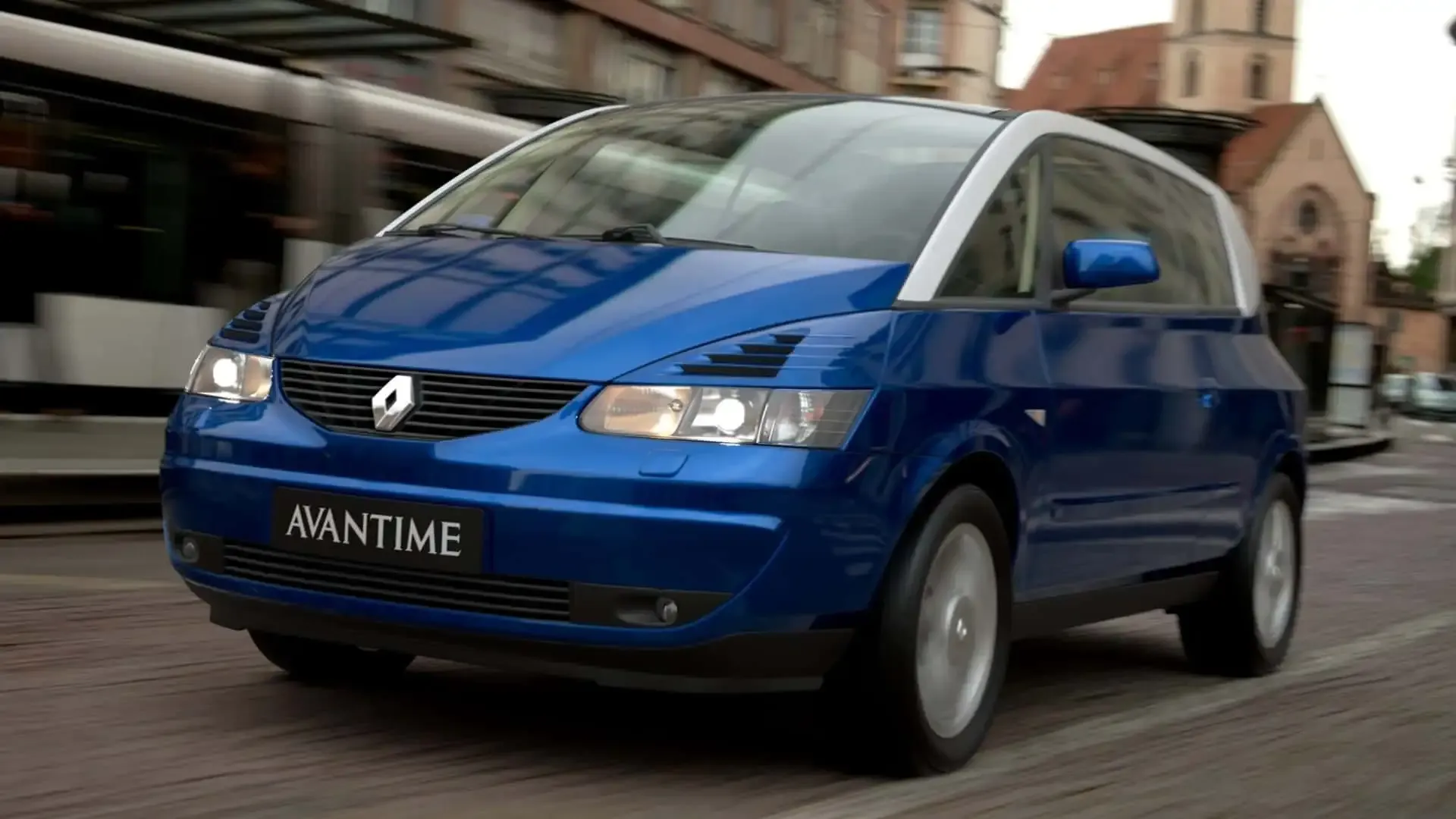
8. Renault Avantime (France Only)
Automotive experimentation occasionally produces vehicles that defy categorization. Renault introduced the Renault Avantime in 2001 as a bold attempt to merge coupe styling with multi-purpose vehicle practicality. Official sales occurred only in France, making it a distinctly domestic experiment that never expanded broadly.
The three-door configuration distinguished the Avantime immediately. Large frameless doors provided a dramatic entry, while the expansive glass area created an airy cabin. Designers prioritized space and light, resulting in a vehicle that felt unconventional yet inviting. Its silhouette challenged traditional definitions, blending elements of a luxury coupe and a family transporter.
Powertrain options included V6 engines that delivered smooth performance rather than aggressive speed. Ride quality emphasized comfort, supported by a chassis tuned for relaxed travel. Interior craftsmanship incorporated thoughtful details and generous seating, reflecting Renault’s intention to provide premium comfort within an innovative format.
Public reaction in France was mixed. Some appreciated its daring approach, while others preferred more conventional choices. Limited production numbers ensured rarity even within its home country. Since it was never officially marketed beyond France, collectors abroad encounter it primarily through import channels.
The Renault Avantime represents creative risk within a single national market. Its uniqueness lies not only in restricted sales but also in its willingness to challenge established categories. For enthusiasts who value design experimentation, it offers a compelling story shaped by one country’s willingness to try something different.
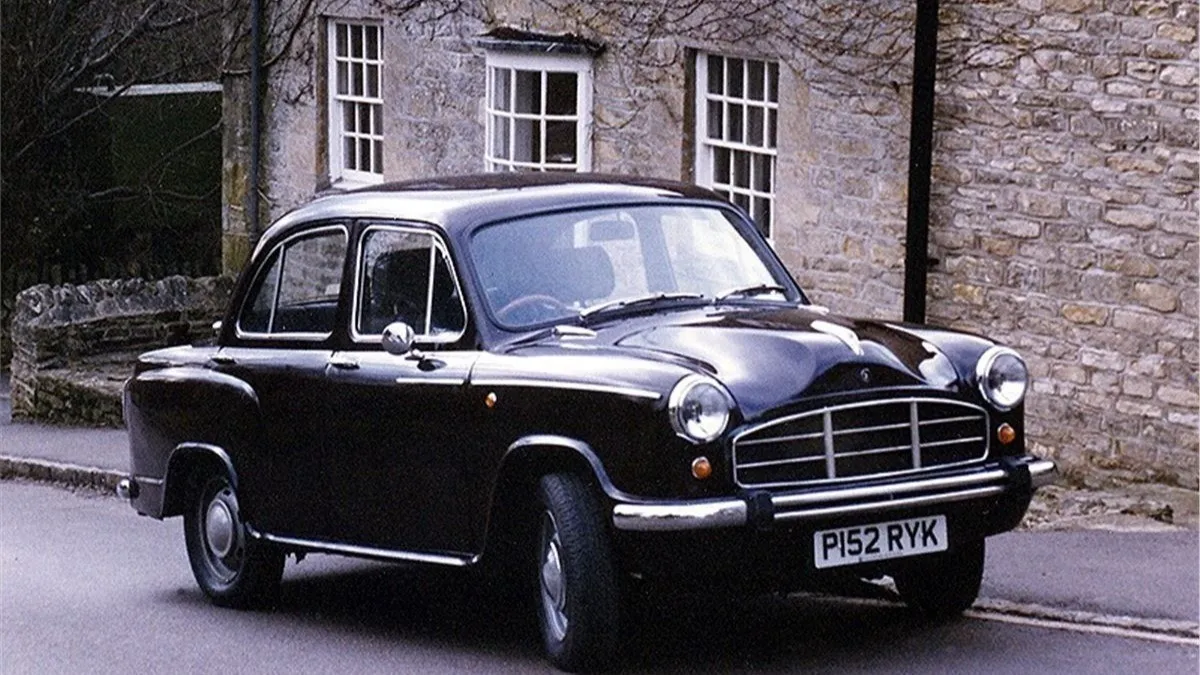
9. Hindustan Ambassador Classic (India Only)
Few automobiles carry as much cultural weight within their home country as the Hindustan Ambassador Classic. Produced for decades and sold exclusively in India, this sedan became closely associated with government service, taxi operations, and daily transportation across cities and rural areas alike.
Its long production run and instantly recognizable silhouette secured a permanent place in the nation’s collective memory. For generations, the Ambassador was not merely a car; it was a fixture of public life. Origins of the Ambassador trace back to the Morris Oxford Series III, a British design from the 1950s.
When production began in India under Hindustan Motors, the platform was gradually adapted to local realities. Roads in many regions demanded durability and resilience, prompting reinforced suspension components and generous ground clearance.
Body construction favored strength over modern styling trends, which contributed to its reputation for sturdiness. Wide doors and bench seating created a spacious cabin capable of carrying families, officials, or commercial passengers with ease.
Mechanical development advanced gradually. Early gasoline engines gave way to diesel variants that improved fuel economy and were better suited to commercial use. Simplicity defined its engineering philosophy. Local mechanics could service the Ambassador with basic tools, and replacement parts were widely available within India.
This ease of repair supported continuous operation, even in demanding environments. Reliability stemmed from a straightforward design rather than advanced electronics. Beyond transportation, the Ambassador symbolized authority and stability.
Government officials frequently relied on it for official duties, and its presence in administrative fleets reinforced its association with public service. Taxi operators embraced it for durability and cabin space, cementing its visibility in metropolitan centers. Because it was never marketed abroad in any substantial capacity, its identity remained firmly rooted in India.
Collectors who seek an Ambassador today acquire more than vintage sheet metal. They obtain a machine that reflects decades of national mobility and industrial ambition. Ownership offers insight into how a single model can shape everyday life within one country, becoming both a practical means of transport and a cultural emblem for generations.
Also Read: 10 Cool Classic American Cars You Can Still Buy Under $30K
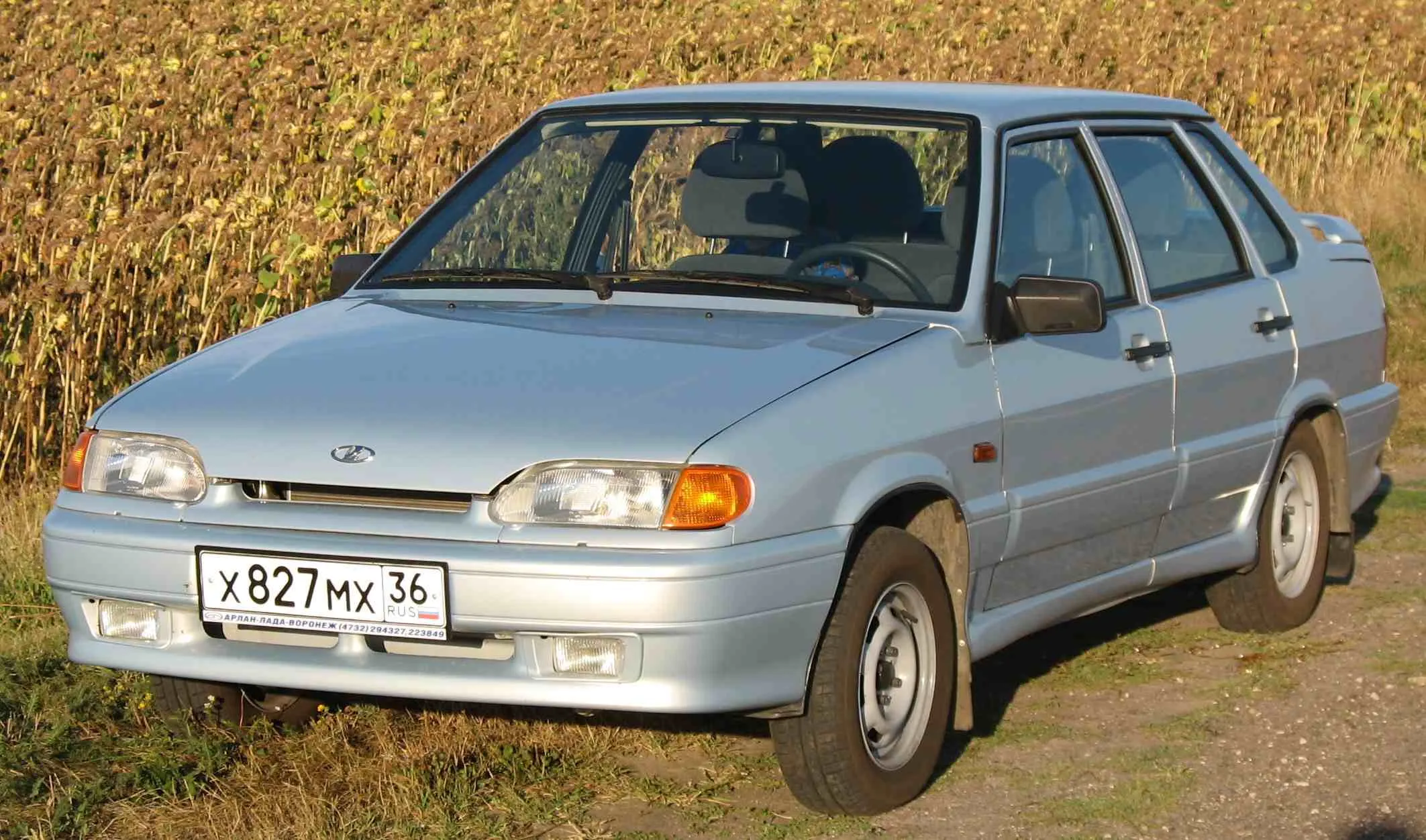
10. Lada 2110 Premier (Russia Only)
Stretch limousines often evoke images of luxury marques and ceremonial occasions, yet Russia created its own distinctive interpretation through the Lada 2110 Premier. Officially sold only within Russia, this elongated sedan adapted the standard Lada 2110 platform into a vehicle suited for executive transport and institutional use. Its existence illustrates how domestic manufacturers respond creatively to local expectations.
The wheelbase extension defined the Premier’s transformation. By lengthening the central section of the body, engineers created additional rear passenger space intended for business leaders and government representatives. Exterior proportions remained recognizable as part of the Lada family, though the increased length subtly altered its stance.
Rather than adopting extravagant styling, designers retained conservative lines consistent with domestic taste. Interior revisions focused on comfort. Rear occupants benefited from expanded legroom, upgraded upholstery, and improved amenities compared to the standard sedan.
Materials reflected practicality rather than extravagance, yet attention to passenger accommodation was clear. Climate considerations influenced engineering decisions as well. Russian winters demanded reliable heating systems and robust mechanical components capable of enduring harsh conditions.
Powertrains remained consistent with familiar Lada engines, selected for ease of maintenance and durability. Engineers prioritized reliability and cost control instead of high output figures. Straightforward mechanical architecture allowed servicing across a wide network of local workshops without specialized tools. This approach aligned with the broader philosophy of accessible ownership.
Distribution outside Russia remained minimal, preserving its rarity in international markets. Observers unfamiliar with domestic automotive developments may find the concept surprising, yet it reflects a practical solution tailored to national demand.
Acquiring a Lada 2110 Premier today requires dedication and appreciation for its unique background. It stands as evidence that even modest platforms can be reimagined to serve specialized domestic roles, illustrating how automotive identity forms through regional priorities and practical necessity.
