
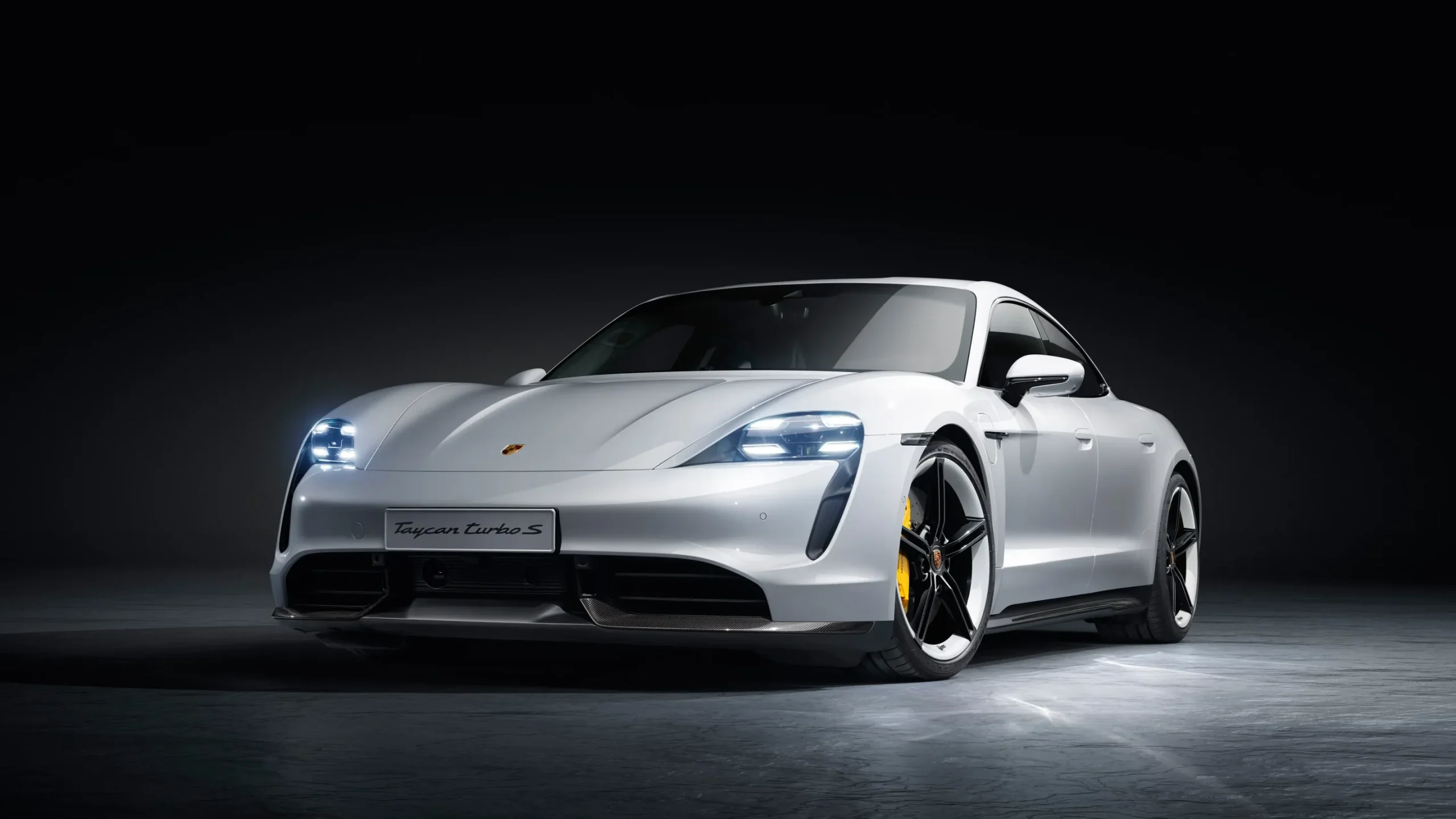
Charging speed has become one of the most decisive factors in electric vehicle adoption. Range matters, design matters, price matters, but time remains the resource drivers guard most closely. Early electric vehicles required long charging sessions that tested patience and limited flexibility. That reality has changed rapidly.
Automakers and battery engineers have invested heavily in chemistry, architecture, thermal management, and charging infrastructure to shrink waiting times. What once took hours can now take minutes under the right conditions. These improvements are not marketing gimmicks. They represent serious technical progress in materials science and electrical engineering.
Faster charging depends on more than just powerful stations. Battery cells must tolerate higher energy flow without degrading. Cooling systems must prevent overheating. Voltage architecture must handle increased loads safely.
Software must regulate current intelligently to preserve long-term durability. When these elements align, charging stops begin to feel more like routine fuel breaks rather than extended delays. Presented here are ten advancements in battery technology that have materially reduced charging times.
Each example highlights a specific vehicle that showcases the innovation in action. Together, they demonstrate how rapidly electric mobility continues to mature.
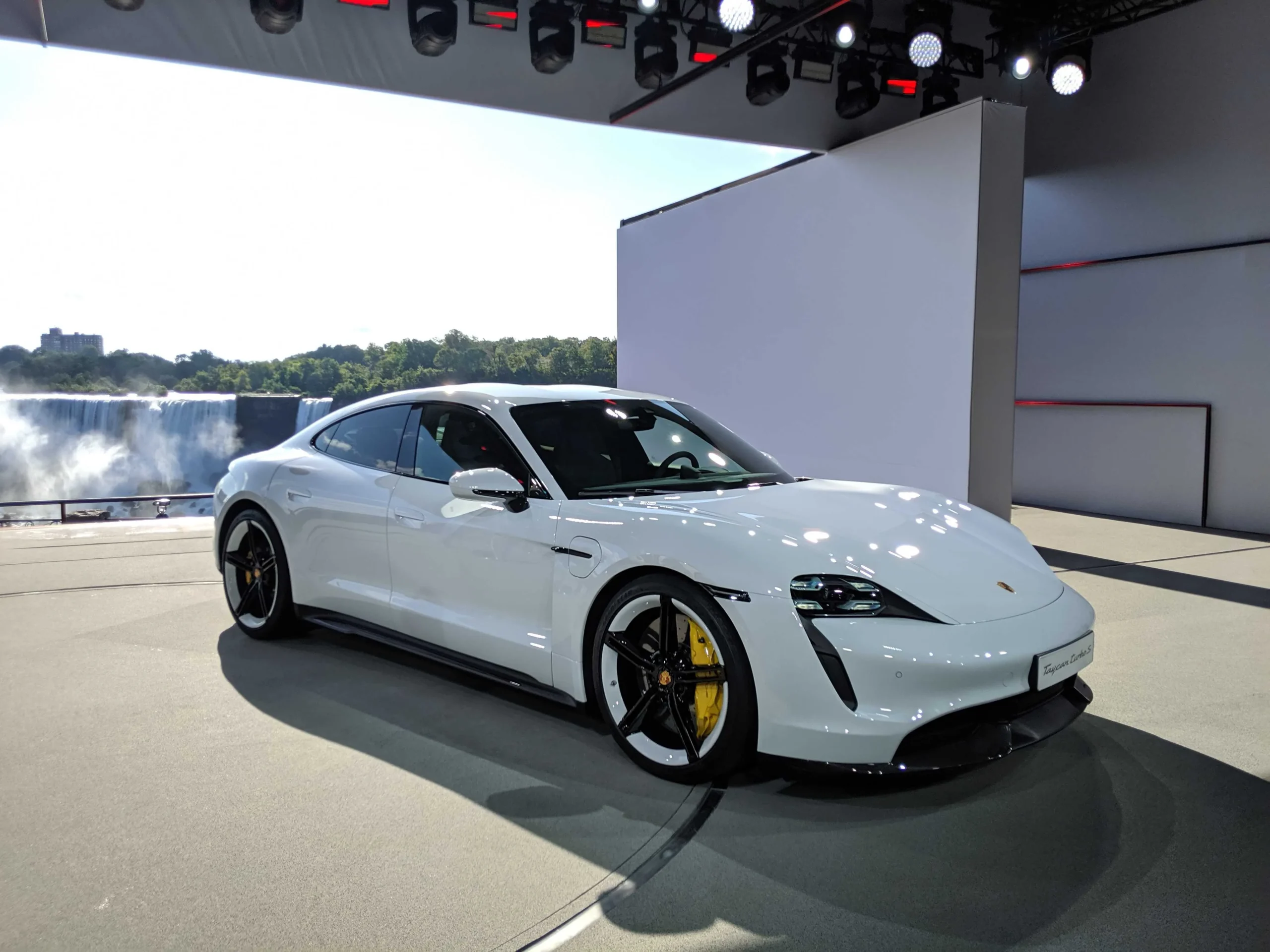
1. Porsche Taycan Turbo S and 800-Volt Architecture
High-voltage architecture changed expectations for charging speed, and the Porsche Taycan Turbo S stands as one of the clearest examples. Rather than relying on the traditional 400-volt systems used by many early electric vehicles, Porsche engineered the Taycan around an 800-volt electrical platform. That decision dramatically reduced charging duration under compatible fast chargers.
Higher voltage allows more power to flow without requiring excessive current. Lower current reduces heat generation in cables and battery components. Heat remains one of the main obstacles to rapid charging, so minimizing it enables sustained high power delivery. As a result, the Taycan can accept charging rates exceeding 250 kilowatts at suitable stations. Under optimal conditions, replenishing a large portion of the range can take roughly 20 minutes.
Thermal management plays a central role. Liquid cooling channels run throughout the battery pack to maintain stable temperatures. Intelligent software monitors cell conditions and adjusts charging curves in real time. Instead of pushing maximum power continuously, the system balances speed and longevity.
The engineering discipline defines the Taycan’s approach. Battery chemistry, inverter efficiency, and structural integration work together rather than functioning independently. Charging performance does not feel like an added feature; it feels foundational.
Porsche’s adoption of 800-volt technology influenced other manufacturers to reconsider voltage standards. That single architectural decision accelerated broader industry progress toward shorter charging sessions. The Porsche Taycan Turbo S demonstrates how rethinking electrical fundamentals can reshape user experience.
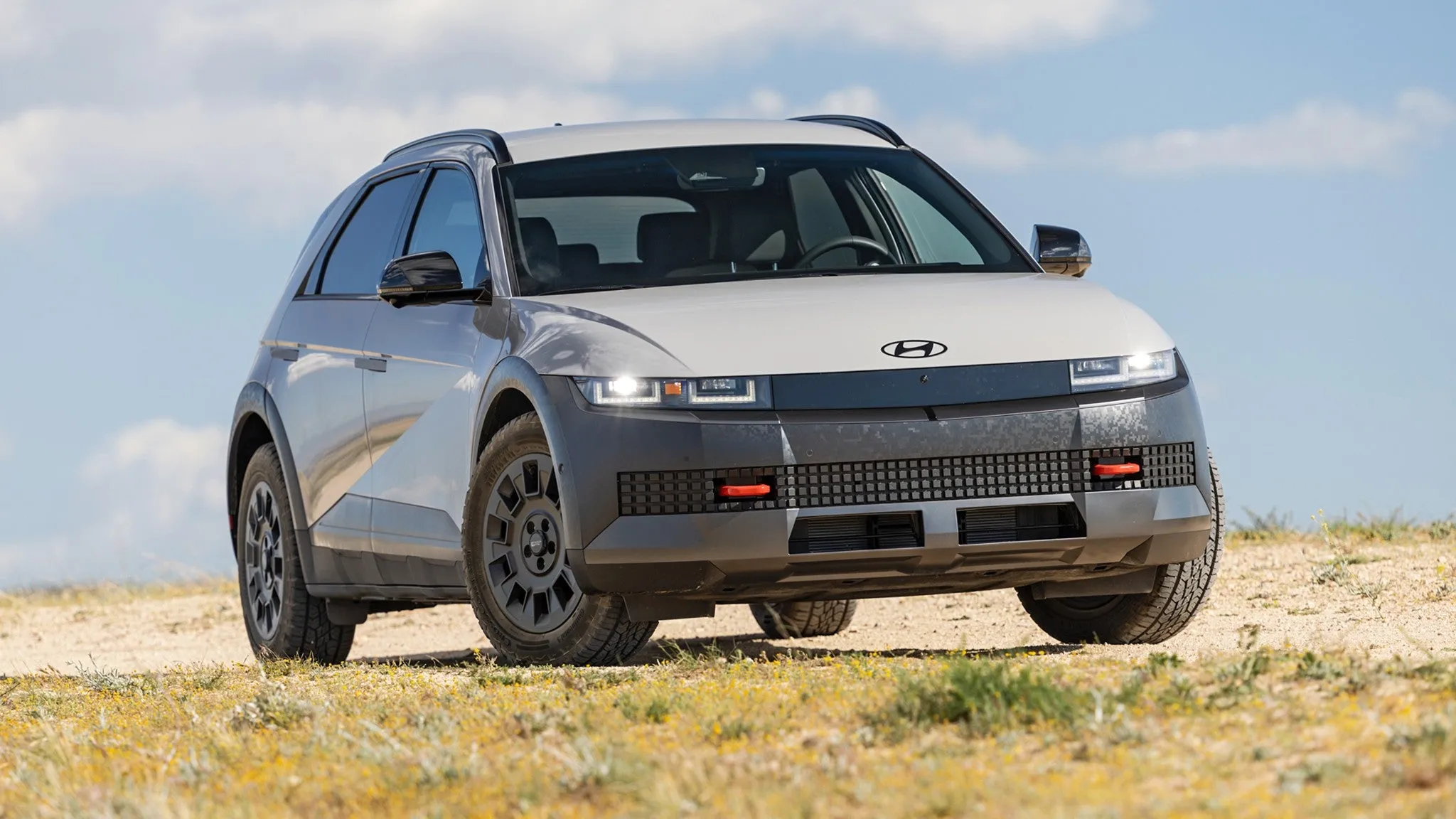
2. Hyundai Ioniq 5 and Ultra-Fast DC Charging Optimization
Rapid charging becomes practical when vehicle design supports high-power input without sacrificing durability. Hyundai addressed this challenge through the Hyundai Ioniq 5, built on the Electric Global Modular Platform. This architecture supports both 400-volt and 800-volt charging without requiring additional heavy hardware.
Flexibility defines the system. Internal components automatically adapt to available infrastructure, allowing the Ioniq 5 to charge efficiently across different networks. When connected to high-power stations, it can move from roughly 10 percent to 80 percent charge in under 20 minutes under ideal conditions.
Battery cell design contributes to this performance. Engineers optimized internal resistance and heat dissipation characteristics to tolerate rapid energy transfer. Cooling systems manage temperature carefully, preventing stress during aggressive charging sessions.
Practical benefits extend beyond speed. Reduced charging time makes road trips more feasible and daily use more convenient. Drivers can stop briefly and resume travel without extended interruptions. Hyundai’s solution demonstrates that high-voltage performance need not be limited to premium brands.
By integrating adaptable voltage support and robust thermal management, the Ioniq 5 shows how mainstream electric vehicles can deliver quick charging without compromising accessibility.
Also Read: 10 Pro Tips That Keep a Toyota Corolla iM Reliable Forever
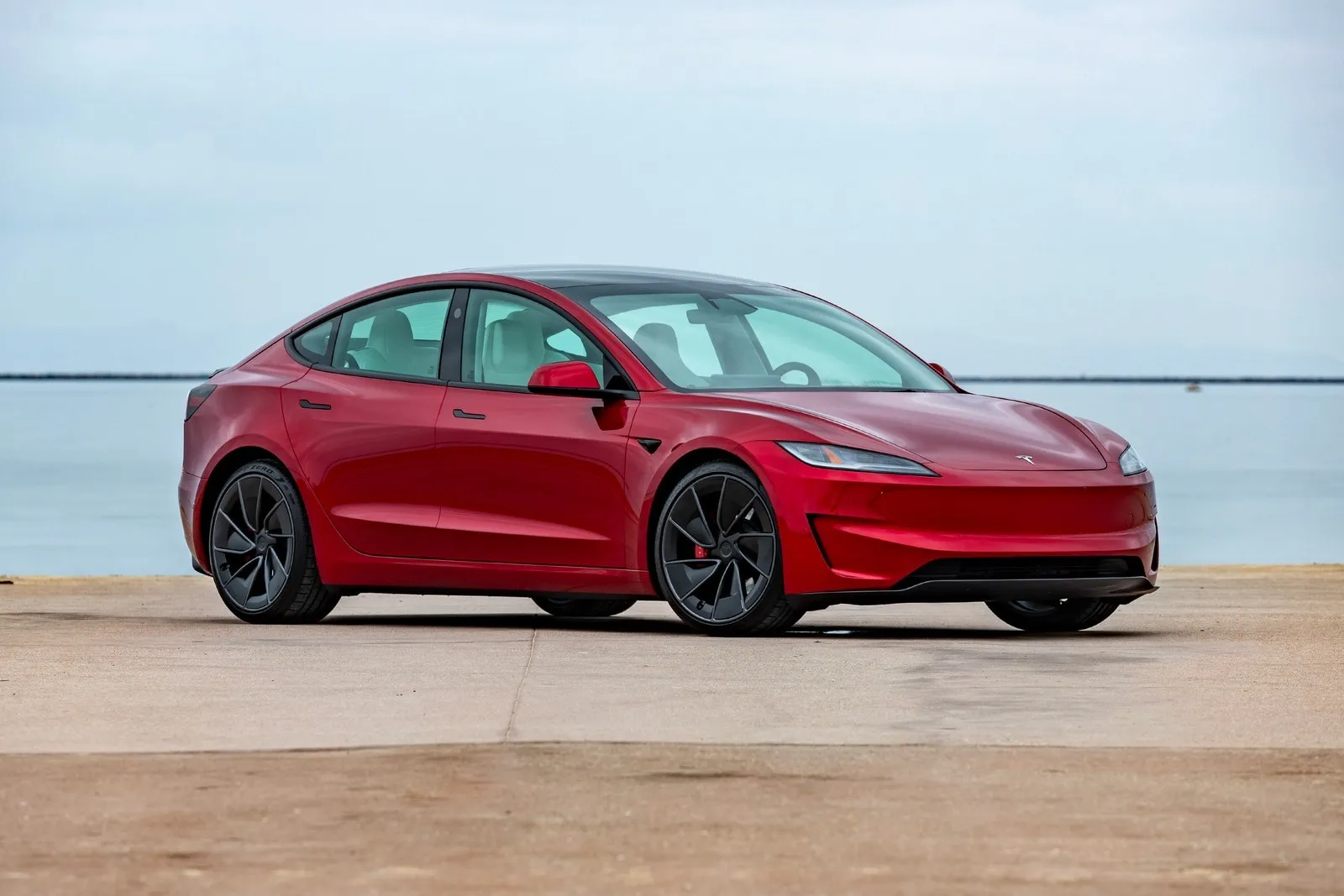
3. Tesla Model 3 Performance and Advanced Battery Management Software
Software intelligence plays an essential role in reducing charging times, and the Tesla Model 3 Performance illustrates how digital control enhances hardware capability. While early electric vehicles relied primarily on fixed charging curves, Tesla developed advanced battery management algorithms that optimize charging behaviour dynamically.
When approaching a fast-charging station, the vehicle can precondition its battery pack. Preconditioning warms or cools cells to an ideal temperature before charging begins. That preparation allows higher power acceptance immediately upon connection, reducing wasted minutes at the start of a session.
Charging curves are carefully calibrated. Rather than maintaining peak power until excessive heat builds, Tesla adjusts current flow continuously based on cell condition, state of charge, and temperature. This method preserves long-term battery health while still delivering competitive charging speeds.
Integration with the Supercharger network strengthens the system’s effectiveness. Communication between the vehicle and the charger ensures compatibility and coordinated power delivery. Drivers benefit from predictable performance rather than guesswork.
Tesla’s approach proves that chemistry alone does not dictate charging speed. Intelligent software coordination can extract better performance from existing hardware. The Tesla Model 3 Performance highlights how data-driven control reduces waiting time while protecting battery longevity.
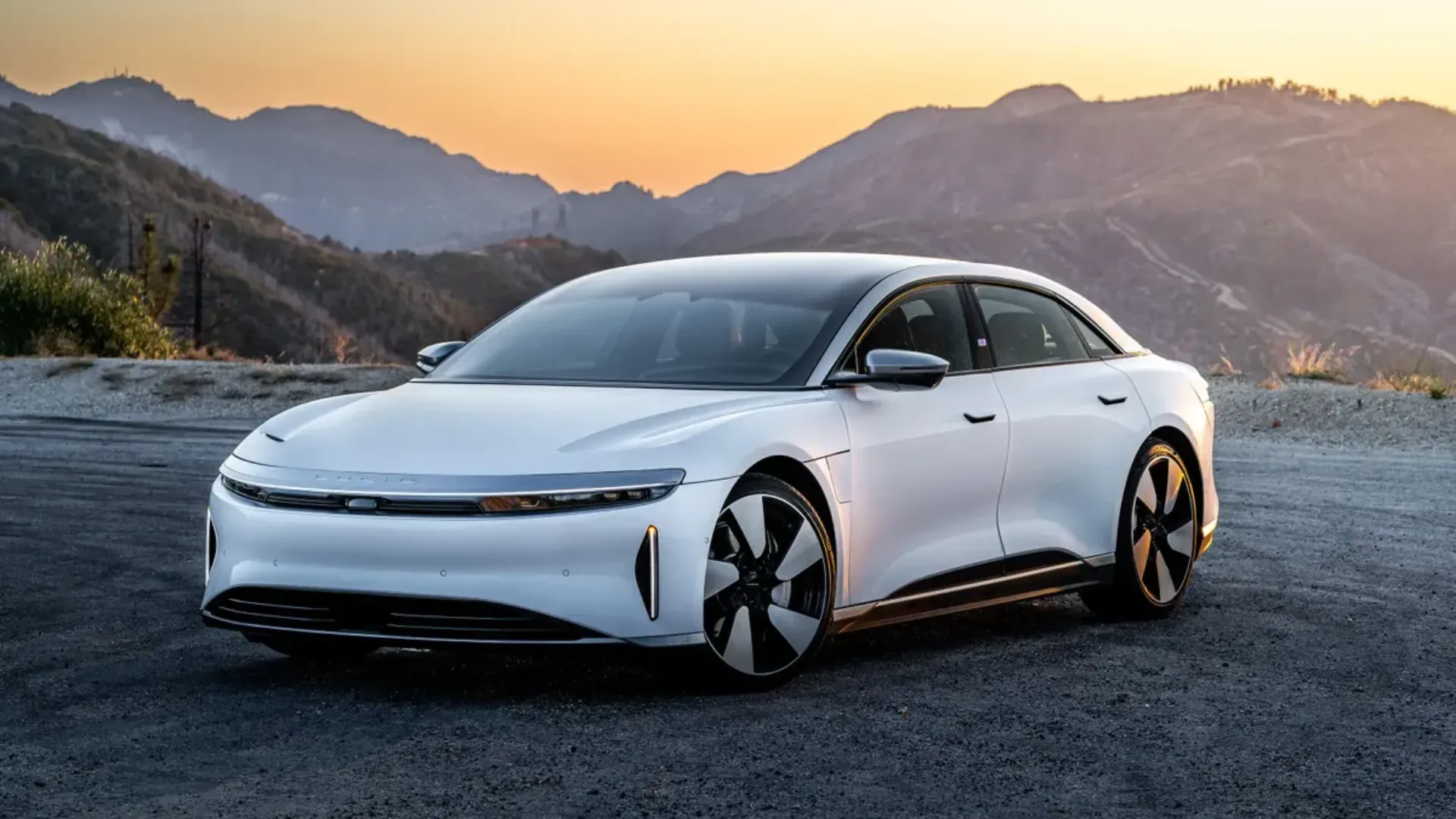
4. Lucid Air Grand Touring and High-Energy-Density Cell Design
Energy density influences charging performance more profoundly than casual observers typically appreciate. Lucid Motors developed proprietary battery cell configurations for the Lucid Air Grand Touring that permit high power acceptance without excessive physical bulk or weight penalties.
Compact yet capable cells reduce internal resistance through optimized electrode spacing and advanced electrolyte formulations, enabling rapid energy transfer that conventional battery architectures cannot match. This engineering approach prioritizes efficiency at the cellular level, where microscopic improvements compound into substantial system-level advantages.
Cell chemistry refinement focuses on maximizing lithium-ion mobility within electrode structures. Engineers selected materials and manufacturing processes that create porous electrode surfaces with increased active area, allowing more simultaneous electrochemical reactions during charging.
This architectural sophistication permits the battery to accept higher currents without experiencing voltage instability or excessive heat generation that would force charging systems to reduce power delivery prematurely.
High-efficiency power electronics complement this cellular design through sophisticated voltage conversion and current distribution systems. The vehicle can accept very high charging rates under compatible infrastructure, adding substantial range within short intervals that make electric vehicle ownership practical for drivers accustomed to petrol-powered convenience.
Reports indicate that hundreds of kilometres of range can be restored within approximately twenty minutes under ideal conditions, a performance that rivals traditional refuelling stops when accounting for payment processing and facility amenities.
Packaging efficiency contributes measurably to thermal management success. By optimizing module layout and minimizing unnecessary structural mass, Lucid improved thermal stability across the entire battery pack. Cooling systems distribute temperature evenly across cells through carefully designed fluid pathways that prevent localized overheating in high-current areas.
Balanced thermal conditions permit sustained high charging rates without abrupt tapering that extends charging sessions unnecessarily, maintaining driver convenience throughout the power delivery curve. Battery management software coordinates charging parameters with exceptional precision.
The system monitors individual cell voltages, temperatures, and state-of-charge levels continuously, adjusting power distribution to maintain optimal conditions throughout the pack. This active management prevents weaker cells from limiting overall charging speed, maximizing the performance potential of every component within the battery assembly.
Driver experience benefits directly from these engineering refinements. Reduced charging frequency and shorter sessions combine to enhance convenience during both daily use and long-distance travel. Routes that previously required multiple extended charging stops become manageable with fewer, briefer interruptions.
This practical improvement addresses one of the primary concerns potential electric vehicle buyers express when evaluating whether battery-powered mobility suits their lifestyle requirements. Lucid’s advancement lies not only in voltage architecture but in cell-level refinement that distinguishes its approach from competitors.
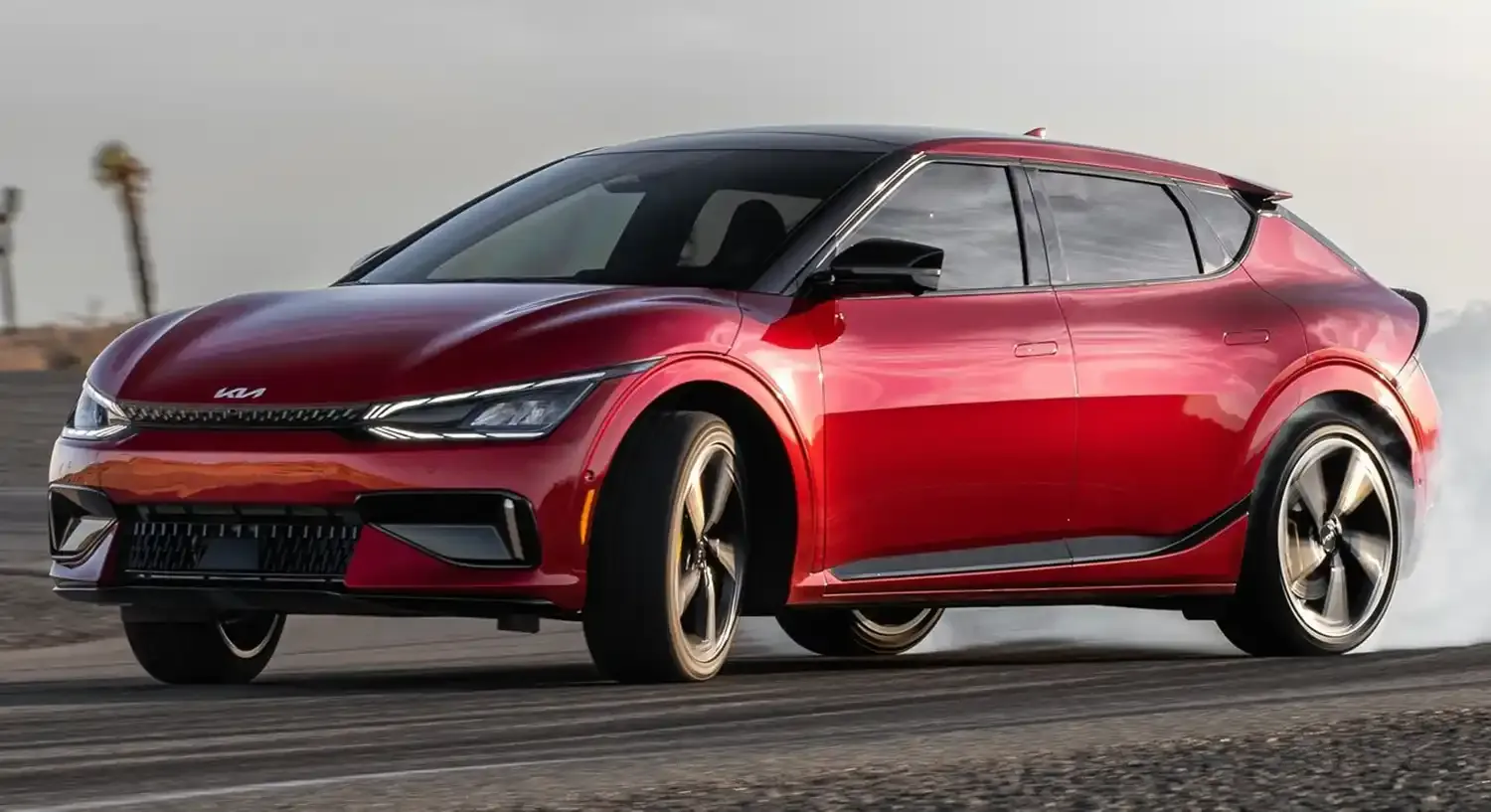
5. Kia EV6 GT and Silicon-Enhanced Anode Technology
Material science continues pushing charging performance boundaries, and the Kia EV6 GT reflects substantial progress in silicon-enhanced anode composition that improves fundamental battery characteristics. Traditional lithium-ion batteries rely heavily on graphite anodes for lithium-ion storage during charging cycles.
By incorporating silicon particles into the anode structure, manufacturers can increase energy absorption capacity and improve charging characteristics through enhanced electrochemical properties that graphite alone cannot provide.
Silicon possesses the capacity to hold considerably more lithium ions than graphite alone, a property that allows faster energy intake during charging sessions. This increased storage capacity at the anode level means batteries can accept higher charging currents without experiencing the voltage limitations that constrain conventional graphite-only designs.
However, engineers must carefully manage expansion and contraction challenges associated with silicon, which changes volume substantially during lithium insertion and extraction. Controlled integration through composite materials and structural reinforcement yields performance benefits without compromising cycle life or safety margins.
This charging speed advantage translates directly into reduced travel time during long journeys where multiple charging stops would otherwise become necessary. Anode composition refinement requires sophisticated manufacturing processes that distribute silicon particles evenly throughout the graphite matrix.
Engineers developed techniques that coat silicon with protective layers, preventing direct electrolyte contact that would accelerate degradation. These protective barriers accommodate volume changes during cycling while maintaining electrical conductivity, preserving the silicon’s beneficial properties throughout the battery’s operational lifetime.
Thermal safeguards remain absolutely critical when implementing silicon-enhanced anodes because increased energy density creates additional heat during rapid charging. Enhanced cooling systems maintain stable operating temperatures through improved heat exchanger designs and optimized coolant flow patterns, preventing degradation during aggressive charging sessions.
Software coordination ensures the silicon-enhanced cells remain within safe parameters by monitoring temperature gradients and adjusting charging rates proactively when thermal conditions approach concerning thresholds.
Battery management algorithms adapted specifically for silicon-enhanced chemistry monitor cell behaviour patterns that differ from conventional graphite-only designs. The system accounts for the unique voltage characteristics and impedance changes associated with silicon anodes, optimizing charging curves to maximize speed while preserving longevity.
This specialized software represents a substantial development investment that distinguishes modern electric vehicles from earlier generations using generic battery management approaches. Kia’s implementation reflects the broader industry movement toward refining internal chemistry rather than relying solely on external charger power increases.
By upgrading anode materials and combining them with high-voltage architecture and sophisticated thermal management, the Kia EV6 GT illustrates how microscopic innovation at the material level leads to shorter charging times and improved user convenience that makes electric vehicle ownership increasingly practical for mainstream consumers with diverse driving requirements.

6. GMC Hummer EV Pickup and High-Capacity Ultium Battery Platform
Massive battery packs once implied painfully long charging sessions. General Motors challenged that assumption through the GMC Hummer EV Pickup, built on the Ultium battery platform. Instead of relying solely on larger capacity, engineers reworked cell arrangement, module flexibility, and charging acceptance rates to reduce downtime.
Ultium cells use a pouch format that can be stacked vertically or horizontally, improving packaging efficiency and cooling access. This design allows better thermal regulation during high-power charging. Heat control remains a primary barrier to rapid energy transfer, so improved cooling pathways permit the battery to sustain elevated charging rates for longer periods before tapering begins.
Another critical factor lies in the Hummer EV’s 800-volt-capable architecture. Although it can operate on a 400-volt infrastructure, the system supports higher voltage charging when available. With compatible stations, the truck can accept up to 350 kilowatts of power. That capacity enables substantial range replenishment in approximately 10 to 20 minutes under favourable conditions.
Software management coordinates charging speed with battery health. Algorithms adjust current flow according to temperature, state of charge, and cell balance. Instead of maintaining maximum input at all times, the system prioritizes safe yet rapid replenishment.
Heavy electric trucks demand high energy consumption, making efficient charging essential. The GMC Hummer EV Pickup illustrates how scalable battery platforms and voltage flexibility can reduce charging duration even for large vehicles. Its approach demonstrates that size alone does not dictate slow charging when architecture and thermal strategy are thoughtfully engineered.
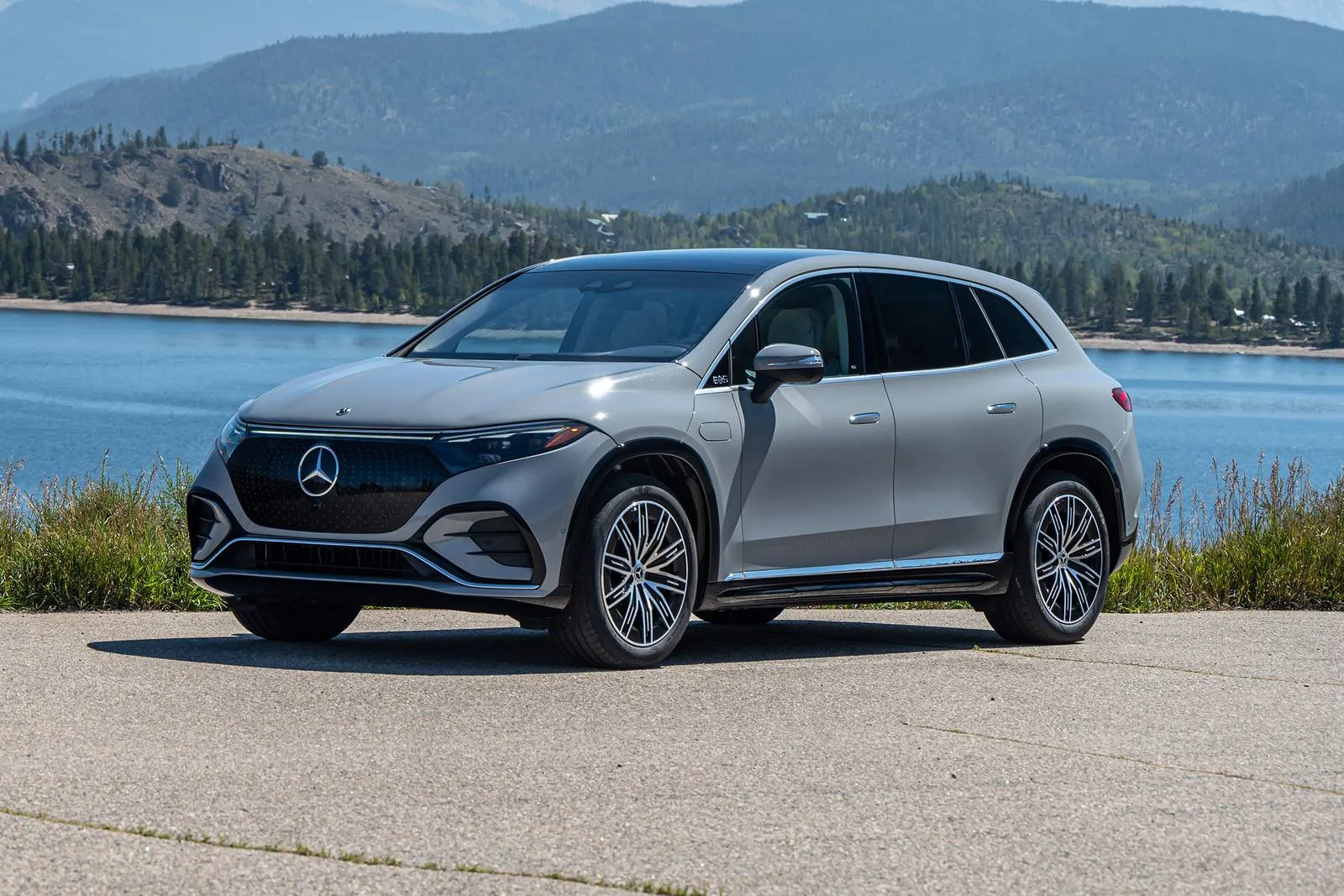
7. Mercedes-Benz EQS 580 4MATIC and Advanced Cell Chemistry Refinement
Luxury electric sedans often showcase advanced battery refinement, and the Mercedes-Benz EQS 580 4MATIC exemplifies this trend. Engineers focused on cell chemistry optimization to improve both energy density and charging acceptance. Adjustments in cathode composition and electrolyte formulation reduced internal resistance, allowing higher power input without excessive heat buildup.
Lower resistance translates into better efficiency during charging. When connected to high-power DC fast chargers, the EQS can accept strong charging rates, enabling roughly 10 to 80 percent replenishment in about 30 minutes under suitable conditions. While raw numbers matter, consistency across varying temperatures adds further value.
Thermal management systems operate with precision. Liquid cooling circuits and intelligent heat pumps stabilize cell temperature before and during charging sessions. Battery preconditioning prepares the pack for optimal performance, ensuring high charging speeds from the moment the connector locks into place.
Packaging also plays a role. The battery integrates into the vehicle floor structure, improving rigidity while maintaining even temperature distribution. Balanced cooling across modules reduces localized stress and supports sustained power intake.
Mercedes-Benz demonstrates that incremental chemical refinement, combined with careful thermal design, can reduce charging duration without sacrificing longevity. The EQS 580 4MATIC highlights how premium engineering attention to cell materials contributes directly to faster and more dependable charging experiences.
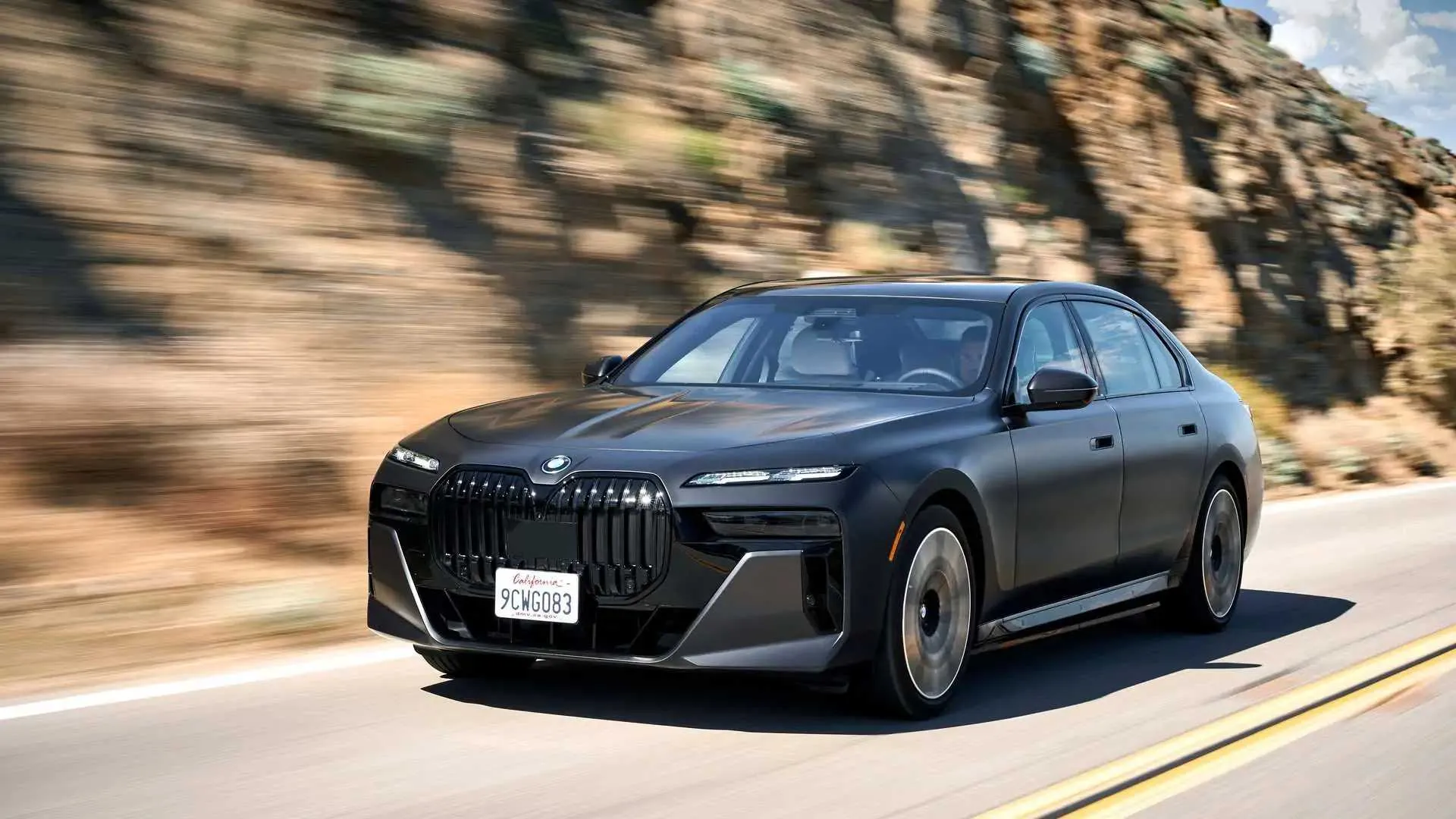
8. BMW i7 xDrive60 and Predictive Thermal Preconditioning
Efficiency during charging depends not only on hardware but on timing. BMW addressed this challenge in the BMW i7 xDrive60 through predictive thermal preconditioning linked to navigation data. When a driver selects a fast-charging station as a destination, the system automatically prepares the battery pack for optimal charging temperature before arrival.
Preconditioning reduces the delay often experienced at the start of charging sessions. Cold batteries cannot accept high power immediately, while overheated packs require protective limits. By adjusting the temperature in advance, the i7 ensures cells are within the ideal operating range when plugged in. This proactive approach shortens total charging time rather than just increasing peak power.
Charging capability itself remains strong, with support for high-power DC infrastructure. Under suitable conditions, substantial energy replenishment can occur within roughly half an hour. What distinguishes the i7 is not merely speed but efficiency of process. Drivers spend less time waiting for ramp-up phases.
Advanced battery management software monitors voltage distribution across individual cells. Balanced charging protects durability and allows consistent performance across repeated sessions. Thermal sensors positioned throughout the pack provide real-time data, allowing fine adjustments during charging.
BMW’s innovation underscores the importance of intelligent preparation. Faster charging does not depend exclusively on raw kilowatt figures. Predictive conditioning and seamless integration with navigation systems create smoother, quicker stops.
The BMW i7 xDrive60 demonstrates how anticipatory software can reduce perceived and actual charging duration through thoughtful orchestration of temperature and power flow.

9. Rivian R1T Dual Motor and Structural Battery Pack Integration
Electric pickup trucks require durability alongside rapid charging. Rivian approached this challenge in the Rivian R1T Dual Motor by integrating the battery pack as a structural element of the chassis. Structural integration improves rigidity while enabling optimized cooling pathways and shorter electrical connections between modules.
Reduced internal resistance arises from shorter current paths. When electricity travels through fewer connectors and cables, energy loss decreases and heat generation drops. Lower heat allows the pack to accept higher charging power safely. The R1T supports high-rate DC fast charging, enabling substantial range addition within a relatively brief stop under compatible infrastructure.
Cooling channels circulate fluid evenly throughout the pack. Uniform temperature distribution prevents hotspots that would otherwise force early tapering of charging power. Engineers designed the pack to endure demanding usage, including towing and off-road operation, without sacrificing charging efficiency.
Battery management software monitors pack health continuously. Charging curves adjust dynamically based on pack temperature and state of charge. This coordination ensures strong performance without compromising longevity.
Rivian’s structural approach represents more than a packaging decision. By integrating the battery into the vehicle’s architecture, engineers improved both strength and thermal control. Faster charging results from that synergy. The Rivian R1T Dual Motor illustrates how physical design choices at the structural level can influence electrical efficiency and reduce charging time for demanding vehicle categories.
Also Read: 10 Useful Pro Tips That Keep Your Chevy Impala LT Road-Ready
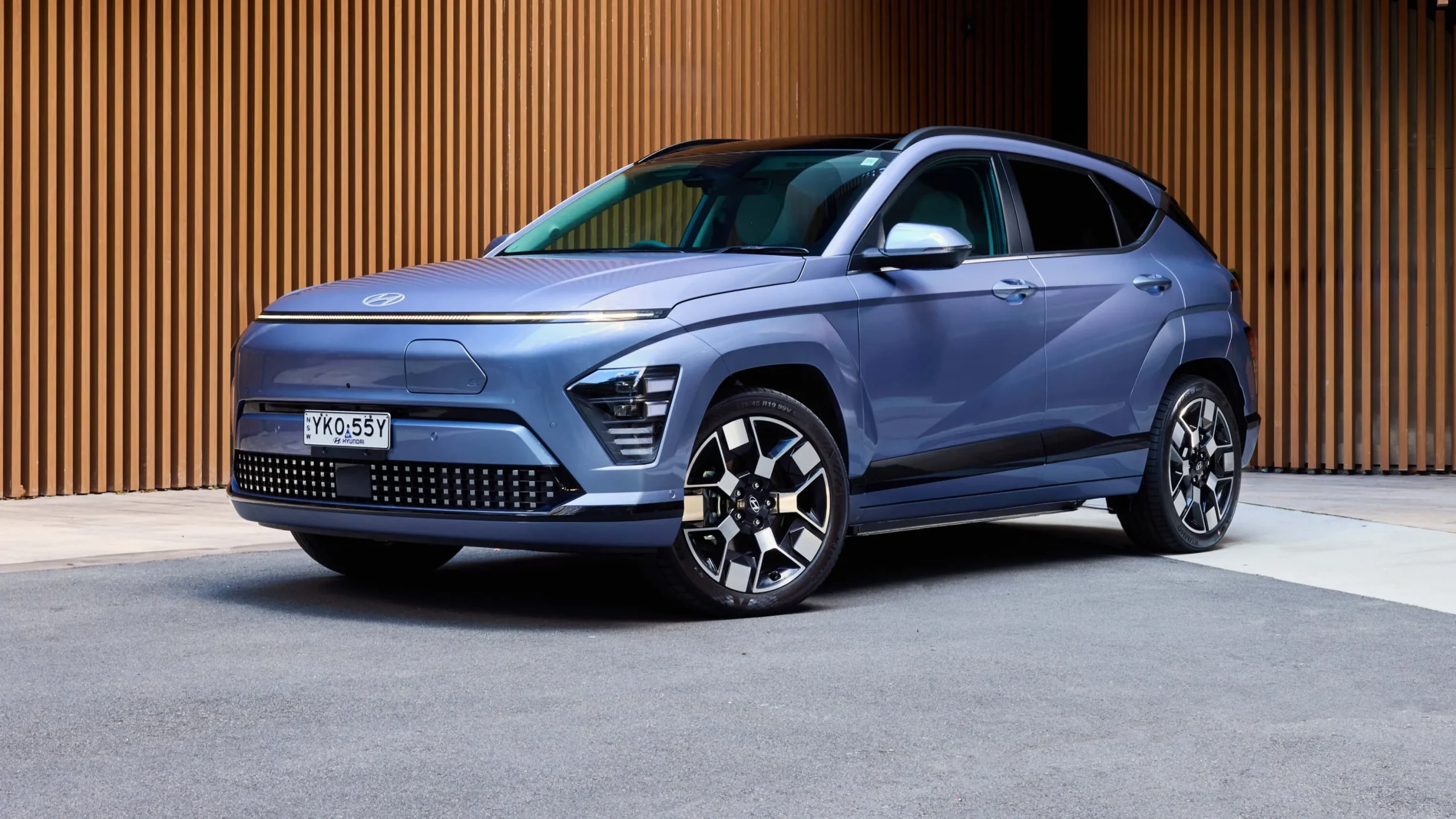
10. Hyundai Kona Electric 2024 and Improved Lithium-Ion Phosphate Adaptation
Cost-effective battery chemistry can still deliver meaningful charging gains. The Hyundai Kona Electric 2024 introduces refined lithium-ion phosphate cell adaptation in certain configurations, focusing on durability and thermal stability.
While lithium-ion phosphate traditionally supports slightly lower energy density than some alternatives, improvements in cell design and charging algorithms have reduced its charging limitations considerably. Engineers achieved these gains through meticulous optimization of cell architecture and battery management systems rather than relying on expensive material innovations.
Thermal stability stands out as an advantage that pays dividends during repeated charging cycles. Lithium-ion phosphate chemistry tolerates high temperatures better than earlier formulations, maintaining structural integrity even when heat builds during rapid charging sessions.
That resilience allows sustained charging power without the rapid degradation concerns that plague batteries using less stable chemistries. Combined with enhanced cooling systems featuring improved thermal management pathways, the Kona Electric can accept competitive charging rates under suitable DC infrastructure without compromising battery longevity.
Software tuning refines charging curves through sophisticated algorithms that monitor cell conditions continuously. Rather than allowing abrupt power spikes followed by steep tapering that wastes time, the system maintains balanced energy flow to maximize time efficiency throughout charging sessions.
Drivers experience shorter sessions compared to earlier phosphate-based electric vehicles because power delivery stays optimized across wider state-of-charge ranges. Predictive modelling adjusts charging rates proactively based on temperature readings and cell voltage measurements.
Battery pack layout contributes to consistency through thoughtful module arrangement and thermal distribution design. Modules distribute heat evenly across the pack, reducing localized strain that accelerates degradation in specific cells.
Engineers optimized electrical pathways to minimize resistance through improved busbar designs and connection methods, enabling higher sustained current within safe limits. This architectural refinement allows the battery management system to push charging rates higher without risking thermal runaway or excessive voltage stress.
Cell-to-pack construction methods reduce parasitic mass from traditional module housings, improving energy density despite phosphate chemistry’s inherent limitations. Fewer intermediate structures mean more active material per unit volume, partially offsetting the density disadvantage while maintaining robust thermal management. This construction approach demonstrates how packaging innovation complements chemistry improvements.
Manufacturing scalability keeps costs controlled because lithium-ion phosphate materials remain more abundant and less expensive than alternatives requiring cobalt or high-nickel content. Supply chain stability reduces price volatility, making vehicles more affordable while maintaining acceptable performance characteristics. This economic advantage matters for mainstream adoption, where price sensitivity determines market success.
