

Gas prices fluctuate wildly, maintenance costs climb annually, and your commute just got longer because traffic patterns changed. You’re spending thousands yearly on driving expenses, while your coworker with an identical car somehow pays hundreds less.
She arrives at work relaxed, while you feel stressed from aggressive driving that burned extra fuel and wore brakes prematurely. What’s her secret?
Efficient driving isn’t about hypermiling techniques that create traffic hazards or buying expensive hybrid technology. Simple behavioral changes reduce fuel consumption by 15 to 30 percent while extending vehicle life through gentler component wear.
You’ll spend less time at gas stations, visit mechanics less frequently, and arrive at destinations feeling calmer. These techniques work in any vehicle from compact economy cars to full-size trucks, requiring no special equipment or modifications.
Most drivers waste fuel and accelerate wear through habits learned from parents or developed through years of unconscious repetition. You punch the accelerator, leaving every stoplight, brake hard approaching intersections, and maintain inconsistent highway speeds.
These behaviors feel normal because everyone drives this way, but they cost you money daily. Your vehicle burns 20 percent more fuel than necessary and wears brake pads twice as fast as efficient drivers.
Highly efficient drivers develop different habits that seem counterintuitive initially but become second nature quickly. You’ll learn to anticipate traffic flow, maintain momentum, and use vehicle weight advantageously. These techniques feel awkward for the first week before muscle memory takes over, making efficient driving effortless.
This guide presents eight specific habits that transform your driving style, reducing operating costs substantially while improving safety and reducing stress. Whether you’re driving a 2024 Honda Civic or a 2019 Ford F-150, these techniques work identically, delivering measurable benefits within days of implementation.
Essential Habits for Efficient Driving
1. Anticipate Traffic Flow and Maintain Momentum
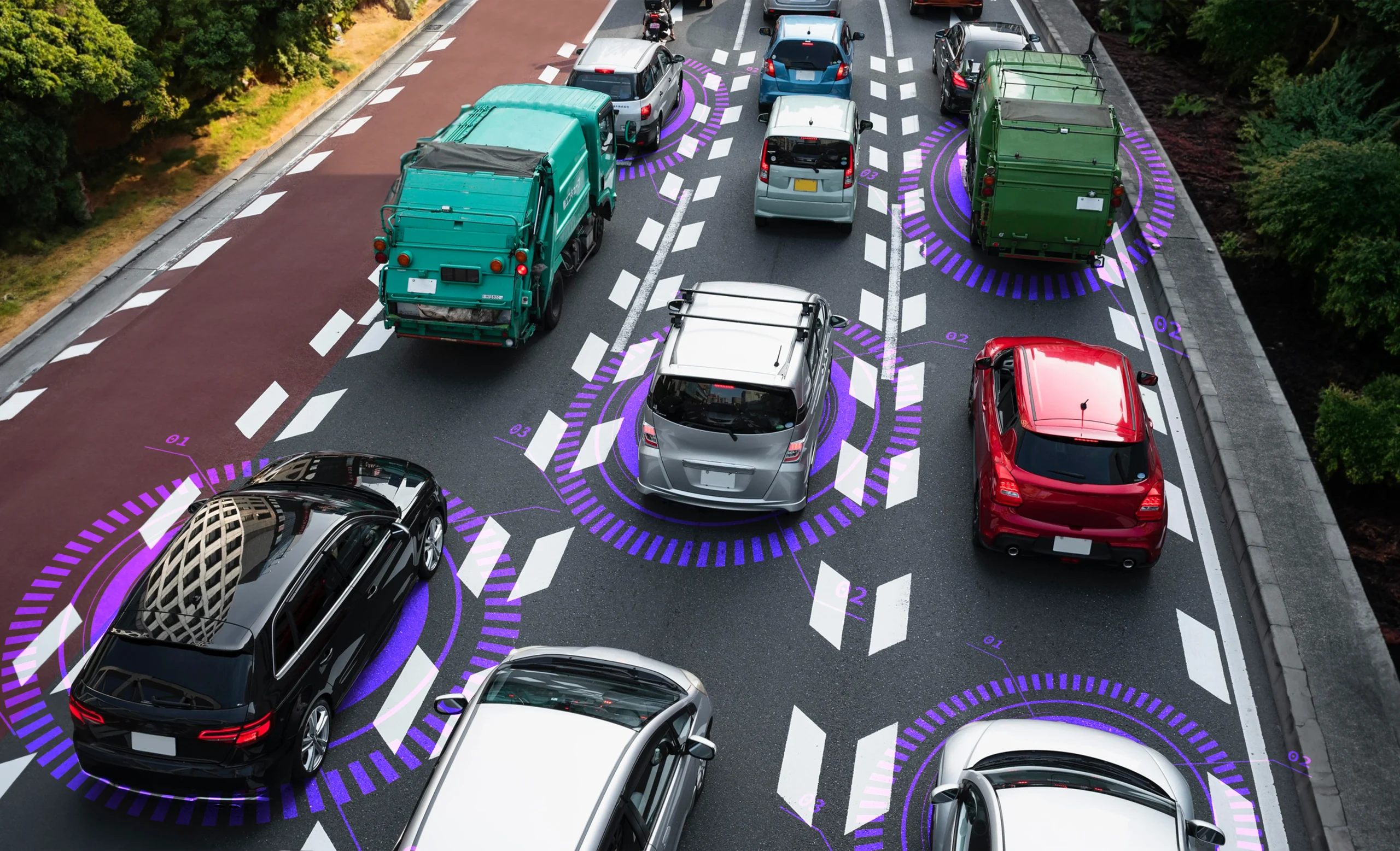
Reading traffic patterns several car lengths ahead transforms your driving efficiency dramatically. You’ll spot brake lights activating in the distance, allowing gentle deceleration rather than emergency braking that wastes momentum. Accelerating a 3,500-pound vehicle requires substantial energy that gets thrown away as heat every time you brake hard.
Efficient drivers preserve that momentum by anticipating stops and slowing gradually through engine braking and gentle brake application. Highway driving benefits enormously from looking beyond the vehicle immediately ahead. You’ll notice traffic patterns developing hundreds of yards forward, identifying lane slowdowns before they force sudden reactions.
This extended vision lets you change lanes proactively, maintaining steady speeds while reactive drivers constantly accelerate and brake. Cruise control helps maintain consistent speeds on level terrain, but smart drivers disengage it during traffic and hills where maintaining momentum matters more than constant velocity.
City driving requires reading traffic signals ahead, calculating whether you’ll reach green lights or need to stop. You’ll lift off the accelerator early when red lights appear inevitable, coasting toward intersections rather than accelerating pointlessly only to brake hard. This gentle approach reduces brake wear dramatically while saving fuel burned during unnecessary acceleration. Your passengers barely notice deceleration because it happens gradually rather than in sudden lurches.
Intersections with good visibility let you see cross-traffic and predict signal changes. You’ll spot the perpendicular signal turning yellow, knowing your green light arrives in seconds. This awareness lets you maintain rolling momentum rather than stopping completely, saving the energy required for reacceleration from zero.
Drivers who stop unnecessarily waste fuel while you glide through on the green, arriving ahead despite never exceeding speed limits. Grade changes require momentum management techniques that less efficient drivers miss. You’ll accelerate slightly before hills, carrying speed upward rather than flooring the throttle mid-climb.
This approach maintains steadier speeds with less throttle input, reducing fuel consumption. Descents become opportunities to replenish momentum through gravity, requiring minimal throttle application. Automatic transmissions shift more efficiently when you feed power smoothly rather than demanding sudden acceleration mid-grade.
Driving a 2023 Toyota Camry Hybrid rewards momentum maintenance particularly well because regenerative braking captures energy during deceleration. You’ll maximize energy recovery by anticipating stops, allowing the electric motor to slow the vehicle while recharging batteries.
Hard braking past the regenerative capacity wastes energy as heat through friction brakes instead of capturing it electrically. This gentle approach increases electric-only driving time, dramatically improving fuel economy beyond EPA estimates.
2. Accelerate Smoothly and Progressively
Gentle acceleration delivers better fuel economy than aggressive throttle application, regardless of vehicle type. You’ll apply throttle progressively, allowing smooth power delivery that keeps engines in efficient operating ranges.
Turbocharged engines particularly benefit from gentle acceleration because this reduces boost pressure, burning less fuel while achieving adequate acceleration for normal driving. Full-throttle starts burn fuel at astonishing rates while providing minimal time savings during daily commutes.
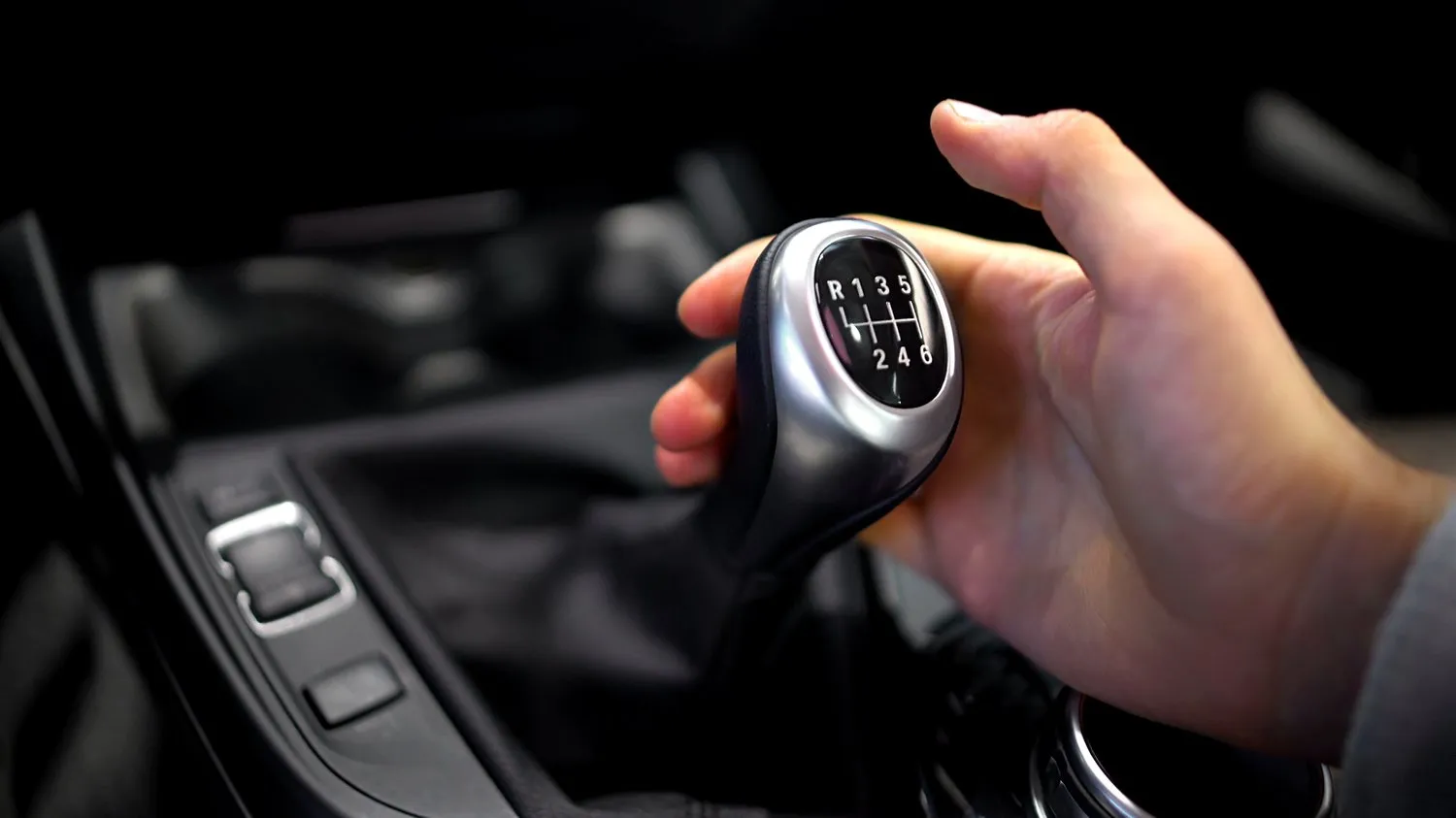
Manual transmission drivers maximize efficiency by shifting at lower RPM rather than revving engines to redlines. You’ll move around 2,500 to 3,000 RPM during normal acceleration, reaching higher gears quickly while maintaining adequate power for traffic flow.
This technique keeps engines in efficiency sweet spots where fuel consumption per horsepower stays lowest. Racing-style high-RPM moves waste fuel while providing no real-world benefits during typical driving.
Stop-and-go traffic demands extra discipline in maintaining gentle acceleration because frustration encourages aggressive throttle application. You’ll resist the urge to charge toward stopped traffic ahead, instead accelerating moderately while monitoring brake lights.
This measured approach reduces total fuel consumed because you’re accelerating less frequently when maintaining larger following distances. Aggressive drivers accelerate hard only to brake immediately, wasting fuel continuously.
Highway merging requires sufficient acceleration for safe integration without excessive throttle application. You’ll match traffic speeds smoothly, using merge lane length to accelerate gradually rather than flooring the throttle and burning excessive fuel. Modern vehicles provide adequate power for safe merging without demanding maximum acceleration.
Gentle but steady throttle application achieves highway speeds efficiently while avoiding dangerous slow merges that create traffic hazards. Driving a 2022 Mazda CX-5 Turbo demonstrates how smooth acceleration maximizes efficiency despite available power. You’ll feel a turbo boost building progressively rather than slamming on suddenly, creating linear power delivery.
Light throttle applications keep you off boost entirely, using naturally aspirated engine efficiency for gentle acceleration. This restraint saves fuel dramatically compared to constantly accessing turbo power during normal driving, where extra performance provides no benefit.
Also Read: 8 Tips for Keeping an Older Car Running Like New on a Budget
3. Optimize Highway Speeds for Efficiency
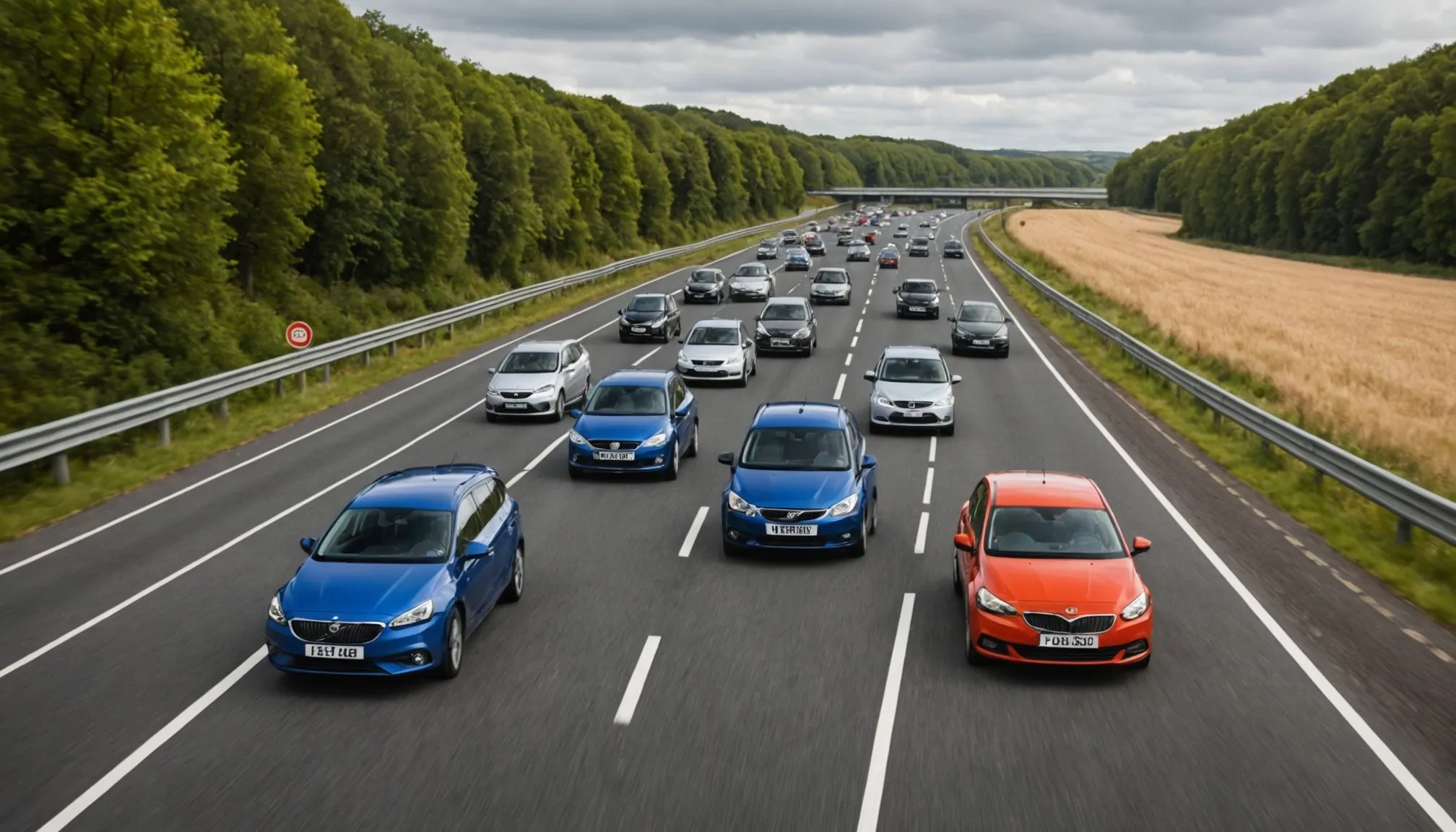
Aerodynamic drag increases exponentially with speed, making every MPH above 55 costly for fuel economy. You’ll see fuel consumption increase 15 to 25 percent when cruising at 75 MPH versus 65 MPH, with dramatic effects on range and fuel costs.
Wind resistance quadruples when doubling speed, meaning highway driving above 70 MPH burns fuel at alarming rates. Reducing cruise speed by just 5 MPH saves substantial fuel during long trips without adding meaningful travel time.
Sweet spot speeds vary by vehicle shape and gearing, but generally fall between 55 and 65 MPH. You’ll find optimal efficiency around 60 MPH for most vehicles, where aerodynamic drag stays manageable while engines run at efficient RPM ranges.
Taller gearing in modern vehicles helps, allowing low engine speeds at highway velocities. Monitoring instant fuel economy displays reveals exactly where your vehicle achieves peak efficiency, letting you adjust speeds accordingly.
Right-lane driving at slightly reduced speeds creates relaxed highway experiences while saving fuel. You’ll set cruise control at 63 MPH instead of 75 MPH, letting aggressive drivers pass while you maintain steady, efficient speeds.
This approach reduces stress because you’re not constantly monitoring for police while saving 10 to 15 percent on fuel costs. Extra travel time stays minimal, perhaps 5 to 10 minutes on hour-long trips, while fuel savings add up substantially.
Drafting behind large trucks reduces aerodynamic drag but creates dangerous situations requiring excessive following distances. You’ll avoid tailgating while still benefiting from slight drag reduction when following at safe distances. This technique works best on flat roads where speed consistency allows maintaining position without constant throttle adjustments. Never compromise safety for minor efficiency gains that put you at collision risk.
Hills demand different speed strategies where maintaining a constant throttle produces varying speeds. You’ll allow speed to drop 5 to 10 MPH climbing grades rather than adding throttle to maintain exact cruise settings. This technique saves fuel while creating minimal travel time differences. Descents naturally restore speed through gravity, minimizing fuel consumption during downhill sections.
Driving a 2021 Honda Accord 1.5T shows how small speed changes affect efficiency dramatically. You’ll watch the instant MPG display drop from 42 MPG at 65 MPH to 33 MPG at 75 MPH, an immediate 20 percent penalty for moderate speed increases.
This real-time feedback reinforces efficient speed selection, making the cost of excessive highway speeds visceral rather than abstract. Maintaining 60 to 65 MPH extends range noticeably while creating minimal time penalties.
4. Minimize Idling and Use Engine Start-Stop Technology
Idling consumes fuel while producing zero miles per gallon, making extended idling incredibly wasteful. You’ll burn a quarter to a half gallon hourly while sitting motionless, with larger engines consuming more.
Modern fuel-injected engines require minimal warm-up time even during cold weather, making extended idling unnecessary. Thirty seconds of idling uses more fuel than restarting, meaning shutting off during longer stops saves fuel immediately.
Drive-through lanes become fuel-wasting traps where you’ll burn gas for 5 to 10 minutes, gaining no travel. Parking and walking inside saves fuel while providing brief exercise breaks. This choice becomes particularly important for larger vehicles, where idling consumption rates increase proportionally with engine displacement. Your 5.7-liter V8 burns fuel twice as fast idling compared to 2.0-liter four-cylinder engines.
Remote start systems create wasteful idling when used excessively for cabin conditioning. You’ll start vehicles immediately before departure rather than 10 minutes early, using climate control while driving instead of while parked.
This restraint saves gallons monthly during extreme weather when people remotely start their vehicles habitually. Modern climate systems heat and cool cabins quickly, making extended warm-up periods unnecessary for comfort.
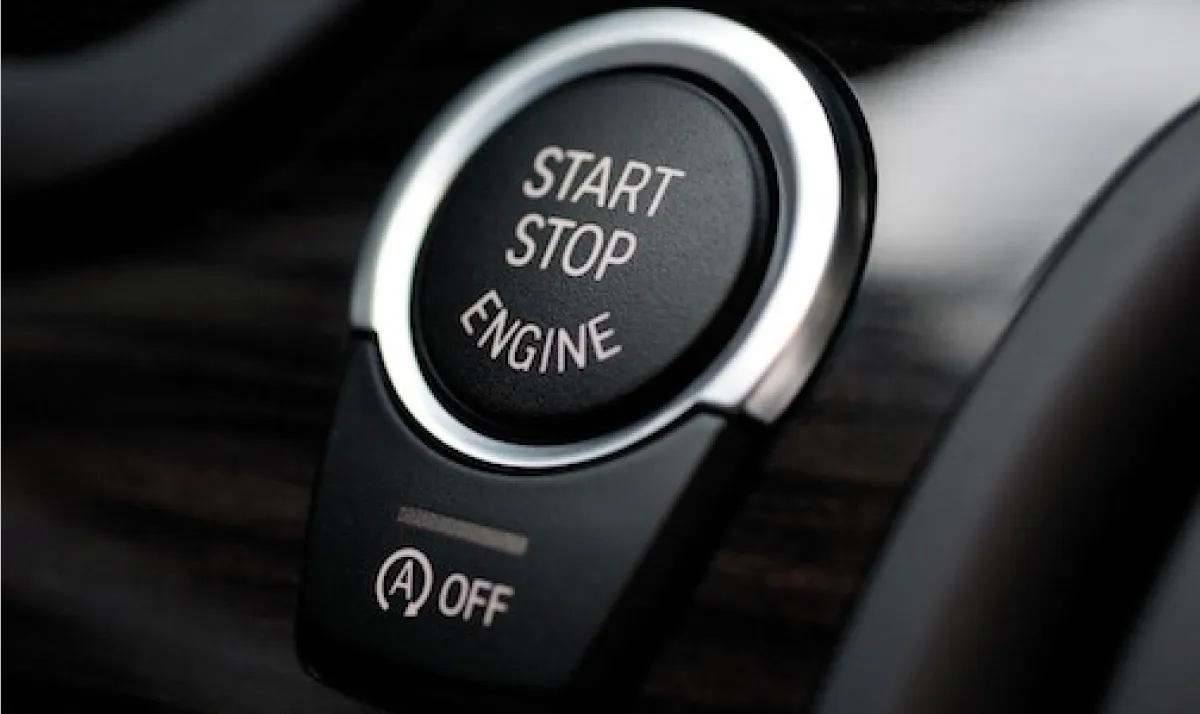
Start-stop technology automates idle reduction by shutting engines off during stops and restarting automatically when releasing the brakes. You’ll save 5 to 10 percent of fuel during city driving where this system operates frequently.
Initial awkwardness fades quickly as you adapt to momentary silence during stops. Disabling this system through dashboard buttons wastes the efficiency benefits that automakers engineered specifically for fuel savings.
Some drivers worry about starter and battery wear from frequent restarts, but automakers engineer robust components handling hundreds of thousands of start cycles. You’ll trust that starter motors and batteries are designed for this duty cycle, using technology that wouldn’t exist if reliability concerns were valid.
Fuel savings from start-stop technology justify any theoretical component wear that might occur. Driving a 2020 Jeep Grand Cherokee 3.6L with start-stop technology demonstrates meaningful fuel savings during city driving.
You’ll notice the engine shutting off at every stoplight, eliminating idle consumption that normally burns fuel pointlessly. This frequent cycling adds up substantially during daily commutes with dozens of stops, improving city fuel economy by 1 to 2 MPG compared to constant idling.
5. Maintain Proper Tire Pressure and Reduce Rolling Resistance
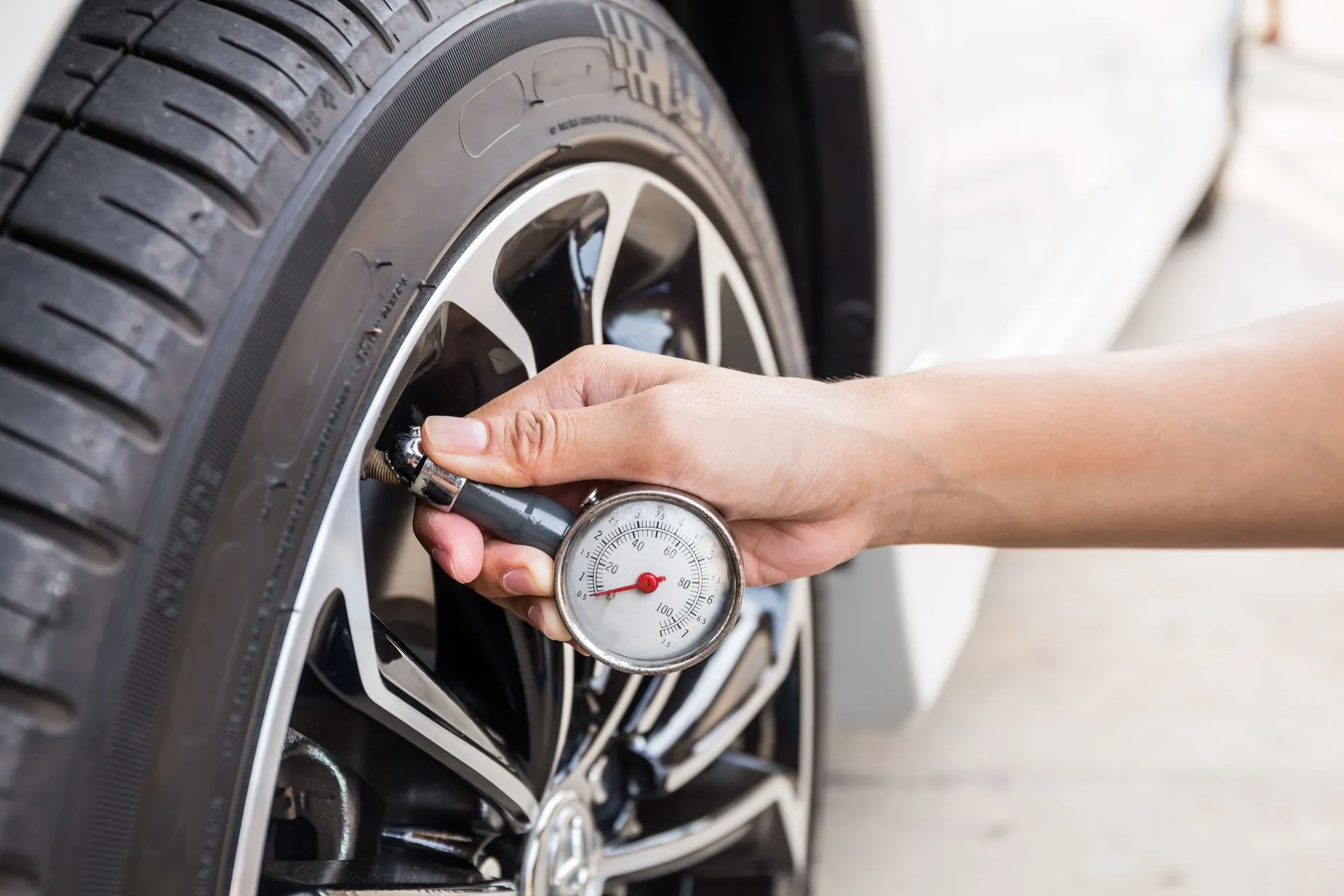
Underinflated tires create rolling resistance that burns extra fuel while accelerating wear patterns that shorten tire life. You’ll check pressure monthly using accurate gauges, maintaining manufacturer-recommended PSI listed on door jambs or owner’s manuals.
Pressures drop naturally through permeation and temperature changes, with tires losing 1 to 2 PSI monthly under normal conditions. Cold weather exacerbates this drop, with tires losing additional PSI as temperatures fall.
Recommended pressures optimize safety, handling, and efficiency simultaneously rather than representing minimum acceptable levels. You’ll inflate to exact specifications rather than arbitrary round numbers that ignore engineering calculations.
Overinflation reduces contact patches and creates harsh rides, while underinflation increases rolling resistance and heat buildup that degrades rubber. Proper inflation maximizes tire life while minimizing fuel consumption, creating win-win situations.
Visual inspections miss pressure deficiencies because tires appear adequately inflated even when 5 to 10 PSI low. You’ll use quality pressure gauges costing $10 to $20 that provide accurate readings, rather than trusting gas station gauges that frequently read incorrectly.
Digital gauges eliminate interpretation errors from analog dials, displaying exact pressures clearly. This small investment pays for itself through fuel savings within months.
Seasonal temperature changes demand pressure adjustments because air volume changes with temperature. You’ll add PSI during winter when temperatures drop and reduce slightly during summer heat.
This maintenance prevents running pressures outside optimal ranges during extreme weather. Checking pressures when tires are cold provides accurate readings because driving heats tires and increases pressures temporarily.
Low-rolling-resistance tires maximize efficiency through specialized rubber compounds and tread patterns that minimize energy loss. You’ll consider these tires during replacements, accepting slightly reduced grip and tread life in exchange for 2 to 4 percent fuel economy improvements.
You’ll maintain proper alignment through regular inspections, correcting issues before they cause premature tire wear. Misalignment creates drag as tires scrub sideways, burning extra fuel while destroying rubber. Annual alignment checks prevent these problems, extending tire life while maintaining optimal efficiency.
Driving a 2023 Subaru Outback demonstrates how proper tire pressure affects efficiency measurably. You’ll see instant fuel economy readings improve 1 to 2 MPG after inflating tires from 28 PSI to the recommended 35 PSI, an immediate 5 to 8 percent gain. This improvement persists indefinitely when maintaining proper pressures, delivering substantial savings over tire lifespans.
Checking pressures monthly becomes routine maintenance that pays dividends through reduced fuel costs and extended tire life. Cold weather monitoring prevents winter pressure drops that harm both efficiency and safety during challenging driving conditions.

6. Reduce Unnecessary Weight and Aerodynamic Drag
Extra weight decreases efficiency by requiring more energy for acceleration and climbing grades. You’ll remove unnecessary items from vehicles, keeping only essential emergency equipment and tools.
Trucks and SUVs accumulate cargo that never gets unloaded, with golf clubs, sports equipment, and forgotten purchases adding hundreds of pounds. Every 100 pounds reduces fuel economy by approximately 1 percent, making decluttering a free efficiency improvement.
Roof racks create aerodynamic drag even when empty, reducing highway fuel economy by 5 to 15 percent, depending on size and design. You’ll remove racks when not actively using them, storing hardware in garages between trips. This simple action improves efficiency immediately without any cost.
Cargo boxes magnify drag effects, reducing highway economy by 10 to 25 percent, depending on size and shape. Removing these accessories after trips prevents months of unnecessary fuel waste. Bed-mounted tonneau covers on trucks actually improve aerodynamics by smoothing airflow, reducing fuel consumption by 1 to 2 percent.
You’ll invest in quality covers that provide security benefits while delivering minor efficiency gains. This accessory pays for itself through fuel savings and cargo protection simultaneously. Bed caps create similar aerodynamic benefits while adding weather protection and security.
Open windows at highway speeds create turbulence that increases drag substantially. You’ll use air conditioning above 45 MPH because closed windows with climate control actually consume less fuel than open windows, creating aerodynamic disturbance.
This counterintuitive reality surprises drivers who assume air conditioning always wastes more fuel than fresh air. Below 45 MPH, open windows provide efficient ventilation, but highway speeds make closed windows with climate control more efficient.
Bike racks, ski racks, and other accessories create drag proportional to their frontal area and protrusion. You’ll mount these items only when actively using them, removing them between trips. Hitch-mounted bike racks stay somewhat aerodynamic, while roof-mounted options create substantial drag. Choosing appropriate mounting locations minimizes efficiency penalties during transport.
Trailer towing multiplies weight and drag effects, reducing fuel economy by 30 to 50 percent, depending on trailer size and weight. You’ll accept these penalties when towing becomes necessary while avoiding unnecessary towing that wastes fuel. Properly loaded trailers with weight distributed correctly reduce drag compared to poorly loaded options that create instability and increased resistance.
7. Master Coasting Techniques and Engine Braking
Modern fuel-injected engines are designed to stop fuel delivery during deceleration once the throttle is fully released and the vehicle remains in gear. When a driver lifts the foot early while approaching traffic lights, junctions, or slow-moving vehicles, the engine uses internal resistance to reduce speed while the injectors remain inactive.
During these periods, fuel consumption drops to zero. Longer coasting distances extend these zero-use intervals and produce visible savings on trip readings. Drivers using manual gearboxes achieve this result by staying in gear and easing off the accelerator instead of shifting into neutral immediately.
Automatic transmissions behave in a similar manner during coasting. When the accelerator is released, the transmission stays engaged and allows engine compression to slow the vehicle while the fuel supply is cut. The driver feels a gentle reduction in speed without pressing the brake pedal.
This method reduces brake wear and avoids fuel use at the same time. Selecting neutral during motion forces the engine to idle, which requires fuel to keep it running, making neutral coasting less efficient than staying in gear. Road gradients provide strong opportunities for extended coasting.
On downhill sections, gravity sustains movement once the throttle is released. A driver who anticipates slopes early can maintain a steady speed without fuel input for long distances. On longer descents, light braking may be required to manage speed, yet correct anticipation keeps braking to a minimum.
Some automatic vehicles allow manual gear selection, which increases engine braking and prevents brake overheating during extended downhill driving. Traffic signal coordination also supports effective coasting. Where green wave systems operate, maintaining a steady pace allows continuous movement through several intersections.
By easing off the accelerator between signals and allowing the vehicle to roll forward, fuel-free deceleration becomes frequent. Drivers who accelerate aggressively only to stop at red lights consume fuel repeatedly without any time benefit. Increased following distance is essential when frequent coasting is practised.
Engine braking produces slower deceleration than hard braking, so extra space allows smooth speed reduction without sudden stops. This spacing also improves safety and reduces pressure on surrounding vehicles, even when other road users close gaps during busy periods.
Hybrid vehicles introduce regenerative braking during coasting, converting motion into stored electrical energy. Drivers learn pedal control that maximises energy recovery without activating friction brakes. In such vehicles, careful coasting extends battery charge and increases electric-only driving distance.
Vehicles fitted with real-time fuel displays clearly show fuel flow dropping to zero during these moments, reinforcing disciplined coasting habits and encouraging consistent refinement of driving behaviour.
Also Read: 10 Pro Tips That Keep a Chevy Astro Van Reliable Forever

8. Plan Routes and Combine Trips for Maximum Efficiency
Cold engines consume more fuel until the proper operating temperature is reached. During warm-up, internal friction is higher, and combustion efficiency remains low. Multiple short journeys repeated across a day multiply this waste. Combining errands into a single extended trip allows the engine to heat once and remain efficient throughout the journey.
This approach reduces repeated cold starts and lowers total fuel use across daily activities. Careful trip sequencing also improves efficiency. When stops are arranged by location, unnecessary backtracking is removed, and the total distance falls. Planning errands in a logical geographic order reduces mileage and limits repeated acceleration from a standstill.
Digital mapping tools assist with this process by suggesting routes that shorten distance and travel time. Using these tools before departure supports smoother movement and better fuel outcomes. Timing plays a major role in consumption levels. Heavy congestion increases fuel use through frequent braking and idling.
Scheduling travel during periods of lighter traffic allows steady speeds and reduces wasted fuel. Early morning trips before peak hours and mid-day journeys between rush periods provide smoother flow. Individuals with flexible schedules benefit greatly from this adjustment, as fewer interruptions mean better efficiency.
Route choice also matters. Roads with constant stops demand repeated acceleration, which increases fuel use. In many cases, a slightly longer highway route with steady cruising consumes less fuel than a shorter urban path filled with intersections. Maintaining momentum at stable speeds improves efficiency per kilometre and reduces mechanical strain.
Parking decisions influence fuel use as well. Circling crowded lots in search of close spaces wastes fuel. Selecting a convenient open spot further away reduces low-speed manoeuvring and shortens search time. Reverse parking improves exit visibility and limits corrective movement during departure.
Shared travel increases efficiency per passenger. When people travelling along similar routes share one vehicle, fuel cost per person drops while traffic volume reduces. Coordinating such arrangements lowers personal expenses and eases congestion pressure on major roads.
Live traffic applications support smart routing by identifying congestion before and during travel. Checking conditions ahead of departure helps drivers avoid stationary traffic and select flowing alternatives. For hybrid vehicles, longer continuous trips allow batteries to recharge fully and support extended electric operation.
Short journeys show weaker economy readings, while longer combined trips deliver much better results. Careful planning replaces multiple inefficient outings with a single well-managed drive that delivers measurable fuel savings.
