
Engines may fall silent inside museum walls, yet the energy never fades. Car museums offer something that even the most exciting auto show cannot fully replicate: time travel. Walk through one gallery, and you are standing beside the brass era pioneers.
Turn a corner, and you find yourself face to face with a race car that once thundered down a legendary circuit. Each exhibit carries the spirit of innovation, competition, and artistic ambition. For automotive enthusiasts, visiting a great car museum is more than a casual outing.
It is a chance to see machines that shaped culture, pushed engineering limits, and inspired generations of drivers. These spaces protect rare models that most of us would otherwise only see in photographs. They also tell stories of designers, racers, and visionaries who transformed transportation into passion.
This guide highlights ten of the best car museums across the globe, each offering a distinct atmosphere and collection. From heritage brands preserving their roots to private collections showcasing exotic icons, these destinations deserve a place on any enthusiast’s travel list. Along the way, you will encounter legendary vehicles, including some of the most celebrated models ever built.
If you love cars not just as transportation but as art and history, these museums promise experiences you will remember for a lifetime.
1. Mercedes-Benz Museum, Stuttgart, Germany
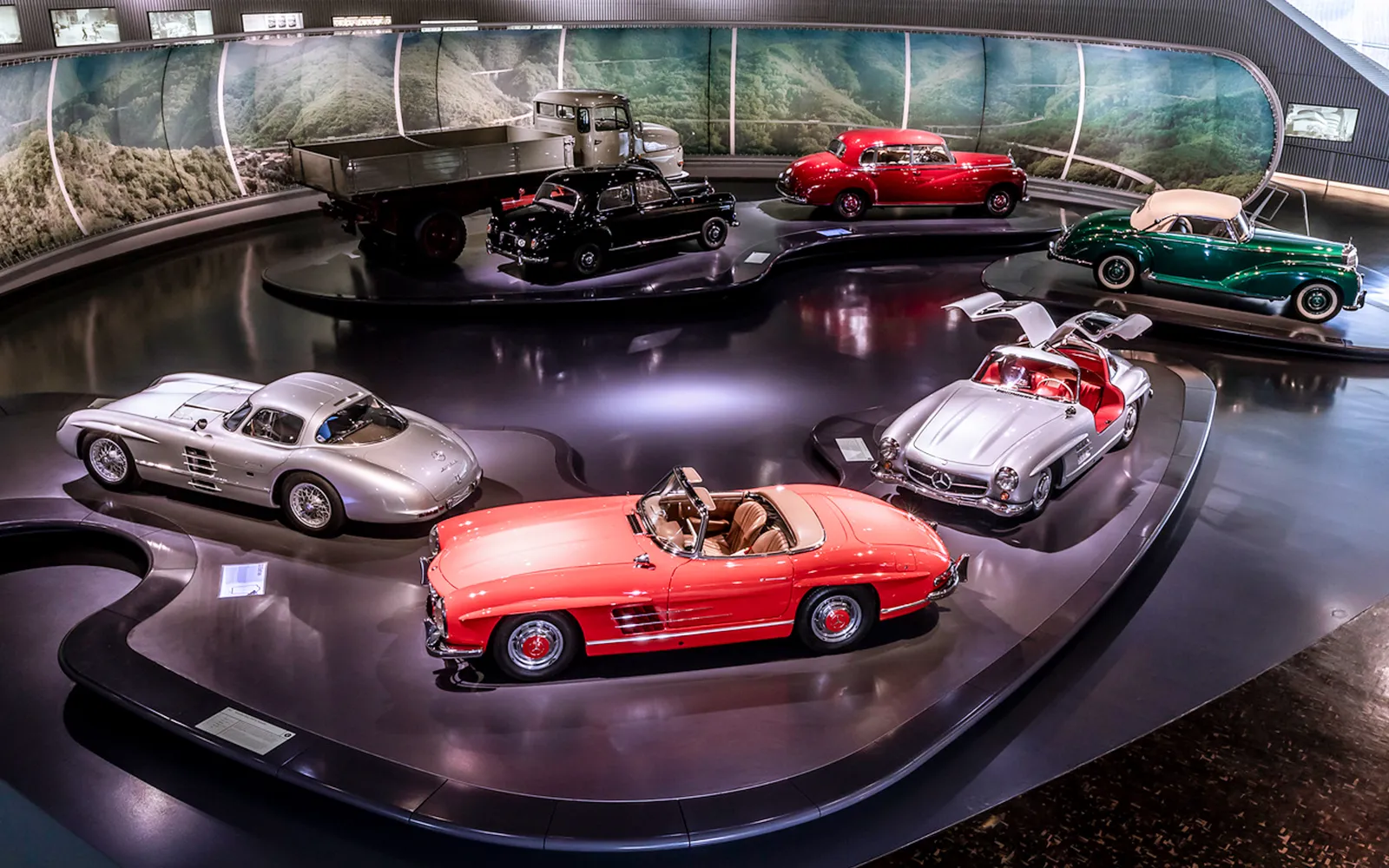
Rising above Stuttgart with futuristic curves, the Mercedes-Benz Museum stands as a tribute to more than a century of automotive progress. Architecture alone makes this destination worth the trip.
A double helix interior design guides visitors downward through time, starting with the earliest motorized carriages and moving toward modern performance machines.
Inside, history feels carefully curated rather than casually displayed. Each floor presents a different era, complete with contextual exhibits that highlight social changes, technological advances, and motorsport milestones.
One moment, you are admiring the Benz Patent Motorwagen replica. Soon after, you find yourself standing before racing legends and executive sedans that defined luxury standards.
Among the most admired vehicles on display sits the Mercedes-Benz 300SL Gullwing Coupe. Its upward-opening doors remain instantly recognizable, while its racing-derived engineering speaks to the brand’s pursuit of speed and precision. Seeing it in person reveals subtle design details that photographs rarely capture.
Interactive displays add depth to the visit. Visitors can trace safety innovations, examine cutaway engines, and learn how Mercedes-Benz contributed to advancements such as anti-lock braking systems and stability control. Motorsport enthusiasts will appreciate dedicated sections honoring Formula One achievements.
Stuttgart itself enhances the experience, with factory tours and nearby automotive attractions adding layers to the journey. Time spent here feels immersive and educational, offering insight into how one brand influenced global mobility.
For anyone passionate about engineering excellence and automotive heritage, the Mercedes-Benz Museum provides an unforgettable encounter with history.
2. Petersen Automotive Museum, Los Angeles, California
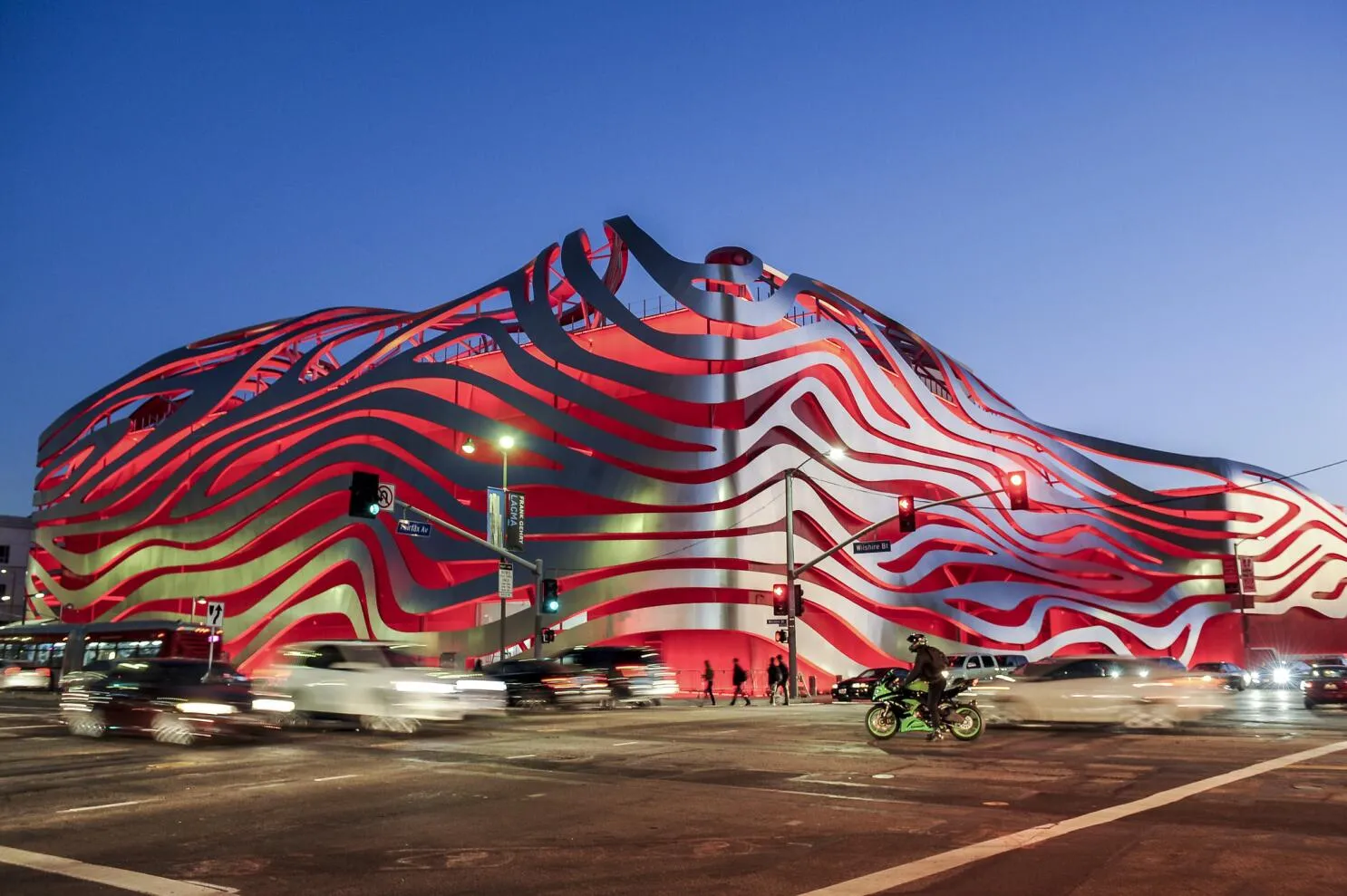
Bright red architectural ribbons wrap around the exterior of the Petersen Automotive Museum, signaling that creativity thrives inside. Located in Los Angeles, this museum blends Hollywood flair with serious automotive scholarship.
Step through the entrance, and the mood changes quickly. Exhibits range from early American hot rods to futuristic concept vehicles. Rotating displays keep the experience fresh, meaning repeat visits often reveal entirely new themes. Movie cars frequently appear here, linking automotive design with pop culture.
A highlight for many visitors is the 1955 Porsche 550 Spyder. Compact and purposeful, this lightweight sports car gained fame through racing success and its association with film icon James Dean. Viewing it up close offers a powerful reminder of how performance and cultural influence often intersect.
Beyond the public galleries, the Petersen Vault tour provides access to a private collection of rare and historic vehicles. Guides share stories that deepen appreciation for each machine, from coachbuilt classics to race cars that competed on international stages.
Educational programs and restoration workshops also form part of the museum’s mission. Young visitors can engage with interactive displays, while seasoned enthusiasts enjoy detailed historical documentation.
Los Angeles offers sunshine and vibrant city life, making this museum an ideal stop during a broader trip. For those who appreciate automotive artistry mixed with entertainment culture, the Petersen Automotive Museum delivers an experience that feels both dynamic and informative.
Also Read: Top 8 Cars for Commuters Who Spend Hours in Traffic Every Day
3. Ferrari Museum Maranello, Maranello, Italy
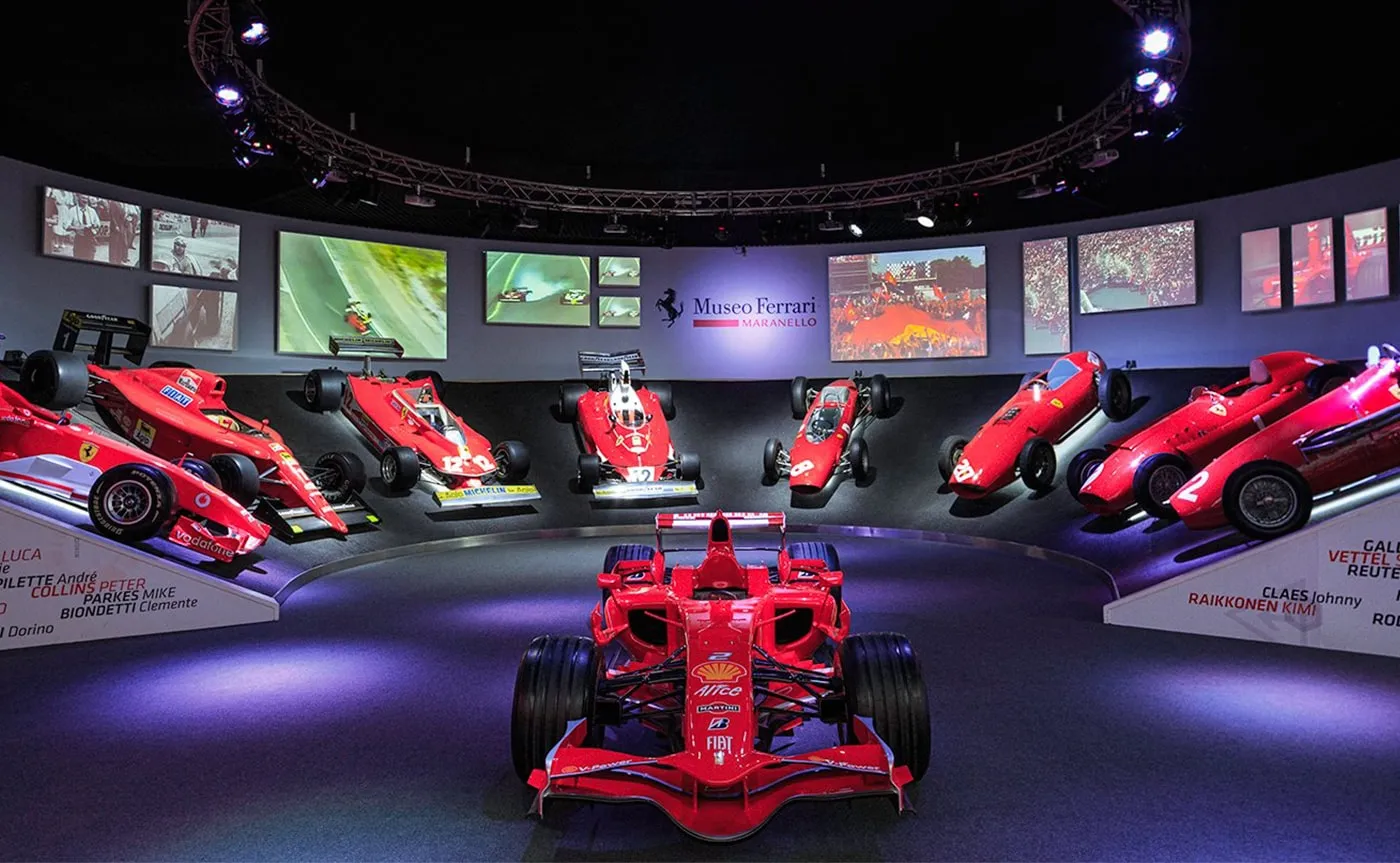
Passion permeates every section of the Ferrari Museum Maranello. Situated adjacent to Ferrari’s operational headquarters, this museum honours velocity, racing achievement, and Italian manufacturing excellence with unmistakable pride.
Architectural design emphasizes the brand’s racing heritage through purposeful spatial arrangements that guide visitors chronologically through Ferrari’s competitive history.
Visitors enter an environment where crimson hues dominate chromatic schemes. Exhibition arrangements concentrate heavily upon motorsport legacy, particularly Formula One accomplishments that secured global recognition for the prancing horse emblem.
Trophy collections, racing apparel, and championship-winning vehicles establish an atmosphere charged with competitive determination that reflects the brand’s unwavering commitment to circuit dominance. Among the most admired exhibits stands the Ferrari F40. Constructed to commemorate the company’s fortieth anniversary, this supercar synthesized uncompromising performance with lightweight construction methodologies.
Its aggressive styling vocabulary and turbocharged propulsion rendered it an aspirational vehicle for an entire generation. Standing before it discloses proportional relationships and design subtleties that photographic documentation cannot adequately communicate.
Interactive simulation equipment permits guests to evaluate their virtual driving proficiency on renowned racing circuits. Meanwhile, multimedia installations communicate insights into Enzo Ferrari’s philosophical vision and the developmental progression of iconic road-going models. These technological elements enhance visitor engagement beyond passive observation, creating participatory experiences that deepen appreciation for Ferrari’s engineering accomplishments.
Beyond museum boundaries, visitors can observe the adjacent manufacturing facility and potentially arrange evaluation drives through authorized experience programmes. Local dining establishments and refreshment venues reflect the region’s culinary distinction, contributing gastronomic pleasure to the automotive pilgrimage.
Ferrari Museum Maranello delivers intensity and heritage in equivalent proportions. For enthusiasts who admire racing success and dramatic design execution, this destination provides a powerful celebration of automotive aspiration.
The museum successfully communicates how racing achievements inform road car development, illustrating the direct technological transfer between circuit competition and production vehicles that distinguishes Ferrari from manufacturers lacking comparable motorsport involvement.
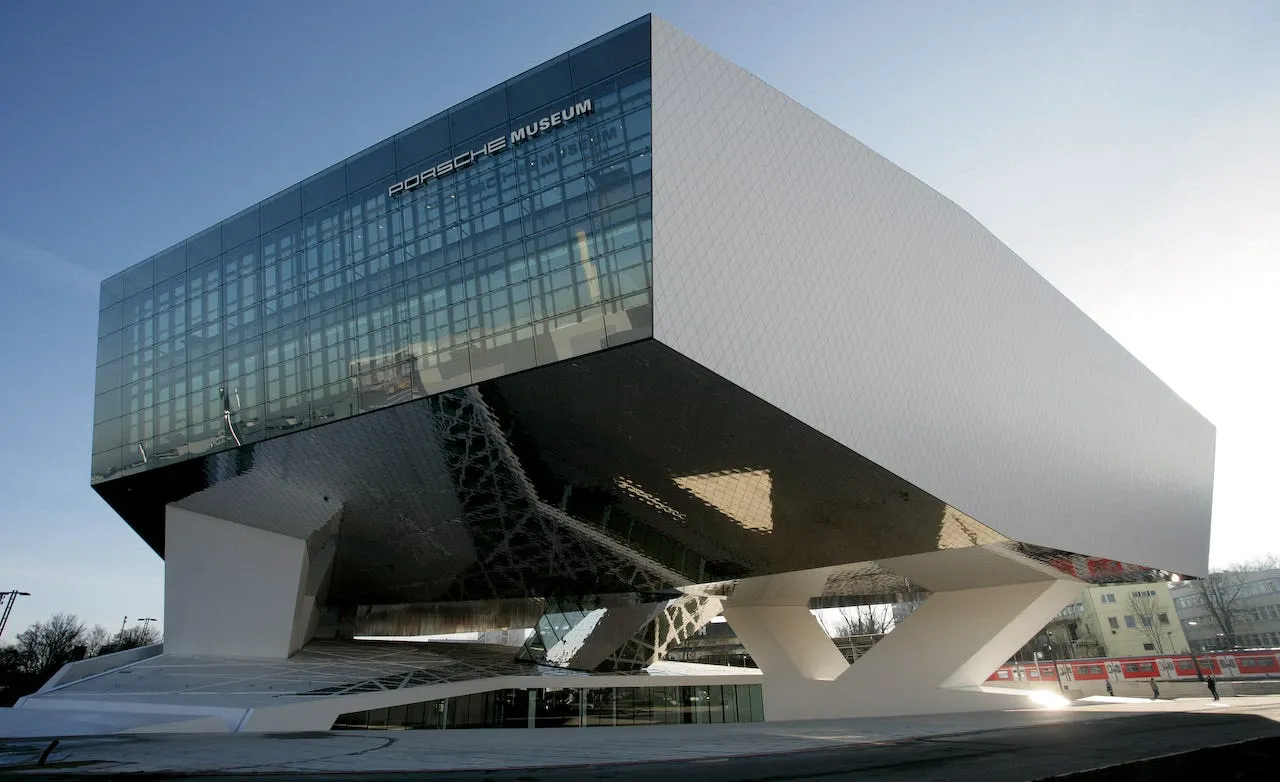
4. Porsche Museum, Stuttgart, Germany
Angular architectural vocabulary and minimalist design principles define the Porsche Museum. Suspended above ground level, resembling a floating structure, the building reflects the brand’s progressive philosophical approach toward design and engineering innovation that characterizes Porsche’s product development methodology.
Interior spaces present visitors with meticulously curated collections tracing Porsche’s developmental journey from early sports vehicles to contemporary performance icons.
Exhibition arrangements emphasize engineering milestones, including advancements in aerodynamic efficiency, lightweight construction techniques, and endurance racing technology that transferred directly into production applications.
Among standout vehicles resides the Porsche 911 Carrera RS 2.7 from 1973. Renowned for its distinctive rear aerodynamic appendage and racing pedigree, this model represents a pivotal moment in sports car design evolution.
Observing it proximately reveals why it persists as one of the most celebrated 911 variants among collectors and enthusiasts who recognize its historical importance within the model lineage.
The museum balances historical documentation with technical insight. Sectioned models and interactive exhibitions explain how powerplant designs progressed and how motorsport success influenced road car specifications. Dedicated galleries showcase Le Mans victorious prototypes and rally championship vehicles that demonstrate Porsche’s versatility across diverse racing disciplines.
Stuttgart’s automotive heritage surrounds the geographical area, rendering it feasible to combine visits to multiple manufacturer museums within abbreviated distances.
Pristine presentation standards, thoughtful illumination schemes, and concise informational explanations establish an experience that feels simultaneously educational and inspiring for visitors seeking technical understanding alongside aesthetic appreciation.
Porsche Museum appeals to enthusiasts who value precision engineering and performance-driven philosophy. Duration spent within these galleries deepens respect for a marque that consistently synthesizes tradition with innovation, maintaining core design principles whilst incorporating contemporary technologies that advance performance capabilities without abandoning the fundamental characteristics that define Porsche identity across generations of vehicle production.
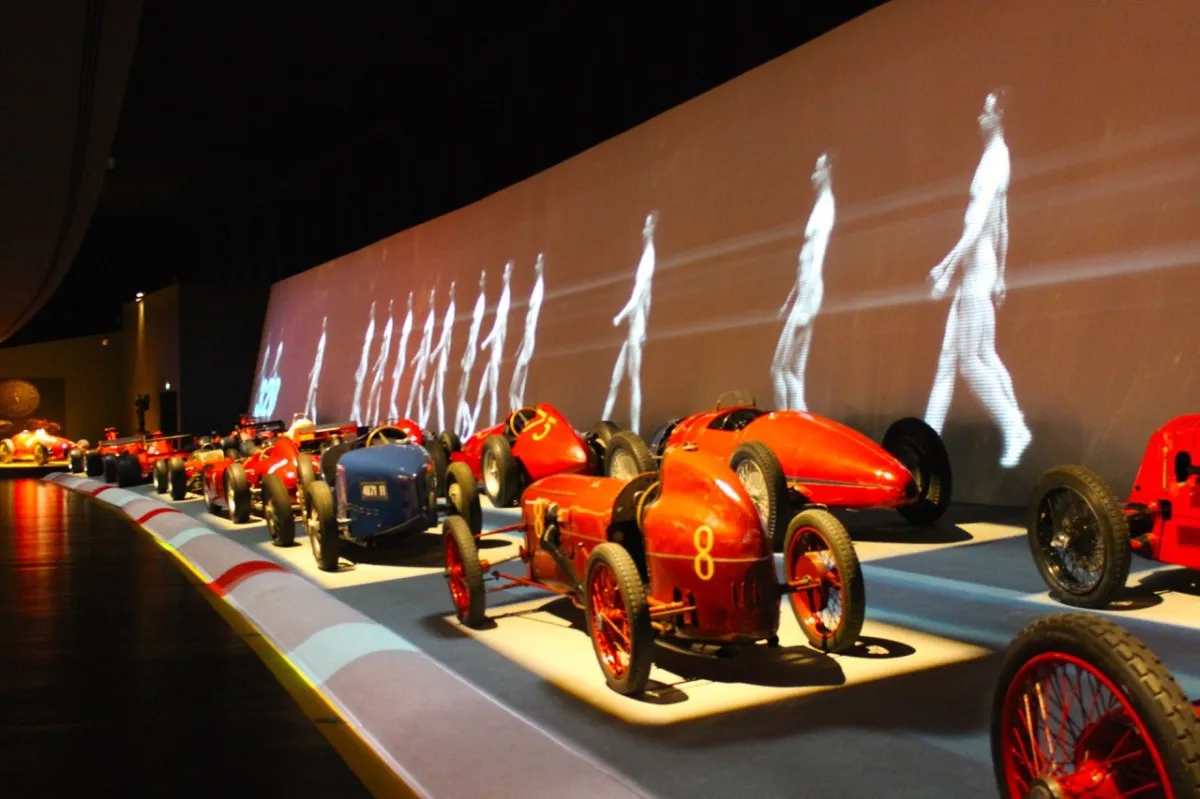
5. Museo Nazionale dell’Automobile, Turin, Italy
Refinement converges with historical documentation at the Museo Nazionale dell’Automobile in Turin. This institution presents automotive development as integral to cultural progression, establishing connections between design philosophy, industrial manufacturing, and societal transformation that automobiles facilitated throughout the twentieth century.
Exhibition collections span from early steam-powered conveyances to contemporary supercars. Creative illumination techniques and multimedia installations provide contextual frameworks, explaining how automobiles influenced quotidian existence and economic expansion.
Visitors progress through themed galleries emphasizing innovation, aesthetic expression, and racing accomplishments that shaped Italian automotive identity. A prominent feature within Italian collections is the Lancia Stratos HF.
Engineered specifically for rally competition, this wedge-profiled machine symbolized audacious 1970s engineering philosophy. Its compact dimensional proportions and racing heritage establish it as a preferred subject among performance enthusiasts who recognize its revolutionary approach to purpose-built competition vehicle design.
Interactive components encourage deeper visitor engagement. Historical cinematographic footage, design preliminary sketches, and restored prototype examples reveal the creative processes underlying automotive innovations.
The museum additionally emphasizes Italian design consultancies that influenced global styling trends, demonstrating Italy’s disproportionate contribution to automotive aesthetic development relative to the nation’s manufacturing volume.
Turin’s legacy as a manufacturing centre enriches the visiting experience. Proximate landmarks and historic production facility sites connect historical periods with contemporary circumstances in meaningful ways that illustrate industrial evolution.
Museo Nazionale dell’Automobile offers comprehensive perspectives on how automobiles shaped modern societal structures. For individuals seeking both artistic merit and historical profundity, this museum provides enriching and memorable experiences that transcend typical automotive exhibition formats through thoughtful curation that positions vehicles within broader cultural contexts.
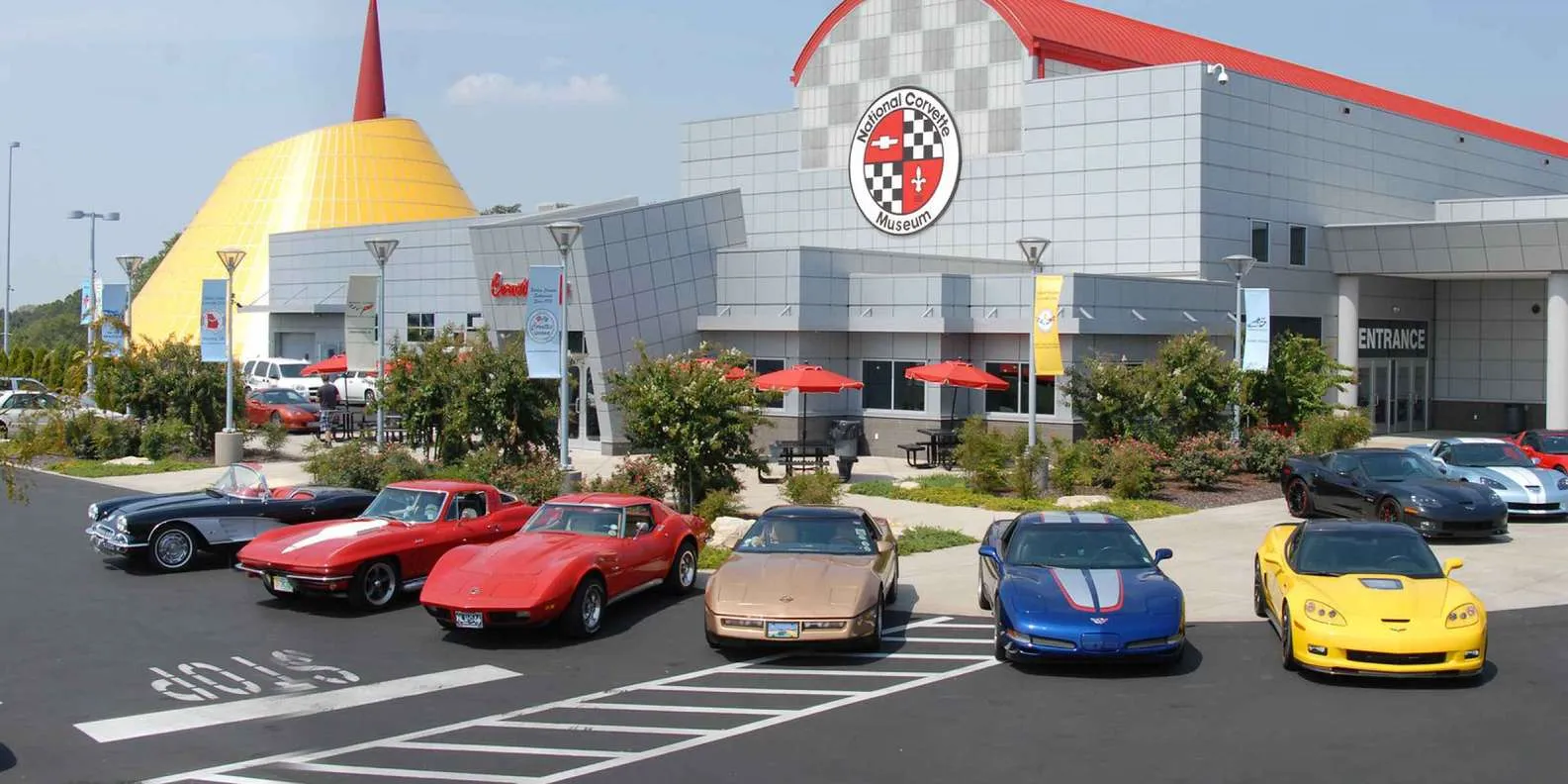
6. National Corvette Museum, Bowling Green, Kentucky
American performance heritage takes center stage at the National Corvette Museum. Located near the only factory that builds the Chevrolet Corvette, this museum celebrates decades of design evolution, racing success, and cultural influence tied to one of the country’s most recognized sports cars.
Walking through the entrance, visitors are greeted by sweeping architecture and polished floors that reflect rows of brightly colored Corvettes. Each generation receives thoughtful attention, from early C1 models to modern mid-engine variants.
Informational displays detail engineering advancements, styling changes, and production milestones, offering context rather than simply lining cars up for display. A centerpiece for many guests is the Chevrolet Corvette Sting Ray 1963 split window coupe.
Its distinctive divided rear glass and sharp body lines represent a bold design era. Seeing it in person allows appreciation for proportions and details that photos cannot fully convey. Nearby, racing versions illustrate how the Corvette transitioned from stylish road car to competitive track machine.
Interactive exhibits add energy to the experience. Visitors can sit in simulators, learn about restoration techniques, and even schedule delivery experiences for new Corvettes through affiliated programs. The museum also documents the dramatic sinkhole incident that once affected part of the building, showing how restoration efforts preserved damaged cars as historical artifacts.
Bowling Green itself offers a welcoming atmosphere, with factory tours available for those who want to witness assembly lines in action. Spending a day here provides both education and entertainment. For enthusiasts who appreciate American engineering and sports car legacy, the National Corvette Museum delivers a focused and memorable tribute to performance.
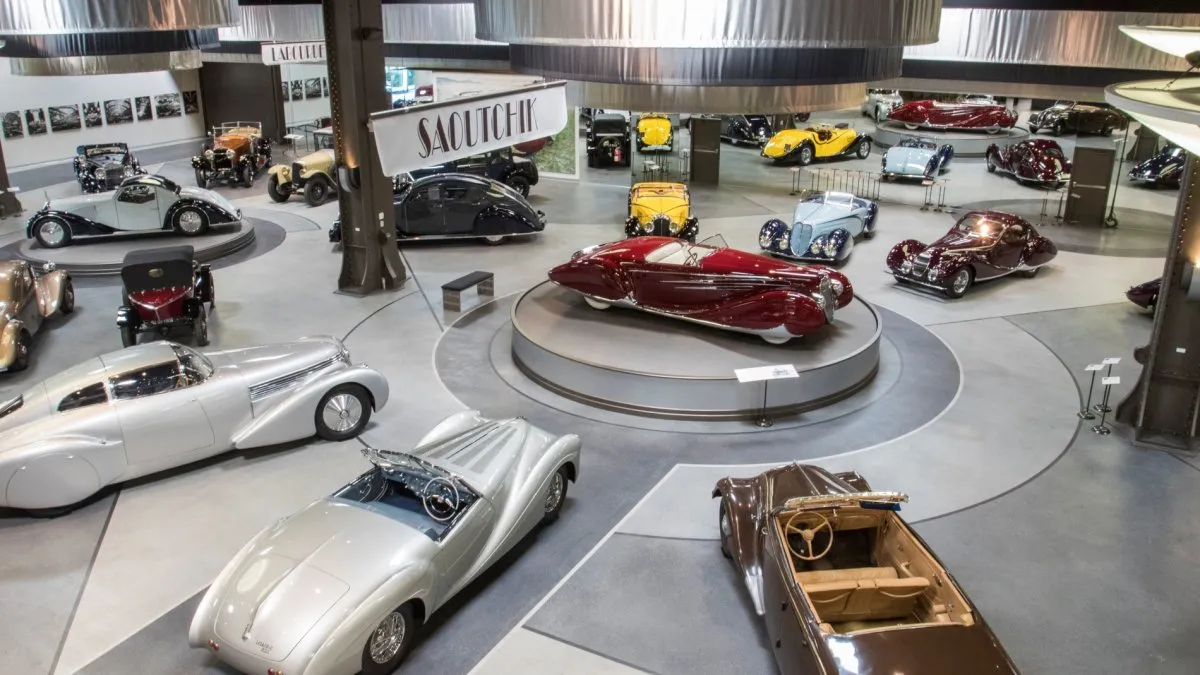
7. Mullin Automotive Museum, Oxnard, California
Art Deco elegance fills the halls of the Mullin Automotive Museum. Unlike broader collections that span multiple eras and countries, this museum focuses primarily on French automotive design from the 1920s and 1930s. The result feels intimate and carefully curated.
Soft lighting highlights flowing fenders, sweeping chrome accents, and intricate coachwork. Each vehicle appears more like a sculpture than a machine built for transportation. Informational plaques explain how French designers combined engineering with artistic expression during a period of rapid innovation.
Among the rare treasures displayed here is the 1936 Bugatti Type 57SC Atlantic. Widely regarded as one of the most beautiful cars ever produced, it features dramatic body curves and a riveted dorsal seam running along its spine. Viewing this model up close reveals craftsmanship that borders on artistic mastery.
The museum building itself contributes to the experience, blending classic architectural cues with modern presentation techniques. Rotating exhibitions occasionally introduce related art pieces, photographs, and historical artifacts that connect automotive design to broader cultural movements.
Visits often feel peaceful rather than crowded. Guests can take their time examining fine details without rushing through large galleries. That calm environment encourages a deeper appreciation for coachbuilt excellence. For those drawn to prewar luxury and refined aesthetics, the Mullin Automotive Museum offers a rare chance to witness automotive artistry preserved with care and passion.
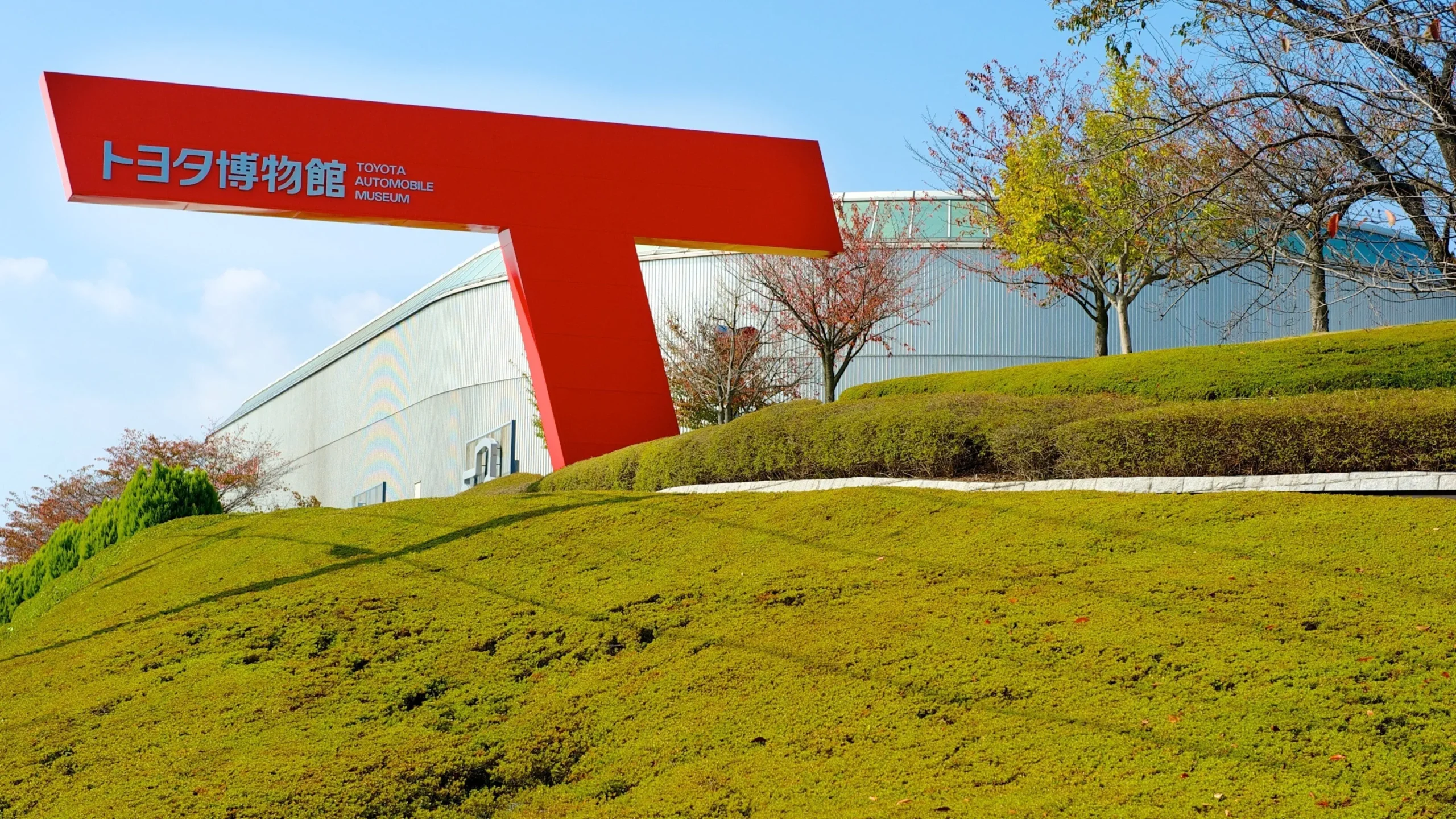
8. Toyota Automobile Museum, Nagakute, Japan
Heritage preservation and global perspective characterize the Toyota Automobile Museum. Unlike brand-specific institutions concentrating exclusively upon individual manufacturer accomplishments, this establishment presents comprehensive examinations of automotive history while acknowledging Toyota’s contributions to vehicular development across multiple decades of industrial production.
Visitors progress through chronologically arranged galleries featuring vehicles from European, American, and Asian manufacturers. Early motorcars occupy display positions alongside mid-century sedans and contemporary performance machinery, establishing a timeline that conveys cohesive and informative historical progression.
Detailed exhibition materials explain how technological capabilities and design philosophies advanced across decades of automotive evolution. One prominent feature within the Japanese sports car section is the Toyota 2000GT.
Manufactured in restricted quantities during the late 1960s, this refined coupe demonstrated that Japanese manufacturers could compete with established European sports car producers. Its elongated bonnet proportions, slender profile characteristics, and racing pedigree establish it as a preferred subject among collectors who recognize its historical importance within Japanese automotive development.
Interactive components encourage educational engagement, with exhibits demonstrating safety innovations, hybrid propulsion technology, and environmental protection initiatives. Educational programmes frequently accommodate school assemblies and family groups, reinforcing the museum’s dedication to community involvement and youth education regarding automotive history and technological progression.
Nagakute provides a tranquil environment beyond busy metropolitan districts, permitting visitors to concentrate on exhibits without urban distractions. Pristine presentation standards and comprehensible signage render the experience accessible even for individuals unfamiliar with Japanese automotive historical developments.
Technical displays illuminate engineering solutions that Toyota pioneered, including early hybrid system development and manufacturing efficiency methodologies that influenced global production standards. Cutaway models reveal internal mechanical arrangements, helping visitors comprehend how various systems function cooperatively to propel vehicles efficiently.
Archival photographs and documentary materials contextualize vehicles within their original social and economic environments. These supplementary materials help visitors understand not merely what vehicles accomplished mechanically, but how they influenced transportation patterns, urban development, and social mobility within Japanese society during different historical periods.
For enthusiasts who value both global automotive diversity and Toyota’s role in shaping contemporary mobility solutions, this museum provides thoughtful and comprehensive journeys through automotive development that balance technical education with aesthetic appreciation, demonstrating how functional engineering can coexist with beautiful design execution across various manufacturer approaches and cultural perspectives that influenced vehicle development globally.
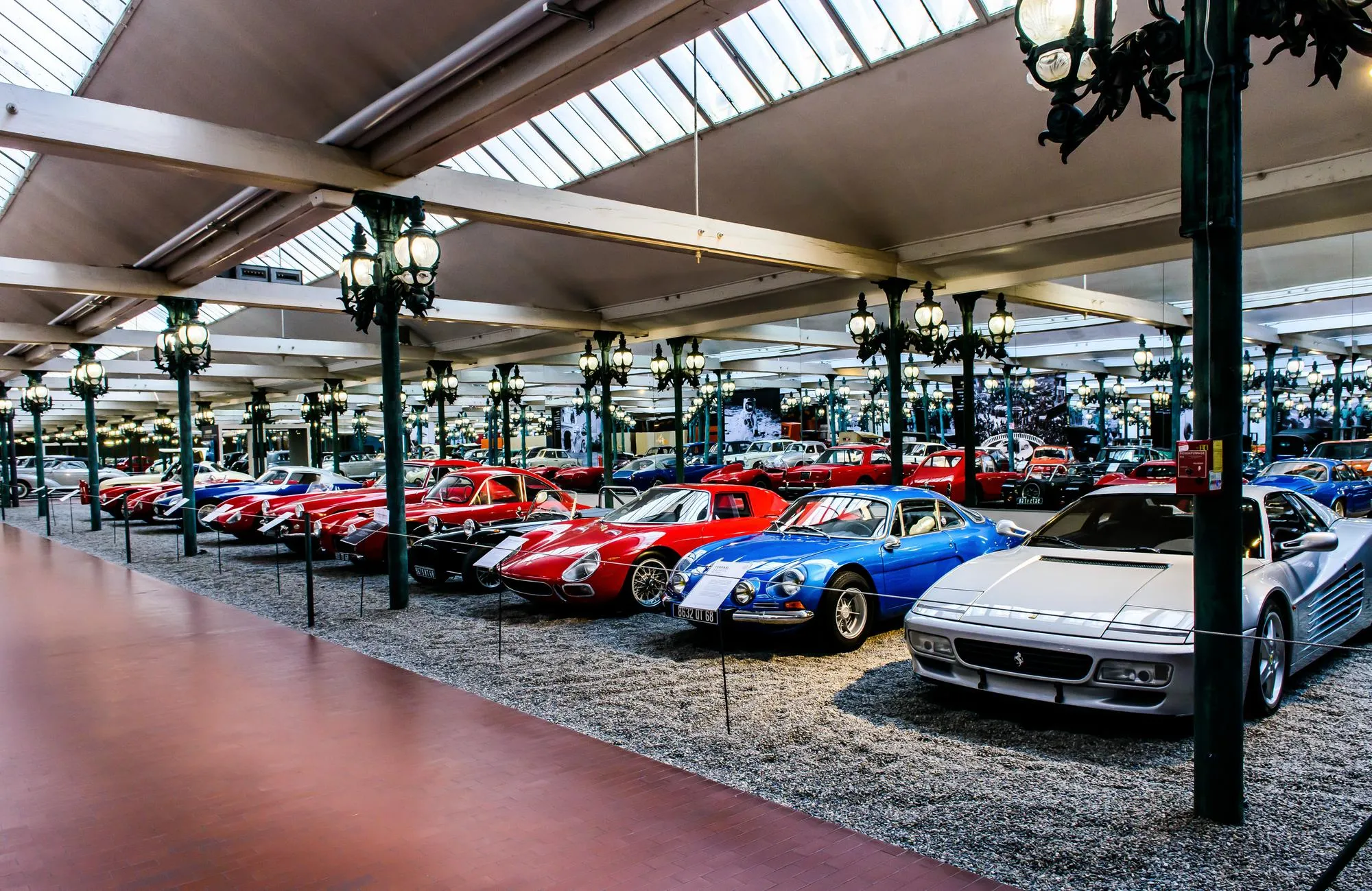
9. Cité de l’Automobile, Mulhouse, France
Magnificence characterizes the atmospheric quality within the Cité de l’Automobile. Acknowledged as among the most expansive automotive museums internationally, it accommodates an extraordinary assemblage of historic vehicles, with pronounced emphasis upon the Bugatti legacy and French automotive heritage that influenced global luxury vehicle development.
Spacious exhibition chambers permit visitors to circulate amongst rows of meticulously restored classics. Illumination schemes accentuate polished paintwork and intricate details, whilst informational displays furnish contextual background regarding each historical period. The collection traces automotive progression from pioneering experimenters to high-performance luxury machinery that defined prestigious transportation.
A genuine highlight of the museum is the Bugatti Type 41 Royale. Constructed during the late 1920s, this grand automobile received a design specifically for royal patronage and industrial leadership. Its massive proportional scale and sophisticated engineering render it a symbol of aspiration and manufacturing excellence. Standing proximate to it emphasizes how audacious automotive design could be during that developmental period.
Beyond Bugatti specimens, the museum features vehicles from diverse manufacturers, illustrating France’s substantial automotive heritage contributions. Thematic sections guide visitors through different decades and technical innovations that advanced vehicular capabilities. Mulhouse itself presents a quieter atmosphere compared to major metropolitan centres, yet this calm environment enhances museum visits through reduced distractions.
Ample spatial capacity and organized display arrangements allow guests to progress at personally comfortable paces. Exhibition density balances comprehensiveness with visitor fatigue prevention, ensuring engagement remains consistent throughout extended visits. Supplementary materials, including period advertisements, technical drawings, and manufacturing photographs, contextualize vehicles within their original commercial and social environments.
Restoration workshops visible to visitors demonstrate conservation methodologies employed to preserve historic vehicles. These transparent processes educate audiences regarding challenges inherent in maintaining century-old machinery whilst respecting original manufacturing techniques and material specifications that defined period-correct authenticity.
Educational programmes accommodate diverse age groups, from children discovering basic mechanical principles to serious collectors seeking advanced technical knowledge regarding specific marques and models. This inclusive approach democratizes automotive appreciation, making specialized knowledge accessible beyond traditional enthusiast communities.
For individuals seeking dimensional scale, historical depth, and European refinement, Cité de l’Automobile offers unforgettable encounters with extraordinarily preserved vehicles representing pinnacles of automotive ambition during various historical periods when manufacturers pursued technical excellence and aesthetic beauty with equal determination.
Also Read: Top 10 Practical Family Cars That Are Not Minivans or SUVs
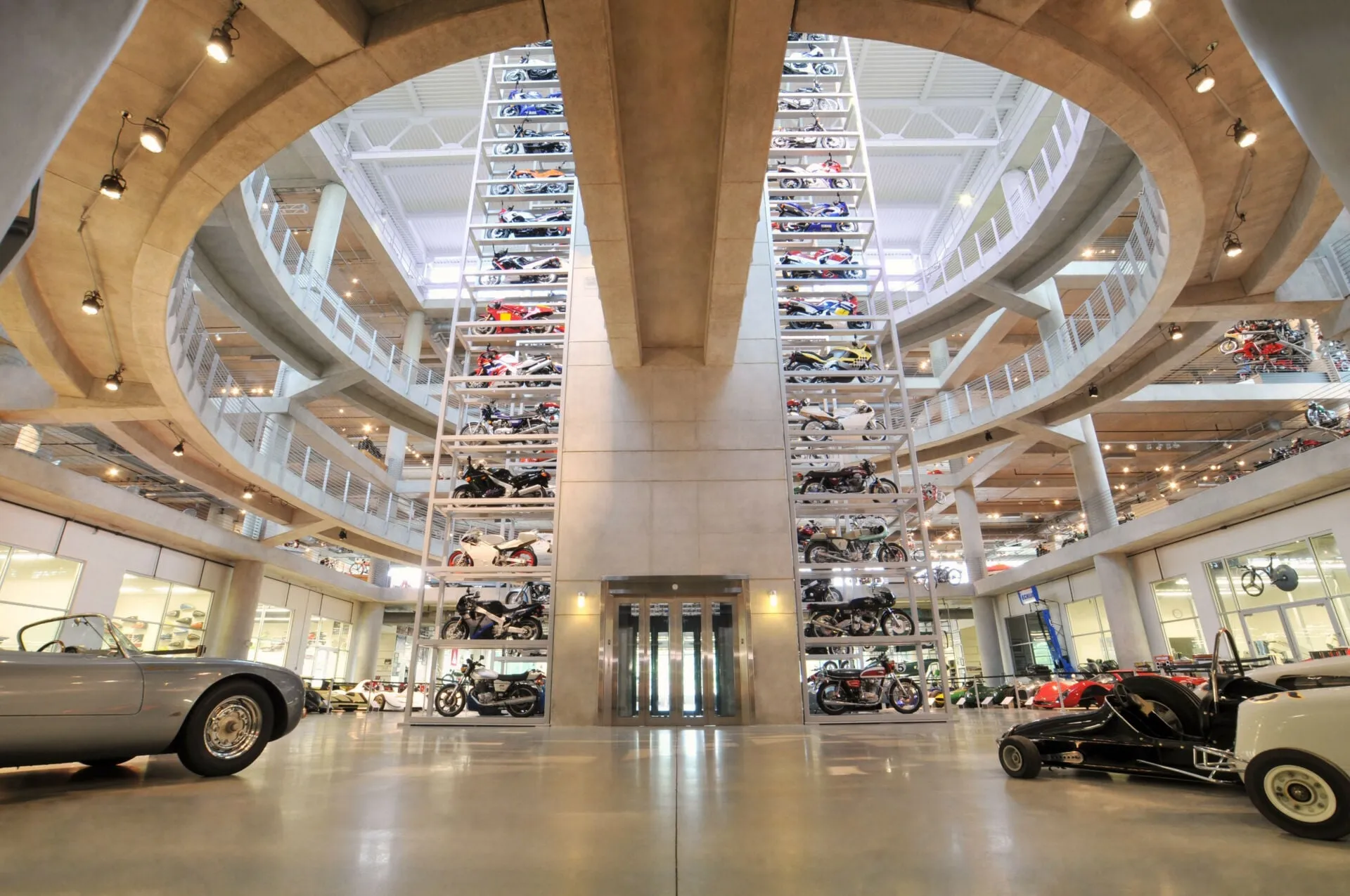
10. Barber Vintage Motorsports Museum, Birmingham, Alabama
Velocity and heritage converge at the Barber Vintage Motorsports Museum. Although widely recognized for its extensive motorcycle assemblage, this institution equally accommodates an impressive selection of scarce and historic automobiles that demonstrate American enthusiasm for mechanical preservation and racing heritage celebration.
Glass architectural elements and multi-level gallery configurations establish a spacious, atmospheric quality. Visitors can observe vehicles from various perspectives, enhancing appreciation for design execution and engineering solutions.
Racing heritage constitutes a central thematic focus, with displays emphasizing endurance competitions and championship victories that secured manufacturer reputations. Among the standout exhibits resides the Porsche 917K.
This iconic endurance racing automobile dominated international circuits during the early 1970s, synthesizing powerful flat-twelve powerplants with aerodynamic bodywork configurations. Observing it personally reveals how racing technology influenced production sports car development, with lessons learned during competition directly informing road vehicle capabilities.
Barber Motorsports Park surrounds the museum, offering scenic backdrops featuring rolling verdant grounds and a professional racing circuit. During certain operational days, visitors can observe vehicles circulating the track, contributing live action components to historical displays contained within museum galleries, creating dynamic contrasts between preserved heritage and active motorsport continuation.
Educational programmes and restoration workshops demonstrate a commitment to preserving mechanical heritage for future generations. Staff members frequently share insights that deepen visitor understanding of racing strategy development and engineering innovation processes that transformed competitive motorsport across various eras.
Collection diversity spans numerous decades and racing disciplines, from early competition vehicles through contemporary prototype racers. This chronological breadth illustrates how racing technology progressed, with each generation building upon previous innovations whilst introducing revolutionary concepts that redefined performance boundaries.
Motorcycle exhibits complement automotive collections, creating comprehensive motorsport documentation that recognizes two-wheeled racing’s equal importance within competitive heritage. This inclusive approach acknowledges that passion for speed and mechanical excellence transcends specific vehicle categories, uniting enthusiasts through shared appreciation for engineering achievement.
Visiting Barber Vintage Motorsports Museum synthesizes quiet contemplation with competitive history excitement. For enthusiasts who value both motorcycles and automobiles equally, this destination provides dynamic and enriching experiences that merit personal attendance, offering perspectives unavailable through digital documentation or written descriptions, requiring physical presence to fully appreciate the collection scale and presentation quality excellence.
