
In the United States, cars are generally viewed as depreciating assets. Drive a new vehicle off the dealership lot and its value immediately drops. Yet this rule does not apply universally.
Certain models reach a pricing floor, stabilize, and then quietly begin to rise again as demand increases and supply shrinks. These vehicles occupy a unique space in the used market: they’re affordable today but carry strong resale potential tomorrow.
Several forces are driving this shift. Manual transmissions are disappearing. Reliable older vehicles are becoming harder to find.
Younger buyers are discovering early-2000s cars through social media, while older enthusiasts are buying back models they once owned.
Meanwhile, inflation and rising new-car prices have pushed more people toward the used market, strengthening demand for proven platforms.
Profiting from cars is not about gambling on rare supercars. It’s about understanding reliability, enthusiast culture, scarcity, and timing.
Below are ten vehicles that can still be purchased relatively cheaply in today’s U.S. market and resold later for a meaningful profit, if bought smartly.
1. Honda Civic Si (2006–2011)
The 2006–2011 Civic Si from Honda represents one of the best entry points into affordable performance flipping.
It offers a naturally aspirated high-revving engine, standard manual transmission, and excellent reliability. At the time of release, these cars were everywhere. Today, clean examples are increasingly rare.
Many Civic Sis were modified or abused, which means stock versions with maintenance records now command premiums. Demand continues to rise as affordable manual sports sedans disappear from new-car showrooms.
Younger buyers entering the enthusiast world are discovering this generation, while longtime Honda fans are buying them as nostalgia pieces.
Because parts are plentiful and mechanical failures are uncommon, ownership costs remain low, making resale margins more predictable.
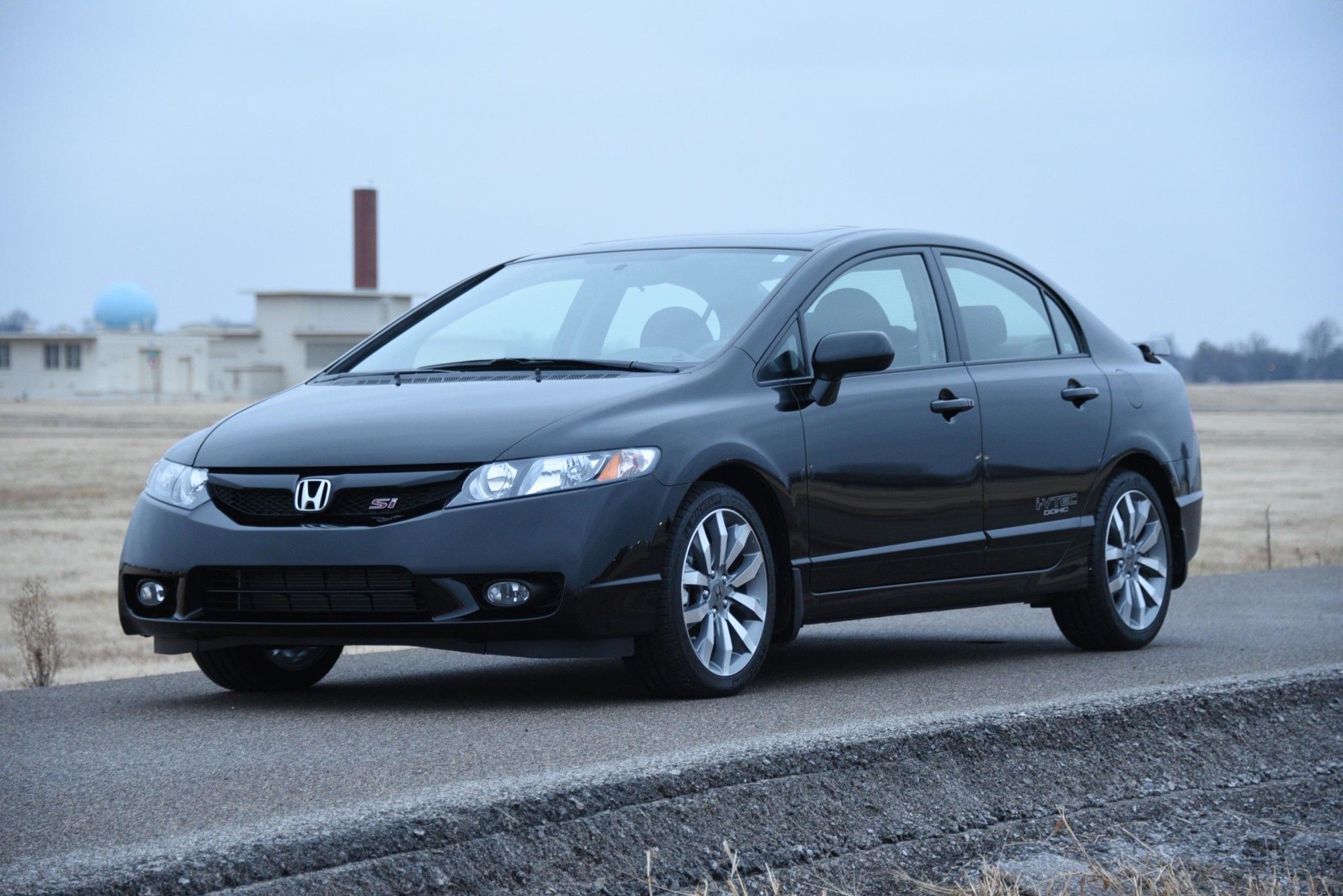
We evaluated a Honda Civic equipped with the turbocharged engine. In instrumented testing at our track, it reached 60 mph from a standstill in 7.9 seconds, placing it slightly ahead of the class average among small sedans.
Initial acceleration from a stop feels somewhat subdued, but the engine builds power in a smooth and progressive manner, eliminating the need for the heavy throttle inputs often required with the base 2.0-liter engine. The Civic’s continuously variable automatic transmission is well calibrated, providing seamless power delivery and prompt response when additional acceleration is called for.
Through corners, the Civic remains composed and agile, delivering a stable, confidence-inspiring experience with a measure of driver engagement.
Although tire noise is noticeable, grip levels are stronger than expected, contributing to braking performance that surpasses the segment norm. This iteration of the Civic proves straightforward and undemanding to operate, aligning well with expectations for an affordable compact sedan.
2. Toyota 4Runner (Third and Fourth Generation)
Few vehicles hold value like the Toyota 4Runner from Toyota. Third- and fourth-generation models are famous for longevity, with many surpassing 300,000 miles under basic maintenance. That reputation alone creates nationwide demand.
Overlanding culture and outdoor recreation trends have further boosted interest in older 4Runners.
Buyers actively search for rust-free examples, especially V8-equipped fourth-generation models. Even high-mileage vehicles sell quickly if mechanically sound.
Unlike most SUVs, these trucks often stop depreciating entirely and begin appreciating slowly, particularly in clean condition.
Although it is one of the longest-running nameplates in the mid-size SUV class, the Toyota 4Runner remains among the few entries that genuinely deliver the rugged capability they advertise. Its exterior styling has changed little over the past decade, yet the squared-off fenders and tall beltline continue to project a durable, truck-based presence.
That visual toughness is reinforced by a traditional body-on-frame construction and a robust V-6 engine, both of which are well suited to trail duty, particularly in the lineup’s off-road-focused trims. However, those same attributes compromise ride refinement and fuel efficiency.
The SUV’s upright and boxy proportions translate into generous passenger and cargo space, though interior materials appear and feel dated and inexpensive. To counterbalance its age, Toyota includes a suite of standard driver-assistance technologies such as adaptive cruise control and lane-keeping assist. Even so, it does not feel as modern or as broadly appealing as competitors like the Jeep Wrangler.
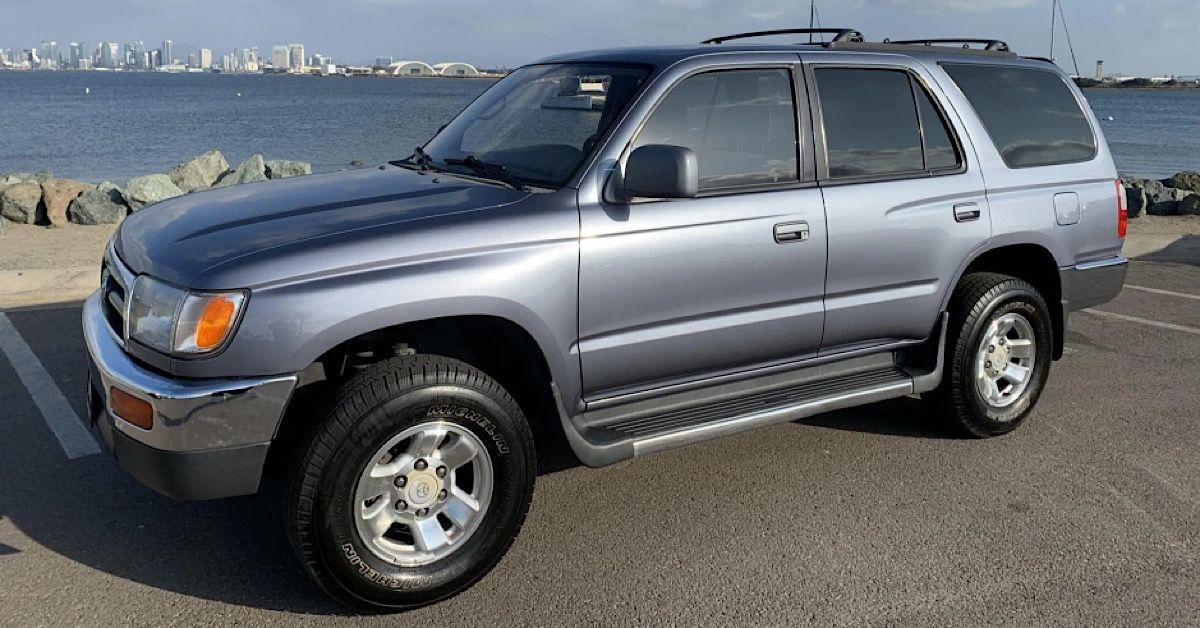
For 2022, the 4Runner lineup adds a new TRD Sport trim, a designation previously reserved for its pickup counterpart, the Toyota Tacoma. Despite its 20-inch wheels, hood scoop, and Sport badging, the TRD Sport is not significantly more performance-oriented than other variants.
However, unlike most trims except the Limited, it includes adaptive dampers engineered to enhance body control. The interior of the TRD Sport features synthetic leather upholstery in place of standard cloth. Additionally, all 2022 4Runner models now come equipped with LED high-beam headlights.
Pricing for the 2022 4Runner begins at $38,940 for the SR5 and climbs to $54,255 for the TRD Pro, depending on trim and equipment. The TRD Sport starts at $42,285, the TRD Off-Road at $42,770, and the Limited at $48,025. Among these options, the TRD Off-Road represents the most balanced choice.
While it does not match the elevated TRD Pro in ultimate off-road capability, its substantially lower price enhances its overall value proposition. In addition to standard four-wheel drive and TRD-specific styling elements, the TRD Off-Road includes hardware that supports its trail-ready designation.
Every 4Runner is powered by a 270-horsepower 4.0-liter V-6 mated to a five-speed automatic transmission. Buyers can choose between rear-wheel drive and either full-time or part-time four-wheel-drive systems. This aging powertrain delivers modest acceleration, with our most recent test model requiring 7.7 seconds to reach 60 mph.
The transmission’s slow responses do little to mask the engine’s uneven power delivery, and downshifts often demand firm throttle input to prompt forward progress. Nevertheless, the 4Runner feels more controlled on paved roads than the less composed Wrangler.
Steering is light and somewhat vague, qualities that limit any sense of sportiness but remain suitable for trail navigation and low-speed maneuvering. Despite its dated character, the 4Runner’s overall performance aligns reasonably well with newer rivals such as the V-6-powered Dodge Durango.
In towing capability, the Toyota’s 5,000-pound rating surpasses that of the Ford Edge and the Wrangler, though it trails the Durango’s substantially higher 8,700-pound maximum.
3. Mazda Miata (NA and NB)
Early Mazda Miatas from Mazda have transitioned from “cheap fun cars” to legitimate classics. The NA generation, known for its pop-up headlights, is especially desirable, but NB models are following the same path.
The appeal lies in simplicity. These cars are light, analog, and engaging, qualities increasingly absent in modern vehicles.
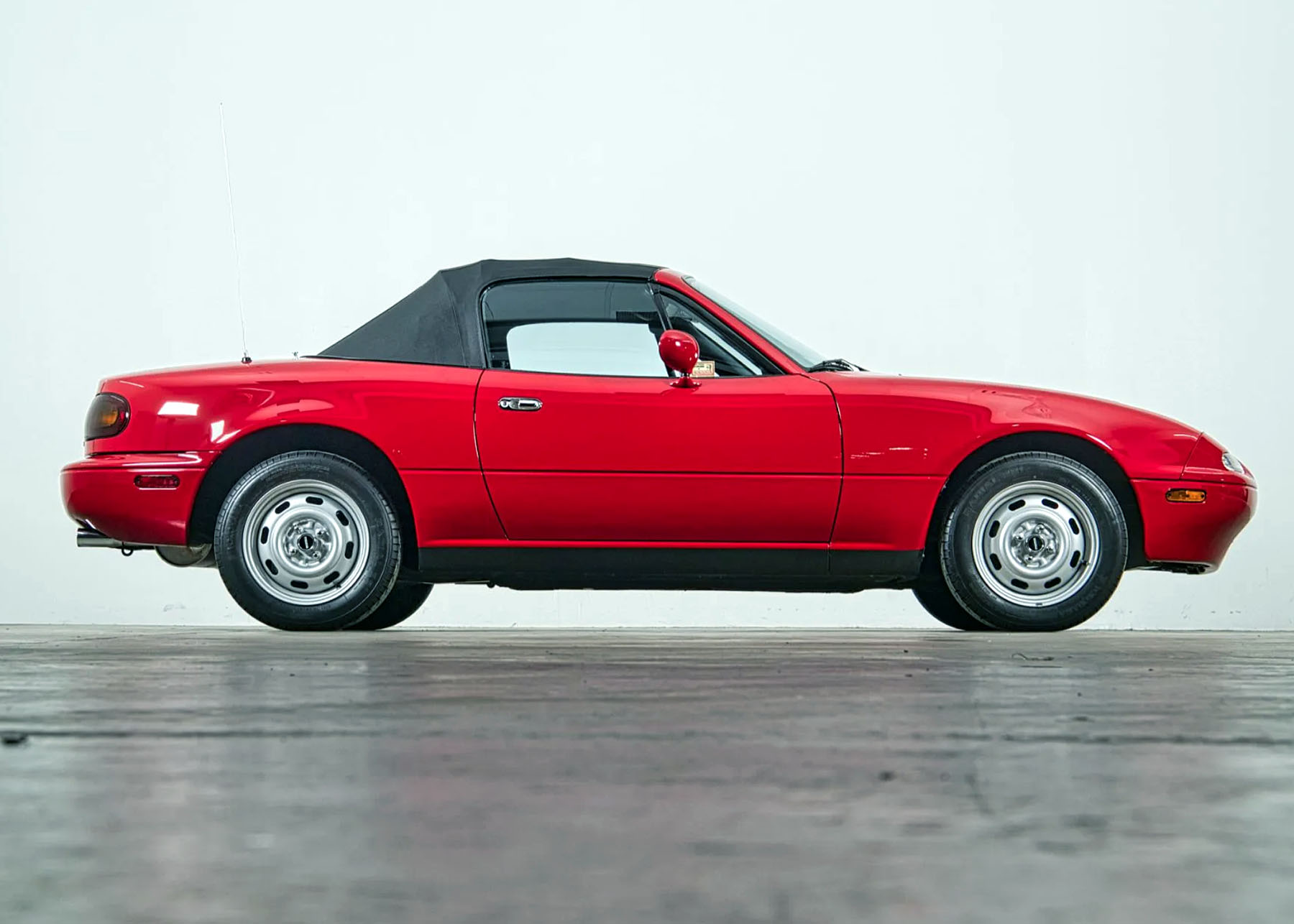
Track-day popularity and grassroots motorsports have also fueled demand. Because many were wrecked or raced, surviving clean examples are shrinking in number.
Buyers who secure rust-free, unmodified Miatas today are often surprised by how much more they’re worth just a few years later.
4. BMW E46 3-Series (1999–2006)
The E46 generation from BMW is widely regarded as peak classic BMW engineering. It blends balanced handling, hydraulic steering feel, and timeless design.
While the M3 garners most attention, non-M models like the 330i remain undervalued relative to their driving experience.
Modern BMWs have become heavier and more technology-focused, pushing enthusiasts toward older models.
Manual E46s with good service history are increasingly sought after. As buyers search for authentic driving feel, prices for clean examples continue creeping upward.
As it had done with the third-generation BMW 3 Series (E36), BMW once again kept enthusiasts in anticipation before revealing the coupe variant of the fourth-generation 3 Series. The automaker officially unveiled this two-door model in late 1998.
When the fourth-generation 3 Series, internally designated BMW 3 Series (E46), debuted in November 1997 for the 1998 model year, interest immediately grew regarding the arrival of the coupe.
BMW responded in December 1998, introducing the two-door for the 1999 model year. As with the prior generation, the company did more than simply remove two doors and extend the front ones.
Beyond the revised styling, the coupe incorporated meaningful updates to the suspension and interior. It also marked the first time the model was offered with turbodiesel engines and an all-wheel-drive system.
These AWD variants, later widely recognized under BMW’s xDrive terminology, proved especially appealing to buyers who had previously avoided the brand due to its traditional rear-wheel-drive layout.
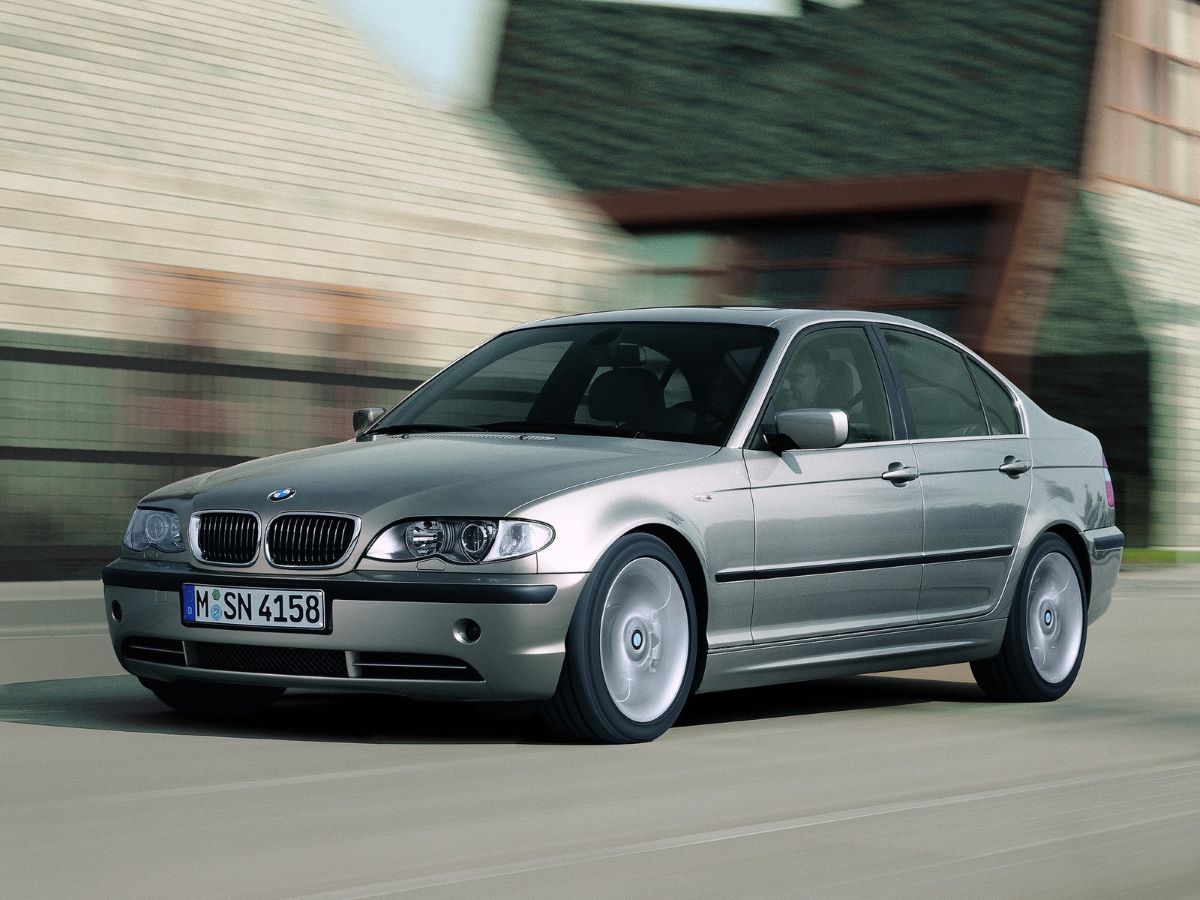
Whereas the sedan had been designed under the direction of Chris Bangle and Wolfgang Reitzle, the coupe’s styling was led by Erik Goplen. He adapted the sedan’s front fascia, subtly narrowing its visual proportions while retaining the same headlamp units to manage production costs.
Like the four-door model, the coupe featured BMW’s signature kidney grille integrated directly into the leading edge of the hood rather than as a separate insert. Lower on the front bumper, the coupe adopted a distinct apron design with a wider central air intake, and buyers could opt for an M-inspired appearance package that added a more assertive aesthetic.
While the sedan primarily appealed to family-oriented customers, the coupe targeted drivers who placed greater emphasis on style and did not prioritize rear-seat practicality. Its design reflected that focus, with a long hood and a windshield more steeply raked than the sedan’s.
The lower, gracefully arched roofline flowed into a sloping rear window and terminated in a short, flat rear deck. This combination gave the coupe a sense of motion even at a standstill. Higher trims were equipped with 16-inch alloy wheels, while entry-level versions rode on 15-inch alloys.
Inside, BMW maintained its hallmark driver-focused cockpit layout. In the E46 coupe, however, the center stack was more seamlessly integrated than in the preceding generation. The configuration remained familiar, with the audio system positioned high on the dashboard and climate controls situated below.
Unlike its predecessor, the onboard computer display was no longer housed in the center stack but incorporated into the instrument cluster. Beginning with the E46 coupe, BMW also introduced a new standard feature specific to this body style: an automatic seatbelt delivery mechanism mounted in the B-pillar that extended the belt toward front occupants when they entered the vehicle.
Under the hood, BMW offered a broad selection of four- and six-cylinder gasoline and diesel engines. These powerplants were paired with either five- or six-speed manual transmissions, while a five-speed automatic was available as an option. Except for the all-wheel-drive “x” variants, all models retained the brand’s traditional rear-wheel-drive configuration.
5. Ford Mustang GT (2005–2010)
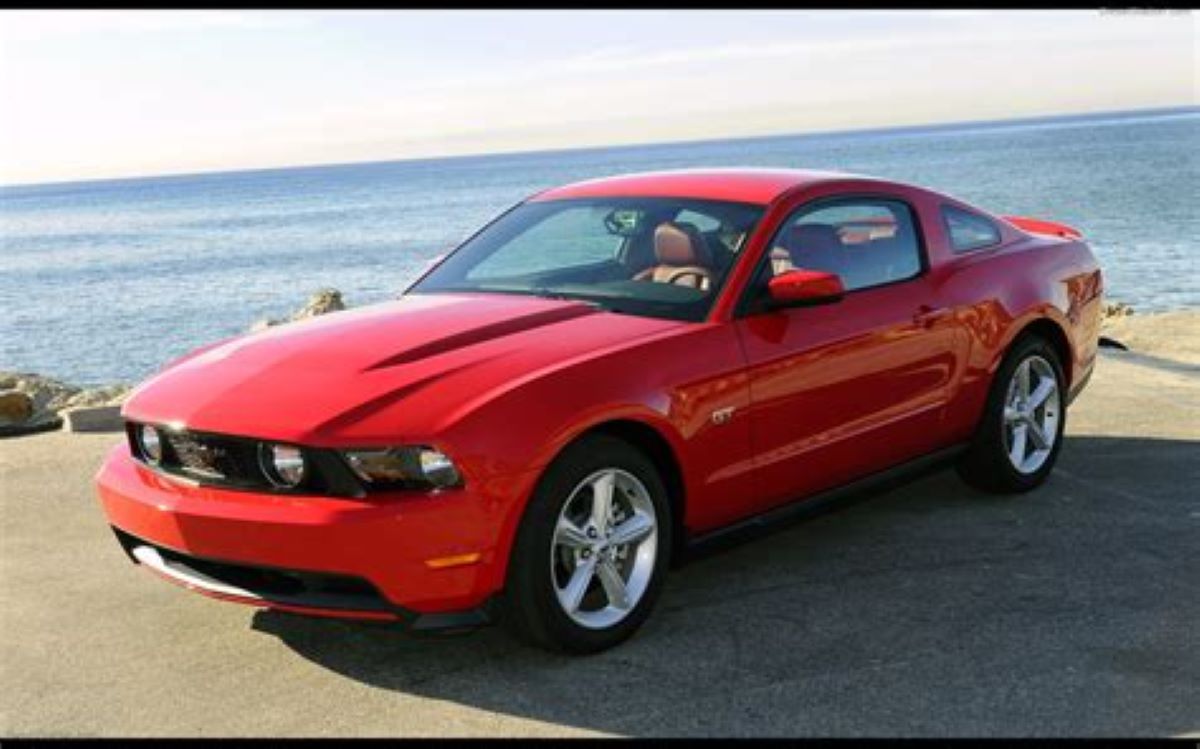
The mid-2000s Mustang GT from Ford reintroduced classic muscle styling paired with modern reliability. Powered by a naturally aspirated V8, these cars deliver performance that is becoming expensive to replicate today.
Production numbers were high, keeping prices accessible, but clean, unmodified GTs are already separating themselves from rough examples.
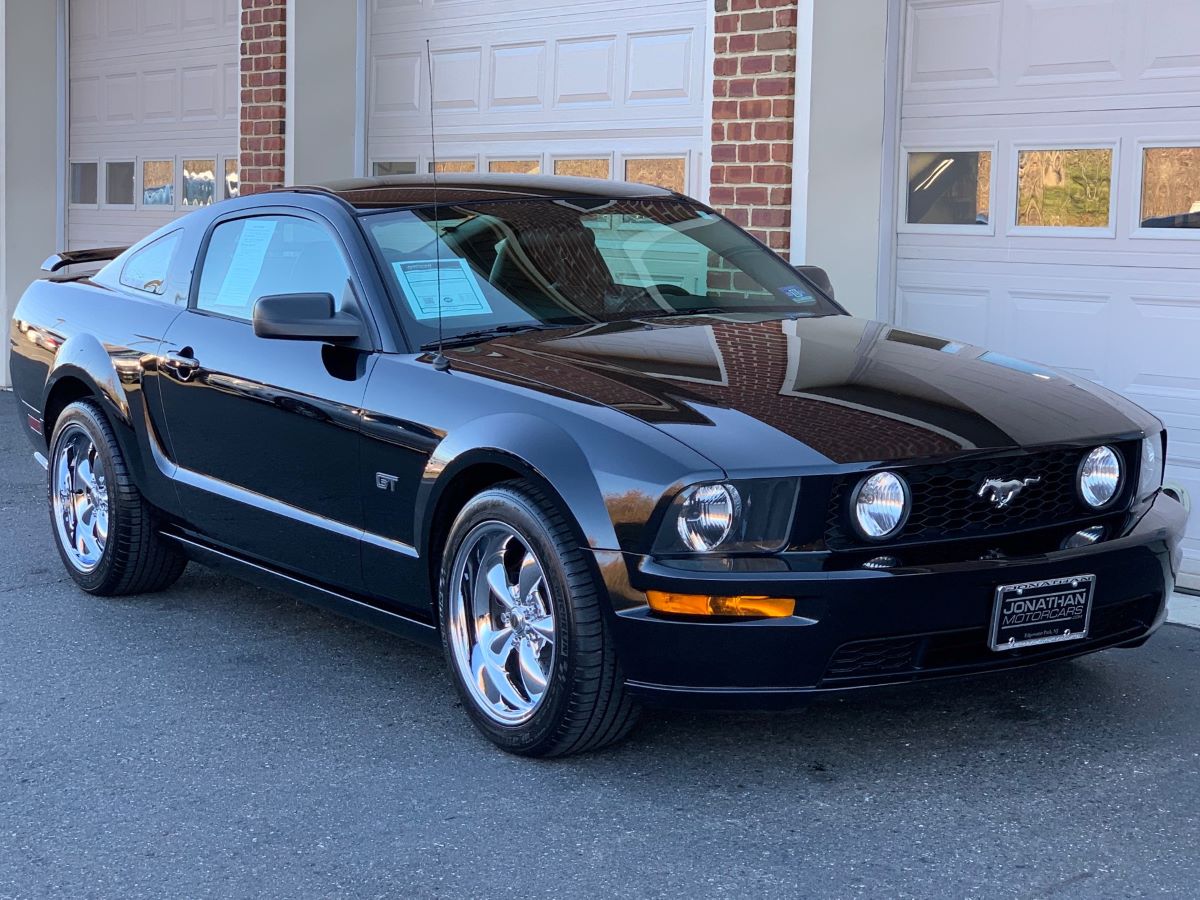
As emissions regulations tighten and V8 engines disappear from affordable segments, demand for these Mustangs is steadily rising. Manual transmission models, in particular, show strong resale momentum.
With its full redesign for the 2005 model year, the Ford Mustang reestablished a strong visual link to its heritage. The sharply angled front end, featuring a prominent grille and round headlamps, draws clear inspiration from the 1967–1969 Mustangs.
Inside, the Mustang carries forward the retro-modern theme established by the exterior. The cabin design is distinctive and deliberately nostalgic, particularly in the instrument panel.
Under the hood, the base Mustang is powered by a 210-horsepower V-6 engine. The GT variant steps up to a 4.6-liter V-8 producing 300 horsepower and featuring variable valve timing.
The suspension setup delivers a balanced combination of ride comfort and precise handling, offering a compliant feel over uneven surfaces while maintaining sharp responses in corners. In this generation, Ford achieved a well-rounded execution, not only in design but also in performance, chassis dynamics, and everyday usability.
For buyers seeking an affordable coupe or convertible that blends strong acceleration, engaging handling, and sufficient comfort for daily driving, the Mustang presents a compelling option.
V-6 Mustangs are equipped with a 4.0-liter engine generating 210 horsepower and 240 lb-ft of torque. Upgrading to the GT brings a 4.6-liter V-8 rated at 300 horsepower and 320 lb-ft of torque. All Mustangs send power to the rear wheels and are available with either a five-speed manual transmission or a five-speed automatic.
6. Subaru WRX (2002–2014)
The WRX from Subaru benefits from one of the strongest enthusiast followings in the automotive world. Rally heritage, turbocharged performance, and all-wheel drive make it attractive across diverse U.S. climates.
Early “bugeye” and “blobeye” models are becoming increasingly scarce in stock condition, as many were heavily modified.
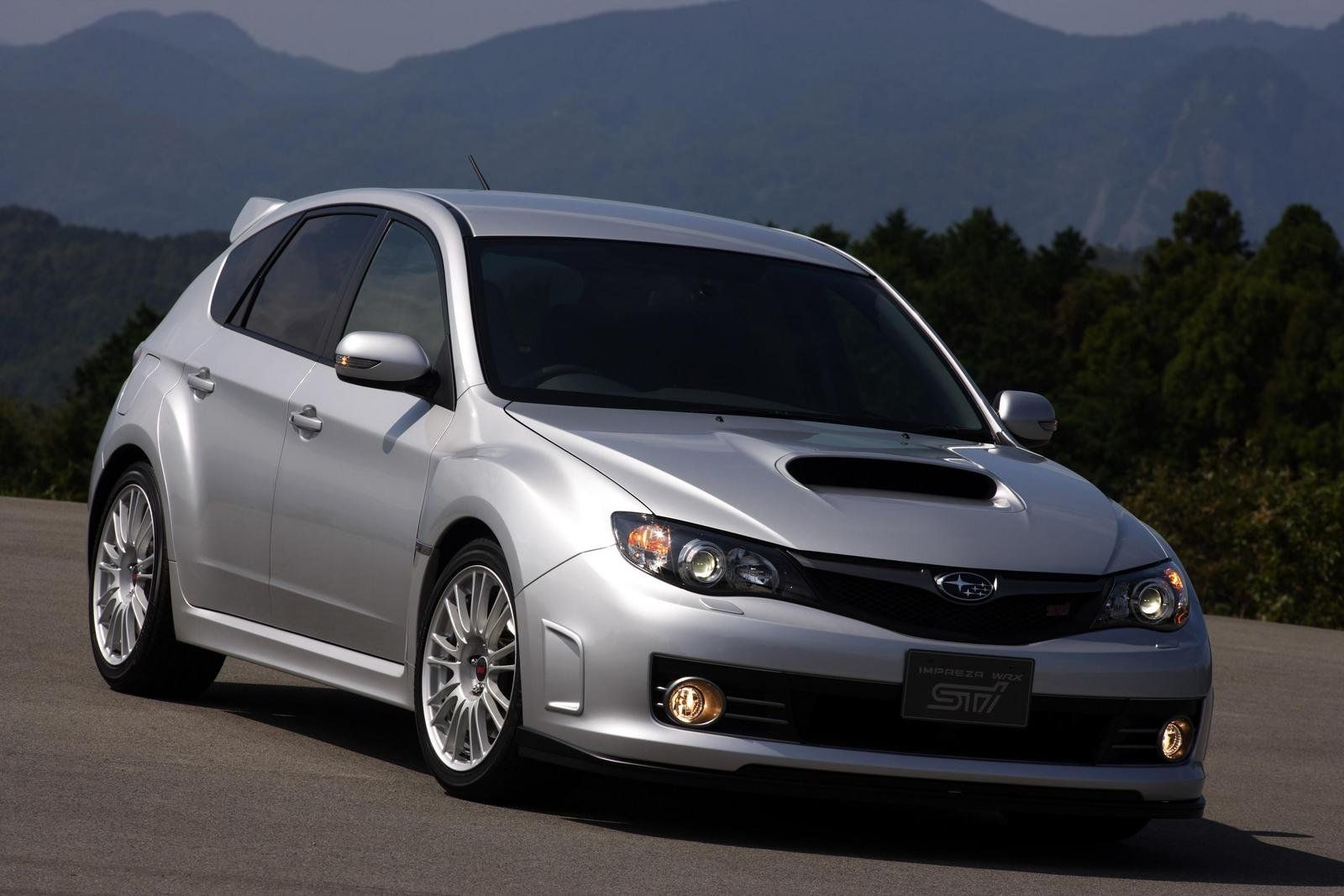
Buyers now pay premiums for original examples with maintenance records. Because the WRX appeals to both performance drivers and winter commuters, demand remains consistent year-round.
7. Lexus LS 400 and LS 430
Early flagship sedans from Lexus were engineered with extraordinary durability. These cars were extremely expensive when new but depreciated heavily, creating today’s buying opportunity.
What makes them profitable flip candidates is their reputation for reliability combined with understated luxury.
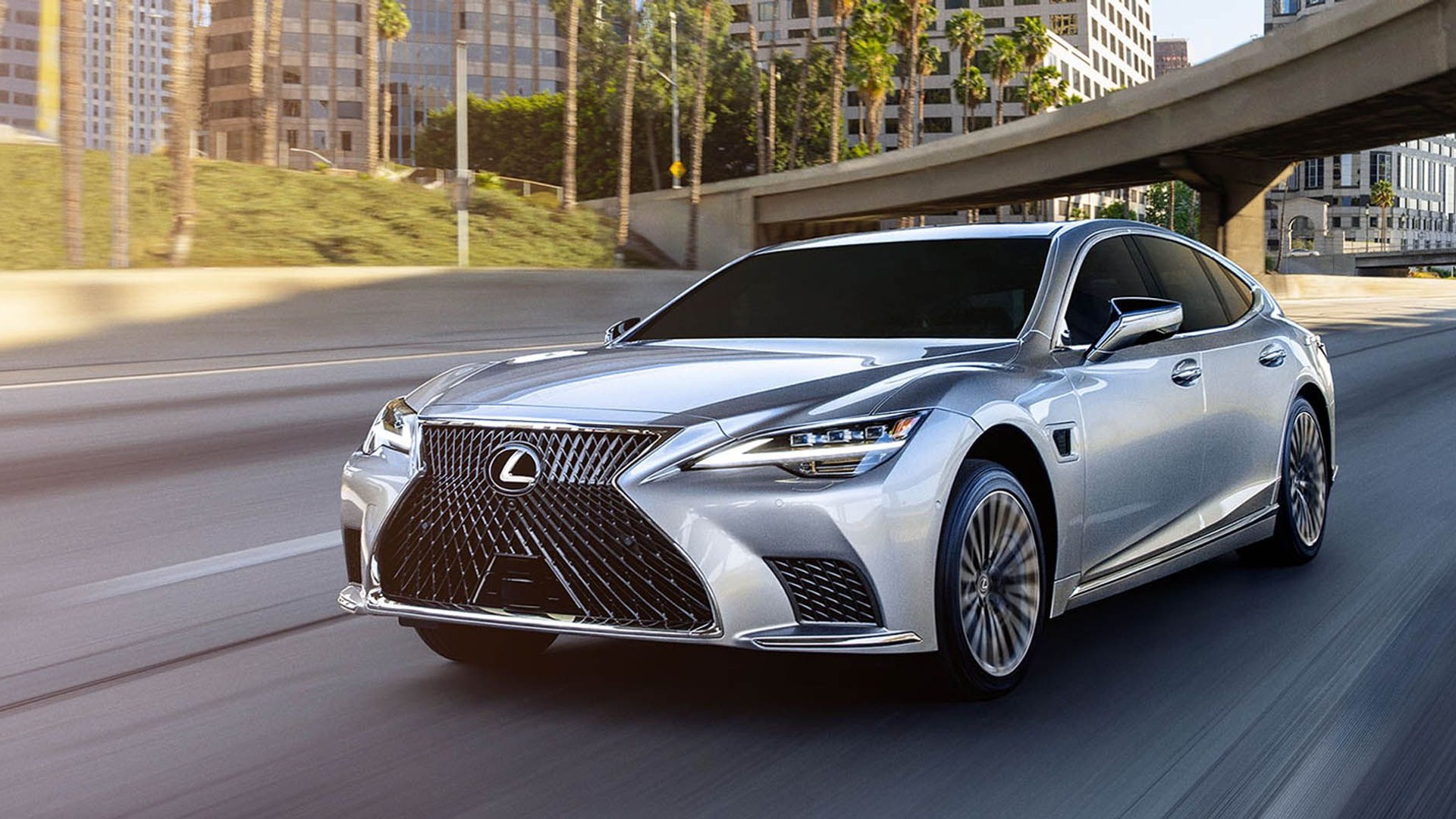
A growing online following has introduced younger buyers to these models, driving renewed interest. Clean LS sedans often sell for far more than sellers expect, especially when paired with service documentation.
The Lexus LS stands as Lexus’ flagship luxury sedan. While it no longer represents the disruptive force it was at its debut more than three decades ago, the LS remains a compelling option for buyers seeking a refined and exceptionally comfortable full-size cruiser.
The lineup consists of two primary versions: the LS 500, powered by a twin-turbocharged V-6 engine, and the LS 500h, which pairs a V-6 with a hybrid system. The exterior design is polarizing, with bold styling cues that may not appeal universally but clearly establish a distinctive presence.
In terms of operating costs, monthly driving expenses for the LS 500 are estimated at approximately $205 based on fuel prices and usage in New Jersey, compared to an average of about $193 per month for large cars in general. These figures position the LS slightly above the segment average in fuel-related costs.
As a flagship model, the LS also functions as a technological showcase for the brand. Lexus equips the LS 500h with its advanced Teammate system as standard. This Level 2 semi-autonomous driving system enables the vehicle to manage acceleration, steering, and braking under certain conditions when activated.
It is capable of merging into traffic, executing lane changes, and overtaking slower vehicles. The suite of sensors supporting Teammate also enables automated parking functions in select scenarios, allowing the system to detect suitable spaces and guide the vehicle into them without driver input.
The LS competes within the large luxury sedan category against models such as the Audi A8, BMW 7 Series, Genesis G90, and Mercedes-Benz S-Class. Buyers considering an all-electric flagship alternative may also evaluate the Mercedes-Benz EQS and the BMW i7.
For 2024, the LS is offered in two distinct trims: the conventionally powered LS 500 and the hybrid LS 500h. The LS 500 utilizes a twin-turbocharged V-6 producing 416 horsepower and 442 lb-ft of torque, paired with a 10-speed automatic transmission. Rear-wheel drive is standard, while all-wheel drive is available at additional cost.
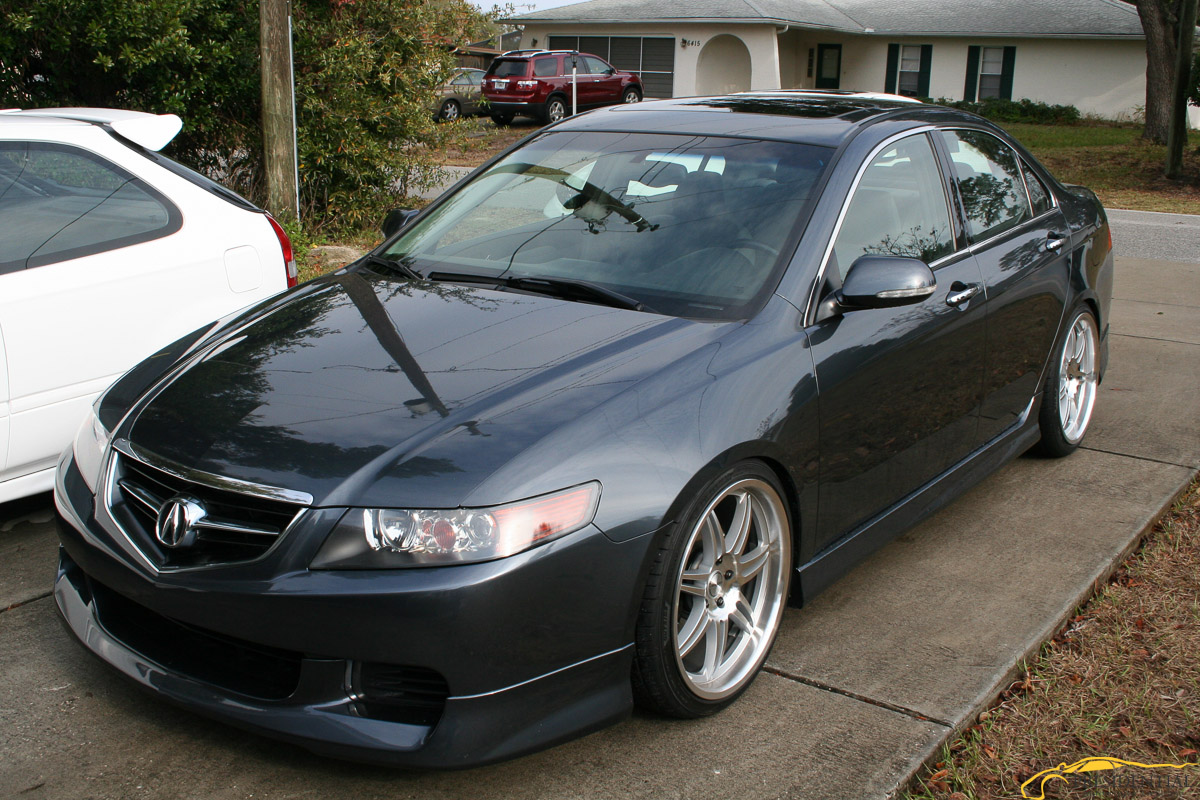
8. Acura TSX (First Generation)
The first-generation TSX from Acura is a stealth value. It offers Honda reliability wrapped in a premium package, with sharper handling than most midsize sedans of its era.
Manual versions are increasingly rare, and that scarcity is beginning to reflect in resale prices.
Buyers seeking affordable luxury with low maintenance costs are discovering the TSX, making it a quiet but effective profit platform.
Acura has experienced a measurable revival in recent years, strengthening both its sedan and SUV portfolios with products such as the Acura Integra, Acura TLX, Acura MDX, and the forthcoming Acura ADX.
Its electric ambitions are represented by the Acura ZDX, while the reintroduction of the Type S badge has produced performance-focused models like the Acura Integra Type S and Acura TLX Type S.
For buyers who appreciate naturally aspirated V6 engines and premium Japanese engineering, the appeal is clear. However, for those who find current Acura pricing beyond reach, the brand’s earlier offerings present a compelling alternative.
One of the most attractive and cost-effective choices from Acura’s 2000s lineup is the second-generation Acura TSX. Frequently seen on the road yet often overlooked, this compact luxury sedan represents an accessible entry point into the Acura ownership experience, combining understated styling with capable performance.
Acura originally introduced the TSX to the U.S. market for the 2004 model year. The first generation was replaced in 2009 by the second generation, which remained in production through 2014. After that, Acura consolidated the TSX and the larger TL into a single successor, the TLX.
In 2011, Acura expanded the lineup with a TSX Sport Wagon, significantly improving practicality. Although the wagon variant was limited to the four-cylinder engine, it broadened the model’s appeal for buyers prioritizing cargo space.
Stylistically, the second-generation TSX debuted Acura’s Keen-Edge design language, characterized by a more pronounced, beak-like front fascia, slimmer pillars, and slightly increased dimensions.
Standard and available features reflected its near-luxury positioning. Equipment included a power moonroof with one-touch operation, an eight-way power-adjustable driver’s seat with memory settings, a four-way power passenger seat, dual-zone automatic climate control, and a premium seven-speaker audio system, with an optional 10-speaker upgrade.
Under the hood, the second-generation TSX offered two engine choices, both driving the front wheels and paired with either a five-speed automatic or, in select configurations, a six-speed manual transmission. The 2.4-liter inline-four (engine code K24Z3) produced 201 horsepower and 172 lb-ft of torque with the manual transmission (170 lb-ft with the automatic).
This DOHC i-VTEC unit revved to 7,100 rpm and could accelerate from 0 to 60 mph in just over seven seconds when equipped with the manual gearbox. The alternative was a 3.5-liter V6 (J35Z6), shared with the TL, delivering 280 horsepower and 254 lb-ft of torque through a five-speed automatic transmission only.
With this engine, 0–60 mph times dropped to approximately six seconds, accompanied by enough torque to induce front-wheel tire spin under hard acceleration.
The transmission pairing required buyers to prioritize either engagement or outright speed. The four-cylinder with the six-speed manual provided the familiar, precise shift feel long associated with Honda products, making it the natural choice for enthusiasts who value driver involvement.
Conversely, the V6 variant delivered superior straight-line performance. Ultimately, the optimal selection depends on whether the driver prefers the interaction of a manual gearbox or the stronger acceleration of the larger engine.
9. Chevrolet Silverado 1500 (2000–2006)
Used trucks maintain some of the strongest resale values in America, and the Silverado 1500 from Chevrolet is no exception.
Early-2000s V8 models remain highly desirable among contractors, rural buyers, and anyone needing a dependable work vehicle.
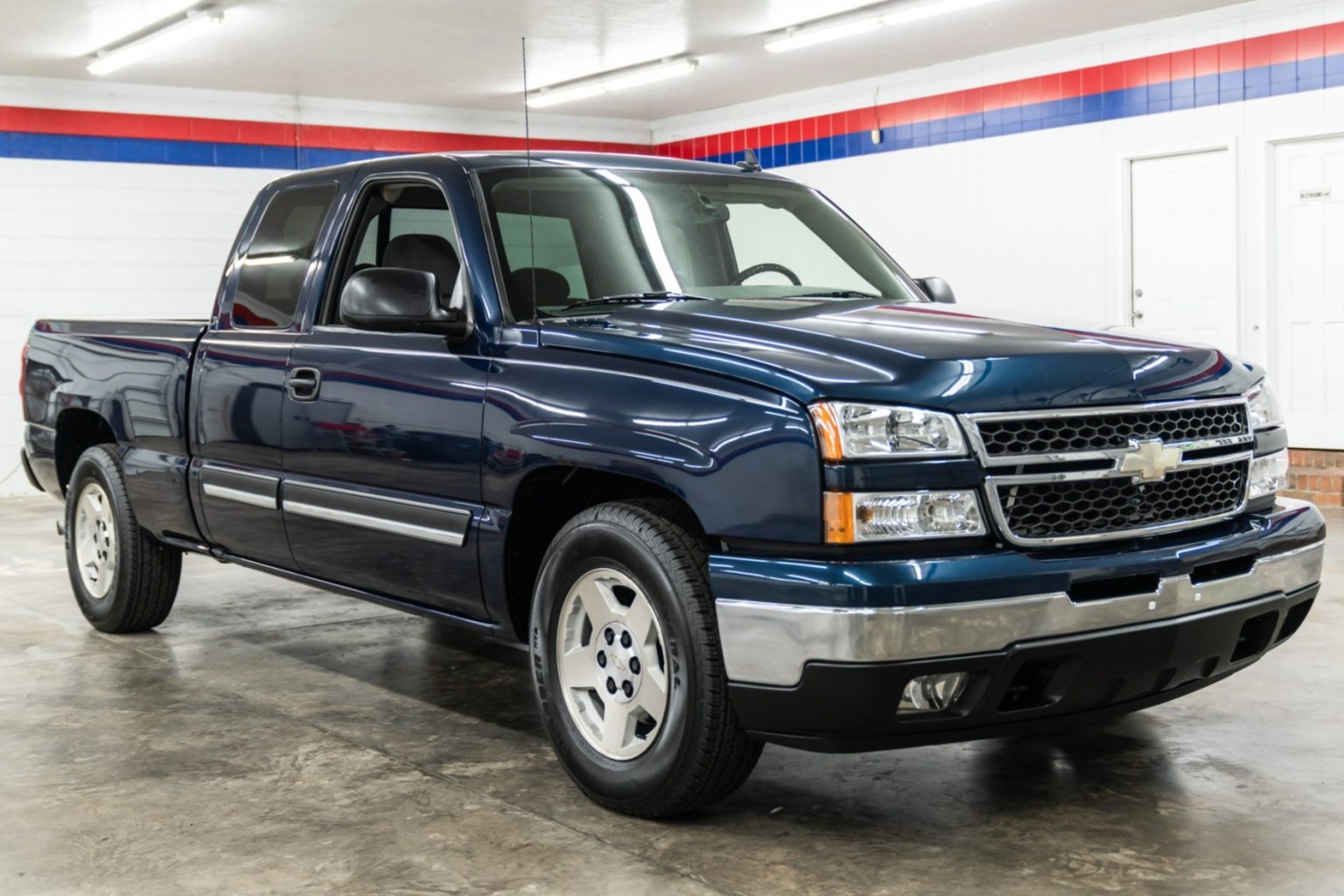
Even cosmetically rough examples sell quickly if mechanically sound. Buying during slower seasons and reselling during peak demand periods, such as spring and summer, can yield consistent margins.
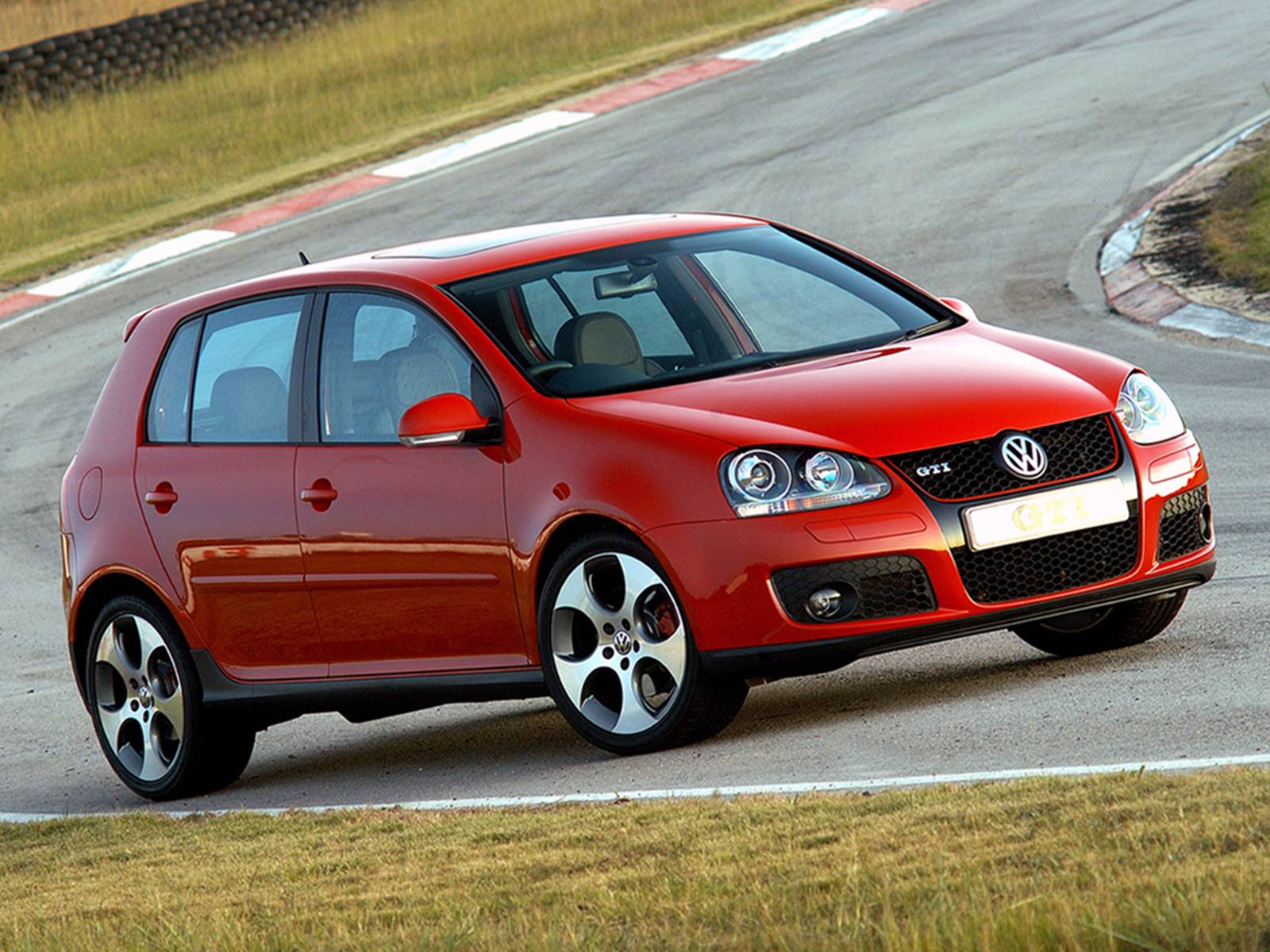
10. Volkswagen GTI (Mk5 and Mk6)
The GTI from Volkswagen has long been considered the benchmark hot hatch. Mk5 and Mk6 generations strike an ideal balance between performance, comfort, and practicality.
Many GTIs were modified, which means stock examples are becoming harder to find. Urban buyers especially value clean cars with service records.
As affordable enthusiast hatchbacks disappear from new-car lineups, resale values for these models continue strengthening.
Buying cars for profit is not about chasing hype, it’s about understanding demand curves. Reliability, manual transmissions, nostalgia, and enthusiast communities matter more than raw horsepower figures.
The vehicles listed above share key traits: proven durability, cultural relevance, and shrinking supply of clean examples.
Smart buyers focus on documentation, original condition, and timing. Purchase during off-seasons, avoid heavily modified vehicles, and prioritize models with broad appeal.
Done correctly, these cars offer rare opportunities to buy low and sell higher, something increasingly difficult in today’s automotive market.
