
Climate awareness now shapes how cars are built, sold, and driven, yet many conversations stop at fuel economy or tailpipe emissions. Lifetime carbon footprint goes further. It considers how a vehicle is produced, how it uses energy over the years of driving, and what happens when its road life ends.
That wider view matters because manufacturing materials, battery production, electricity sources, and long-term efficiency all leave environmental marks long before and long after a car leaves a dealership.
Choosing a vehicle with a lower lifetime carbon footprint does not require giving up comfort, reliability, or modern features. Automakers have quietly refined designs, reduced energy demands, and improved battery chemistry while keeping prices closer to everyday budgets.
Some vehicles shine because of small batteries paired with clever efficiency. Others earn their place through simple engineering that lasts longer with fewer resources. Driving habits also play a role, but vehicle design sets the foundation. This article focuses on ten vehicles known for keeping lifetime emissions low when production, use, and durability are viewed together.
Each model earns its spot through careful engineering choices rather than marketing promises. Expect a mix of fully electric cars and advanced hybrids that have proven themselves on public roads. Part One covers the first five vehicles, each explained in depth with attention to real-world ownership, energy use, and long-term environmental impact.
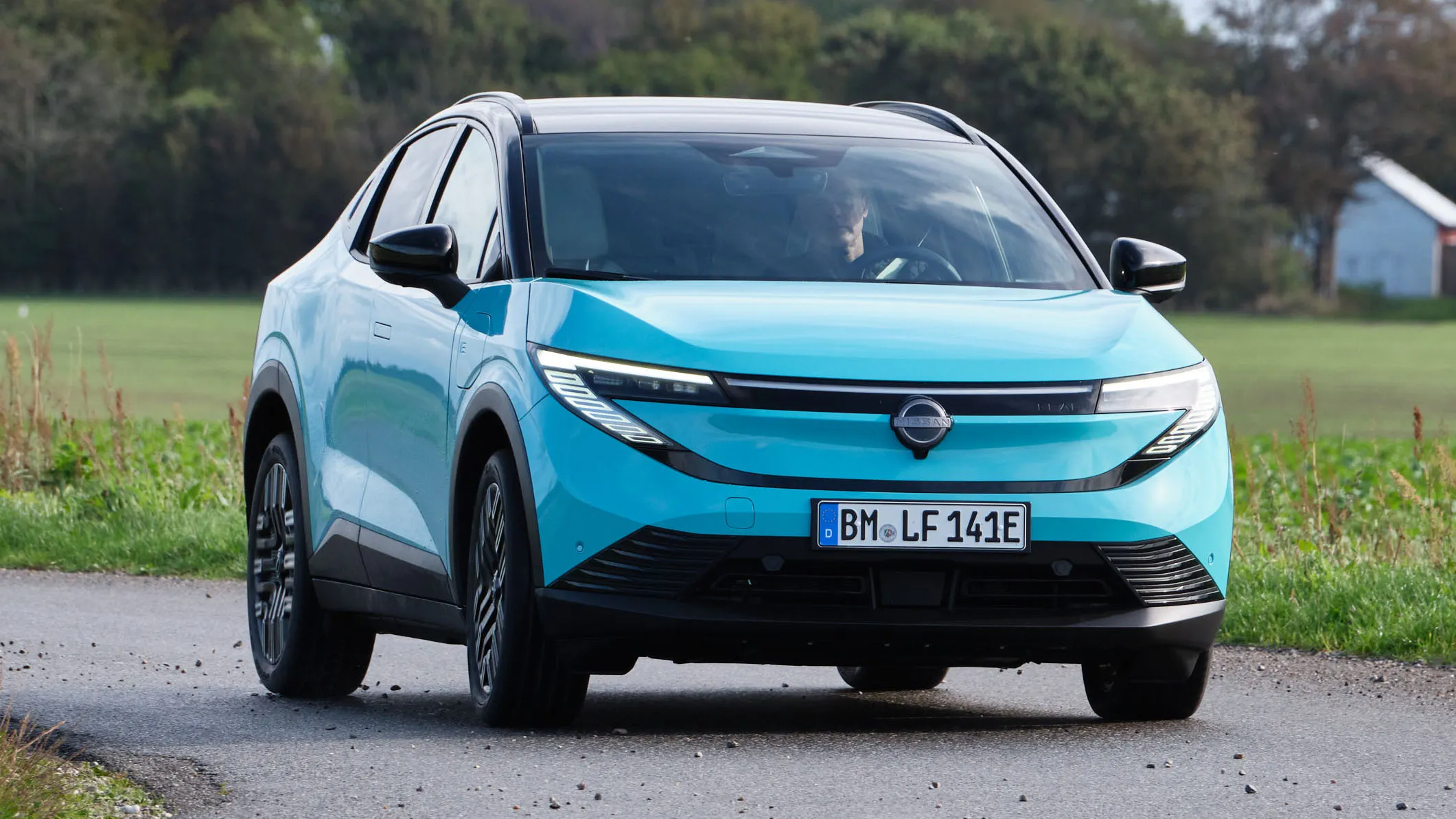
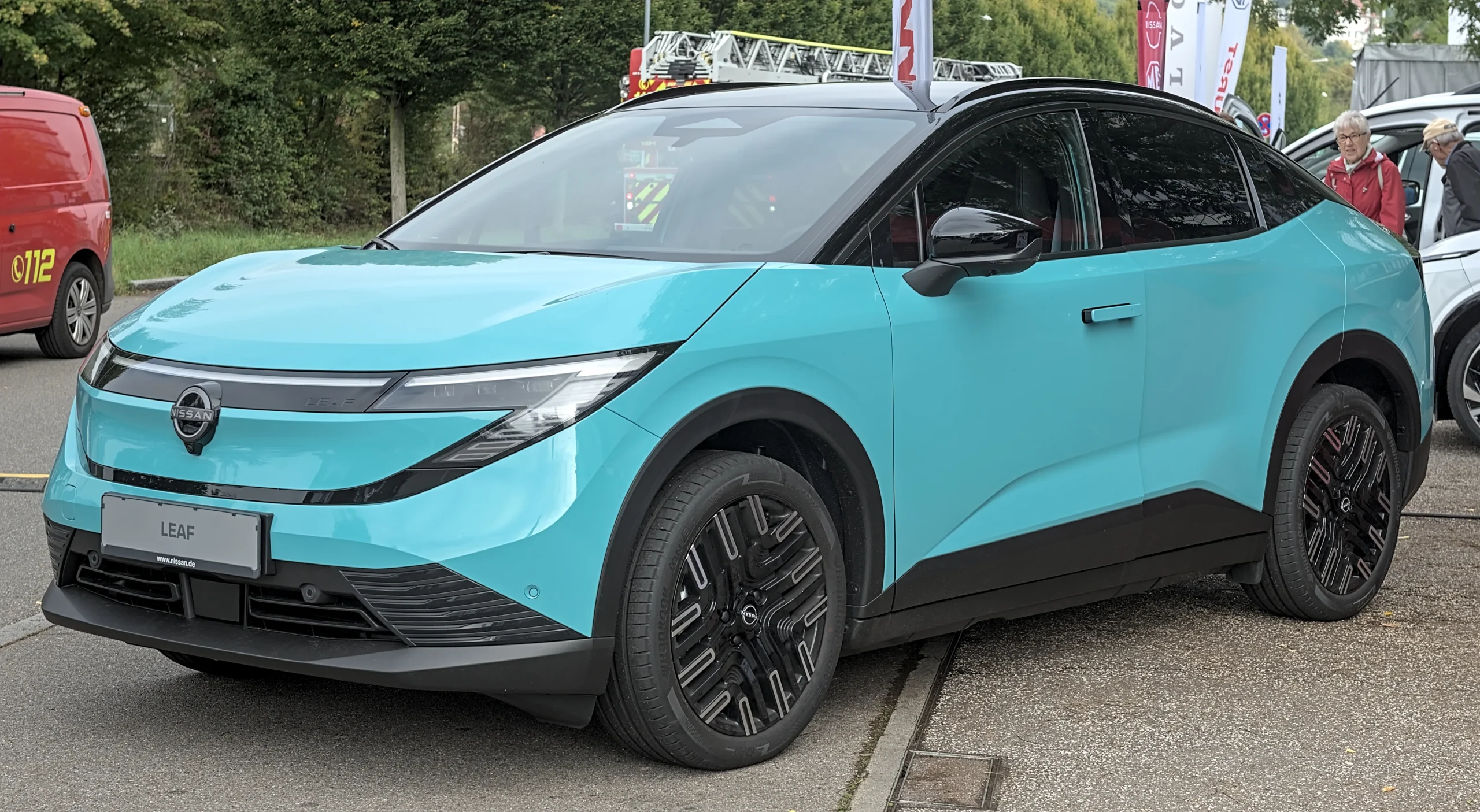
1. Nissan Leaf Electric Hatchback
Electric mobility entered mainstream conversation years ago, and few models carry as much early credibility as the Nissan Leaf Electric Hatchback. Released when electric cars still felt experimental, this compact vehicle focused on practicality rather than flashy performance. That decision has paid off from a carbon perspective.
Production processes were refined early, and later updates improved battery durability without radical redesigns that increase manufacturing emissions. Efficiency defines how the Leaf behaves day to day. Energy consumption stays low due to modest weight and conservative power delivery.
Urban driving suits this model particularly well, where regenerative braking recaptures energy instead of wasting it as heat. Owners who charge using cleaner electricity sources can reduce lifetime emissions even further, though even average power grids keep the footprint below that of comparable gasoline vehicles.
Battery size plays a quiet role in the Leaf’s carbon story. Instead of oversized packs meant for an extreme range, Nissan selected capacities that balance daily usability with responsible material use. Fewer raw materials during production translate into lower emissions before the first mile is driven. Longevity also matters.
Many early Leafs remain on the road, proving that simpler systems can extend useful life and reduce replacement demand. Ownership patterns strengthen this advantage. Drivers often keep the Leaf for commuting and local travel, reducing wear and extending lifespan.
Lower maintenance demands also cut down on parts manufacturing and transport emissions. While newer electric models push range boundaries, the Leaf’s steady approach continues to make sense for buyers focused on carbon reduction across a full vehicle lifetime rather than headline numbers alone.
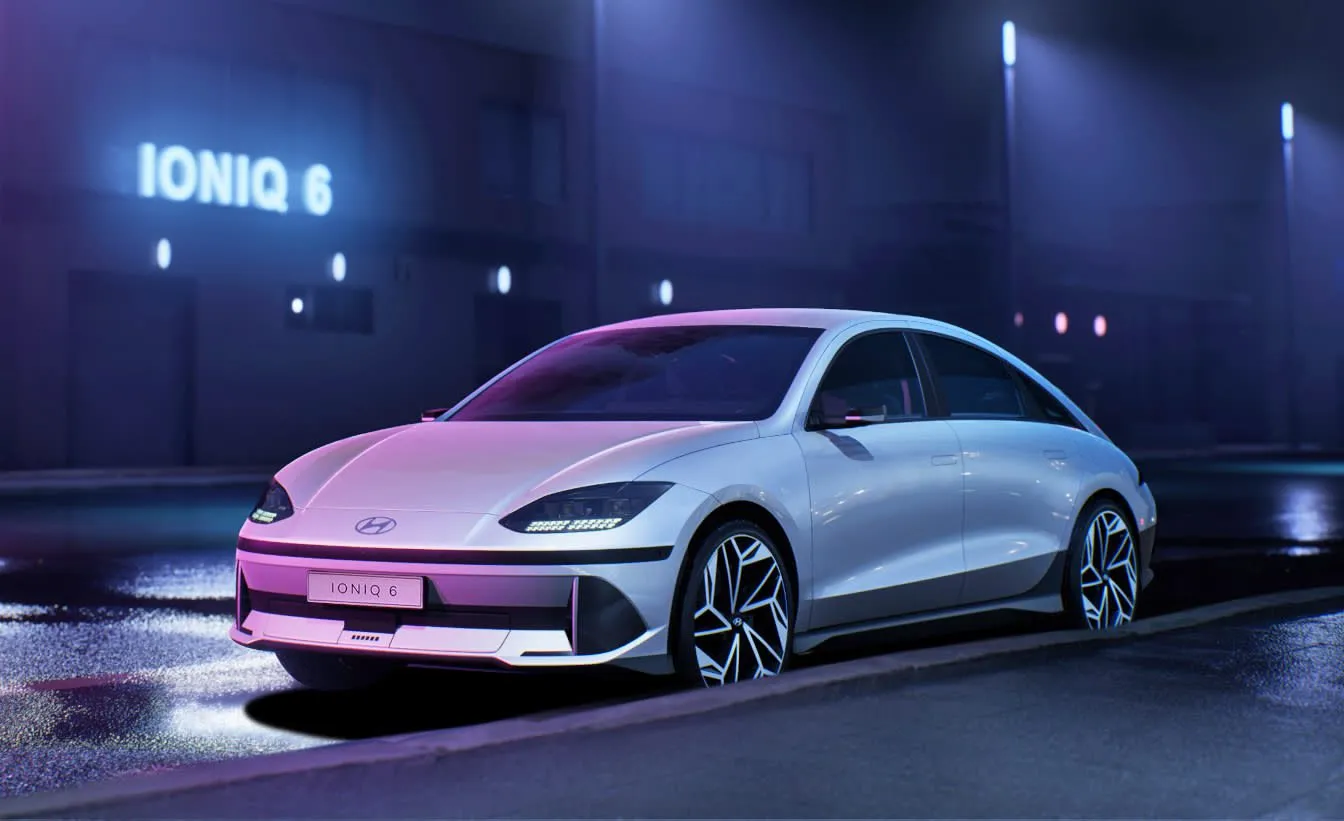
2. Hyundai Ioniq Electric Sedan
Design philosophy takes a different route with the Hyundai Ioniq Electric Sedan, where aerodynamic efficiency guides nearly every exterior line. Air slips smoothly around the body, reducing energy demand at highway speeds and lowering electricity consumption mile after mile. That efficiency does not just help range; it also trims lifetime carbon output by requiring less energy across years of use.
Production choices deserve attention as well. Hyundai invested heavily in modular platforms that allow multiple powertrains with shared components. Such an approach reduces waste during manufacturing and simplifies supply chains. Material sourcing has also improved through recycled content in interior fabrics and thoughtful material selection that balances durability with reduced environmental strain.
Driving character stays calm and predictable, encouraging smooth acceleration rather than aggressive power delivery. That trait supports energy efficiency and reduces battery stress as time goes on. A battery that ages slowly avoids early replacement, which matters because battery manufacturing contributes a sizable portion of an electric vehicle’s carbon footprint. Long-term reliability strengthens the Ioniq’s position as a responsible choice.
Practical ownership adds another layer. Charging efficiency remains high even in mixed weather conditions, avoiding excessive energy losses. Software updates delivered as time goes on have improved energy management without requiring hardware changes.
For drivers seeking a vehicle that quietly lowers environmental impact without demanding lifestyle adjustments, the Ioniq Electric presents a thoughtful balance between modern design and long-term restraint.
Also Read: Top 10 Best Car Museums Every Enthusiast Should Visit Once
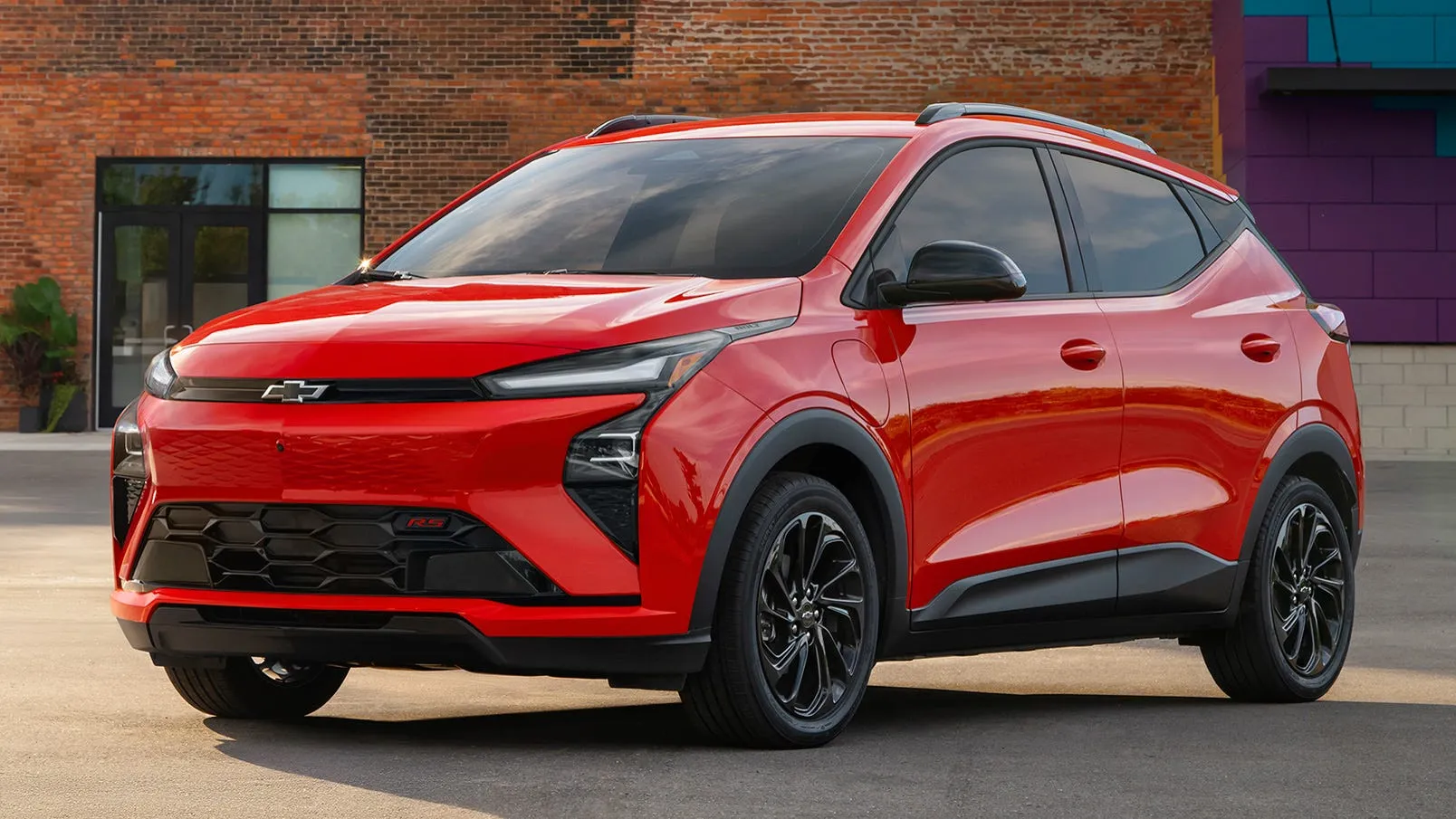
3. Chevrolet Bolt EV Compact Hatchback
American automotive engineering is represented through the Chevrolet Bolt EV Compact Hatchback, a vehicle created with a disciplined production aim and a clear environmental focus. The project behind this model placed priority on practical electric mobility rather than decorative excess or unnecessary performance targets.
Engineers concentrated on delivering dependable driving distance, predictable energy use, and a structure that could be produced without inflated material demand. This approach allowed carbon output associated with assembly to remain restrained from the earliest planning stage.
Battery configuration plays a central role in its environmental profile. The Bolt EV offers sufficient driving distance to reduce the frequency of charging sessions, which limits long-term battery strain. Reduced charging stress supports chemical stability within the cells, extending usable service years and lowering the likelihood of early replacement.
Since battery production and disposal carry measurable carbon cost, extending operational life produces a measurable environmental benefit. The selected battery chemistry favours reliability rather than experimental output, supporting steady performance across extended ownership periods.
Daily usability also affects carbon outcomes. Many owners operate the Bolt EV as a primary household vehicle rather than a short-distance supplement. This usage pattern replaces a greater number of petrol-powered journeys, increasing lifetime emissions reduction.
Cabin layout reflects durability-based thinking. Surfaces and fittings are chosen for wear resistance rather than seasonal fashion, reducing the incentive for premature vehicle change. Longevity in ownership remains an important factor when assessing true environmental value.
Manufacturing geography further supports emission control. Assembly within North American facilities close to major markets limits transportation distance for finished vehicles. Supply chains already linked to established plants reduce the need for long-range logistics adjustments.
After purchase, existing service networks handle maintenance without excessive parts transport, lowering emissions tied to repairs. Standardised components also reduce waste generated through servicing and replacement. Operational efficiency continues this pattern.
The drivetrain converts stored energy with consistency, supporting predictable consumption across urban and highway use. Regenerative braking contributes to energy recovery without adding mechanical strain. Software management focuses on reliability rather than experimental features, which helps maintain stable performance through the vehicle’s service life.
Taken together, the Chevrolet Bolt EV Compact Hatchback supports carbon reduction through disciplined engineering choices, controlled production methods, and long-term usability. Its environmental value does not rely on dramatic styling or promotional attention.
Instead, it rests on steady performance, extended lifespan, and the replacement of petrol mileage across years of daily operation. Through these combined attributes, the model contributes quietly yet effectively to lower automotive emissions through practicality and restraint.
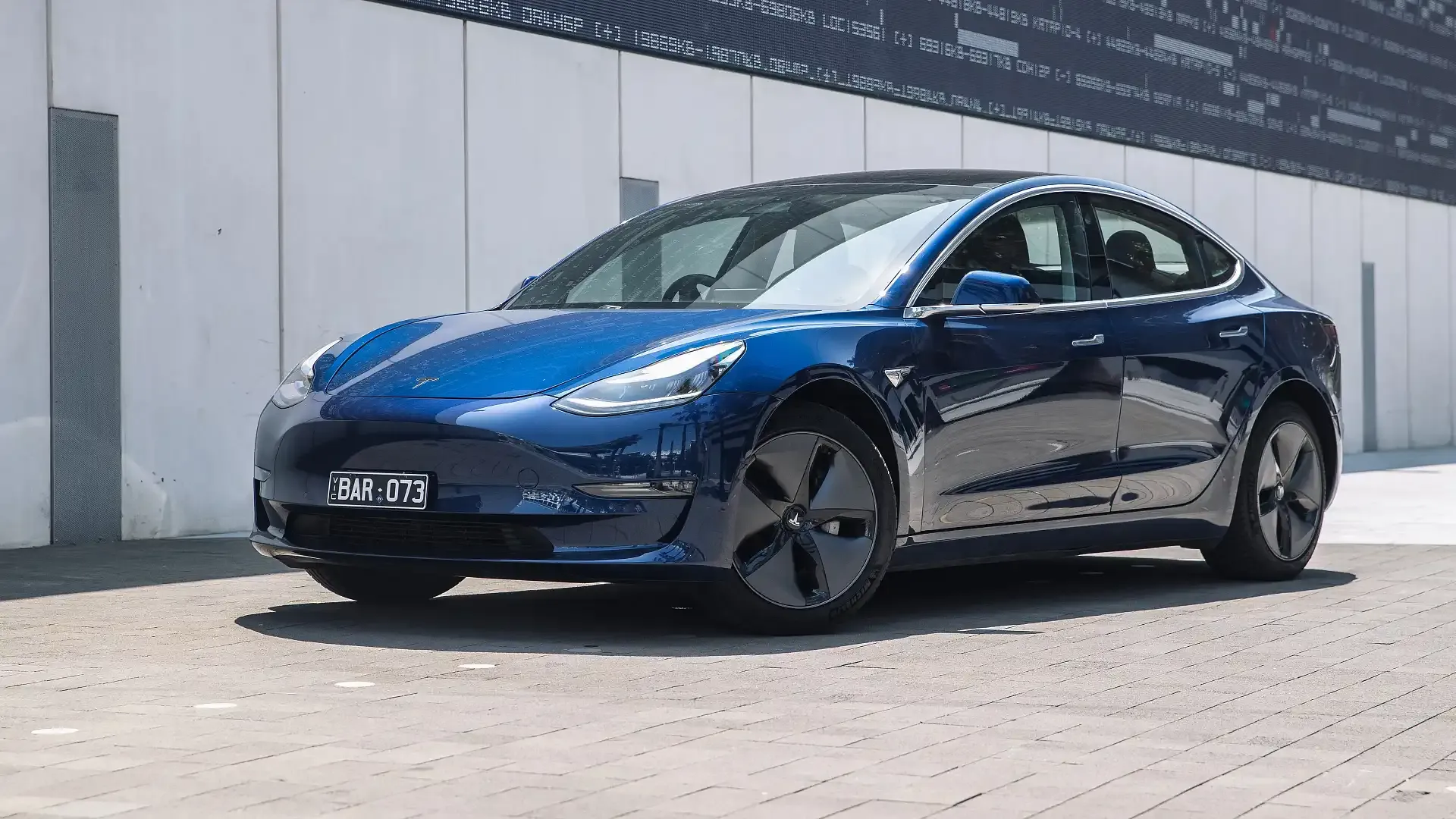
4. Tesla Model 3 Standard Range Plus Sedan
The Tesla Model 3 Standard Range Plus Sedan reflects a manufacturing strategy built around efficiency, scale, and durability rather than decorative complication. Public attention often focuses on branding and technology presentation, yet the environmental strength of this model lies within its production structure and long service expectations.
Tesla reduced internal wiring length, simplified mechanical assemblies, and limited component variety, allowing each unit to be produced with lower material waste when compared with fragmented manufacturing systems. Energy conversion efficiency remains a defining characteristic.
The electric drivetrain delivers high distance per unit of stored power, reducing total electricity demand throughout ownership. Lower energy demand translates into reduced upstream emissions, particularly in regions where power generation still includes fossil sources. Thermal management systems are digitally controlled to protect battery condition, maintain capacity balance, and limit degradation during seasonal temperature variations.
Access to charging infrastructure also shapes owner behaviour. Reliable public charging availability supports extended electric travel rather than restricted urban use. Longer trips completed electrically displace petrol journeys that would otherwise generate higher emissions.
Over multiple years, this behavioural change accumulates into meaningful carbon reduction. Software-based vehicle updates add performance and safety refinements without physical alteration, eliminating the need for additional manufacturing activity tied to hardware modification.
Material selection inside the cabin prioritises wear resistance and long-term appearance. Surfaces are designed to age evenly, reducing dissatisfaction that often leads to early vehicle replacement. This design philosophy aligns with environmental accounting, since extending ownership duration spreads initial production emissions across a longer timeline.
Improvements introduced across production cycles have also reduced manufacturing defects, lowering waste from rejected components. Production scale further strengthens environmental efficiency. Large volume battery manufacturing allows refined control over material use and energy consumption per unit.
Standardised assembly processes minimise variation, reducing errors that would otherwise generate scrap. Logistics planning within Tesla’s production network limits unnecessary transport between facilities, contributing to controlled emission output beyond the factory floor.
When evaluated across its full service life, the Tesla Model 3 Standard Range Plus Sedan demonstrates how disciplined engineering, production scale, and software-based longevity can support lower carbon impact. Its environmental contribution arises from efficiency and durability rather than novelty, positioning it as a practical example of emission reduction through industrial refinement and consistent electric usage.
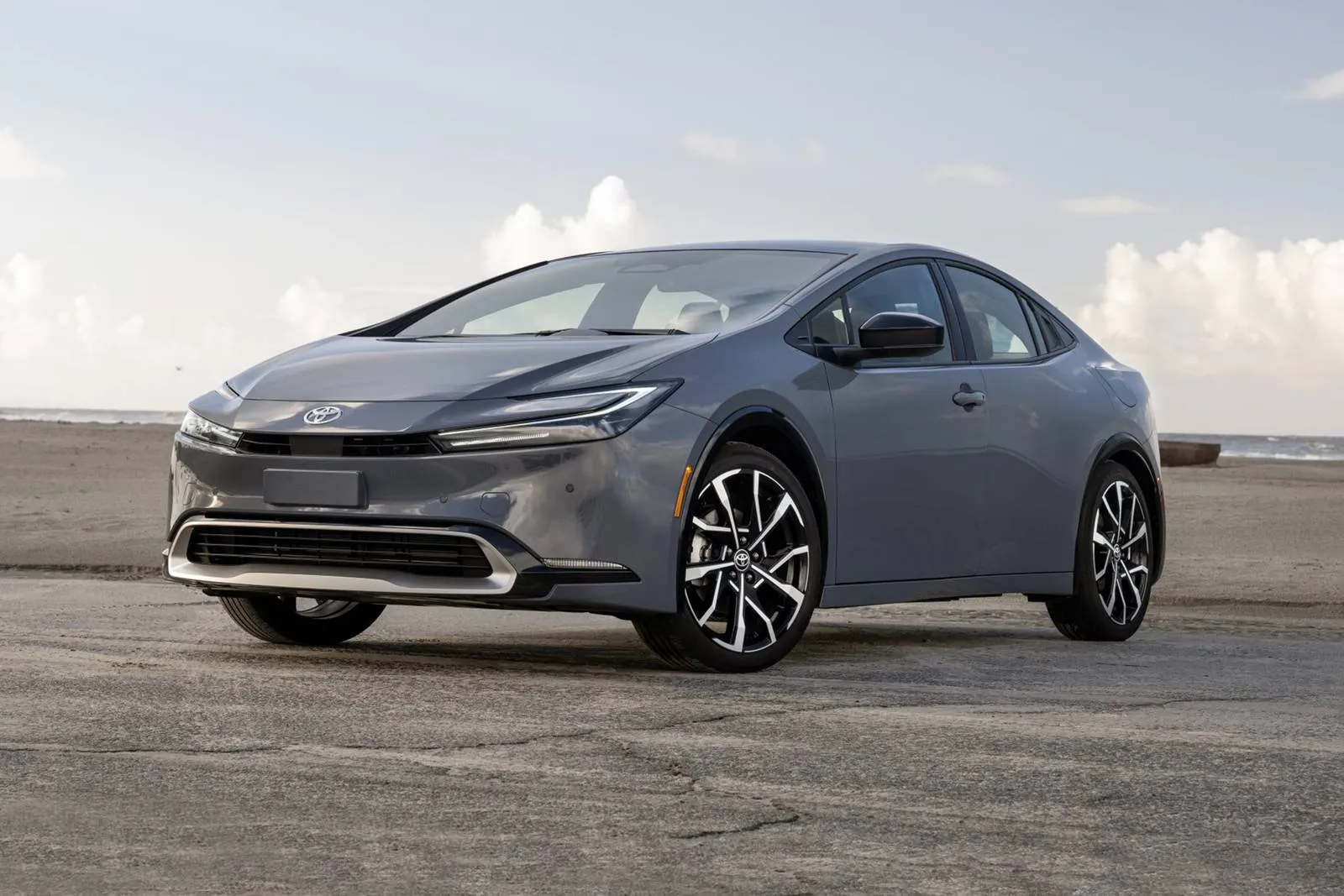
5. Toyota Prius Prime Plug-In Hybrid Hatchback
The Toyota Prius Prime Plug-In Hybrid Hatchback presents a measured approach to lowering vehicle-related emissions through balanced system design. Instead of relying solely on full-electric capacity or conventional-fuel power, this model integrates both to reduce material demand while maintaining operational flexibility.
This balance allows drivers to reduce fuel use without depending on large battery packs that carry higher production emissions. Electric driving capability covers many routine journeys such as commuting, shopping, and school transport. During these trips, fuel consumption drops to zero, reducing daily carbon output.
When longer travel requires petrol operation, the system maintains high efficiency through refined combustion management and energy recovery. Toyota’s extensive experience with hybrid systems supports consistent performance and mechanical stability across extended ownership periods.
Battery size remains deliberately modest. Smaller battery packs require fewer raw materials during production and generate lower emissions during assembly. This design choice also simplifies end-of-life processing. Regenerative braking captures energy during deceleration, feeding it back into the battery without additional mechanical burden.
Energy management software coordinates power delivery smoothly, avoiding unnecessary strain on either system. Durability stands as a defining attribute. Prius models are widely known for long service life, often remaining in use well beyond average vehicle age.
Extended usage spreads manufacturing emissions across more years, improving environmental efficiency. The Prius Prime benefits from this reputation through proven components and conservative engineering margins that prioritise reliability. Service accessibility further supports long-term ownership.
Established repair networks and consistent parts availability reduce downtime and discourage early vehicle replacement. Maintenance procedures are familiar to technicians, limiting errors and waste during servicing. This infrastructure supports continued operation rather than disposal when minor faults arise.
For drivers seeking reduced emissions without committing entirely to full electric dependency, the Toyota Prius Prime Plug-In Hybrid Hatchback provides a stable option. Its environmental value is rooted in consistency, restrained material use, and long service expectations. Through balanced technology and reliable operation, it supports lower lifetime emissions by aligning daily practicality with responsible engineering choices.
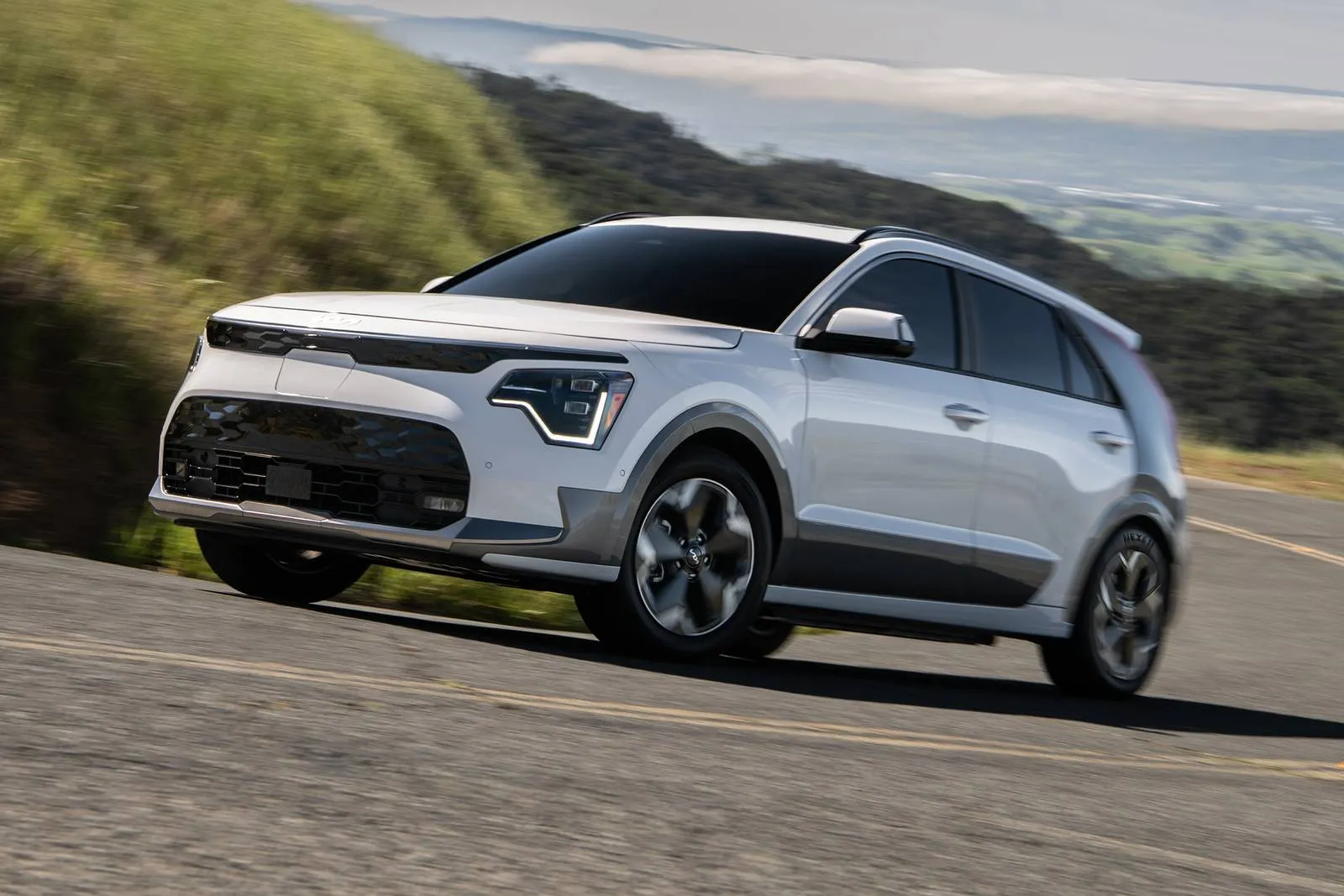
6. Kia Niro EV Compact Crossover
Smart Balance defines the Kia Niro EV Compact Crossover from its earliest design sketches to daily driving behavior. Instead of chasing oversized batteries or dramatic styling, this model focuses on efficiency that fits ordinary routines. That choice shapes its lifetime carbon footprint in ways that remain practical rather than theoretical.
Production relies on a shared platform with hybrid siblings, allowing factories to reuse components and reduce material waste across multiple vehicle types. Energy use during operation stays restrained due to careful weight control and tuned power delivery. Acceleration feels responsive without encouraging unnecessary energy drain, which helps drivers maintain efficient habits without conscious effort.
Battery capacity offers enough range for typical travel patterns while avoiding excessive raw material demand during manufacturing. That restraint reduces emissions linked to mining and processing long before the vehicle reaches the road. Interior choices reflect durability and simplicity.
Surfaces resist wear, lowering the chances of early replacement driven by cosmetic fatigue. Software systems manage charging and energy flow efficiently, protecting battery health and extending usable life. A battery that lasts longer spreads production emissions across more years of service, which matters when assessing lifetime impact.
Ownership patterns add another advantage. Many drivers select the Niro EV as a household’s primary vehicle, replacing gasoline miles on a broad scale. Maintenance needs remain minimal, cutting down emissions tied to parts manufacturing and transport.
Charging compatibility with common home setups also reduces reliance on energy-intensive fast charging. Through steady design choices and realistic performance goals, the Kia Niro EV earns a place among vehicles that keep carbon output low from the factory floor through years of daily use.
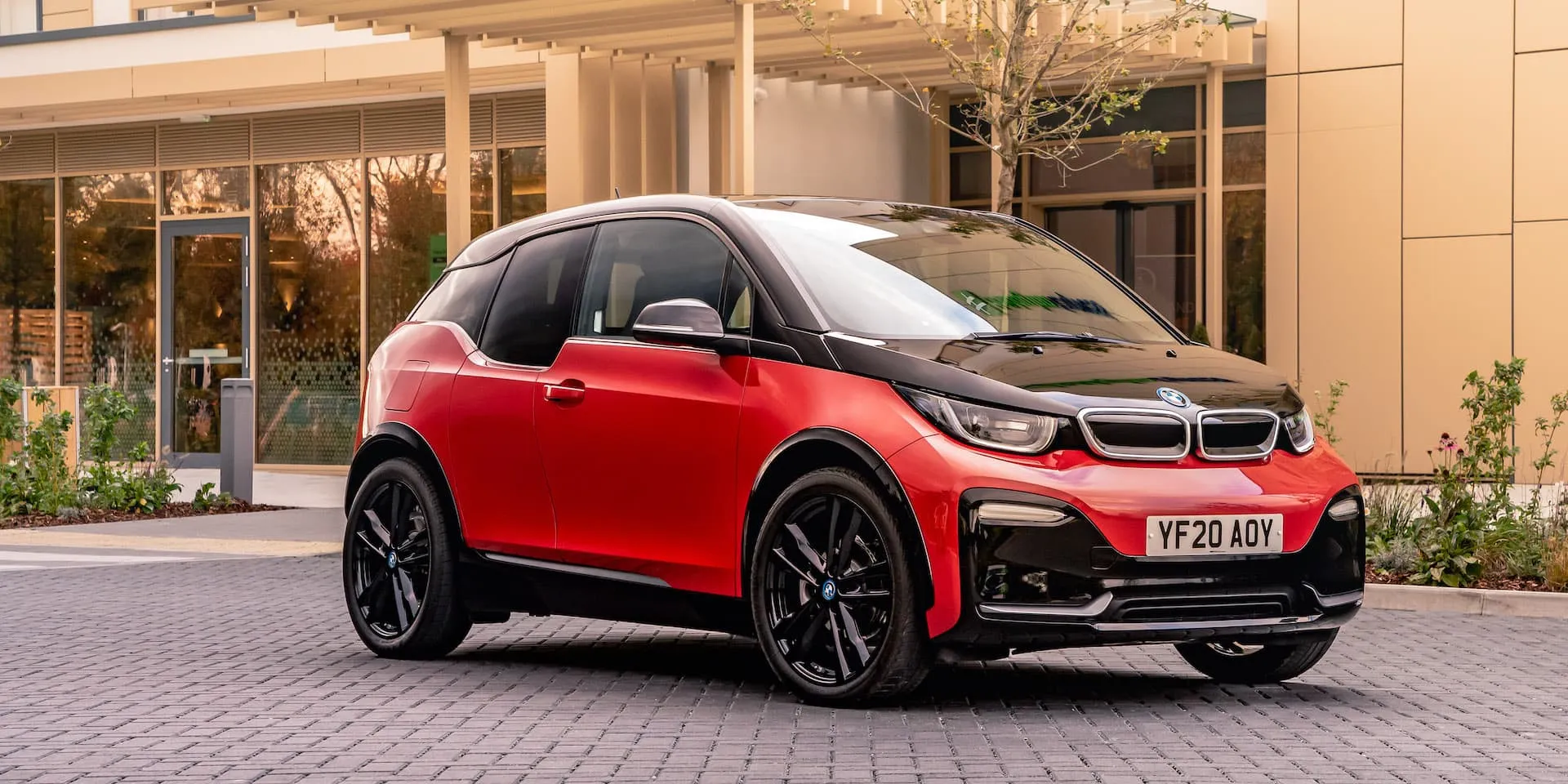
7. BMW i3 Electric Hatchback
Bold thinking shaped the BMW i3 Electric Hatchback long before electric vehicles reached mass acceptance. Lightweight construction stands at the center of its environmental story. Extensive use of carbon fiber reinforced plastic reduced vehicle mass, allowing a smaller battery to deliver usable range. Lower weight translates into lower energy demand during every mile driven, which steadily reduces lifetime emissions.
Manufacturing carbon fiber requires energy, yet BMW offsets this through renewable power at production facilities. That decision changes how material intensity affects total carbon output. Assembly methods emphasized precision and longevity, resulting in a structure designed to resist corrosion and fatigue. A longer service life reduces demand for replacement vehicles, a factor often overlooked when discussing environmental impact.
Driving character supports efficiency rather than speed. Instant torque exists, but power delivery feels measured, encouraging smooth acceleration. Regenerative braking recovers energy efficiently, especially in urban settings where frequent stops would otherwise waste momentum. Battery management systems protect cells from stress, reducing degradation and supporting years of dependable use.
Ownership experience further strengthens the model’s standing. Compact dimensions suit city living, where electric advantages shine brightest. Many i3 vehicles remain active well beyond typical lease cycles, demonstrating durability that limits manufacturing emissions associated with new purchases. Interior materials include recycled fibers and responsibly sourced components, reinforcing the vehicle’s low-impact philosophy.
Through inventive engineering and thoughtful production decisions, the BMW i3 proves that unconventional approaches can pay off across an entire vehicle lifespan.
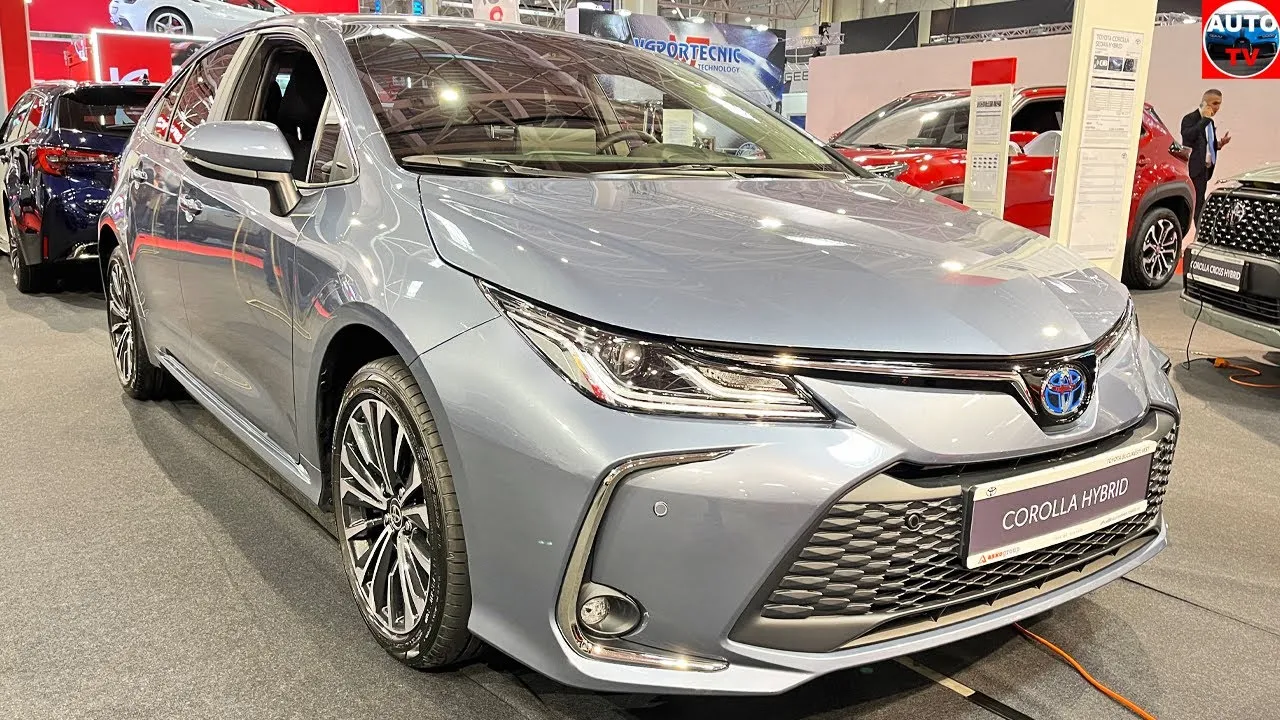
8. Toyota Corolla Hybrid Sedan
Quiet refinement defines the Toyota Corolla Hybrid Sedan, a vehicle that brings carbon reduction into one of the most familiar automotive shapes available in contemporary markets. Instead of reinventing transportation through radical redesign, this model improves what drivers already trust through decades of proven reliability.
Hybrid technology allows electric motor assistance during low-speed travel, whilst petrol power handles longer distances with impressive efficiency ratings. That combination reduces fuel consumption without relying on large battery packs that increase production emissions and vehicle costs.
Production benefits substantially from Toyota’s decades of hybrid experience accumulated since the original Prius introduction. Components come from mature supply chains optimised for minimal waste generation and consistent quality standards that reduce defect rates.
Battery size remains modest compared to pure electric vehicles, cutting down on material extraction requirements and processing emissions associated with lithium, cobalt, and nickel refinement. High manufacturing volumes also spread factory energy consumption across millions of vehicles annually, lowering per-unit environmental impact through economies of scale.
Driving behaviour feels natural, requiring no adjustments to established routines or charging infrastructure investments. Regenerative braking works quietly in the background, capturing kinetic energy that would otherwise dissipate as heat through friction brakes. Engine operation stays smooth and efficient through sophisticated power management software, reducing emissions during daily commutes and highway travel alike.
Longevity plays a major role in lifetime carbon calculations that extend beyond initial production emissions. Owners often keep Corollas well beyond average ownership spans of five to seven years, which delays replacement cycles and reduces demand for new vehicle production with associated manufacturing emissions.
Routine maintenance remains simple and affordable, limiting emissions tied to replacement parts manufacturing and shipping logistics. Service intervals stretch longer than those of many competitors, reducing workshop visits and associated travel emissions.
Local technical expertise with hybrid systems has developed through Toyota’s market presence, eliminating needs for specialised international assistance that would increase service carbon footprints. Fuel economy improvements translate directly into reduced petroleum consumption and combustion emissions throughout ownership periods.
By blending familiar sedan design with proven hybrid systems refined through continuous improvement, the Corolla Hybrid delivers low lifetime emissions through consistency, trust, and steady efficiency rather than dramatic technological change.
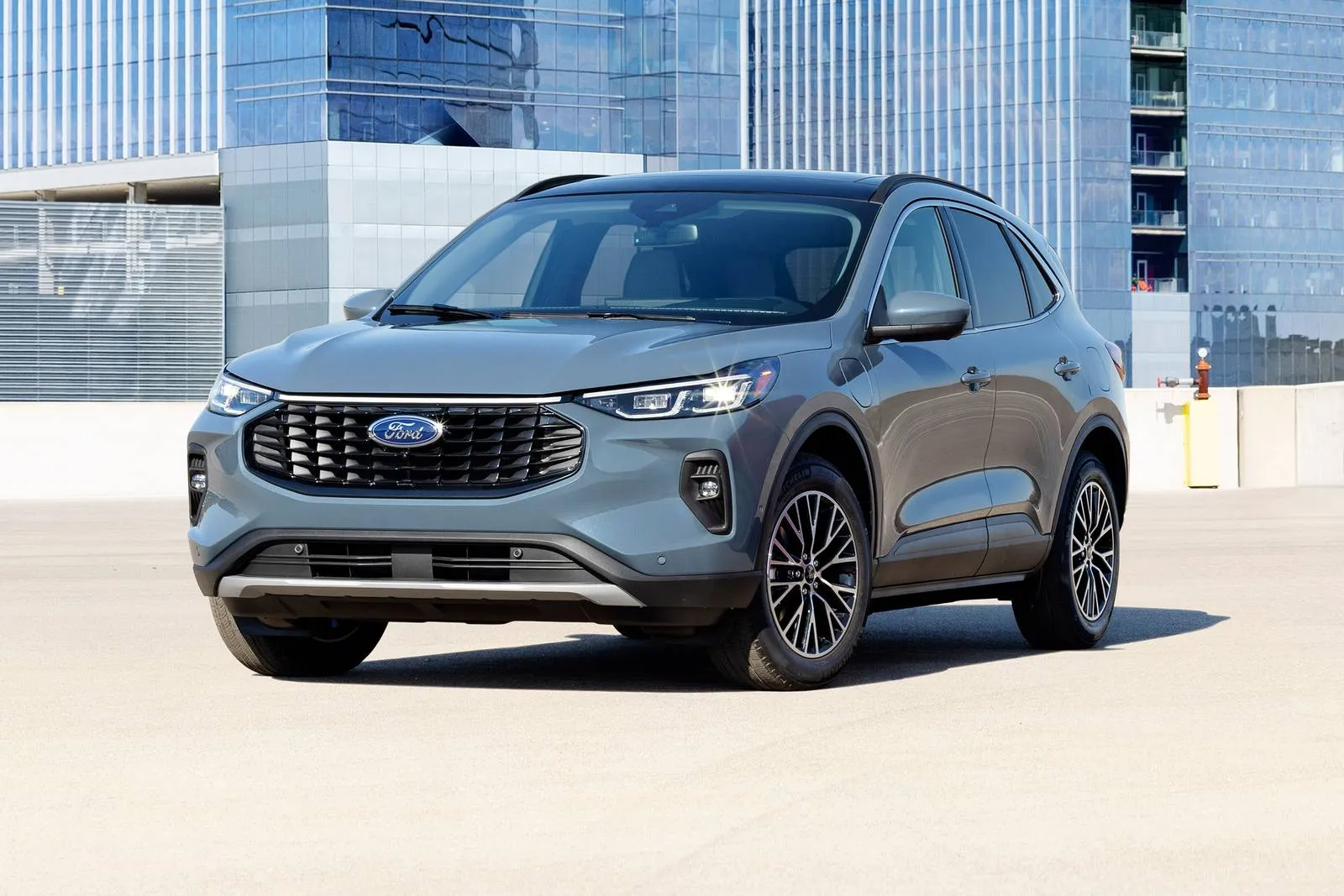
9. Ford Escape Plug-In Hybrid SUV
Versatility shapes the Ford Escape Plug-In Hybrid SUV, a model designed to meet varied transportation needs without pushing carbon output upward through excessive fuel consumption. Plug-in capability allows electric driving for short trips, covering errands and commutes using stored electricity charged from grid sources.
Battery capacity strikes a careful balance between electric range and production emissions. Electric driving range handles daily urban use without introducing excessive production emissions tied to oversized battery packs requiring substantial rare earth mineral extraction.
Charging at home encourages electric-first driving habits, lowering lifetime fuel demand when electricity access permits regular charging routines. Hybrid operation manages energy intelligently, switching power sources seamlessly to protect mechanical and electrical components whilst extending service life through reduced stress on individual systems.
Manufacturing benefits from shared platform architecture within Ford’s global vehicle lineup. Parts commonality reduces production waste and simplifies logistics chains, cutting emissions associated with manufacturing processes and international transport.
Interior materials emphasise durability through quality selection processes, helping the vehicle age gracefully rather than prompting early replacement driven by premature wear that would necessitate additional manufacturing emissions for new vehicles. Family usage patterns amplify environmental benefits when single vehicles replace multiple specialised cars within households.
One Escape can serve school runs, shopping trips, and longer family journeys, reducing the need for additional vehicle production with associated manufacturing footprints. This capability extends vehicle utility without forcing owners toward larger, less efficient vehicles for occasional challenging roads.
Through flexible design accommodating diverse usage patterns and efficient power management, reducing fuel consumption, the Escape Plug-In Hybrid demonstrates how utility and environmental responsibility can coexist productively across many years of ownership in markets with developing charging infrastructure.
Also Read: 10 Best Places to Find Hard to Reach Replacement Parts Online
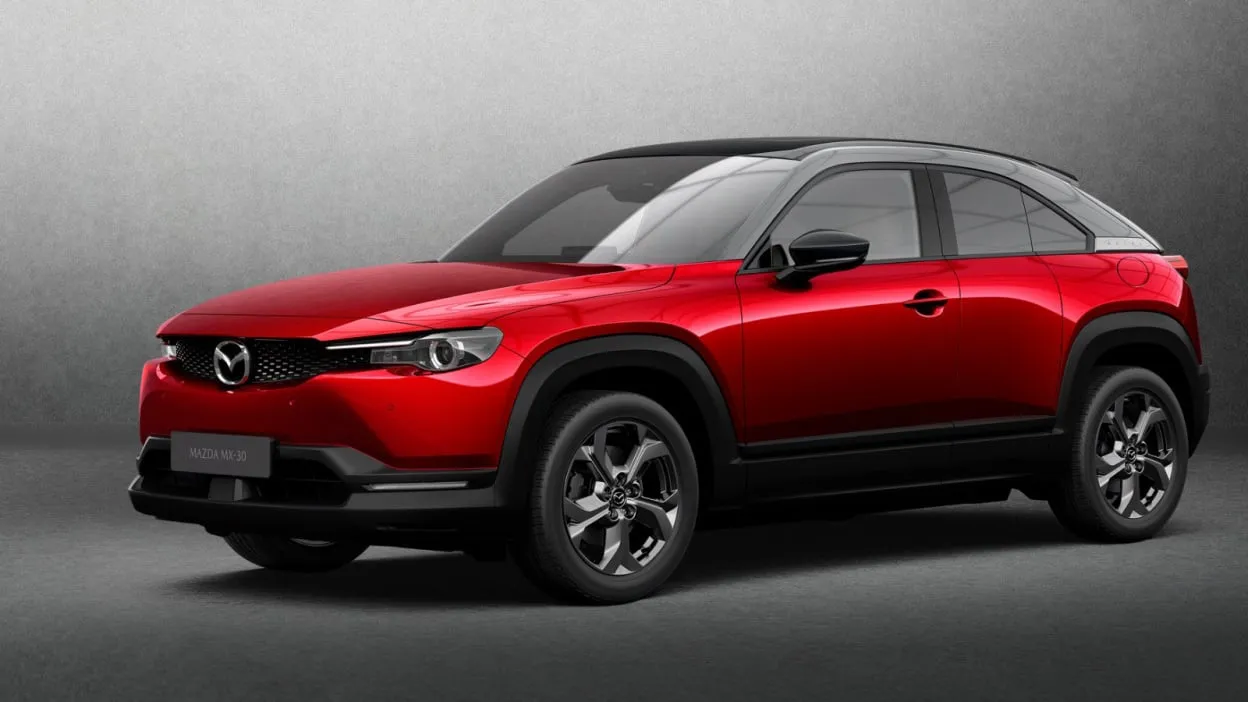
10. Mazda MX-30 Electric Crossover
Design restraint guides the Mazda MX-30 Electric Crossover, placing manufacturing sustainability above range competition that drives competitors toward ever-larger battery packs. Engineers selected a smaller battery capacity to limit production emissions, calculating that most daily driving needs remain modest and do not justify the environmental cost of excessive battery size.
That decision shapes its lifetime carbon footprint from the manufacturing stage, reducing material extraction demands and processing emissions associated with battery production. Lightweight construction supports efficient energy utilisation through reduced mass, requiring less power for acceleration and cruising.
Power delivery feels smooth and controlled through refined motor calibration, encouraging relaxed driving habits that conserve electricity and extend range. Regenerative braking operates seamlessly during urban travel, helping recapture kinetic energy during deceleration events.
Battery management focuses on longevity rather than maximum capacity utilisation, protecting individual cells through conservative charging and discharging protocols that extend usable service life. Material choices distinguish this model from conventional crossovers through environmental consciousness.
Interior panels incorporate recycled plastics and natural fibres, lowering environmental cost without sacrificing comfort or aesthetic appeal. Cork trim elements sourced from renewable forestry add unique character whilst demonstrating alternative material viability. Manufacturing processes emphasise reduced waste generation and efficient assembly operations, aligning production values with the vehicle’s environmental purpose.
Ownership experience reinforces environmental gains when usage patterns align with vehicle capabilities. Drivers who structure their routines around the MX-30’s range benefit from low energy demand and minimal maintenance requirements. Fewer charging cycles reduce strain on battery components, supporting years of reliable service without degradation requiring expensive battery replacement.
Electric motor simplicity eliminates numerous maintenance items plaguing conventional vehicles, from oil changes to exhaust system repairs. By accepting realistic travel patterns instead of chasing maximum range specifications that drive excessive battery sizes, the Mazda MX-30 delivers a low lifetime carbon footprint through thoughtful engineering limits and responsible material selection.
This philosophy suits environmentally conscious buyers who prioritise manufacturing sustainability alongside operational efficiency, recognising that excessive battery capacity creates production emissions that may never be recovered through operational savings.
