
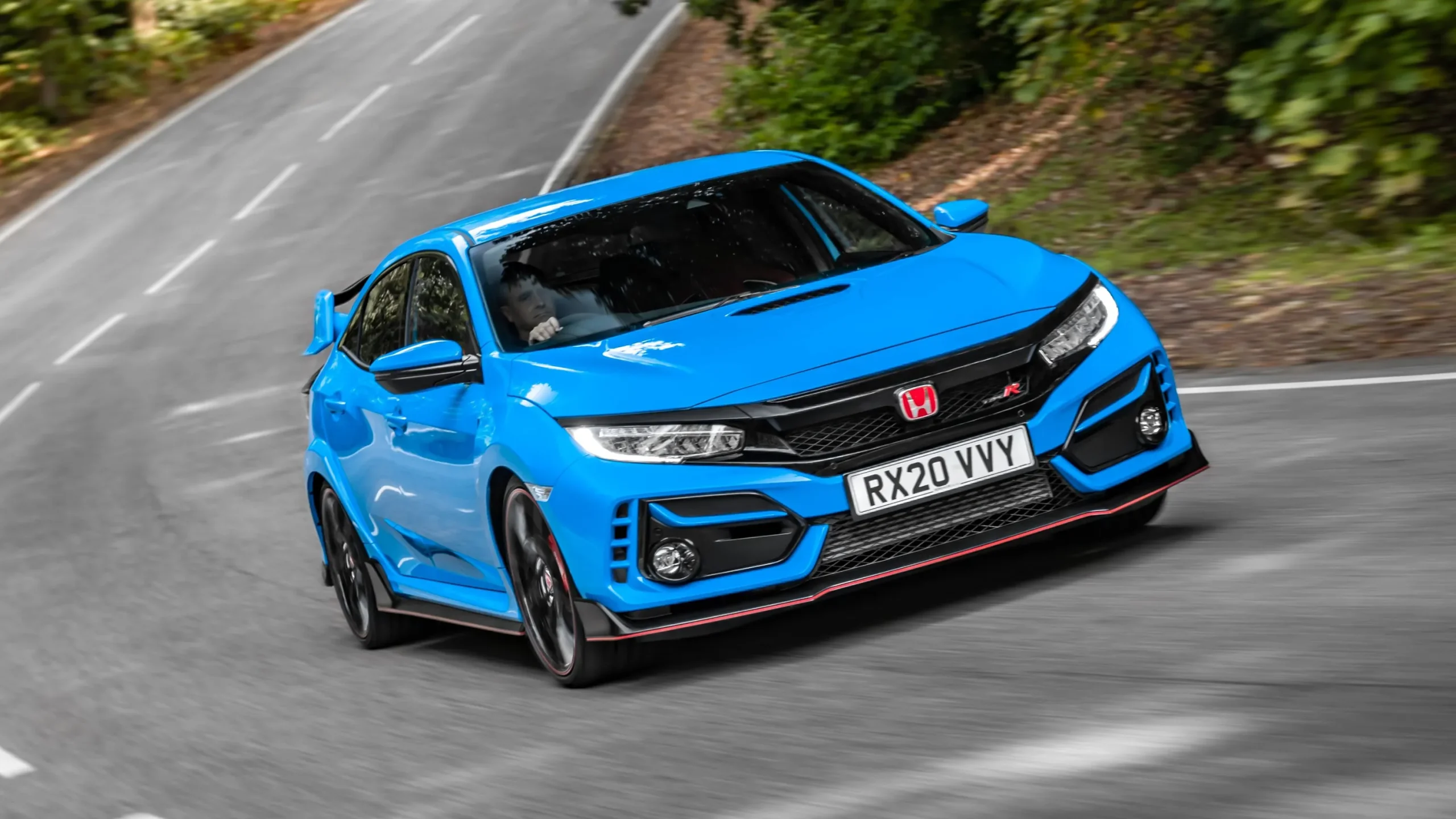
Rear Wheel Drive has long been praised as the gold standard for performance driving. Purists celebrate its balance, its throttle adjustability, and its reputation on racetracks and winding roads. Yet that reputation sometimes overshadows a simple truth: Front Wheel Drive has developed in dramatic ways.
Modern engineering, advanced differentials, and finely tuned suspension systems have reshaped what is possible when power is sent to the front axle. Front Wheel Drive cars once carried a stigma of understeer and torque steer.
Today, some of them attack corners with sharp precision, rocket out of bends with astonishing grip, and post lap times that rival traditional sports coupes. With the right setup, a front-driven performance car can feel eager, composed, and remarkably quick.
Technology plays a role, but so does thoughtful chassis tuning. Limited-slip differentials, adaptive dampers, lightweight construction, and carefully calibrated steering have turned Front Wheel Drive platforms into serious performance machines. Drivers no longer have to choose between practicality and excitement.
What follows is a curated list of ten Front Wheel Drive cars that refuse to play second fiddle. Each one proves that driving thrills are not reserved for rear-driven machines. These cars demonstrate that when engineered with care, Front Wheel Drive can deliver pace, precision, and pure enjoyment.
Let us begin with five standout contenders that consistently surprise anyone who doubts what the front axle can achieve.
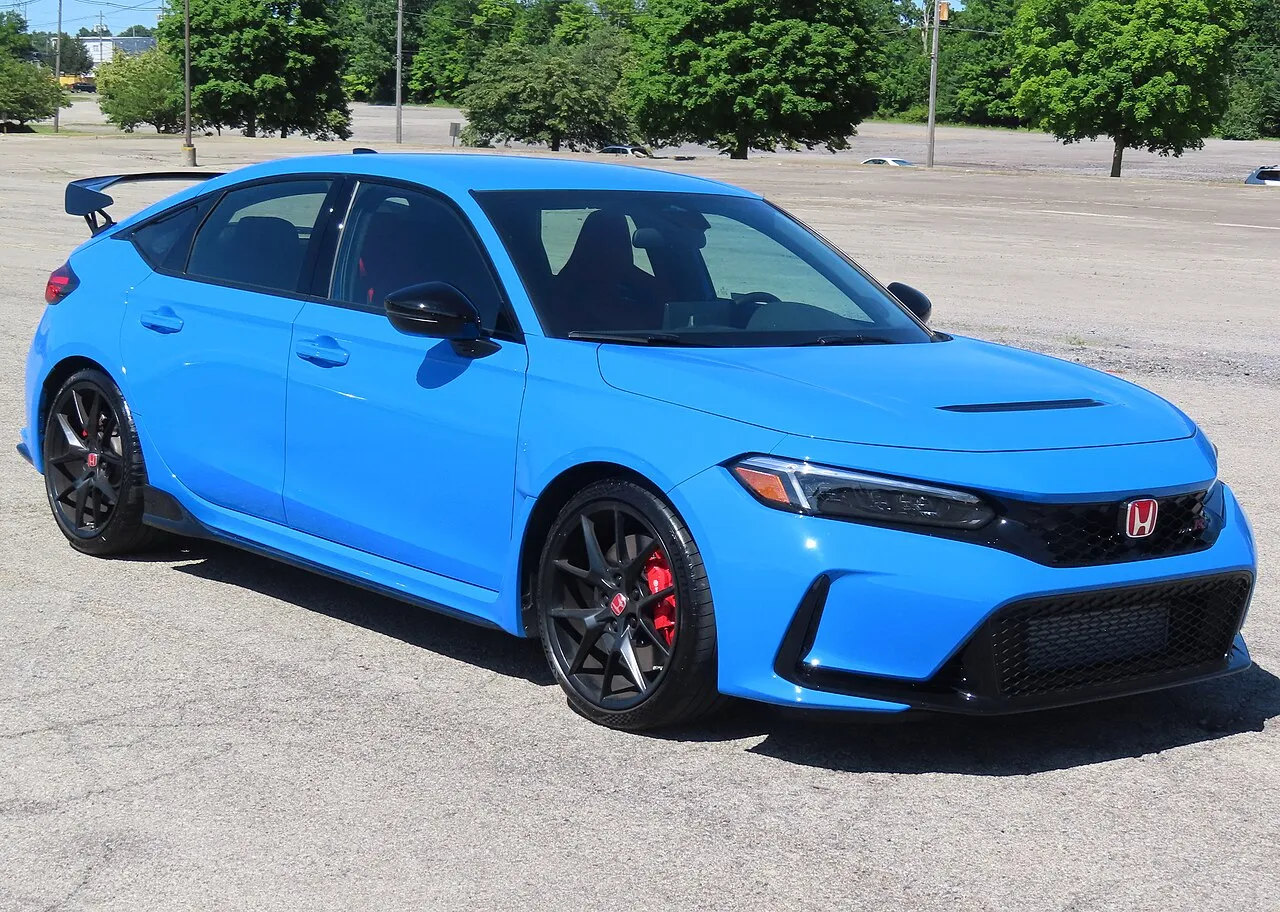
1. Honda Civic Type R FK8
Aggression takes shape in the Honda Civic Type R FK8, a car that leaves little room for subtlety. Introduced for the 2017 model year in the United States, this hot hatch arrived with a bold aerodynamic package, a turbocharged engine, and a mission to challenge established Rear Wheel Drive sports cars.
Under the hood sits a 2.0-liter turbocharged four-cylinder engine producing over 300 horsepower. That power routes exclusively to the front wheels through a six-speed manual transmission. Numbers alone do not explain the experience.
What sets the FK8 apart is how effectively it deploys that output. A helical limited-slip differential works tirelessly to distribute torque, minimizing wheel spin and reducing unwanted steering tug under heavy acceleration. Cornering reveals the depth of Honda’s chassis tuning.
Turn-in feels sharp and confident, and mid-corner grip remains impressive. Adaptive dampers adjust firmness depending on driving mode, allowing the Civic Type R to transition from daily commuter to track-focused weapon at the press of a button. Despite sending all power forward, it maintains composure even when exiting tight bends under full throttle.
Interior design reinforces its performance intent. Deeply bolstered sport seats hold the driver securely, while a metal-topped shifter provides crisp engagement with each gear change. Steering feedback feels direct and communicative, giving drivers a clear sense of traction levels.
Practical benefits remain intact. Four doors and a spacious hatchback layout make it easy to carry passengers or cargo. Fuel efficiency remains reasonable for a car with this level of output.
Honda Civic Type R FK8 does more than keep pace with Rear Wheel Drive competitors. It challenges assumptions about drivetrain limitations and proves that Front Wheel Drive can deliver thrilling, controlled performance without sacrificing everyday usability.
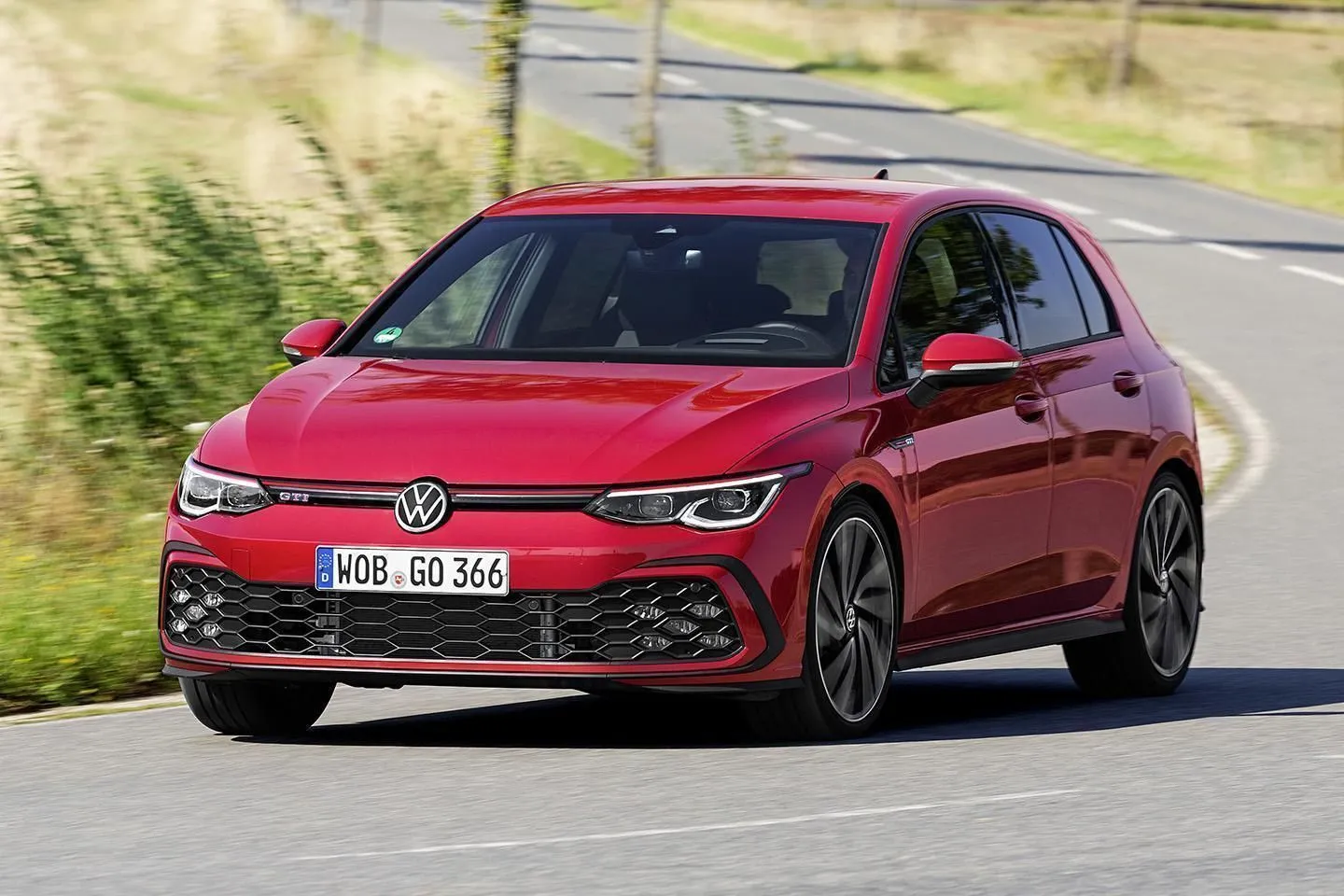
2. Volkswagen Golf GTI Mk8
Precision meets polish in the Volkswagen Golf GTI Mk8. For decades, the GTI badge has symbolized accessible performance, and the eighth generation refines that formula with sharper responses and increased power. It carries a quieter design compared to some rivals, yet its capabilities speak loudly.
A 2.0-liter turbocharged four-cylinder engine produces lively acceleration, delivering around 241 horsepower in standard trim. Power flows to the front wheels through either a six-speed manual or a dual-clutch automatic transmission. An electronically controlled, limited-slip differential plays a central role in managing torque distribution, helping the car maintain traction during hard corner exits.
Steering feels light yet accurate, encouraging confident placement through tight curves. Body control remains tight thanks to adaptive dampers that balance comfort and athleticism. Push the GTI harder, and it responds with eagerness rather than resistance. Grip levels stay strong, and understeer remains well managed.
Interior quality stands out. Soft-touch materials, supportive sport seats, and a driver-focused cockpit create an upscale atmosphere. Digital displays modernize the cabin without overwhelming the driver. Although physical buttons are fewer than in previous generations, ergonomics still support intuitive use.
Every day, practicality enhances its appeal. Rear seats offer usable space for passengers, and the hatchback configuration provides generous cargo capacity. Commuting feels composed and refined, yet a winding back road transforms the GTI into an agile companion.
Volkswagen Golf GTI Mk8 proves that Front Wheel Drive performance does not need theatrical styling to earn respect. It relies on balanced engineering, sharp reflexes, and thoughtful tuning to keep Rear Wheel Drive rivals squarely in its sights.
Also Read: Top 10 Cars Under 15000 Dollars That Feel Like They Cost Double
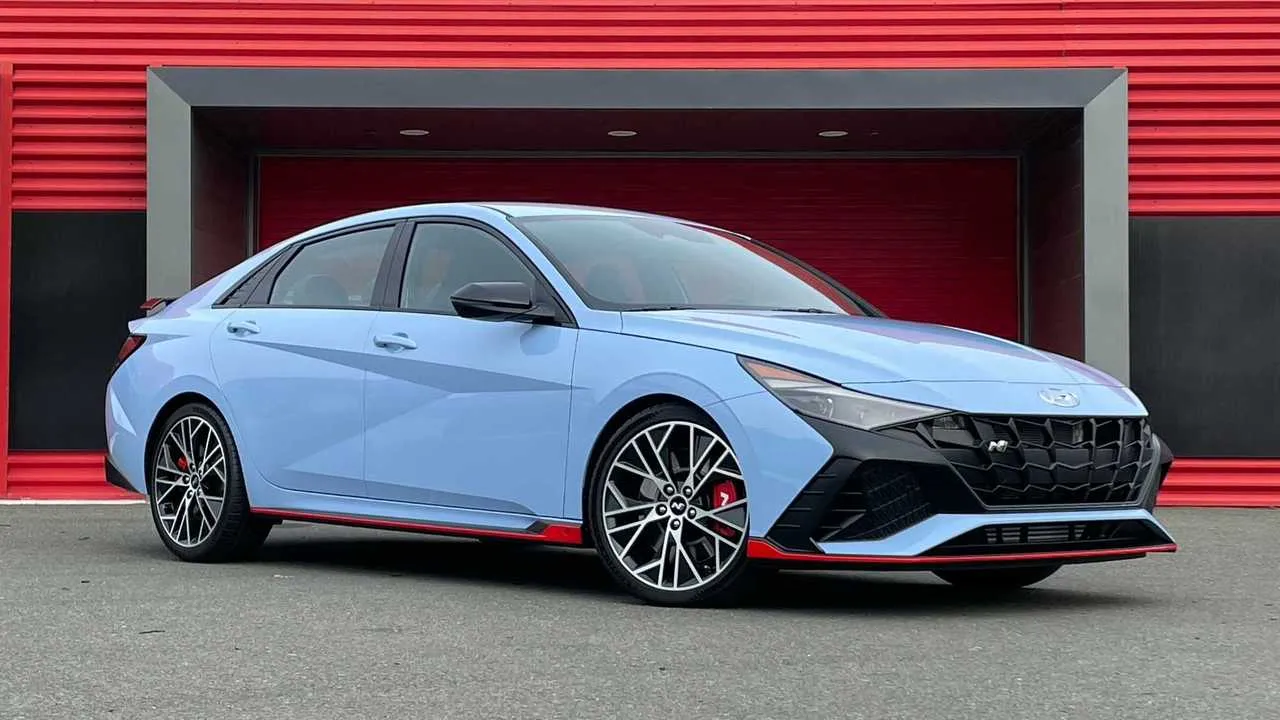
3. Hyundai Elantra N
Energy pulses through the Hyundai Elantra N in a way that feels playful and serious at the same time. Hyundai’s N division approached this compact sedan with a clear objective: create a Front Wheel Drive car capable of genuine track performance without losing daily livability.
Power originates from a 2.0-liter turbocharged four-cylinder engine producing up to 276 horsepower, with a temporary boost function raising output slightly higher. Drivers can select a six-speed manual transmission or an eight-speed dual-clutch unit. A mechanical, limited-slip differential distributes torque effectively, allowing strong acceleration without overwhelming the front tires.
Approach a series of tight corners, and the Elantra N demonstrates impressive composure. Steering feels quick, and chassis balance encourages confident turns in. Adjustable drive modes tailor throttle response, steering weight, suspension stiffness, and even exhaust sound. In its most aggressive setting, the car feels alert and responsive, eager to change direction.
Interior design emphasizes sportiness without sacrificing comfort. Supportive seats feature prominent bolstering, and performance-oriented displays provide real-time data such as lap timers and temperature readings. Controls remain intuitive, making it easy to focus on driving rather than menus.
Ride quality remains firm but tolerable during everyday use. Road noise stays within acceptable limits, and the cabin offers enough space for passengers and luggage. Hyundai Elantra N challenges established names with bold confidence.
It demonstrates that thoughtful engineering, paired with genuine enthusiasm from its development team, can produce a Front Wheel Drive sedan capable of matching the pace of respected Rear Wheel Drive competitors.
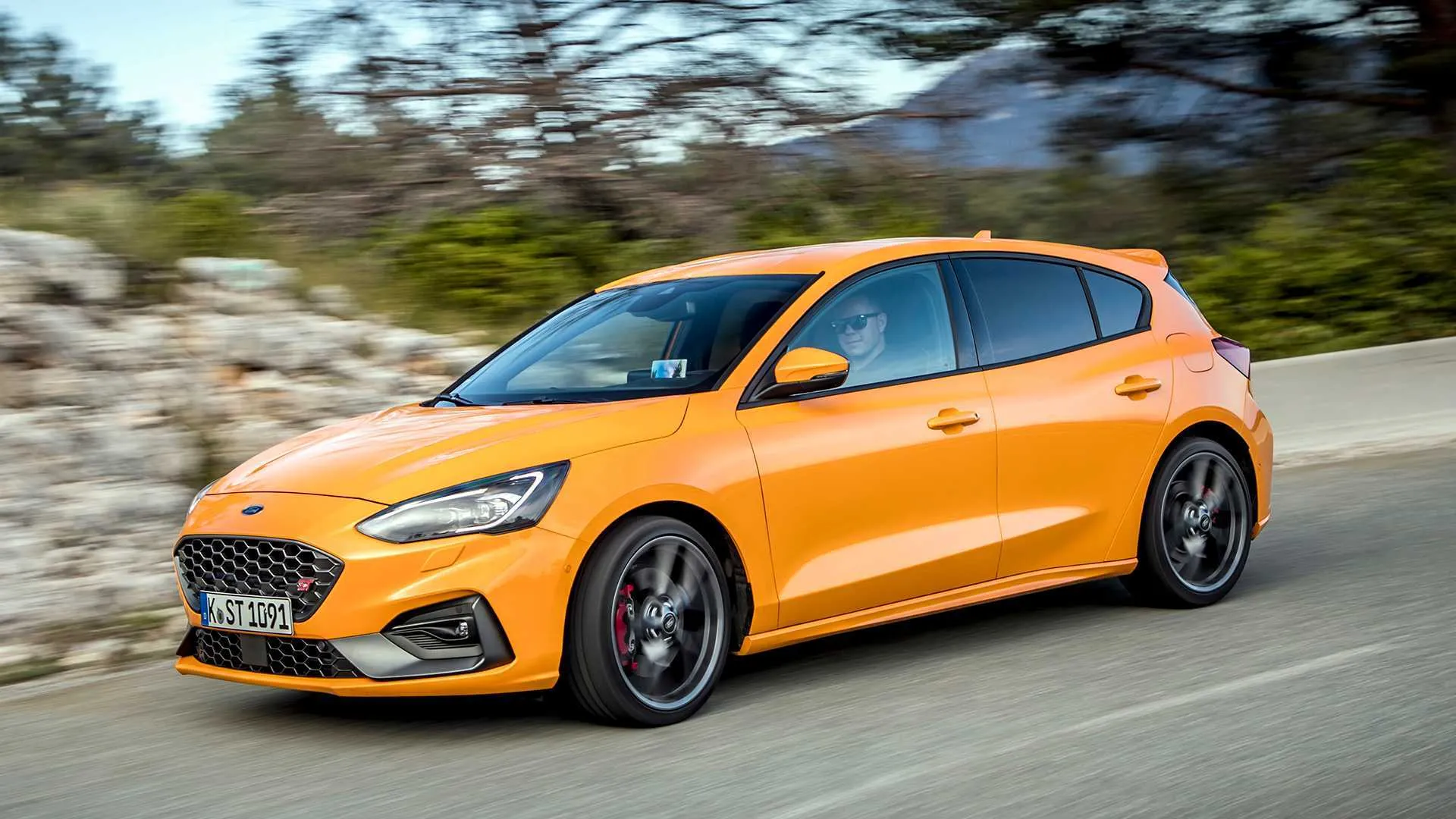
4. Ford Focus ST 2019
Muscular personality defines the Ford Focus ST 2019. Though production for certain markets ended shortly after, this hot hatch remains a strong example of how Front Wheel Drive can deliver raw excitement. With aggressive styling and a turbocharged engine, it refuses to blend into traffic.
A 2.3-liter turbocharged four-cylinder engine powers the Focus ST, producing roughly 280 horsepower. That engine pairs with a six-speed manual transmission, reinforcing driver involvement. An electronically controlled limited-slip differential improves traction and reduces wheel spin during spirited driving.
Push hard into a corner and the Focus ST responds with enthusiasm. Steering remains sharp and well weighted, allowing precise inputs. The suspension setup leans toward firmness, which enhances body control at higher speeds. Under acceleration, torque steer is present but manageable, adding a layer of character rather than detracting from the experience.
Interior design combines sportiness with practicality. Supportive seats keep occupants secure, while intuitive controls remain within easy reach. Hatchback versatility ensures that cargo space remains generous for daily needs.
Exhaust sound adds to the drama, delivering a throaty tone that complements the engine’s output. Drivers can adjust drive modes to fine-tune throttle sensitivity and steering weight. Ford Focus ST 2019 demonstrates that Front Wheel Drive performance can feel lively and engaging.
It may not rely on rear-driven theatrics, yet its sharp responses and strong turbocharged punch allow it to hold its own against traditional sports coupes.
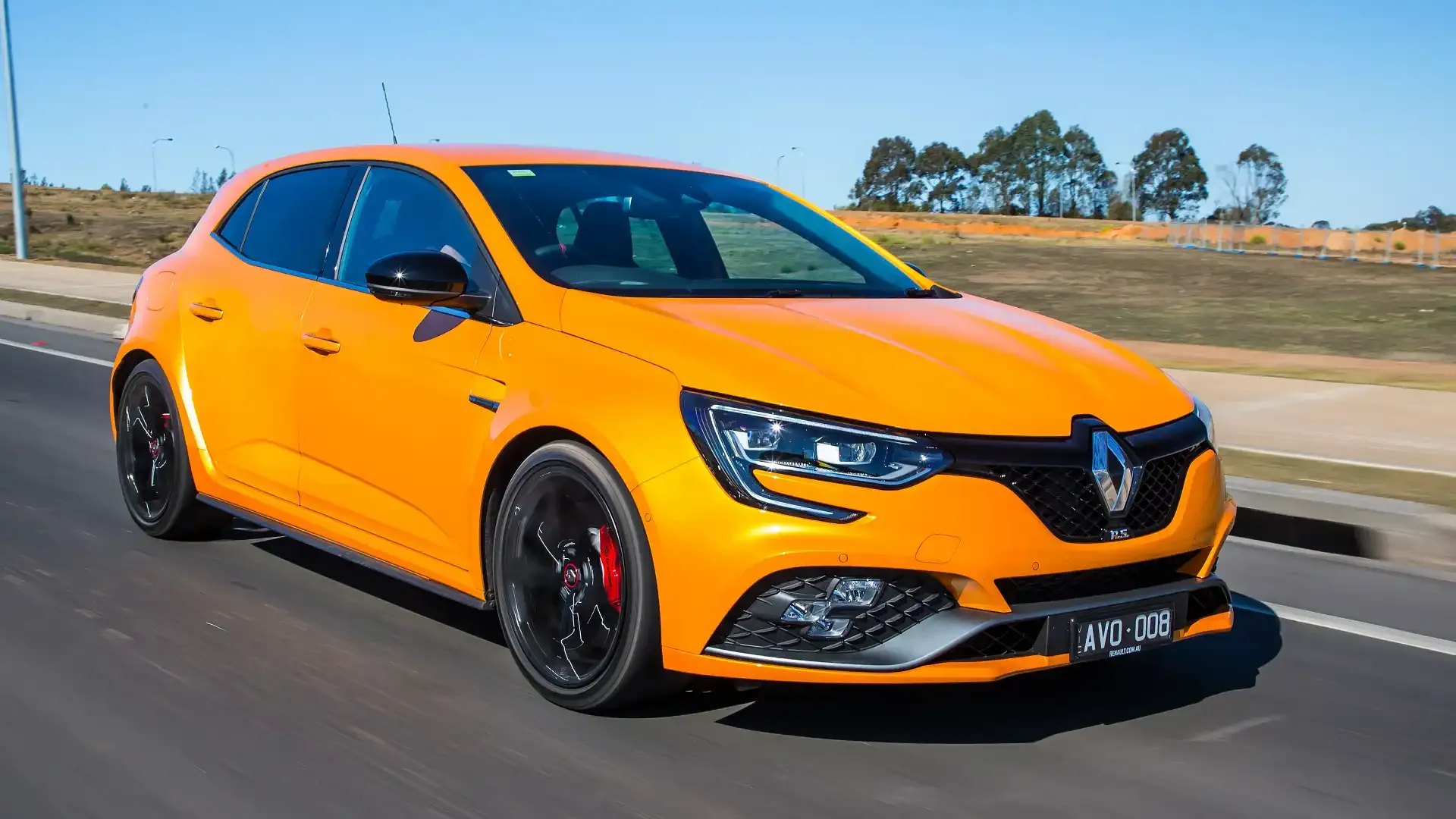
5. Renault Megane RS 280
European hot hatch heritage shines brightly in the Renault Megane RS 280. Designed with motorsport influence, this Front Wheel Drive machine blends sharp handling with a purposeful stance. Although not sold in every market, it has earned widespread praise among performance enthusiasts.
A 1.8-liter turbocharged four-cylinder engine generates around 280 horsepower. Buyers can choose between a six-speed manual transmission and a dual-clutch automatic. A sophisticated, limited-slip differential helps translate power into forward motion efficiently.
Chassis engineering stands at the forefront of its appeal. Renault employs a four-wheel steering system that enhances agility at lower speeds and stability at higher velocities. As a result, the Megane RS 280 feels eager when entering corners and composed when exiting under power. Steering remains precise, and body roll stays tightly controlled.
Interior appointments reflect its sporting focus. Deeply contoured seats provide strong lateral support, while performance displays supply useful driving data. Cabin materials feel solid, and ergonomics prioritize driver comfort.
Ride firmness signals its intent, yet it remains manageable for daily commuting. Road grip inspires confidence, encouraging spirited driving on twisting roads. Renault Megane RS 280 proves that Front Wheel Drive performance can reach impressive heights when paired with creative engineering. It stands as a reminder that drivetrain layout alone does not dictate excitement or capability.
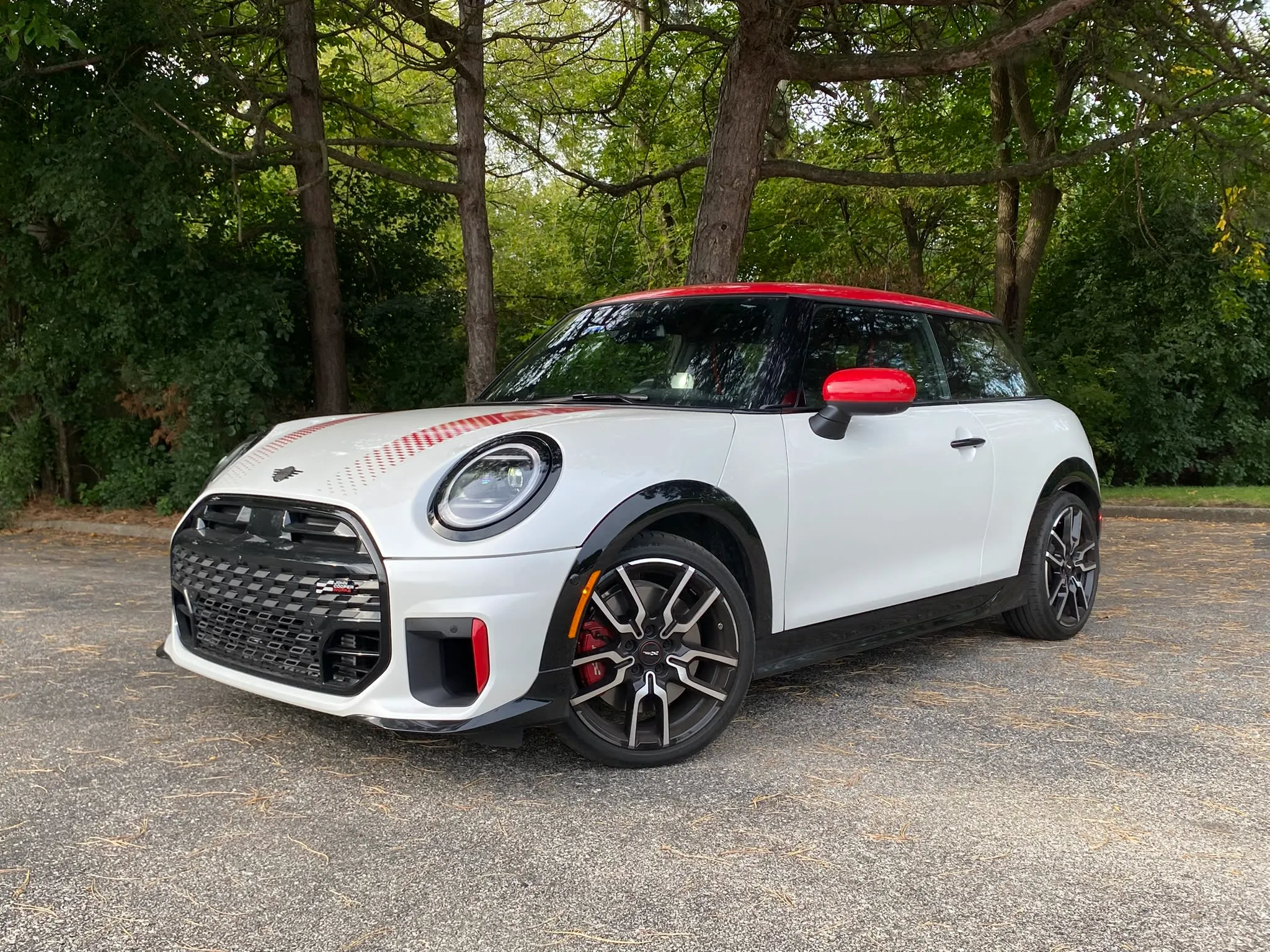
6. MINI John Cooper Works Hardtop
Compact dimensions can hide serious intent, and the MINI John Cooper Works Hardtop makes that point loudly. Beneath its playful exterior lies a machine engineered for sharp reflexes and relentless grip. While some drivers dismiss small hatchbacks as lightweight toys, this one carries genuine performance credentials that allow it to challenge larger Rear Wheel Drive coupes on tight roads.
Power comes from a turbocharged 2.0-liter four-cylinder engine producing over 225 horsepower in recent versions. That output travels exclusively to the front wheels through either a six-speed manual or an automatic transmission with quick paddle control.
Numbers may seem modest compared to bigger sports cars, yet the JCW Hardtop compensates with a low curb weight and immediate throttle response. Corner entry reveals the car’s personality. Steering feels quick and direct, giving the driver confidence when placing the nose precisely where it needs to be.
Body roll remains limited thanks to a firm suspension setup, and the front tires dig into the pavement with determination. Torque steer is present under aggressive acceleration, though it feels more like personality than flaw.
Step inside, and the cabin presents a blend of retro styling and modern performance cues. Supportive sport seats hold occupants securely, and the driving position feels upright yet focused. Toggle switches and circular displays give the interior a distinctive character without distracting from the task at hand.
Daily usability stays intact despite the car’s sharp attitude. Rear seats are usable for short trips, and the hatch area accommodates groceries or weekend bags. Ride quality leans toward firm, yet it never becomes punishing.
MINI John Cooper Works Hardtop thrives on twisty back roads where agility matters more than brute force. It proves that Front Wheel Drive performance can feel alive, energetic, and capable of keeping pace with rear-driven rivals when the road becomes challenging.
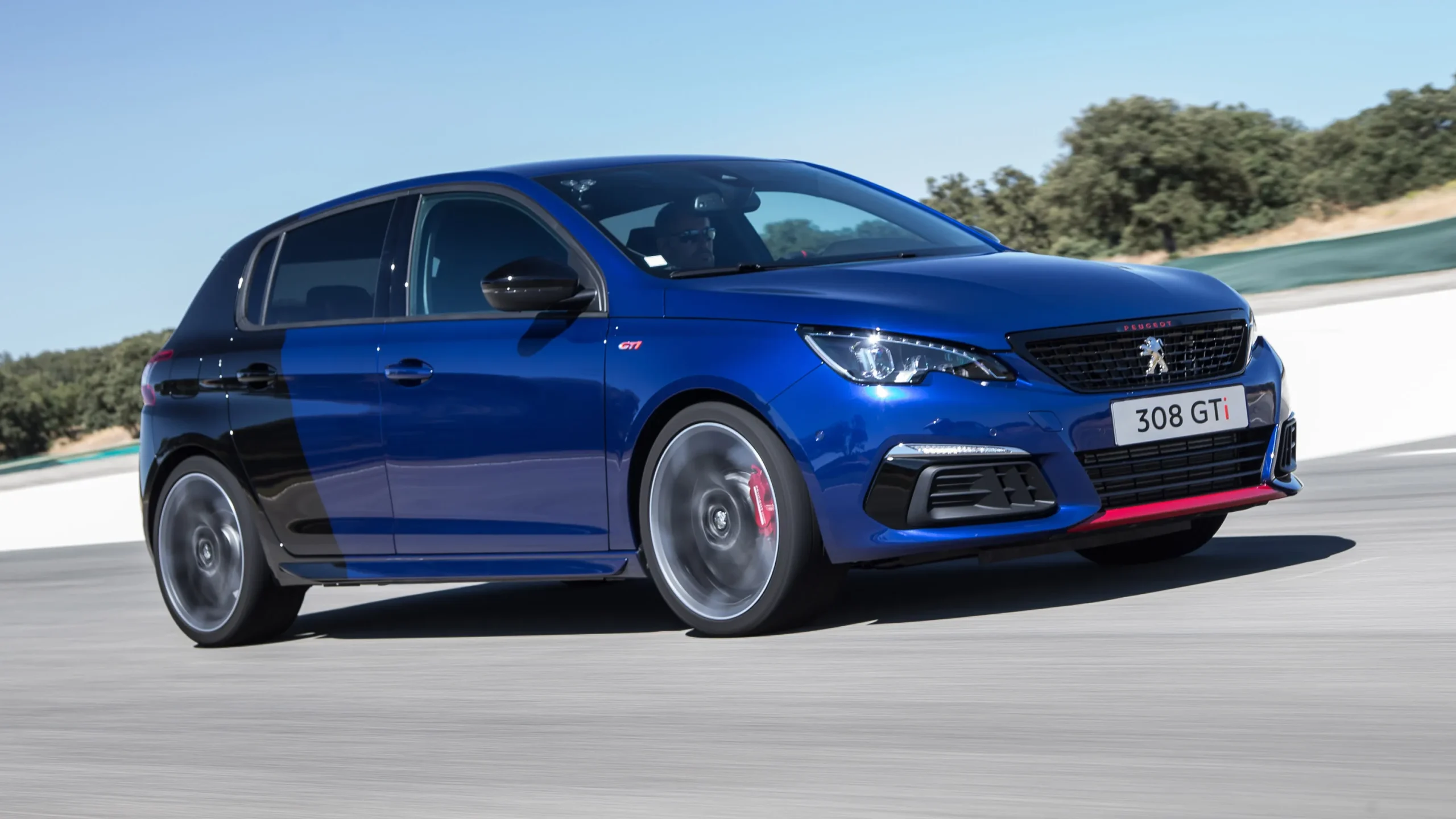
7. Peugeot 308 GTi by Peugeot Sport
French engineering brings a unique flavor to performance driving, and the Peugeot 308 GTi by Peugeot Sport stands as a compelling example. Developed with direct input from Peugeot’s motorsport division, this hatchback focuses intensely on balance, grip, and driver communication.
Beneath the hood rests a 1.6-liter turbocharged four-cylinder engine producing up to 270 horsepower in its higher specification form. That power channels through a six-speed manual transmission to the front wheels. A Torsen limited-slip differential plays a central role, distributing torque efficiently and reducing unwanted wheel spin during hard acceleration.
Approach a corner with intent, and the 308 GTi responds immediately. Steering feels sharp and communicative, allowing precise placement of the front end. Body control remains disciplined, and the chassis rotates eagerly when guided with smooth inputs. Front-end grip feels strong, enabling confident power application at corner exit.
Interior design blends simplicity with performance cues. Deep bucket seats offer impressive lateral support, while red stitching and subtle trim details reinforce the sporting character. Controls remain intuitive, minimizing distractions during spirited driving.
Ride firmness leans toward the sporty side, though daily commuting remains manageable. The hatchback format ensures practicality for passengers and cargo, making it suitable for both daily errands and weekend drives.
Peugeot 308 GTi by Peugeot Sport demonstrates that front wheel drive can deliver precision and pace equal to many rear wheel drive competitors. Its focused chassis tuning and mechanical differential give it the tools to challenge traditional performance expectations.
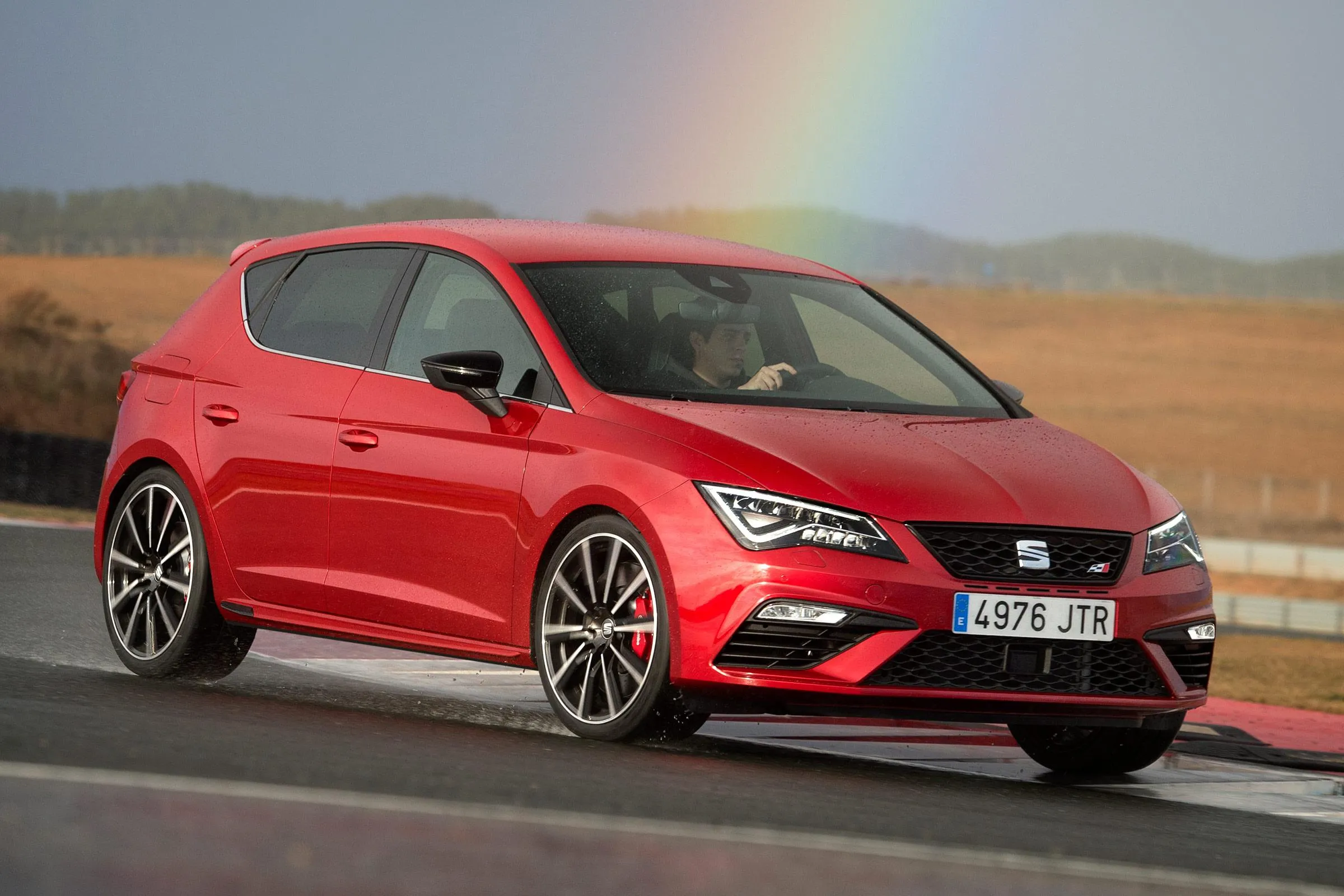
8. SEAT Leon Cupra 300
Spanish flair meets serious performance in the SEAT Leon Cupra 300. Sharing underlying architecture with other performance hatchbacks from its parent group, this model distinguishes itself with bold styling and a lively driving character.
Sharp body lines, large air intakes, and distinctive alloy wheels give it an assertive presence on the road. Copper accents and subtle Cupra badging add visual drama without appearing excessive, reinforcing its identity as a focused performance machine rather than a simple trim upgrade.
Power originates from a 2.0-liter turbocharged four-cylinder engine producing around 300 horsepower. The engine delivers a broad torque band, providing strong pull from low revs and sustained thrust toward the upper range. Drivers can choose a manual gearbox for greater involvement or a dual clutch automatic transmission that executes rapid, precise gear changes.
An electronically controlled, limited-slip differential manages torque distribution between the front wheels, helping the car maintain composure under heavy throttle. This system reduces wheel spin and keeps the car tracking accurately during aggressive acceleration.
Acceleration feels urgent, pushing the Leon Cupra forward with enthusiasm. Throttle response is sharp, and the engine note deepens under load, adding to the sense of excitement. Steering inputs translate quickly into directional changes, giving the driver a strong connection to the front axle.
The chassis remains stable during high-speed cornering, with well-controlled body movement that enhances driver confidence. Adaptive dampers allow adjustments between comfort and sport settings, giving flexibility depending on road conditions. In softer modes, the ride remains composed for daily commuting, while firmer settings tighten body control for spirited driving.
Cabin presentation balances modern design with performance intent. Sport seats provide firm lateral support, helping occupants remain secure during fast cornering. A flat-bottom steering wheel and aluminum trim elements reinforce the car’s dynamic character.
Digital instrumentation offers clear information without overwhelming the driver, displaying speed, engine data, and navigation details in an organized format. Material quality feels solid, reflecting careful assembly and attention to detail.
Practicality remains strong thanks to the hatchback layout and usable rear seating. The rear bench accommodates passengers comfortably, and the cargo area offers generous space for luggage or daily errands.
Grip levels stay impressive, allowing the Cupra 300 to carry speed confidently through bends. Braking performance feels consistent and reassuring, even after repeated hard use. SEAT Leon Cupra 300 stands as proof that Front Wheel Drive architecture can support serious power without sacrificing control.
Through precise engineering and advanced electronic assistance, it holds its ground against rear-driven rivals that rely on tradition rather than fresh thinking.
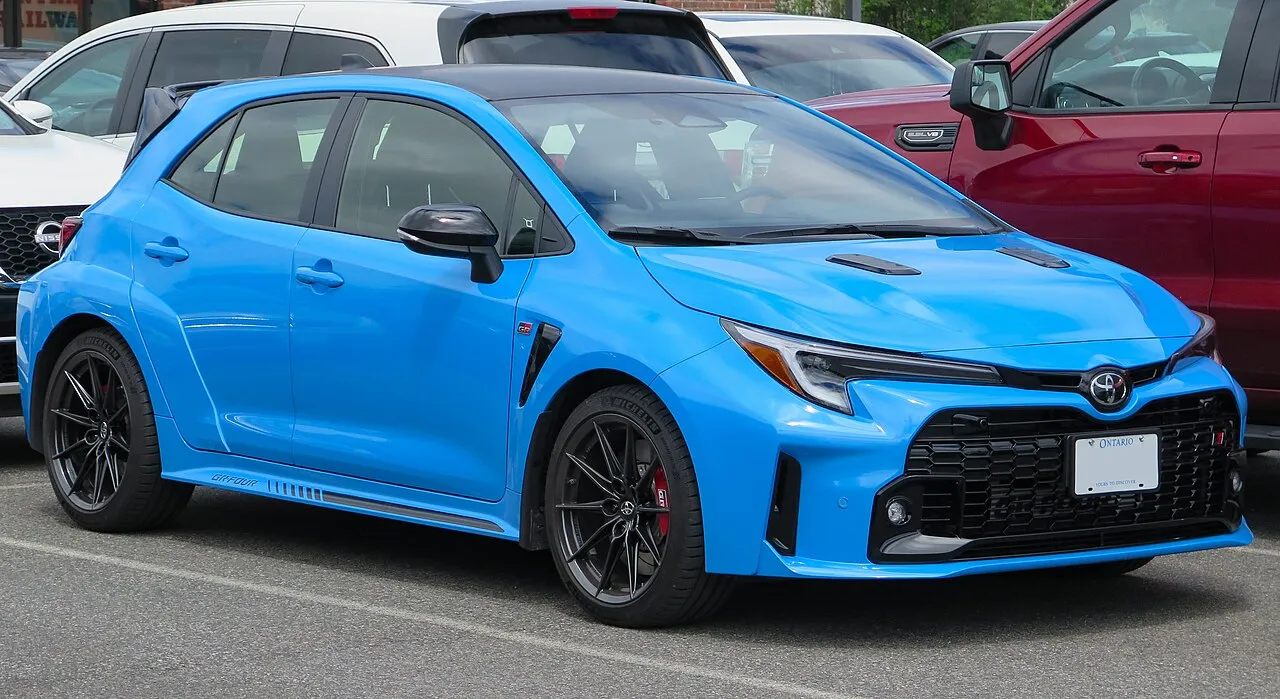
9. Toyota Corolla GR
Surprise often accompanies the Toyota Corolla GR. Although Toyota is widely known for reliability and efficiency, this performance-oriented variant introduces a sharper personality. While some markets receive an All Wheel Drive configuration, front wheel drive based versions demonstrate how capable the platform can be when carefully engineered for speed and control.
A turbocharged three-cylinder engine produces strong output for its size, delivering energetic acceleration that feels far more urgent than its displacement suggests. Power builds quickly, and the engine’s punchy midrange makes passing maneuvers and corner exits feel lively.
Manual transmission availability enhances driver involvement, reinforcing the car’s performance focus. Gear changes feel precise, and clutch engagement offers a satisfying mechanical connection. Lightweight construction and stiffened chassis components contribute to its responsive handling, giving the Corolla GR a nimble character that thrives on winding pavement.
Cornering reveals a car eager to change direction. Steering feels direct, with a weight that inspires confidence without becoming heavy. Front-end grip remains impressive during spirited driving, allowing the driver to commit to a line and carry speed through bends.
Suspension tuning prioritizes control, keeping body motions in check even during quick transitions. Under hard acceleration, torque management systems help channel power smoothly to the front wheels, reducing unwanted tug at the steering wheel. Exhaust sound adds character, giving the compact hatchback a more assertive voice that complements its performance intentions.
Interior design reflects a balance between practicality and style. Supportive seats hold occupants securely during aggressive driving, while clear instrumentation keeps vital information easily visible. Materials feel durable, and the layout’s simplicity reduces distraction.
Despite its performance intent, the Corolla GR retains usable rear seating and reasonable cargo space, making it suitable for daily commuting as well as weekend back road sessions. Toyota Corolla GR challenges preconceived notions about what a compact hatchback can achieve.
Its energetic engine, disciplined chassis, and driver-focused features allow it to keep pace with Rear Wheel Drive competitors, especially on tighter roads where agility and precision matter most.
Also Read: Top 10 Cars That Were Only Sold in One Country
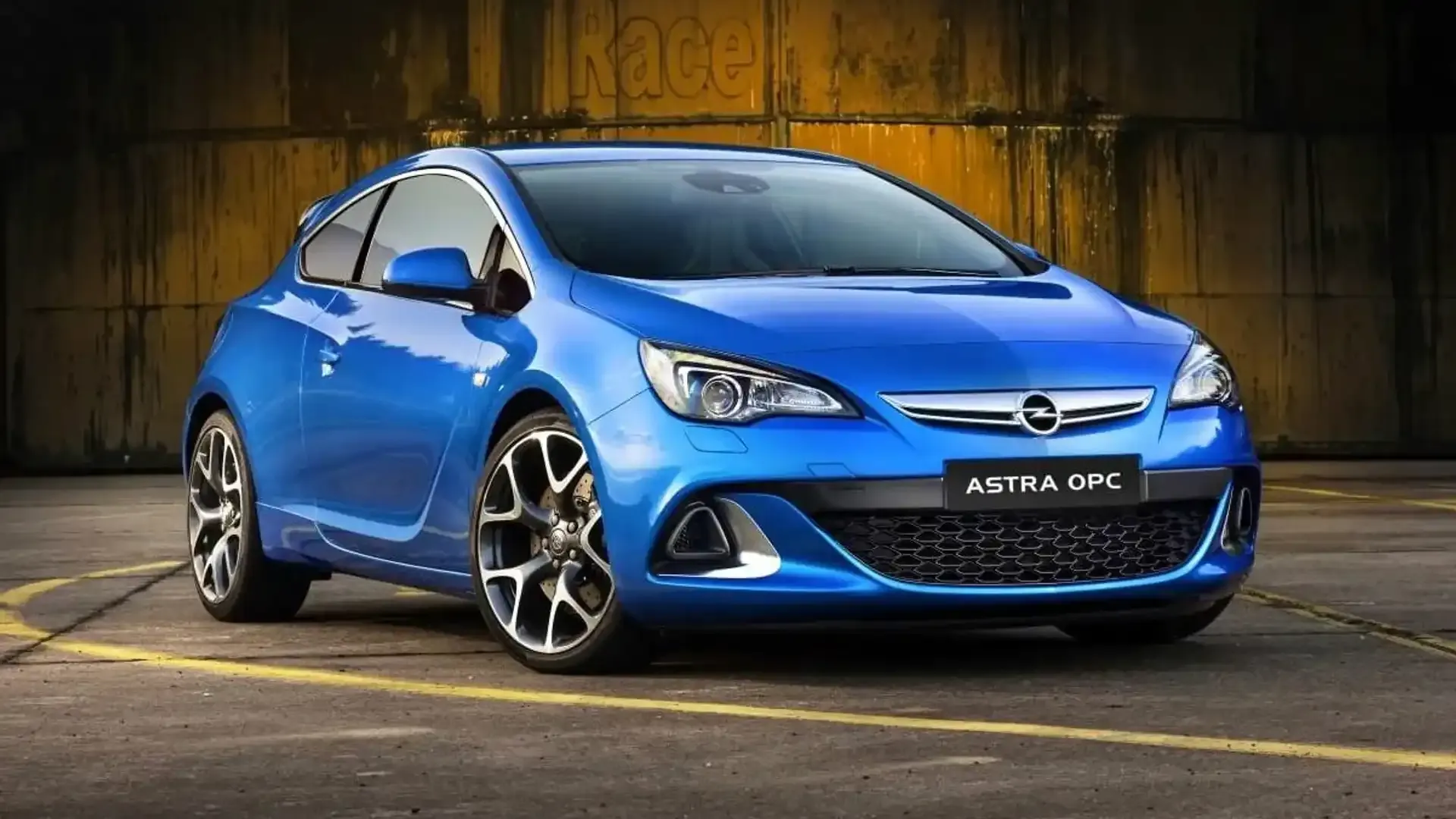
10. Opel Astra OPC
Rounding out this list with a dose of German precision, the Opel Astra OPC brings serious performance to the front axle. Designed with aggressive styling and track-oriented engineering, this hot hatch has earned respect among drivers who value sharp handling and direct feedback. Its wide stance, sculpted bumpers, and prominent wheels signal intent before the engine even starts, hinting at a car built for more than simple commuting.
Power comes from a turbocharged 2.0-liter four-cylinder engine producing around 280 horsepower. Output arrives with a strong surge in the midrange, giving the Astra OPC a forceful push when the throttle is pressed.
A six-speed manual transmission sends power forward, supported by a mechanical, limited-slip differential that maximizes traction. That differential plays a critical role, helping the front tires put power down effectively when exiting tight corners. Acceleration feels strong and linear, pushing the Astra OPC forward with urgency while maintaining control.
Steering response remains precise, giving drivers confidence when attacking corners at speed. Feedback through the wheel communicates available grip clearly, allowing subtle corrections mid-corner. Suspension tuning emphasizes firmness, reducing body roll and enhancing stability during rapid direction changes.
High-quality dampers and carefully tuned geometry help the car remain composed even when driven aggressively. Front-end grip stays strong, allowing confident corner entry and assertive throttle application on exit without excessive understeer.
Interior features sport seats with pronounced bolstering, reinforcing the car’s performance mission. Thick-rimmed steering wheel, aluminum pedals, and clear analog gauges create a purposeful driving environment. Controls are arranged logically, supporting focused driving without unnecessary distraction. Cabin materials feel solid, adding to the impression of durability and thoughtful construction.
Practicality remains a strong point. As a hatchback, the Astra OPC offers usable rear seating and generous cargo capacity, making it more versatile than many traditional sports cars. Ride comfort leans toward firm, though it remains acceptable for daily use on typical roads.
Opel Astra OPC proves that Front Wheel Drive can deliver serious performance when paired with careful engineering. Its strong engine, mechanical differential, and disciplined chassis allow it to challenge Rear Wheel Drive rivals with confidence and authority.
