
Buying a new car in 2026 brings opportunity along with pressure. Inventory patterns continue to fluctuate, pricing tools are more visible than ever, and buyers now arrive armed with screenshots, market data, and strong opinions.
Dealerships are prepared for this reality, yet preparation does not erase leverage from a well-informed shopper. Smart negotiation still works, though the approach looks different from years past. Price discussions now extend beyond sticker figures.
Dealer-installed add-ons, finance incentives, trade valuation, and timing all influence what a buyer truly pays. Shoppers who understand how these elements interact tend to walk away with stronger deals and fewer regrets. Confidence helps, yet strategy matters more than attitude.
This guide focuses on ten practical methods that help buyers secure better pricing without hostility or guesswork. Each tip reflects current buying conditions projected for 2026 and highlights how preparation changes outcomes.
To make the advice more concrete, each section references a specific new-vehicle example, showing how each method applies in a real-world purchase setting.
Patience, clarity, and timing carry more weight than loud bargaining. A buyer who knows when to speak, when to pause, and when to walk away often commands respect across the desk. The following tips break down that process step by step, helping shoppers turn information into savings while keeping the experience calm and controlled.
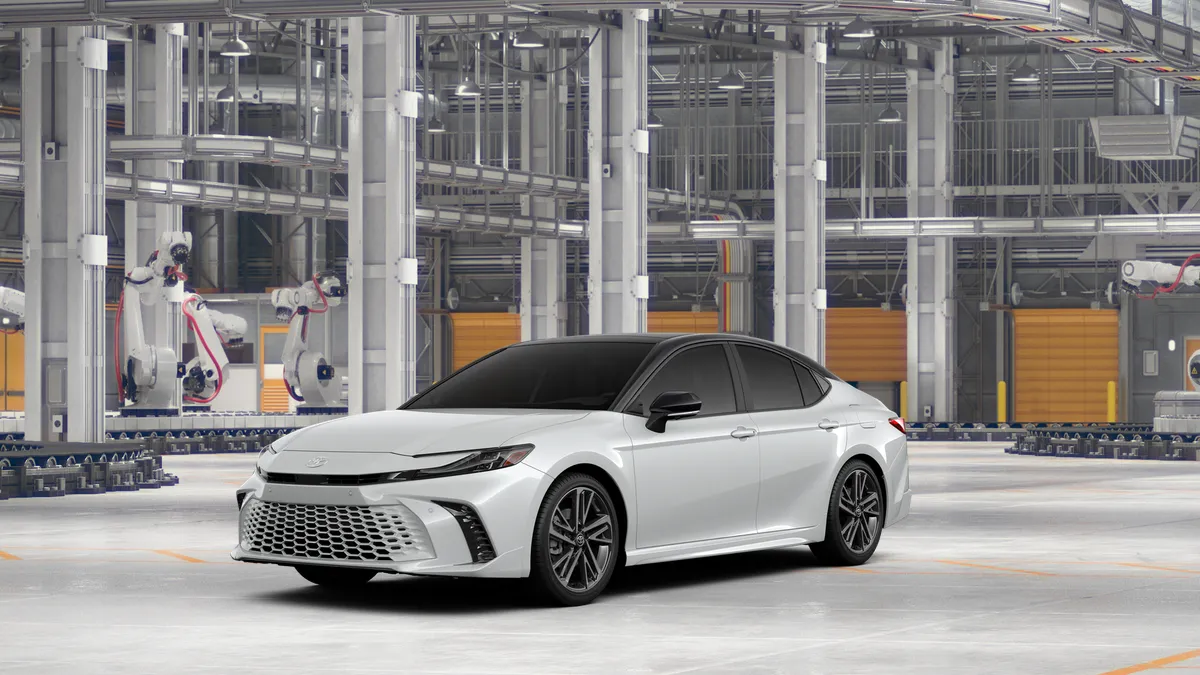
1. Research Market Pricing Before Stepping Onto the Lot Using a 2026 Toyota Camry XSE
Preparation begins long before meeting a salesperson, and pricing research remains the foundation of any strong negotiation. Consider a buyer interested in the 2026 Toyota Camry XSE.
The manufacturer-suggested retail price provides a starting reference, yet real leverage comes from understanding what similar vehicles sell for within the same region. Online pricing tools, dealer websites, and recent buyer reports help establish that range.
Invoice pricing still matters, though it rarely tells the full story. Dealer holdback, manufacturer incentives, and volume bonuses influence how flexible pricing can be. Knowing that flexibility exists allows a buyer to negotiate with calm confidence rather than blind hope. Sales staff often sense when someone has done their homework, which moves the tone of the conversation.
Regional demand plays a role as well. A Camry XSE in an urban market may carry different pricing behavior compared to a suburban location. Checking listings across several nearby areas provides perspective and may reveal opportunities worth the short drive. That awareness alone prevents settling for inflated offers presented as standard.
Timing research also matters. Month-end periods, quarter closings, and model year transitions affect dealer motivation. A buyer who recognizes those patterns enters discussions with realistic expectations and clear targets. Price goals grounded in data feel reasonable rather than confrontational, encouraging cooperation instead of resistance.
Documentation strengthens the position. Screenshots of comparable listings or written quotes from competing dealers give tangible support to pricing requests. These references guide discussion without argument. Silence often works better than insistence, letting facts speak while the salesperson considers options.
Research removes uncertainty from negotiation. With pricing knowledge in place, buyers can focus on structure rather than fear, using information to guide decisions instead of reacting emotionally. That advantage sets the stage for every other step that follows.
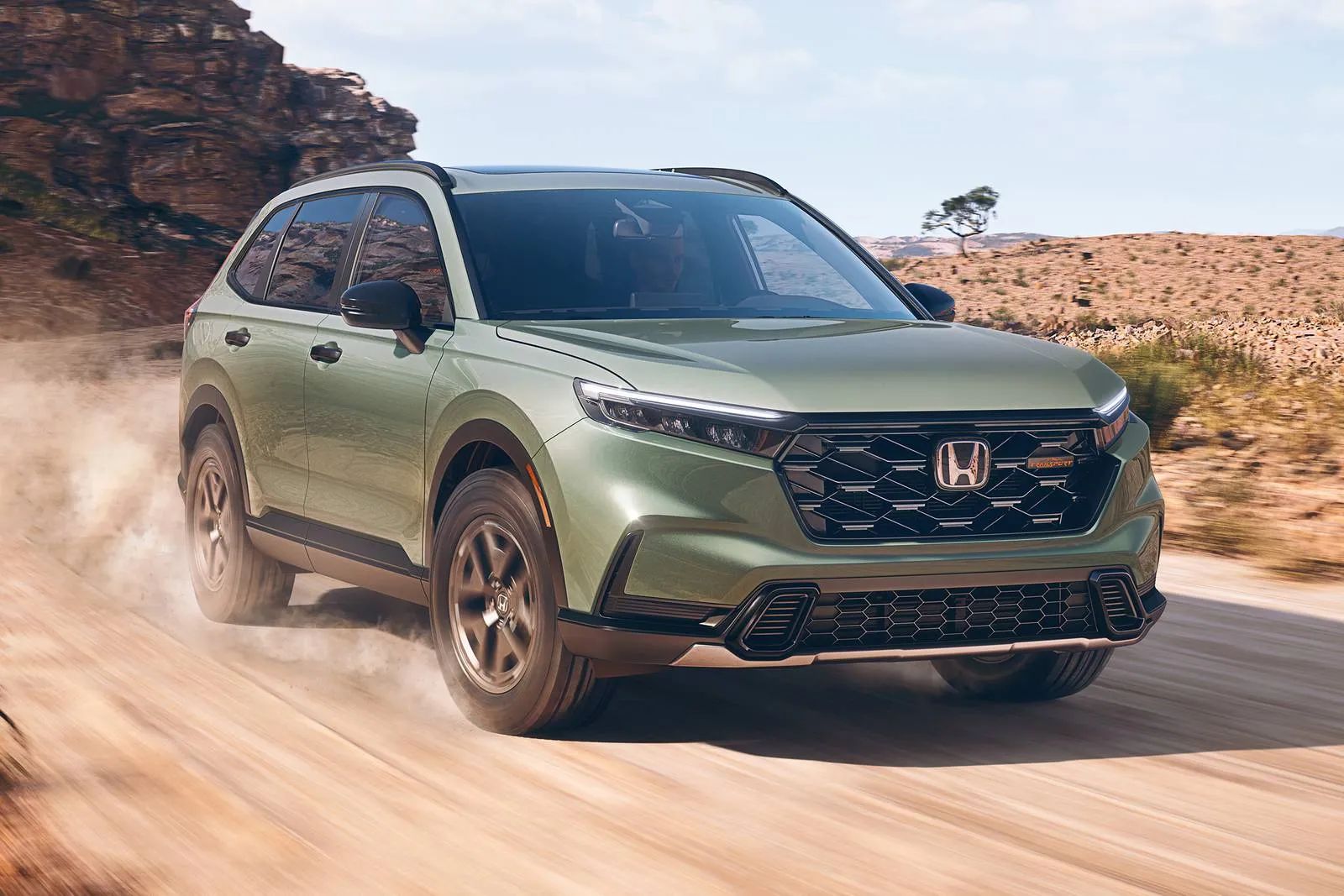
2. Separate Vehicle Price From Monthly Payment Discussions With a 2026 Honda CR-V Hybrid Touring
Payment-focused conversations often distract from actual cost. A shopper considering the 2026 Honda CR-V Hybrid Touring benefits by keeping the vehicle price discussion separate from financing terms. Sales teams frequently ask about the desired monthly payment early, yet answering too soon moves control away from the buyer.
Vehicle price should stand alone first. Once that number feels fair, financing options can enter the picture. Mixing the two allows adjustments that appear helpful while quietly increasing total cost. Staying disciplined keeps the conversation transparent and manageable.
Financing incentives often change monthly. Knowing current rates from banks or credit unions provides leverage without confrontation. Pre-approval adds strength, showing readiness to buy without dependence on dealership financing. That readiness often encourages better price movement on the car itself.
Trade-in value also deserves separation. Negotiating trade terms independently prevents confusion and protects against hidden adjustments. Knowing the trade’s approximate market value beforehand ensures realistic expectations and cleaner discussion.
Payment length matters too. Longer terms lower monthly figures yet raise total expense. Buyers who understand that math can confidently steer the discussion back to price rather than stretching timelines to force affordability.
Clear structure builds trust. Sales staff often respond positively when buyers communicate boundaries politely and consistently. By addressing one element at a time, confusion fades, and negotiation becomes more straightforward.
Also Read: 8 Tips for Keeping an Older Car Running Like New on a Budget
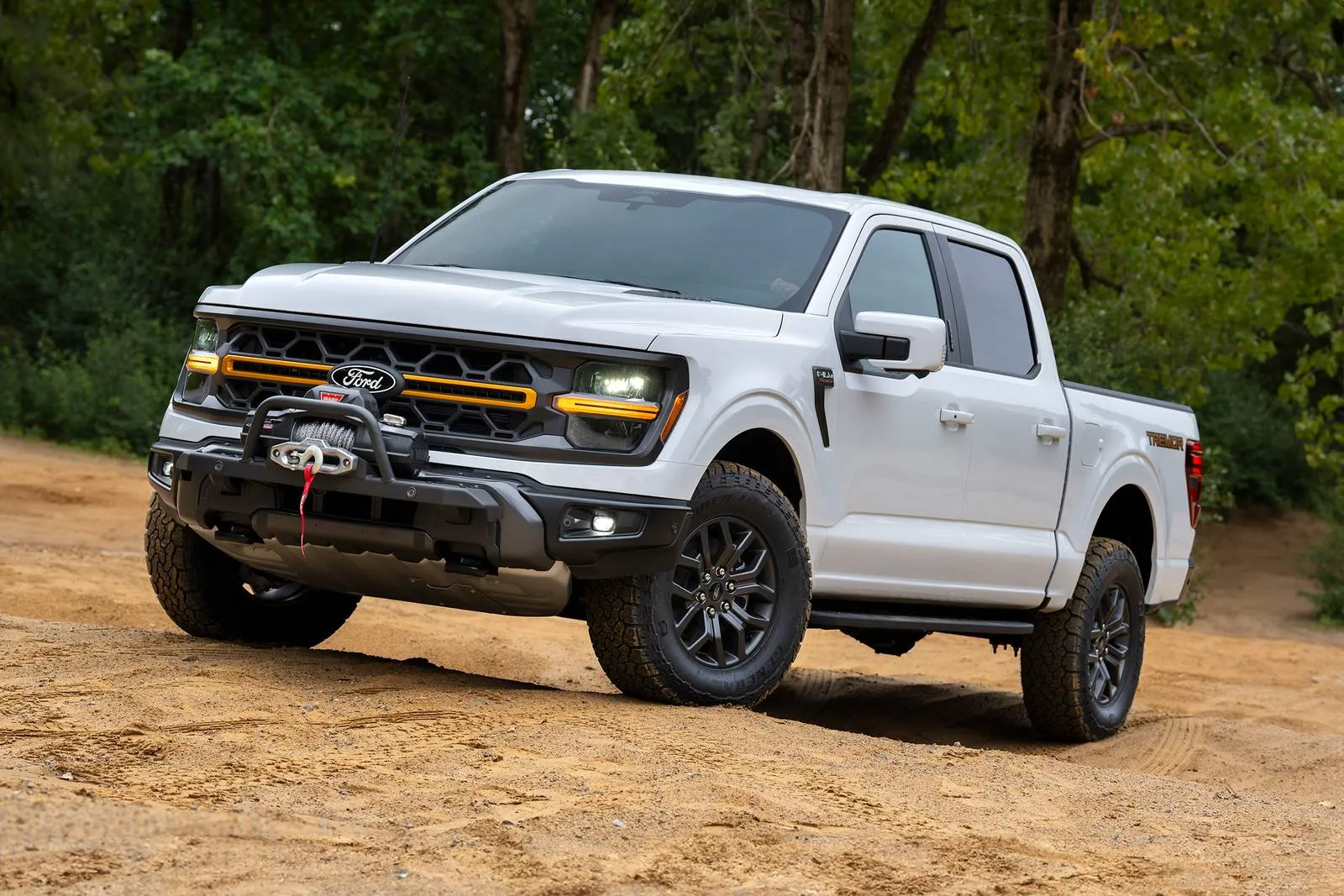
3. Use Competing Dealer Quotes to Strengthen Position With a 2026 Ford F-150 XLT
Competition remains a buyer’s ally, especially when purchasing a popular vehicle such as the 2026 Ford F-150 XLT that multiple dealerships stock in various configurations. Multiple dealerships often carry similar inventory with comparable features, and obtaining written quotes creates negotiating options without creating confrontational drama that damages relationships.
Building a portfolio of competing offers establishes market pricing clarity whilst providing concrete evidence of better available terms. Email inquiries work exceptionally well for gathering quotes efficiently. Clear requests for best out-the-door pricing encourage straightforward responses that include all applicable fees.
Once quotes arrive from three to five dealerships, buyers can compare not just headline price but also included documentation fees, dealer-installed accessories, available incentives, and optional add-ons. That comprehensive clarity prevents unpleasant surprises during final paperwork that might otherwise derail purchases after emotional investment has occurred.
Presenting competing offers should feel factual rather than confrontational or manipulative. Sharing that another dealer has offered a lower figure invites a response without applying pressure that might offend sales staff.
Silence afterward allows the salesperson necessary space to reconsider their position and consult management about matching or beating competitor pricing. Patience during these moments often yields better results than aggressive demands.
Geographic distance expands opportunity beyond the immediate vicinity. Dealers located slightly outside major metropolitan areas sometimes offer sharper pricing to attract purchase volume from urban buyers willing to travel.
A drive lasting one to two hours may translate into meaningful savings exceeding several hundred pounds that justify the inconvenience. Internet sales departments at distant dealers often provide competitive quotes remotely, facilitating comparison shopping across wide geographic areas.
Timing adds substantial strength to competitive quote strategies. Quotes gathered near month-end or quarter-end often reflect heightened urgency as dealers work to meet sales targets that trigger manufacturer bonuses.
Dealers motivated by looming deadlines may adjust pricing faster when faced with direct competition from rivals also pursuing the same customer. This timing advantage costs nothing but delivers tangible financial benefits.
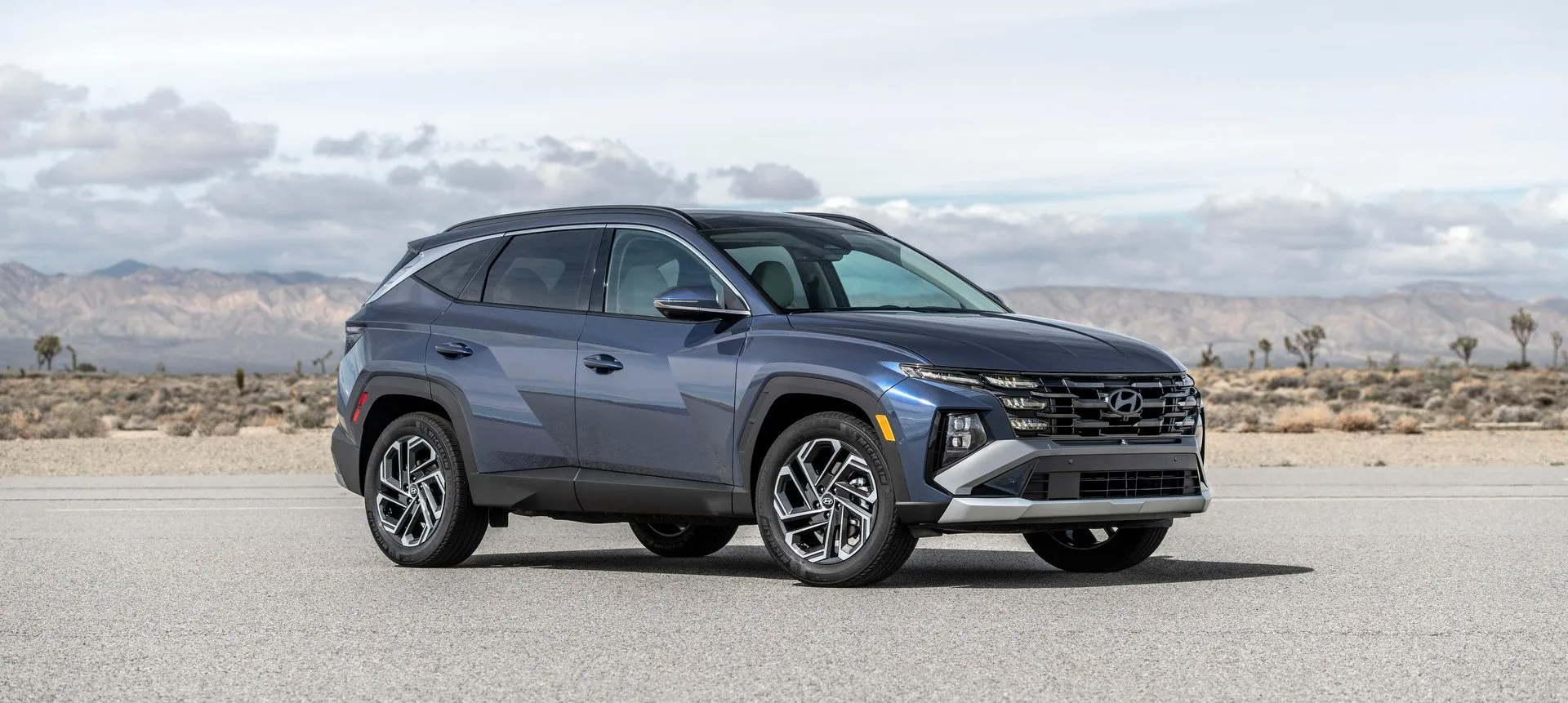
4. Decline Add-Ons That Inflate Cost When Buying a 2026 Hyundai Tucson Limited
Add-ons frequently appear during the final stages of the purchase process after buyers have emotionally committed to acquiring the vehicle. A buyer selecting the 2026 Hyundai Tucson Limited may encounter paint protection packages, nitrogen-filled tyres, fabric protection treatments, or interior ceramic coatings presented as necessary or standard equipment.
Awareness of these tactics prevents unnecessary spending that inflates final costs beyond negotiated vehicle prices. Many dealer-installed add-ons carry extremely high profit margins whilst providing limited real value to owners. Politely declining these offerings keeps final pricing aligned with initial expectations and budgets.
If an add-on already appears physically installed on the vehicle, asking for its removal or corresponding price adjustment remains entirely reasonable. Dealers often install these items on inventory vehicles, knowing that some buyers will accept them rather than delaying delivery.
Paint protection films and ceramic coatings can be obtained from specialist detailing shops at substantially lower costs than dealer charges. Fabric protection treatments often replicate results achievable through consumer products costing a fraction of dealer prices.
Nitrogen tyre inflation provides negligible benefits over properly maintained compressed air, despite marketing claims about pressure stability and tyre longevity. Extended warranty products deserve careful independent review outside the pressured dealership environment.
Manufacturer coverage often exceeds real repair needs during early ownership years when vehicles remain reliable. Buyers can purchase extended protection coverage later if desired, often at a lower cost through third-party providers or directly from manufacturers without dealer markup.
Documentation and administrative fees vary substantially by region and dealer. Knowing typical ranges for your market helps identify inflated charges that exceed reasonable processing costs. Asking for a detailed explanation of what documentation fees cover encourages transparency and sometimes prompts reductions when buyers demonstrate awareness of excessive charges.
Personal confidence matters tremendously during add-on discussions. Calm, polite refusal works better than lengthy justifications that invite counterarguments. A simple statement of preference maintains control without creating tension that might sour the relationship. Sales staff respect decisiveness more than uncertainty that invites continued persuasion attempts.
Add-ons become genuinely optional once buyers treat them as such rather than accepting them as mandatory purchase components. Cost control improves dramatically when focus stays firmly on the vehicle itself rather than ancillary extras that pad dealer profits.
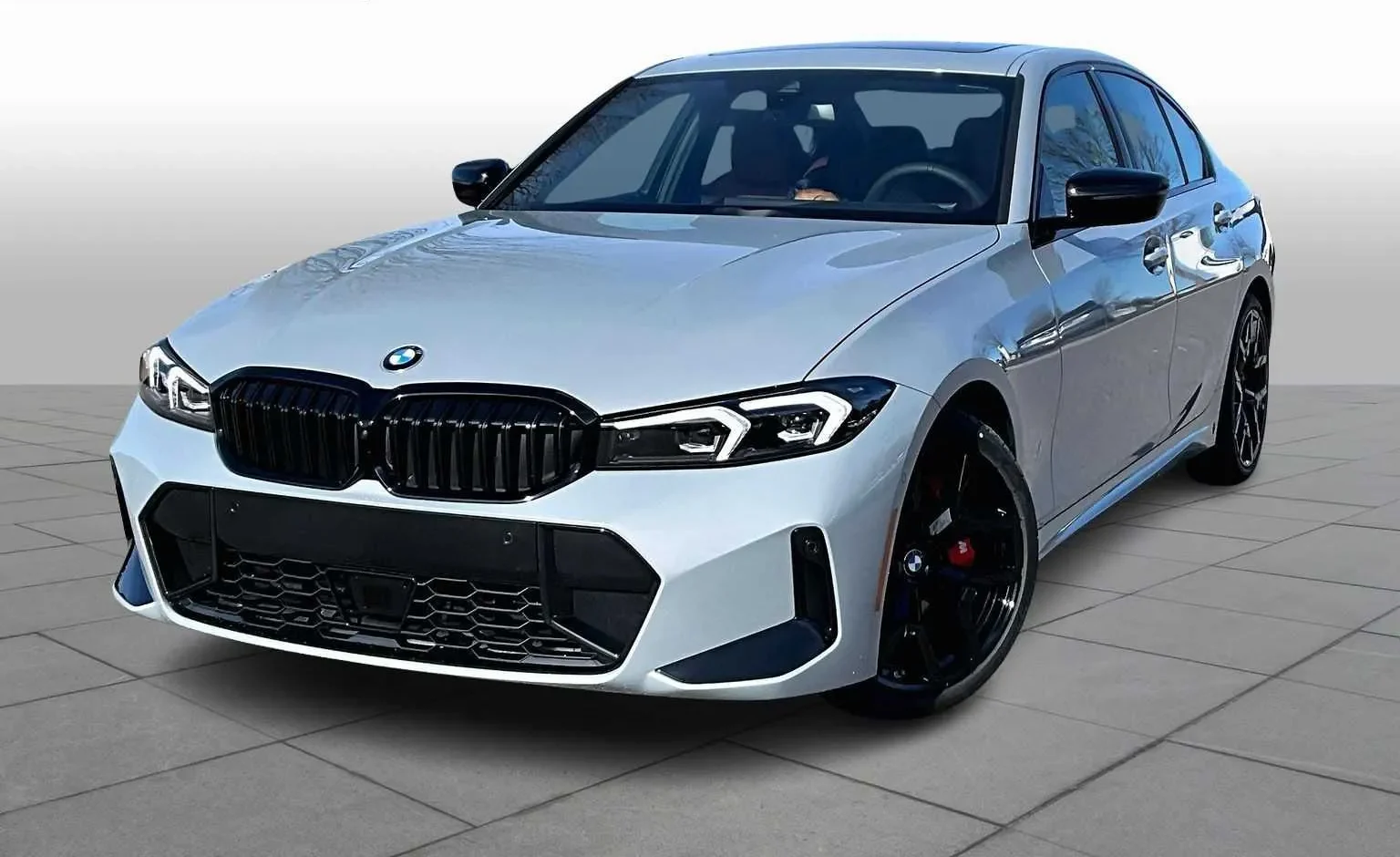
5. Be Willing to Walk Away When Purchasing a 2026 BMW 330i Sedan
Walking away remains one of the strongest negotiating tools available to vehicle buyers in any market condition. A shopper considering the 2026 BMW 330i Sedan benefits tremendously from knowing personal financial limits before negotiation begins, establishing firm boundaries that prevent impulse decisions driven by fatigue, social pressure, or artificial urgency created by sales tactics.
Dealership environments deliberately encourage forward momentum through staged processes. Sales conversations systematically build toward quick agreement through incremental commitments that make the final signature seem inevitable.
Stepping back disrupts that carefully orchestrated rhythm, restoring psychological balance and decision-making clarity. Even a brief pause lasting 24 to 48 hours can prompt meaningful reconsideration from dealers who recognise that losing a committed buyer costs them dearly.
Walking away does not require dramatic gestures or confrontational statements. Simply expressing genuine appreciation for the time spent, whilst clearly stating that current pricing does not align with your budget, keeps interactions respectful and professional.
Exchanging contact information allows future follow-up if terms change, leaving doors open for renewed discussions under better conditions. Experience shows that follow-up calls frequently arrive within several days, offering improved terms that were supposedly impossible during initial negotiations.
Dealers strongly prefer closing sales with interested buyers rather than restarting the entire process with unknown prospects who might prove more difficult. This reality creates leverage for patient buyers willing to exercise restraint.
Emotional detachment helps tremendously during this process. Abundant vehicle inventory exists even in competitive markets, meaning that walking away from one opportunity does not eliminate future possibilities.
Remembering that fundamental fact removes the artificial urgency that dealers cultivate to pressure quick decisions. Alternative vehicles with similar specifications remain available at other dealers or through private sellers.
Walking away protects buyers from post-purchase regret that poisons ownership satisfaction. It powerfully reinforces that final control remains with the person signing financing paperwork and making monthly payments, not with the sales professional presenting offers.
This psychological framework maintains healthy boundaries that prevent exploitation whilst fostering mutually respectful transactions.
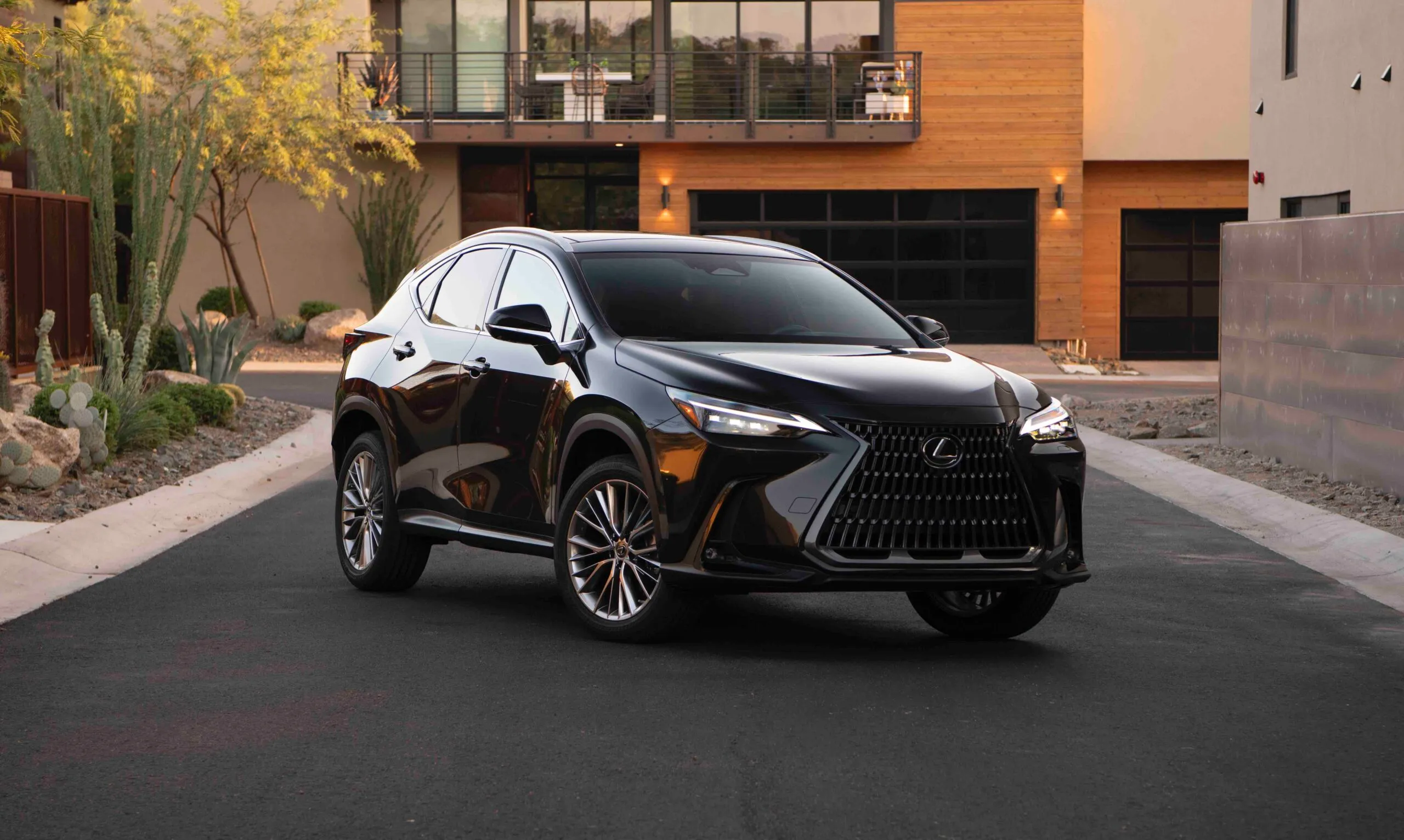
6. Time Your Purchase Around Dealer Sales Cycles With a 2026 Lexus NX 350 Premium
Timing shapes negotiation power more than most buyers expect, especially when considering a vehicle such as the 2026 Lexus NX 350 Premium. Dealerships operate on structured sales cycles tied to monthly, quarterly, and annual performance goals. When a buyer aligns purchase timing with those cycles, pricing conversations tend to open up faster and with less resistance.
End-of-month periods often bring heightened motivation. Sales teams close to targets may prioritize volume, making them more receptive to realistic offers. This dynamic becomes even stronger near quarter-end when manufacturer incentives sometimes support additional discounts behind the scenes. A prepared buyer walking in during these windows gains leverage without raising their voice.
Model year timing also plays a role. When incoming inventory approaches, dealers may look to clear remaining stock to free space. That does not mean vehicles suddenly become cheap, yet flexibility increases as holding costs rise. Paying attention to inventory flow helps buyers spot moments when patience pays.
Holiday promotions attract attention, though they often bundle incentives in ways that mask true pricing. Savvy buyers separate advertised deals from actual vehicle cost, using promotions as entry points rather than endpoints. Negotiation remains possible even during heavily marketed sales events.
Weekday visits sometimes create quieter environments. Fewer customers allow sales staff to focus, reducing rushed interactions. Calm discussions often lead to clearer pricing adjustments compared to crowded weekend floors. Preparation enhances timing advantages.
Knowing the desired price beforehand prevents hesitation when an opportunity appears. A buyer ready to act during favorable cycles stands out as serious, which can prompt faster agreement. Timing does not require guessing. Observing dealership behavior, tracking inventory age, and understanding sales rhythms create opportunities that reward patience and planning.
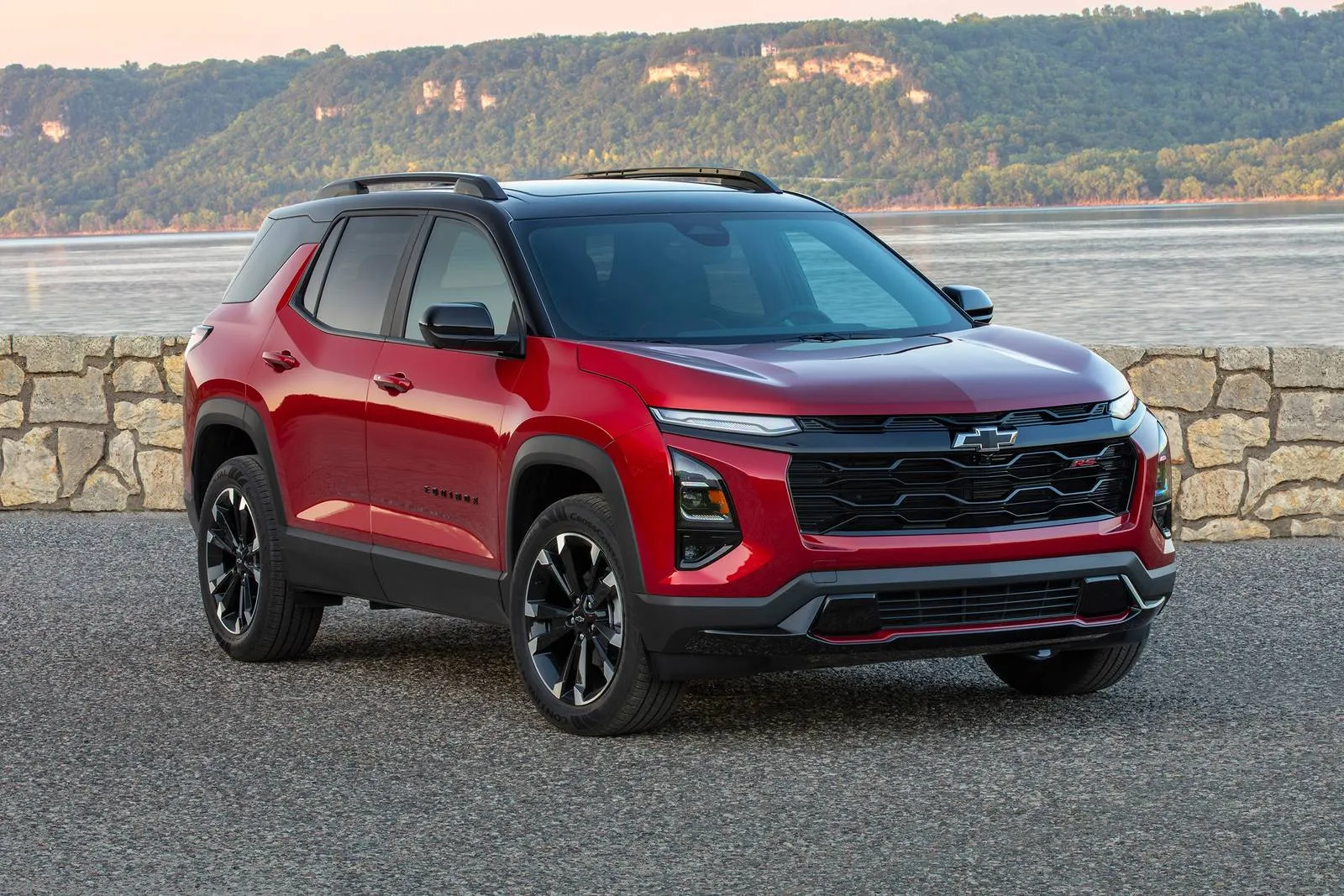
7. Leverage Manufacturer Incentives Without Relying on Them When Buying a 2026 Chevrolet Equinox RS
Manufacturer incentives influence negotiations substantially, yet they should complement strategy rather than replace fundamental negotiating tactics. A shopper interested in the 2026 Chevrolet Equinox RS benefits immensely by understanding available rebates, loyalty programs, conquest bonuses, and special financing offers before arriving at dealerships.
This knowledge prevents sales staff from presenting standard manufacturer programs as extraordinary dealer generosity deserving gratitude rather than additional negotiation. Incentive programs change frequently, often monthly or quarterly, making current information essential. Checking manufacturer websites and third-party automotive pricing tools helps identify active offers applicable to specific trims and buyer circumstances.
Sales staff expect informed buyers in modern markets, and acknowledging incentives early during discussions avoids confusion later in the process when final numbers get calculated. This transparency establishes credibility whilst preventing dealers from inflating prices with the expectation of applying incentives that buyers don’t yet know exist.
Dealers sometimes blend manufacturer incentives into pricing presentations without a clear explanation of what portion represents actual dealer discount versus manufacturer contributions. Asking for detailed breakdowns clarifies what comes from the manufacturer versus genuine dealer price reductions.
This transparency prevents inflated starting figures from being presented as generous reductions when they simply reflect publicly available rebates that any dealer would apply. Stacking multiple incentives remains possible in certain favourable cases.
Loyalty programs rewarding current brand owners, regional bonuses targeting specific markets, college graduate programs, military service rebates, and seasonal promotional offers may combine when eligibility requirements align.
Knowing qualification criteria beforehand strengthens confidence during discussions and prevents dealers from claiming that combining programs violates policies when it actually doesn’t.
Relying solely on manufacturer incentives fundamentally weakens the negotiating position. Strong negotiation still focuses primarily on achieving competitive vehicle pricing independent of manufacturer offers.
Incentives then become additional benefits layered atop negotiated discounts rather than replacements for dealer concessions. This approach maximises total savings by capturing both dealer price reductions and manufacturer contributions simultaneously.
Smart strategic use of manufacturer programs rewards thorough preparation. Buyers who comprehensively understand how incentive structures work gain substantial value whilst maintaining control of conversation direction and preventing dealers from using standard programs as negotiating crutches.
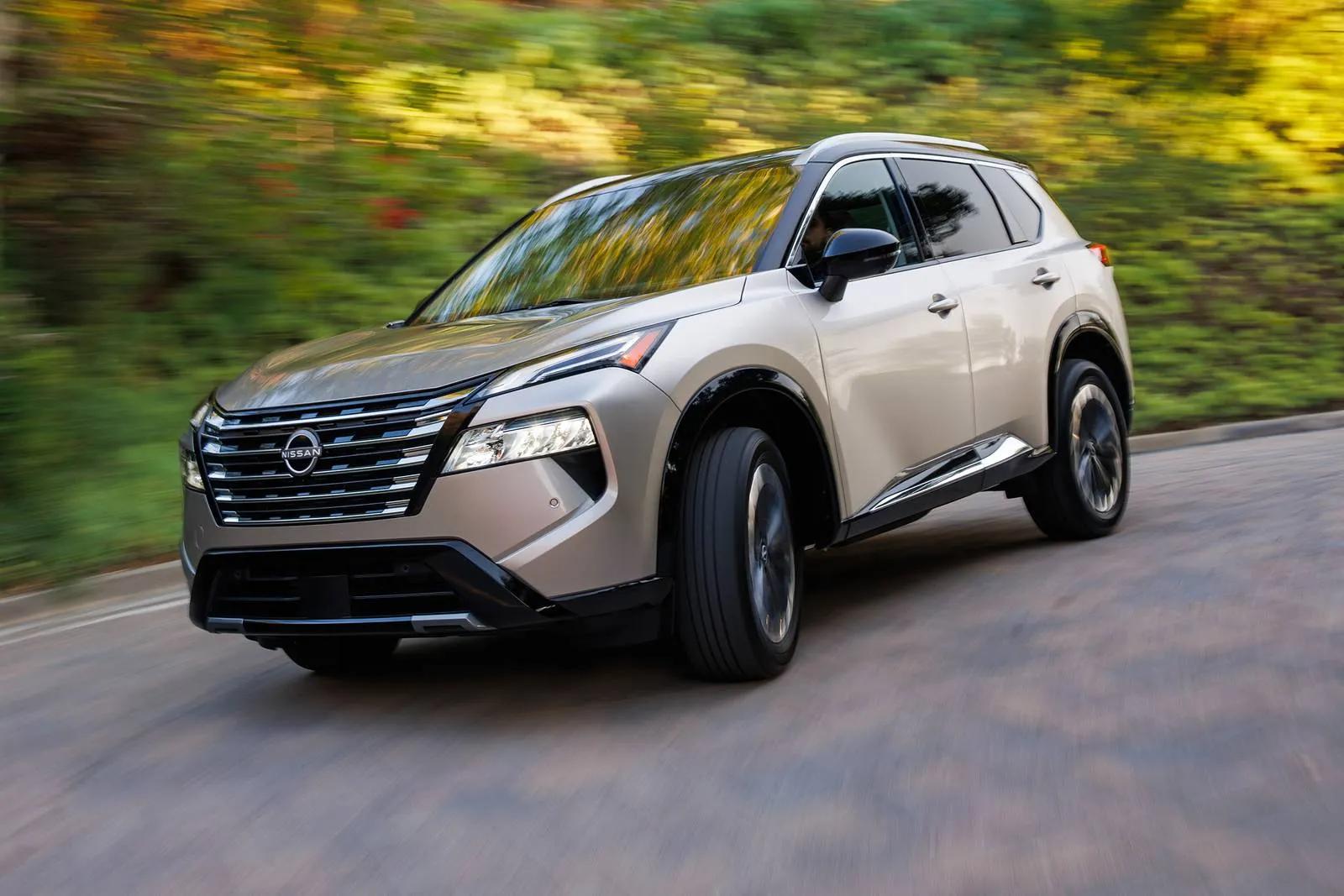
8. Negotiate Fees and Paperwork Charges With a 2026 Nissan Rogue Platinum
Administrative fees are often hidden in complicated paperwork presented during the final purchase stages. A buyer pursuing the 2026 Nissan Rogue Platinum should review documentation meticulously, paying particular attention to documentation processing charges, dealer preparation fees, delivery costs, and various administrative add-ons.
These seemingly minor line items accumulate rapidly if left unchallenged, potentially adding hundreds or thousands to final costs beyond negotiated vehicle prices. Documentation fees vary substantially by jurisdiction, yet reasonable ranges exist within each market.
Knowing local regulatory requirements and typical dealer charges helps identify inflated amounts that exceed legitimate administrative costs. Asking politely for a detailed explanation of what specific services documentation fees cover often leads to voluntary adjustment or offset through equivalent vehicle price reductions when dealers recognise buyer awareness.
Dealer preparation fees sometimes appear as mandatory non-negotiable charges. In numerous cases, they reflect standard tasks like vehicle washing, fuel filling, and inspection that manufacturers already compensate dealers for performing. Questioning the legitimacy and necessity of these charges encourages transparency and may create negotiating room when dealers acknowledge that preparation fees represent profit centres rather than genuine cost recovery.
Pre-installed accessories listed on the final paperwork deserve scrutiny. Floor mats, cargo organisers, wheel locks, nitrogen tyre inflation, and paint protection packages often carry extraordinarily high profit margins bearing little relationship to the actual value provided. Declining unnecessary items or negotiating substantial reductions keeps final pricing aligned with initial expectations and prevents last-minute cost inflation.
Thorough paperwork review requires patience and careful attention that signals seriousness to sales staff. Taking adequate time to read every line discourages rushed additions of questionable charges that might otherwise slip through unnoticed. Comfortable silence during a detailed review often prompts voluntary clarification and explanation without requiring confrontational questions that might damage rapport.
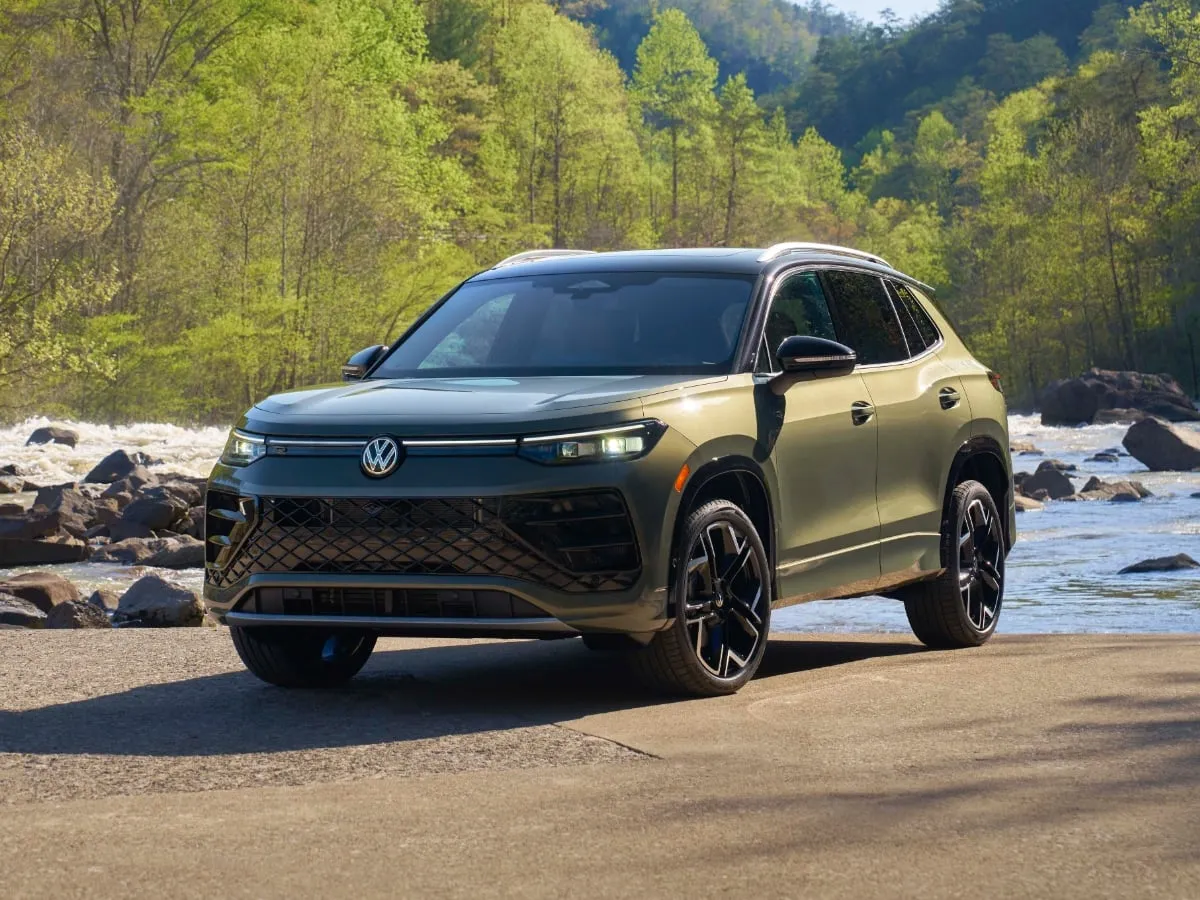
9. Control the Test Drive Experience When Shopping for a 2026 Volkswagen Tiguan SEL R-Line
Test drives powerfully influence emotional responses, which subsequently affect negotiation outcomes and purchase decisions. A buyer evaluating the 2026 Volkswagen Tiguan SEL R-Line benefits substantially from approaching the drive with analytical purpose rather than unrestrained excitement alone.
Emotional attachment formed during test drives weakens negotiating resolve and increases the likelihood of accepting unfavourable terms simply to possess a vehicle that triggered positive feelings. Avoiding extended casual conversation during drives preserves analytical objectivity. Whilst friendly rapport building serves legitimate relationship purposes, excessive chatting distracts from vehicle assessment.
Comfortable silence allows complete concentration on vehicle behaviour, road noise levels, seat comfort, and control responsiveness. Brief notes taken immediately after returning help recall specific impressions clearly when comparing multiple vehicles over several days.
Returning from test drives does not require immediate purchase decisions despite sales pressure suggesting urgency. Stepping away briefly, even just for coffee at a nearby café, restores emotional perspective and prevents attachment from influencing price acceptance.
This cooling-off period allows rational consideration of whether observed characteristics truly meet needs or whether initial excitement created false enthusiasm. Test drives should confirm vehicle suitability and feature functionality, not close sales.
Maintaining that fundamental mindset strengthens subsequent negotiation posture substantially. A buyer feeling satisfied yet emotionally detached holds considerable advantage because they can walk away without regret if terms don’t align with predetermined limits.
Psychological control maintained during test drives translates directly into control during negotiation discussions. Emotional clarity supports rational pricing decisions based on market value rather than desire-driven acceptance of inflated pricing justified by temporary excitement that fades quickly after purchase completion.
Also Read: 12 Tips to Keep Your Engine Running Like New for Over 500,000 Miles
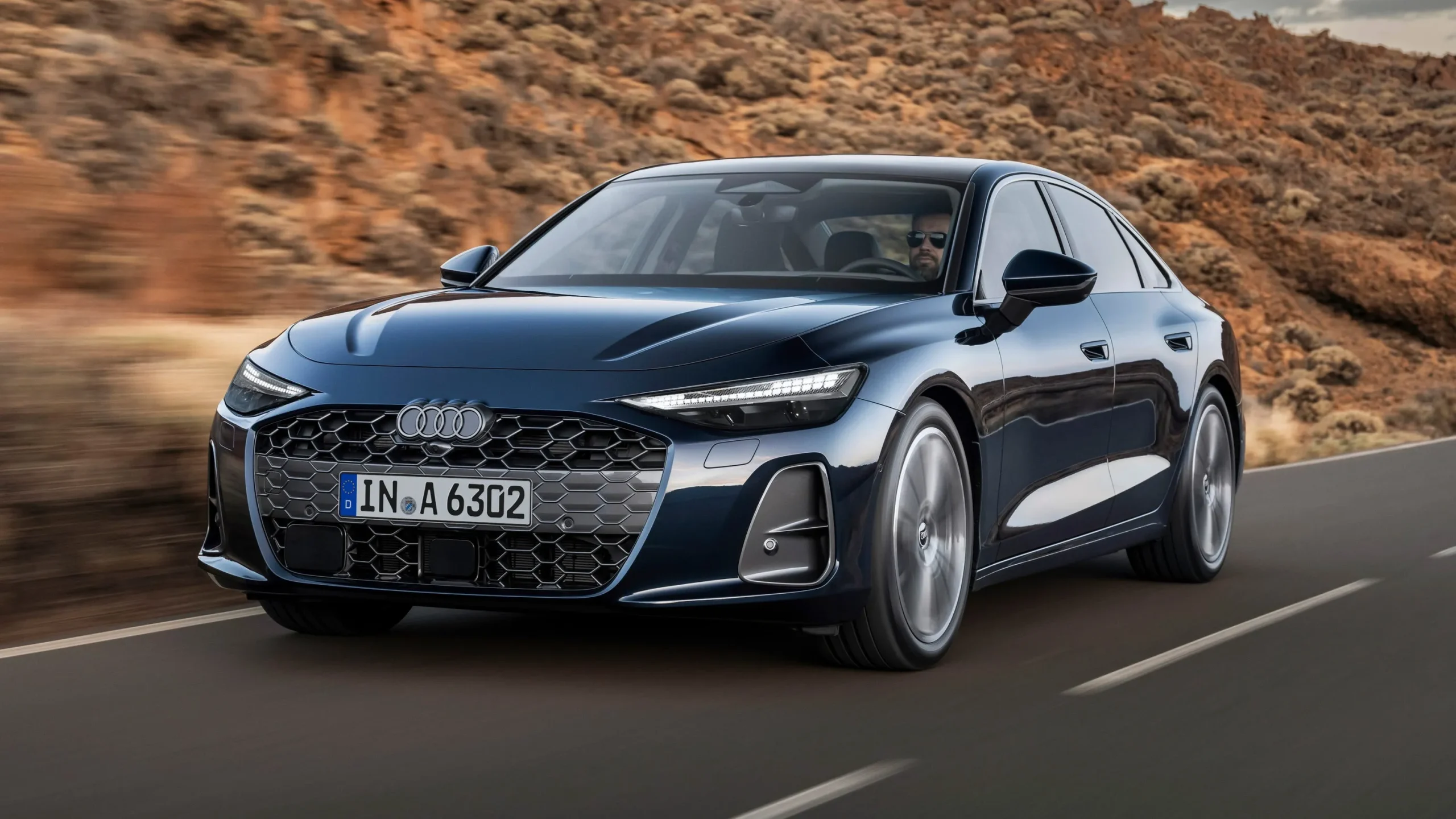
10. Be Ready to Close Quickly on Your Terms With a 2026 Audi A4 Premium Plus
Thorough preparation reaches its culmination when a buyer stands genuinely ready to finalise the purchase on favourable, predetermined terms.
When considering the 2026 Audi A4 Premium Plus, complete readiness means financial documents prepared, outside financing arranged and approved, trade-in value researched independently, and firm pricing boundaries established based on market research.
This comprehensive preparation removes obstacles that might otherwise delay purchase completion once acceptable terms emerge. That genuine readiness often encourages final meaningful concessions, especially when inventory turnover matters during month-end or quarter-end periods.
Confidence paired with consistent courtesy builds productive momentum that benefits both parties through efficient transaction completion without extended back-and-forth negotiations that exhaust everyone involved.
Clear, direct communication matters tremendously during the final stages. Explicitly stating readiness to proceed immediately at a specific realistic price frames discussion constructively whilst avoiding ambiguity.
Brief silence afterward allows sales staff and management adequate time for consideration without feeling pressured by aggressive demands or ultimatums that might trigger defensive resistance.
Being ready does not mean accepting unfavourable terms simply to complete the purchase quickly. Readiness simply removes procedural obstacles and financing complications once a mutually acceptable agreement appears achievable.
Walking away remains a fully valid option until final paperwork receives signatures, and preparation actually makes that choice easier by eliminating sunk costs of incomplete financing applications or pending trade-in commitments.
Complete preparation transforms negotiation from uncertain exploration into decisive decision-making. Buyers who arrive ready to close immediately on their predetermined terms often secure substantially better outcomes through demonstrated clarity, realistic expectations, and a calm, controlled approach that commands respect whilst avoiding antagonism.
This comprehensive readiness completes the strategic framework, turning weeks of diligent preparation into concrete, favourable results without unnecessary stress, regret, or post-purchase questioning of whether better terms might have been achievable through different approaches.
